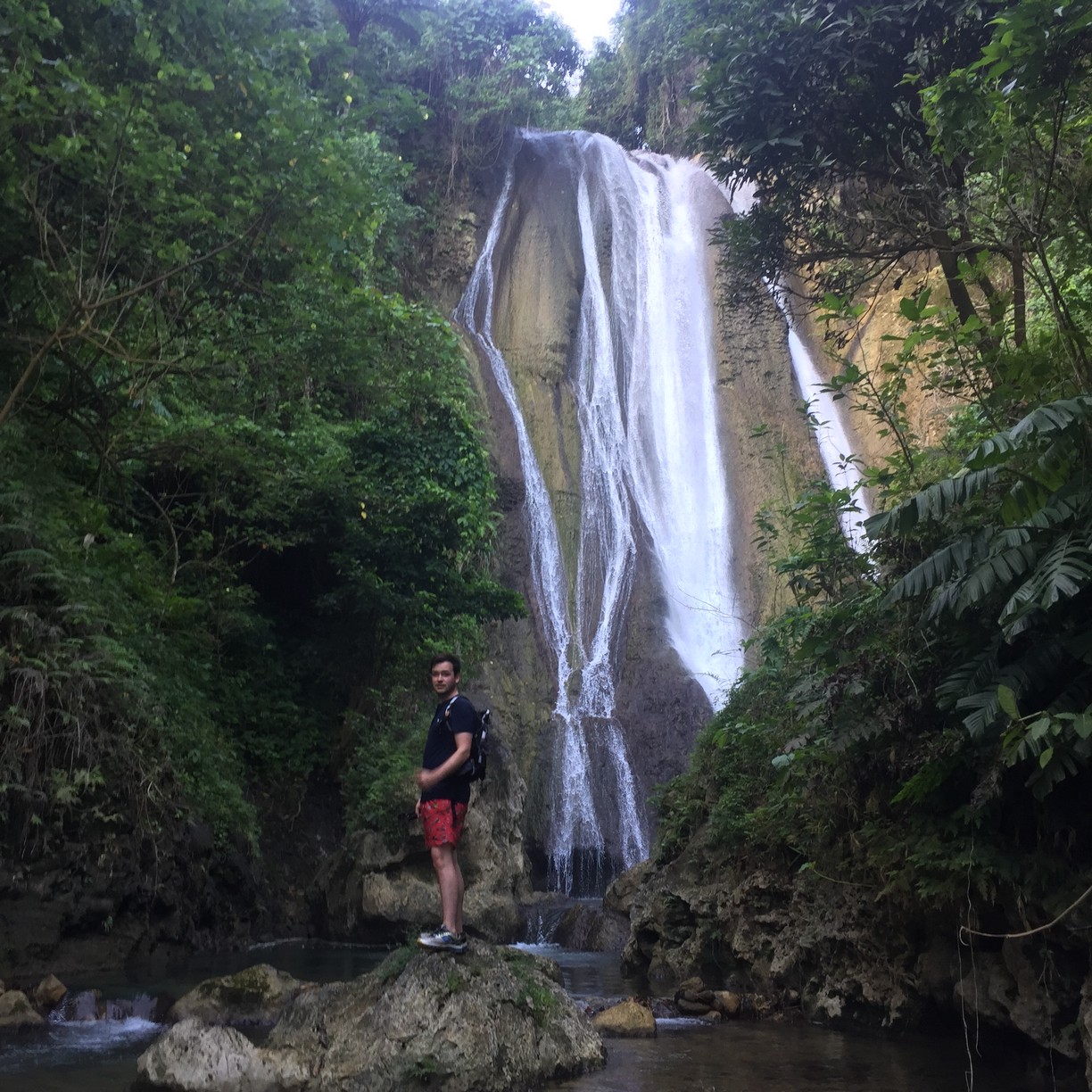
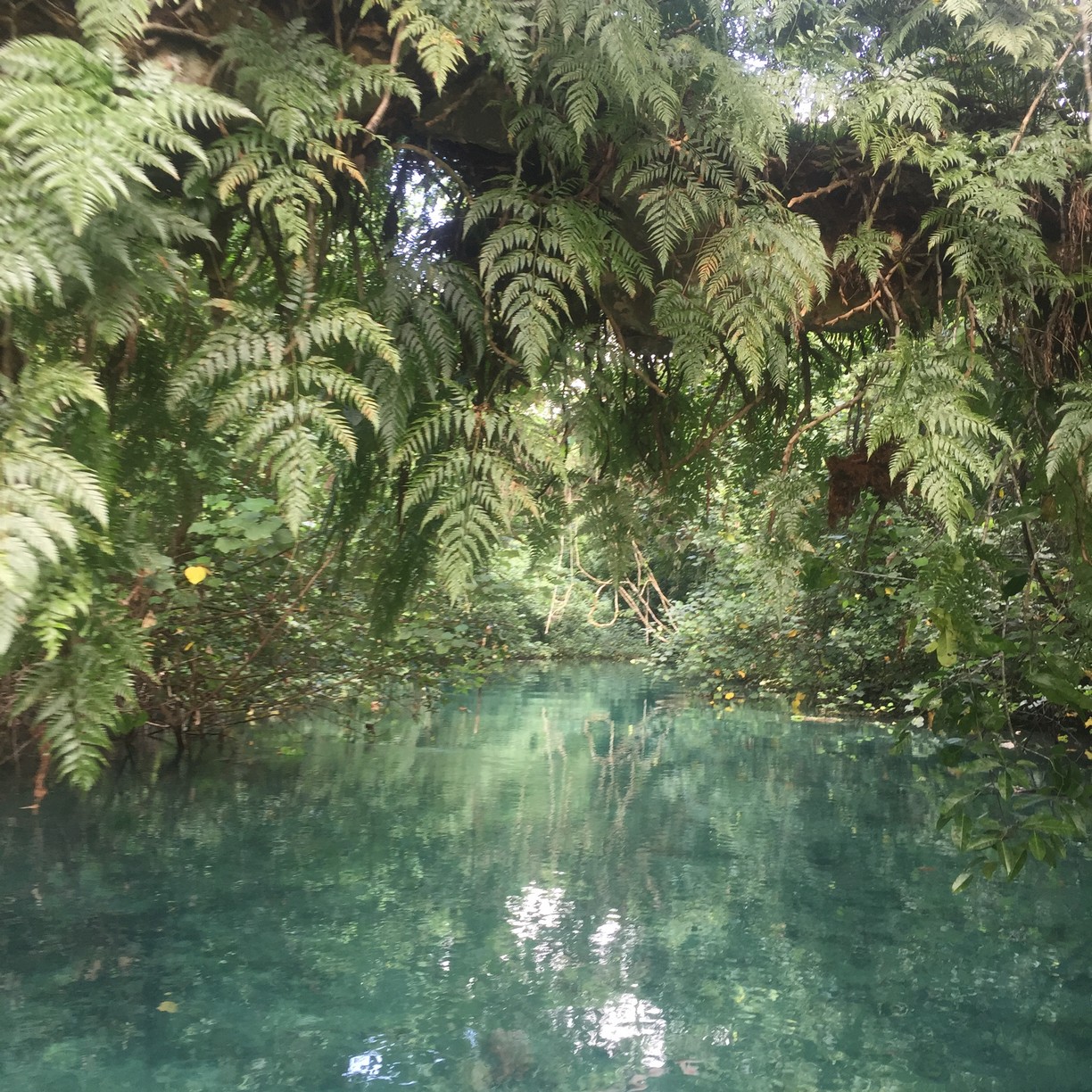
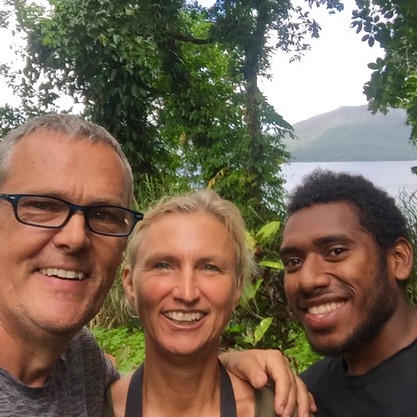
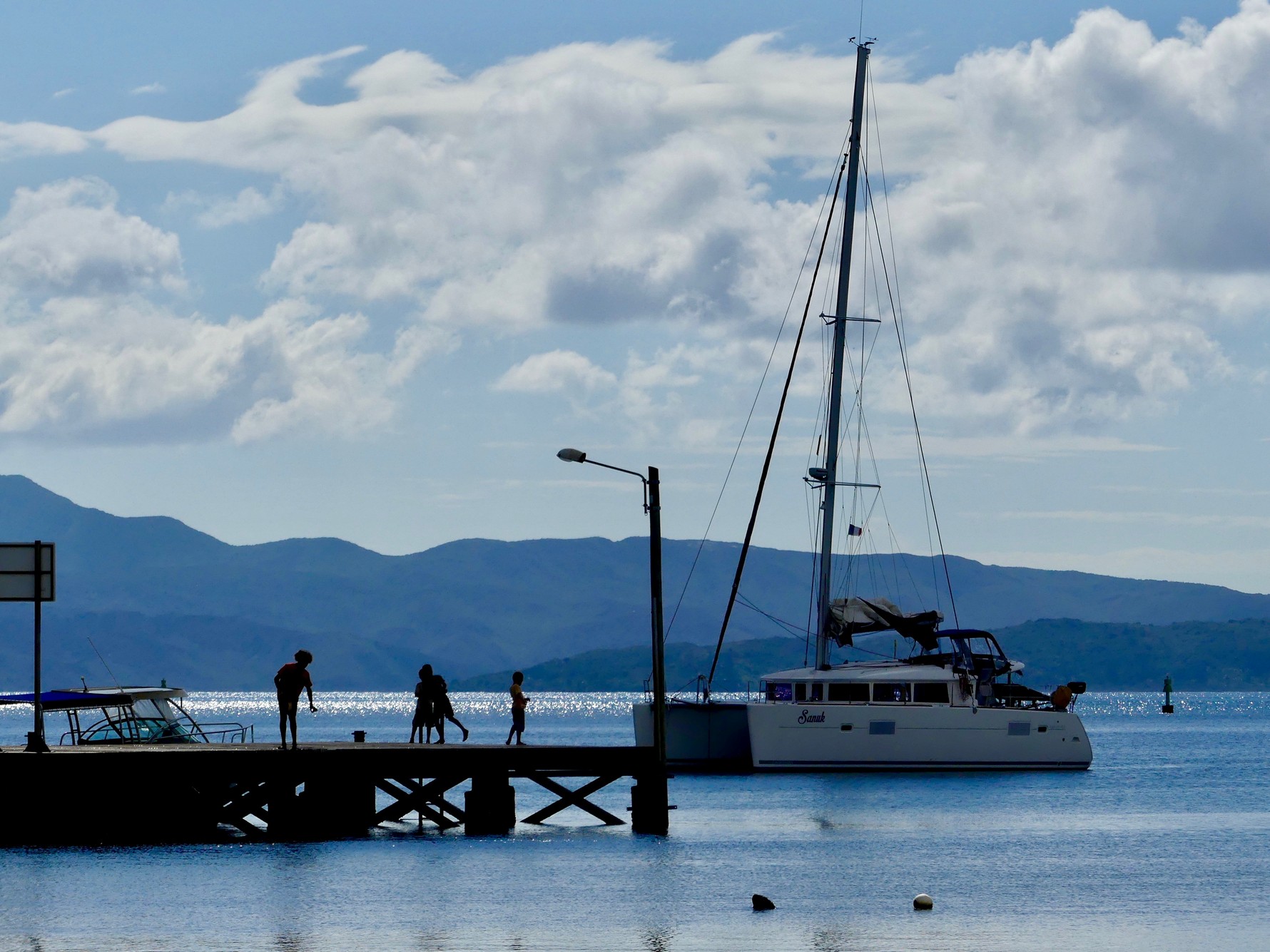
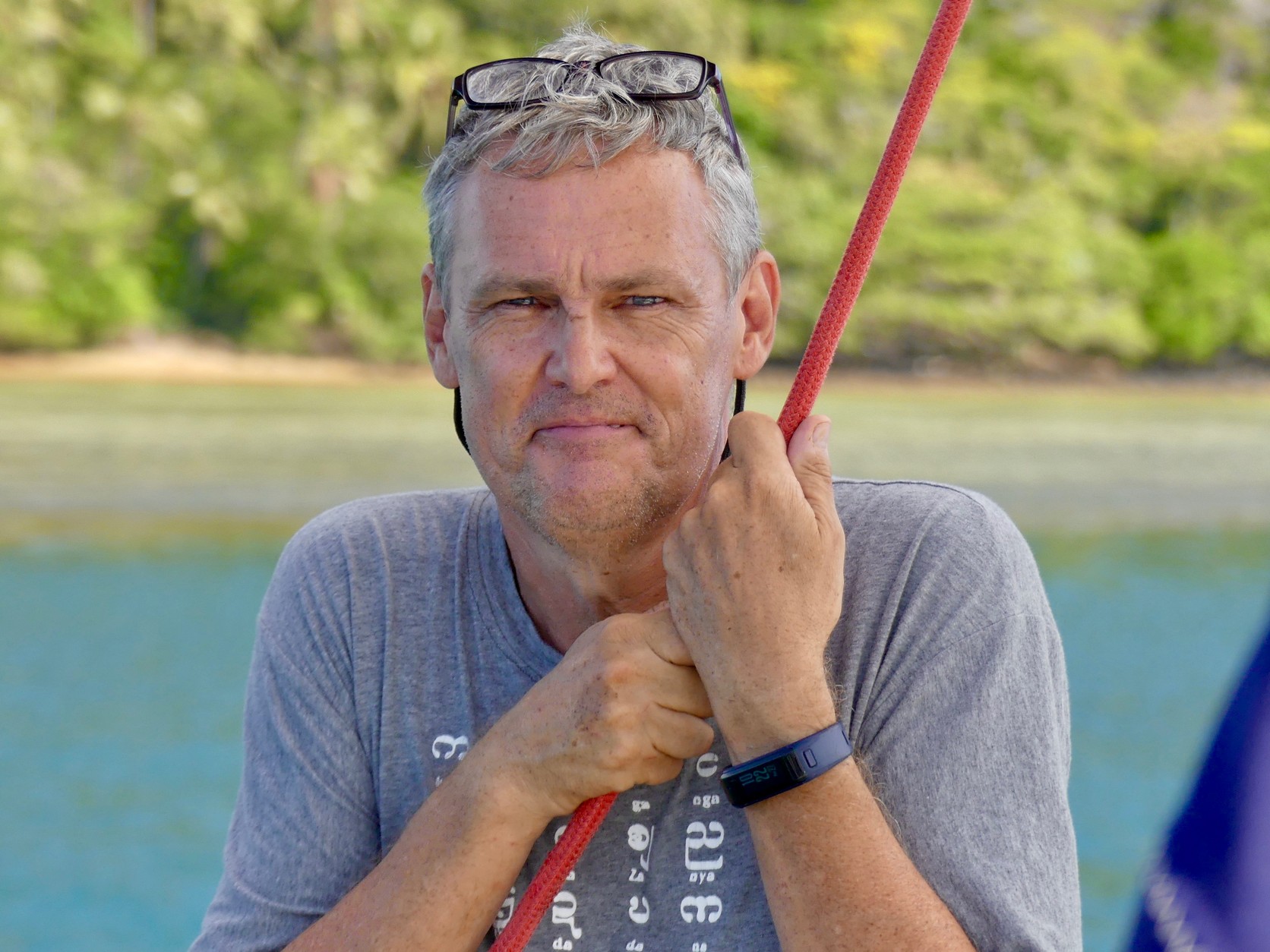
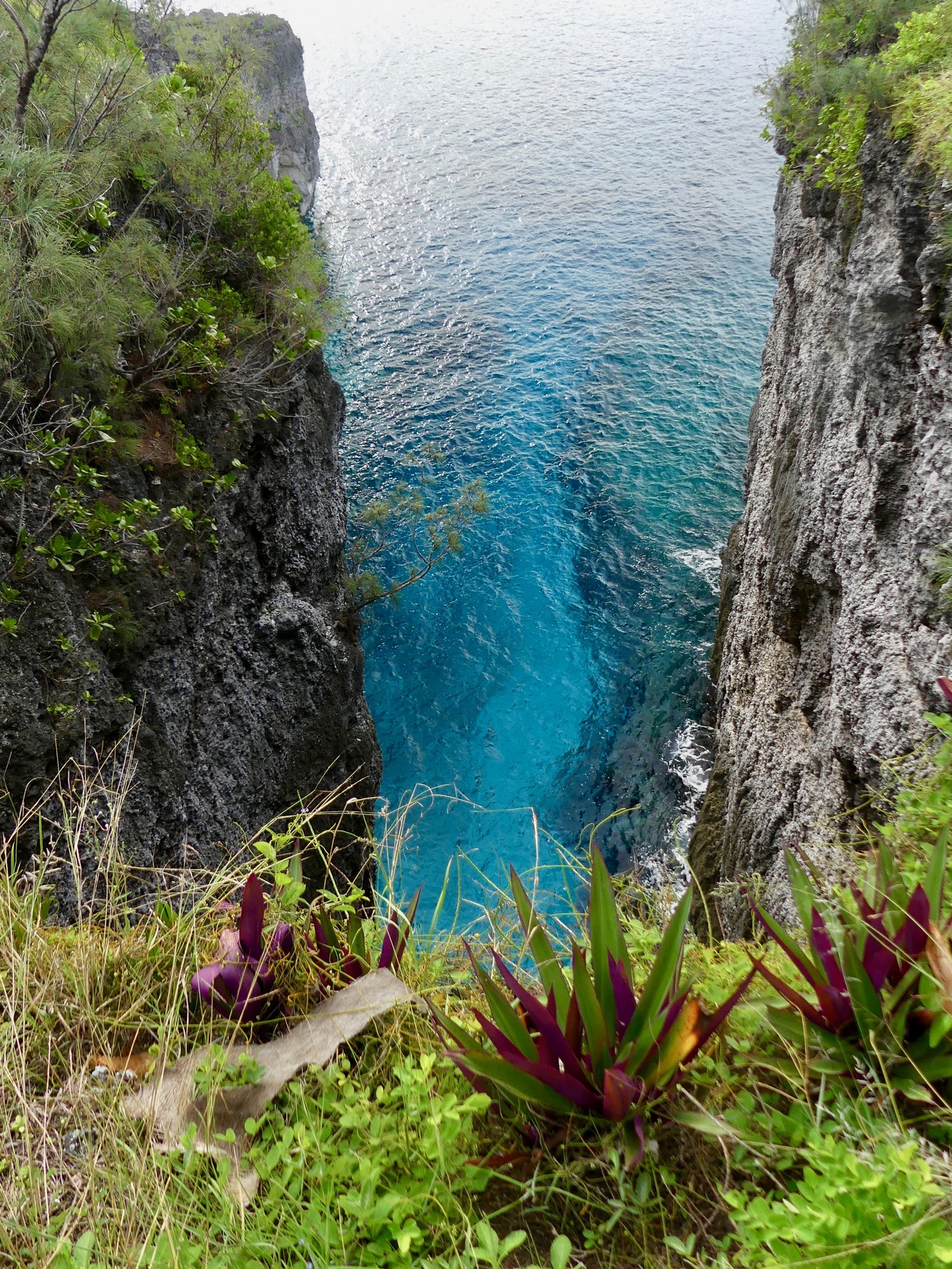
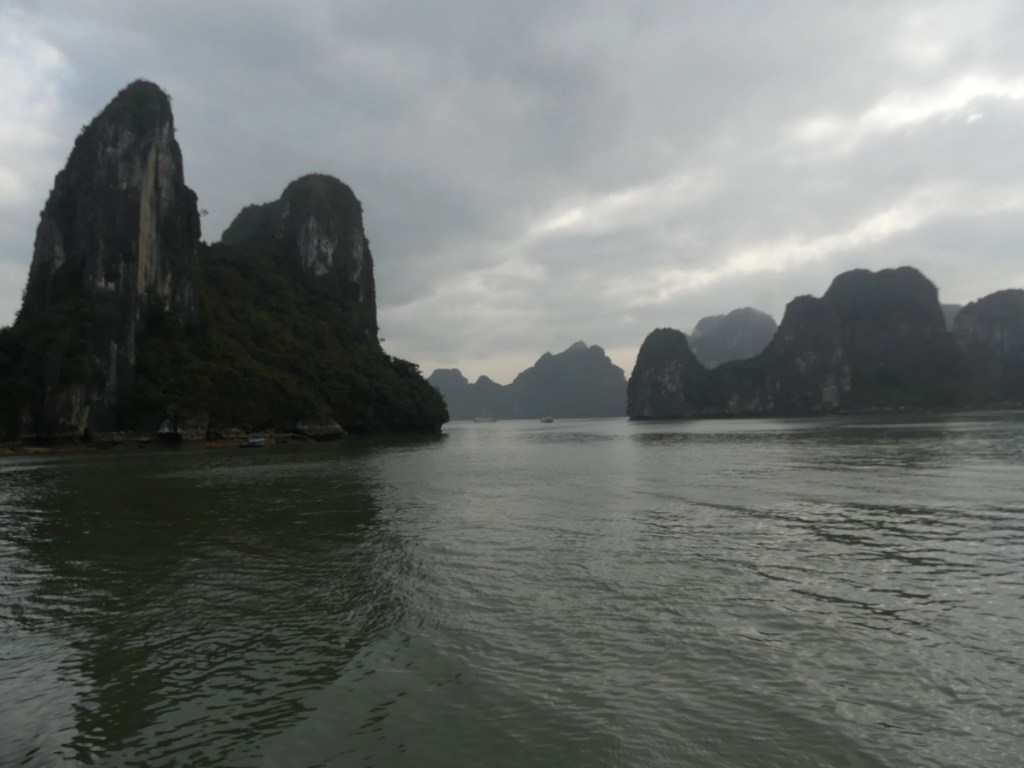
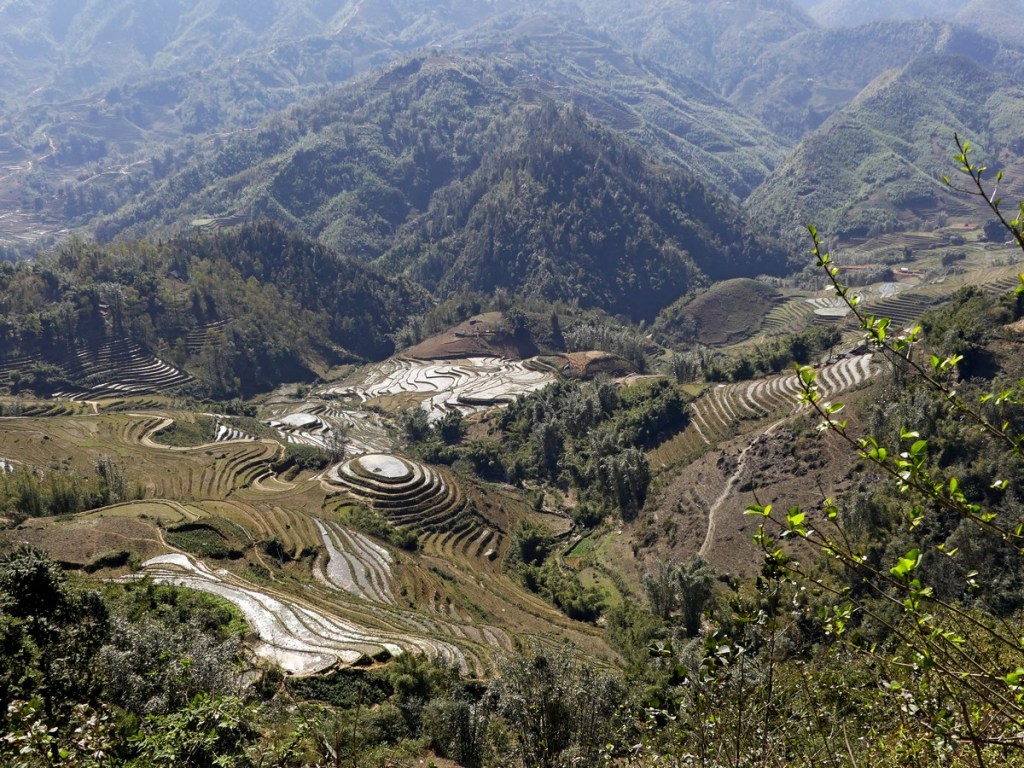
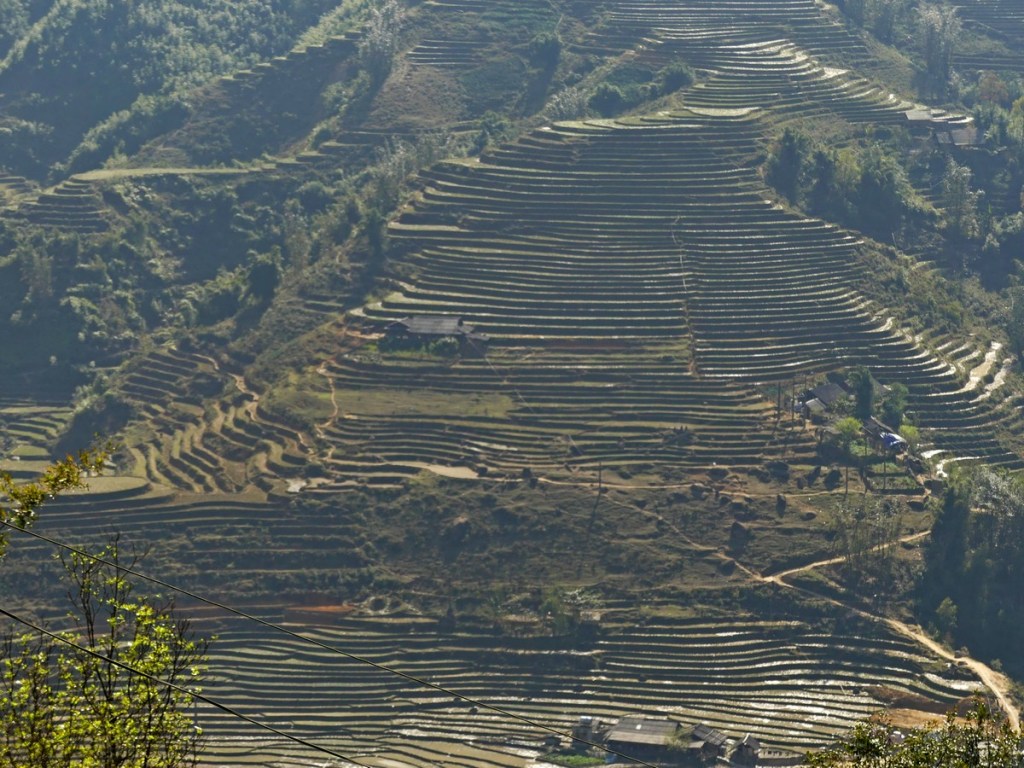
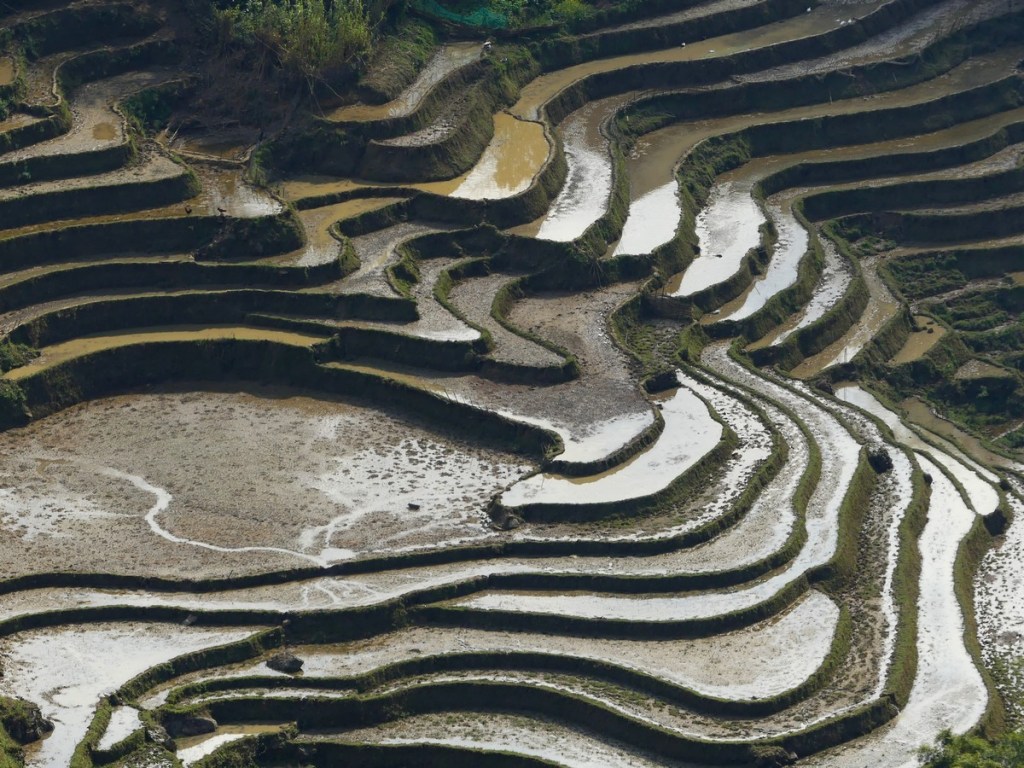
Vanuatu was definitely one of the most beautiful group of Islands I have seen during our 3 year trip in the Pacific. We spent a bit more than a month there and we still feel we missed out on a lot. We could have easily spent 3 months without getting bored but we had to be in Cairns by september and still had Solomon and the Louisiades on our list.
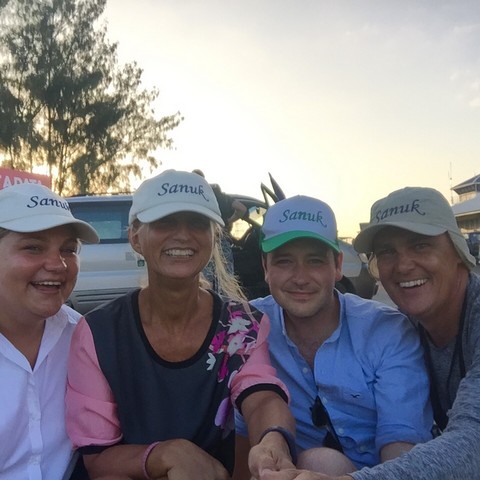
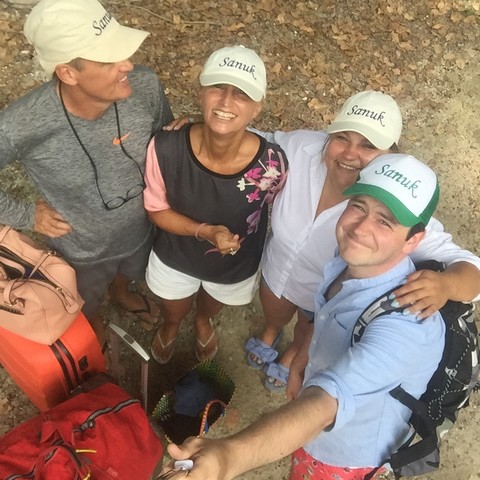
It was great to have Emma and Sebastien with us for 3 weeks! Time flies when you are having fun. The snorkeling was great, the people were friendly and the villages still very authentic. The weather was not at its best but nevertheless we enjoyed every minute of it.
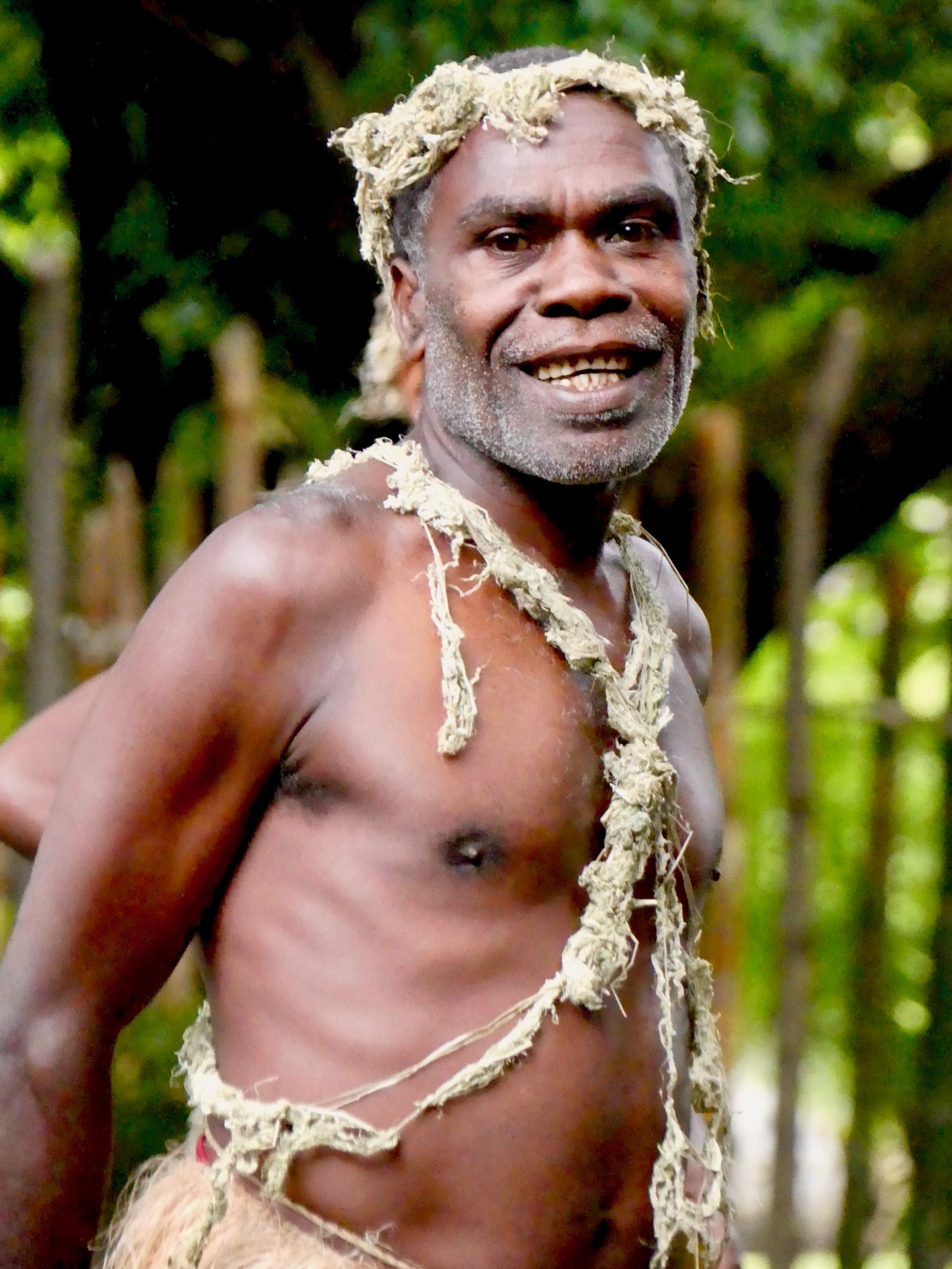
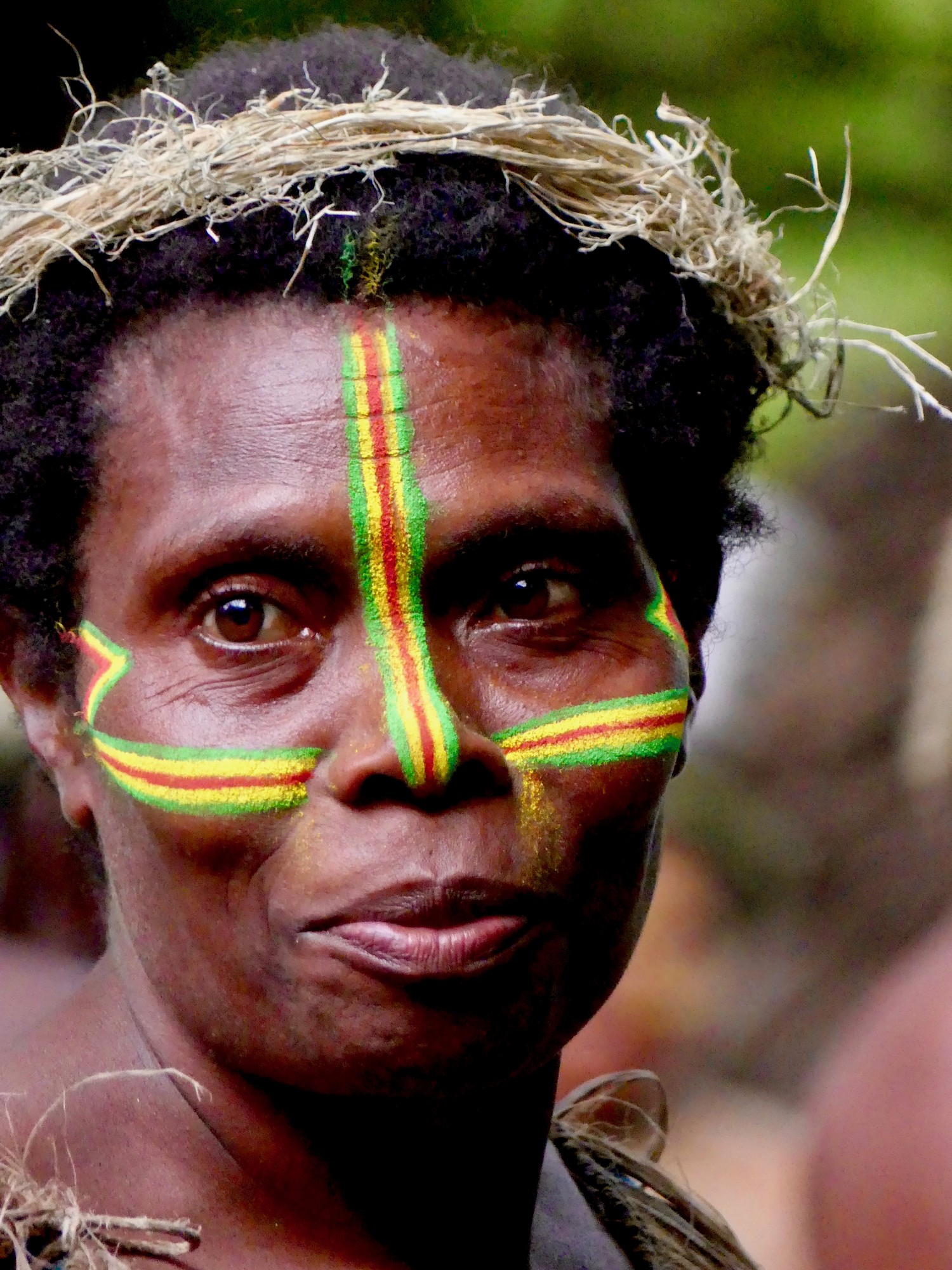
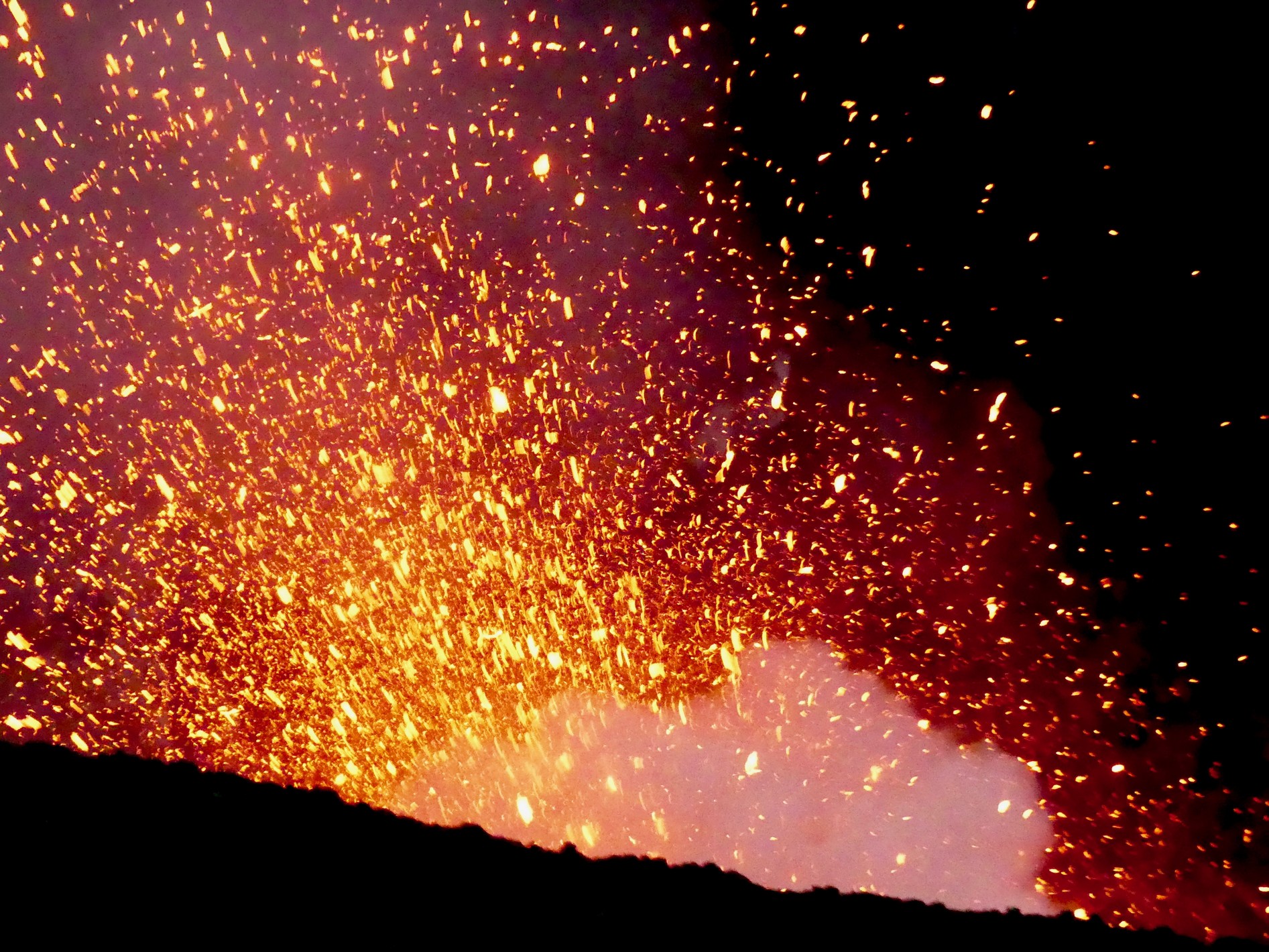
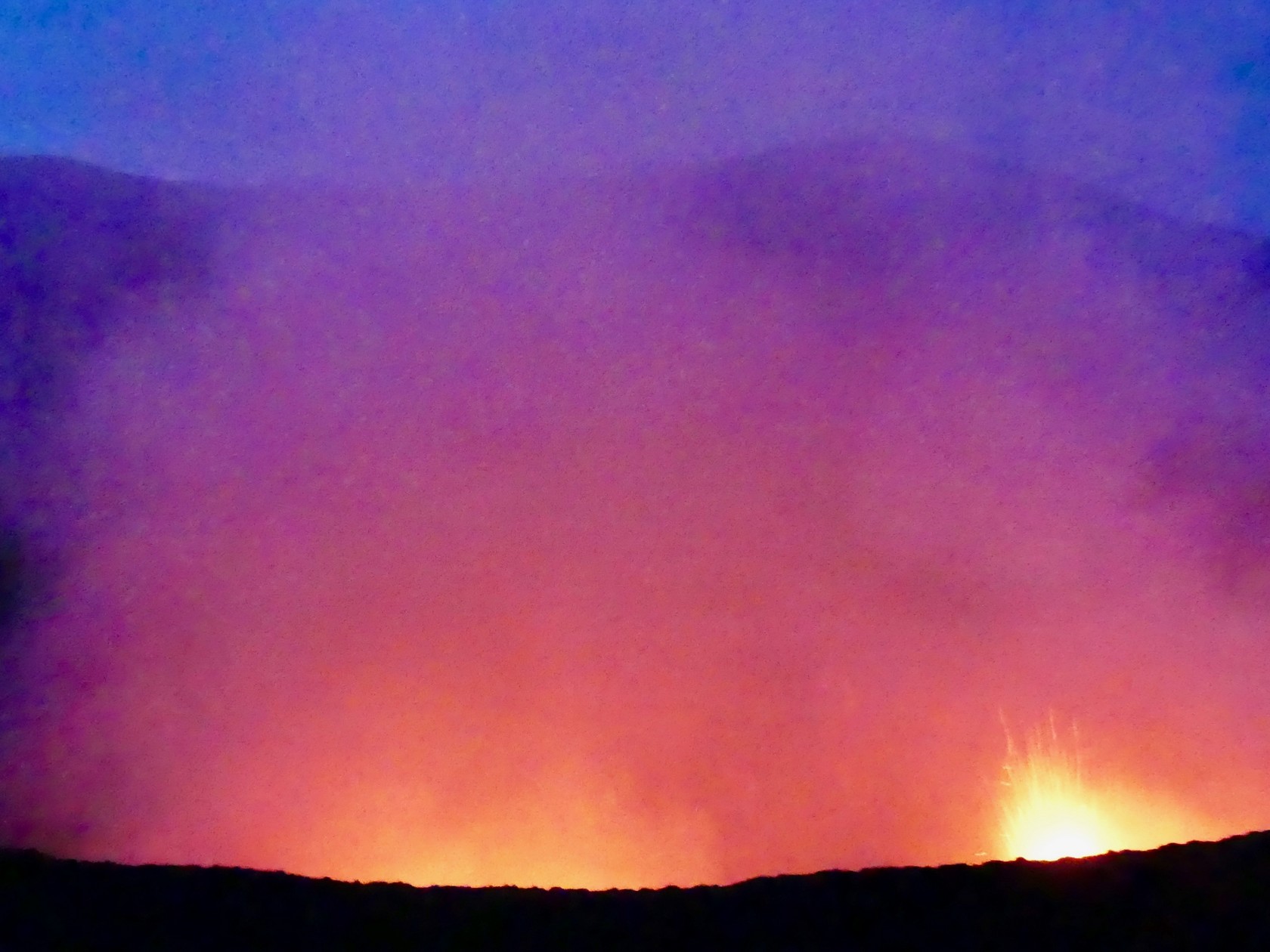
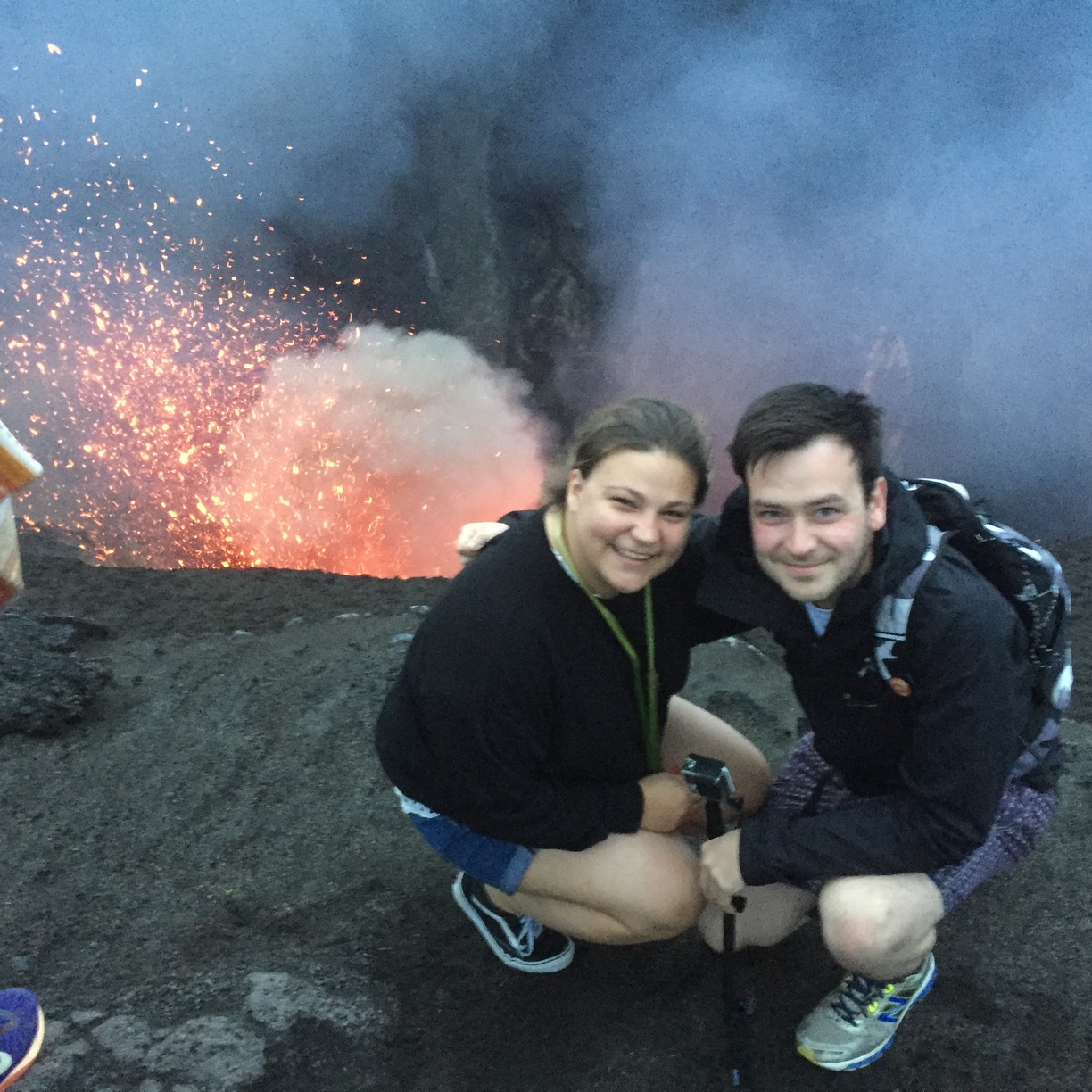
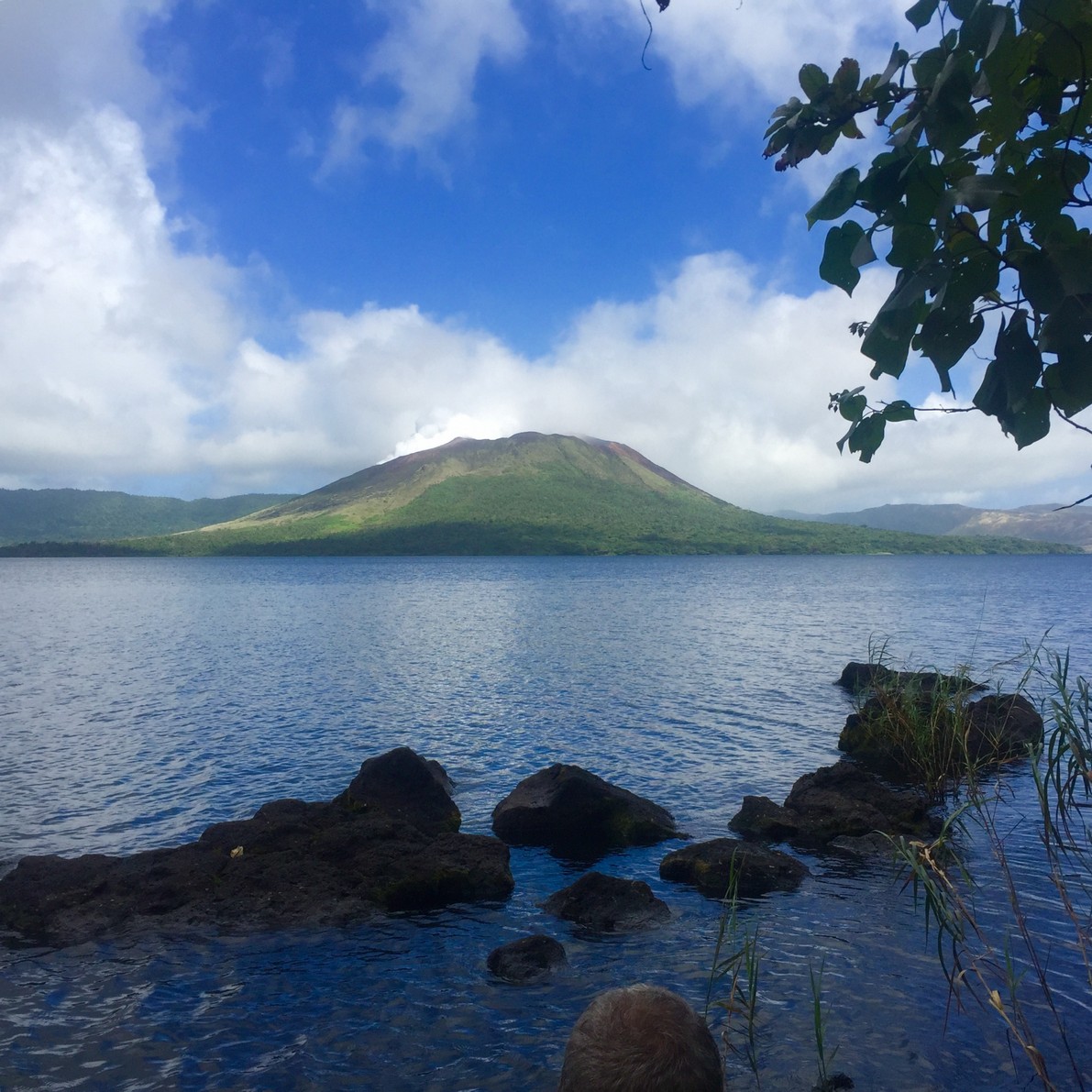
On the island of Tanna we visited the Yasur vulcano and witnessed nature’s force.
After visiting Tanna we decided to sail directly to Port Villa, the capital of Vanuatu, because the weather was not going to be good the next couple days. We sailed through some rough weather with a lot of thunder and lightning but nothing Sanuk and the captain could not handle.
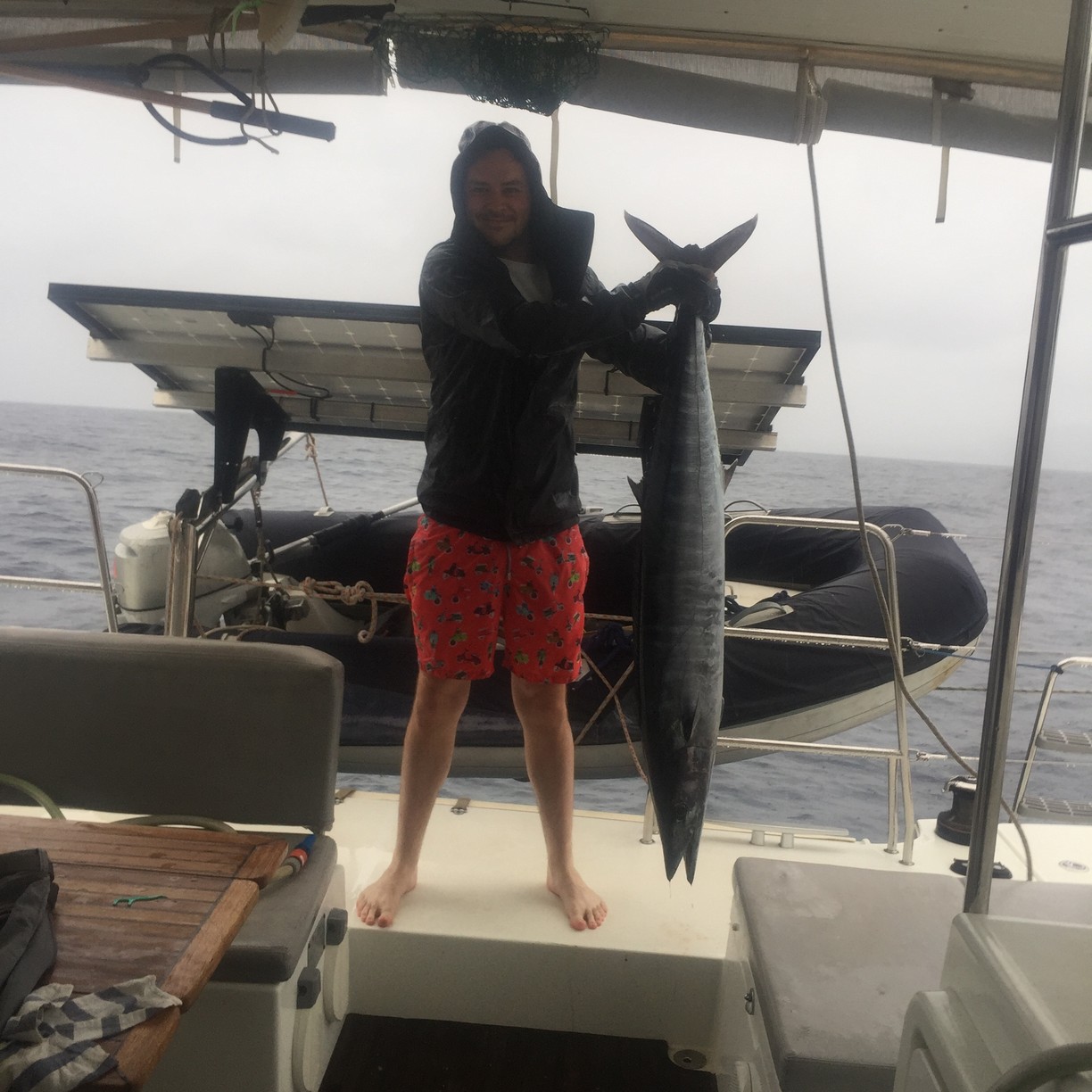
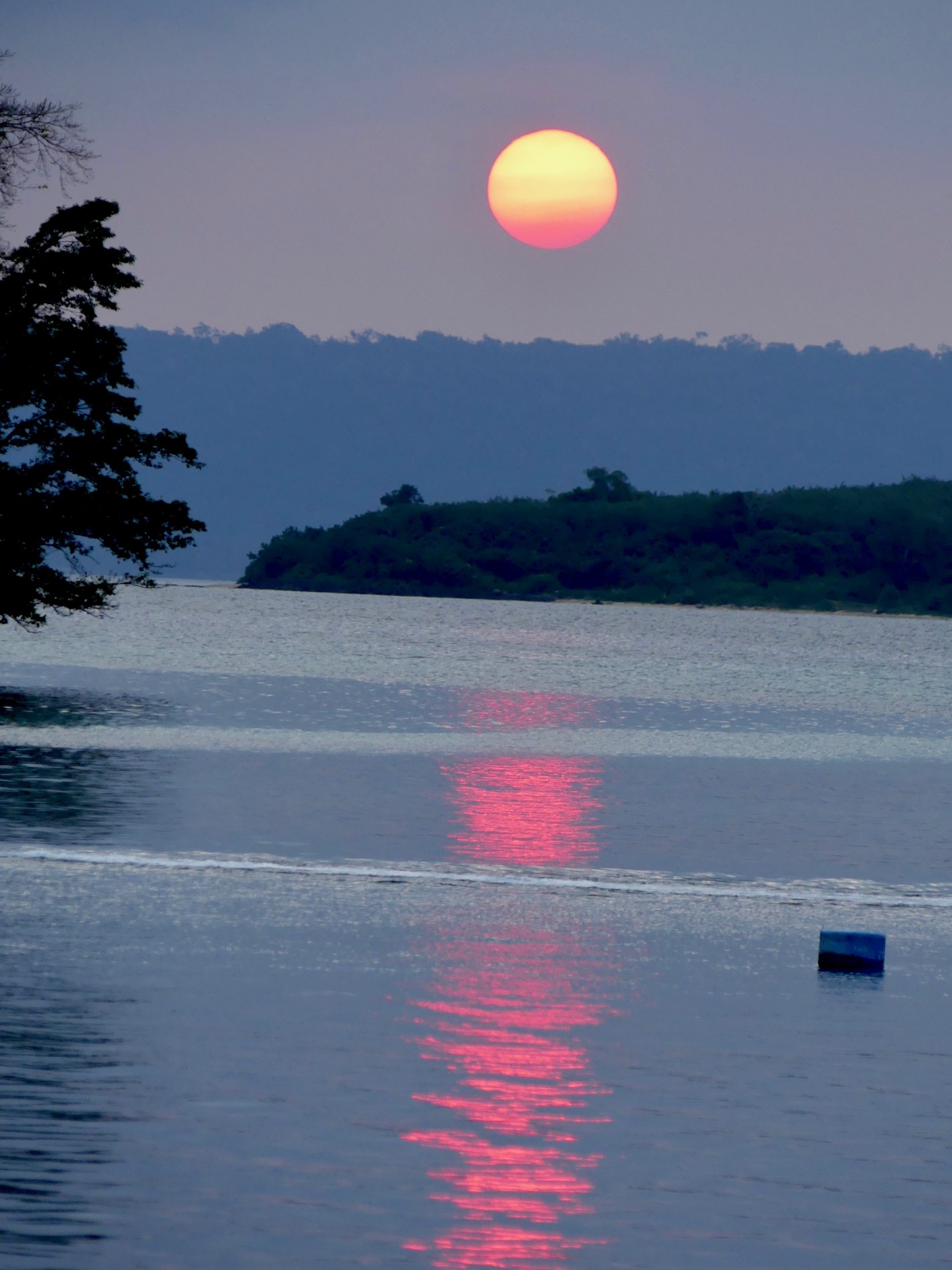
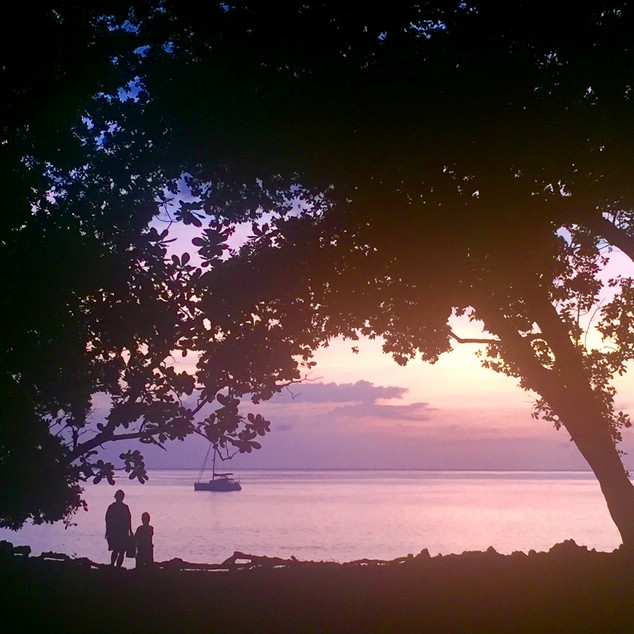
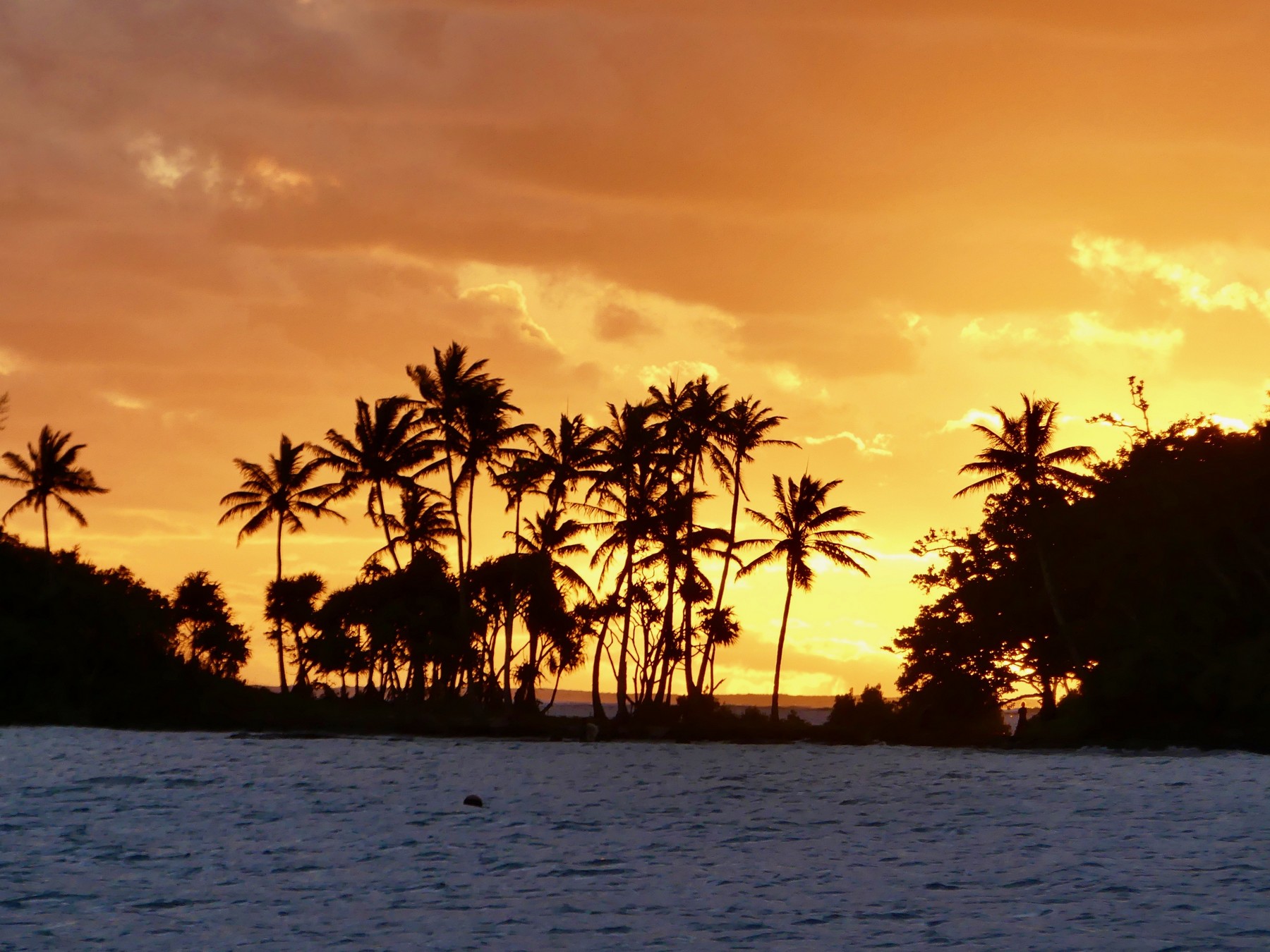
During our trip to Port Villa we caught a huge Wahoo, 14Kg. It was not easy to get him on board but the boys managed! Food for a couple days.Another beautiful sunset in Port Villa, the capital of Vanuatu
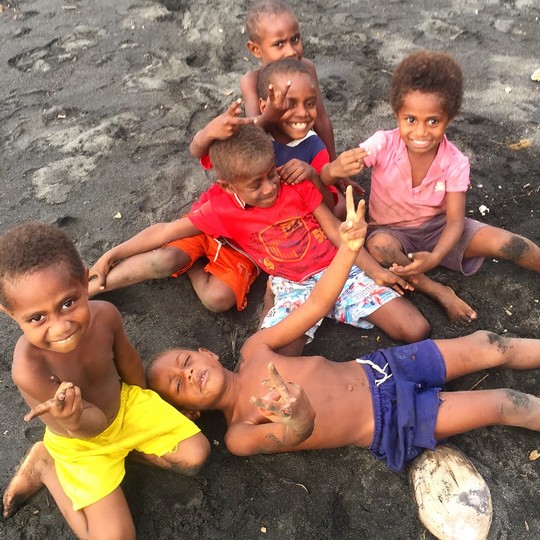
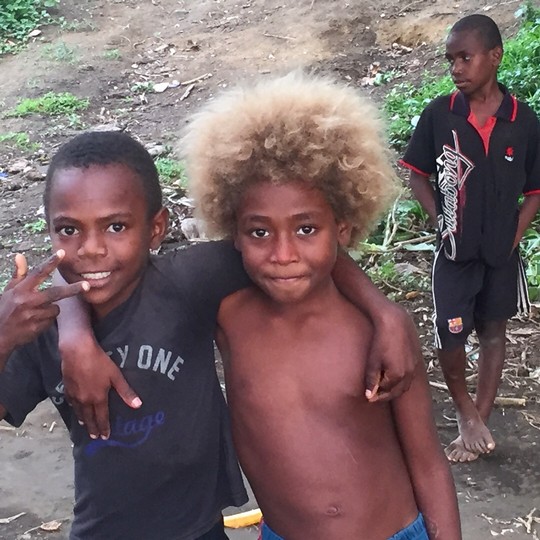
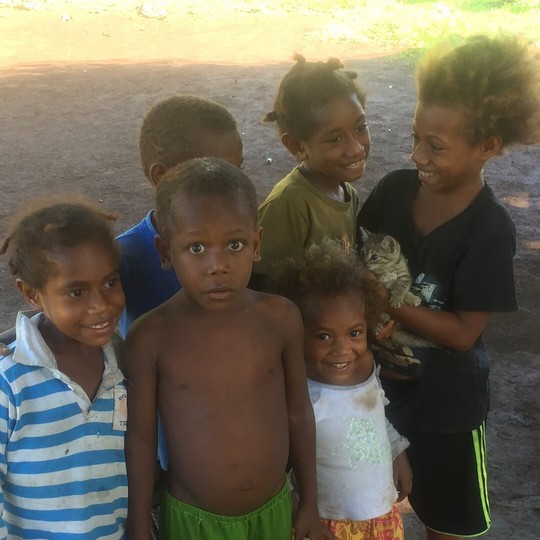
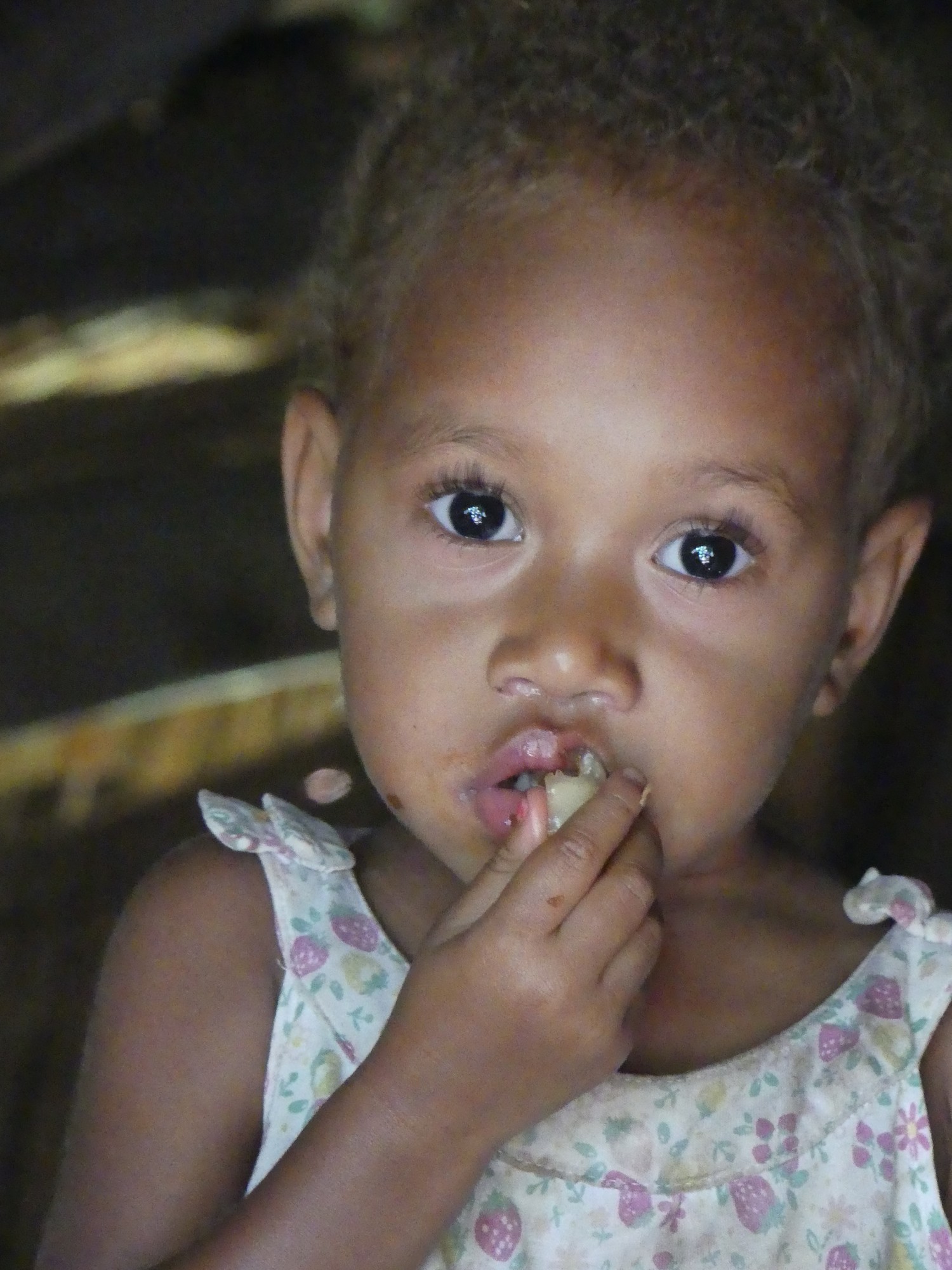
After foodshopping for the next weeks and washing off the salt from Sanuk at the dock in Port Villa we were ready to sail to Pentecost Island to see the landdivers. We anchored at several islands and every time we were amazed at how many children there were and all soo happy.
life is fun
ready to become an international soccer player
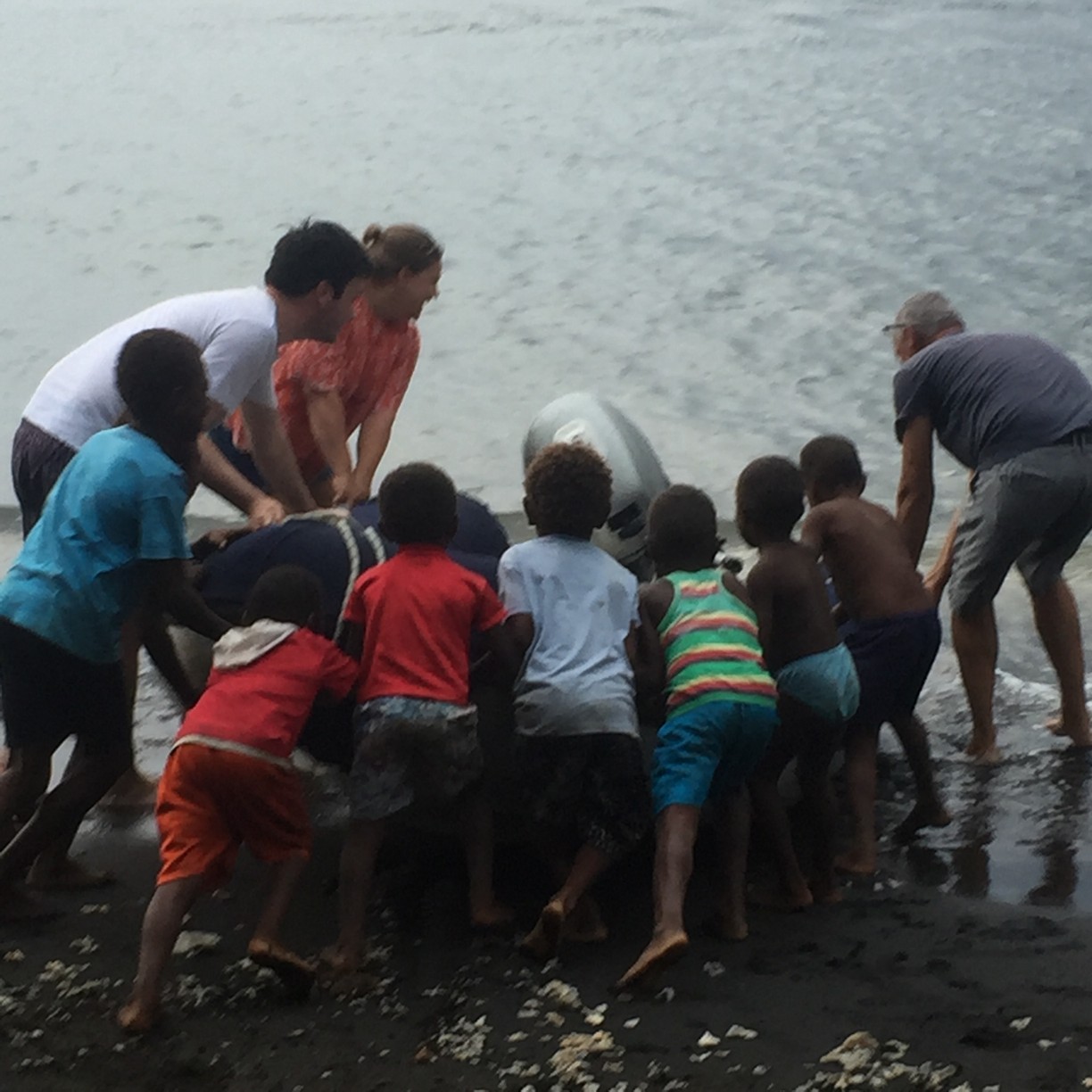
always ready to help…
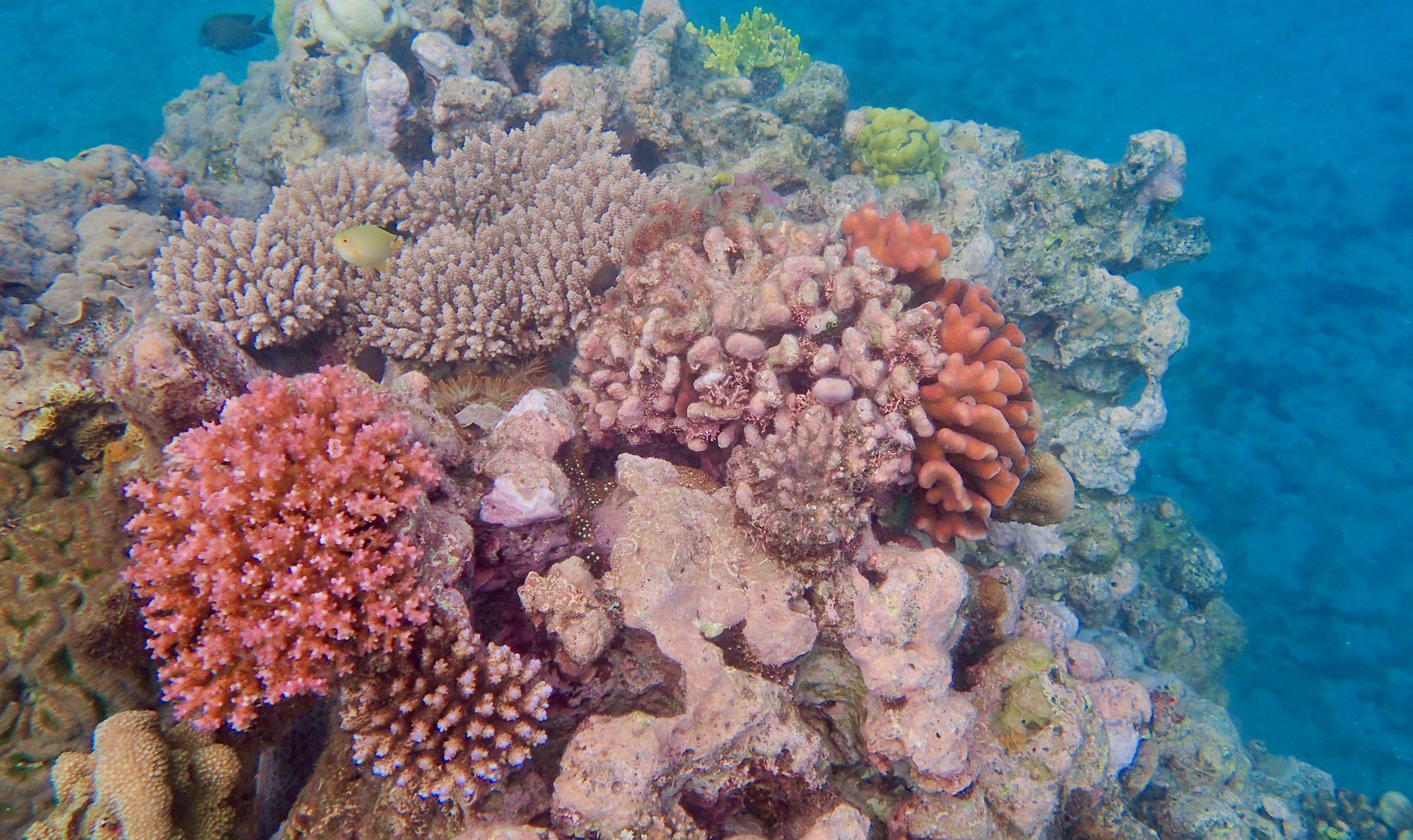
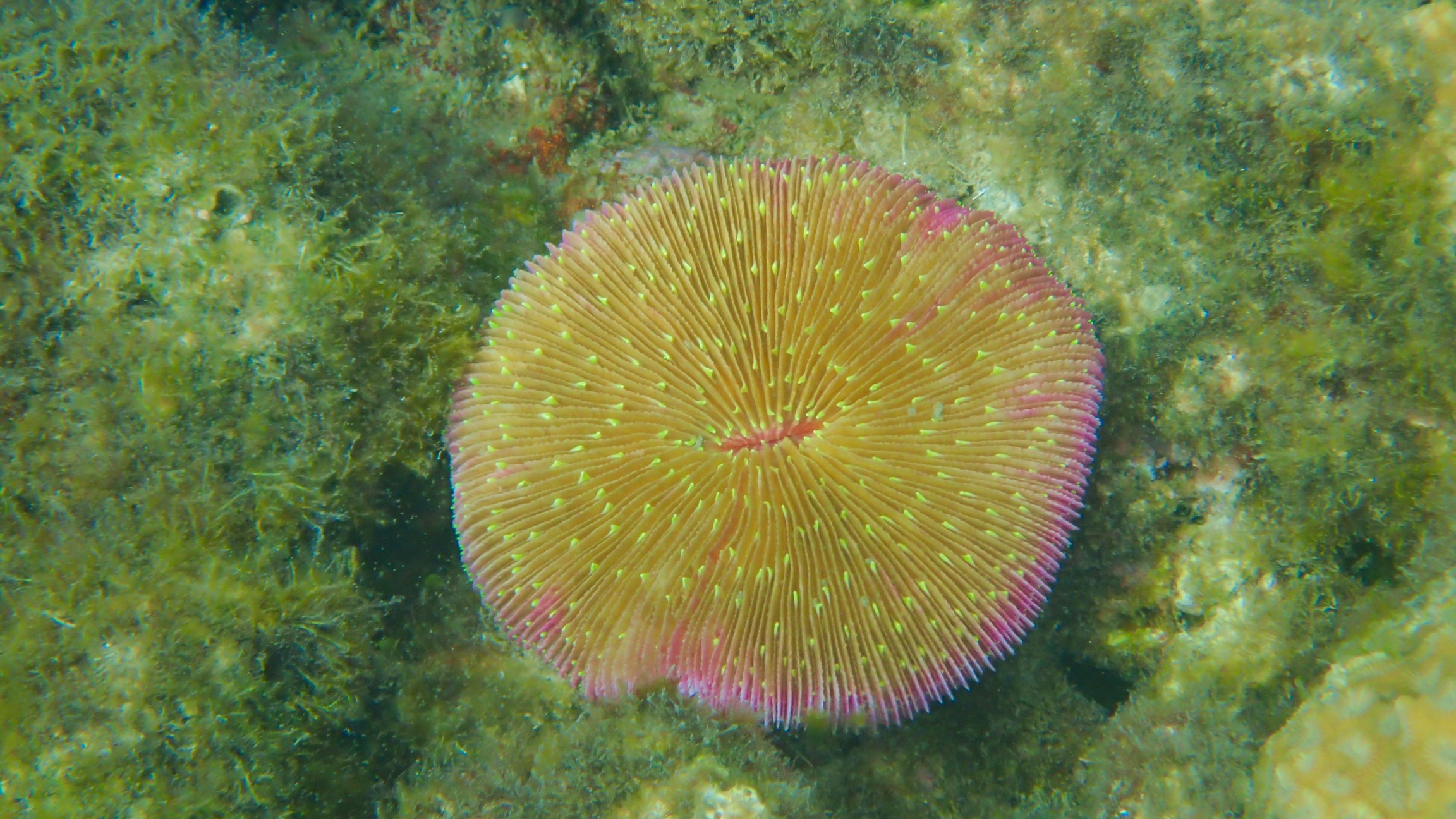
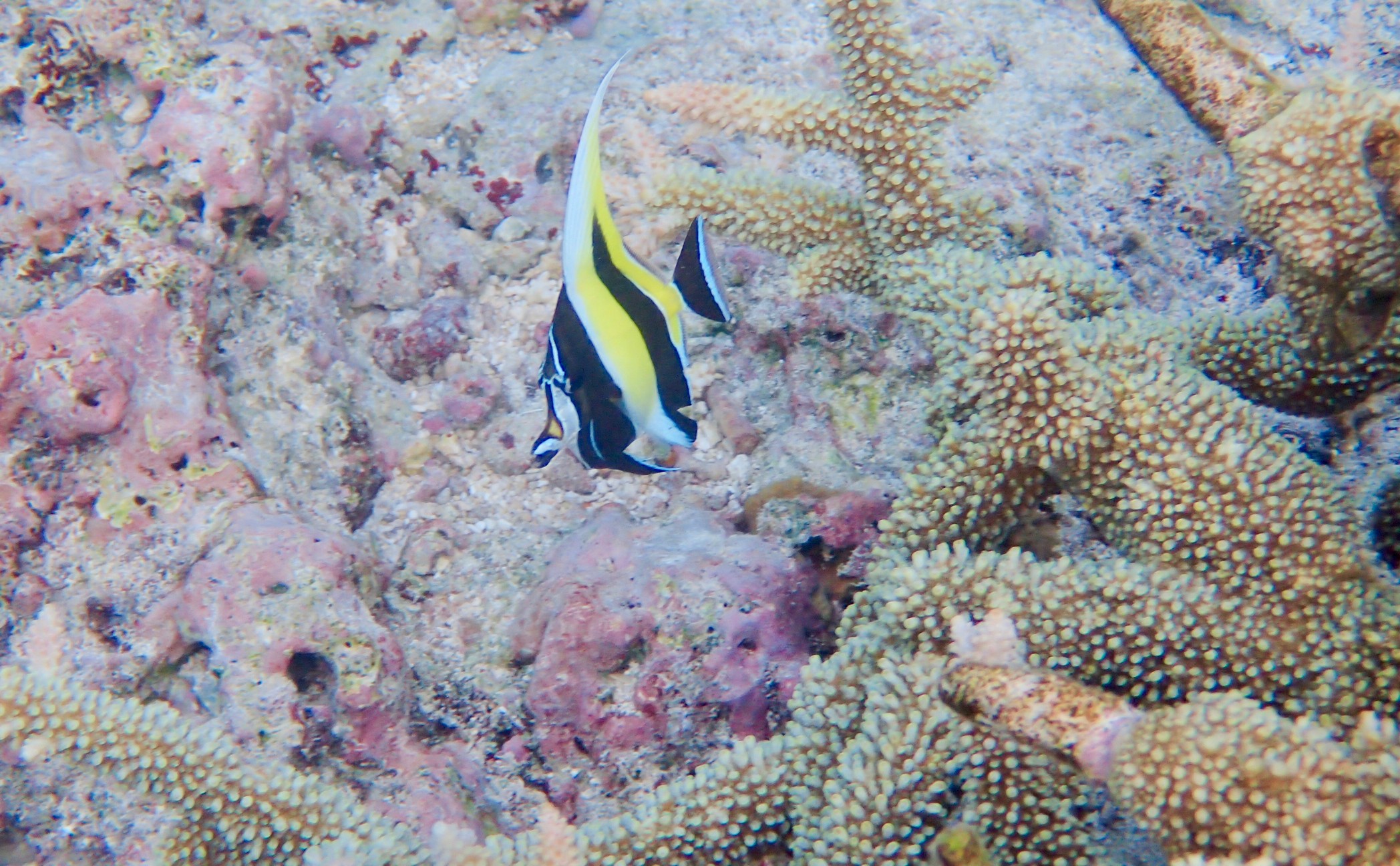
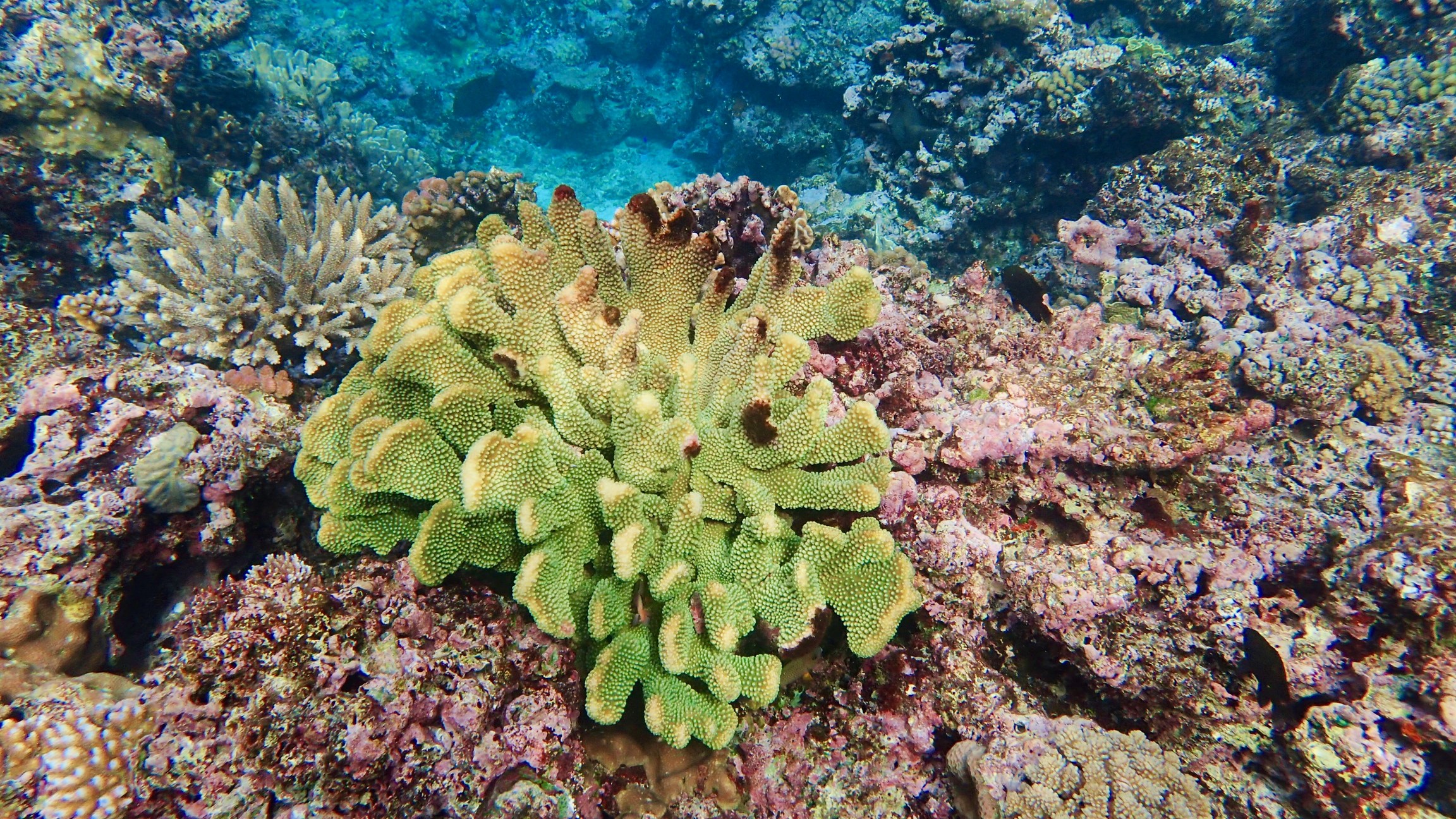
We did some snorkeling at every stop we made and were never disappointed although we did not see the dugongs. The coral was beautiful…
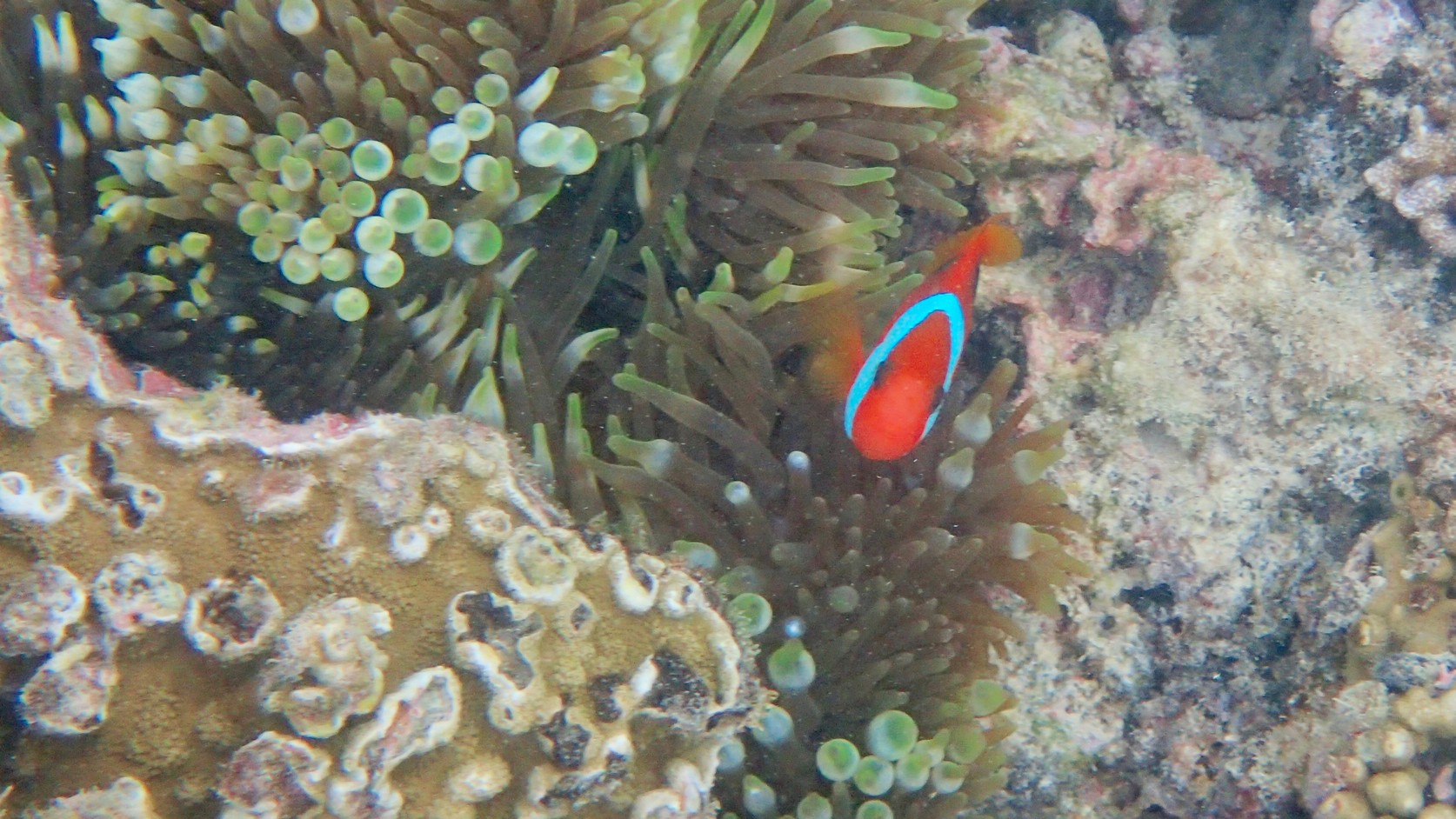
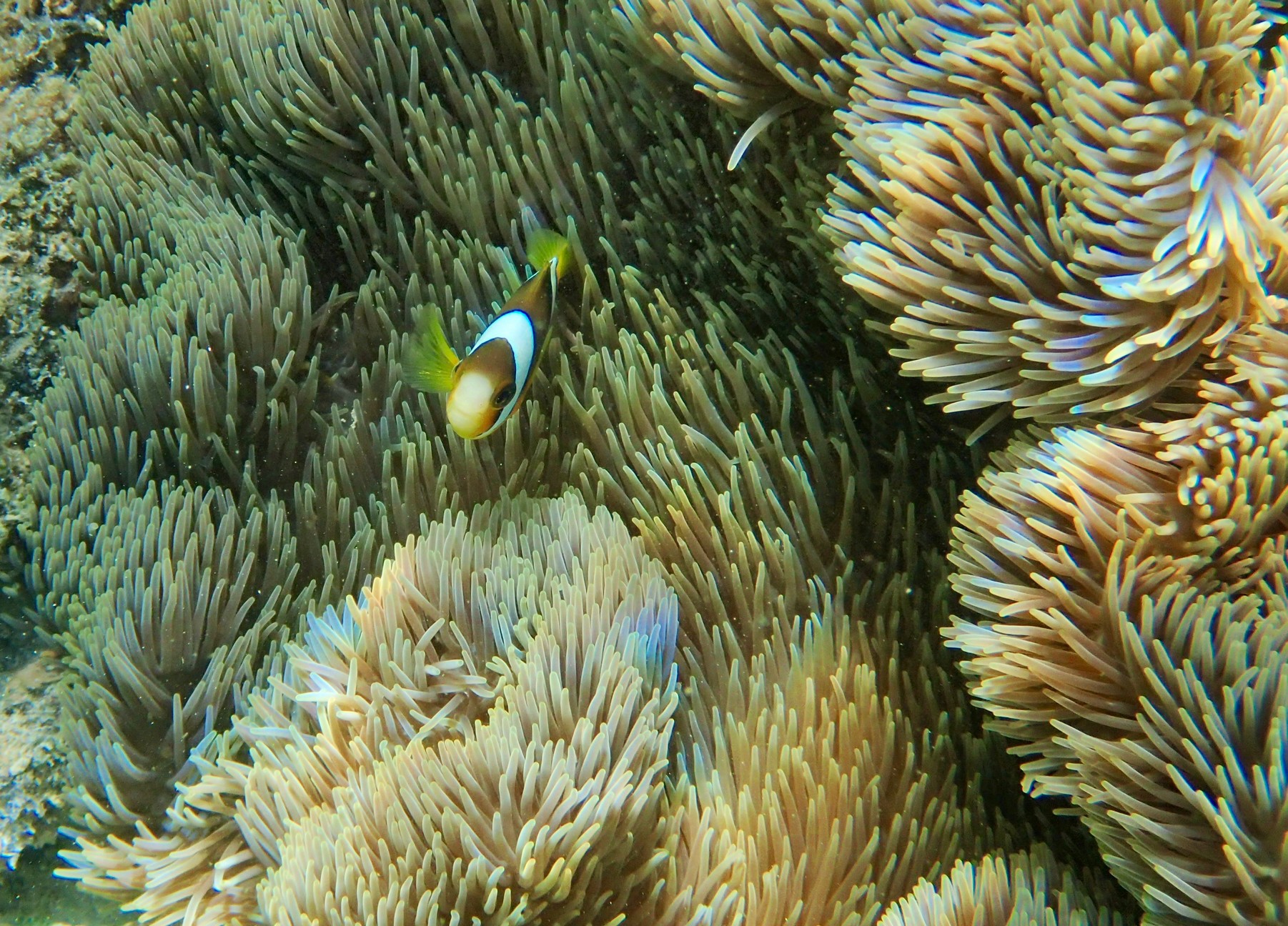
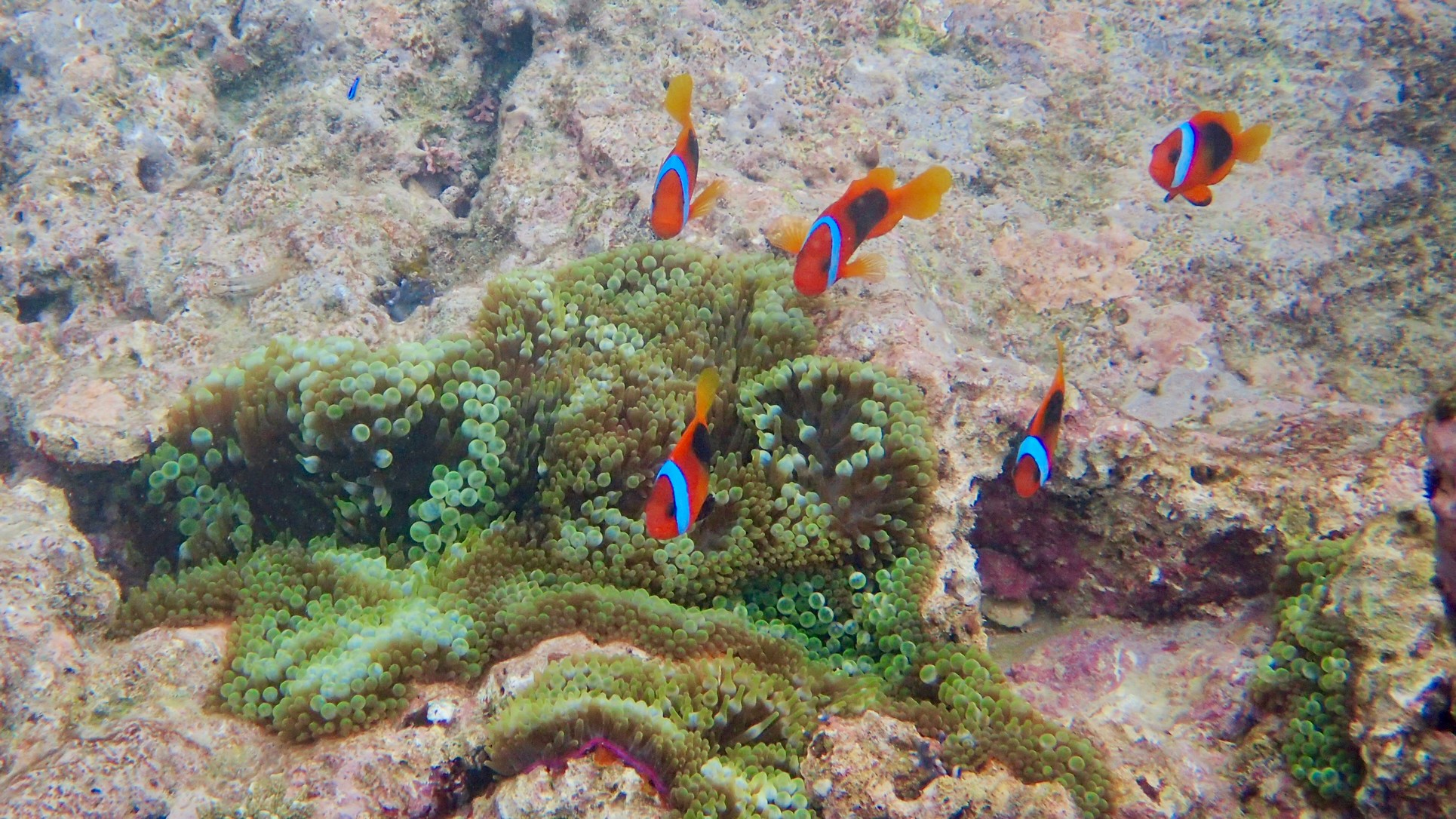
My favourite little fish, the anemone fish.
We made a stop at Ambrym Island where only a couple months before the volcano became active, no lava but a lot of ash was released and many left the island to go to Santos. We met some people who stayed…
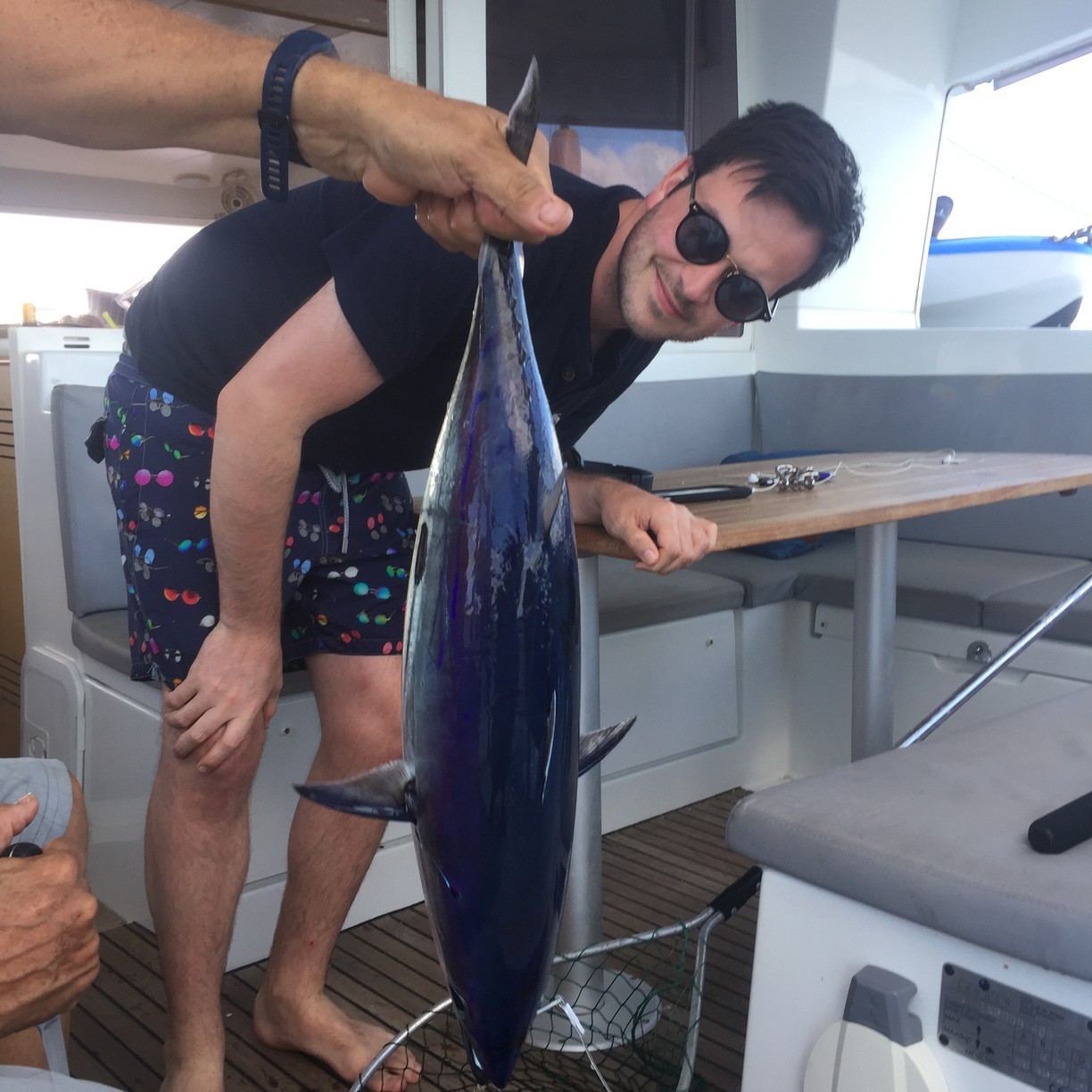
We caught a little tuna which we gave to the family living close to the anchorage.
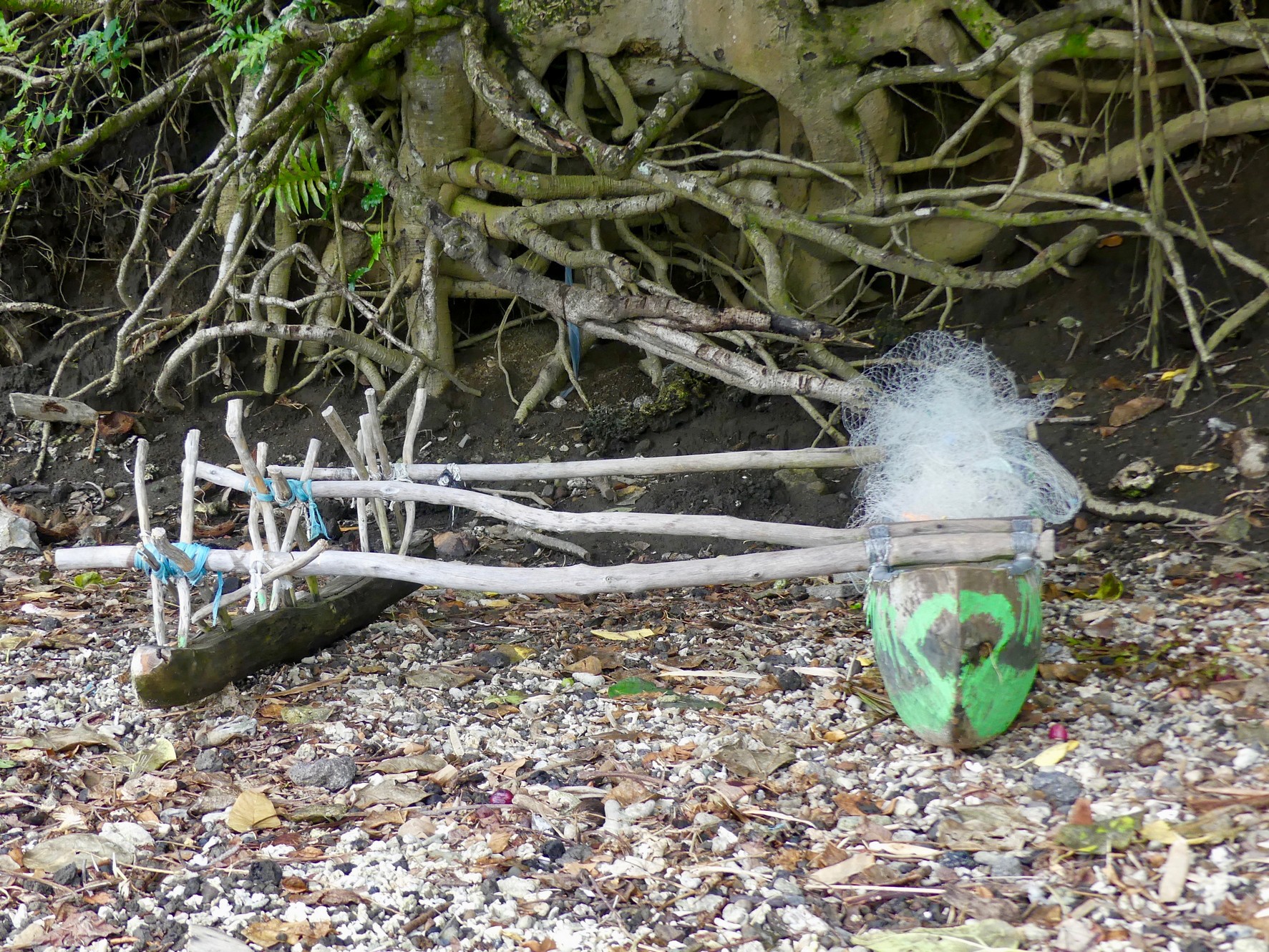
Their traditional fishing boat with net.
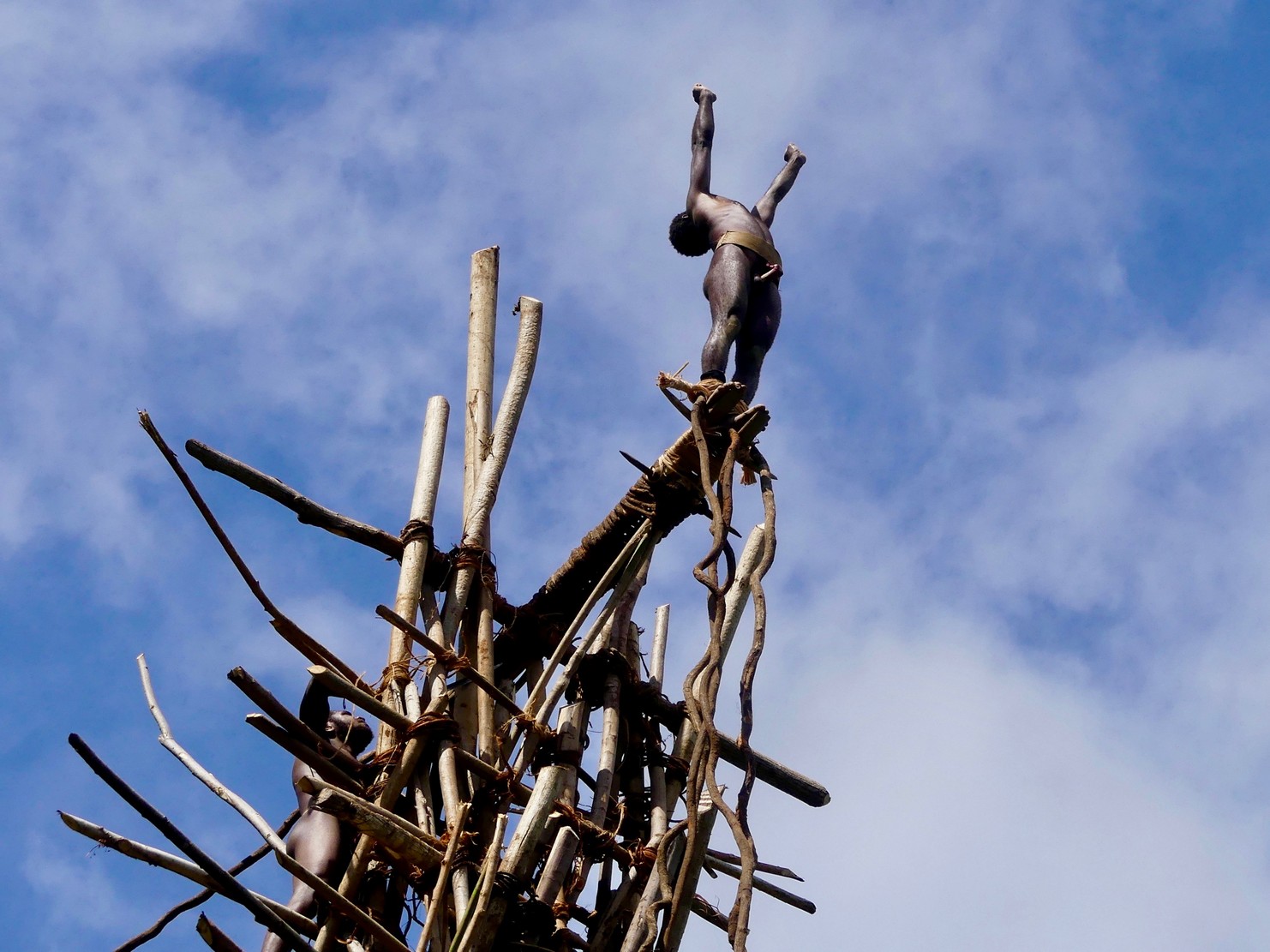
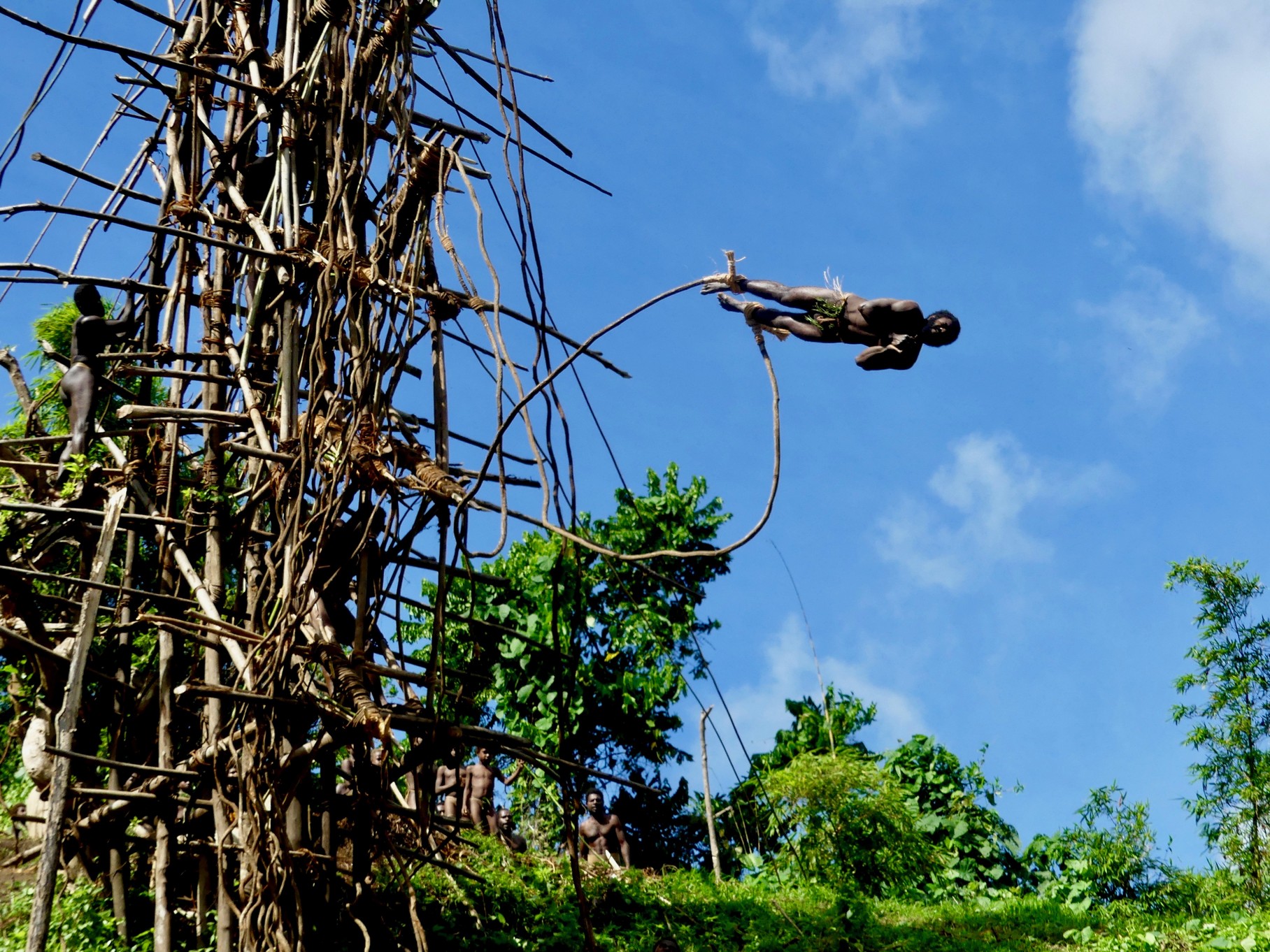
Land diving is a ritual performed by the men of the southern part of Pentecost Island from April till the end of June. Men jump off wooden towers, 20-30 meters high, with two tree vines wrapped around their ankles. It is done without safety equipment! The ritual is connected with the yam harvest season as one good dive would ensure a good yam season. It has become a tourist attraction over the years but still very exciting to see the courage of these men.
Villagers believe land diving can enhance the health and strength of the divers. Land diving is considered an expression of masculinity.
The lianas have the best elasticity from April till June, whch is the yam harvest season
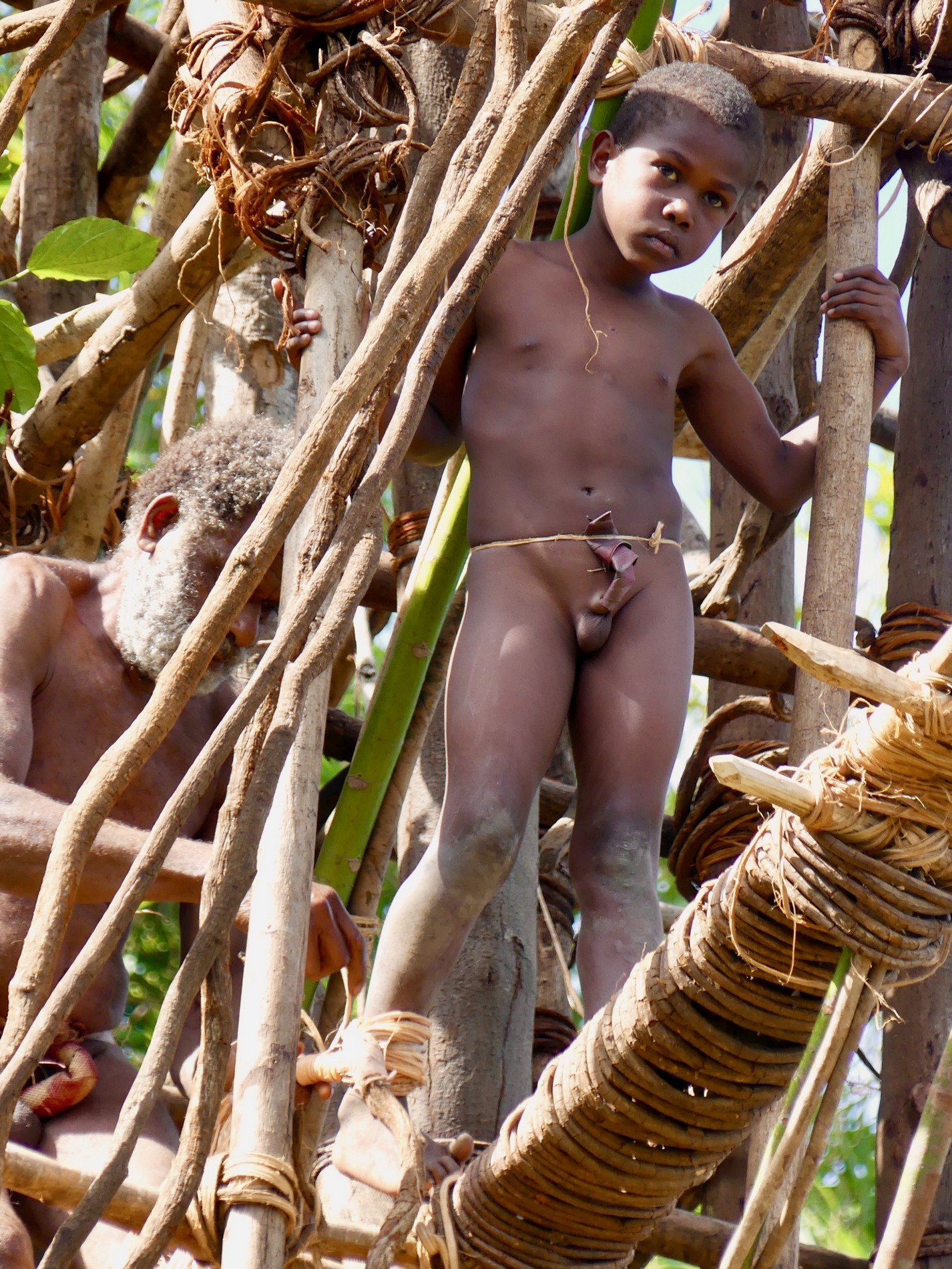
The ritual begins with the least experienced jumpers on the lower platforms. After the boys are circumsized at the age of 7-8, they can participate in the ritual.
The pre-cursor of bungee jumping…
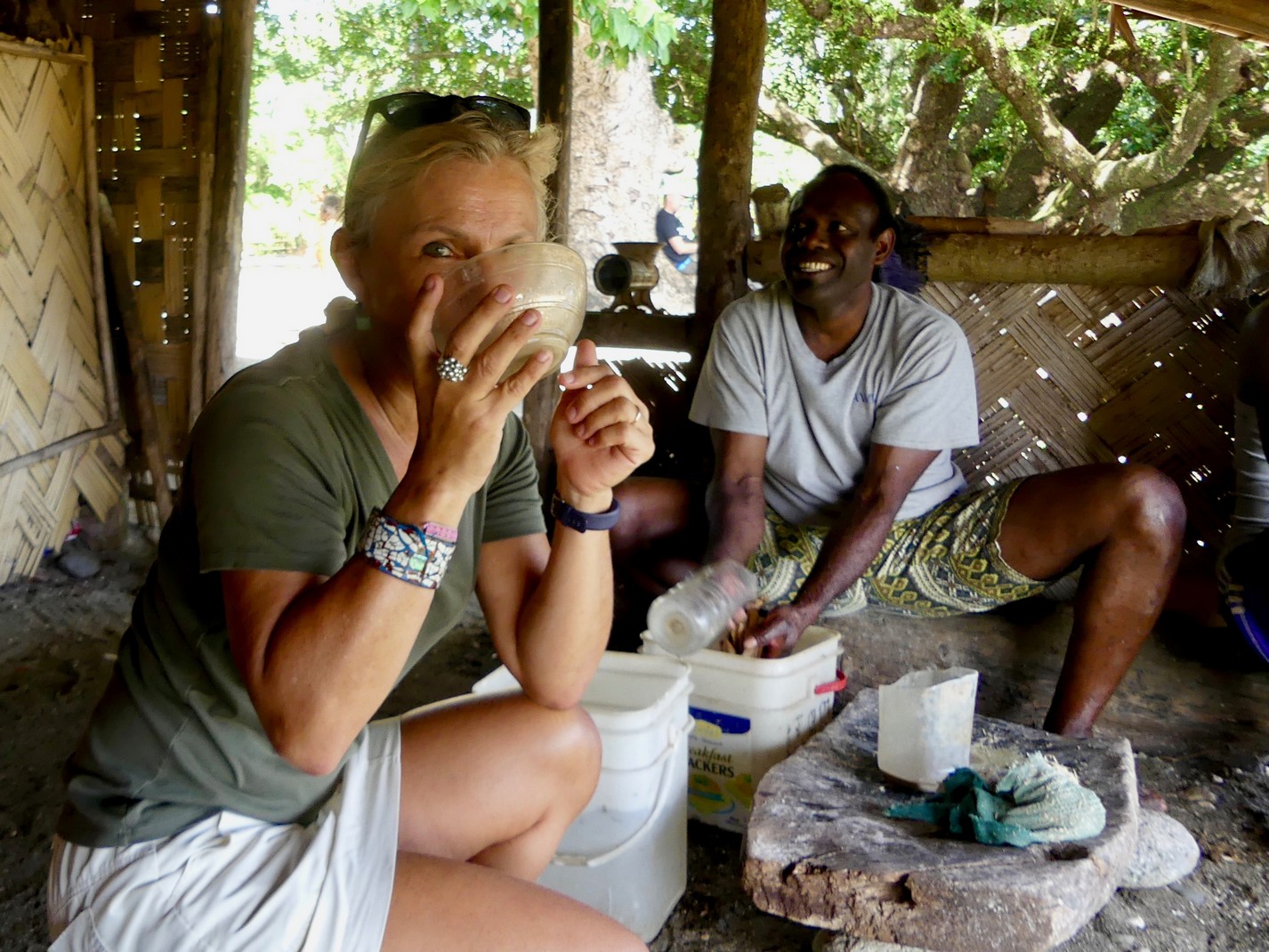
After the ceremony we were invited to have some real, freshly made kava! Kava is used for medicinal, religious, political, cultural and social purposes throughout the Pacific.
“Kava produces a state of calmness, relaxation and well-being without diminishing cognitive performance.” Yep, life is good !!!
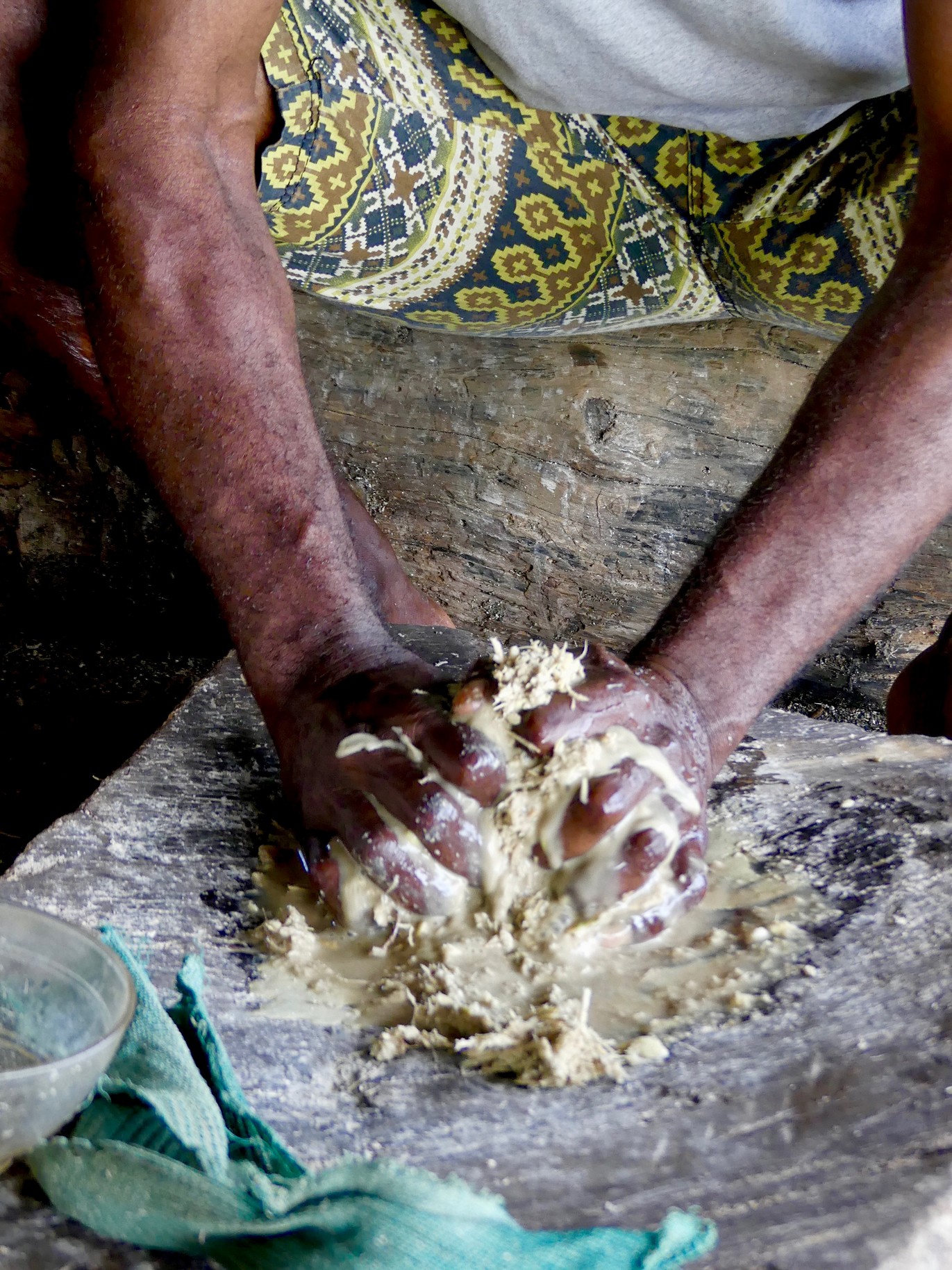
Kava is made from the kava root,being pounded and then mixed with some water …
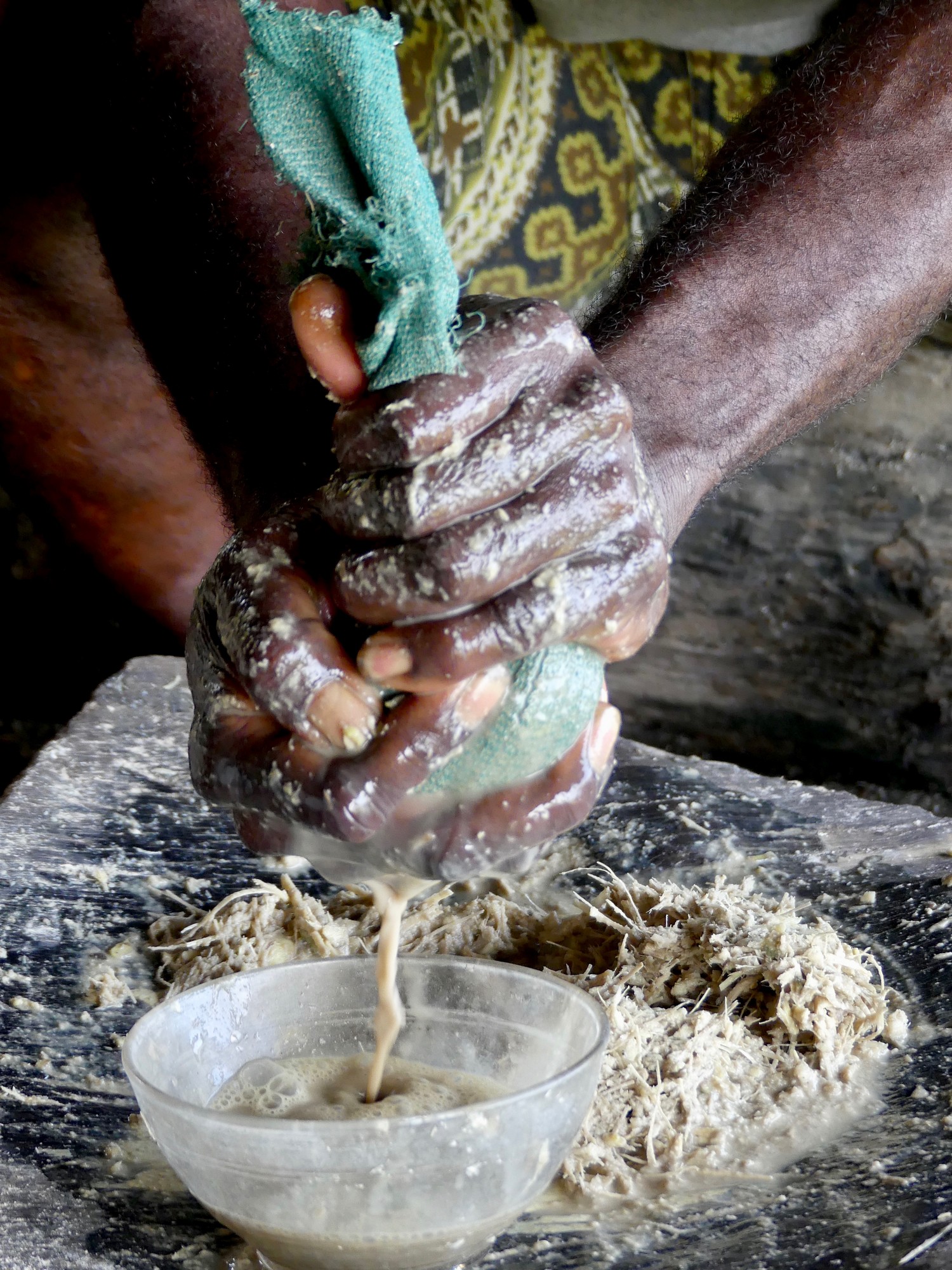
and strained, the colour is opaque greenish
Returning back to Sanuk we felt grateful we were part of this special ceremony of landdiving. We had time enough to sail to “waterfall bay” where we stayed for the night.
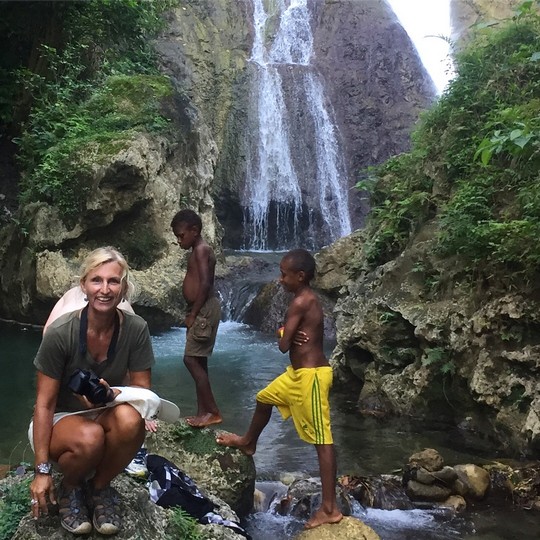
always accompanied by local kids who are eager to show you the way
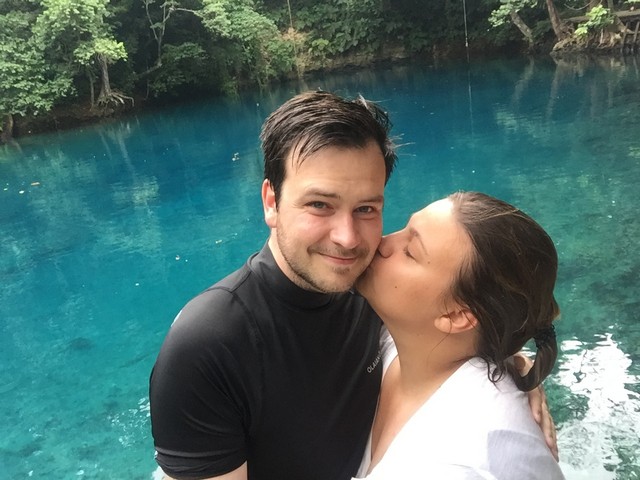
Next we sailed to Santos, the final stop for Emma and Sebastien. We visited the gorgeous blue holes and did some more snorkeling.
On our way with Flipper to the blue hole.
Anemone fish defending its territory
But all good things come to an end…
We continued sailing north, checked out in Sola and sailed to the Bank islands, still part of Vanuatu. The more north we went, the more the islands were remote. We did not have internet and we exchanged goods for food.
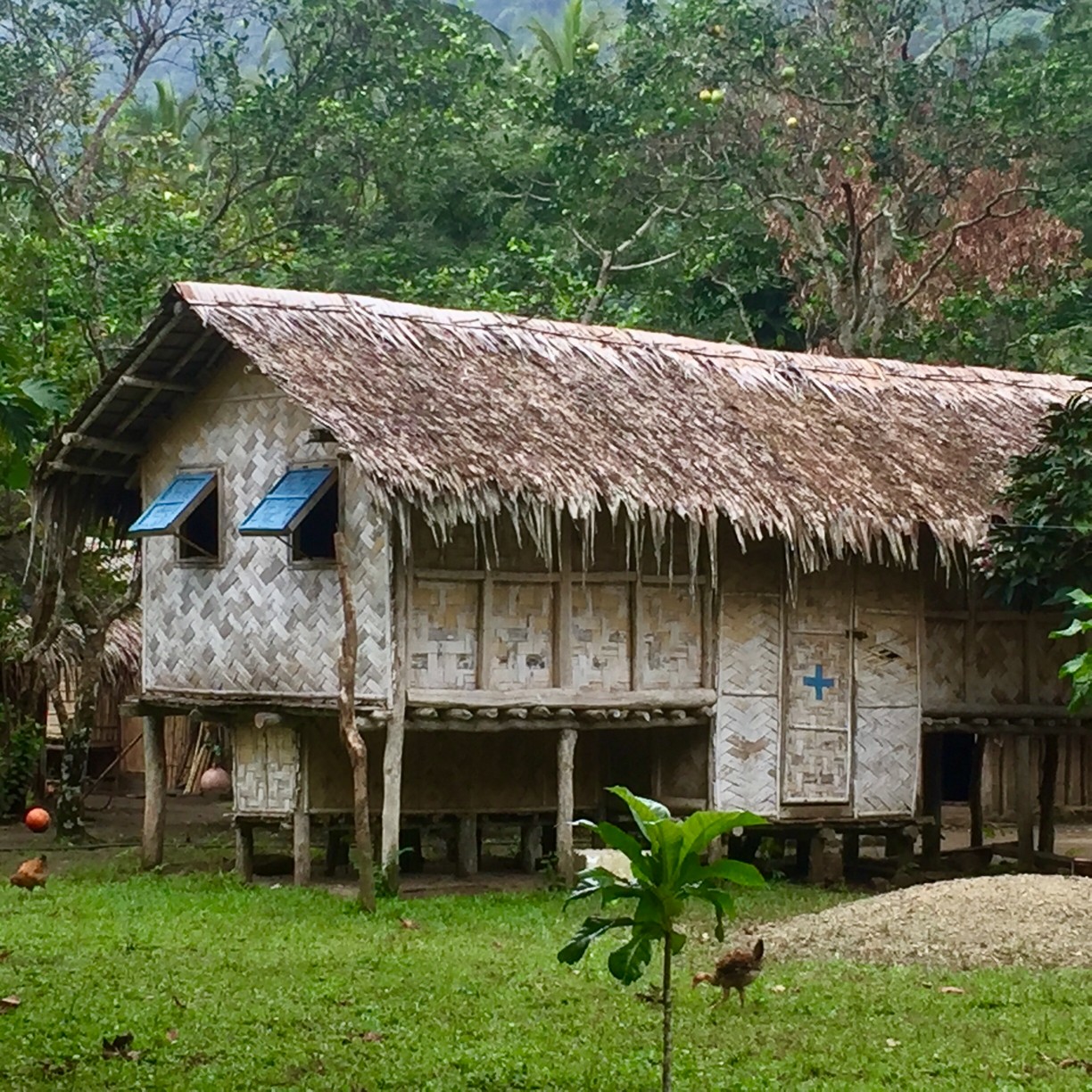
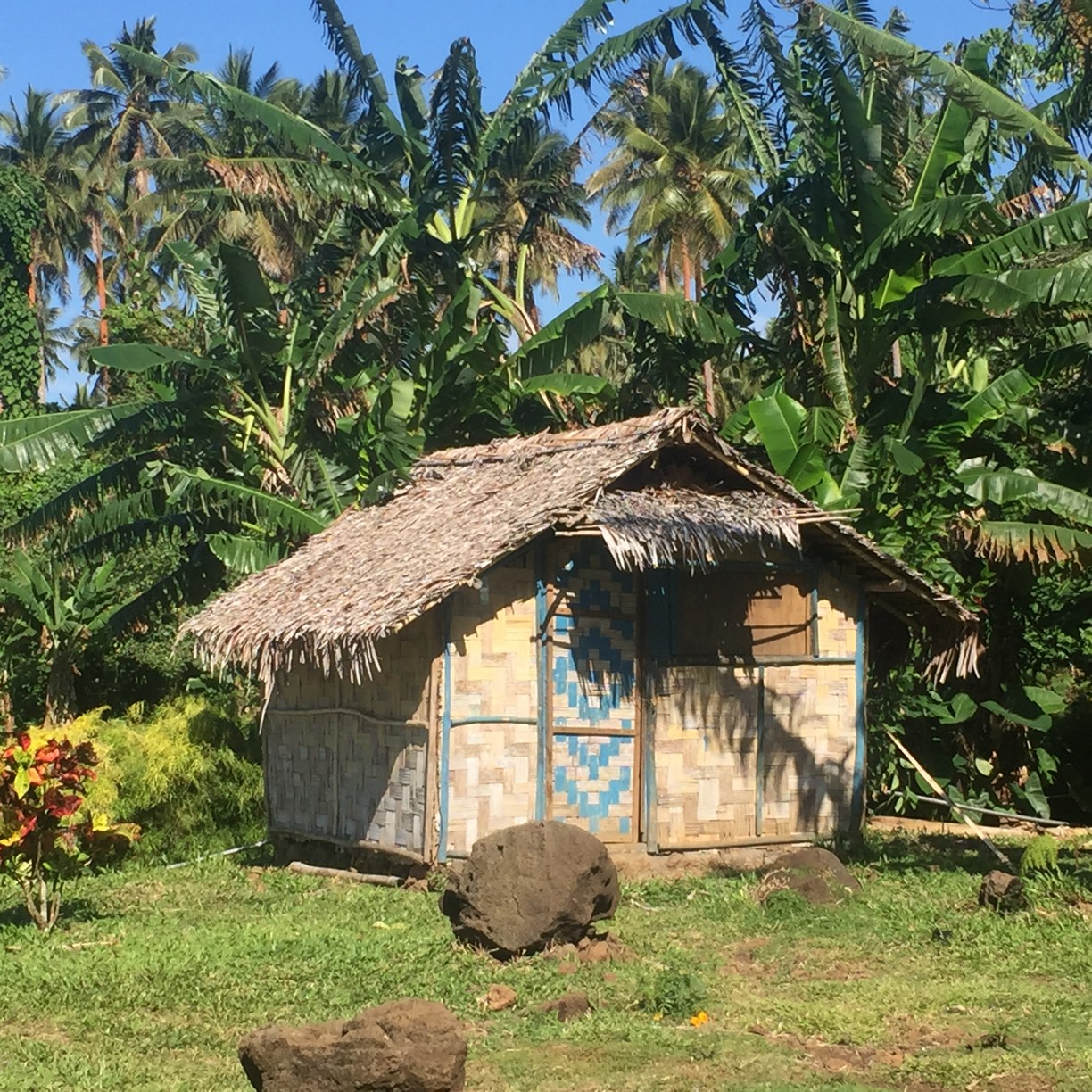
A typical house on the island of Ureparapara
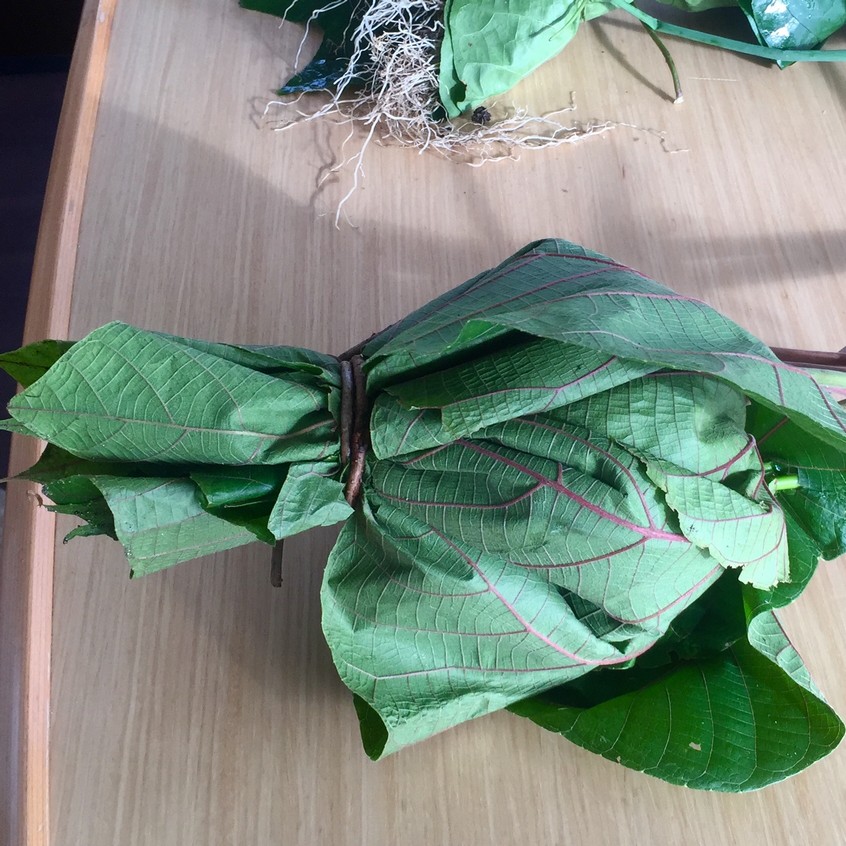
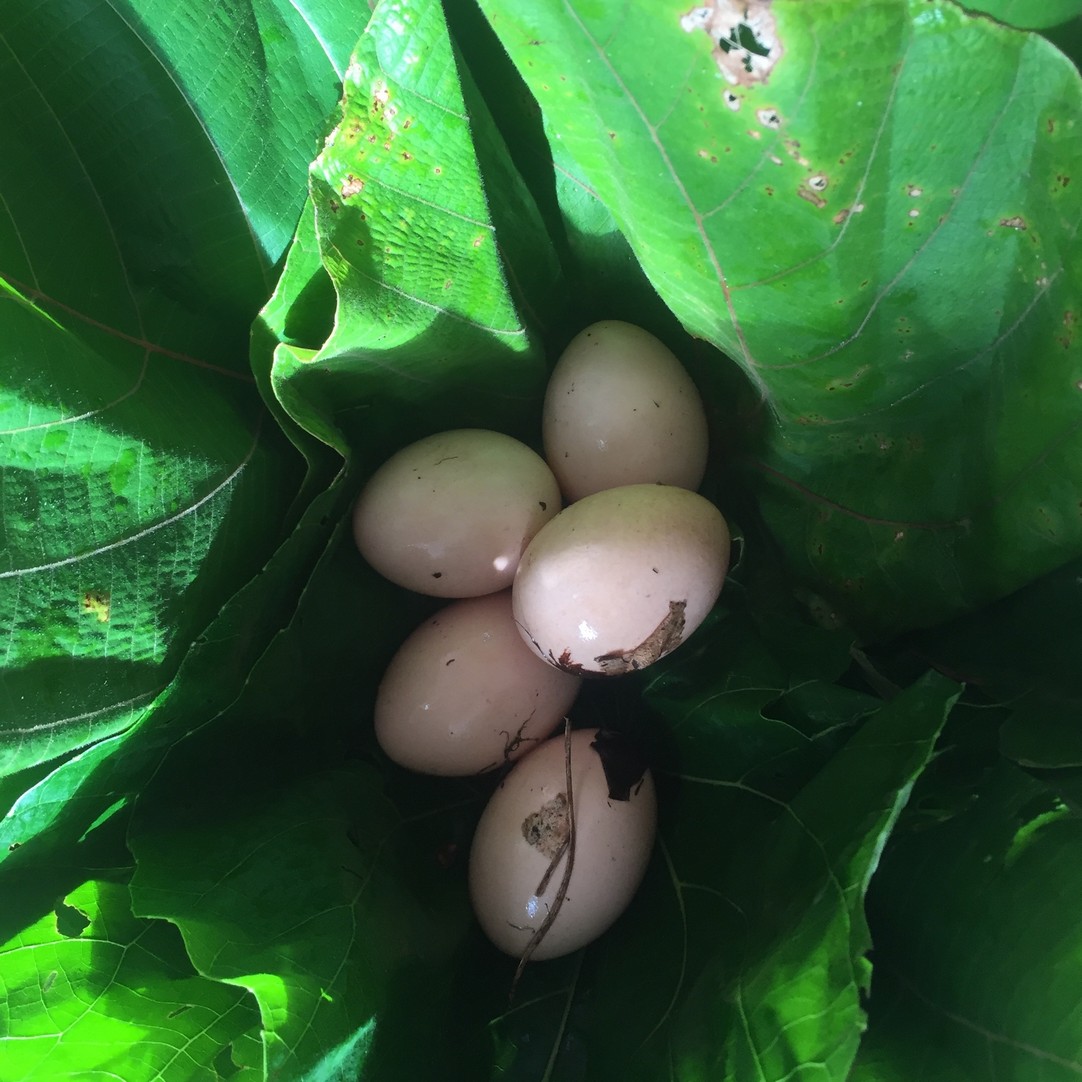
this is how eggs are wrapped
but they were very hard to find
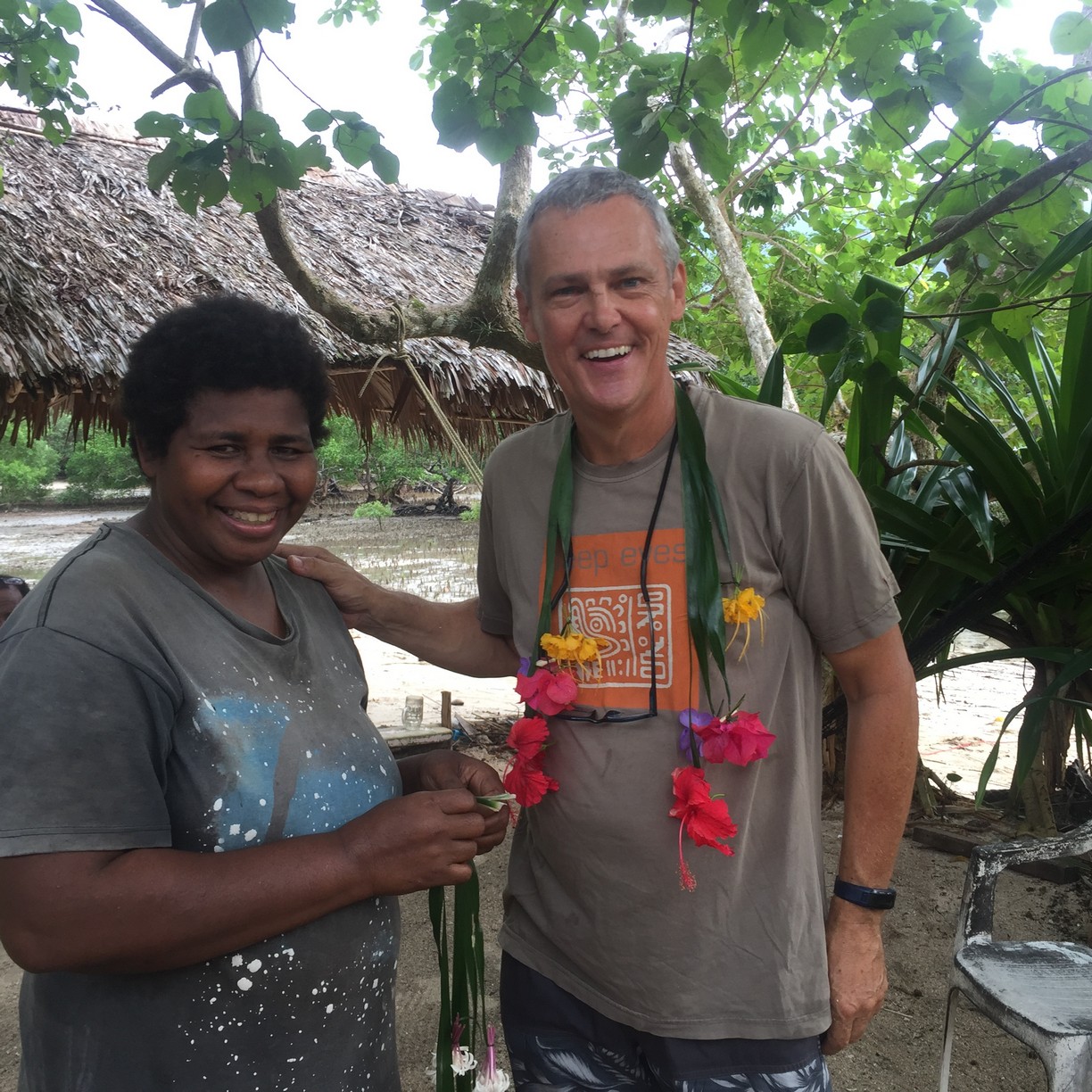
welcomed by the chief’s wife
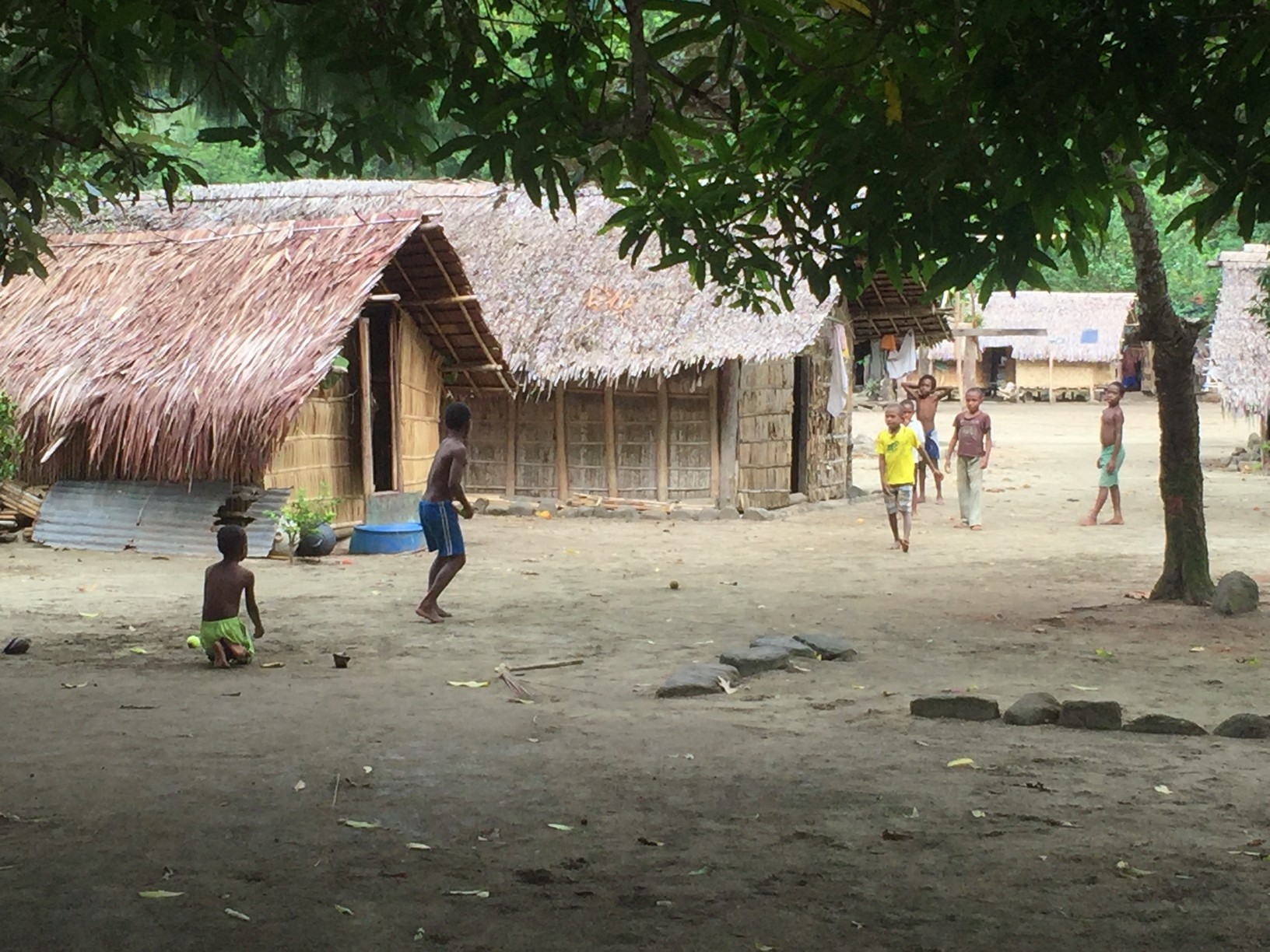
kids playing soccer
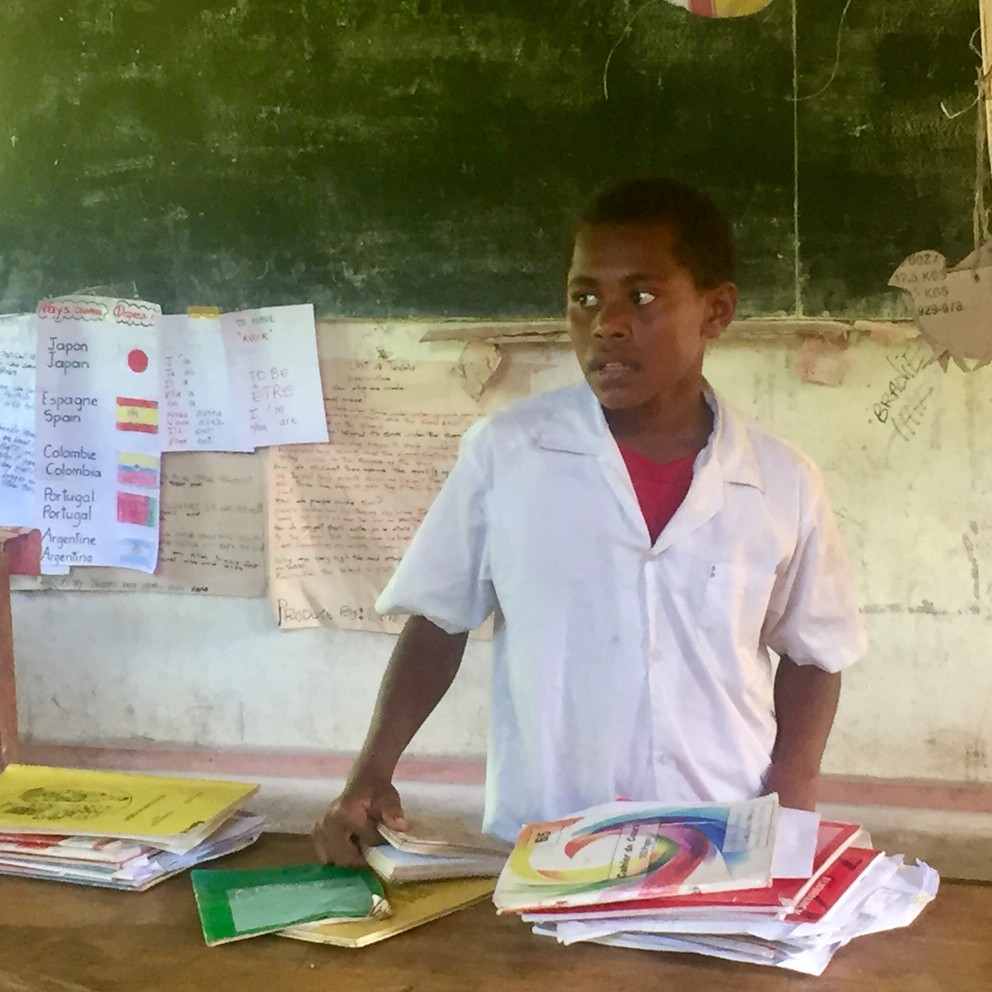
proud of their school
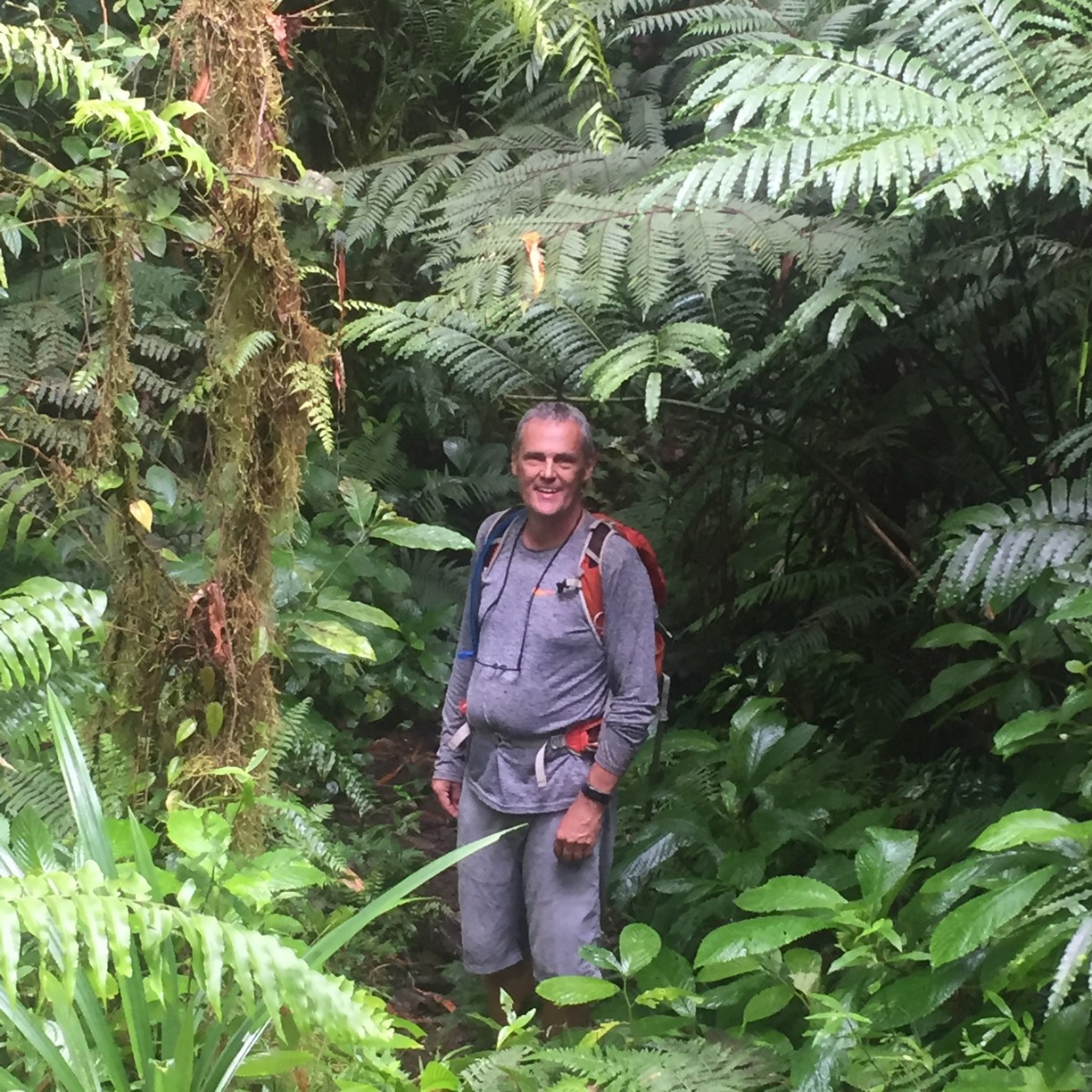
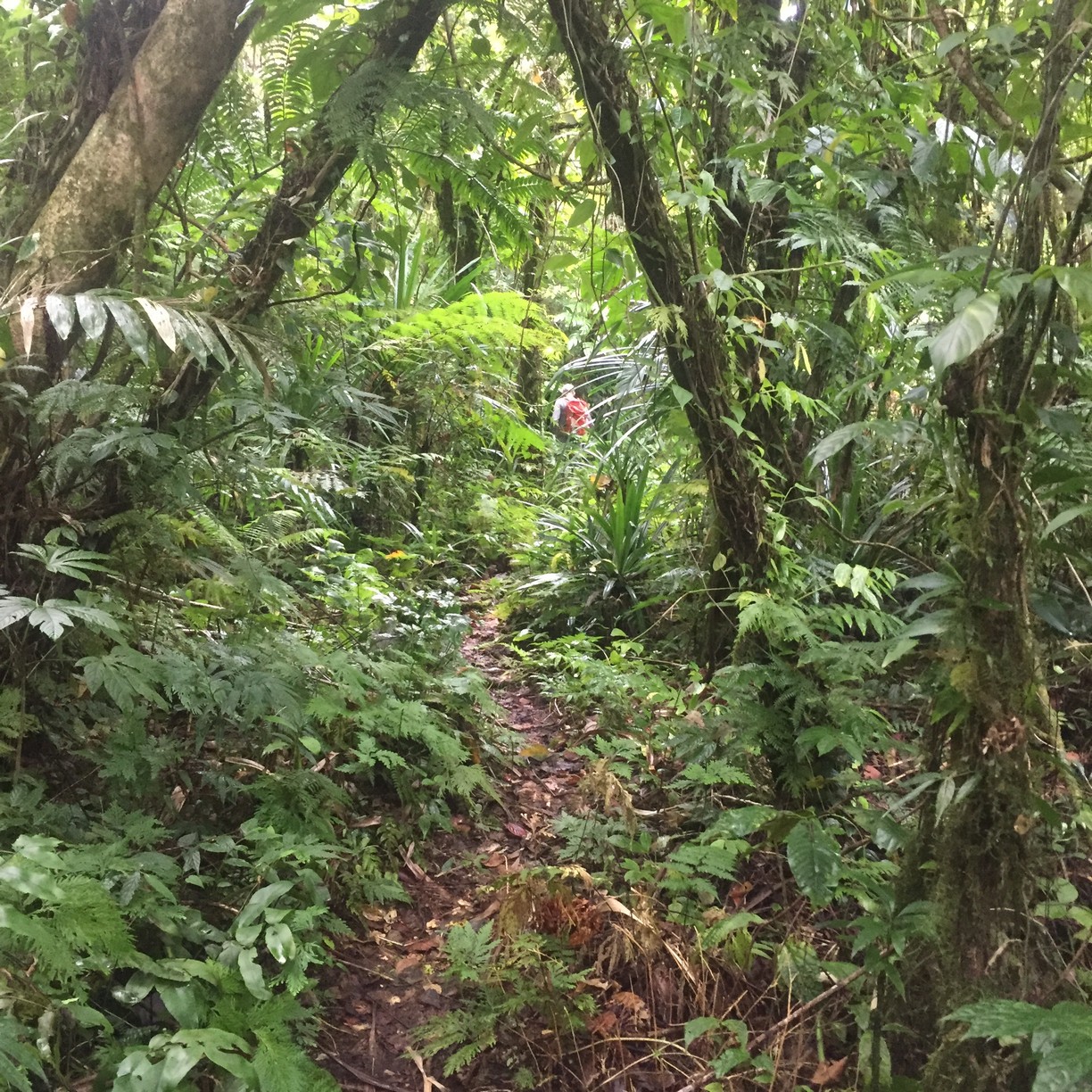
hiking on Gaua
it was good to have a guide with us to find the path
with our guide Dominik
arriving at Lake Letas, a crater lake, the largest lake in Vanuatu
typical houses on Gaua
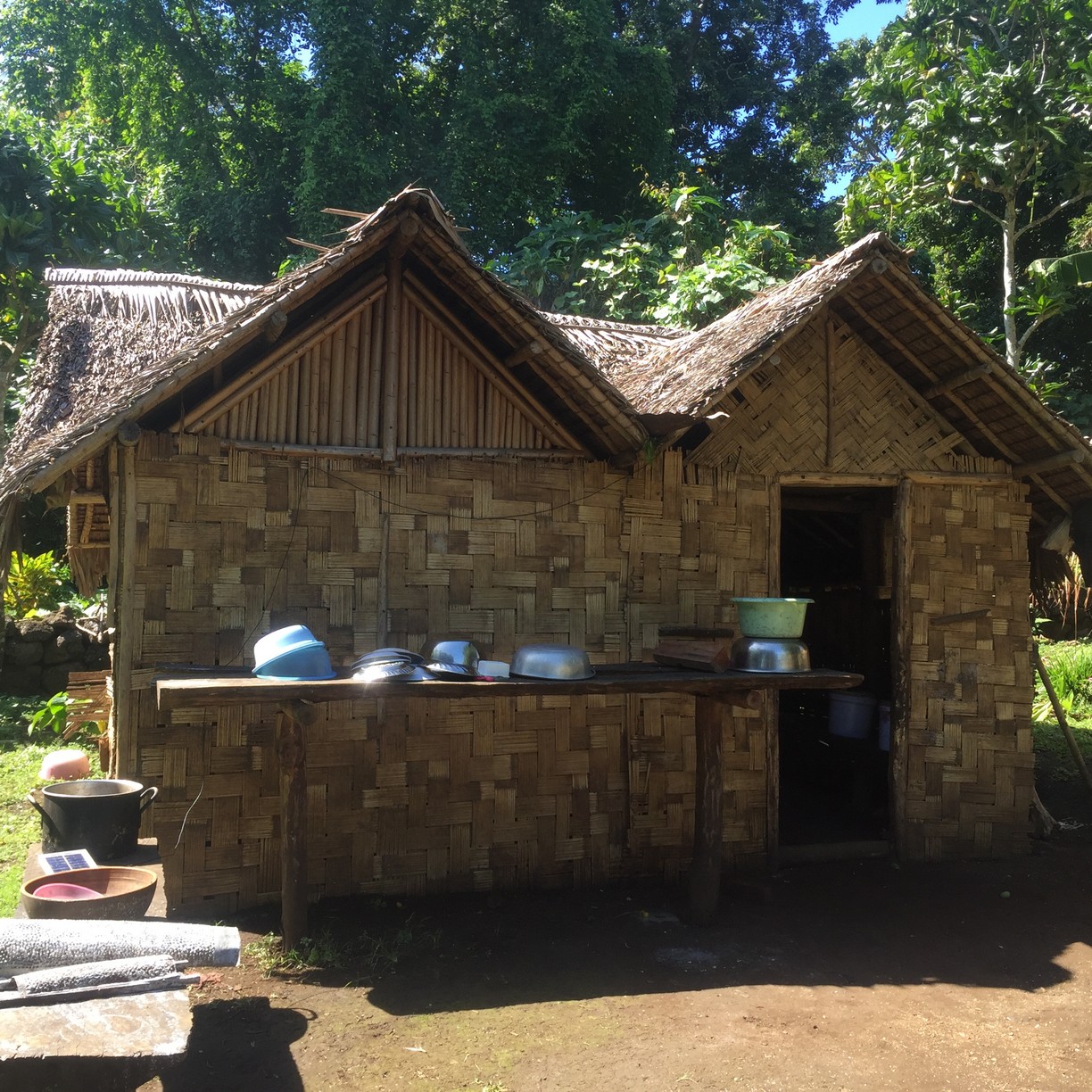
the kitchen
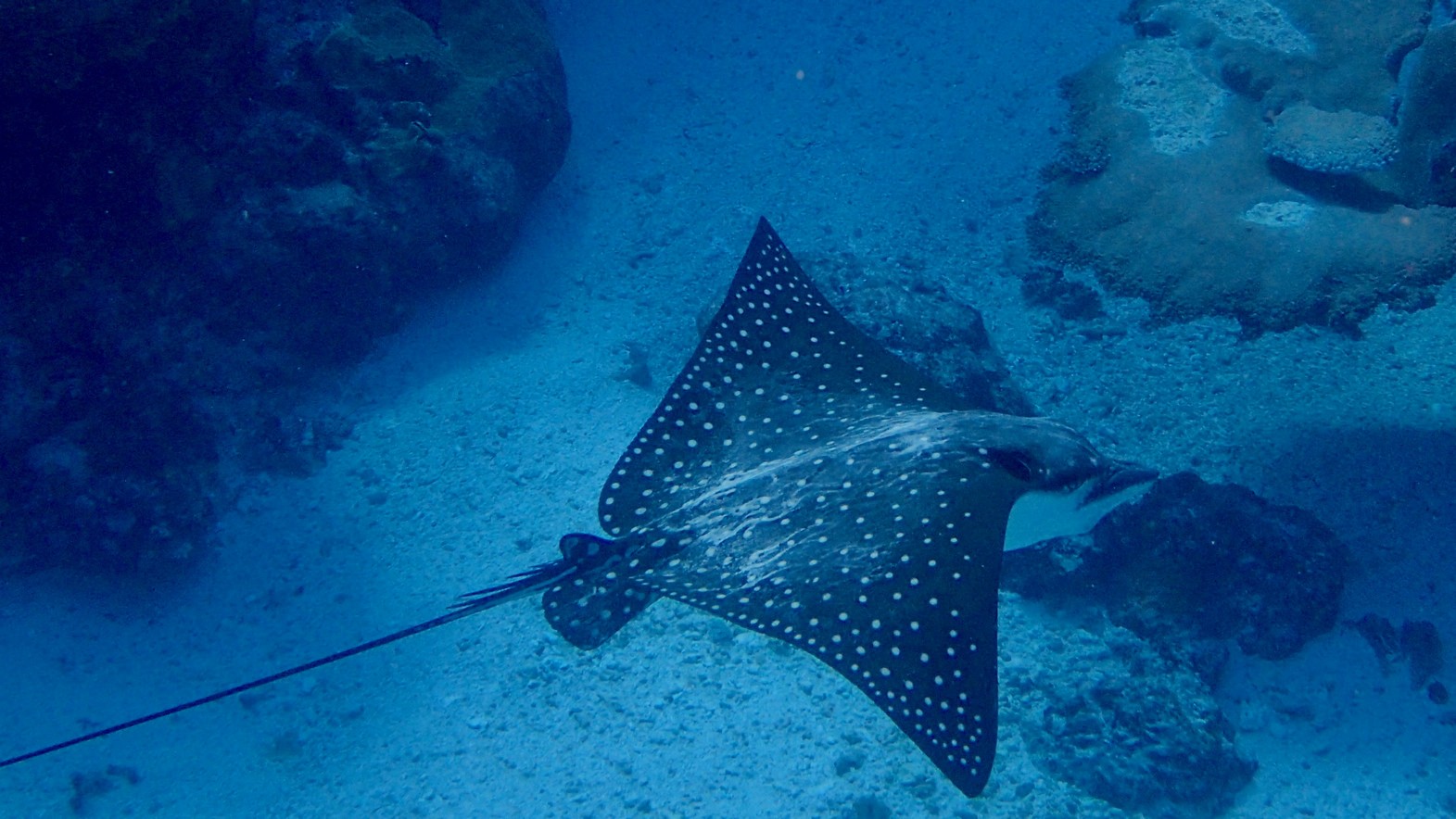
Another happy bunch of kids, happy to be in the picture. 36% of the population is between 0-14years old, 4% is older than 65 !Sanuk with a beautiful sunset in the bay at Gaua A spotted eagle ray, snorkeling at the Banks islandsA family of anemone fish
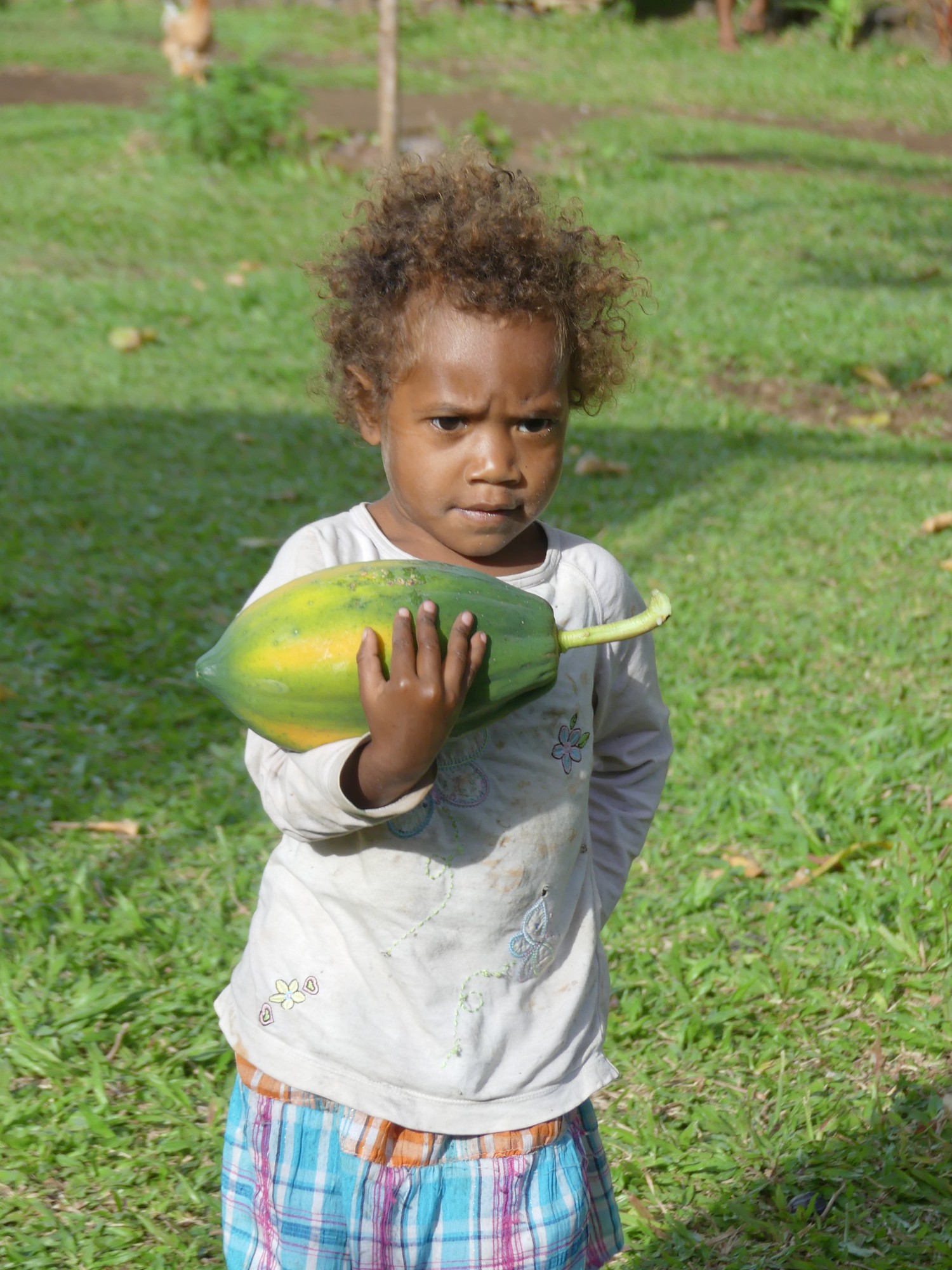
shy but she did bring us the papaya
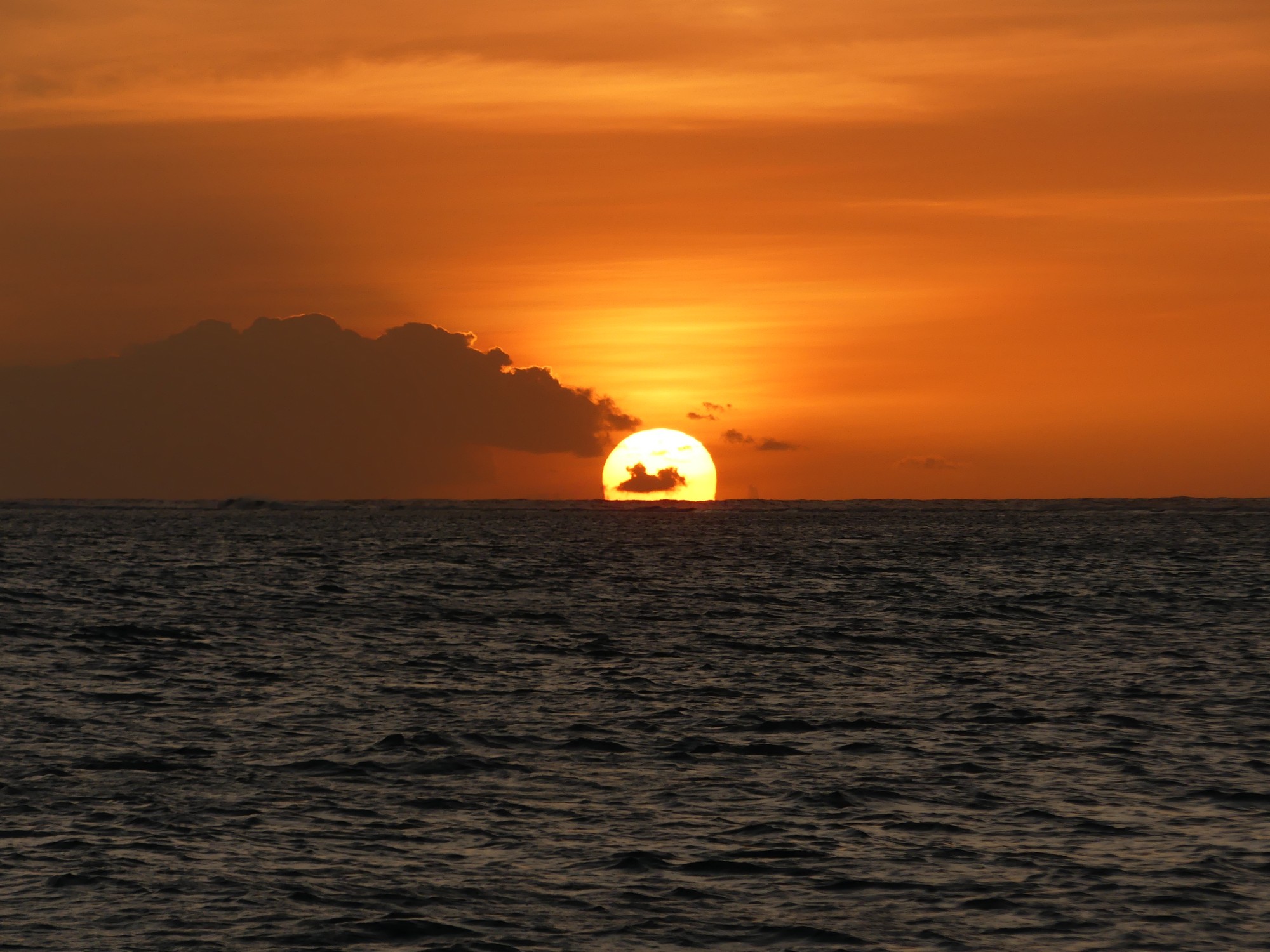
The last sunset in Vanuatu, tomorrow we start our sail to Solomon
Flash back to April 2018 when we arrived back on the boat after visiting Australia, Vietnam and Myanmar. It felt good coming home to Sanuk.
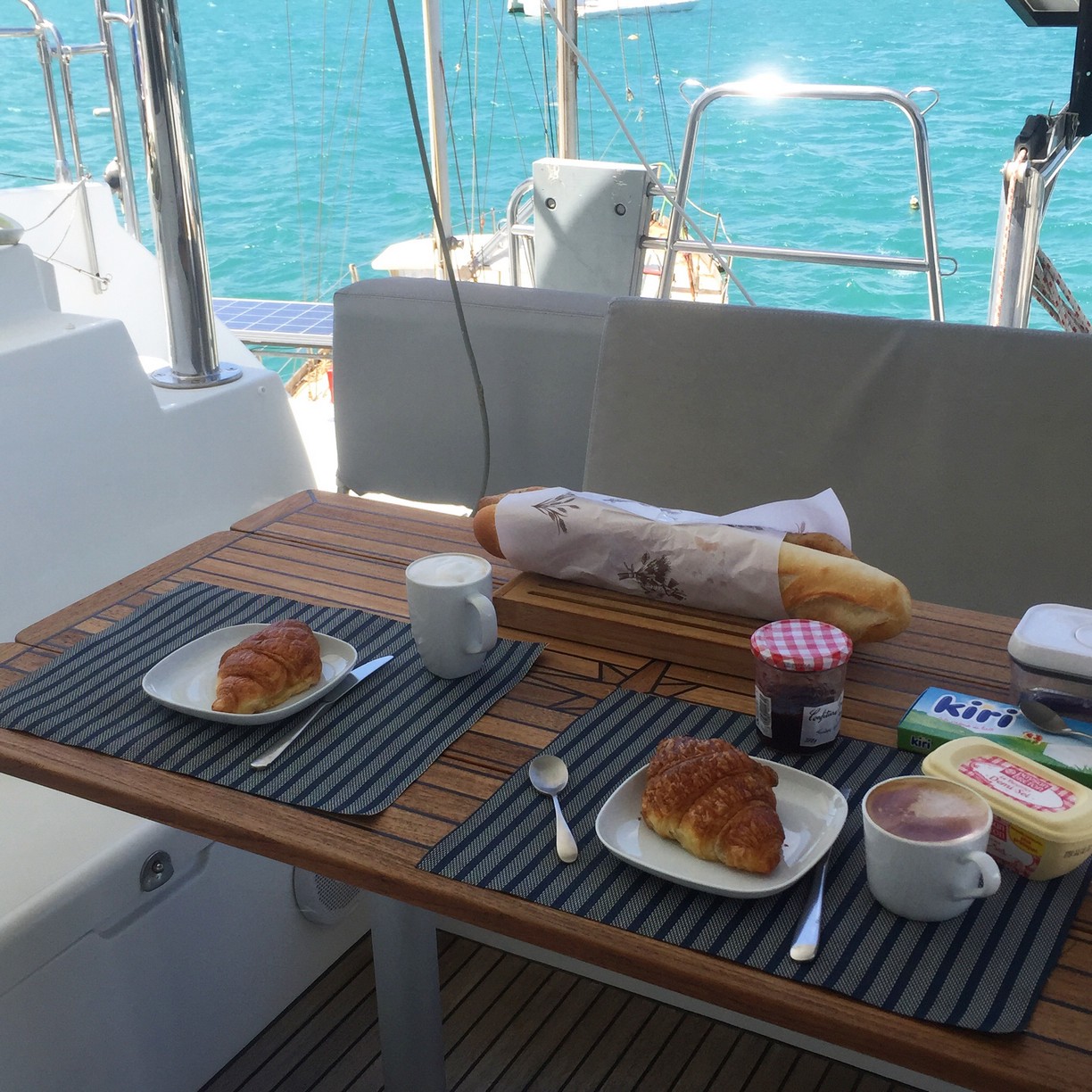
French bread, croissants, good coffee and real butter, a perfect breakfast
It took us about 2 weeks to get Sanuk ready to go back in the water and off we were for our last cruising season in the Pacific. We checked out of Noumea, got tax free diesel and sailed towards the Isle of Pines.
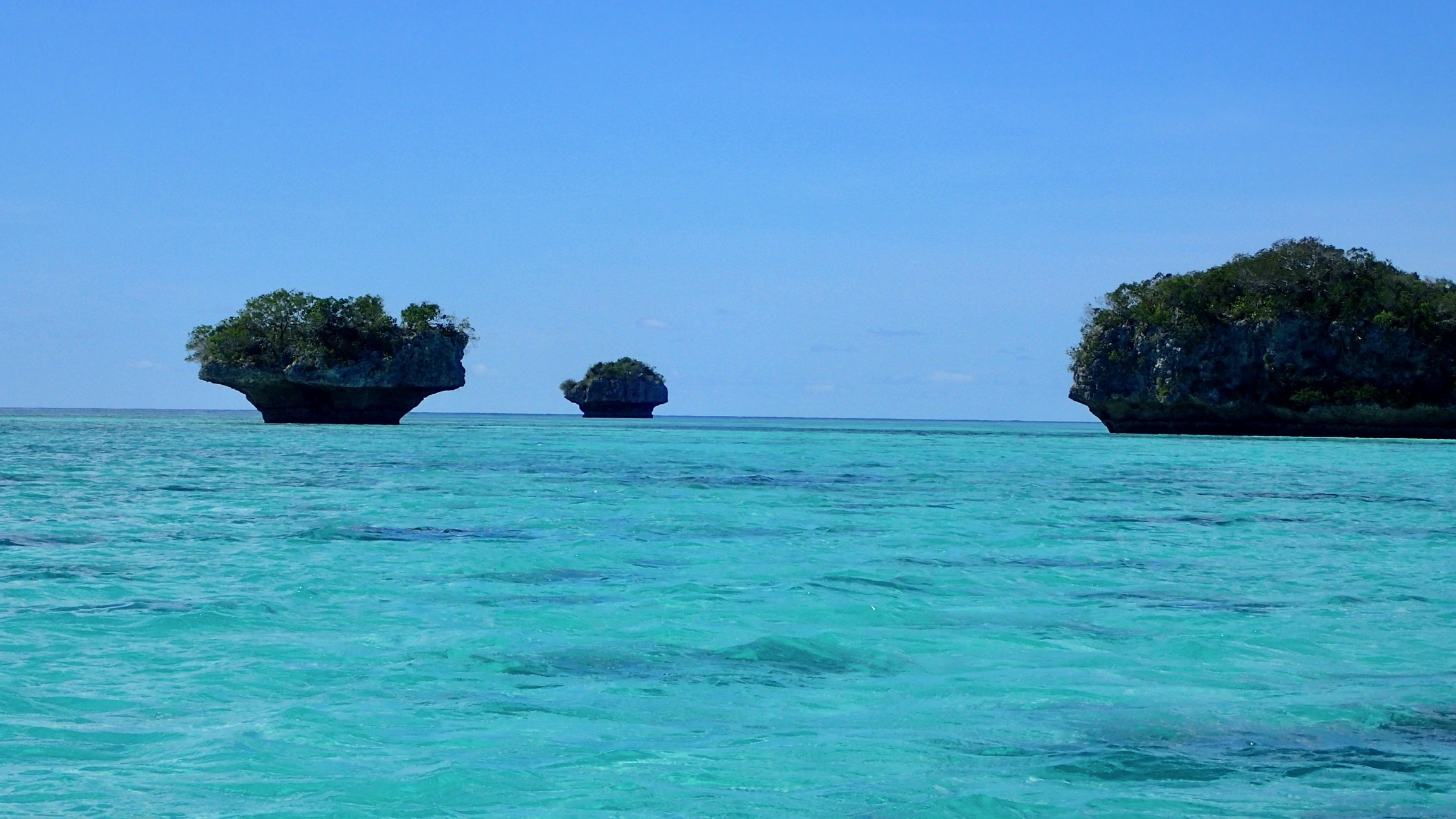
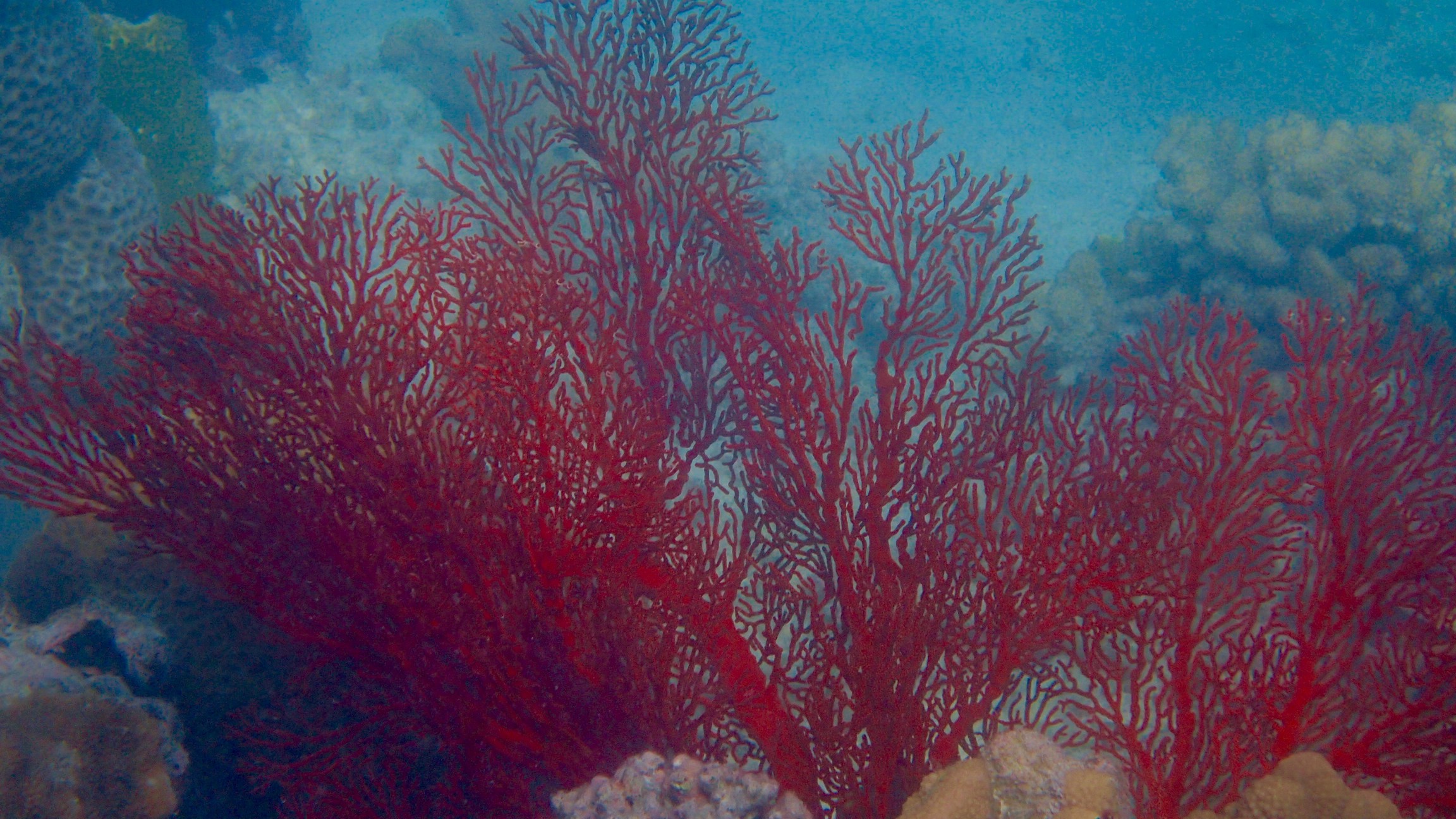
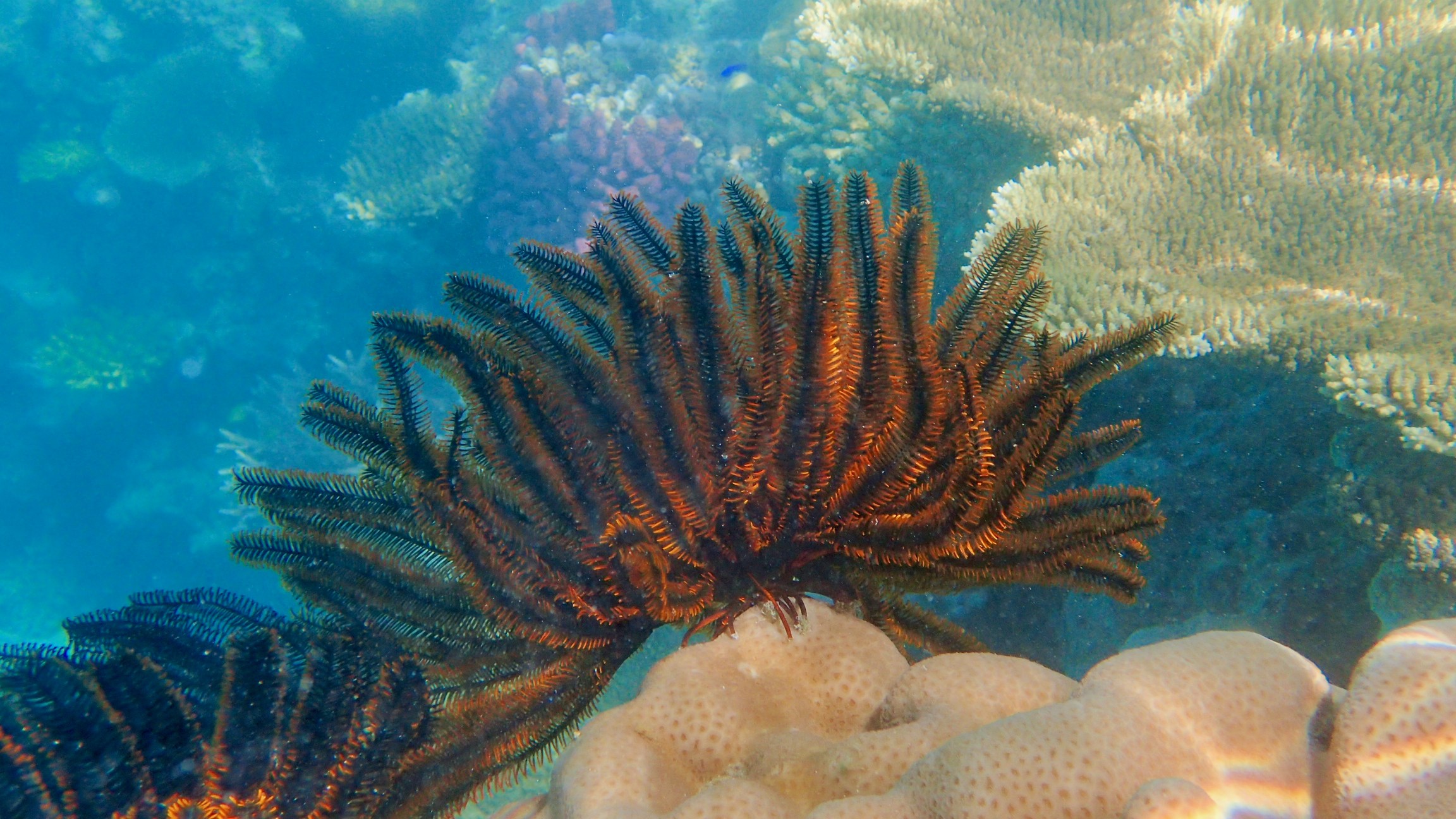
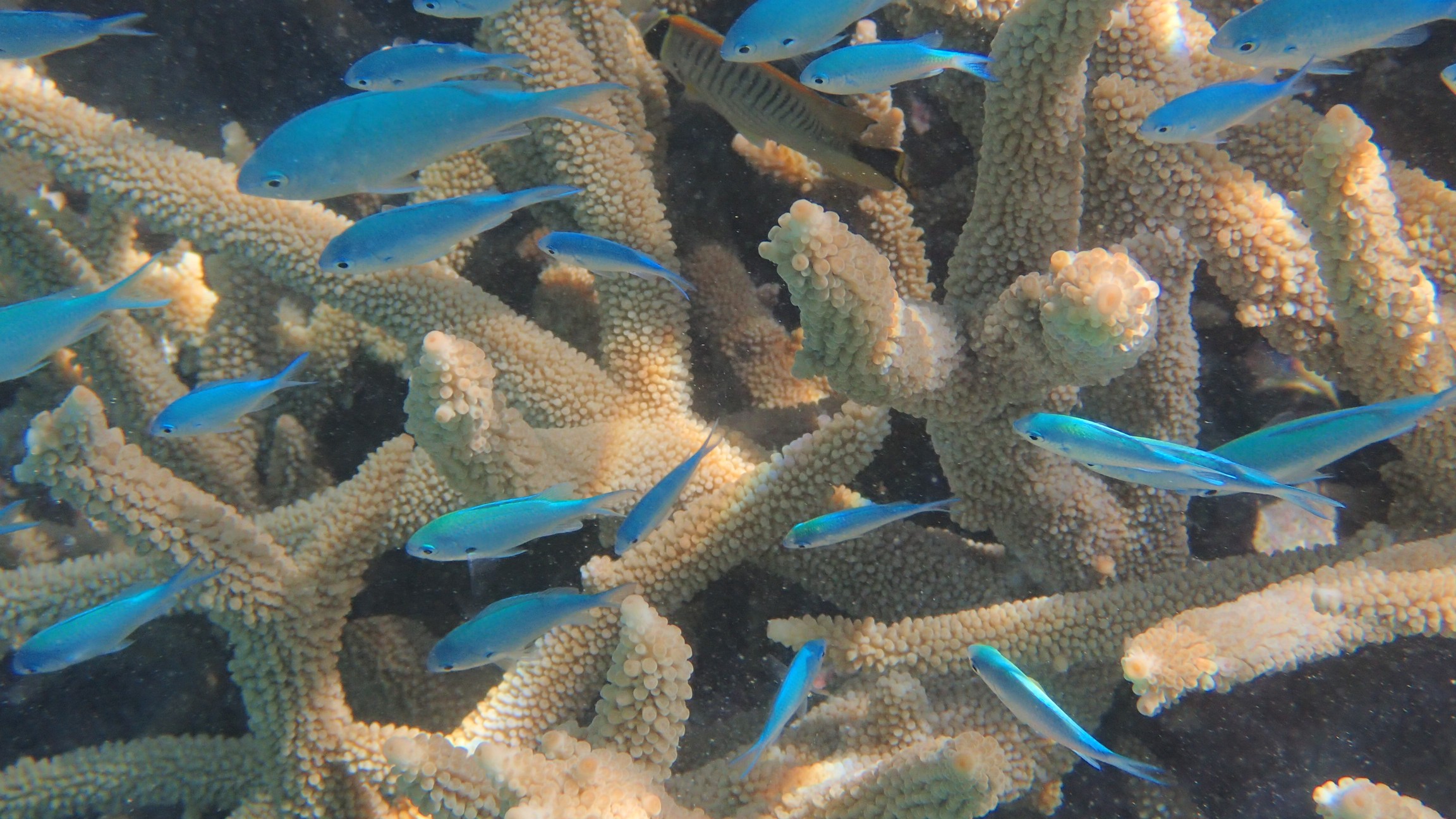
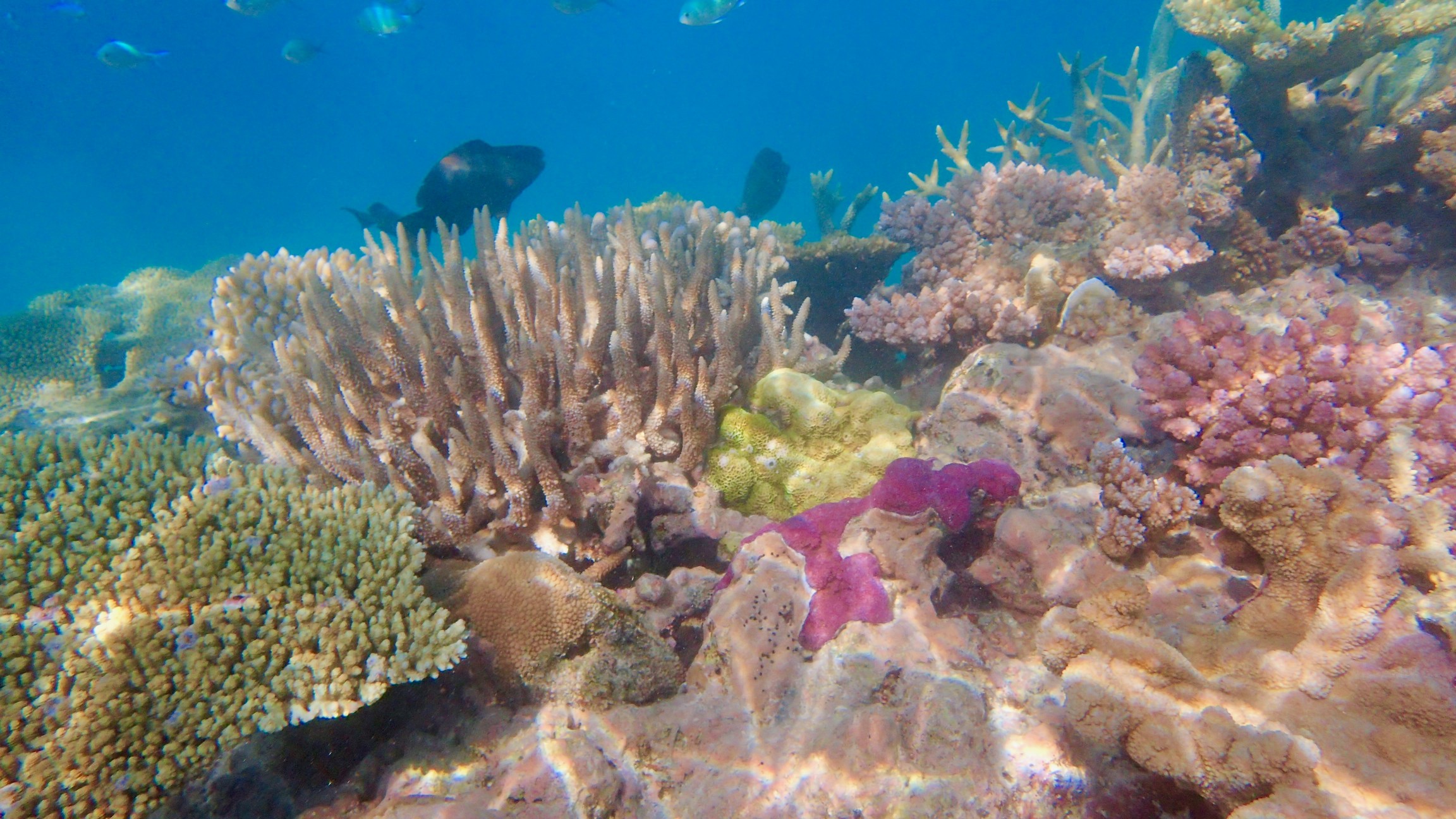
Beautiful Gadji Bay where we snorkeled and saw some colourful coralThe clarity of the water was not top but still good enough to enjoy the red coralA feather star, they can actually swim by flapping their feathery arms.Blue Damsels everywhere.And it looks even better in real life
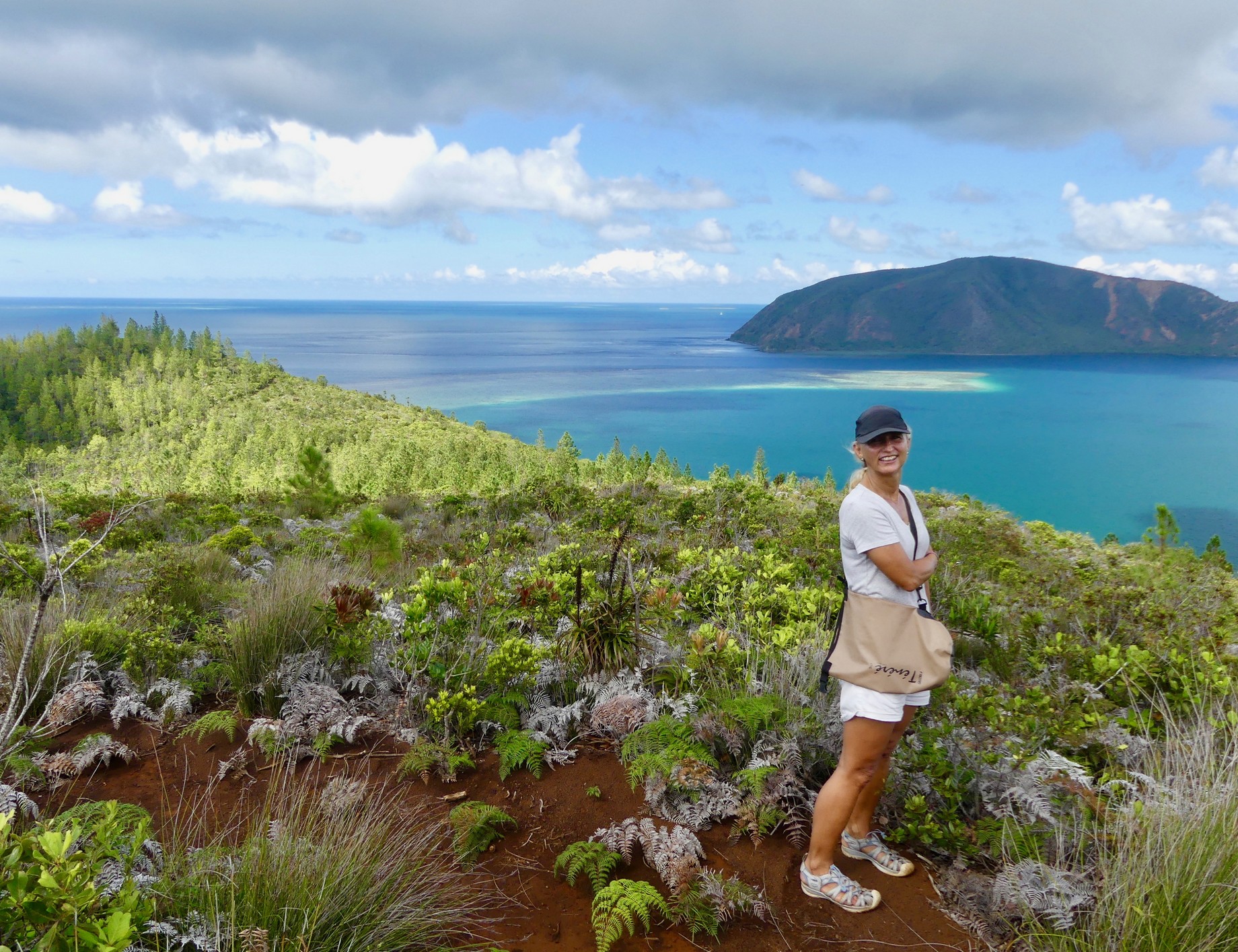
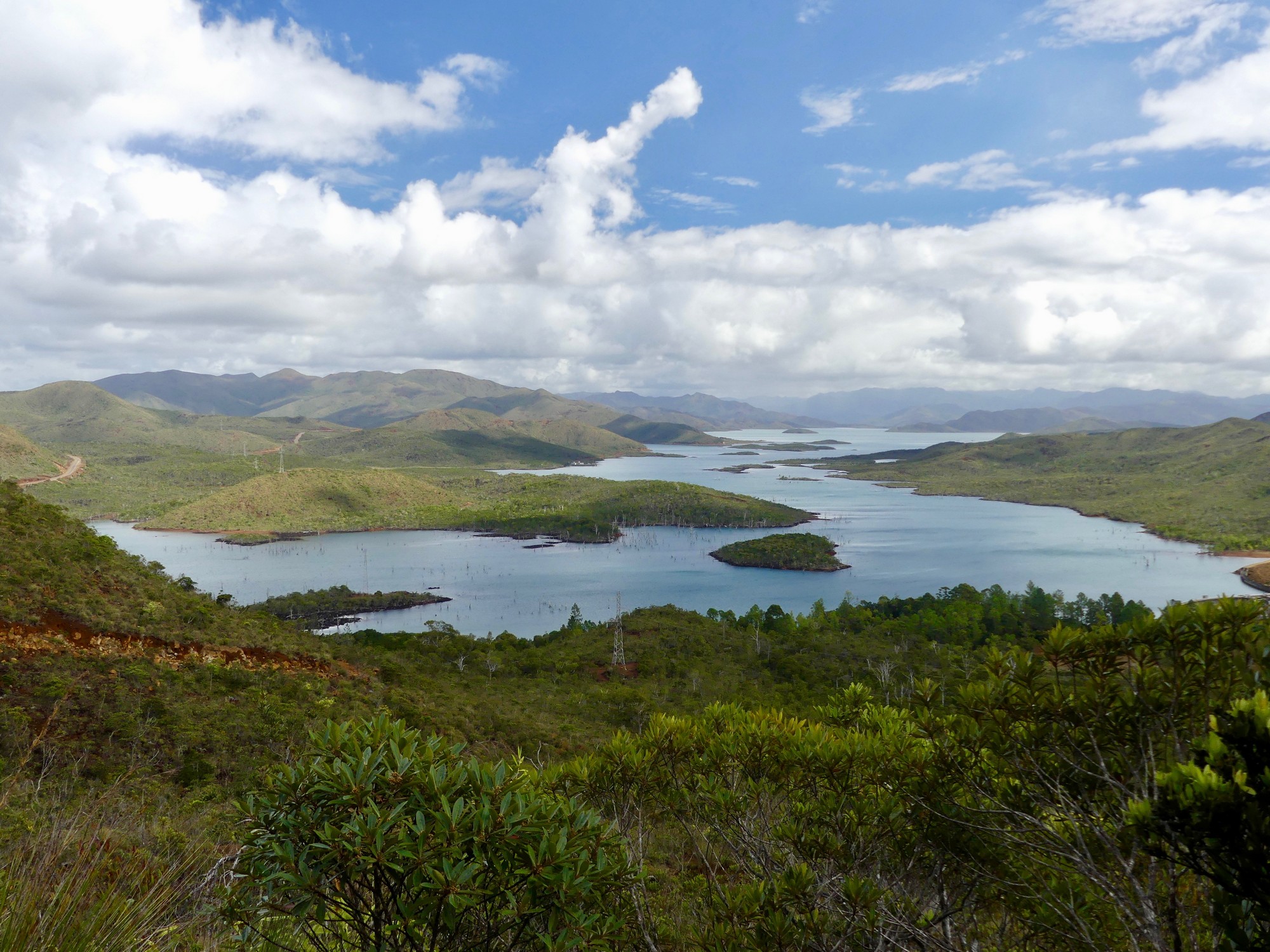
From Gadji Bay we decided to continue sailing along the East Coast from Grande Terre until it was time to cross to Vanuatu. We took almost 3 weeks to sail up and come back and we hardly saw another boat. The weather was not perfect, rainy days but warm but the nature was beautiful and we managed to do some nice hikes.
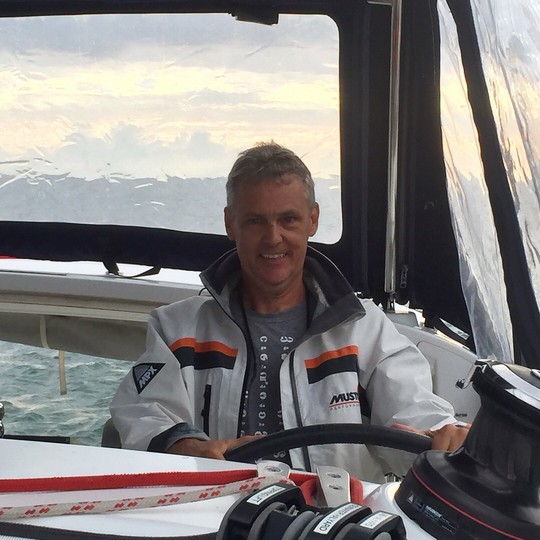
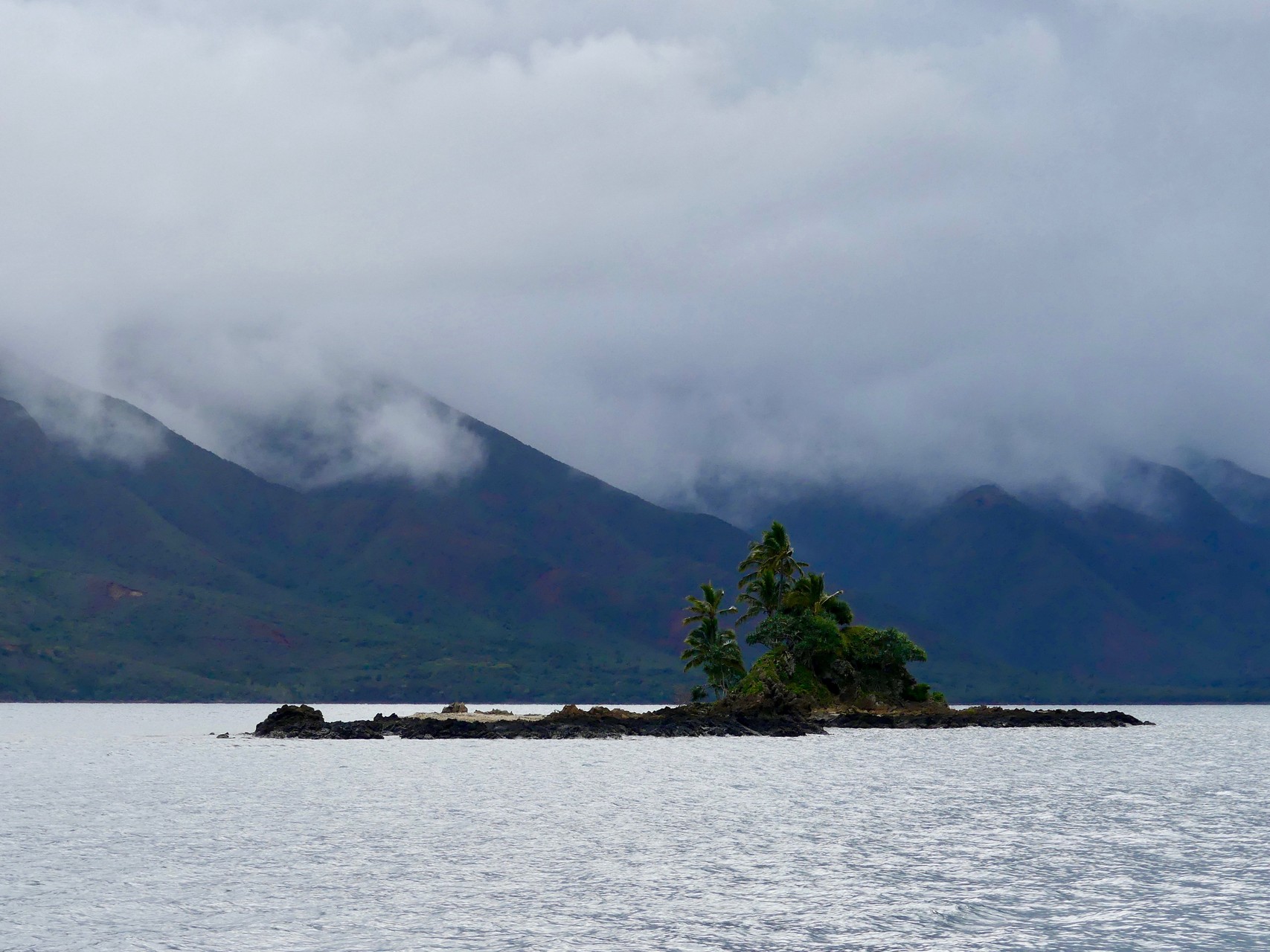
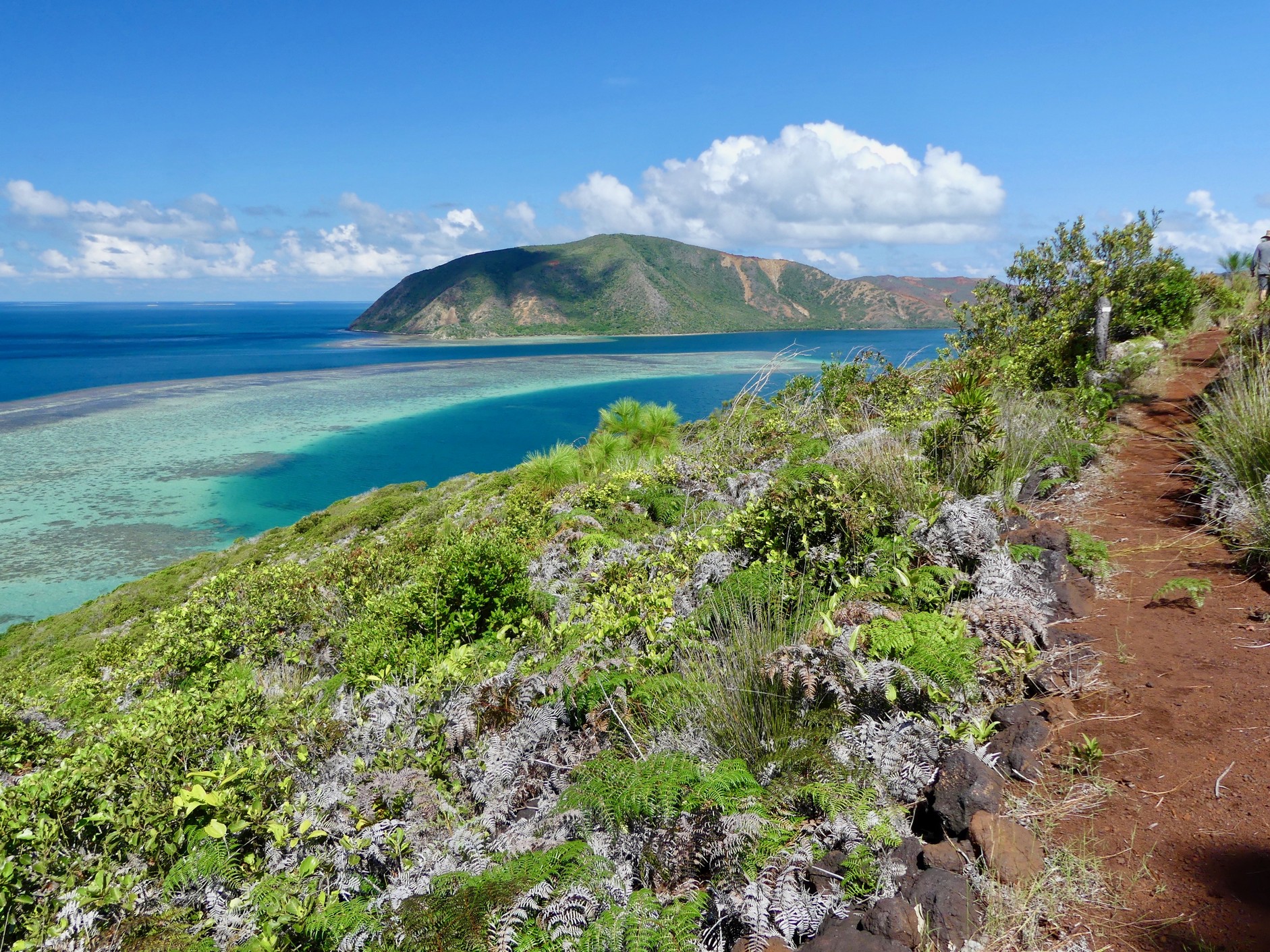
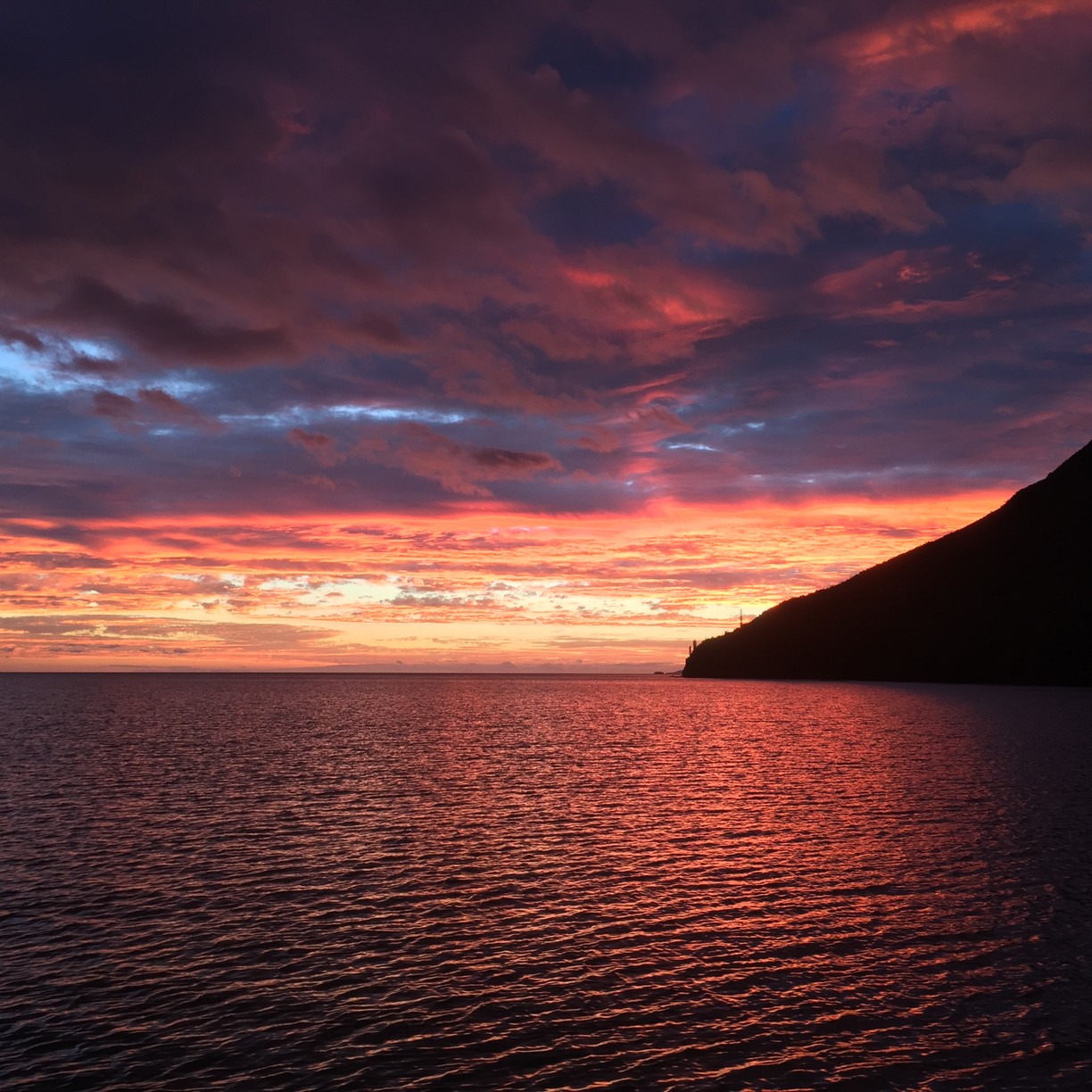
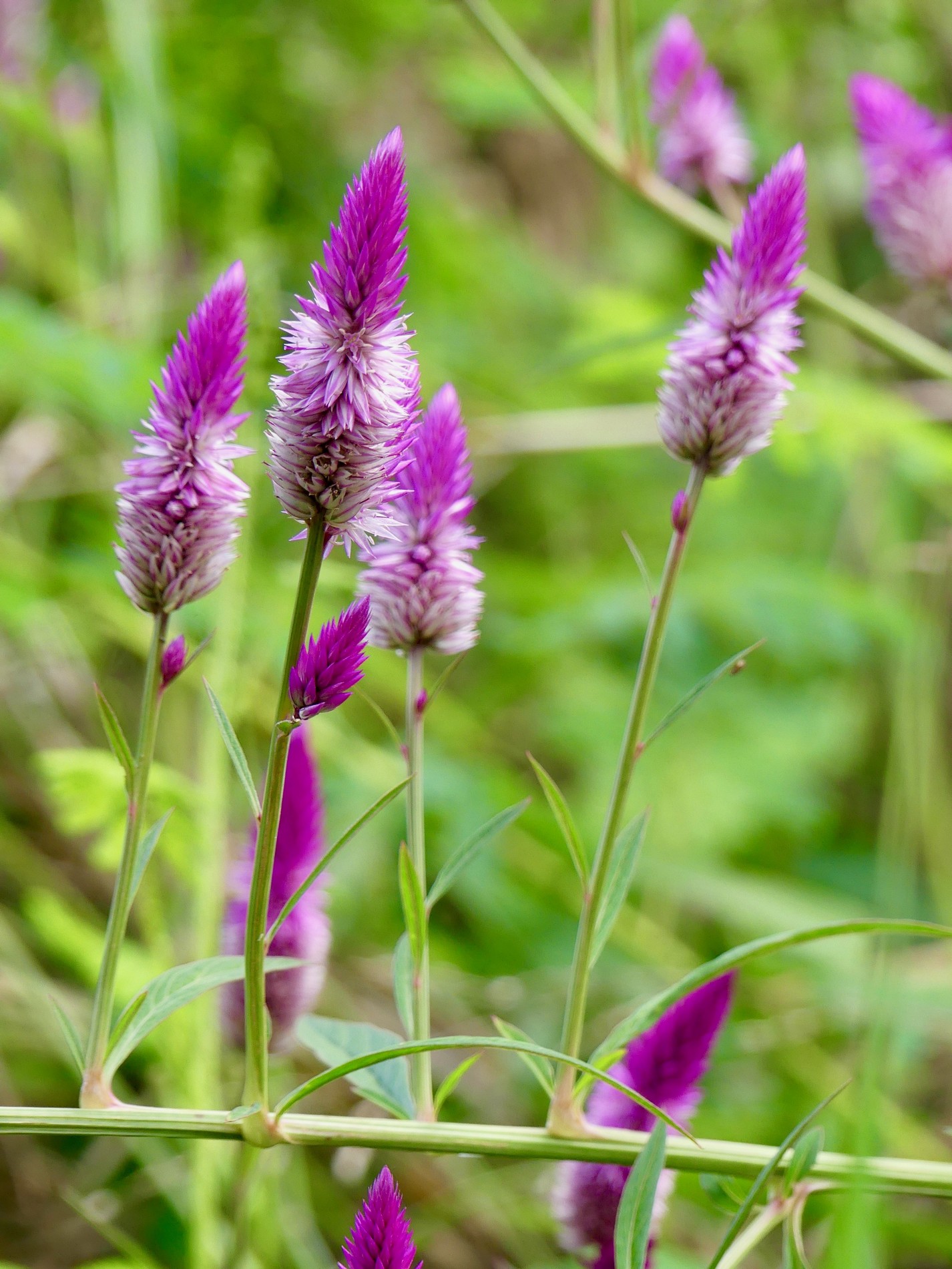
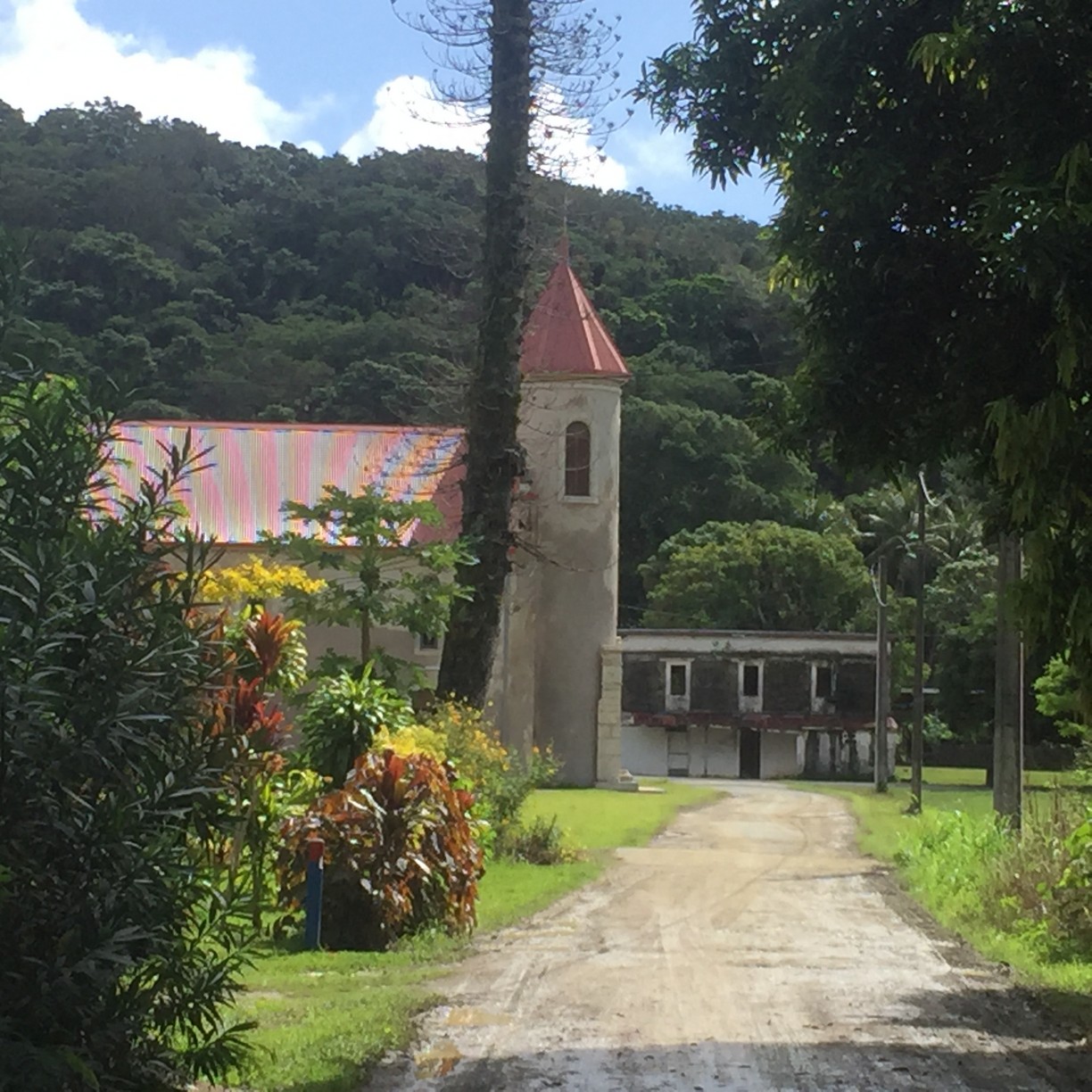
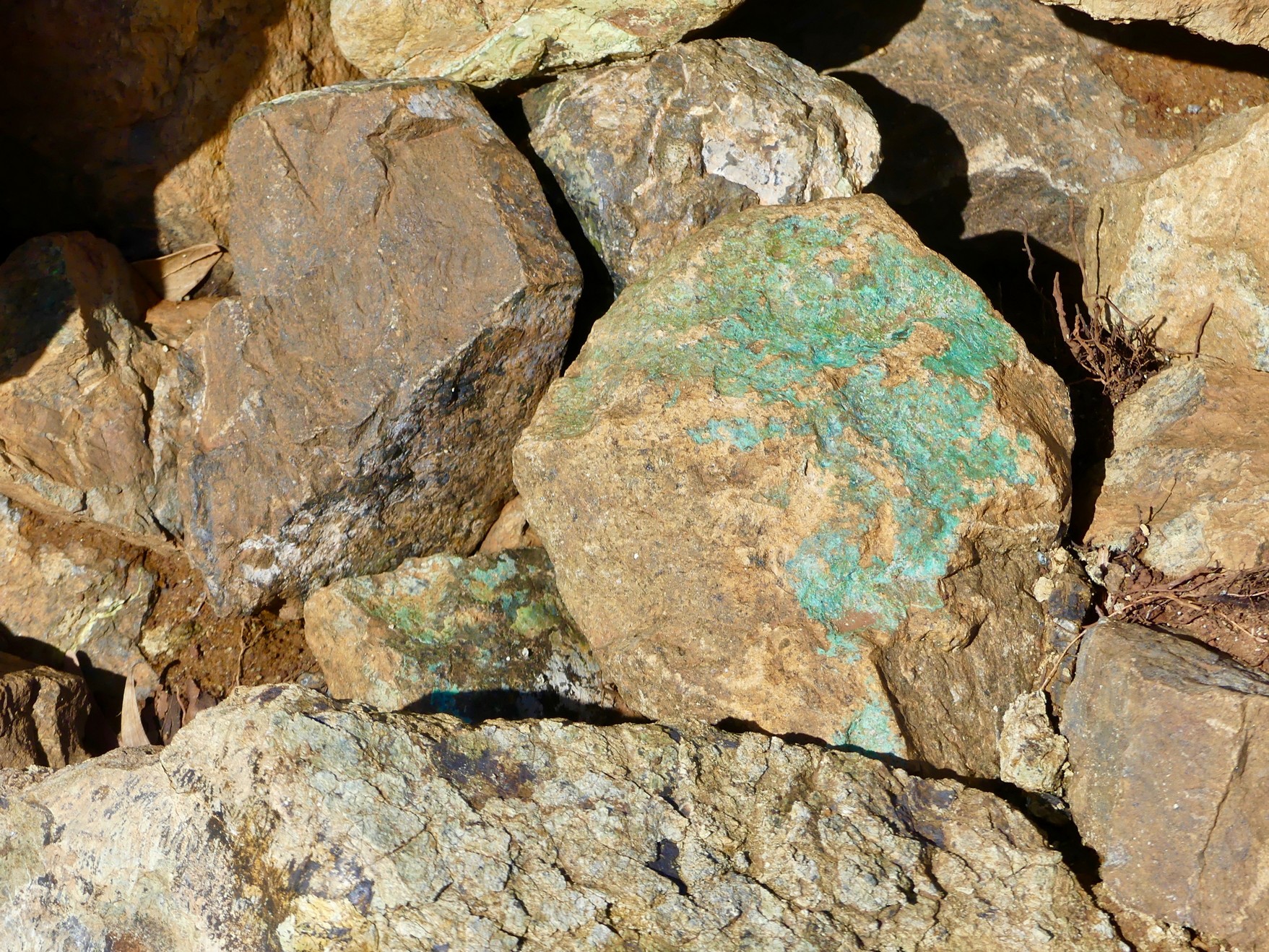
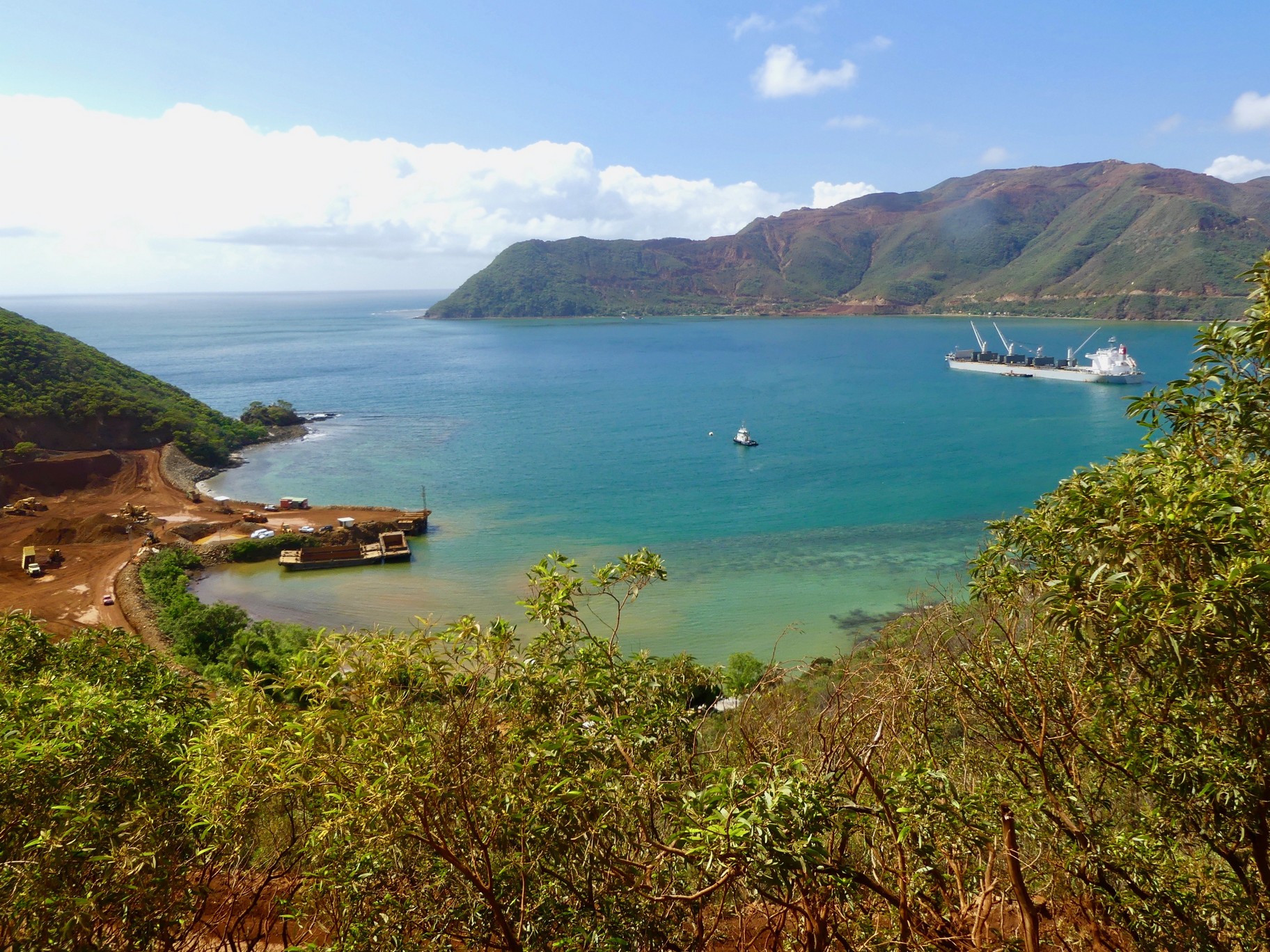
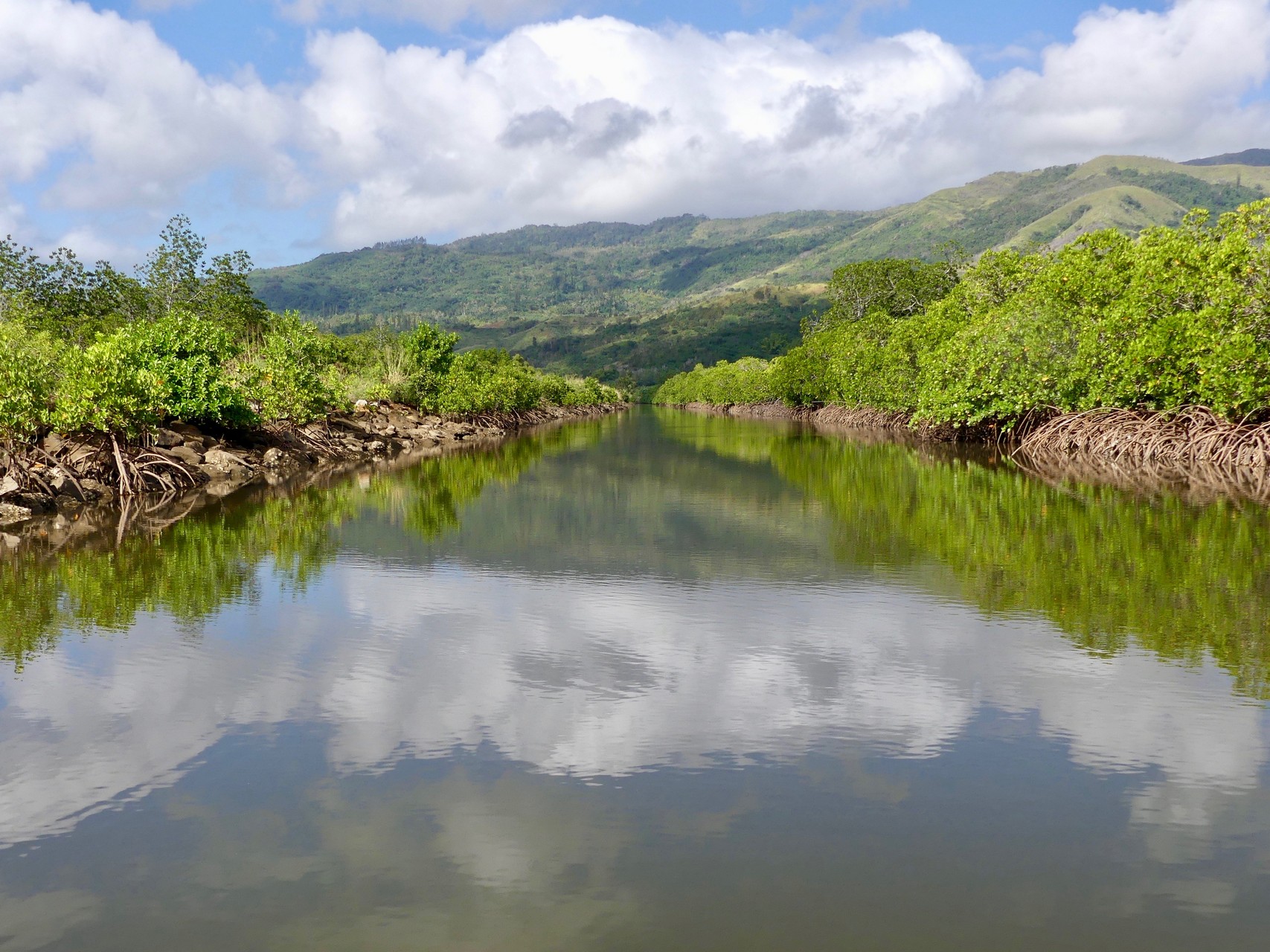
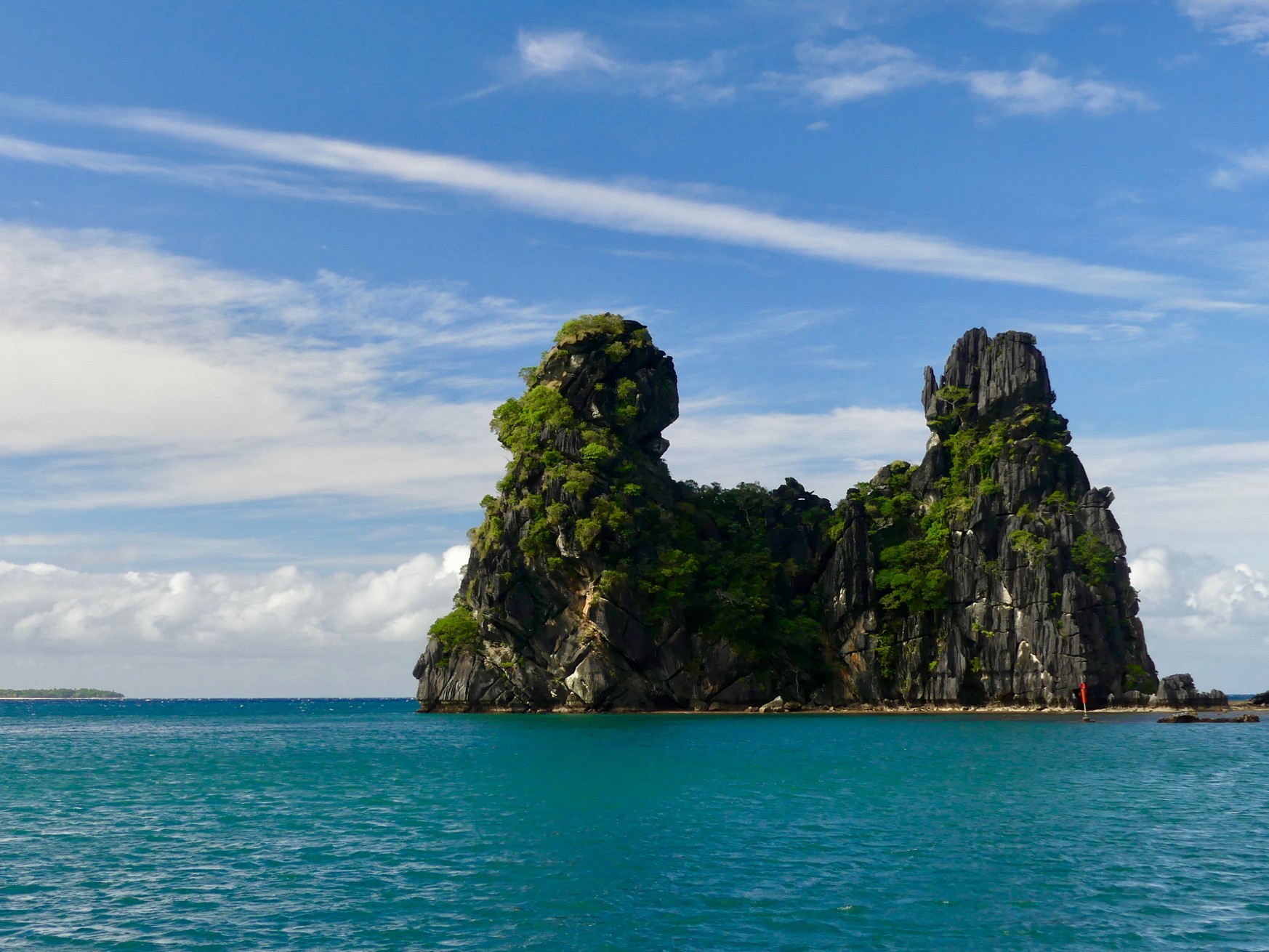
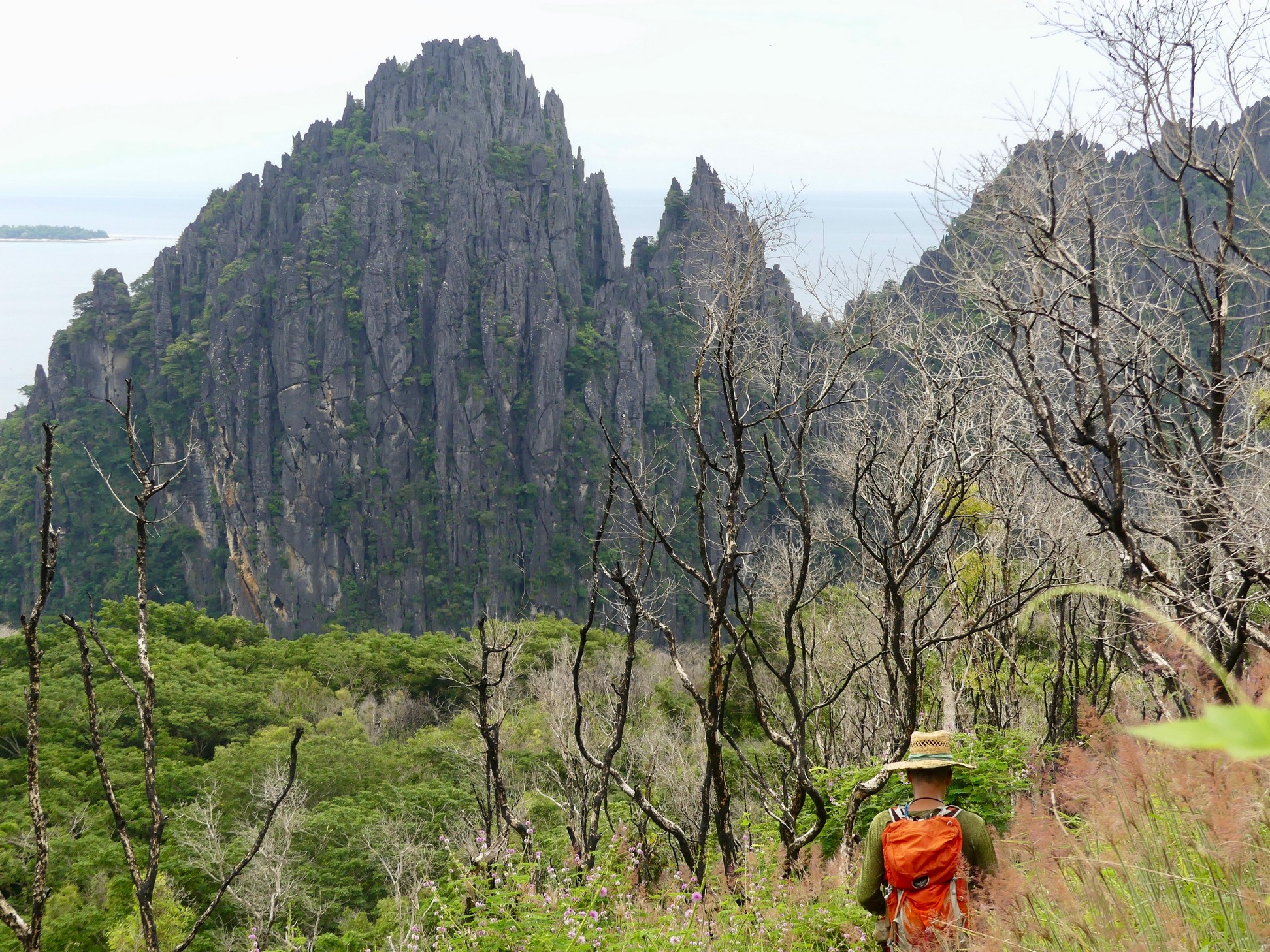
A happy captainDramatic scenery seen from the back of SanukOn a sunny day the colours of the reef are so much nicer. Enjoying our walk along Guara BayOne of the spectaular sunsets in New CaledoniaA gorgeous walk in Yatewith plenty of flowersin all shapes and colorsOne of the many authentic churches in a small village. Religion is still very important for the Kanak people.In a way unfortunate that the ground of Grande Terre is filled with “nickel”. Nature has to give way for the exploitation of this ore.Nickel mining on the left, the boat is waiting to be filled. Nickel mining is a major sector in the economy of New Caledonia. The island contains about 7 Mio Tonnes of nickel which is about 10% of the world’s nickel reserves.Canala canal our way into the town of Canala with Flipper.“La poule de Hienghėne” or the brooding hen. It is a limestone rock formation and a symbol of generosity for the Kanak people.The Lindéralique cliffs, made of black limestone and featured at one time on the 500 XPF bank notes.Anchored near the dock at Guara BayThe captain ready to move on to VanuatuWe made a stop at Maré Island and went to see “the warrior’s leap”. Standing almost 30 meters above sea level, legend has it that the warrior, cornered by many enemies, leapt across the abyss which in fact measures almost 7 meters in width! As for the enemies, they broke their necks and ended up at the bottom of the ocean.Sailing to Vanuatu proved to be a rocking fast sail. We got to Anatom in 22 hoursSunset in Anatom. We are ready to discover Vanuatu.
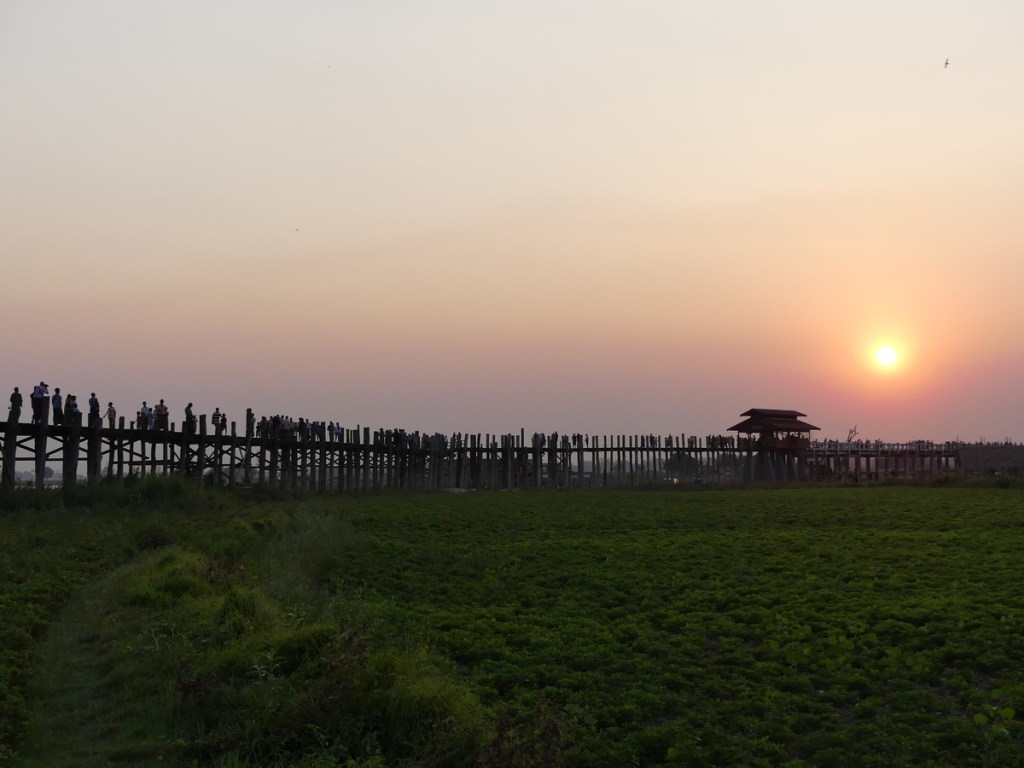
Around the end of march 2018, we left Inle Lake by night bus to Mandalay. It was a bouncy ride and I did not get a lot of sleep so I was happy when we could check-in early and go to bed for a couple more hours of sleep. The reason for our stop in Mandalay was a visit to the U Bein bridge in closeby Amarapura, We rented a motorcycle from the hotel and were soon on our way to Amarapura.
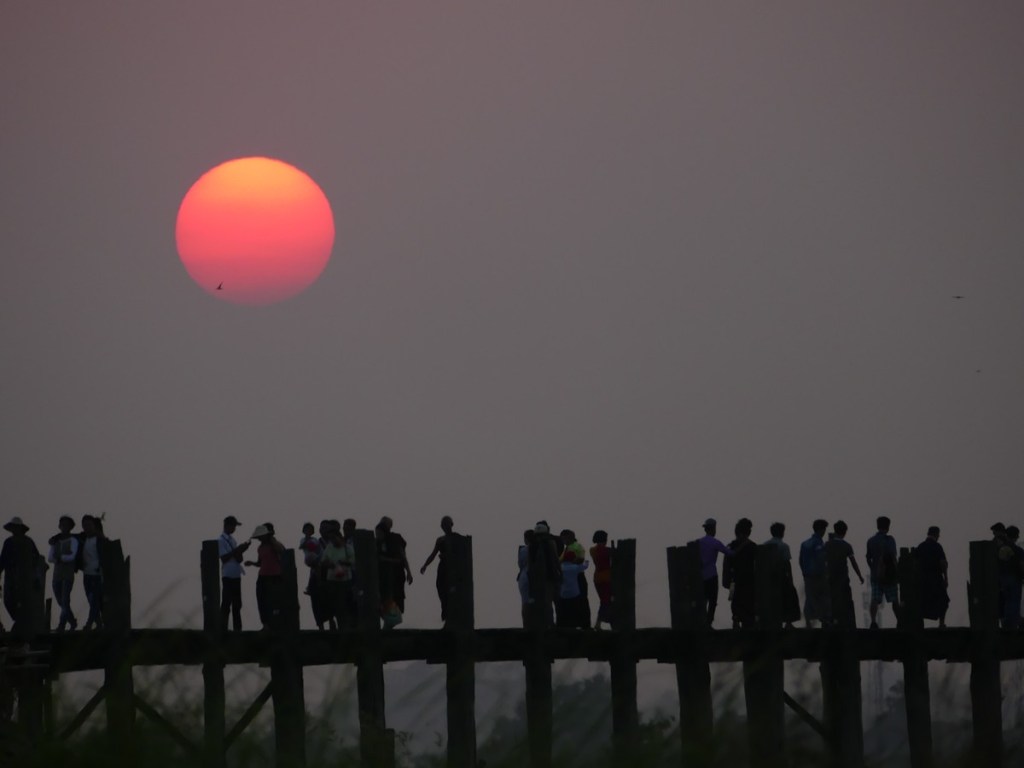
The U Bein bridge is with its 120m long, the longest teak footbridge in the world.
It was the mayor of Amarapura, U Bein, who decided to create the bridge using the teak supports from the abandoned palace in 1859. There are just over a 1000 pillars along the bridge.
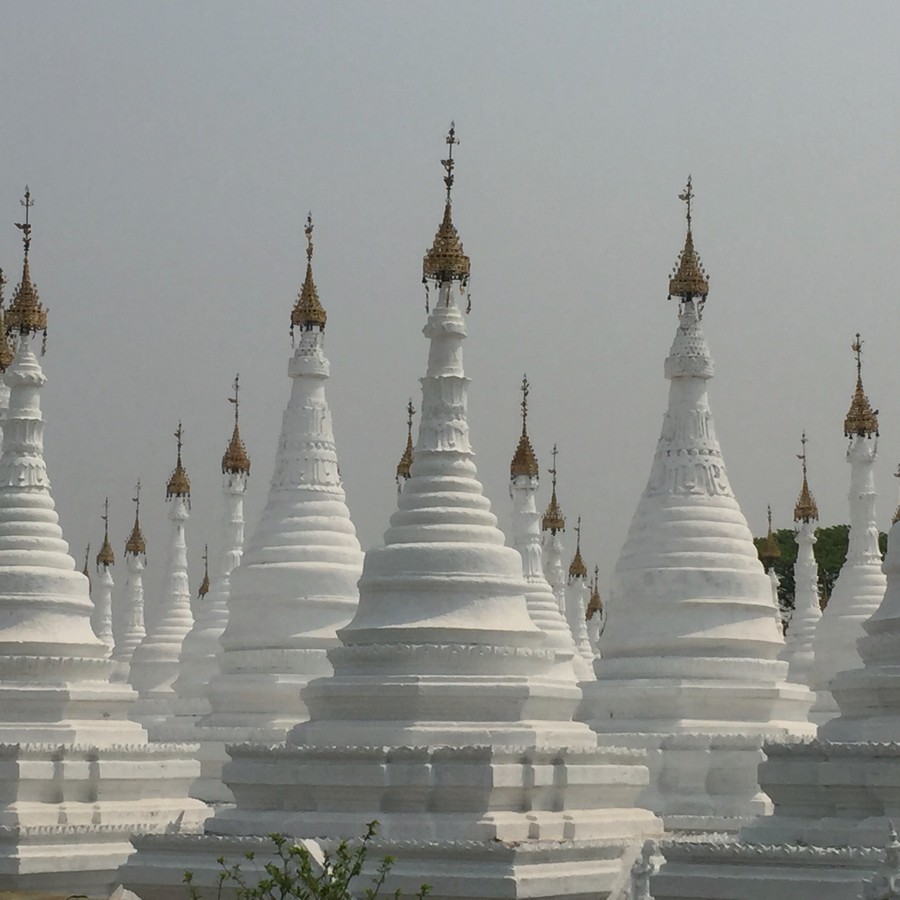
While in Mandalay we decided to visit the Kuthodaw pagoda and the monastery of Shwe In Bin Kyaung.
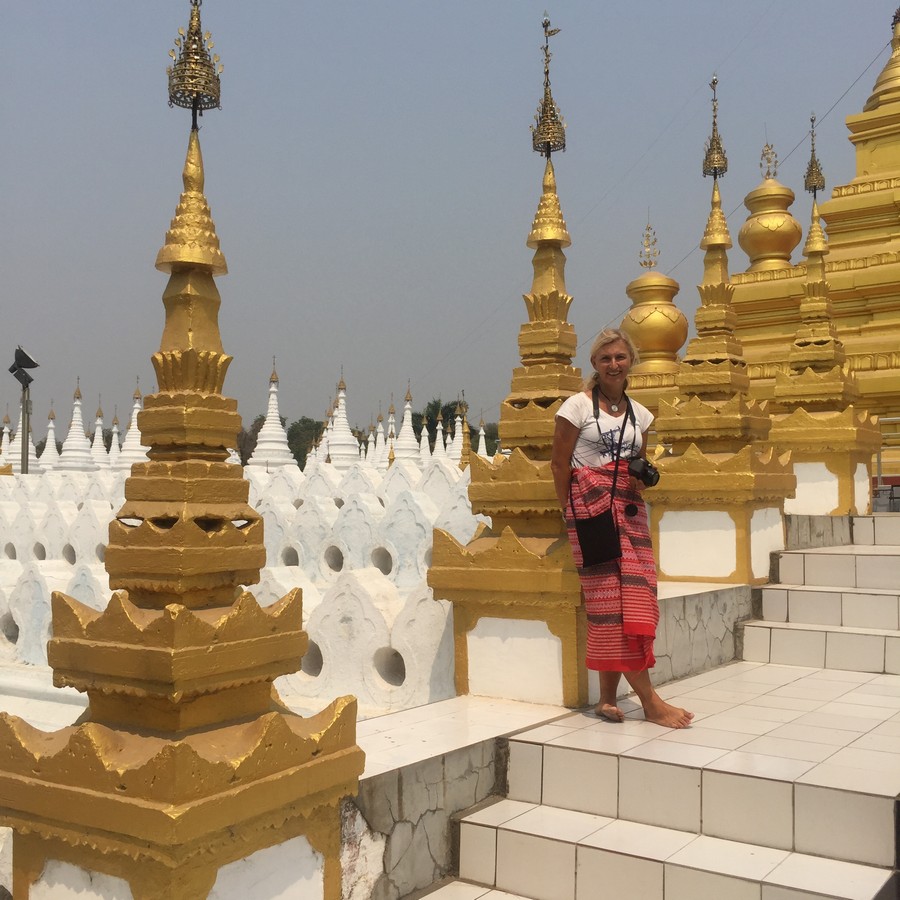
The “word’s biggest book”, 729 small stupas. Each of them protects a marble slab with writings of the 15 books of the Tripitaka.
King Mindon commissioned the work in 1857 and it took more than a decade to complete and check for errors!
In the late afternoon we took a local van to Monywa, packed with at least 12 other people, AC not always working. We arrived 4 hours later.
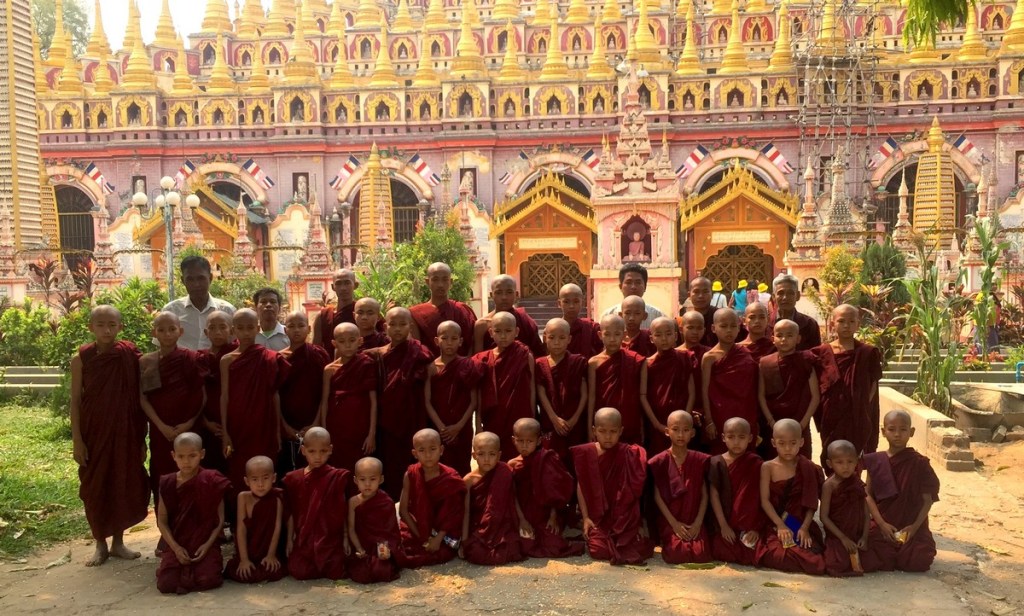
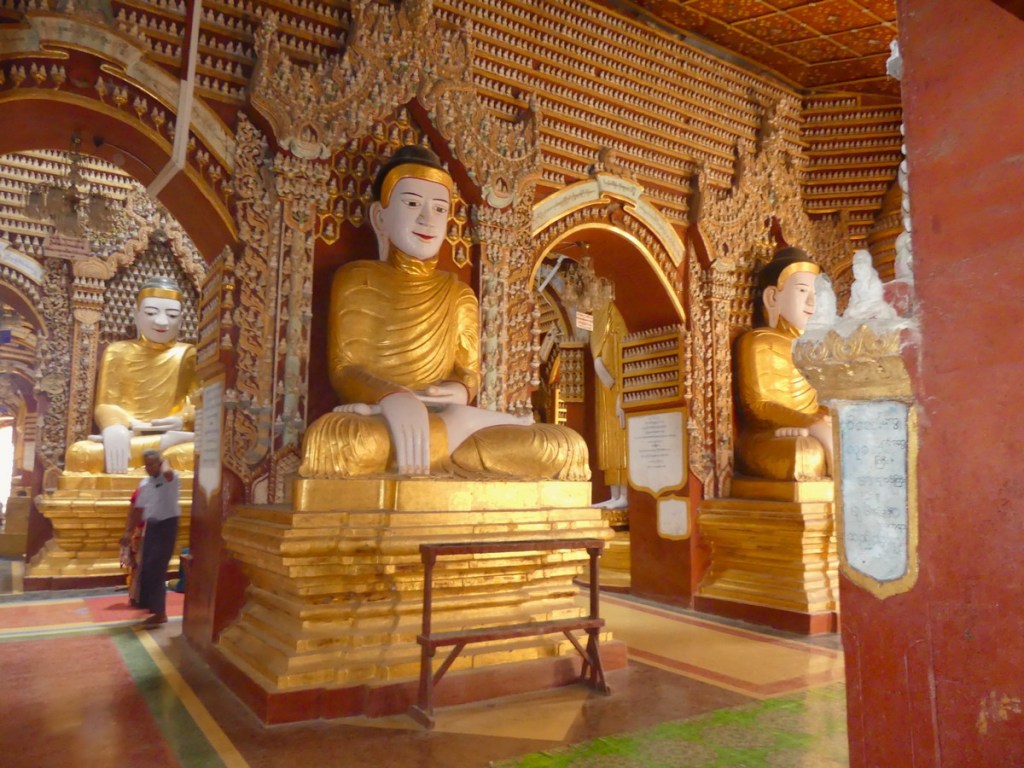
Thanboddhay Pagoda, feels like visiting a theme park. Lots of shrines and stupas in vivid colors.
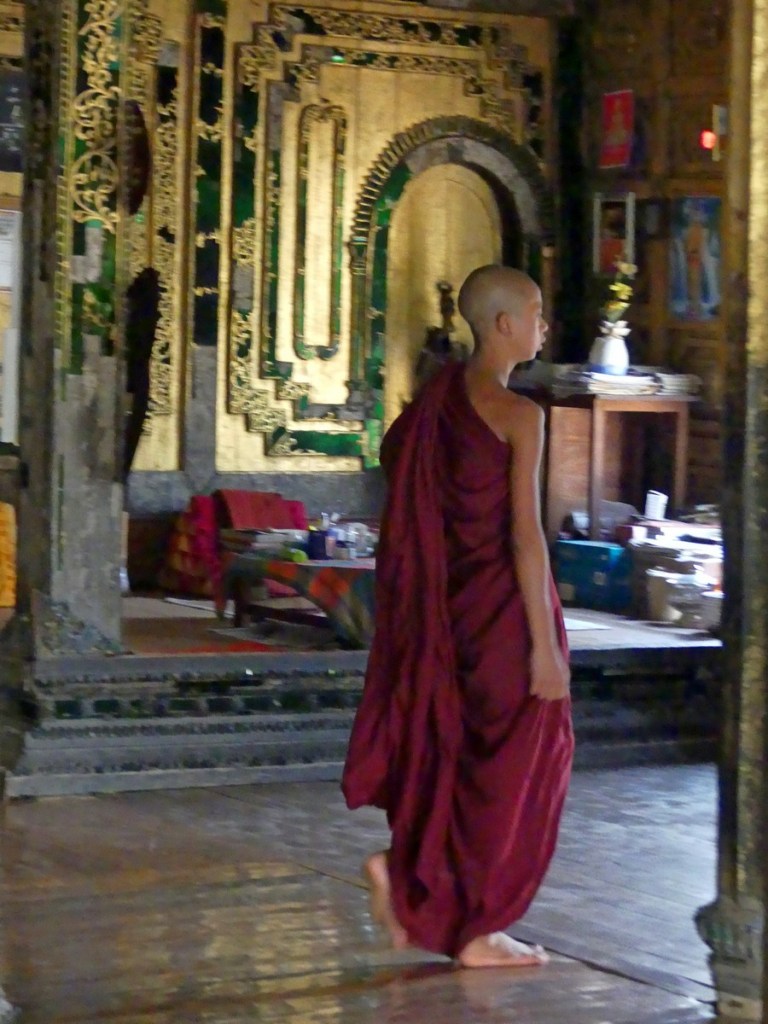
A group of young buddha monks were also visiting.
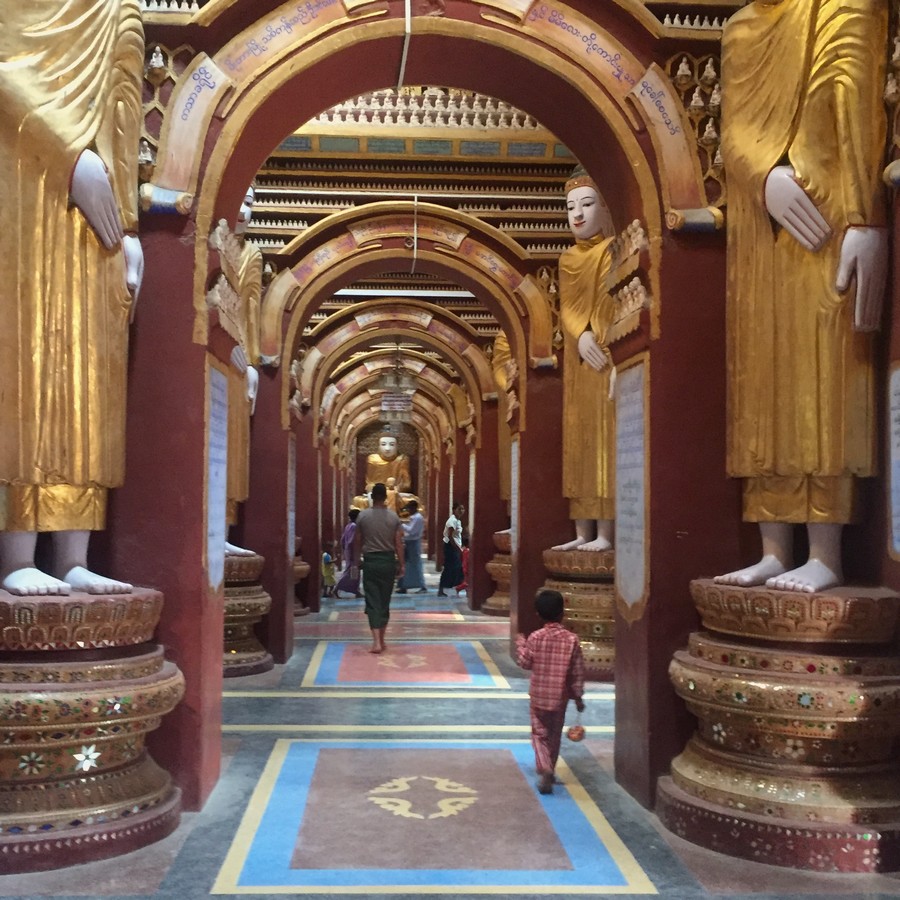
Inside: Buddhas in every corner.
The walls are covered with more than 500.000 tiny Buddha statues.
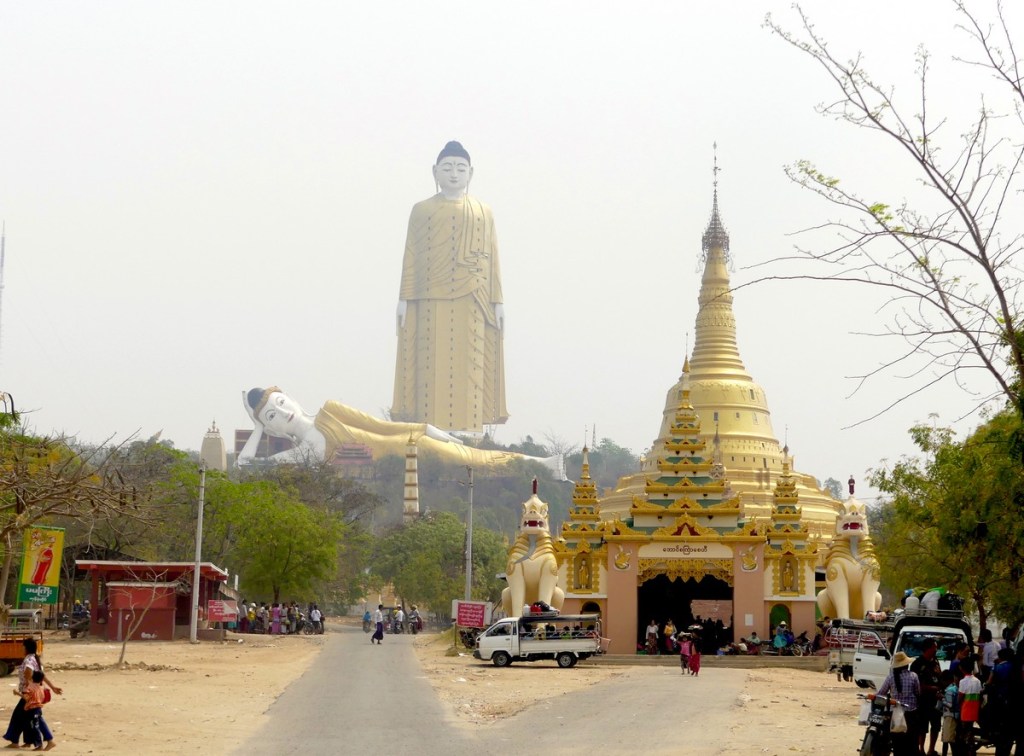
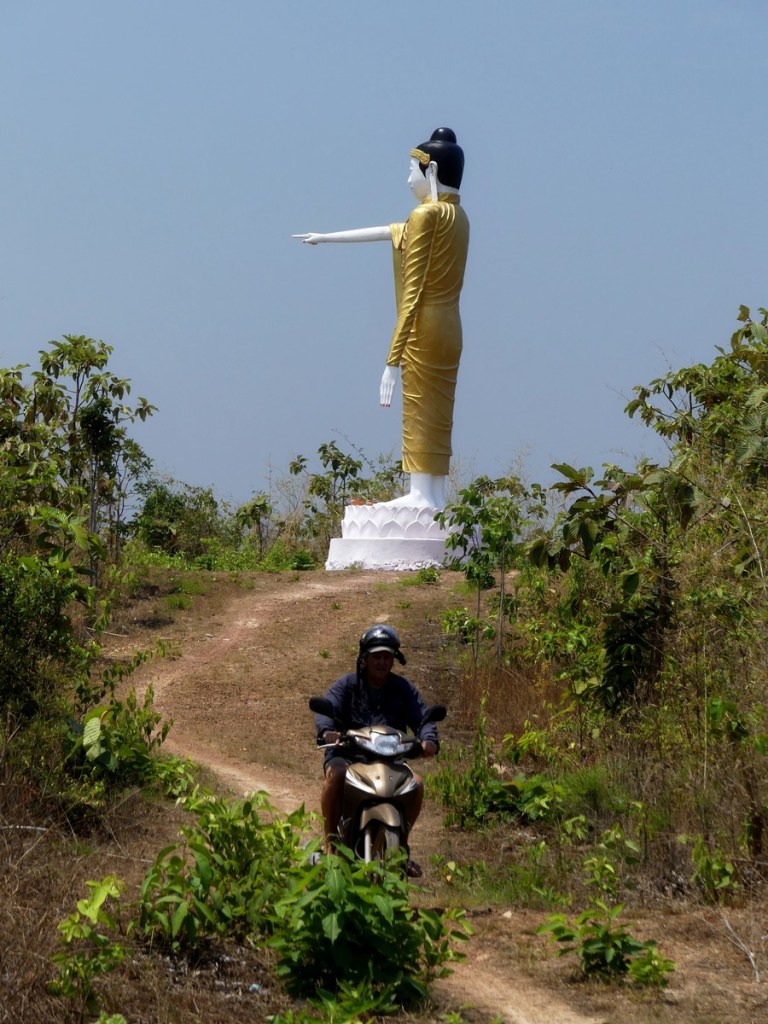
Our next mopedstop is the site Maha Bodhi Tataung built in 1960 and dominated by two of the world’s biggest Buddha statues.
Arriving near the complex on our motorcycle was really impressive.
The standing Buddha was built between 1996 and 2008. It is the world’s second tallest statue, rising 116m high. The tallest one is in China. The statue is actually hollow with a 25 story building concealed inside, each floor decorated with vivid murals of Buddha’s life.
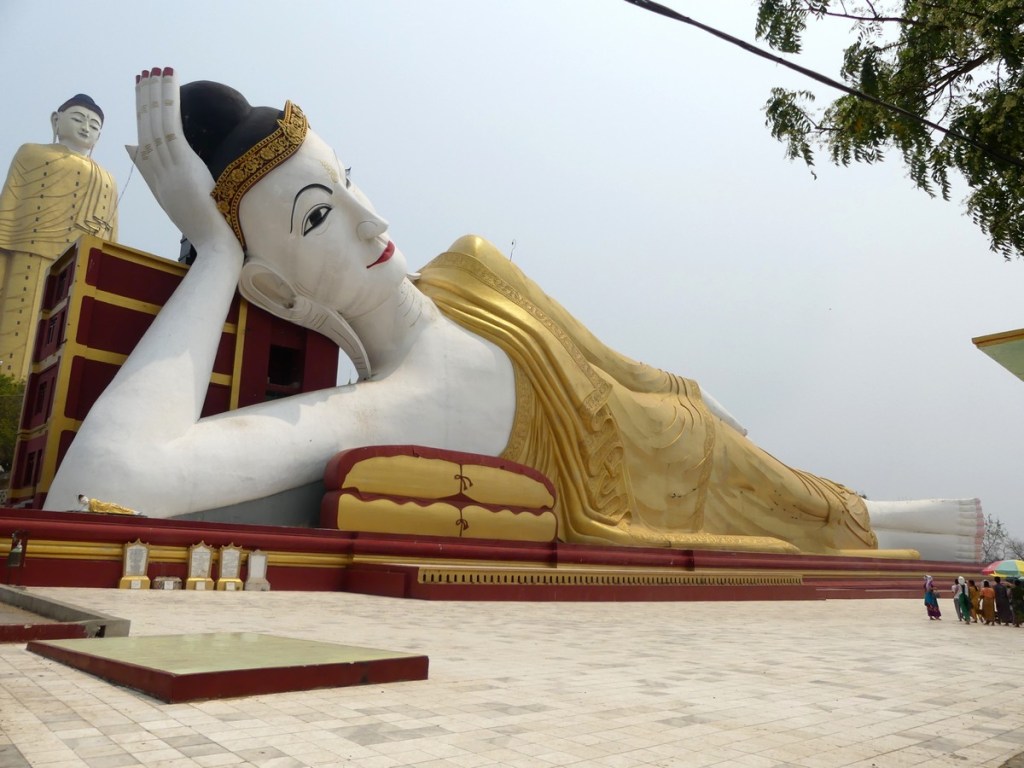
To grasp the size of these statues you need to look at the right hand corner where people are standing. Before the lying buddha of Mawlamyne was made, this was the largest one in the world.
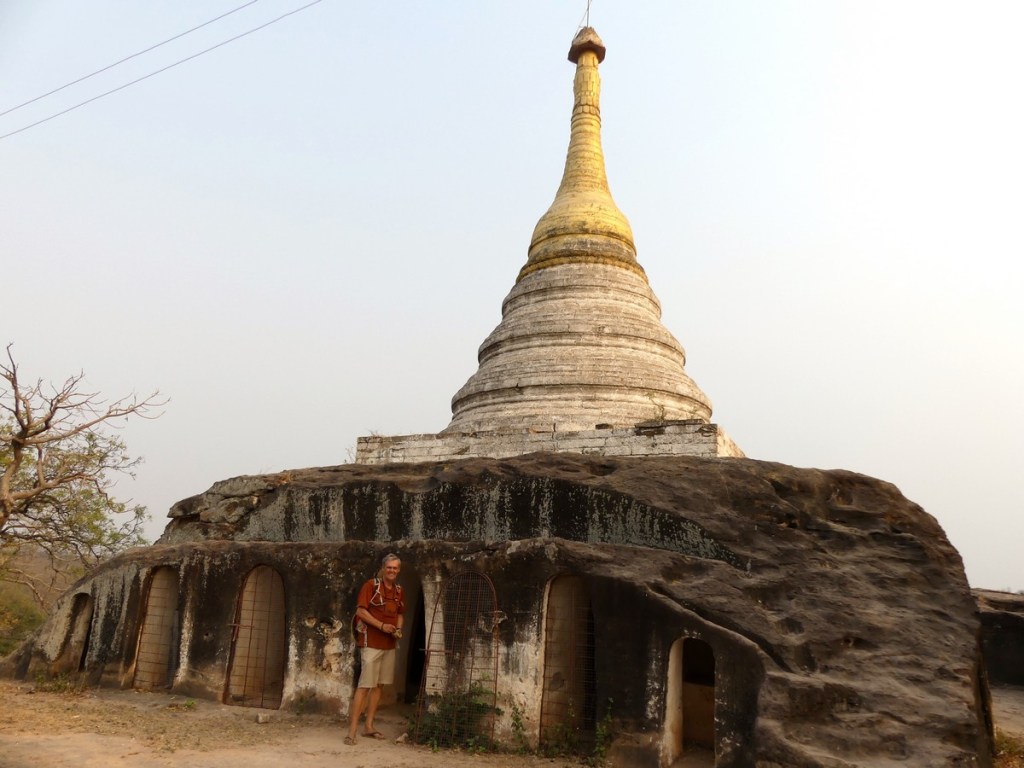
The reclining Buddha was finished in 1991 and is 95m long. Apparently there is a plan to construct a third sitting Buddha in the hills, but we did not see any construction of that. As if we did not see enough Buddhas, we decided to take a trip with the motorcycle (30km) to the caves of Pho Win Taung.
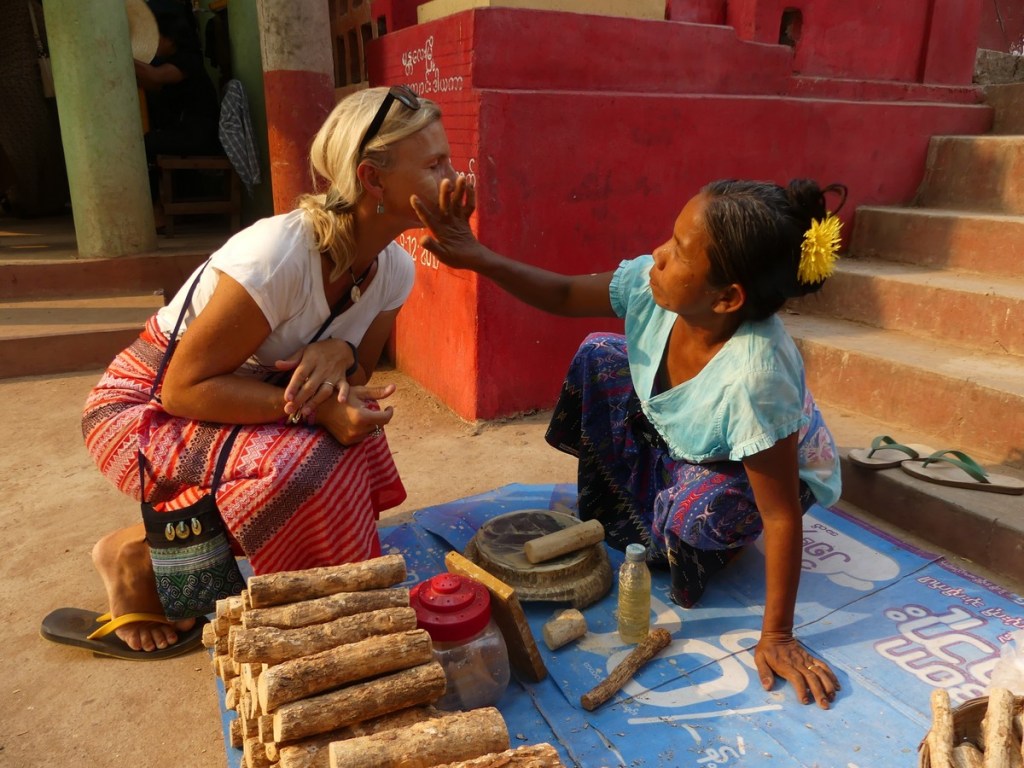
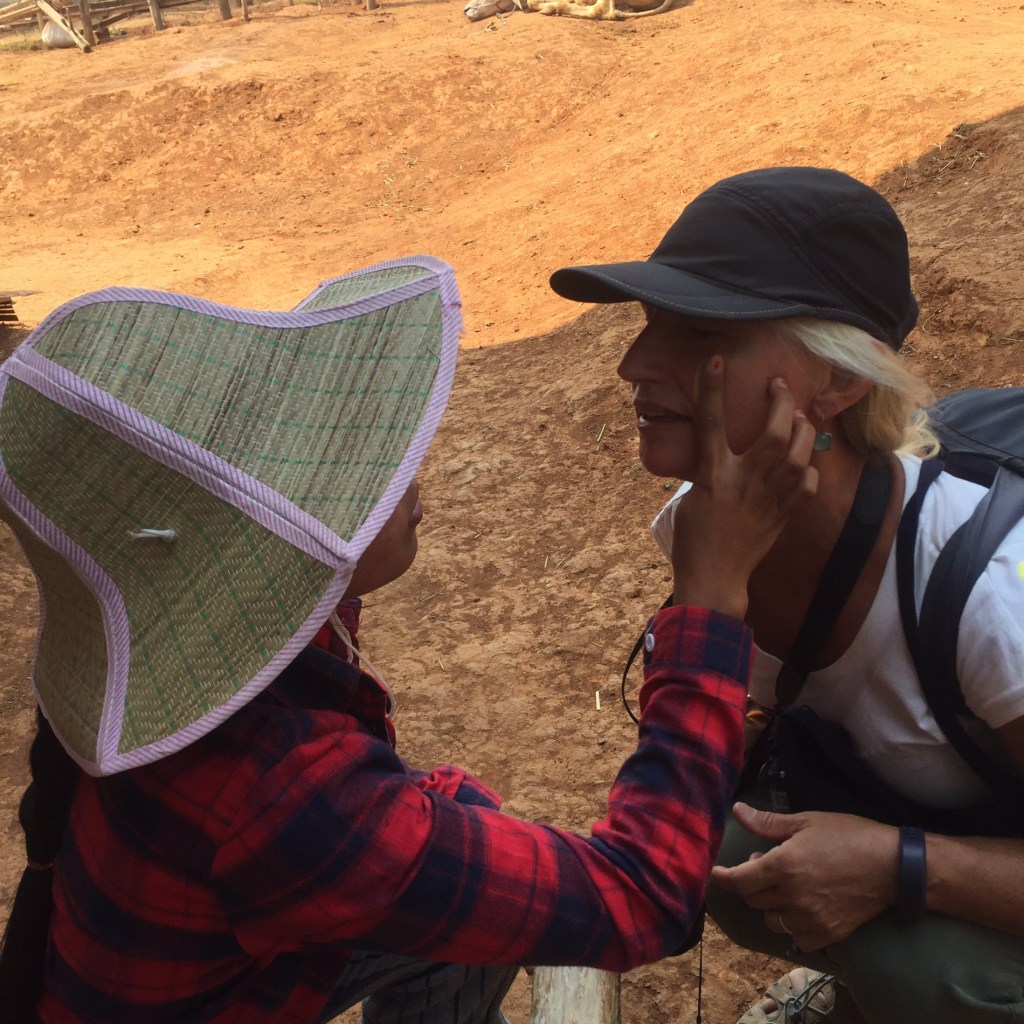
Before entering the caves, a Thanaka treatment for my face.
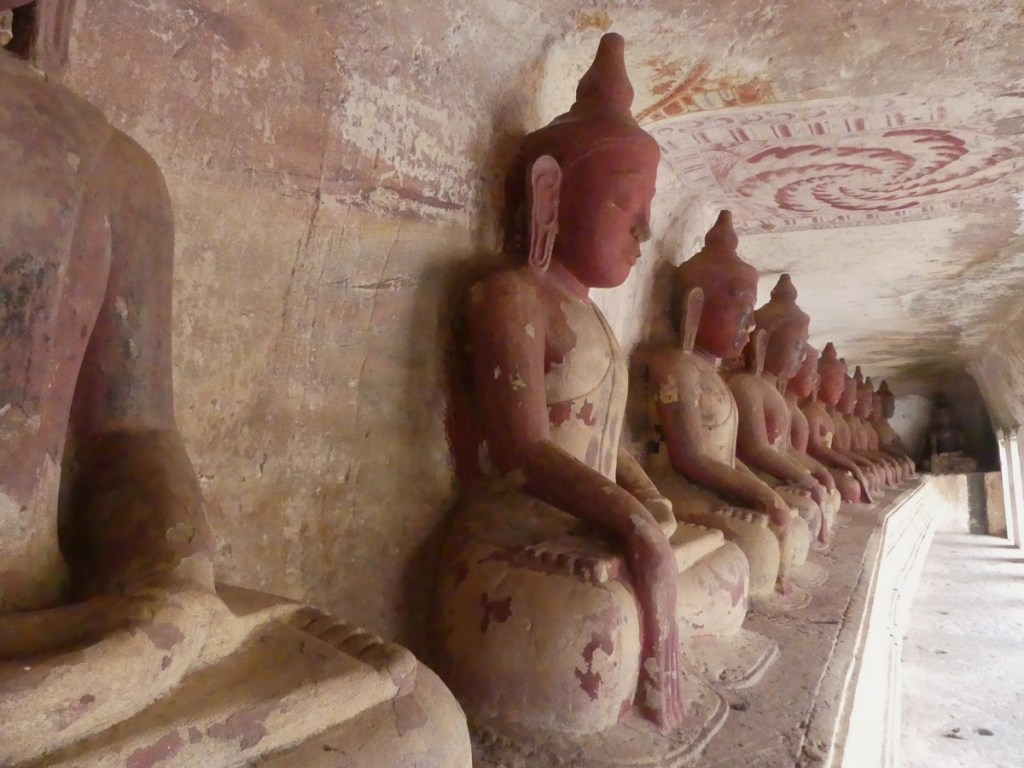
Hundreds of cave shrines were cut in the hillside between the 14th and 18th century.
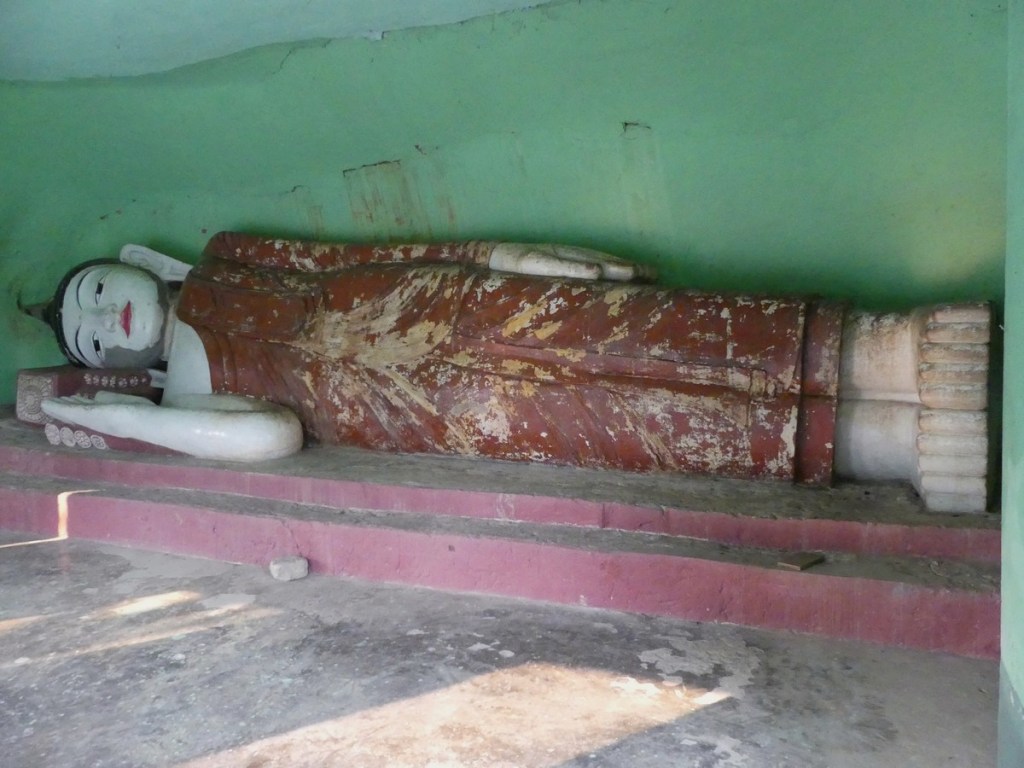
The Buddhas and mural paintings are really beautiful.
There are about 500 caves all with at least one Buddha inside.
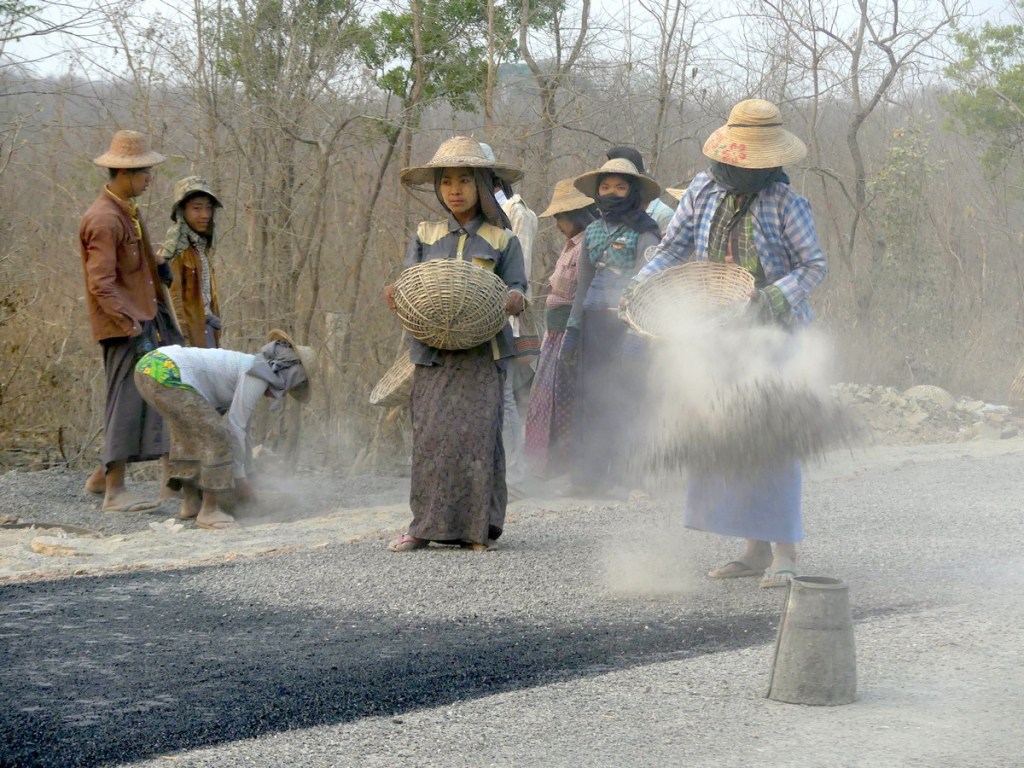
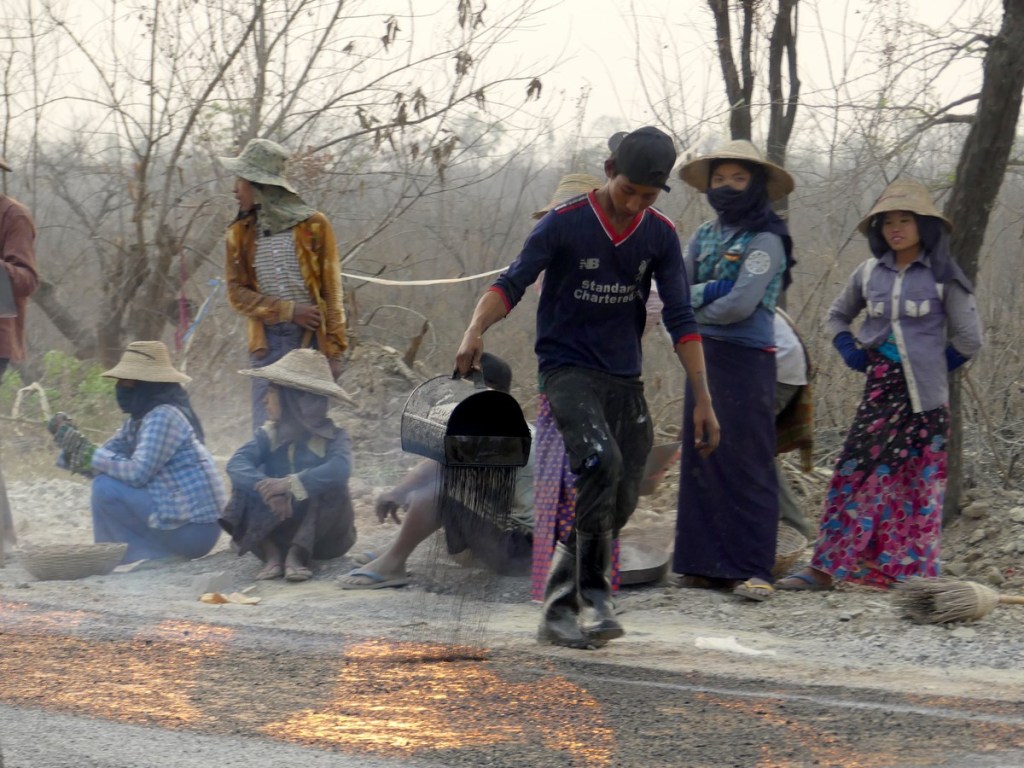
On our way we stopped to watched the road being repaired the Burmese way. Mostly women doing the heavy work.
Tar is being poured on manually. In Stefan’s video you can clearly see how this is done.
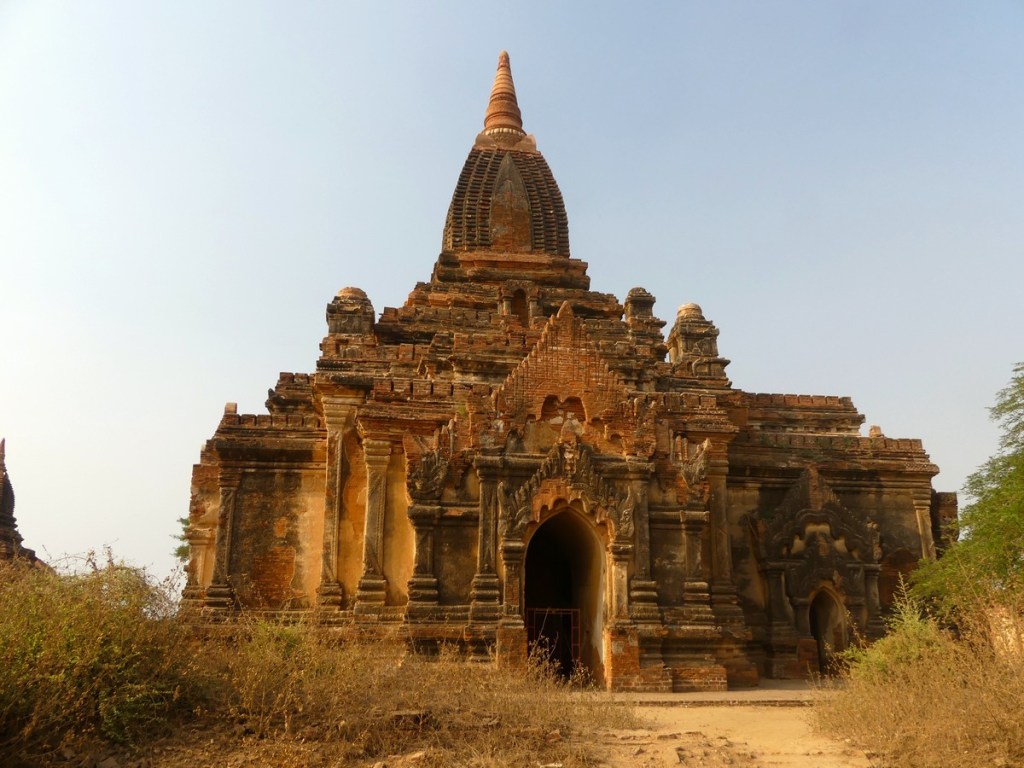
Our heads were saturated with images of Buddha and we were ready for some lazy days at the pool! We travelled with another local van to Bagan, the main tourist attraction of Myanmar and our last stop on our journey before returning to Yangon to take the plane back to New Caledonia. We really enjoyed the 2 days at the pool of our beautiful resort hotel in Bagan (Bagan Heritage) but we still had lots of temples to visit and shopping to do in Bagan town.
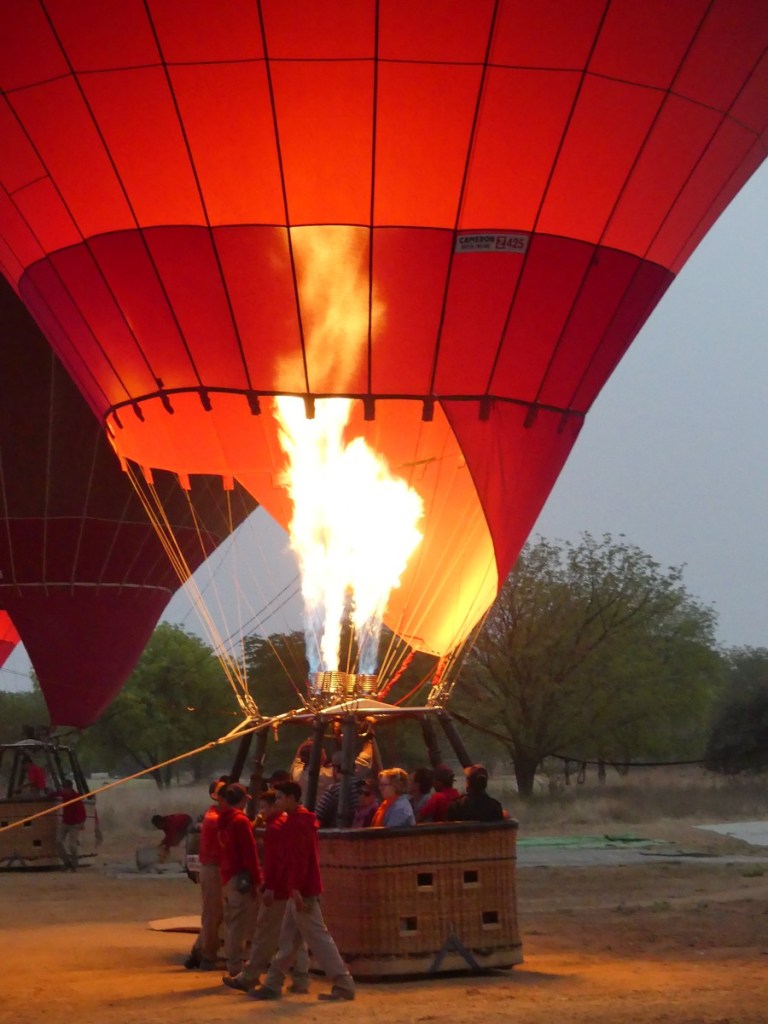
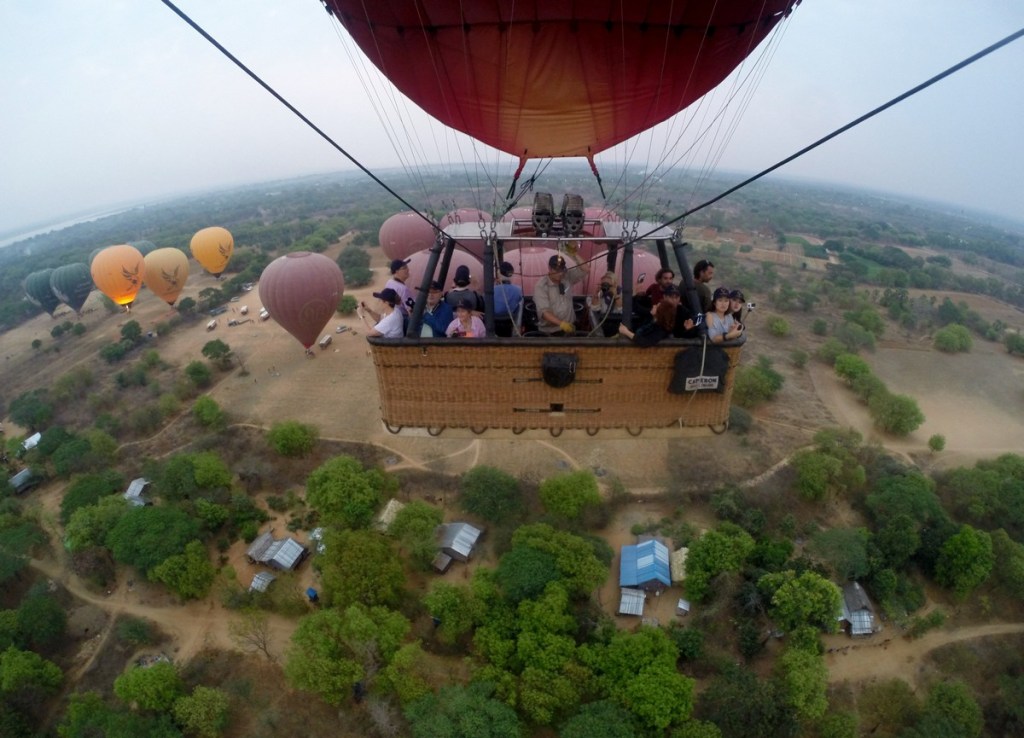
After some discussion of going on a balloon trip because it was very expensive (450USD), Stefan decided not to go and I would enjoy the experience of being in a hot air balloon over Bagan. I left at 6 AM in the morning with a group of Spanish tourists.
I was in the balloon with 10 people from Barcalona, who did not speak one word of english and had their translator with them. It was really great fun.
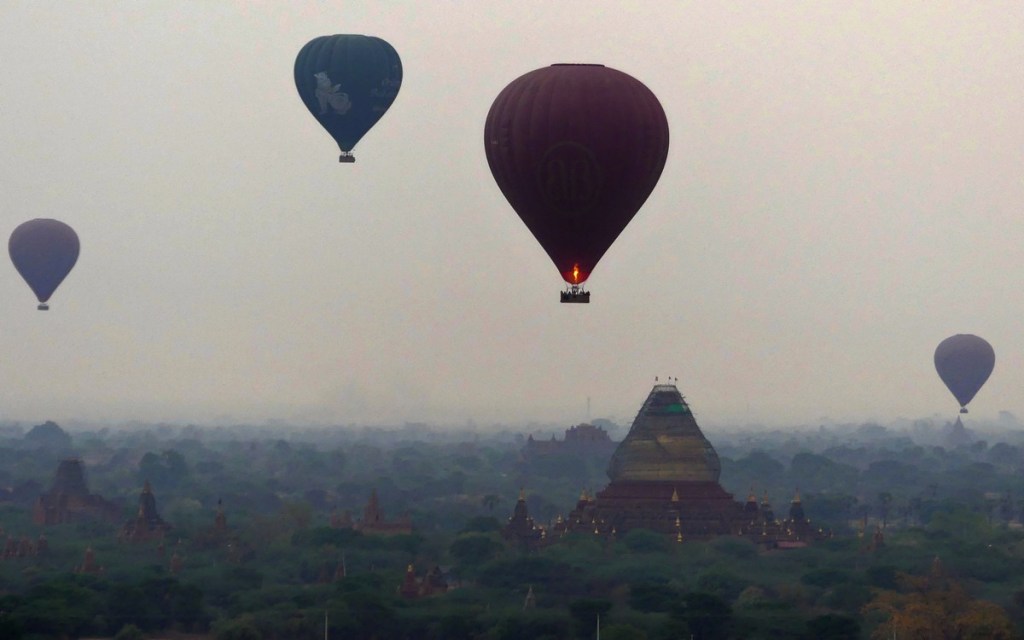
Balloons over Bagan.
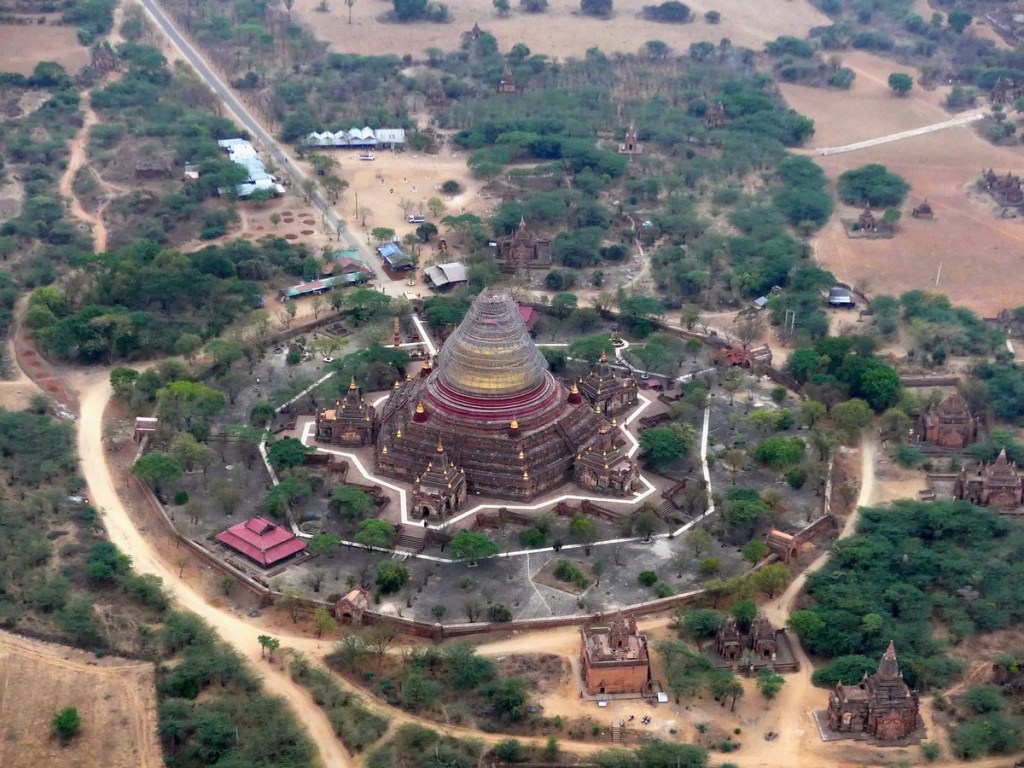
The Mingalazedi pagoda seen from the air.
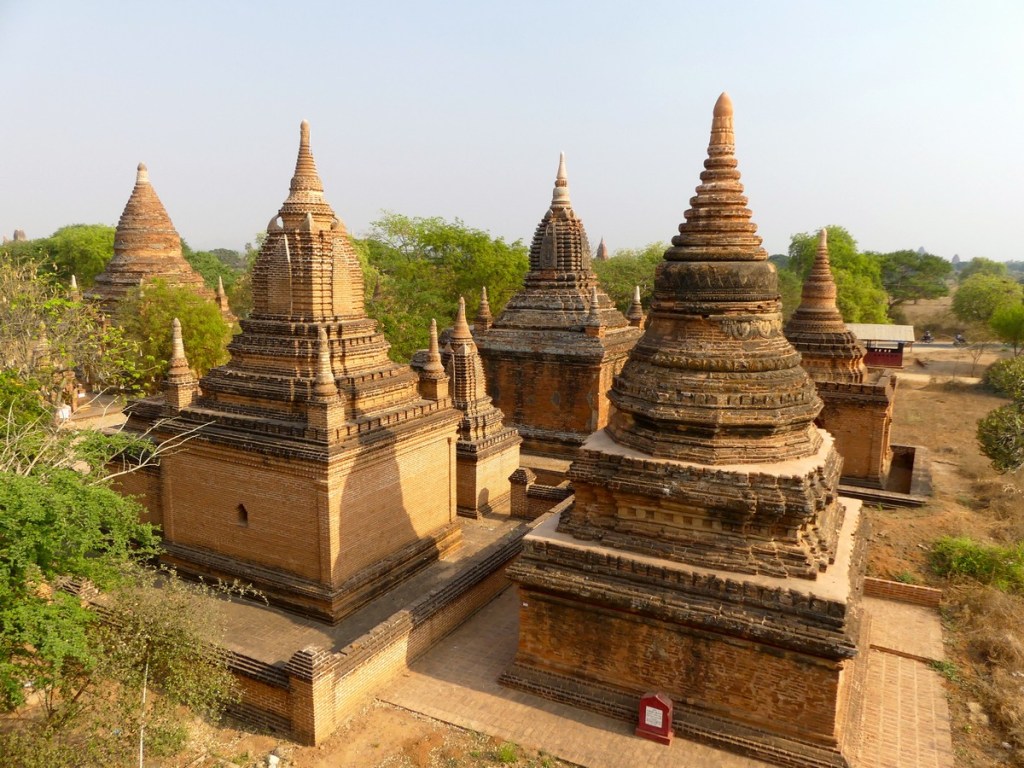
From 1044 to 1287, Bagan was the capital as well as the political, economic and cultural nerve center of the Pagan Empire. Over the course of 250 years more than 10.000 temples were built from which today there are about 2000 left. The Pagan Empire collapsed in 1287 due to repeated Mongol invasions. The old capital became a pilgrimage destination and the capital was moved to Pinle.
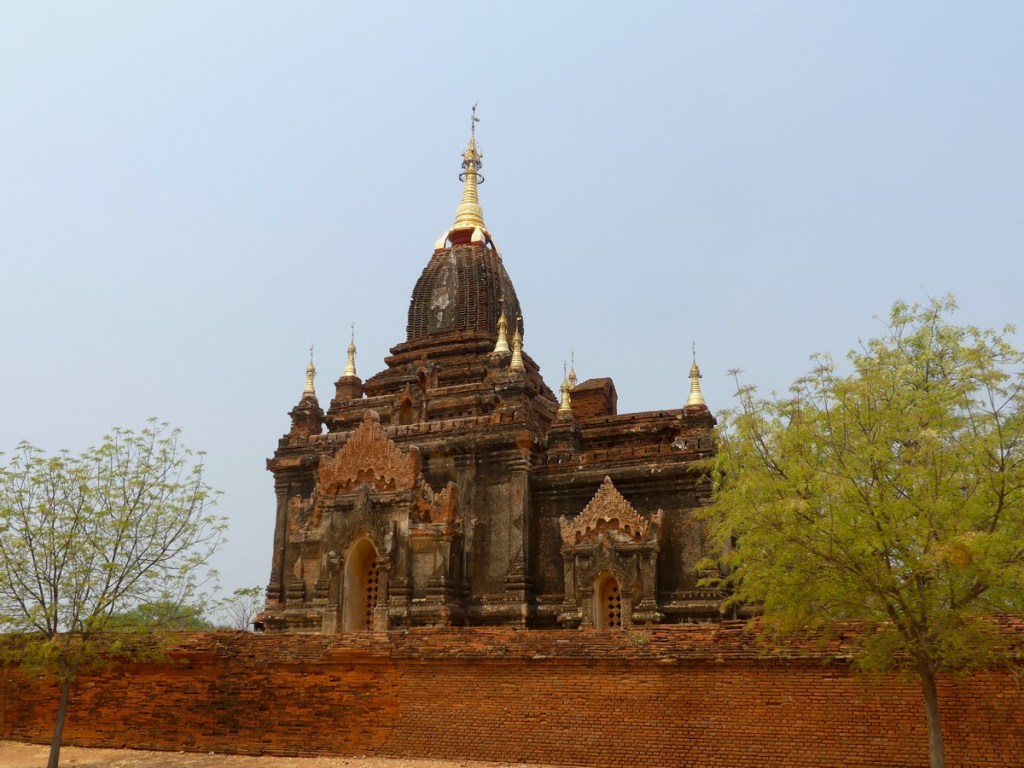
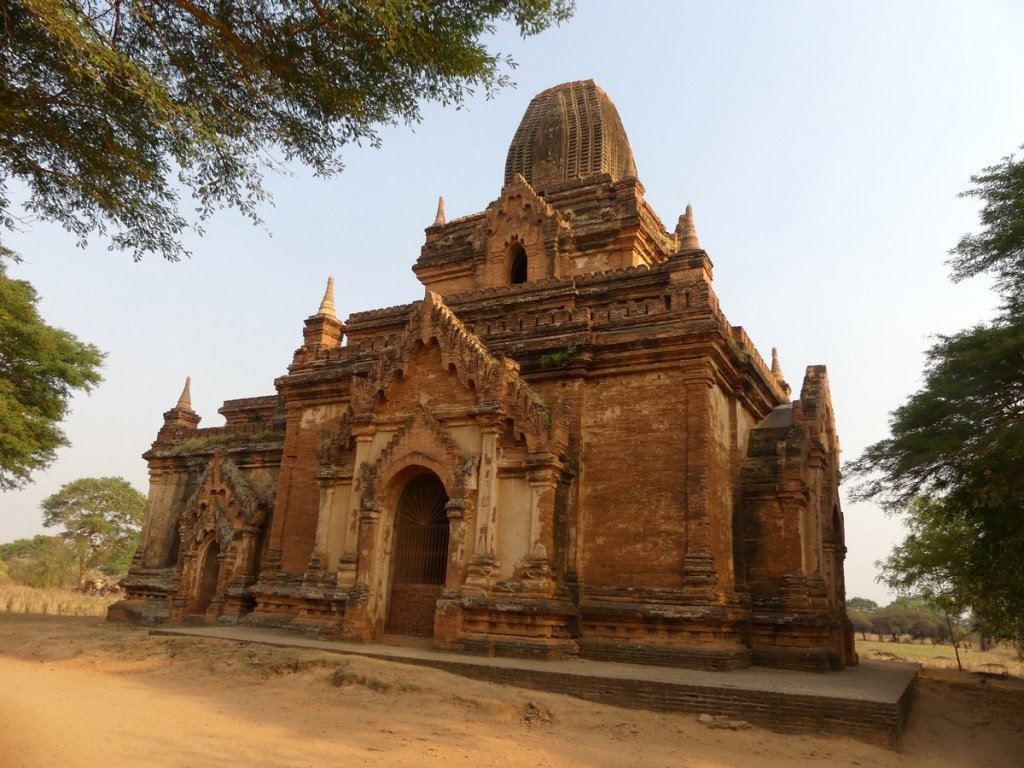
We had 5 days to visit the temples but with the heat – 36 Celsius around noon – we were “pooped” by 3 PM and ended our visits then with a cold beer (or two). I do not recall the names of all the temples but we were amazed at the variety of the Buddha statues and the very beautiful temples. Sometimes there would be no other visitors but the famous ones were always crowded with Burmese visitors. Myanmar tourism was very low while we were there. It was the low season but on top of that tourism is suffering because of the negative press with the Rohynia. Nevertheless, we always felt very safe in Myanmar.
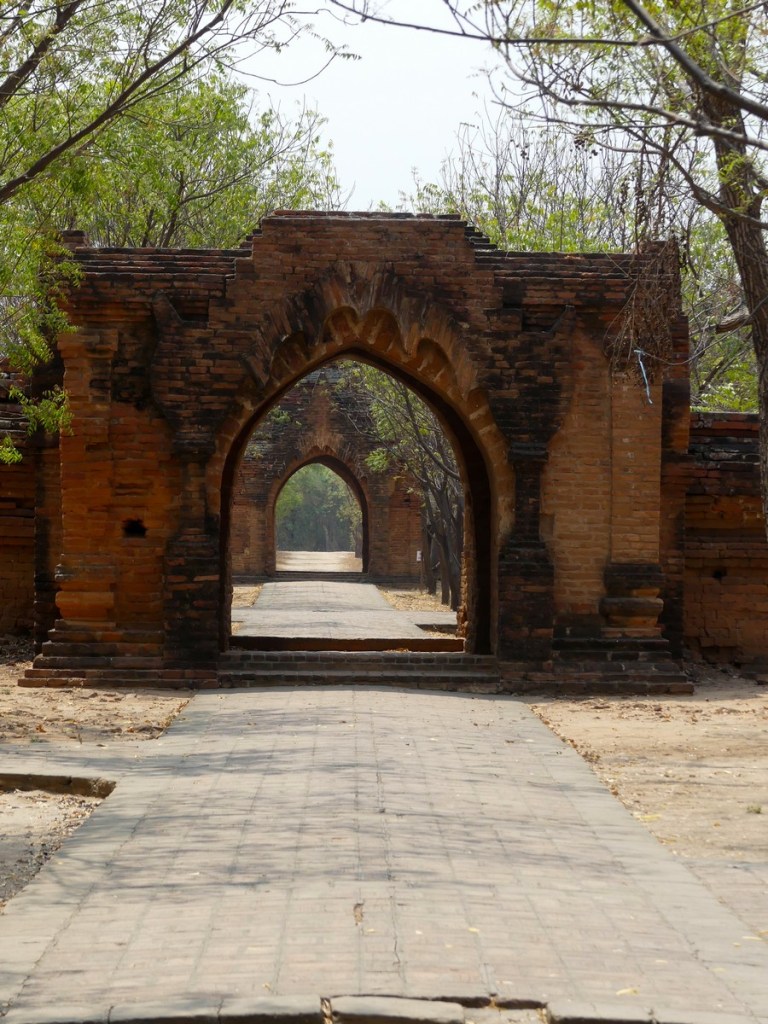
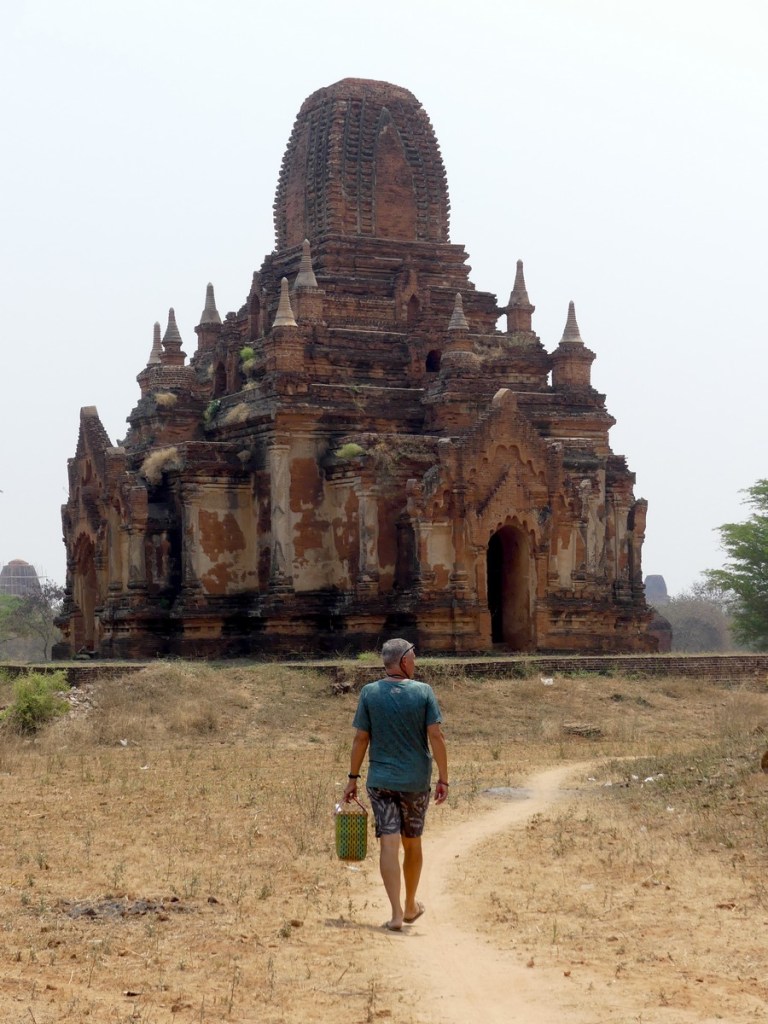
One of the many beautiful and yet deserted temples.
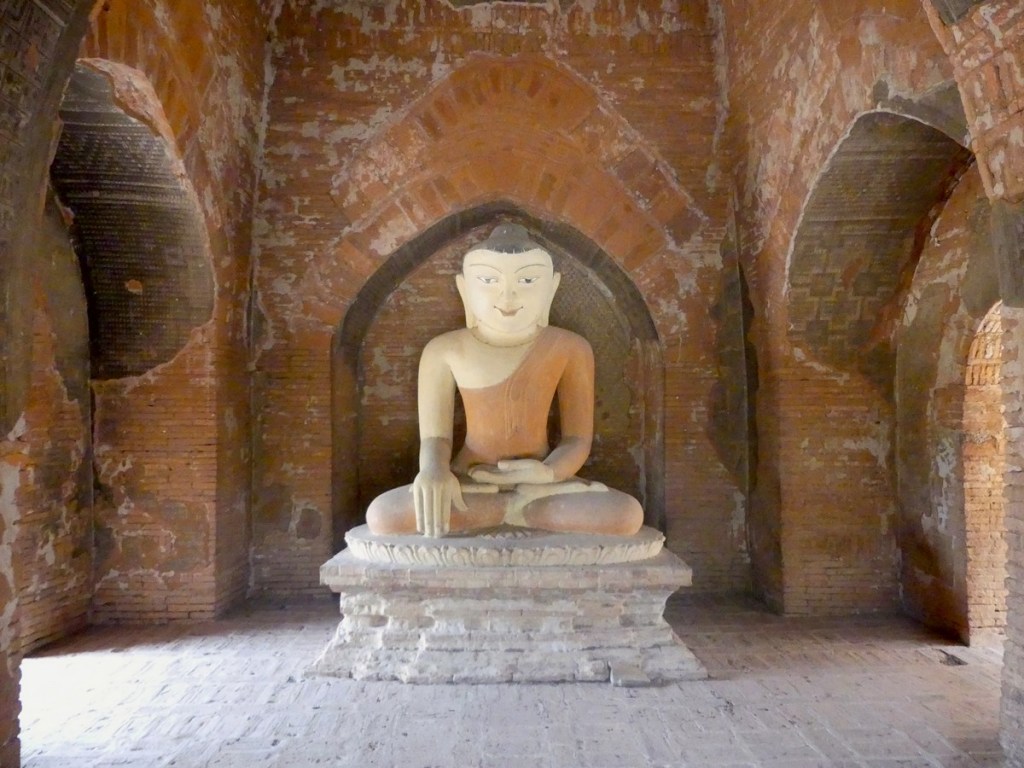
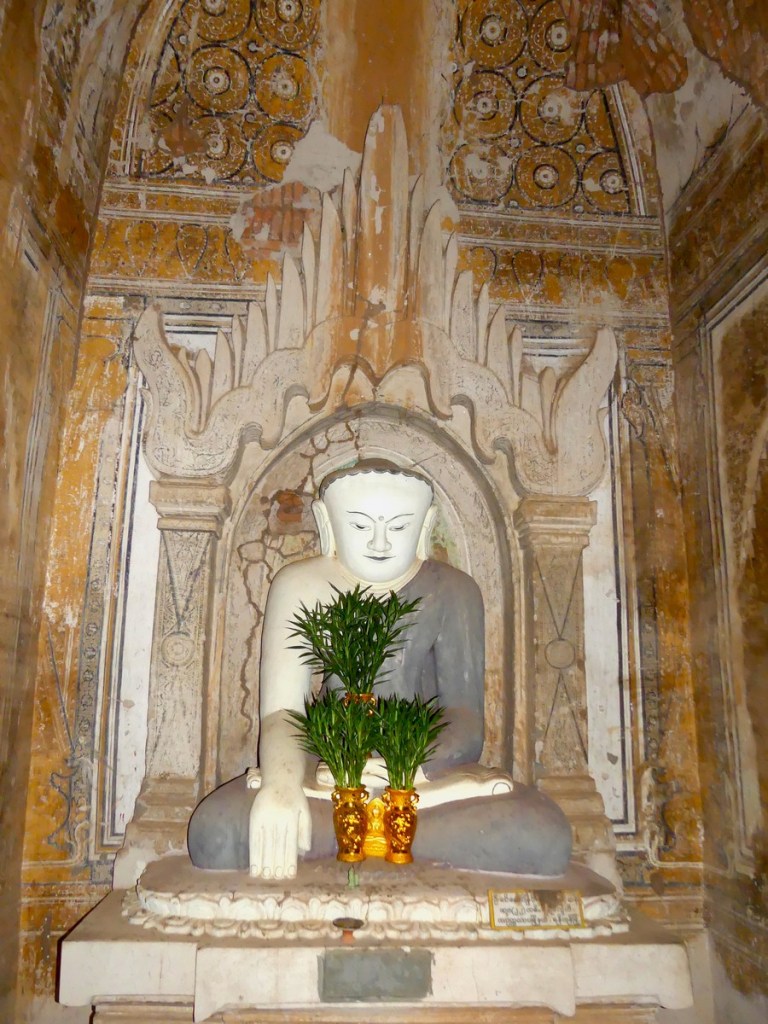
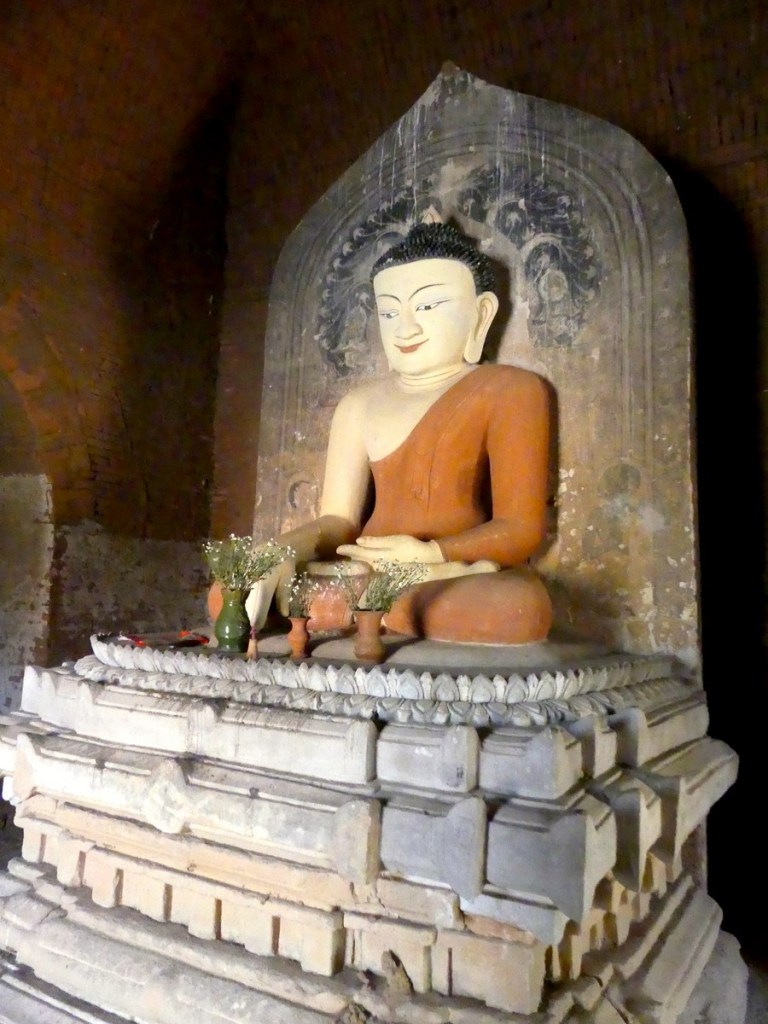
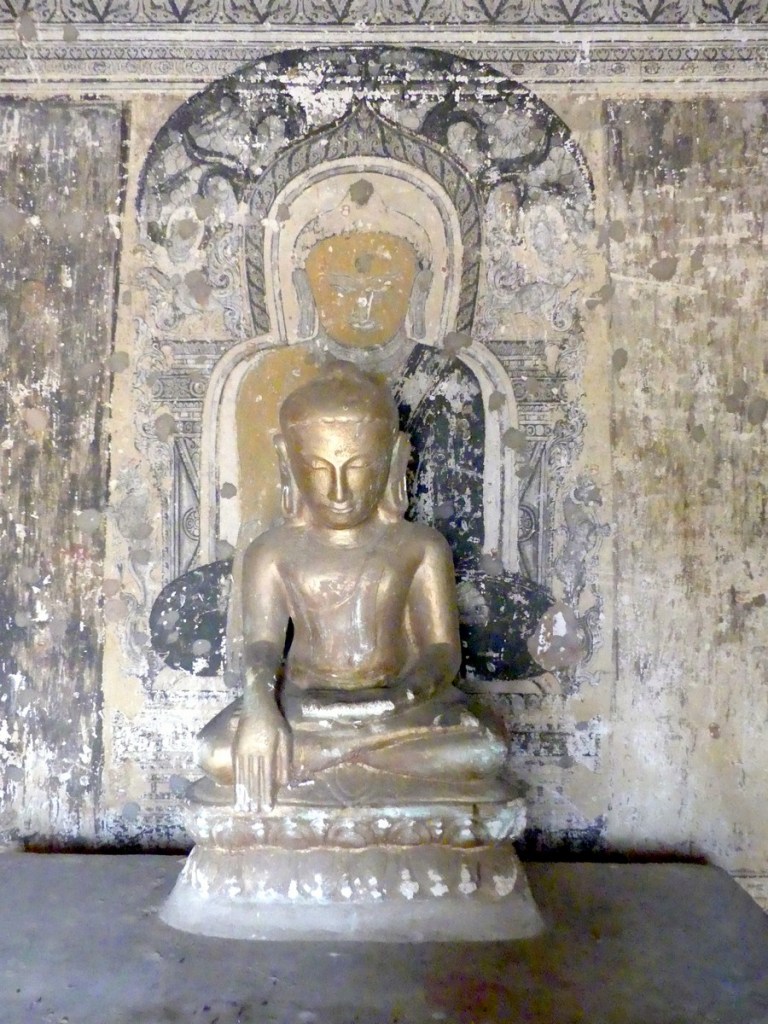
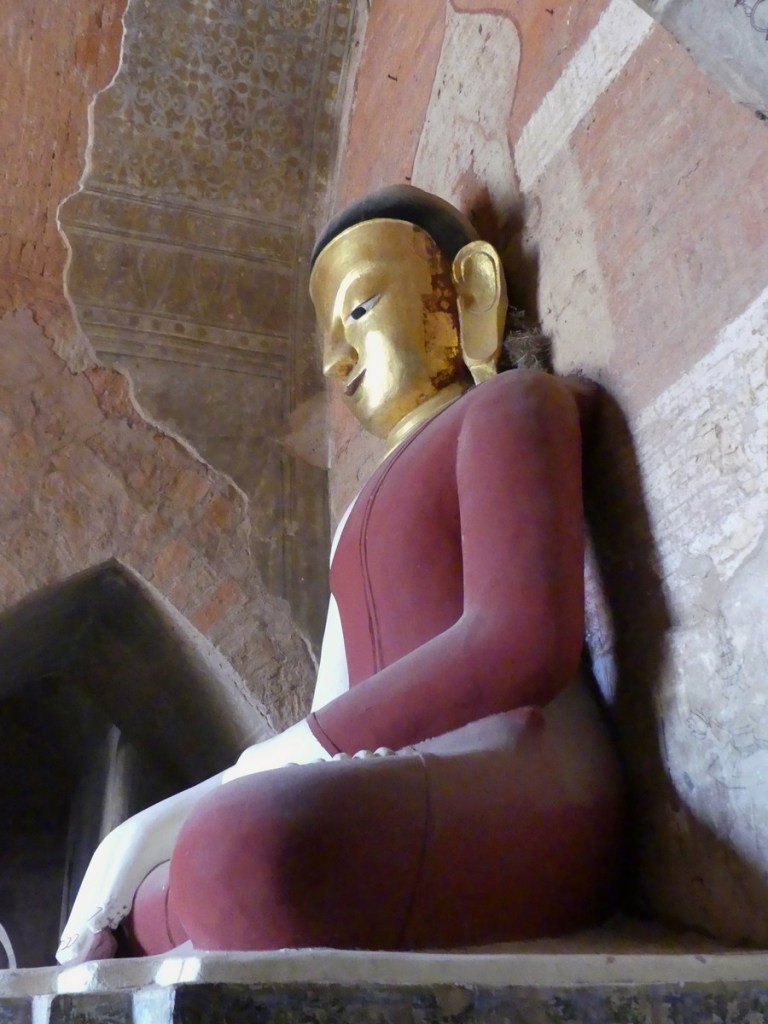
A simple Buddha. It was nice to stay inside for awhile and recover from the heat.
Everywhere at the entrance you need to take off your shoes and make sure your knees are covered. It was sometimes impossible to walk barefoot on the burning hot stones or sand and you had to run from one shaded area to the next.
At the end of the day we were covered in dust. It was good we had a swimming pool at the hotel.
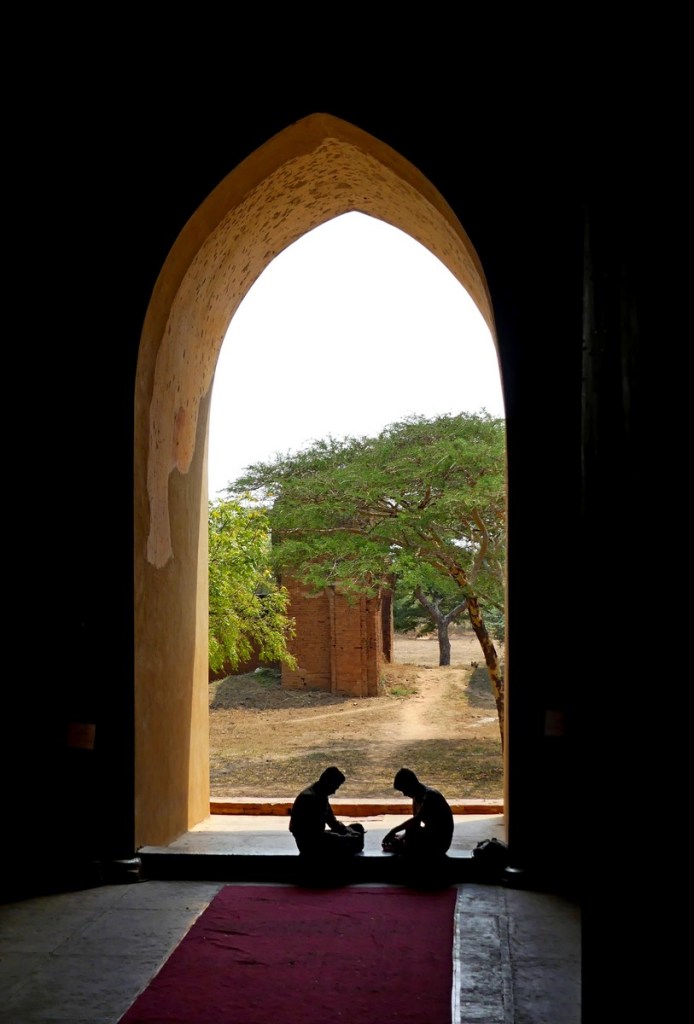
Being alone in a temple was really a great way to relax and enjoy the peaceful quiet.
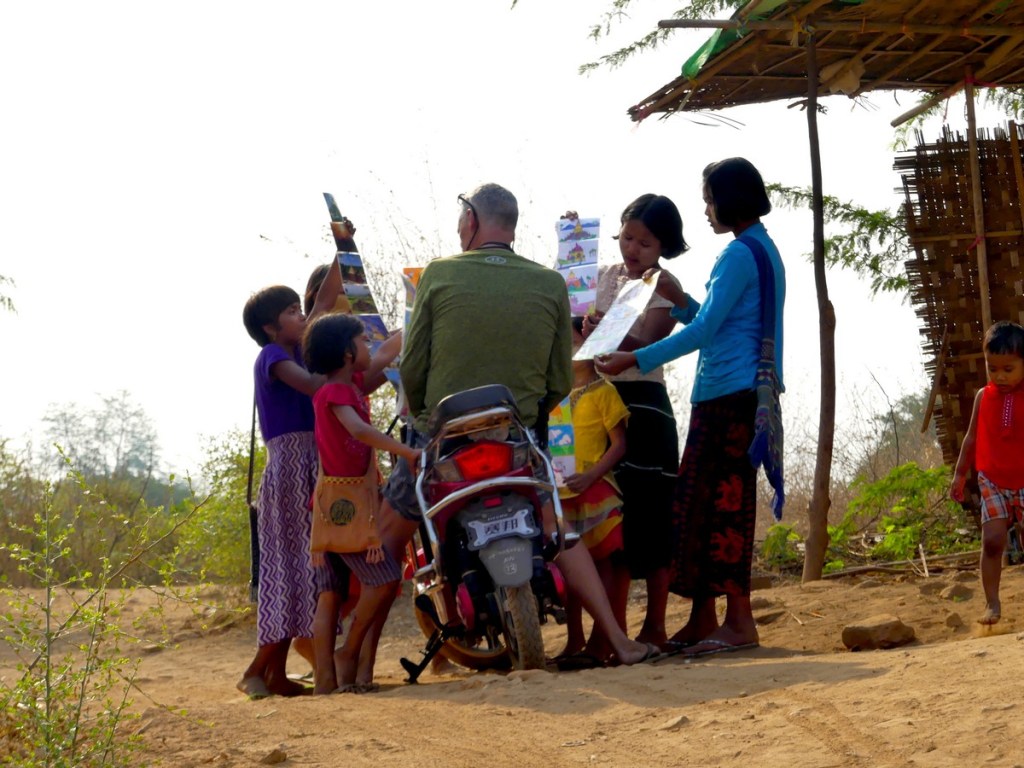
Children trying to convince Stefan to buy one of their self made postcards. Tourists in Bagan are not allowed to ride a motorcycle but luckily you can rent electrical bikes which come close to a motorcycle.
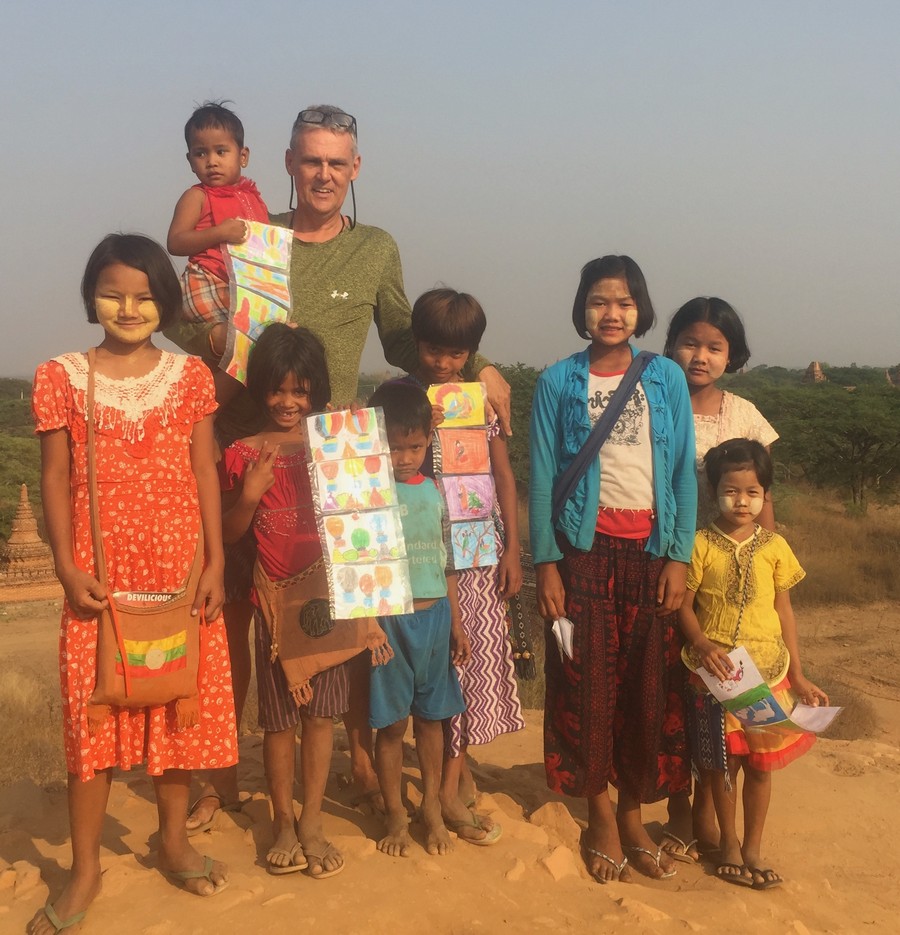
In the end we bought all the cards for a discounted price.
Bagan lies in an earthquake zone. Many temples were damaged during the earthquakes of 1975 and more recently 2016. Luckily, the damage was mostly minor.
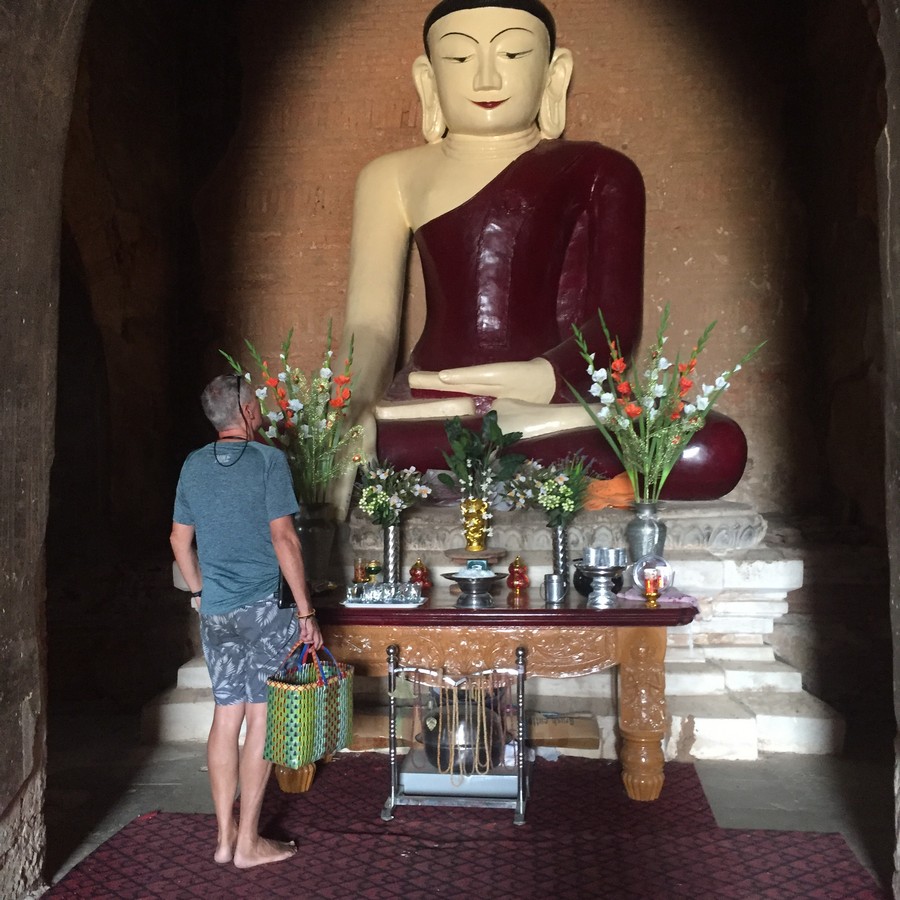
Even in the small stupas there are sometimes huge Buddha statues which fill the room completely.
Stefan looked for a temple which you could still climb the stairs but we only found one. Because of the earthquake and a tourist falling to her death, they closed off the roofs in all the temples in 2016.
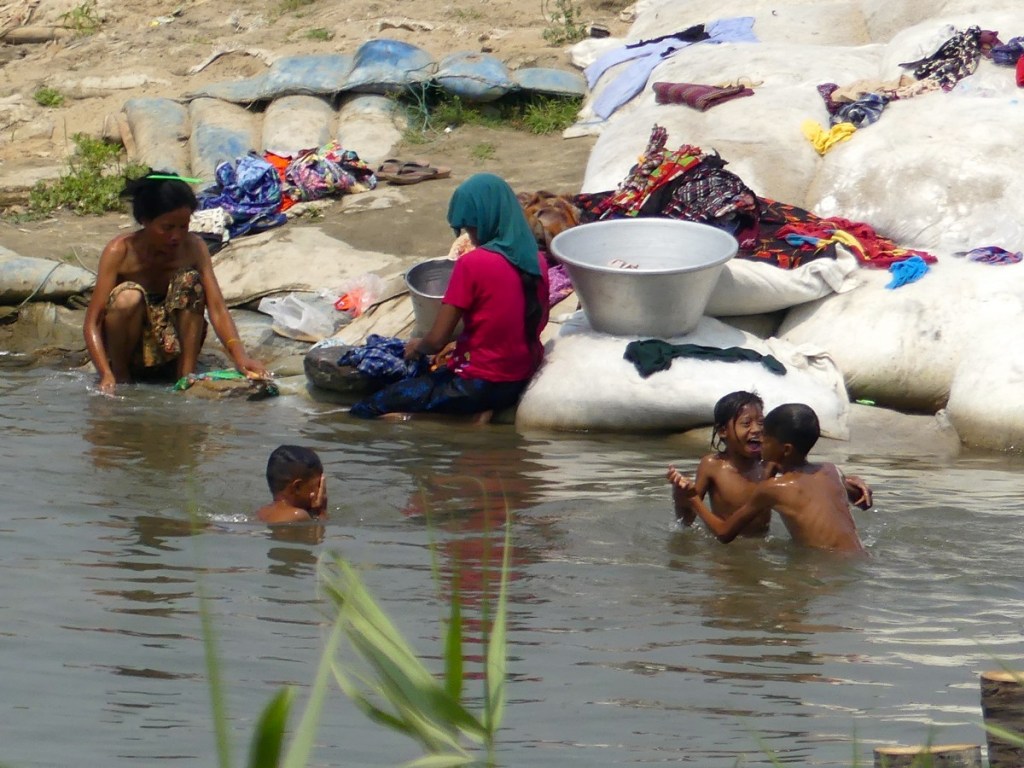
The Ayeryarwaddy river is a much needed refreshing and washing place in this dry area.
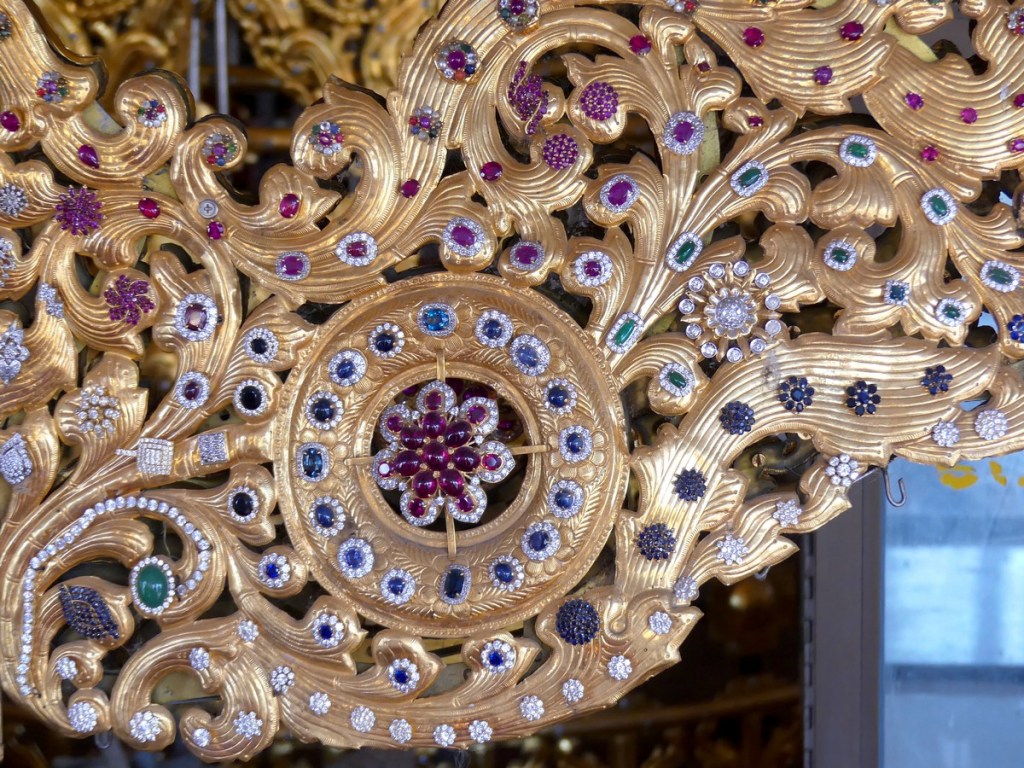
A detail of one of the gold crown that goes on top of the stupa. It is decorated with real diamonds, saffires, ruby, emerald etc. It is incredible how much money is spent on Buddhism in Myanmar.
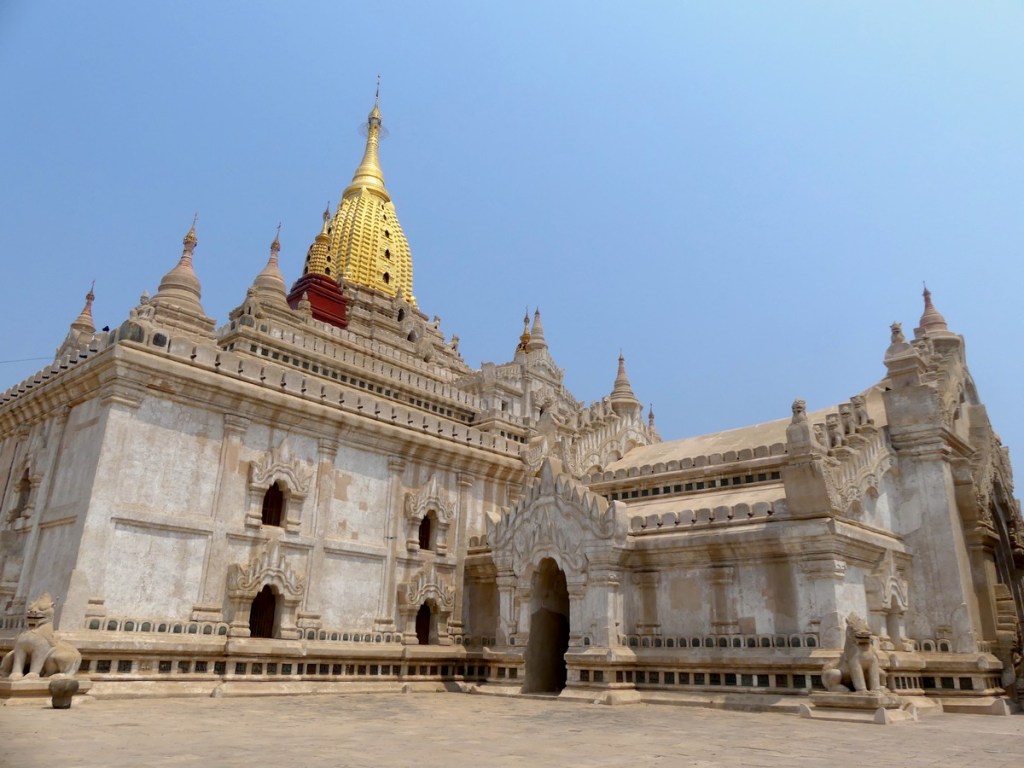
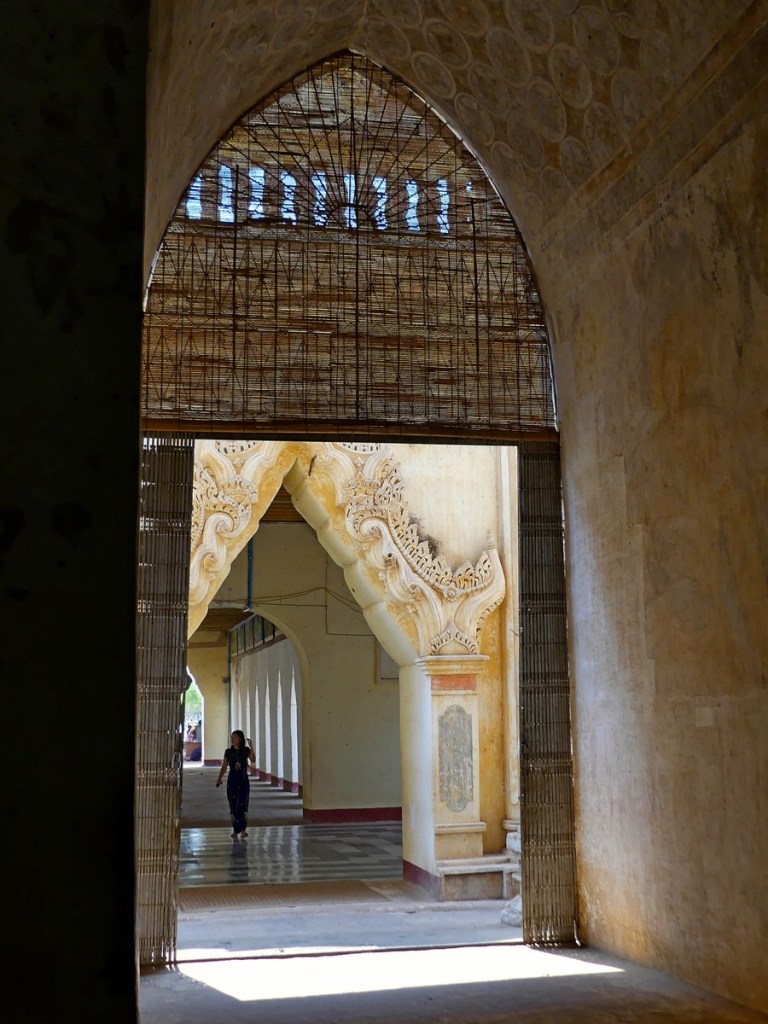
The Ananda Paya, completed in 1090 is one of the most beautiful in Bagan.
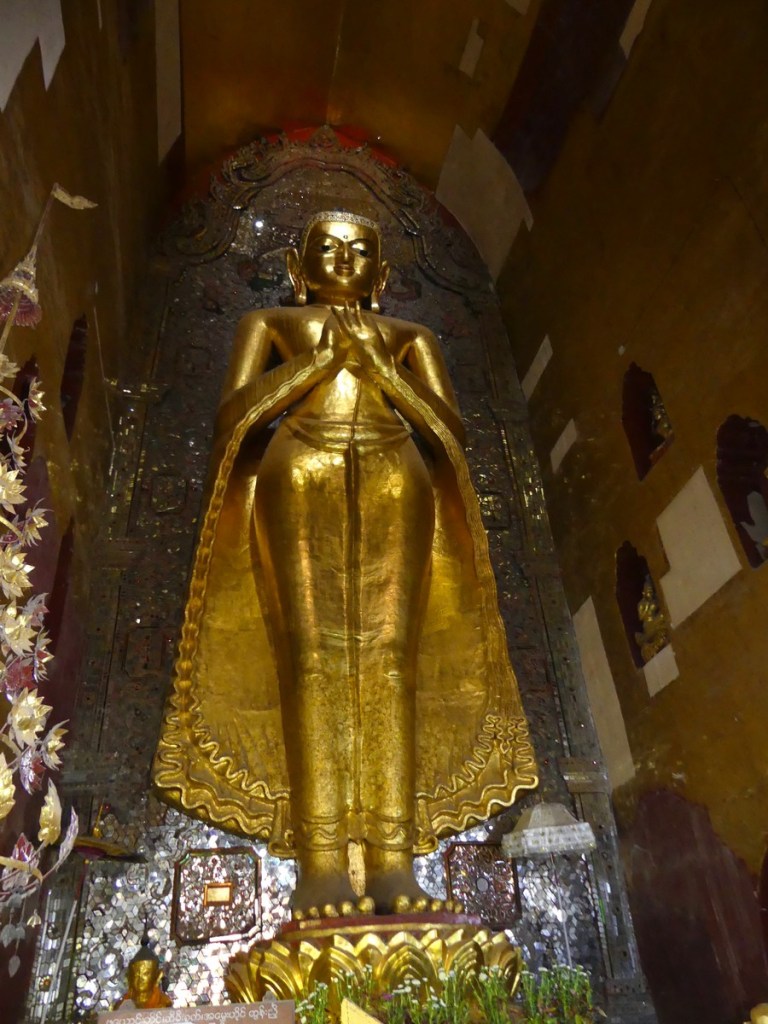
There are is a 9m high standing Buddha in each corner of the temple. They are made from teak wood (one piece)and covered with goldleaf.
Nice and cool inside.
In many temples local people will hide from the heat, catch some sleep or sell handicraft items.
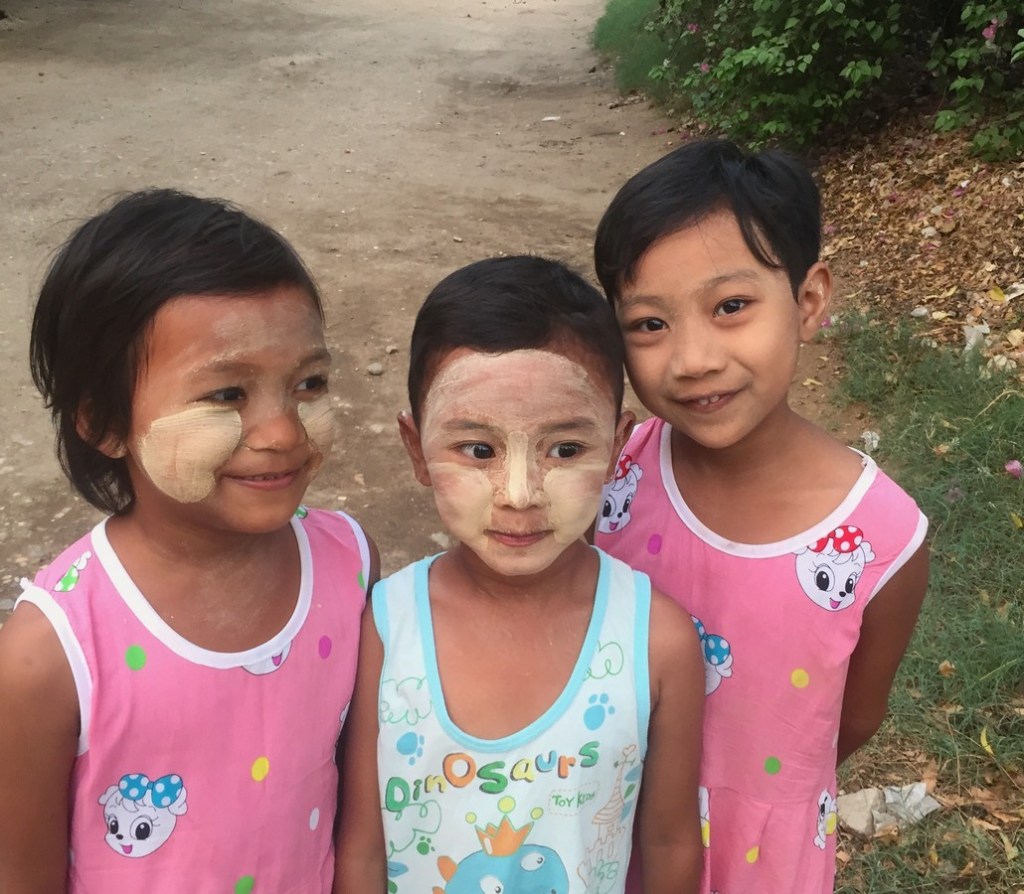
Typical smily Burmese children with their faces covered in thanaka to protect their delicate skin.
Stefan in admiration for yet another Buddha.
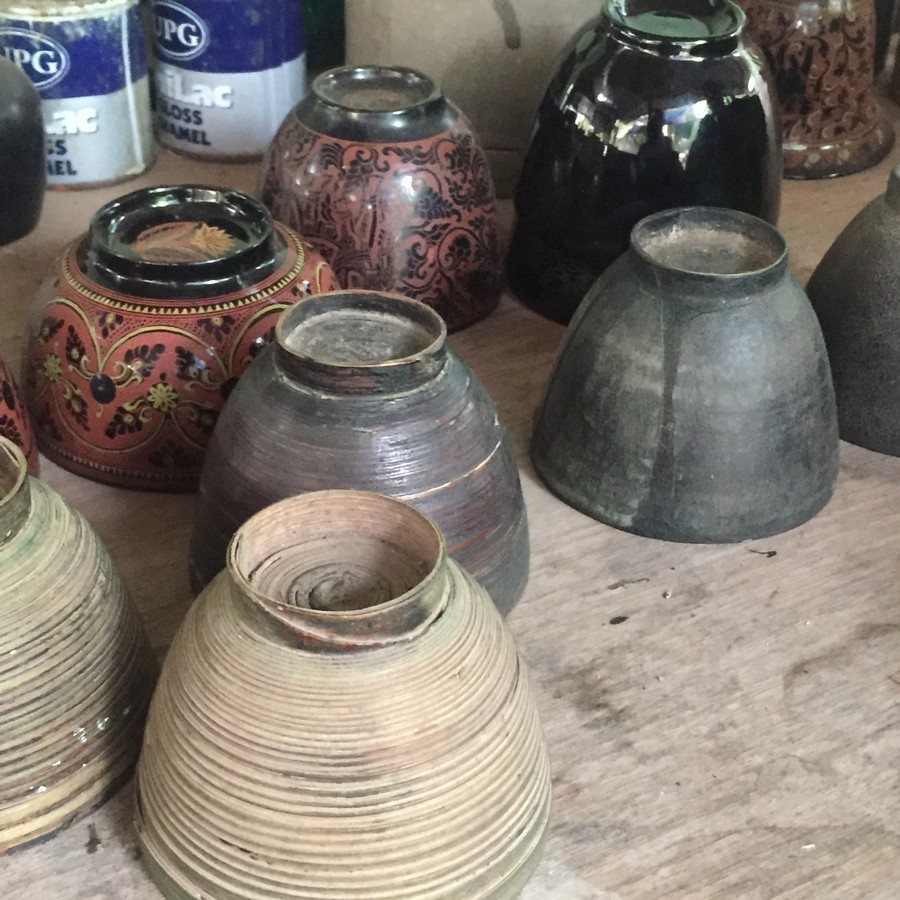
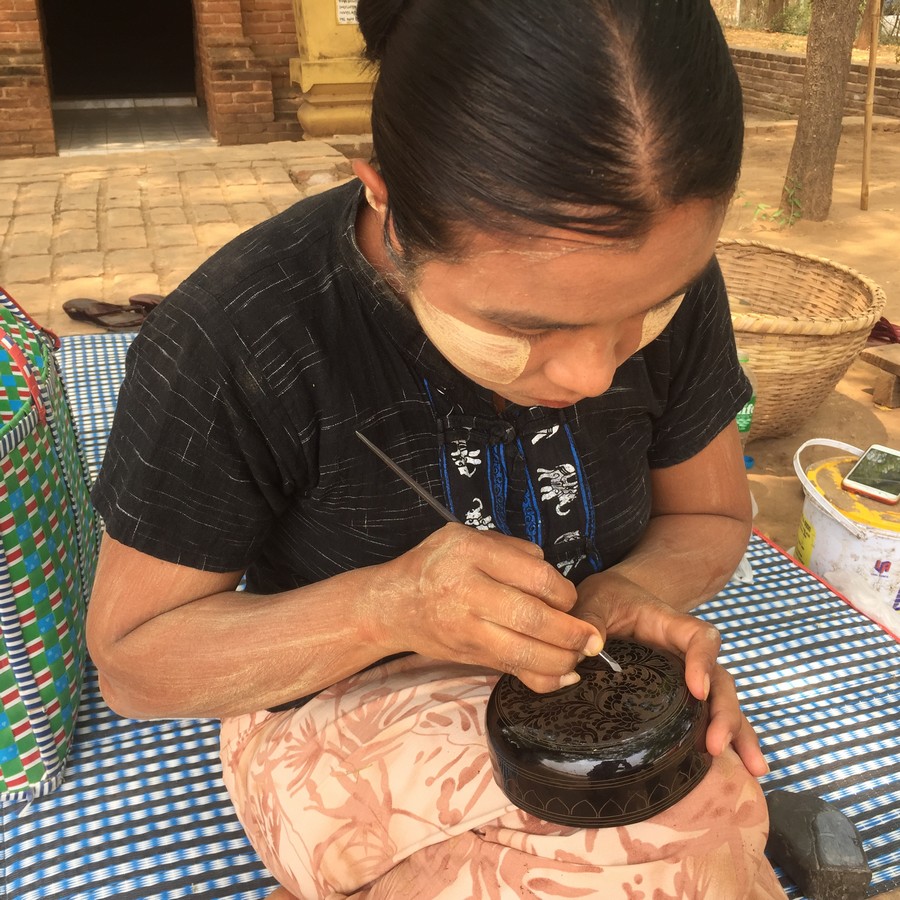
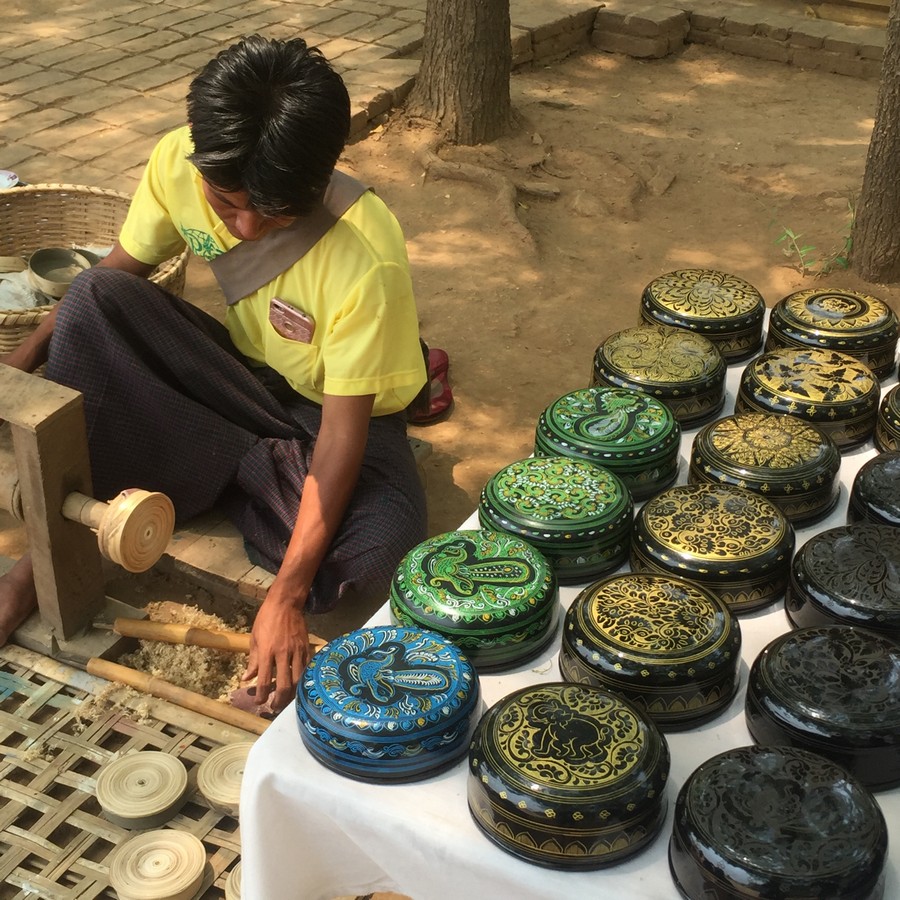
Bagan is famous for its lacquerware so we had to visit one of the local factories.
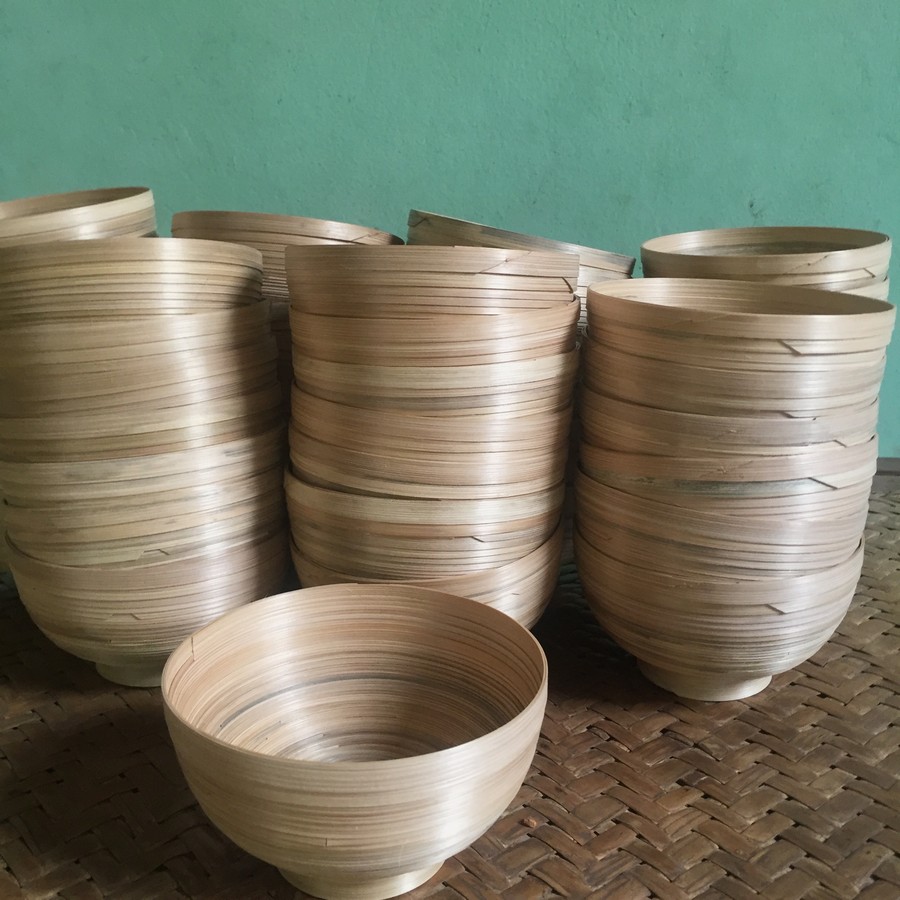
Lacquerware is made from bamboo with many layers of lacquer carefully dried and applied all by hand
The more lacquer used the better the quality. The designs are all done by hand.
All colors are natural except for the blue and the purple.
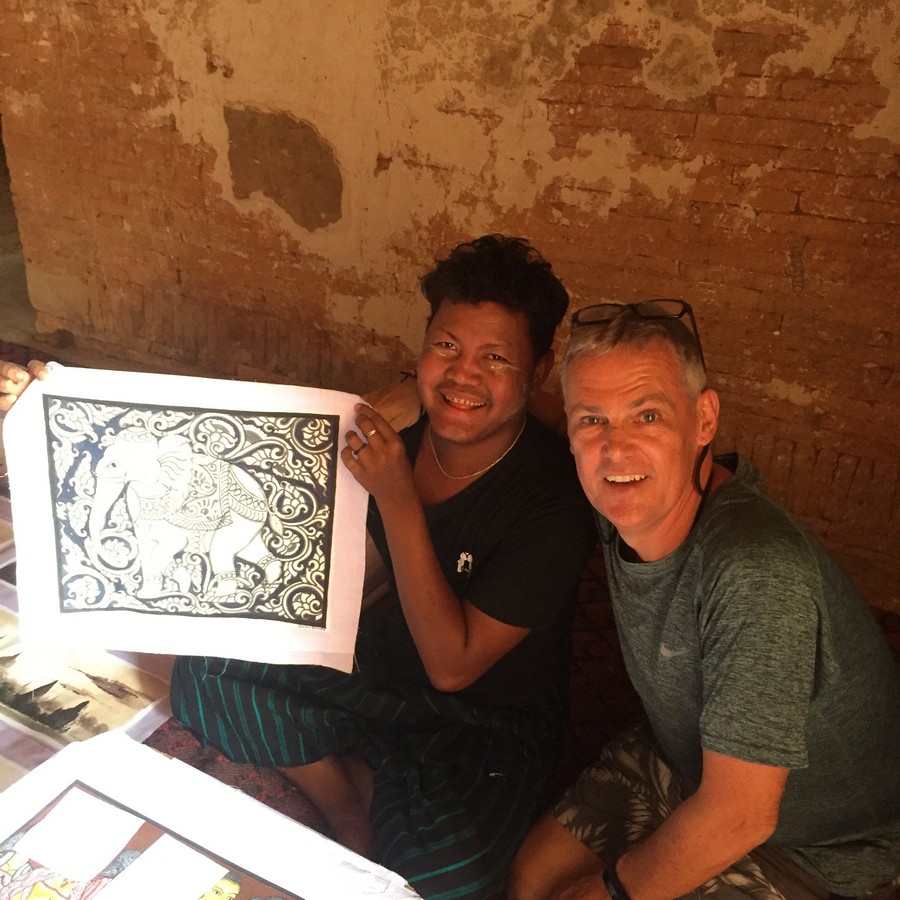
People are so friendly and never pushy to buy a souvenir but for many we were the only tourists that bought a souvenir in days. Sandpaintings are beautifully done.
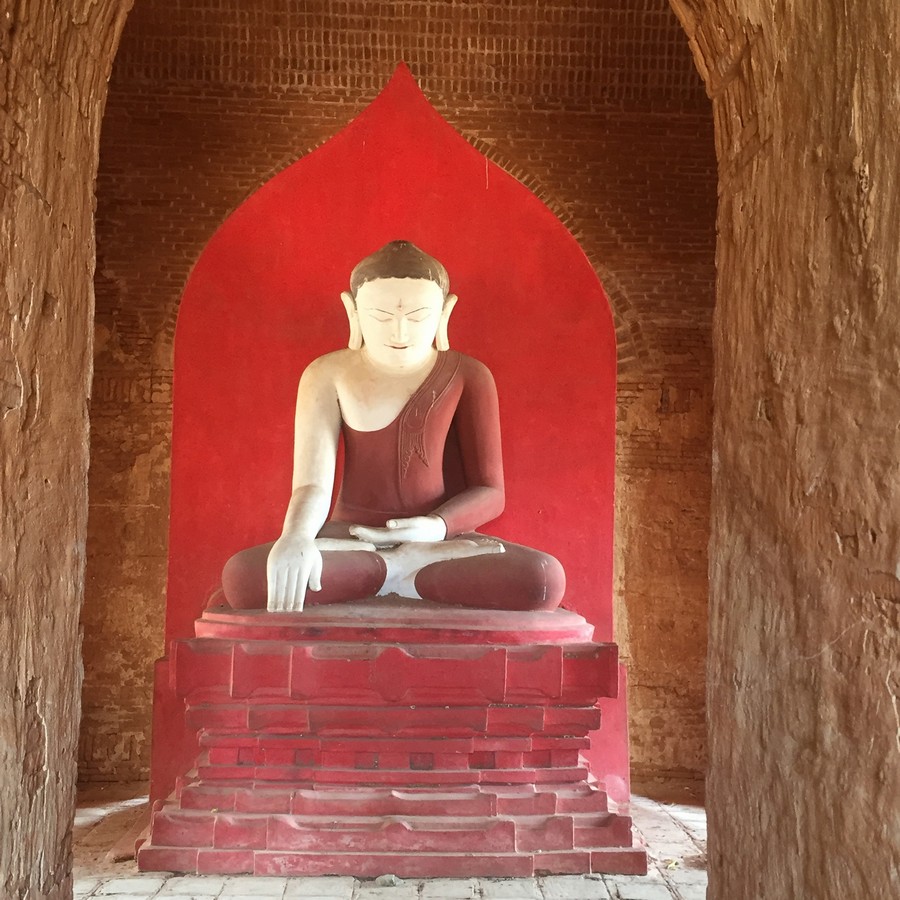
One of my favourtie Buddhas found in a small deserted stupa.
Stefan and I were happily surprised by Myanmar and its friendly people. I could go a second time but during the month of November or December after the rainy season when the countryside is not so dry. Our heads full of memories of places and beautiful people, our bags filled with souvenirs we were ready to go back home to Sanuk.
I am writing this while sitting in the cockpit of Sanuk in Noumea. We are back in the water and it feels good 🙂
A couple of weeks ago we were sitting on a nightly 10 hour bus ride from Hpa-an to Kalaw. After a not so comfortable ride, we arrived early in the morning in the centre of Kalaw and found a taxi to take us to our beautiful hotel, “Hillock Villa”. We had a fabulous breakfast and went for a walk back to town to find a hiking tour company we could join the next 2 days to Inle Lake. After visiting 4 of those we decided on not the cheapest (too many people in a group) and not the most expensive, Uncle Sam looked like a good choice and Trip Advisor confirmed this.
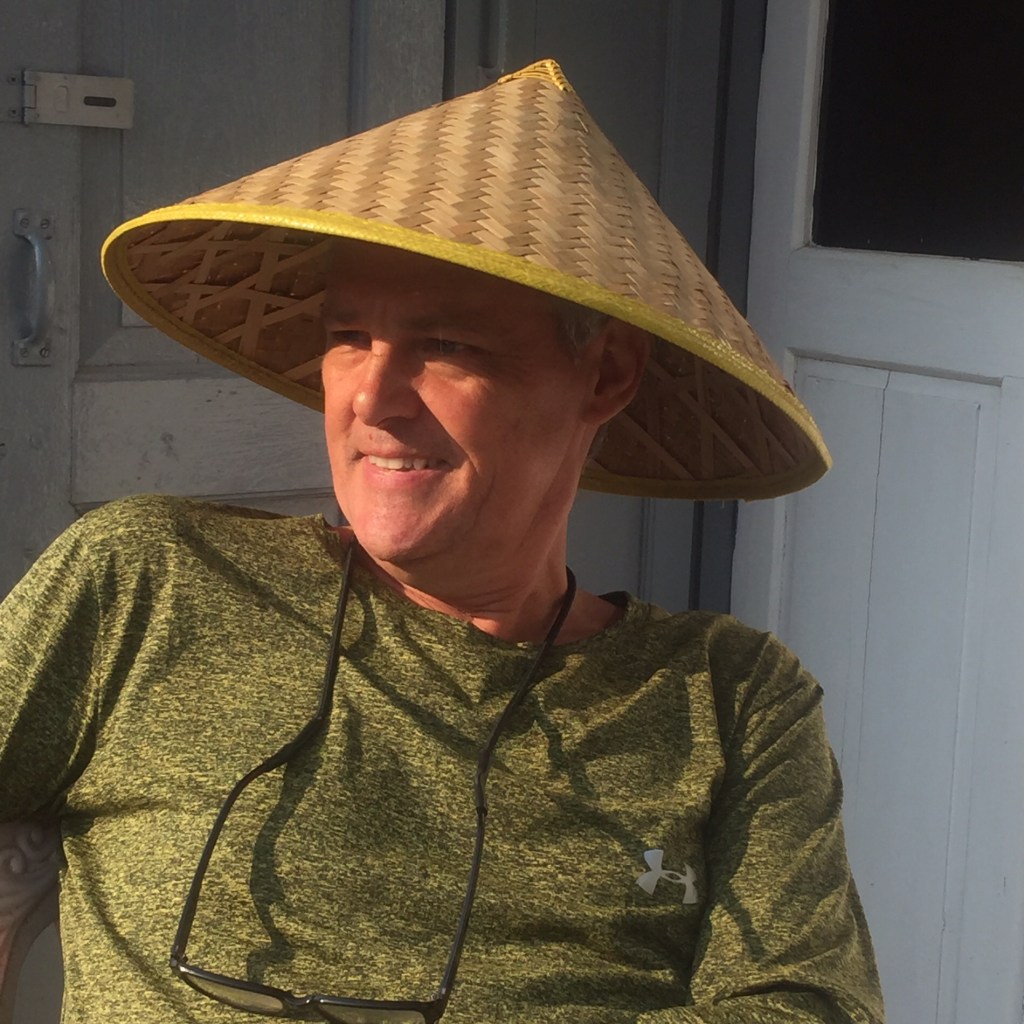
While in town we bought a hat for Stefan since he had left his other head 😉 somewhere in a restaurant.
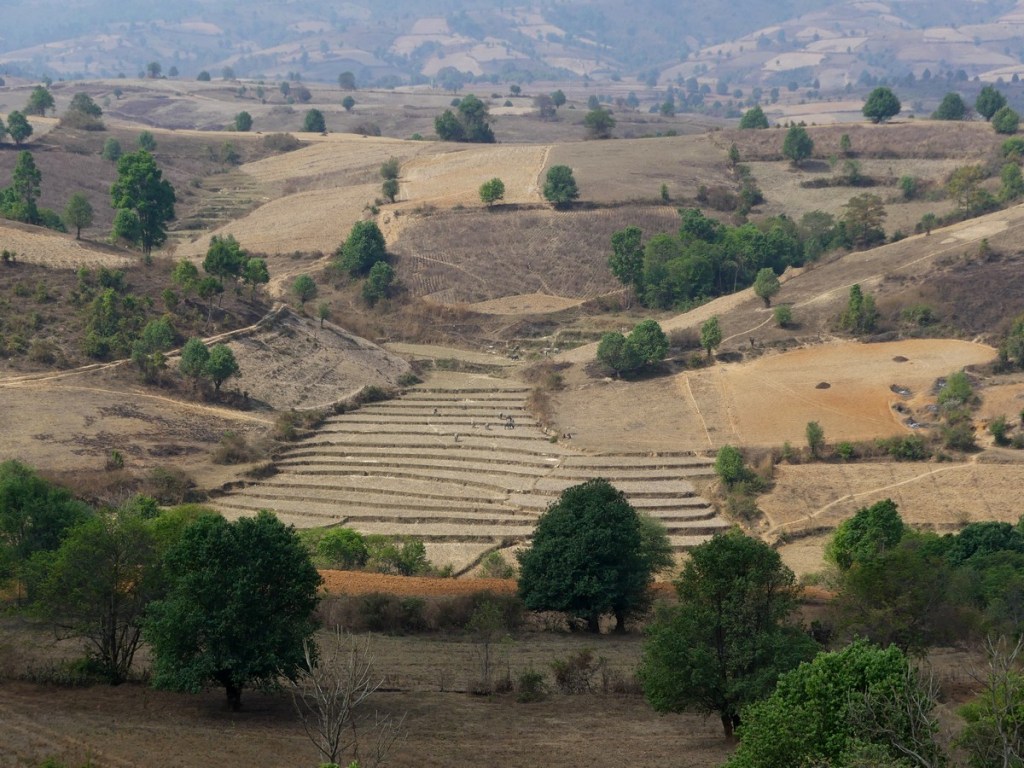
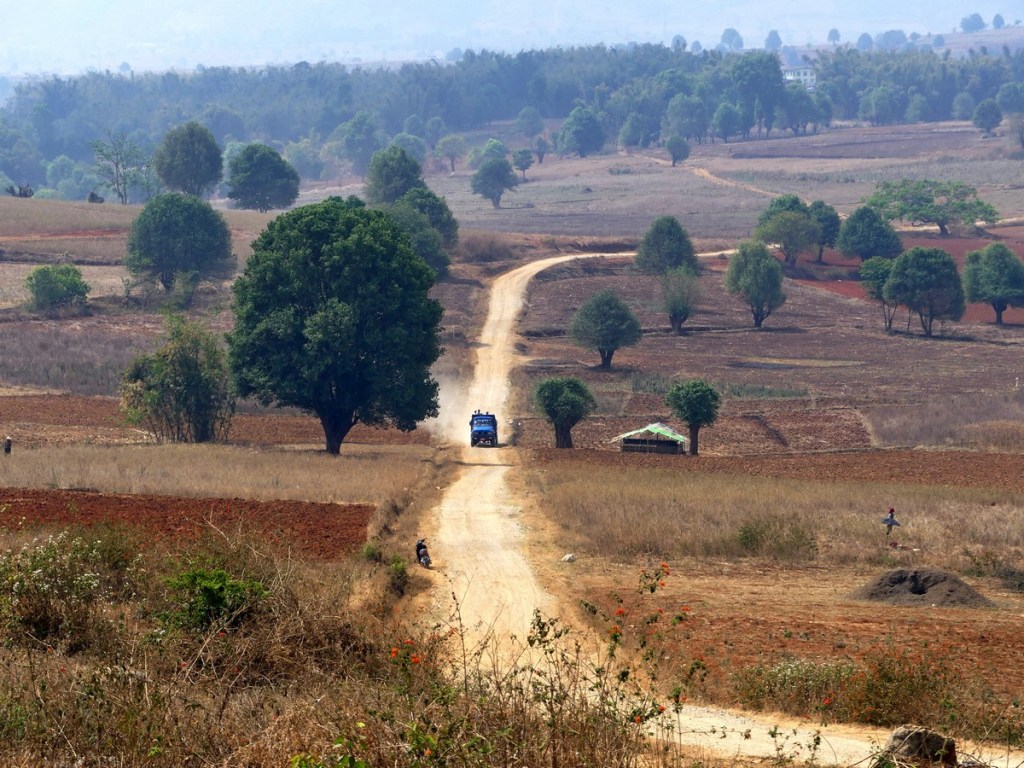
The scenic view at the start of our walk from Kalaw to Inle Lake. It is clearly the dry season ! The only crop in the ground is ginger. They are waiting now for the rains to come which will be in July.
The fun part of hiking with a guide is that you are able to connect so much easier with the people working in the farms and on the land.
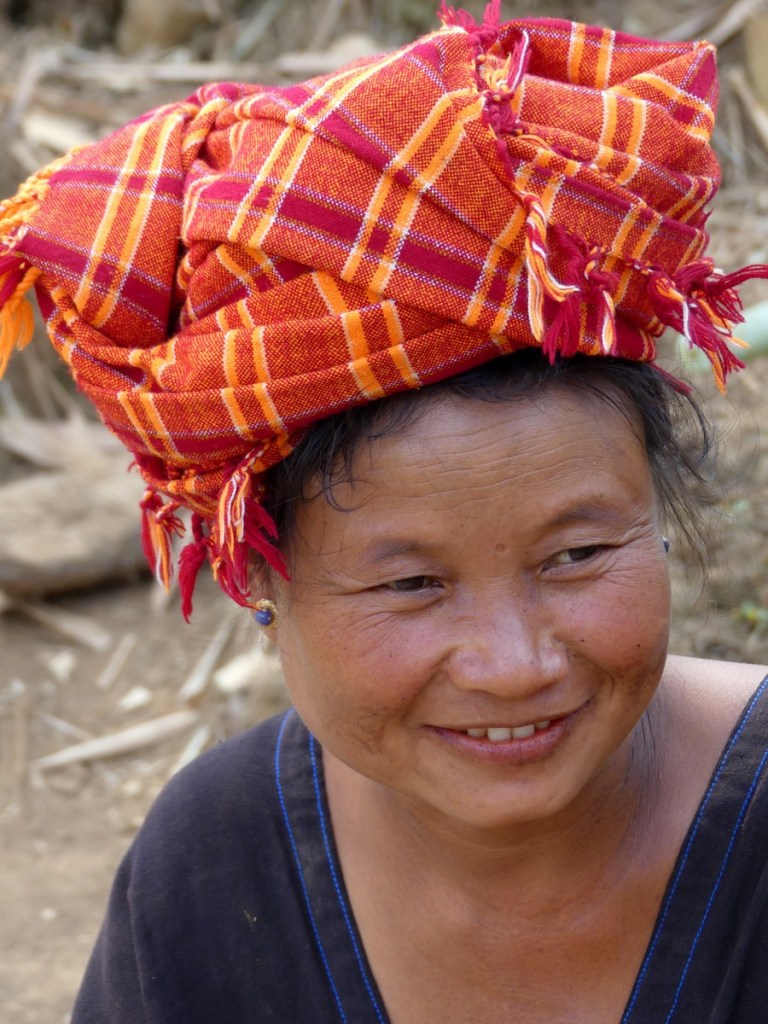
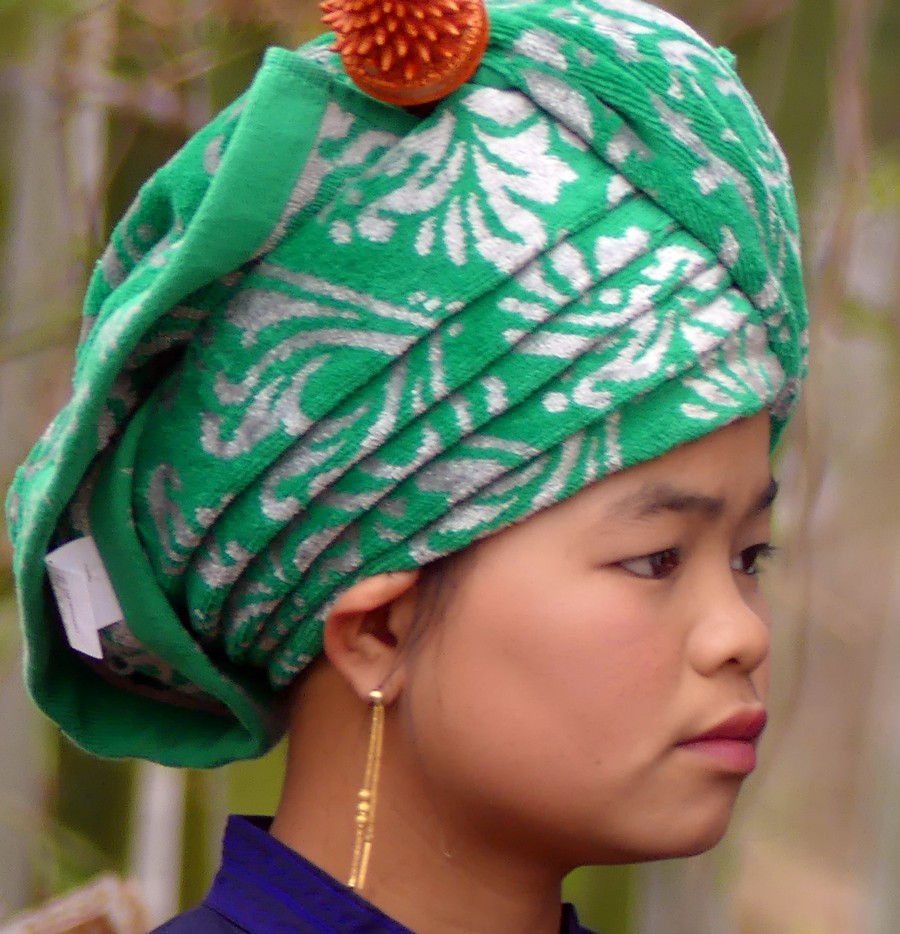
Beautiful women from the Pa’O tribe.
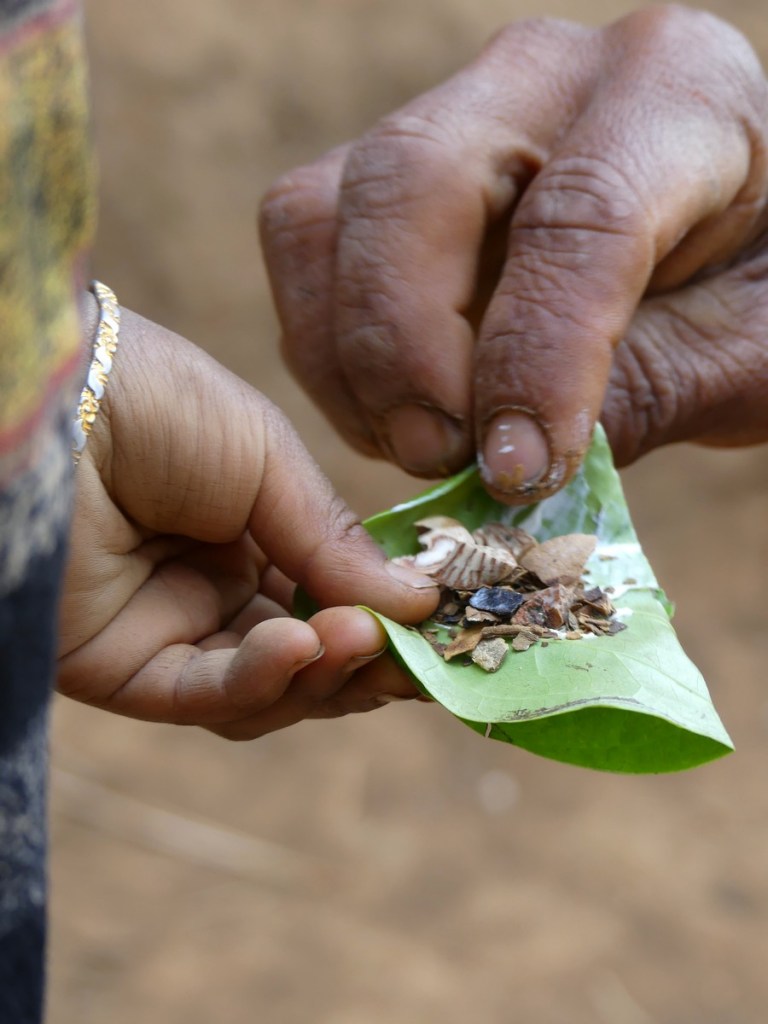
Kun-ya or betel nut chewing is one of the most popular traditions in Myanmar with men and women (a bit less). It is a mixture of betel nut (the areca nut) with slacked lime (calcium hydroxide) and catechu (black shiny piece) wrapped in a betel leaf. You have to place it between your cheek and gums and suck on it. Soon a red liquid will form in your mouth which you have to spit out. (hence the red spots on the pavement and streets) It is addictive and causes severe tooth decay and oral cancer in the long term. Everybody knows this but apparently it is too difficult to quit. The government has launched a anti-betel campaign because it is one of the leading causes of death in Myanmar.
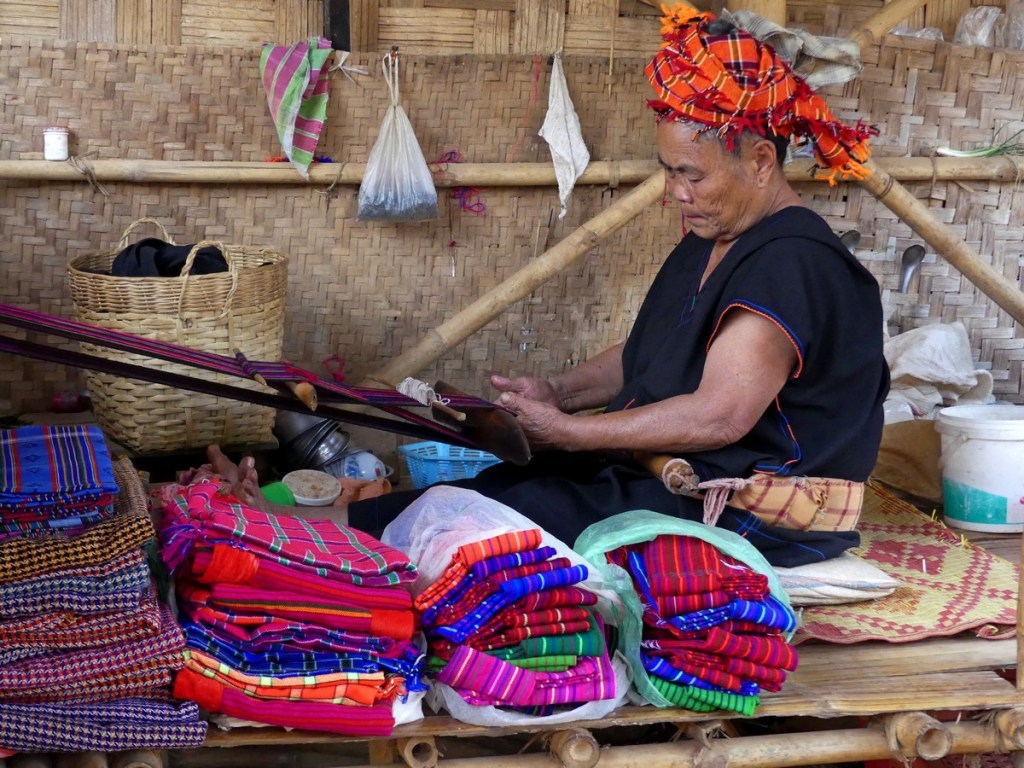
At 76 years old she is still working hard, sitting on just a mat weaving. I admire these strong women.
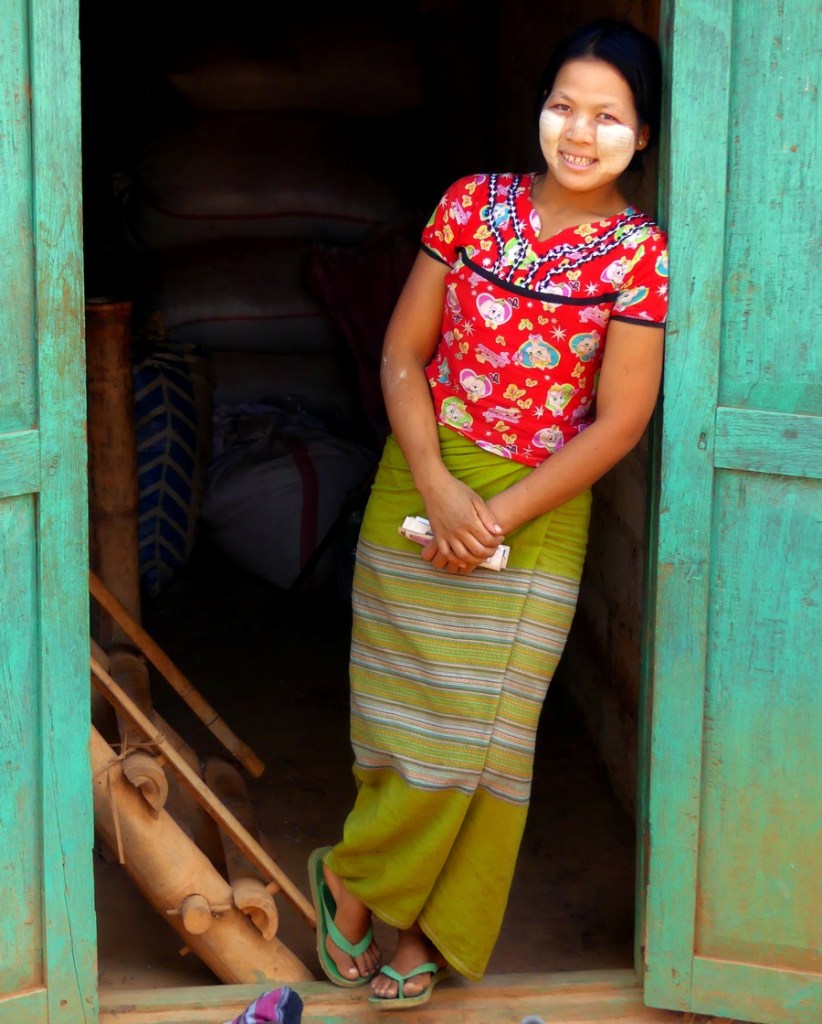
The typical Burmese woman, smiling with thanaka paste on their face. Thanaka is worn as a protection for the sun but mostly as a make-up. It is said that Burmese have been using thanaka for over 2000 years.
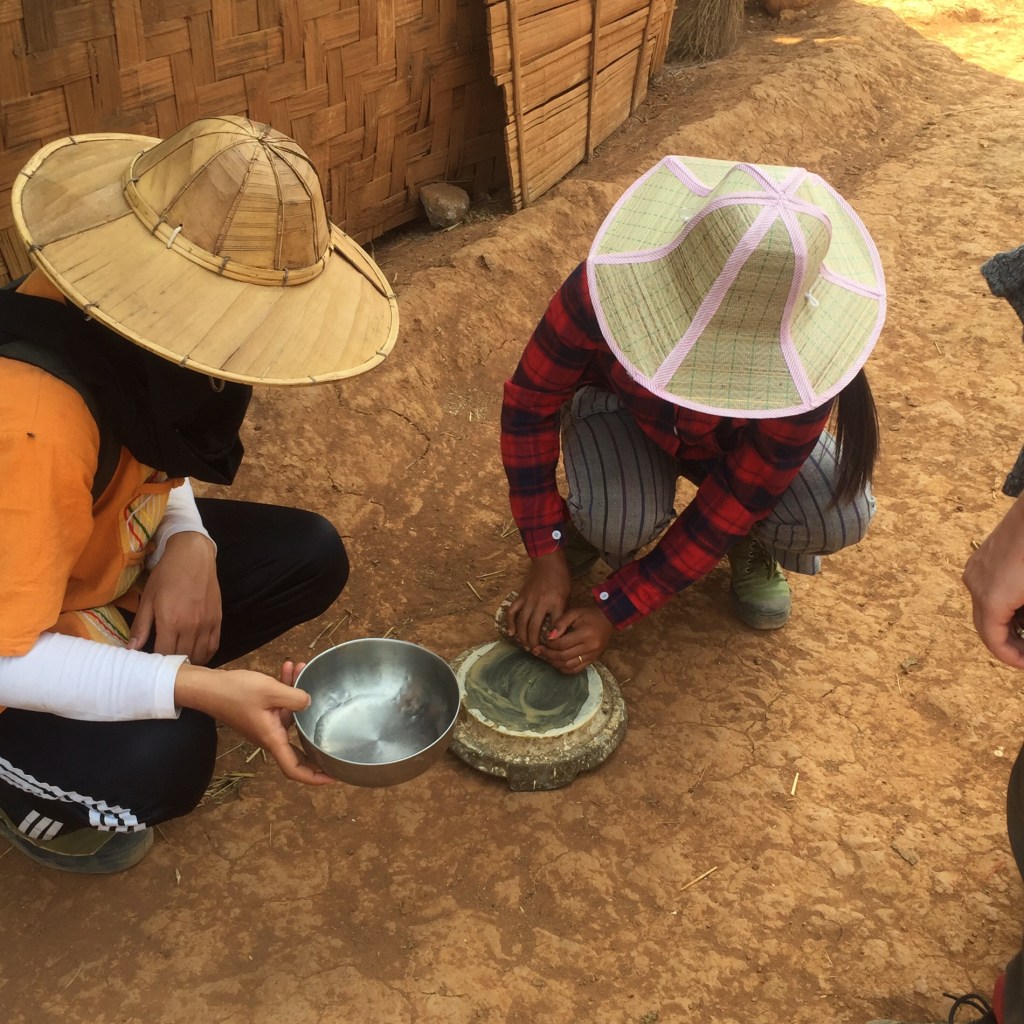
The thanaka is paste is made from grinding the bark on a flat wet stone and then immediately applied to the face as it dries quickly.
Our guide was happy to show us how it was done and apply it on our faces. According to the Burmese it is not only good as sun protection but also lightens the skin and even works against acne. I brought a jar of thanaka powder home :-).
The dry land, hard to imagine in the next months this will all be green. Some time I want to come back in november at the end of the raining season, it must be such a difference.
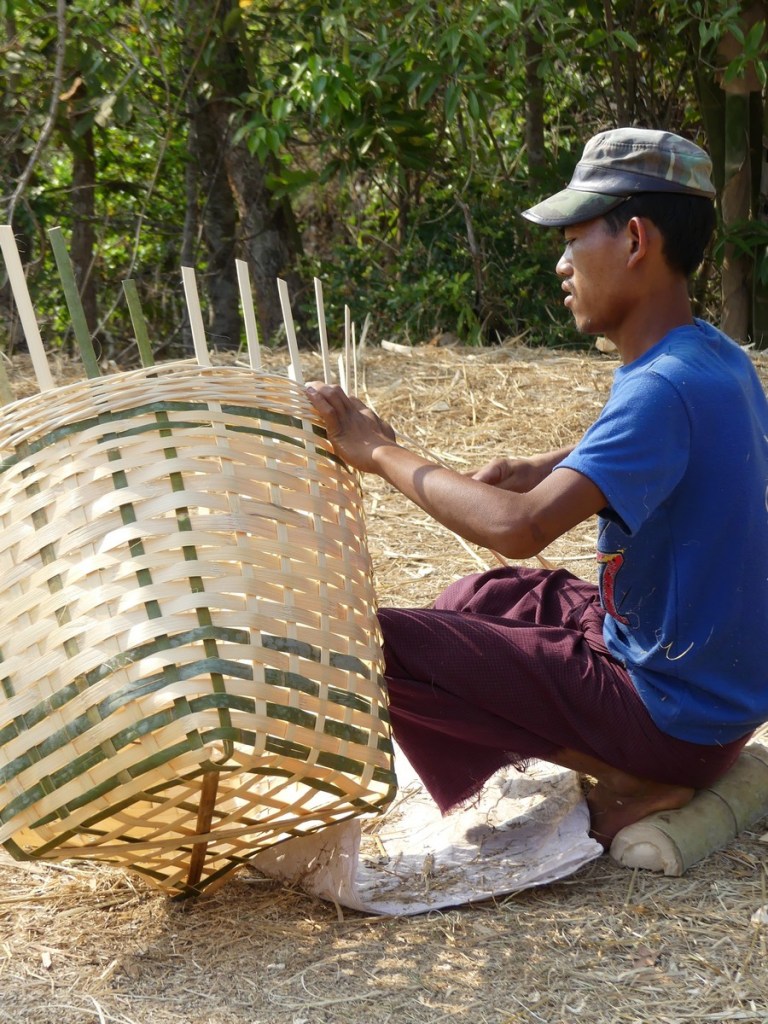
Another typical image for Myanmar, so much is still done by hand. We saw these men in the fields weaving baskets from bamboo.
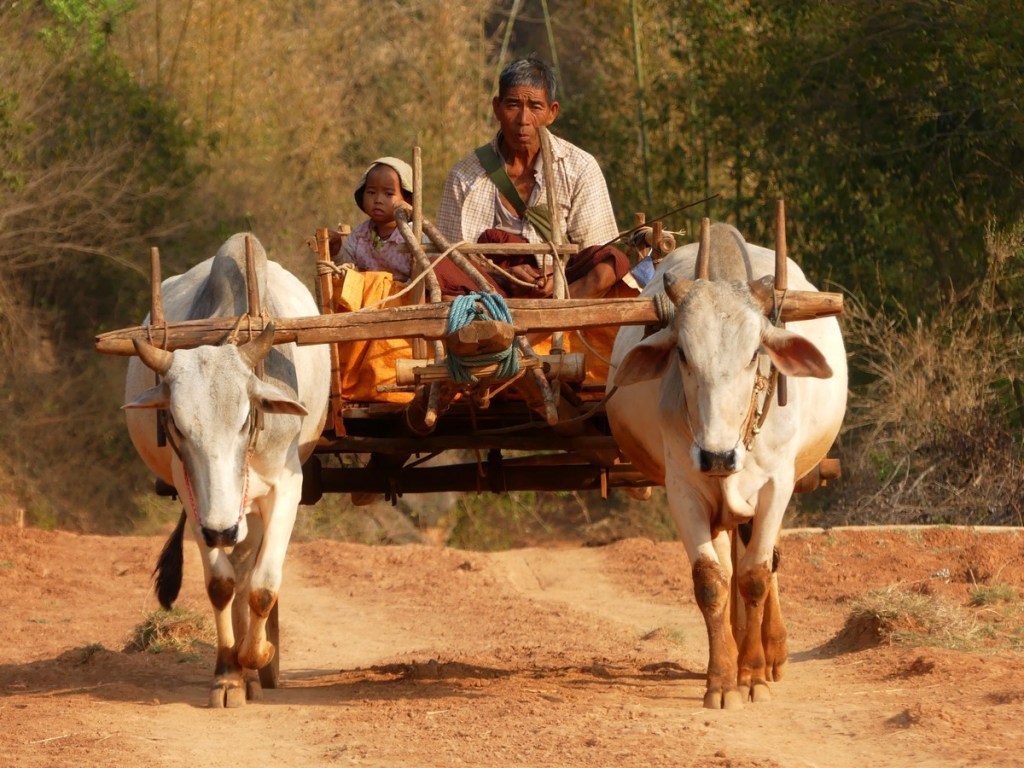
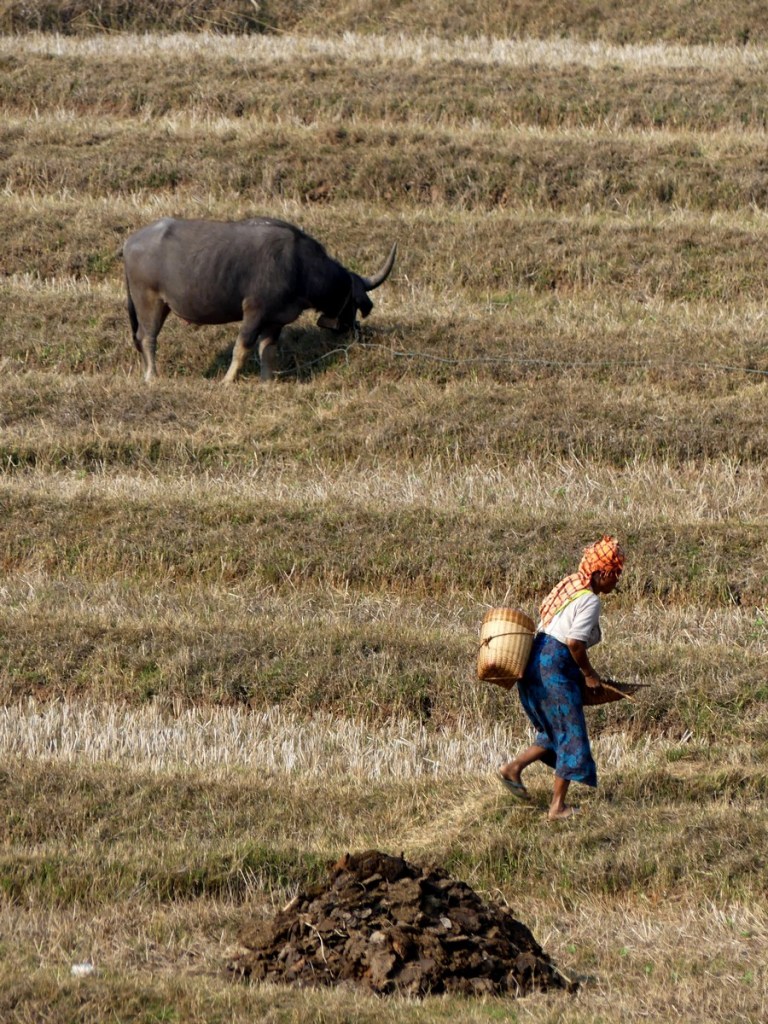
In the evening coming back from the field. An ox cart is still a very common sight in rural Myanmar.
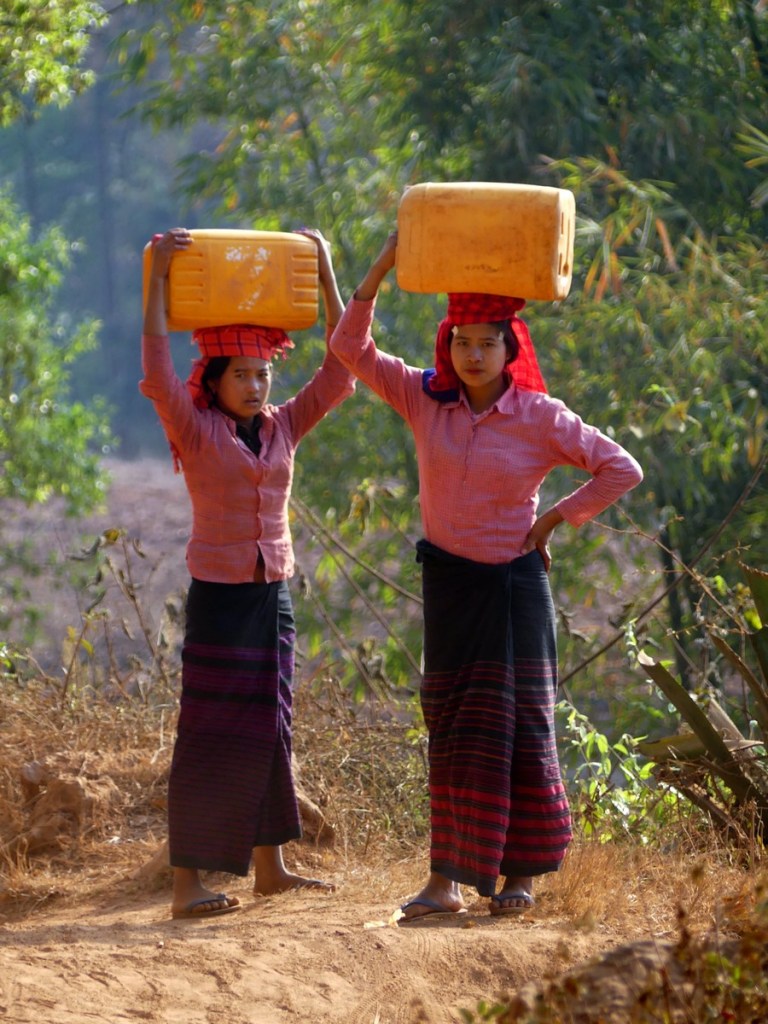
The girls getting water. I do not think long hot showers are an option here.
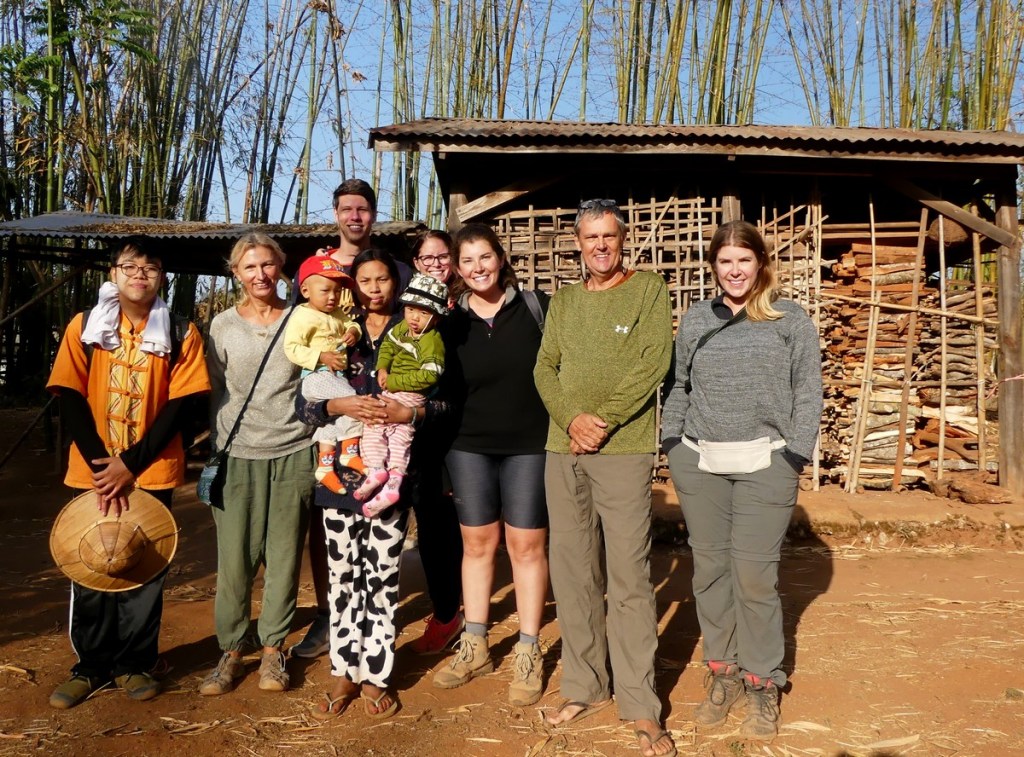
We spent the night with a local family. They prepared wonderful meals for dinner and breakfast, sleeping accomodation is very basic but for these people the tourists are an important source of income. Several houses in the little town were housing tourists with a local guide. Our group was really fun : on the right Celine (FR), Stefan (BEL), Helene (FR), Melanie ( GER) and in the back Alexander (GER), in front with the twin boys was our host family, Ilse (BEL) and one of our guides.
Our trekking continued through lots of dry fields but really beautiful scenery and friendly people. Unfortunately I lost all my pictures from the second day because something went wrong with the transfer to the computer :-(.
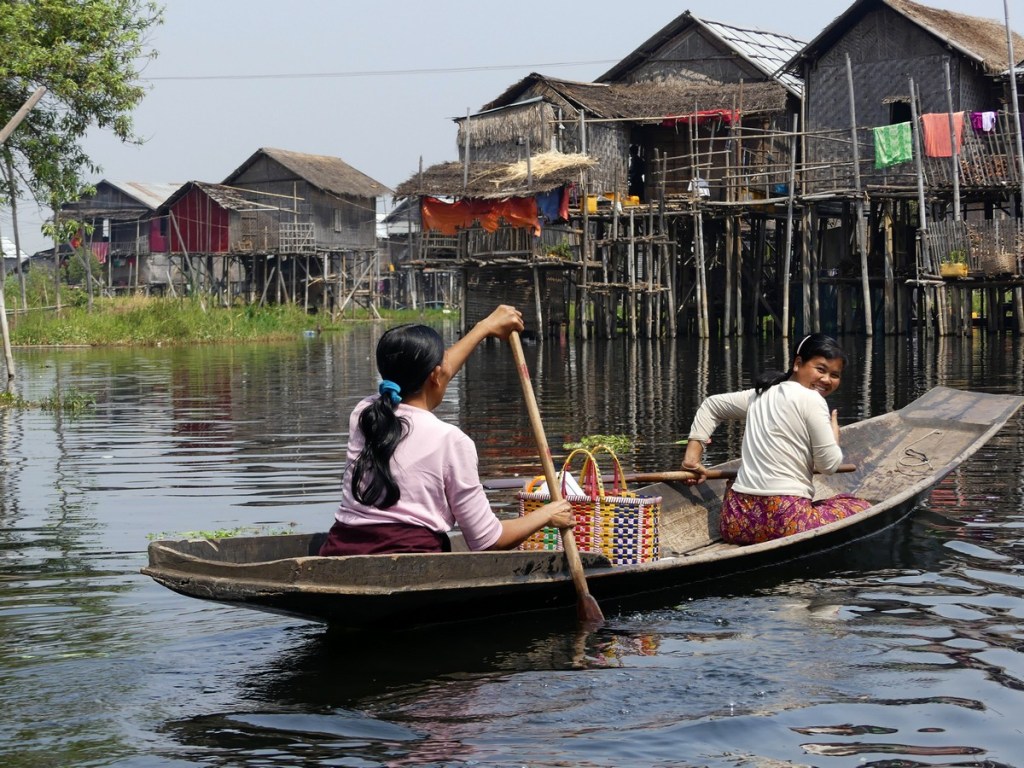
Inle Lake is the second largest fresh water lake in Myanmar and the highest (900m).. About 70.000 people are living on and around the lake, most of them are Intha people.
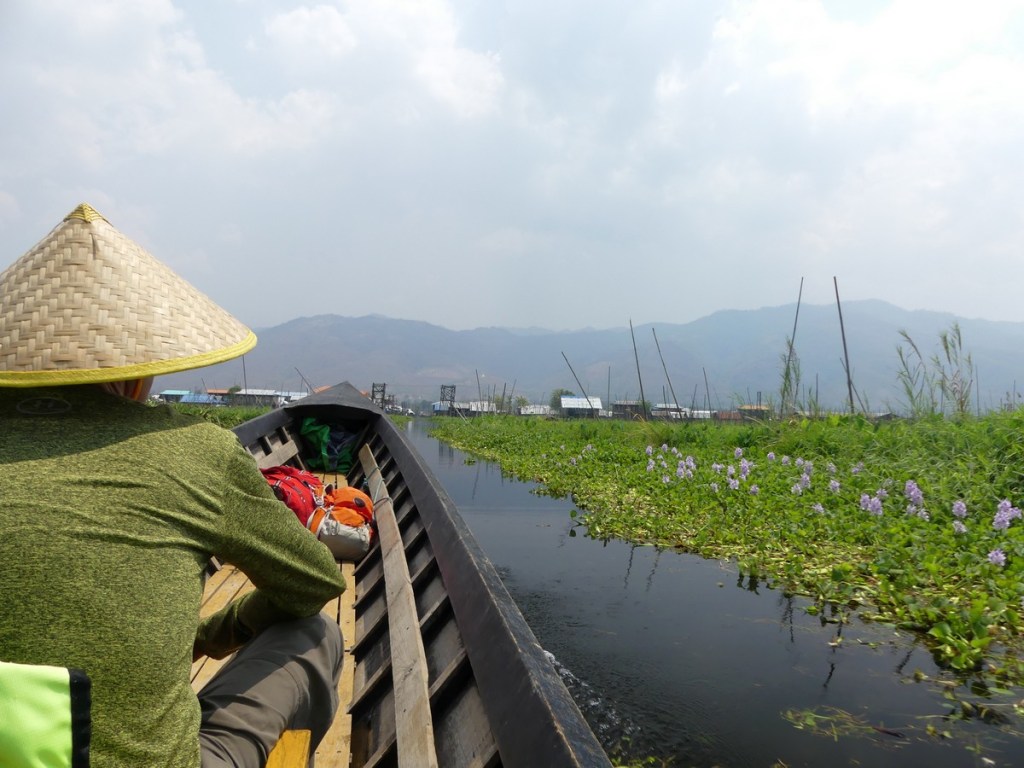
We rented a boat for the day at our hotel (beautiful Innthar Lodge on the lake) so we could get a taste of the life on the lake.
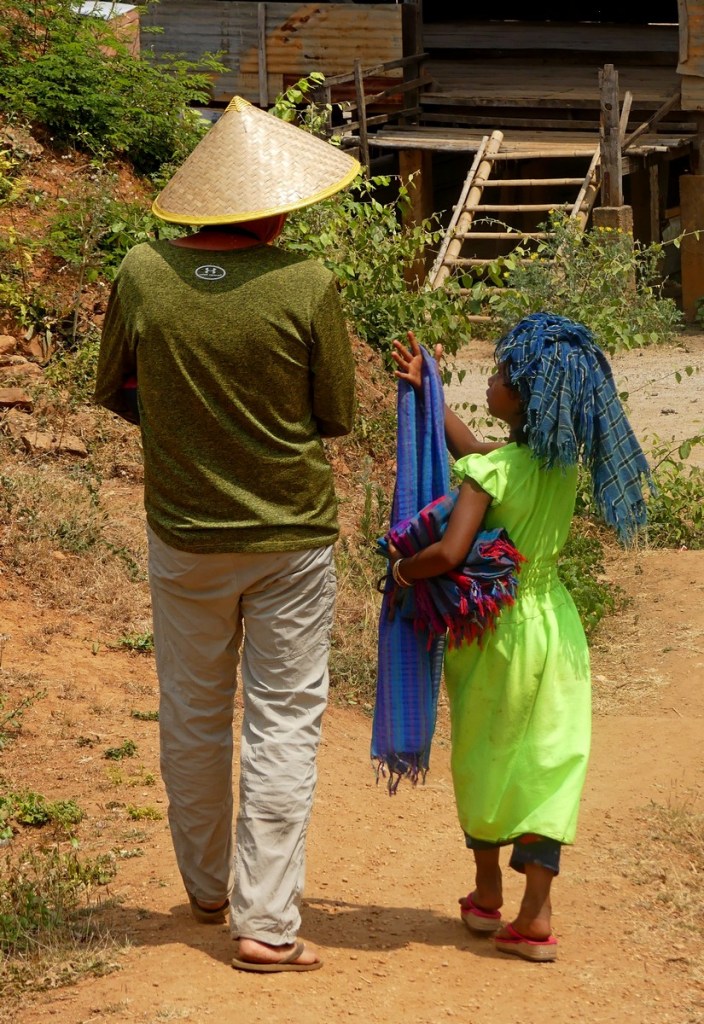
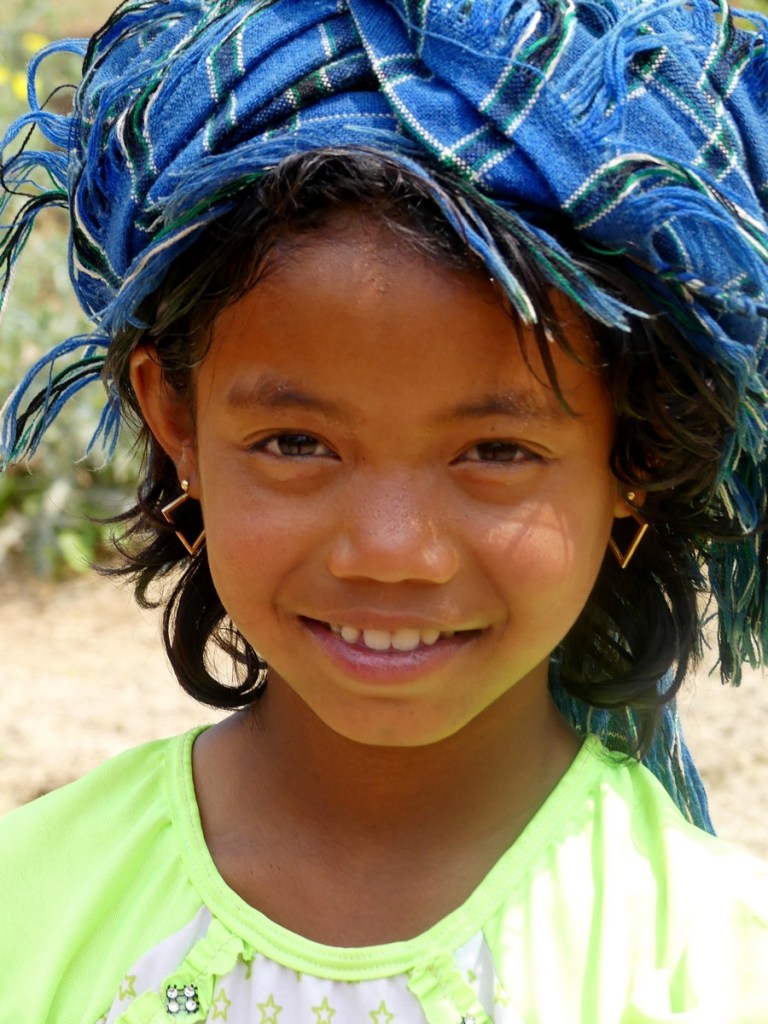
We made a stop at Indein village to visit the Shwe Inn Thein pagodas. A little girl tried to convince Stefan to buy a scarf.
We could not resist her smile and bought a scarf for 1000Kyat (60c).
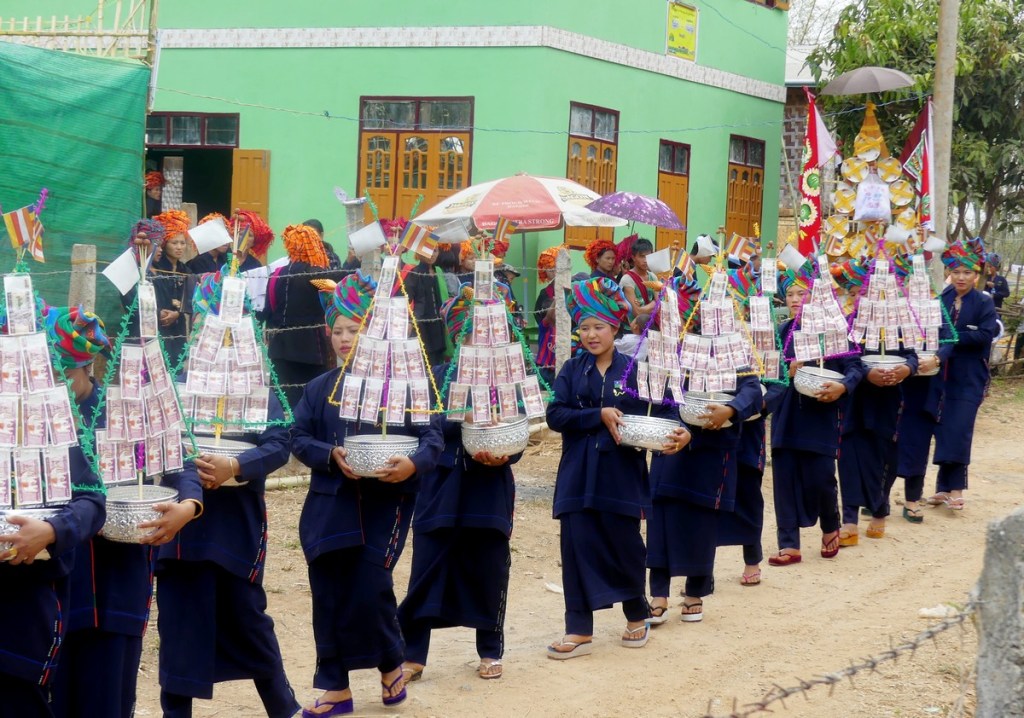
While we were walking in the little town we noticed a lot of dressed up Pa’O Hill people. It seemed we were at the right place at the right time, to witness an important rite of passage, the Buddhist Novitiation Ceremony in Myanmar. The Novitiate ceremony is when boys do their service to Buddhism and are entered into the order of the monks for a week or longer. Novitiation is the obligation of every parent and the most important gift to their sons. It is believed that this deed will prevent the parents from having an evil afterlife in Buddhist tradition.
The Pa’O hill tribe is the seventh largest minority in Myanmar.
The Pa’O have been in Myanmar since around 1000 BC.
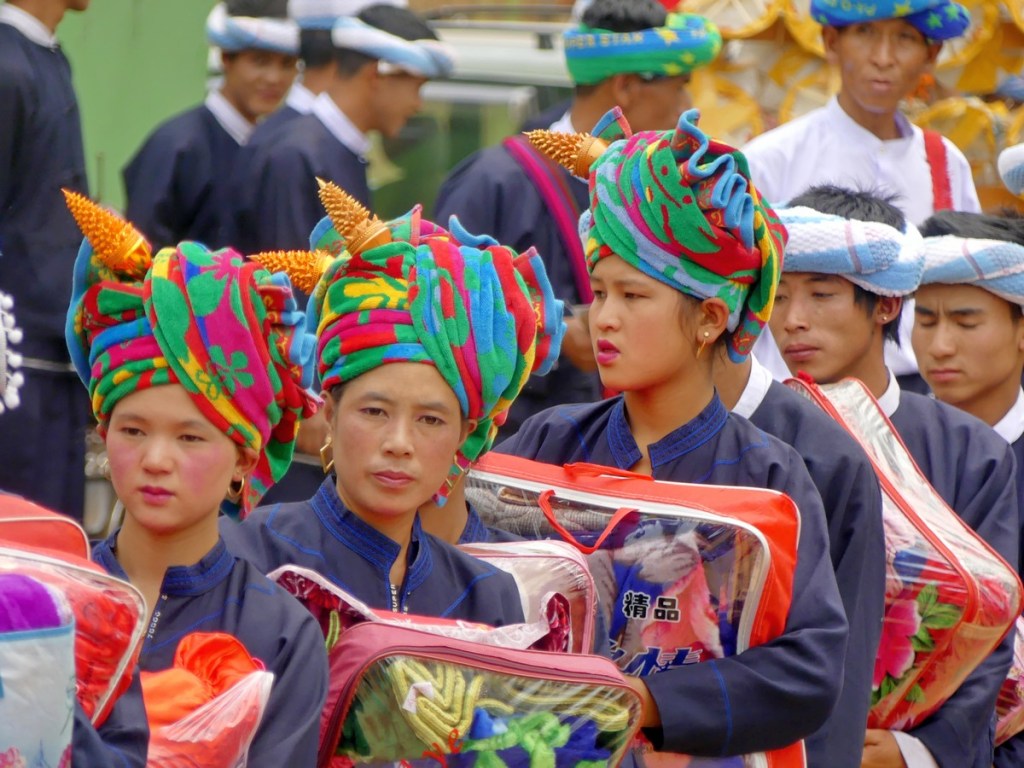
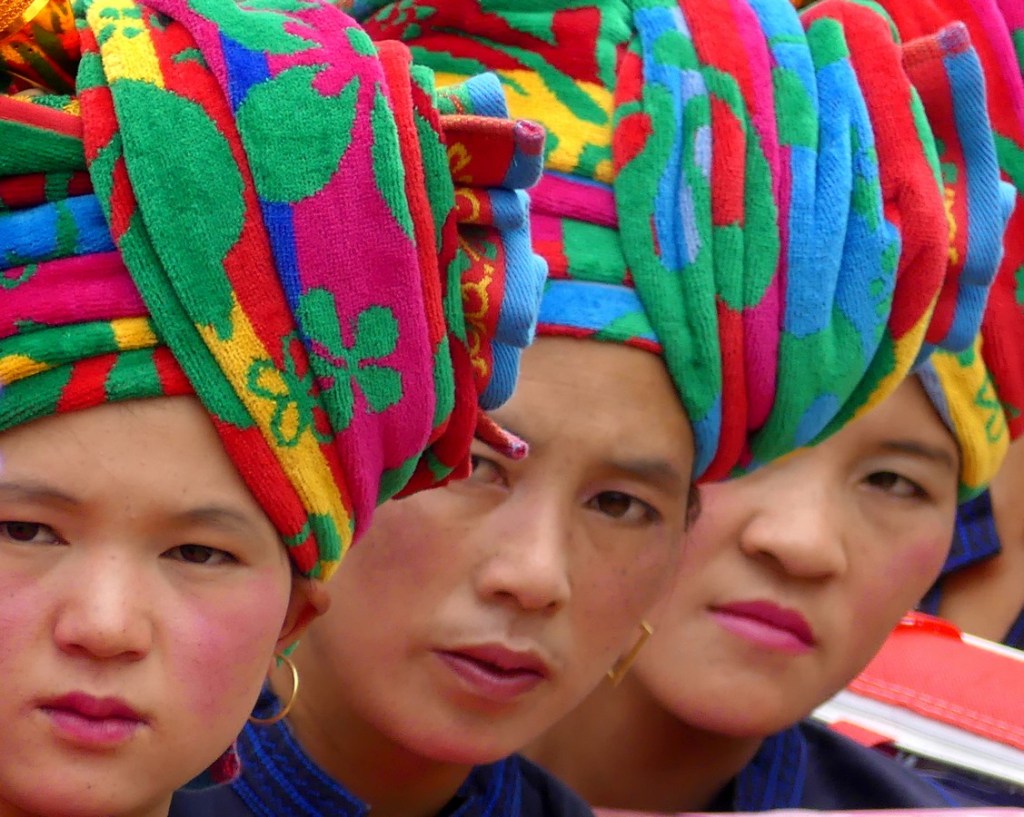
Forced to wear dark indigo-dyed clothing after the defeat of the Mon King Makuta of Thaton by King Anawratha in 1057, today the Pa’O are known for their brightly-coloured turbans.
It was so great to see all the beautifully dressed men and women for this novitiation or Shinbyu ceremony.
The Pa’O people were called“Black Karen” by the British colonialists because of the dark blue or black clothing. Here they are carrying offer money for the monastery.
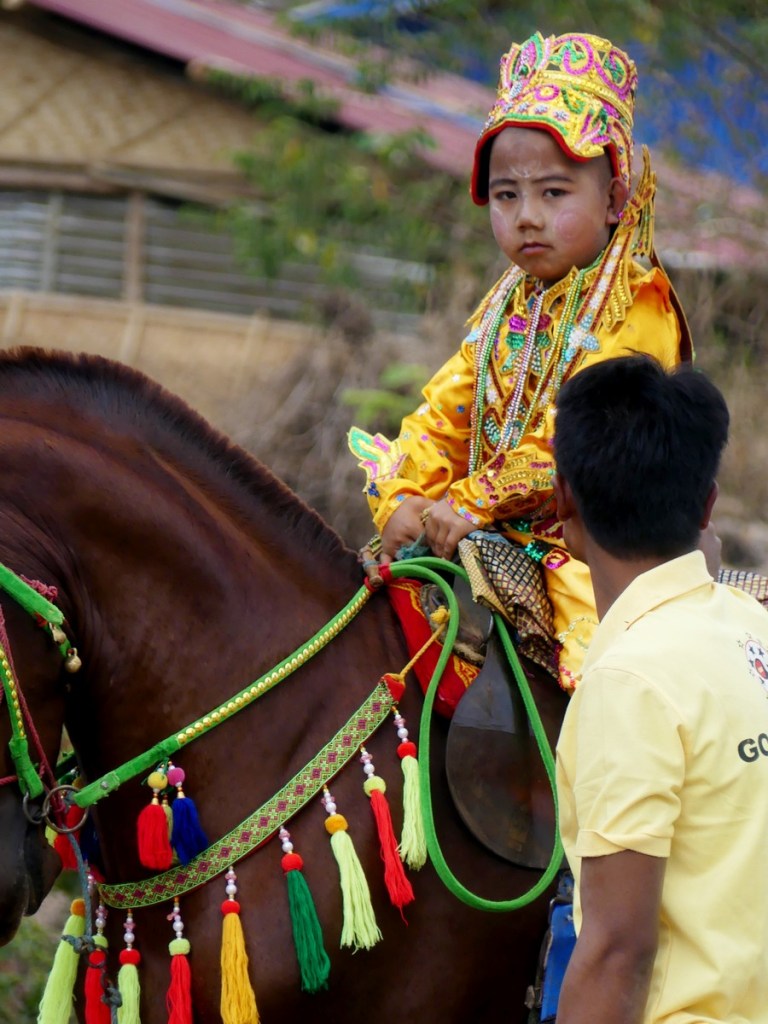
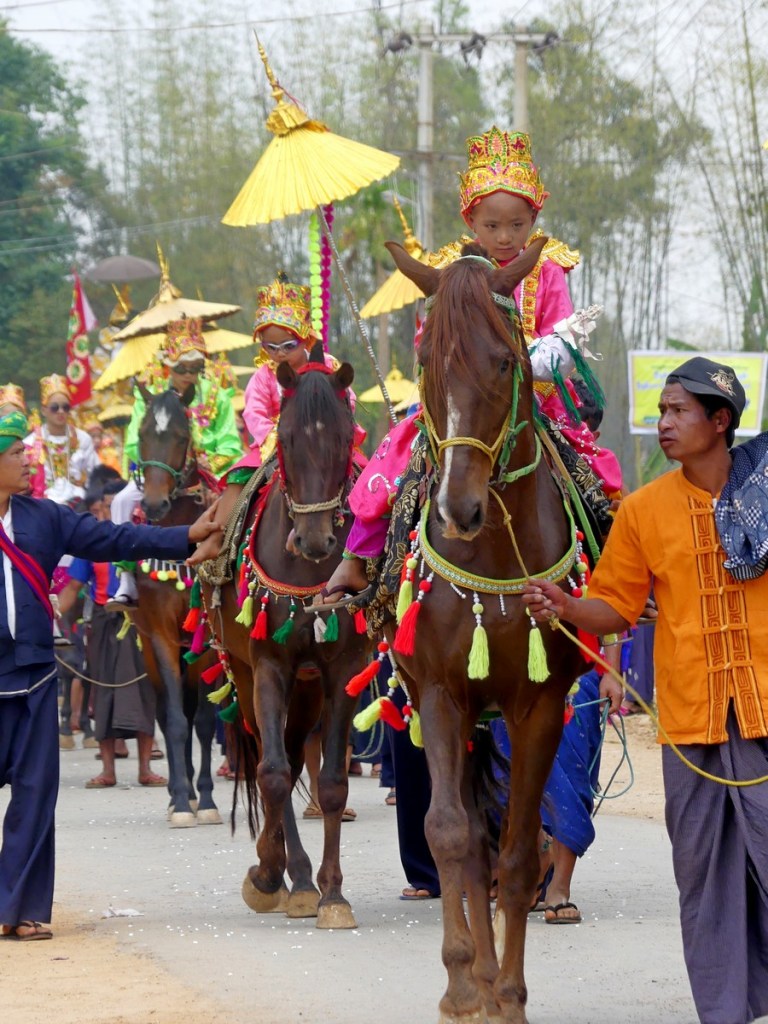
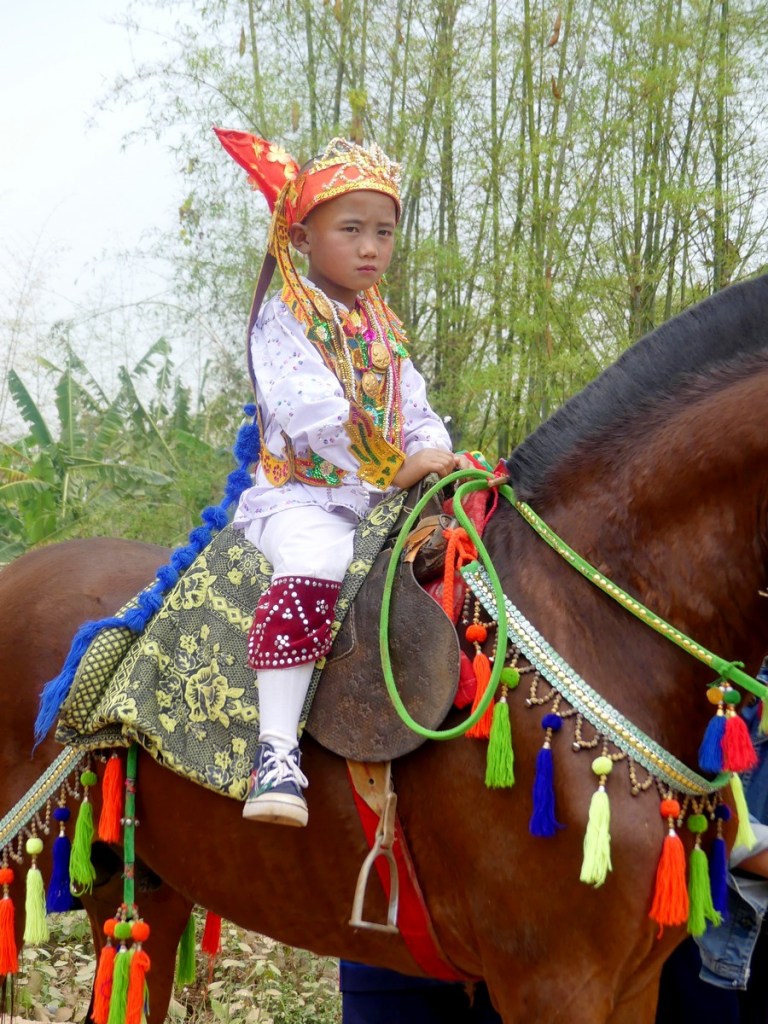
The boys heads are shaven apparently earlier in the day. They are dressed in yellow, pink and green satin costumes with colourful make up .The costumes are symbolic of the look of a royal prince.
The procession with the monks-to-be protected from the sun by the golden umbrellas.
Like a little prince but not for long. After the ceremony the boys are undressed and the typical maroon robe is put on.
This was such a beautiful and unexpected event that we did not venture further to see the pagodas but just enjoyed watching the people. Happy with these impressions we looked for our boatman and returned to the lake.
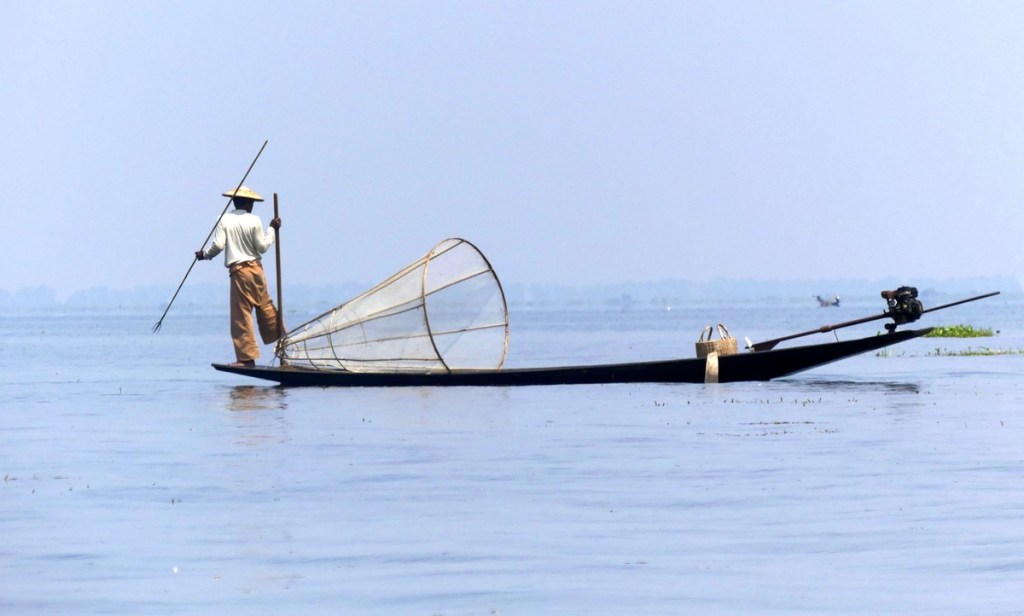
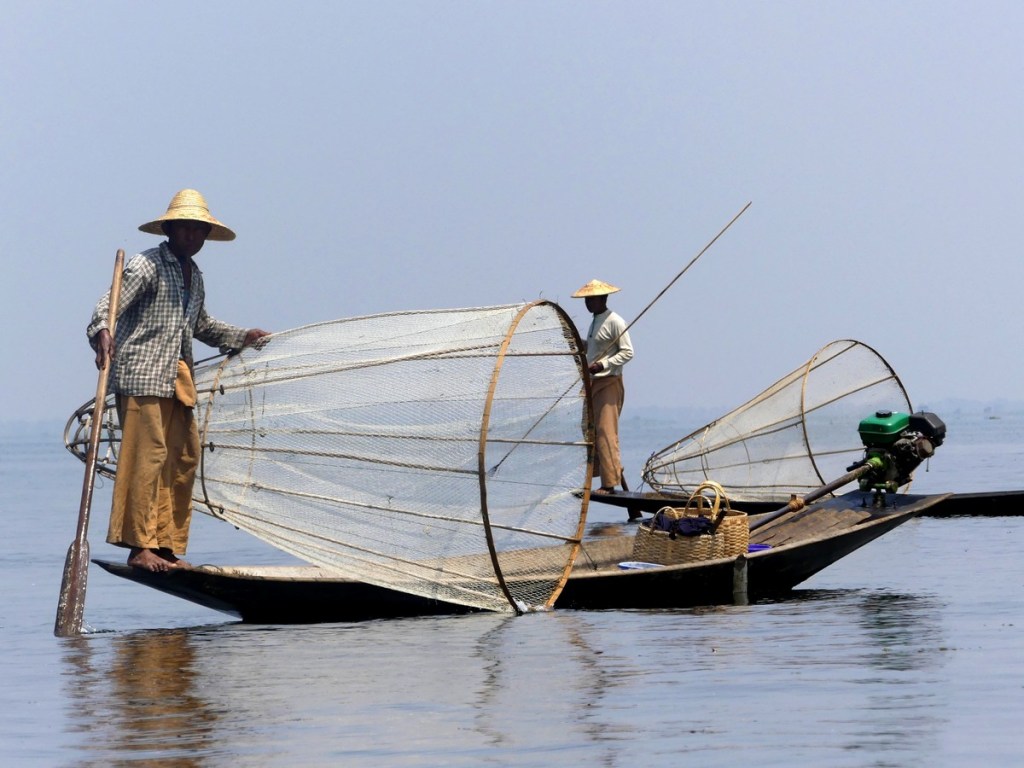
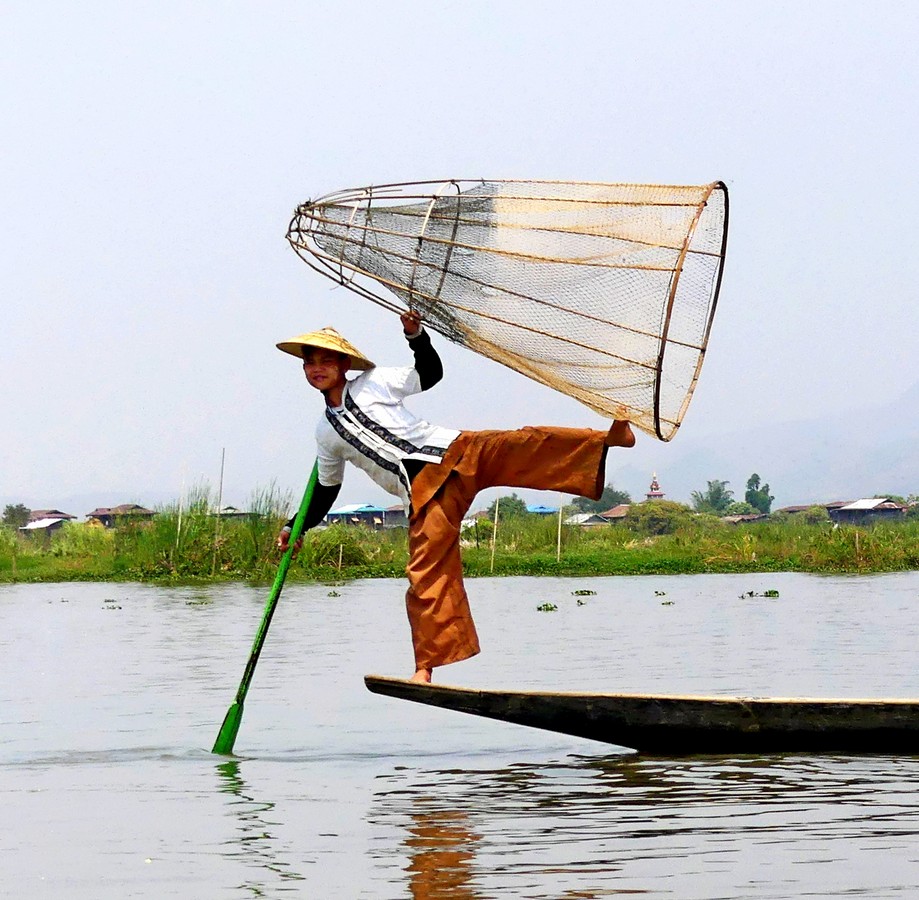
The famous leg-rowing Intha (‘”sons of the lake”)fisherman.
Reeds and other floating plants rise high out of the waters, so that when they are sitting low in a boat, it can be hard to see and to steer through the vegetation. It is for this reason that, while the local women still row their boats in the usual manner, the local fishermen developed their distinctive standing rowing style.
The water hyacinth (purple flower) is not native to Inle Lake but grows fast, clogging the smaller streams and depriving local plants and animals of light and food.
The fishermen like to show off their balance to tourists:-).
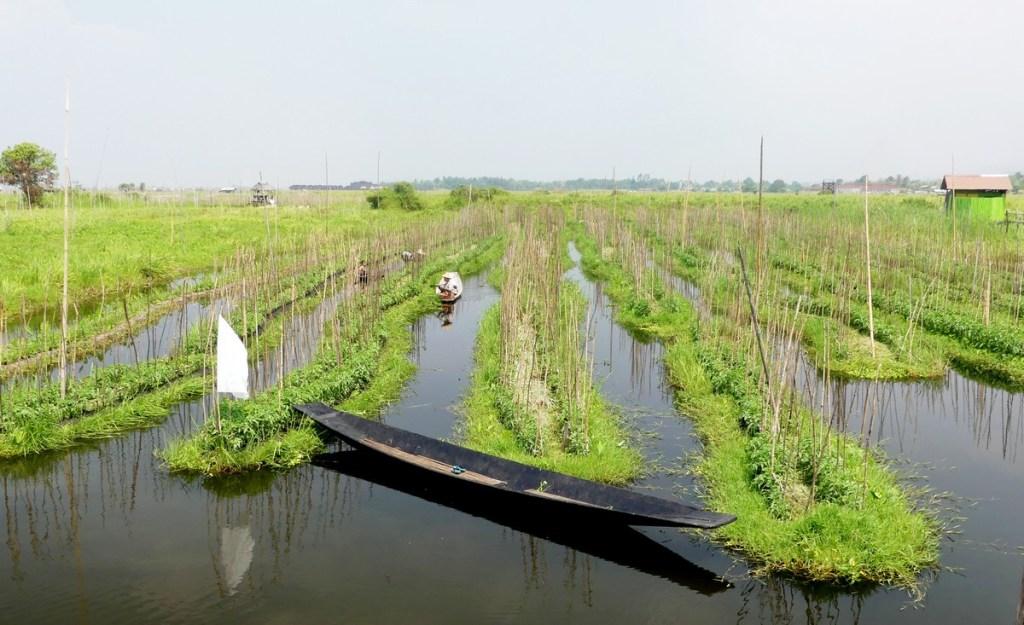
Roughly 25% of Inle Lake is covered by floating gardens where lots of manual labour produces tomatoes, beans and cucumbers. The farmers gather lake-bottom weeds from the deeper parts of the lake, bring them back in boats and make them into floating beds in their garden areas, anchored by bamboo poles. These gardens rise and fall with changes in the water level, and so are resistant to flooding.
The garden “shed” on the water.
We visited one more monastery, forgot the name. It was 100 years old and the wooden walls were painted in gold. I find these places so peaceful and enjoy just walking around watching the lifes of the monks.
How would it be to enter a monastery for a week or two ?
March 8th, we arrive in Yangon around 6PM after a short flight from Hanoi. Men in longyi offer their taxi services but we take our time to get a SIM card, get money and install the GRAB (UBER in Asia) app. Five minutes later we are on our way to our hotel.So easy,we are getting used to this :-).
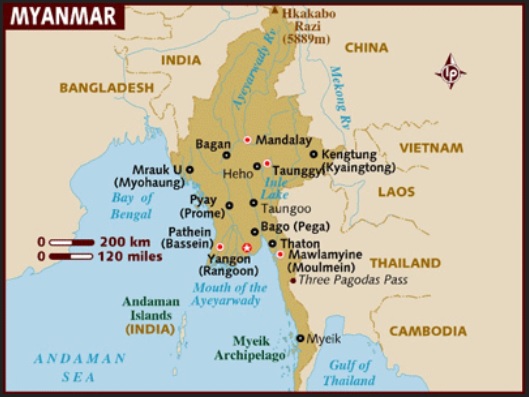
Myanmar has borders with Bangladesh, India,Thailand, Laos and China. We traveled the following itenerary: from Yangon to Mawlamyine, Hpa-an, Kalaw, Inle Lake, Mandalay, Monywa and Bagan before we returned to Yangon. We used the train, boat, motorcycles,e-bikes, buses, vans, tuk-tuk and our feet to get to our destination. We loved the train for its colonial experience but the motorcycle is definitely our preferred option. The military junta changed the name Burma to Myanmar in 1989 and also changed Rangoon to Yangon. Burmese people will mostly use “Burma” in daily life and “Myanmar” more in a formal, official way because this reeks of government. It is OK to use both. Myanmar has a population of 53,7 Mio in 2018, 82 people per km2. For comparison, Vietnam has 96 Mio people and 311 inhabitants per km2.
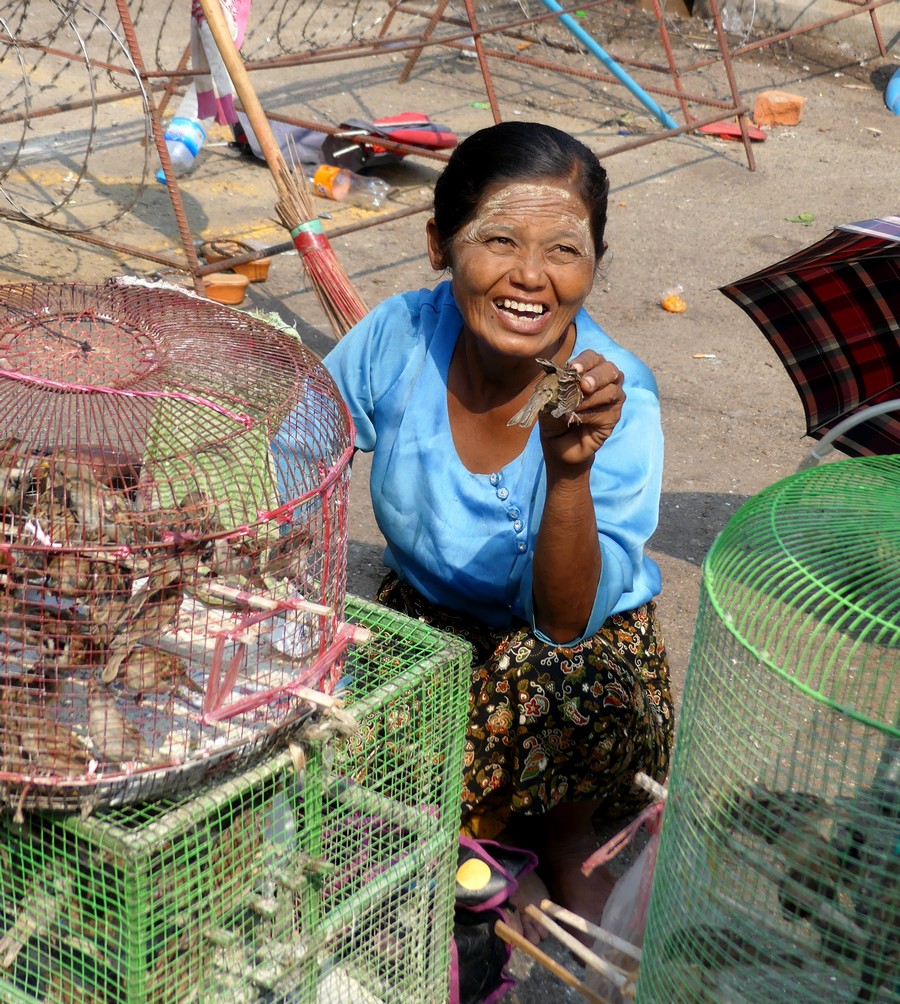
In front of the Shwedagon pagoda we bought a little sparrow to set it free but horror struck: when the bird flew up in the blue sky, a crow caught it and flew of with it. Was this an “omen” for bad luck?
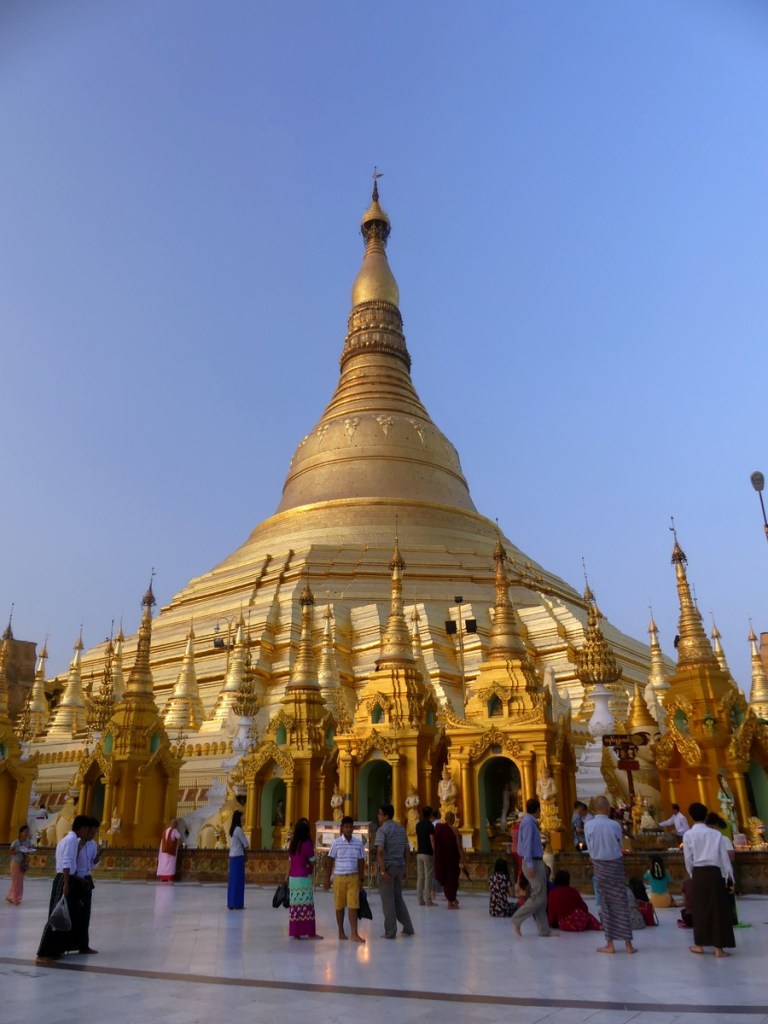
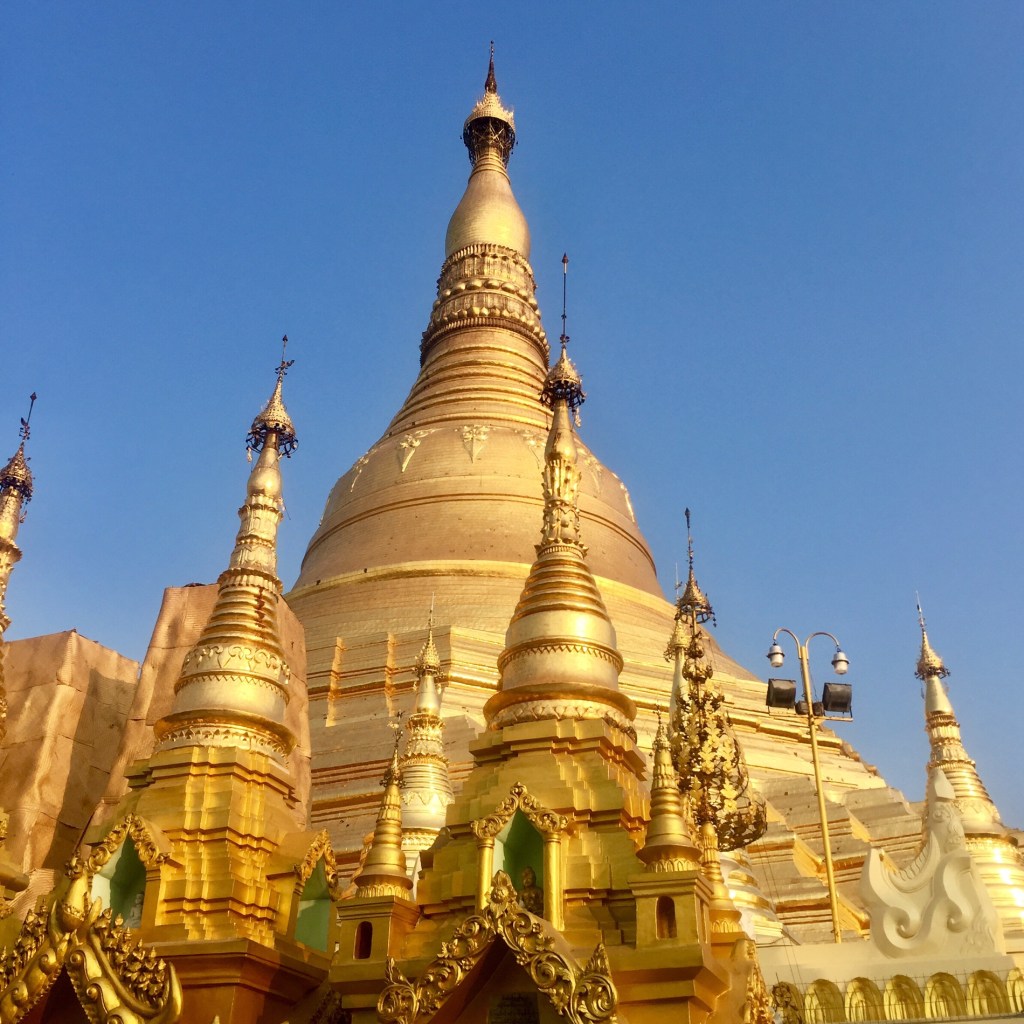
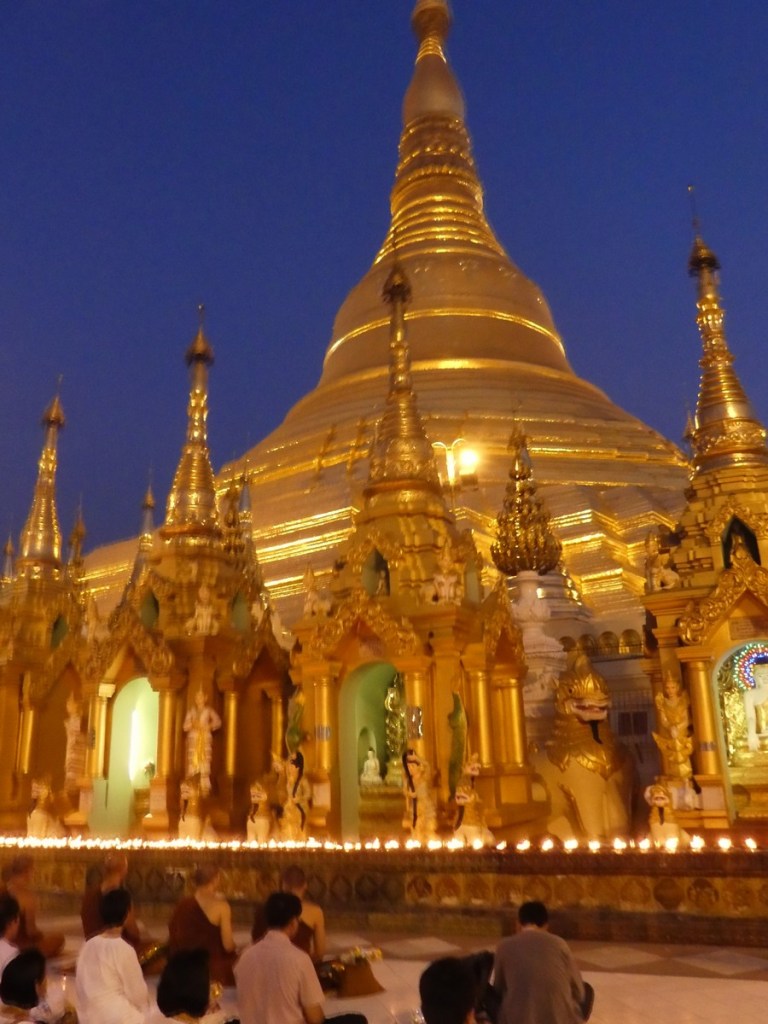
The Shwedagon pagoda stands 99m tall and is the most sacred Buddhist stupa in Myanmar. The gold seen on the pagoda is made of genuine gold plates and to make it even better, the top part is decorated with 5448 diamonds and 2317 rubbies. The very top – the diamond bud- is a 76 carat diamond!
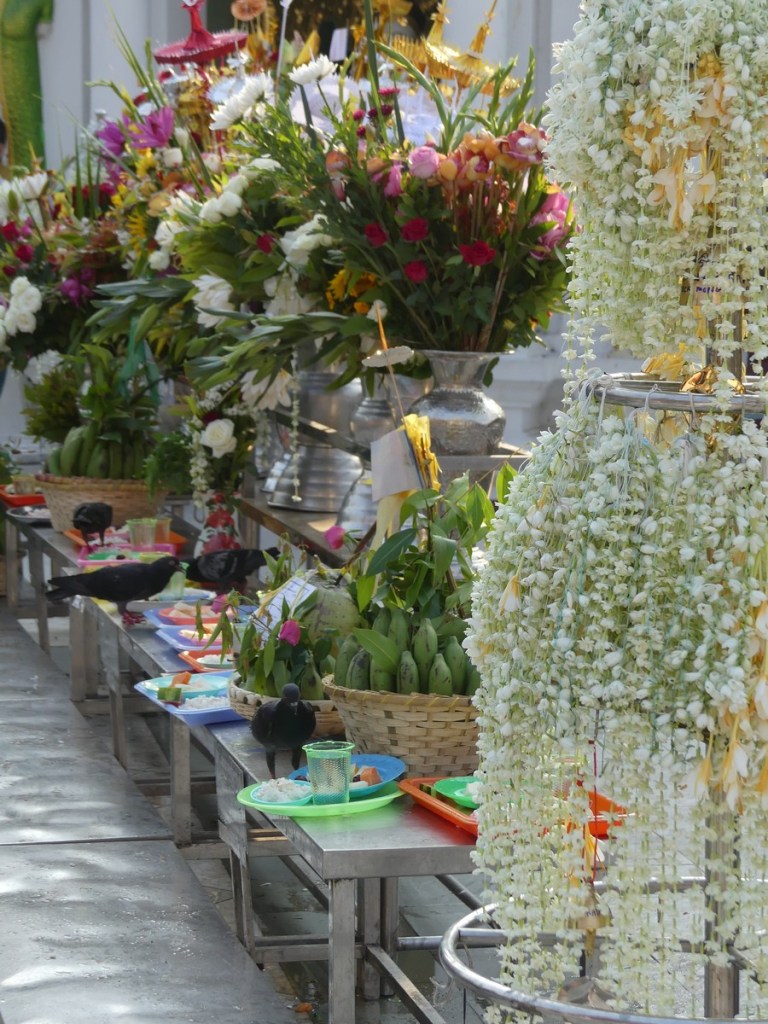
We were amazed at how much flowers, food and money is offered to Buddha. Myanmar is the most religious Buddhist country in terms of number of monks and income spent on religion.
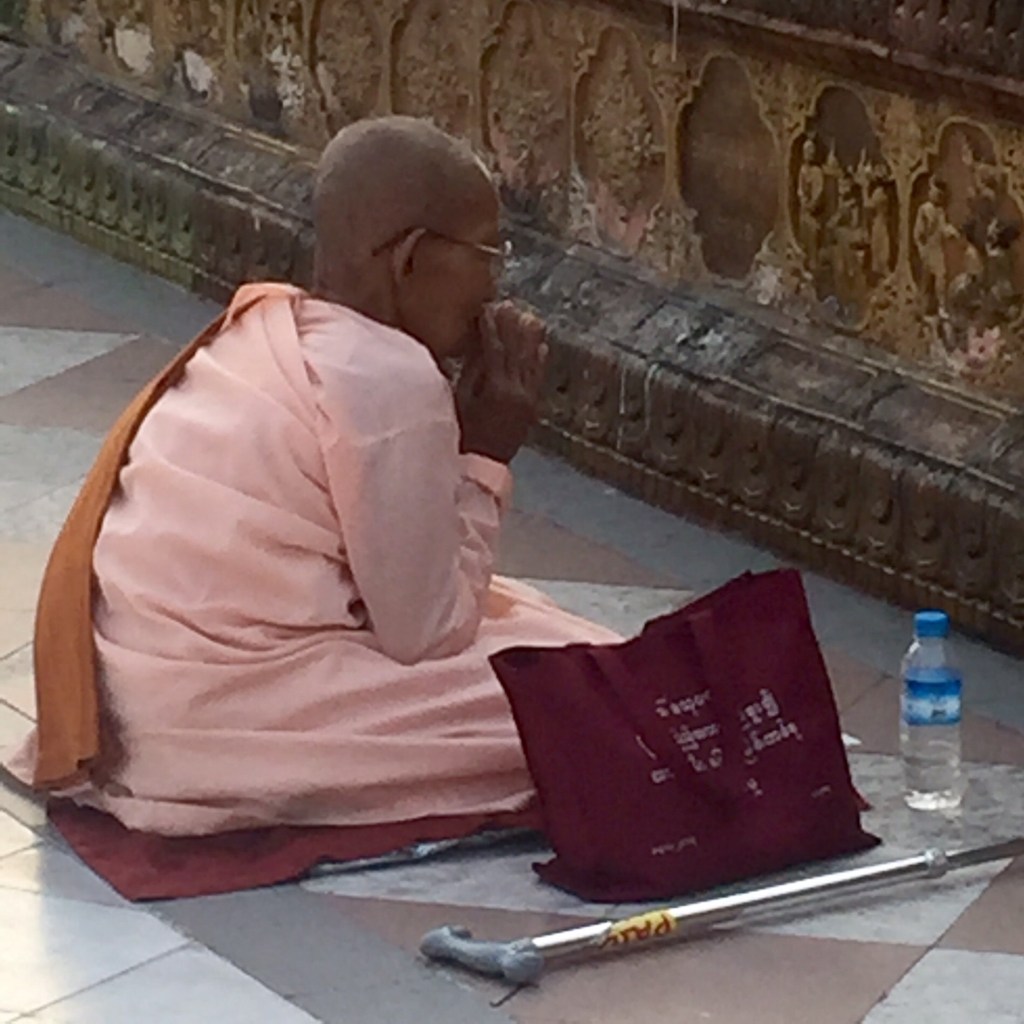
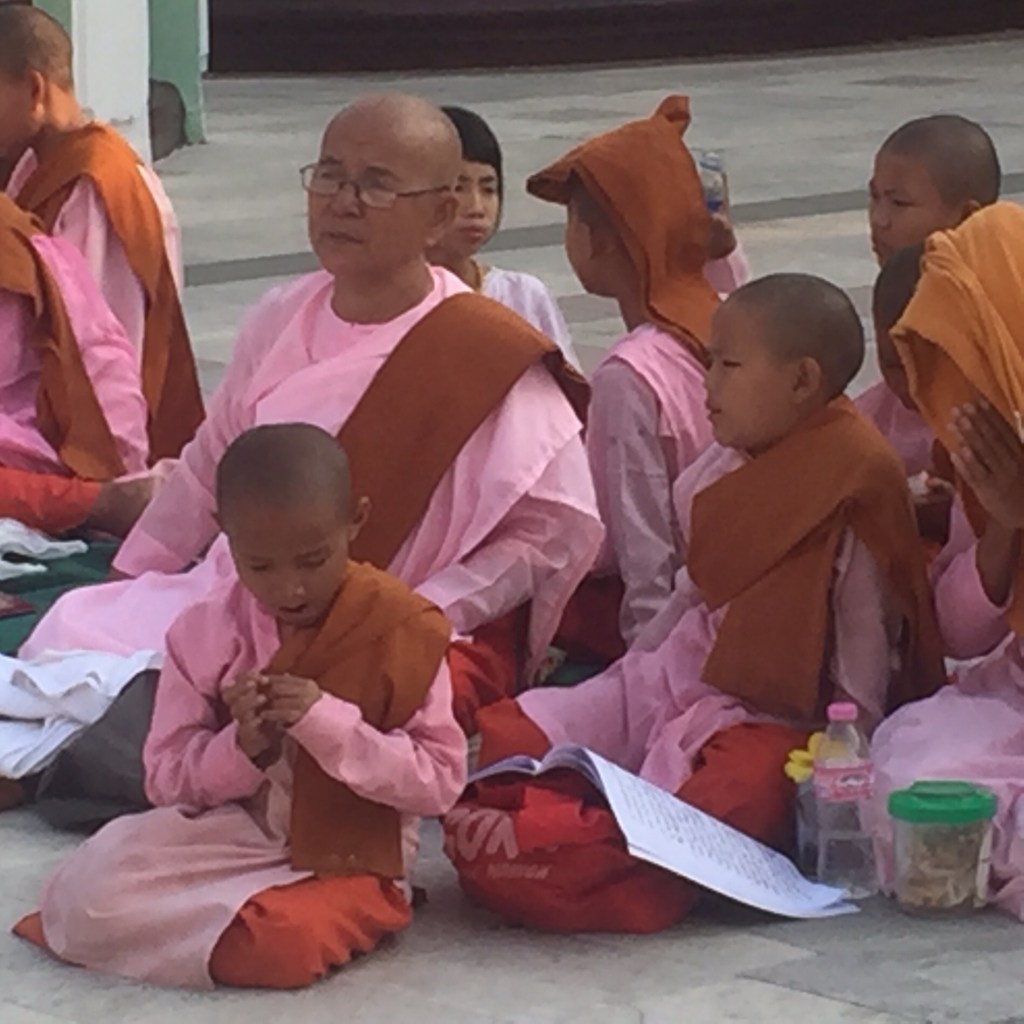
In Myanmar, buddhist nuns do not get the same respect as monks simply because they are a woman.
Then, a golden mystery upheaved itself on the horizon, a beautiful winking wonder that blazed in the sun, of a shape that was neither Muslim dome nor Hindu temple-spire. (Rudyard Kipling of his 1889 visit to Myanmar)
In Myanmar it is very common that children become a nun or monk for a week or a month. During school vacation many sign up to gain merit for loved ones or to learn more about Buddhist teachings.
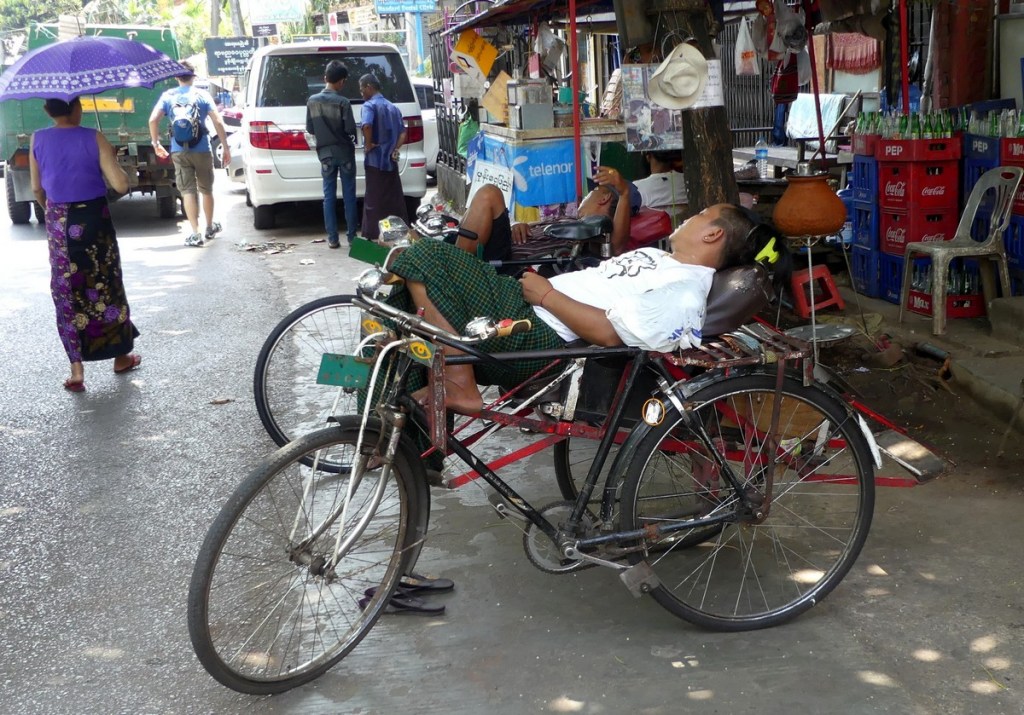
Since 2003 no motorcycles are allowed in the centre of Yangon.
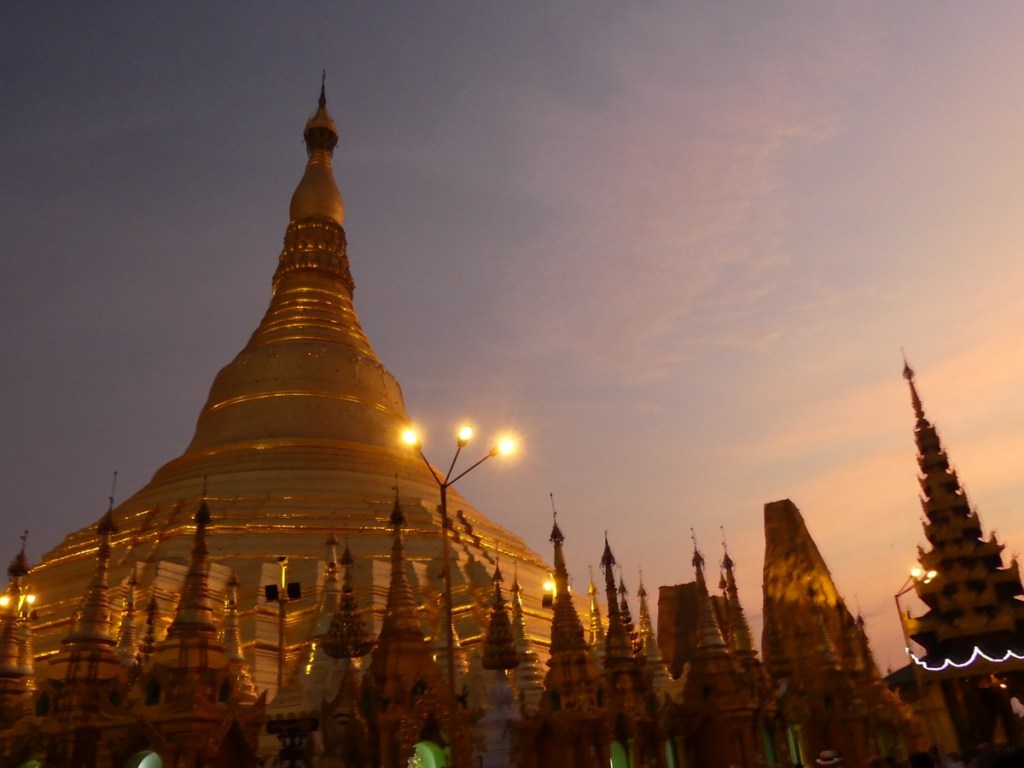
The Shwedagon pagoda at sunset.
Morning or evening, week-end or middle of the week, there are always a lot of worshippers at the pagoda.
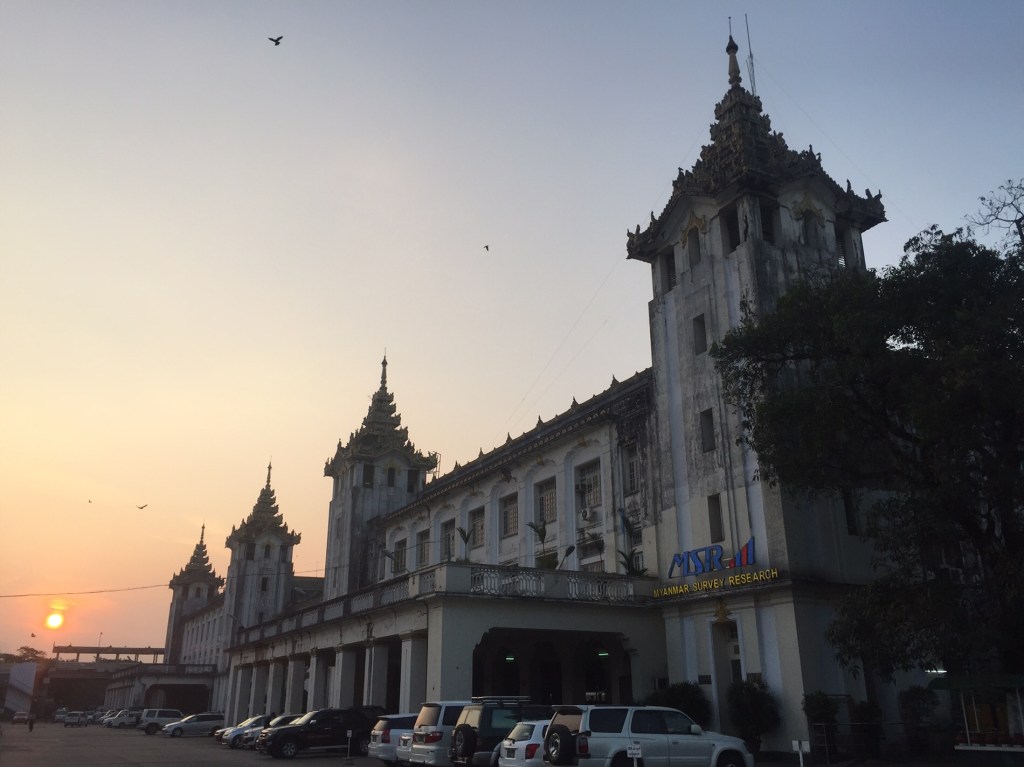
Yangon central rail station was completed in 1954 and is the largest railway station in Myanmar.
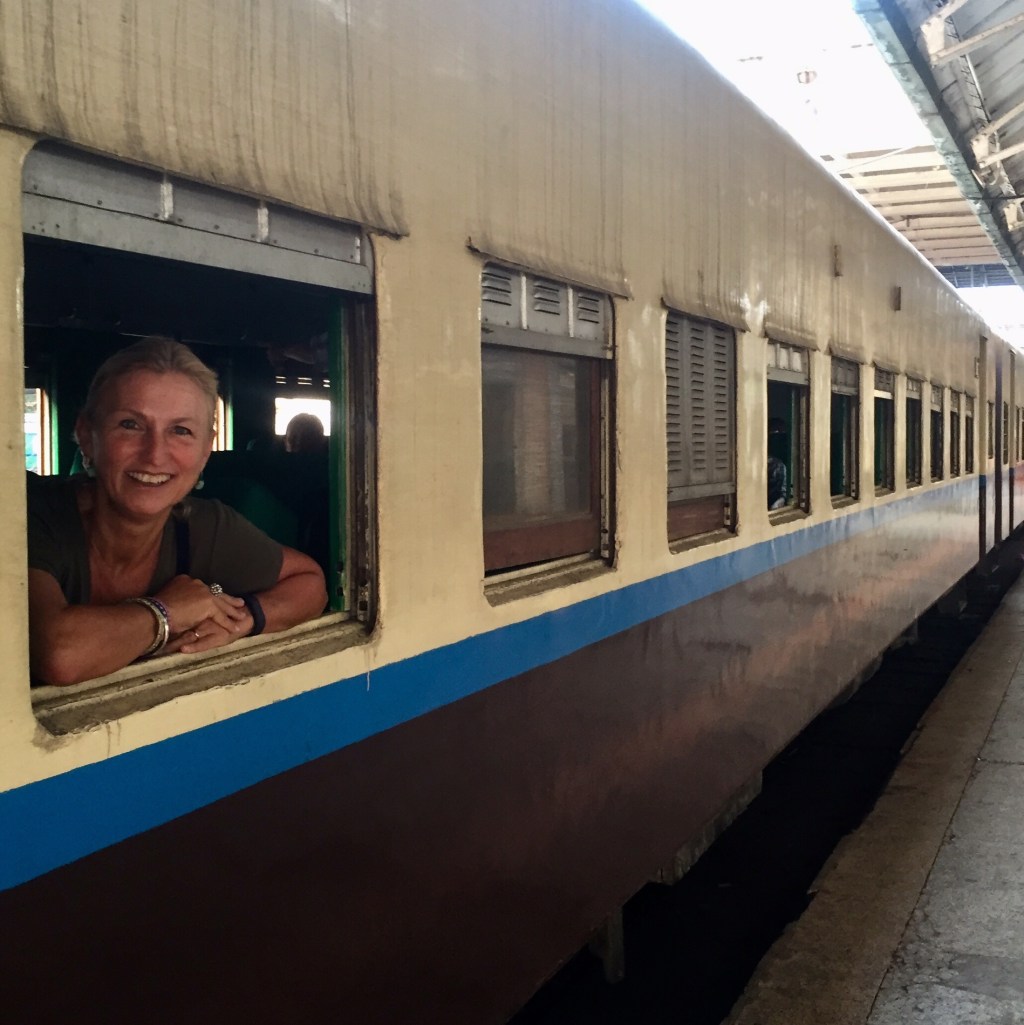
Windows and doors open, local people selling food and drinks, a lot of shaking on the rails, so much fun…
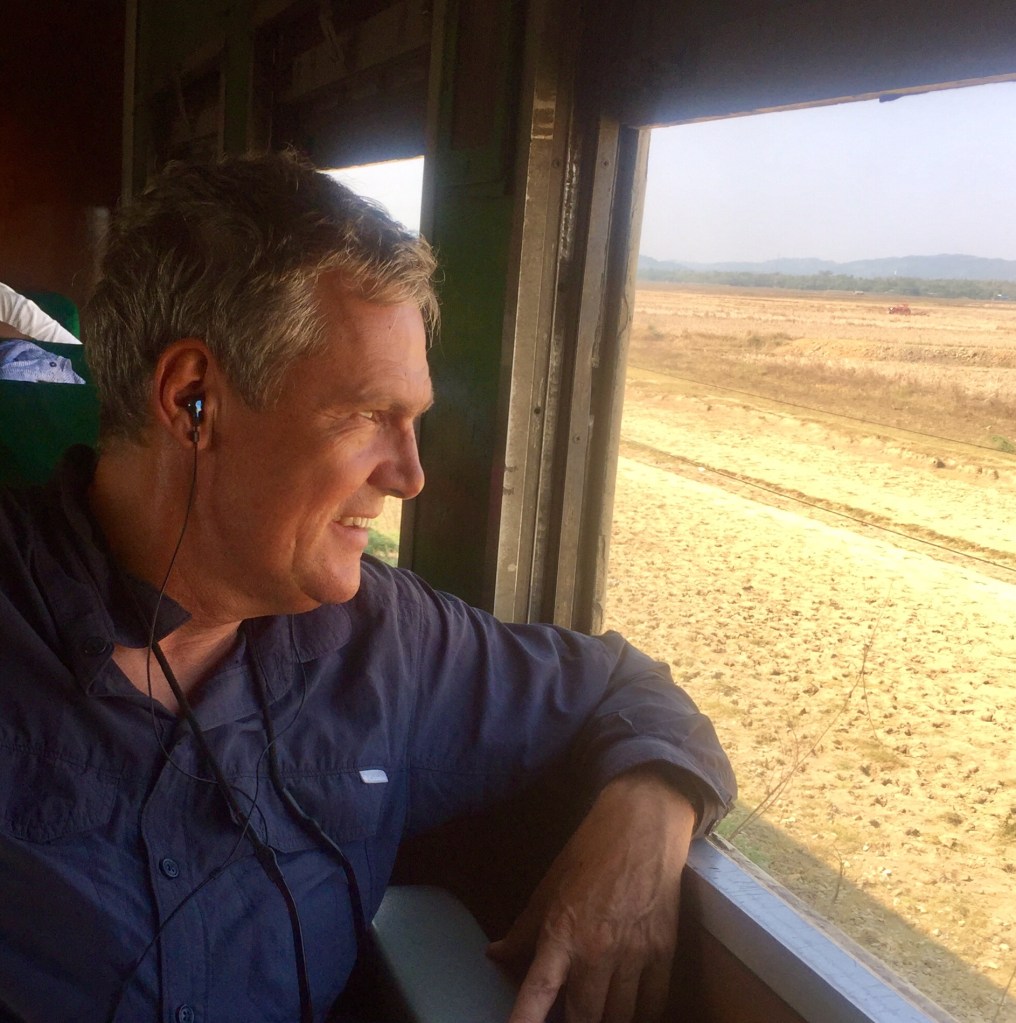
At 30km/h the train is an excellent way to enjoy the scenery.
A little town seen from the train.
Along the way there are sooo many stupas.
The yellow rice is ready to be harvested.
A railway station along the way.
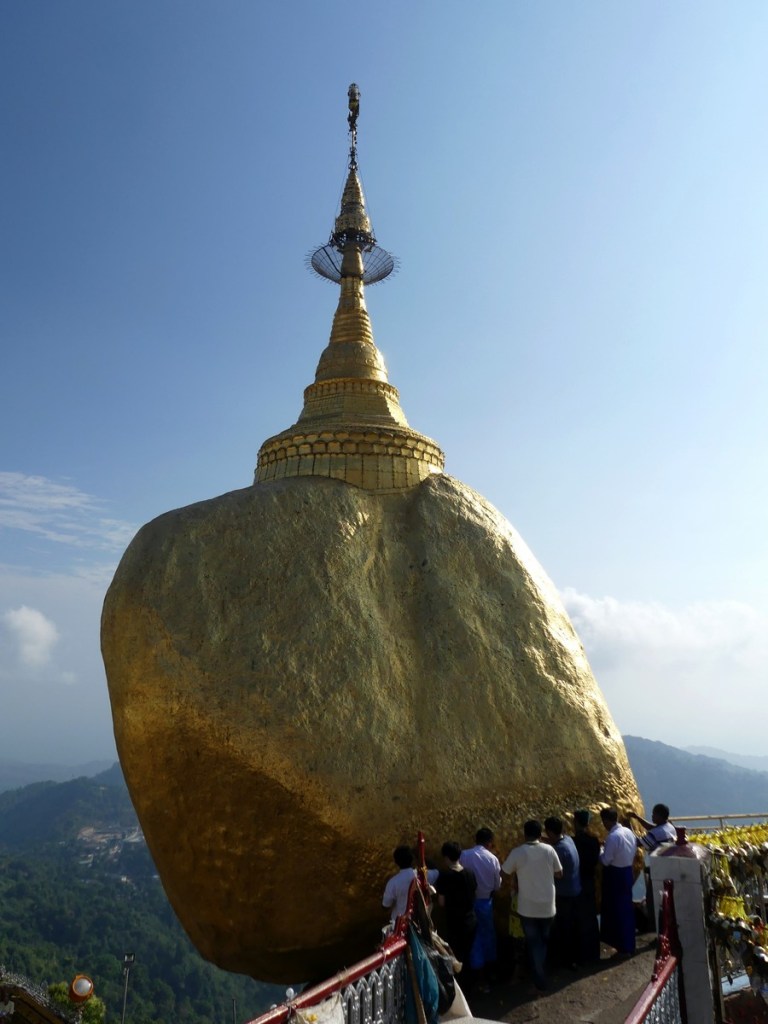
Golden Rock or Kyaiktiyo pagoda, only men are allowed to touch the rock. According to legend the rock is carefully balanced on a strand of Buddha’s hair.
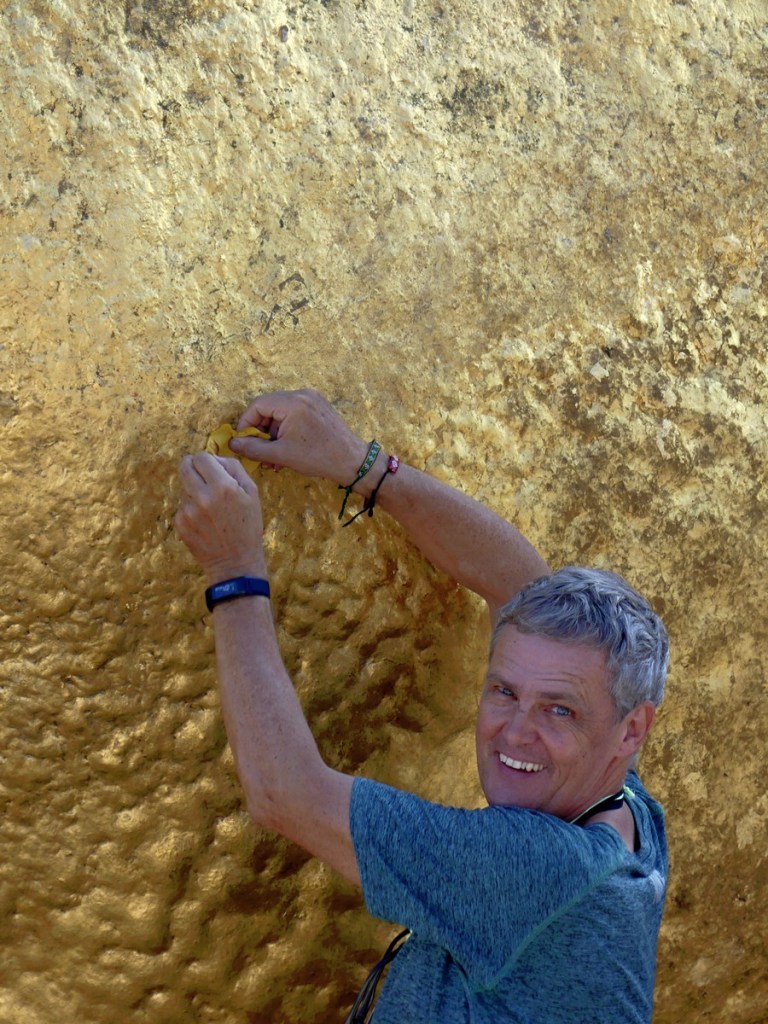
Only men are allowed at the Golden Rock. We bought some gold to stick on the rock and hope this would bring good luck :-). It is one of the three most religious sites in Myanmar again with many devotees.
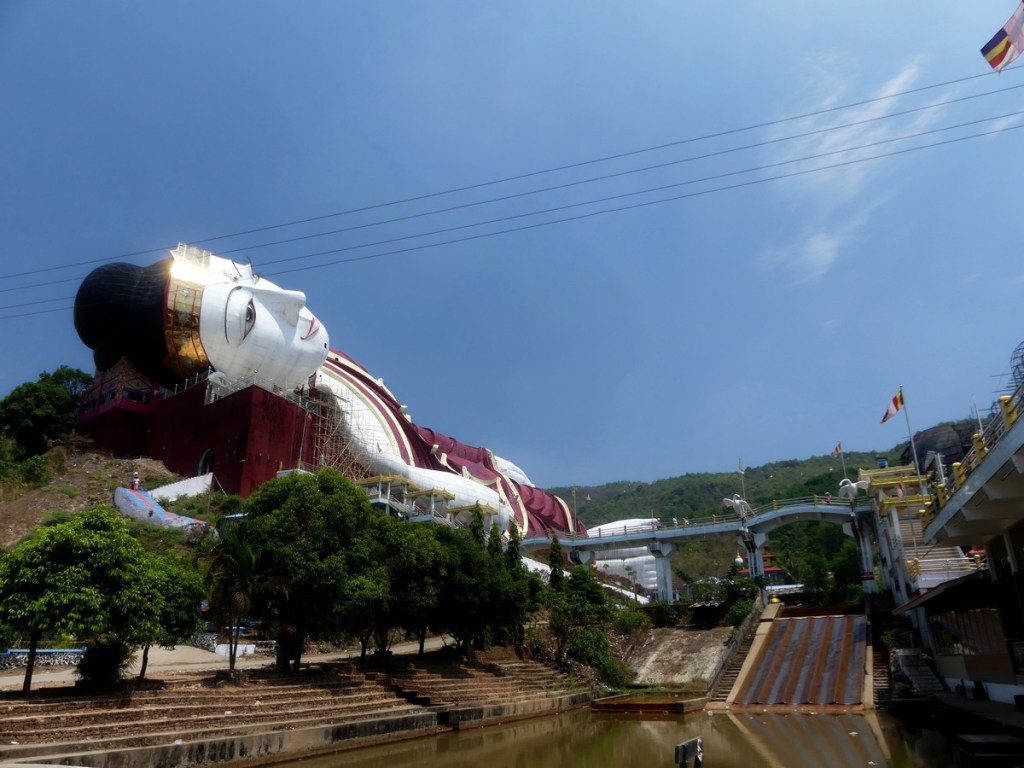
Win Sein Taw Ya near Mawlamyine, a 30m high and 180m long reclining Buddha, the longest in the world.
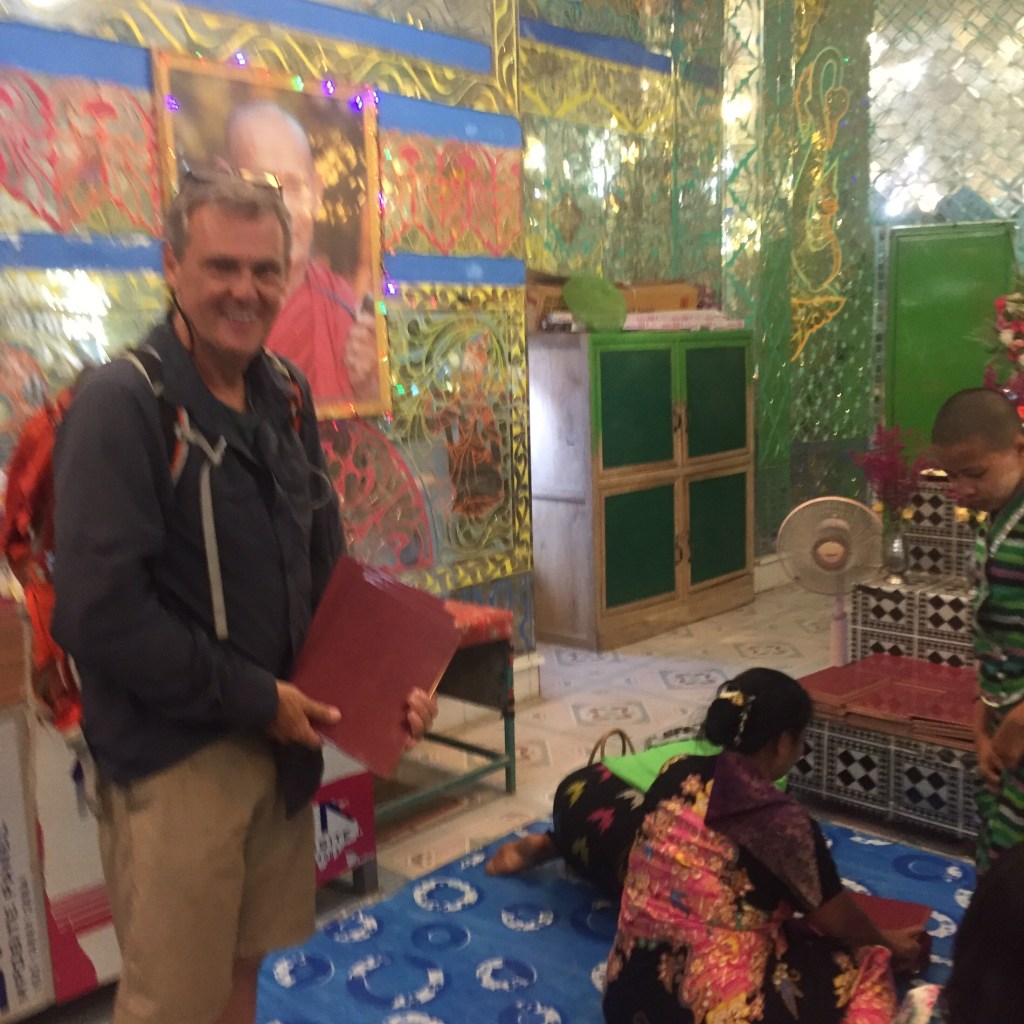
Inside the Buddha there are 8 floors but only 4 can be visited because of “work in progress”. Instead of just donating money we bought 4 red tiles so they could complete the outside dress from Buddha.
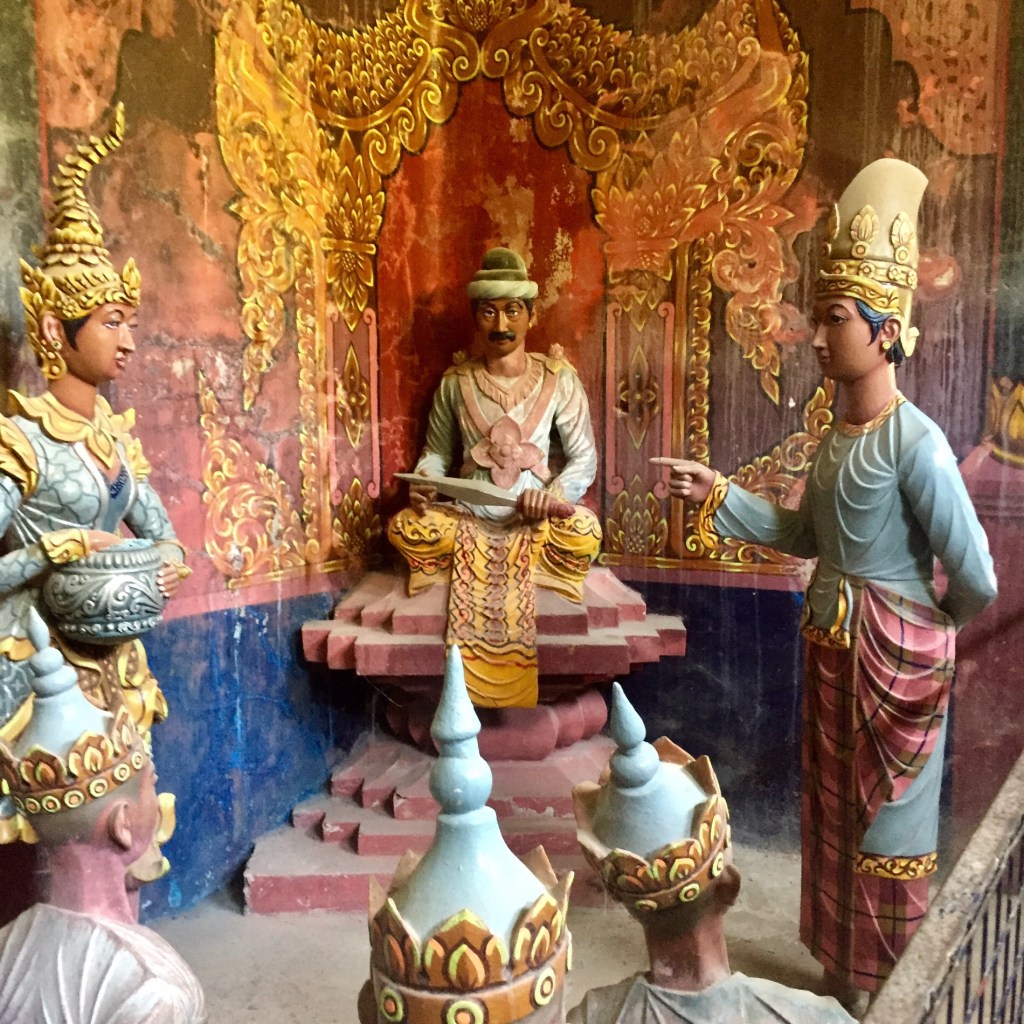
Inside the Buddha there were dioramas both finished and under construction about the life of Prince Siddharta before he became Buddha.
In the hills surrounding the lying Buddha there are even more statues and stupas. It was good to have our motorcycle and drive around and take it all in.
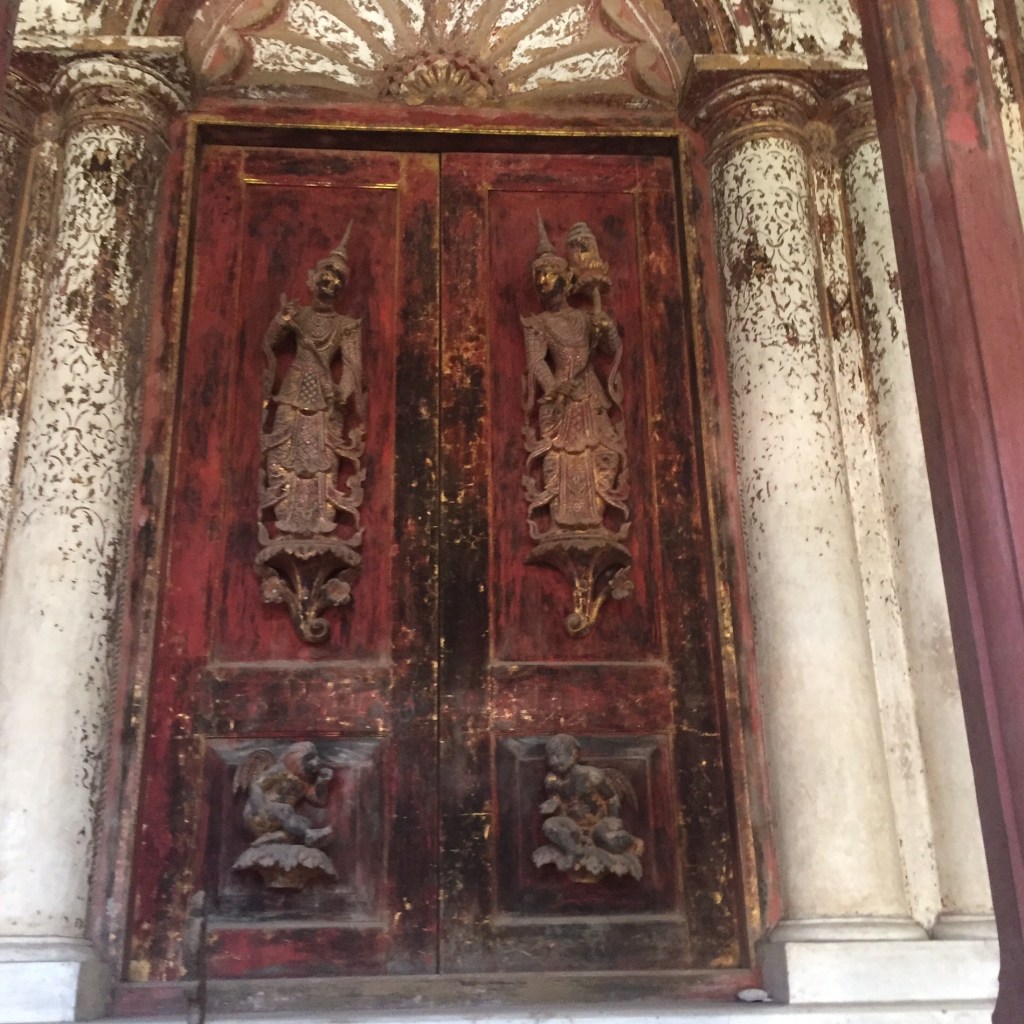
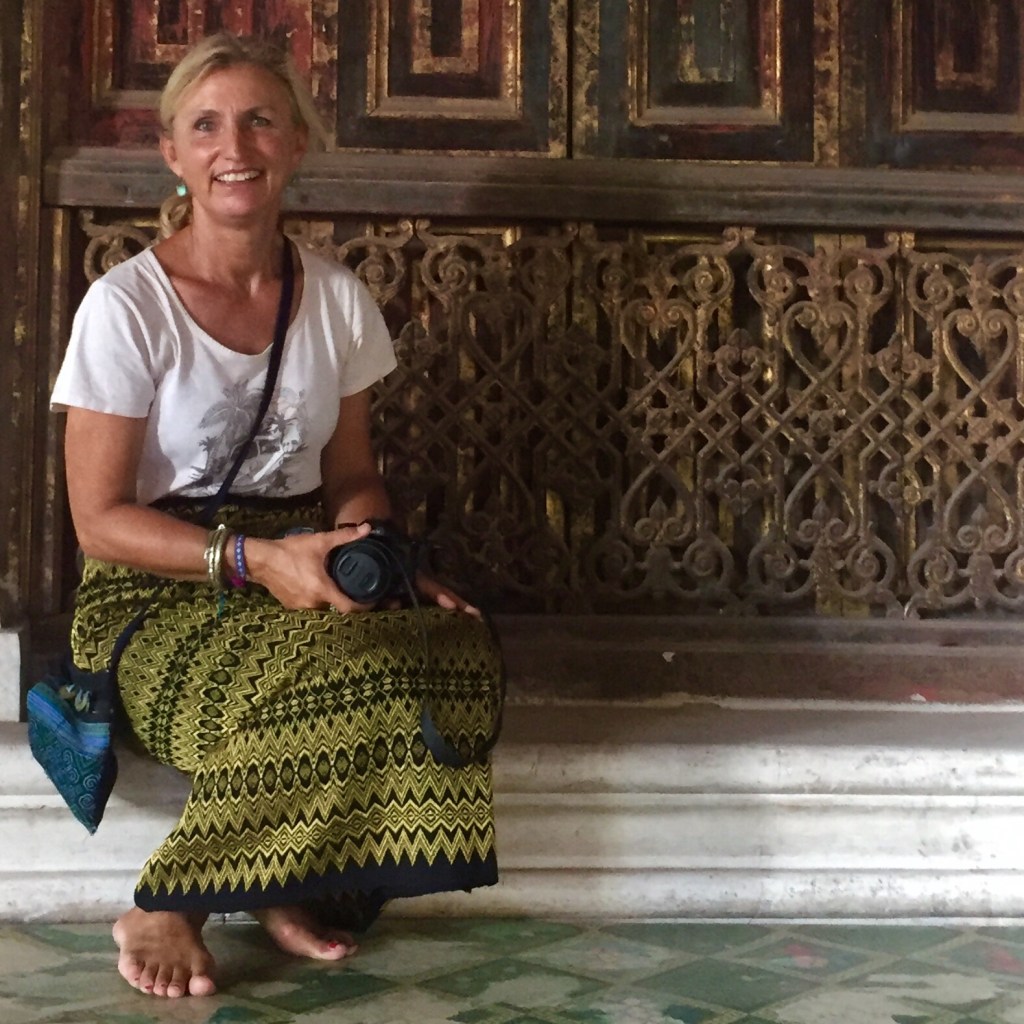
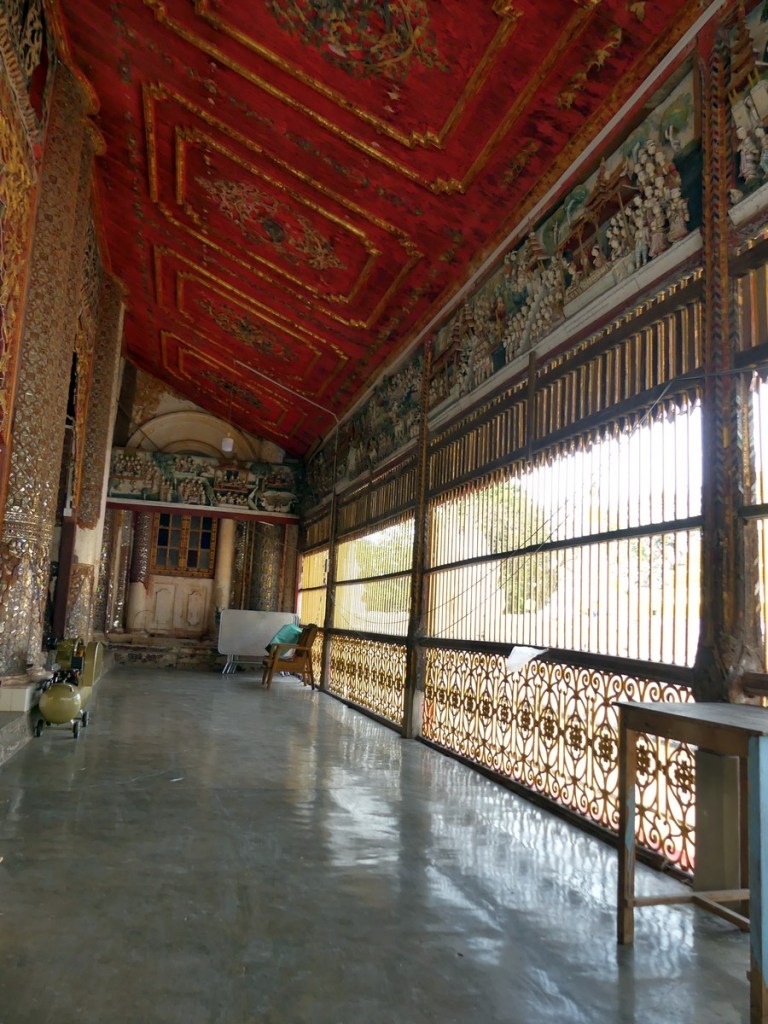
Seindon Mibaya Kyaung monastery in Mawlamyine, 100 years old, was built for the wife of King Mindon.
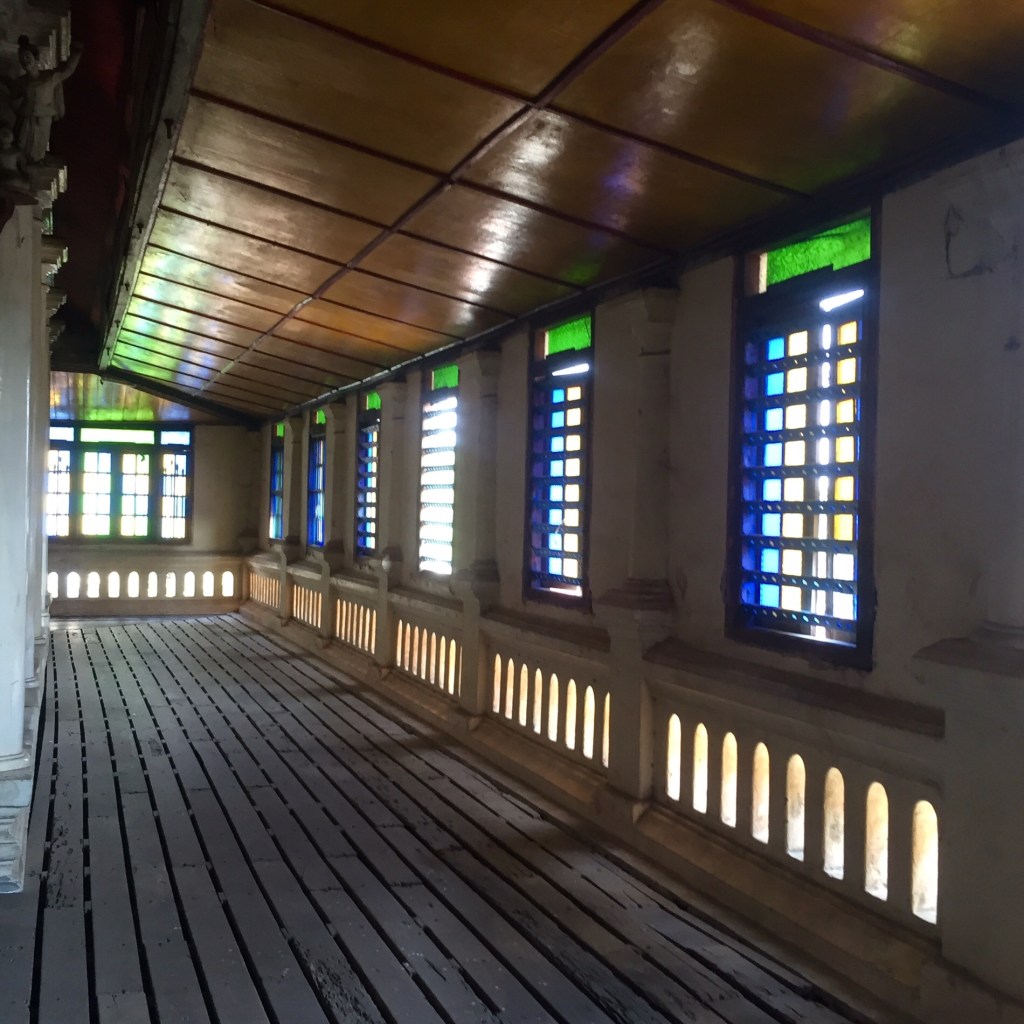
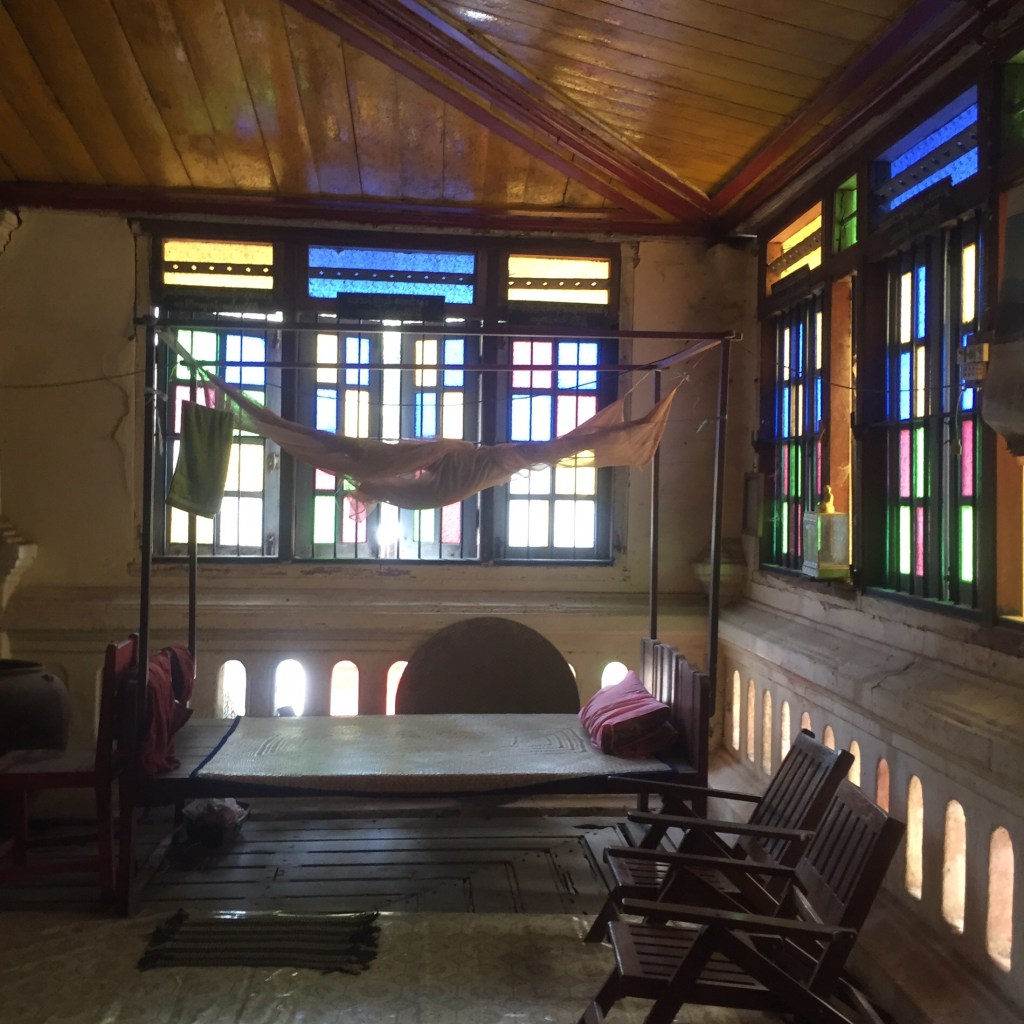
Today only 9 monks are living in the monastery and although still very beautiful it is in dire need of repair.
Beautifully carved reliefs on the doors in red and gold.
One of the monks turned on the lights for us and wanted us to sign a visitor book with our names and the amount of our donation to the monastery 😉
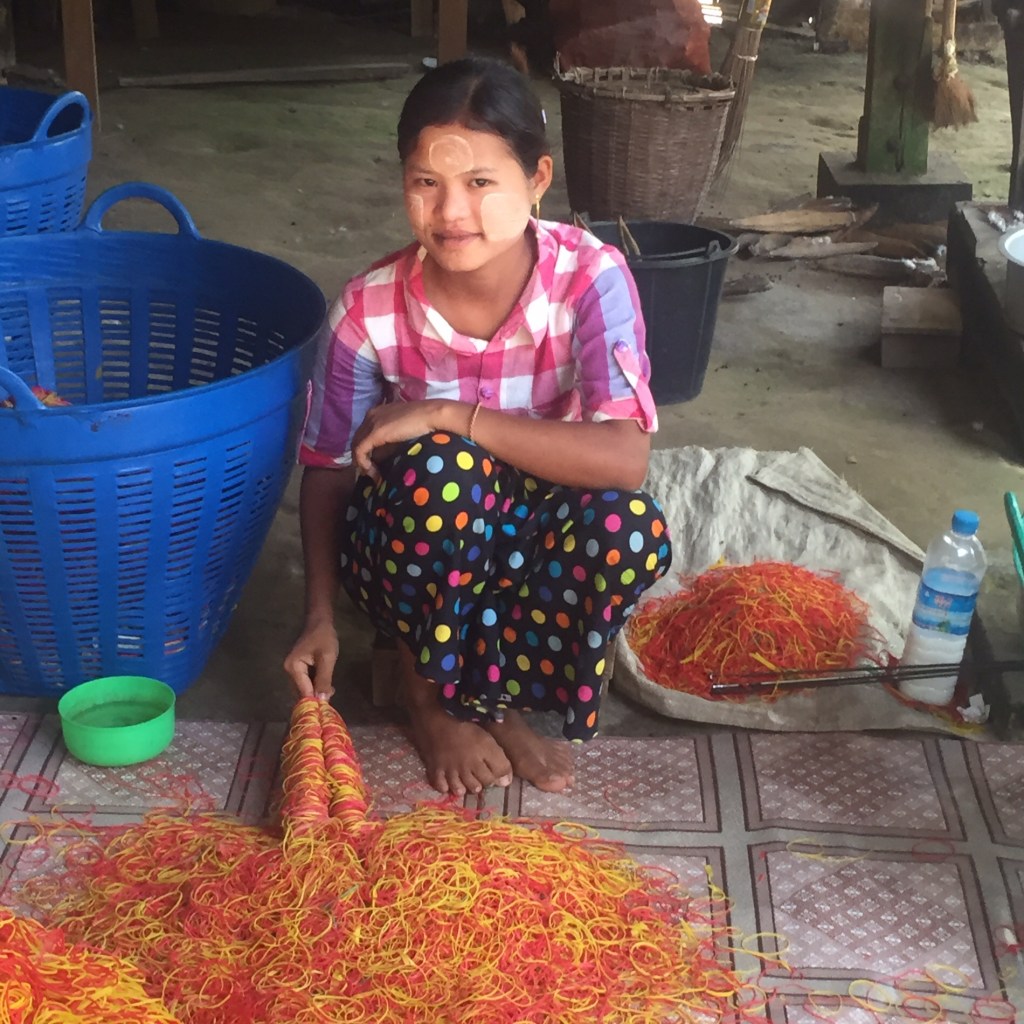
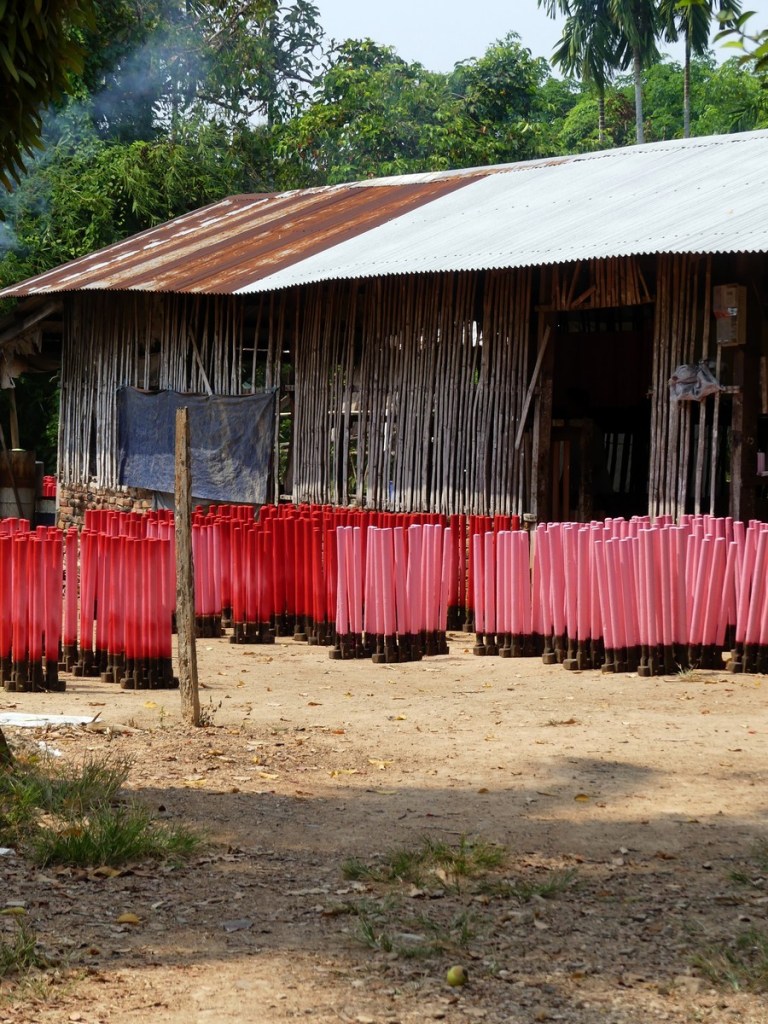
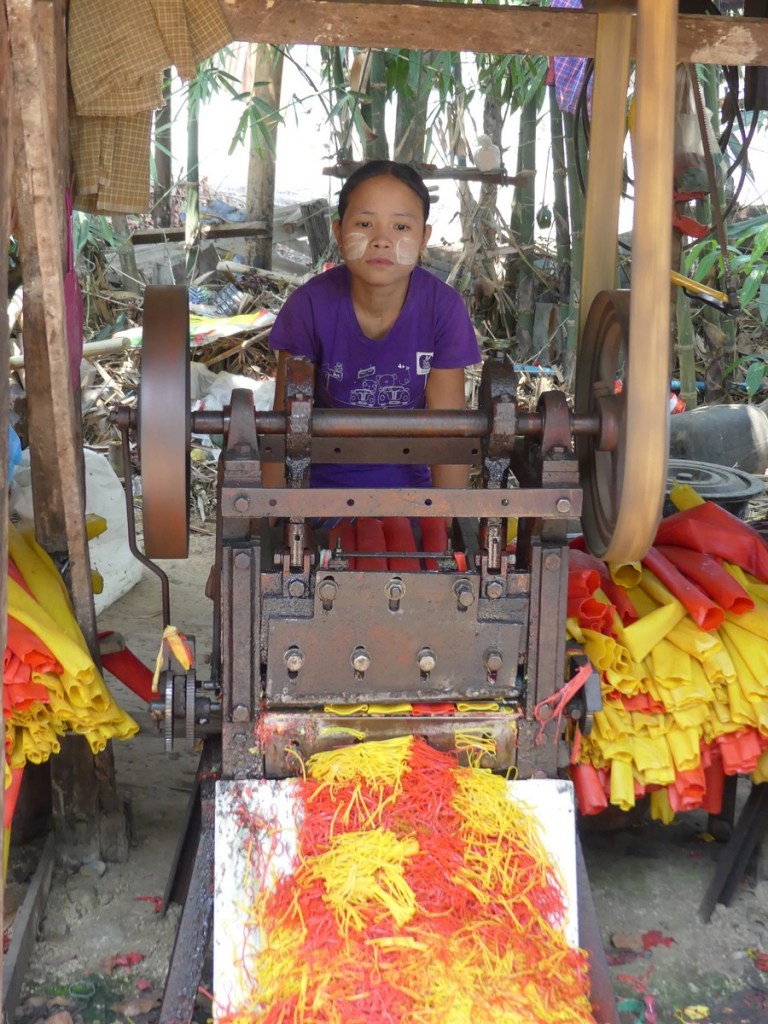
While we were in Mawlamyine we visited Bily Kyun (Ogre Island) with its many workshops. One of them was making elastic bands.
The rubber for the elastic bands drying in the sun made for colorful pictures.
Cutting the elastic bands, a lot of manual labor for about 4USD a day.
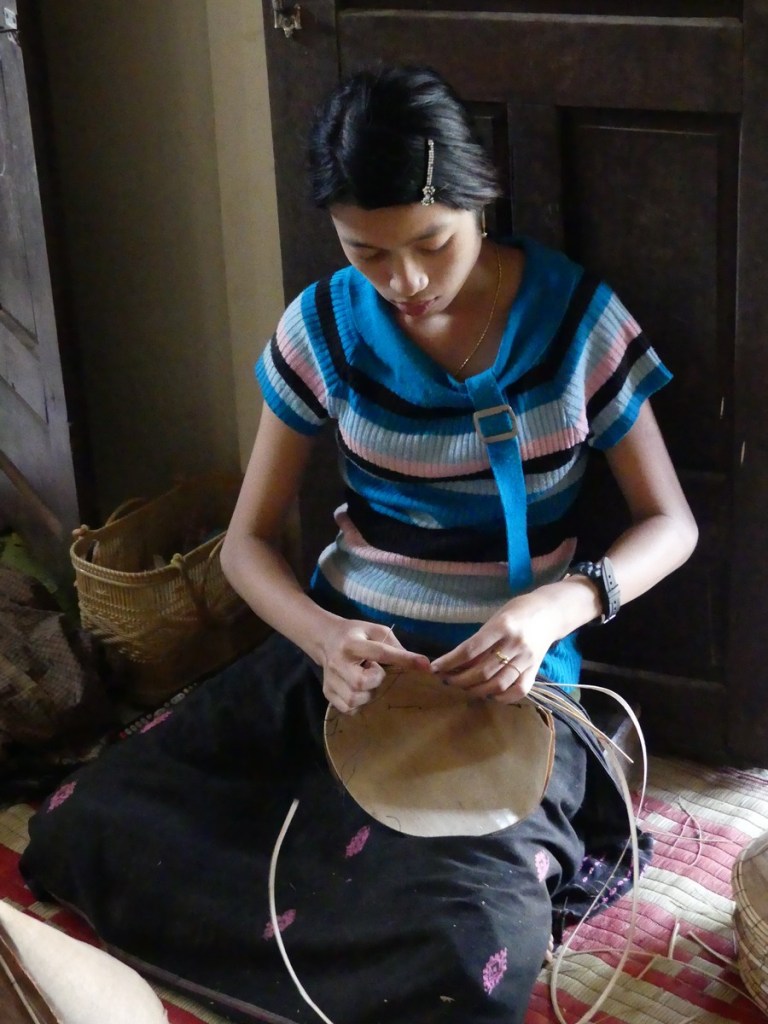
Making hats from bamboo all by hand.
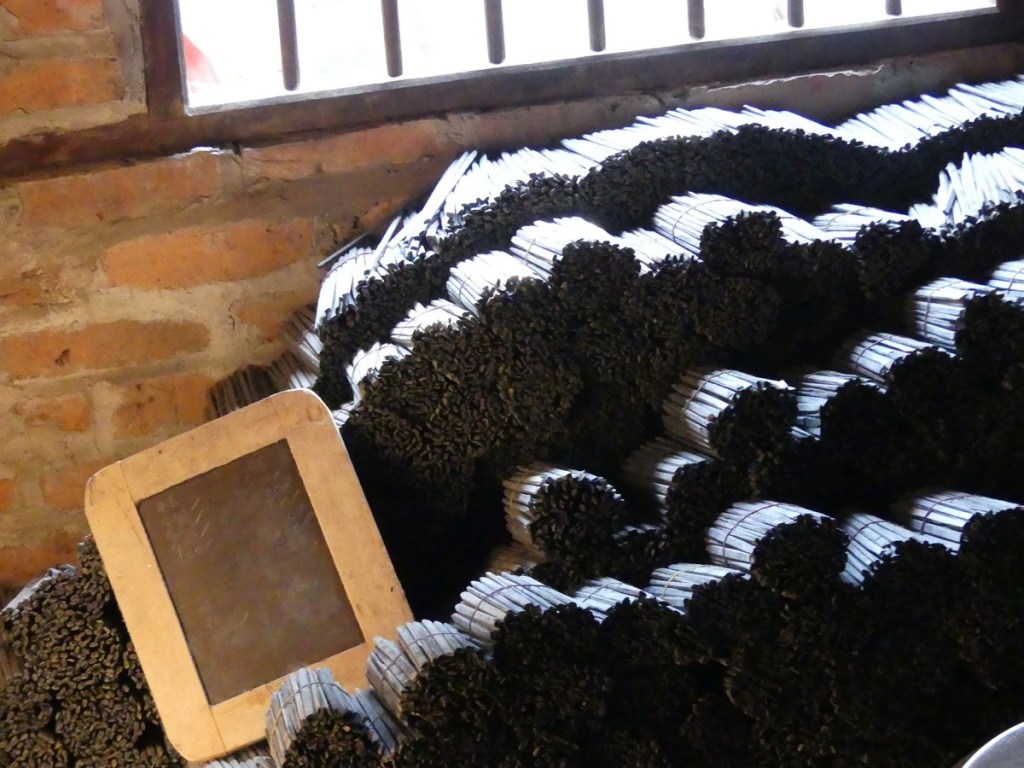
Once used in all the elementary schools in Myanmar slates are now becoming rare but still used in some schools. We visited one of the last slate making businesses in the village.
From Mawlamyine we went to Hpa-an by boat (6 hours) and on the way we made a short stop to visit the U Nar Auk monastery.
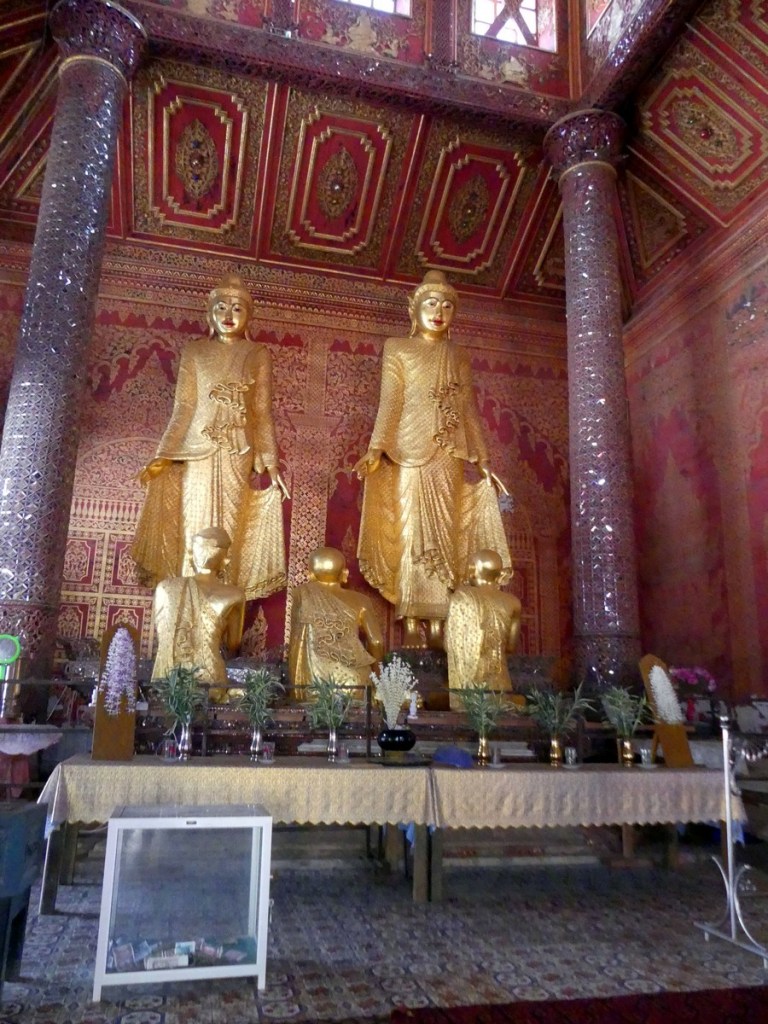
Two Buddhas each made from one trunk of teak and covered with gold leaf.
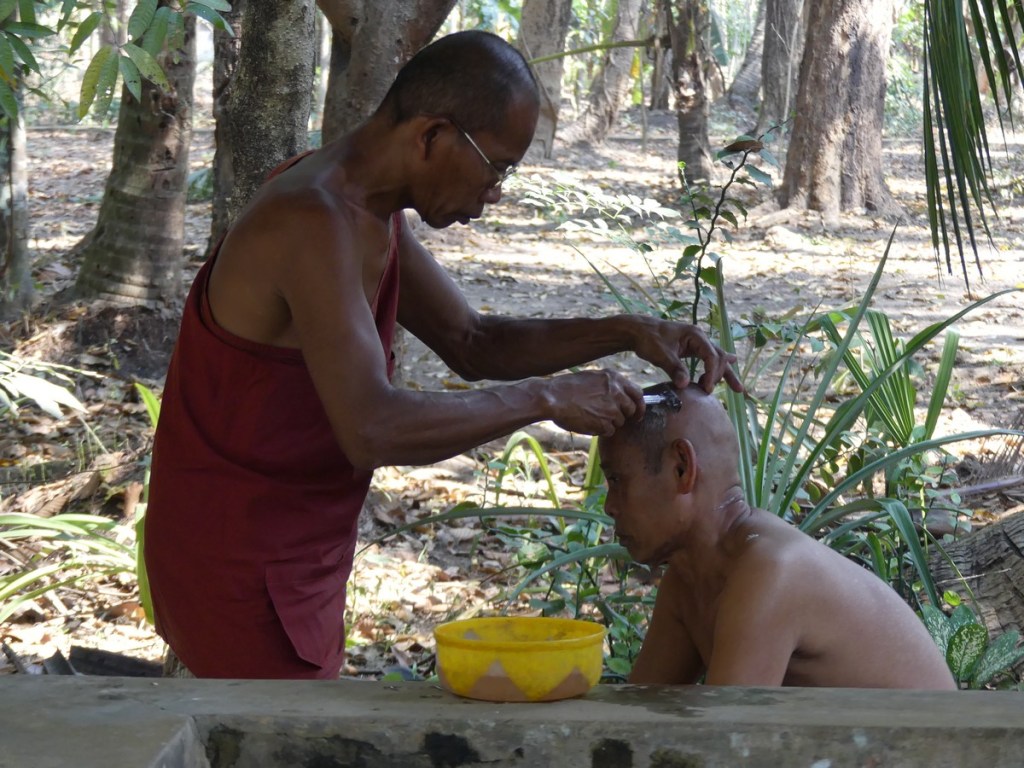
The monk’s hairdresser, according to Buddhist scripture the hair needs to be shaved with a razor every 2 months.
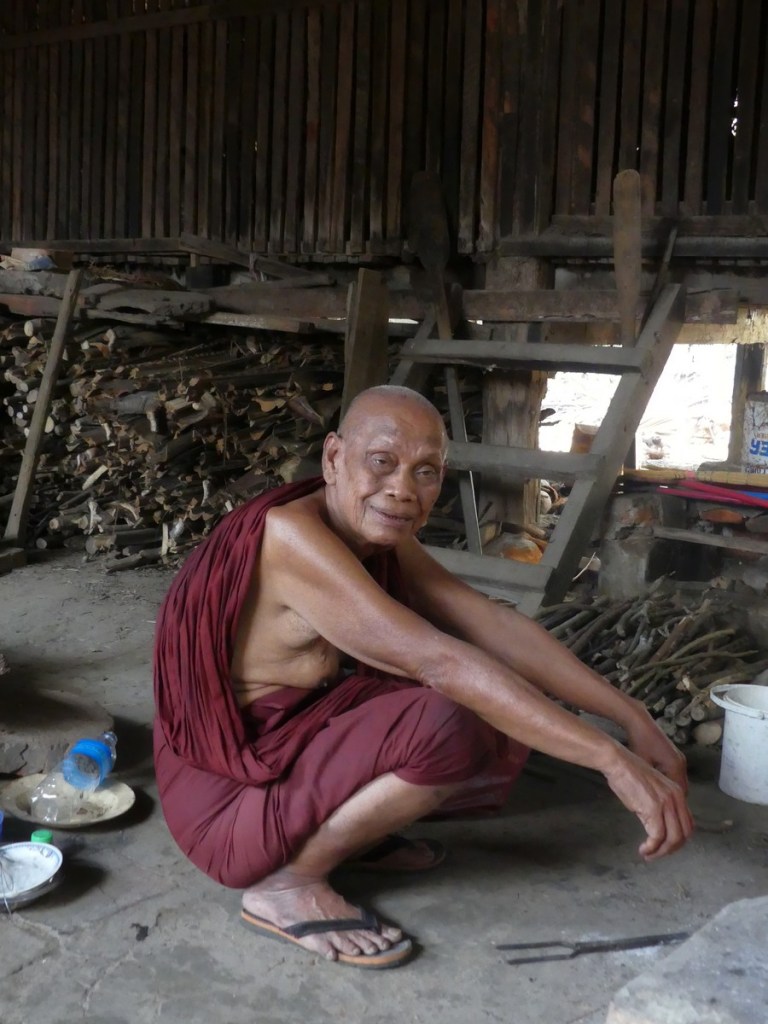
One of the monks preparing tea.
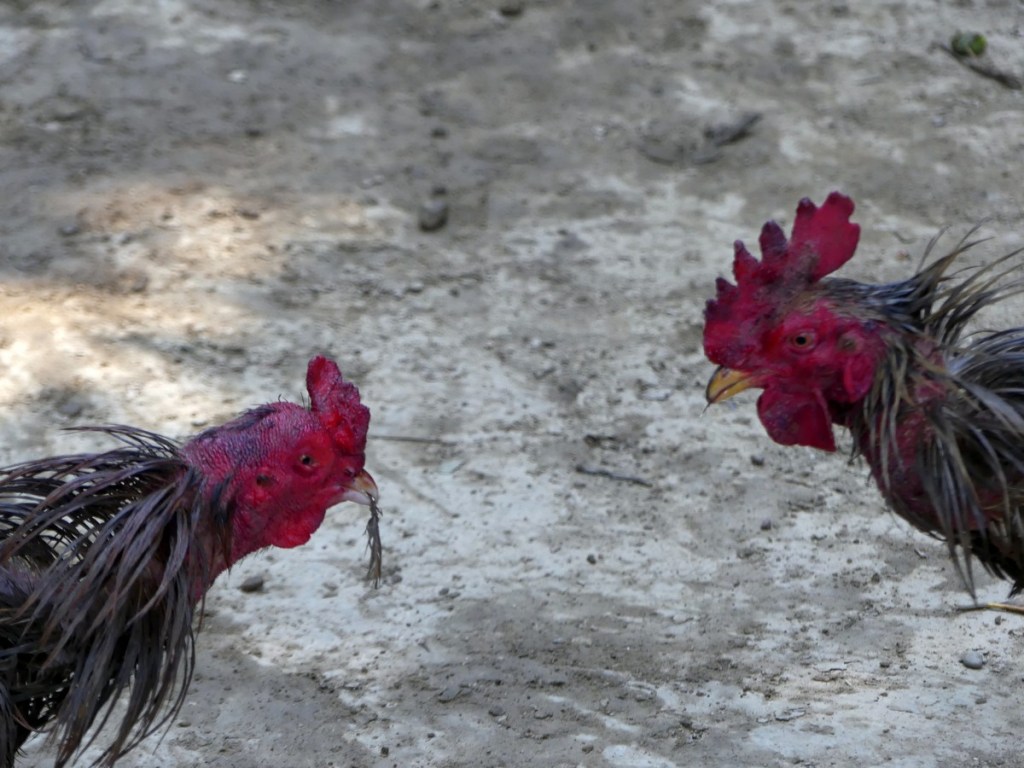
While on our way back to the boat we saw a cockfight although it is illegal in Myanmar, it happens (betting is not allowed) .
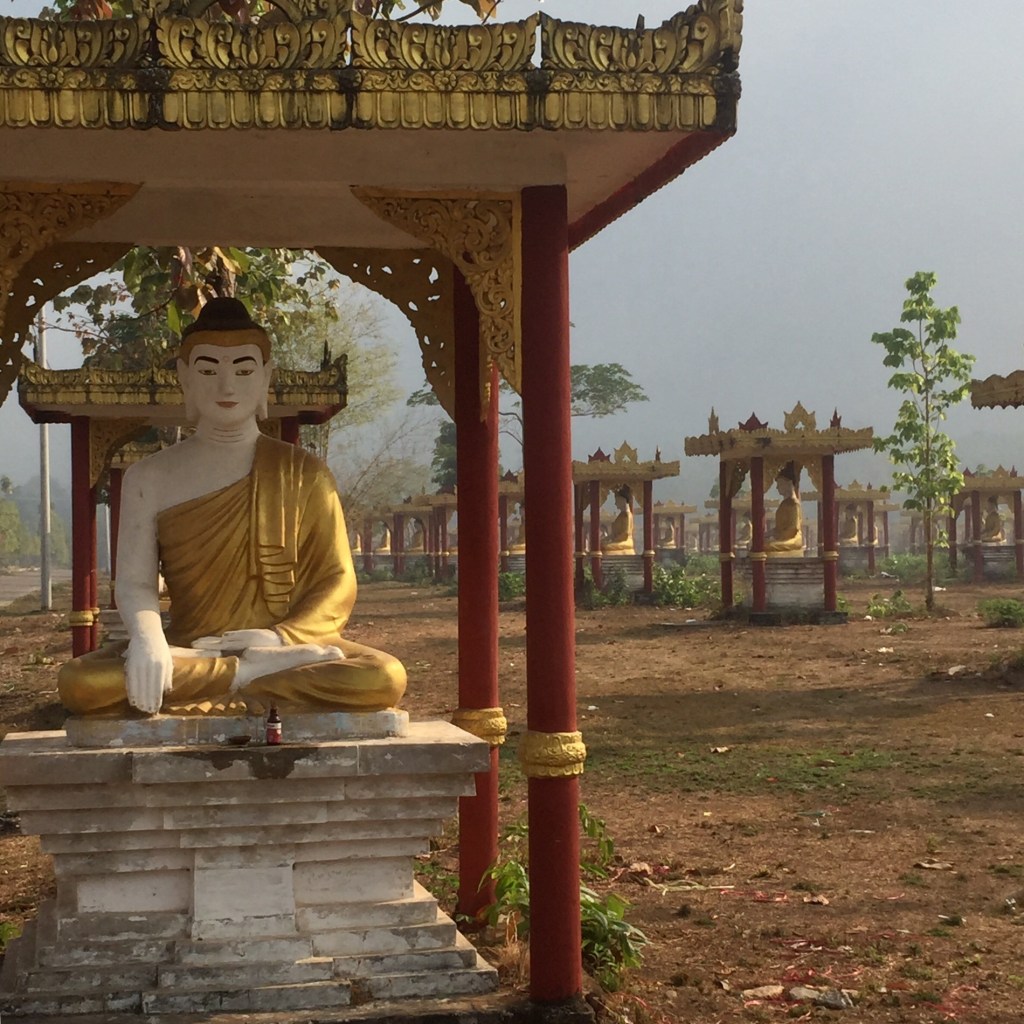
In Hpa-an we climbed Mount Zwekabin (722m) early in the morning. At the foot of the mountain, in Lumbini Garden, there are 1100 Buddha statues.
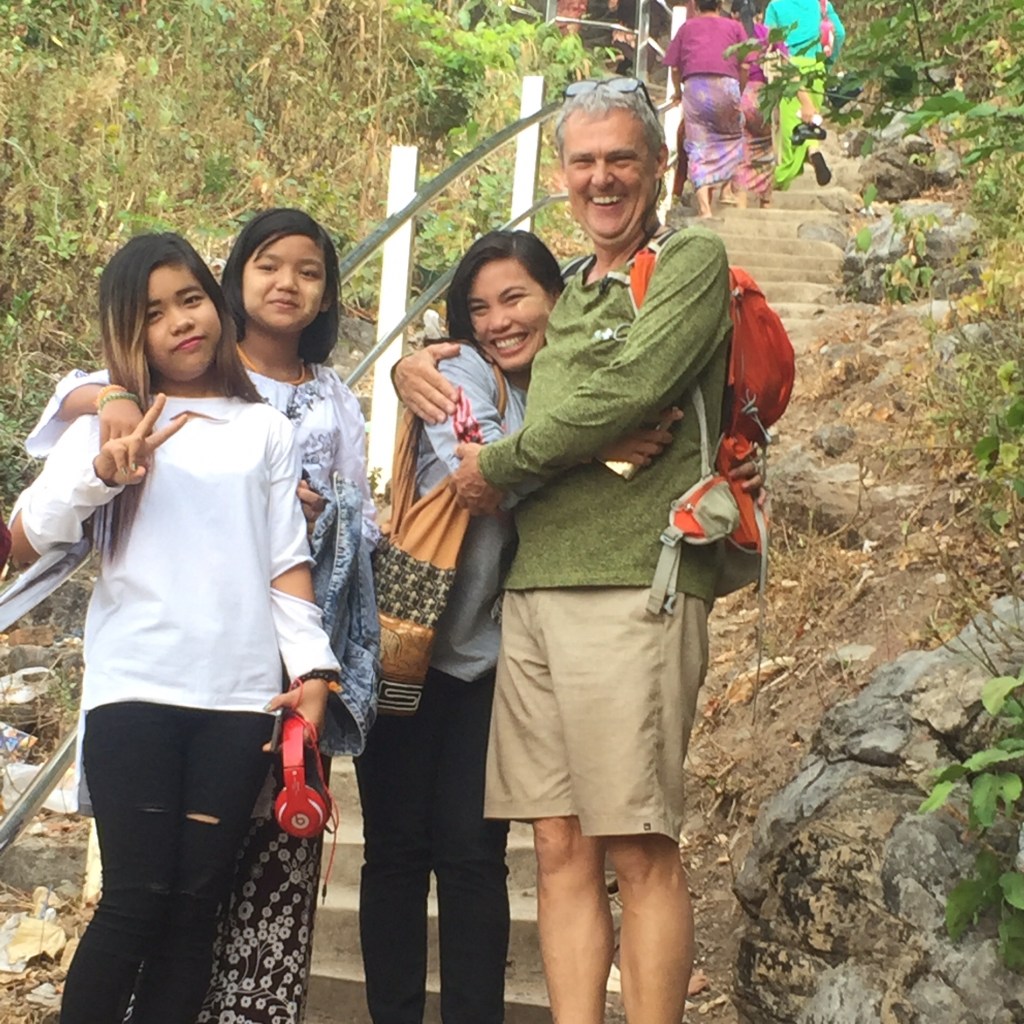
On our way to the top Stefan was stopped several times by Burmese girls to have his picture taken with them. Some were very enthousiastic :-). Stefan was happy with this sudden success.
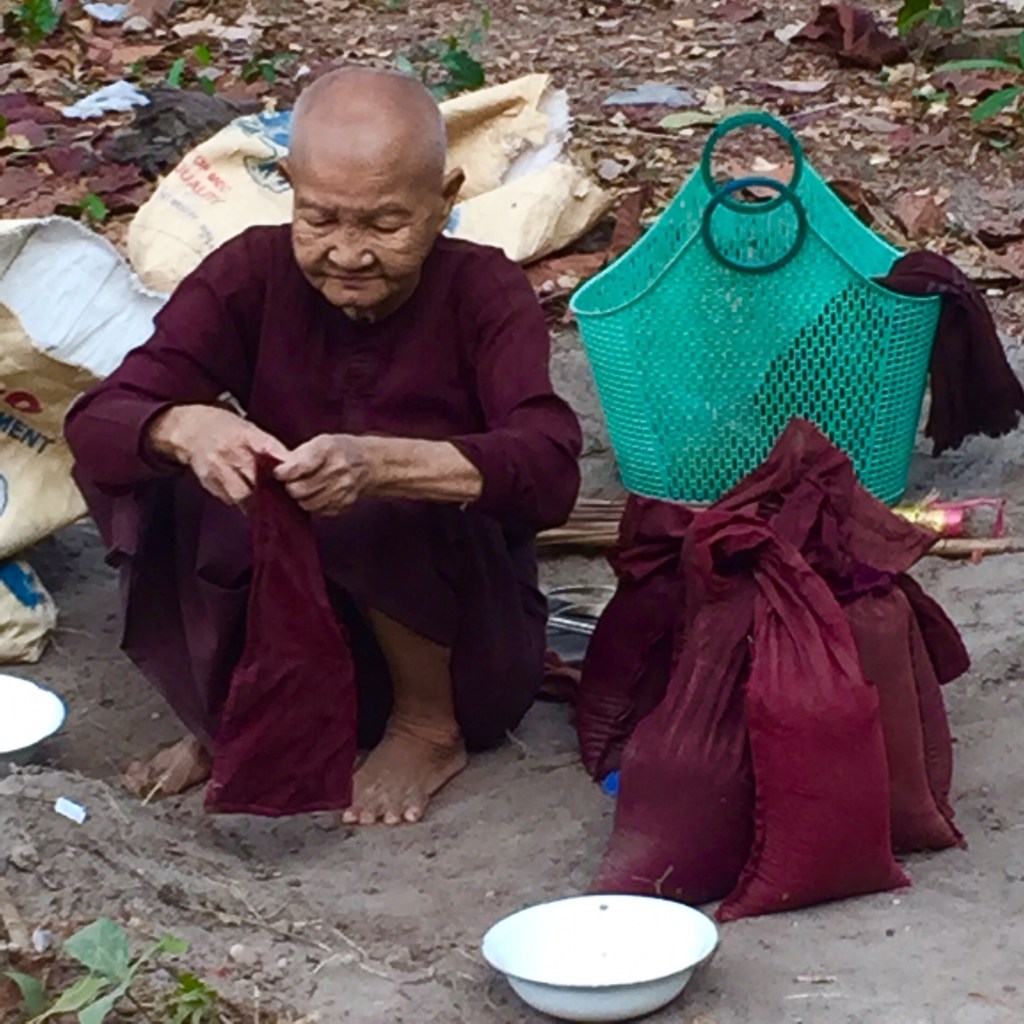
A monk was filling bags with sand which worshippers take up the mountain. The sand is used for construction of the pagoda on top of the mountain.
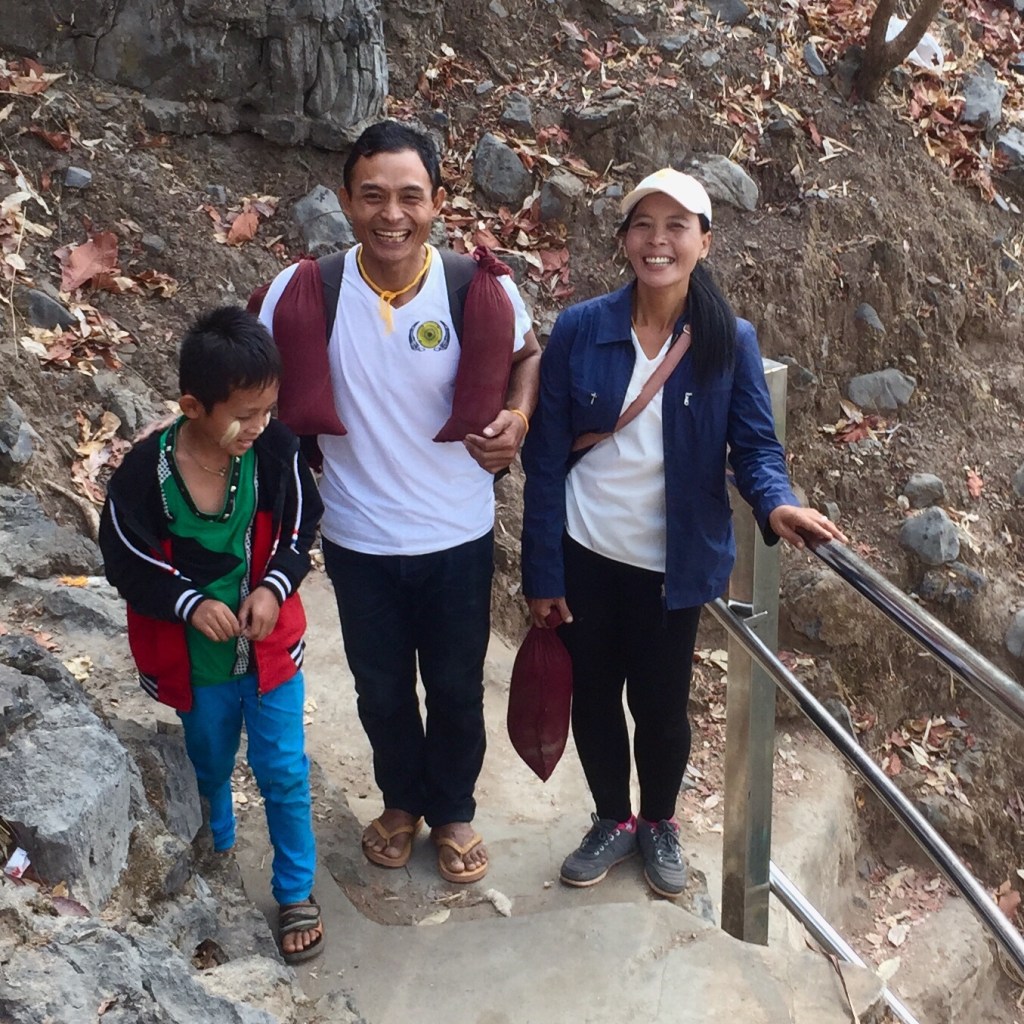
Burmese worshippers enthousiastic take the sand bags up the mountain for Buddha.
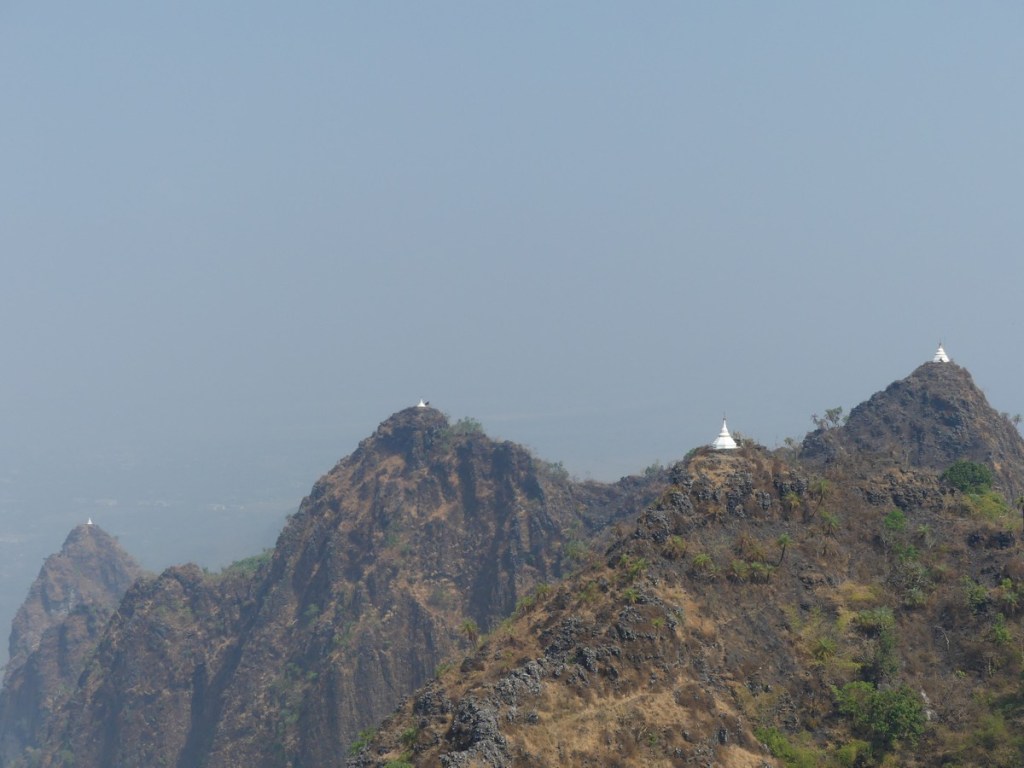
Once at the top we could see more stupas all around us. I was definitely not climbing there!
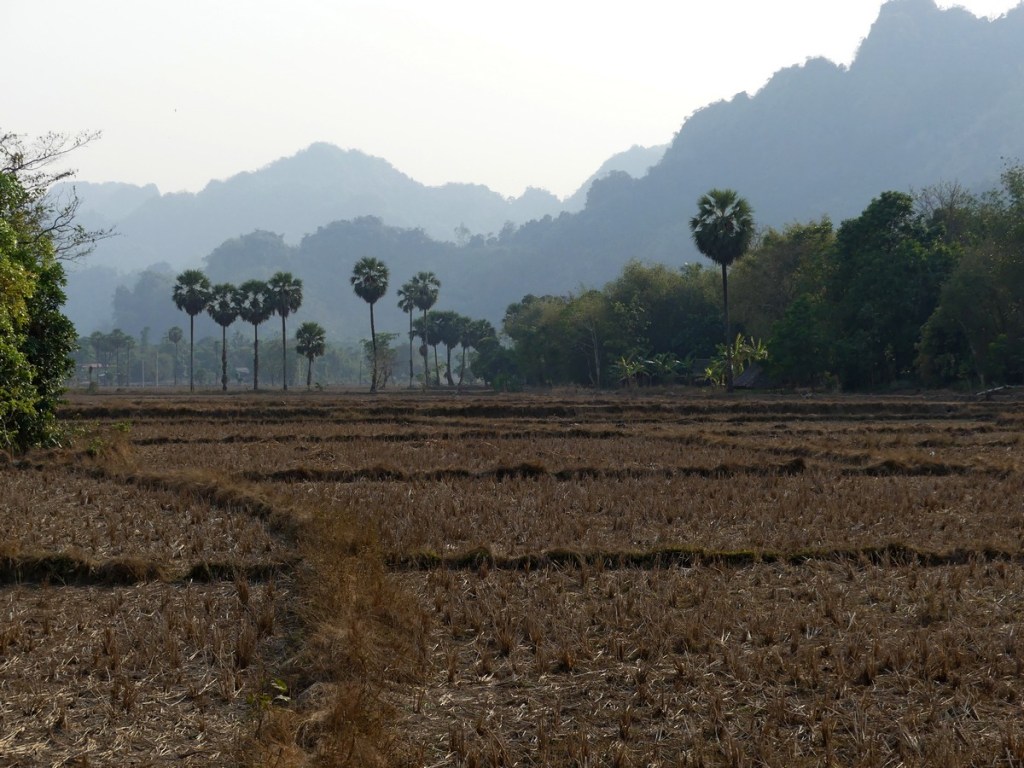
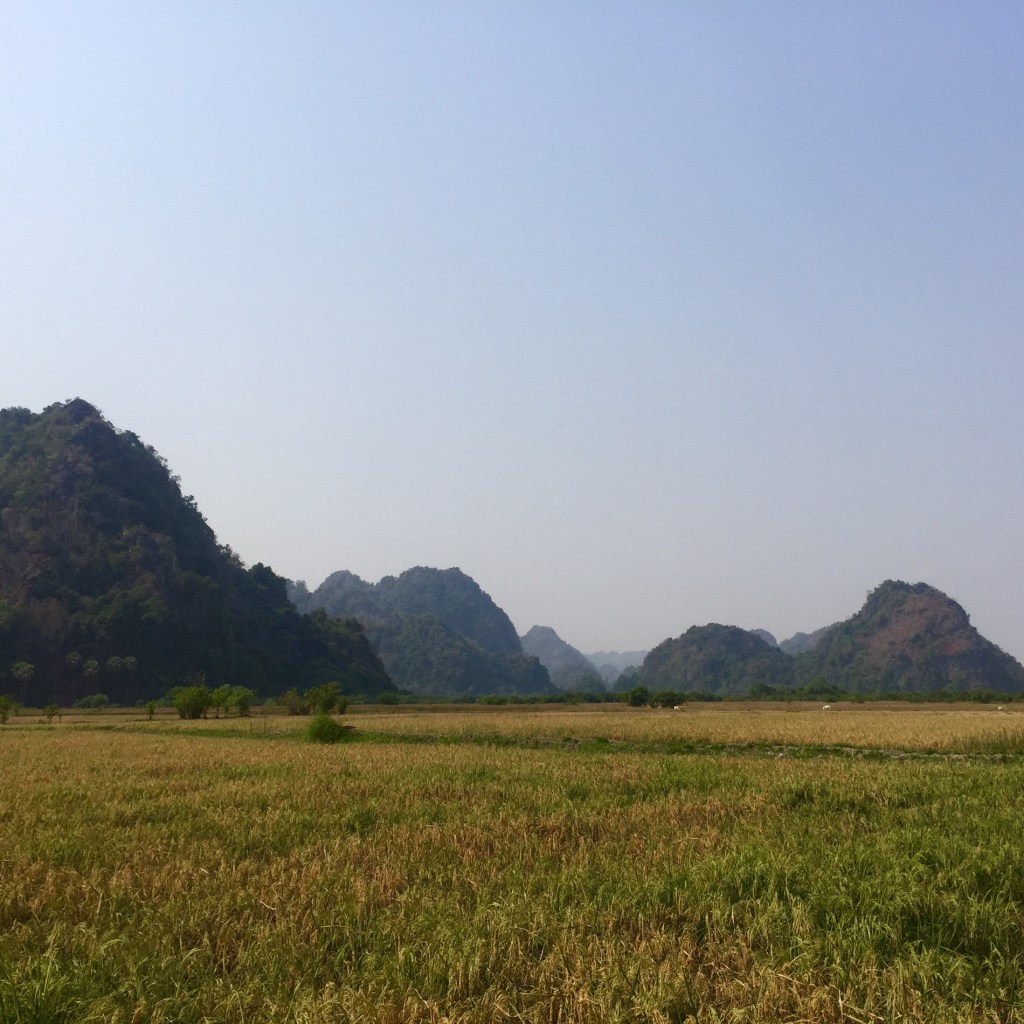
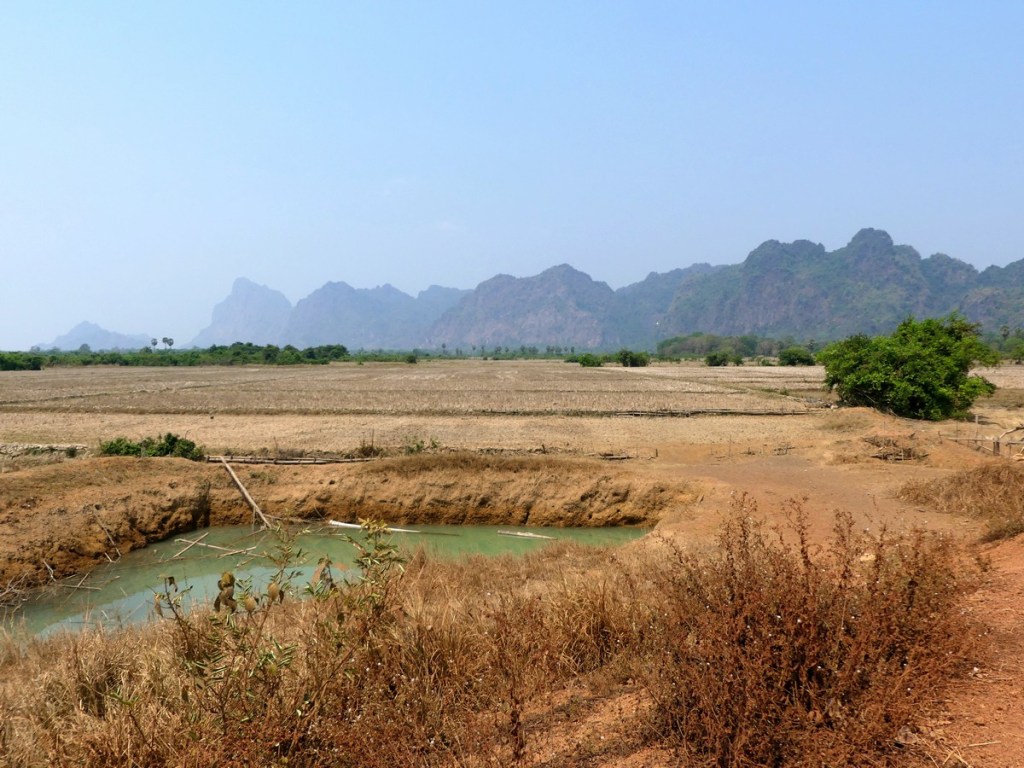
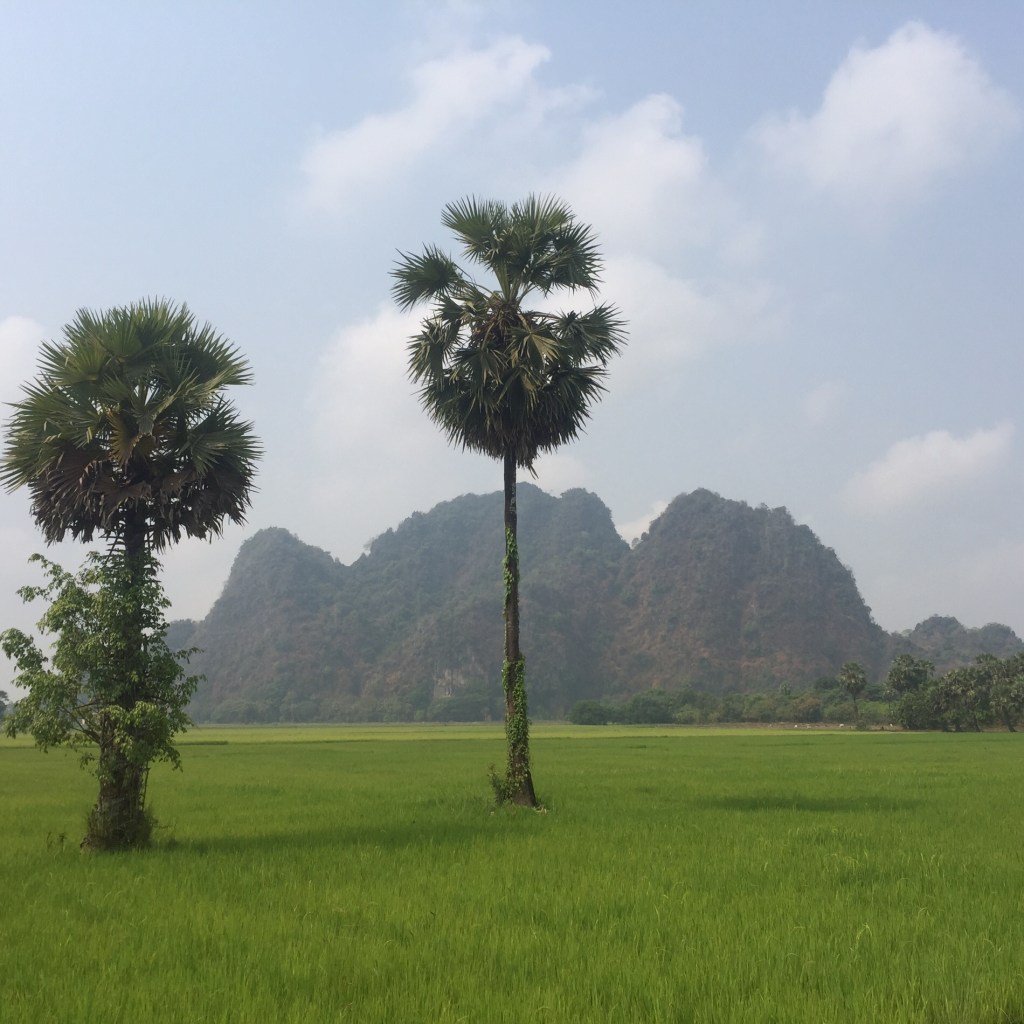
The country side in Hpa-an with its many karst mountains.
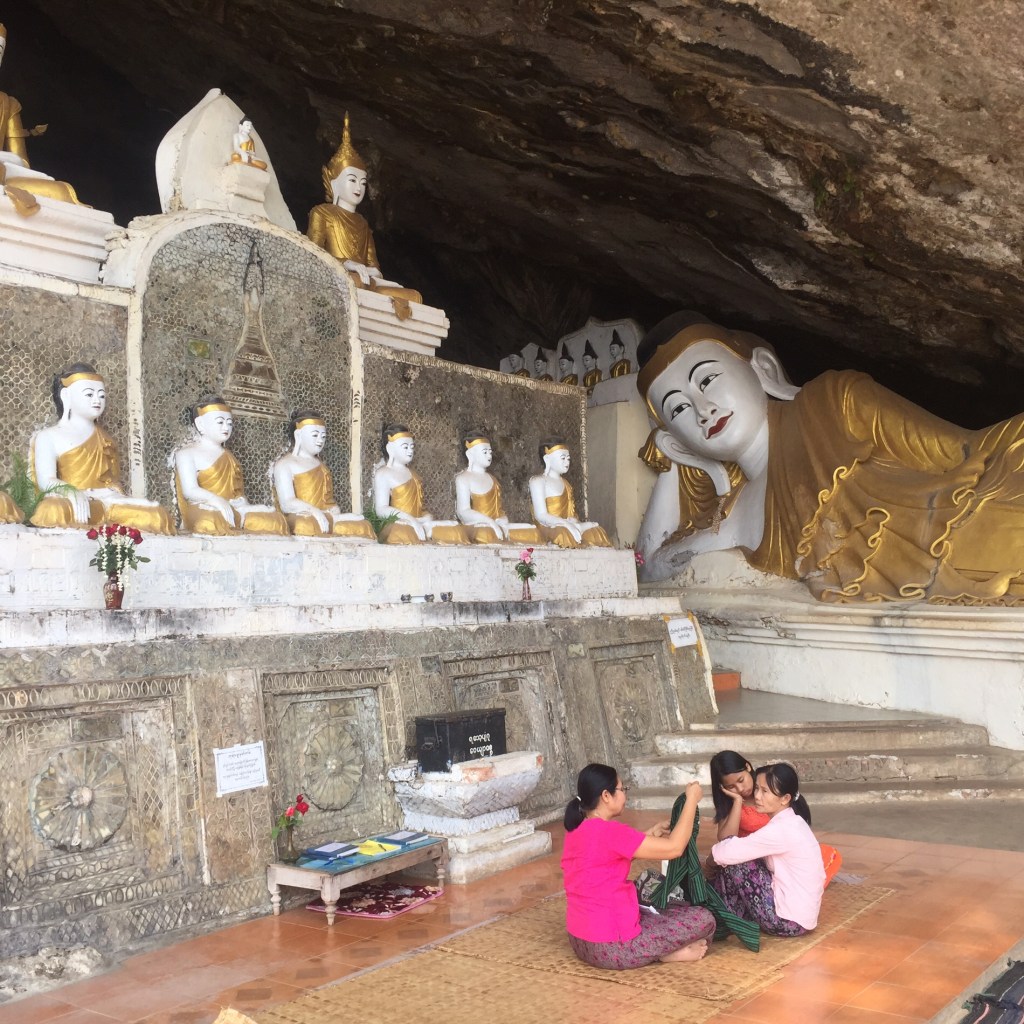
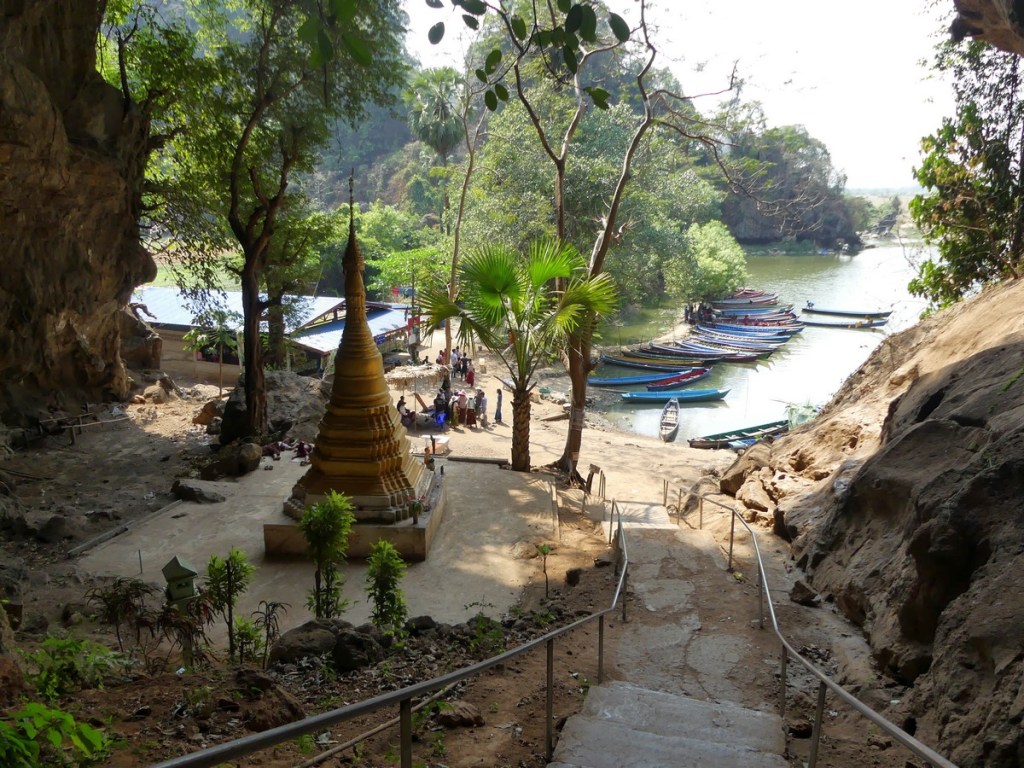
Saddan cave in Hpa-an, lots of Buddha’s, a stupa and an exit at a lake.
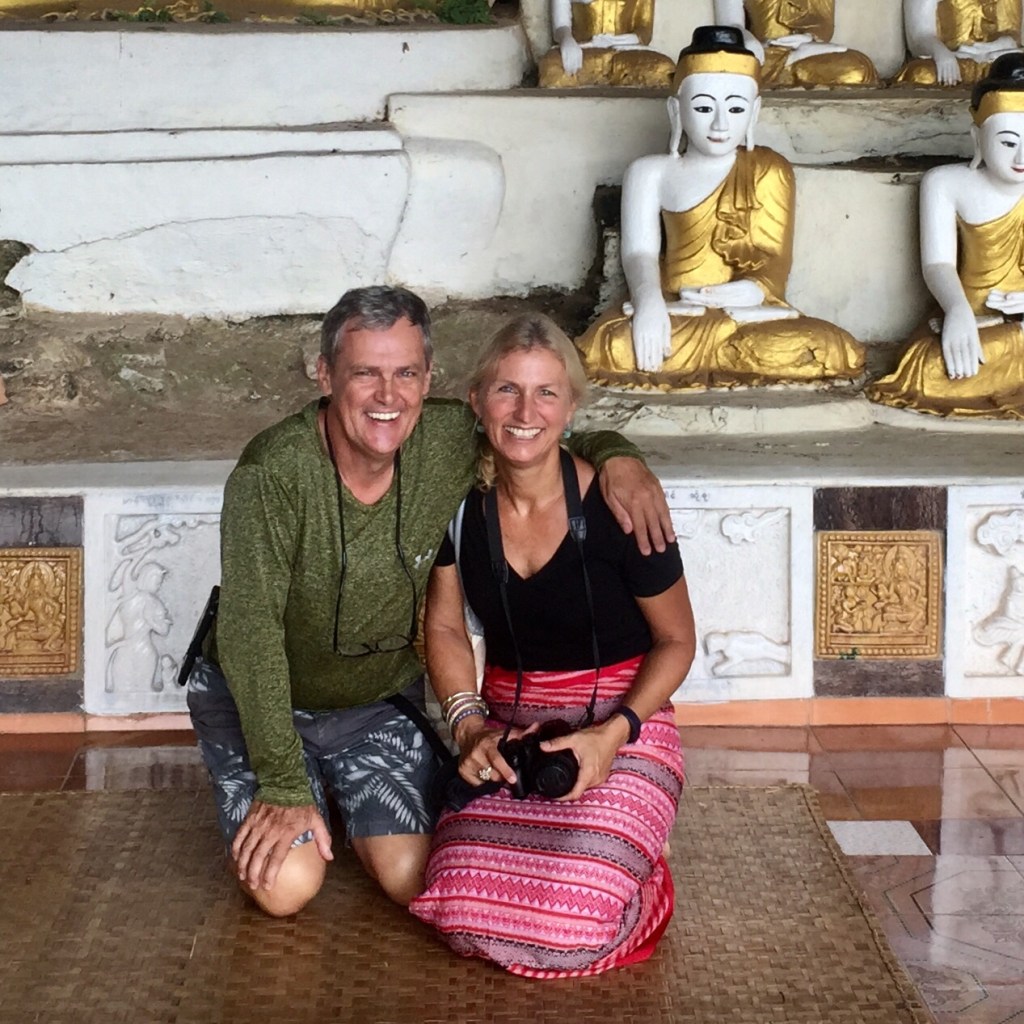
The Burmese like to take pictures of foreigners.
Exiting the cave. We had to leave our slippers at the entrance which was on the other side so we had to continue barefeet. Luckily we could take a boat but because of the low water we still had to walk through the fields for about a km.
Rice and Karst mountains when we walked back to the entrance of the cave.
More beautiful scenery on our way to the next cave in Hpa-an.
On our way to Kawgun cave with our motorcycle, this reminded us of North Vietnam
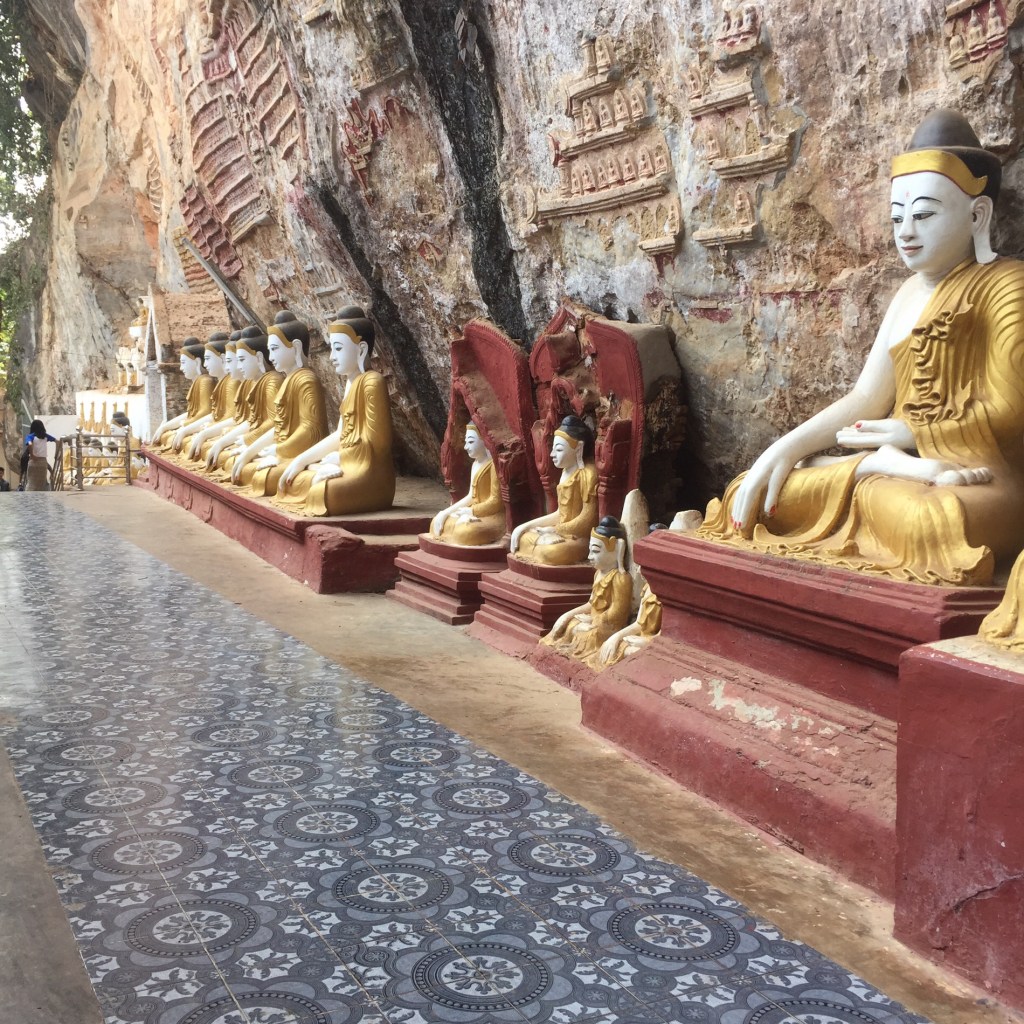
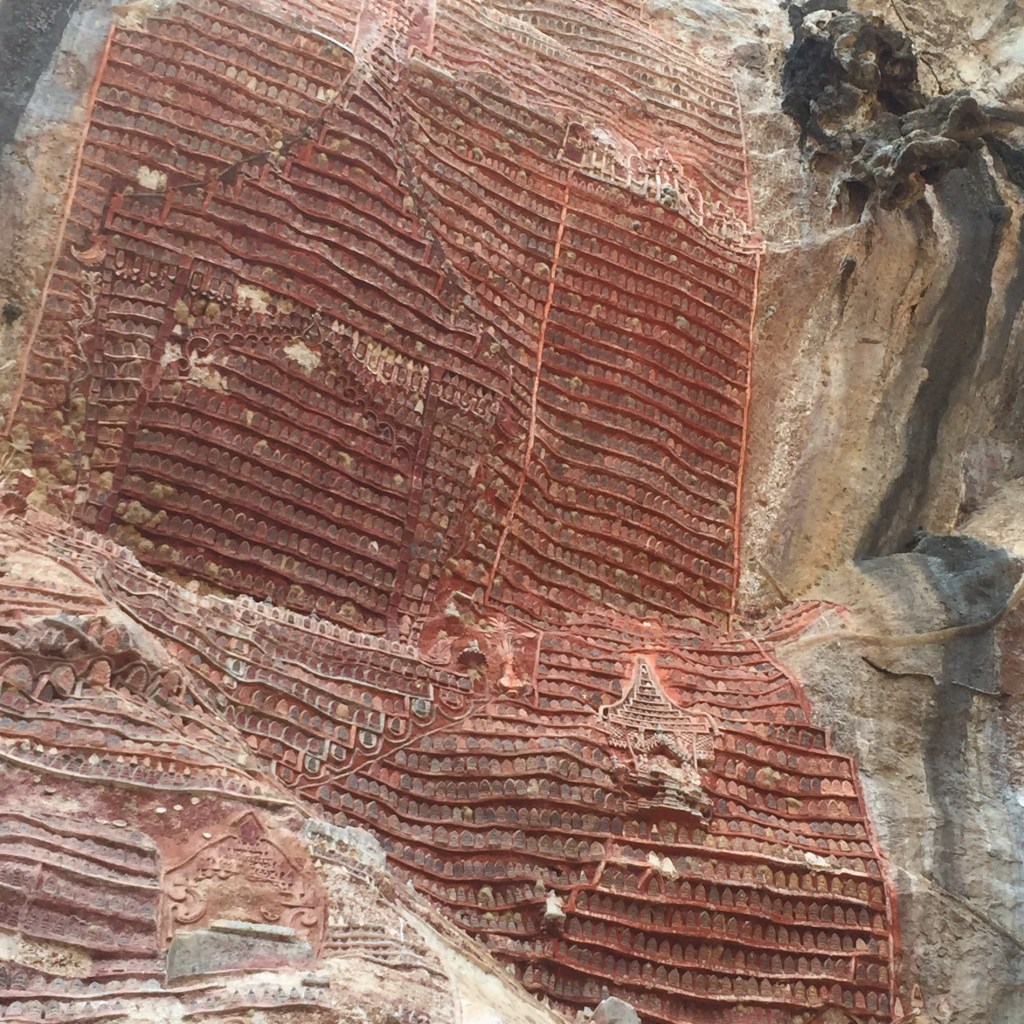
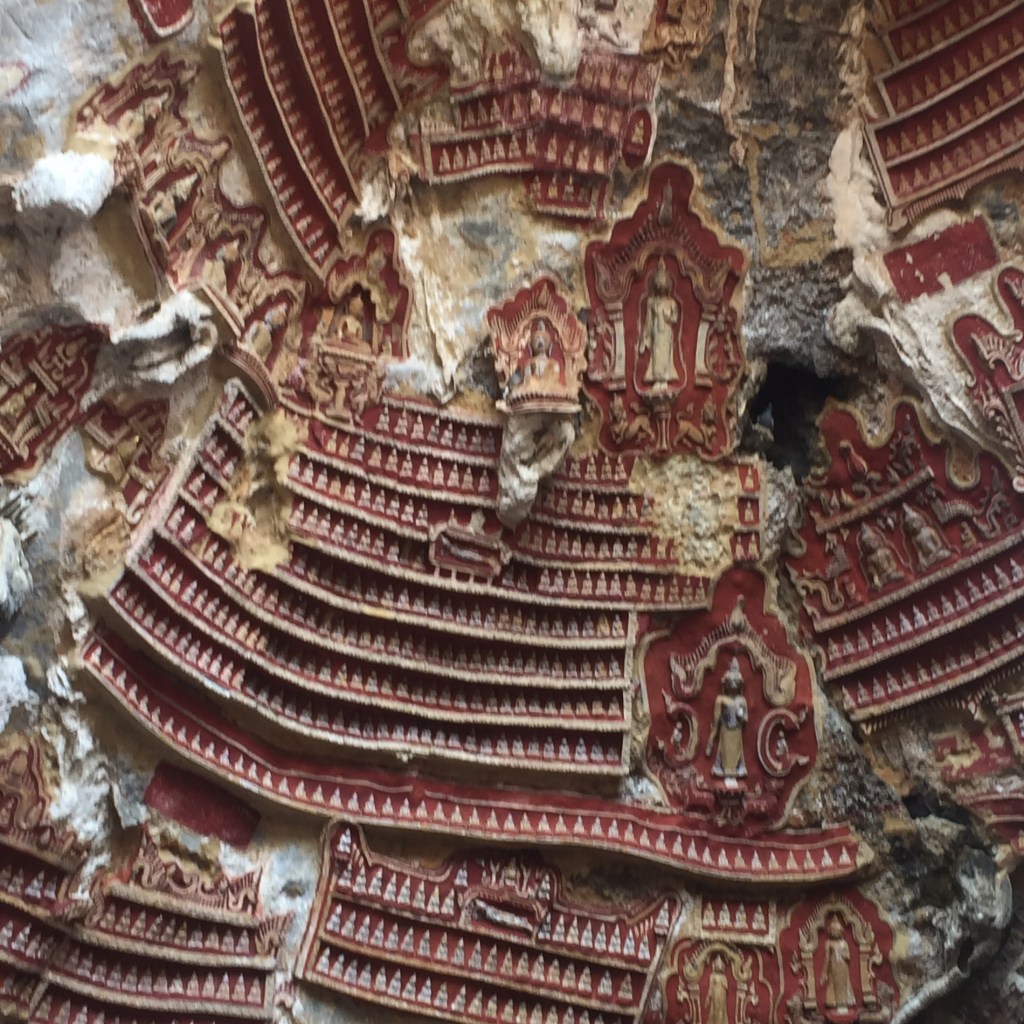
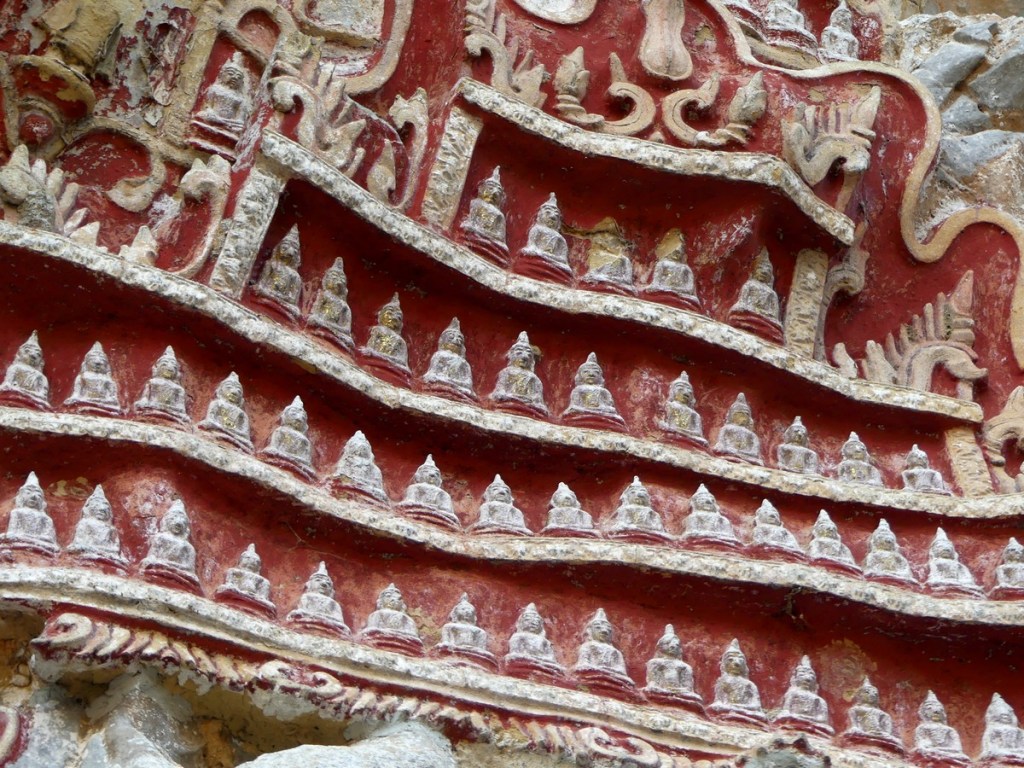
Kawgun cave is another spectacular cave in Hpa-an, with many seated and reclining Buddha’s but most importantly because of the little Buddha’s carved in the limestone walls.
Thousands of little carved Buddahs. Some of them are very old but they are constantly adding new ones and removing the crumbled ones who suffered from rain, wind etc.
Kawgun cave has been used by local Mon Buddhists since the seventh century. Unfortunately many of the older statues have been destroyed by tremors resulting from the work of the nearby cement factory.
Many small Buddhas images were carved unbelievably sophisticated on the wall and all the way to its ceiling.
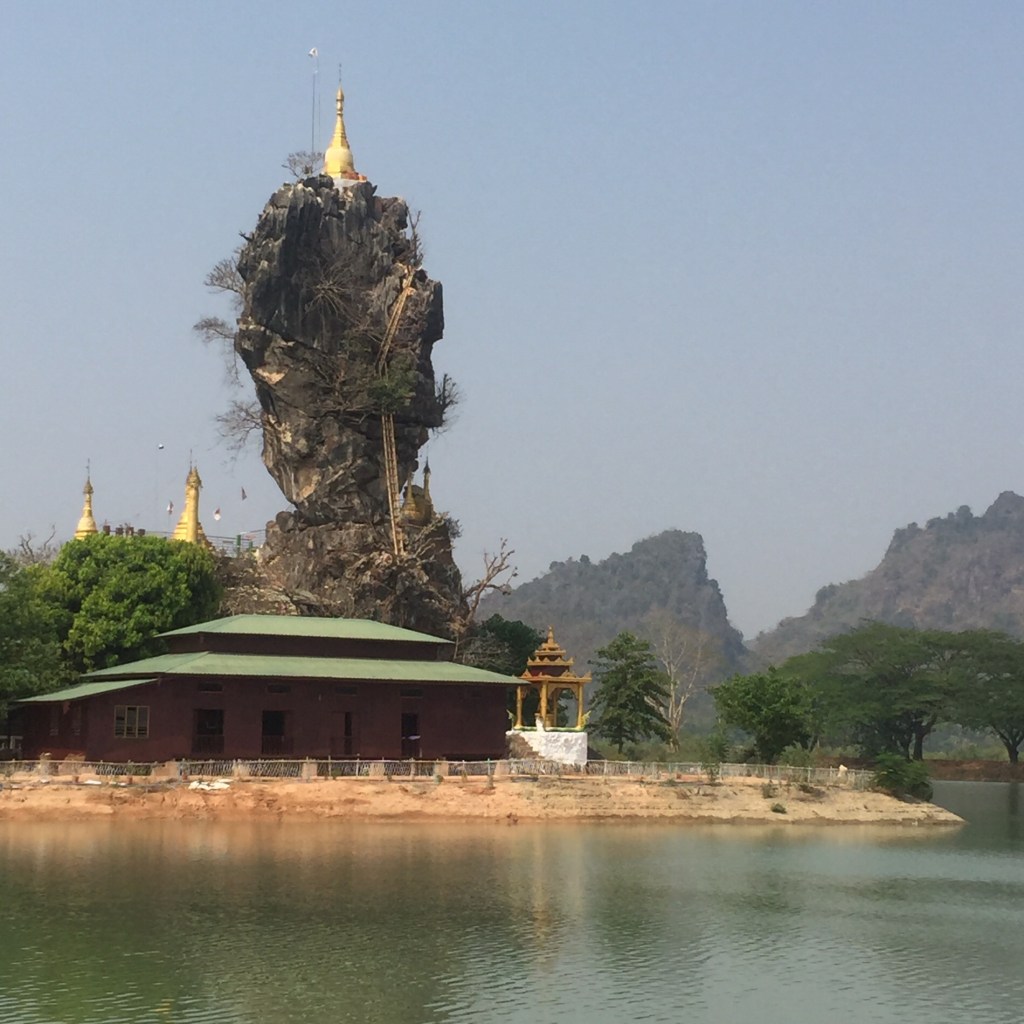
Kyauk Kalat Pagoda, a stupa balanced on a limestone pinnacle. Visitors can only go halfway to the top but even there the view is gorgeious.
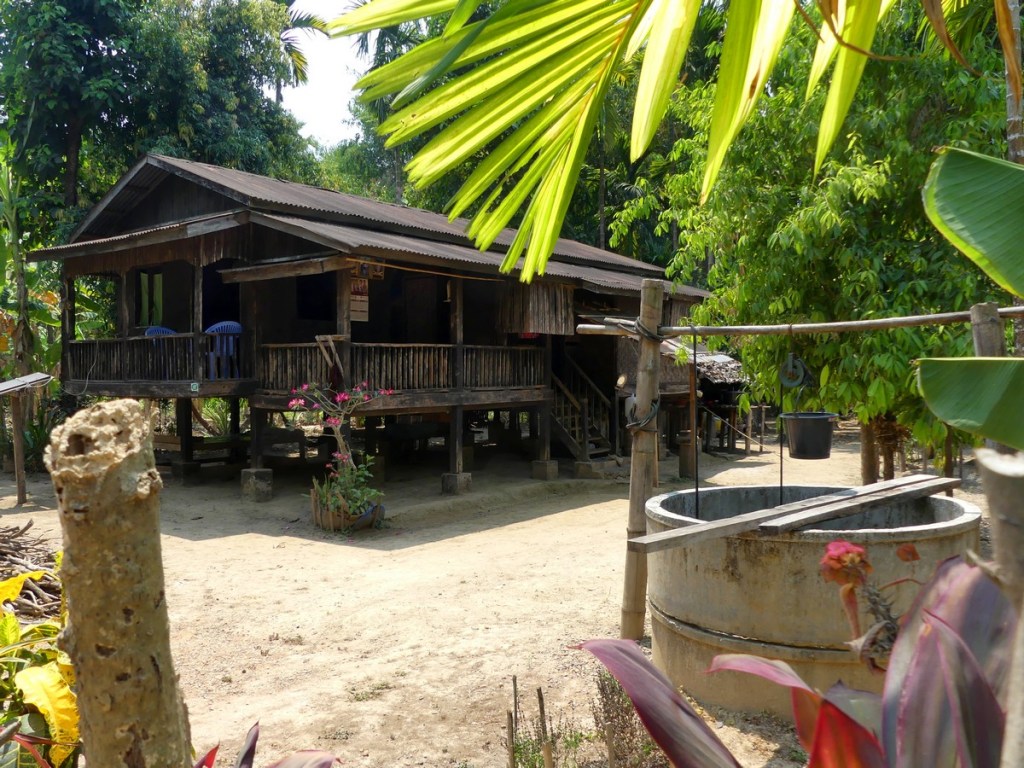
A typical house in a small village near Hpa-an
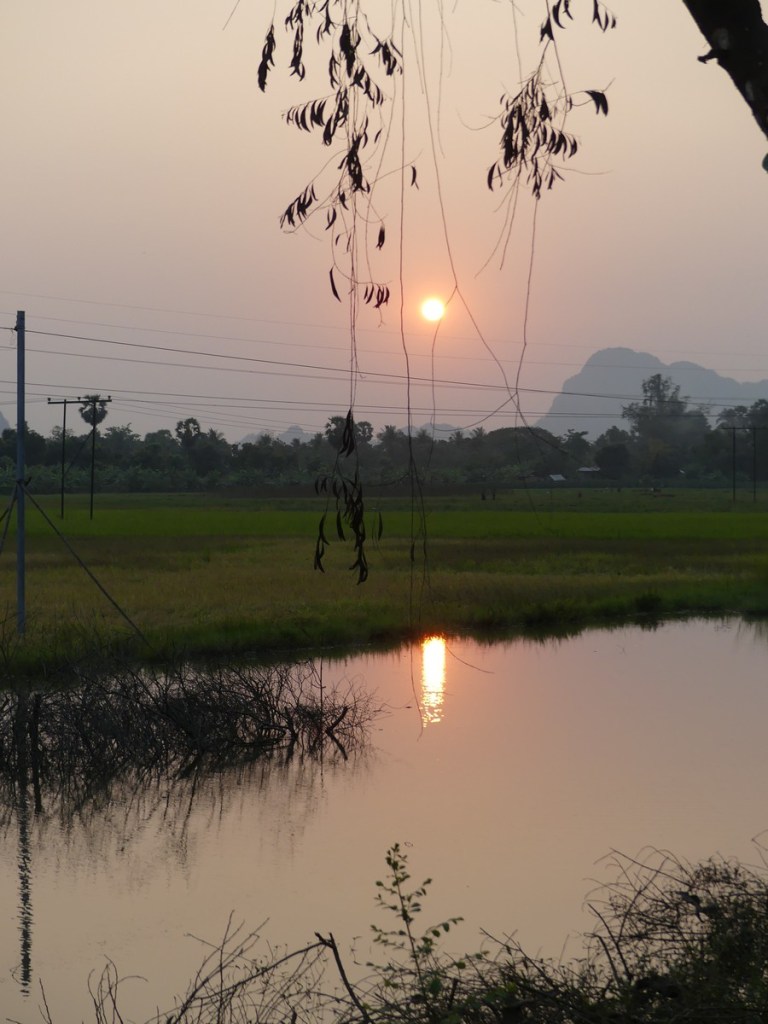
Sunset on our way to bat cave. Unfortunately the thousands of bats only left the cave when it was already dark so no pictures 😦
In my next blog we will travel from Hpa-an to Kalaw near Inle Lake, hike to Inle Lake and visit Mandalay.
March 31st, we are in beautiful Myanmar with some time left to relax and update our blog before we return to our home Sanuk in New Caledonia.
Flashback to our arrival in Hoi An, Vietnam, somewhere in February 2018. After 5 days on a motorcycle it was time to relax and enjoy the old city. The ancient town Hoi An is a UNESCO world heritage site since 1999. In the 16th and 17th century it was a major trading port where Chinese, Japanese and Dutch businessmen did their trading.
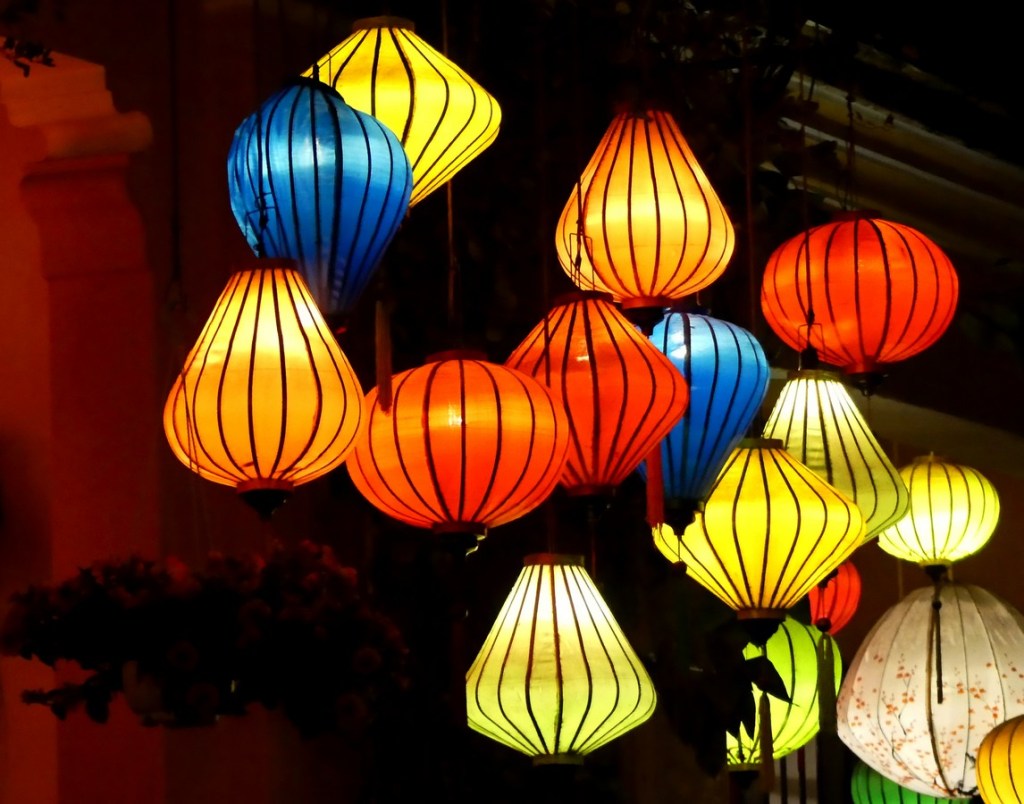
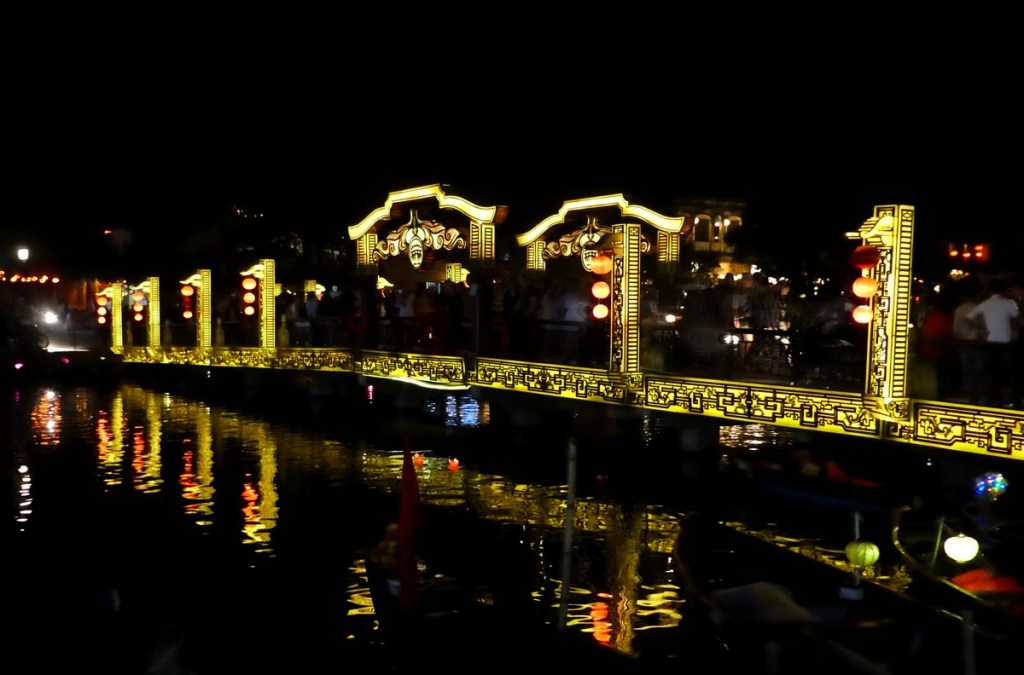
Hoi An was beautifully decorated with lanterns everywhere.
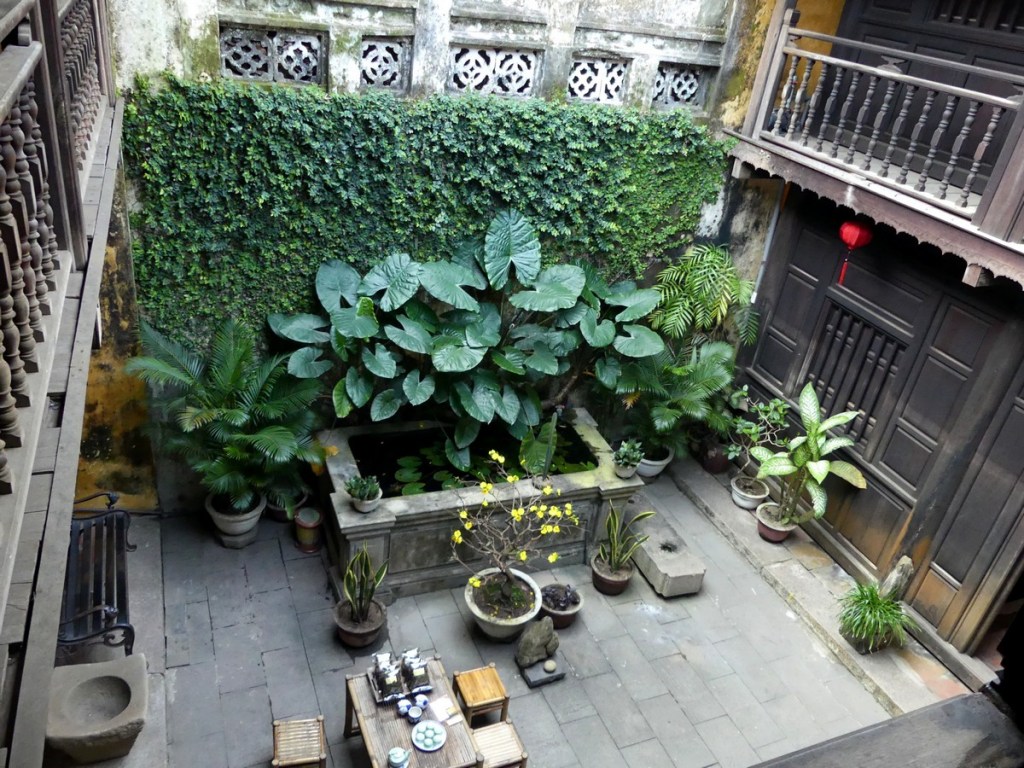
Many of the old houses have a little patio inside, away from the many tourists, a quiet place to have a cup of jasmine tea in a serene setting.
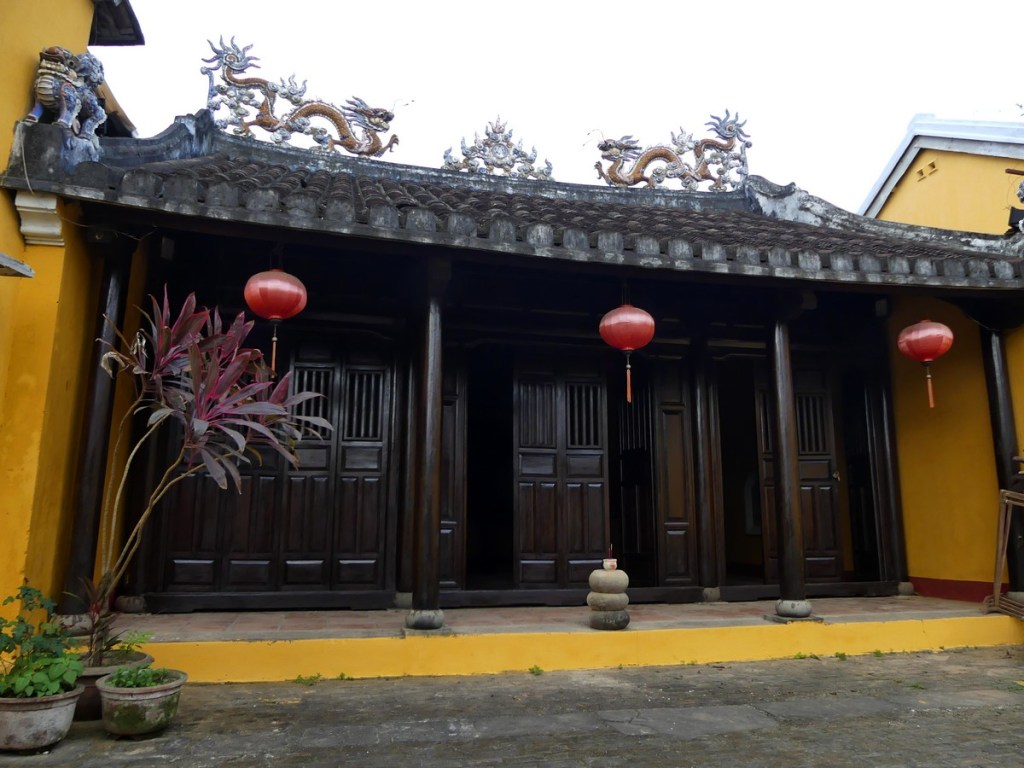
The architecture of the old houses were influenced by the many Japanese and Chinese traders at the time.
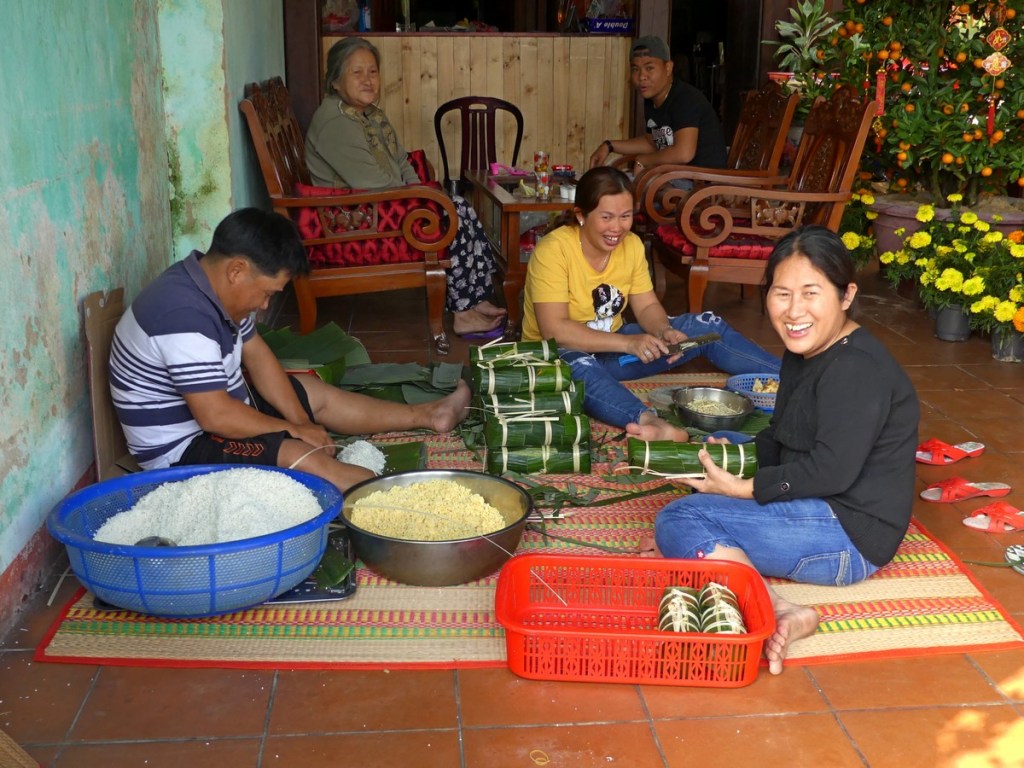
While we were there, the Vietnamese were preparing for TET which is their New Year. It is a 6 day celebration of eating, inviting family and friends, telling stories of the past year and being together. Before the festivities everything needs to be cleaned for the new start.
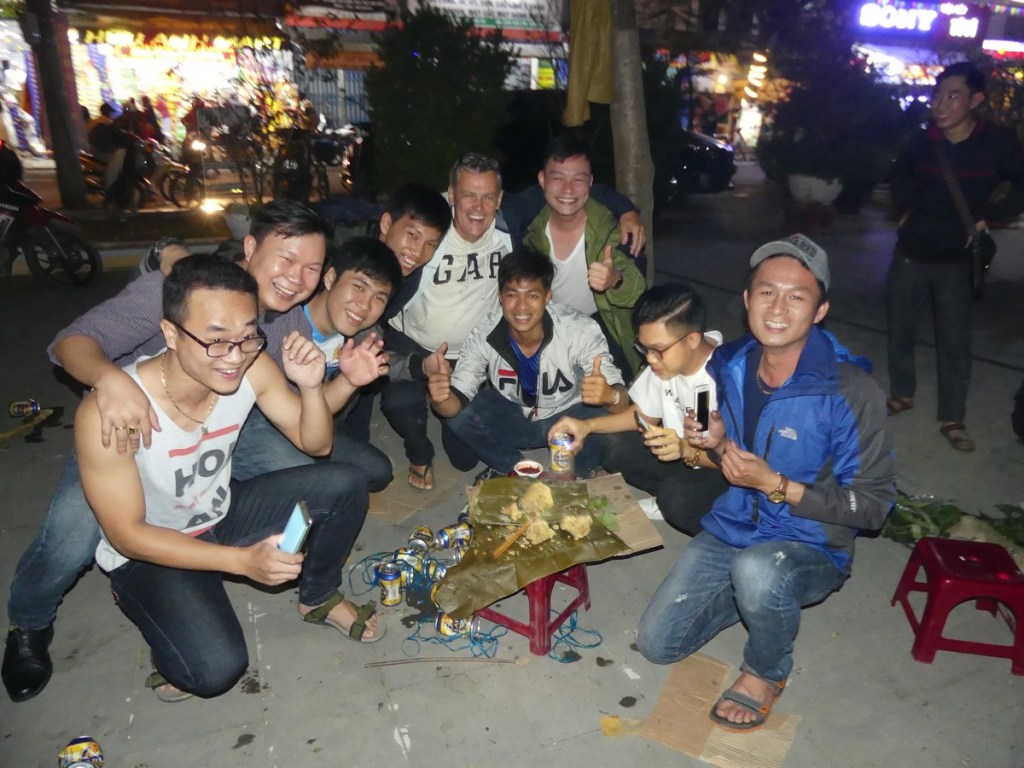
Stefan (center) joining some young Vietnamese in their celebration of the arrival of TET. It brings good luck to toast with a foreigner.
Hoi An at night. Little boats in the river with lanterns, many tourists (also Vietnamese) to enjoy the restaurants and shops along the river.
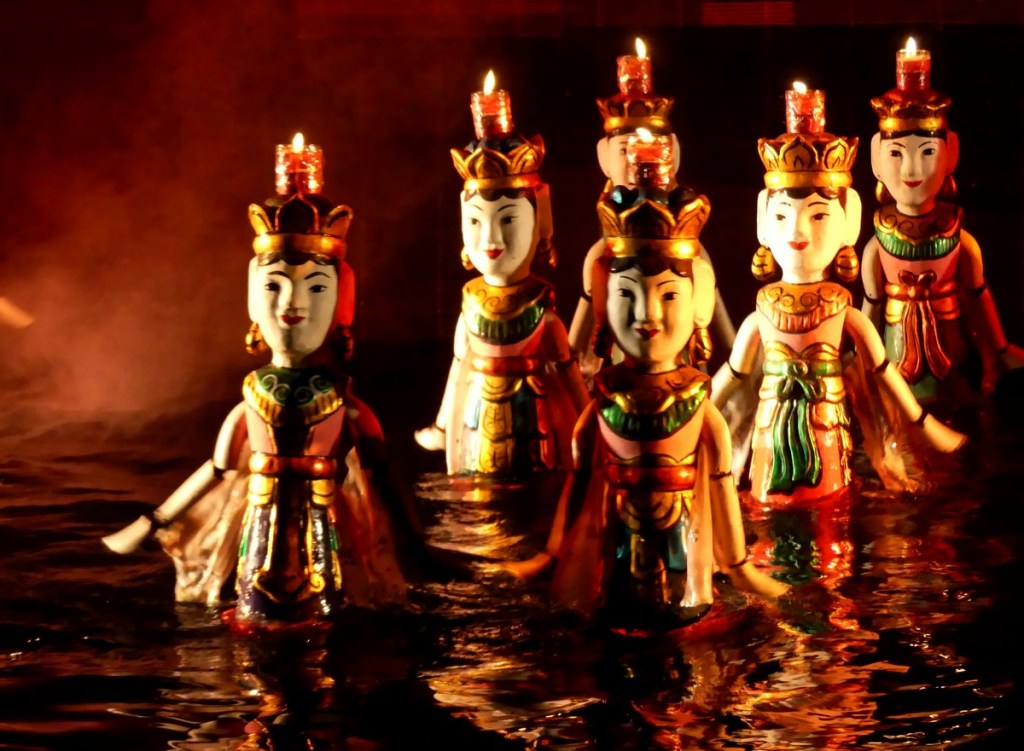
One evening we went to a water puppet show. It only lasted about 50min but is definitely worthwhile as it is part of Vietnamese culture.This ancient art originated from the farmers who worked on the paddy fields in the countryside. During times of flooding, the farmers would entertain themselves and their families by performing water puppet shows out in the fields. The puppeteers stand in the water during the whole performance.They depict Vietnamese rural life with traditional music.
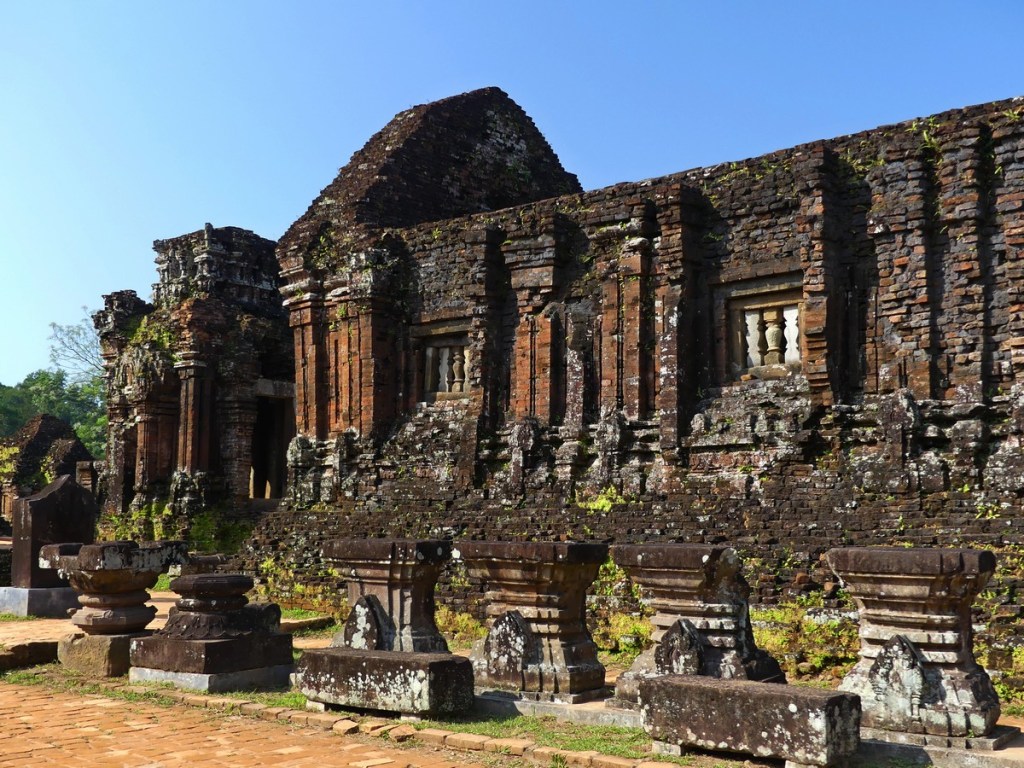
We rented a motorcycle and went to My Son (also an UNESCO heritage site), Da Nang city and a day on the beach in An Bang to relax.
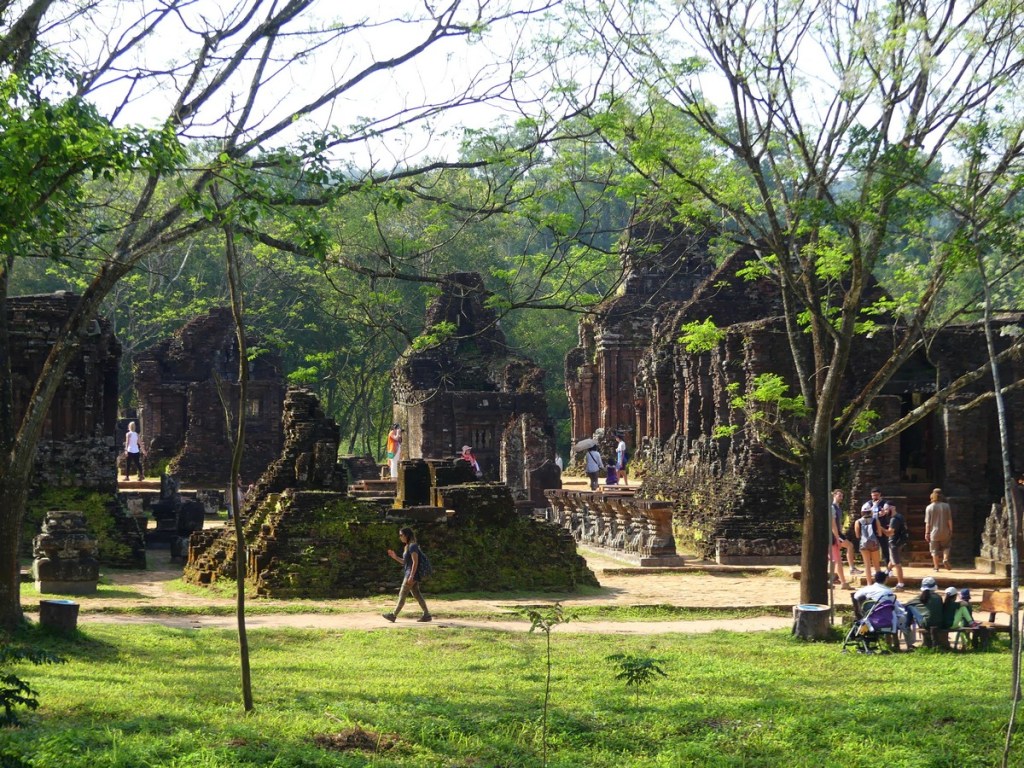
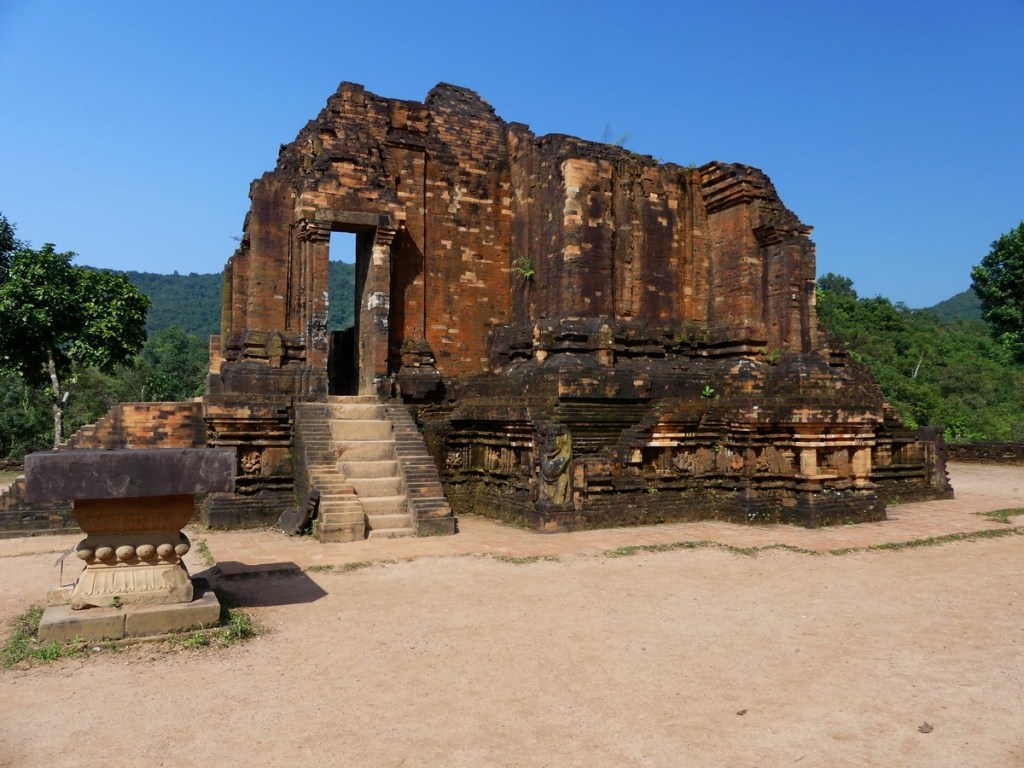
We arrived at My Son in the afternoon and there were not too many tourists. The ruins were beautiful with the surrounding jungle.
My Son is also called the Angkor Wat of Vietnam. It is a cluster of Hindu Temples built between 4th and 14th century by the Kings of Champa. A large part of the temples were unfortunately destroyed by US bombings during the Vietnam War.
About 70 temples remain. Italy and Japan funded the restoration and maintenance of the site through UNESCO.
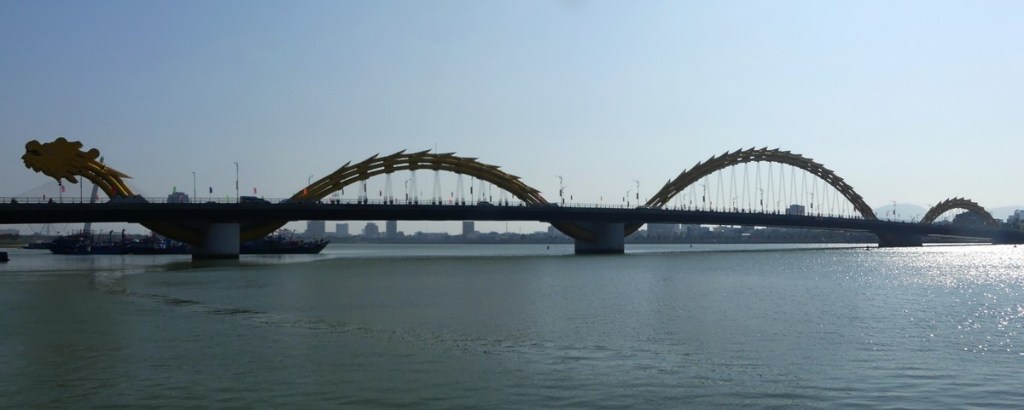
The famous Dragon bridge in Da Nang, built in 2013. It is a special sight but even more so at night when it is beautifully illuminated.Unfortunatly, we only stayed for the day.
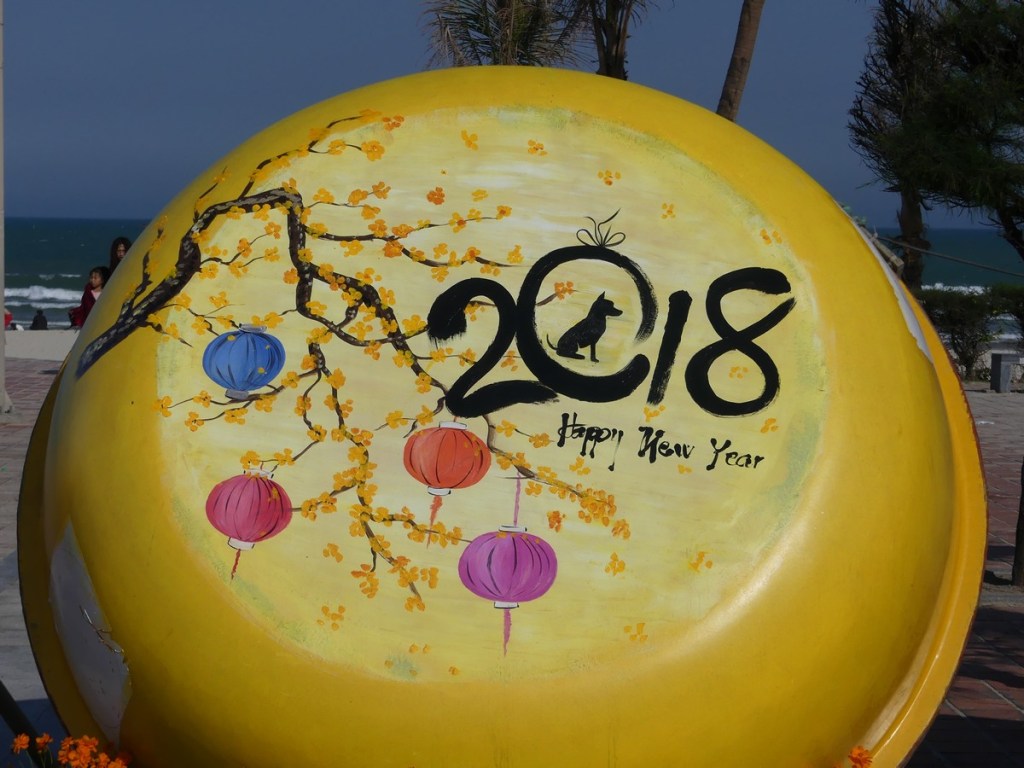
Danang is mostly a resort city with lots of Chinese tourists enjoying the beaches. 2018 is the year of the Dog.
After our 5 day stay in Hoi An we took the train to Hue. We visited the beautiful Imperial City (UNESCO heritage site) and 3 of the 7 Imperial Tombs from the Nguyen Dynasty (UNESCO heritage site). The tombs are more like mausoleums located along the banks of the Perfume River. The Nguyen dynasty was the last Vietnamese dynastie (1802-1945).
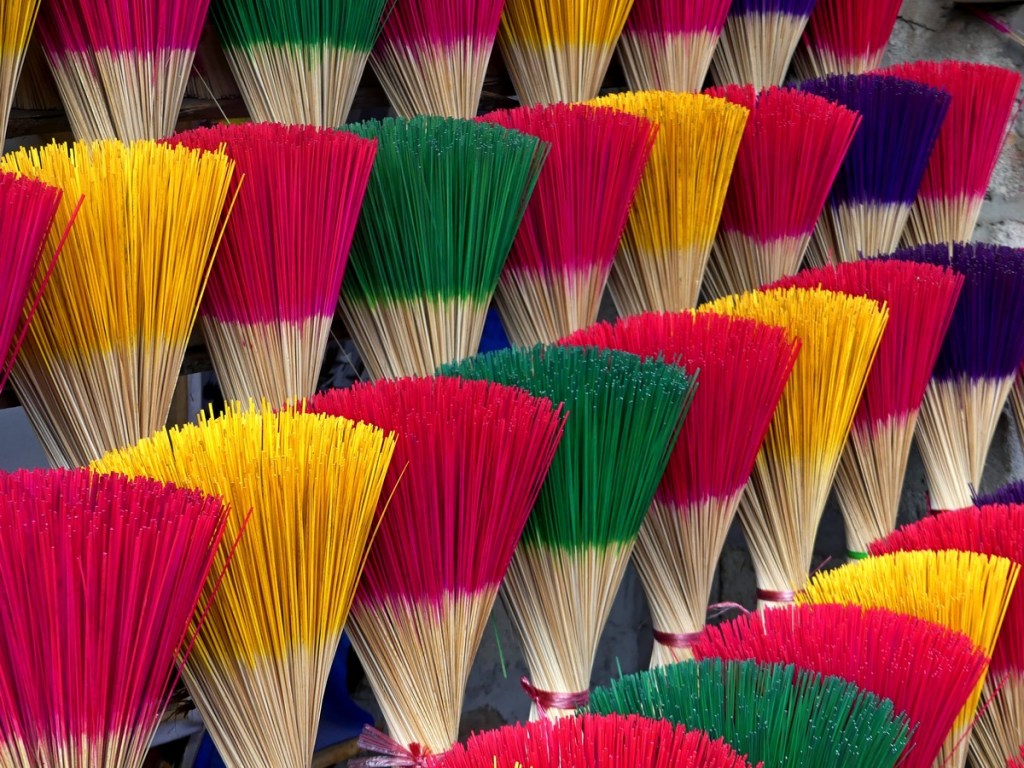
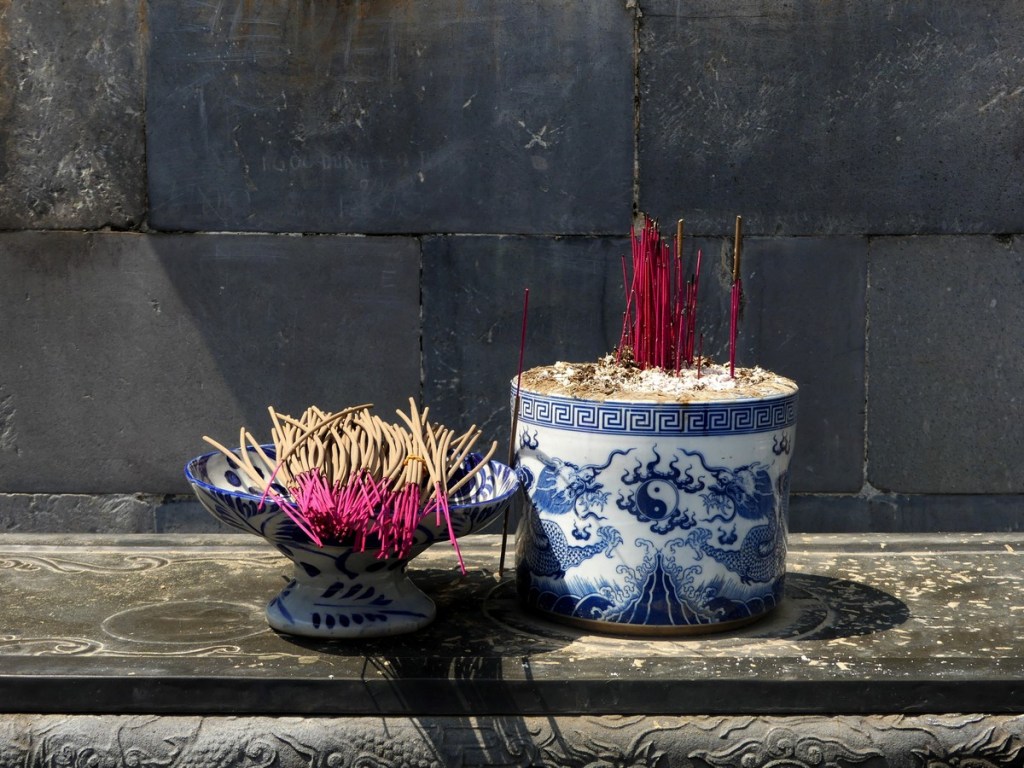
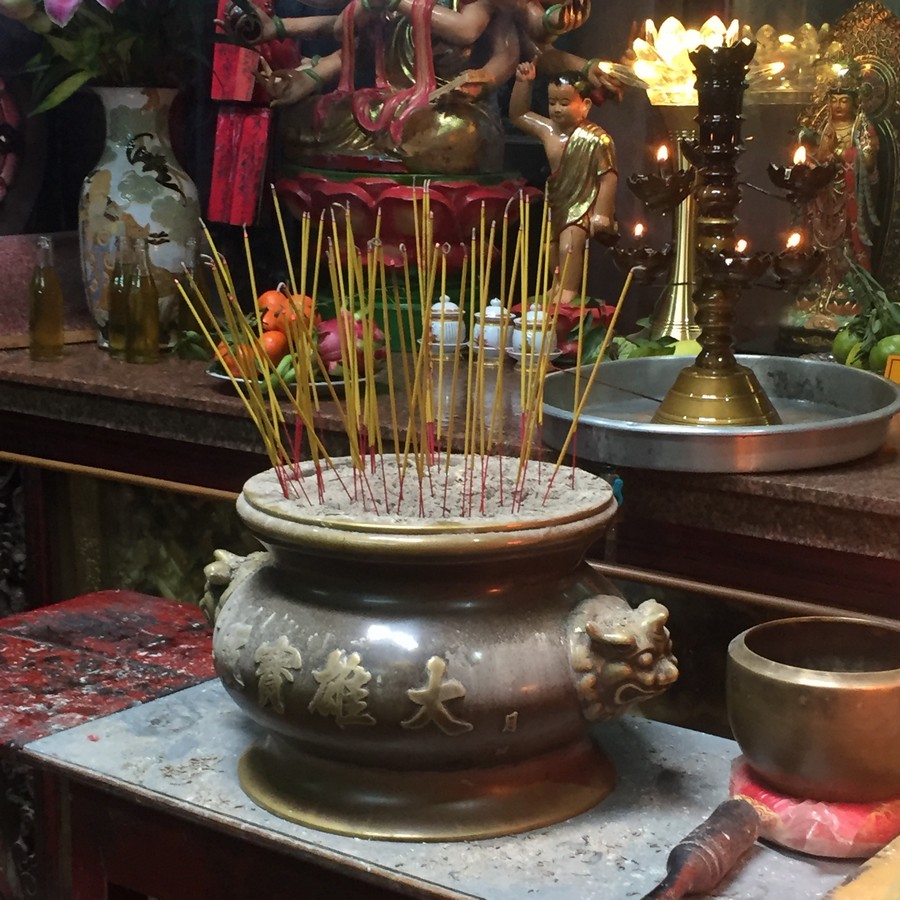
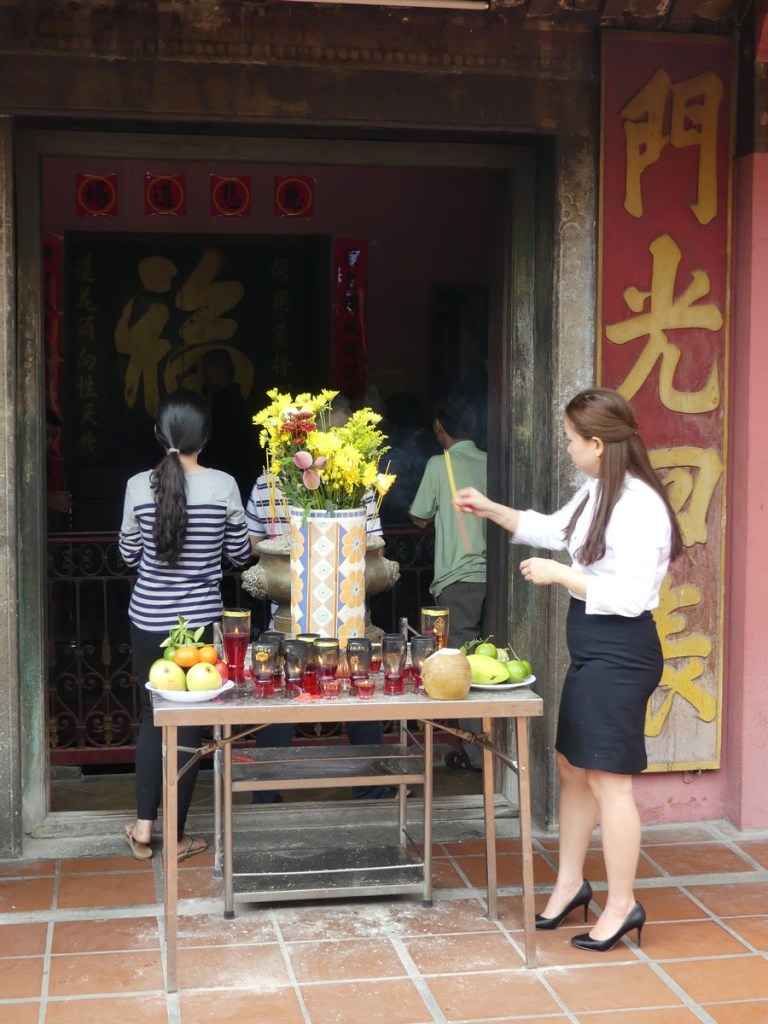
The Vietnamese buy and burn a lot of incense in the temples.
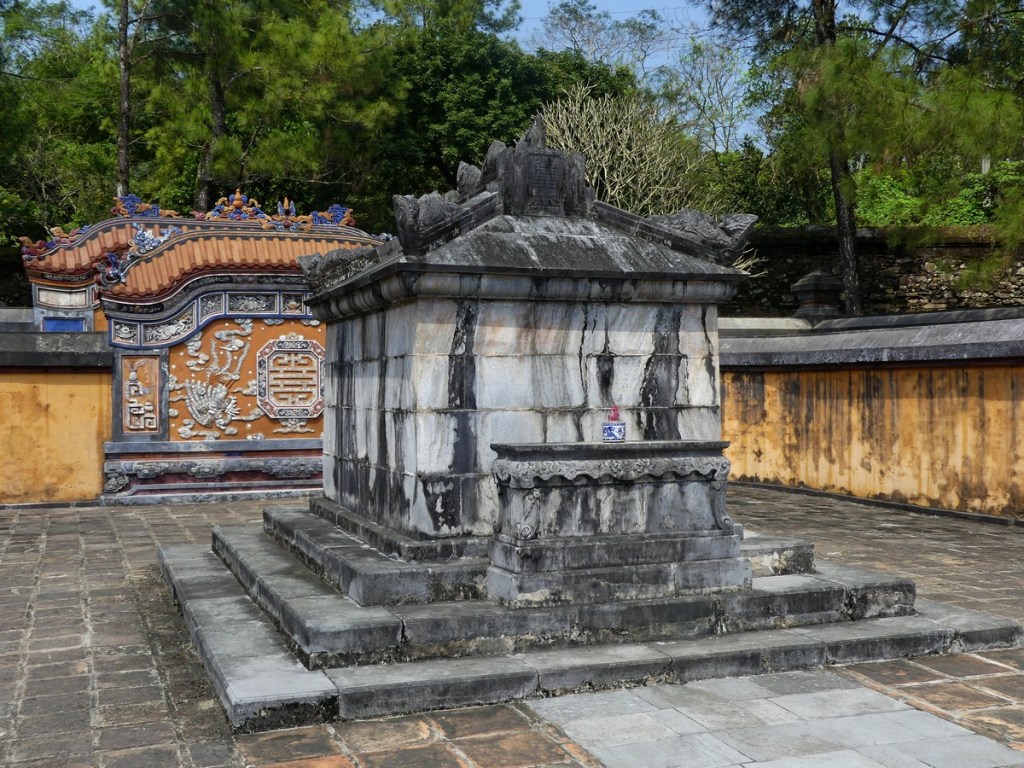
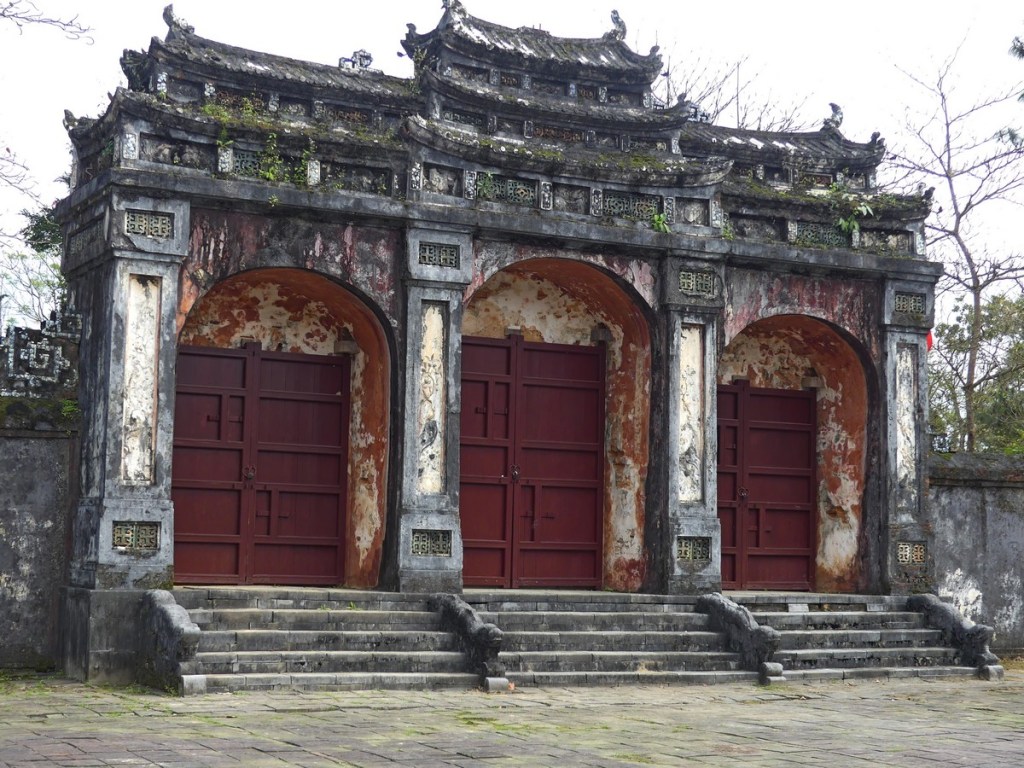
We visited the Royal Tomb of Emperor Tu Duc. It took 3 years to build from 1864-1867.
Royal tomb of Emperor Tu Duc. He died in 1883. Although he lived together with about 100 wives and concubines he did not have any children.
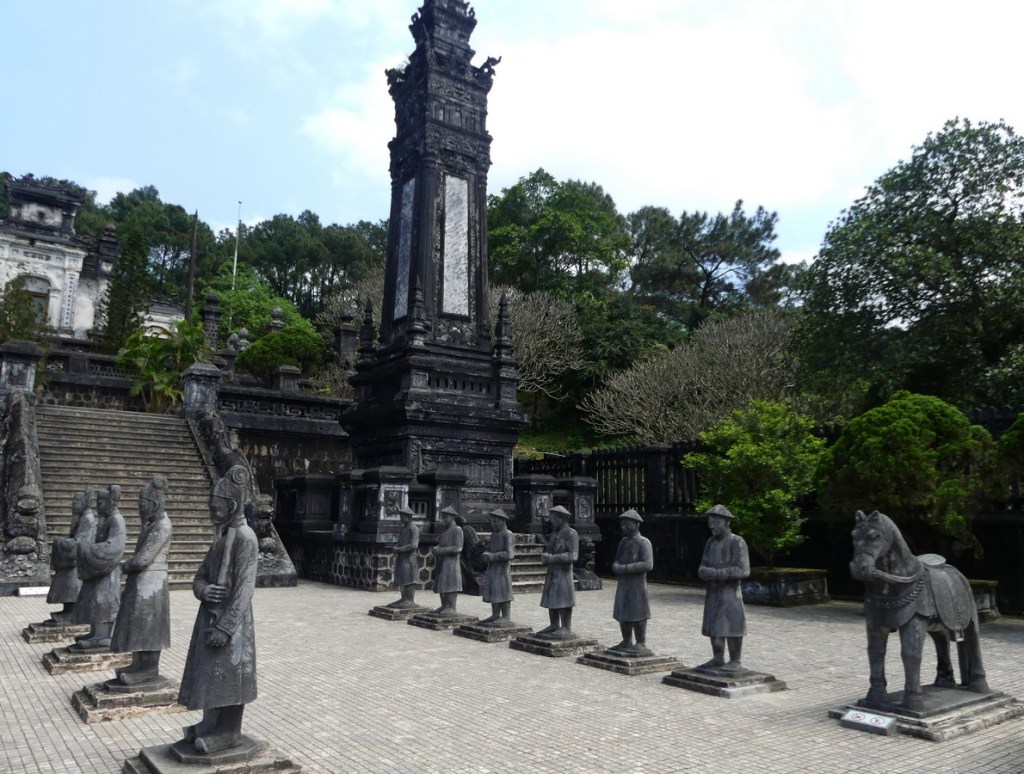
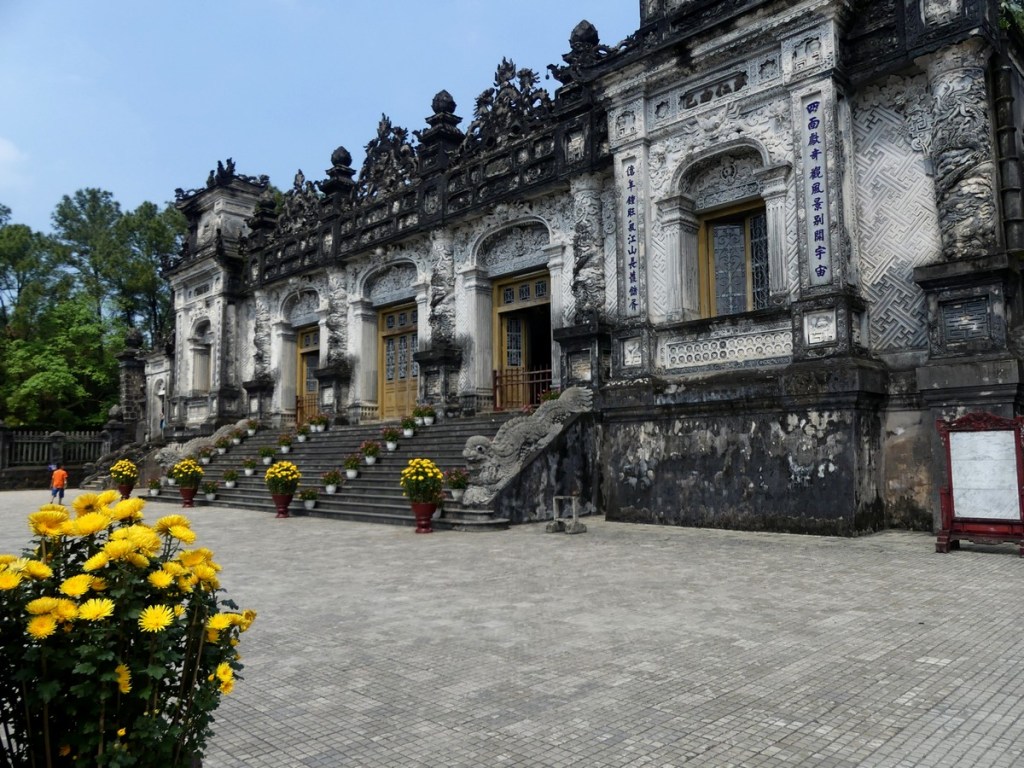
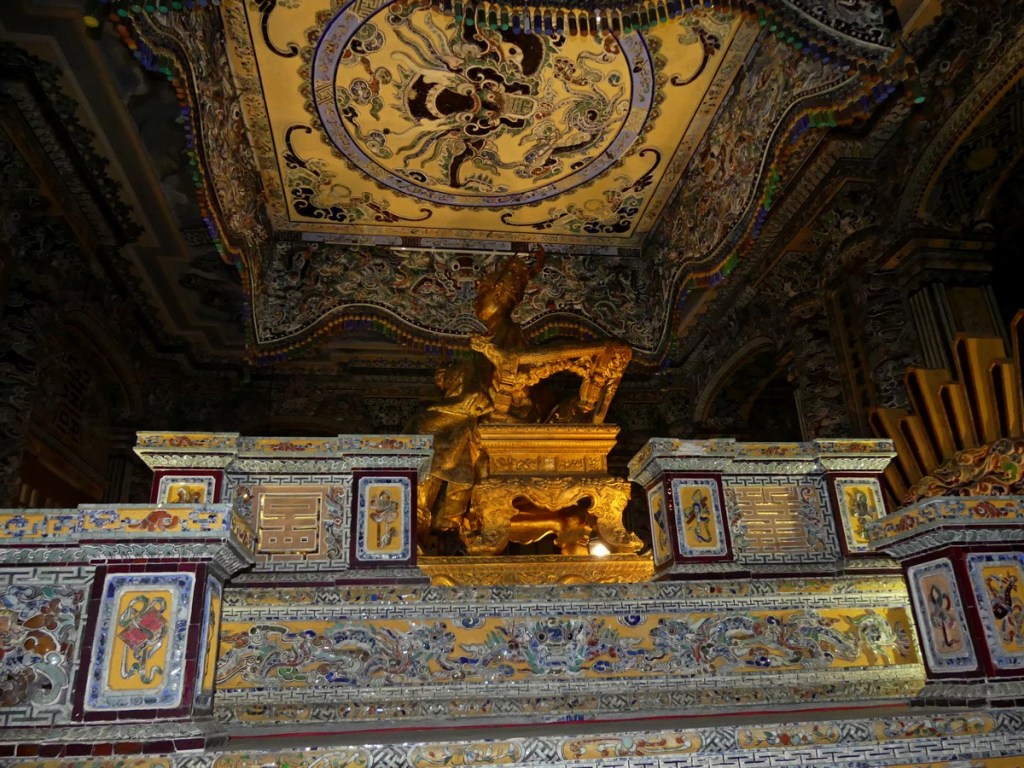
Tomb of Emperor Khai Dinh. This one took 11 years to be built from 1920 to 1931.
Imperial tomb of Khai Dinh
A statue of Emperor Khai Dinh on his tomb. He died in 1925.
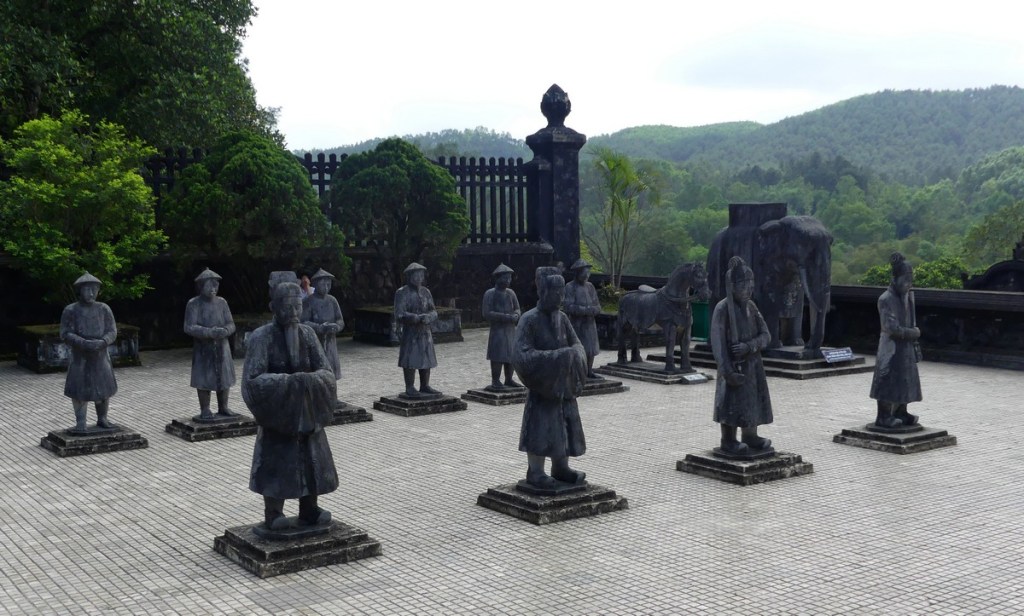
Imperial tomb of Minh Mang.
The imperial tomb of Minh Mang. He was the second emperor of the Nguyen dynasty and reigned from 1820 till his death in 1841.
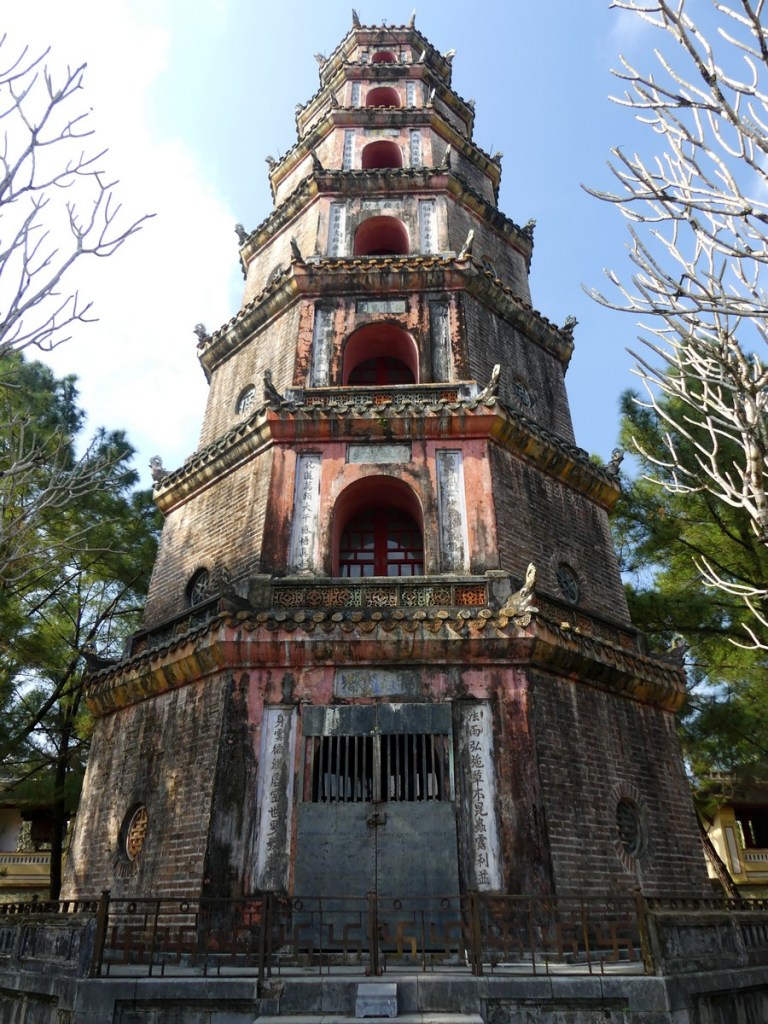
The pagoda of the Celestial Lady in Hue. It was built in 1601 on order of the Nguyen Lords.
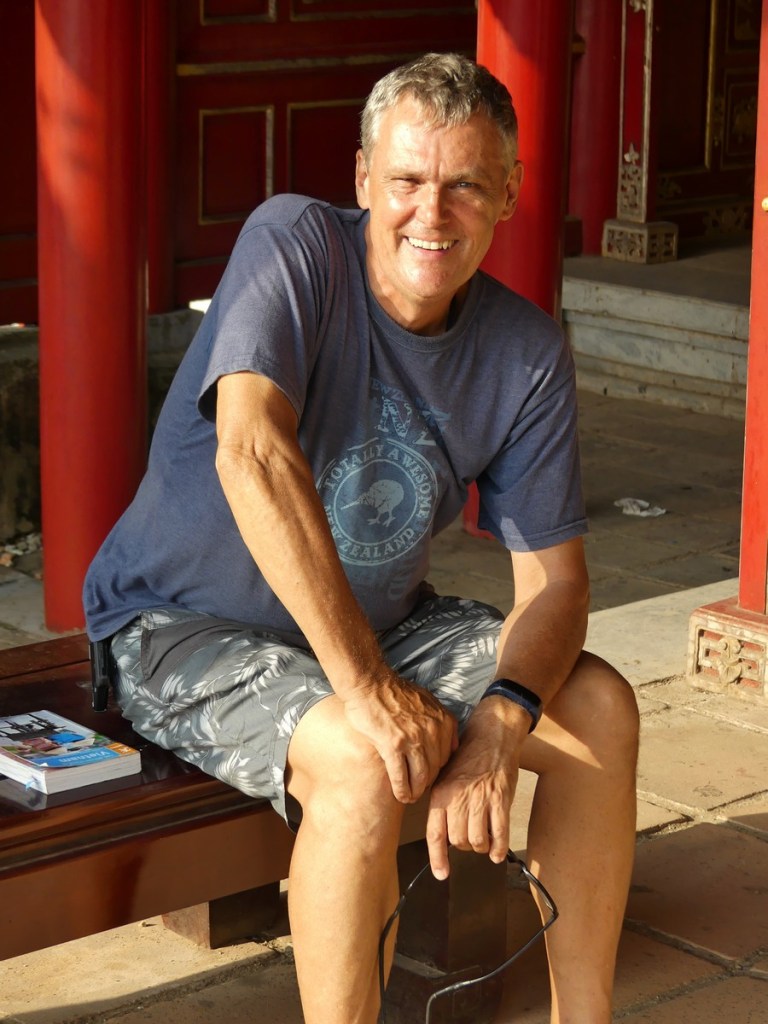
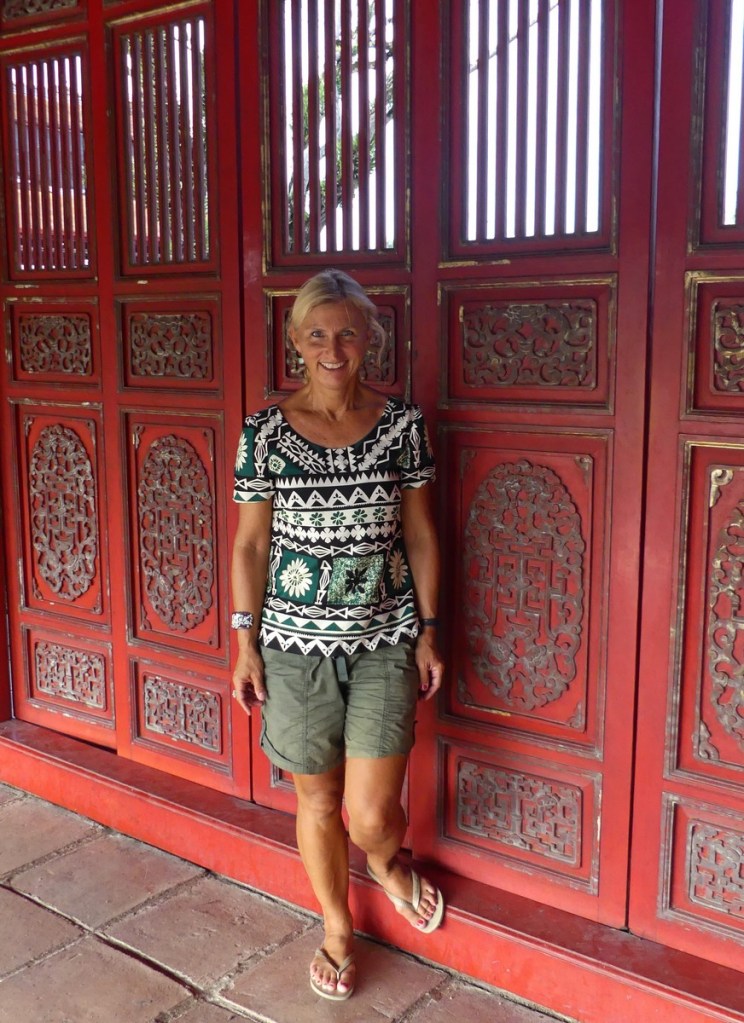
A moment of relaxation in the Imperial City of Hue.
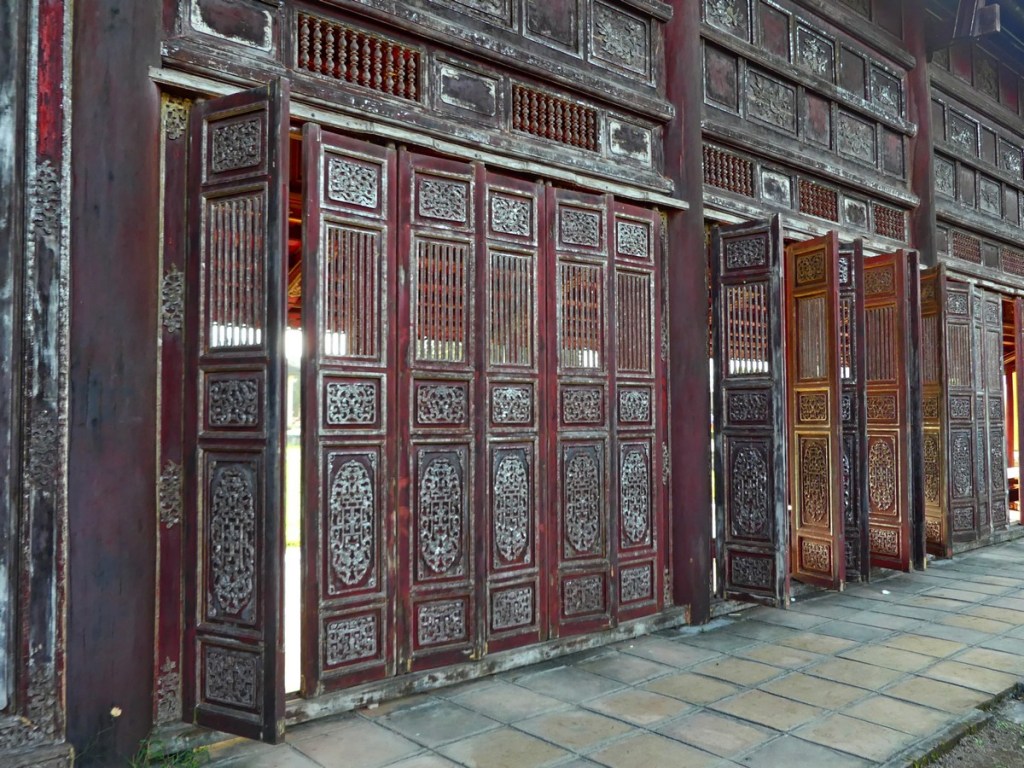
The old reds and golds are an ideal backdrop for taking pictures.
The imperial city of Hue is a walled palace within the city of Hue, the former capital of Vietnam. Building started in 1804. The city was made an UNESCO site in 1993. The buildings suffered a lot from cyclones but also from the fighting during the Vietnam war.
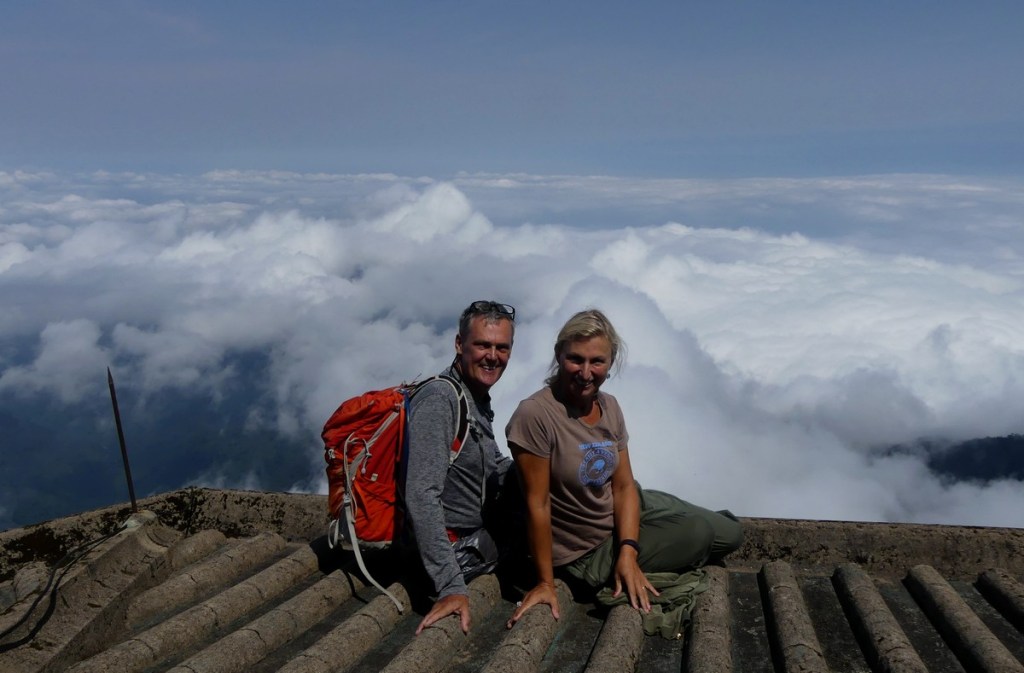
We rented a car and driver to go to Bach Ma national park. Bach Ma mountain is 1450m high and early in the morning we ended up above the clouds.In the park there are several hiking trails.
We hiked about 15km in the park not so much but challenging at times and the trail indicators were most of the time missing.
The scenery with the emerald colored lakes was really stunning!
The end of the walk is on top of the waterfall. We definitely enjoyed this walk very much.
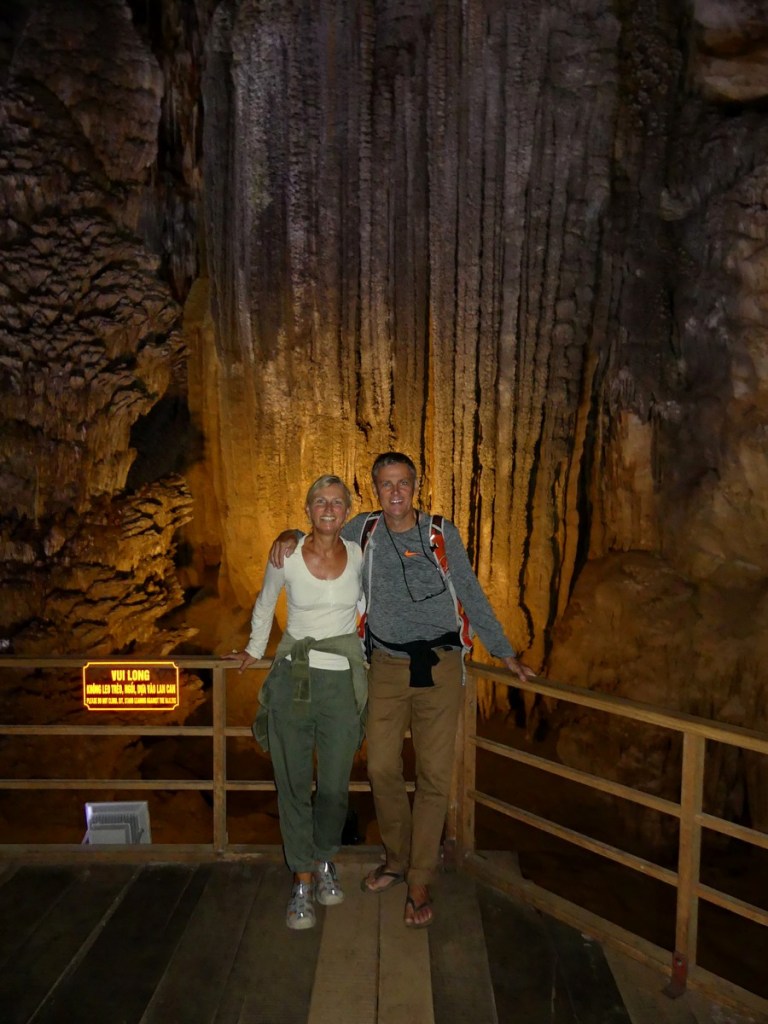
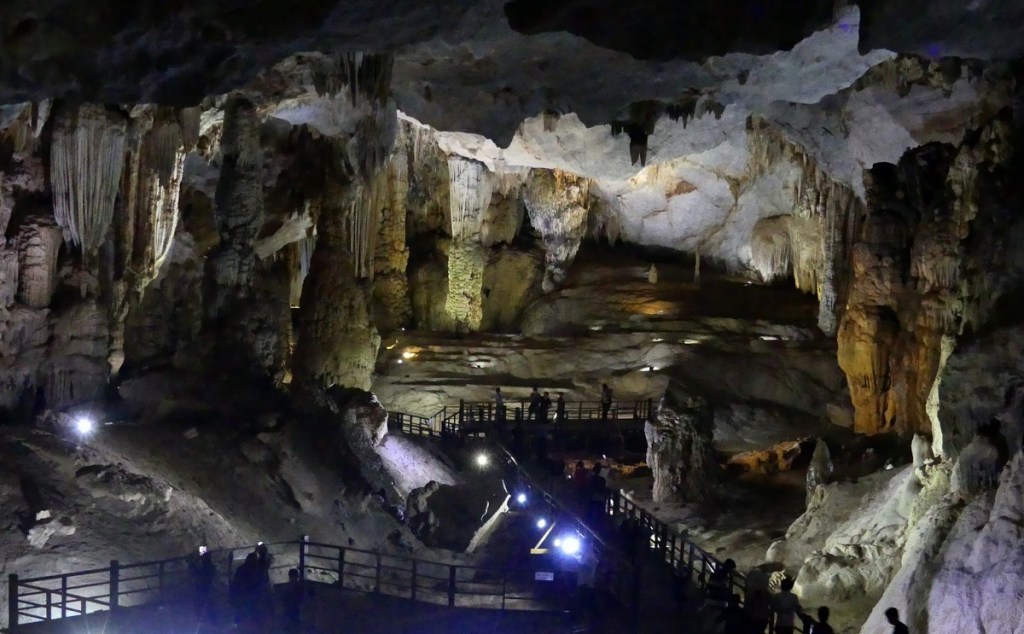
From Hue we travelled to the Phong Nha-Ke Bang National Park with its 300 caves. We visited 2 caves, the Phong Nha cave and Paradise cave.The park was listed in 2003 as a UNESCO heritage site because of it’s geological values. The largest cave in the world was discovered here in 2009. It takes 4 days hiking in the jungle to get to this cave and costs about 3000USD pp for the trip. Places are limited and you have to book more than a year in advance.
Phong Nha cave is 7.729m long and a 14km long underground river. Tourists can only visit the first 1500m.
Paradise cave is 31km long, it is the longest dry cave in Asia. It was opened in 2010. We went early in the morning and there were hardly any visitors.
31km long Paradise Cave, but only 1km is open to tourists.
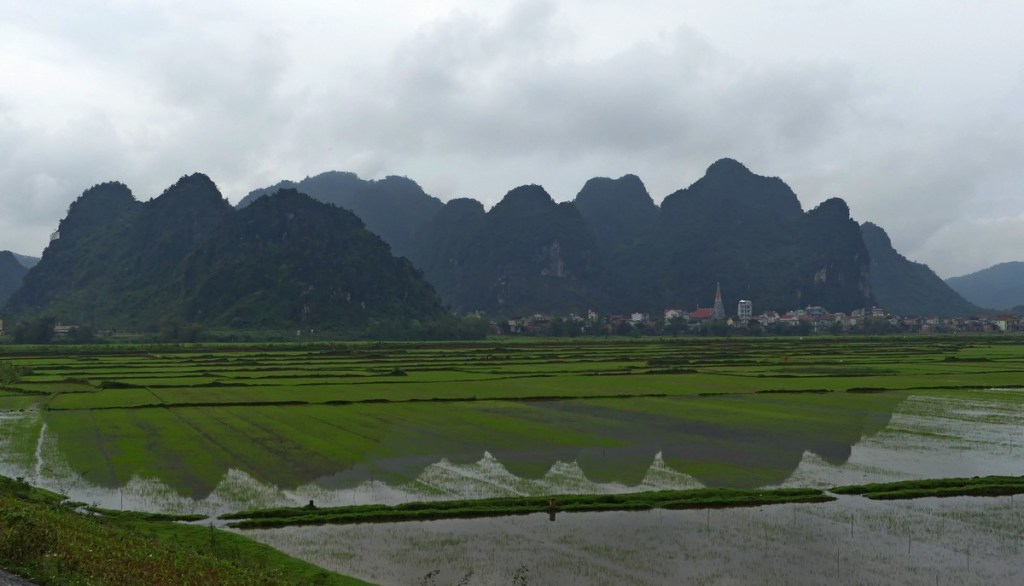
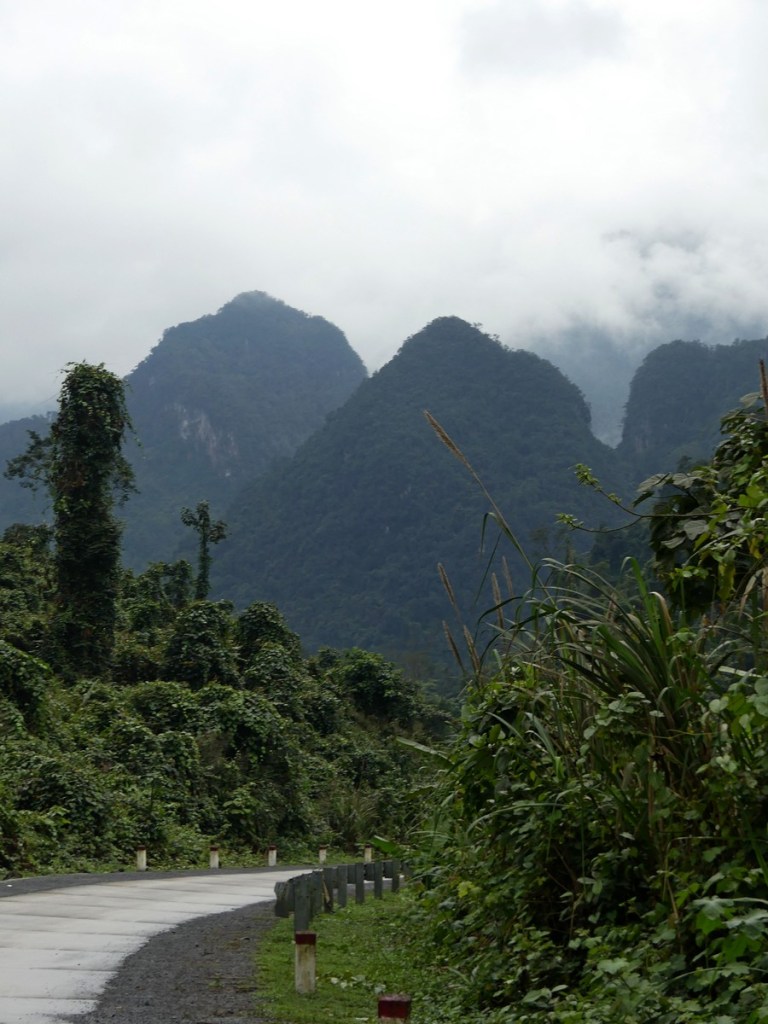
From Phong Nha we travelled to Ninh Binh and visited Tam Coc, Van Long nature reserve and Cuc Phuong national park. The nature was really beautiful here. Unfortunately the weather was always overcast and at times rainy.
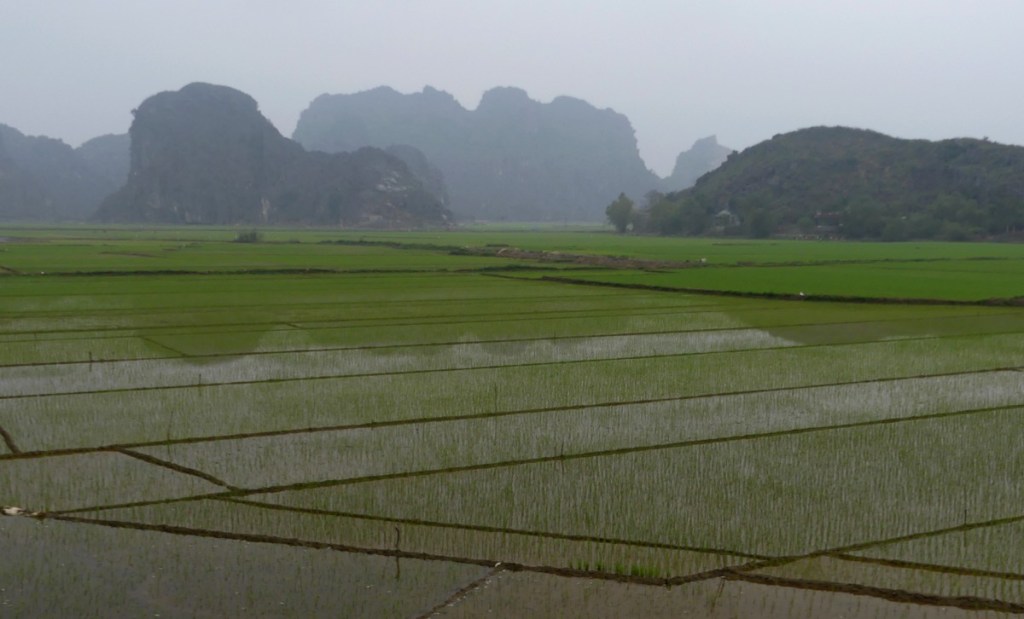
The Karst mountains of Ninh Binh and the freshly planted rice fields. This is also called the Ha Long Bay on land…
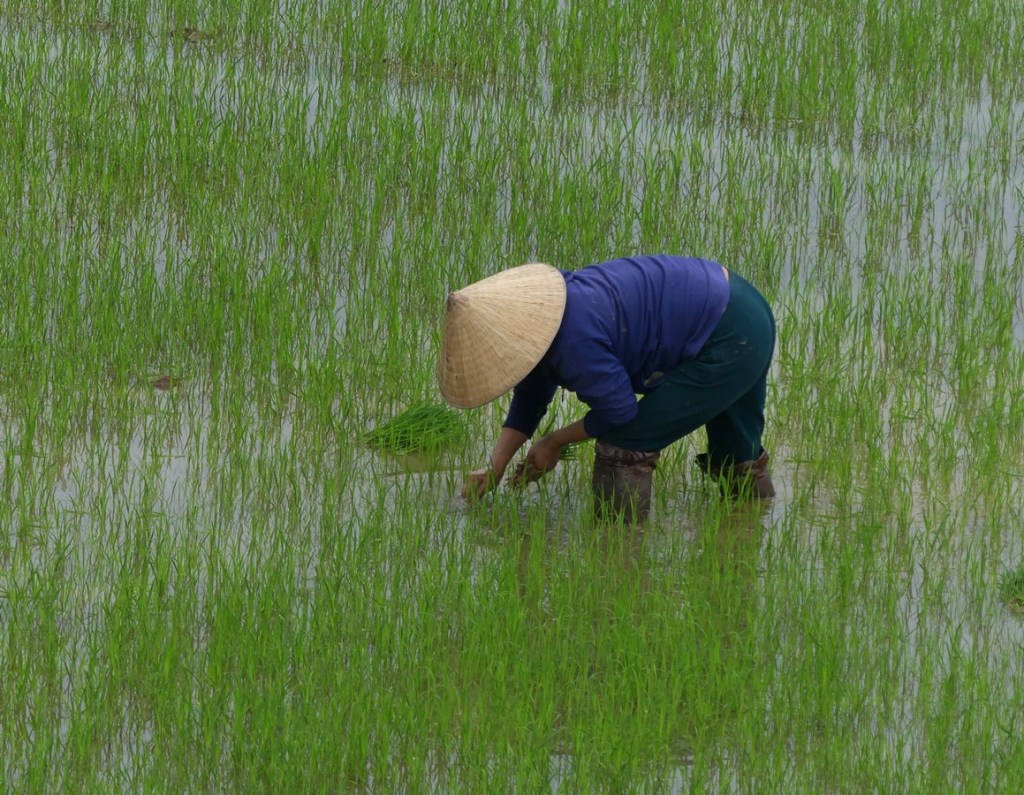
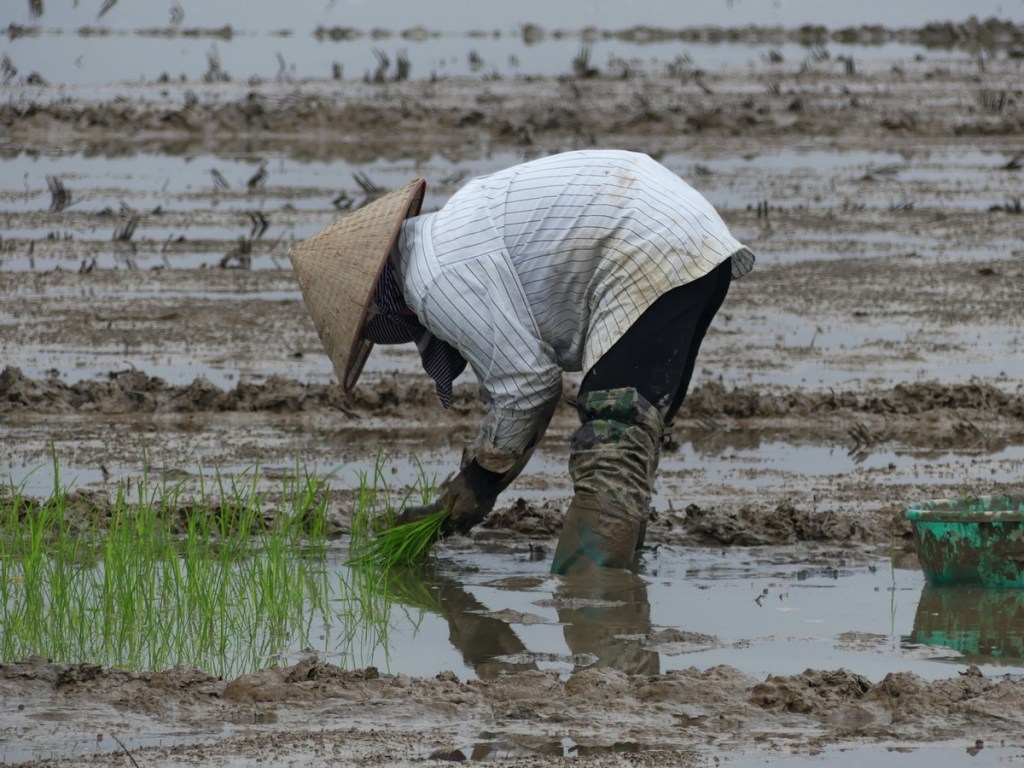
Planting rice is mostly done by women. It takes 3-4 month for the rice to ripen and before it is ready to be harvested.
View from our motorcycle. We rented a motorcycle for the 3 days we were there and it really is the best way to enjoy the beautiful scenery.
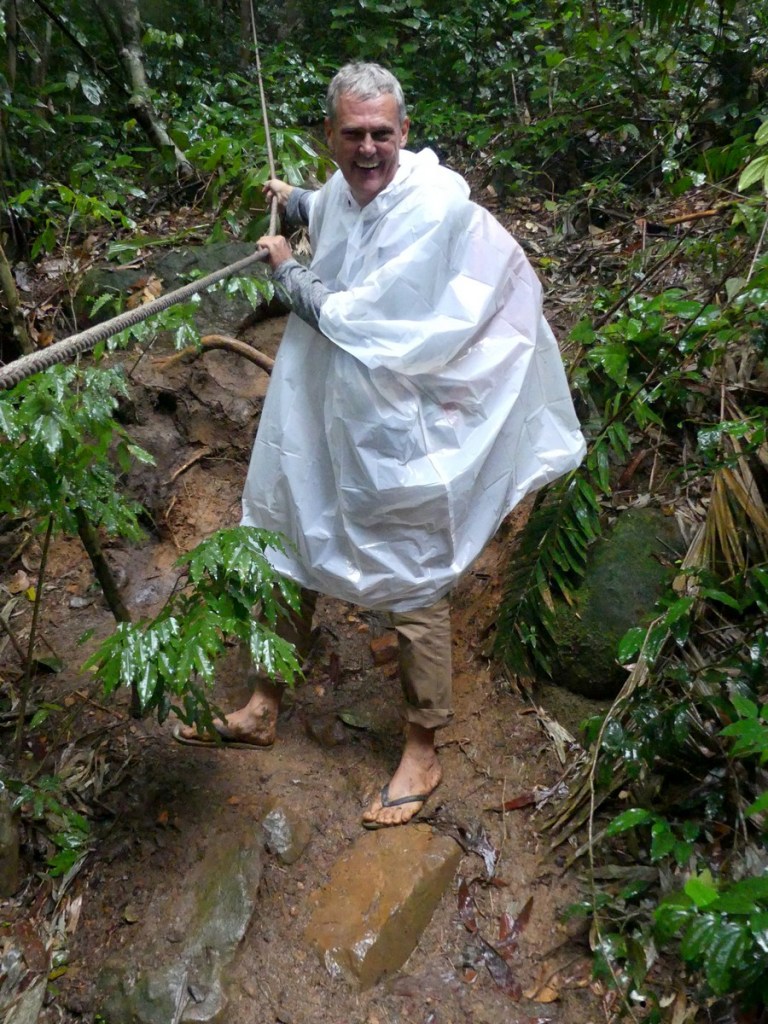
The past four months we have been living on flip-flops and were not really prepared to do this muddy walk but it worked out fine in the end.
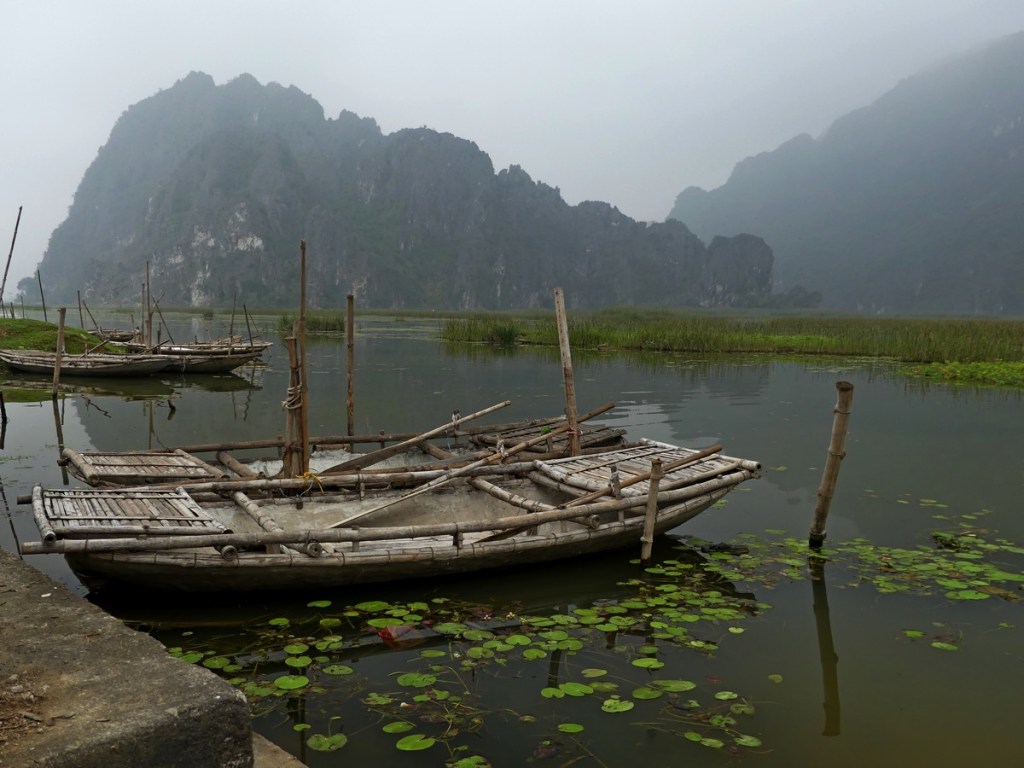
Van Long nature reserve has fewer tourists than Tam Coc and is as beautiful.
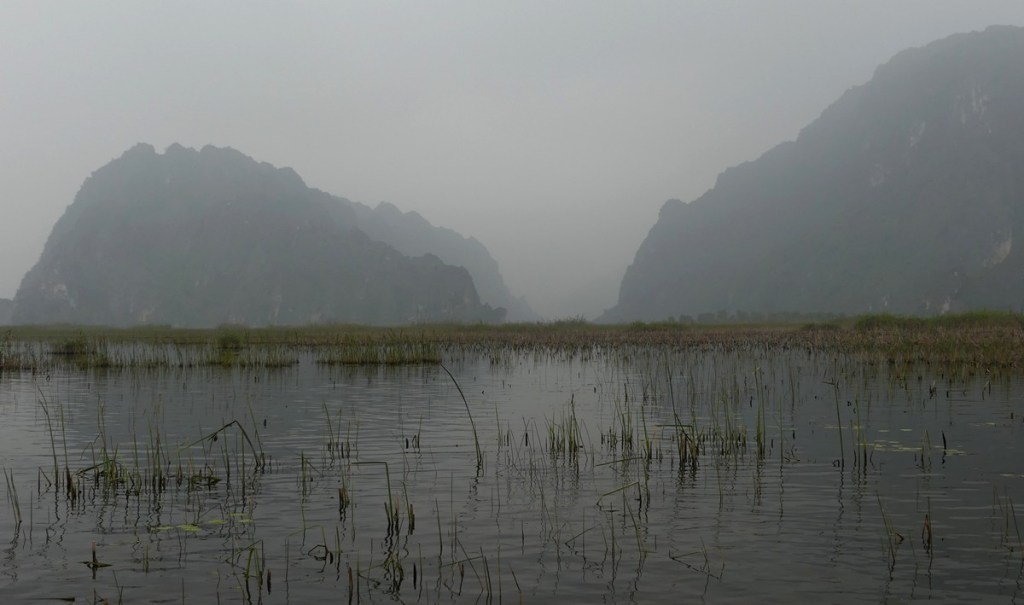
We did a boat ride in Van Long nature reserve and even in the fog it was still kind of magical.
Planting rice in the mud.
More rice fields and Karst mountains in Ninh Binh.
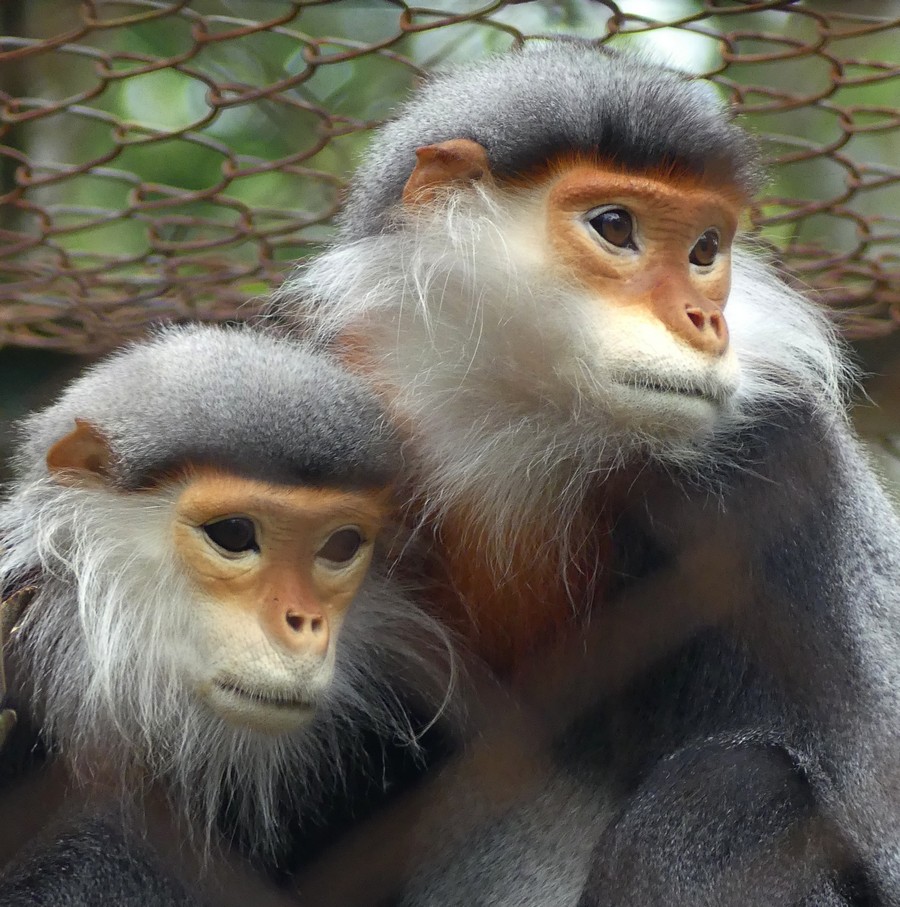
The grey-shanked douc langur. Vietnams langurs are some of the most endangered primates on earth, living on the brink of extinction. We visited the Endangered Primate Rescue Centre in Cuc Phuong and saw they were in good hands. They are truly beautiful animals.
After our days in nature it was back to city life and we took a mini van from Ninh Binh to Hanoi. We stayed 4 days in Hanoi, visited many nice museums and went for one day to Halong Bay. In Hanoi the weather was warm but overcast.
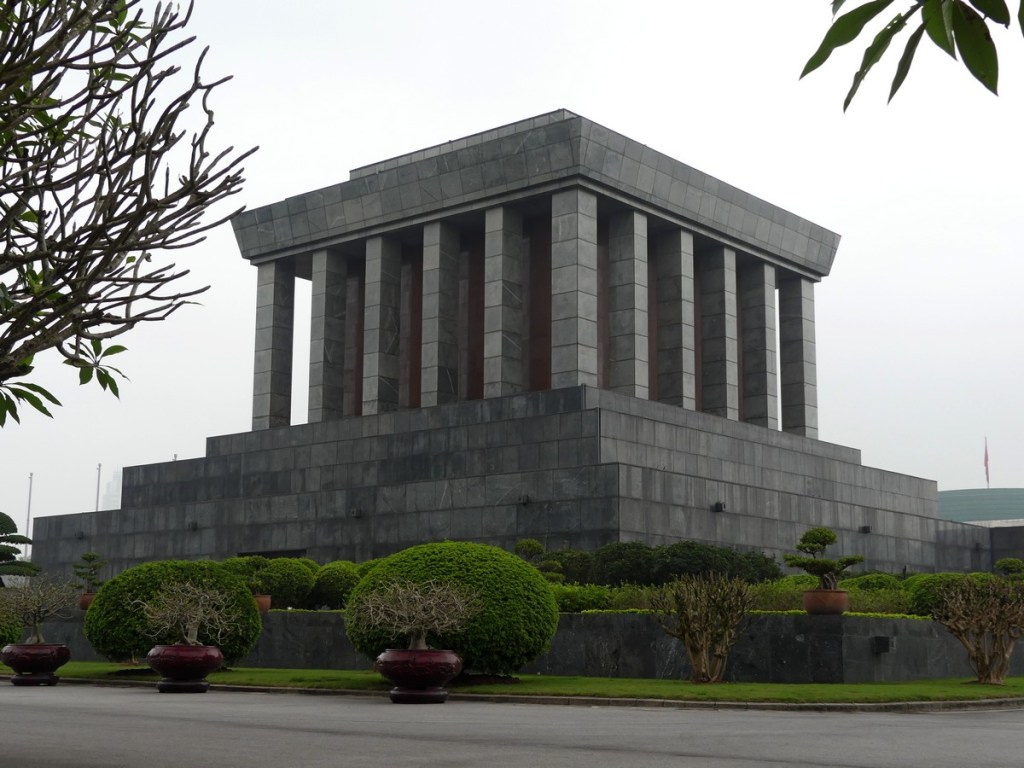
We visited the Ho Chi Minh mausoleum and were amazed at the long lines of Vietnamese eager to see their once revolutionary leader. The embalmed body of “Ho” is preserved in the cooled central hall of the mausoleum. Two months of the year the mausoleum is closed because the body is sent to Russia for maintenance and touch up work. It is forbidden to take pictures of ‘uncle Ho’.
Halong Bay, after seeing Ninh Binh and Van Long nature reserve we were disappointed. There are many tourists here and of course we did not have a blue sky…
After 4 days Hanoi we decided for a trip to Sapa. We took the bus early in the morning to arrive at lunch time in Sapa. We had a quick lunch and left for a 2 day trek in Sapa valley with the Sapa Sisters. We were lucky, the skies were blue and it was around 24 Celsius, ideal for walking. The scenery was gorgeous but here again, many, many tourists and souvenir shops.
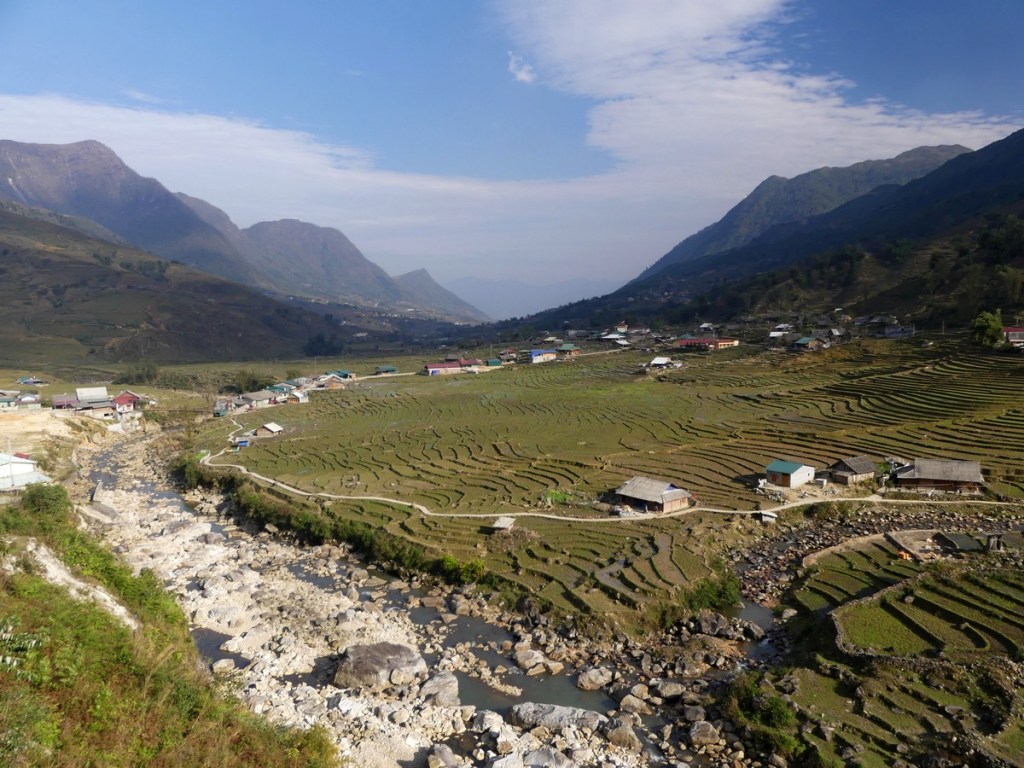
No rice yet, the rice is planted in May and is harvested in August-September.
The still muddy rice terraces, spring was just in the air and workers started to clean up the rice fields.
The most beautiful time to come is in definitely around August-September when the rice is yellow. Still, even with the mud it was special.
Sapa valley is close to the Chinese border.
Many ethnic minorities live in the Northern Region of Vietnam. The “Mon” are one of them.
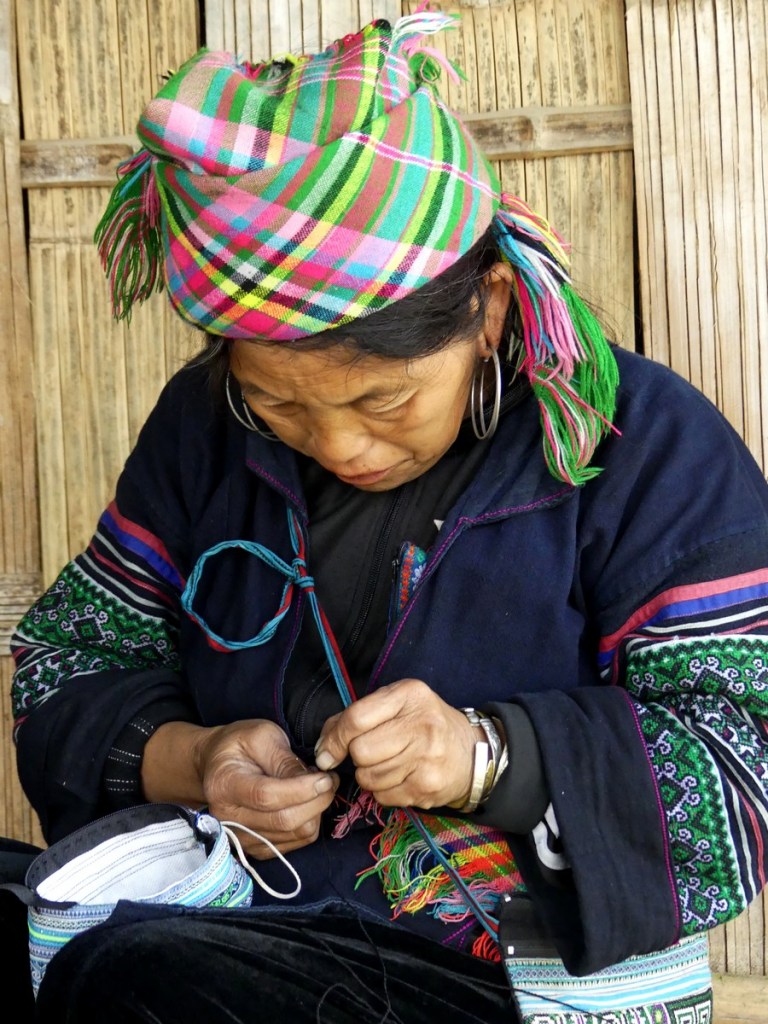
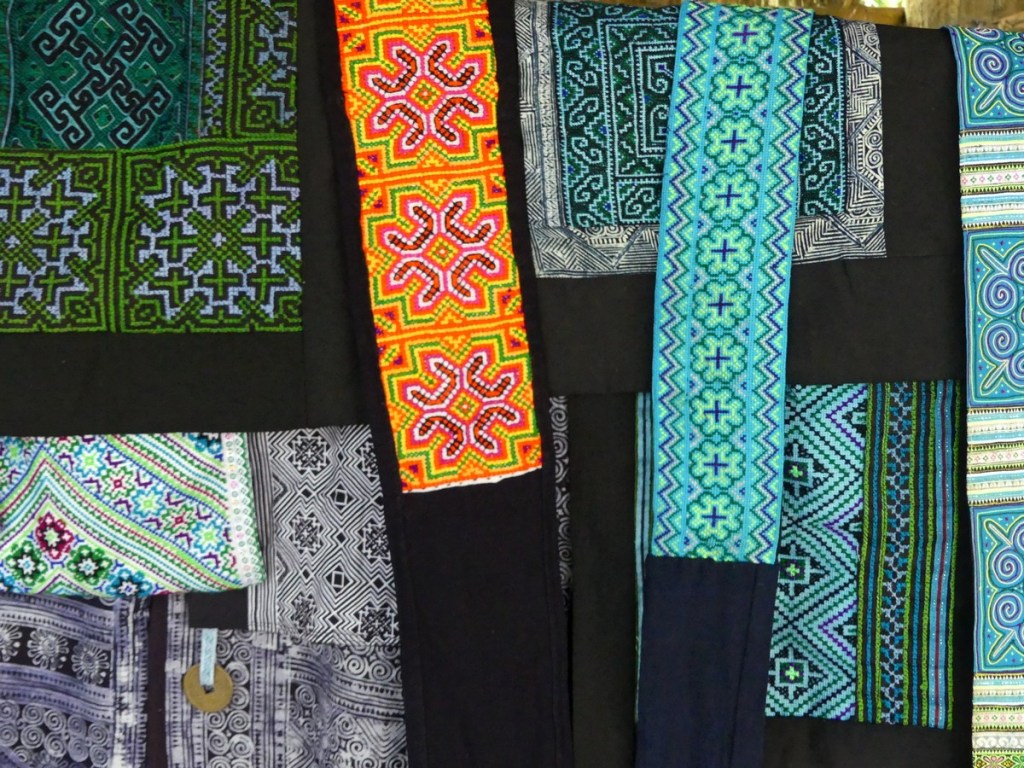
Most of their colourful traditional clothes are made by hand.This is a woman from the H’mong tribe.
Souvenirs for sale to the many tourists.
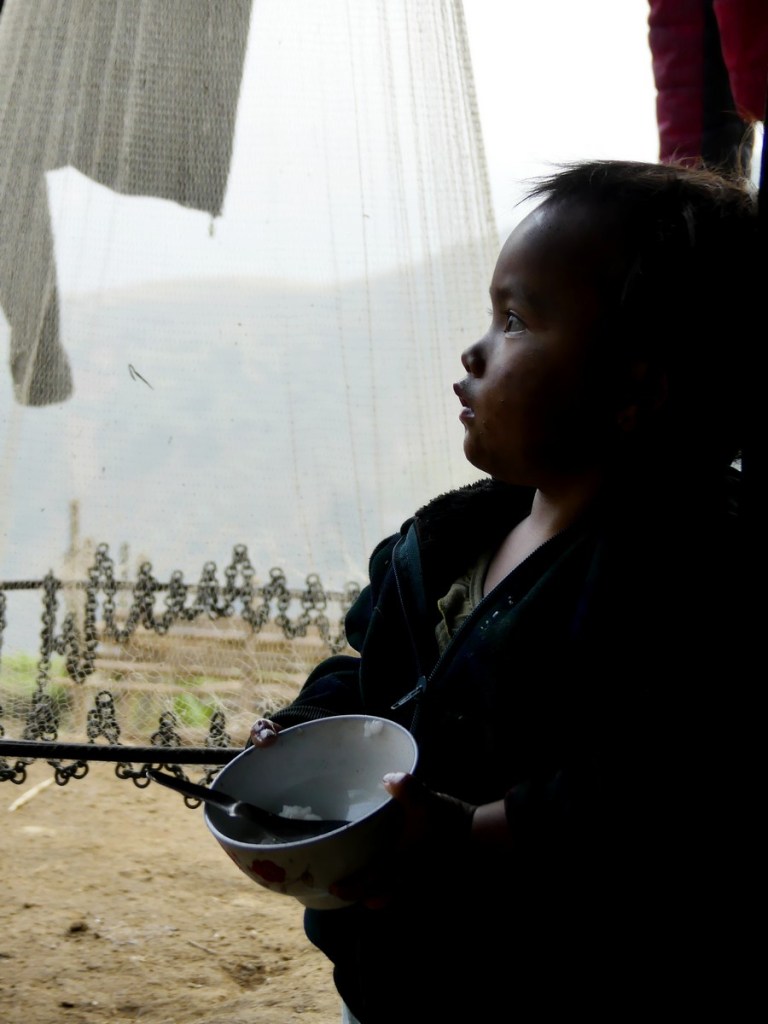
Rural Vietnam, little boy with his bowl of rice.
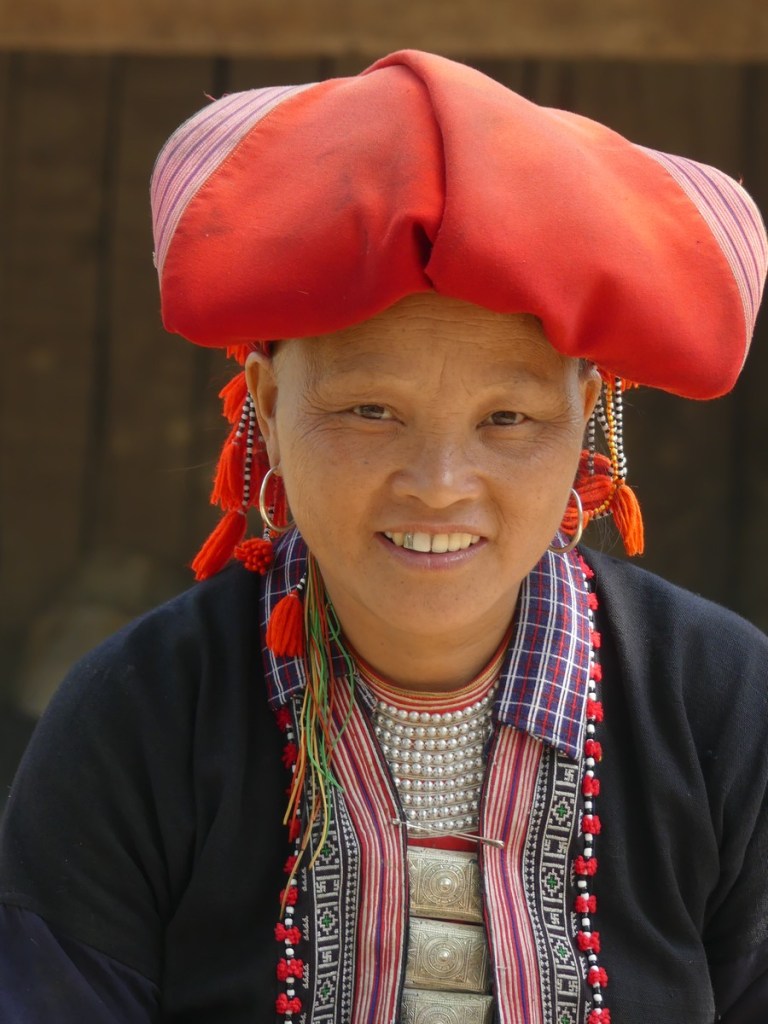
Woman from the Red Dao tribe. Once they are married they have to shave their facial hair. Because this causes now a lot of young women to leave they are more liberal about this rule and only require to cover the hair with a red scarf.
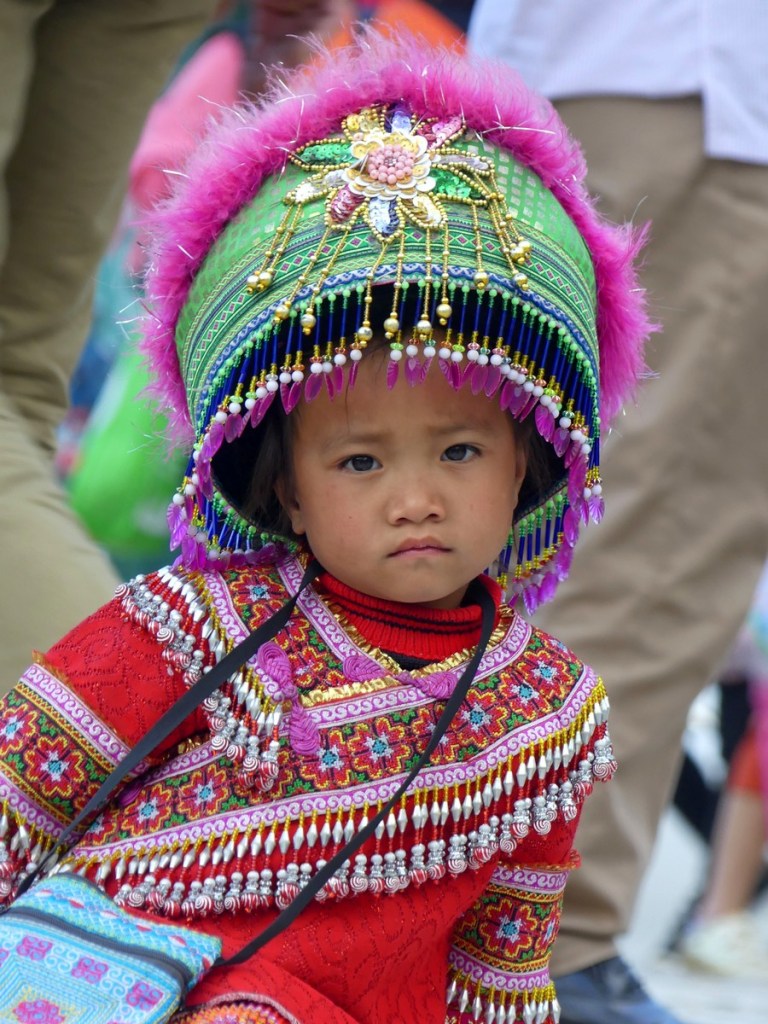
A little girl from the H’mong tribe in Sapa Centre. The children are used to sell souvenirs to tourists and work long hours.
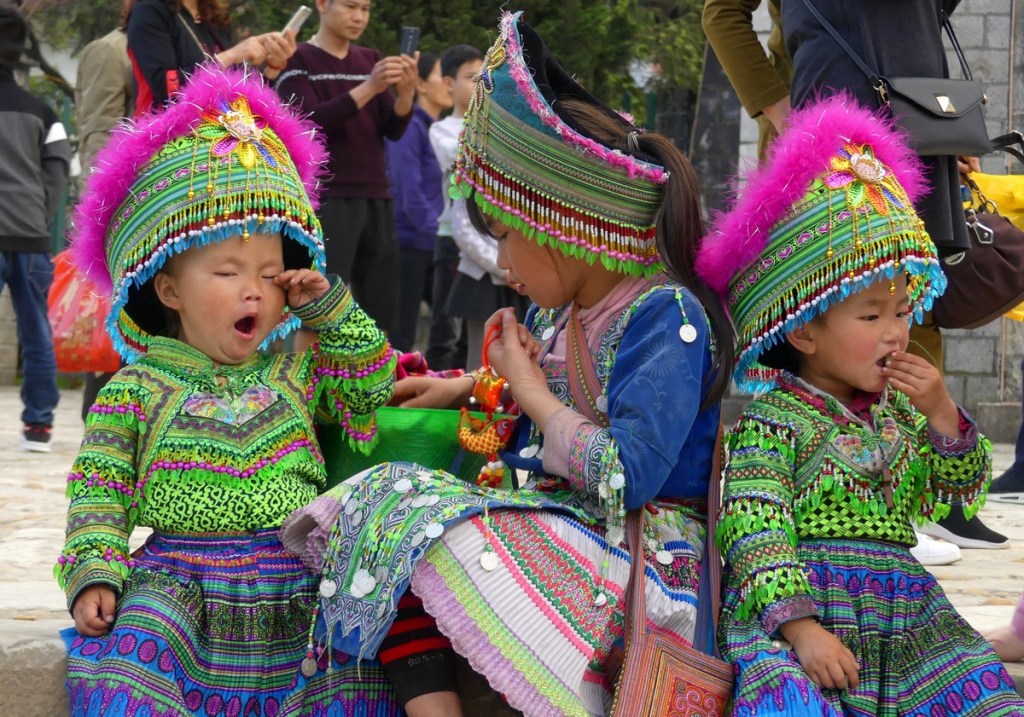
Three little H’mong girls at the end of a long workday. We saw many of the children still selling souvenirs late at night. While having dinner in a restaurant we saw many Vietnamese tourists giving them food instead of buying a souvenir.
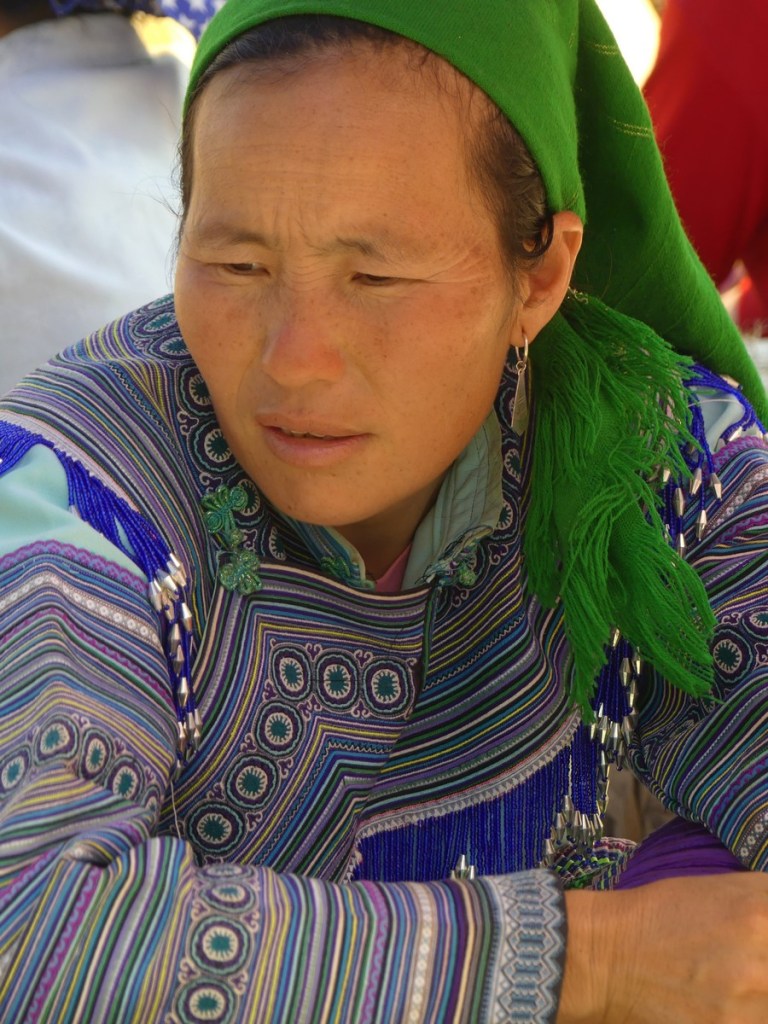
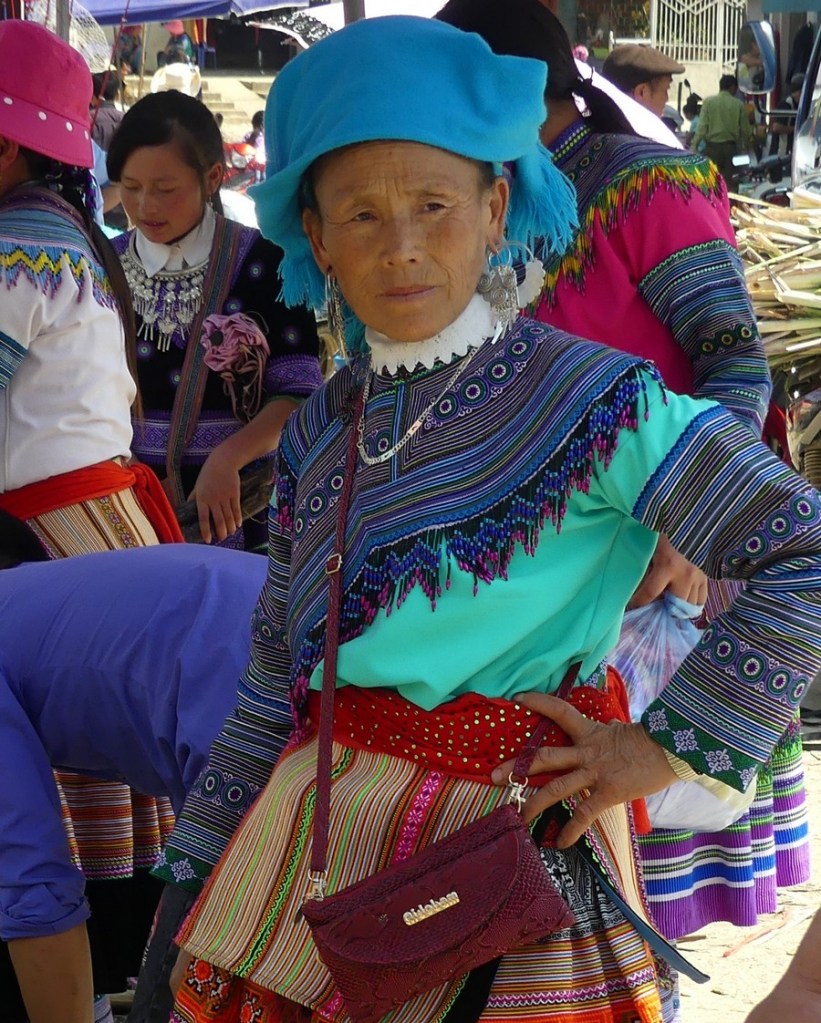
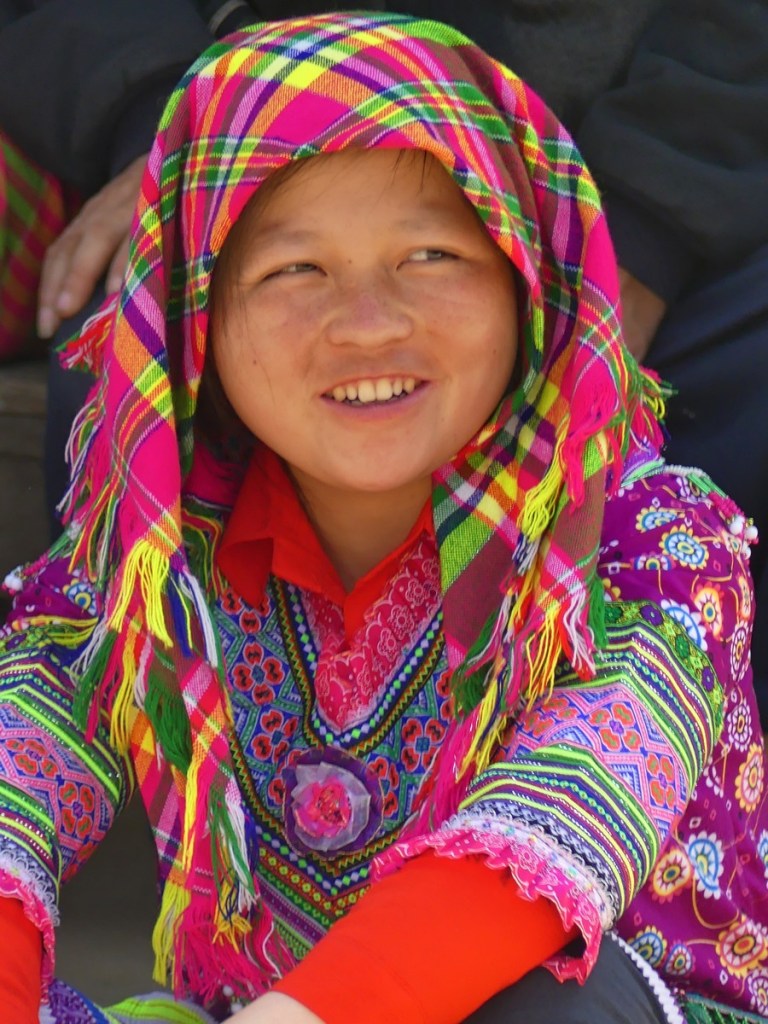
After Sapa we decided to go to the Sunday market in Bac Ha, about 70km away from Sapa. We managed to rent a motorcycle for 3 days and off we were. The road was long but the scenery gorgeous and fun. We arrived at Bac Ha Market around 11AM and there was still a lot of activity. It was fabulous to see all the women in their traditional clothes. Apparently only in the highlands of Vietnam the ethnic minorities still wear their traditional clothes at home, the market or on the farm.
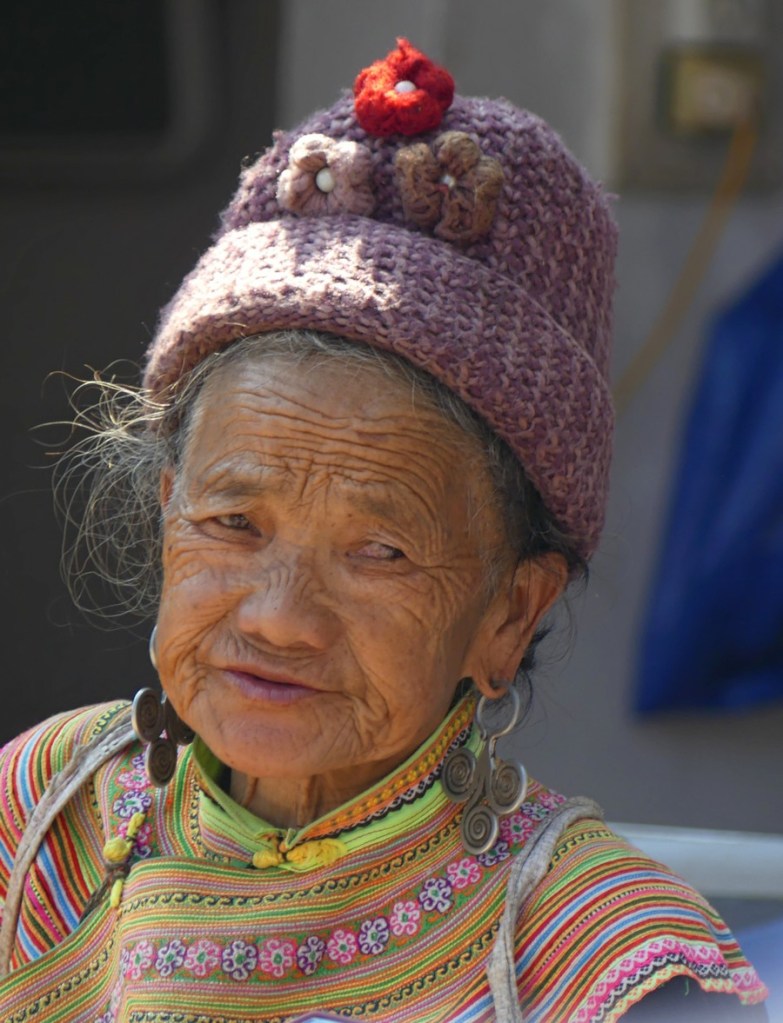
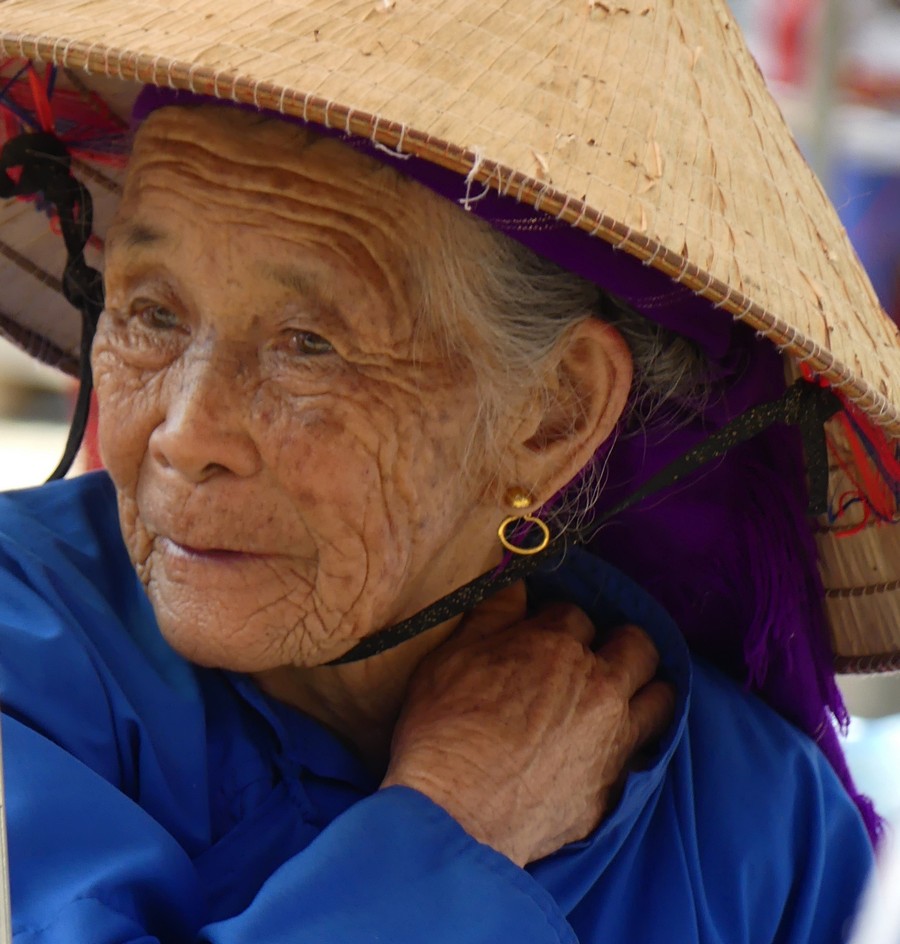
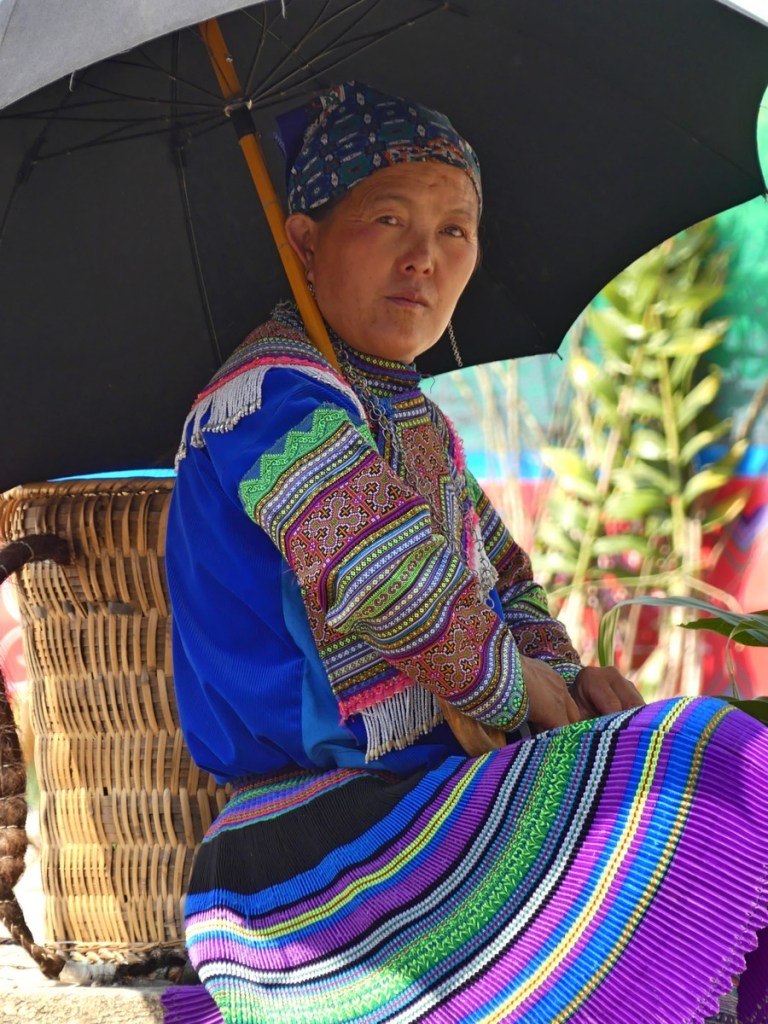
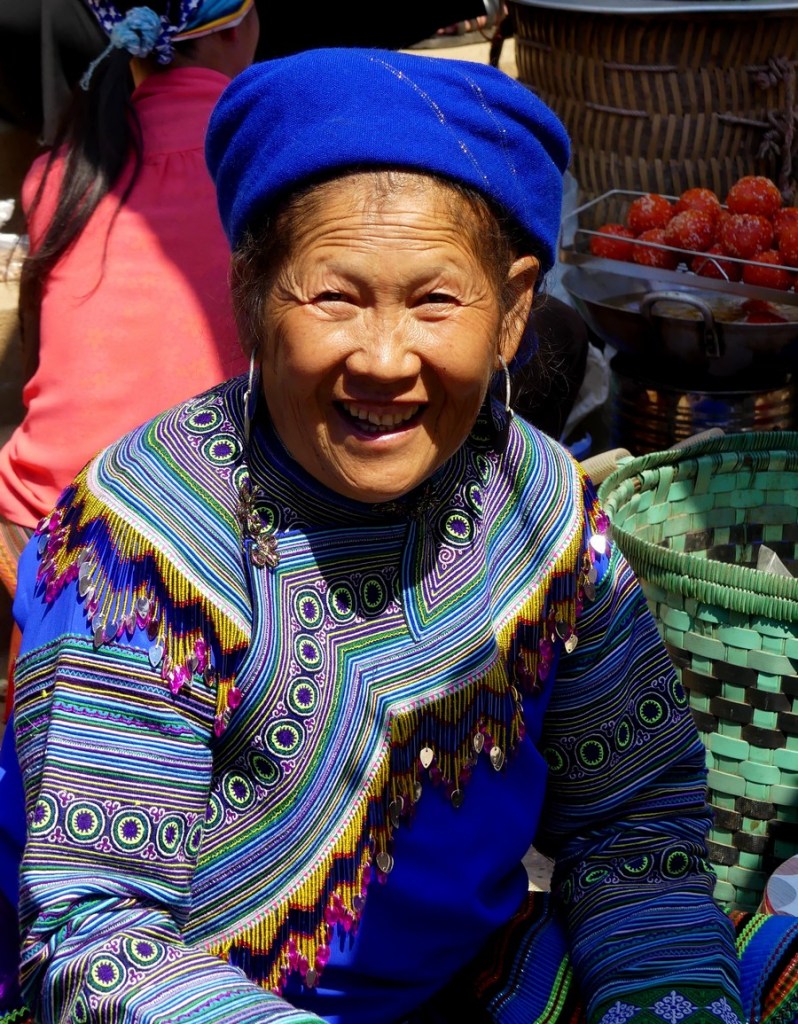
Bac Ha Market, H’mong woman.
Bac Ha Market.
Bac Ha Market, H’mong woman.
Bac Ha Market, H’mong woman.
Bac Ha Market, H’mong woman
H’mong woman.
Bac Ha market, H’mong girl.
We used the afternoon to discover the area near our homestay, Cho family.
Cho himself, all exited because he gets to guide us on a 4 hour hike.
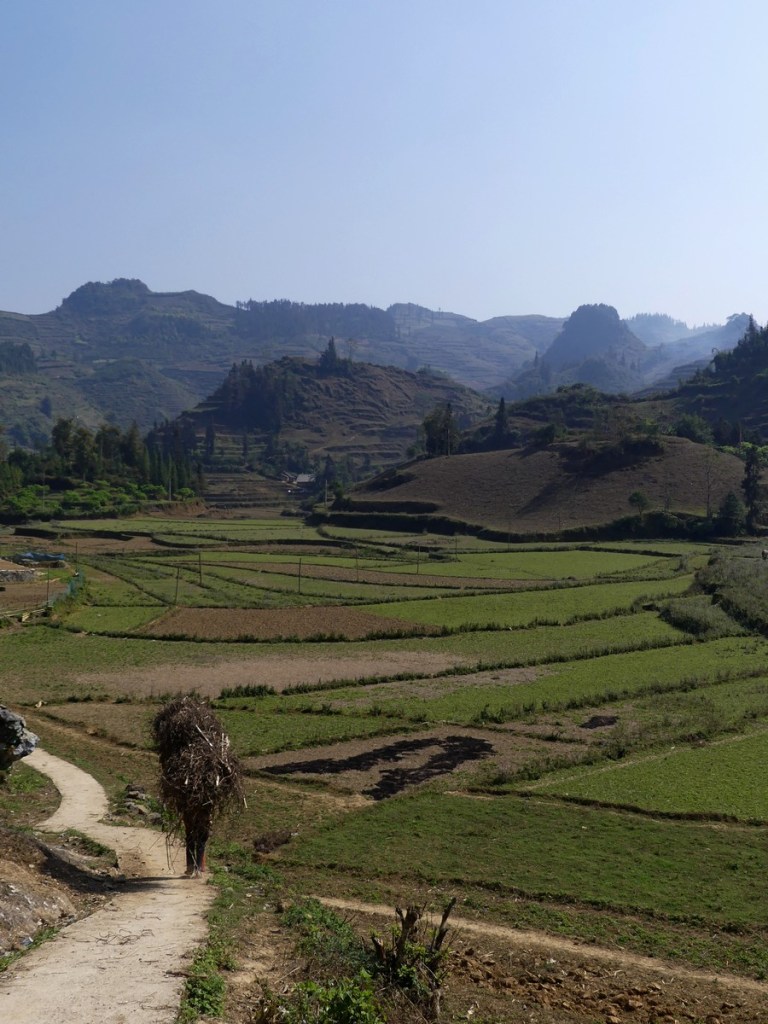
The scenery during our hike.
A 74 year old H’mong woman returning from working on the field.
More rice terraces.
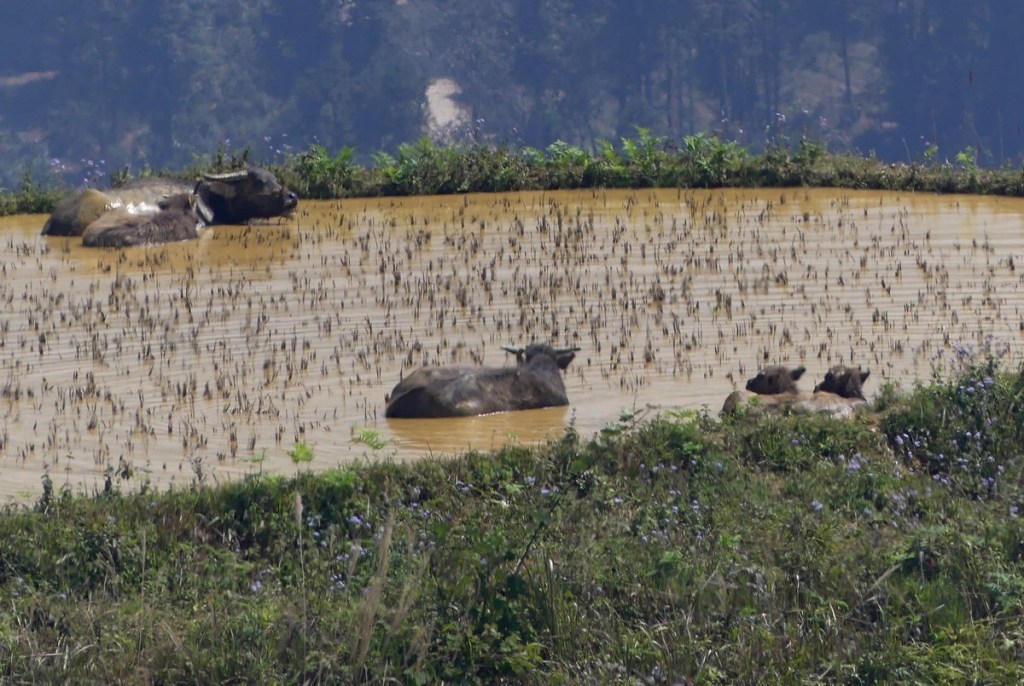
Waterbuffalos enjoying a mud bath
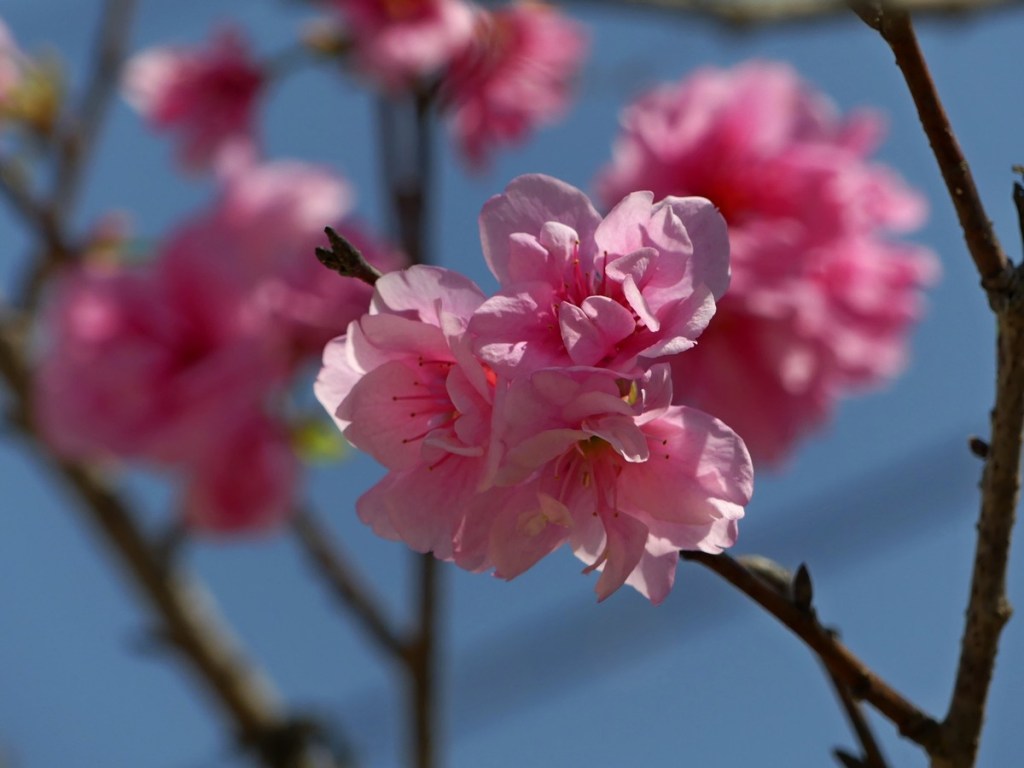
Spring is in the air!
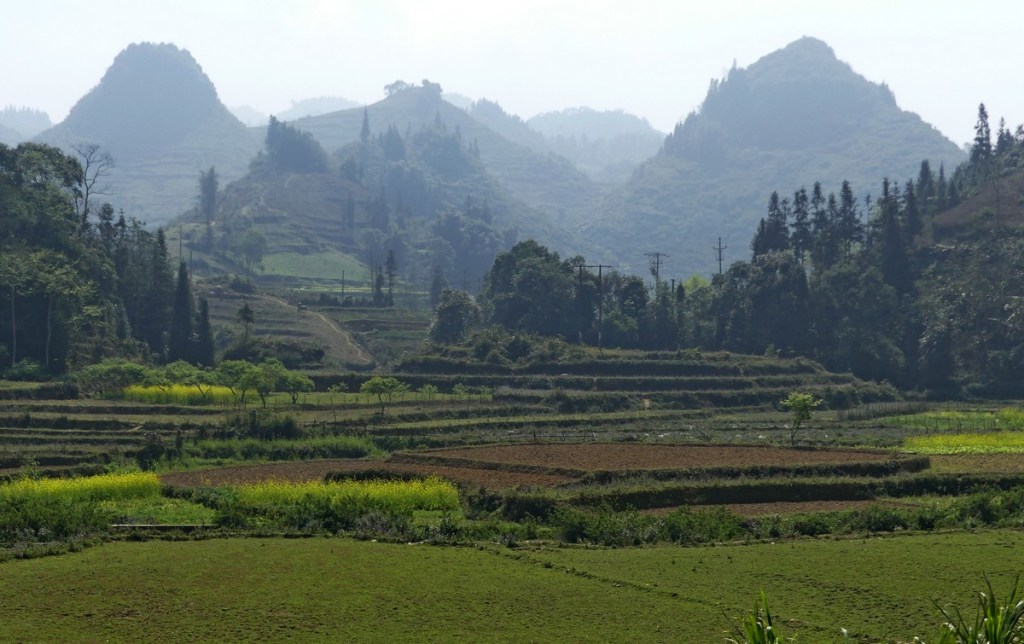
Scenery during our hike in Bac Ha.
We enjoyed our 2 days in Bac Ha, and could easily have stayed a couple more days to explore. We had a wonderful homestay with a fabulous Mr.Cho who was an excellent guide but also a good cook! It was so nice to end our trip in Vietnam with Sapa. We took the night train (was perfect) back to Hanoi and left the next day for Myanmar.
Our 5 weeks in Vietnam were really great. Although we liked the Vietnamese food after 5 weeks we did get a little tired of the Asian cuisine but in Hanoi we did find a very good pizza place. :-). I would definitely recommend travelling to Vietnam but do it from South to North and visit Vietnam before Myanmar….
Wednesday, March 7th 2018, we are in Hanoi preparing to take the plane to Myanmar tomorrow. Before leaving a quick update on our travels in Vietnam
We planned to fly to Hoi An from Nha Trang but Stefan met Mr. Hung in Da Lat and he convinced us to cancel our flight and go with him to Hoi An on a motorbike … and so we did. Now, at the end of our trip I am happy we changed our plans. We learned so much, saw a lot of rural Vietnam and experienced a seldom visited part of Vietnam. We can warmly recommend it in good weather and when you have time! We were lucky we did not see any rain until the last day.
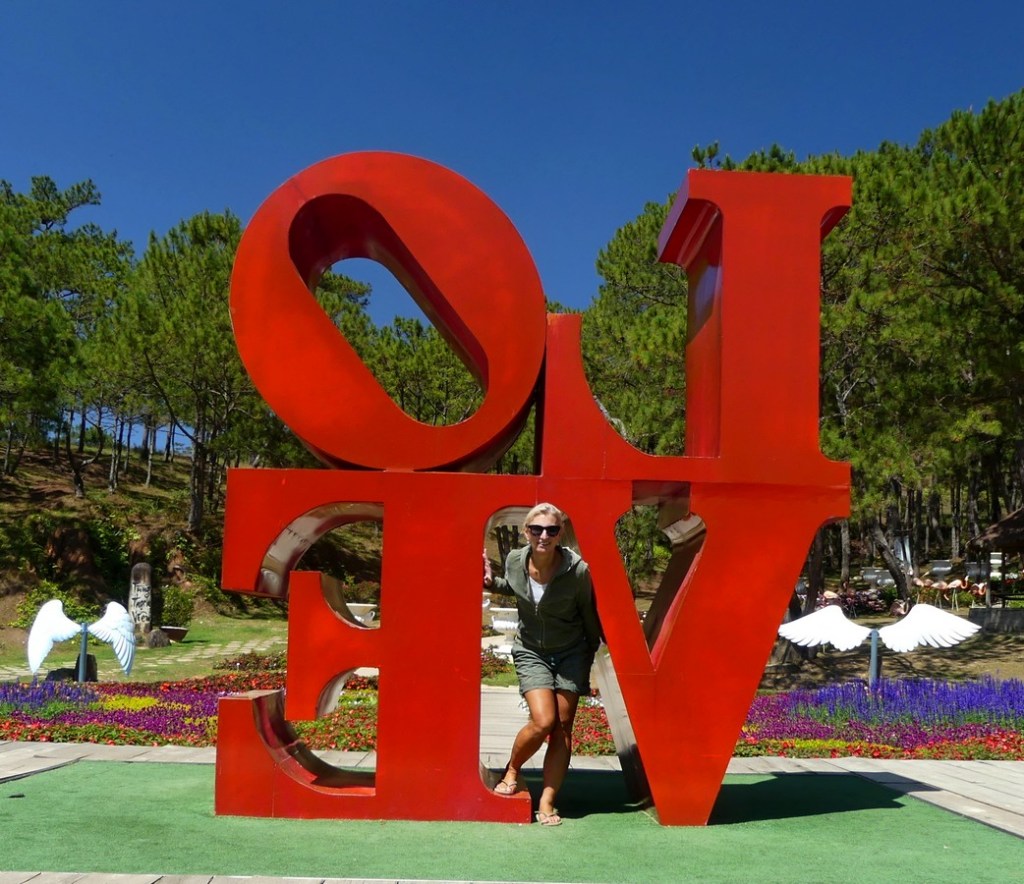
“Love Valley” in Da Lat. The Vietnamese like kitsch, the park was full of little fairy tale statues and colored lights. We had fun 🙂
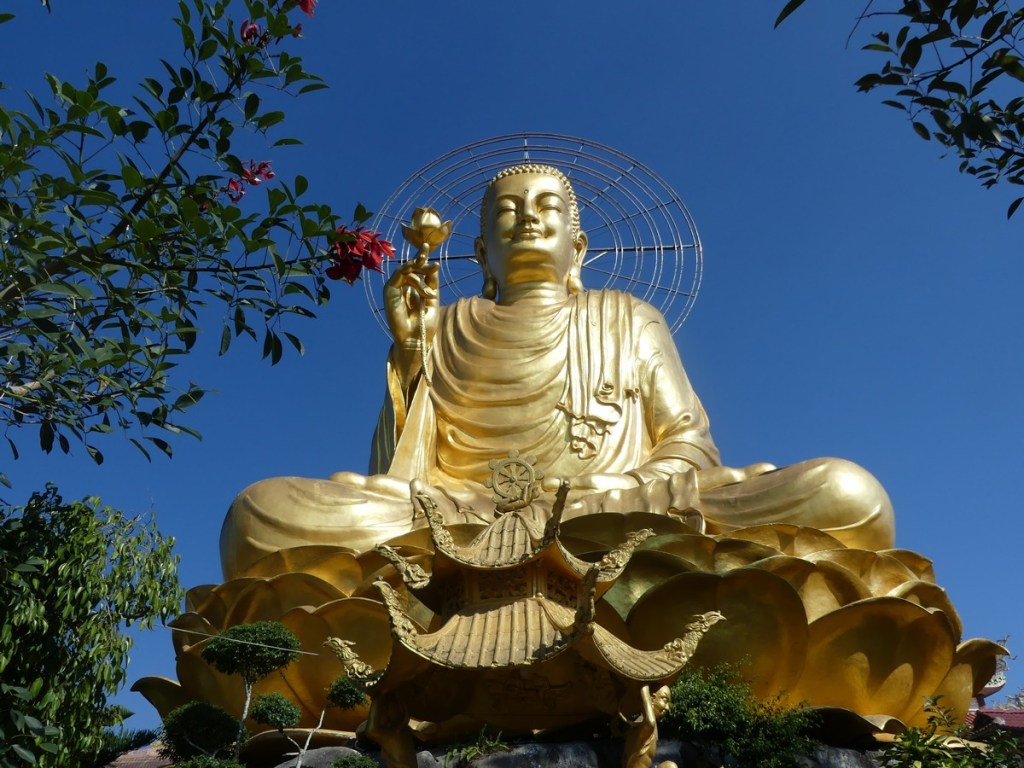
Our first stop, the statue of the Golden Buddha in Da Lat.
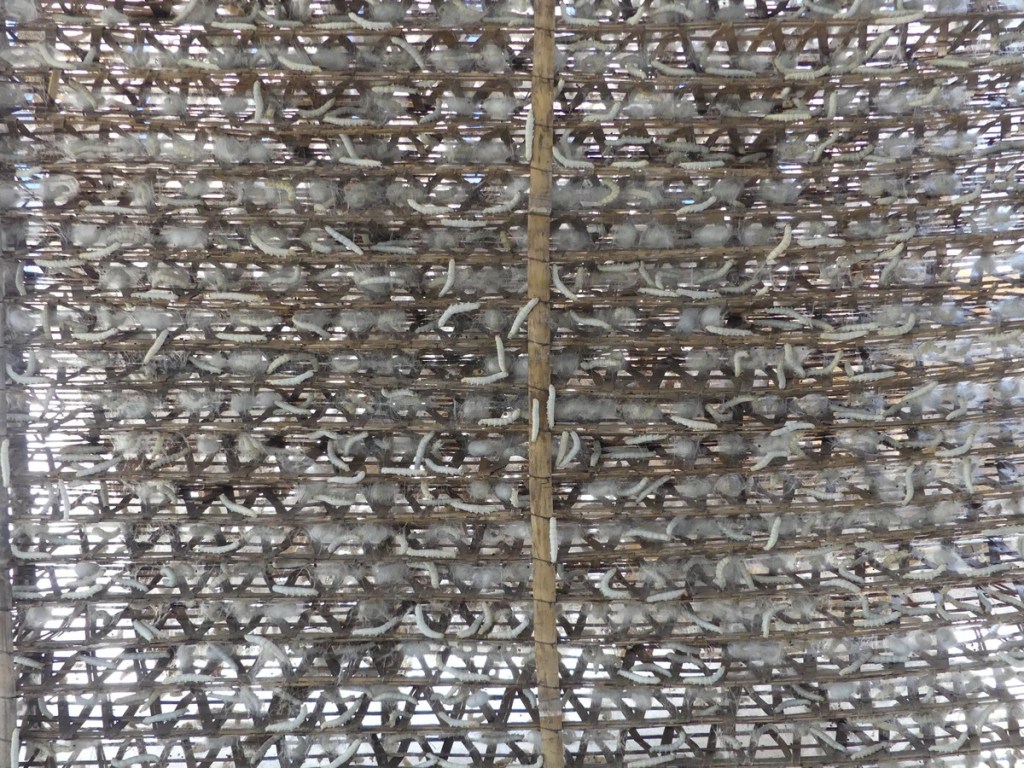
Cultivating silkworms on a bamboo rack. They have been fed well for the last days and are ready to make a cocoon.
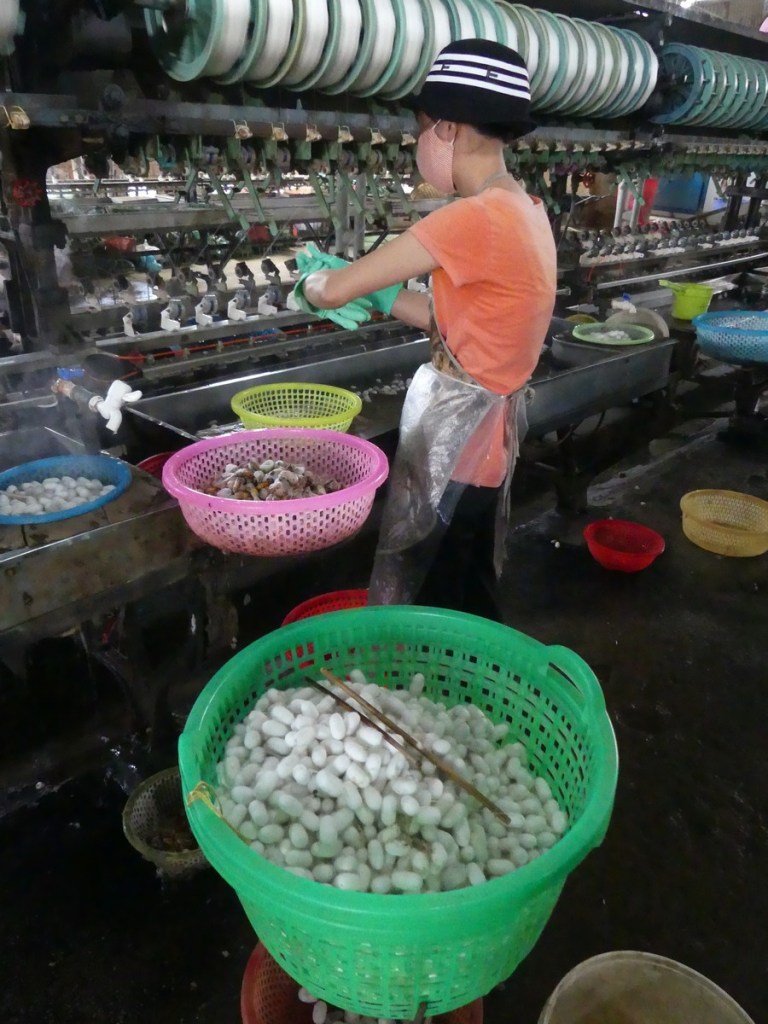
Silk factory, the cocoons are being soaked in boiling water to ease unrolling the long fibres and put them on the spinning wheel. 3 to 10 strands are spun together to form one silk thread.
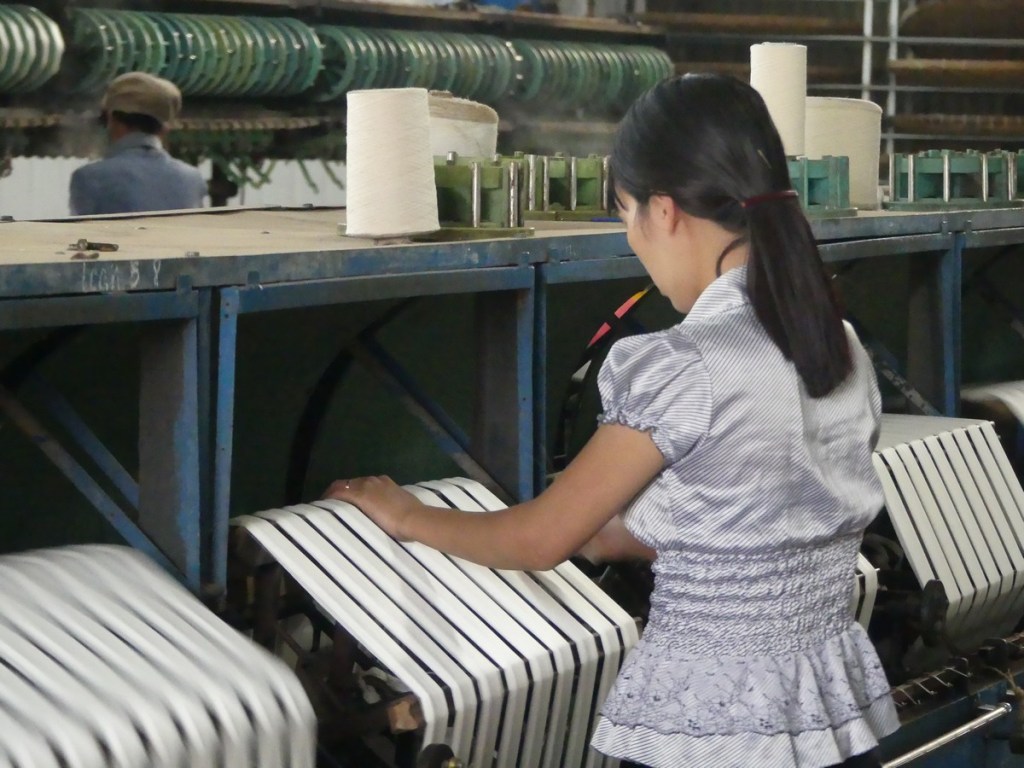
Winding the silk thread on spools.
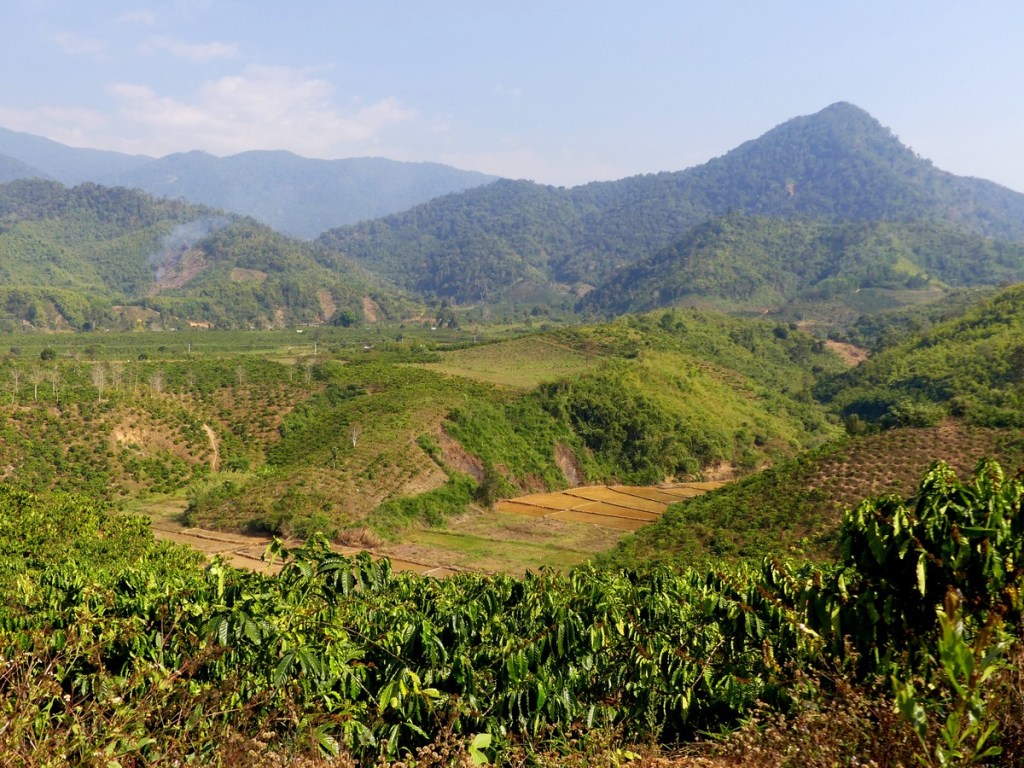
Views on our way to Dak Lak. No rice fields because it is too high to cultivate rice. Instead they have lots of coffee plantations. Vietnam is the 2nd exporter of coffee in the world. Brazil is number one and Colombia is 3rd.
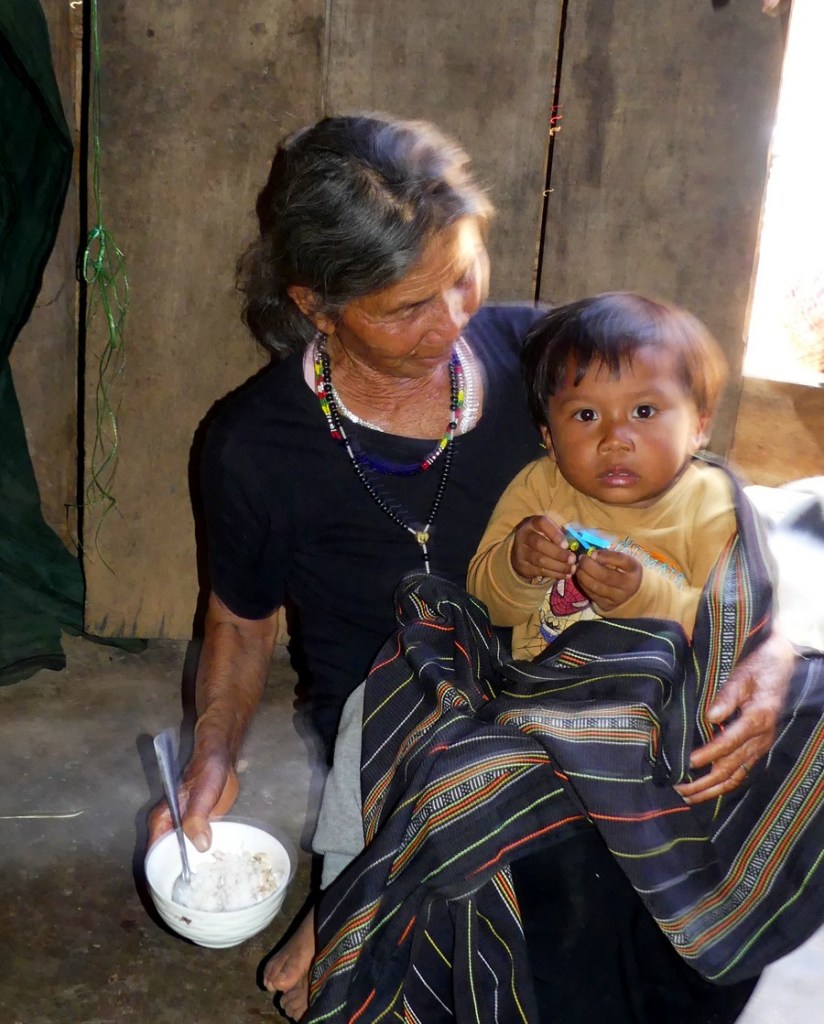
Thanks to our guide (Mr.Hung) we could visit the homes of several ethnic minorities during our trip. There are 54 ethnic minorities in Vietnam. They all speak different languages but some do speak the common Vietnamese language.
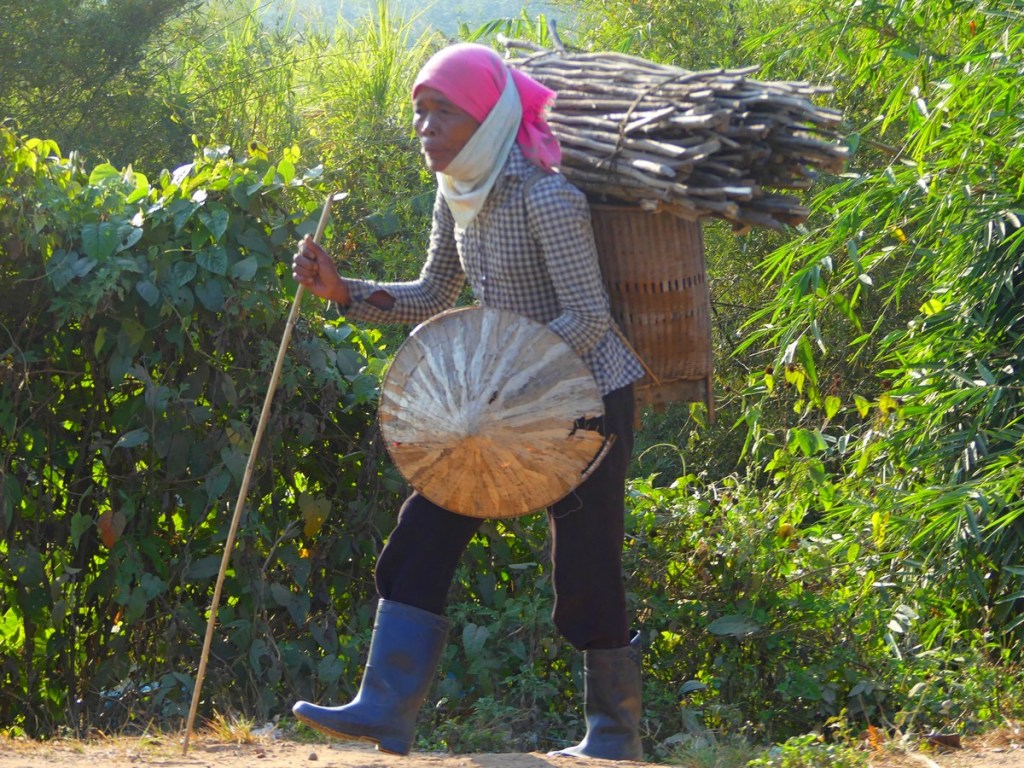
It is mostly women who work in the fields and collect wood to cook.
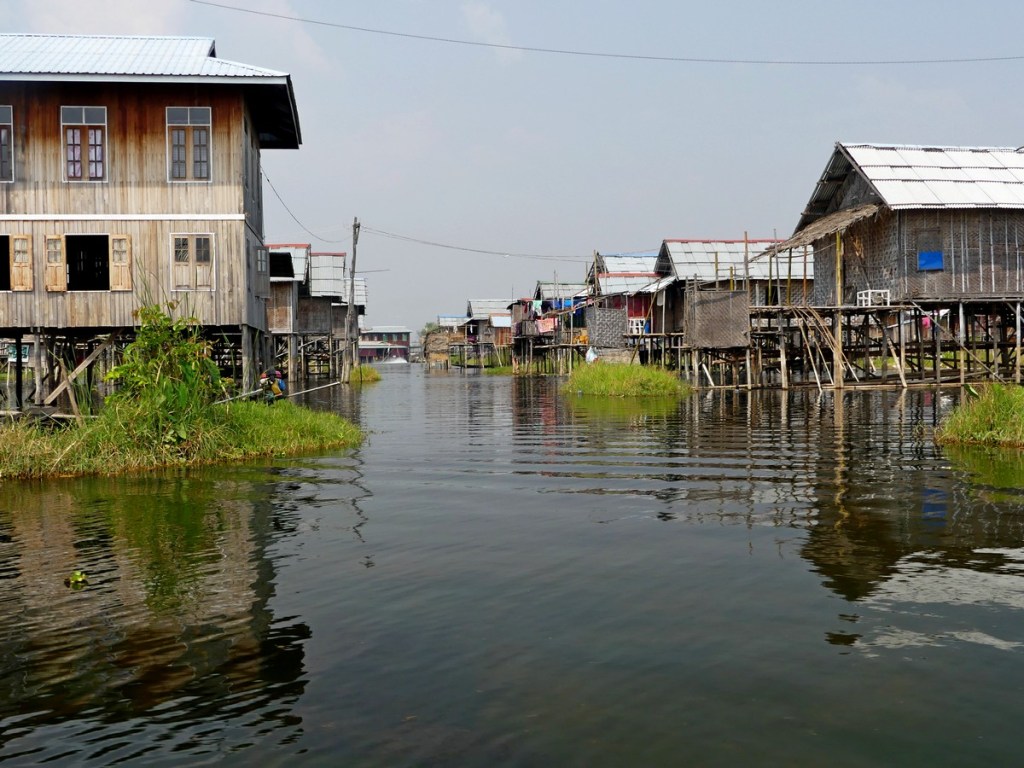
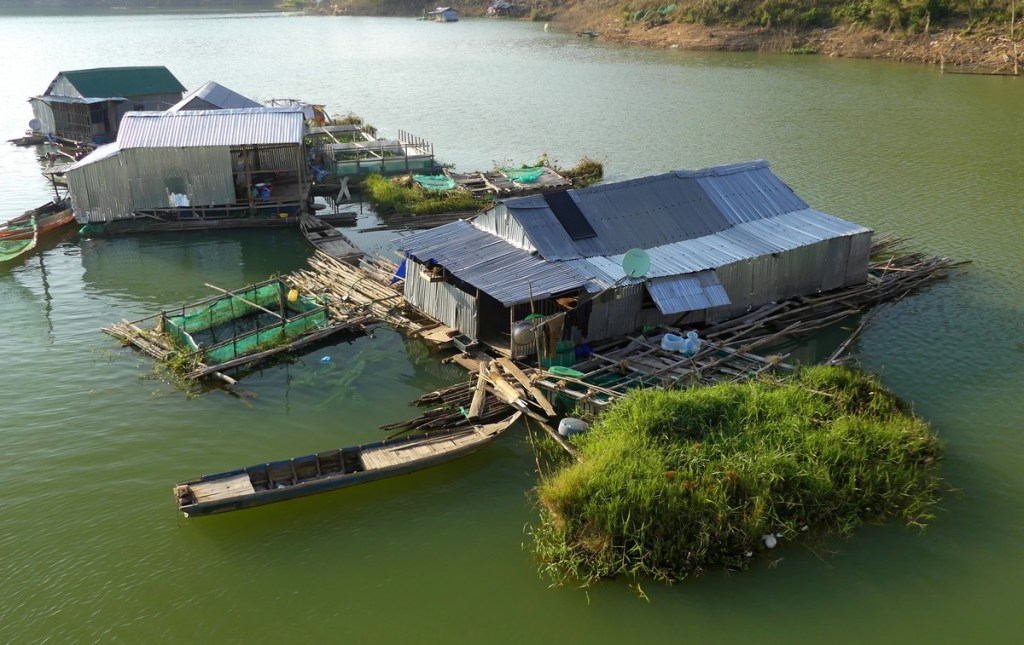
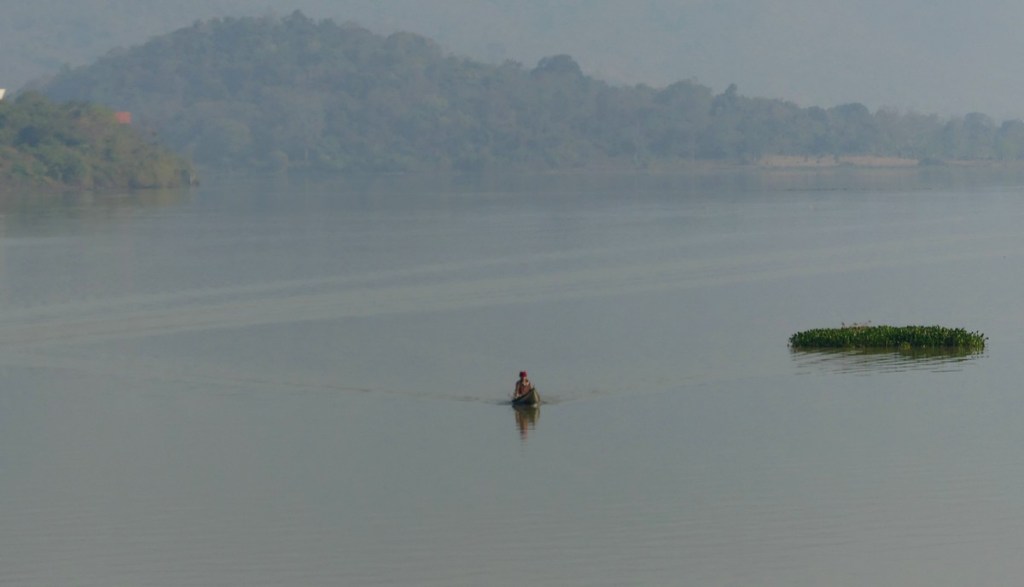
A floating village on Dak Lak lake.
Dak Lak lake early in the morning.
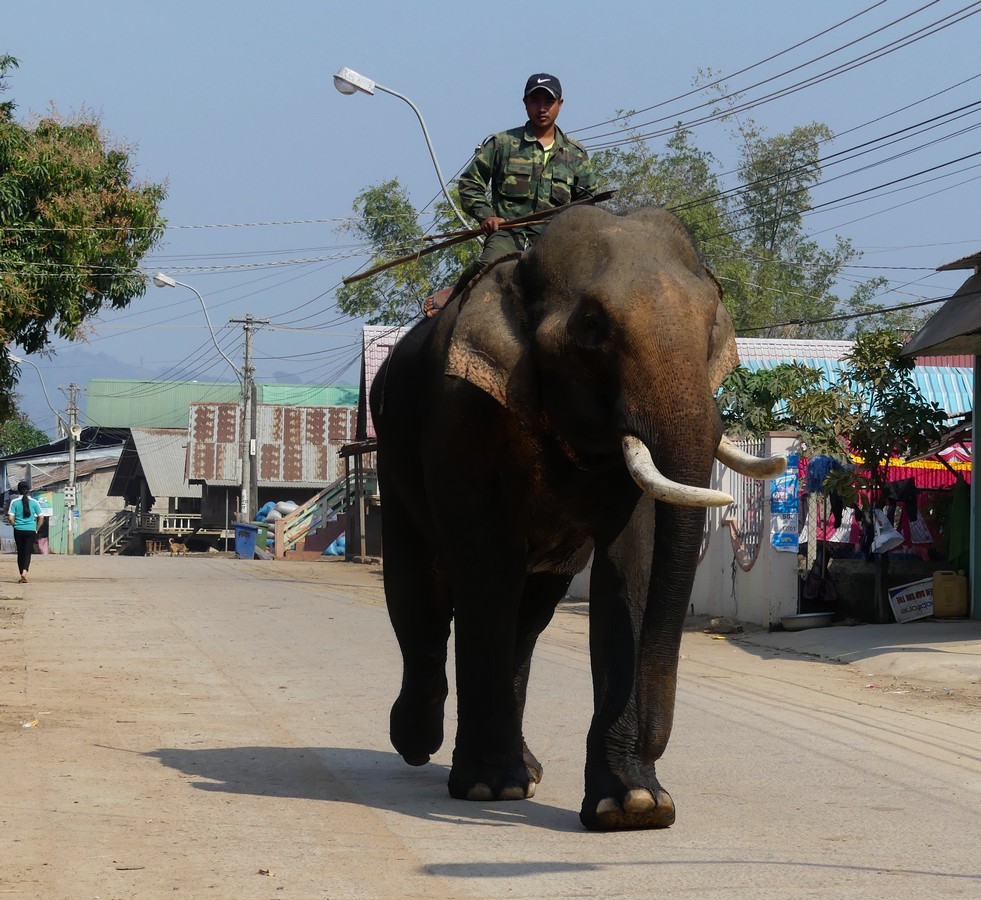
A M’nong elephant carer. To the M’nong elephants are symbols of wealth, power and strong spirit. That is why in this minority elephants are treated as a human being. The M’nong are well-known for their elephant training skills.
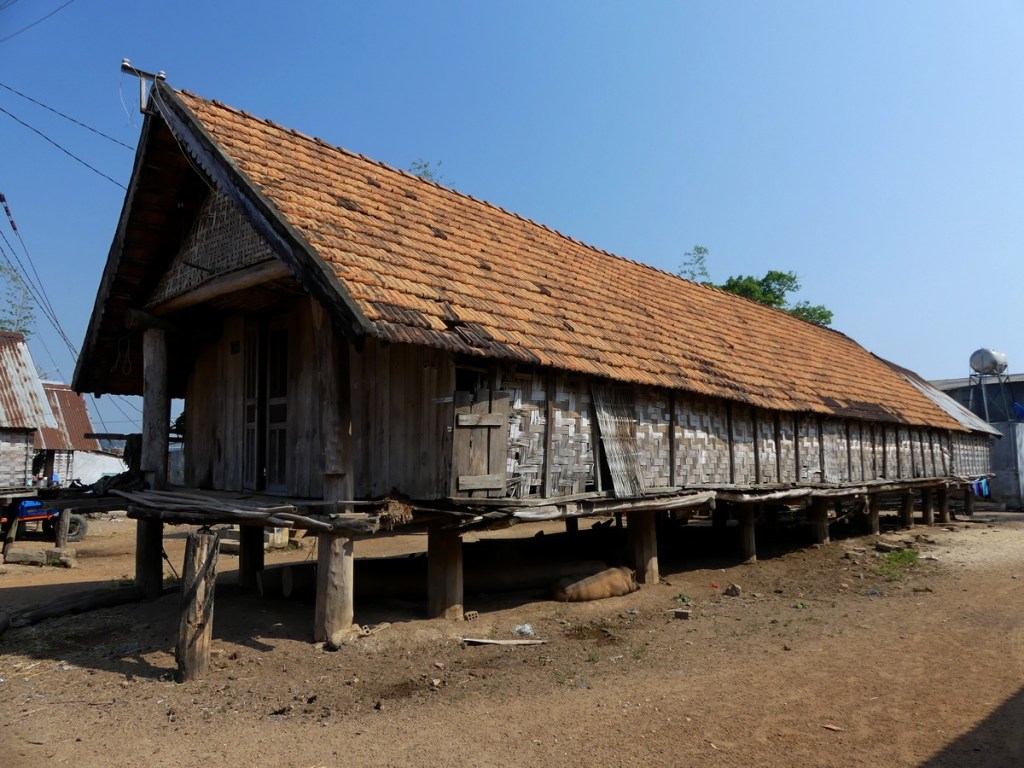
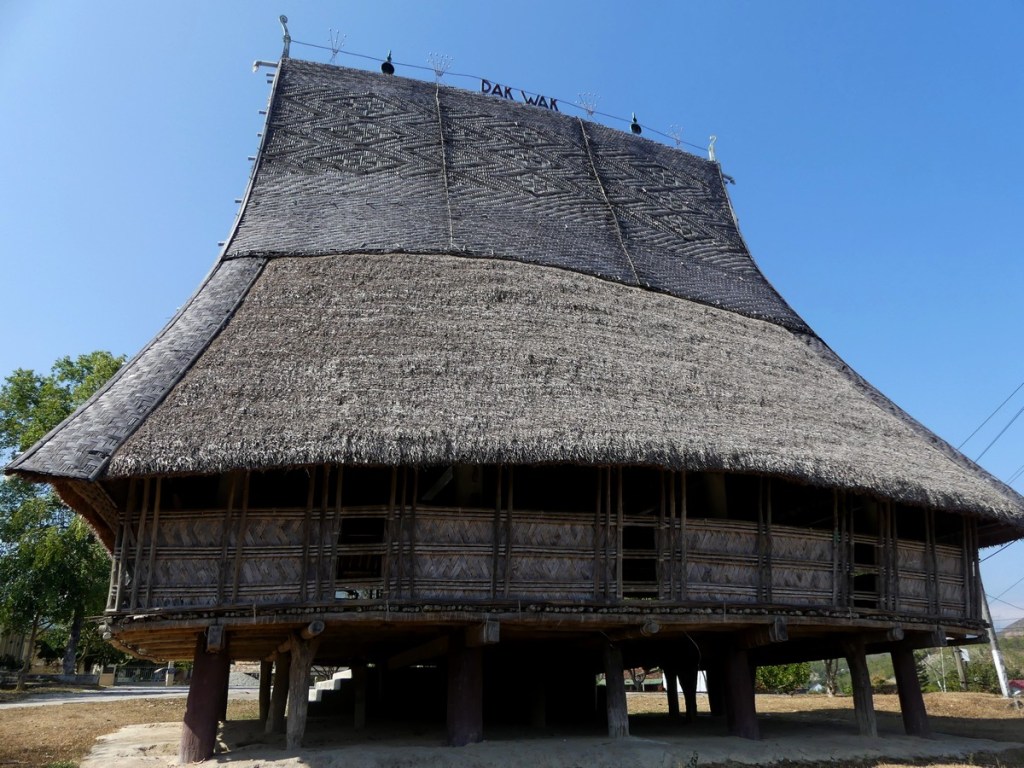
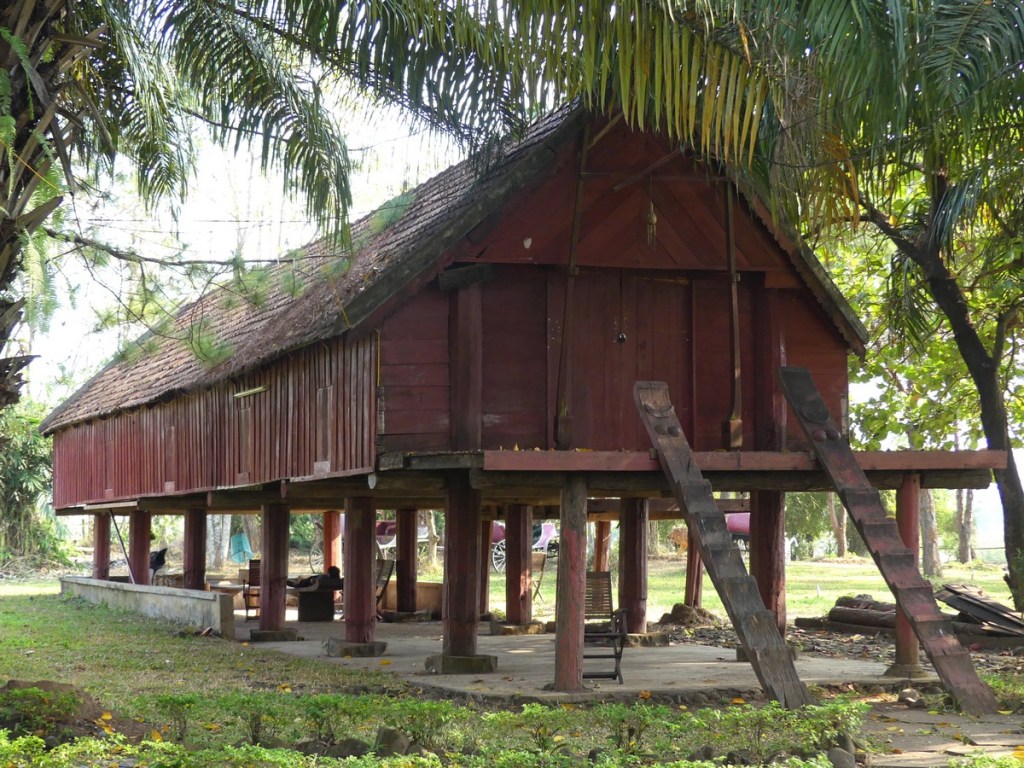
The M’nong live in a longhouse on stilts. There are around 80.000 M’nong living in Vietnam, mostly in the Central Highlands.
The M’nong are matrilineal so when a girl living in the house marries, another compartment is built to accommodate her and her husband. In this way, a family’s prosperity is evident from the length of the building. Some are up to 100 meters long.
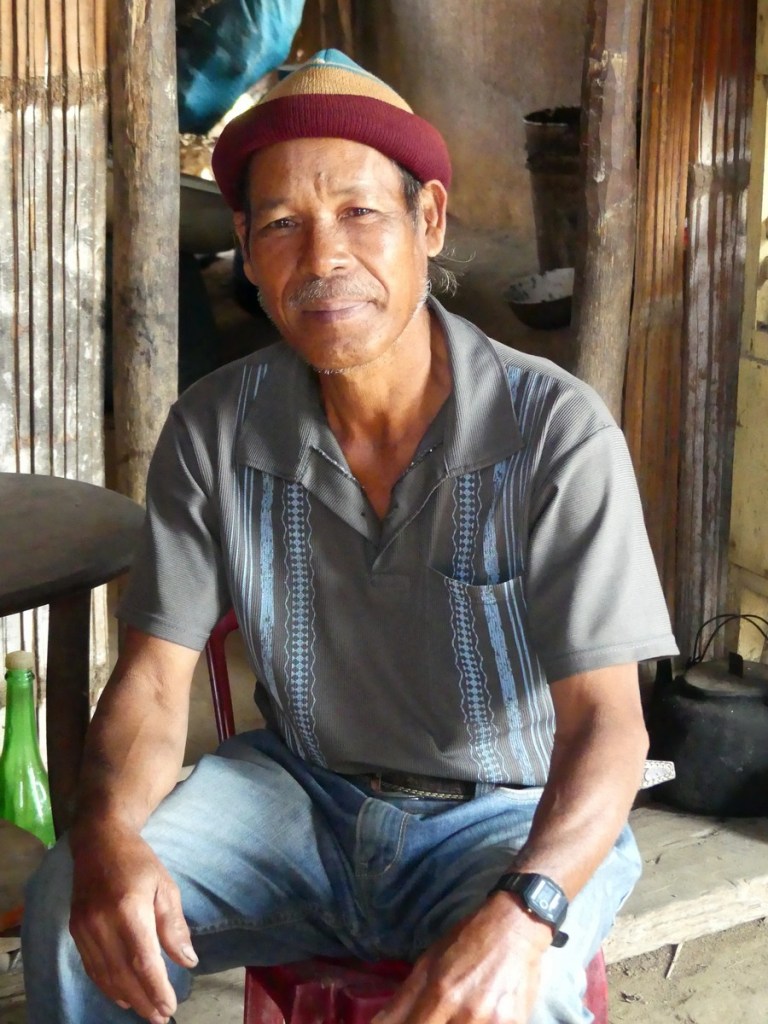
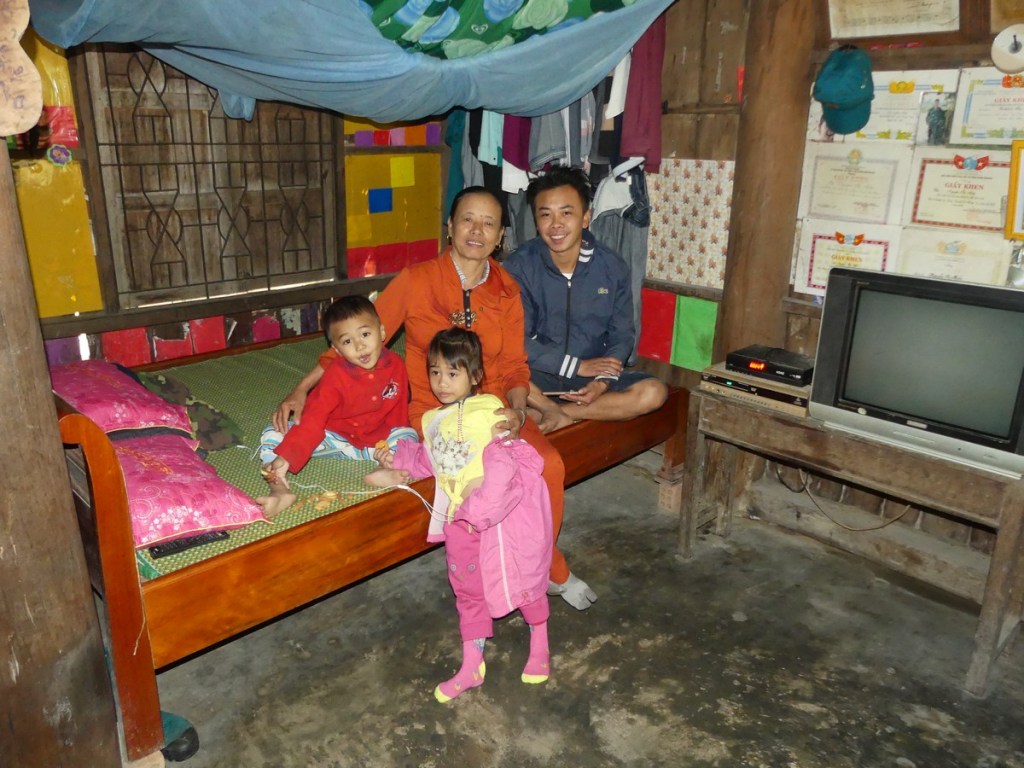
We visited many ethnic groups but I forgot the names of all of them. They lived all very basic but we were always welcomed in their houses.
Even in the basic homes the TV was present :-). The government gives money so children will go to school but after primary school many drop out to help their parents on the fields.
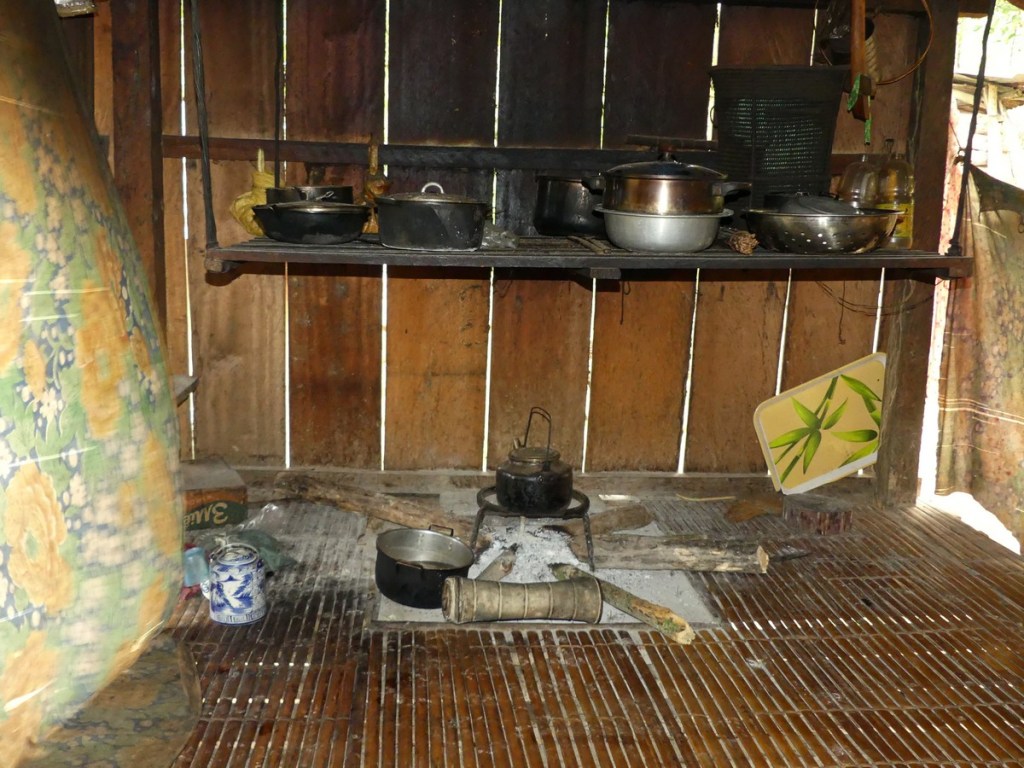
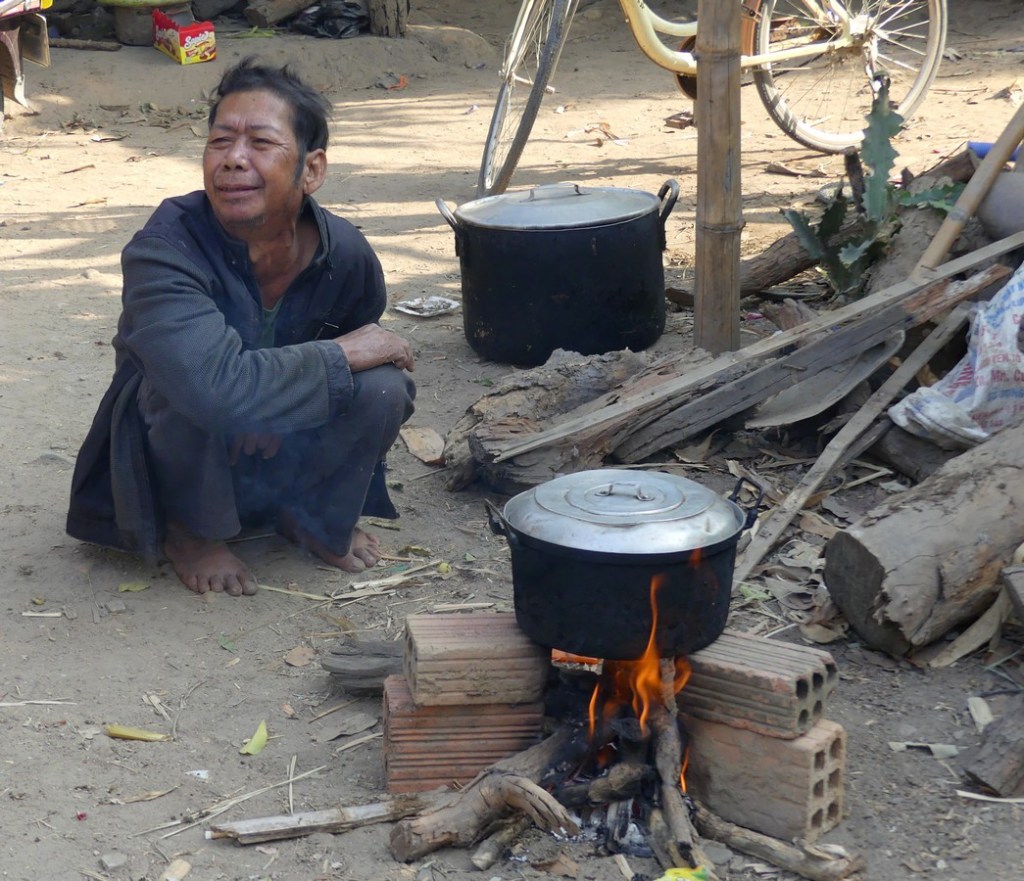
Kitchen, in the rural communities they still use a woodfire for cooking.
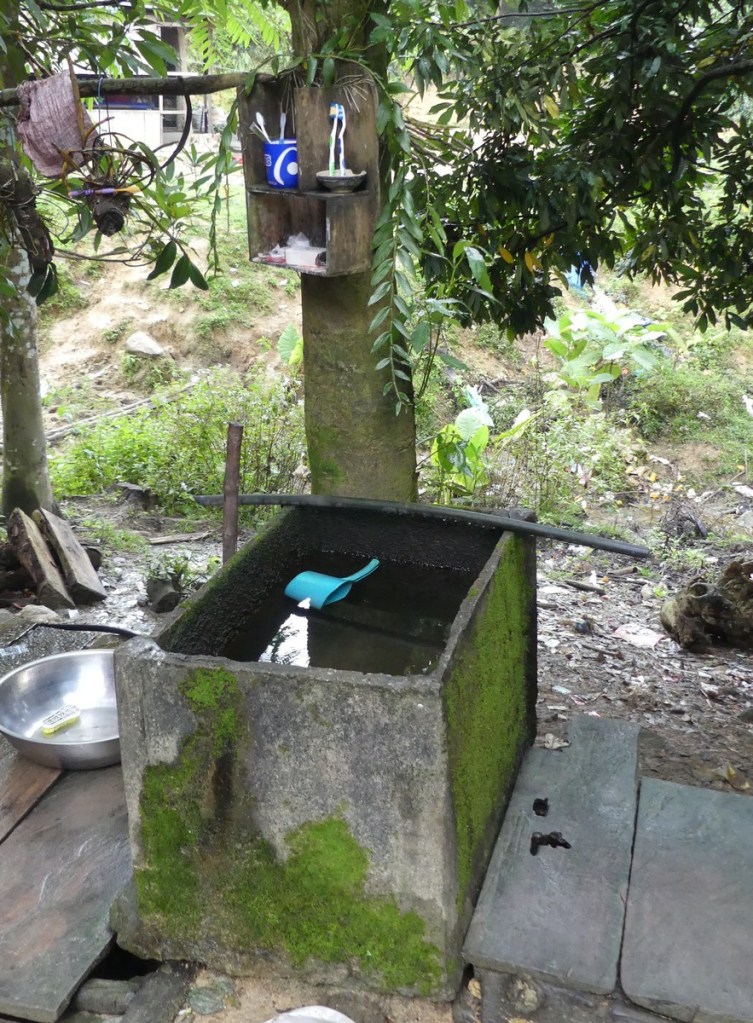
The bathroom is outside
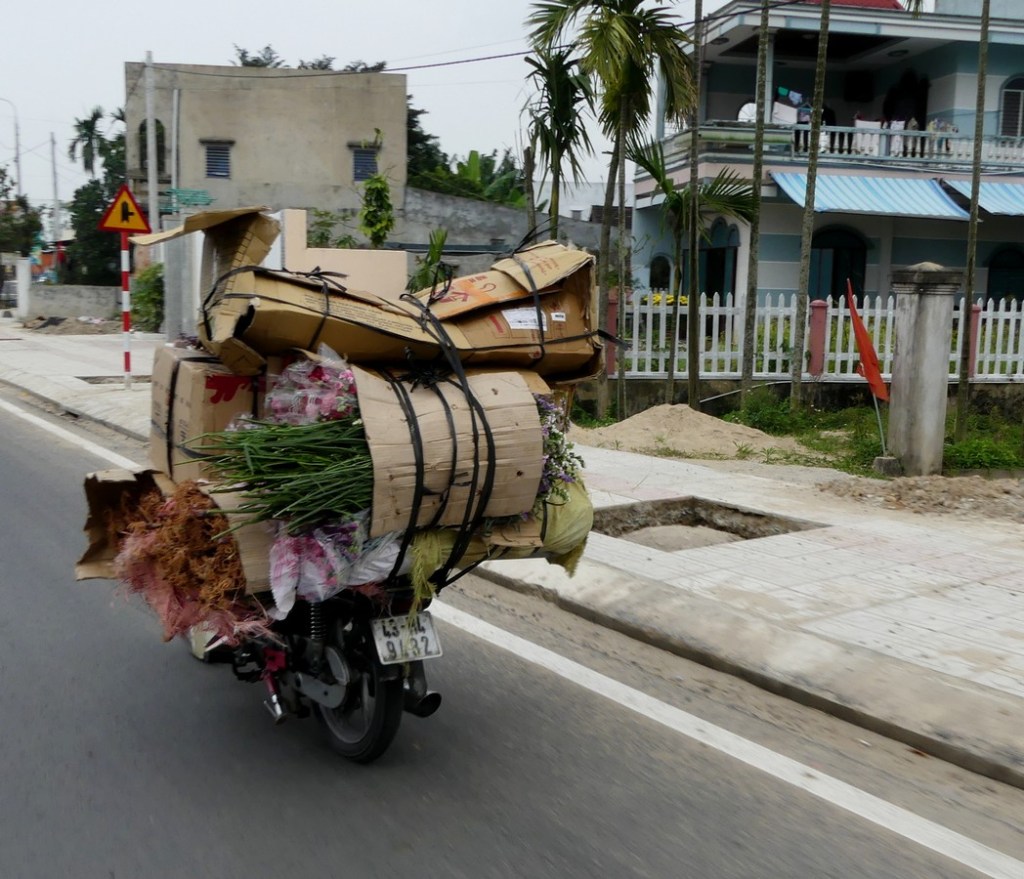
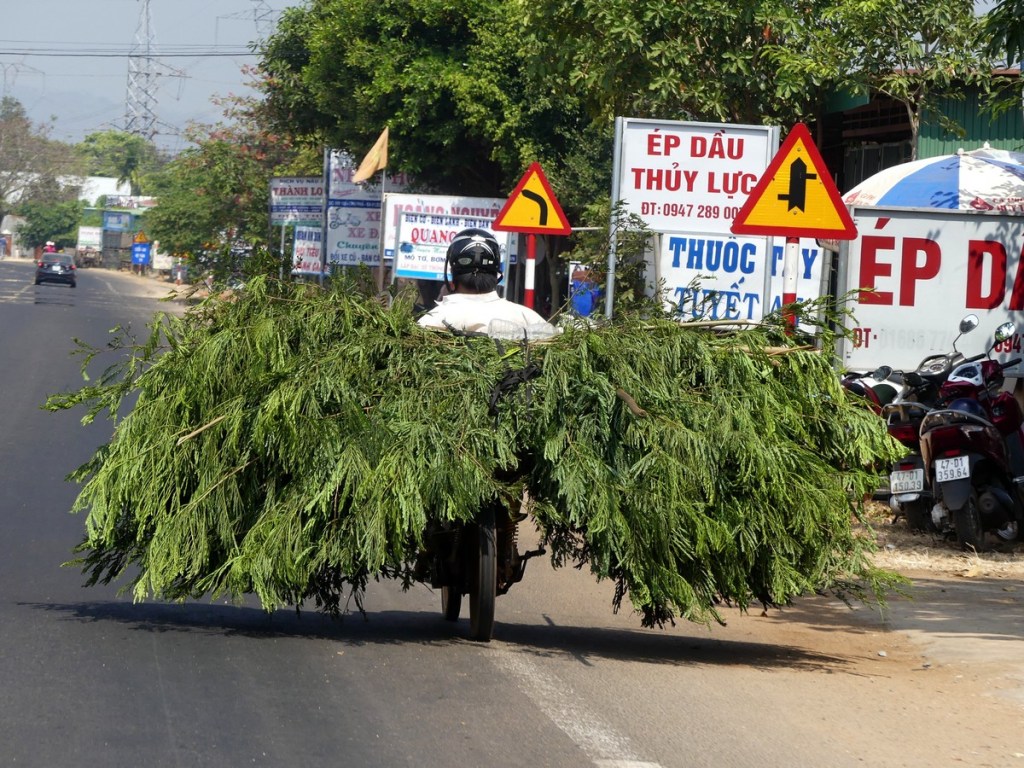
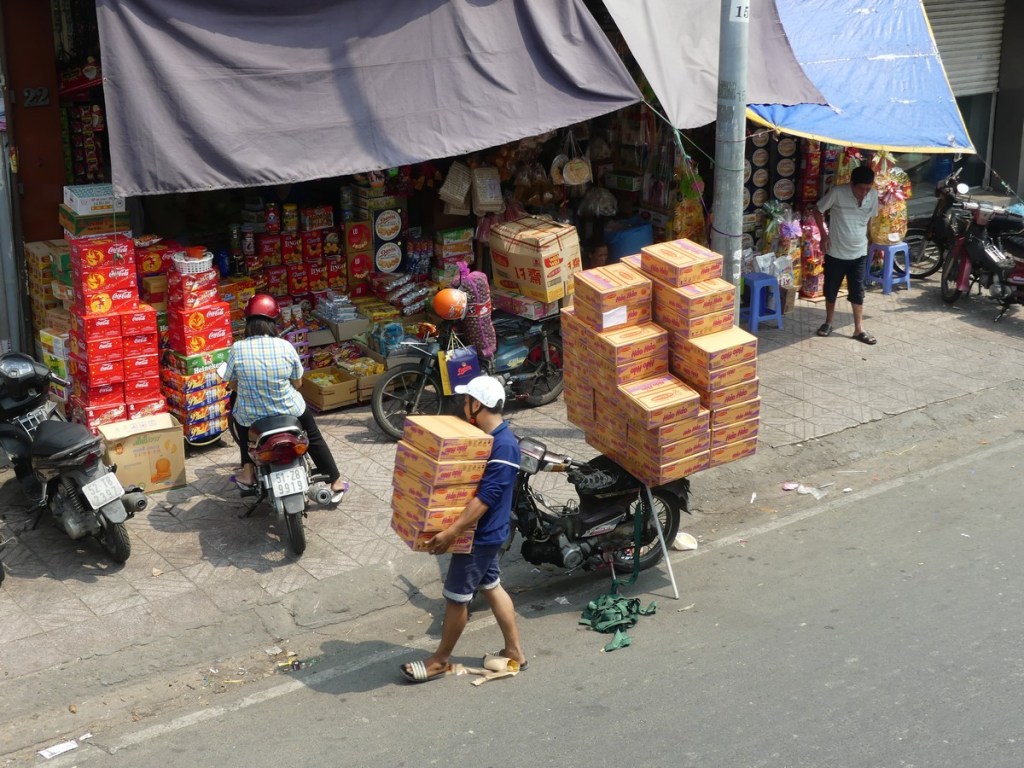
A typical image of Vietnam, motorcycles creatively packed. You see many flower vendors in Vietnam.
The communal house or “rong” of the Bahnar people. The rong is the focus of village life. They are usually between 15-20m high. Inside there is one room, with a very high ceiling.
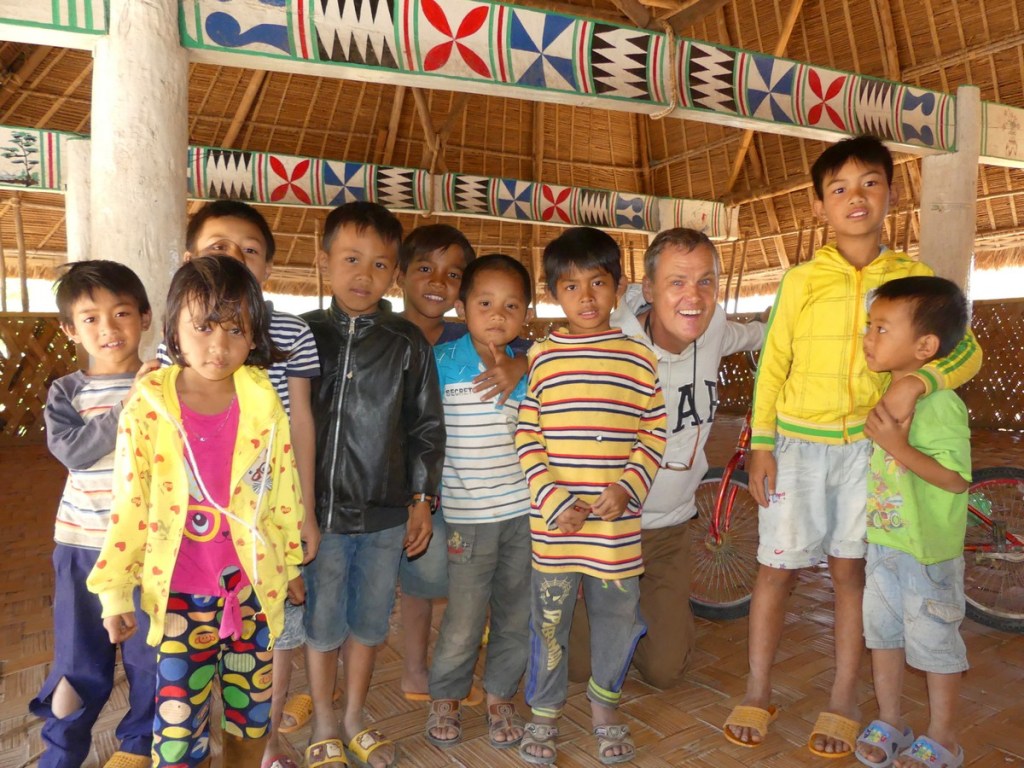
The local children were playing in the rong and were happy to join in for a picture with Stefan.
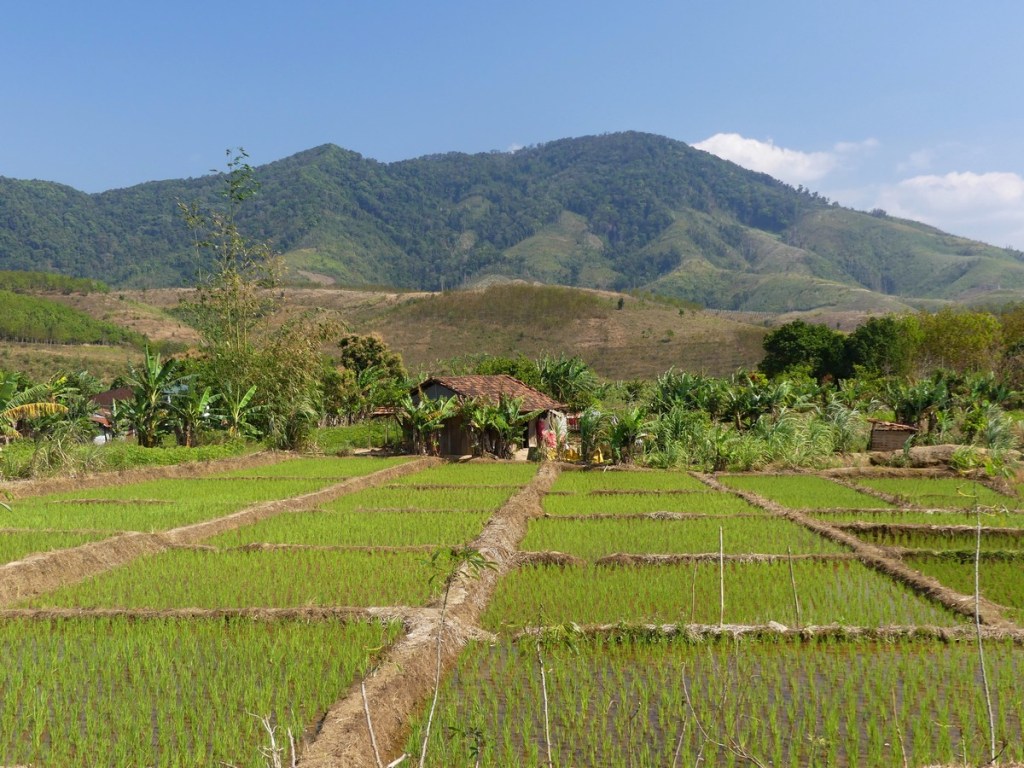
Coming back down to the valley, the rice fields appear. They can plant 3 harvests here. It takes about 4 months for the rice to ripen for harvest.
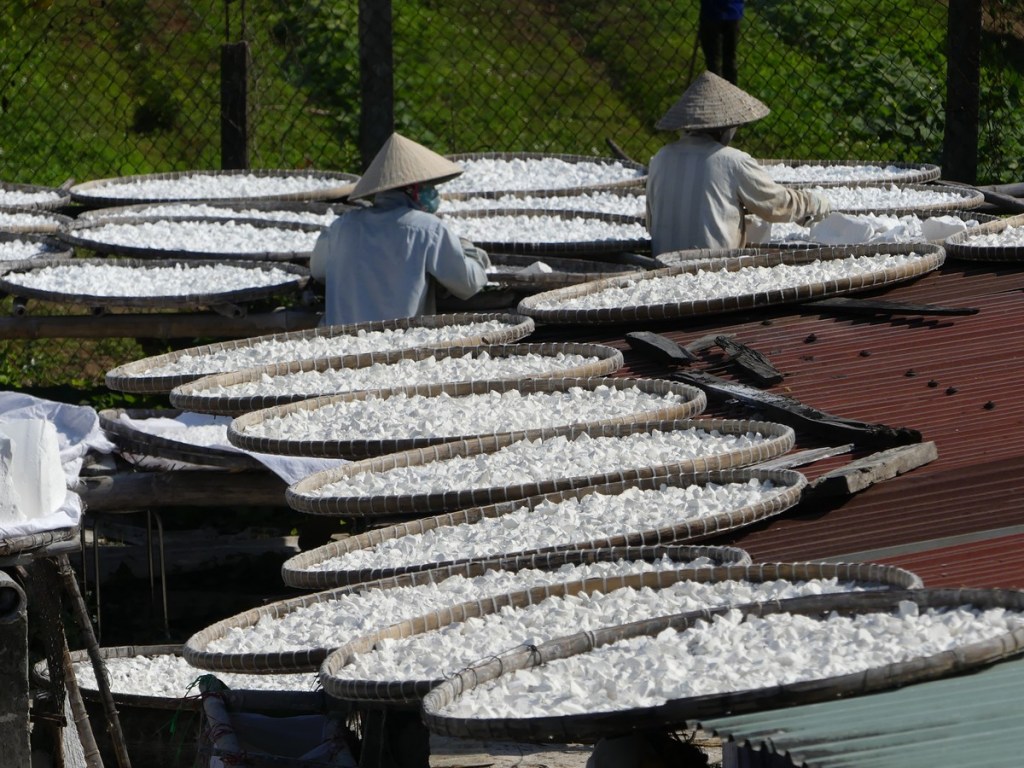
Drying tapioca. Tapioca was the main, and sometimes the only, source of food during the wars. Tapioca flour is used in soups, candy, rice paper, cakes etc. Lesser quality is used as animal feed.
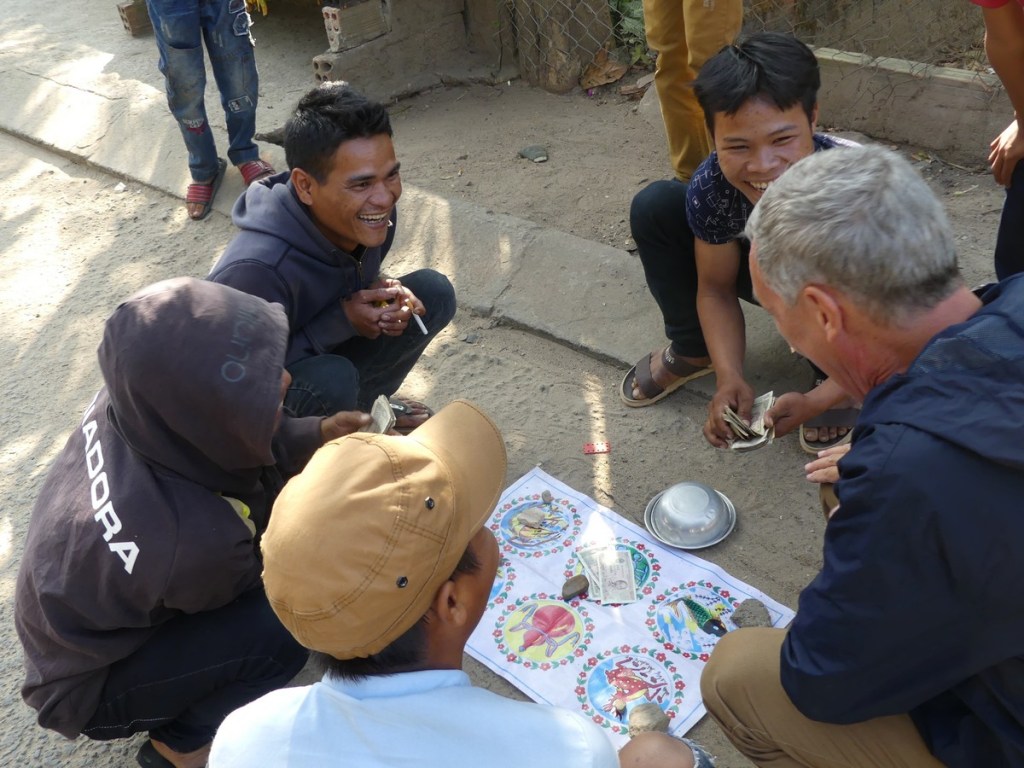
Stefan joining in for a betting game. (Vietnamese love betting) They laughed because he put his money on the crab, which is clearly not a favorite, and he won :-). Doubled his 0,30 eurocents wager!
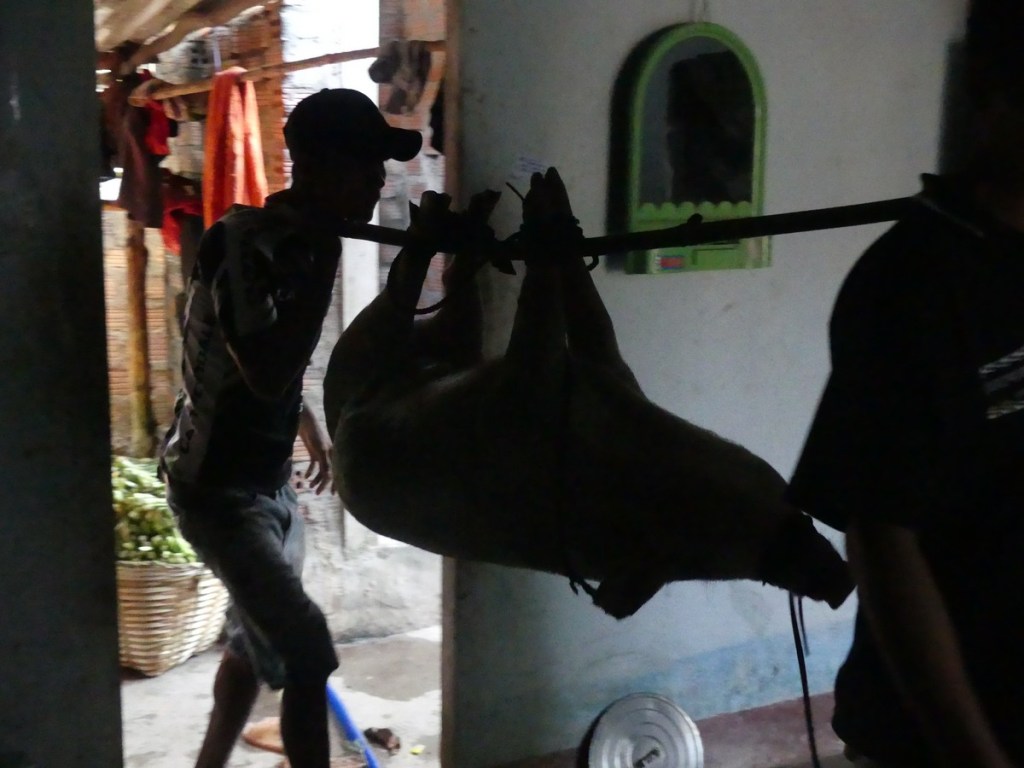
Preparing for the TET (lunar New Year) festival. This pig did not make it to the New Year.
TET is all about being together with family, eating, telling stories from the past year,and preparing the food.
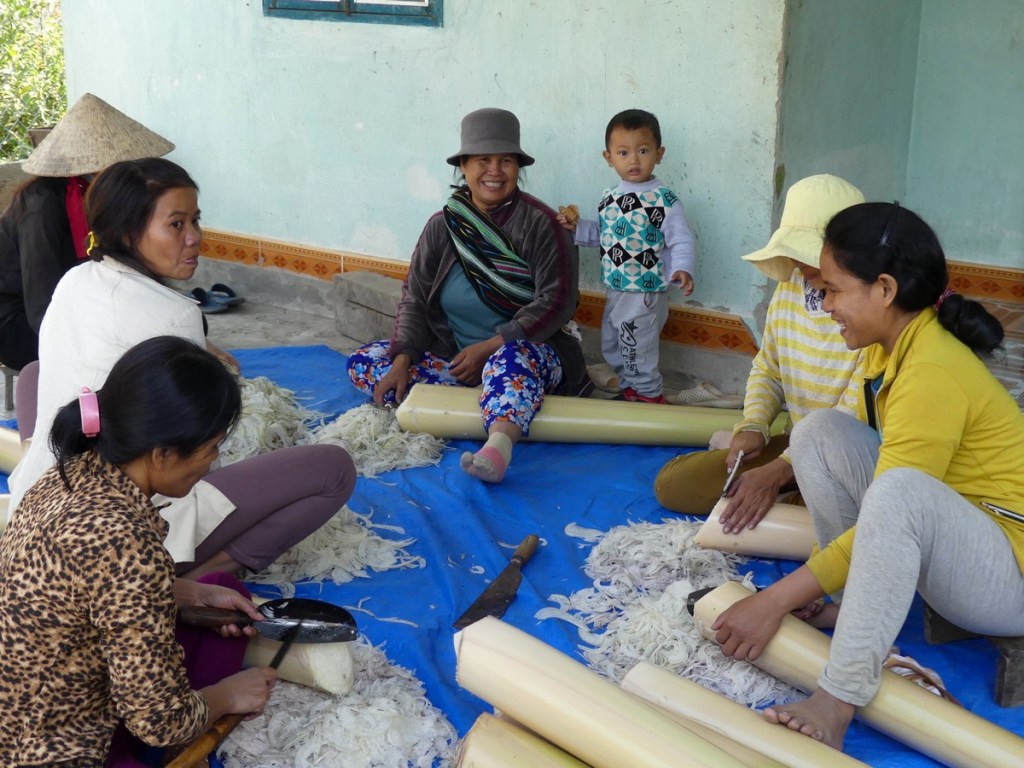
Also typical for Vietnam, the way they sit close to the floor, sometimes on a small chair but a lot of times not.
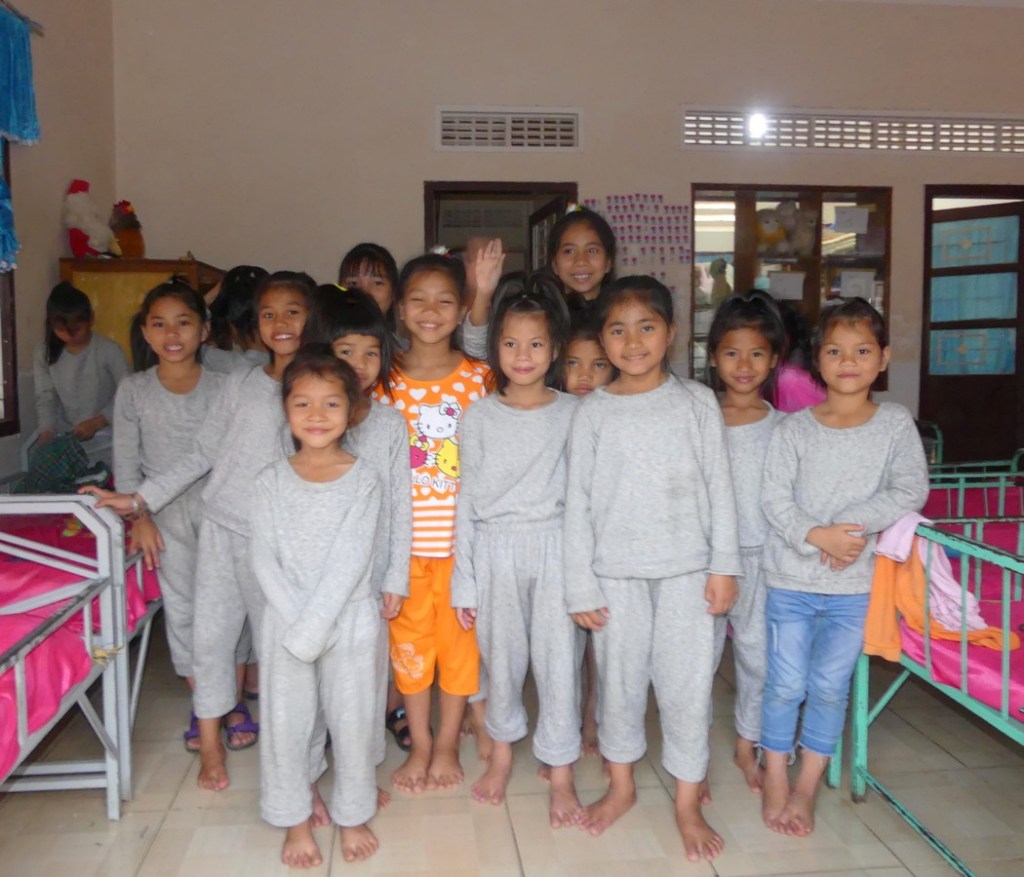
We visited an orphanage where 200 children stayed. Some had no parents but also a lot had one parent still alive but who could not take care of them. They get some money from the government but mostly from donations.
The typical Vietnam packed motorcycle :-).
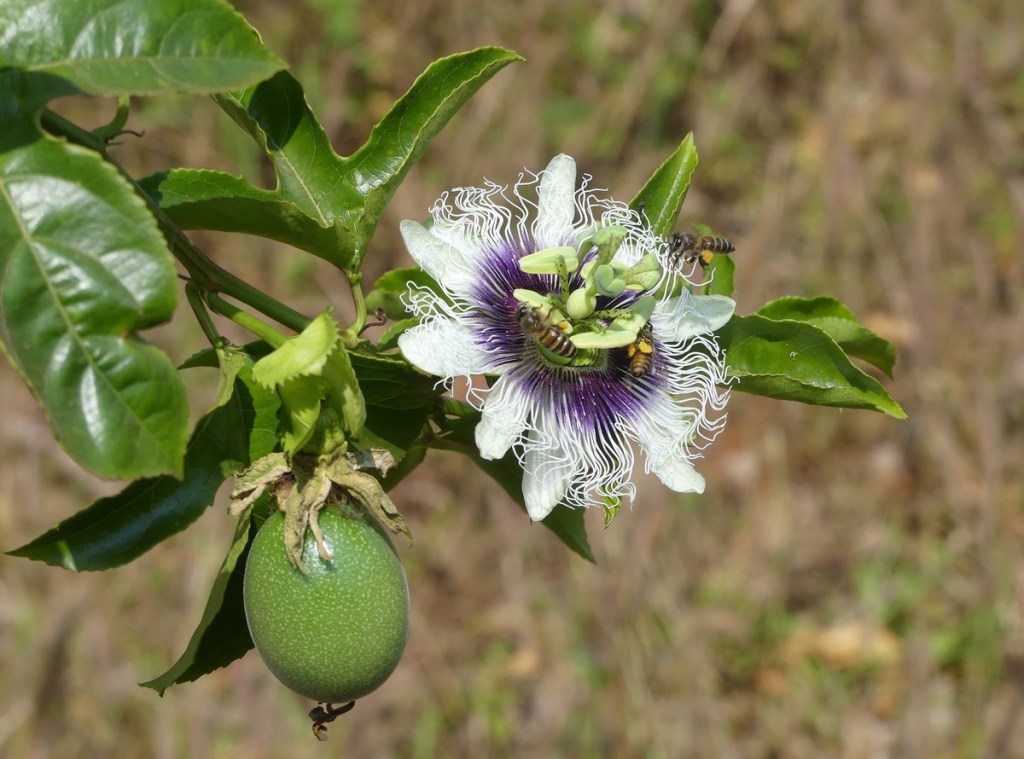
The flower and fruit – passionfruit ! We ate so many fresh ones. Definitely my favorite fruit.
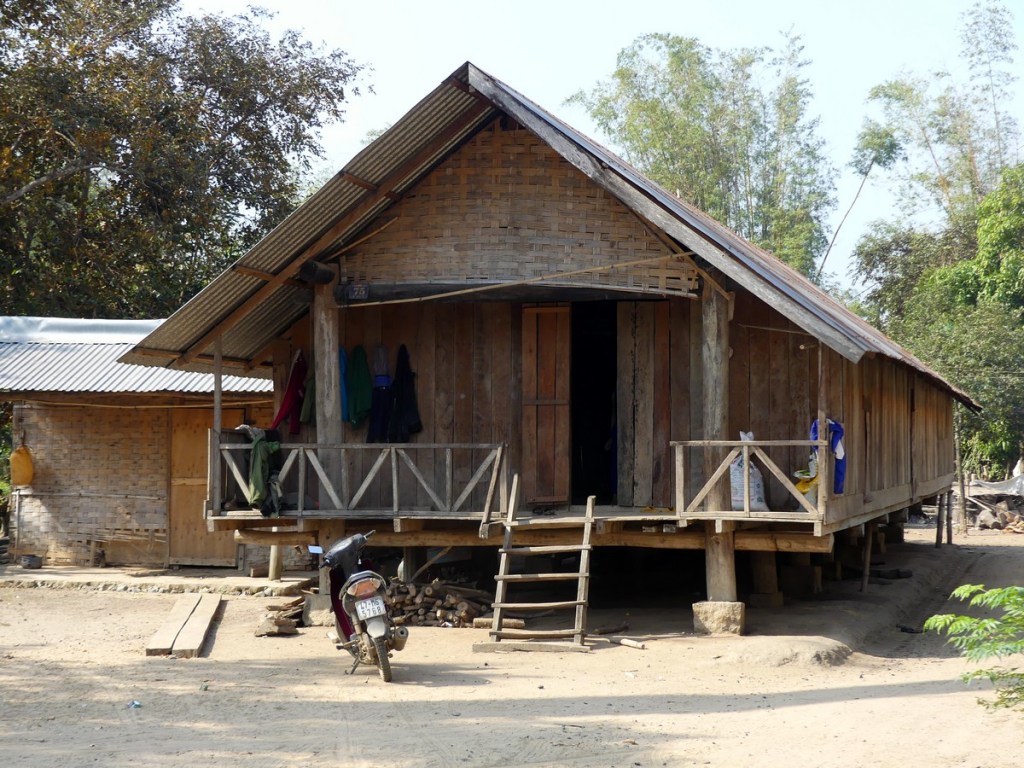
Another beautiful longhouse on stilts. Women and men each have their own ladder.
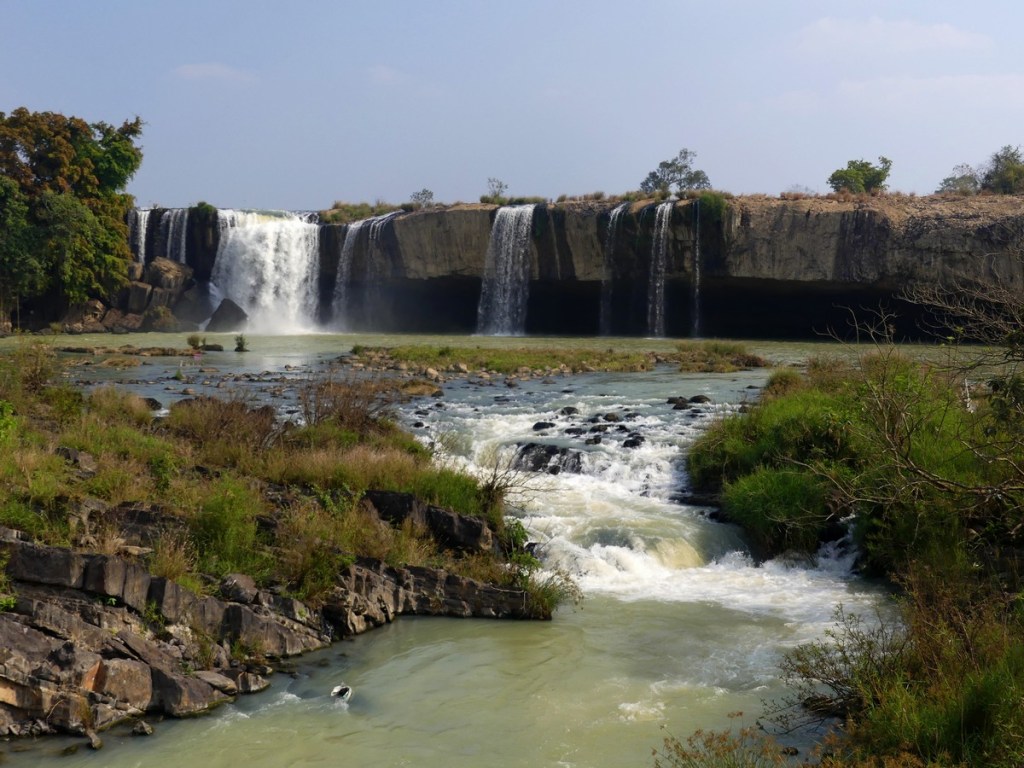
Dray Sap waterfall near Buon Ma Thuot. During the rainy season this is a wall of water.
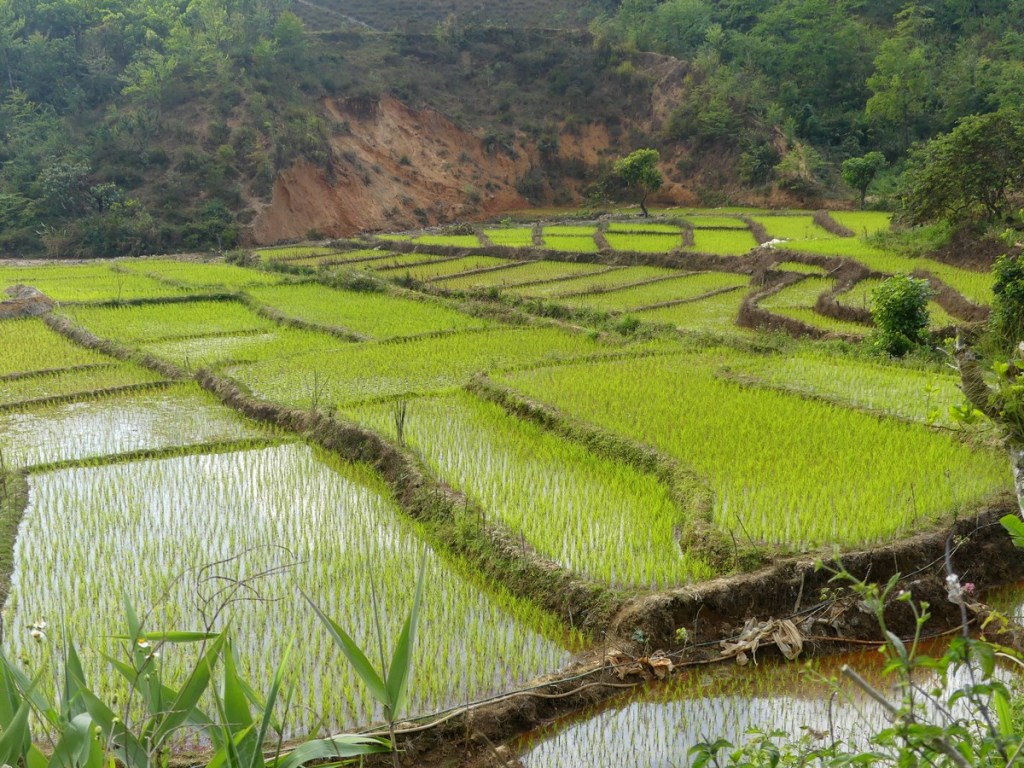
Coming closer to Hoi An we saw more and more rice fields. The lively green color from the freshly planted rice is really beautiful.
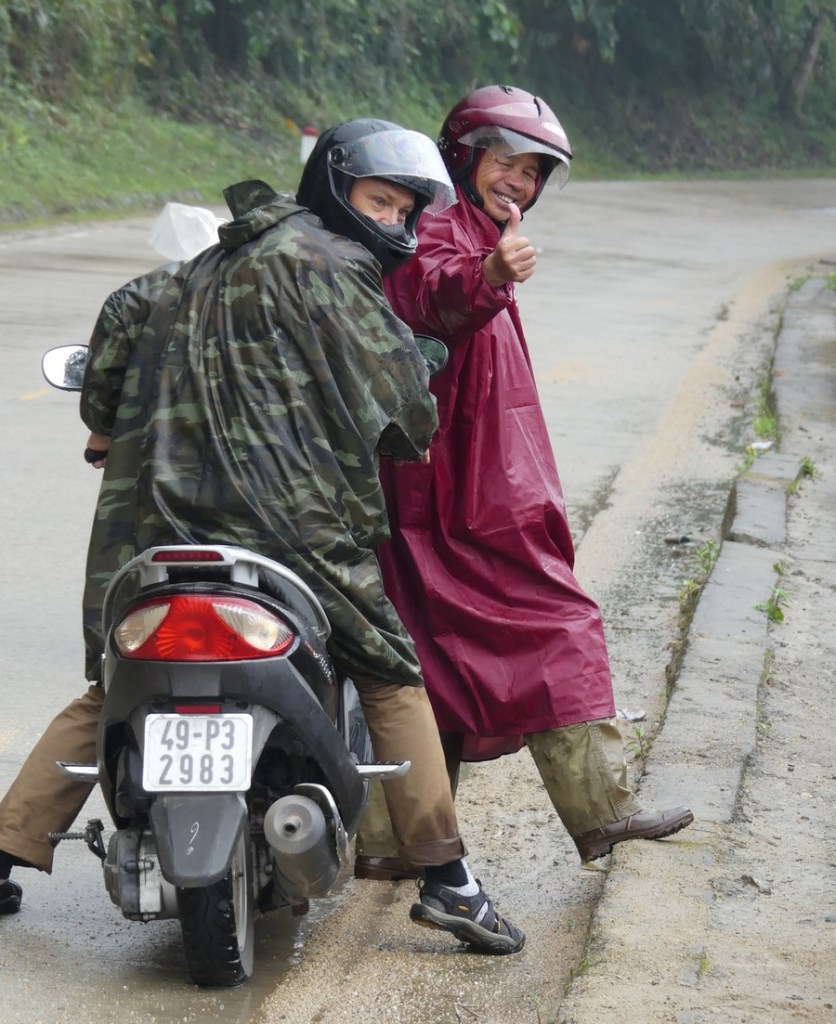
The last day of our trip we had a bit of rain but Mr.Hung was prepared! He had rain jackets for all of us 🙂
During our trip we were amazed to see so many children and young people in Vietnam. I checked the statistics, 96 million people live in Vietnam, only 6% is older than 65, 40% is between 0-24 years old, 46% between 25-54 years old, and 8% is between 55-64 years old (because of the war). Our guide told us that if you work for the government you are only allowed to have 2 children otherwise you lose your job.
The last 2 days of our trip we passed a lot of police controls and many cars and motorcycles were stopped. According to our guide this is because the police needed money for the New Year. It is always possible to avoid a fine if you pay them ‘black’ money. There is clearly still a lot of corruption in Vietnam. Another guide told us that government jobs are mostly bought.
The Vietnamese have suffered many wars. Vietnam fought wars against Japan (1945), France (First Indochina War, 1946-1955), and America (Second Indochina War, 1954-1975). While the country proudly celebrates its wins against foreign invaders, the border conflict from 1979 with China has been a taboo topic because of fear they would loose the economic cooperation from China.The conflict lasted only 27 days but tens of thousands civilians lost their lives. Today most Vietnamese are happy with the government because they have had peace since 1979.
February 5, 2018, we are waiting in Saigon for our sleep bus to take us to Da Lat. The bus leaves at 21HR and arrives in Da Lat at 6 AM.
We arrived in Saigon early in the morning on January 30th. The driver of the hotel was waiting for us and we were immediately taken in the “hustle and bustle” of the city. About 10 million people live in Saigon alone! Saigon was actually renamed to Ho Chi Minh City in 1976 after the reunification of North and South Vietnam, but the center retained its old name.
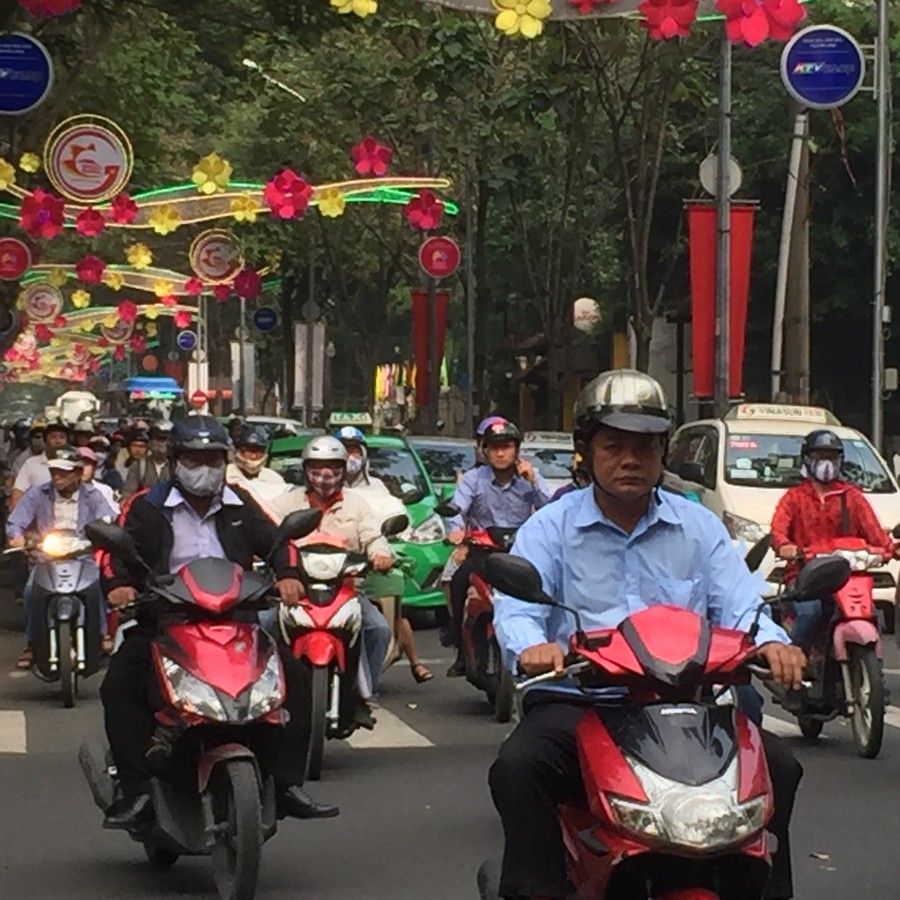
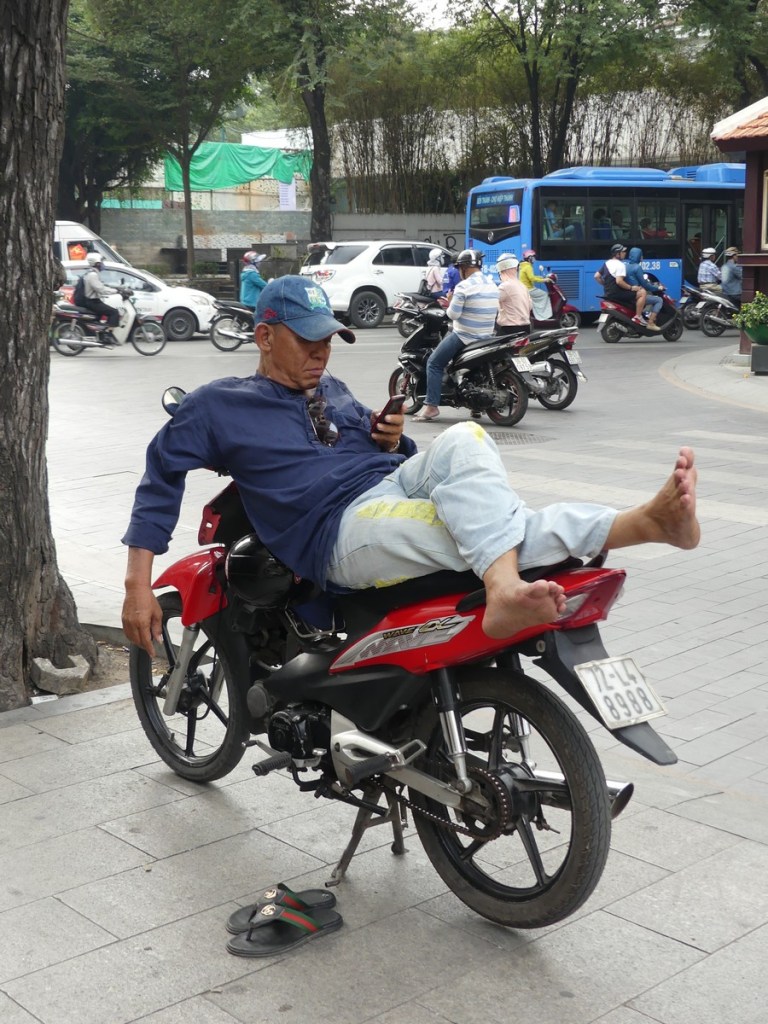
The motorcycle is everywhere in Saigon.
Crossing the street without traffic lights is a challenge for a pedestrian but after a couple ofdays we got used to it. You just have to decide when to go and continue walking, without stopping or turning back as this will only confuse the motorcyclists.They anticipate where you are going and drive around you. The only time I almost got hit by a motor cycle was when I did a step backwards. It is fun but also scary to see the constant flow of motorcycles, buses and trucks not to mention the constant noise of blowing horns. We have not seen any traffic aggression or any accident, although Vietnam has a high number of traffic deaths each year, in 2011 about 15000!
We visited the Jade Emperor Pagoda. There were a lot of worshippers because there was a full moon that night.
The Jade Emperor Pagoda is a Taoist temple built by the Chinese in 1909.
About 45% of the Vietnamese practice Vietnamese folk religion which is a combination of Confucianism, Taoism and Buddhism.
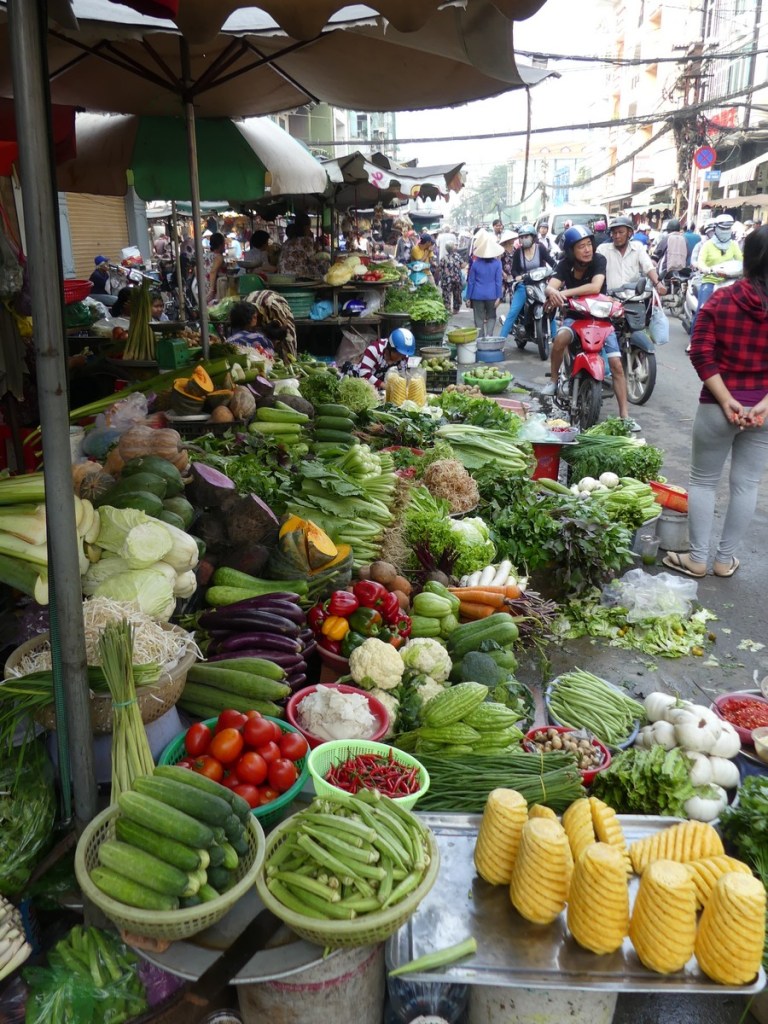
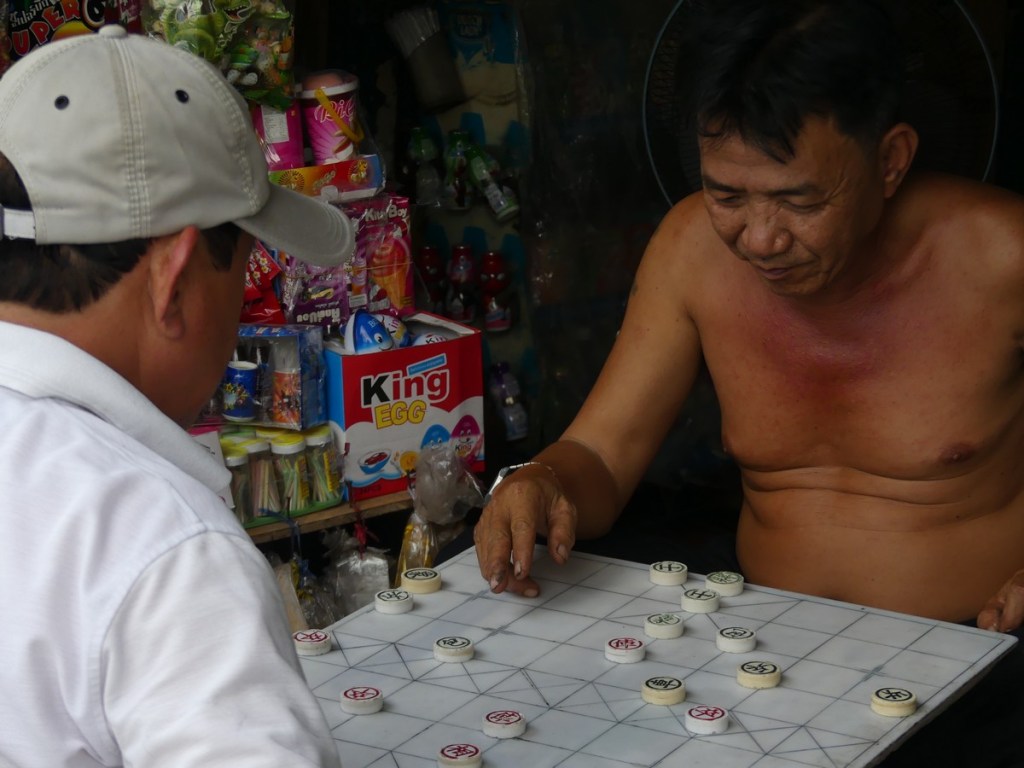
Most of the Vietnamese in Saigon live during the day out on the sidewalk. The 6 days we were here we did not see a drop of rain. We ate in all kind of restaurants from local to tourist and were never disappointed or did not get sick. Life for a tourist is extremely cheap. We calculated that 15 EUR was a sufficient daily food budget for the two of us.
The street view right in front of our hotel. Fruits and juices are very delicious.
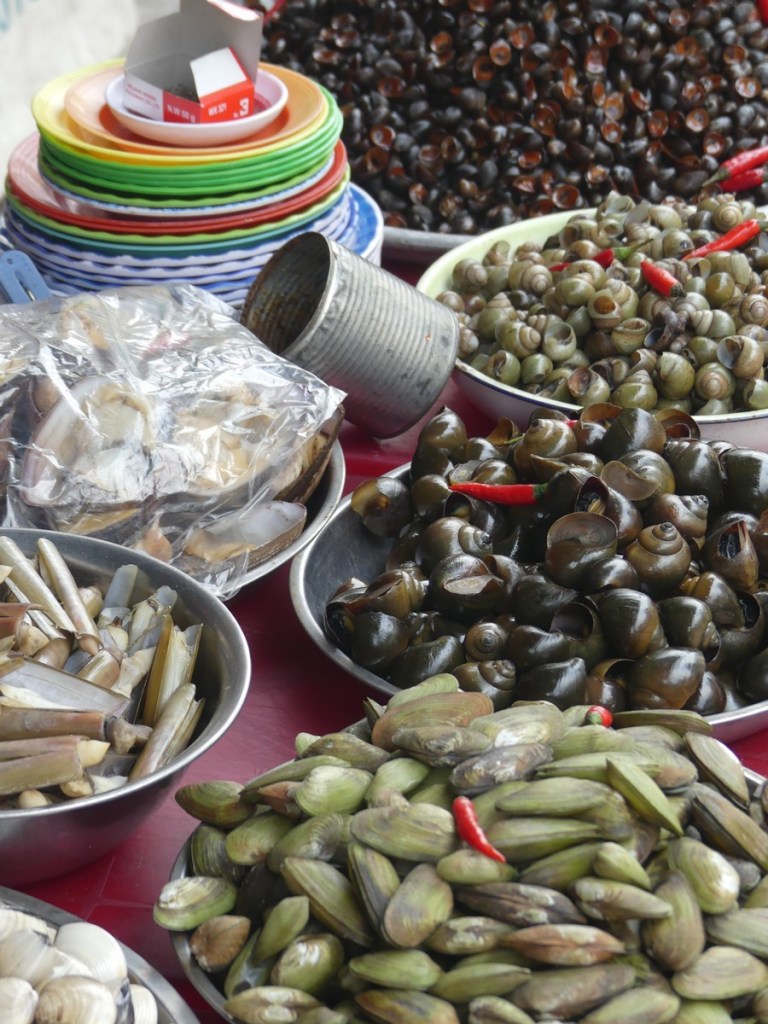
We tried a lot of street food, most of it really good !
Life on the sidewalk.
About 7,5 million motorcycles are registered in Saigon alone.
It is incredible what and how much they manage to transport on their scooters in the chaotic traffic. We saw refridgerators, ladders, live pigs, and much more…
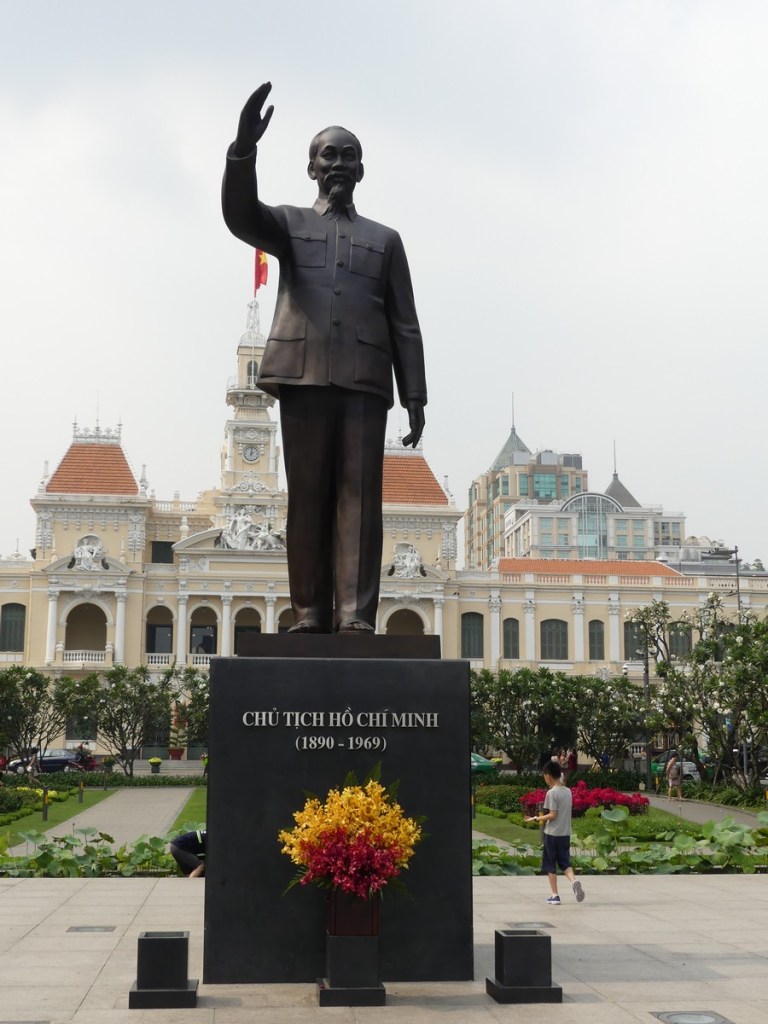
Ho Chi Minh statue in front of the Hotel de Ville in Saigon which was built between 1902 and 1908. It now houses the People’s Committee. Ho Chi Minh was president of Vietnam from 1945 to his death in 1969. He was a key figure in the foundation of the Democratic Republic of Vietnam.
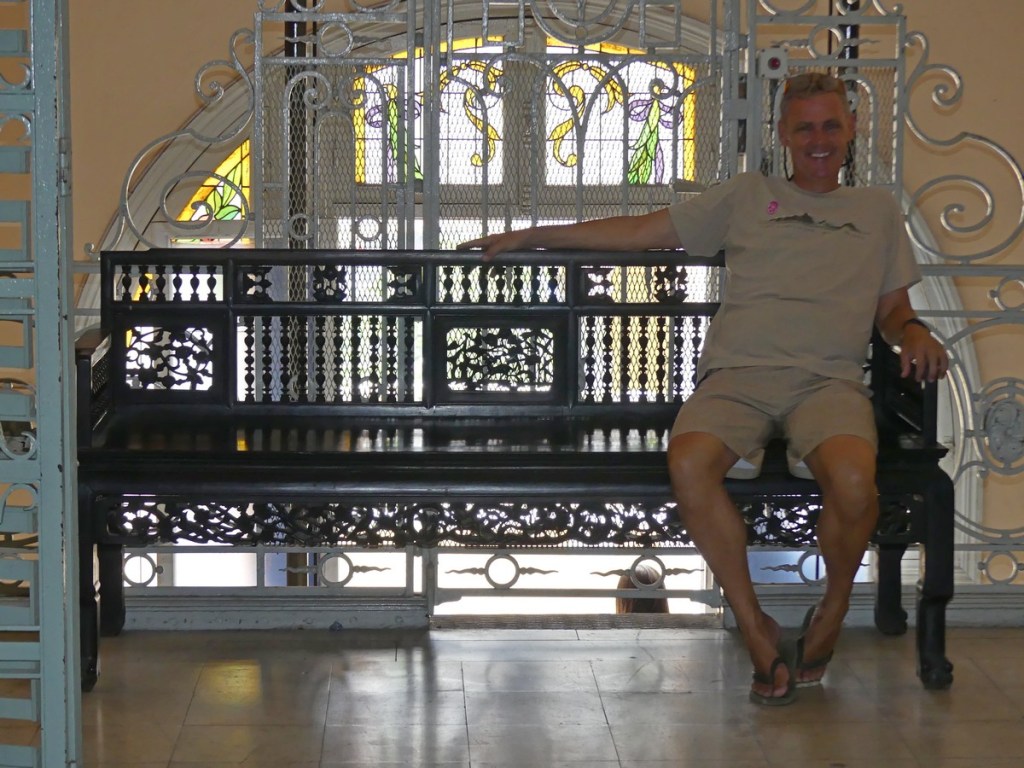
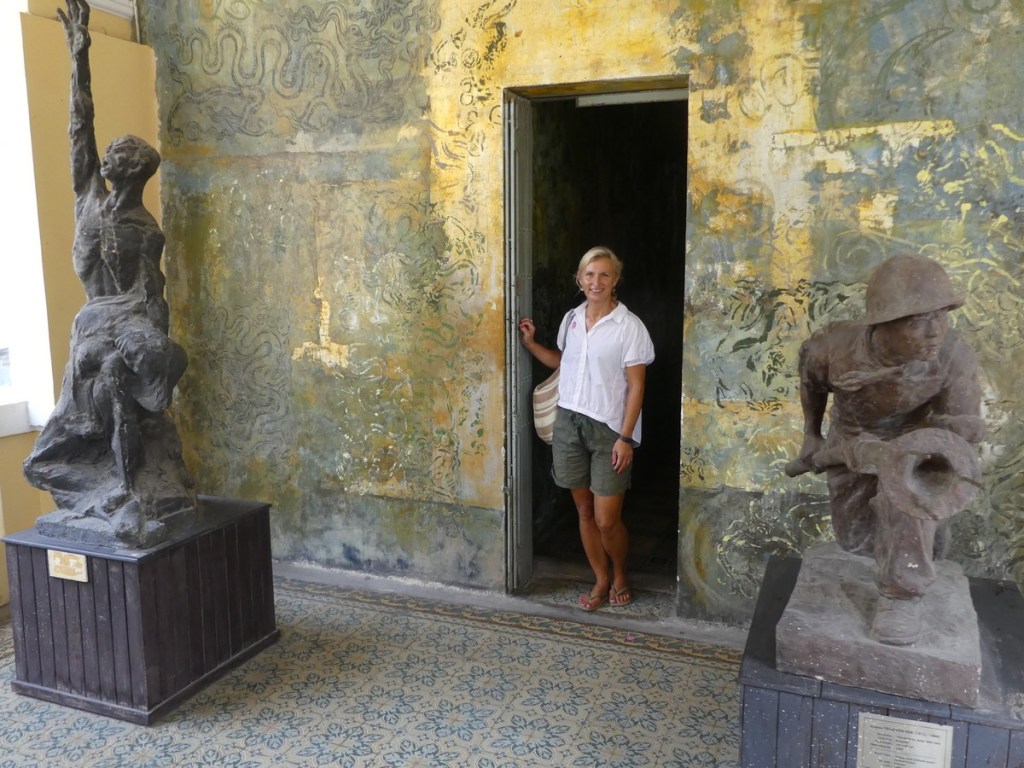
The Fine Arts museum is housed in a beautiful mansion built in 1929 by a wealthy Chinese.
The Vietnam war against the US is never far away. The war started in November 1955 till April 1975!
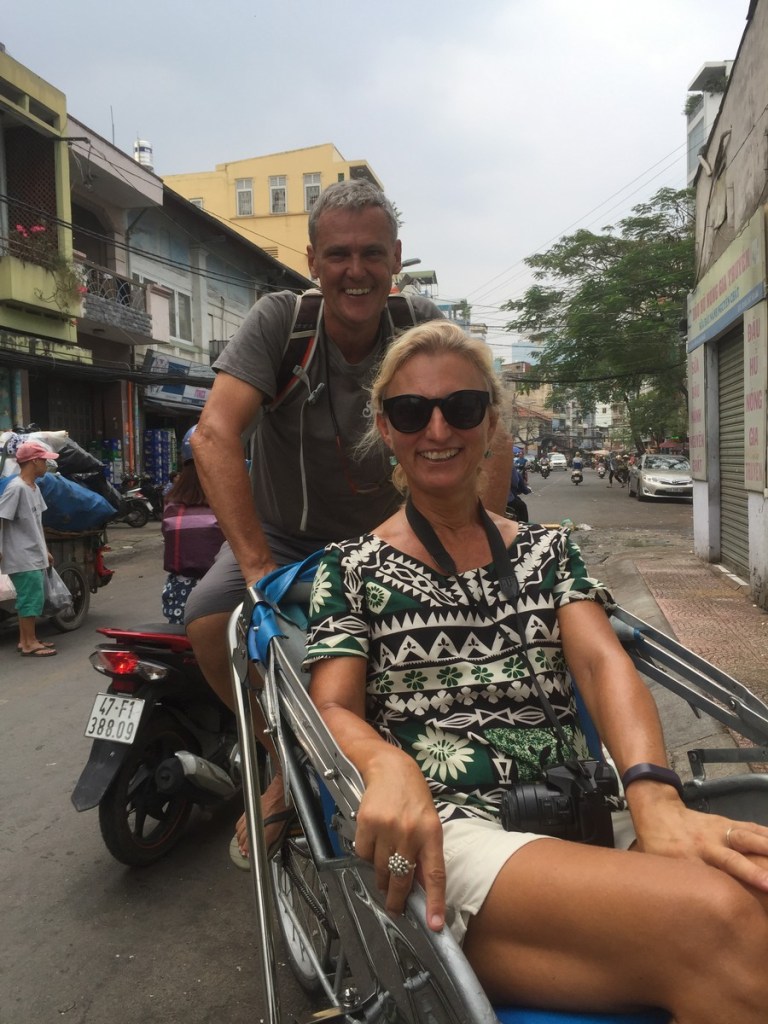
Fun to be the tourist 🙂
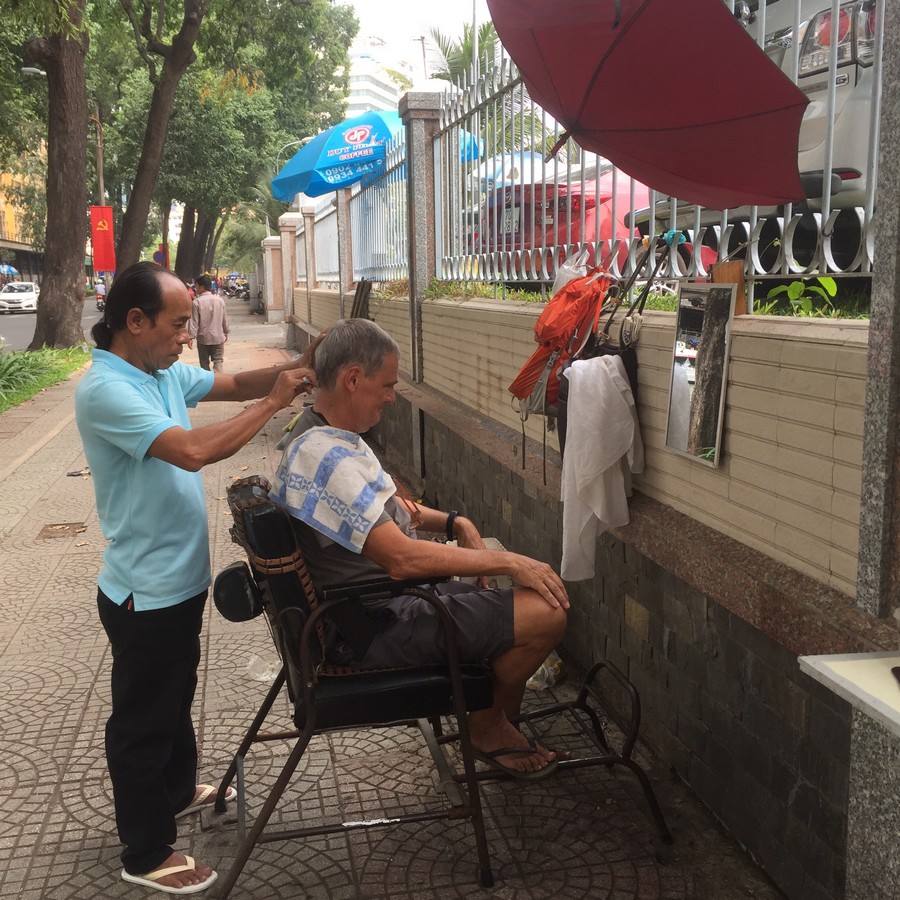
After the new tooth, a 2,5EUR haircut in the streets of Saigon.
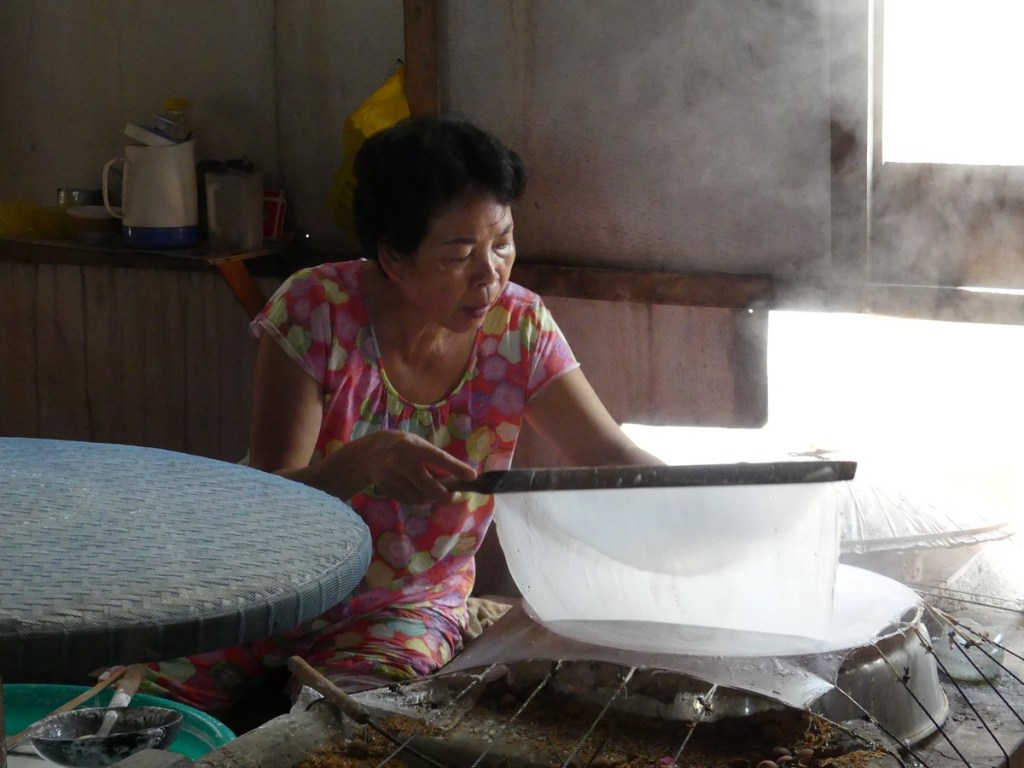
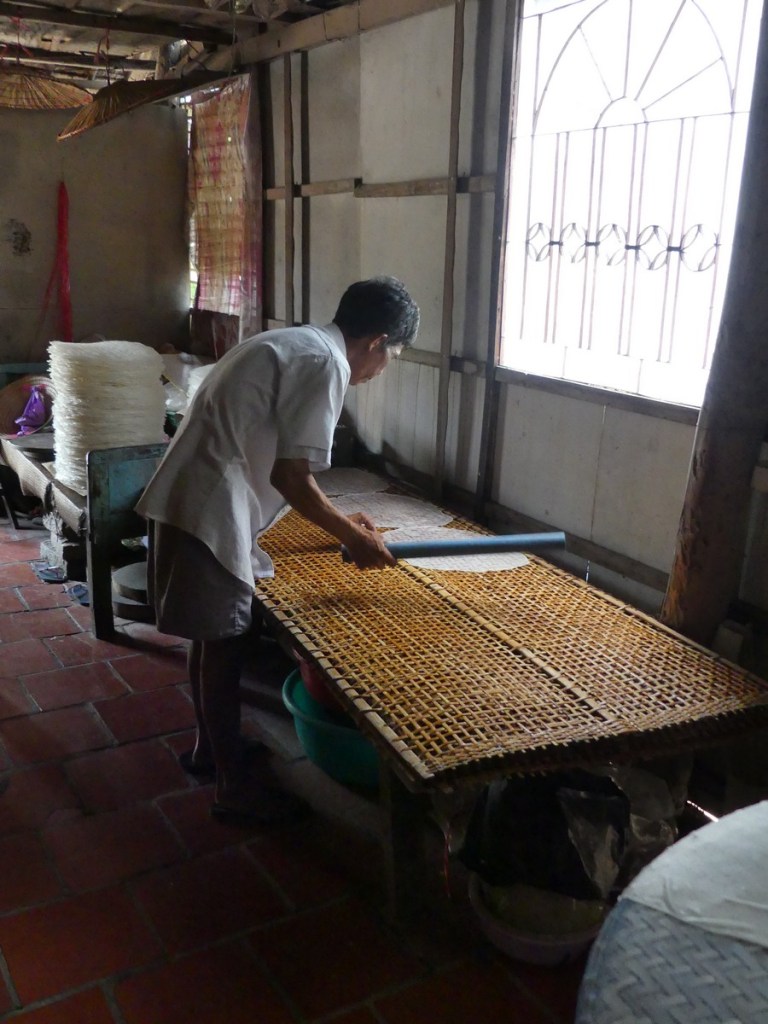
In the Mekong Delta we observed the process of making rice paper, used for the delicious spring rolls, amongst plenty of other food stuff.
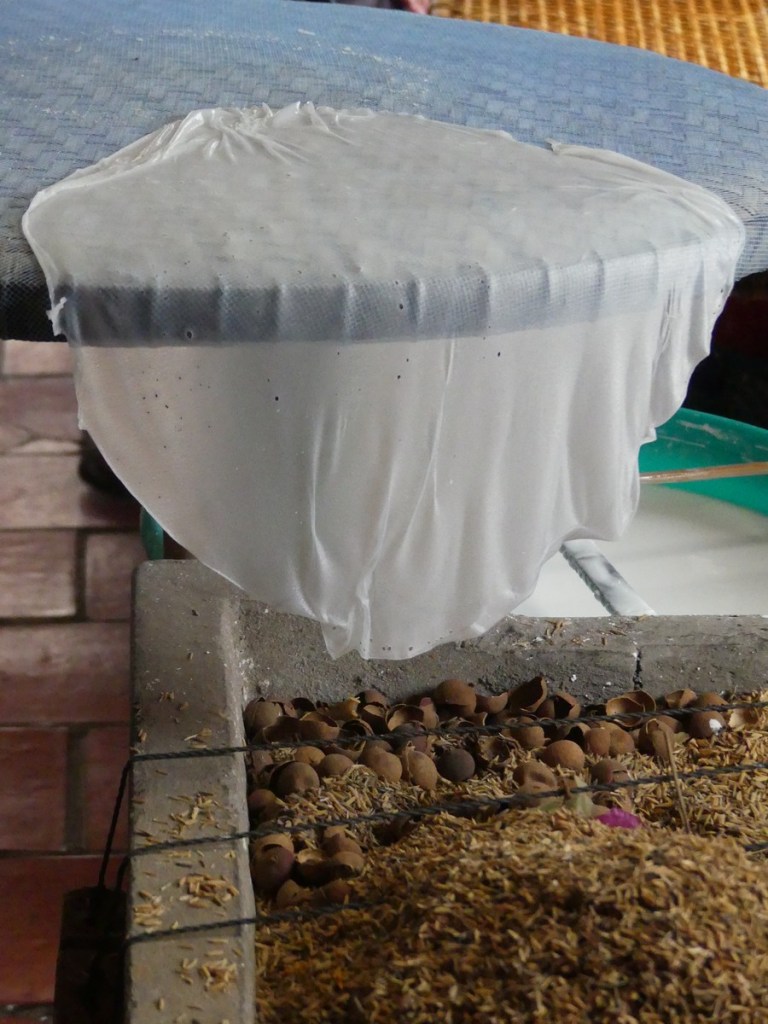
Ingredients of the food rice paper, called Bahn Trang, are rice flour, tapioca flour, salt and water.
Getting the paper ready to dry.
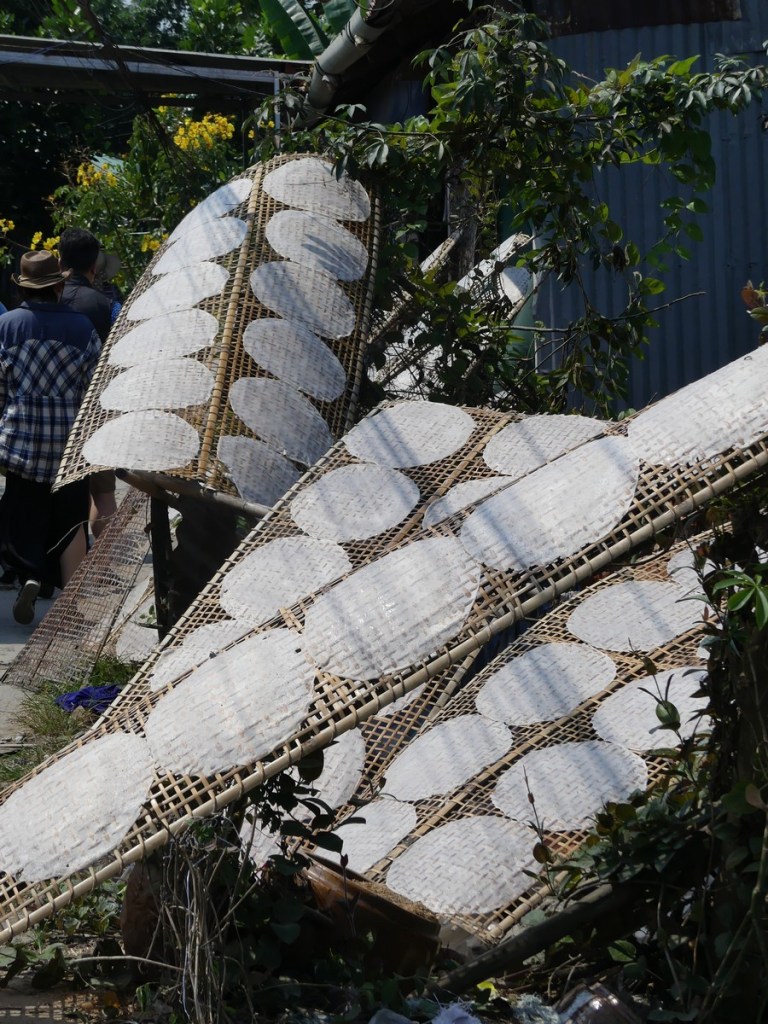
Drying rice paper outside in the sun.
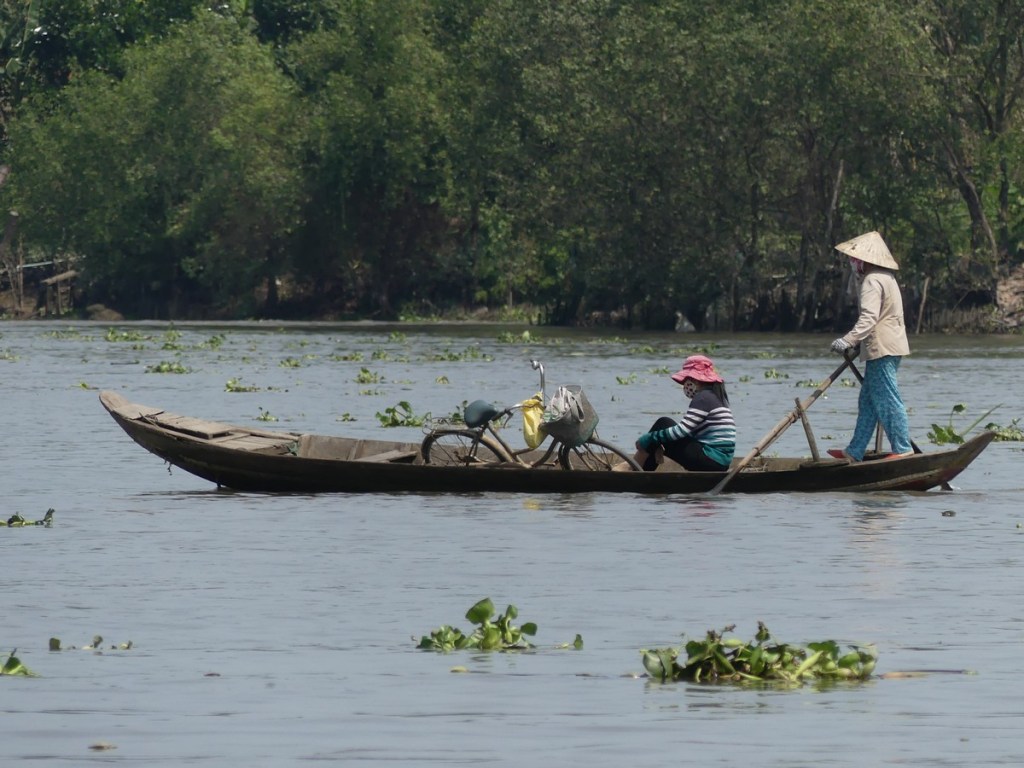
Life on the Mekong River. We already visited the Mekong in 2014 more extensively so this was a quick re-visit.
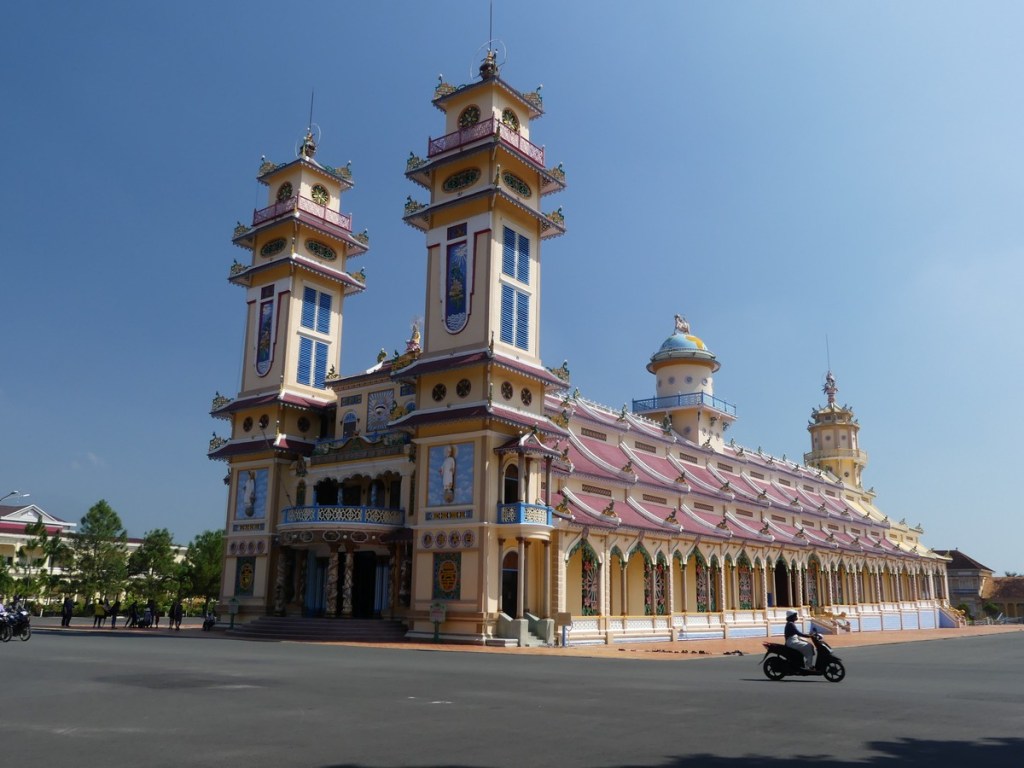
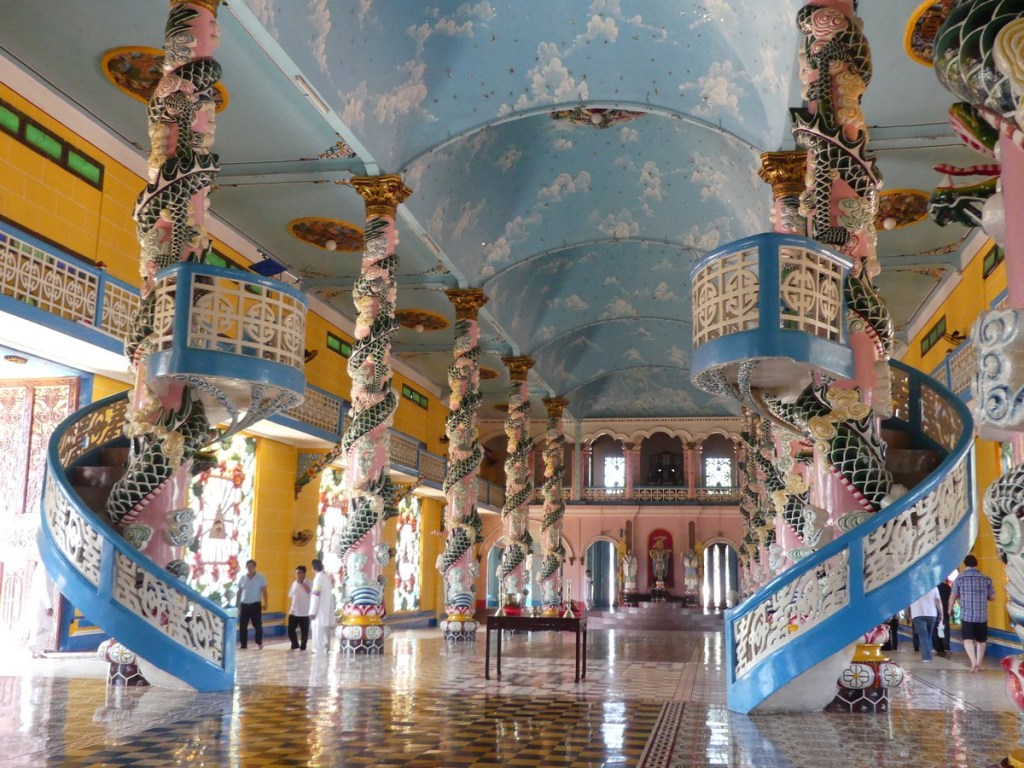
A Cao Dai temple at Tay Ninh, 2 hours drive from Saigon. It was built in 1927
The Cao Dai religion is an indigenous religion and a mixture of Taoism, Confucianism, Buddhism, Christianity and Islam. They have an estimated 2 million followers in Vietnam.
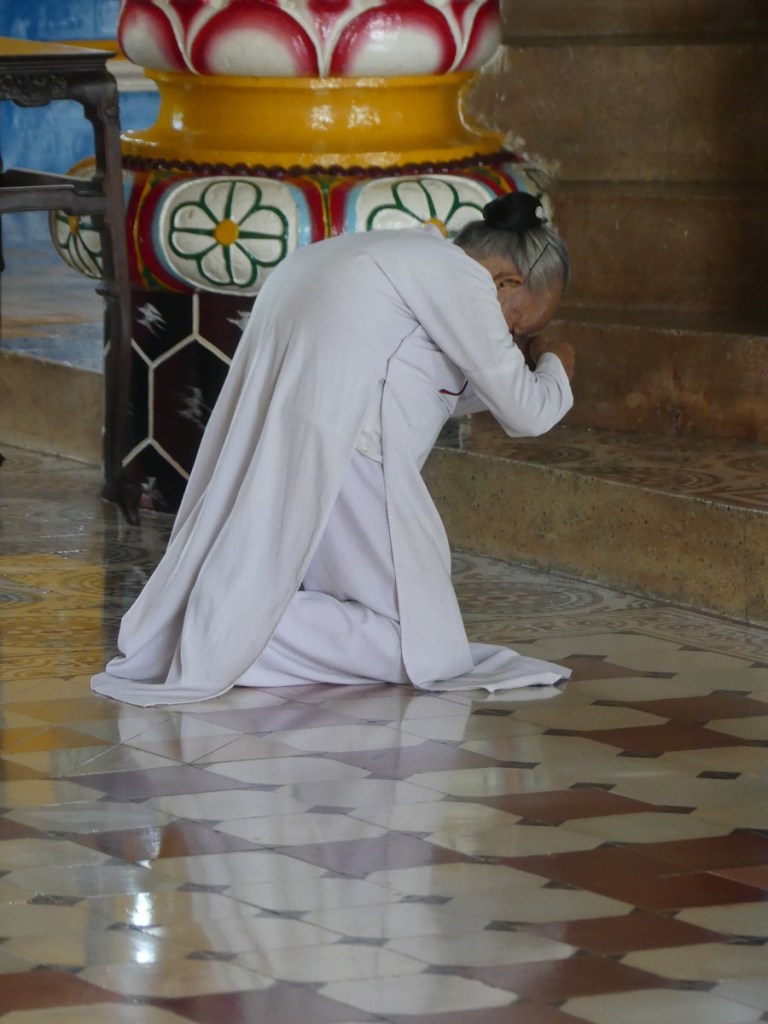
Practitioners wear white as a symbol of purity.
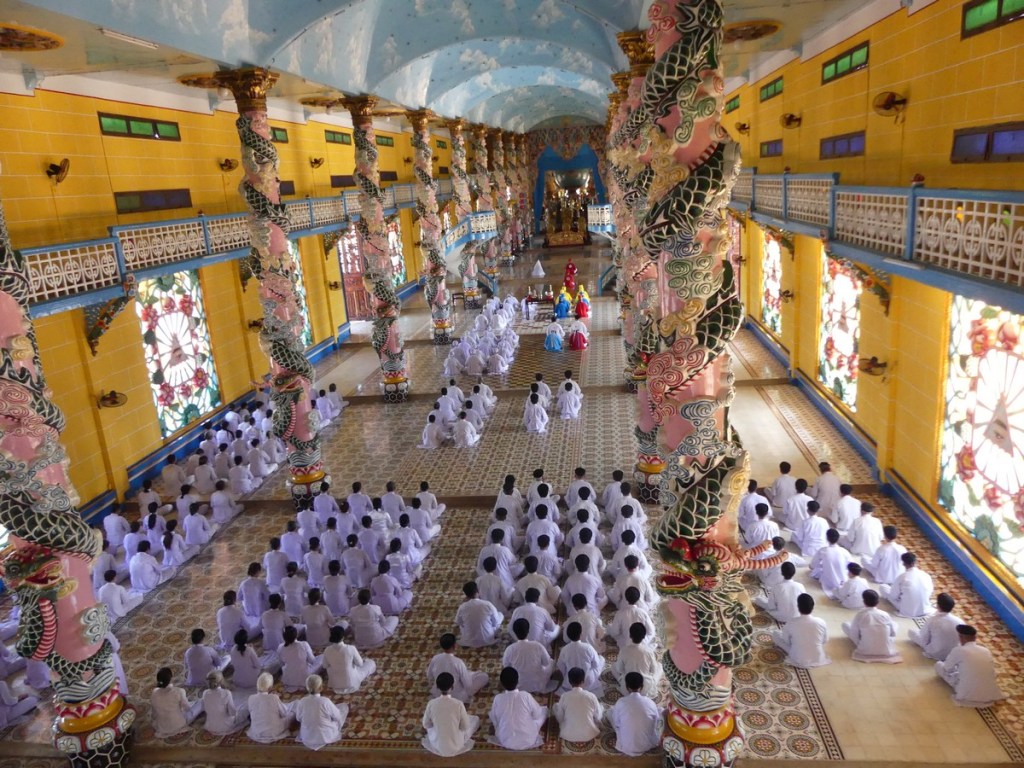
We went to the 12 AM mass which was impressive. Officials up front are grouped in 3 branches identified by the color of their robes. The Confucian in red, Buddhist in yellow and Taoist in Blue. The practitioners are in white.
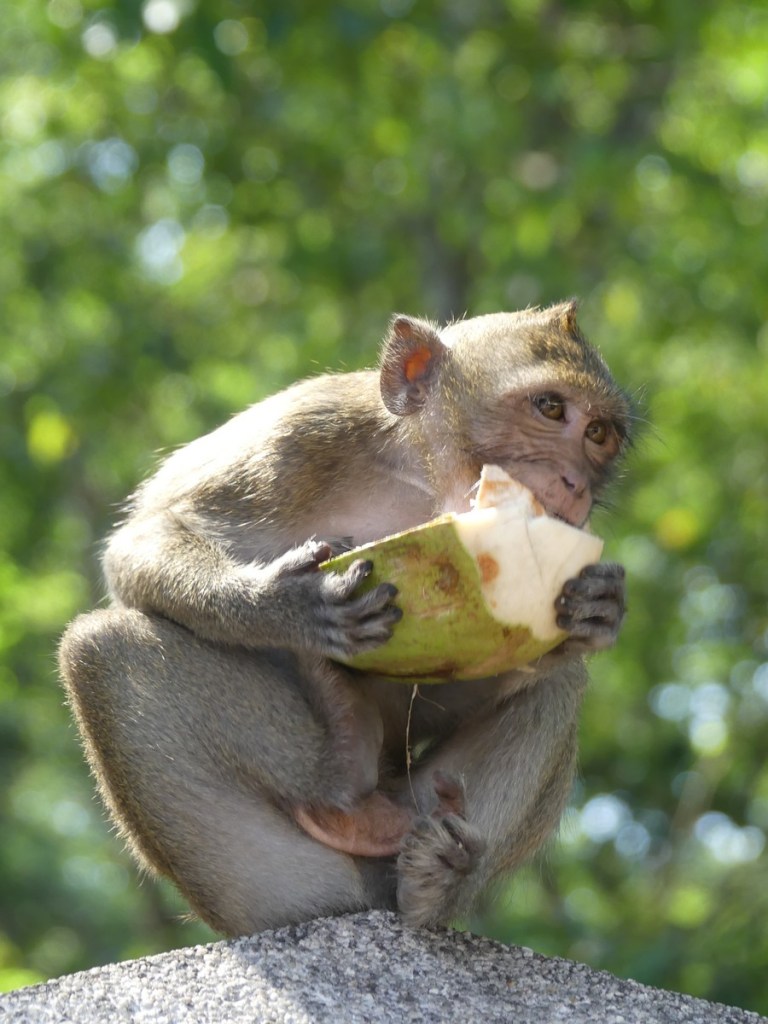
The park near the temple was crowded with rhesus monkeys looking for a piece of fruit, here a coconut shell.
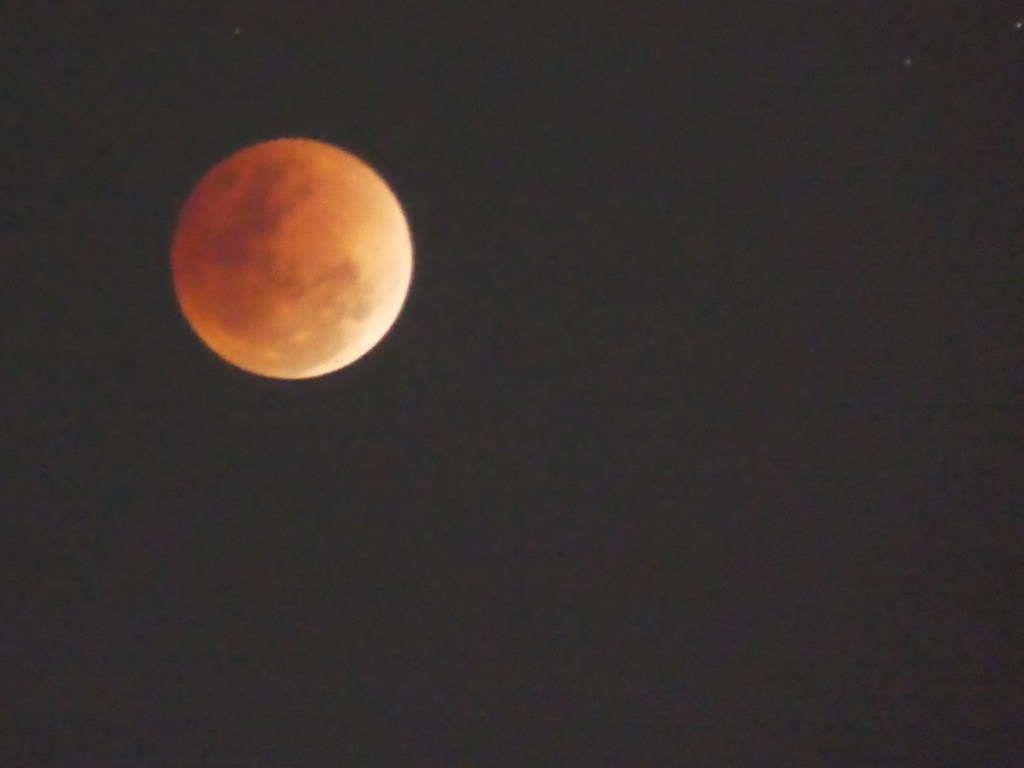
We did see the “supermoon”, although not as big as expected…You can already see a little bit of the light coming back on the right side.
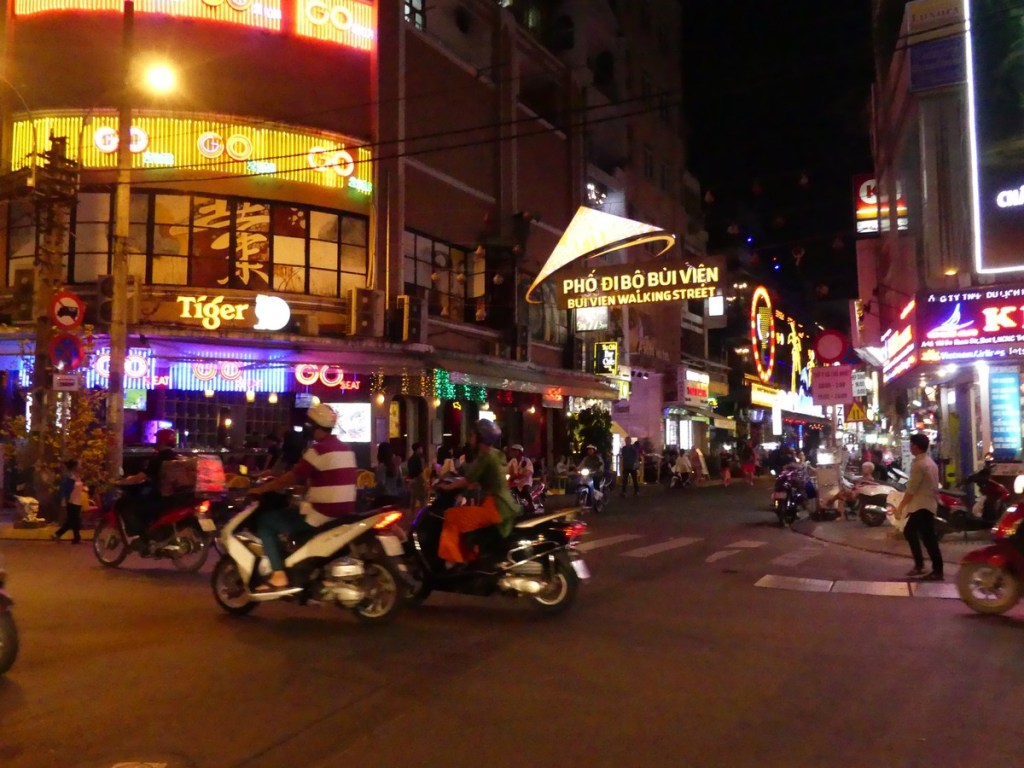
Nightlife in Saigon. The Vietnamese love lots of colored lights.
As I write this we are at the pool of our Hoi An Hotel, February 17. We have only had one morning of rain in Vietnam during our motor cycling trip (5 days) from Da Lat to Hoi An. More to come in our next blog
January 28th, 2018,State Library of Queensland, it is pouring water outside so good timing for another update on our last weeks of travel in Australia.
The library is really a great place to work on the blog. When I want to take a break there is a coffee house next door and several museums to visit for free. The library only closes on 4 holidays in the year.
Flashback: On January 6th we drove from Sydney to the Blue Mountains, another UNESCO World Heritage Park. They are called Blue Mountains because they are always surrounded by a blue haze which is caused by the many tiny eucalyptus oil droplets in the air. There are 90 kinds of eucalyptus in the park.
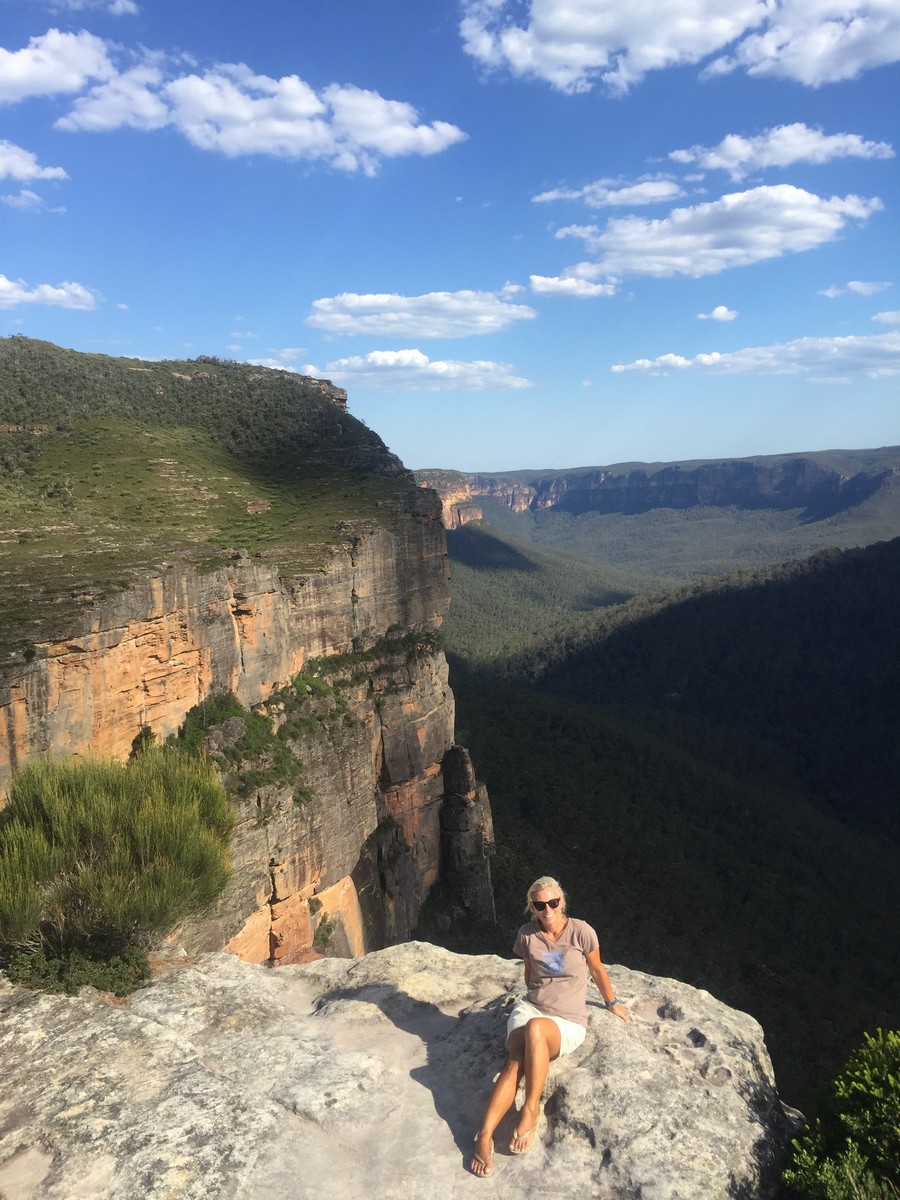
On our first stop in the Blue Mountains we decided to go to the Walls lookout, about a 1 hour walk. We really were amazed how beautiful this was and no one around :-).
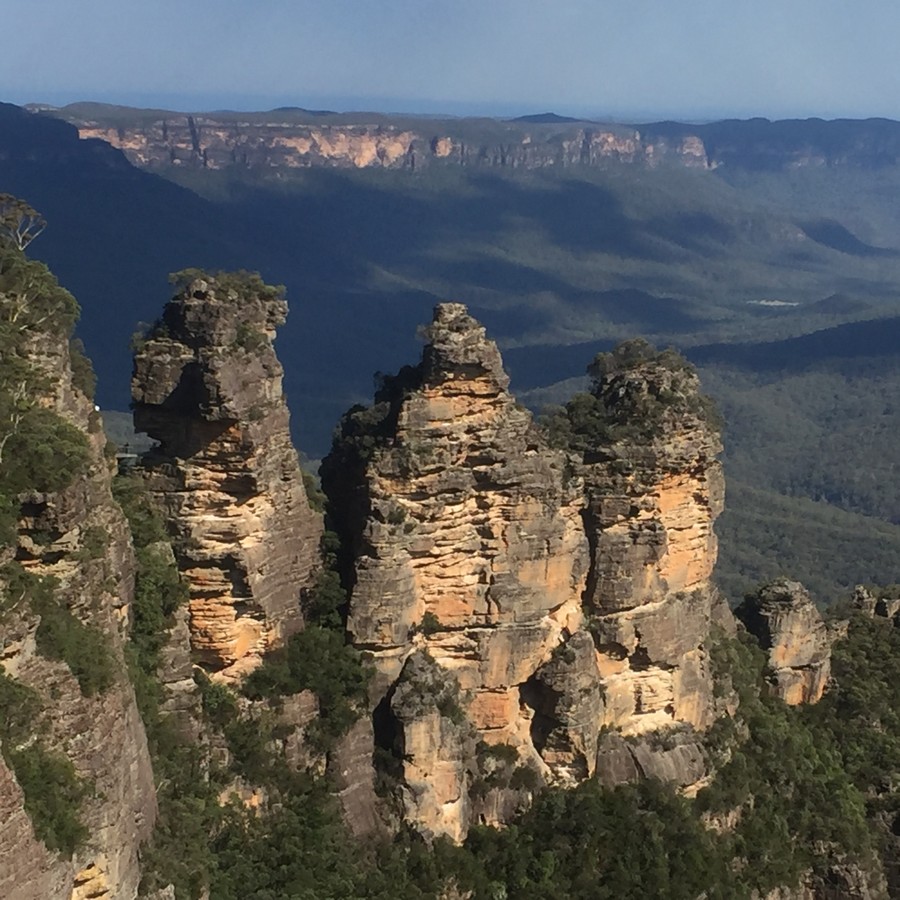
The Three Sisters, at Echo Point are carved out of sandstone. We walked to the tiny platform on the leftmost sister, on her bossom if you want to call it like this.
The ancient aboriginal legend tells the tale of three sisters – ‘Meehni’, ‘Wimlah’ and Gunnedoo’. These three enchanting girls lived in the heart of the Jamison Valley as part of the Katoomba tribe. Yet the girls were young and their hearts were captured by three brothers from a neighbouring tribe. However the law of the land forbid the girls from following their desires and marrying outside their own people. The brothers decided to capture the girls and carry them away to be wed, a major battle started as the two tribes clashed. An elderly witchdoctor from the Katoomba tribe feared for the safety of the beautiful sisters and cast a spell to turn them to stone to keep them safe from harm. Yet during the raging battle the witchdoctor was killed and unable to reverse the spell.
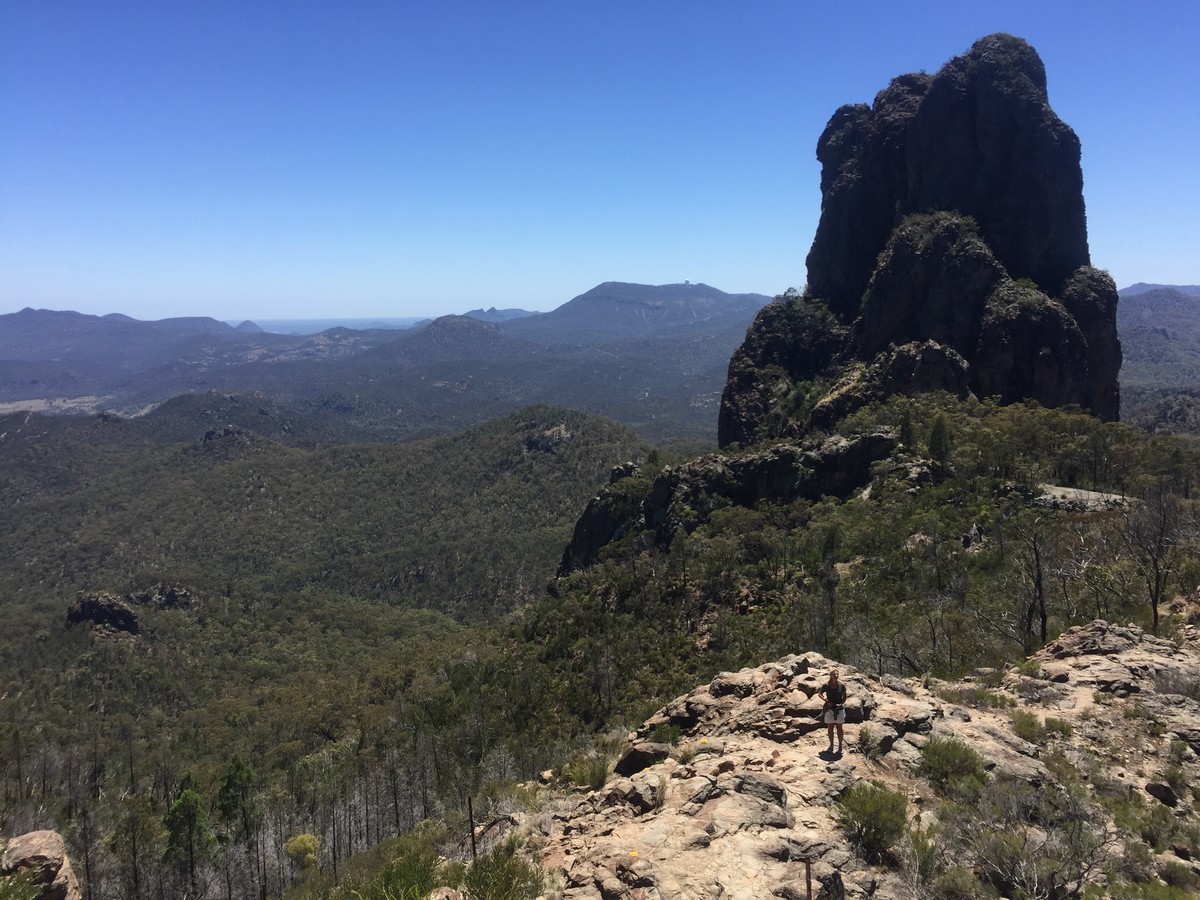
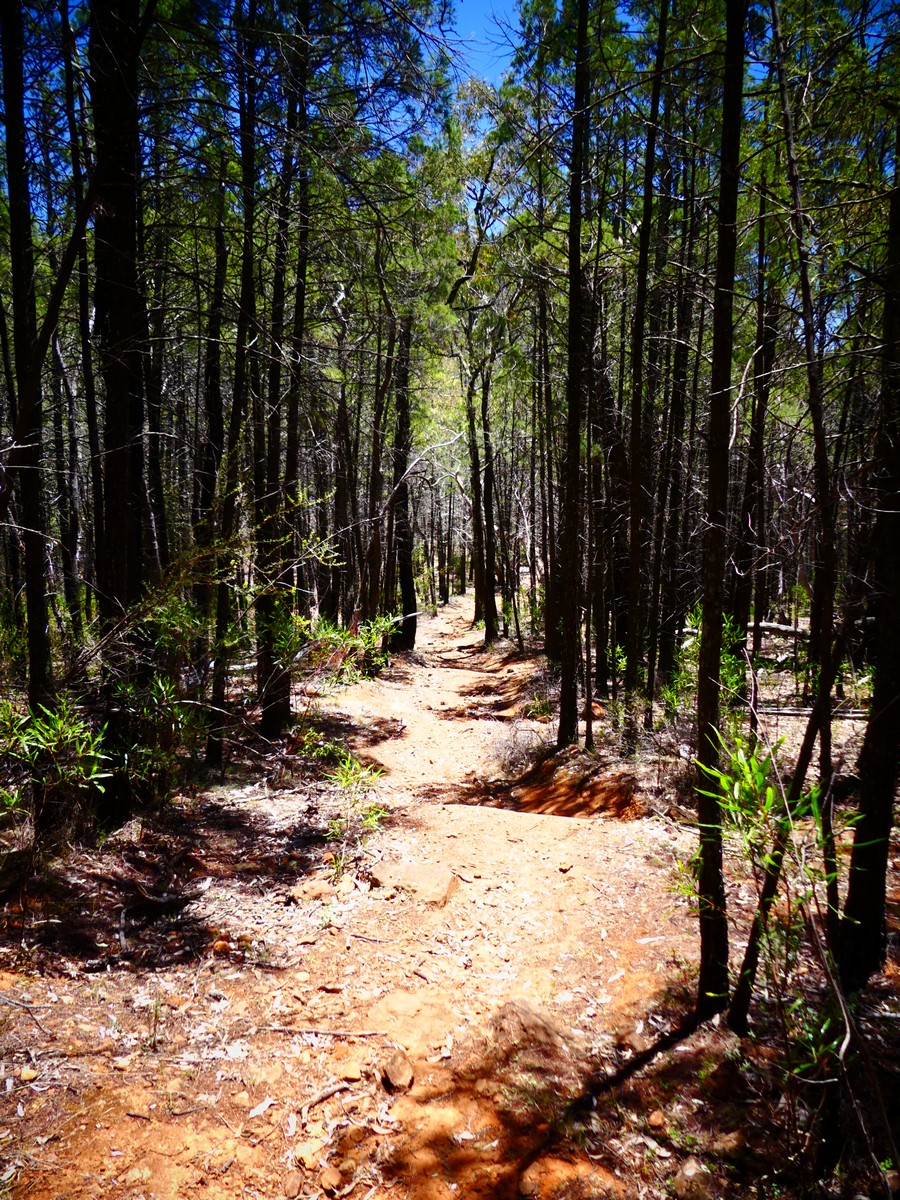
On our walk to the High Tops in the Warrumbungles.
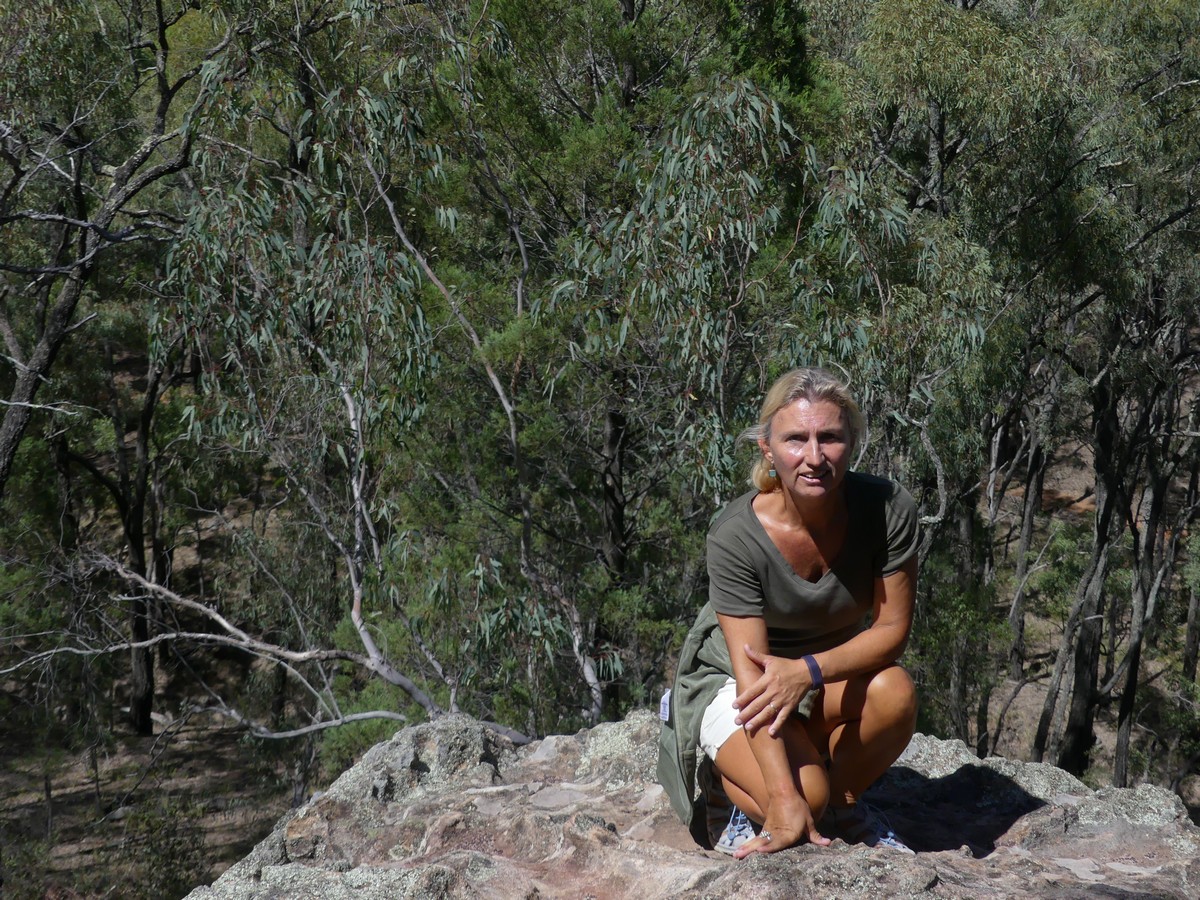
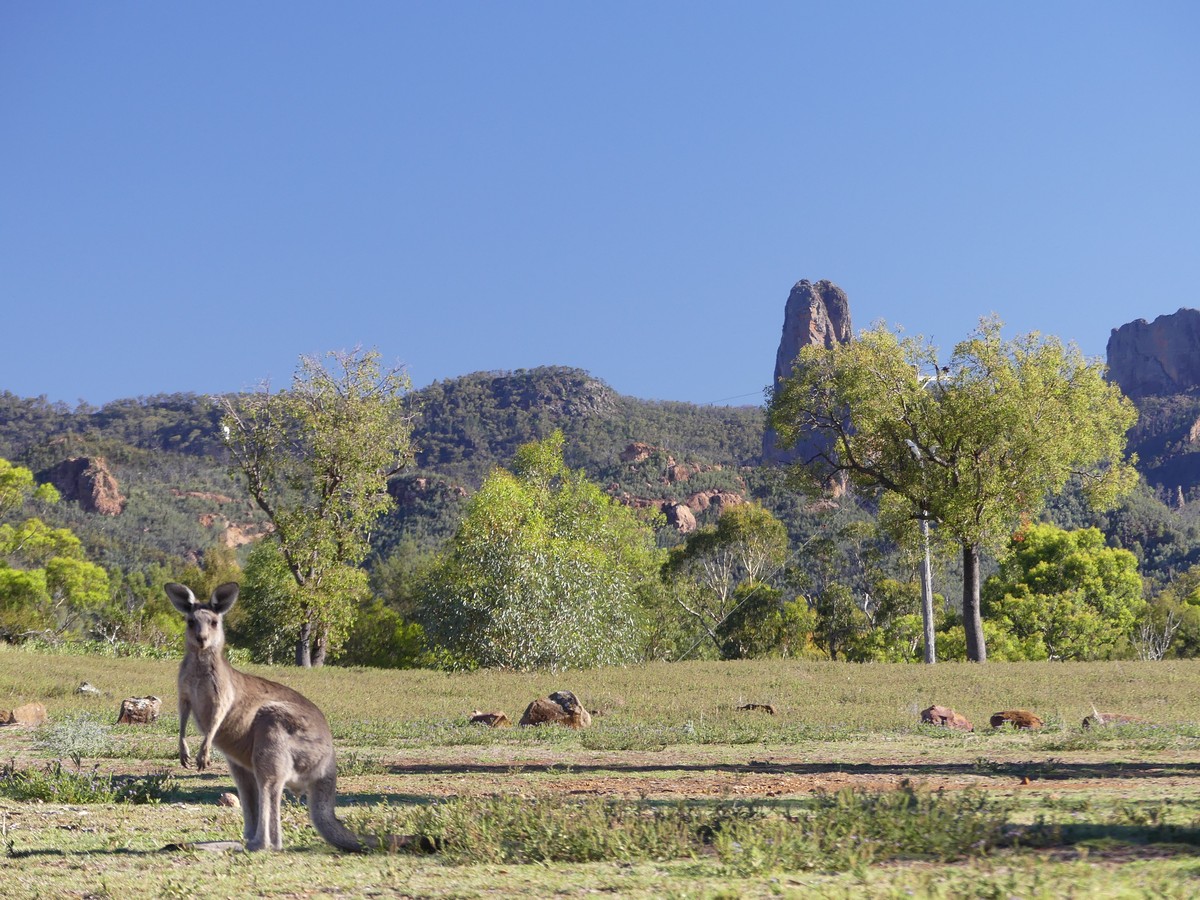
We hiked one of the best walks in NSW in the Warrumbungles, the Breadknife and High Tops walk. The scenery was incredible, and you can see me in the foreground. the walk featured 800 stairs, and was 20 km long.
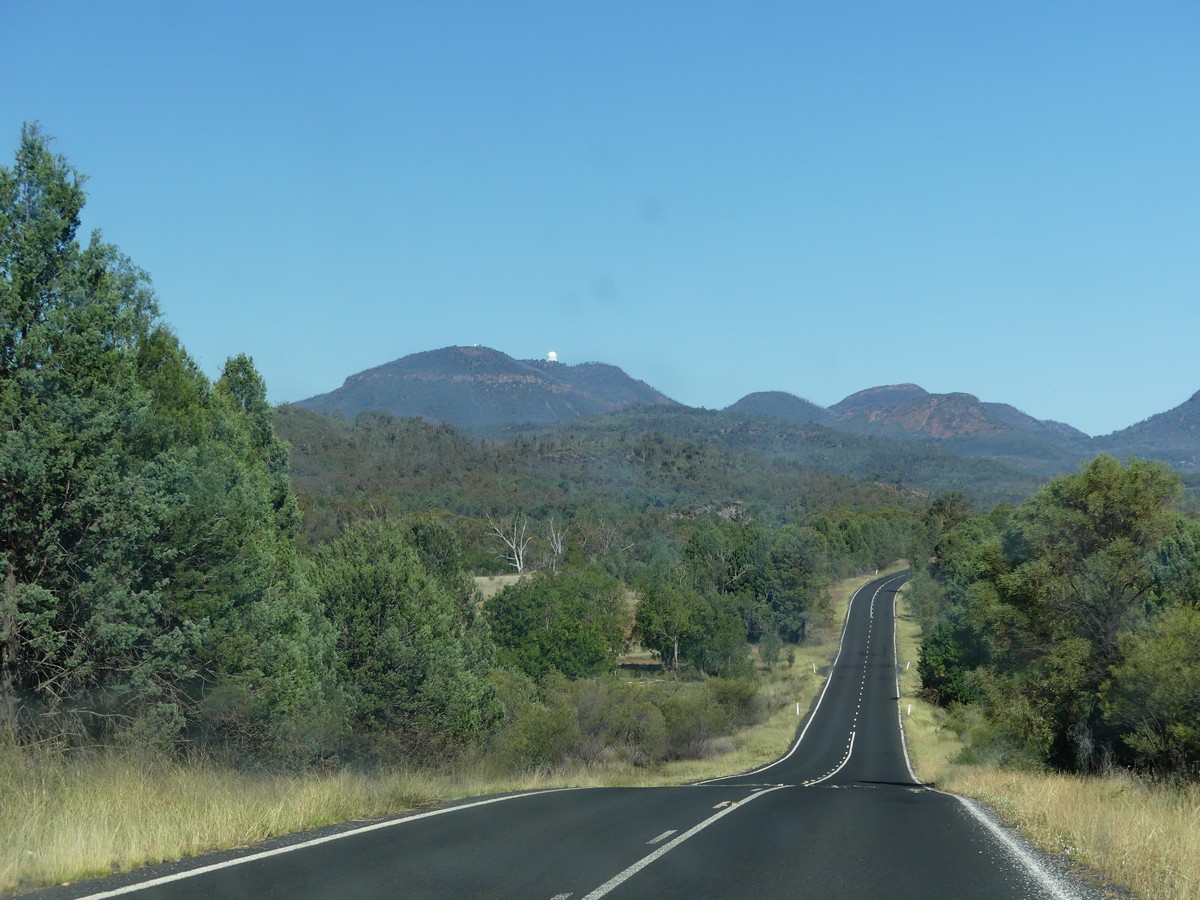
Entering the Warrumbungles NP (aboriginal word for “crooked mountain”). The white dome is the Siding Spring Observatory.
View from our camping spot in the Warrumbungles, definitely one of the best campgrounds (See video Stefan in later post)!
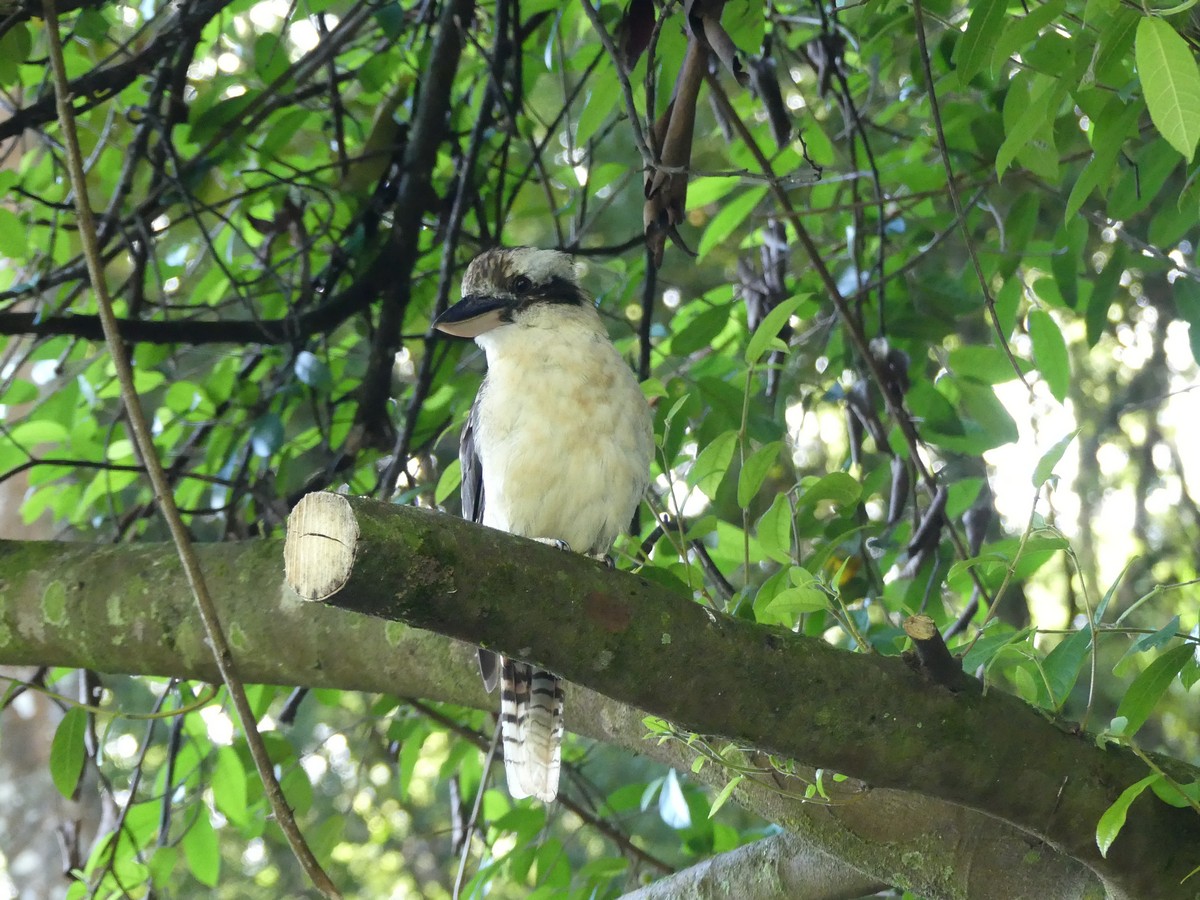
My favourite Australian bird, the kookaburra. We woke up every morning with his incredible “laugh” and in the evening he alerted us when it was time to start dinner :-). In the YouTube video below you can hear his incredible laugh. The Kookaburra is a type of Kingfisher.
The Warrumbungles experienced a forest fire in 2013. Slowly but surely nature is recovering, but because all koalas died in the fire, they have not been spotted yet.
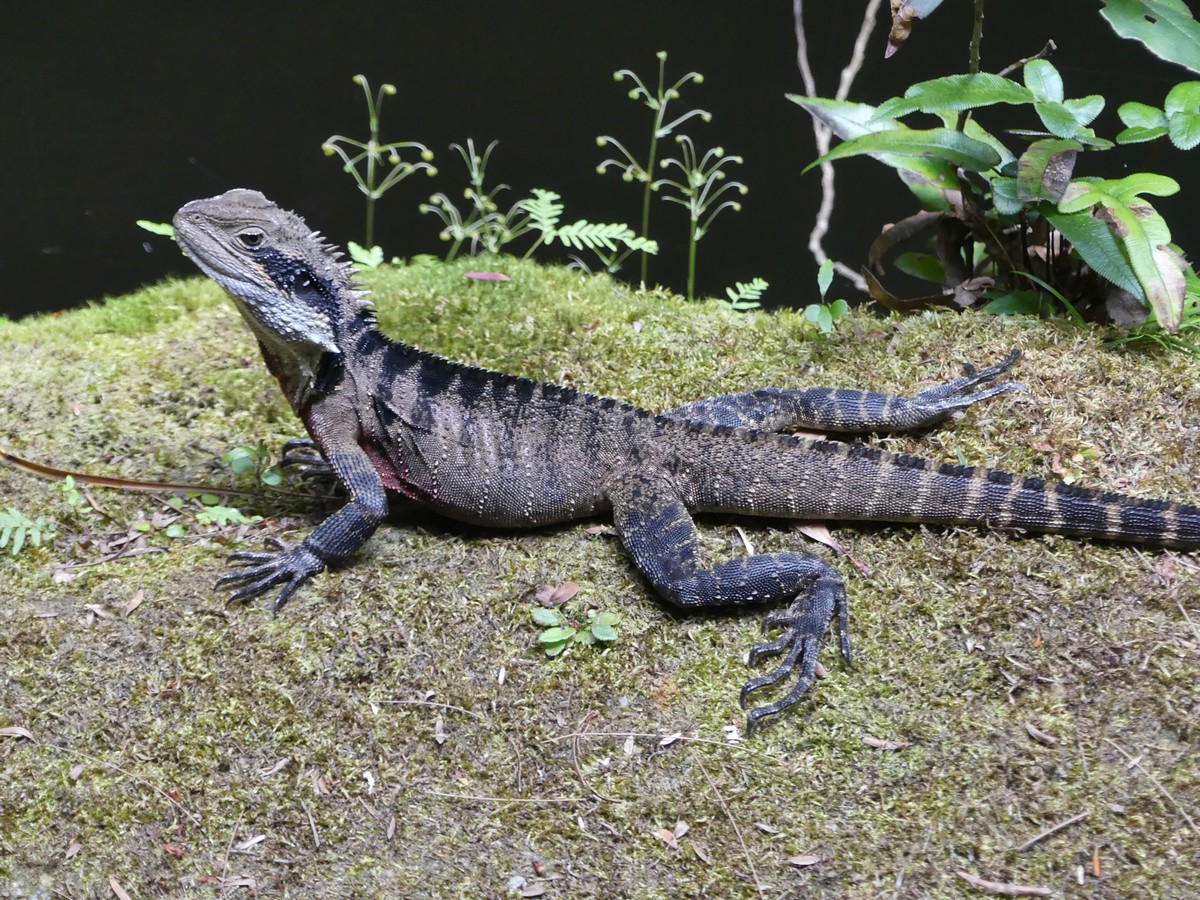
An Australian Eastern Water dragon bathing in the sun.
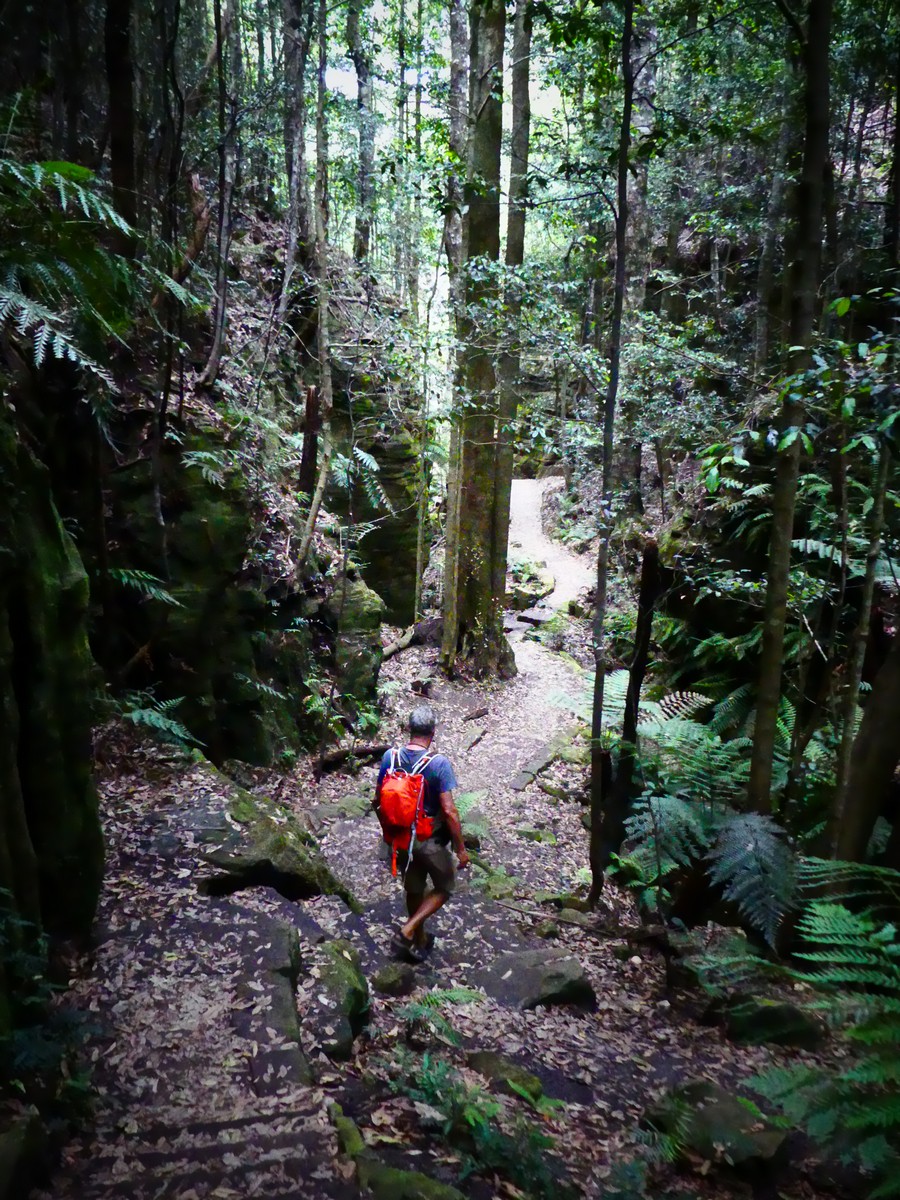
Grand Canyon walk in the Blue Mountains. We descended into a canyon, and at the end made the climb back up to the ridge top.
We enjoyed Canberra with the beautiful National Gallery, the Portrait Gallery, the Library, the Parliament and the War Memorial. I personally liked the special exhibition on David Hockney in the National Gallery.
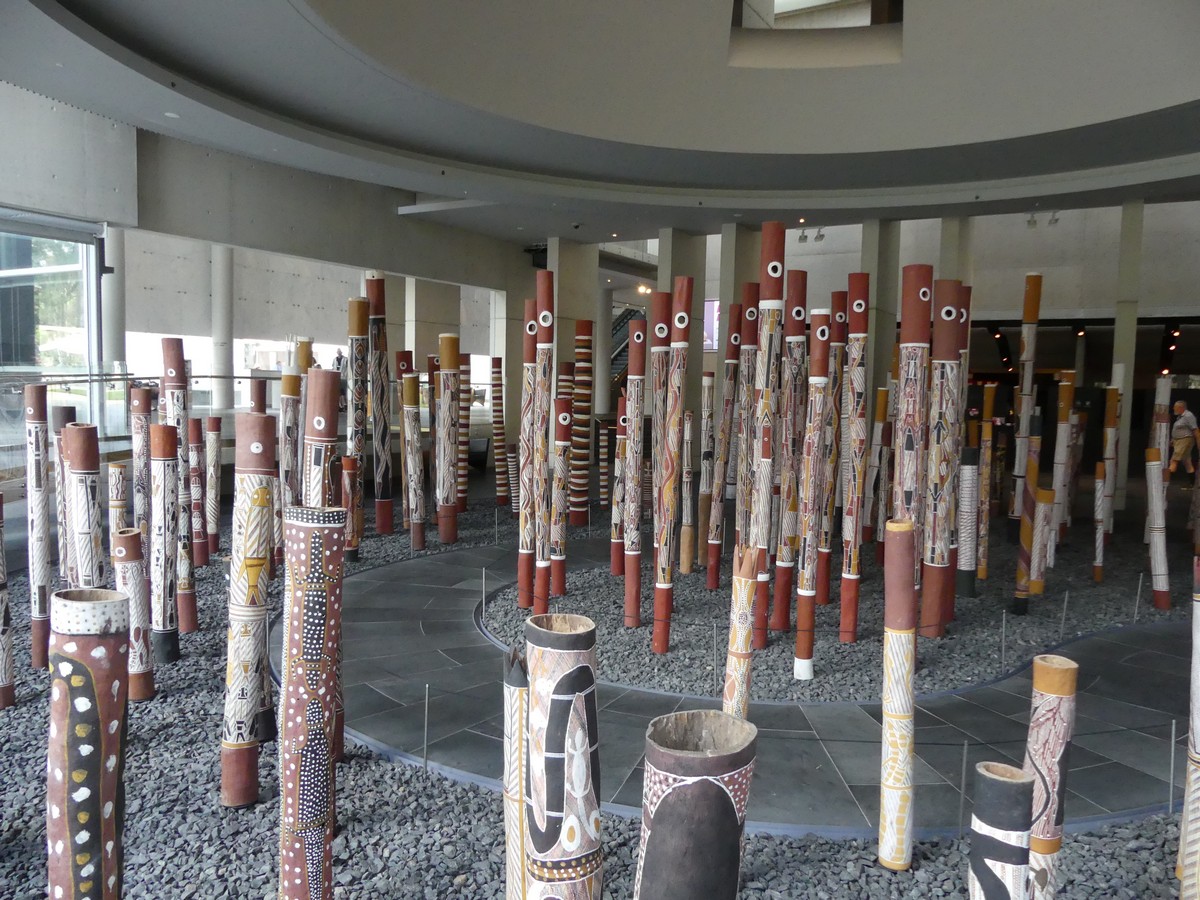
The Aboriginal Memorial is an installation of 200 hollow log ceremonial coffins in the National Gallery. It was created by 43 artists for the Bicentenary of Australia which marked the 200 years of European settlement.
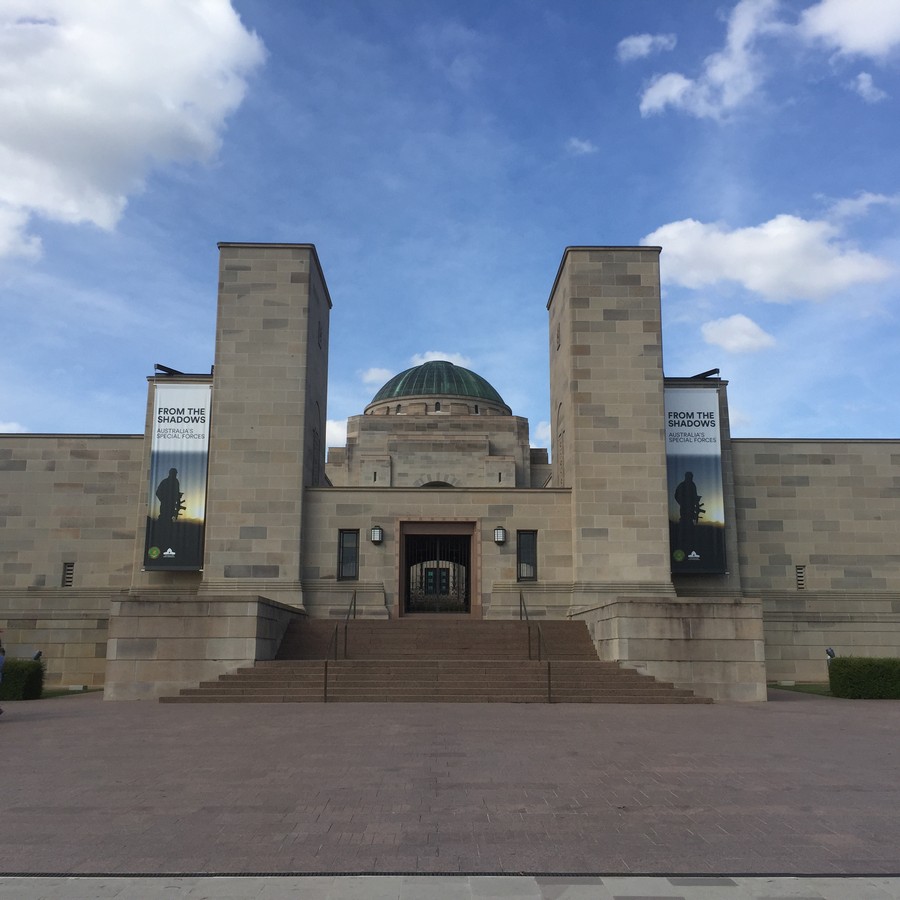
The Australia War Memorial opened in 1941. We went to the Last Post at closing and spent the next day a couple hours in the museum. You can easily spend the day there, it is huge.
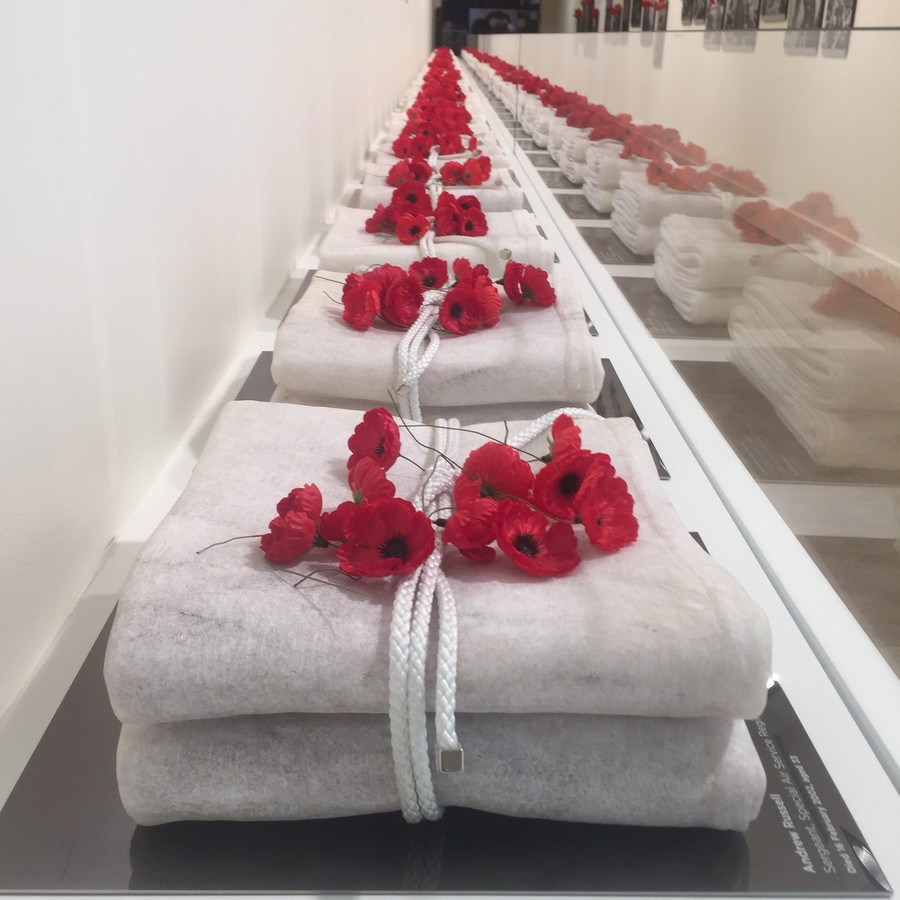
A work of Alex Seton, “As of today”, 41 sculpted marble flags with halyard to commemorate the Australian soldiers who have lost their lives while serving in Afghanistan.
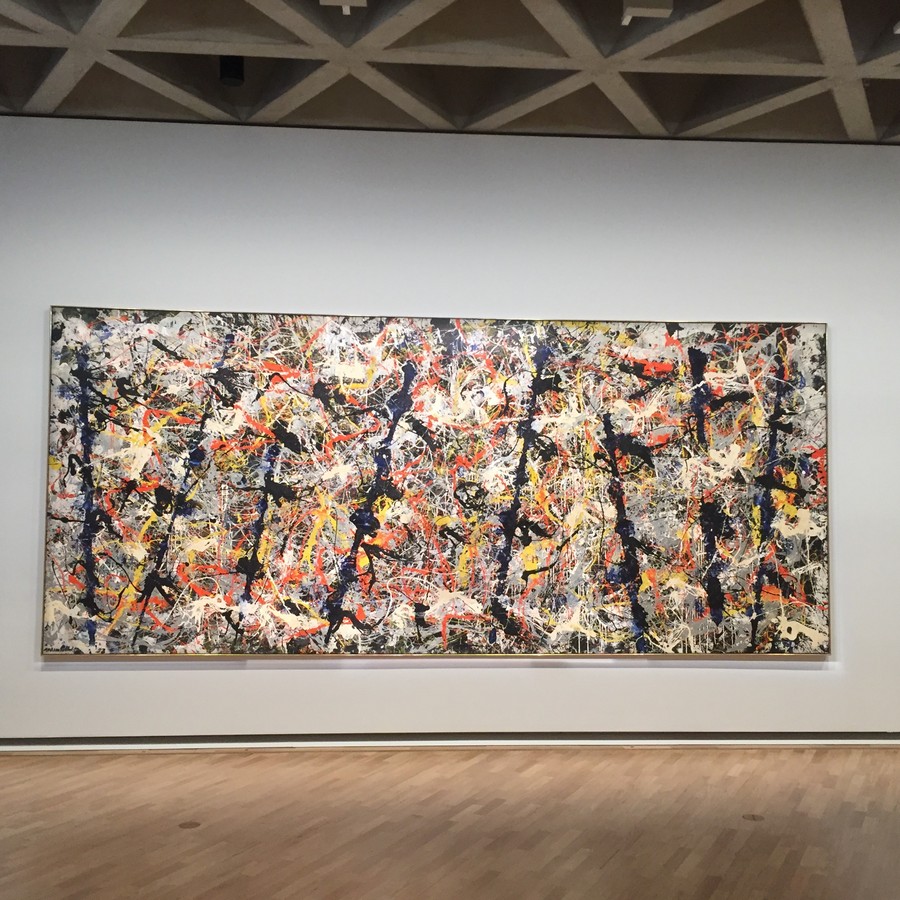
National Gallery: “Blue Poles” from Jackson Pollock, painted in 1952.
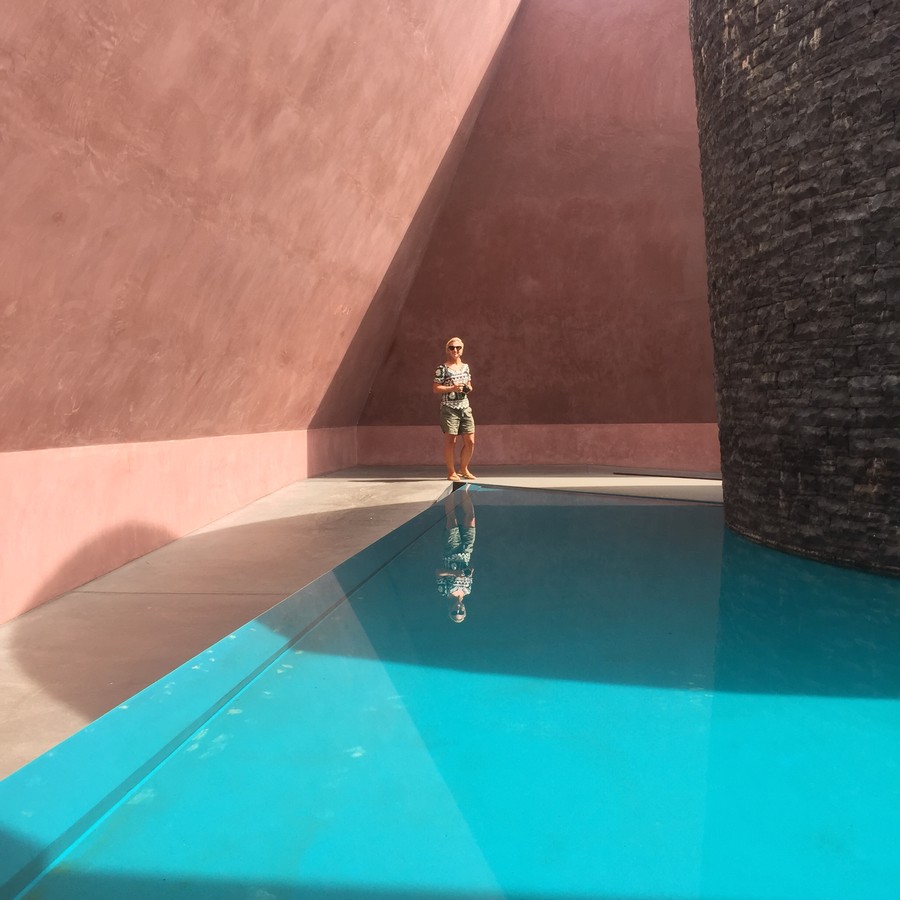
An installation from James Turrell “Within without” in the sculpture garden of the National Gallery.
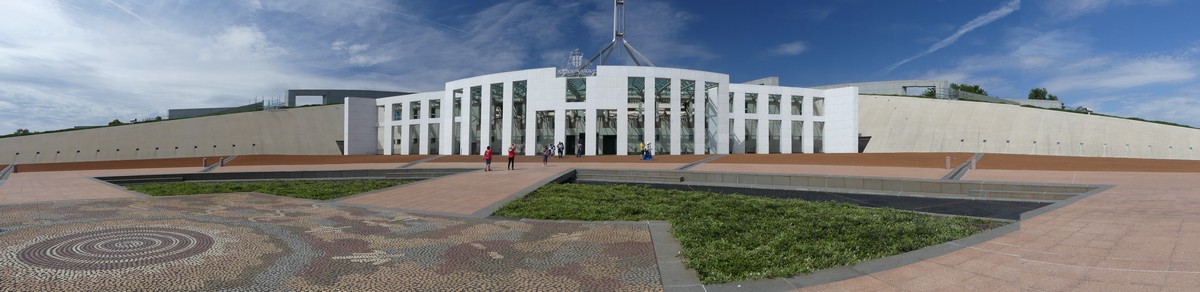
The Parliament House of Australia.Construction began in 1981 and was finished in 1988. Although elections can be called early, every 3 years the full House of Representatives and half of the Senate is dissolved and is up for reelection.
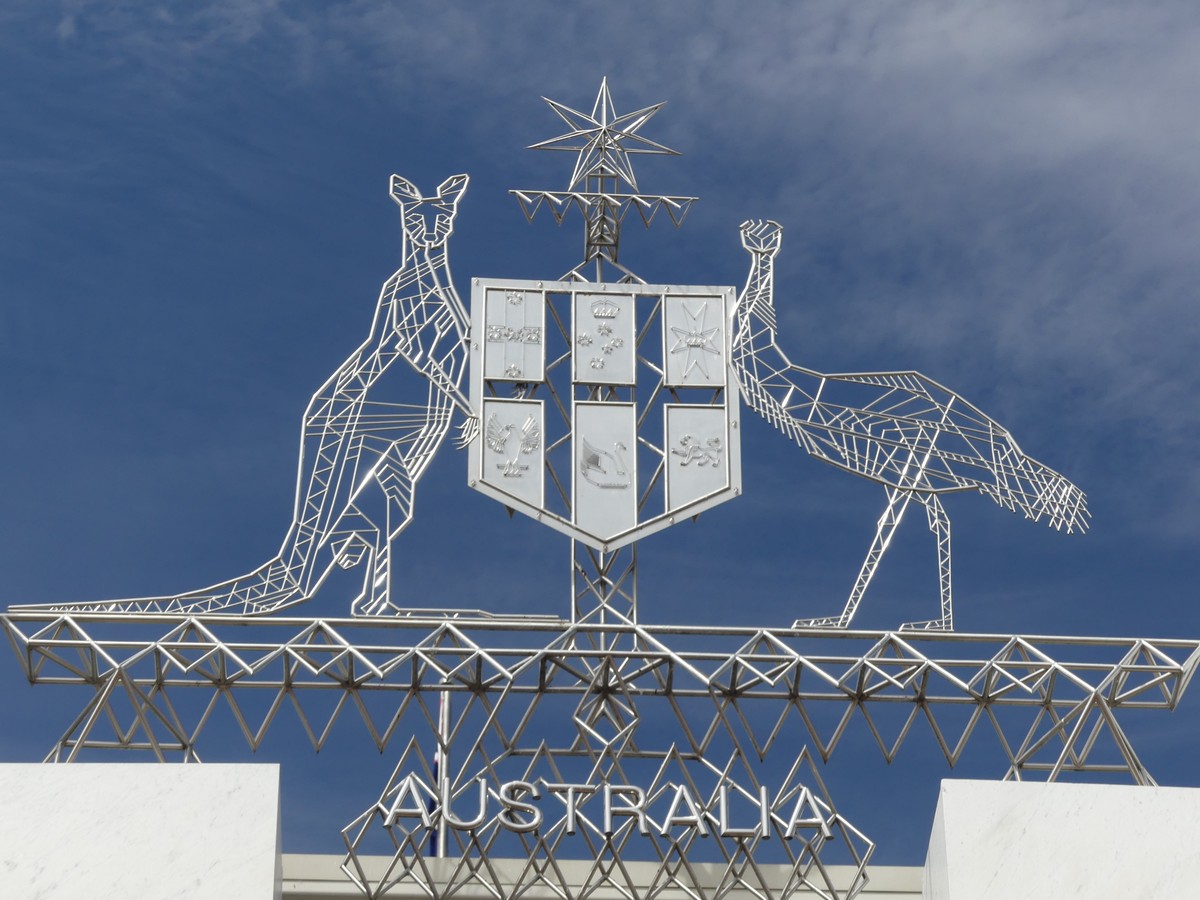
The Coat of Arms of Australia on top of the parliament building. The kangaroo and emu were chosen as part of the emblem not only because they are endemic and well-known Australian animals but also because they can not move backward and thus represent a nation “moving forward”.
A short walk in Hill End, goldtown country. During the goldrush between 1850-1870 about 8000 people lived here. Today there are only 80 people left.
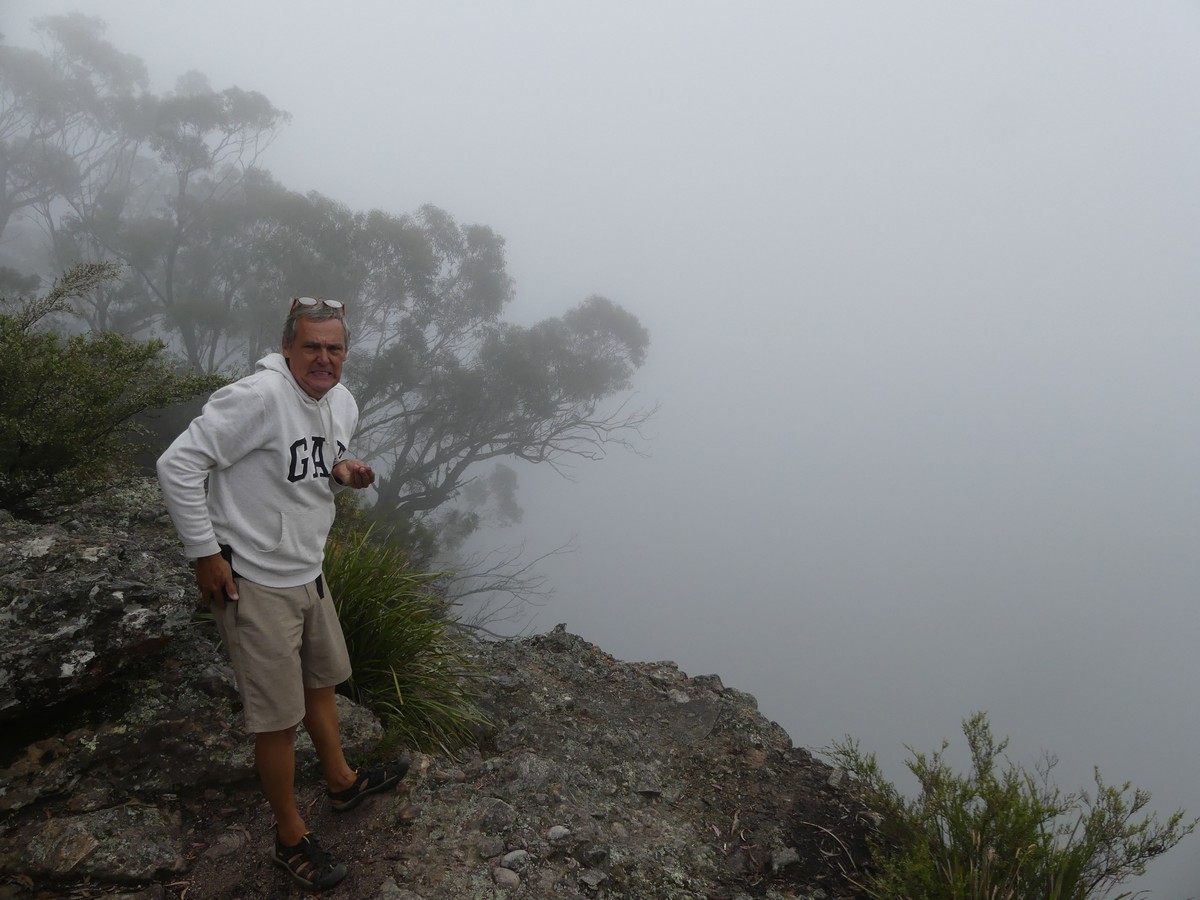
We did the lookout walk in Kanangra-Boyd National Park but a thick pack of clouds made it impossible to see a thing. Stefan is standing at the cliff edge.
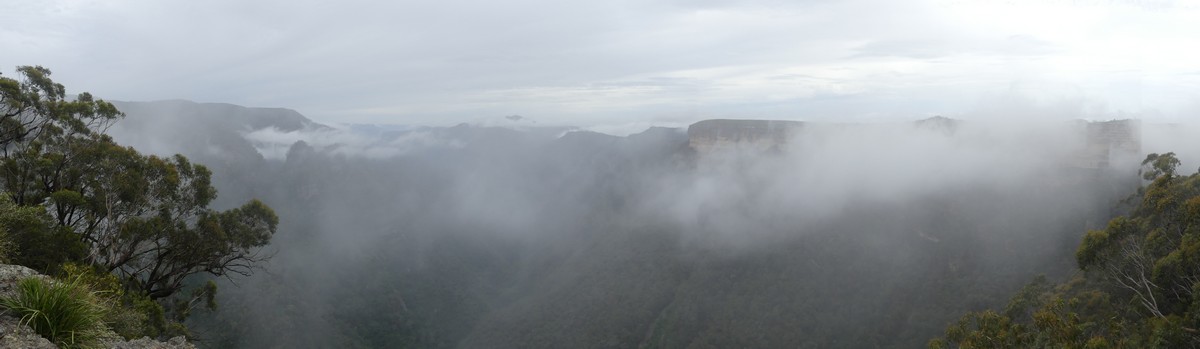
A half hour later at the same spot, the sun was slowly chasing the clouds away.
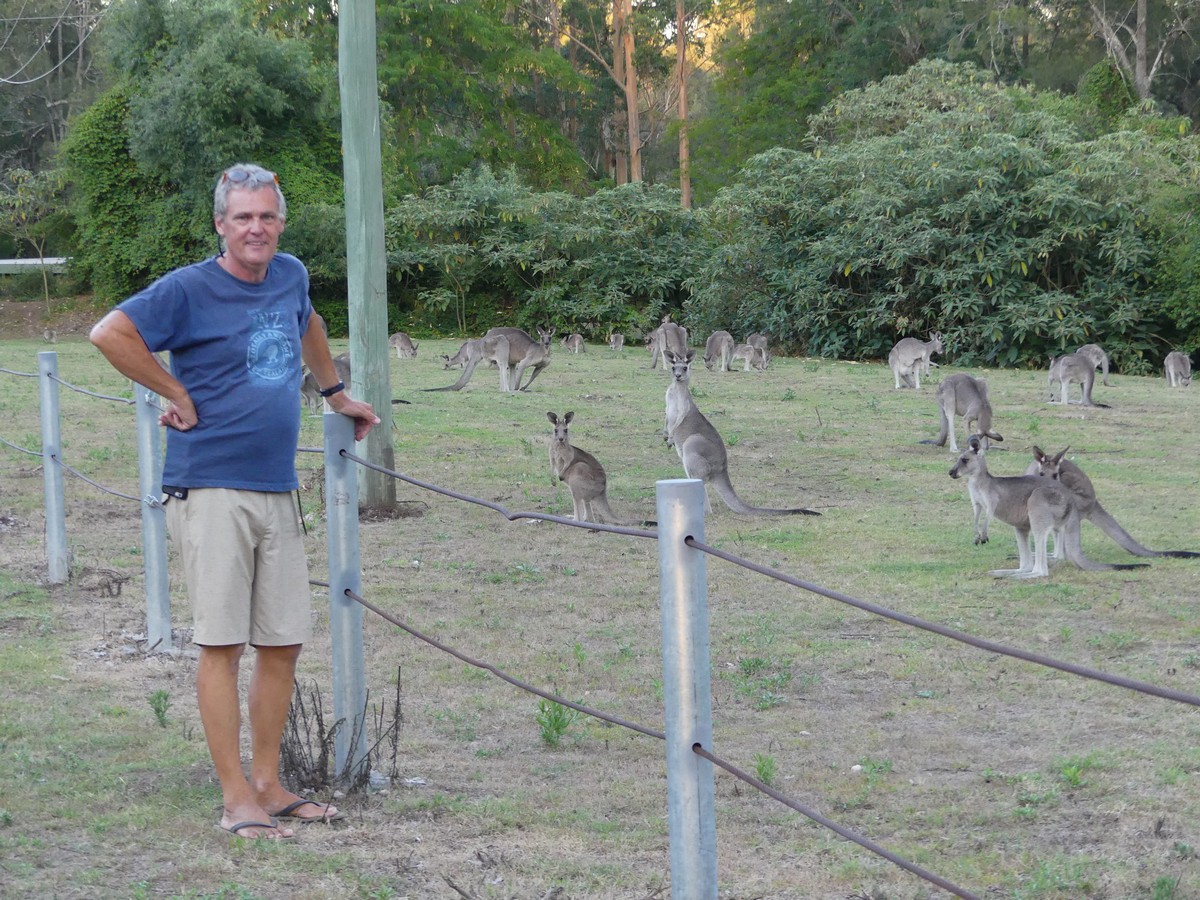
Stefan and his team of followers :-).
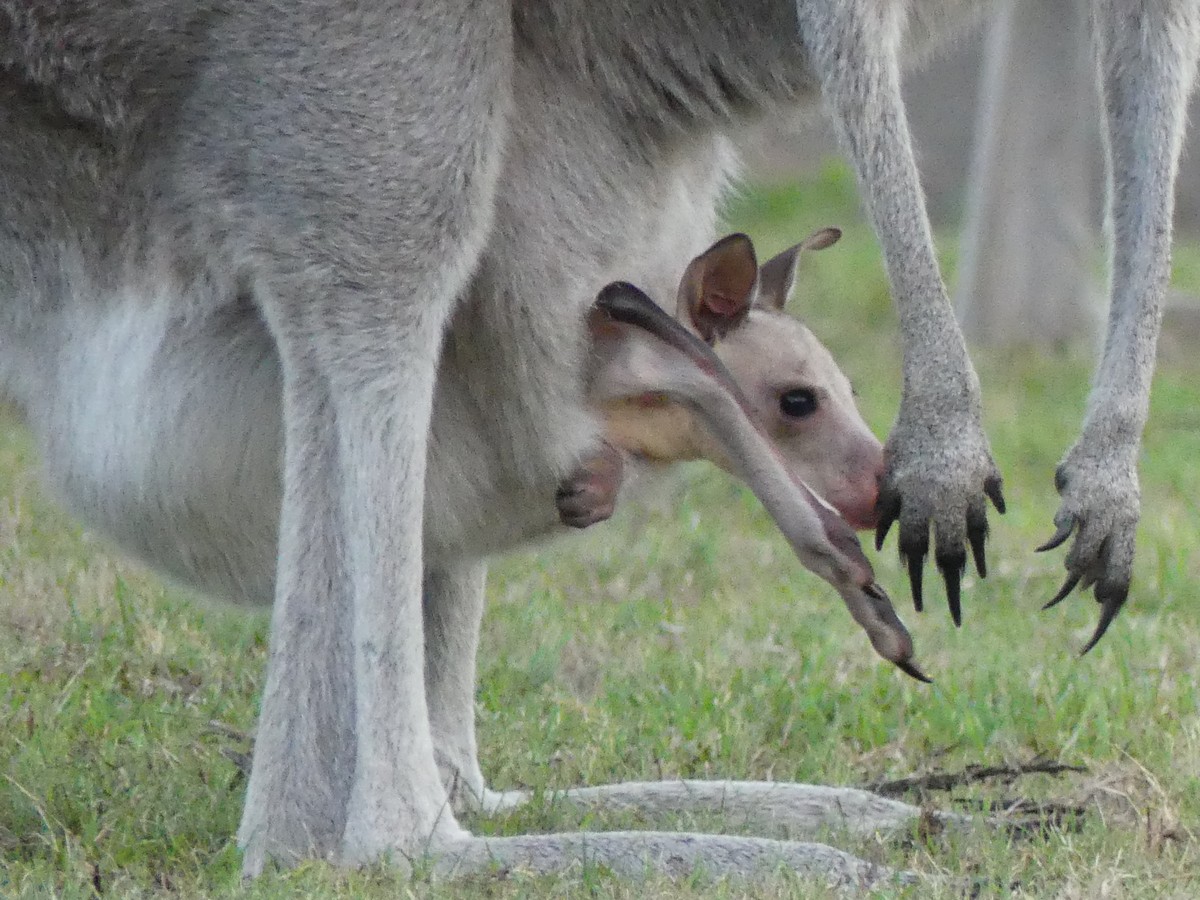
A baby-kangaroo, called a “Joey”, peeping to see what the world is like. Baby kangaroos are born weighing less than a sugar cube. By the time it is about 8 months the mother is ready for it to leave the pouch.
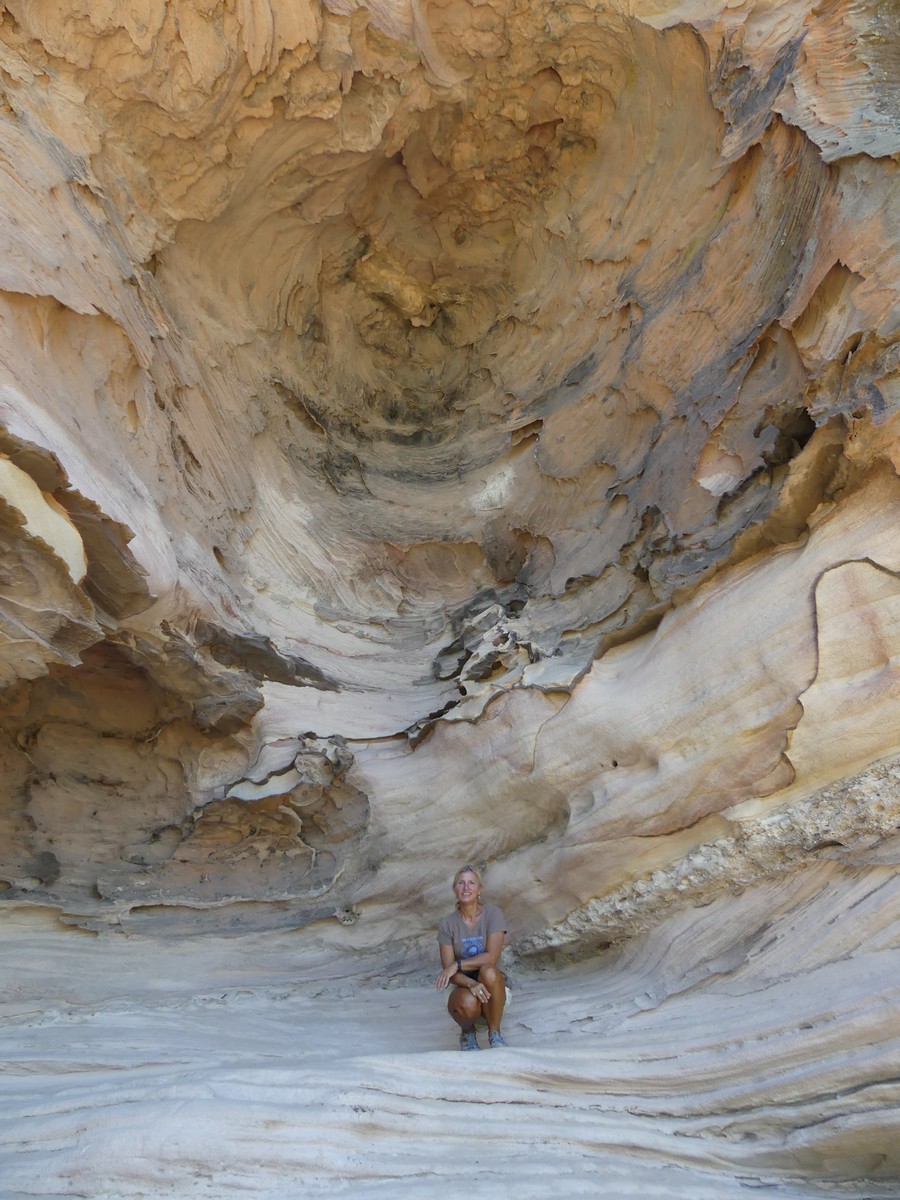
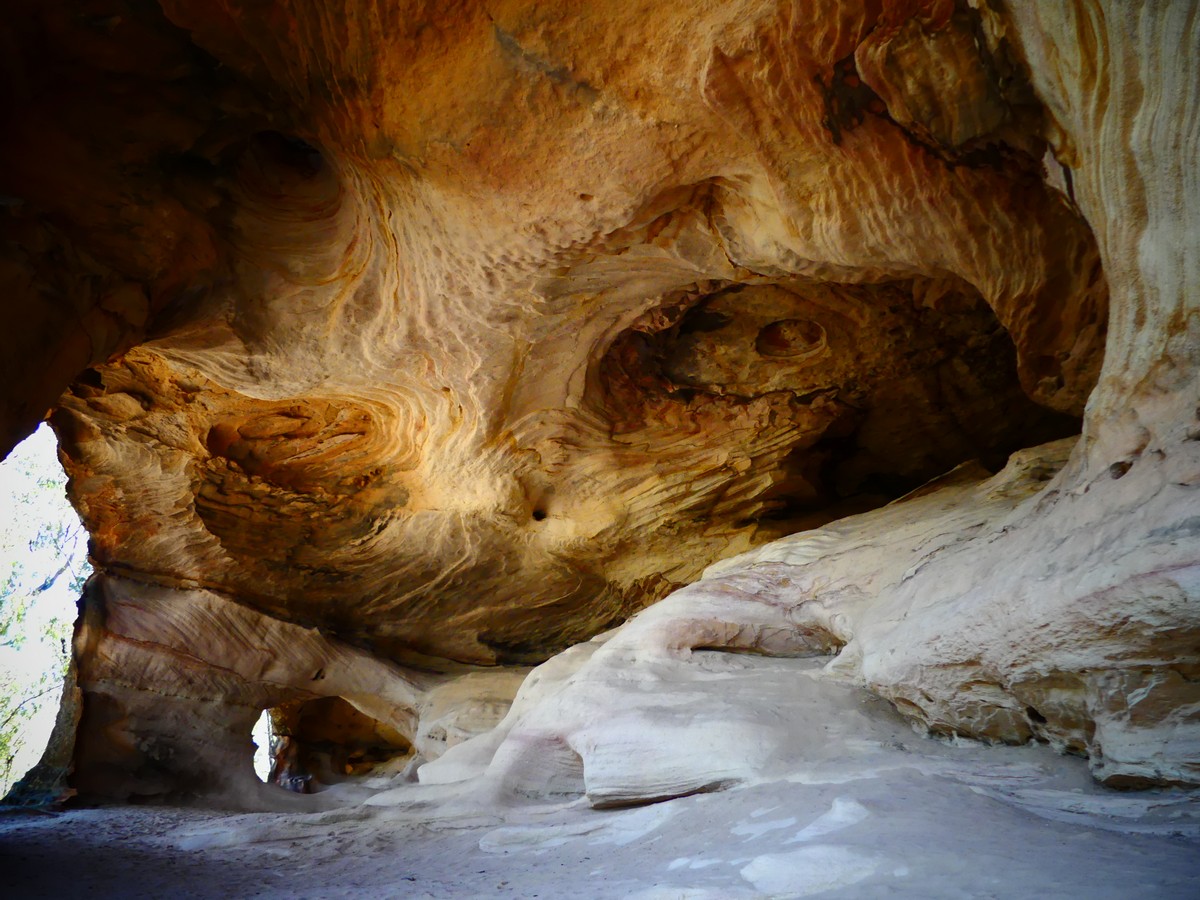
Beautiful sandstone caves in the Pilliga Nature Reserve.
The seeping water dissolves the softer rock leaving a colorful and varied wall pattern.
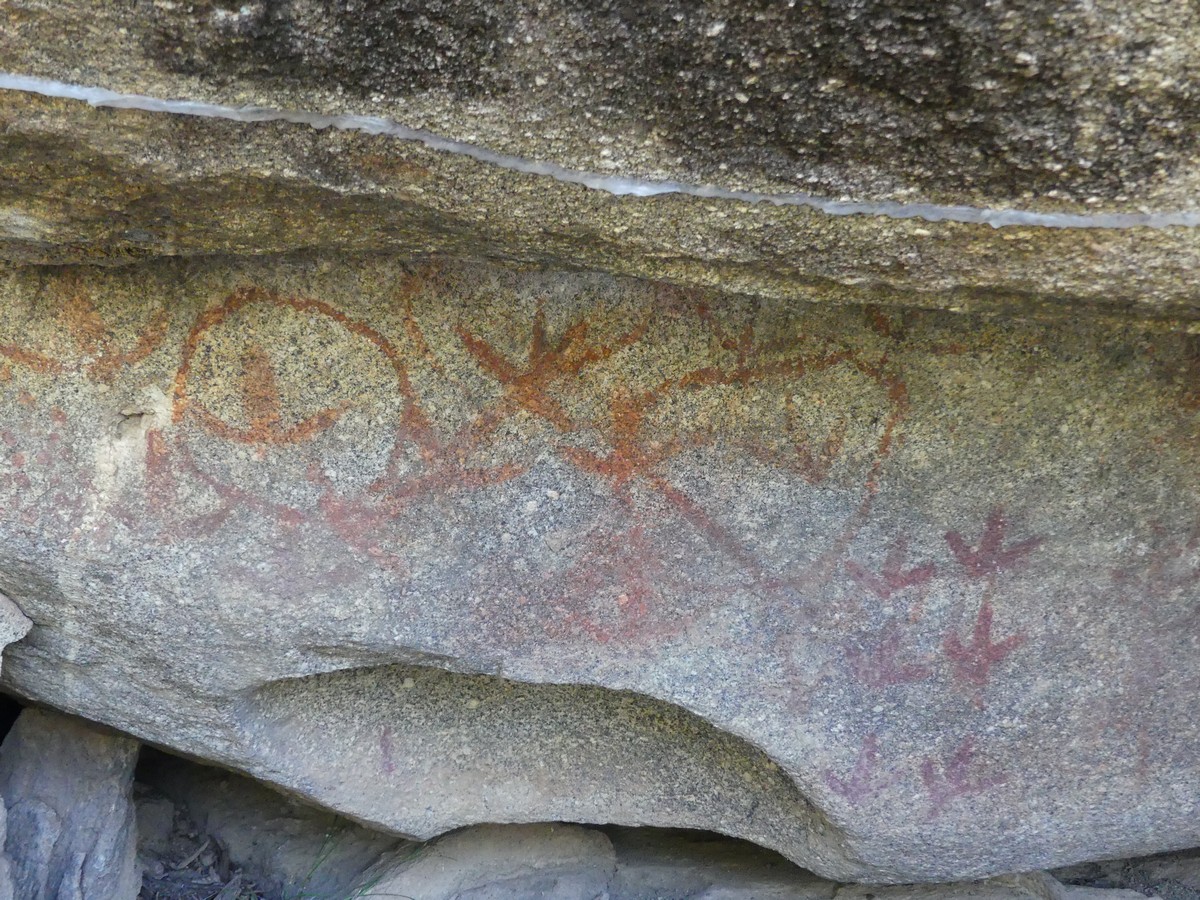
The caves harbor aboriginal rock drawings of emu tracks and hand patterns.
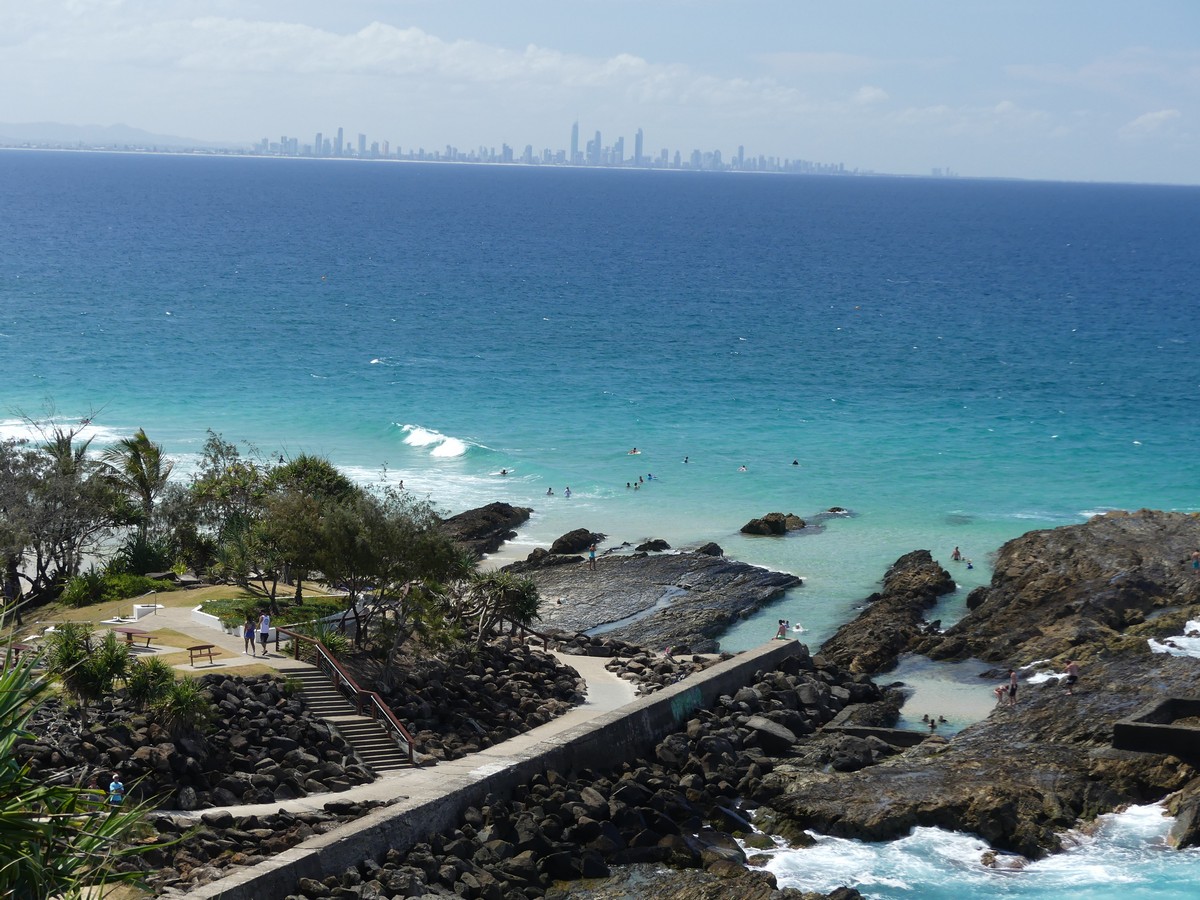
Point Danger in Coolangatta with Brisbane on the horizon and many surfers waiting for the perfect wave. The point was so named by Captain Cook because of the many surrounding reefs.
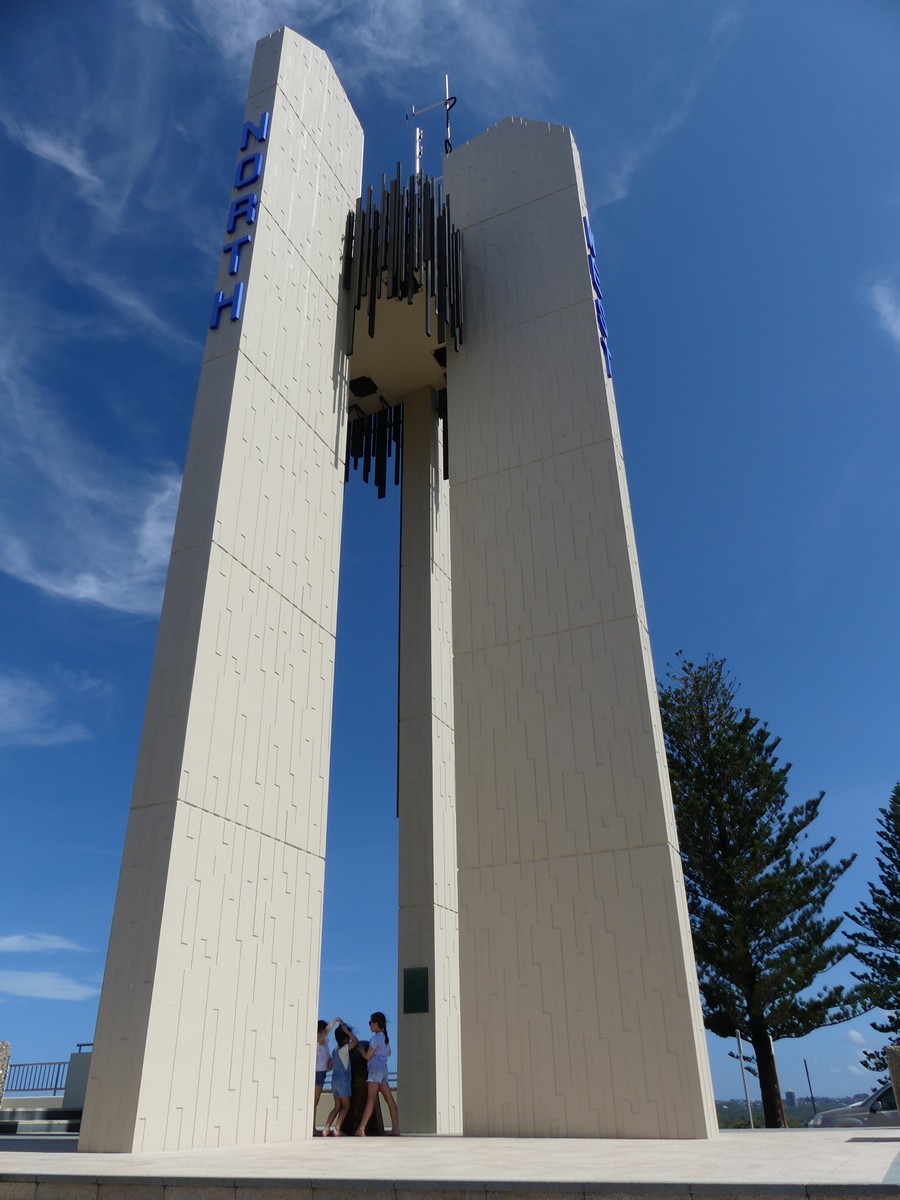
The point danger Lighthouse also marks the border between the states of New South Wales (S) and Queensland (N). There is a 1 hour time difference between the two and the border runs along a street lined with bars. Makes for a double new years eve celebration with minimal travel!
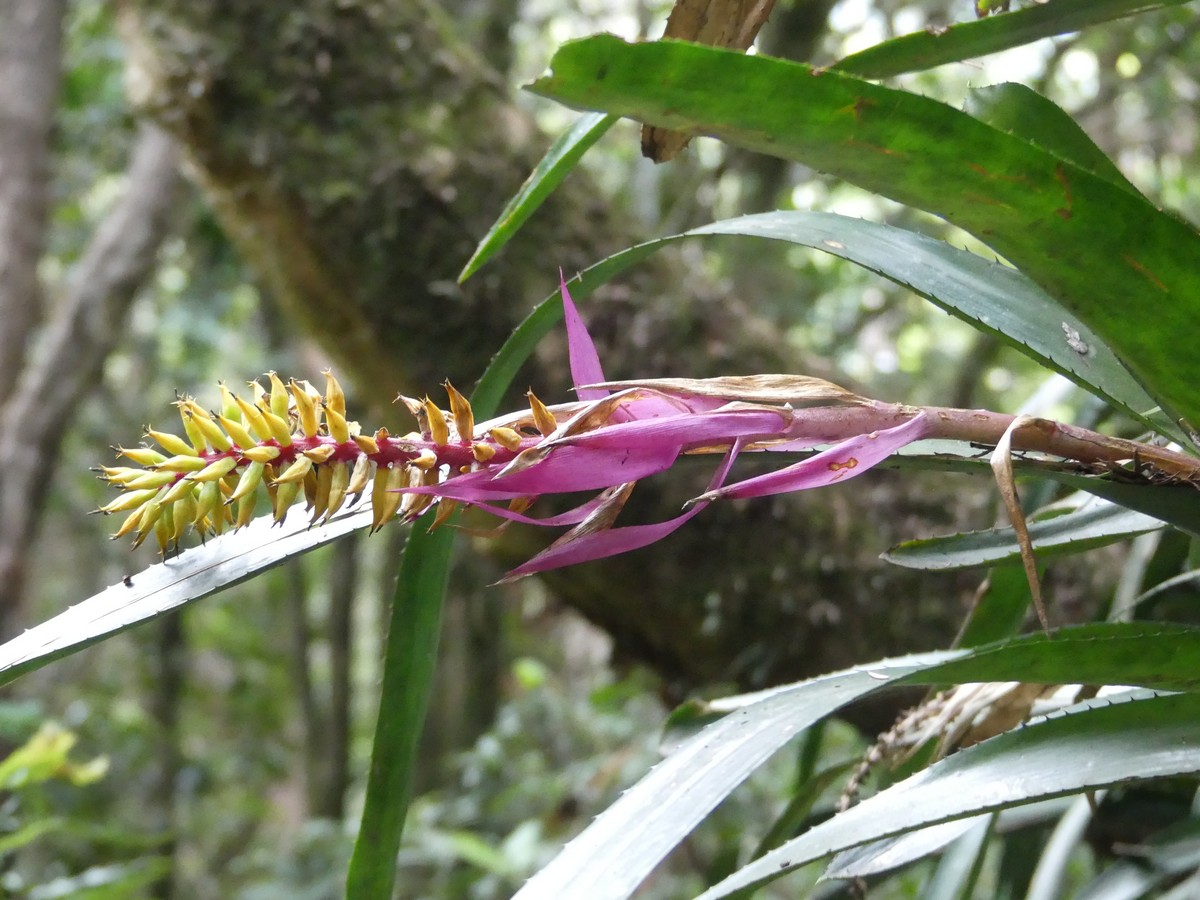
Lamington NP in the Green Mountains. I have not been able to find the name of this beautiful flower.
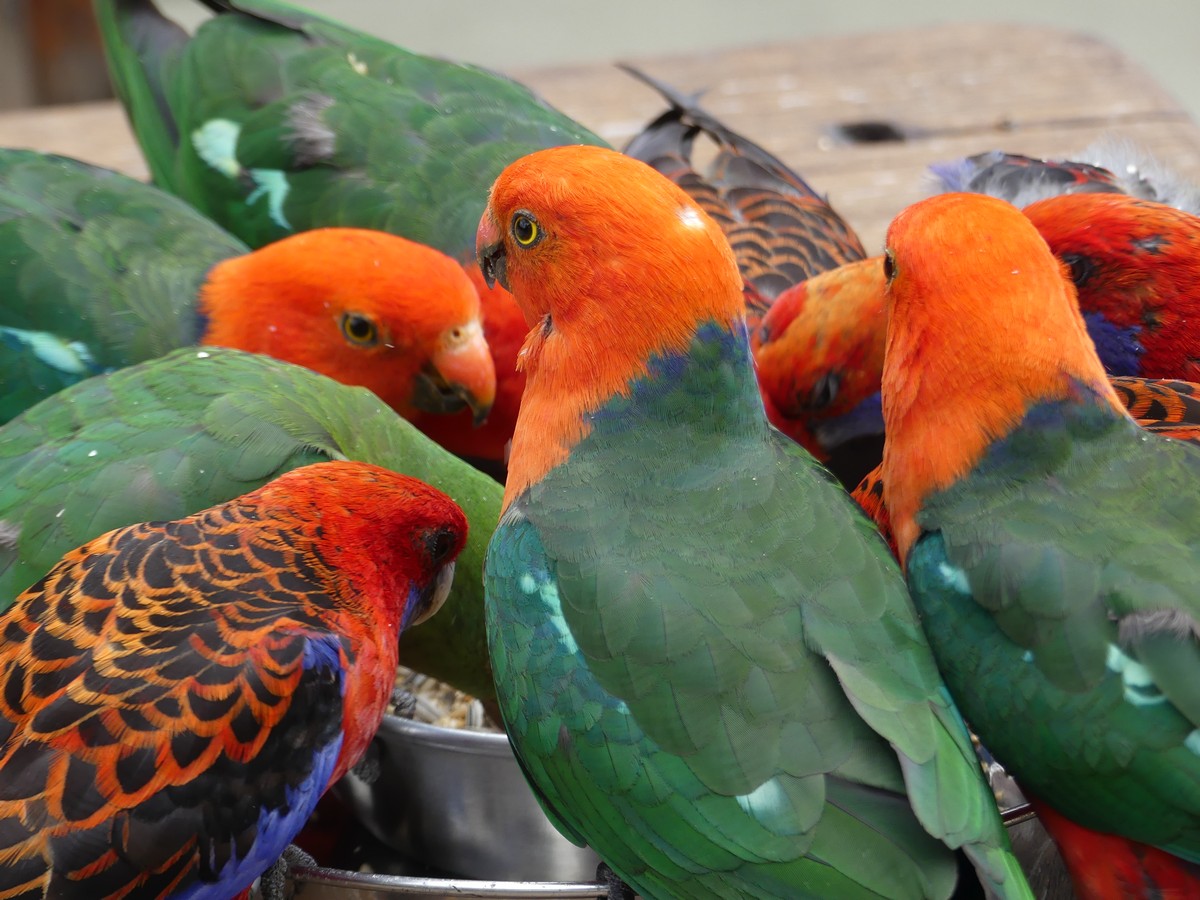
Wild birds such as these King Parrots and the Crimson Rosella know when and where there is some food to be had. O’Reilley Green Mountains NP.
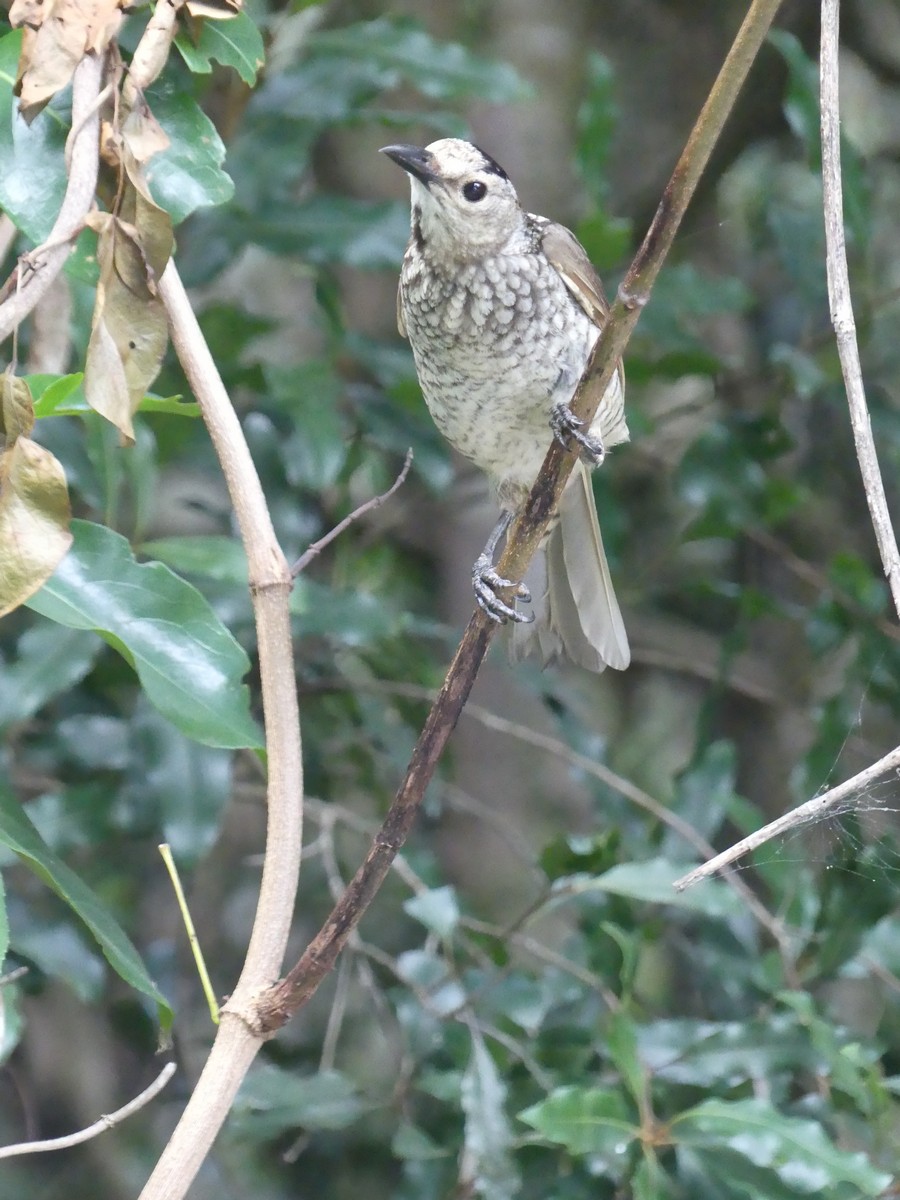
This Regent Bowerbird (female) had an eye on our breakfast. She tried to get away with a slice of bread, but it was too heavy.
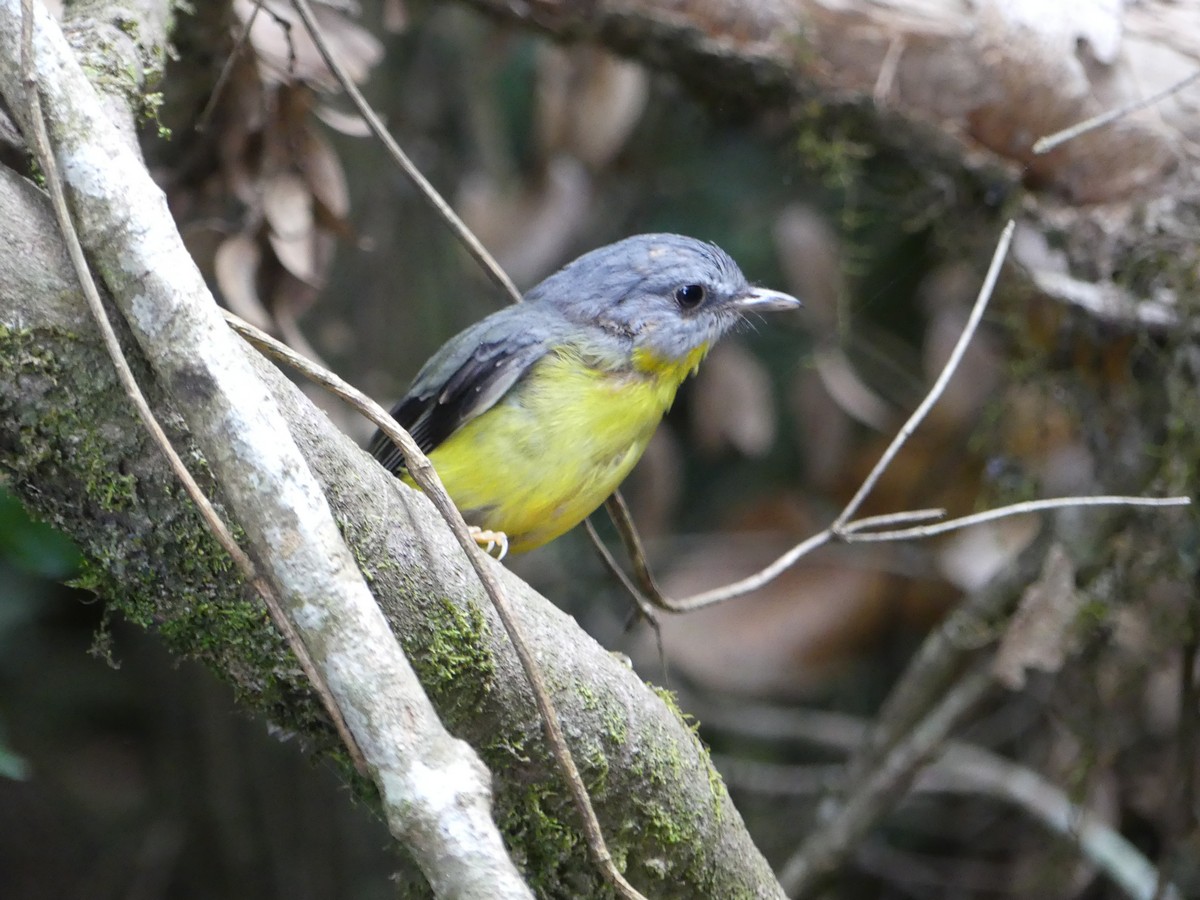
The yellow robin is small in stature, but lovely to look at.
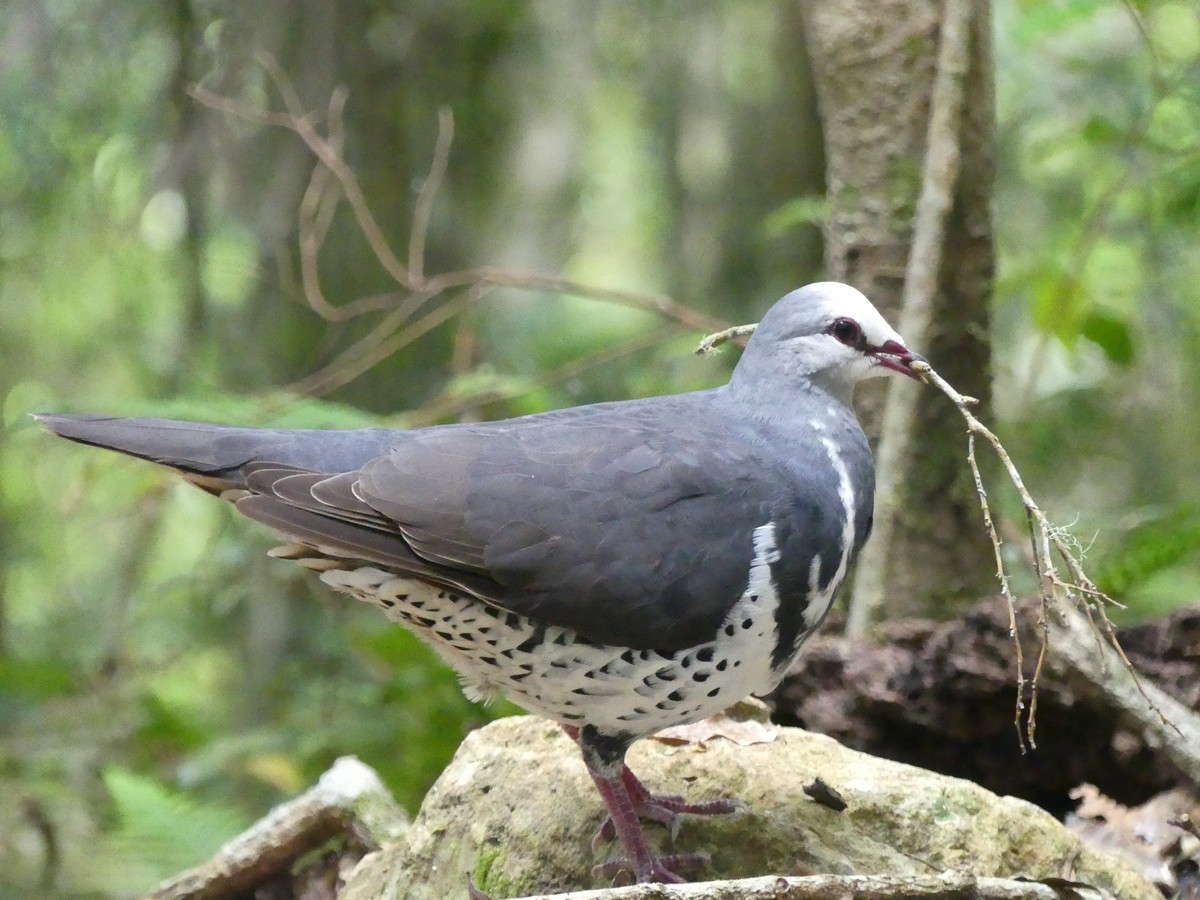
On our walk in the park, we spotted a Wonga Pigeon, and saw a quickly dissapearing Lyrebird (no photo). As long as you are not too quick or loud, there is a good chance that they ignore the photographer.
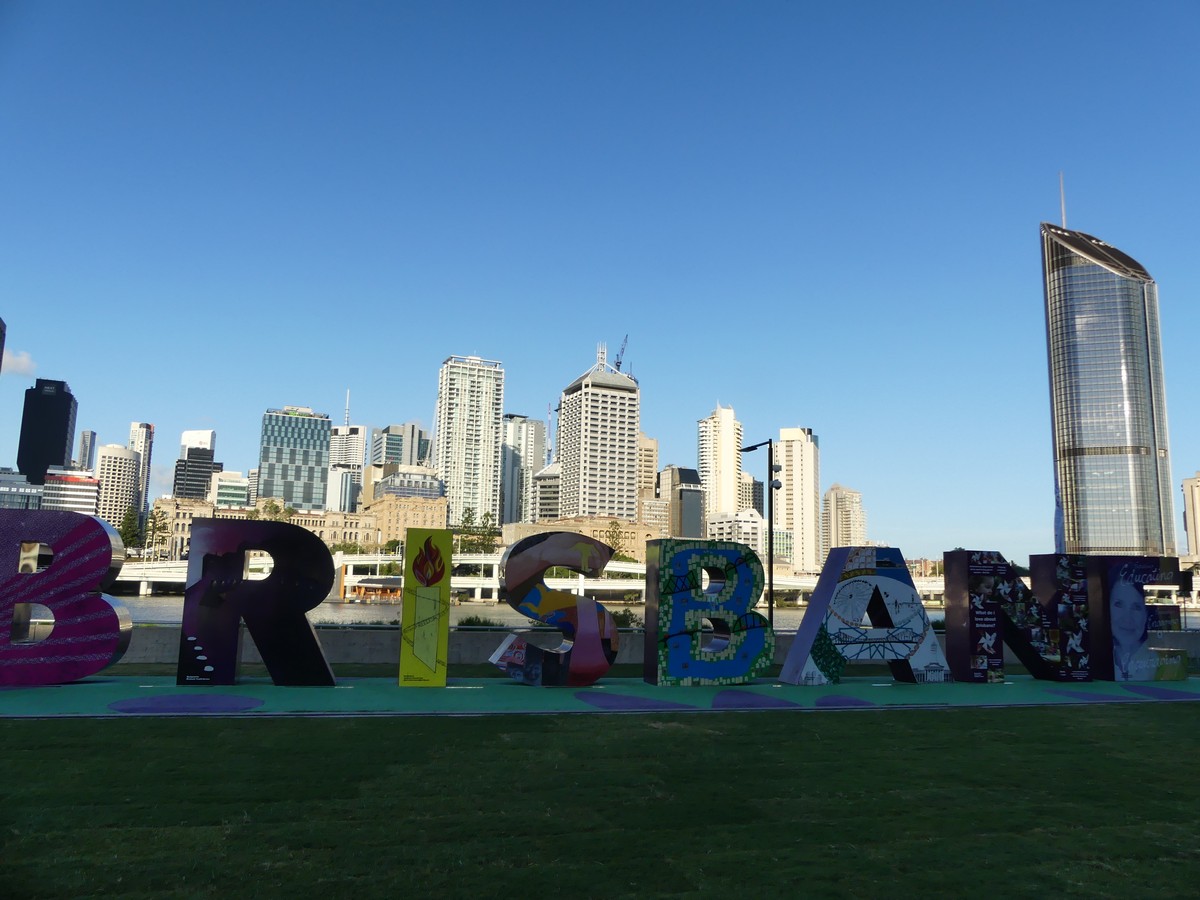
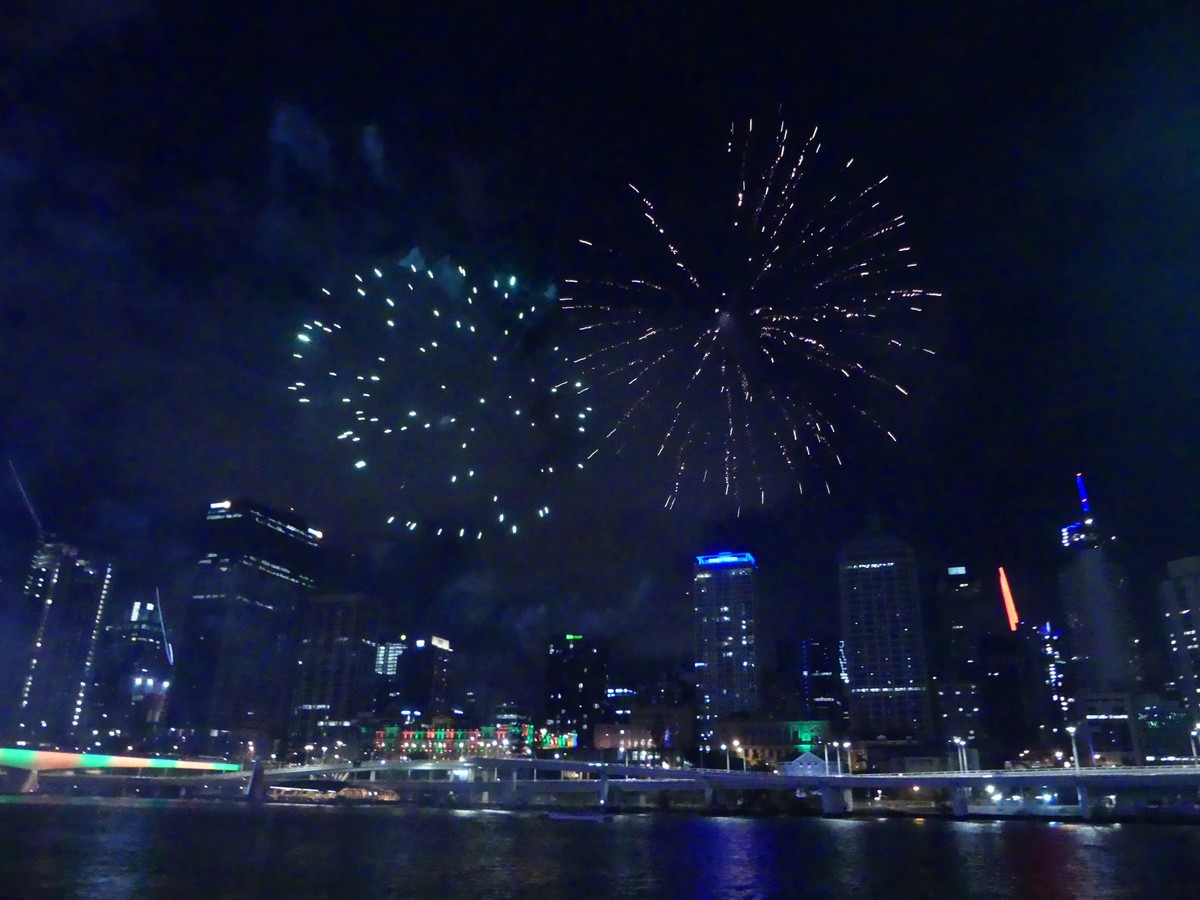
We had blue skies when we visited Brisbane for the fireworks on Australia Day (january 26th)
Remembering the arrival of the first fleet of English settlers with a musical fireworks. The weather was warm and lots of people came to celebrate. Sitting next to my loved one (Stefan) at the banks of the Brisbane river with this beautiful display I again felt very fortunate! 🙂
Waiting for our flight to Vietnam we are looking forward to new adventures and a different culture😀.
Today, January 25th 2018 we are in a suburb of Brisbane getting ready to end our stay in Australia and leave for Vietnam (29th). Tomorrow is Australia day, the national day of Australia. It marks the arrival of the First Fleet of British ships in Port Jackson in 1788 and the raising of the British flag in Sydney Cove.
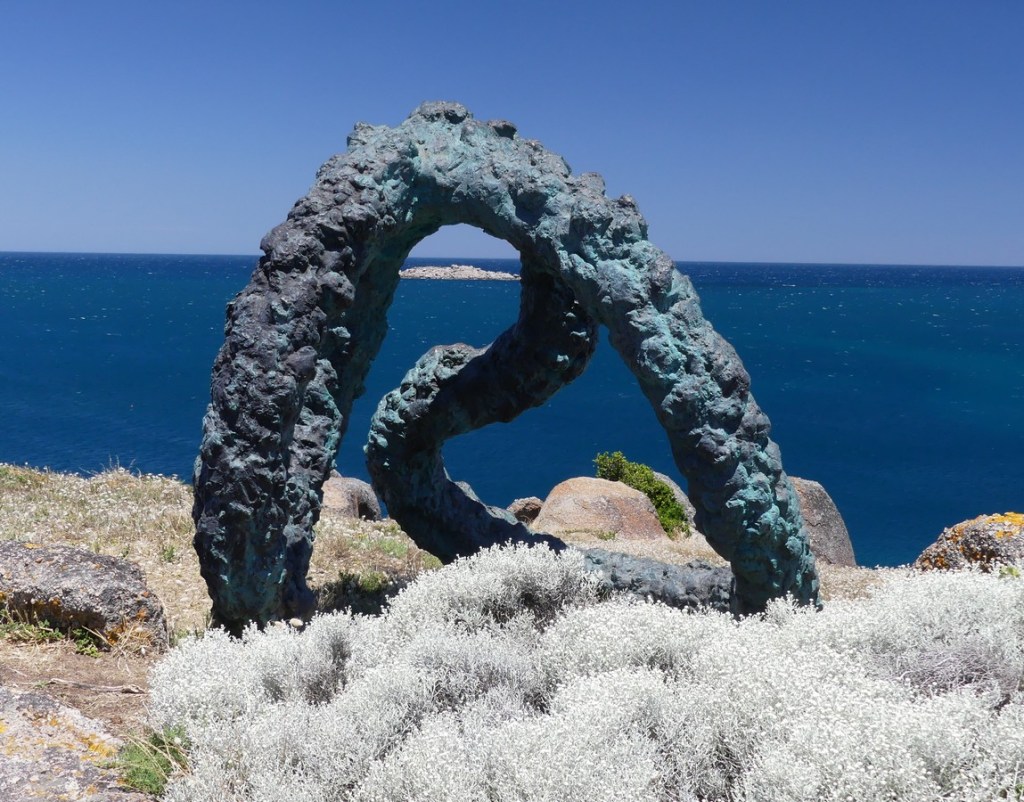
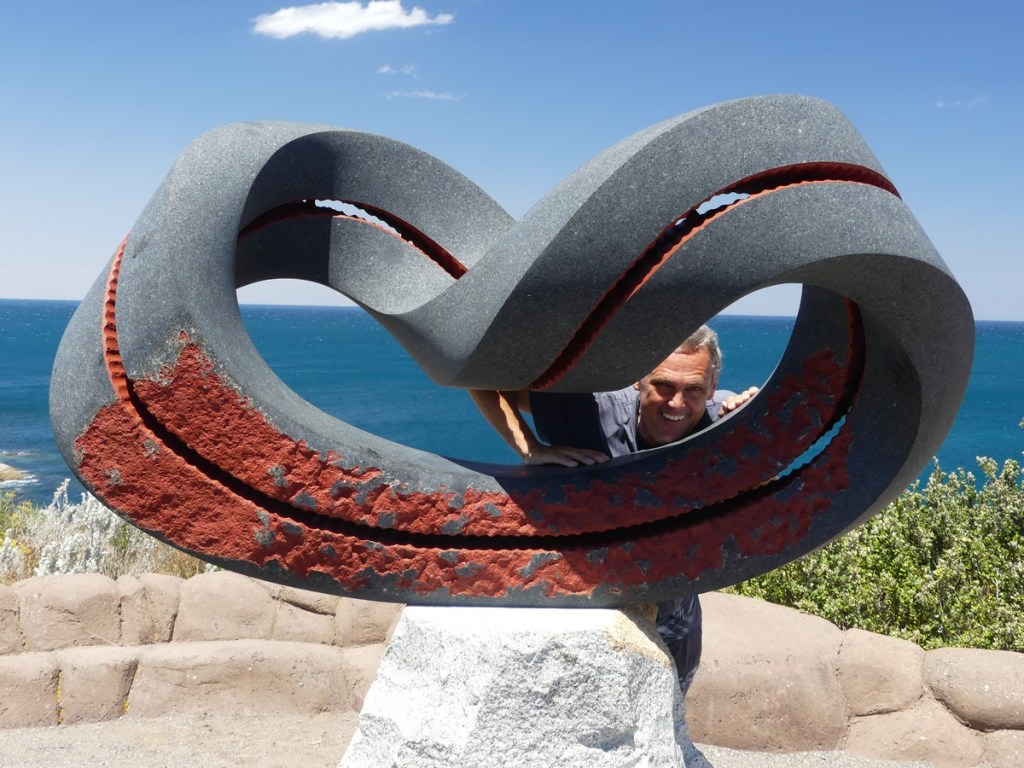
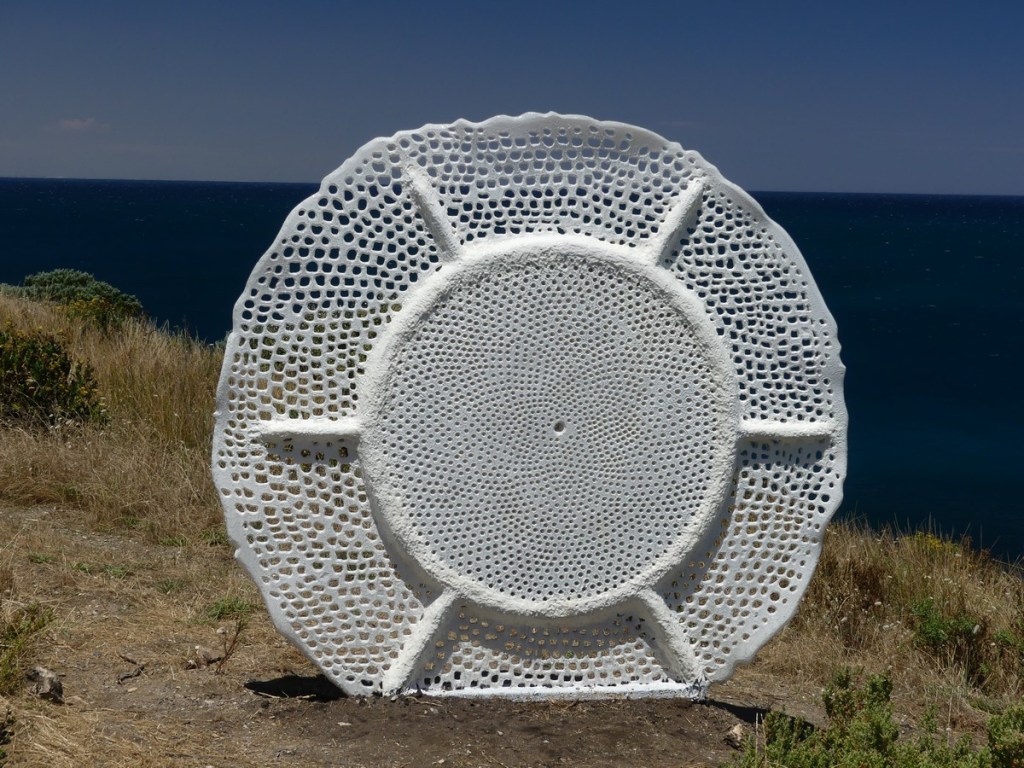
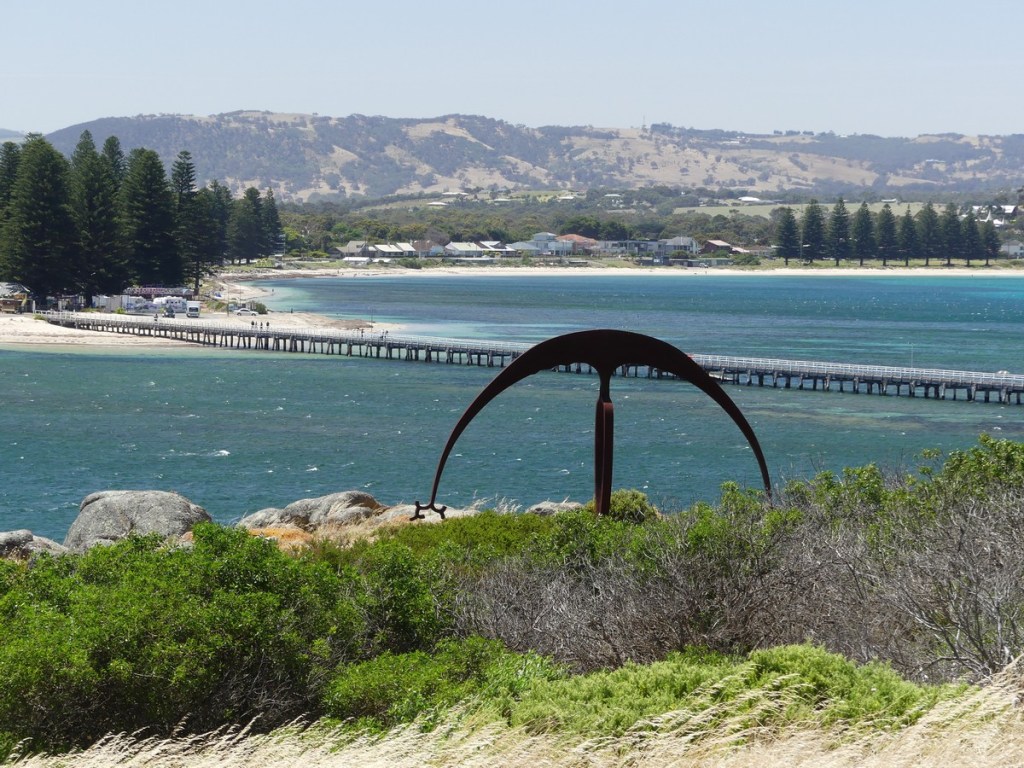
Flashback, on our last day in Victor Harbour, we made a beautiful sculpture walk (Wanderlust) on Granite Island. The combination of art and nature with blue skies is really top. You can visit the island by crossing a causeway or taking a horse-drawn tram (we walked).
Peter Lundberg, USA, Adam and Eve
Keizo Ushio, Japan, Oushi Zokei 2017
Britt Mikkelsen, WA, Ocean Lace
Greg Johns, SA, Horizon Figure. In the rear the causeway.
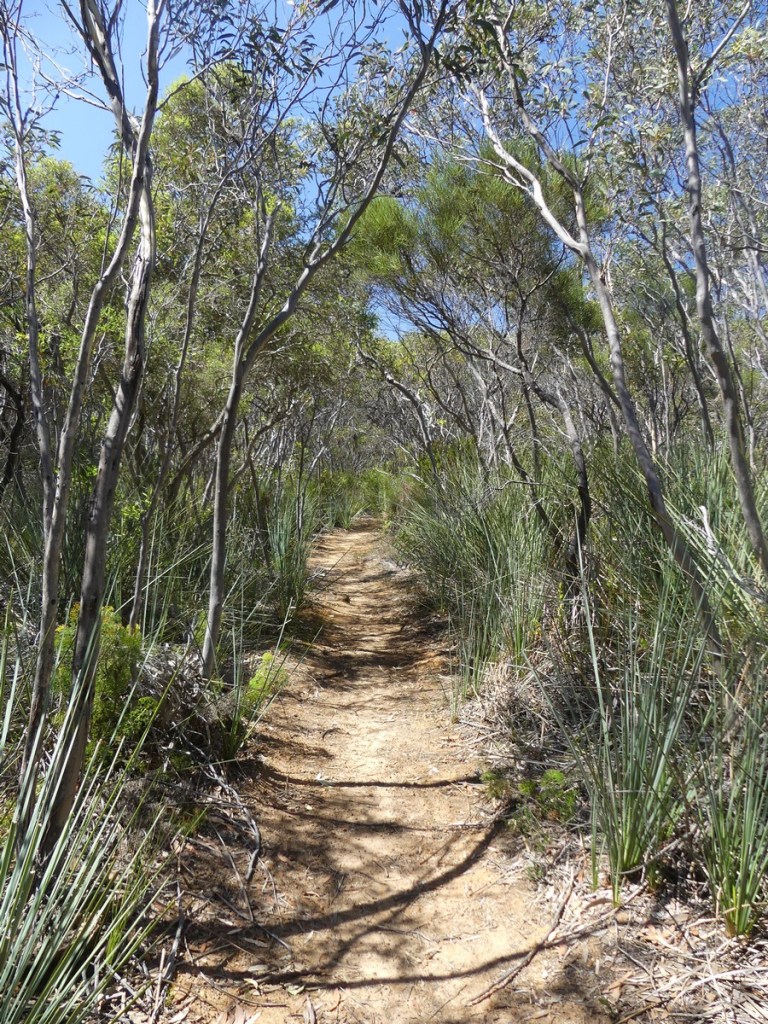
On our way to Cape Jervis we stayed at Deep Creek Conservation Park and walked a part of the Heysen Trail. With its 1200km, The Heysen trail is one of the longest walking trail in Australia. We walked about 20km of it…
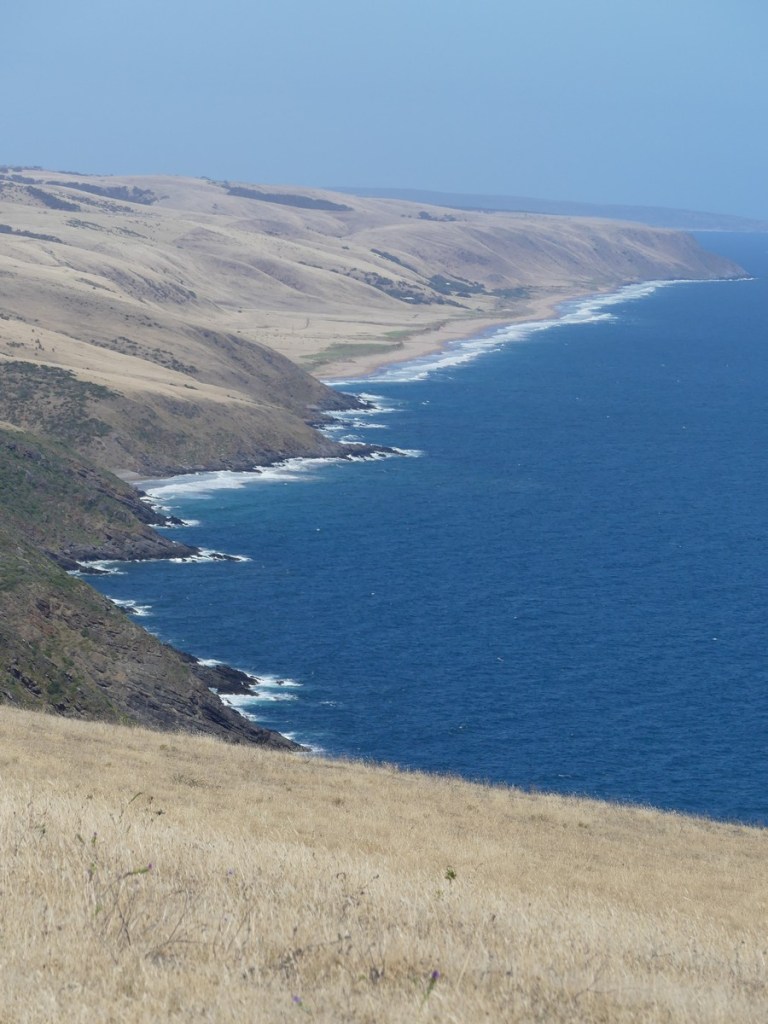
View of the coast along the Fleurieu Peninsula taken from the Tapanappa lookout at Deep Creek Conservation Park.
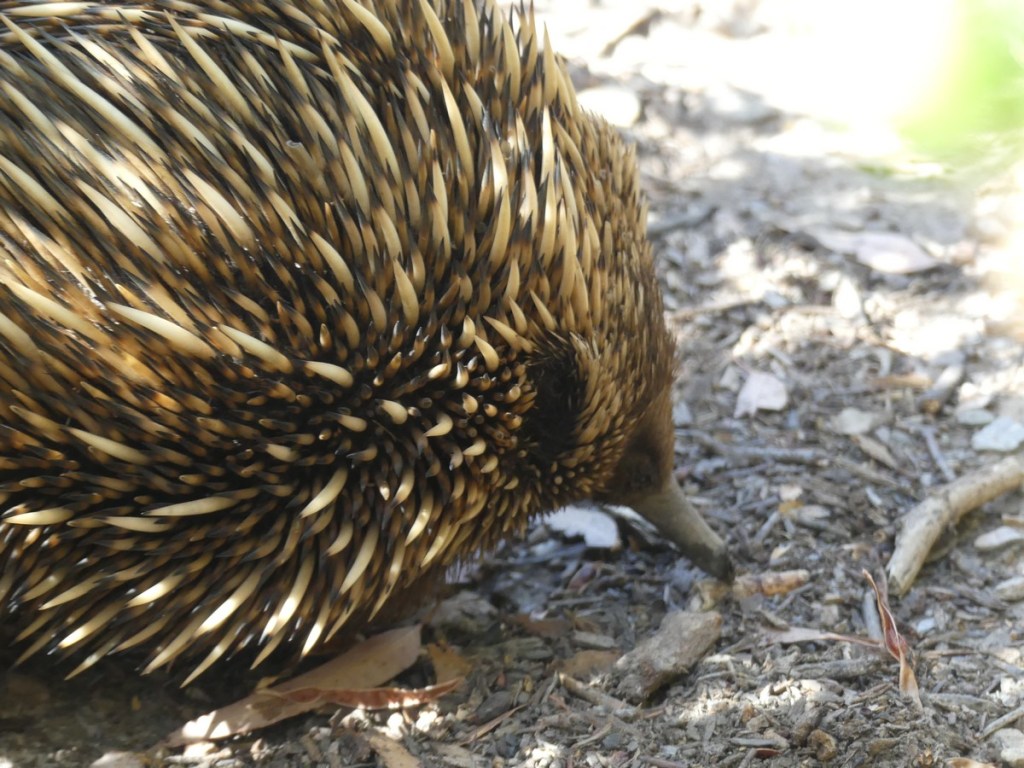
On our walk of the Heysen trail we finally saw a short beaked echidna. The echidna has a long snout and special tongue to catch insets really quickly. It is one of only two (the platypus is the other one) egg laying mammals. They lay one egg a year and the young stay 7 weeks in it’s pouch and till 6 months in the burrow of the mother. After 6 months they are on their own.The male is only around for the mating. Figures.
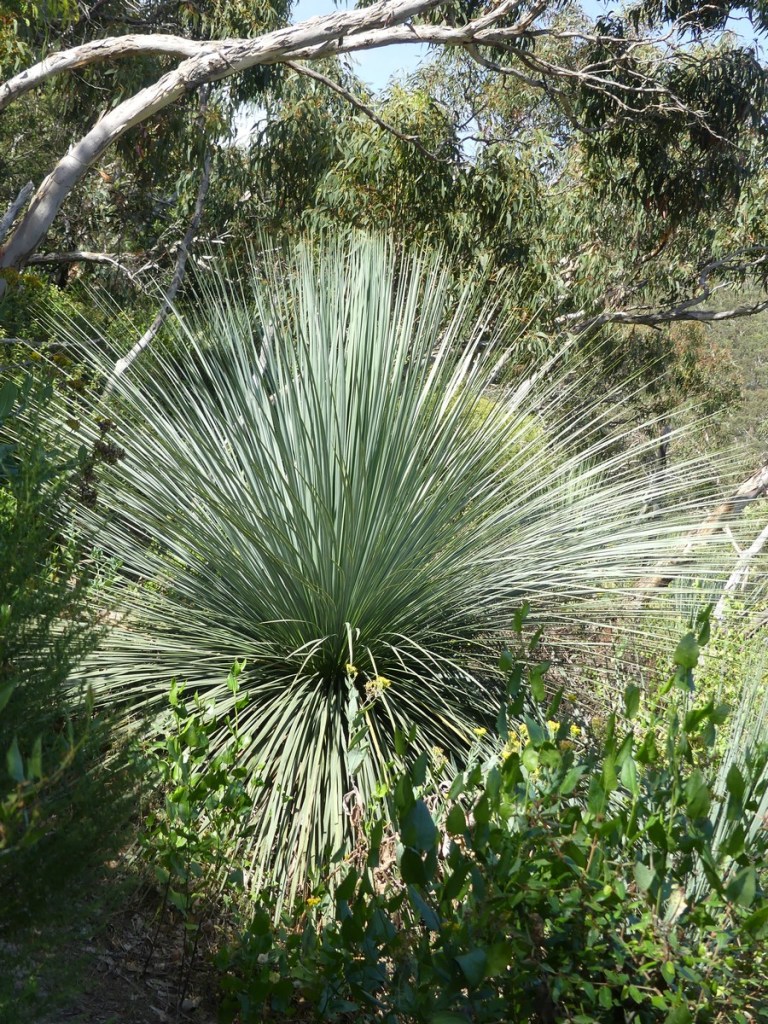
The beautiful Austral gras or Xanthorrhoea is endemic to Australia.
Stefan on our walk on the Heysen Trail.
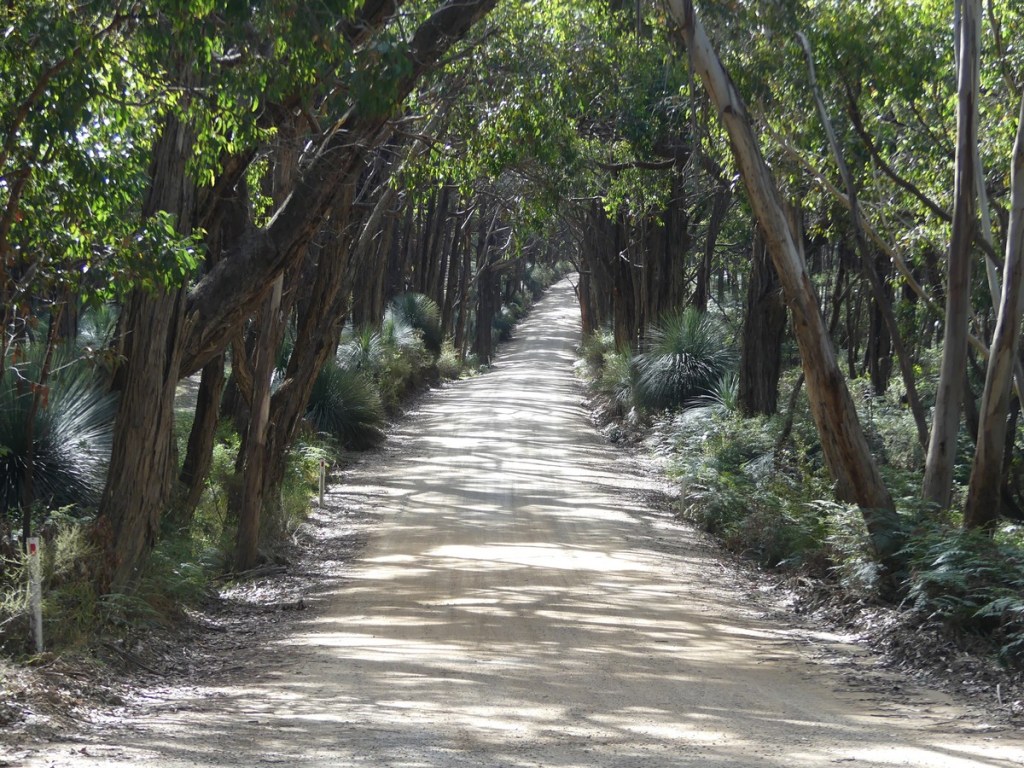
One of the roads in Deep Creek conservation park.
Our first view after our arrival on Kangaroo Island. Kangaroo island is the 3rd largest island of Australia.
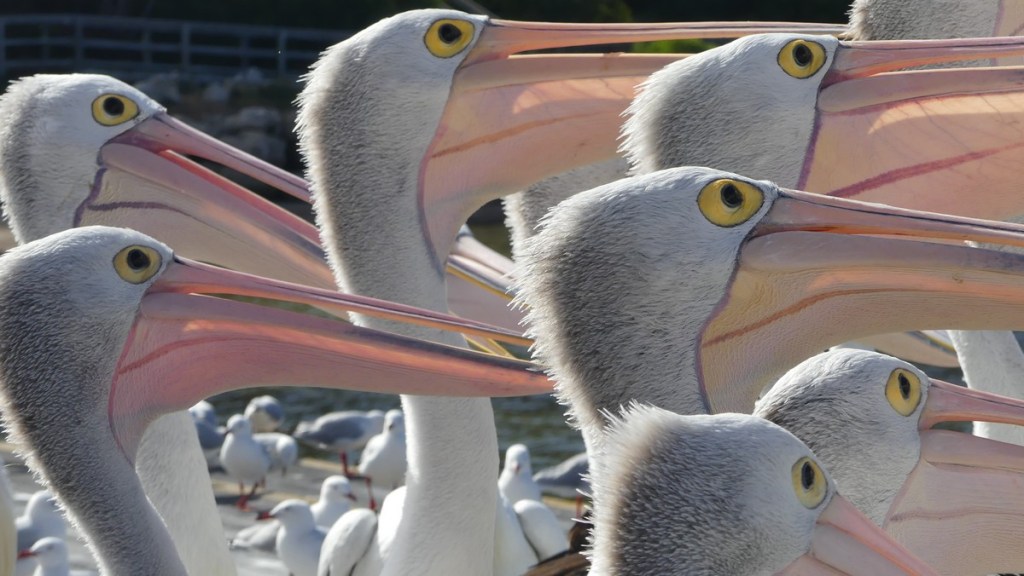
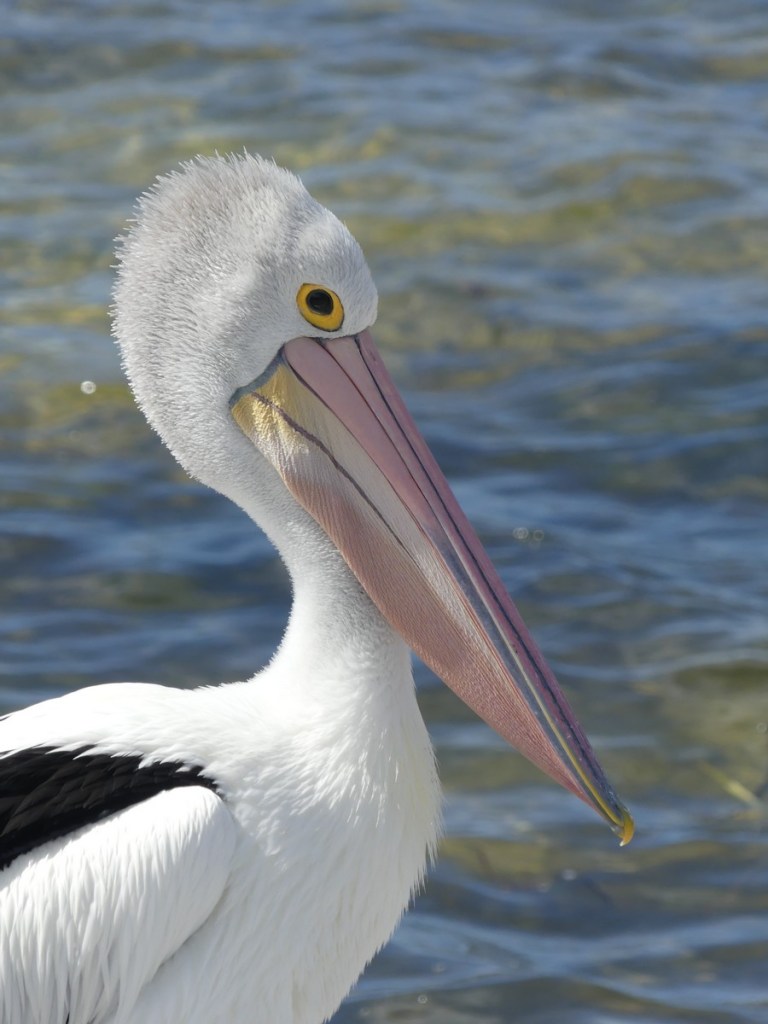
KIngscotte, Kangaroo Island, where the pelicans are waiting to be fed.
The Australian Pelican is a medium size pelican but their pink bill is enormous and the longest of any living bird. It mainly eats fish.
A quick walk on Kangaroo Island in the Kelly Hill Conservation Park before meeting with Katie, Karel and the girls.
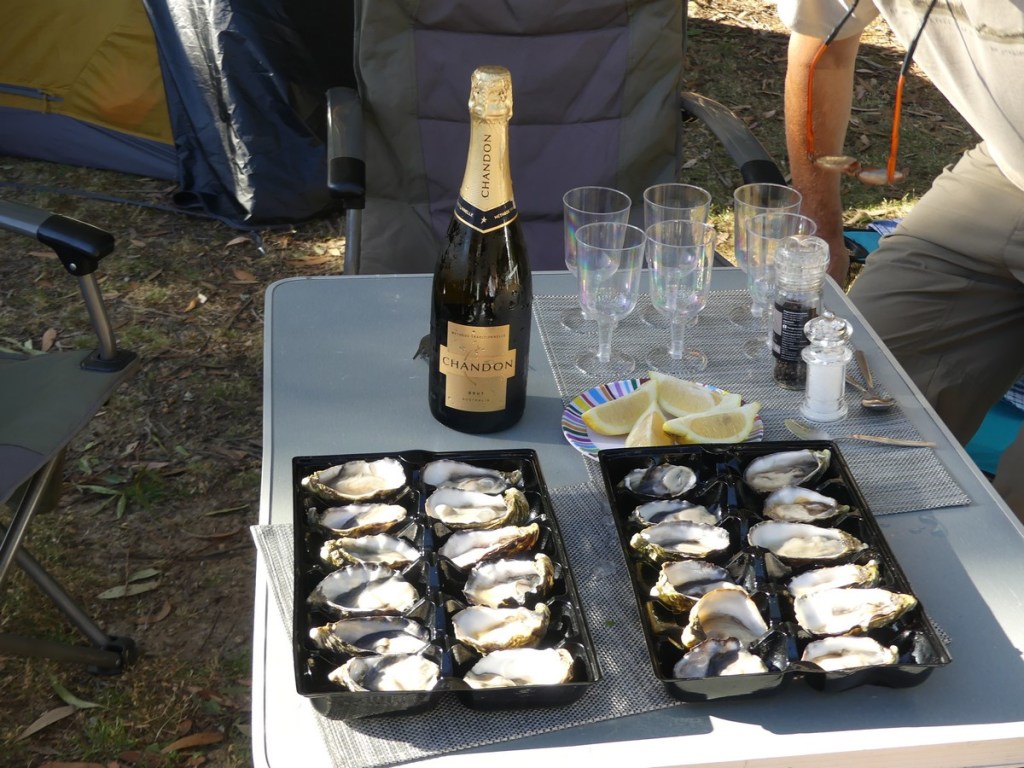
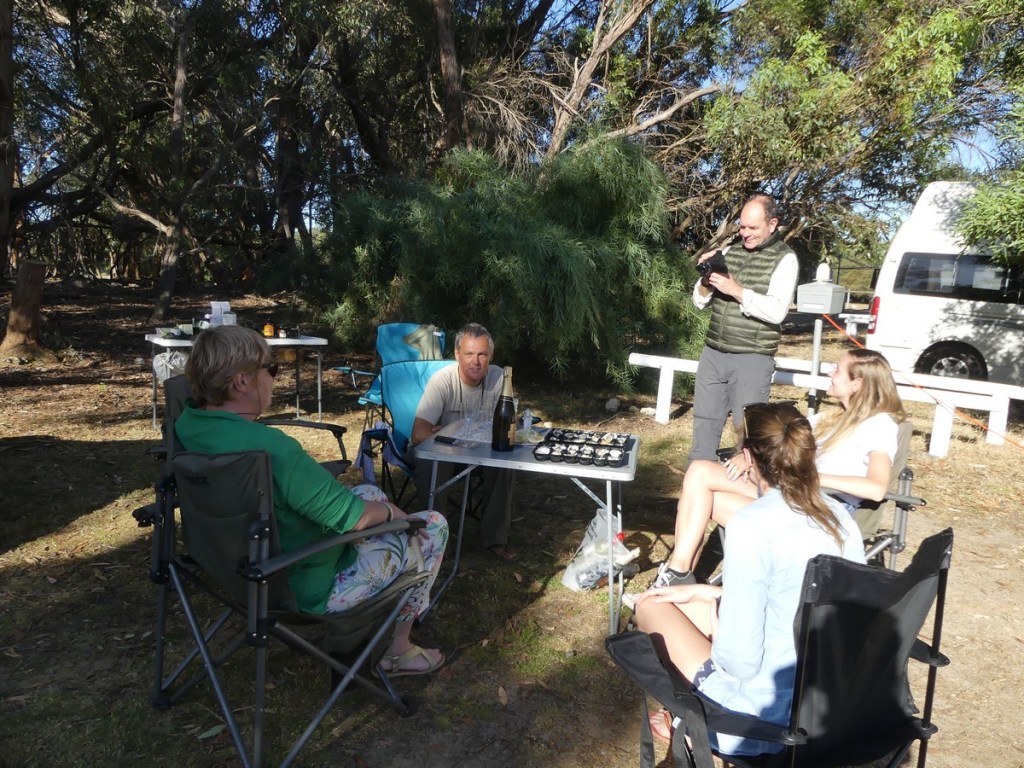
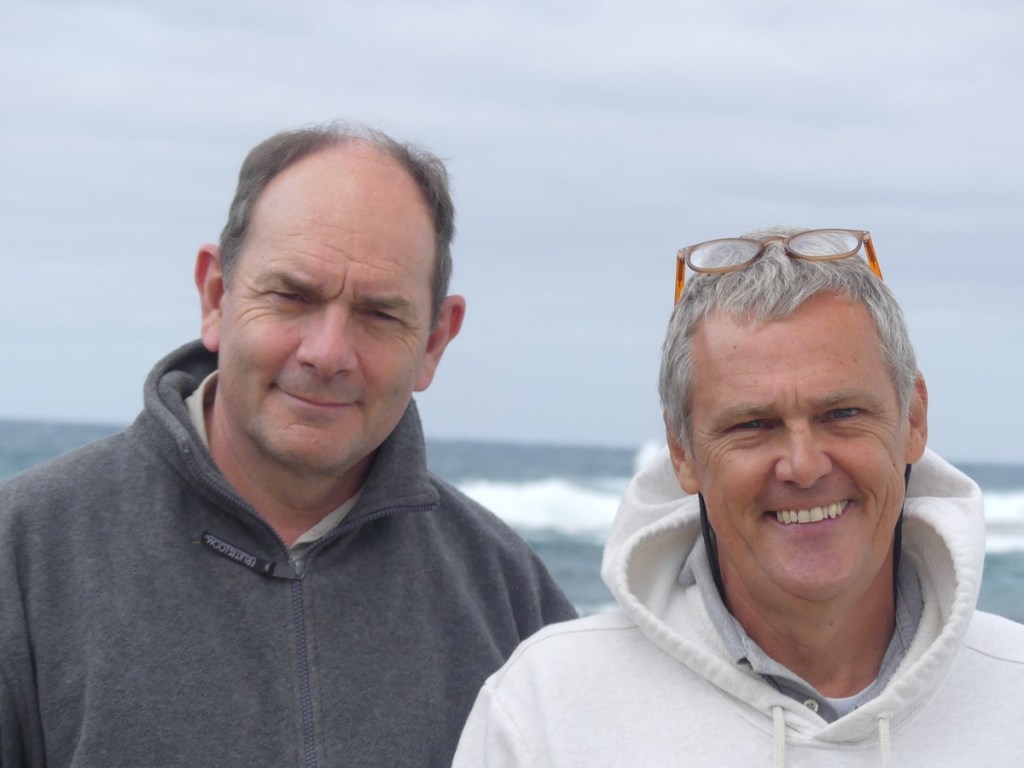
Meeting with friends is like a celebration. We got some local oysters and Australian bubbles to celebrate. It was wonderful to meet again in a special place.
Relaxing and enjoying the latest news from Belgium.
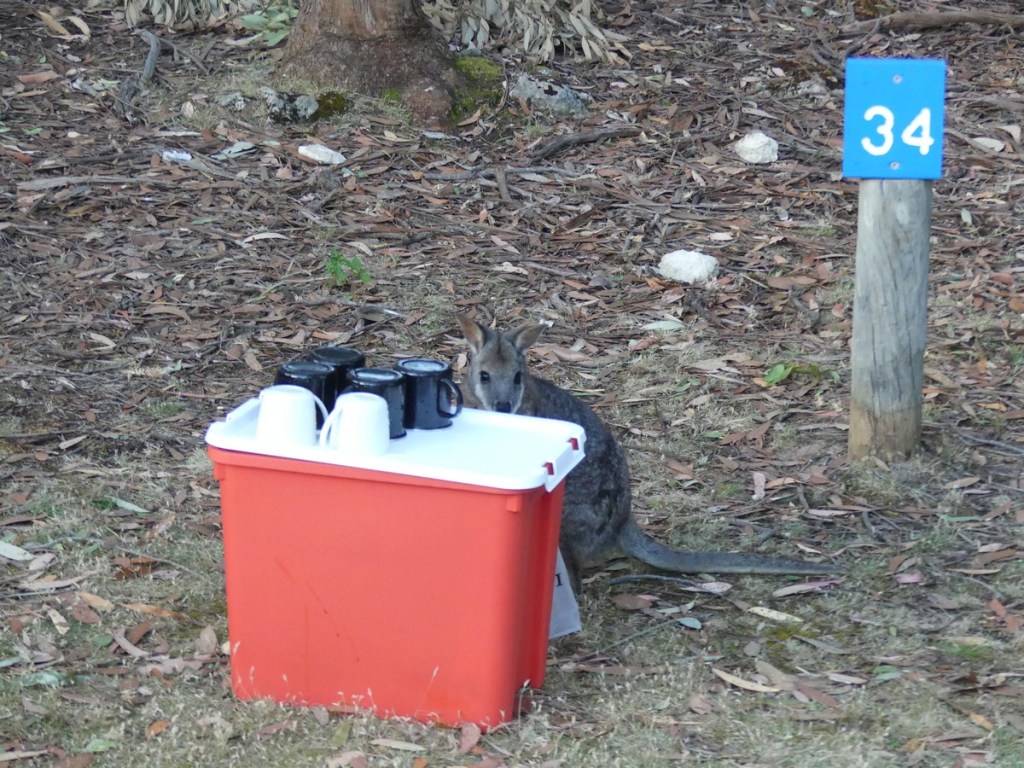
Somebody else wanted to join in the fun, a curious Tammar wallaby.
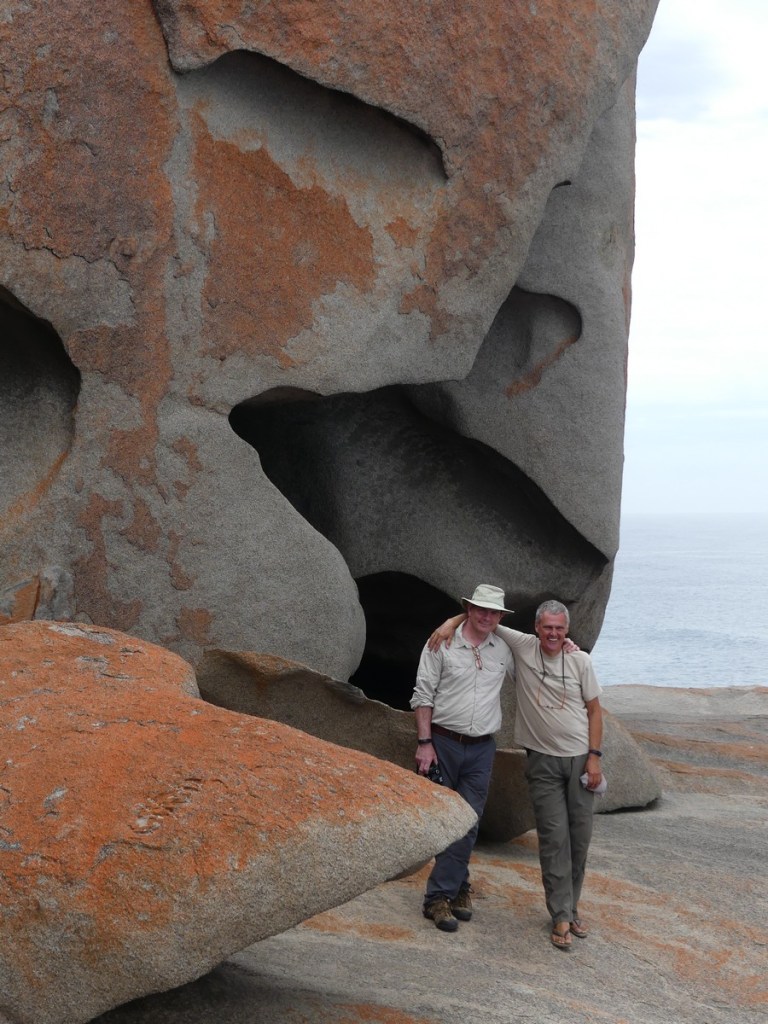
Stefan and Karel at Remarkable Rocks.
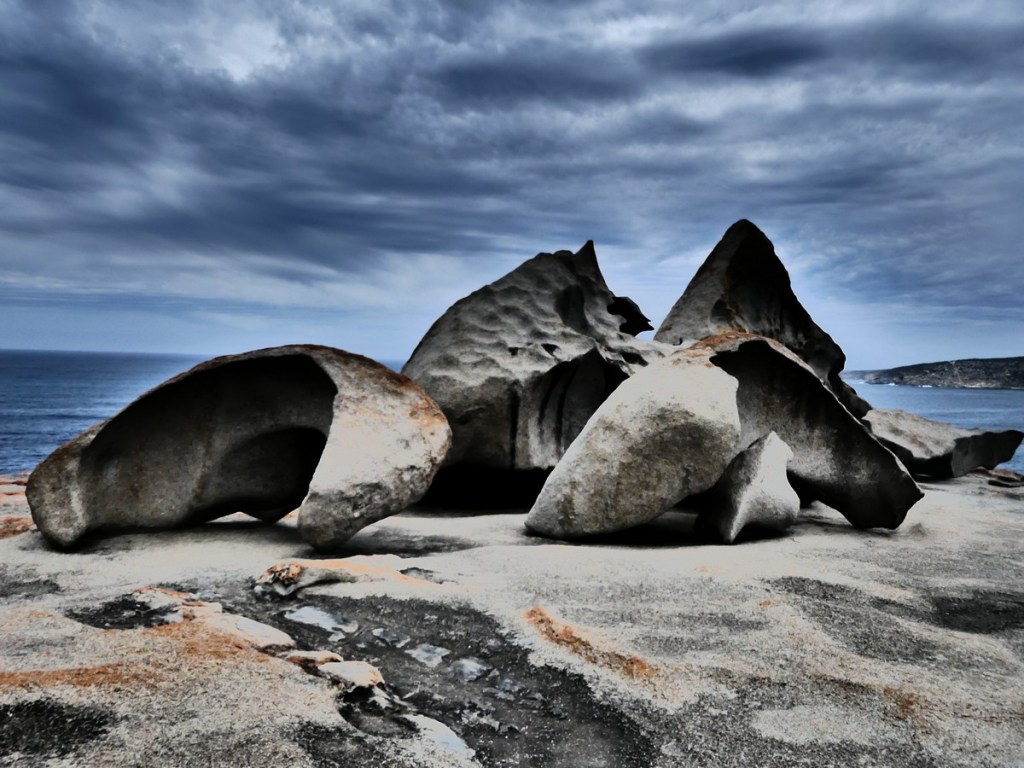
It took 500 million years for rain, wind, and pounding waves to create these granite boulders which are now part of the Flinders Chase National Park.
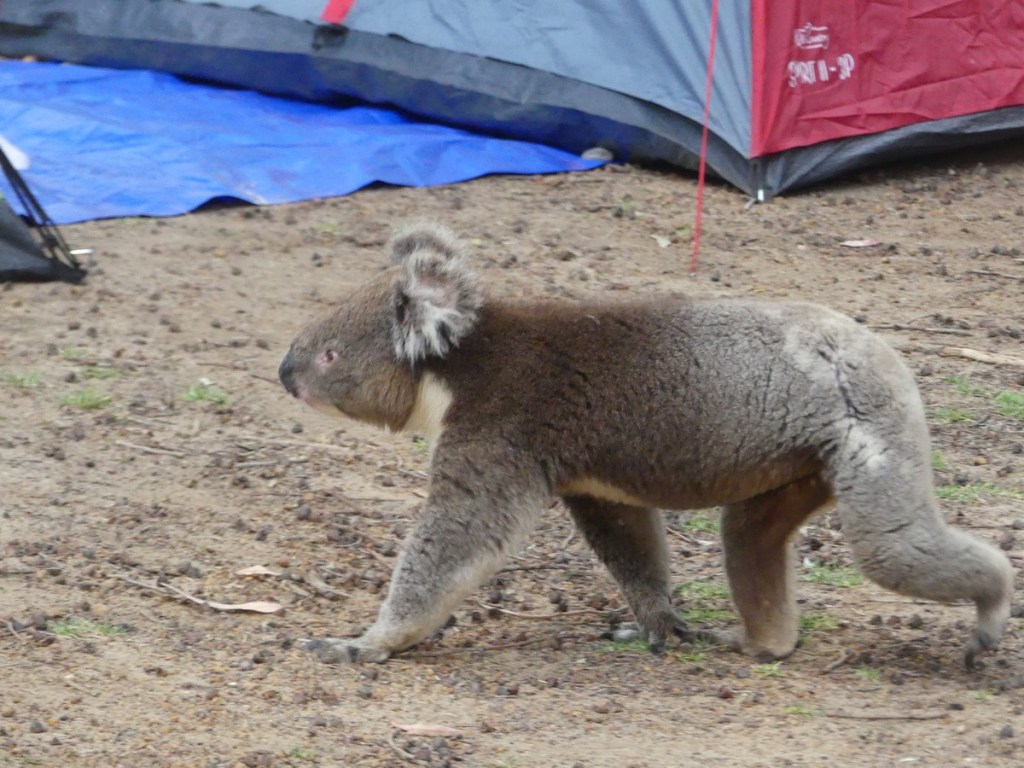
A koala on the move in the campground. They become active around dusk but it is still rare to see them walk around as they sleep about 20 hours in a day. Needless to say this one got a lot of attention.
Stefan and Karel enjoying time together.
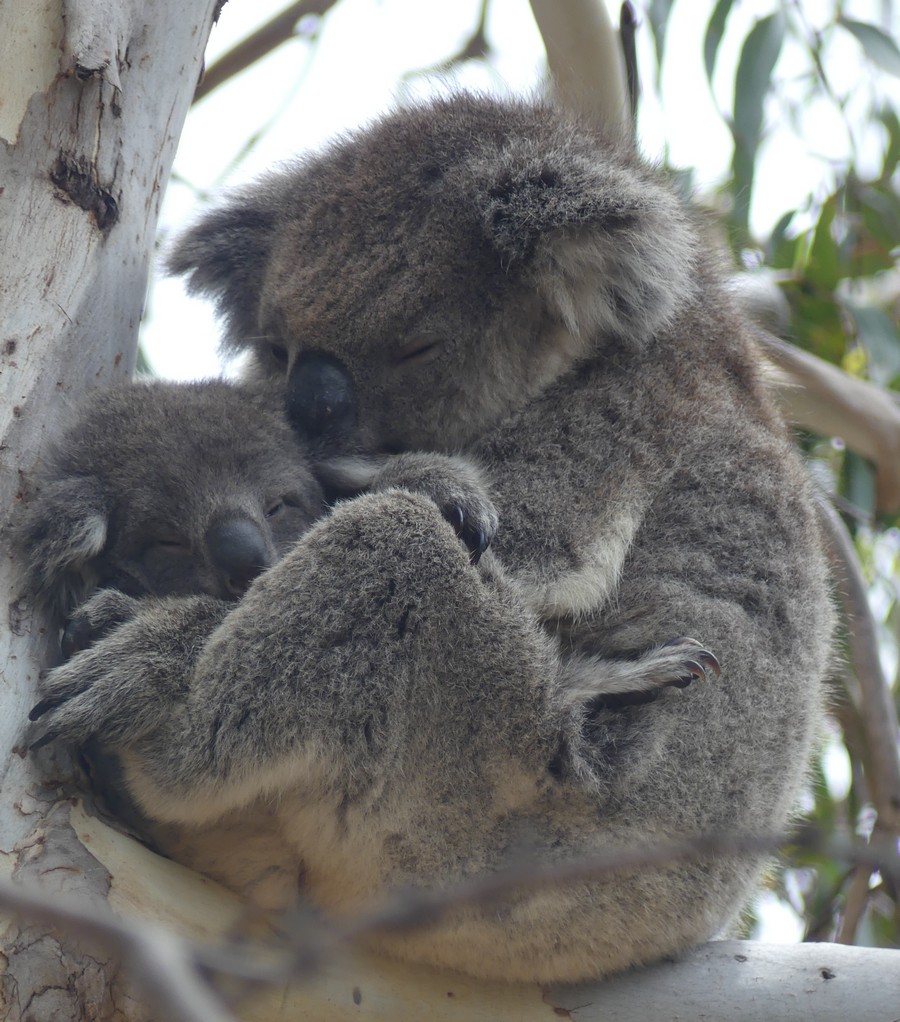
A koala with her baby, it took some time to find them and we took too many pictures :-)). The koala baby stays in the pouch the first 6 to 7 months. The young koala are called “joeys” and are fully weaned when they are about one year old.
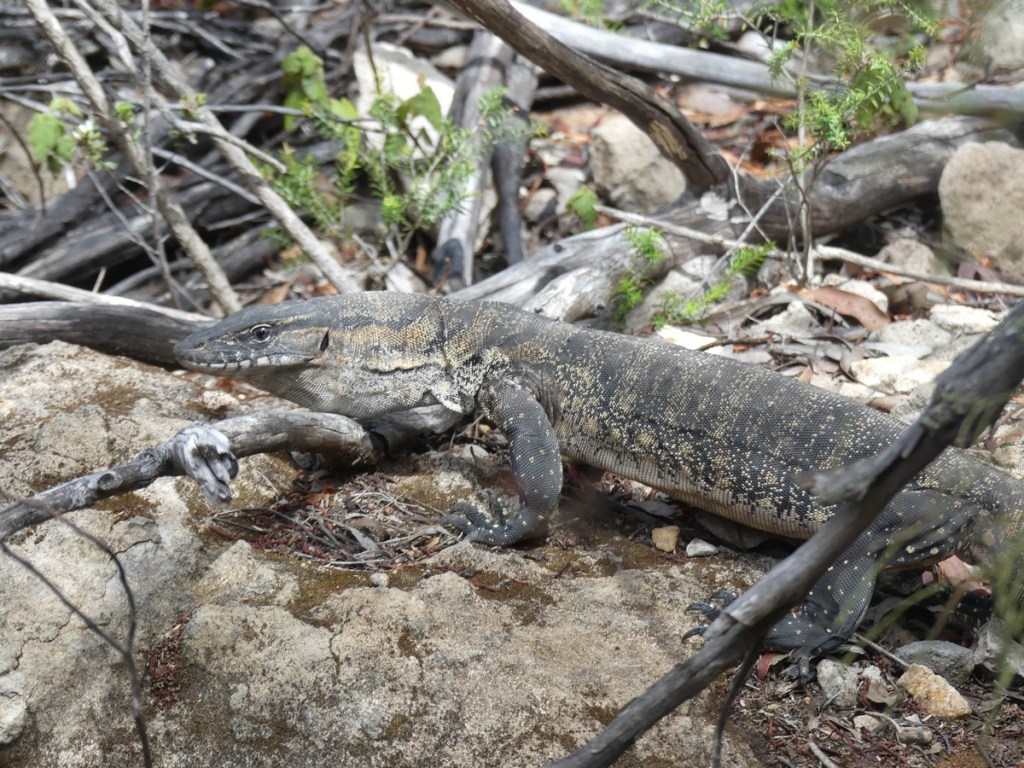
The Rosenberg goanna, a monitor lizard. It is the only goanna specie living on Kangaroo Island. They were once common in South Australia but their numbers have declined drastically and therefore they are listed as vulnerable. They can live 30 years. I almost stepped on this one during one of our walks.
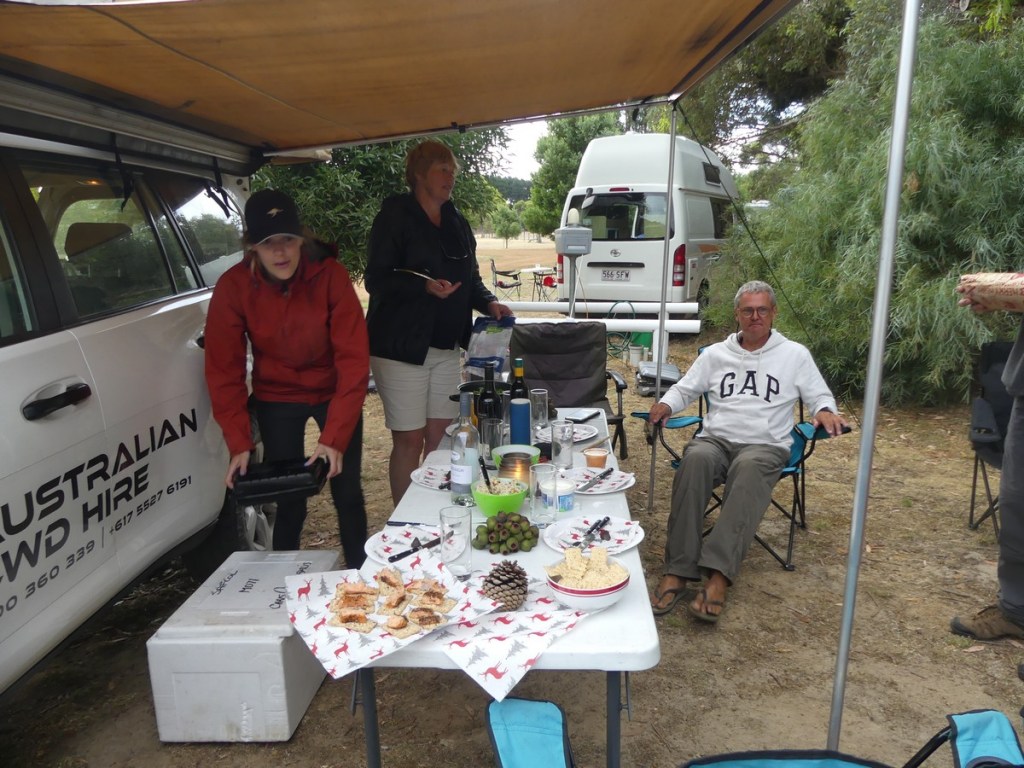
Getting ready for Christmas Eve.
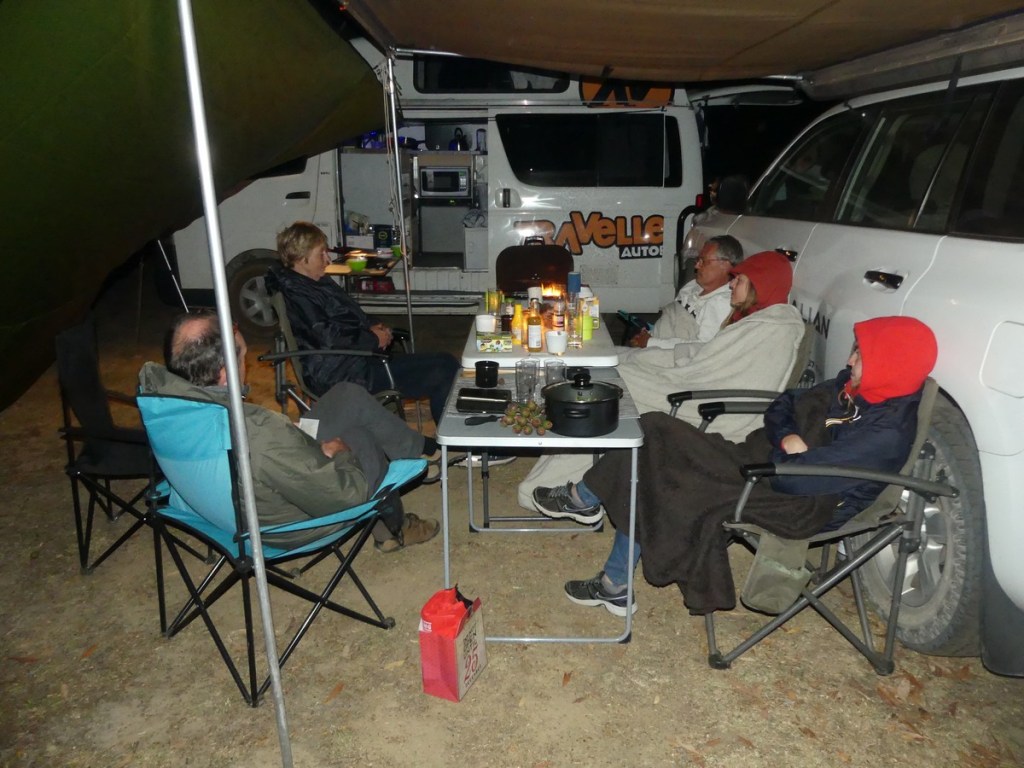
Christmas Eve on Kangaroo Island, chilly but cozy together.
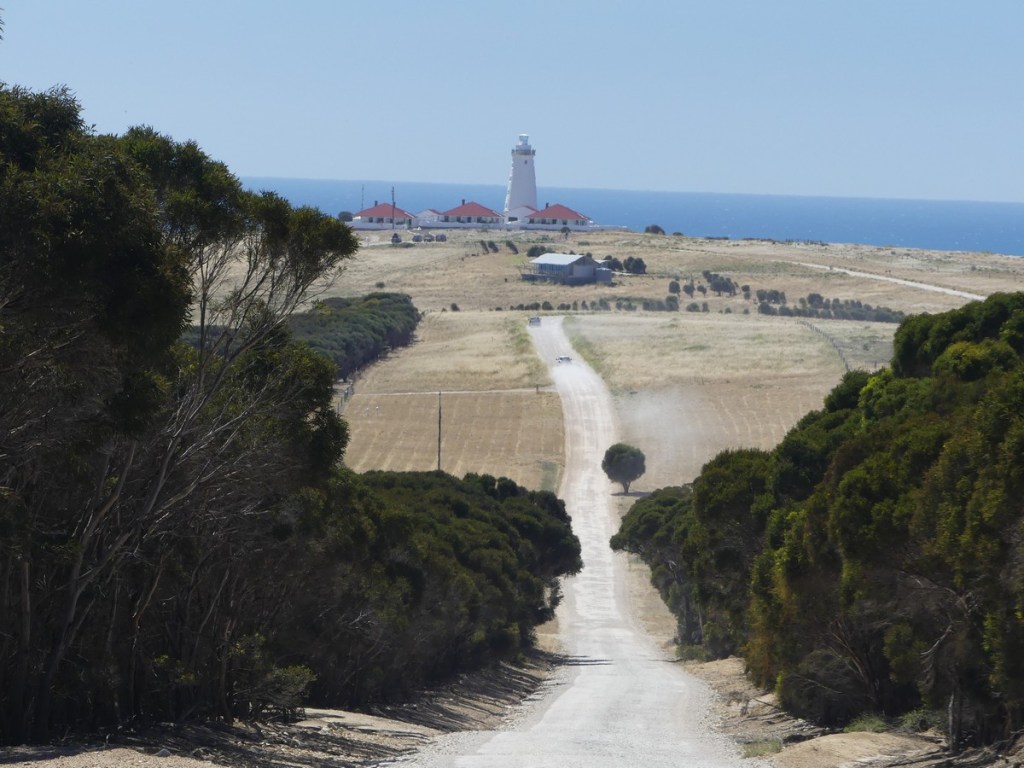
On our way to Cape Willoughby Lighthouse, the first to be built in South Australia (1852).
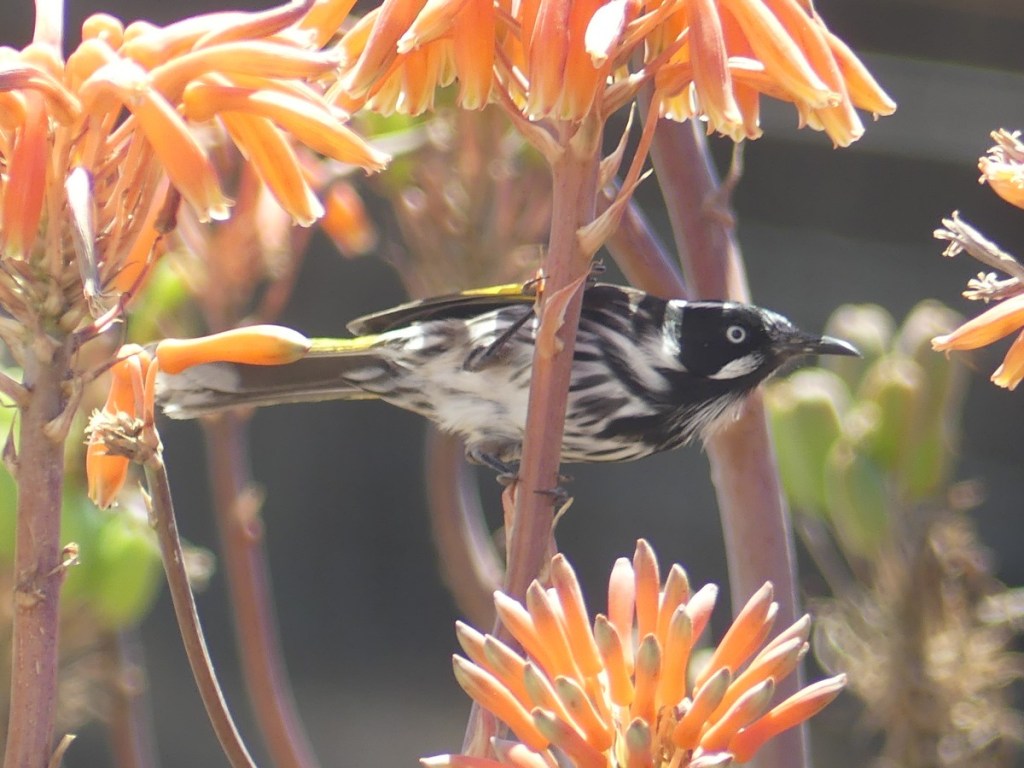
The New Holland honeyeater rarely sits still but somehow I did manage to get his picture. They mostly feed on nectar but also eat fruits and insects.
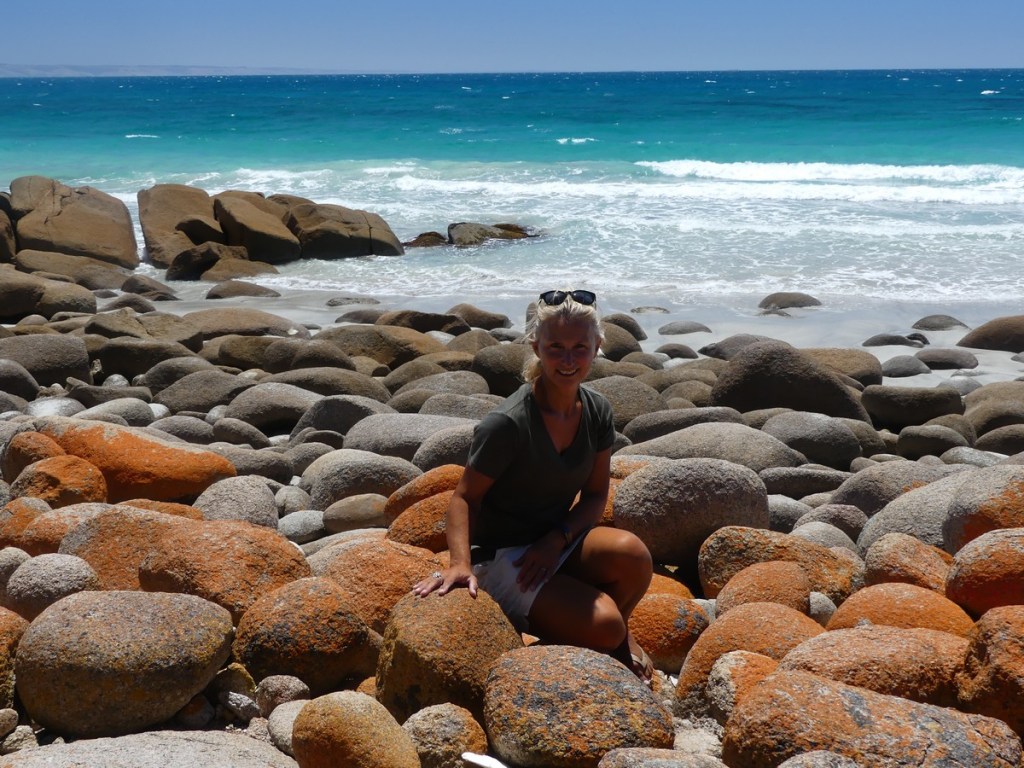
Cape Willoughby with the beautifull orange colour of the lichen.
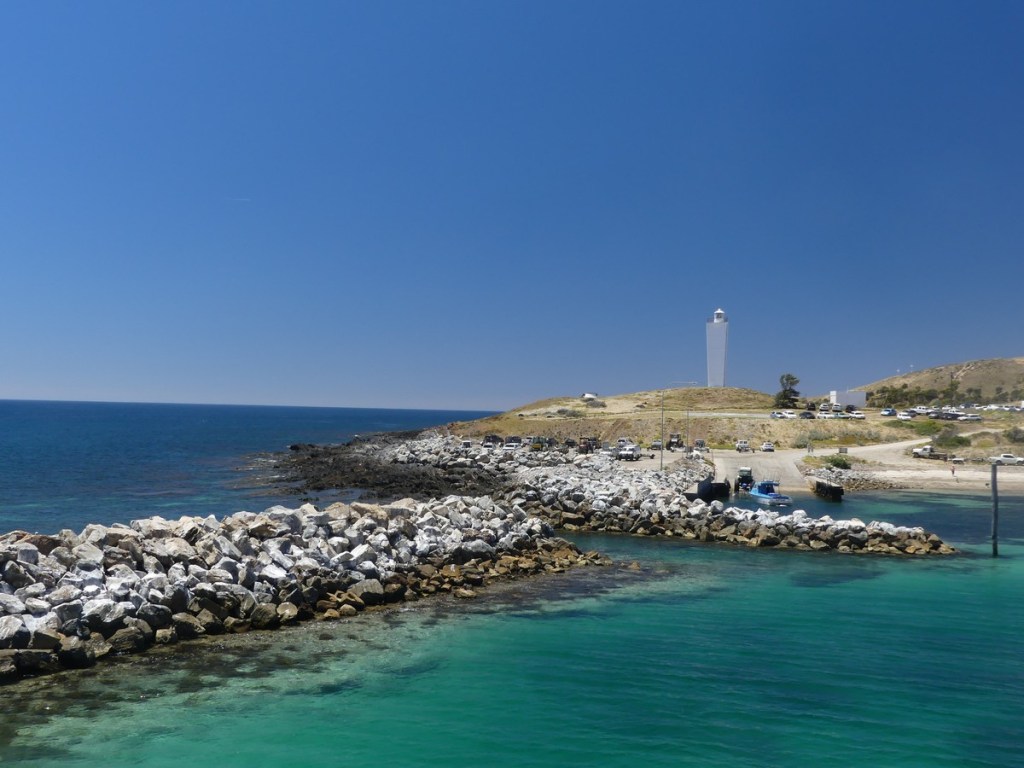
Back on the main land, the Cape Jervis Lighthouse.
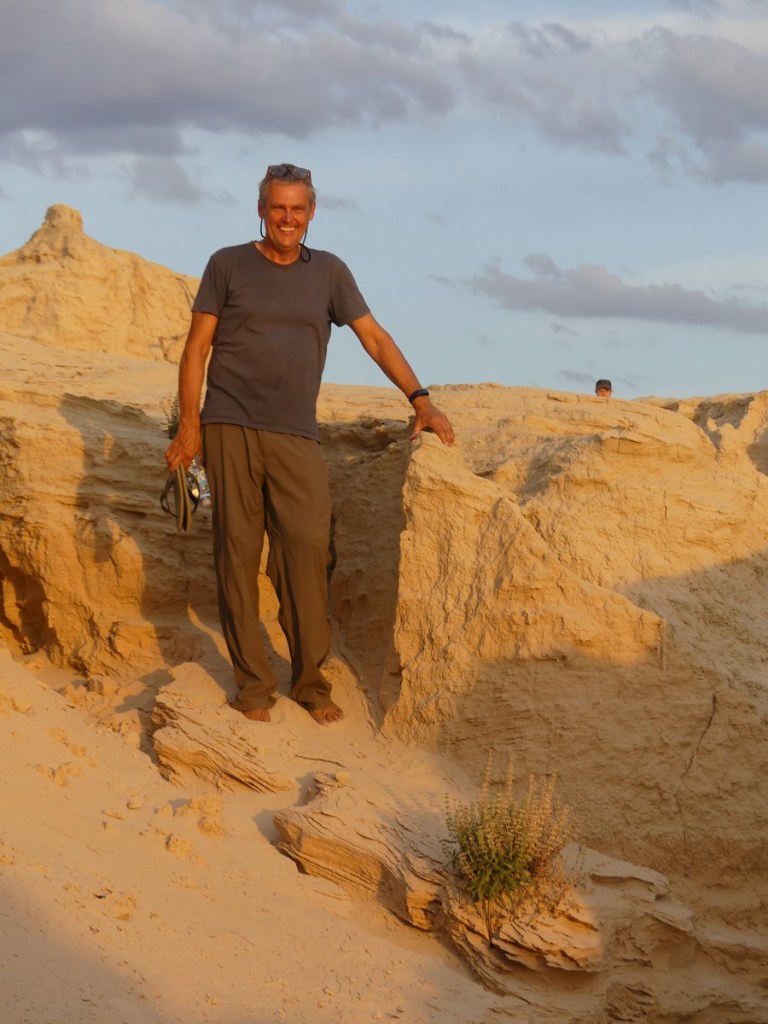
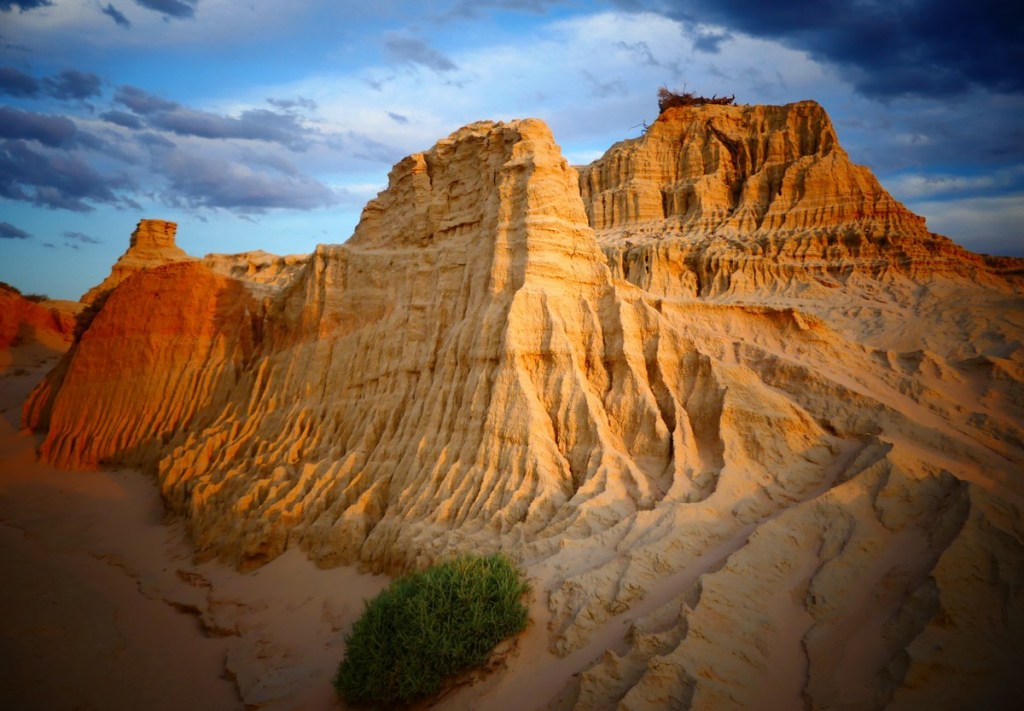
We had 4 days to cover the 1400km to arrive in Sydney on time for the New Year’s Eve celebrations. We made a quick visit to Mungo National Park to see “the Walls of China” at sunset. Mungo is part of UNESCO world heritage.
Mungo National Park is important for the archaeological remains discovered in the park. The remains of Mungo Man, the oldest human remains discovered in Australia, and Mungo Lady, the oldest known human to have been ritually cremated. Mungo man, whose remains were discovered in 1974, is believed to have lived between 40,000 and 68,000 years ago during the Pleiostene period. They were buried on the shore of Lake Mungo, beneath the ‘Walls of China’.
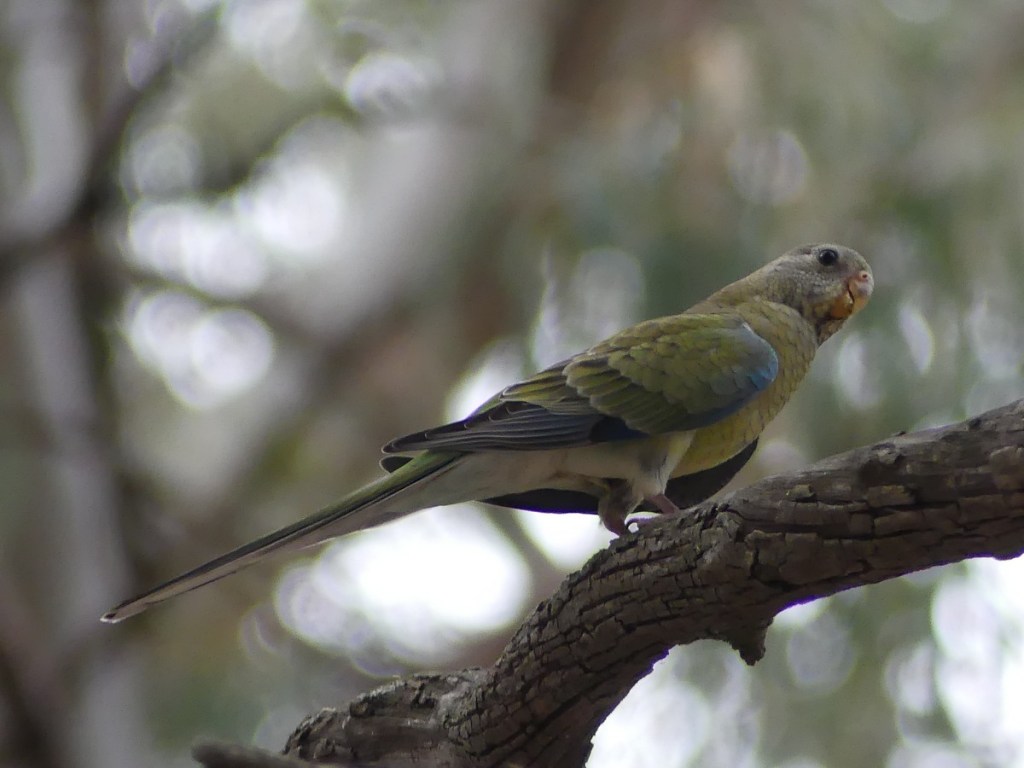
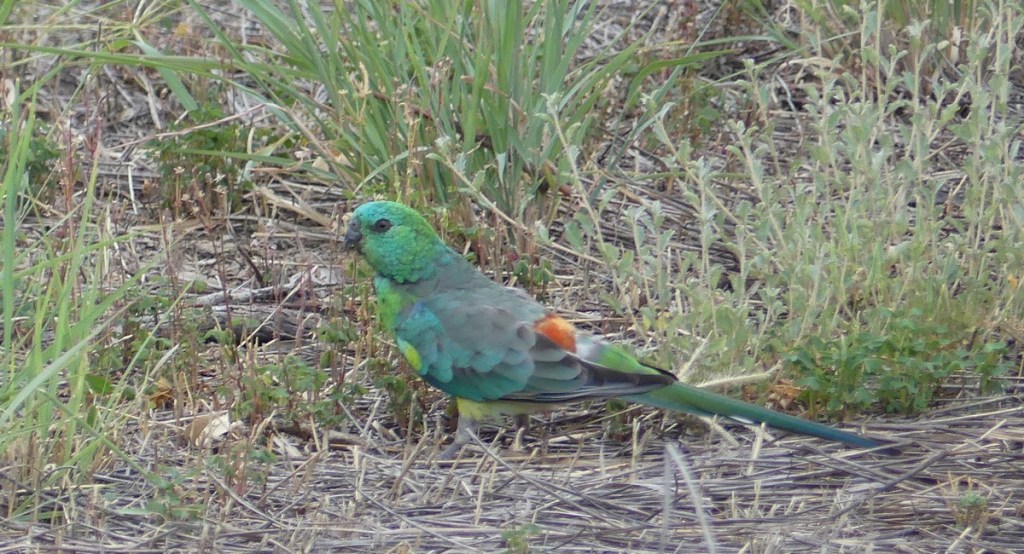
The female red-rumped parrot.
The male red-rumped parrot. The characteristic red rump is only found on the male. There are roughly 375 parrot species in the world and 56 species can be found in Australia.
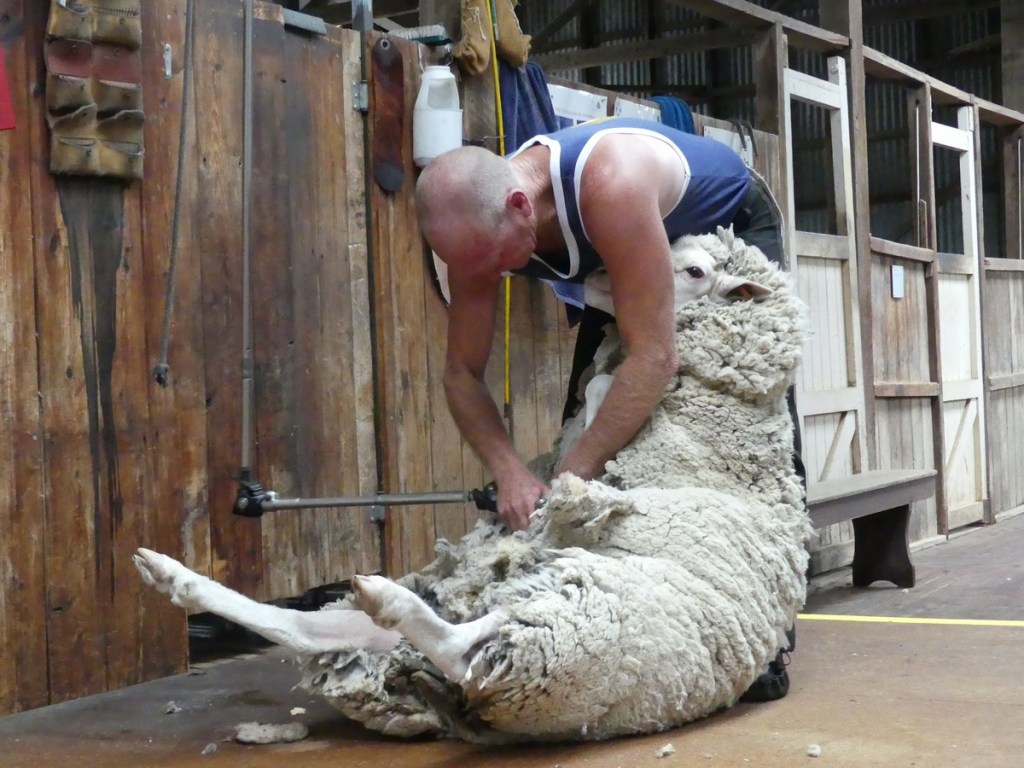
We made a stop in Hay, about midway between Adelaide and Sydney and visited the Shear Outback museum. Sheep shearing is still an important activity in rural Australia. We saw how a big merino sheep was sheared.
At the start of the wool industry in the early 19th century, sheep were shorn with blade shears, similar to garden clippers. The first authenticated daily tally (amount of sheep shorn in a single day) was 30 sheep in 1835. By 1892, this had increased to 321. This record was broken in 1950 using machine shears. Today, a professional shearer, also called “gun”shearer, can shear a sheep in less than 2 minutes. The record stands at 37.9 seconds. In 2015 shearers could earn about 280 AUD per 100 sheep. An experienced shearer can shear about 400 sheep a day. The world record for the most number of sheep shorn in a day stands at 731, held by a shearer from New Zealand.
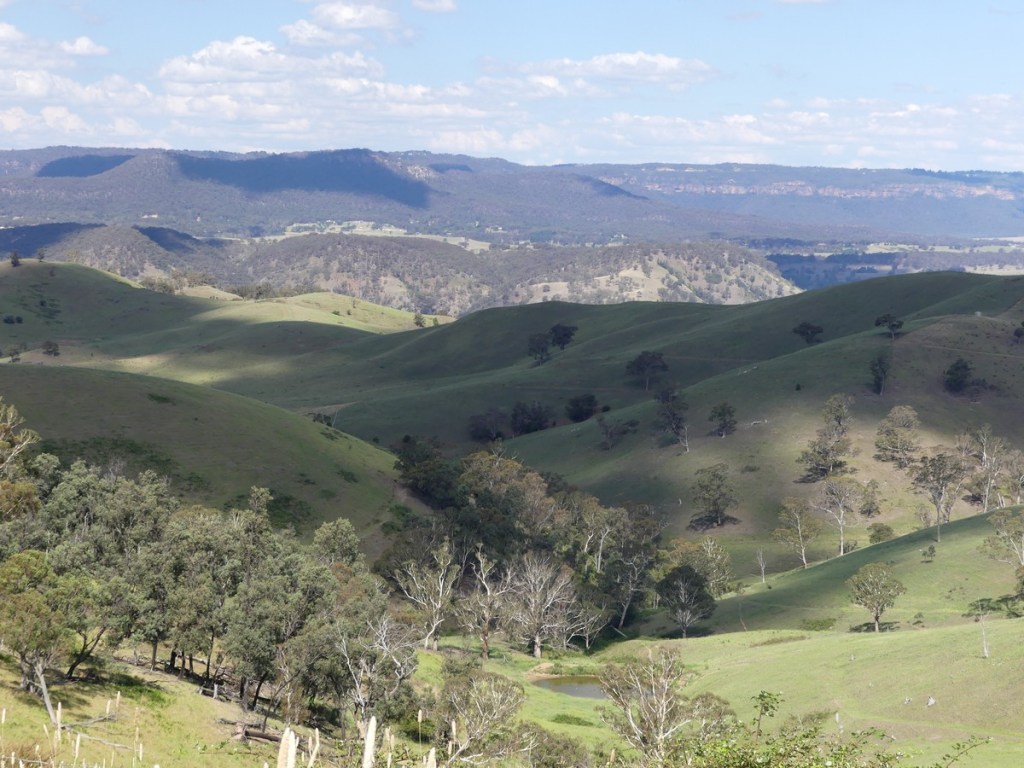
A first glimpse of the Blue Mountains. We will return after our visit to Sydney.
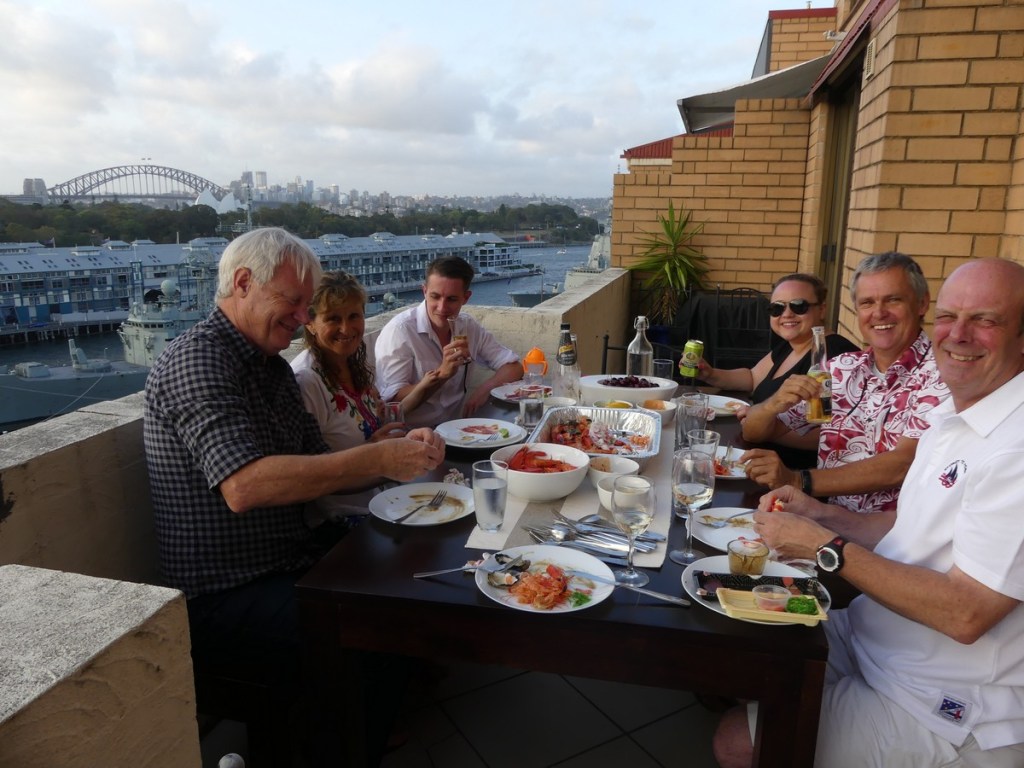
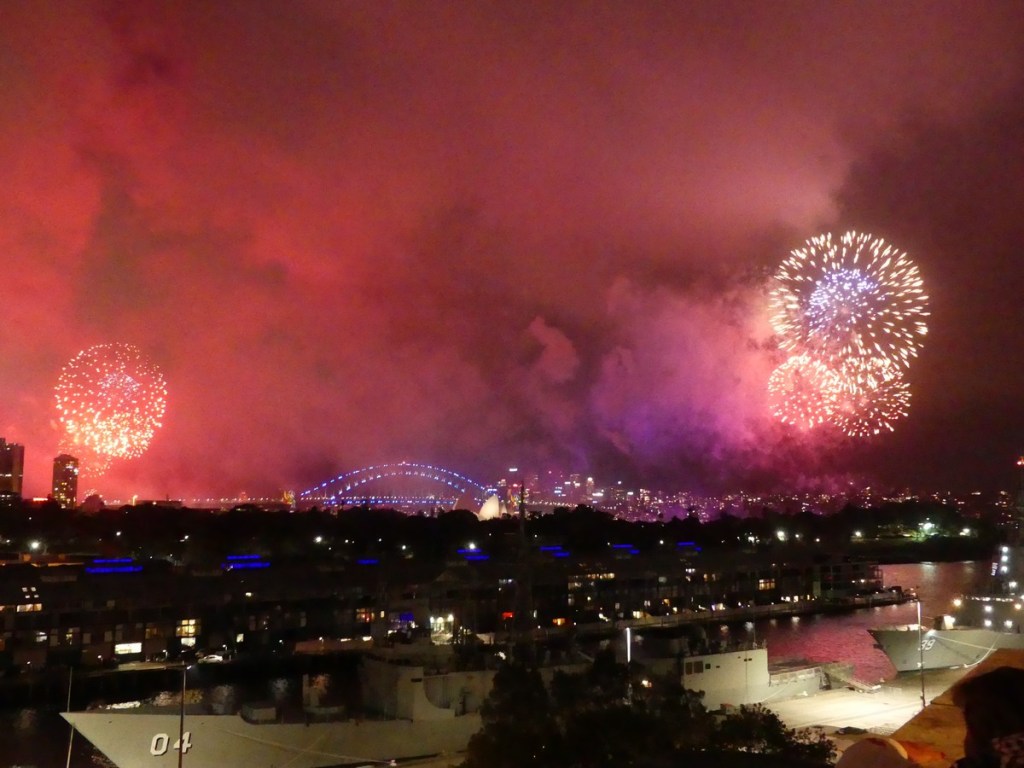
Celebrating New Year’s Eve at Kerry’s apartment with view of Harbour Bridge. We were sooooo lucky to be in good company for a special evening.
The first minutes of 2018 ! We will never forget these New Year celebrations.
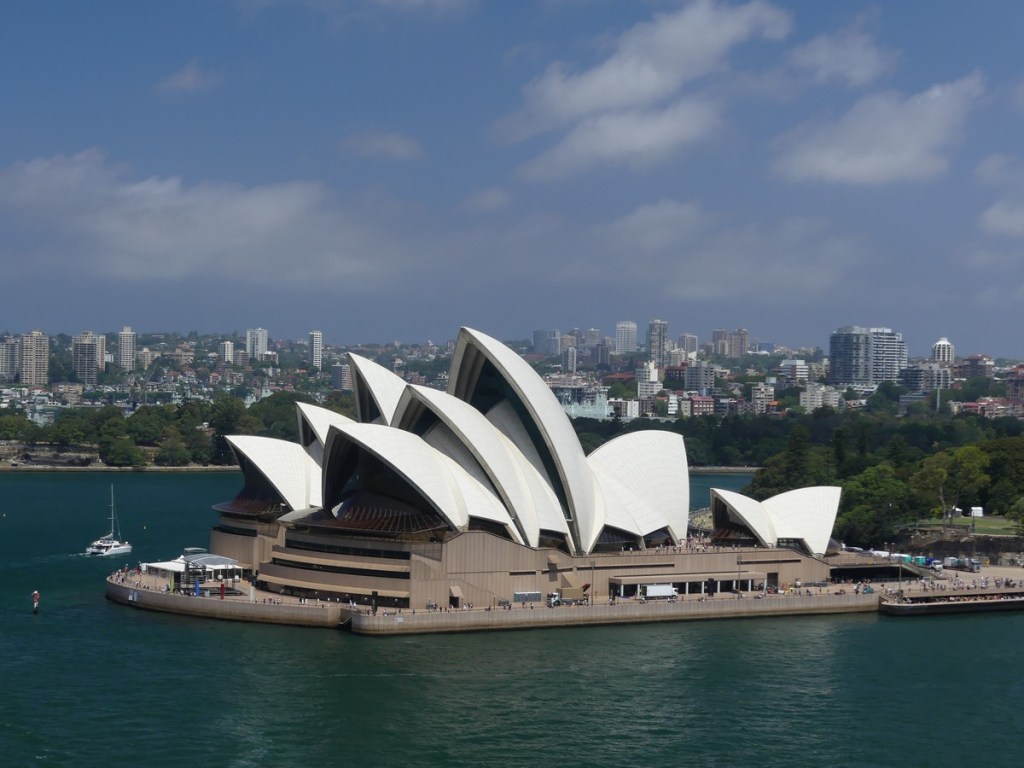
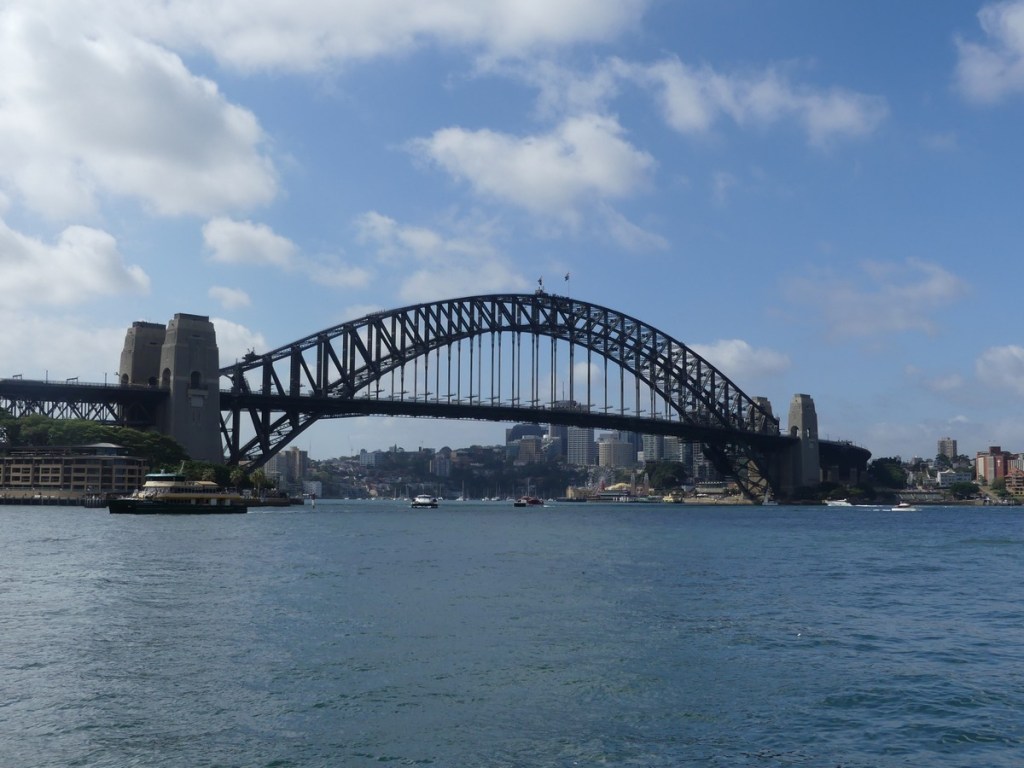
On Christmas day we walked Harbour Bridge and visited the famous Opera House. It is one of the most popular visitor attractions in Australia, more than eight million people visit the site annually. On 28 June 2007, the Sydney Opera House became a UNESCO world heritage site. Construction began in 1958 and was formally opened in 1973.
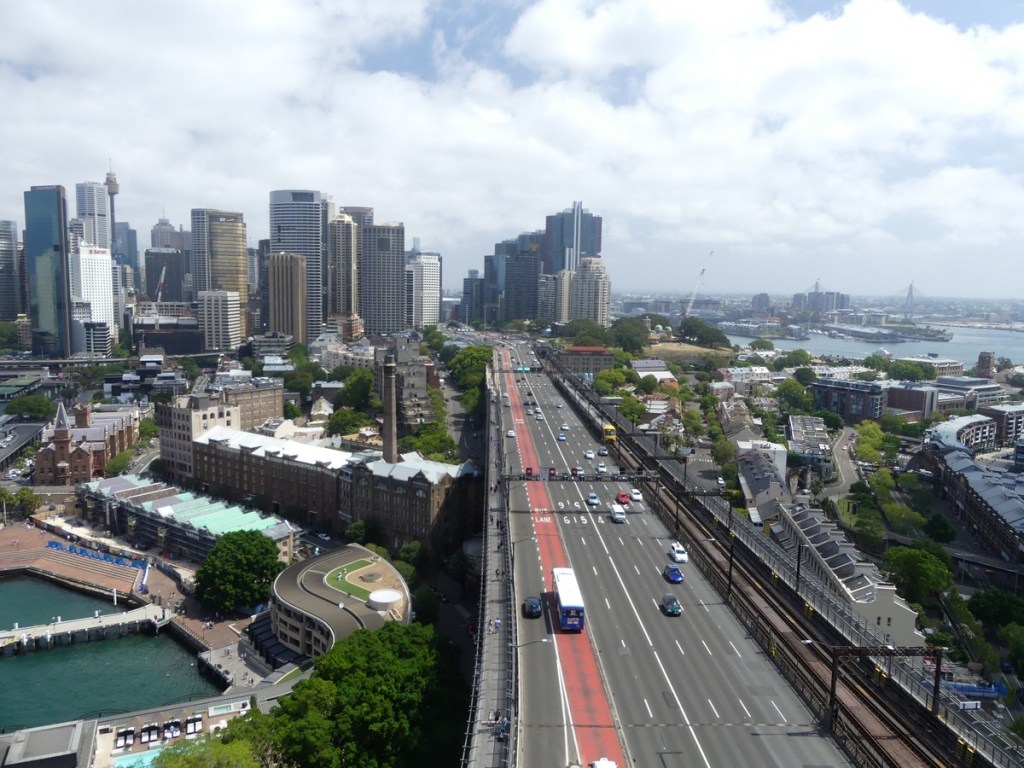
View from Harbour Bridge towards Sydney.
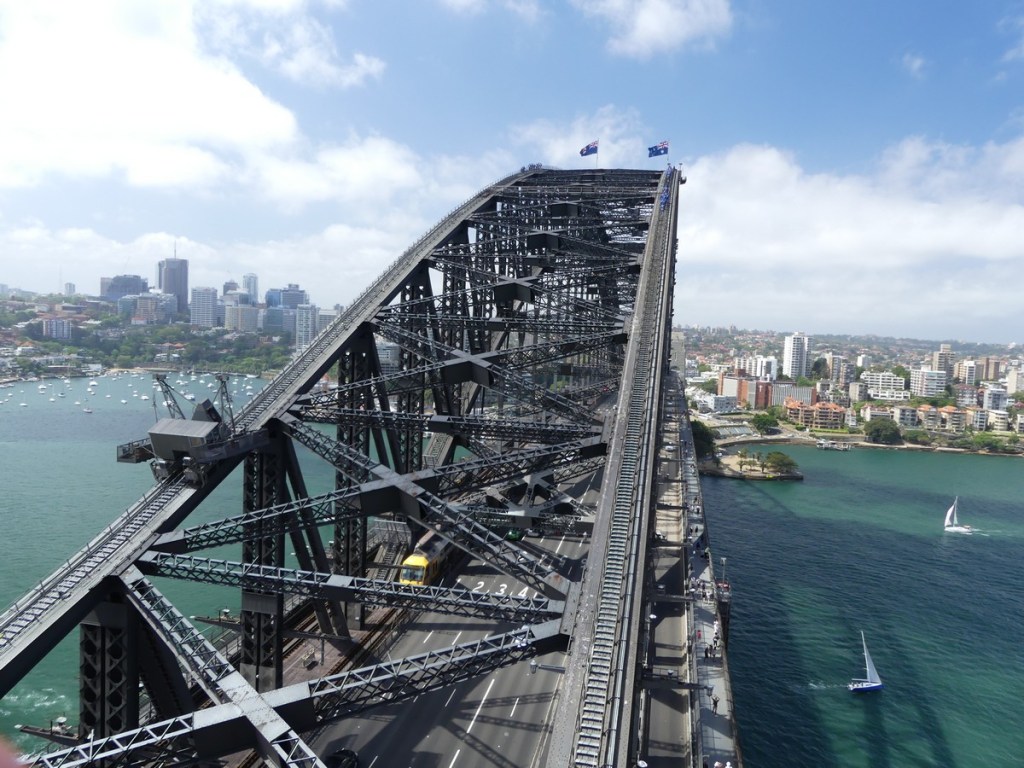
View from one of the pylons of Harbour Bridge. Construction started in 1923 and in 1932 the bridge was opened.
The nickname of the bridge is “the Coathanger”. The bridge carries rail, car, bicycle and pedestrian traffic.
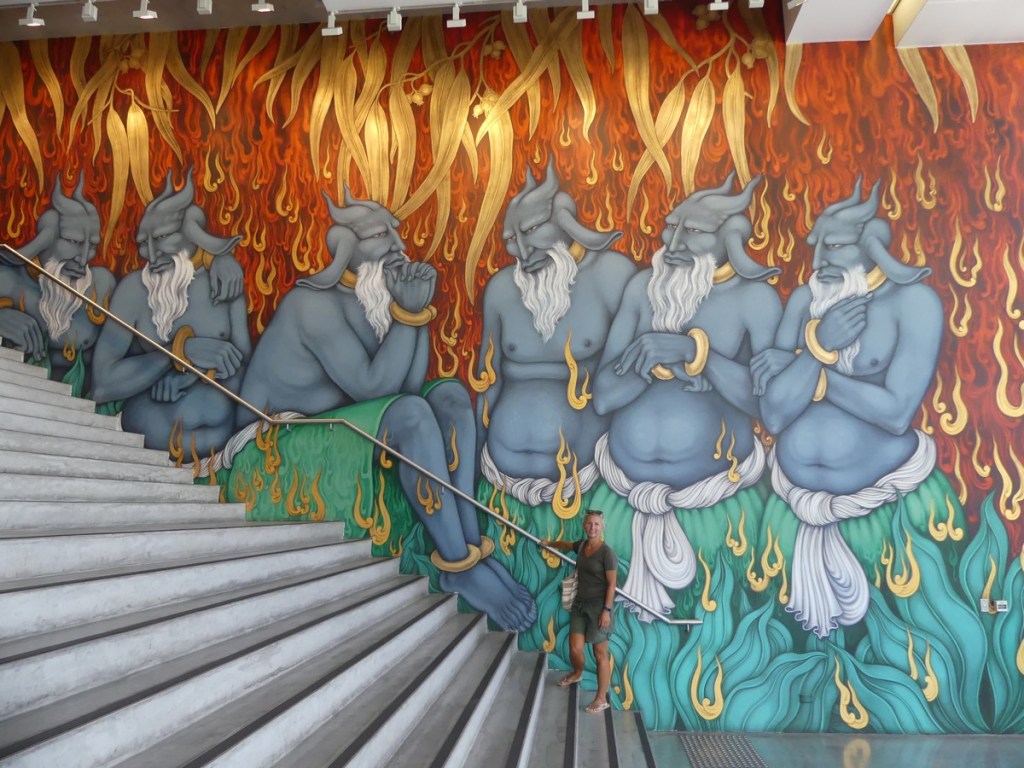
We also made a quick visit to the Museum of Contemporary Art Australia in Sydney.
After being 6 days in Sydney, spoiled by the luxury of a nice apartment in a great location we felt it was time to explore more of the Australian nature and put Skippy back to use. We still had about a month to get to Brisbane. To be continued in my next blog :-).