Hier is een kaart van de reis die we gemaakt hebben (60 dagen, 8050km)
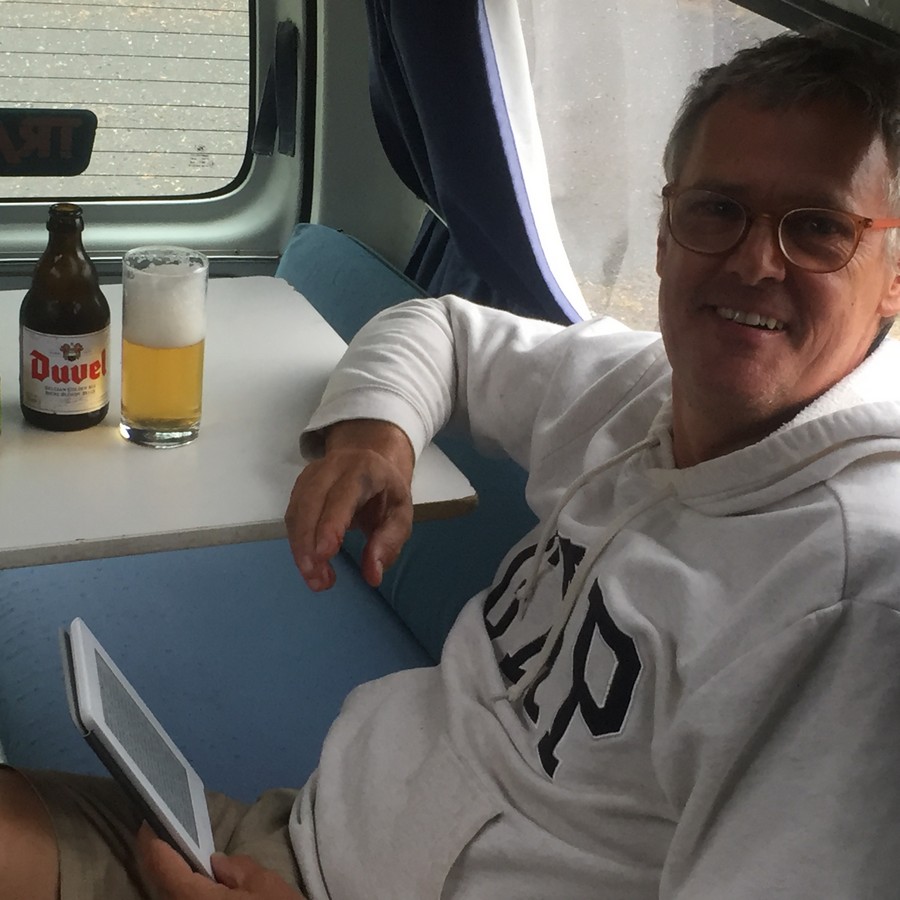
Duvel, Chimay, Leffe, La Chouffe: slechts een adres in Australië (helaas): Dan Murphy stores
Wandelen in Australië: van rots tot regenwoud
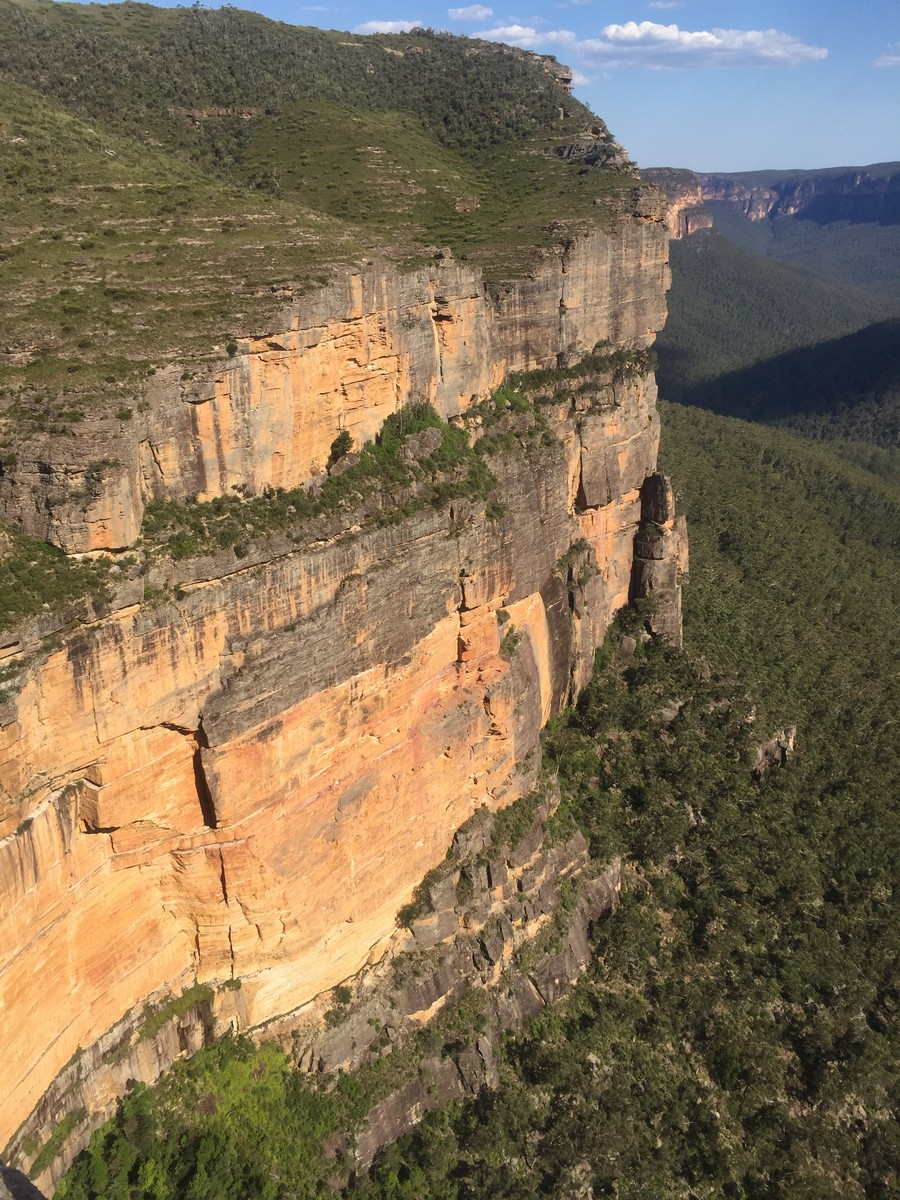
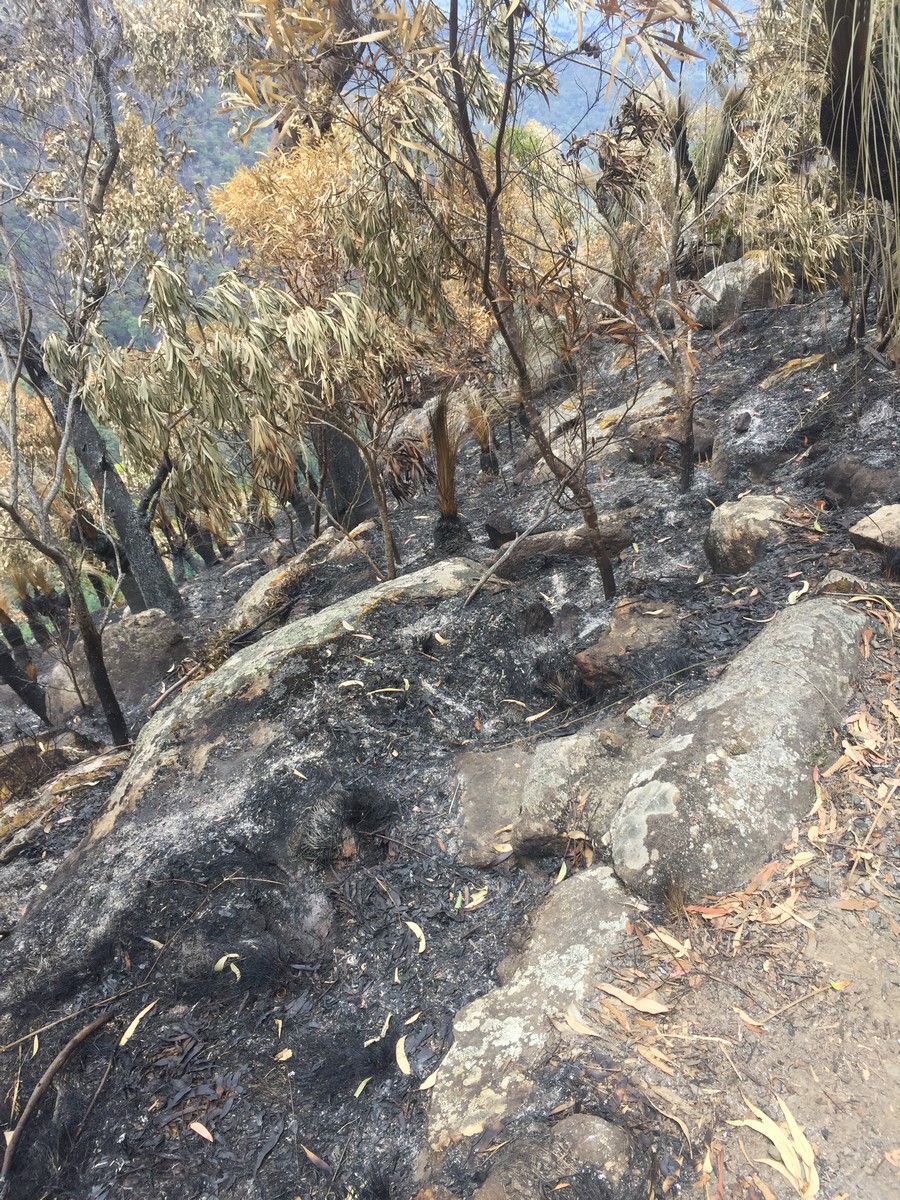
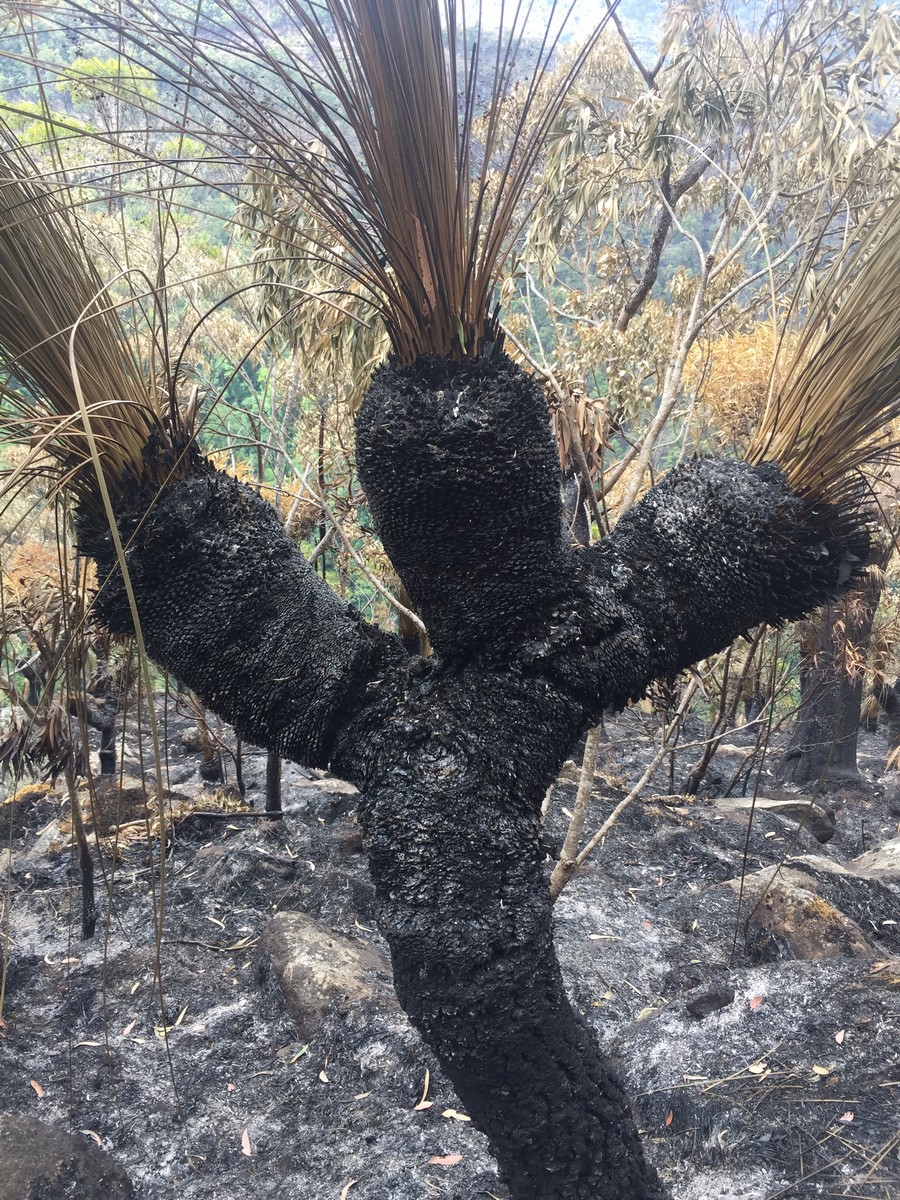
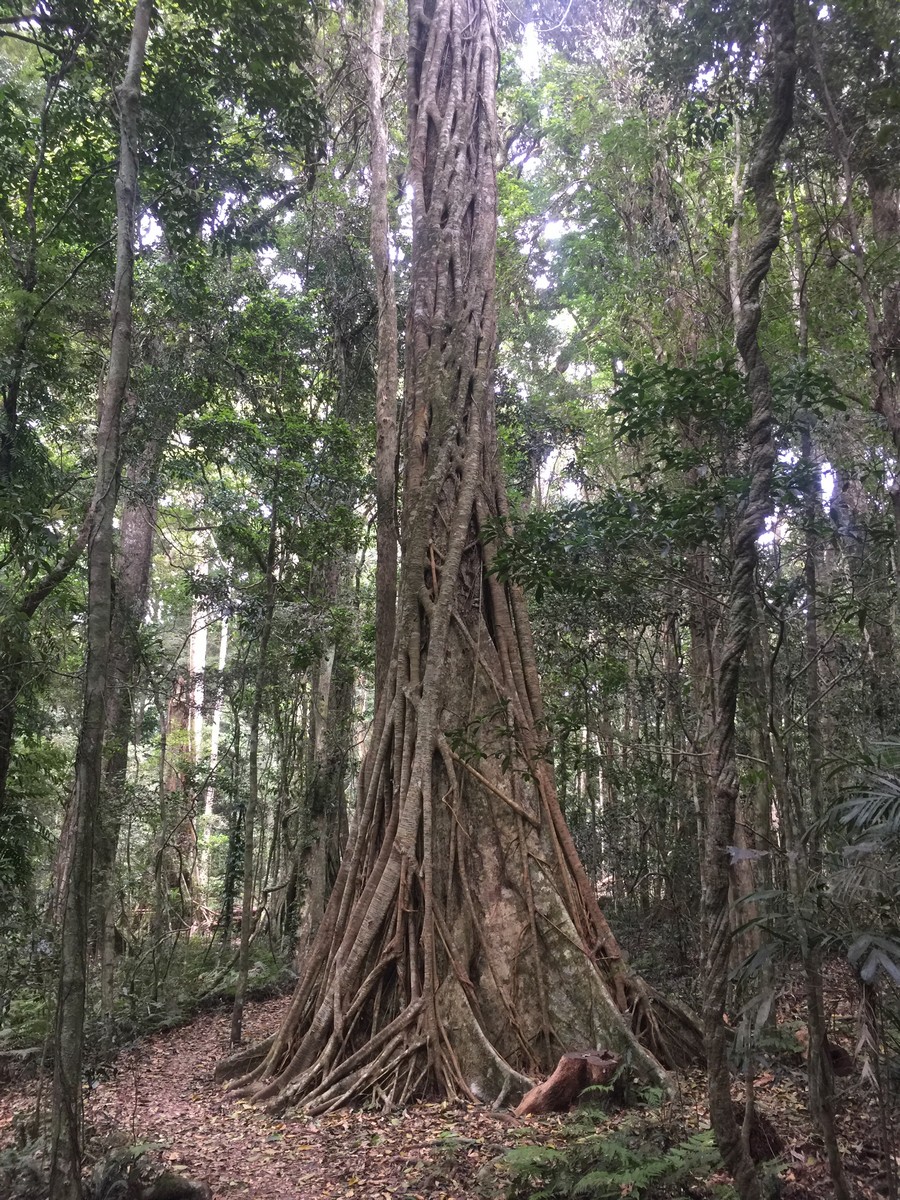
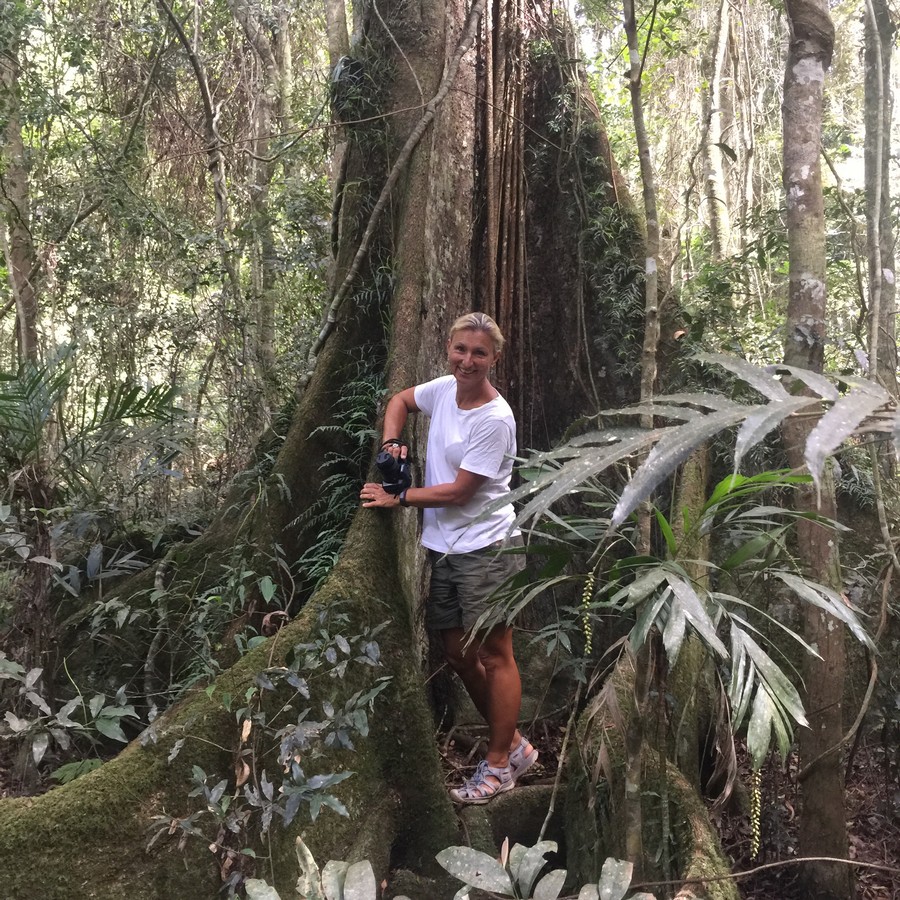
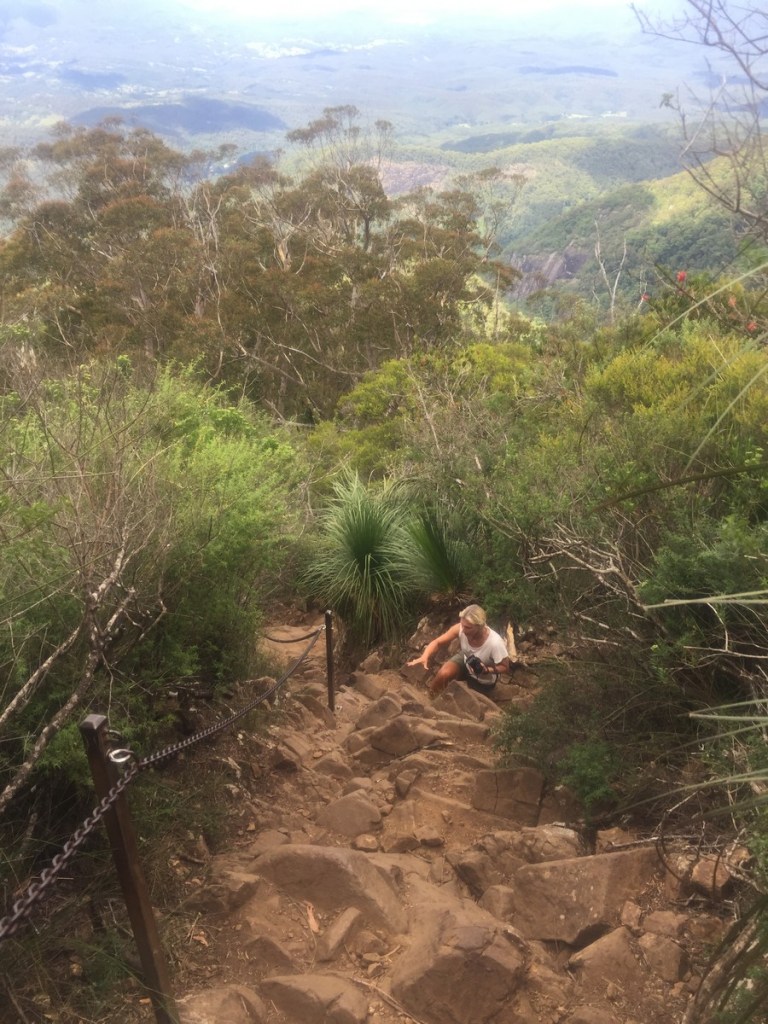
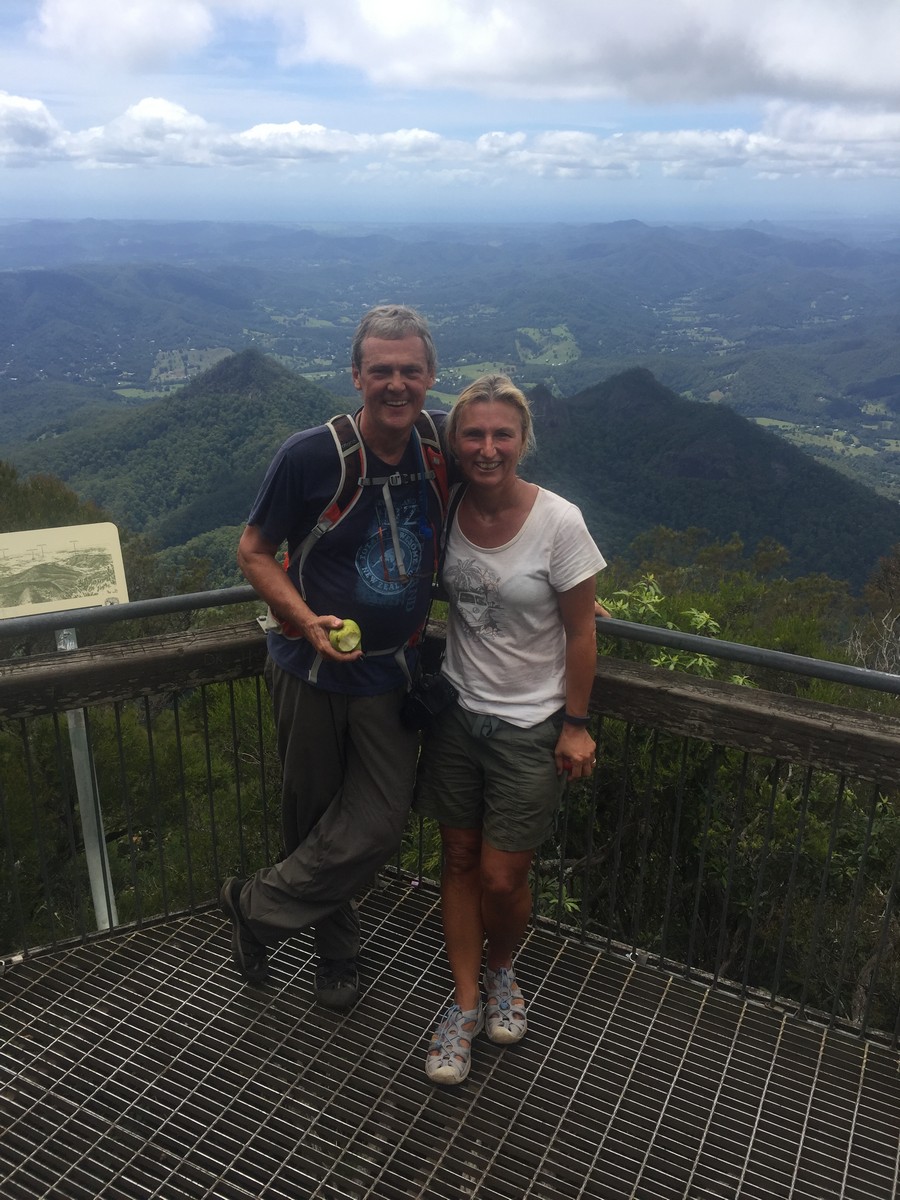
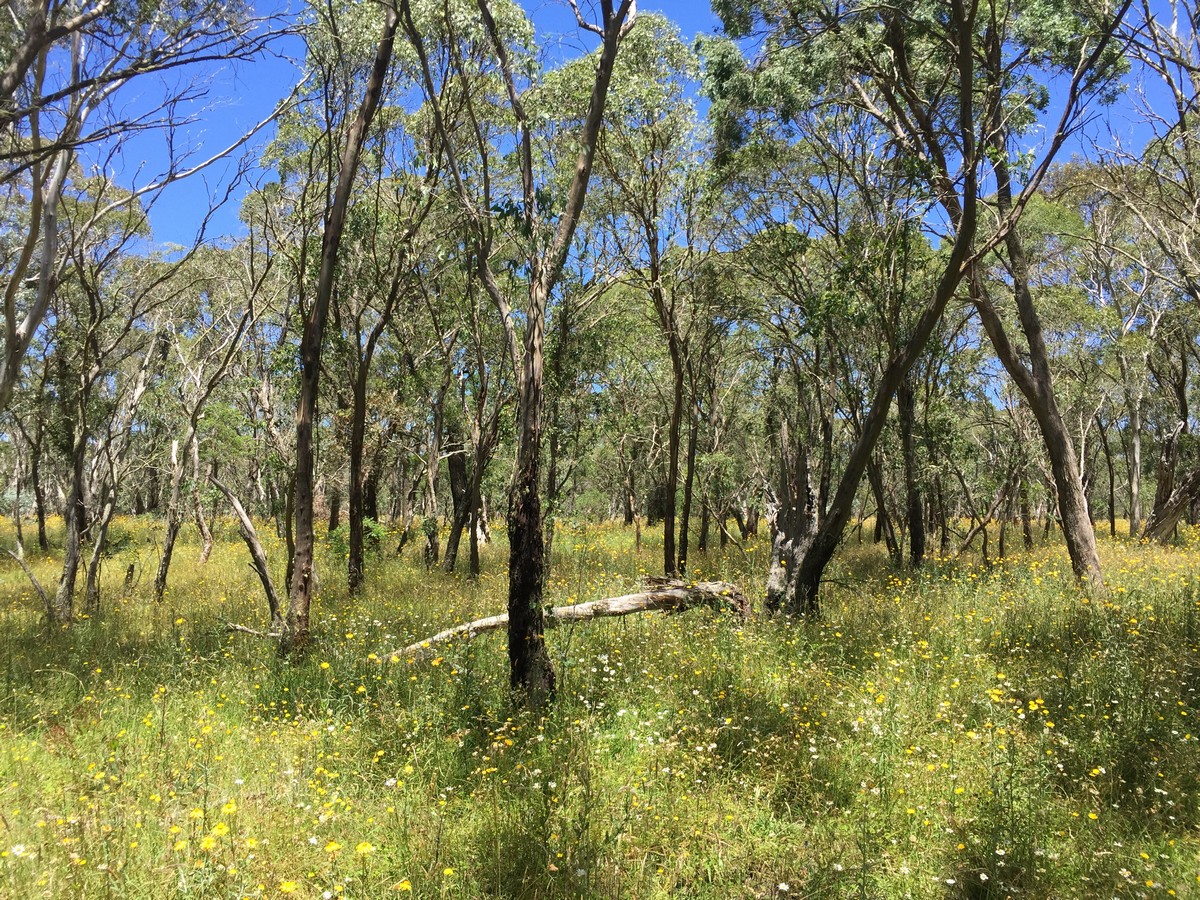
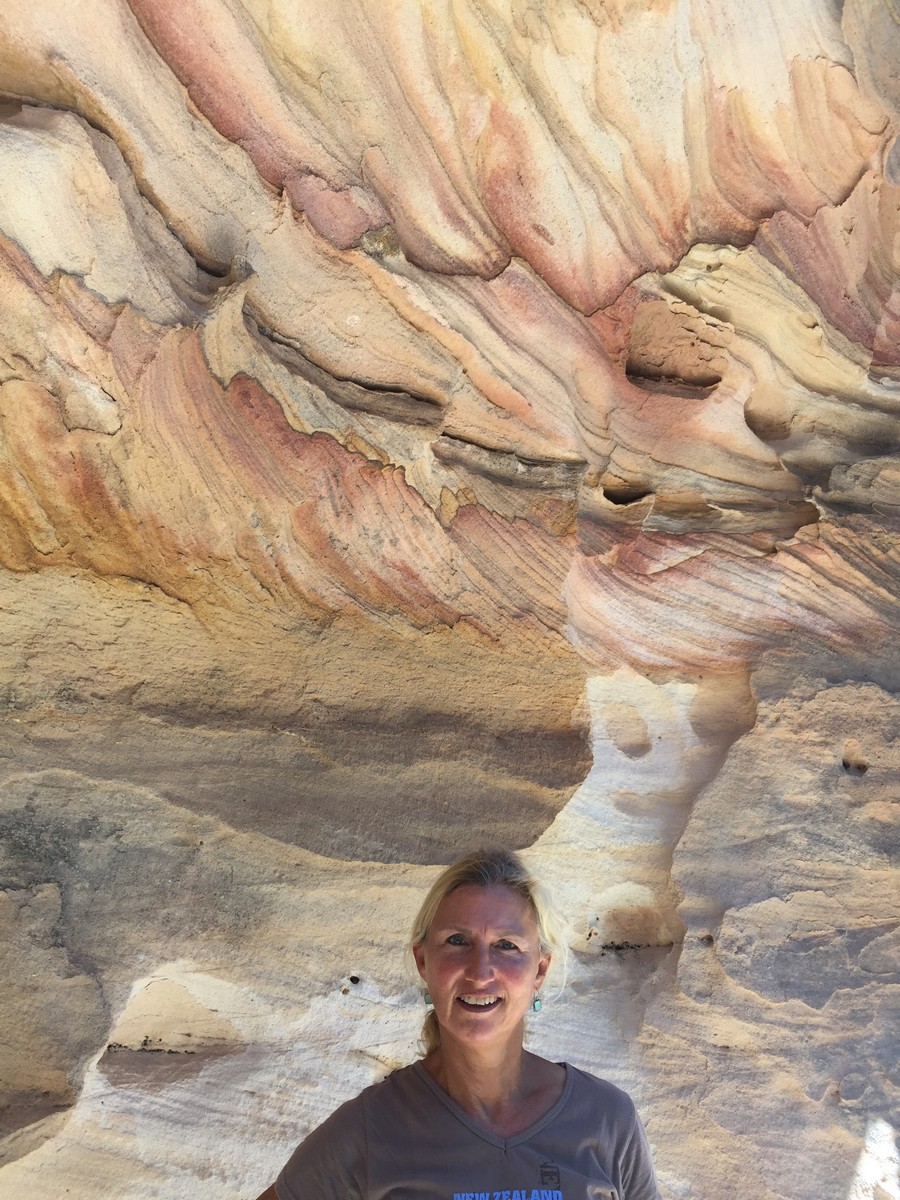
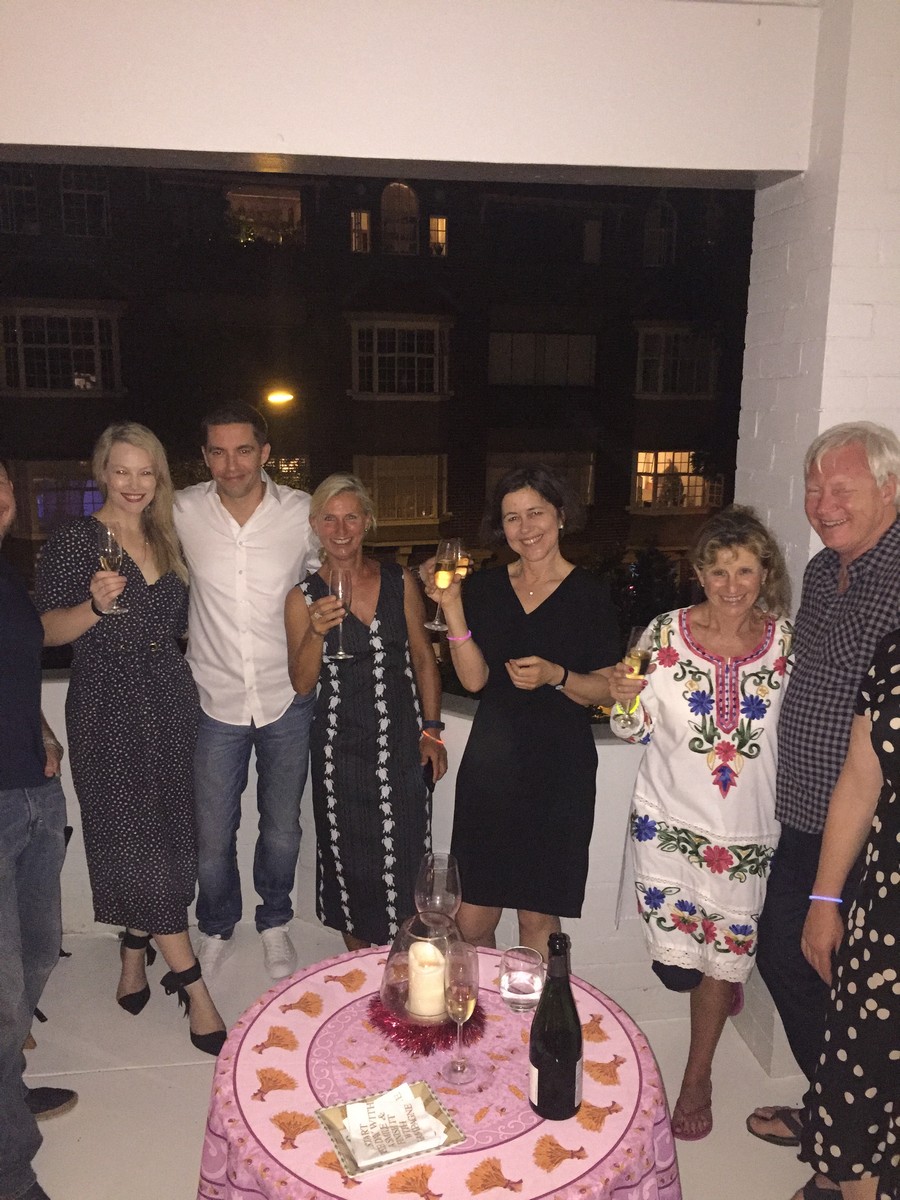
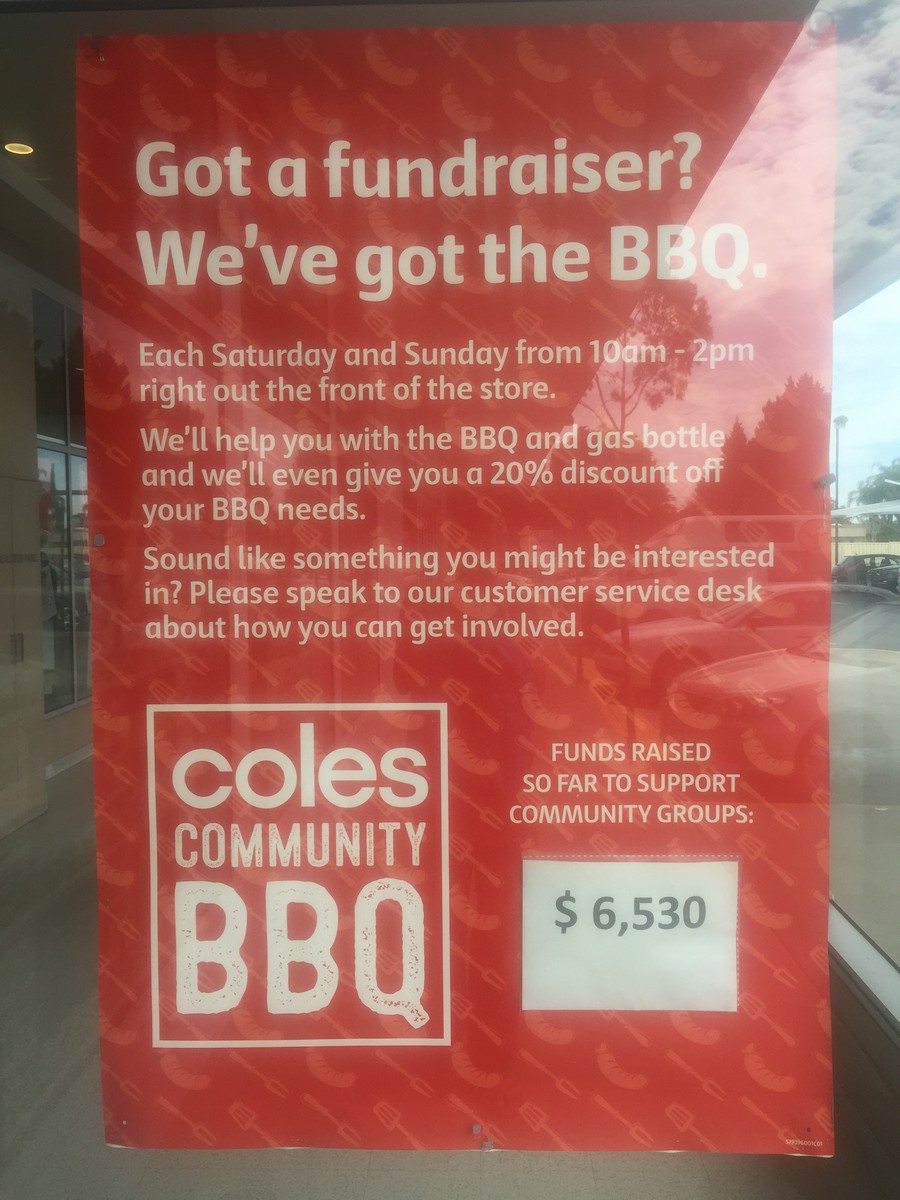
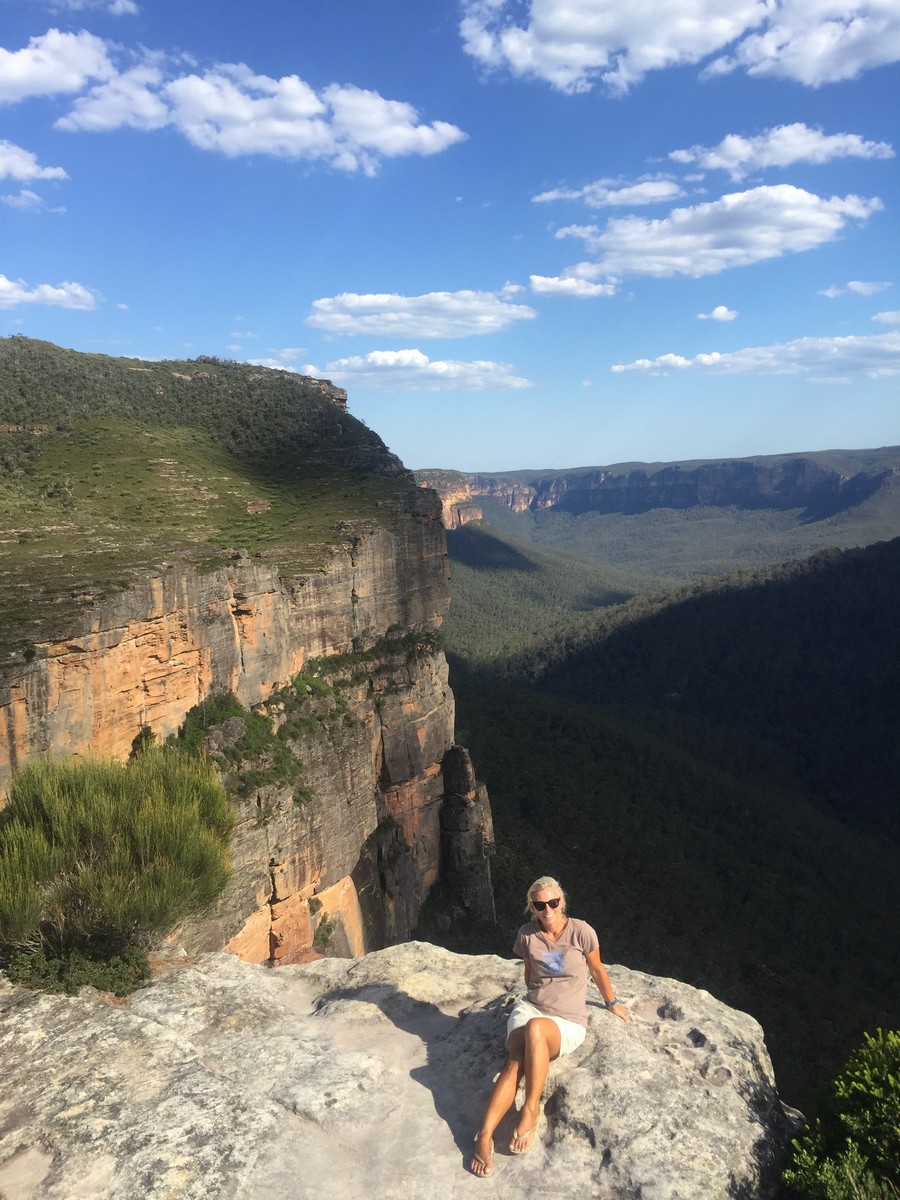
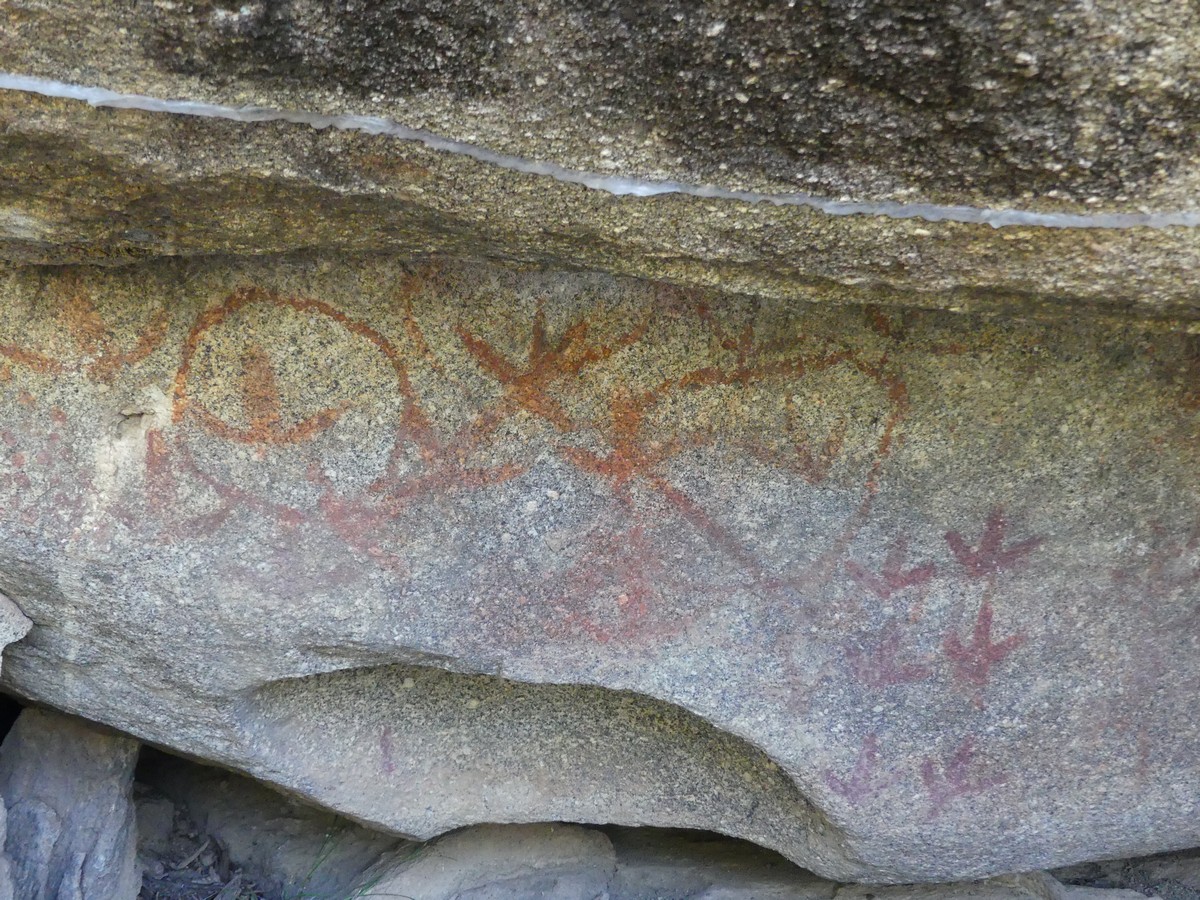
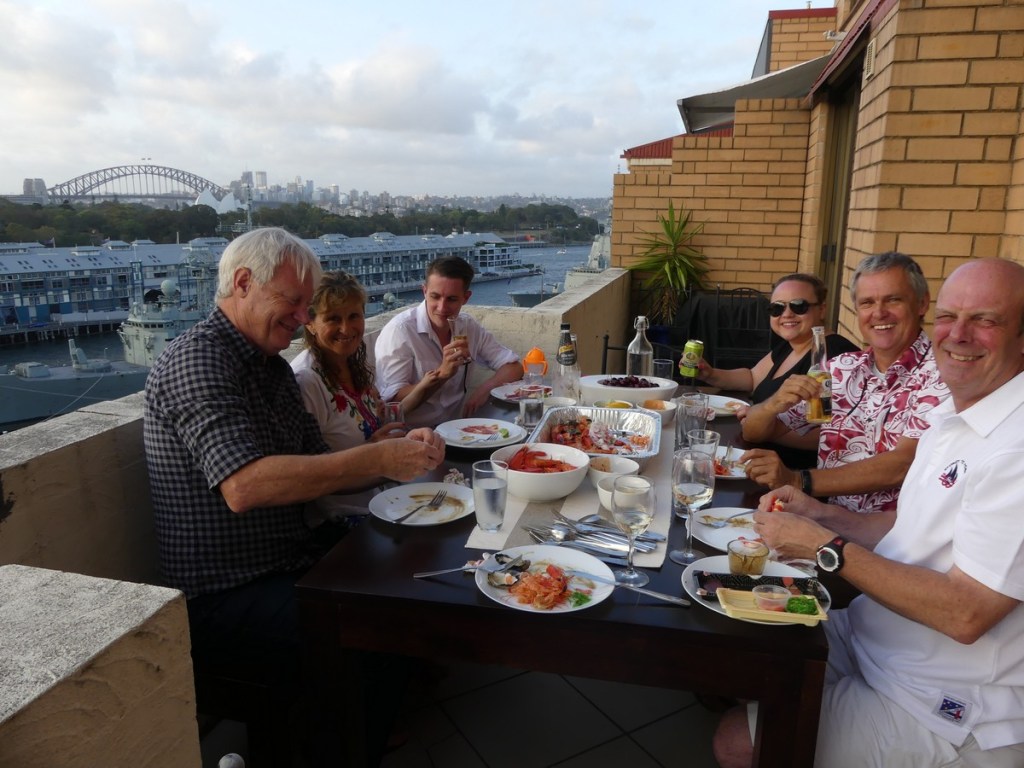
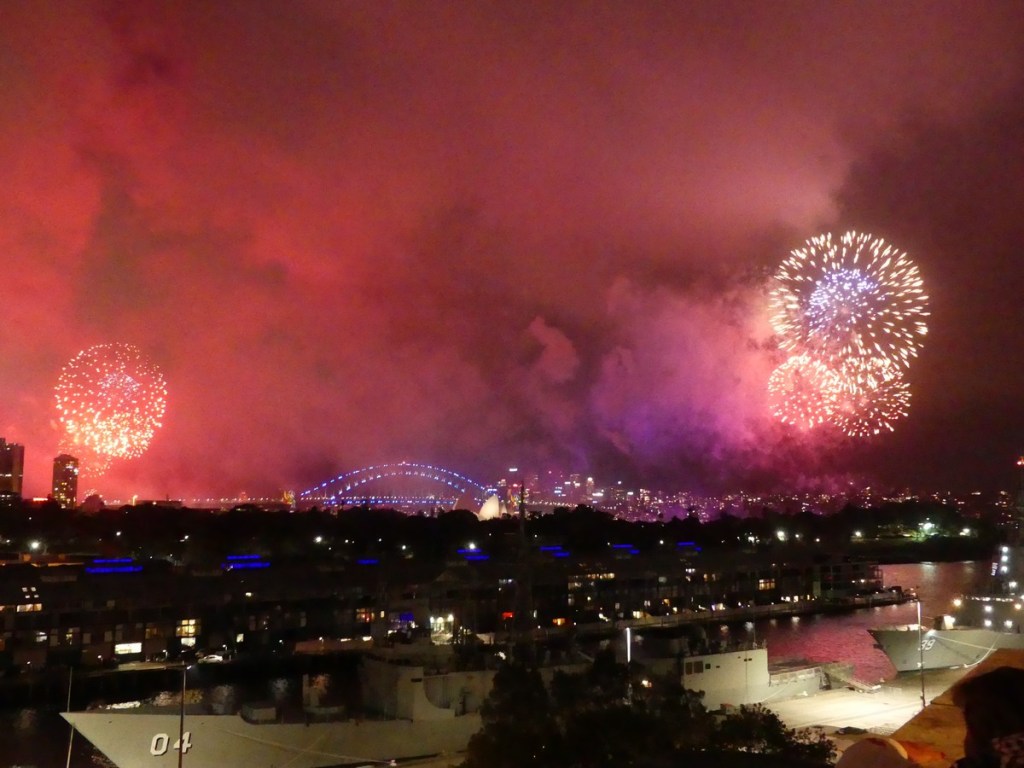
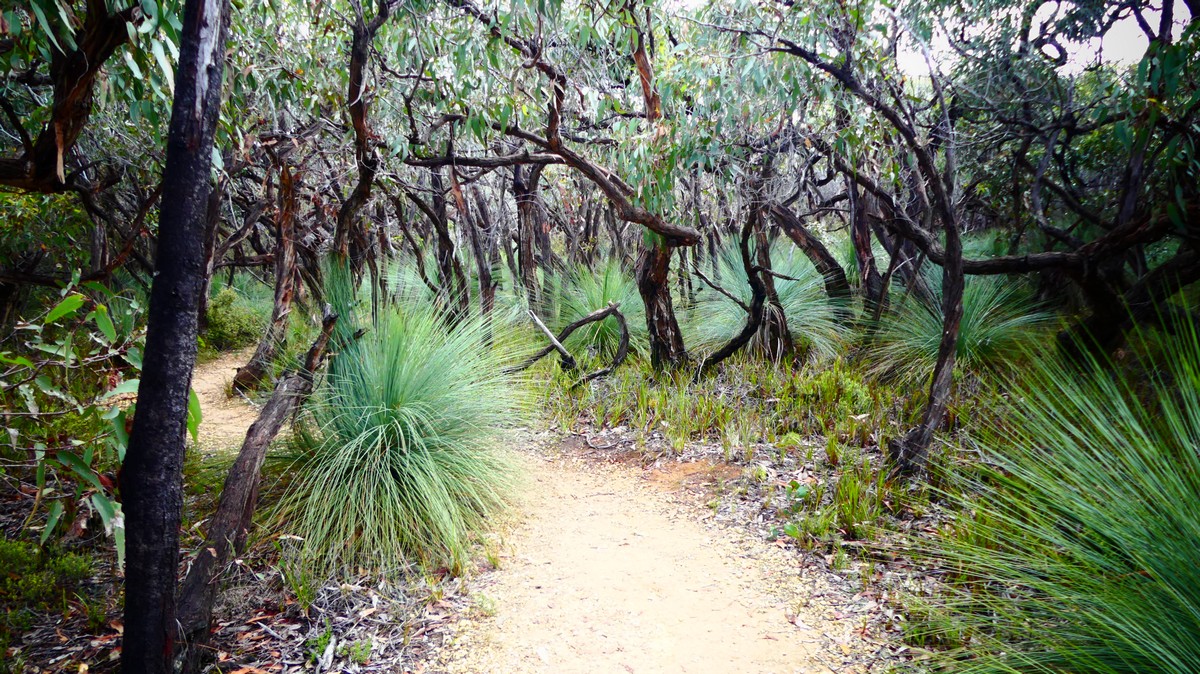
Hier konden we wandelen tot aan de rand van de afgrond. Raar hoe een wankel afsluitingske direct een gevoel van veiligheid geeft. Hier lag ik op mijn buik op de rotsen , de iphone over de rand houdend terwijl ik bijna in mijn broek deed…Het is gezond voor het bos om af en toe eens een brand te kennen. Daarom worden er soms gecontroleerde branden aangestoken.Deze plant, Xantorrhoea, heeft zelfs vuur nodig om zich voort te planten. Meer hier.Een wurgende vijgeboom die rond zijn slachtoffer is gegroeid. Na een 50tal jaar blijft er enkel een gat over in het midden waar eens zijn gastheer stond.Sommige hoge bomen houden zich recht door hun plankachtige wortels. Beklimming van mount Warning. De laatste 400m naar boven waren steil…… maar we zijn boven geraakt! (Zie ook video verder)Rond eind januari waren er vele veldbloemen in bloeiBezoek aan een zandsteen rots en grot waar de aboriginals hun sporen hadden nagelaten. Prachtige kleurschakeringen in de zandsteen.Nieuwjaar 2018 in Sydney. Leuk gezelschap, goed vuurwerk, veel drank… Rechts het kopppel (Kerry en Neil) dat we leerden kennen in Frans Polynesie en waarbij we een week hebben verbleven.Supermarkten in Australië hebben veel over voor hun gemeenschap.
En tenslotte nog wat video’s
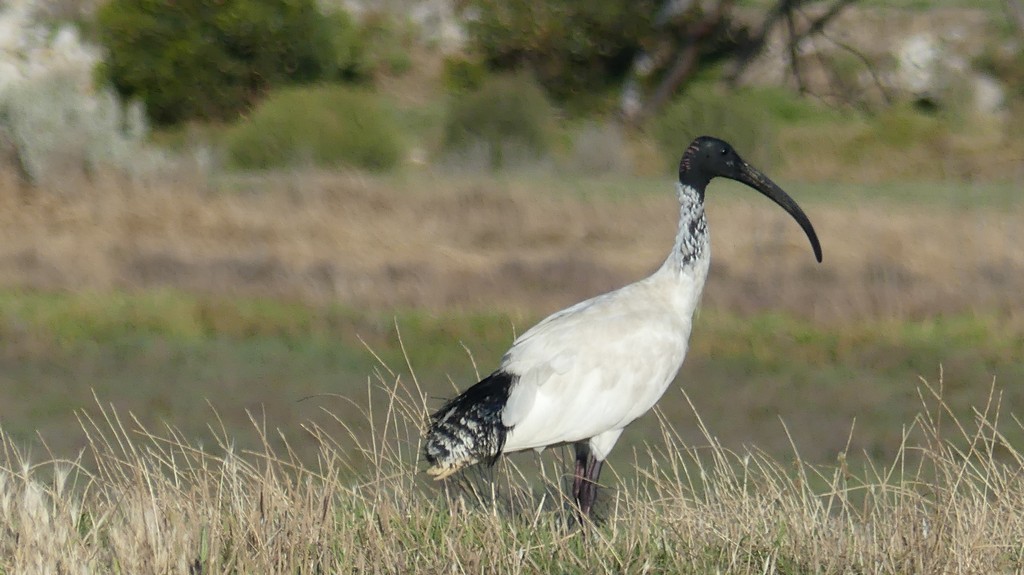
De witte ibis: de meeuw van Australie
bij de volgende video: neen, ‘t’was geen stallagmiet, ‘t was door de mens gemaakt.
Bij de wandeling met het steile einde was er een meisje dat haar voet had verzwikt. Ze kon de 10km wandeling naar beneden niet meer doen en moest worden van de berg geplukt worden. Net toen wij er voorbijkwamen:
Een wandeling zoals ik het graag heb: wat avontuurlijk en geen volk:
Vandaag is het 13 februari, maar ik kijk terug op onze eerste week in Saigon (Ho Chi Min city center)
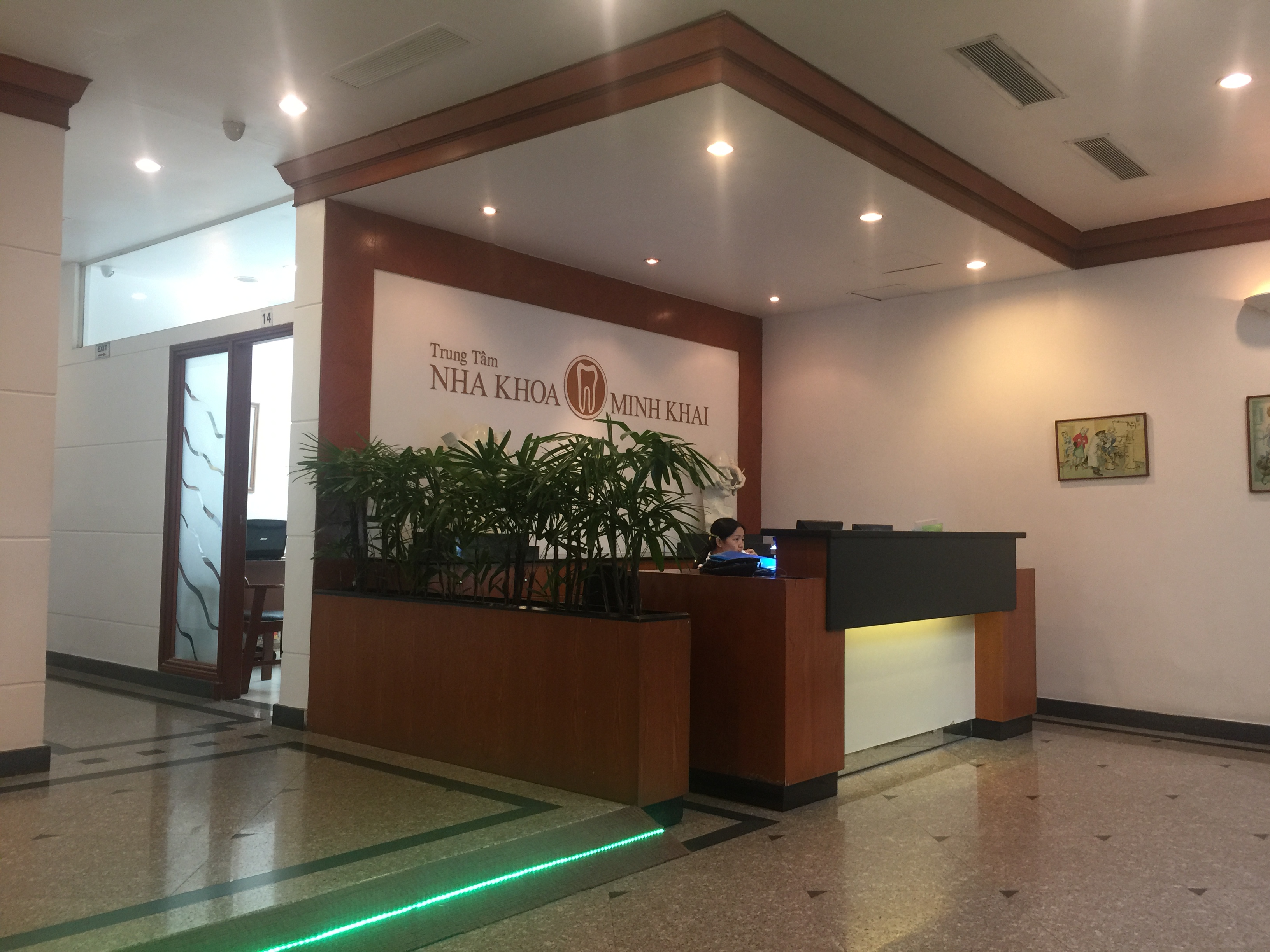
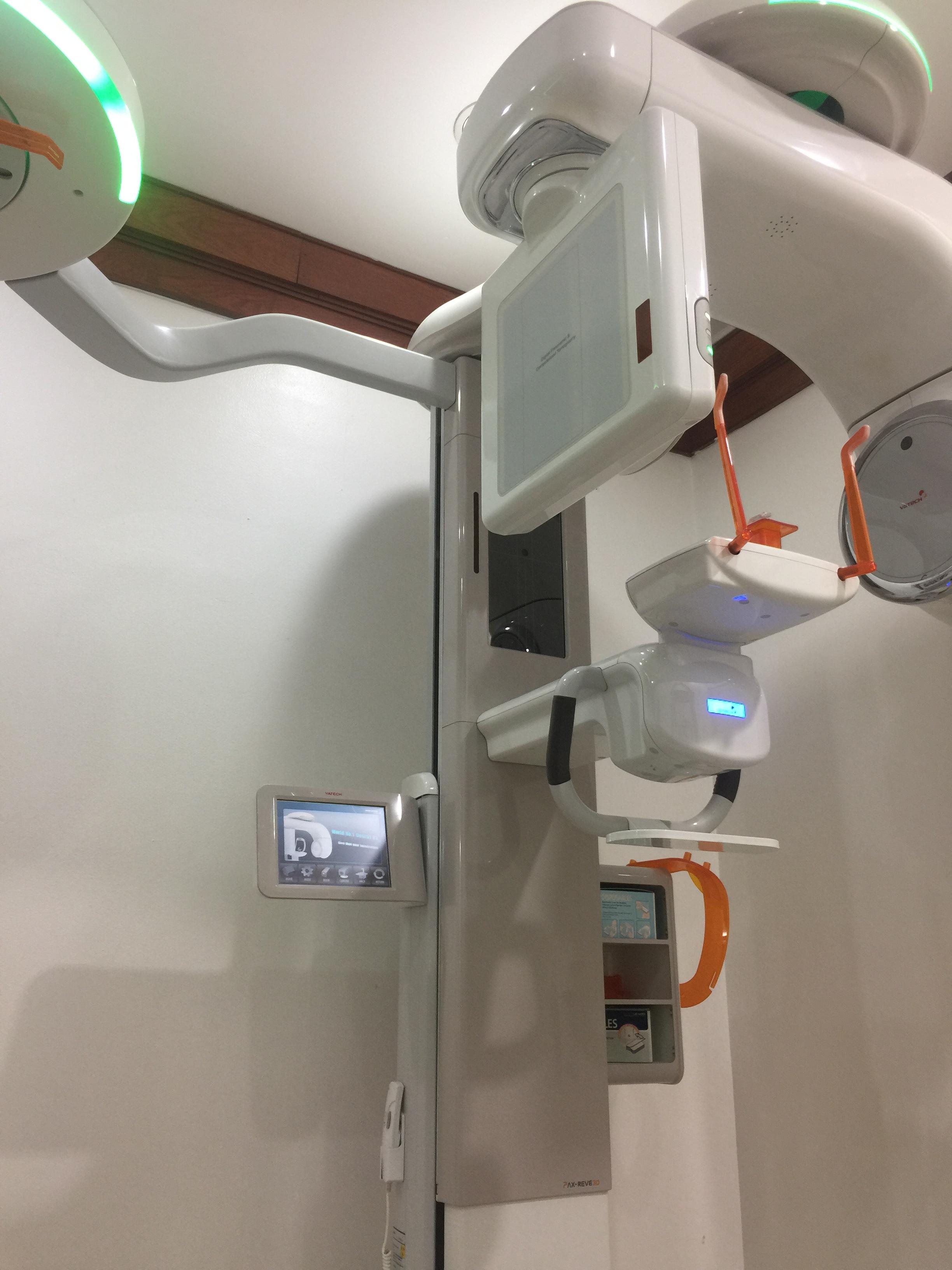
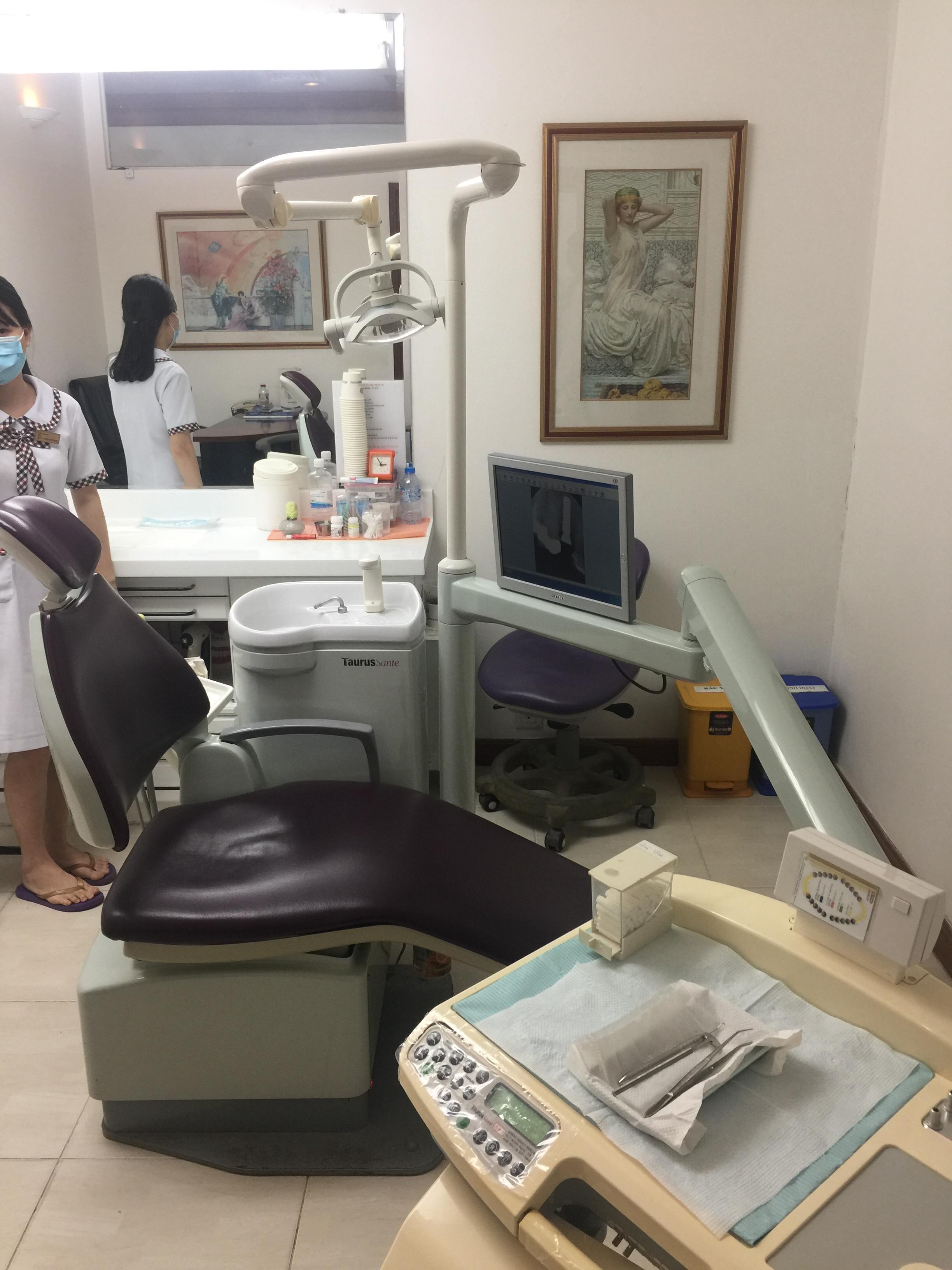
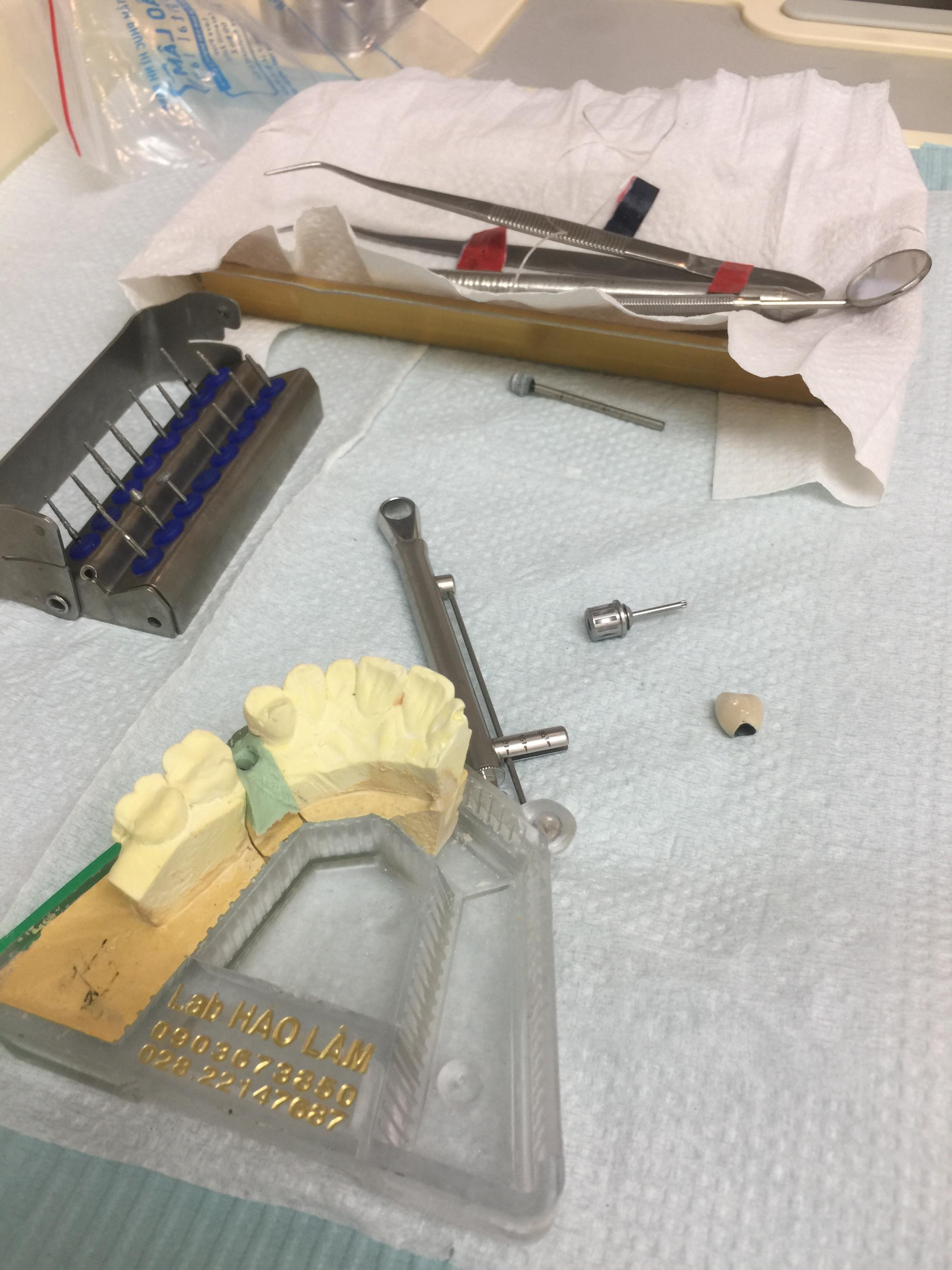
Ik kan weer in gelijk welke situatie met mijn mond vol tanden staan. Ik had bij de stomatoloog Wilfried Vermout een implantaat laten plaatsen in België ergens in september 2017, maar er was geen tijd genoeg om de wonde te laten helen en dan nog een kroon te plaatsen. Het kan echter geen kwaad om te wachten, want het implantaat is afgesloten met een soort schroefdeksel. In Noumea vertelde een Australische zeilster me dat ze een hele (tand)brug had laten maken en installeren bij een tandartsenpraktijk in Saigon. Na wat heen een weer geemail heb ik een afspraak gemaakt met de tandarts. Het bleek een enorm modern en groot kabinet te zijn. Ze konden de Zwitserse “kit” (schroevendraaier en tand basis) voor mijn implantaat (Straumann3.3 x 12 mm 021.2512 NC Bone Level Roxolid) lokaal vinden, en twee dagen later werden de nodige foto’s en afdrukken genomen. Nog eens twee dagen later was ik weer een geheel mens! Kostprijs: 200$ voor de kit en omgerekend 120€ voor de porcelein op titanium tandkroon. Er kan weer breed gelachen worden!
Na de inkom beneden, is dit de opvang op het eerste verdiepDe radiologie afdelingHet kabinet, met de gemaskerde assistente en de nimf aan de muur, kwestie van de aandacht af te leiden van de naald of boorHet eindproduct naast de kit (schroevendraaierkop en -body)
Door het voorgaande hebben we dus een weekje in Ho Chi Min city doorgebracht, en we hebben de Vietnamezen een klein beetje leren kennen. Het eerste wat onvermijdelijk opvalt is de totaal andere manier van gedrag in het verkeer. Ho Chi Min is een grote stad met ongeveer 8,5 miljoen inwoners. Er zijn gelukkig weinig auto’s (dank zij een overheids taks die oploopt tot 200%) maar daar staat tegenover dat er 7,5 miljoen scooters in de stad zijn.
Toch verloopt het verkeer er soepel, en ik denk zelfs vlotter dan bij ons. Hier is hoe het werkt in de stad:
je rijdt niet rapper dan 40km/uur. Ook (bijna) alle anderen doen dit.
Je kijkt vooral vooruit, en anticipeert de richting van voorliggers.
Iedereen rijdt traag maar gestaag. Ook dwarsende voetgangers/fietsers/brommers/autos doen dat. Zo kan je reeds erachter mikken.
Je gebruikt je claxon om voorliggers te laten weten waar je bent, of om tegenliggers en dwarsenden te laten weten dat je voor hen gaat passeren en zij moeten wachten.
Er is geen verkeersagressie. Alhoewel er massaal getoet wordt, soms met oorverdovende claxons (bussen en vrachtwagens) wordt dit niet als agressie gezien.
Rode lichten zijn een sterke motivator: je mag ze negeren op eigen risico maar de meeste doen het niet. (Ook dit wordt niet als verkeersagressie gezien). Leuk: er is een aftelscherm met de seconden dat het licht nog groen of rood blijft.
Je mag tegen het verkeer in rijden, maar je blijft dan aan de uiterste rand van de weg.
richtingaanwijzers worden bijna altijd gebruikt, zo weten achteropkomers wat je van plan bent. (Een andere weggever van een afslag is als ze achter zich uit kijken)
Genoeg theorie, hier volgt een voorbeeld van de praktijk:
Vietnamezen houden van luide muziek en Karaoke. Het zijn schuchtere mensen, maar geef ze een microfoon en ze worden een Vietnamese Sam Goris. In deze wandelstraat in het hartje van de toeristische uitgaansbuurt gaat het er luid aan toe.
We hebben echt wel de toerist uitgehangen, hier gingen we terug naar ons hotel op een fietstaxi.
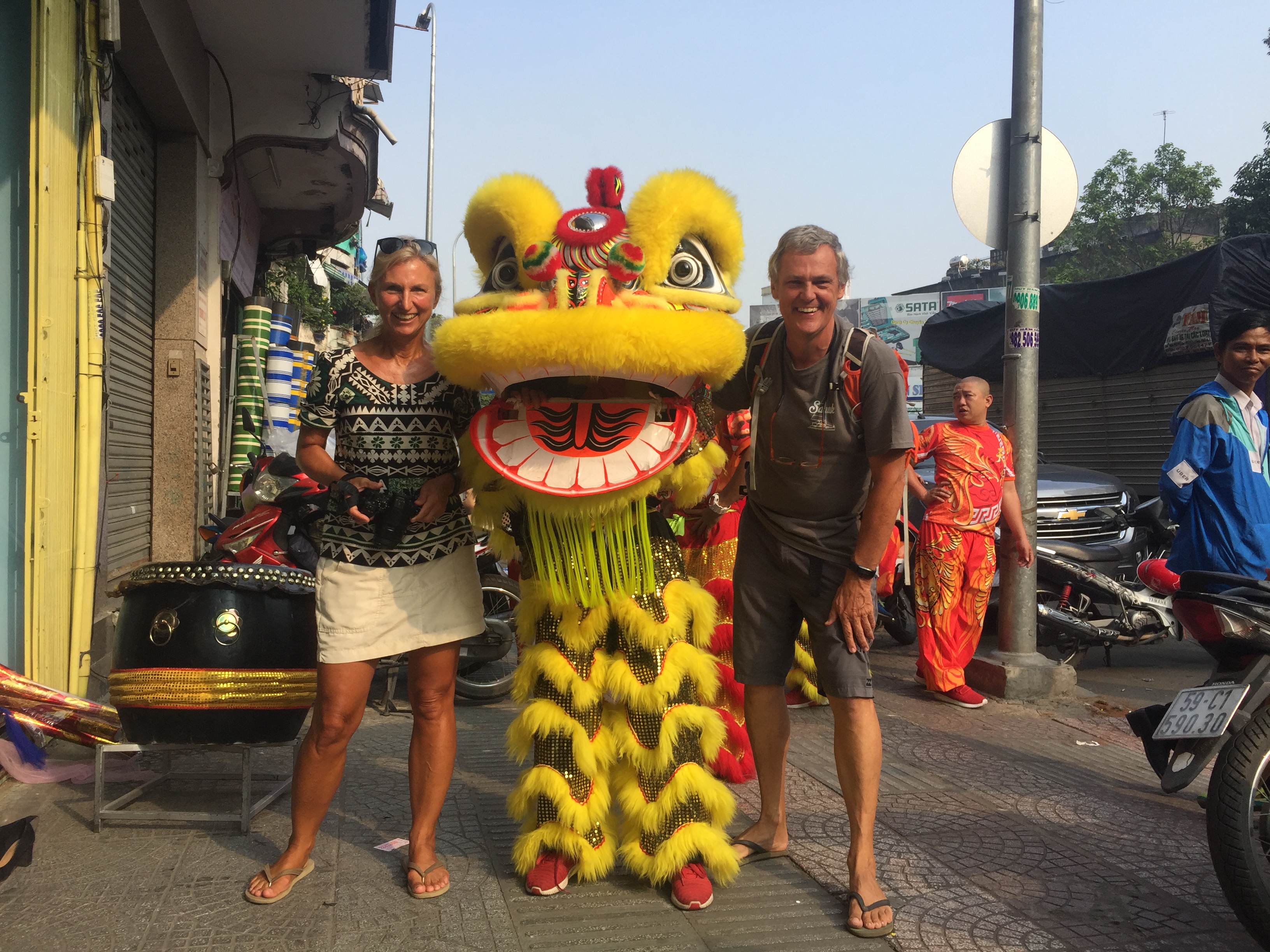
Tijdens onze vele wandelingen door de stad (we namen maar twee keer een Uber) kwamen we al de eerste tekenen van het komende nieuwjaar (16 februari) tegen. Hier komen twee tijgers de kindjes van de kleuterklas verassen. De vietnamezen vinden het heel leuk dat je als toerist geinteresseerd bent, je mag op de eerste rij staan. Dat moet je mij natuurlijk geen twee keer vertellen.
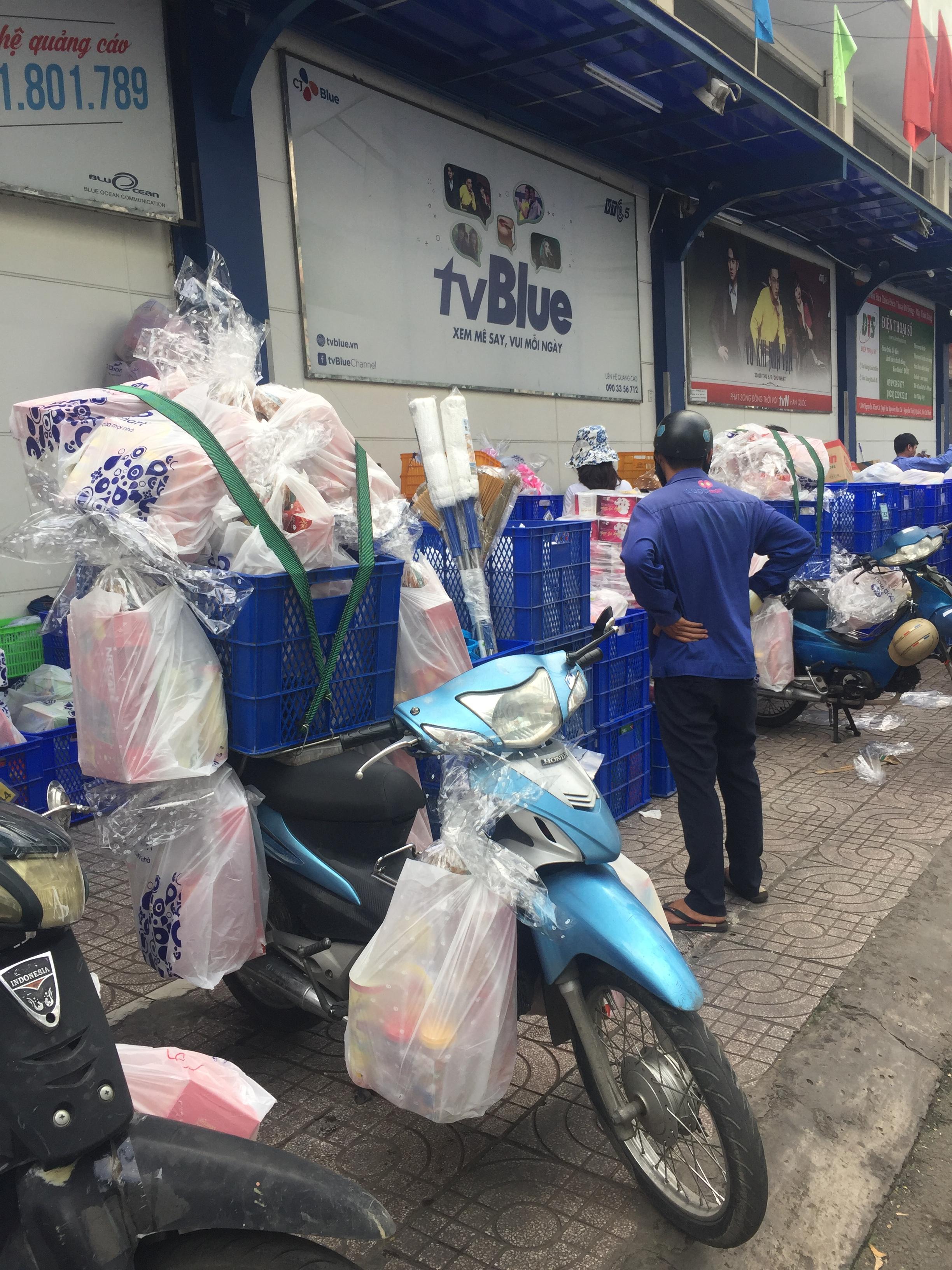
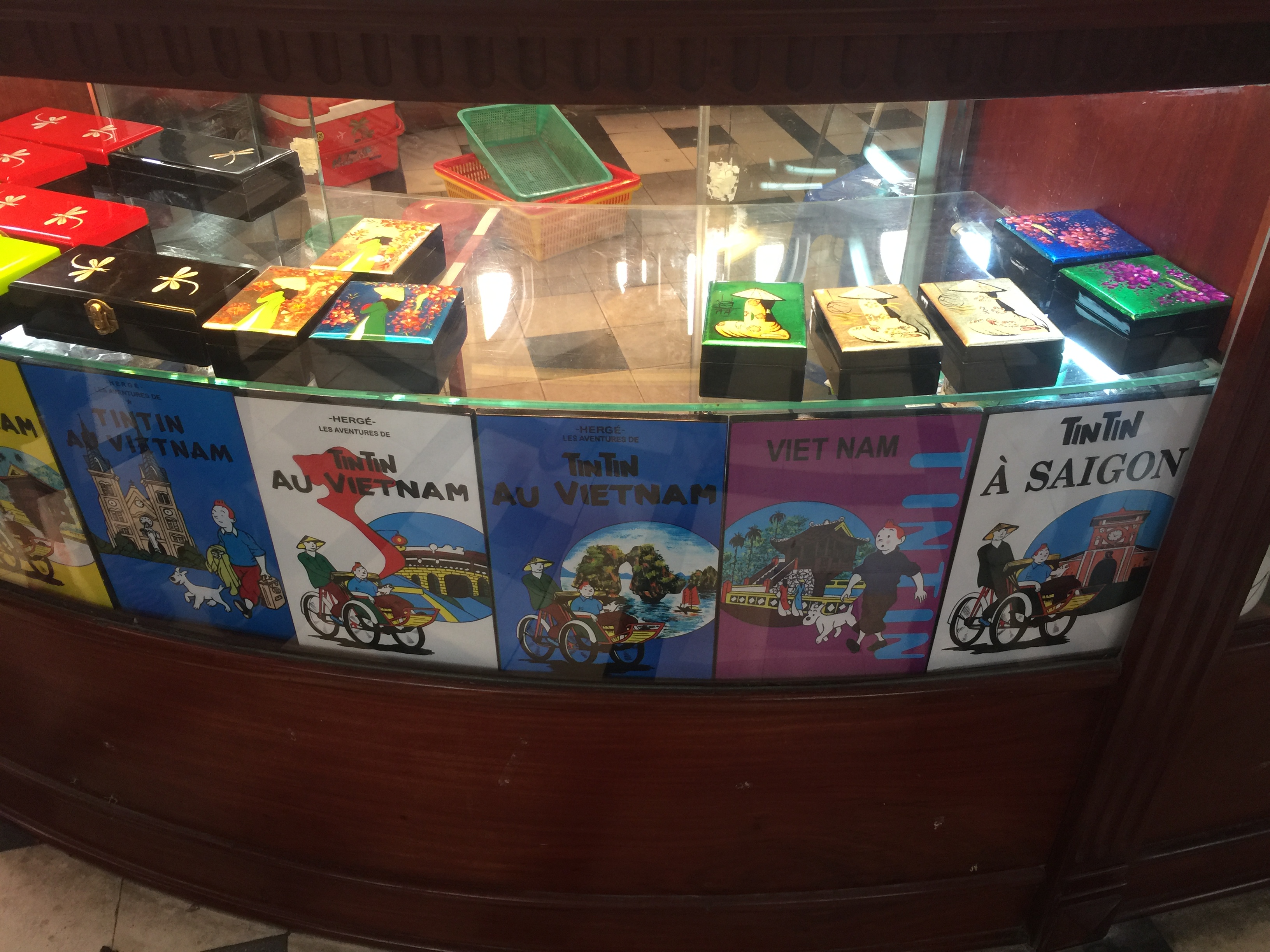
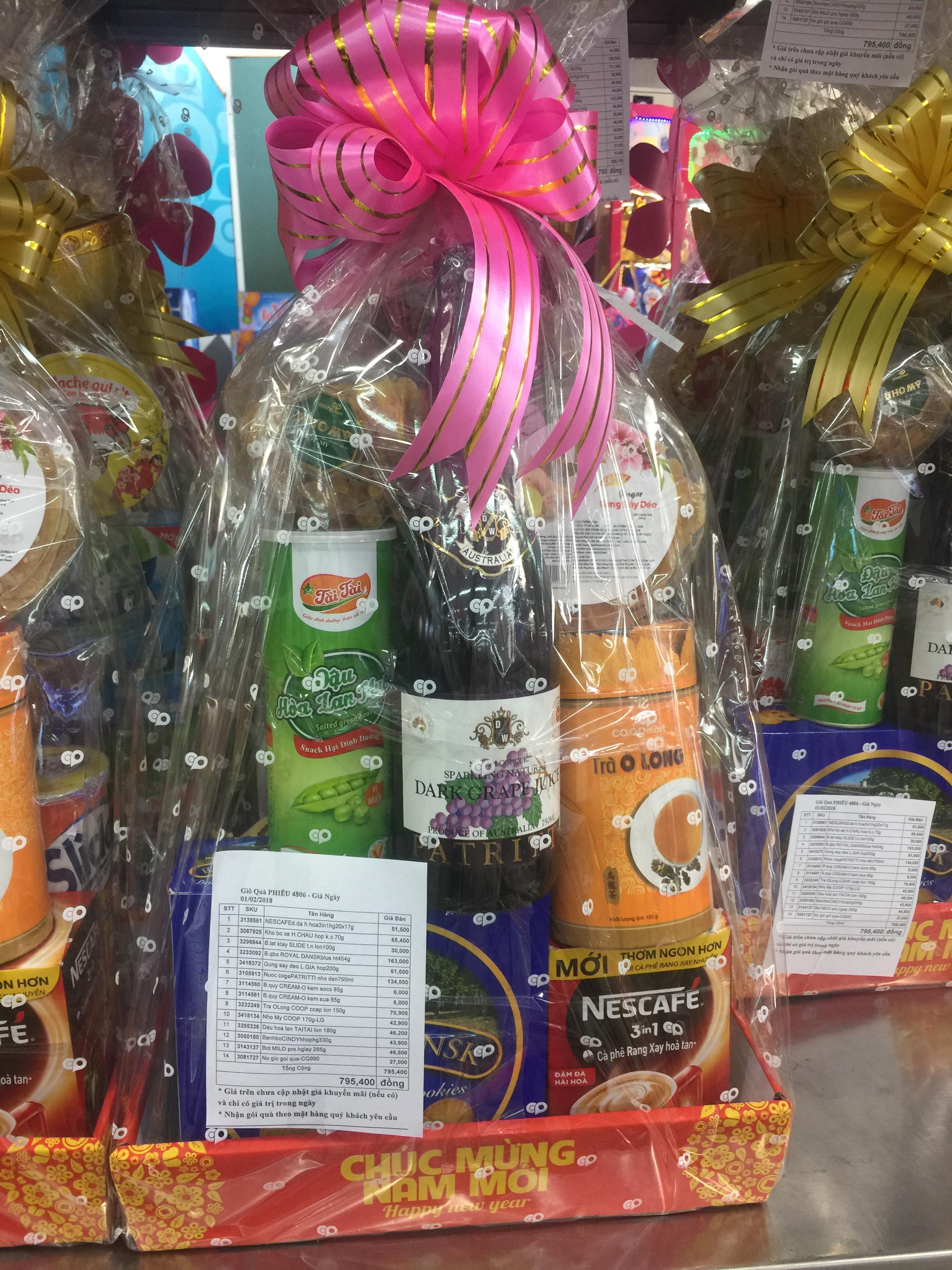
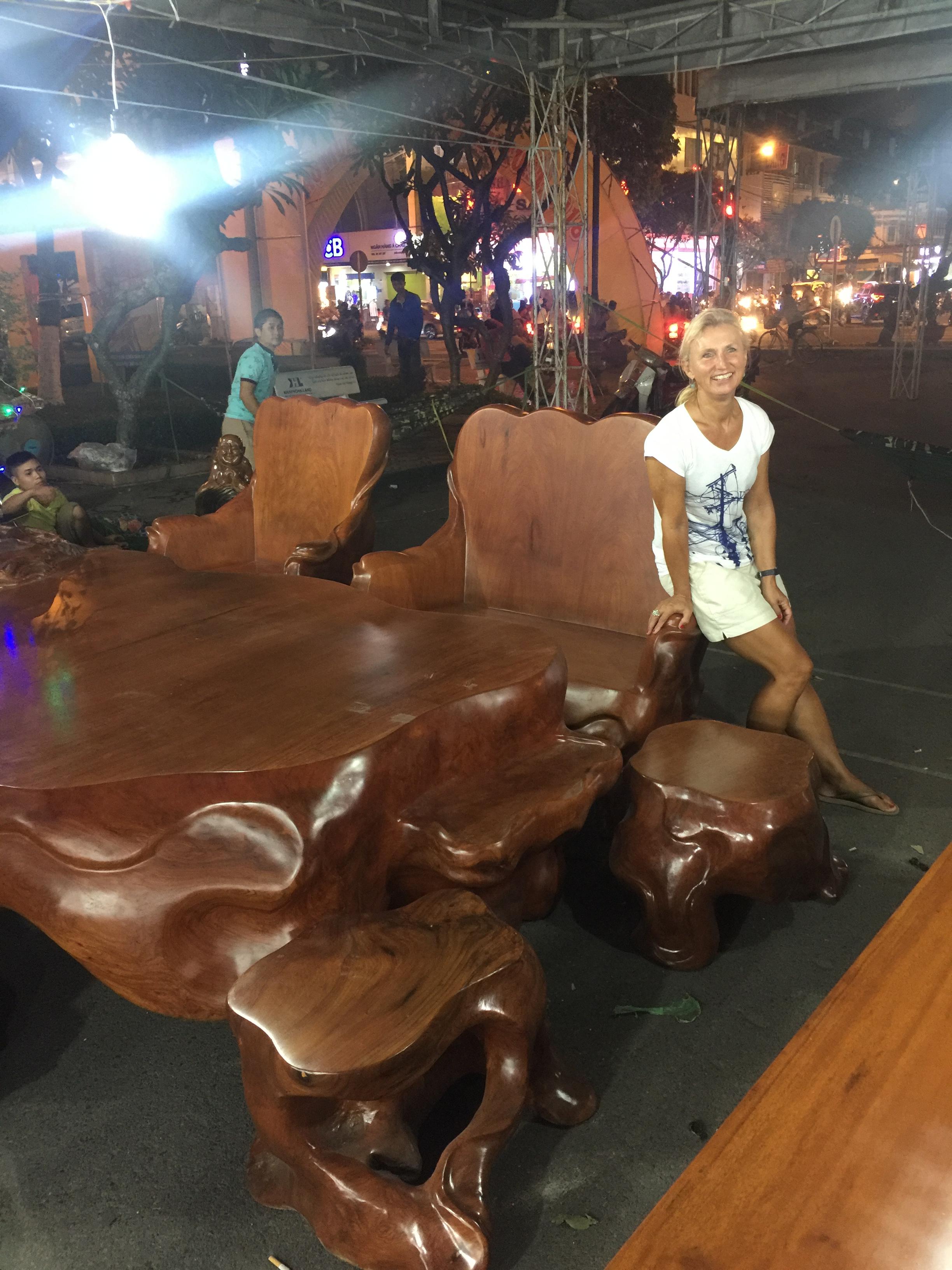
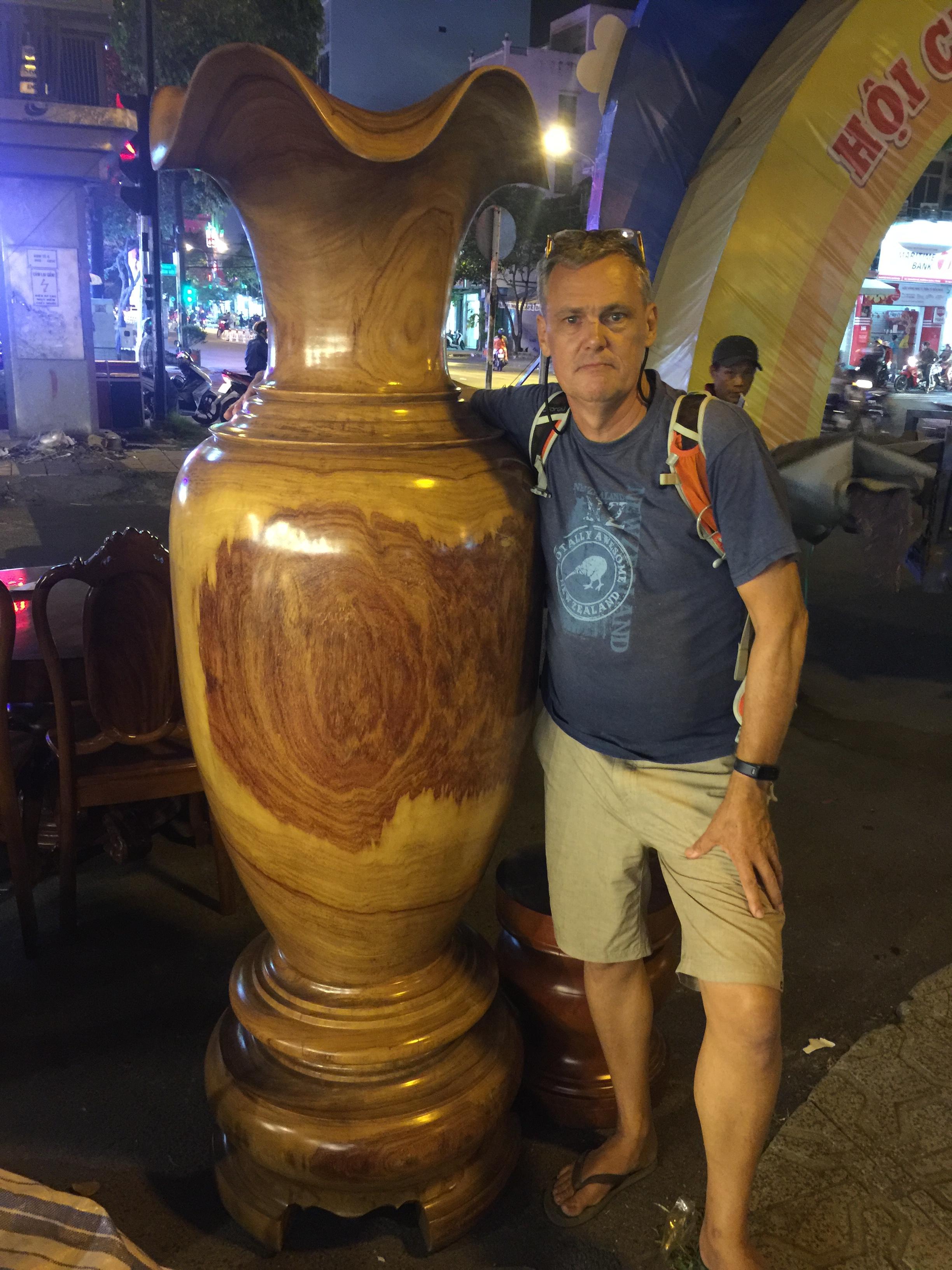
De tijger is getemdMet nieuwjaar (Ted) wordt er veel gekocht gedaan. Hier staan de bestelde pakjes buiten klaar voor afhaling (met de brommer natuurlijk)Tintin au vietnam. Fake natuurlijkOm het de shoppers gemakkelijk te maken verpakt de winkel een aantal artikelen reeds in geschenkverpakking. Vooral koekjes, bier, coca-cola, en snoep. Dit pak kost ongeveer 25 EURIlse bij een salon waarvoor alle Vietnamezen direct zouden tekenen: zeer zwaar en Flinstoniaans (wel omgerekend 12000 Eur neerleggen AUB)En we mogen de vaas voor de gang niet vergeten. Massief hout.
Ons bezoek aan Australië zit er bijna op, en het is tijd om nog enkele impressies en reflecties weer te geven.
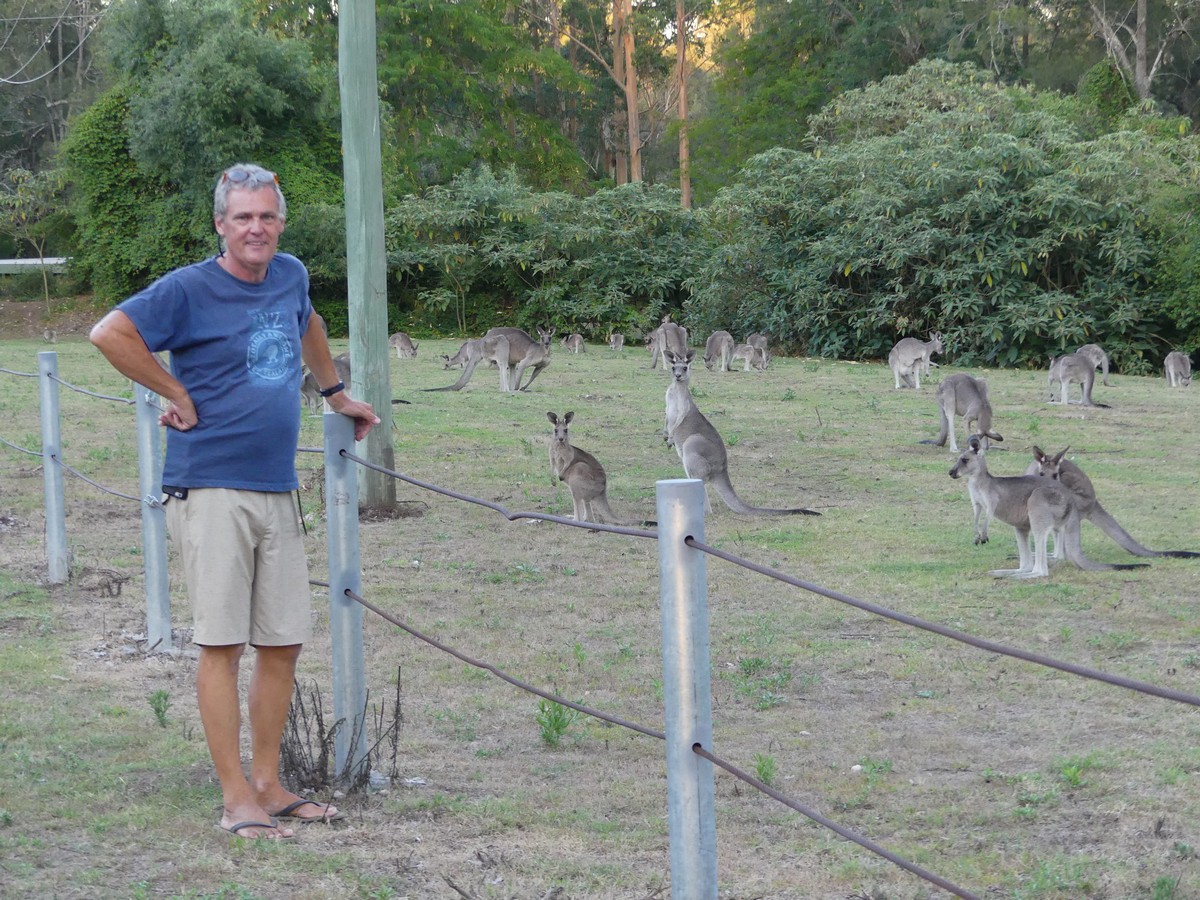
We hebben veel beestjes gezien, heel veel. In vergelijking met NZ ongeloofelijk veel. Het leuke is dat ze meestal geen schrik hebben van mensen, en speciaal op de campings. Hier volgen twee voorbeelden:
‘s Morgens en ‘s avonds geven ze van katoen, in concurrentie met de lachende kookaburra. (Ik laat de eer aan Ilse om een videooke en een foto van deze laatste te tonen)
Op ons allereerste wandeling in Australie ( in de tuin van het Heide museum in Melbourne ) zagen we onze eerste witte Kockatoos, en we dachten dat ze ontsnapt waren uit een kooi. Toen wisten we nog niet dat er ons nog duizenden vogels zouden verassen met hun verschijning en gezang. Heerlijk.
Helaas heeft deze blauw getongde hagedis hierboven zijn bek niet open gedaan, want dan zag hij er zo uit:
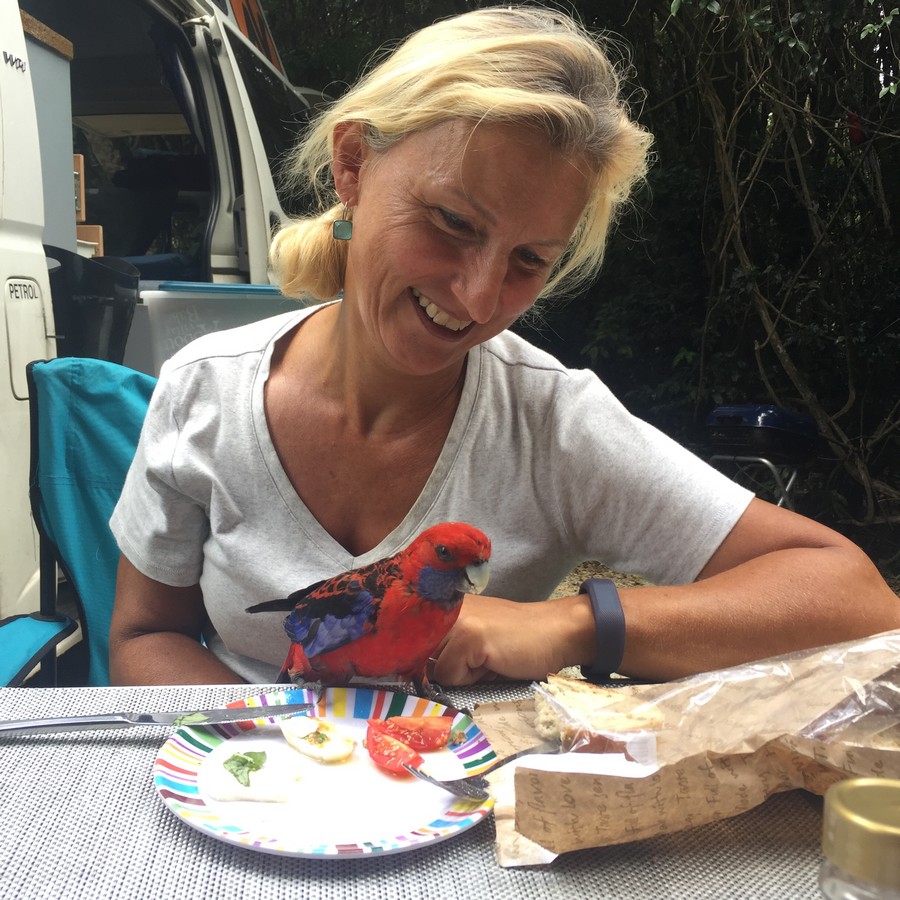
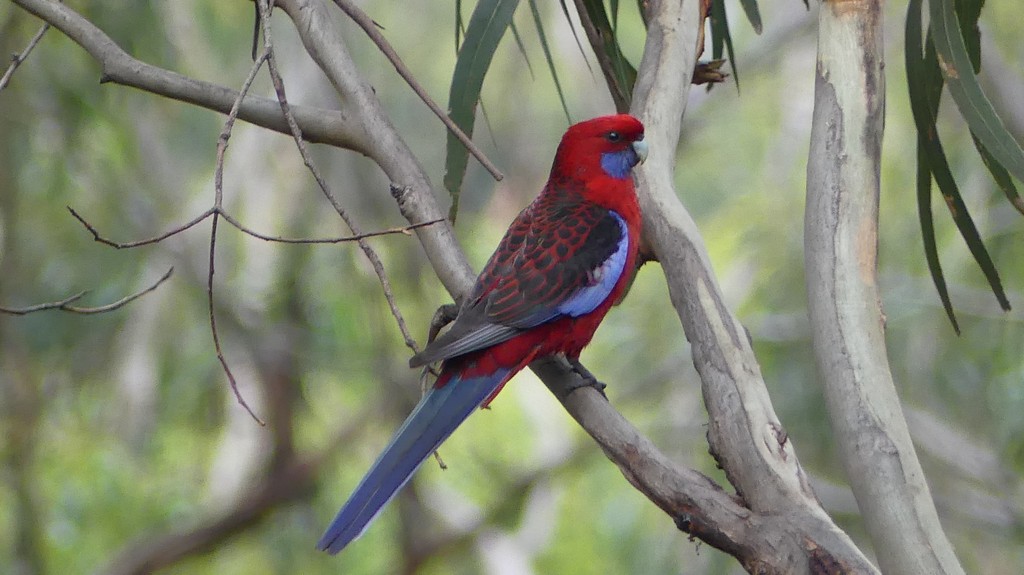
Ilse ( of het brood?) charmeert een Crimson Rosella papegaai
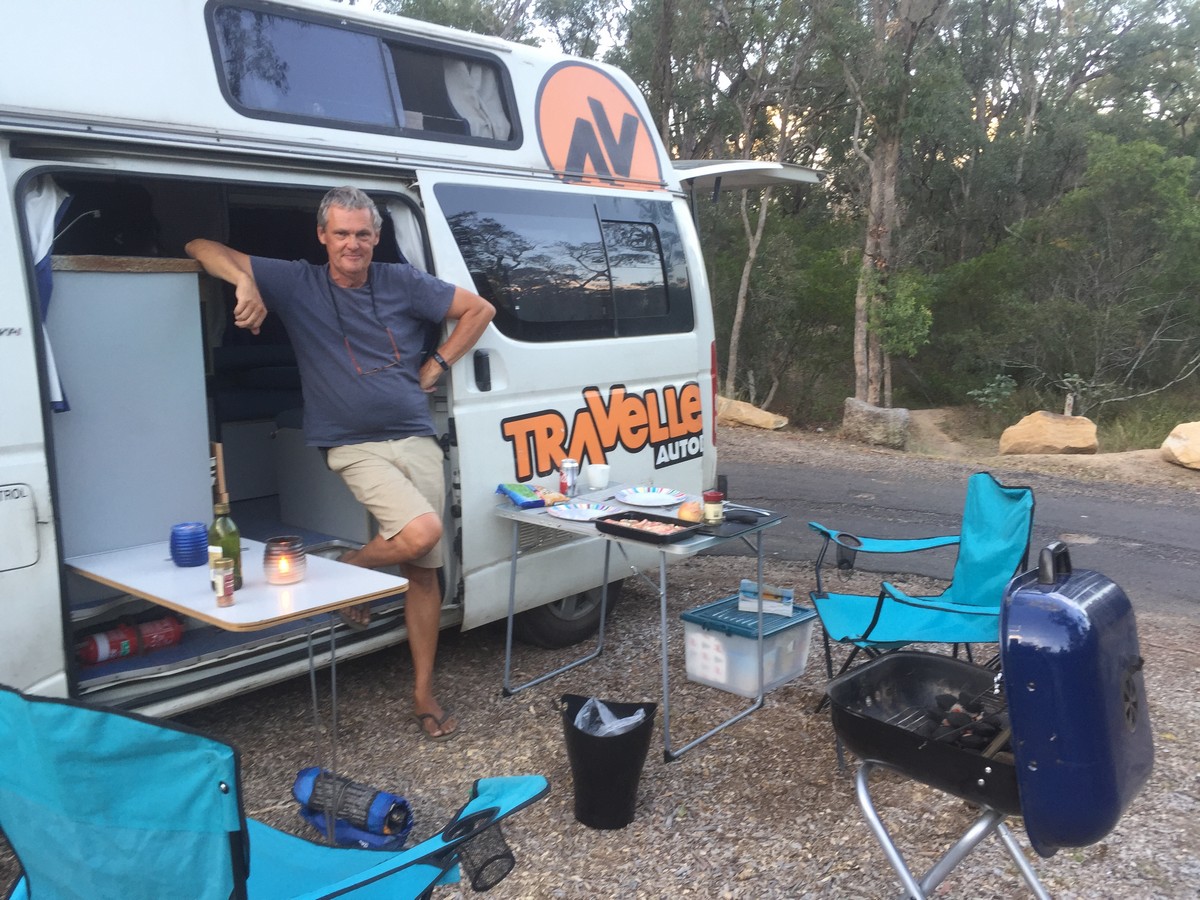
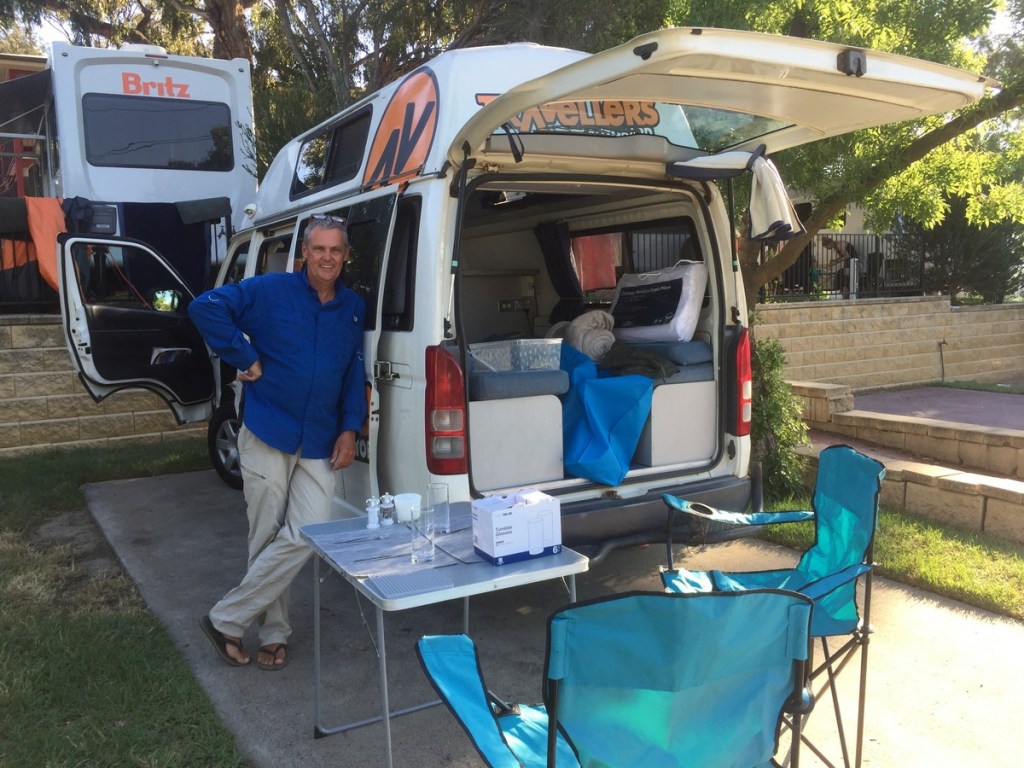
Onze Skippy – de campervan – heeft ons goed geholpen. We hebben hem in die 64 dagen en 7500km goed leren kennen en als we zo eens rond ons keken op campings naar de alternatieven, dan zijn we best tevreden met onze keus. Hier zijn enkele momentopnames:
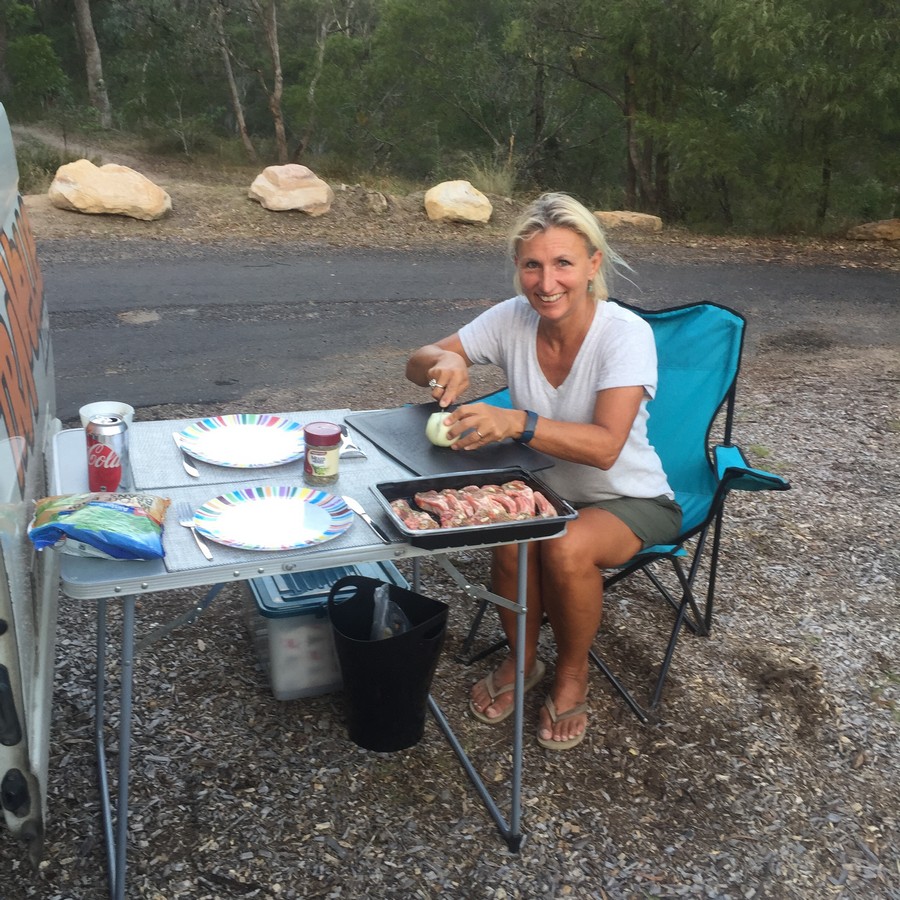
We hebben online een kleine bbq gekocht (store pickup) en die hebben we goed gebruikt: Ilse marineert de lamskotteletjesFoto van een tevreden man: eten in het vooruitzicht, kolen op het vuur, bier of wijn in de frigo…
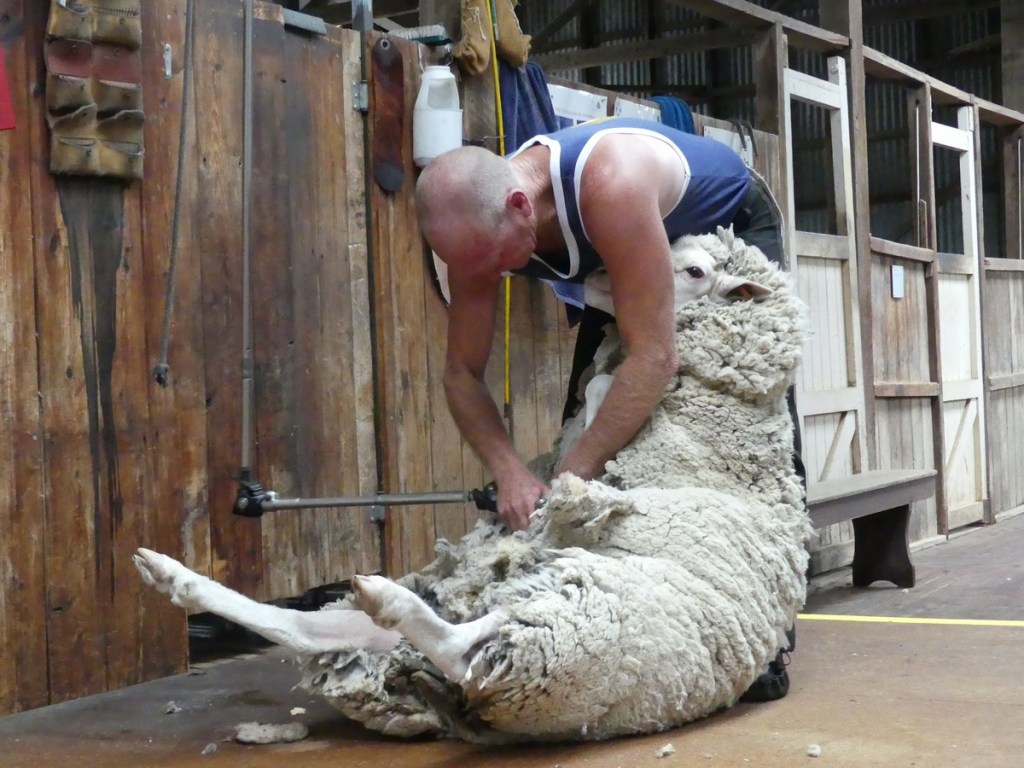
We hebben een schaapscheerder bezig gezien in Hay. Het record is 38 seconden, maar dit was meer om te tonen hoe het gaat:
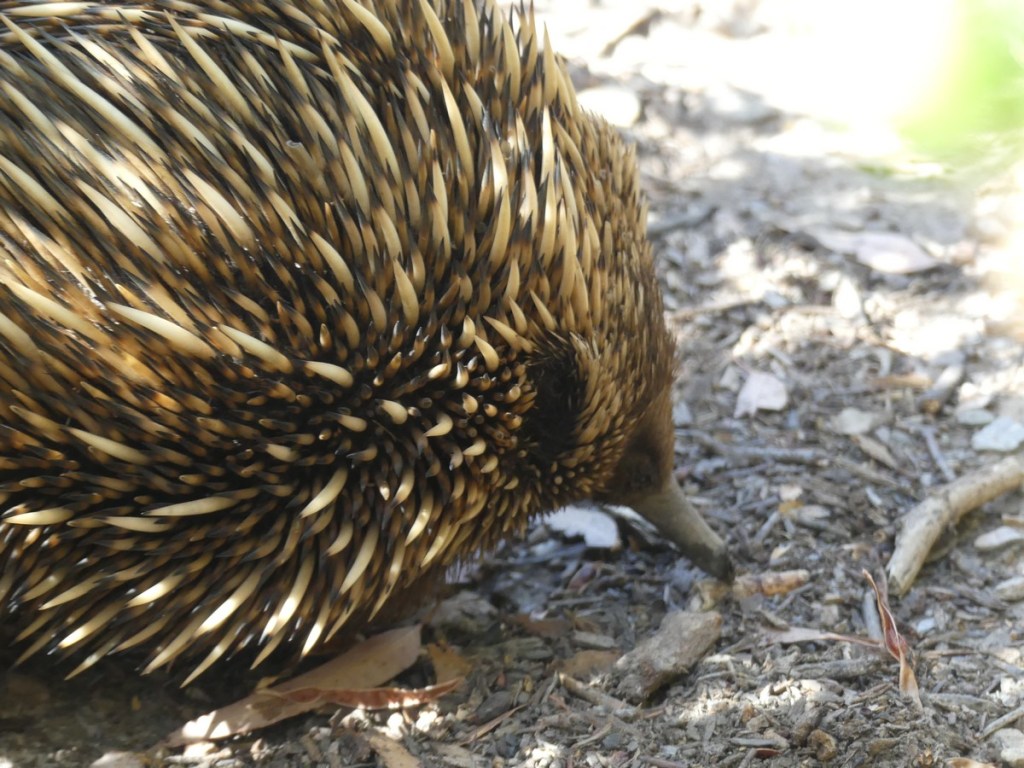
Een australisch stekelvarken: de echidna (spreek uit ee-kied-na)
Australië is een droom voor museum bezoekers: er zijn er veel, ze zijn van zeer hoge kwaliteit en ze zijn meestal gratis (donaties worden geapprecieerd). Van alle steden is Canberra – de hoofdstad – hier wel de koploper. We hebben er drie dagen binnen gezeten in de verschillende musea:
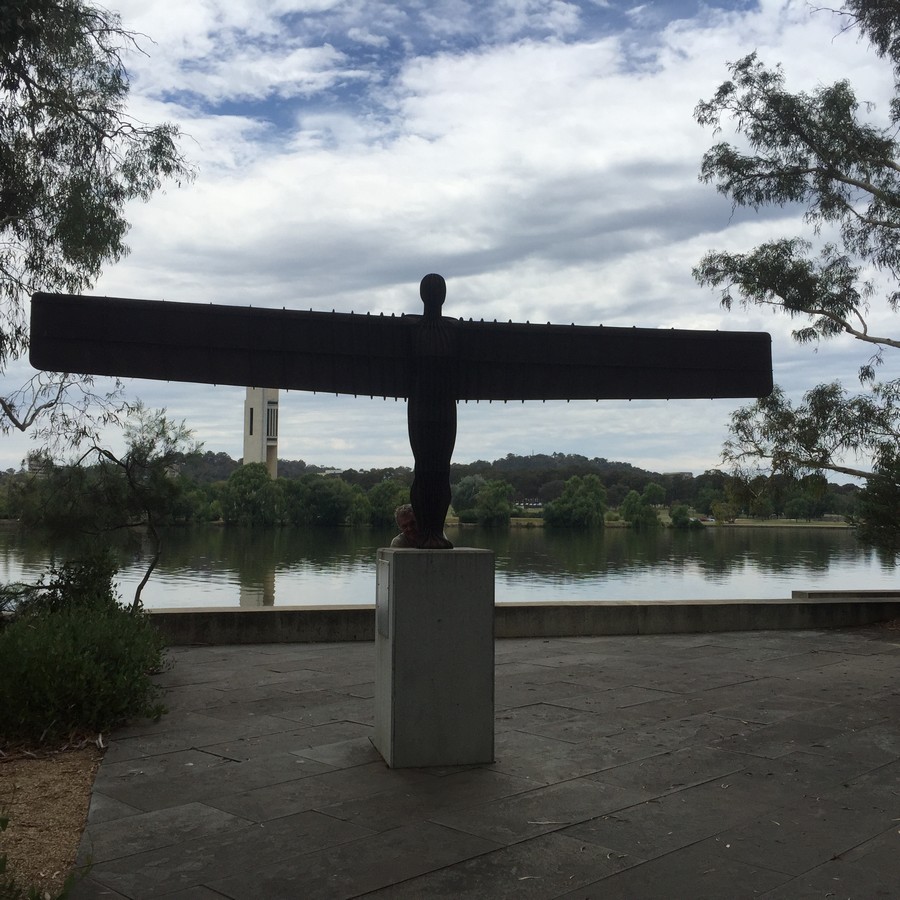
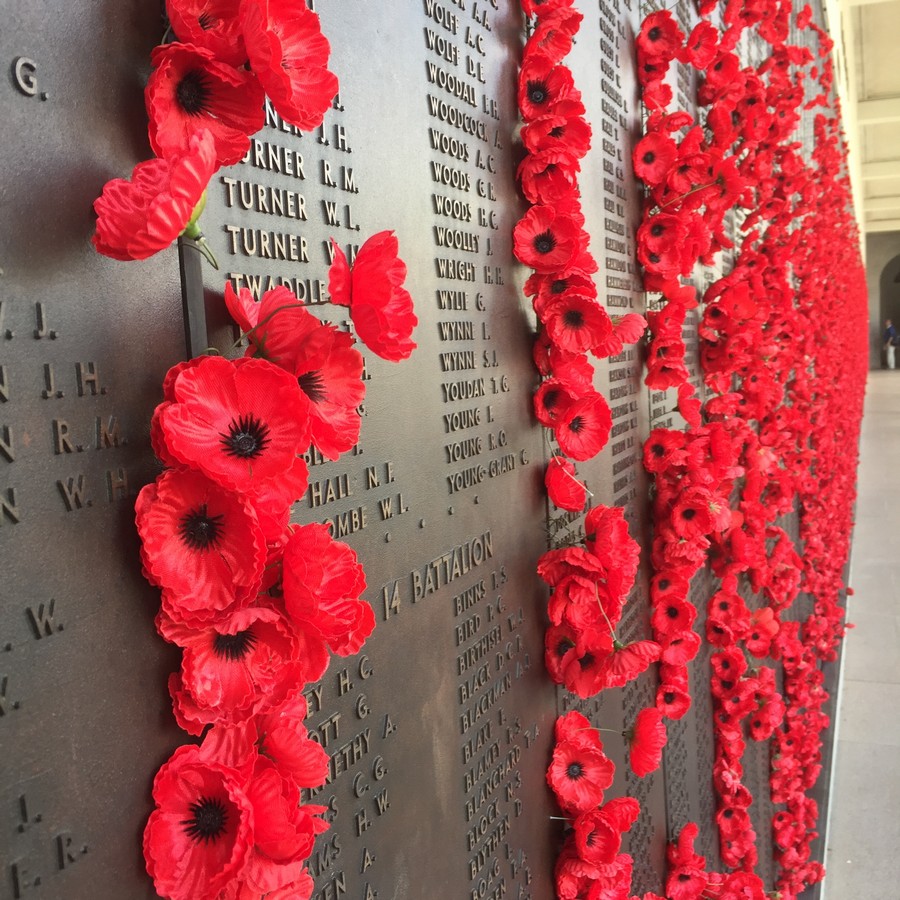
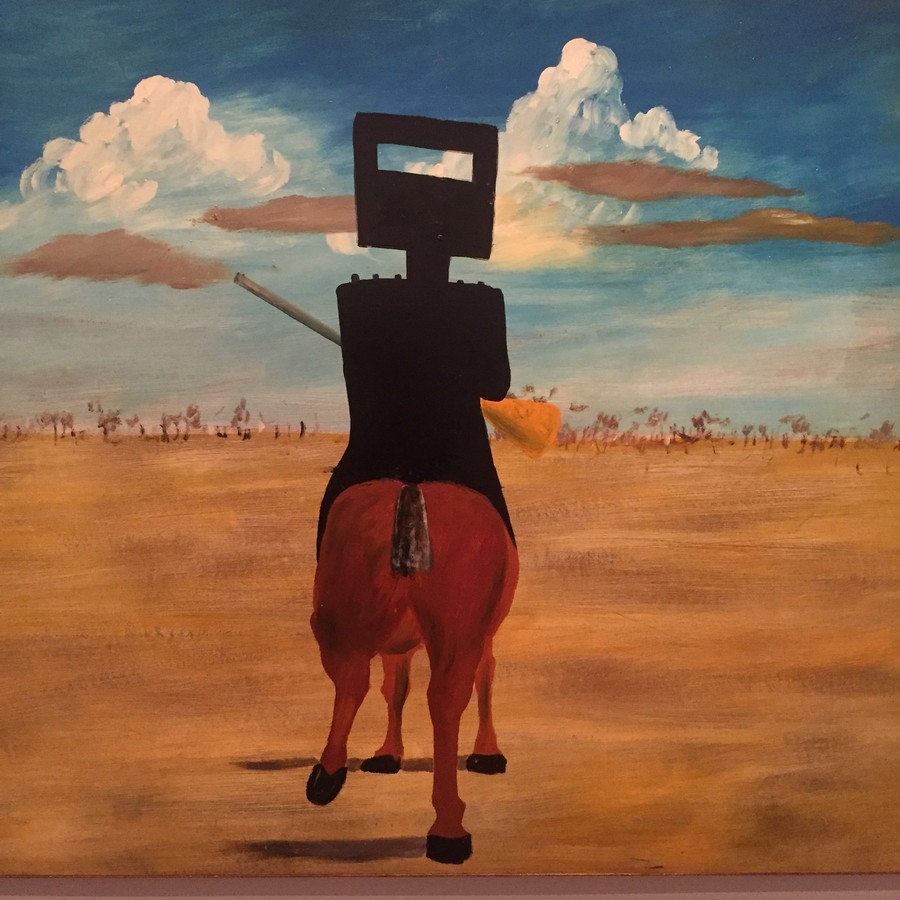
Beeldentuin van de National Gallery. Topwerken in een prachtig kader.Australia war memorial. We hebben de taptoe bijgewoond, en de volgende dag liep ik er 4 uur verloren. Nu weet ik tenminste wat er in Gallipoli gebeurd is…Ned Kelly – elke Australiër kent hem! Zeer beroemde reeks schilderijen van Sidney Nolan
Nog enkele losse flitsen
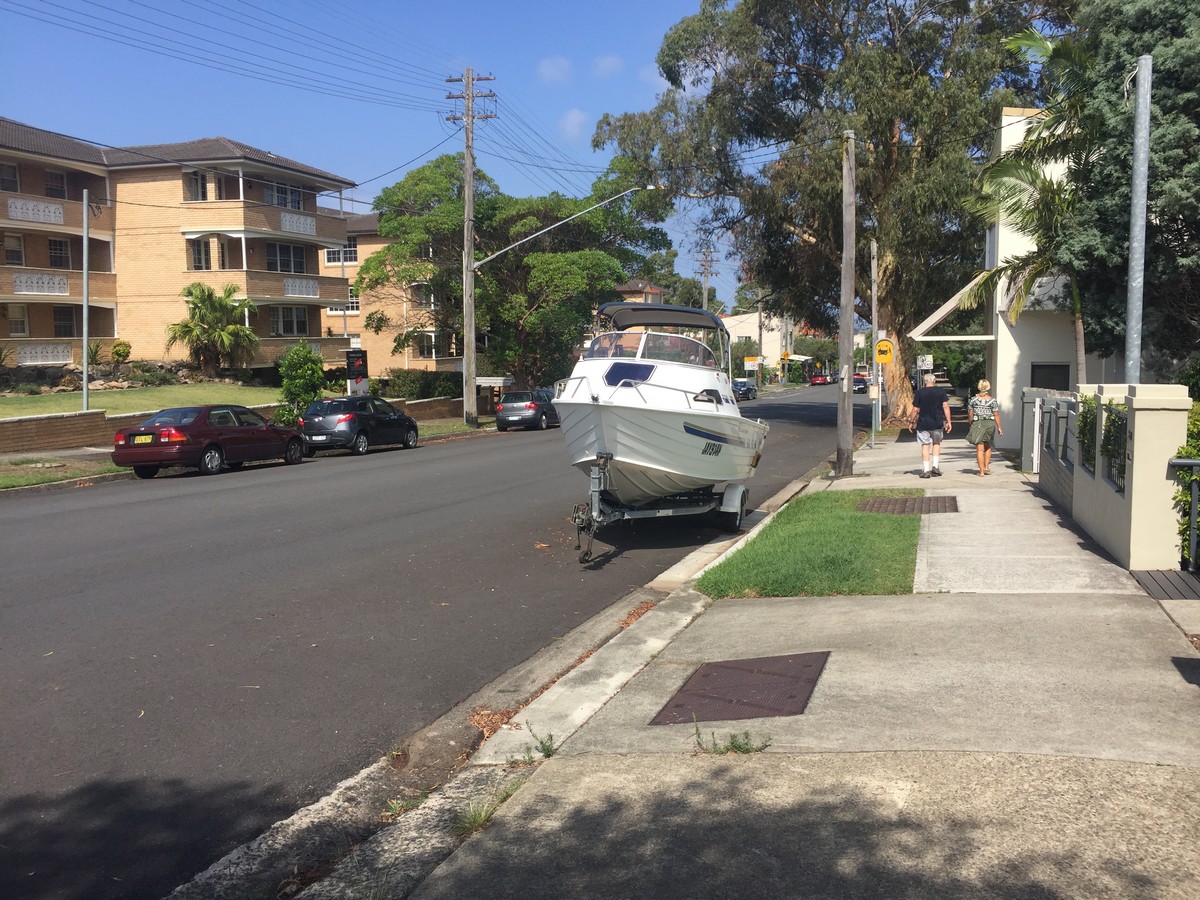
Aussies LOVE boats! Overal vind je ze: op elke rivier, zee of … straat. Ik ga niet zeggen dat ze populairder zijn dan caravans, maar je komt er in elk geval veel tegen, ook op de baan. (Hier in Sydney randstad, waar je ze mag parkeren voor onbepaalde duur)
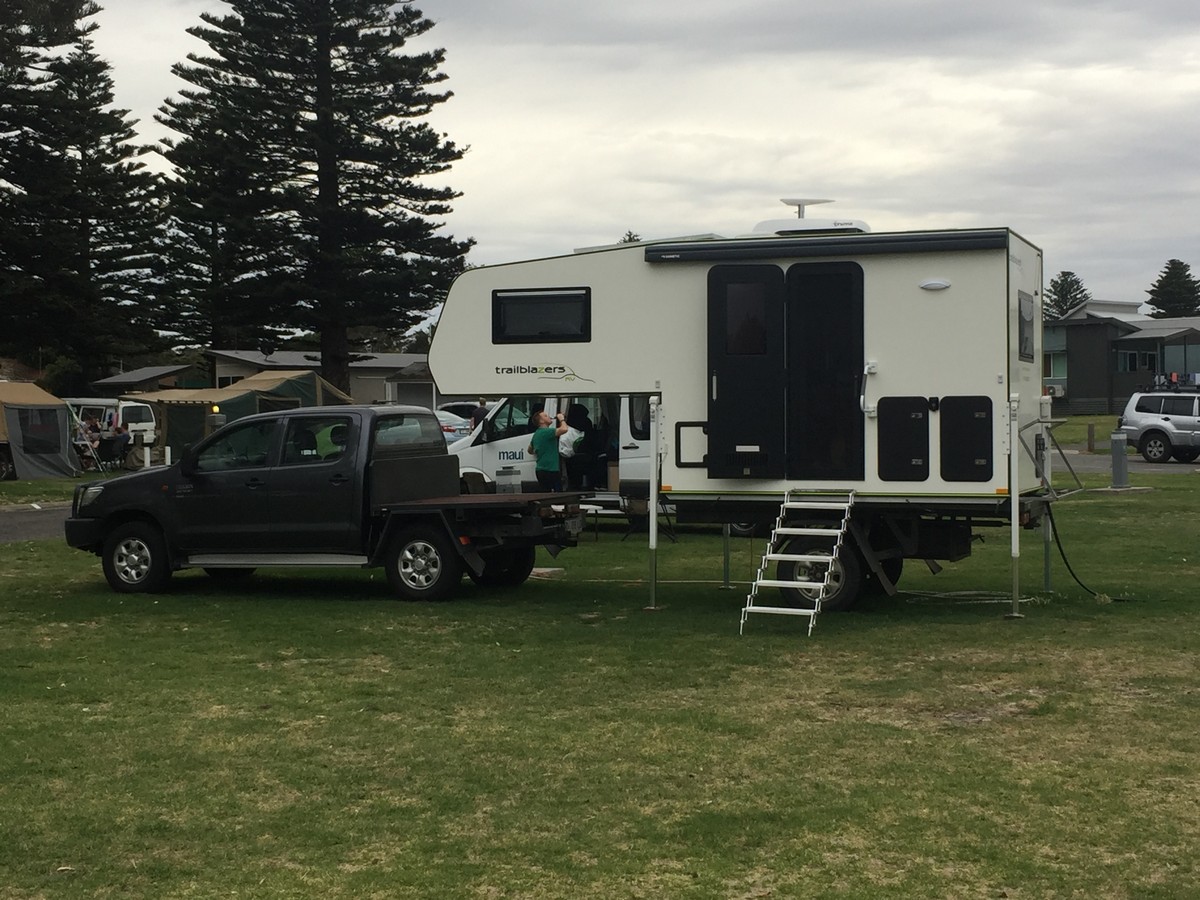
Aussies LOVE campers! Dit is wel een speciaal model: De truck rijdt onder de caravan met wielen, en vormt al rijdende een geheel. Ter plaatse gebruik je dan gewoon de truck zonder de caravan. De meeste caravans zijn heel stoer en hoog: geschikt om achter een 4×4 te hangen en overal door gesleurd te worden (Zie hier voor enkele voorbeelden)
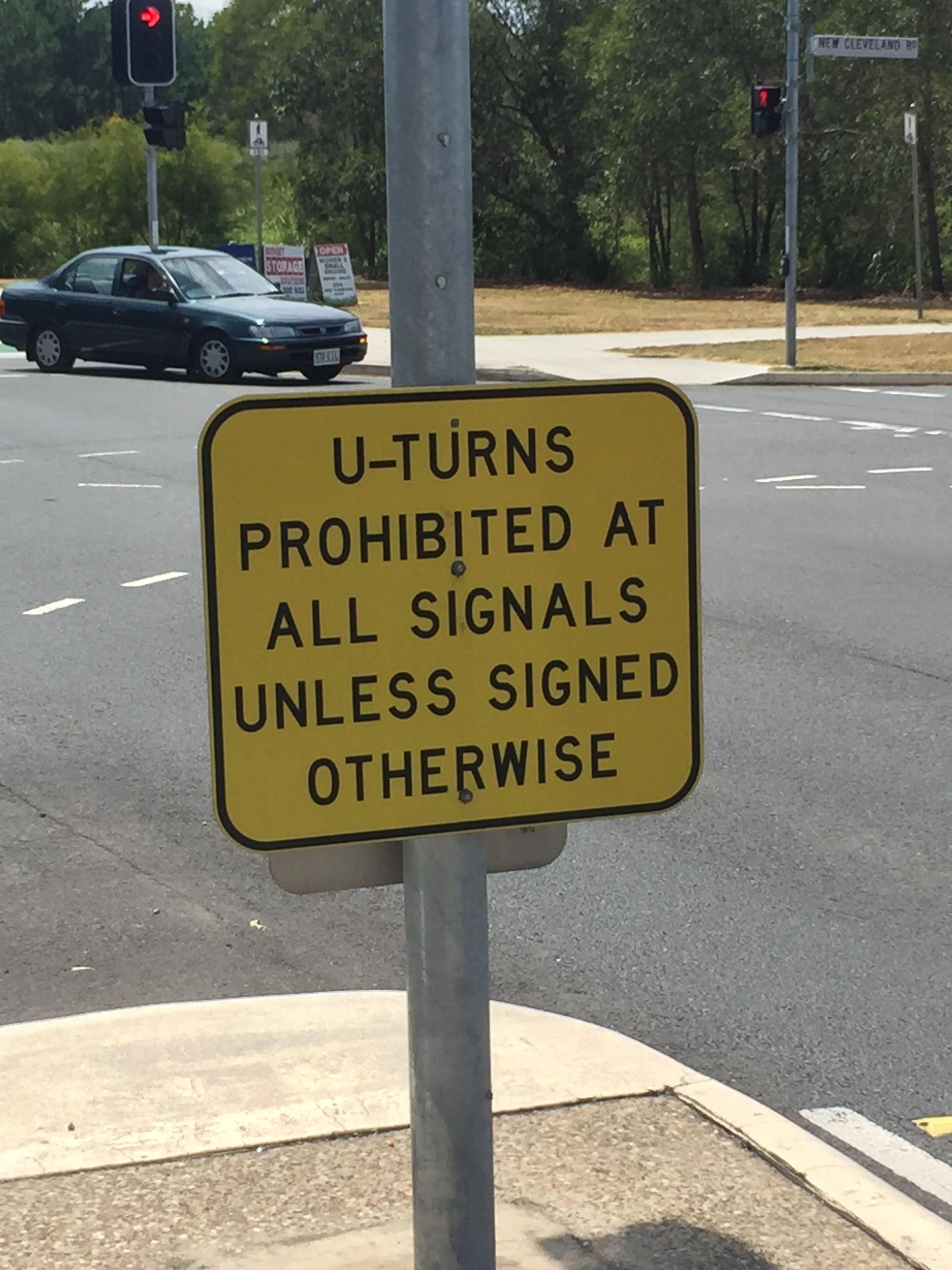
In Australië (en Nieuw Zeeland en Amerika) kan je niet de weg op zonder engels te kennen. De wegwijzers zijn heel verbaal en gebruiken soms woorden die niet direct intuitief zijn voor toeristen. (Vb: CREST, Gravel Road, …)
In Europa zou het dit zijn:
En zo zijn er nog honderden andere voorbeelden, werkelijk!
Nog iets raars: we waren op een zeer smalle en bochtige bergweg, en in het begin stond er een bord met de tekst dat de weg sterk afgeraden werd voor wagens met een aanhangwagen. Er stond niet dat je er niet op mocht, het werd sterk afgeraden. En inderdaad, ik weet niet of je er met een caravan op zou geraakt zijn. Ik vraag me af wat er gebeurt als er een auto met caravan de weg blokkeert. Boete of sterke vermaning?
Begrijp me niet verkeerd: ik vond het heel aangenaam rijden in Australië, en dat links rijden zit er nu wel goed in. Het zal raar doen om terug rechts te rijden…
And a last one for the road:
soms staan er een aantal van deze na elkaar, en tegen de laatste rij ik stapvoets…
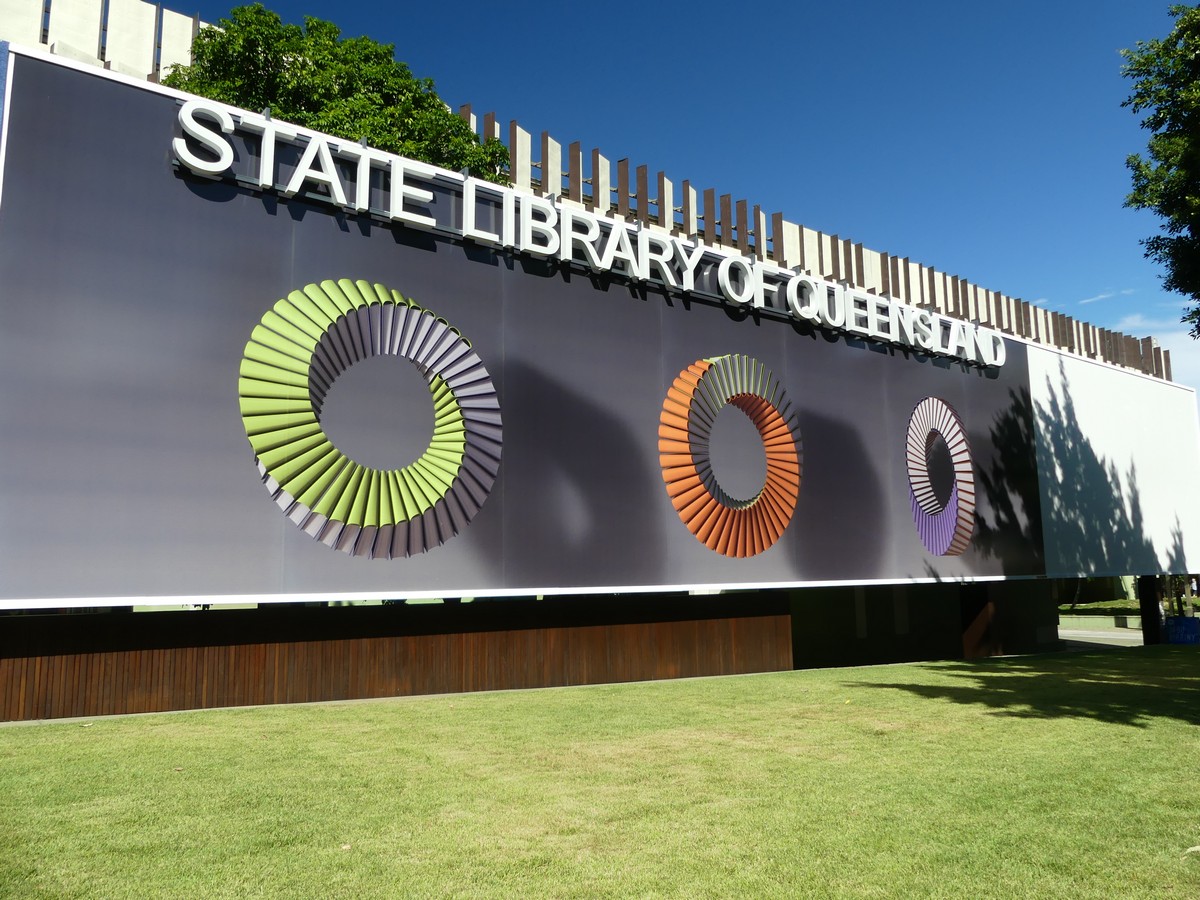
January 28th, 2018,State Library of Queensland, it is pouring water outside so good timing for another update on our last weeks of travel in Australia.
The library is really a great place to work on the blog. When I want to take a break there is a coffee house next door and several museums to visit for free. The library only closes on 4 holidays in the year.
Flashback: On January 6th we drove from Sydney to the Blue Mountains, another UNESCO World Heritage Park. They are called Blue Mountains because they are always surrounded by a blue haze which is caused by the many tiny eucalyptus oil droplets in the air. There are 90 kinds of eucalyptus in the park.
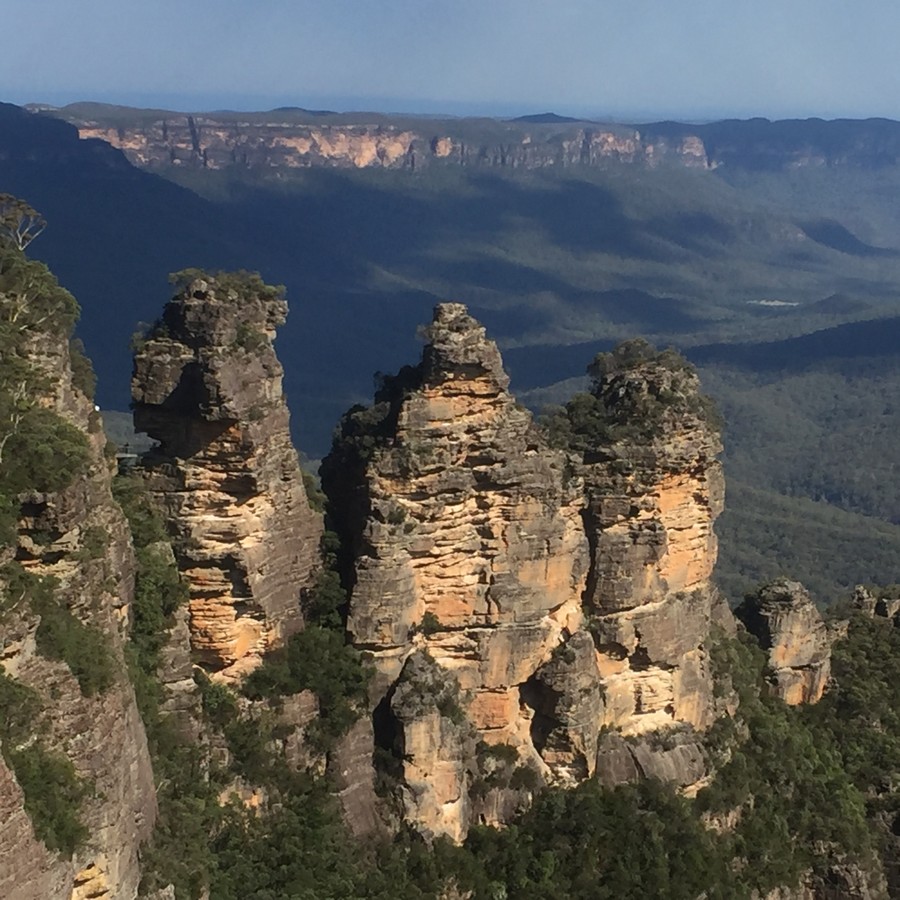
On our first stop in the Blue Mountains we decided to go to the Walls lookout, about a 1 hour walk. We really were amazed how beautiful this was and no one around :-).The Three Sisters, at Echo Point are carved out of sandstone. We walked to the tiny platform on the leftmost sister, on her bossom if you want to call it like this.
The ancient aboriginal legend tells the tale of three sisters – ‘Meehni’, ‘Wimlah’ and Gunnedoo’. These three enchanting girls lived in the heart of the Jamison Valley as part of the Katoomba tribe. Yet the girls were young and their hearts were captured by three brothers from a neighbouring tribe. However the law of the land forbid the girls from following their desires and marrying outside their own people. The brothers decided to capture the girls and carry them away to be wed, a major battle started as the two tribes clashed. An elderly witchdoctor from the Katoomba tribe feared for the safety of the beautiful sisters and cast a spell to turn them to stone to keep them safe from harm. Yet during the raging battle the witchdoctor was killed and unable to reverse the spell.
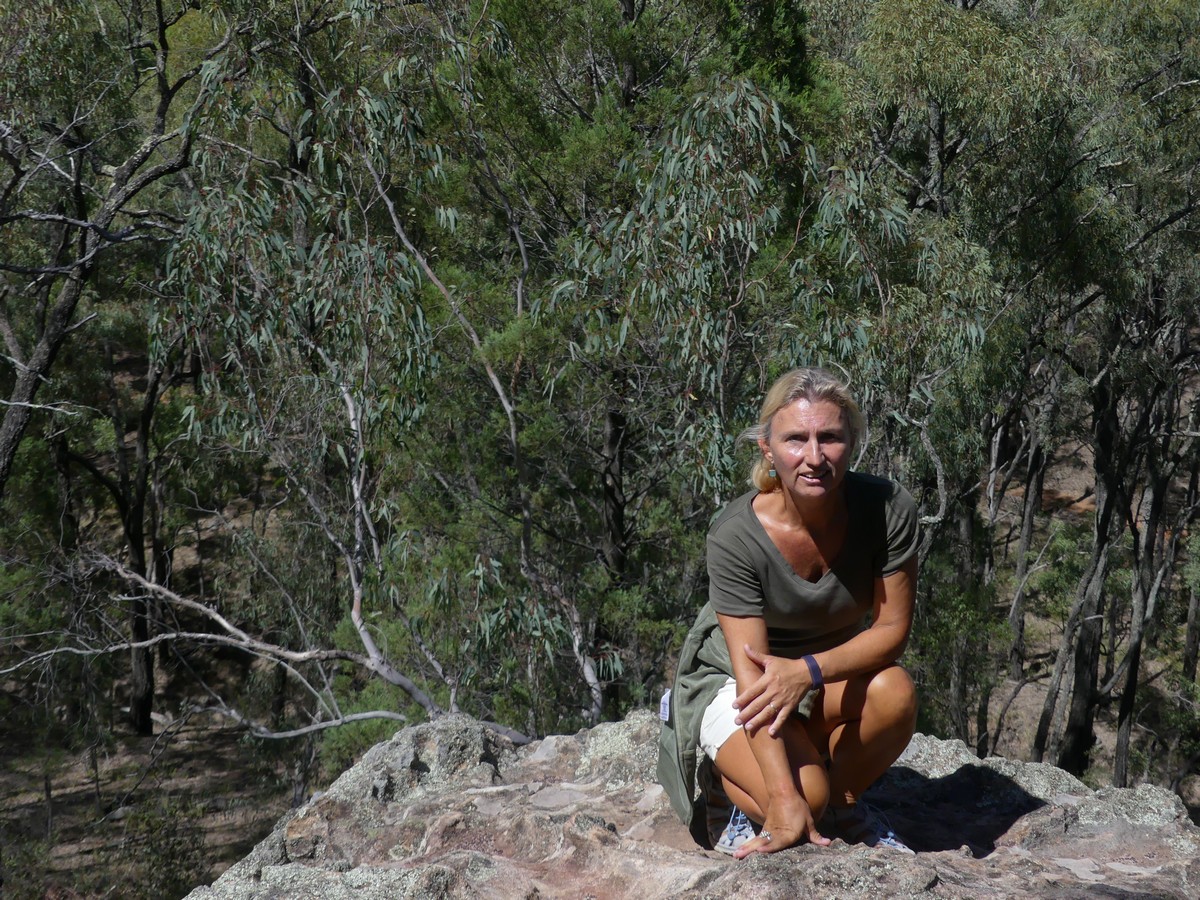
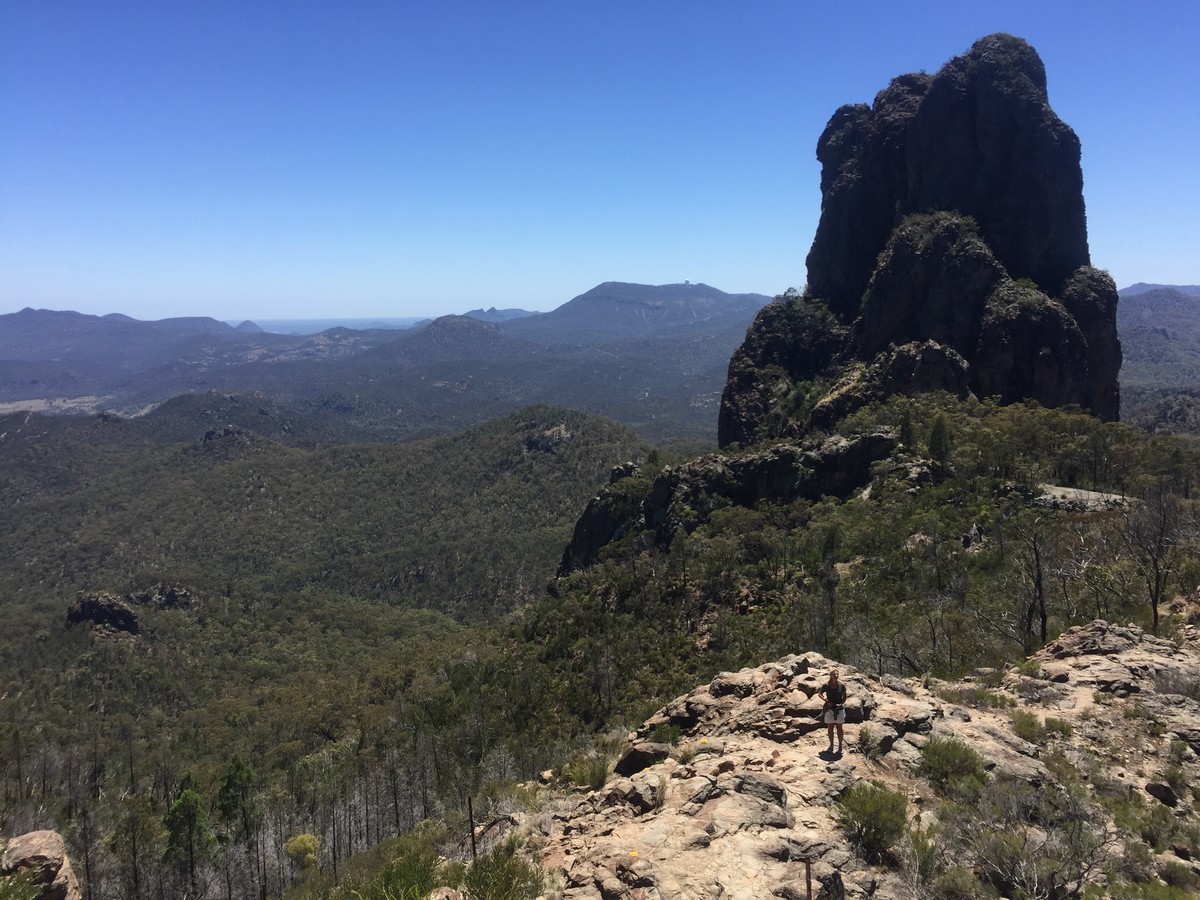
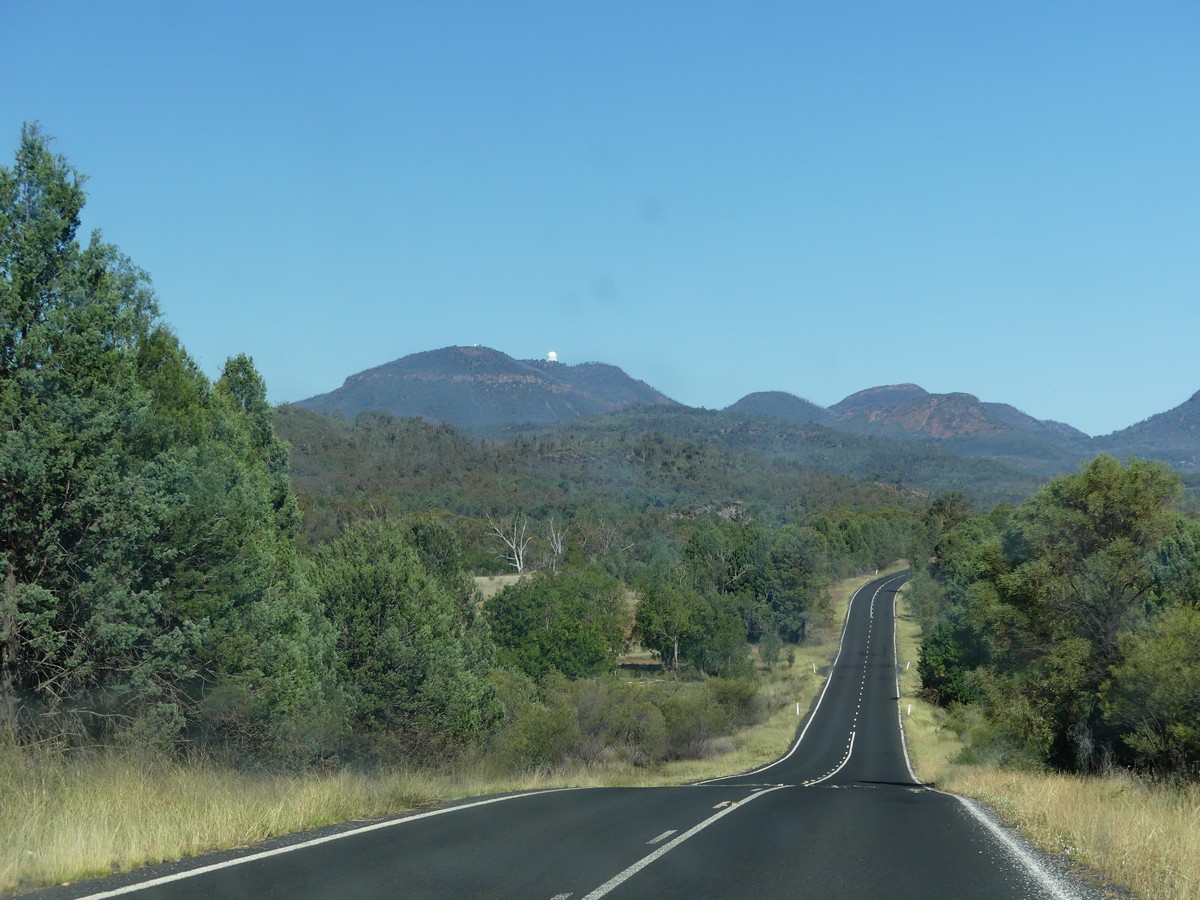
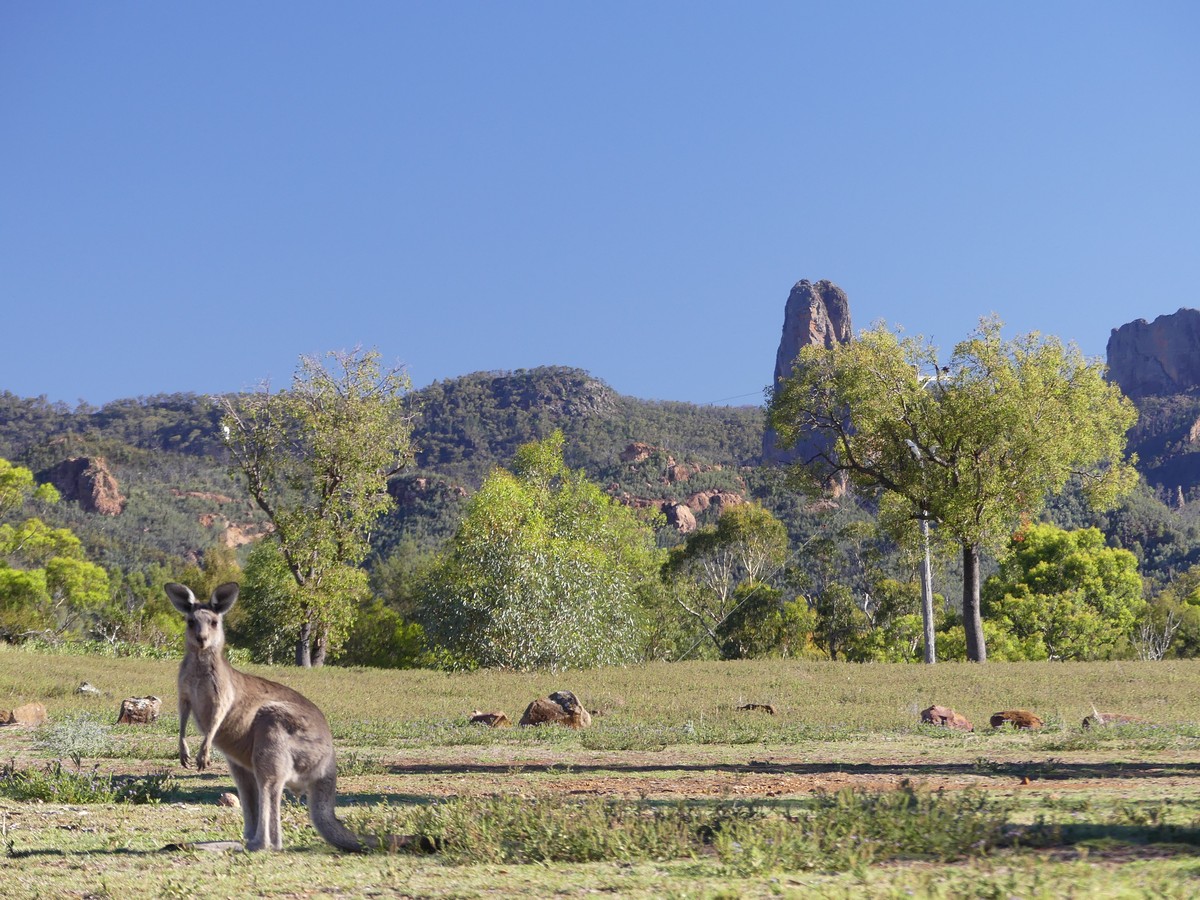
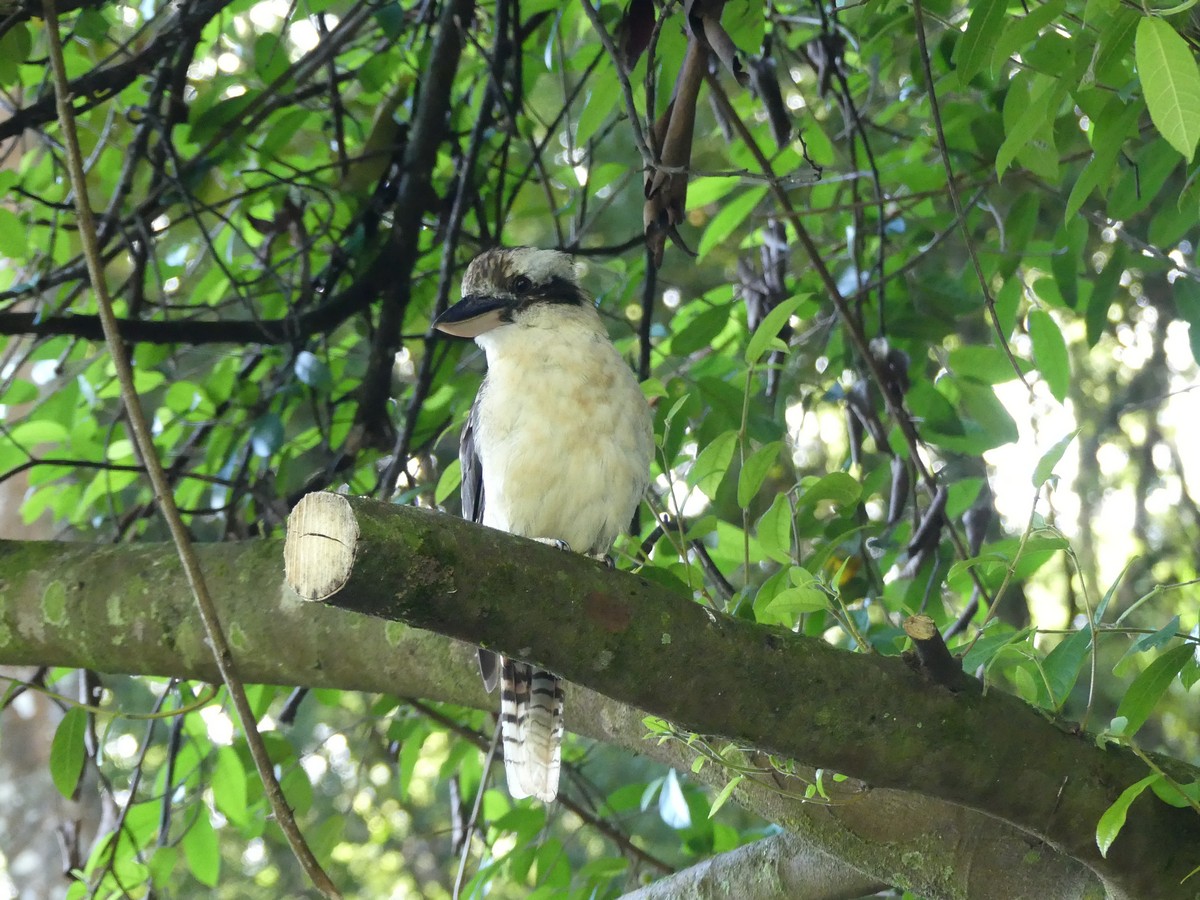
On our walk to the High Tops in the Warrumbungles.We hiked one of the best walks in NSW in the Warrumbungles, the Breadknife and High Tops walk. The scenery was incredible, and you can see me in the foreground. the walk featured 800 stairs, and was 20 km long.Entering the Warrumbungles NP (aboriginal word for “crooked mountain”). The white dome is the Siding Spring Observatory.View from our camping spot in the Warrumbungles, definitely one of the best campgrounds (See video Stefan in later post)!My favourite Australian bird, the kookaburra. We woke up every morning with his incredible “laugh” and in the evening he alerted us when it was time to start dinner :-). In the YouTube video below you can hear his incredible laugh. The Kookaburra is a type of Kingfisher.
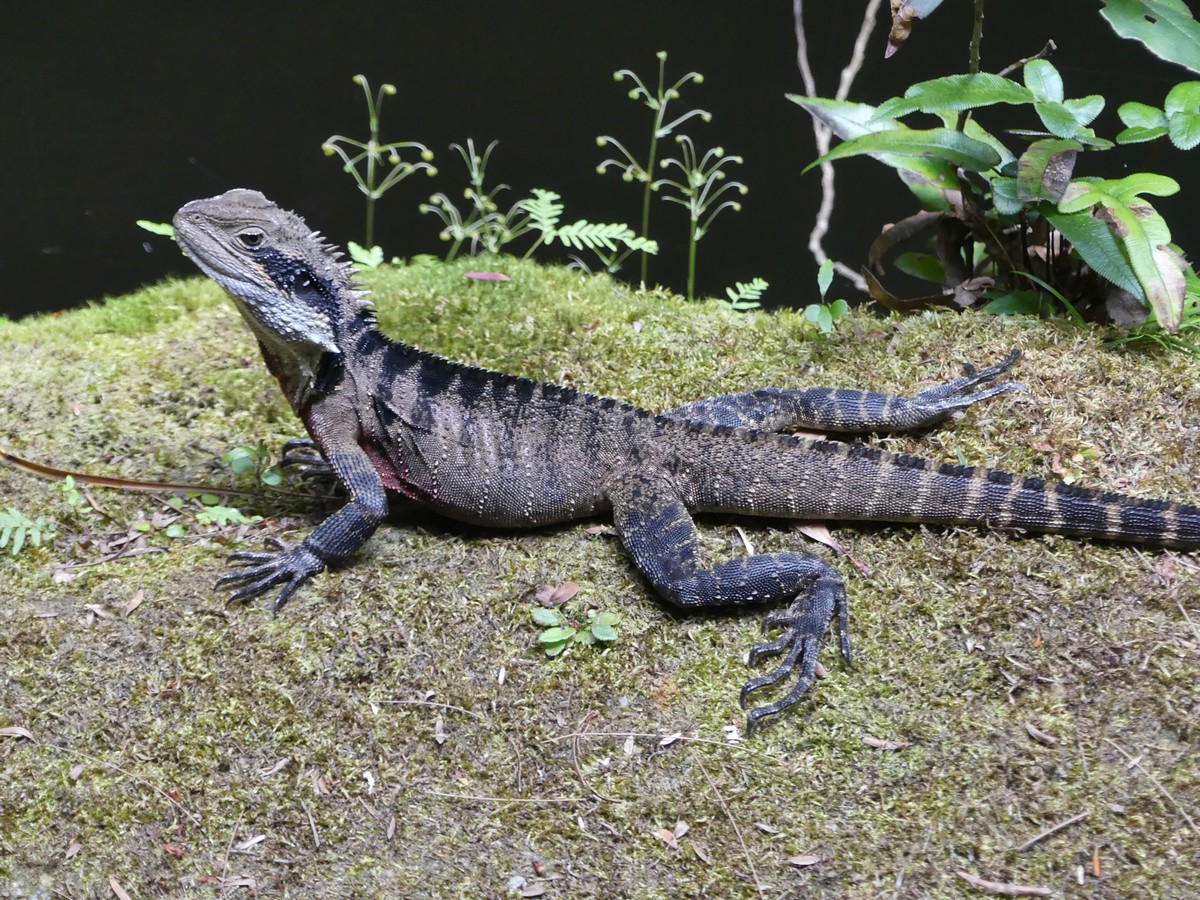
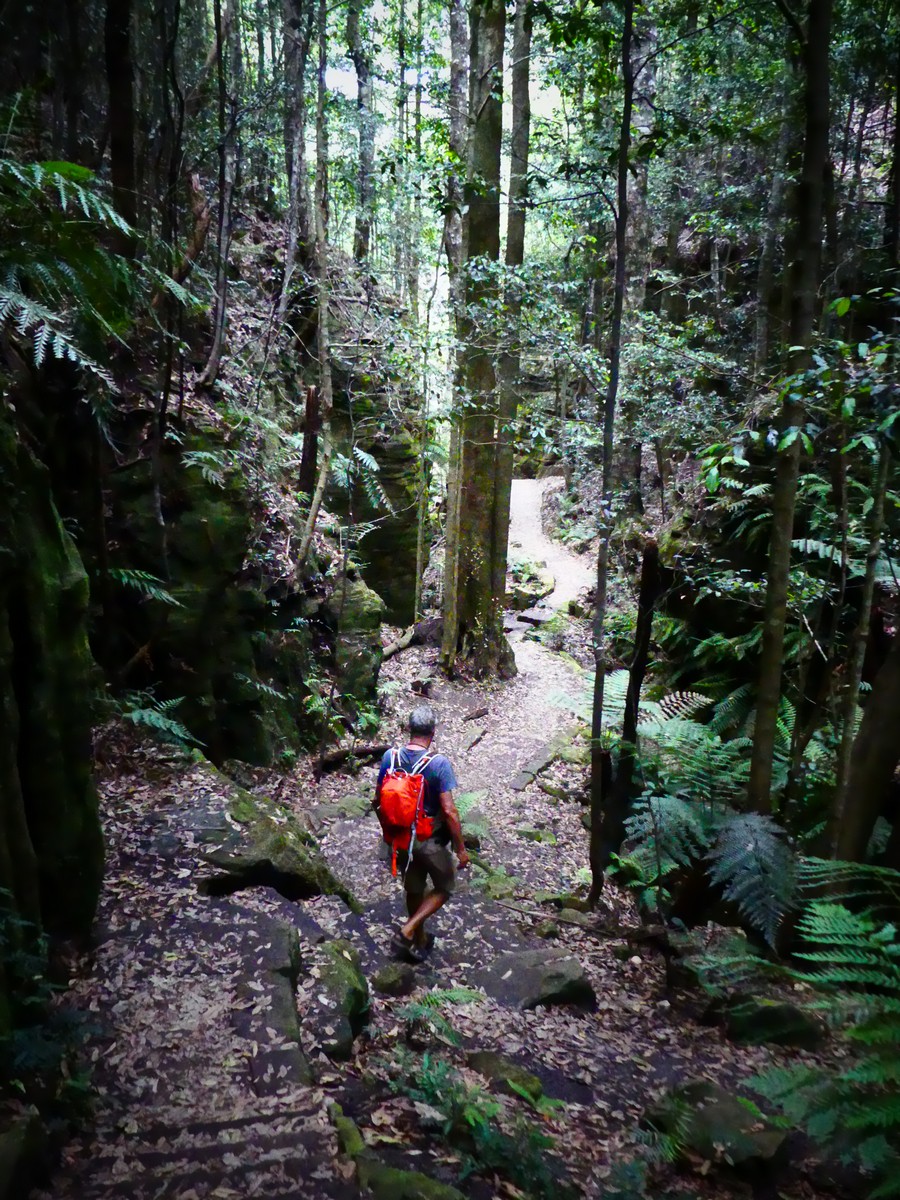
The Warrumbungles experienced a forest fire in 2013. Slowly but surely nature is recovering, but because all koalas died in the fire, they have not been spotted yet.An Australian Eastern Water dragon bathing in the sun.Grand Canyon walk in the Blue Mountains. We descended into a canyon, and at the end made the climb back up to the ridge top.
We enjoyed Canberra with the beautiful National Gallery, the Portrait Gallery, the Library, the Parliament and the War Memorial. I personally liked the special exhibition on David Hockney in the National Gallery.
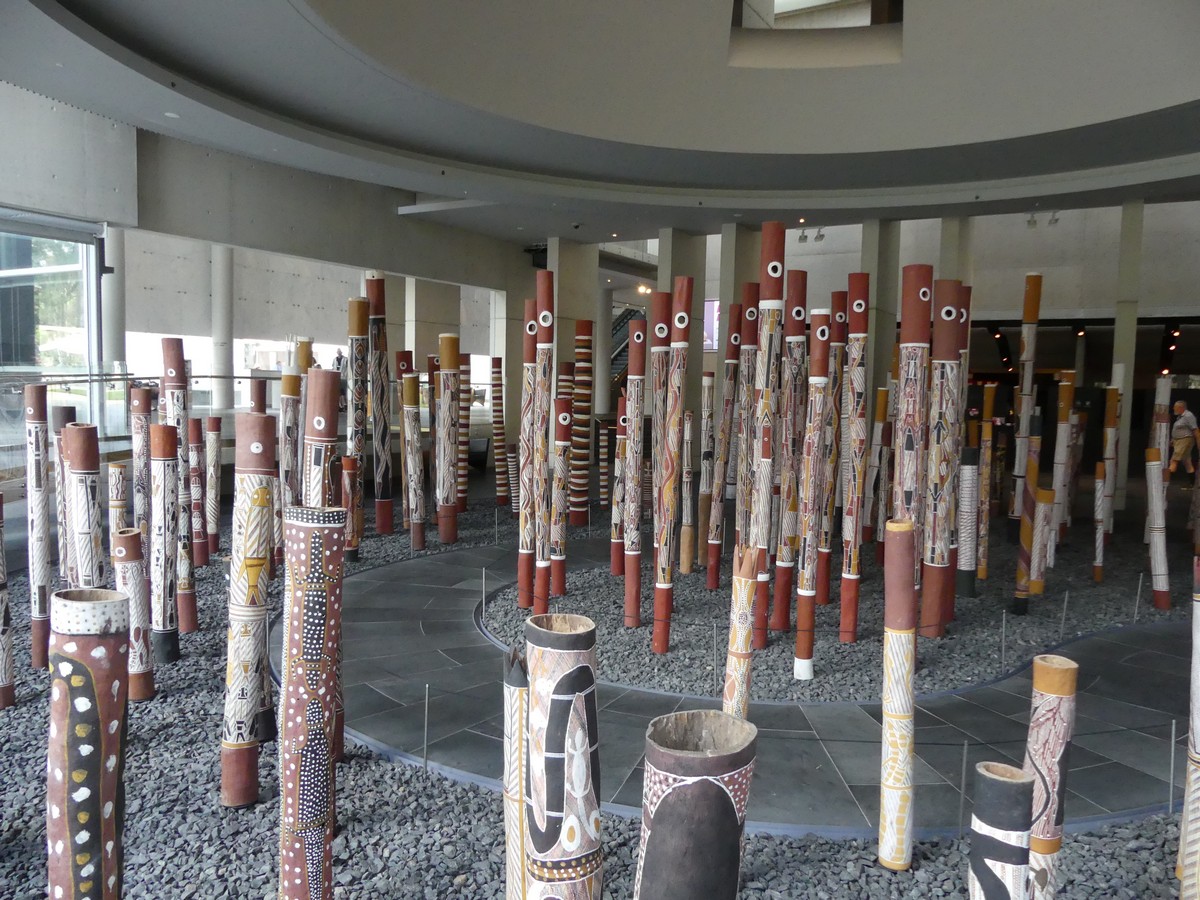
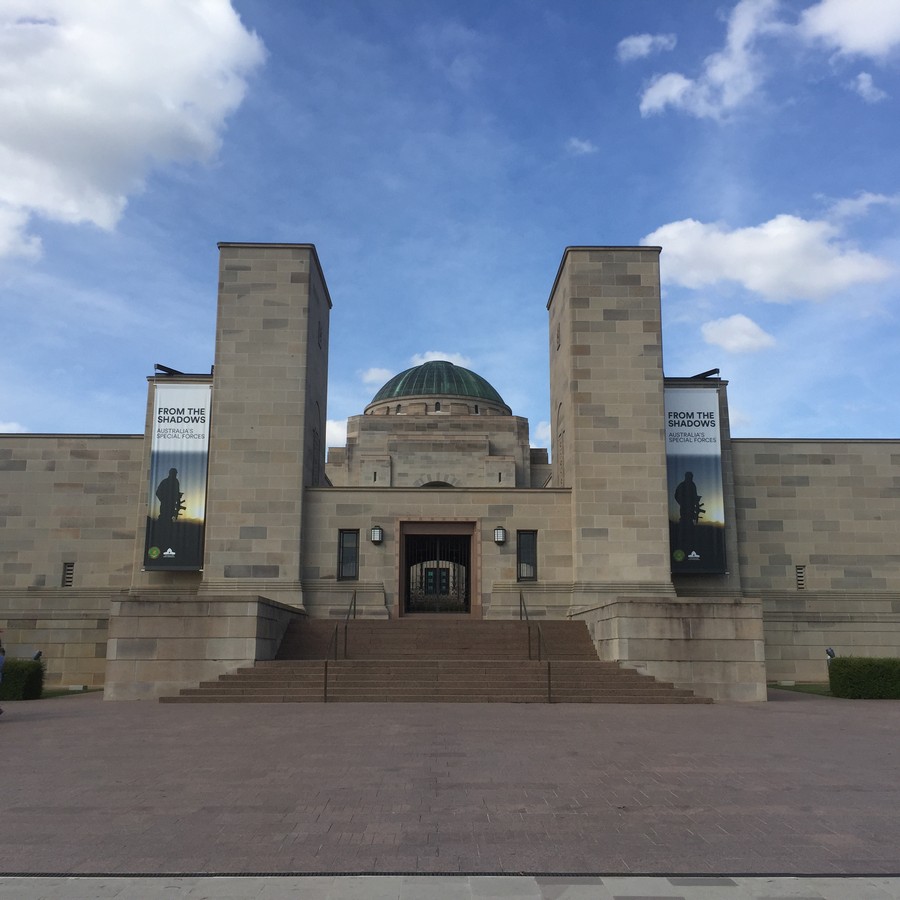
The Aboriginal Memorial is an installation of 200 hollow log ceremonial coffins in the National Gallery. It was created by 43 artists for the Bicentenary of Australia which marked the 200 years of European settlement.The Australia War Memorial opened in 1941. We went to the Last Post at closing and spent the next day a couple hours in the museum. You can easily spend the day there, it is huge.
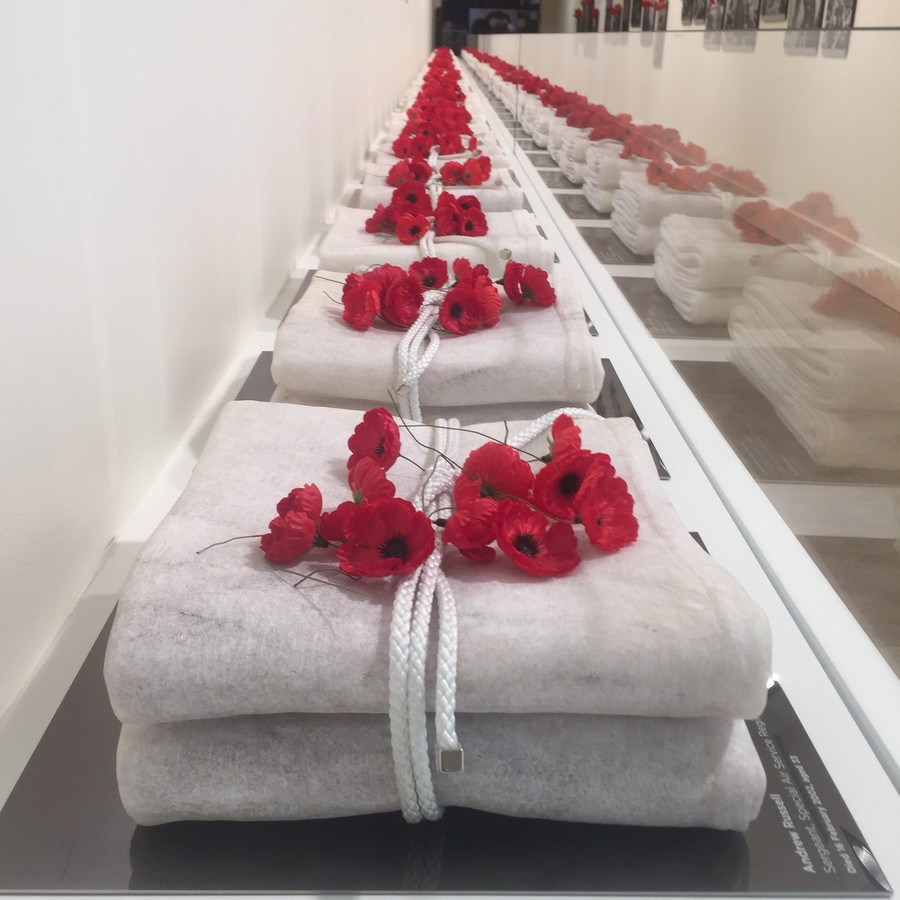
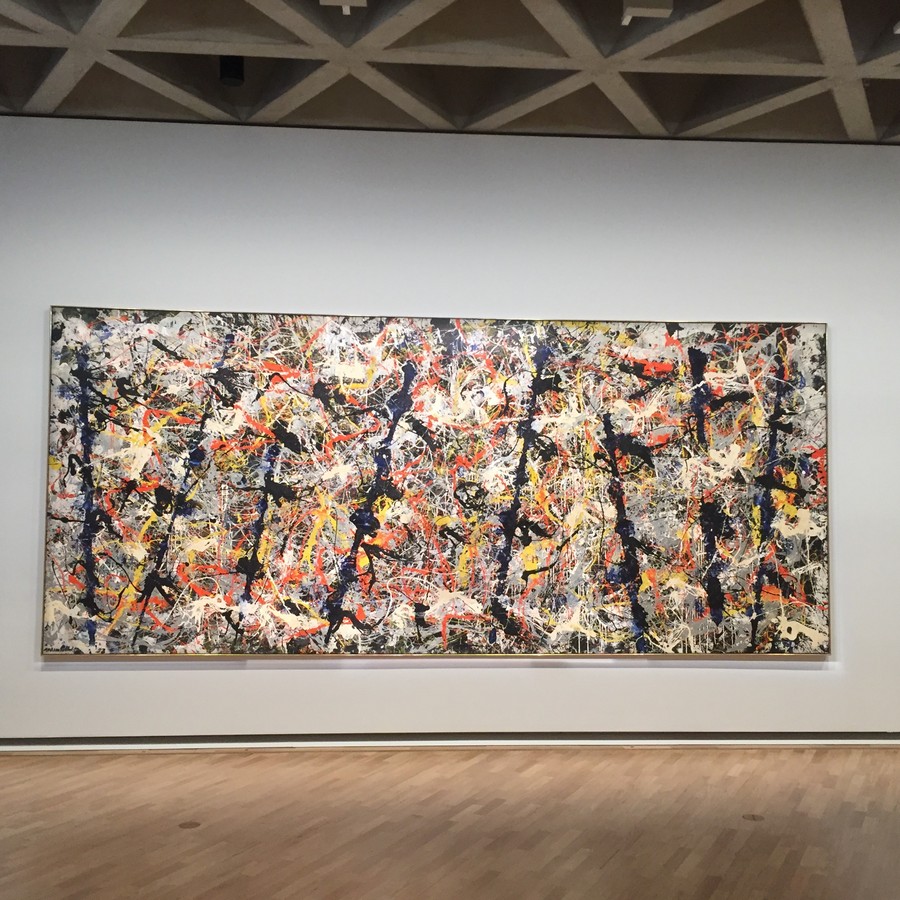
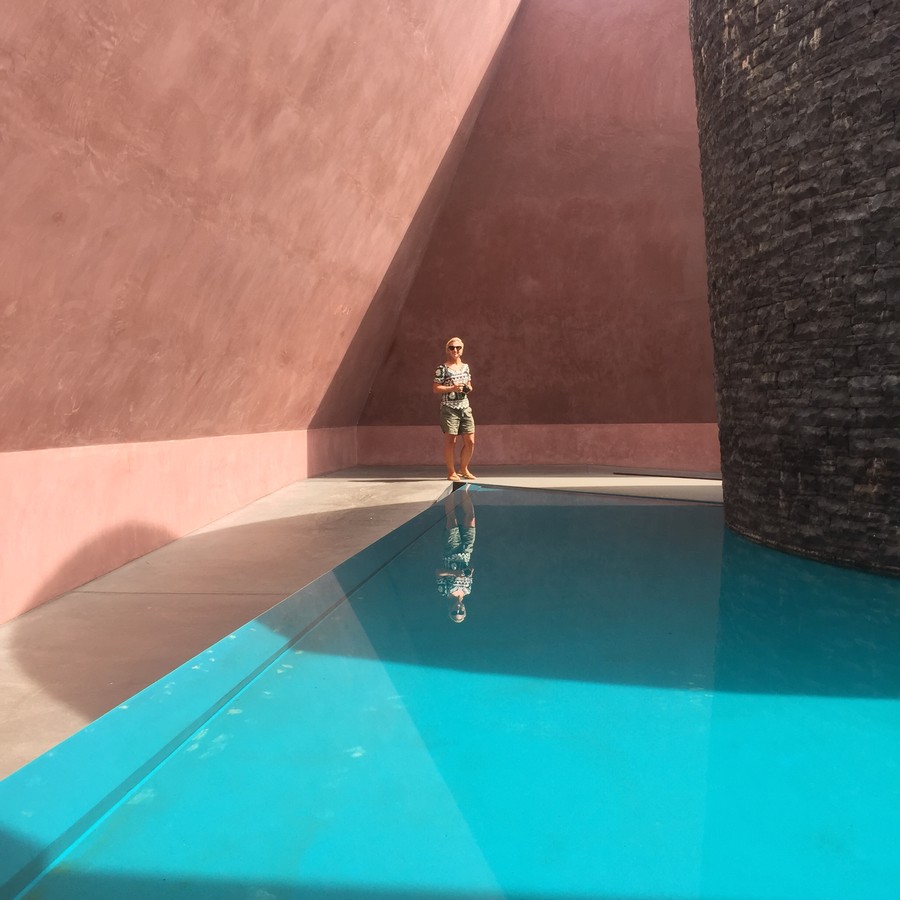
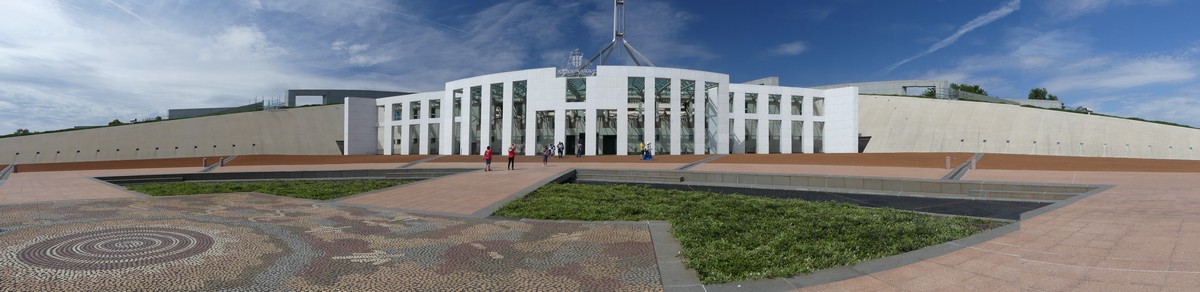
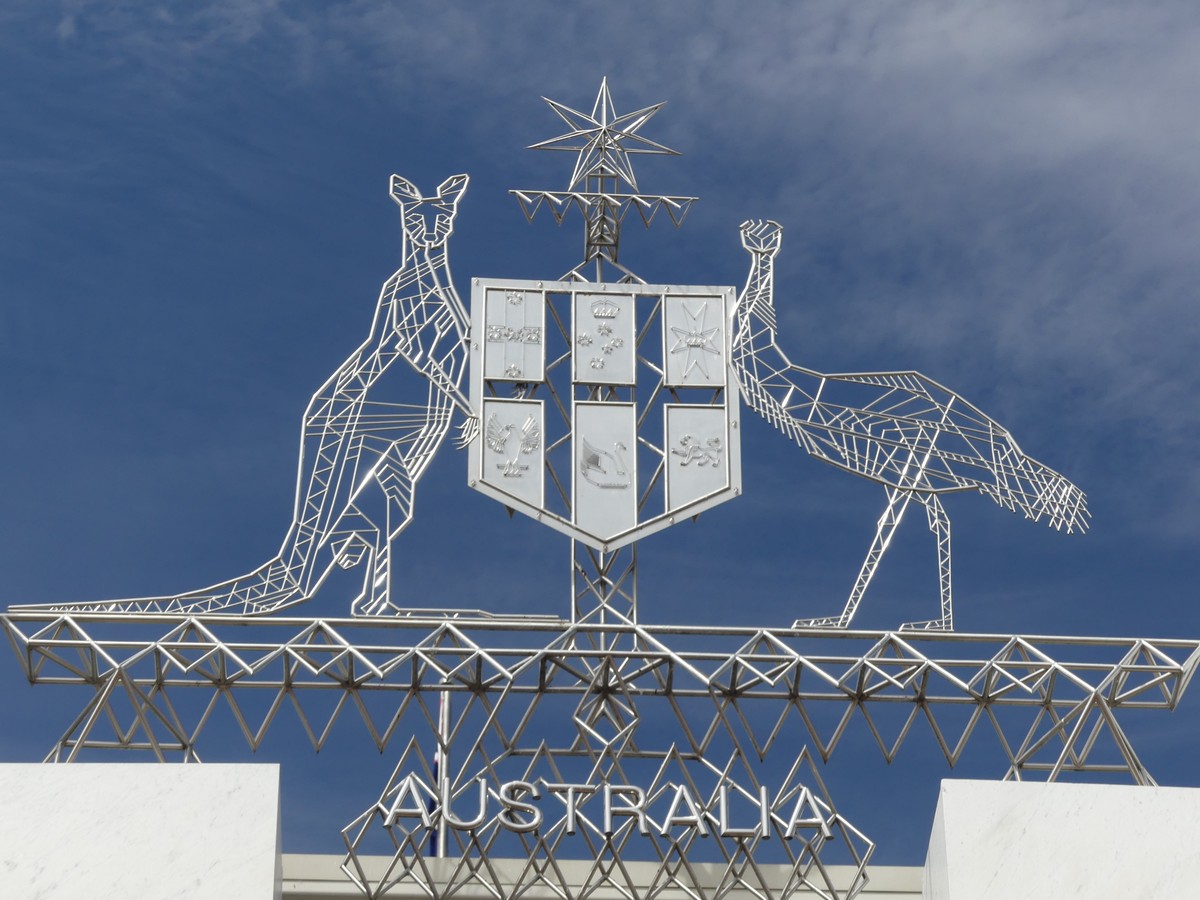
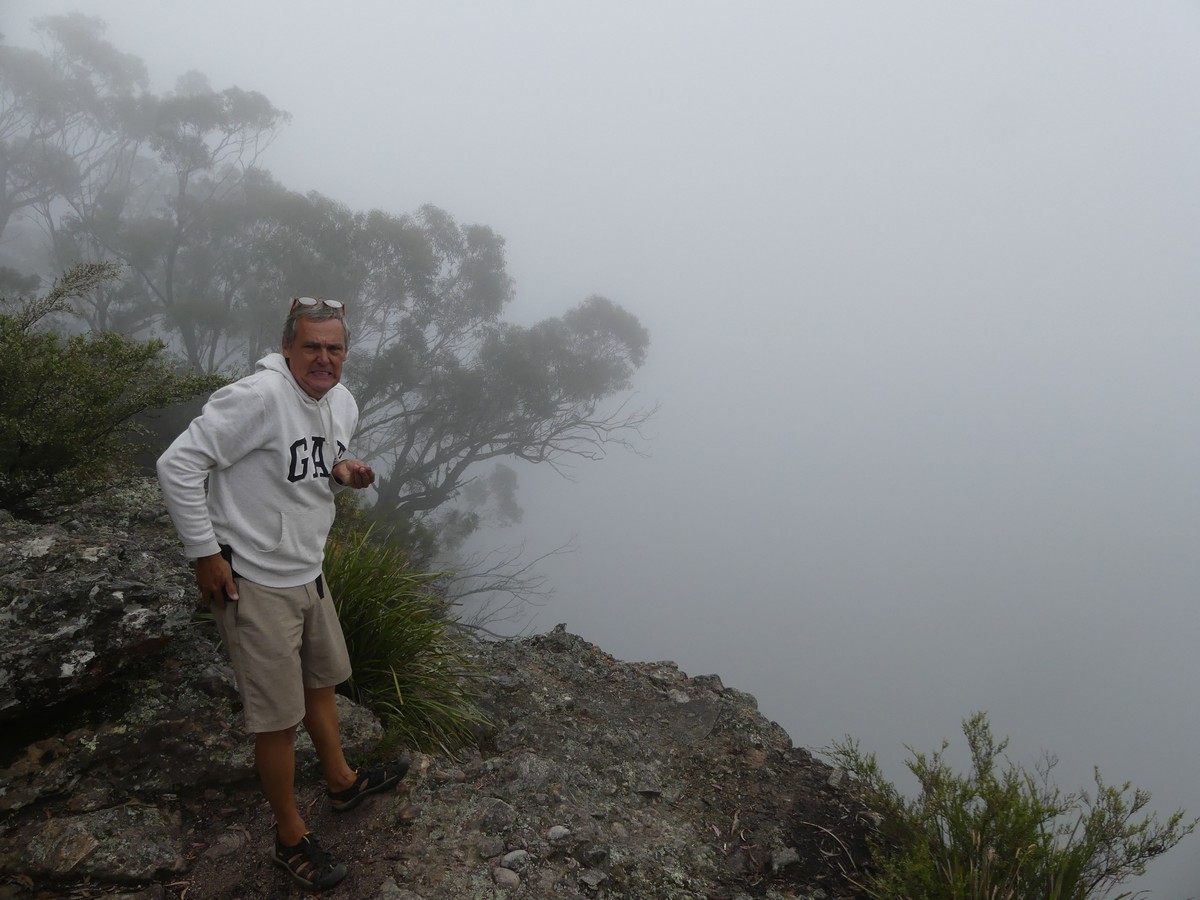
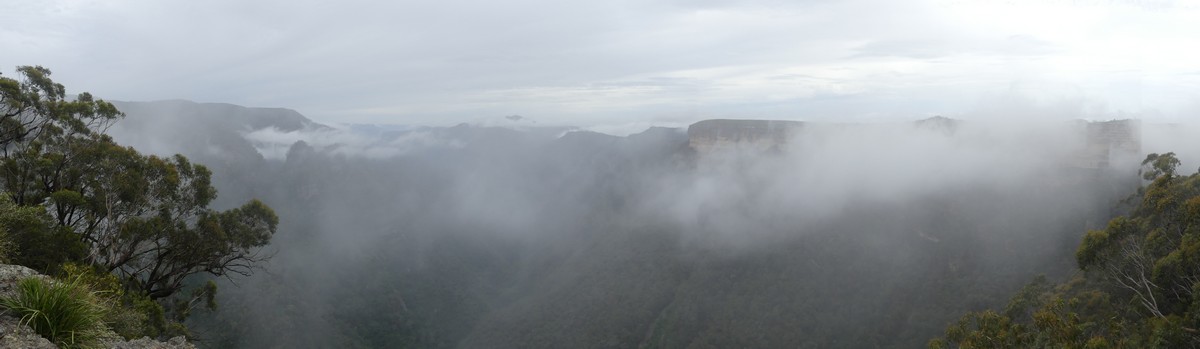
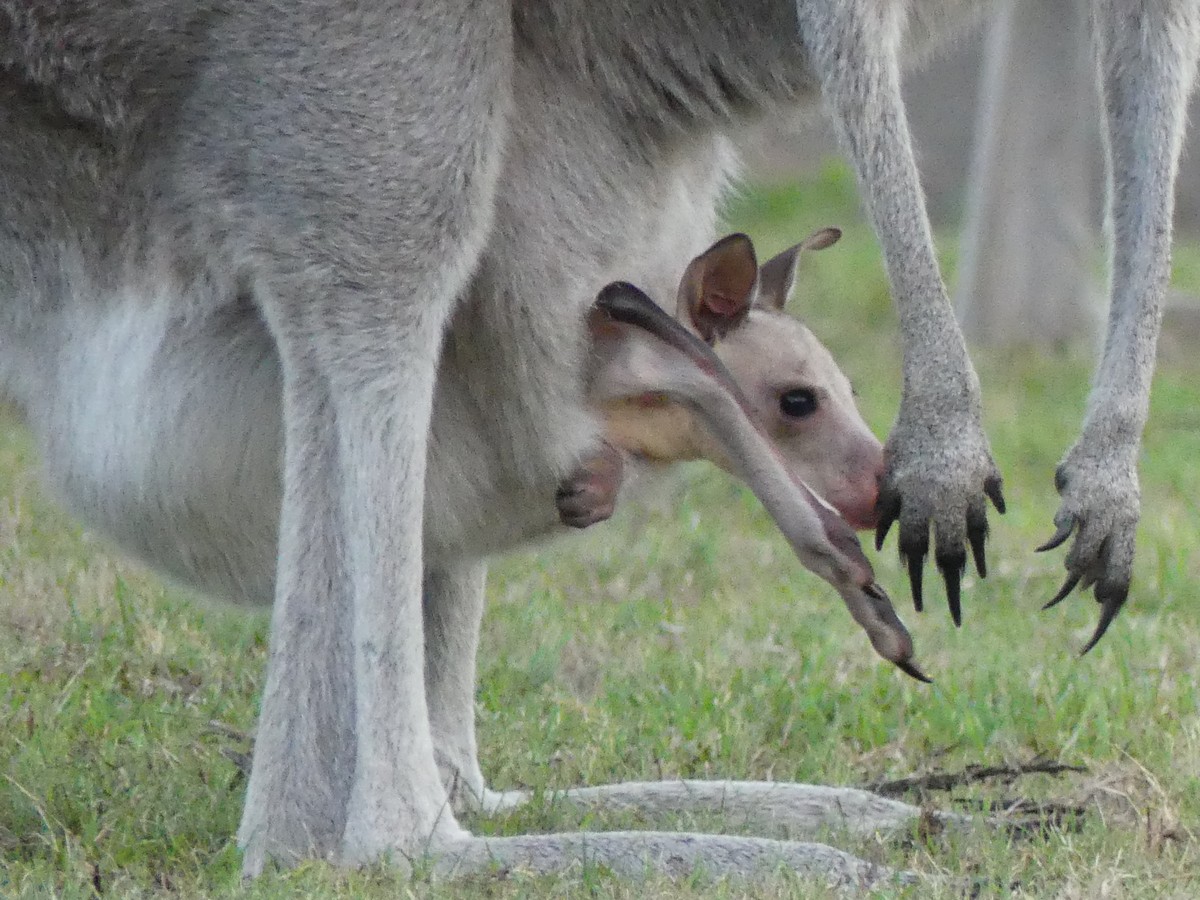
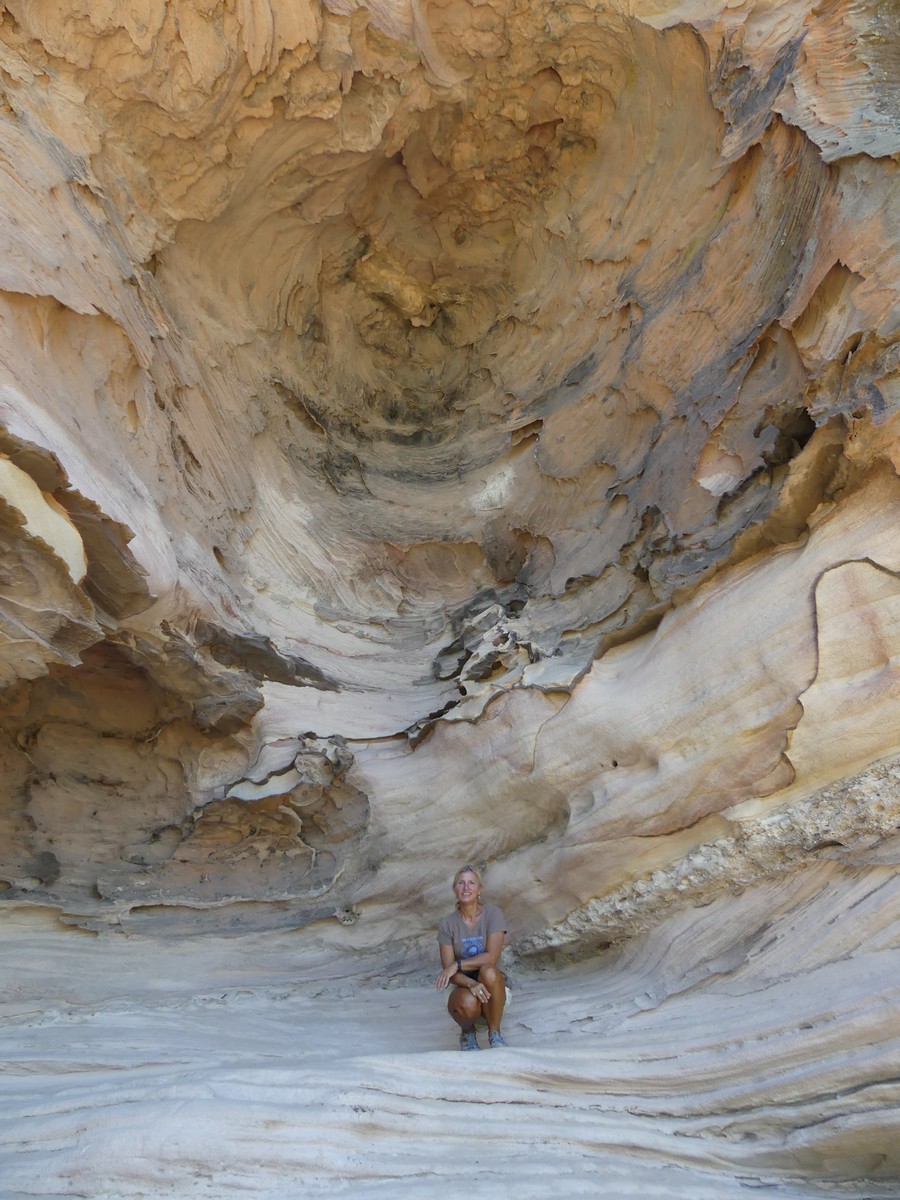
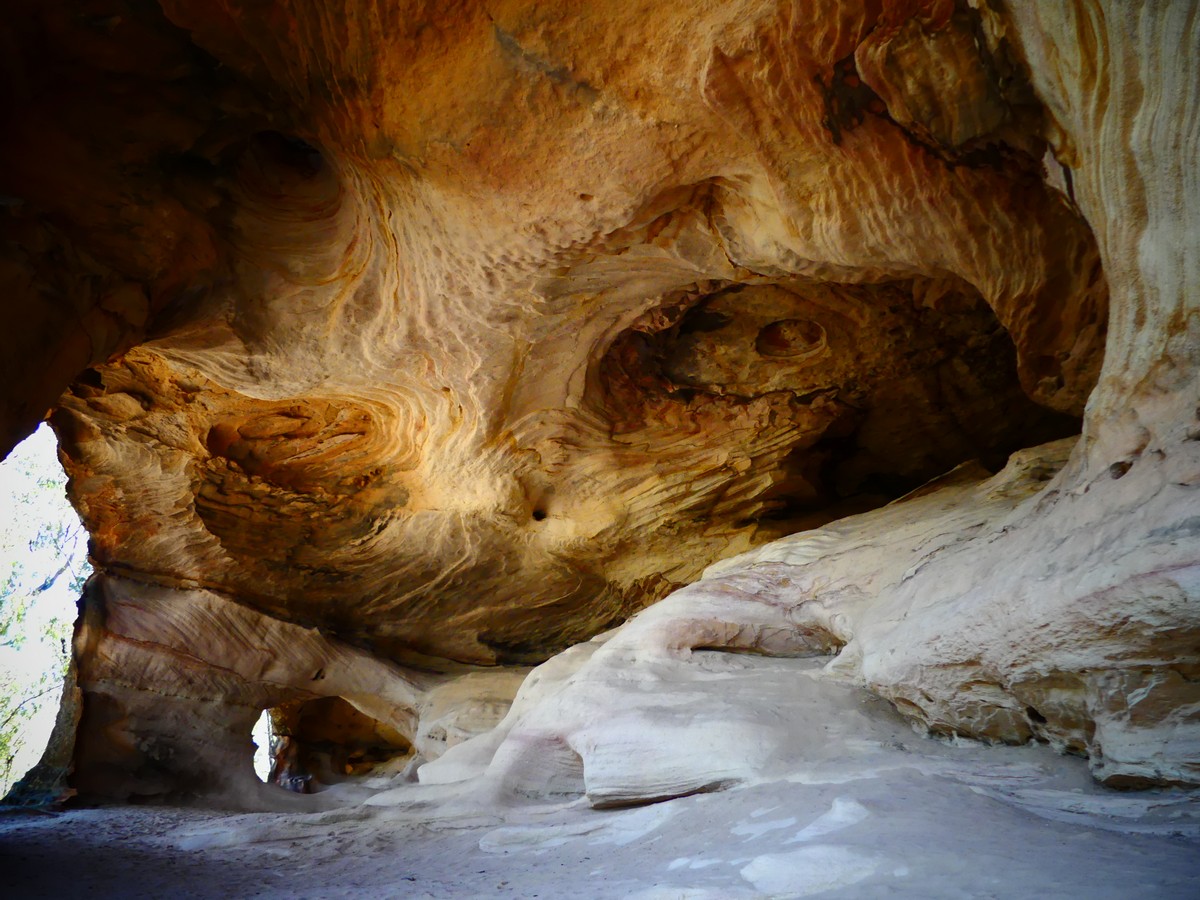
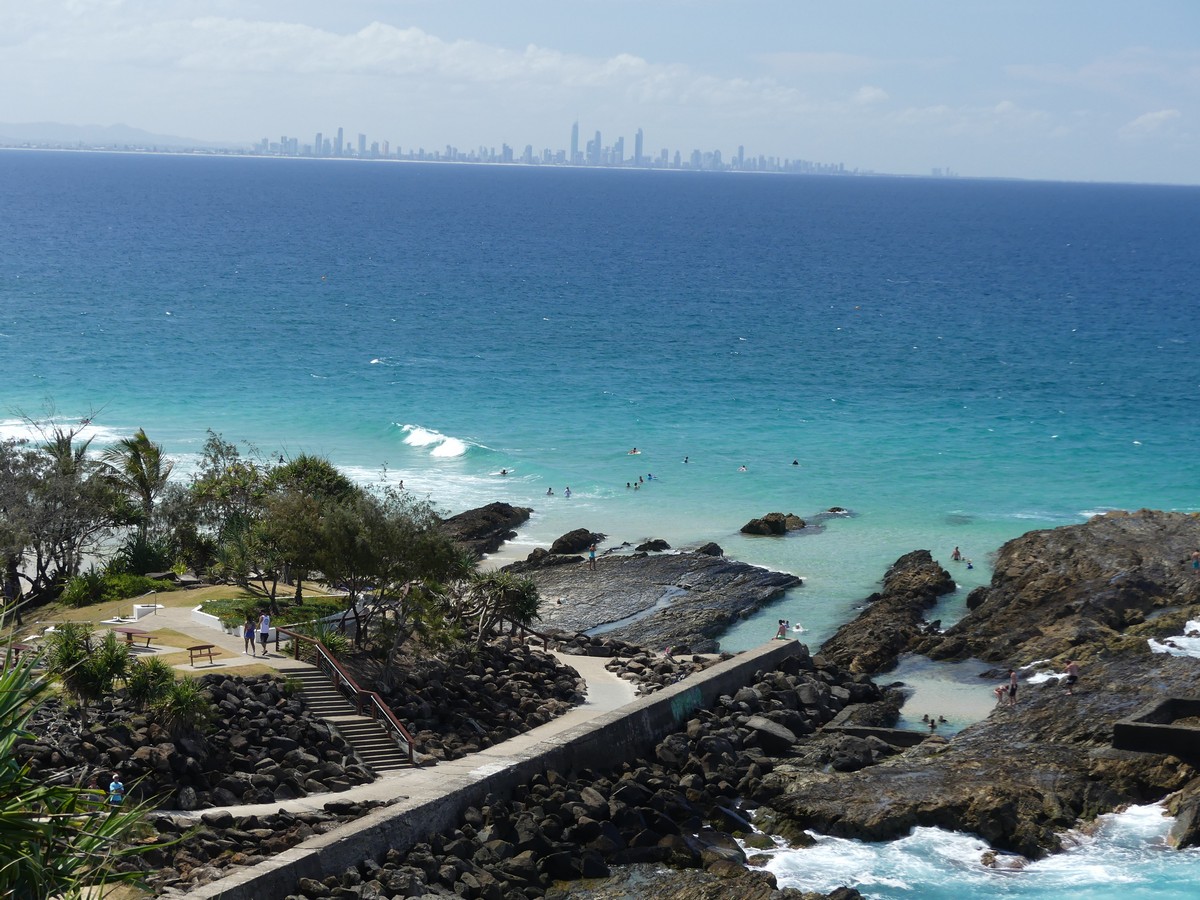
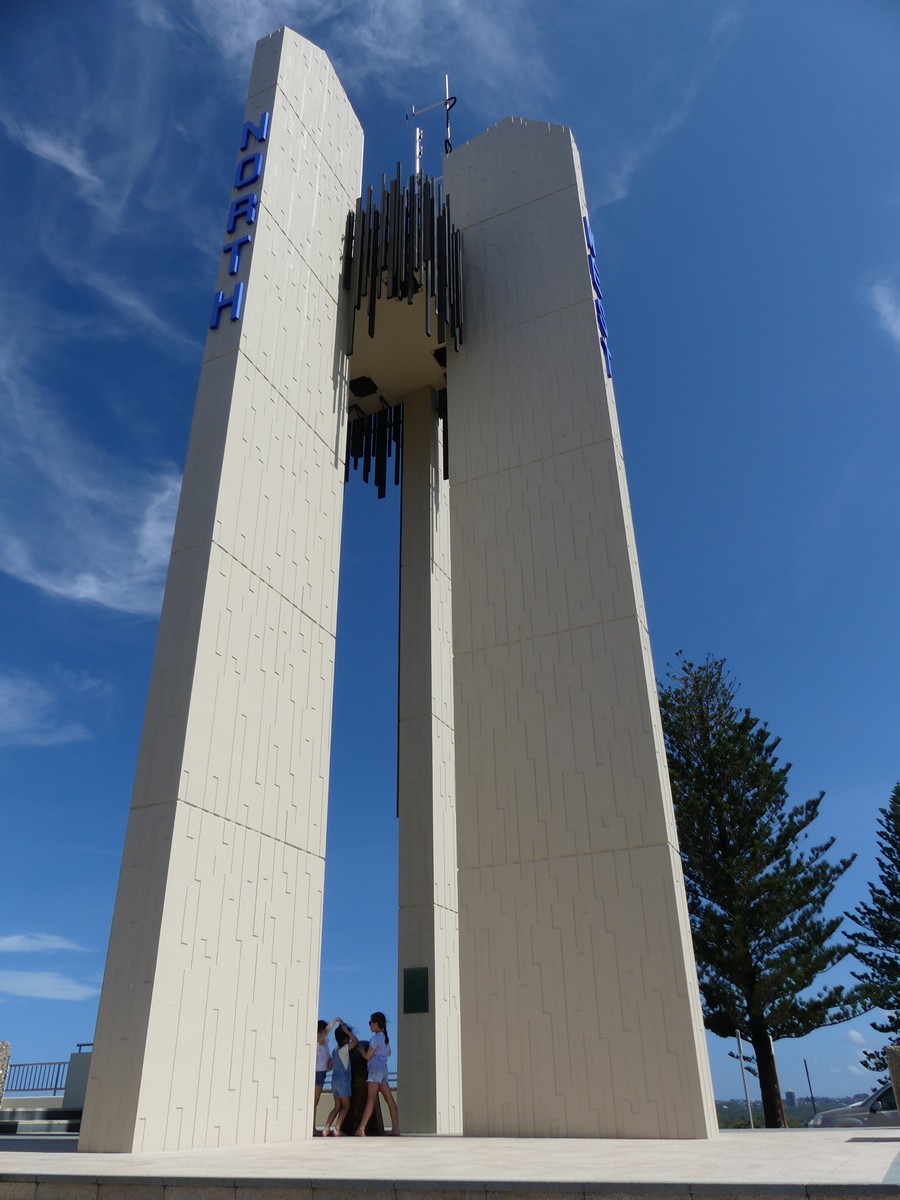
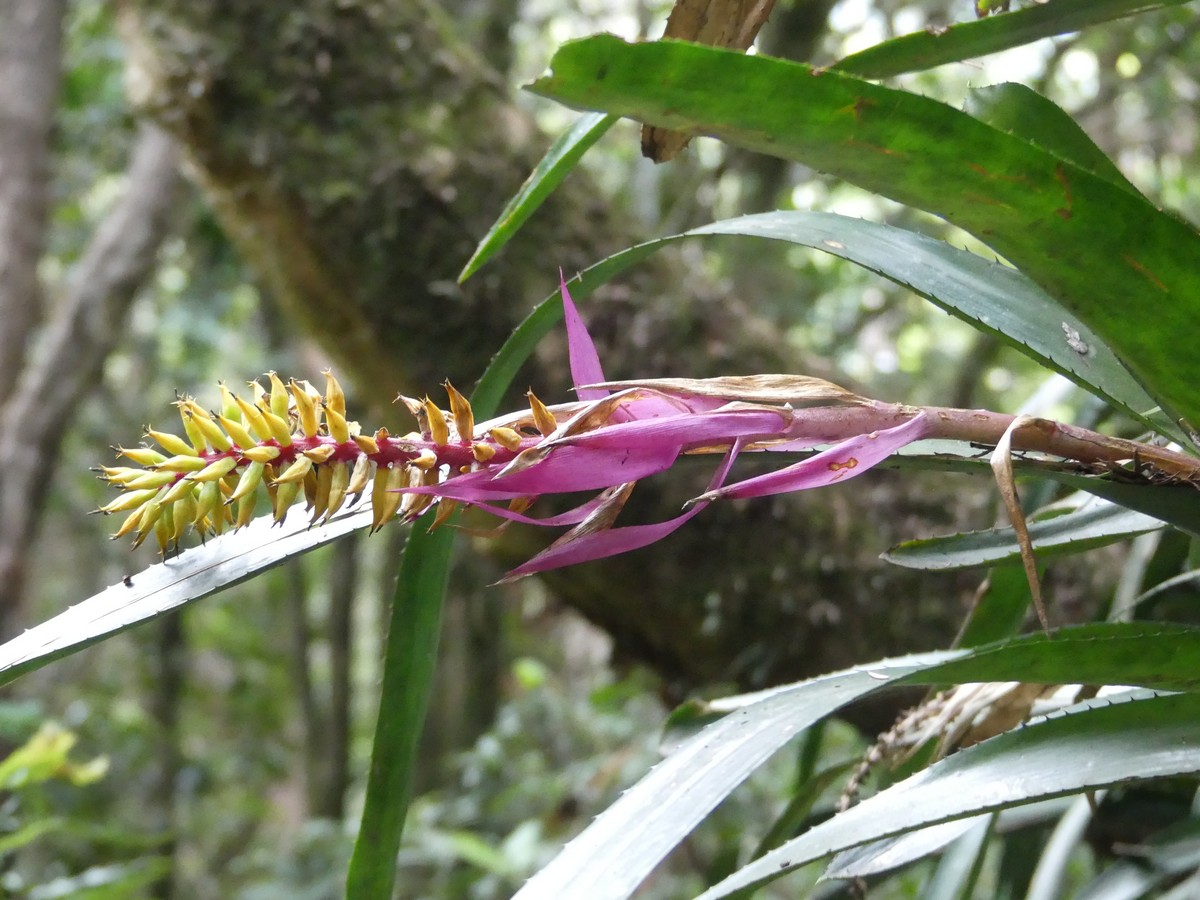
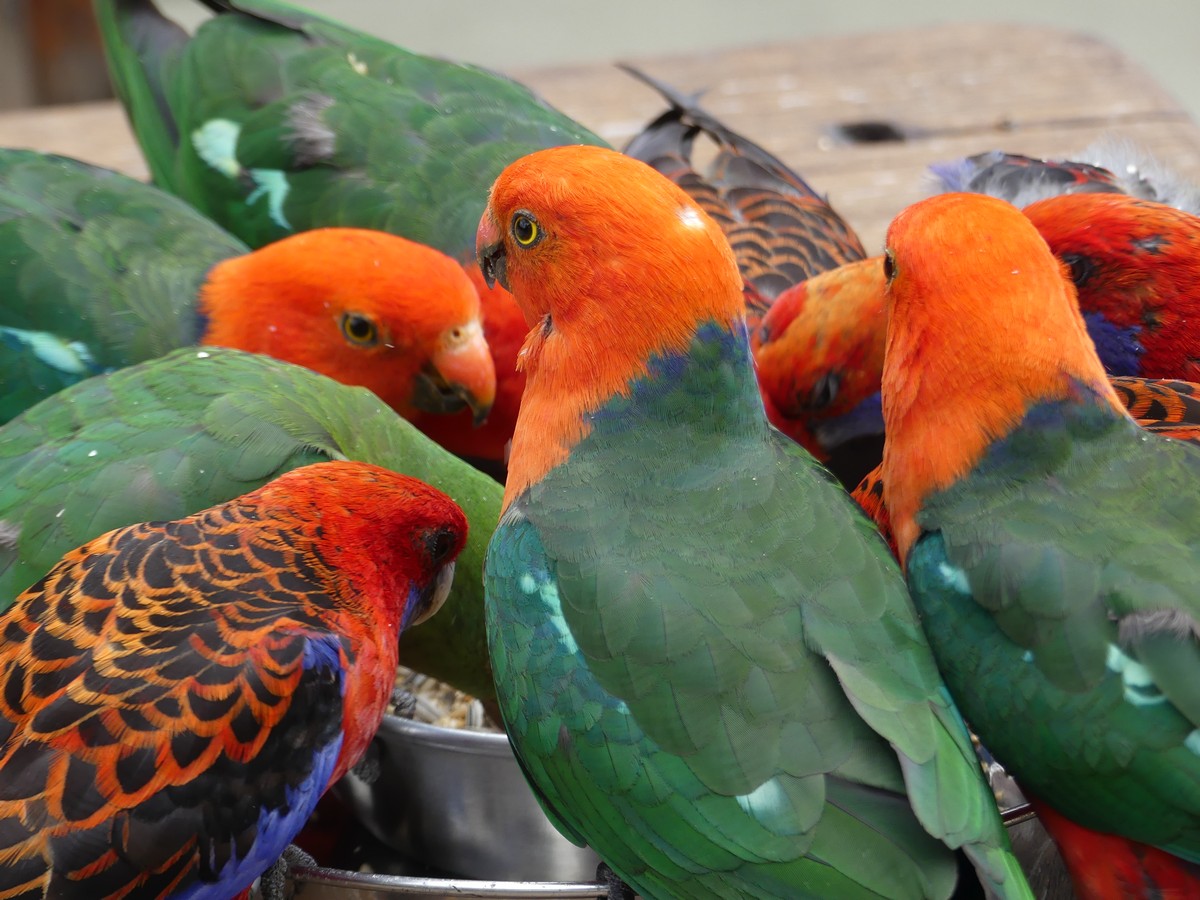
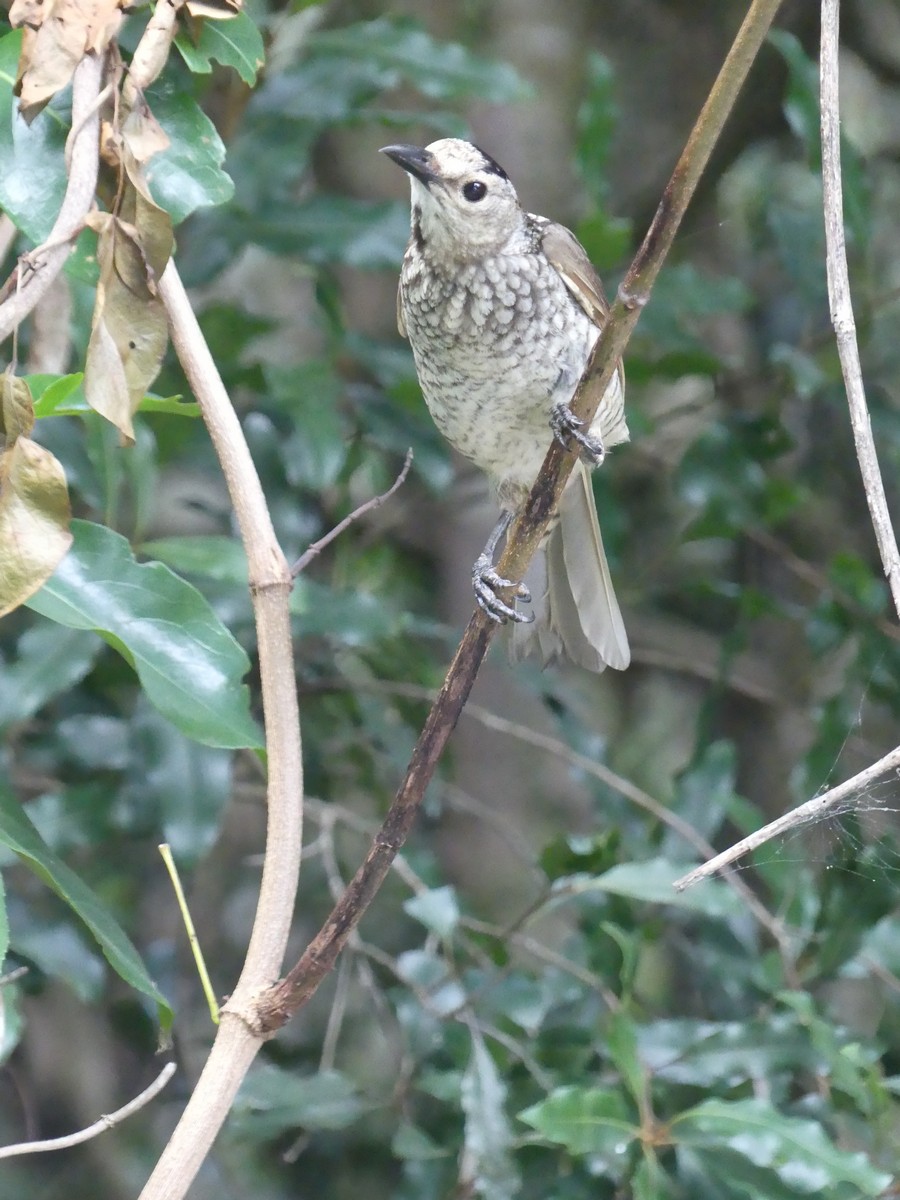
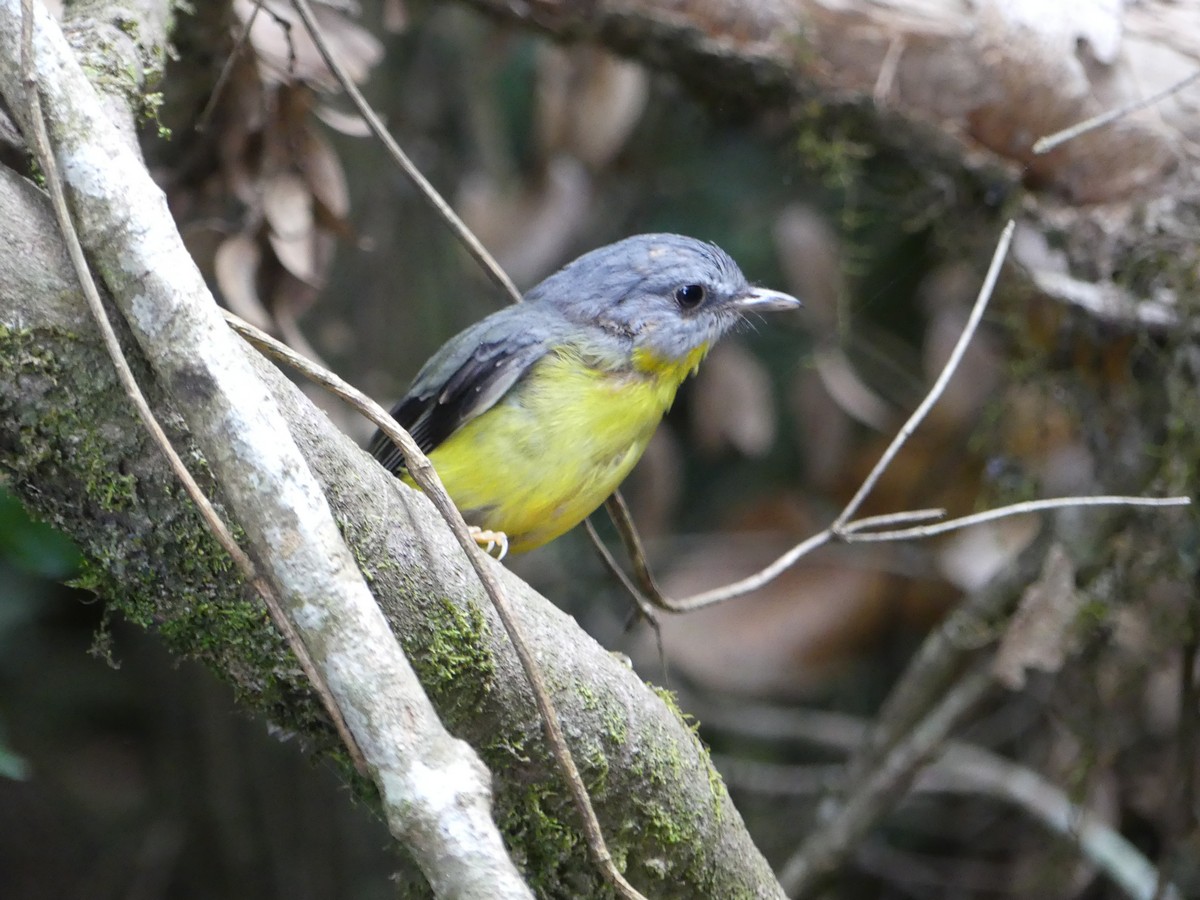
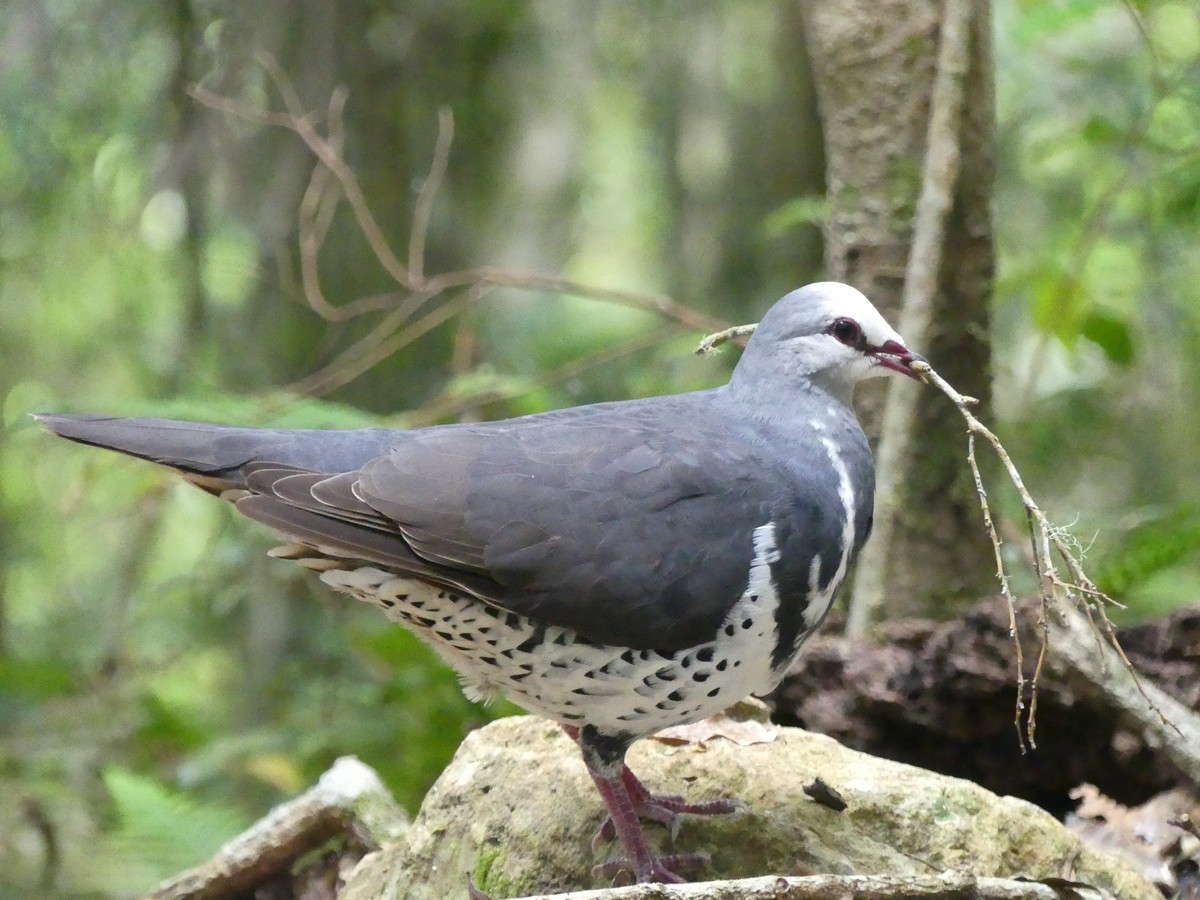
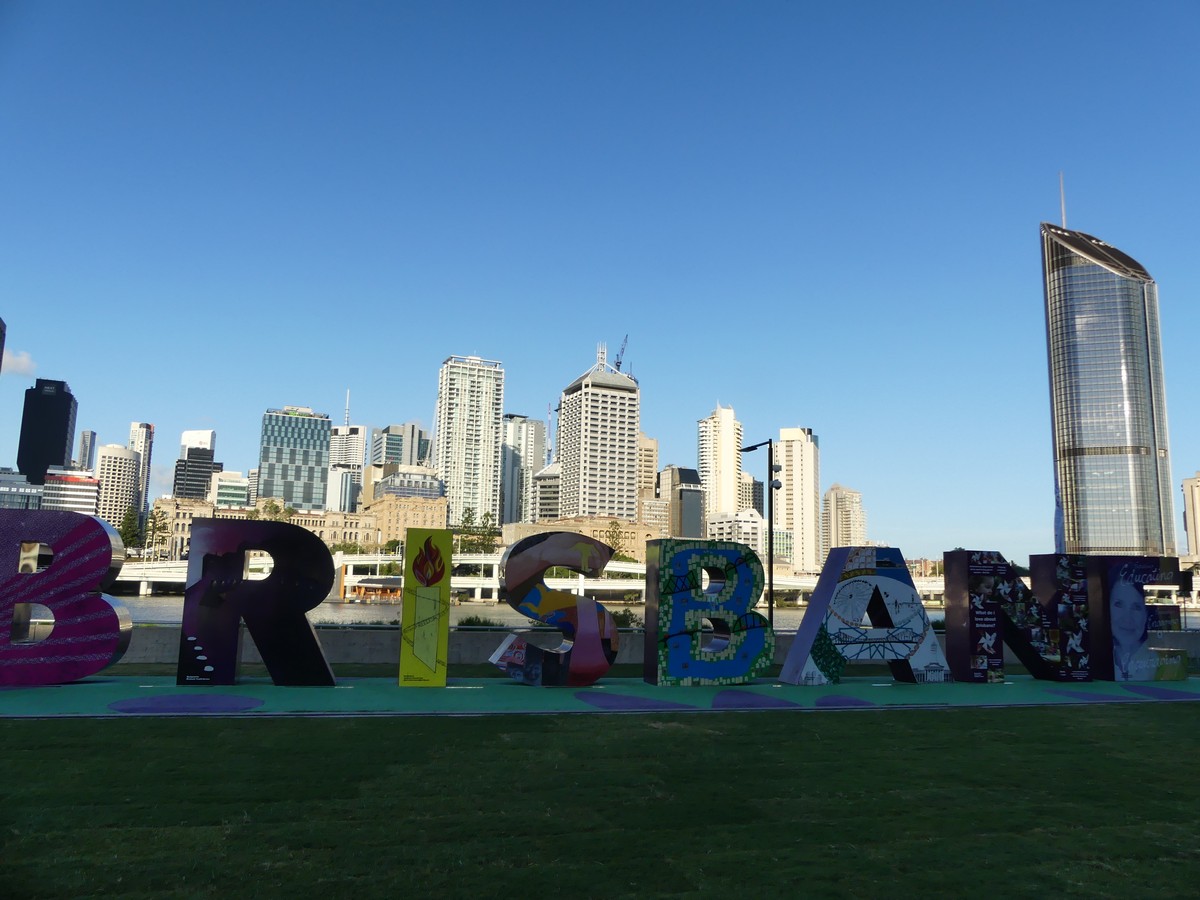
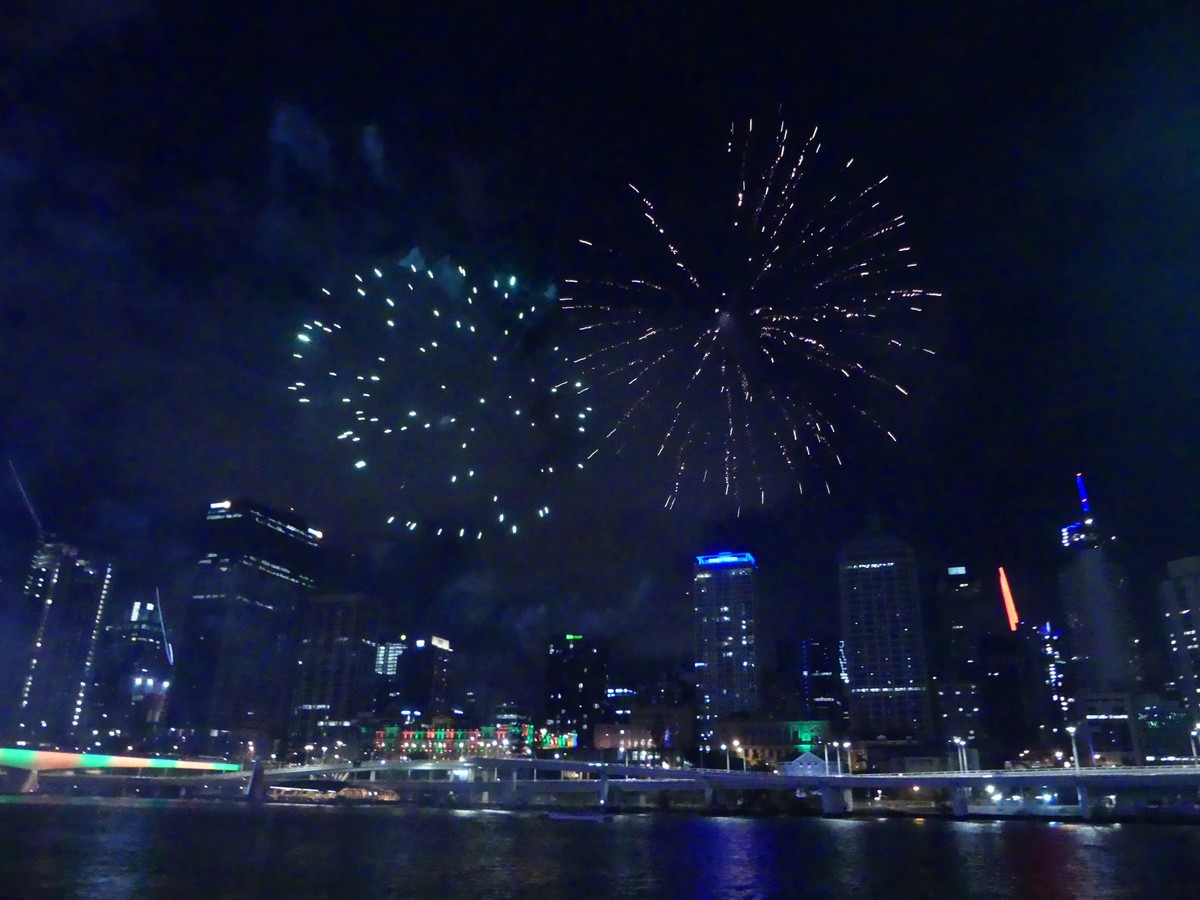
A work of Alex Seton, “As of today”, 41 sculpted marble flags with halyard to commemorate the Australian soldiers who have lost their lives while serving in Afghanistan.National Gallery: “Blue Poles” from Jackson Pollock, painted in 1952.An installation from James Turrell “Within without” in the sculpture garden of the National Gallery.The Parliament House of Australia.Construction began in 1981 and was finished in 1988. Although elections can be called early, every 3 years the full House of Representatives and half of the Senate is dissolved and is up for reelection.The Coat of Arms of Australia on top of the parliament building. The kangaroo and emu were chosen as part of the emblem not only because they are endemic and well-known Australian animals but also because they can not move backward and thus represent a nation “moving forward”.A short walk in Hill End, goldtown country. During the goldrush between 1850-1870 about 8000 people lived here. Today there are only 80 people left.We did the lookout walk in Kanangra-Boyd National Park but a thick pack of clouds made it impossible to see a thing. Stefan is standing at the cliff edge.A half hour later at the same spot, the sun was slowly chasing the clouds away.Stefan and his team of followers :-).A baby-kangaroo, called a “Joey”, peeping to see what the world is like. Baby kangaroos are born weighing less than a sugar cube. By the time it is about 8 months the mother is ready for it to leave the pouch.Beautiful sandstone caves in the Pilliga Nature Reserve.The seeping water dissolves the softer rock leaving a colorful and varied wall pattern.The caves harbor aboriginal rock drawings of emu tracks and hand patterns.Point Danger in Coolangatta with Brisbane on the horizon and many surfers waiting for the perfect wave. The point was so named by Captain Cook because of the many surrounding reefs.The point danger Lighthouse also marks the border between the states of New South Wales (S) and Queensland (N). There is a 1 hour time difference between the two and the border runs along a street lined with bars. Makes for a double new years eve celebration with minimal travel!Lamington NP in the Green Mountains. I have not been able to find the name of this beautiful flower.Wild birds such as these King Parrots and the Crimson Rosella know when and where there is some food to be had. O’Reilley Green Mountains NP.This Regent Bowerbird (female) had an eye on our breakfast. She tried to get away with a slice of bread, but it was too heavy.The yellow robin is small in stature, but lovely to look at.On our walk in the park, we spotted a Wonga Pigeon, and saw a quickly dissapearing Lyrebird (no photo). As long as you are not too quick or loud, there is a good chance that they ignore the photographer.We had blue skies when we visited Brisbane for the fireworks on Australia Day (january 26th)Remembering the arrival of the first fleet of English settlers with a musical fireworks. The weather was warm and lots of people came to celebrate. Sitting next to my loved one (Stefan) at the banks of the Brisbane river with this beautiful display I again felt very fortunate! 🙂
Waiting for our flight to Vietnam we are looking forward to new adventures and a different culture😀.
Today, January 25th 2018 we are in a suburb of Brisbane getting ready to end our stay in Australia and leave for Vietnam (29th). Tomorrow is Australia day, the national day of Australia. It marks the arrival of the First Fleet of British ships in Port Jackson in 1788 and the raising of the British flag in Sydney Cove.
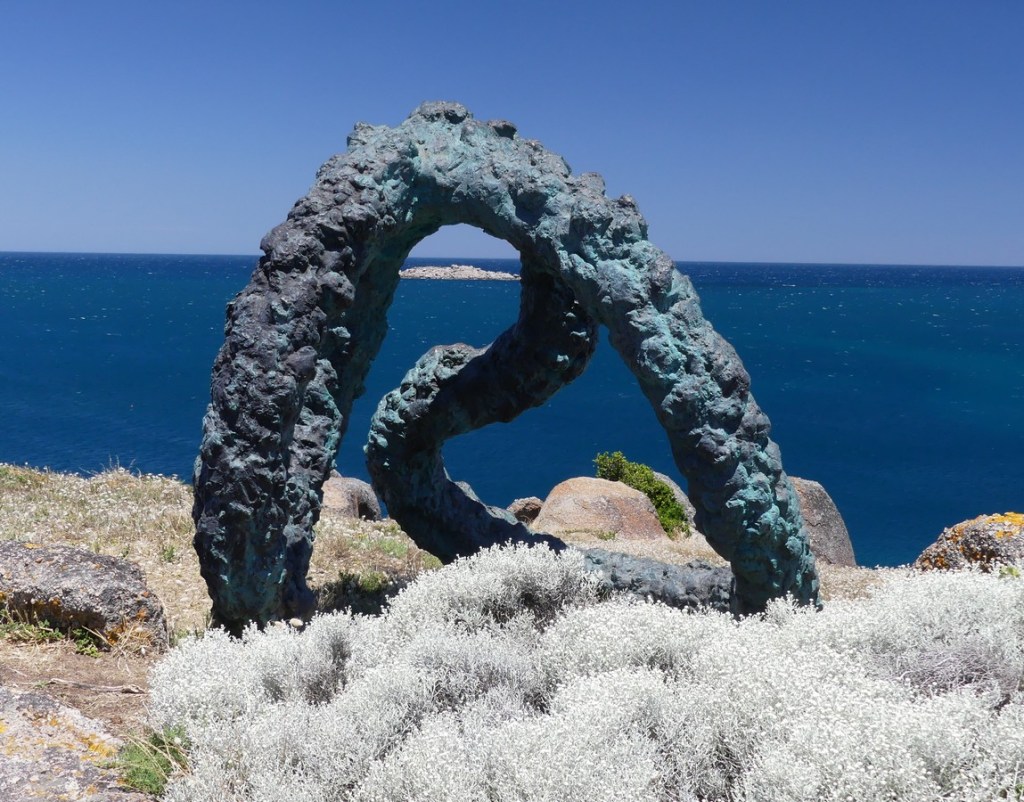
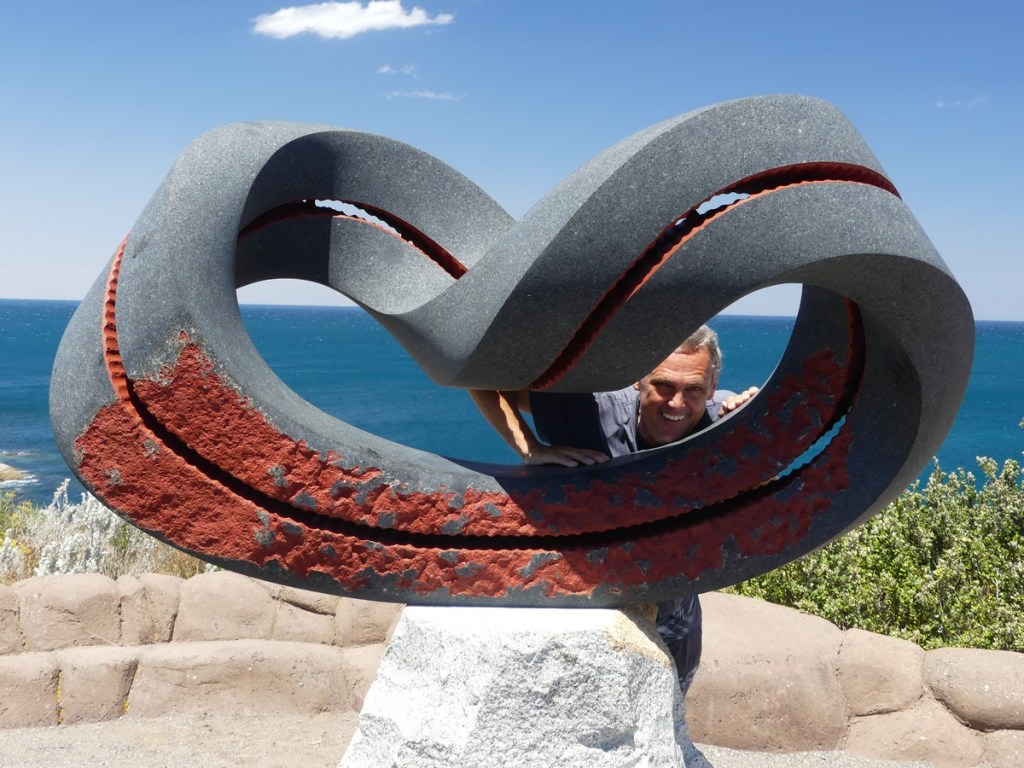
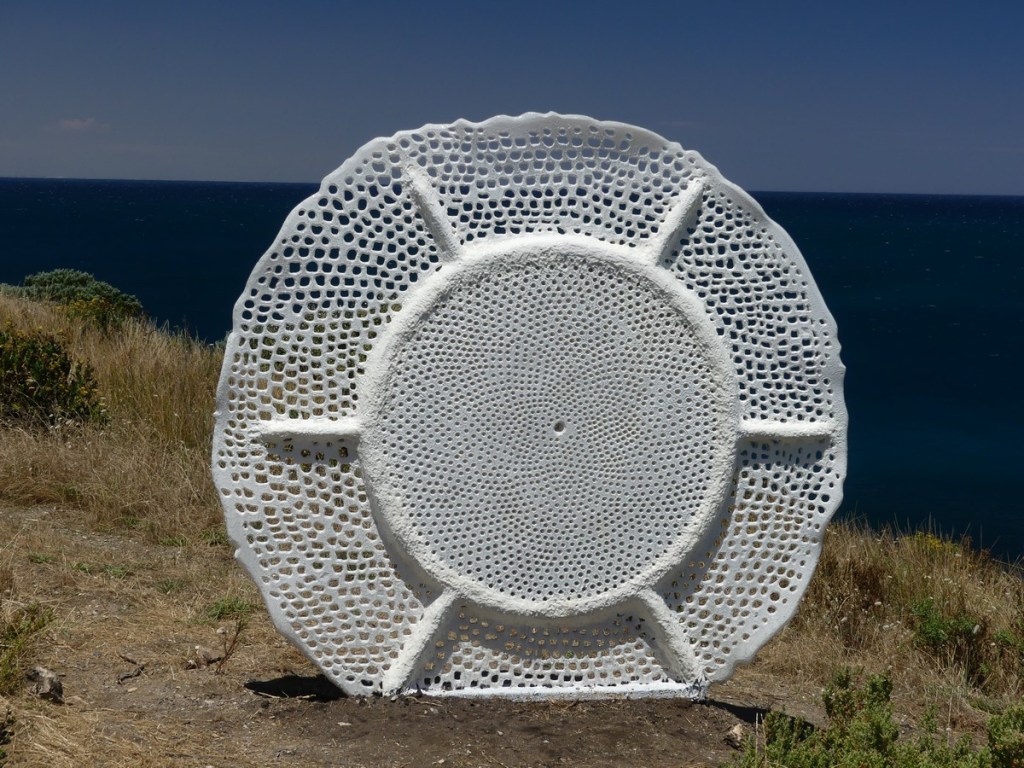
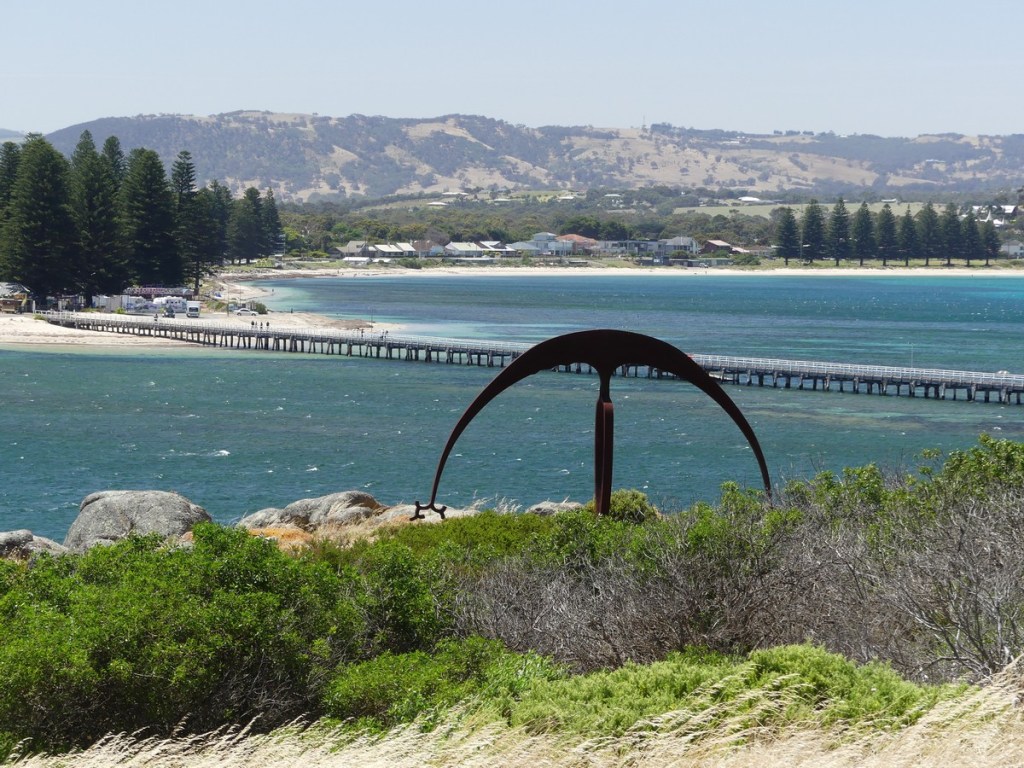
Flashback, on our last day in Victor Harbour, we made a beautiful sculpture walk (Wanderlust) on Granite Island. The combination of art and nature with blue skies is really top. You can visit the island by crossing a causeway or taking a horse-drawn tram (we walked).
Peter Lundberg, USA, Adam and EveKeizo Ushio, Japan, Oushi Zokei 2017Britt Mikkelsen, WA, Ocean LaceGreg Johns, SA, Horizon Figure. In the rear the causeway.
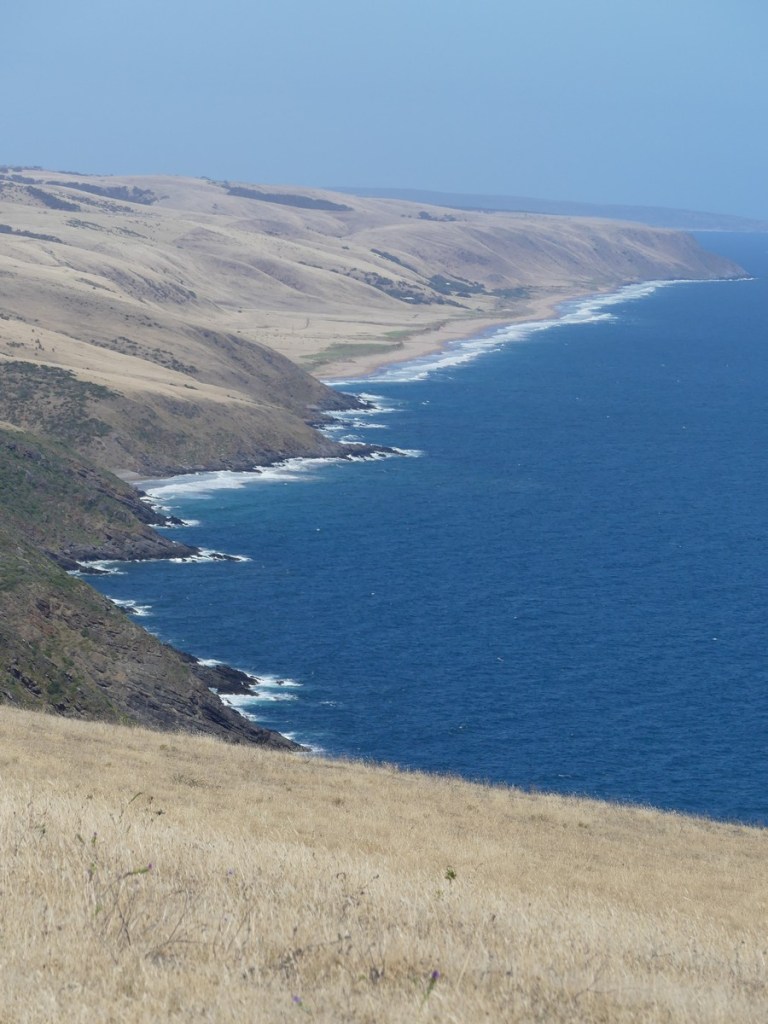
On our way to Cape Jervis we stayed at Deep Creek Conservation Park and walked a part of the Heysen Trail. With its 1200km, The Heysen trail is one of the longest walking trail in Australia. We walked about 20km of it…
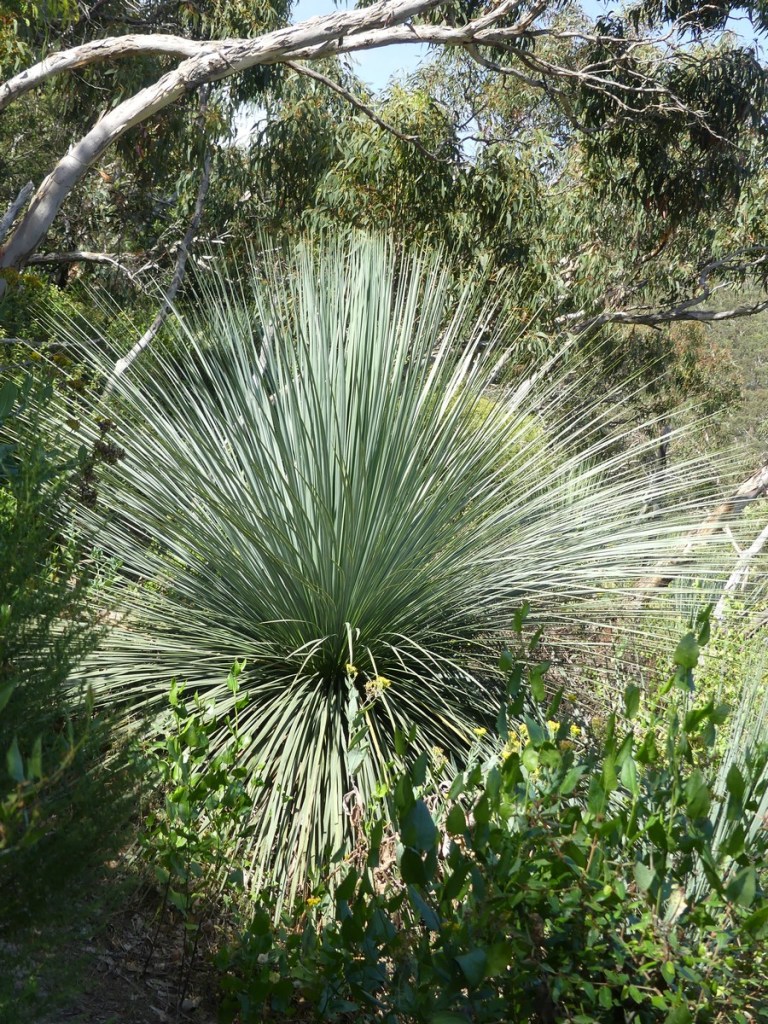
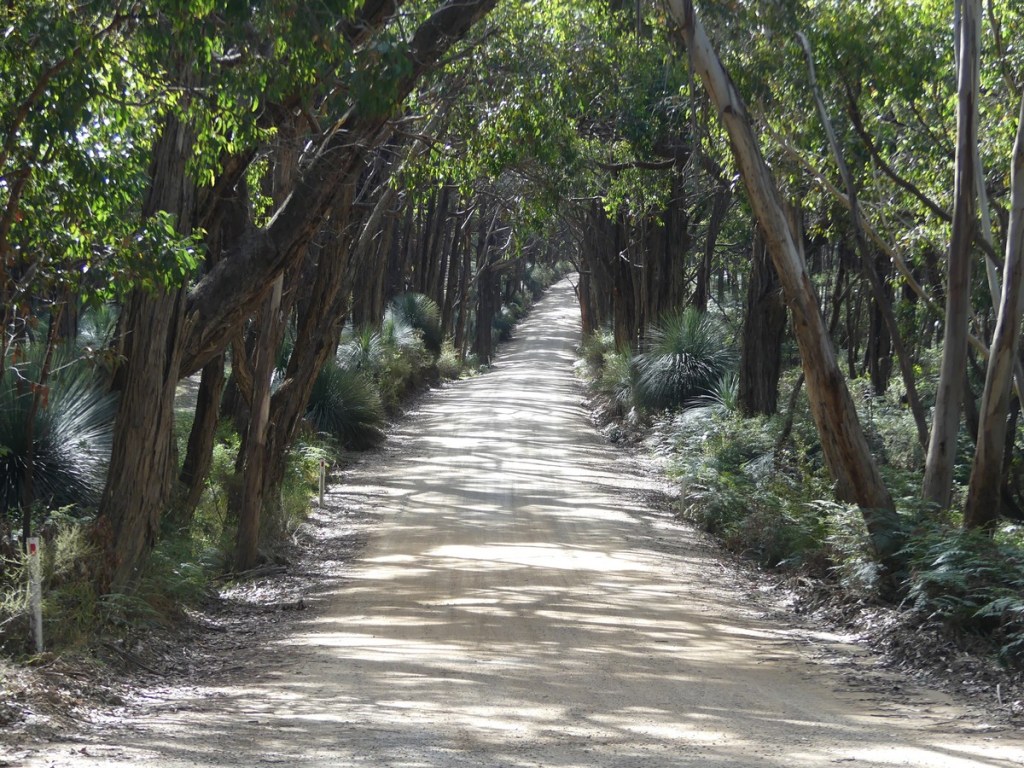
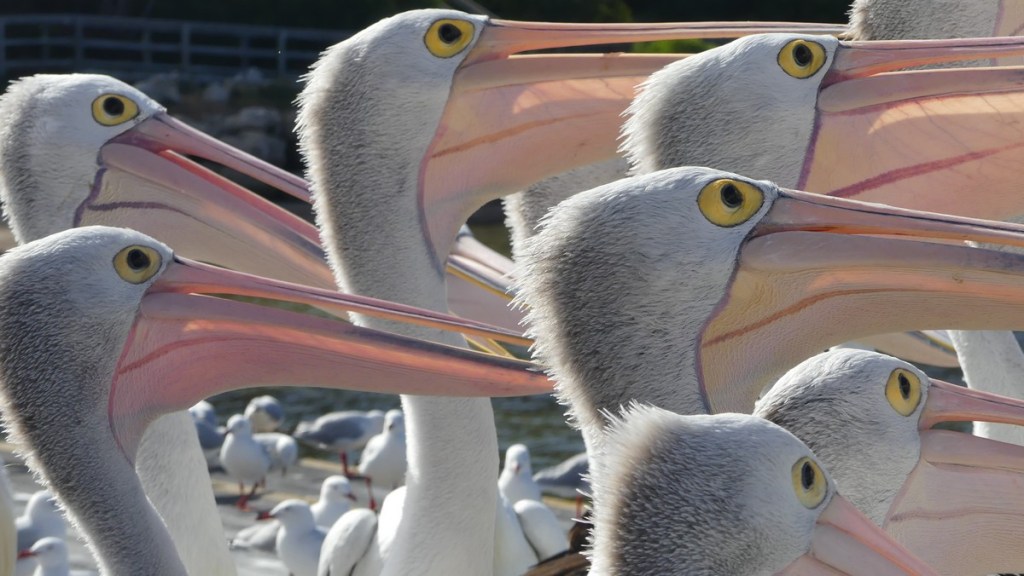
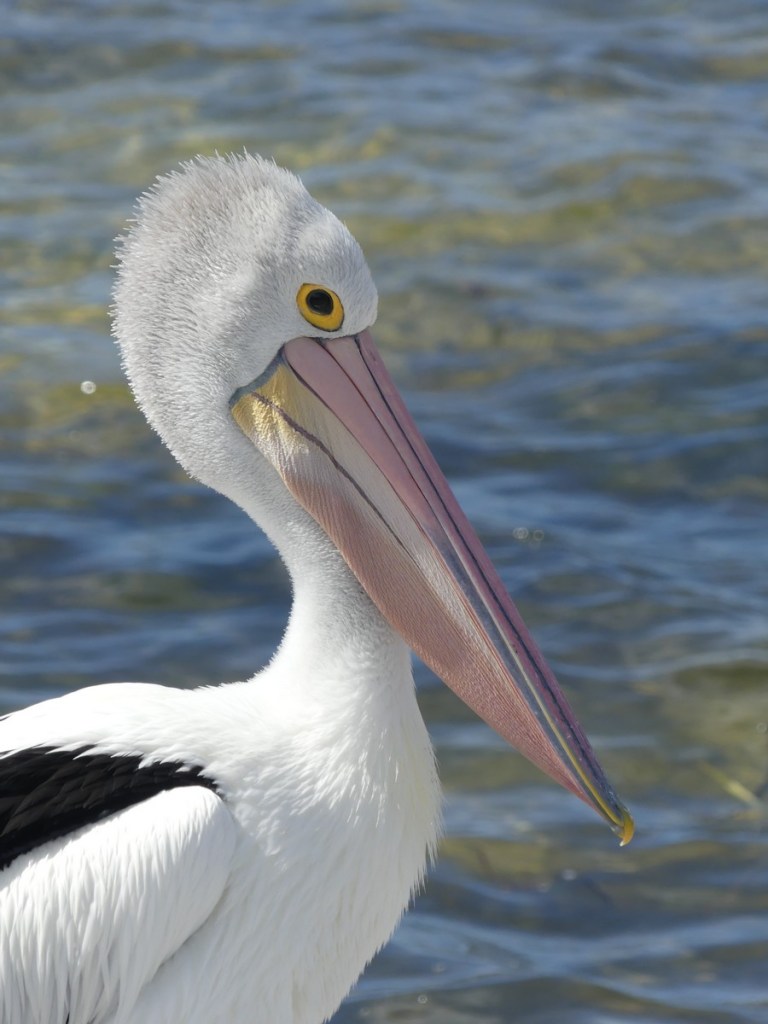
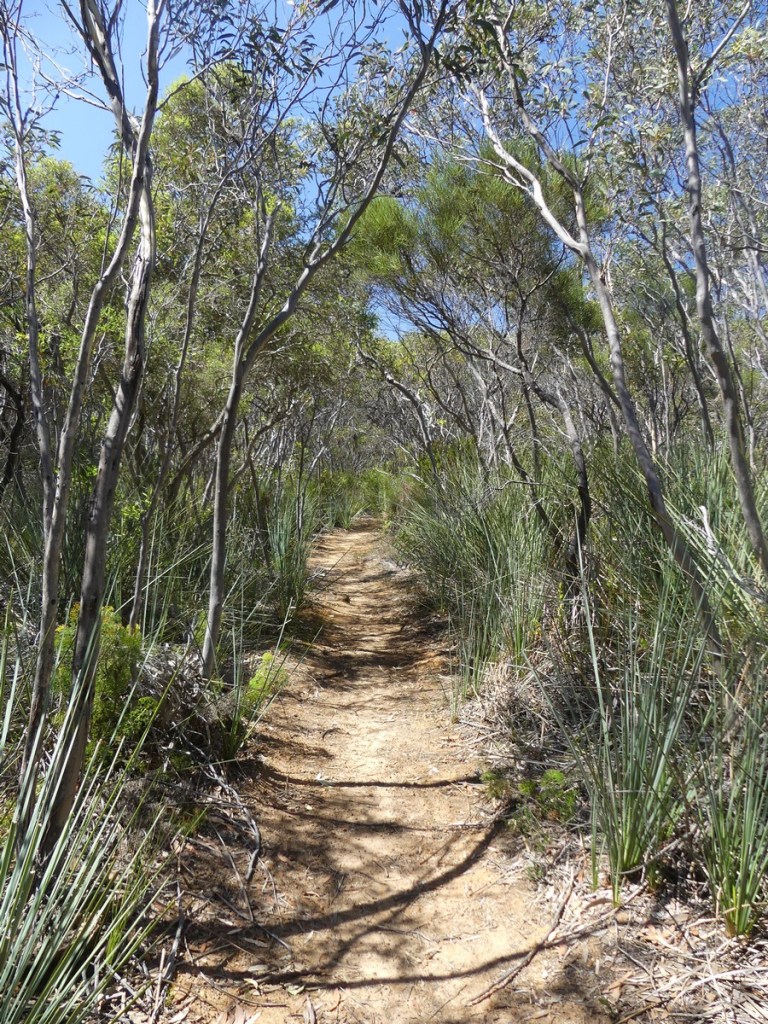
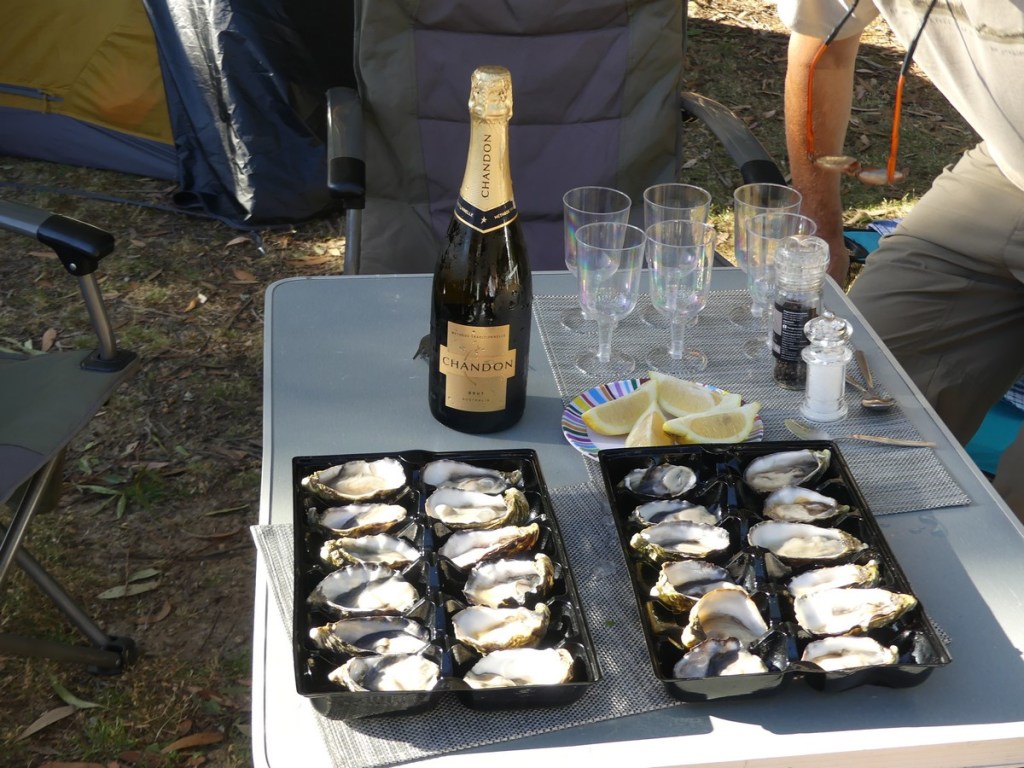
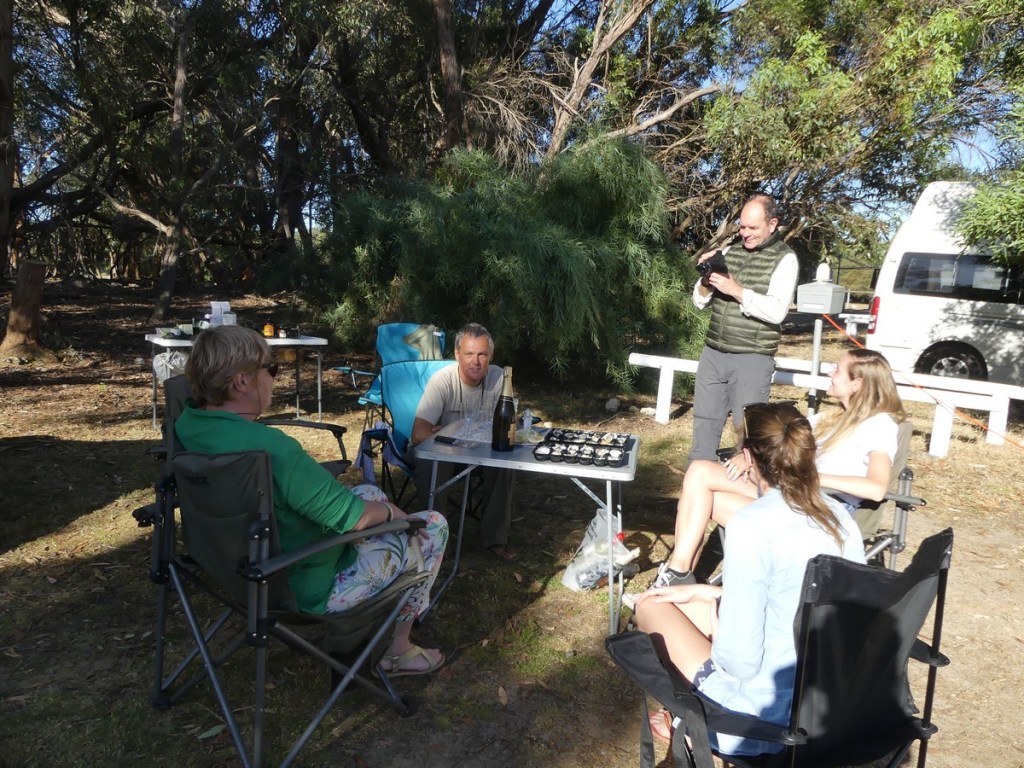
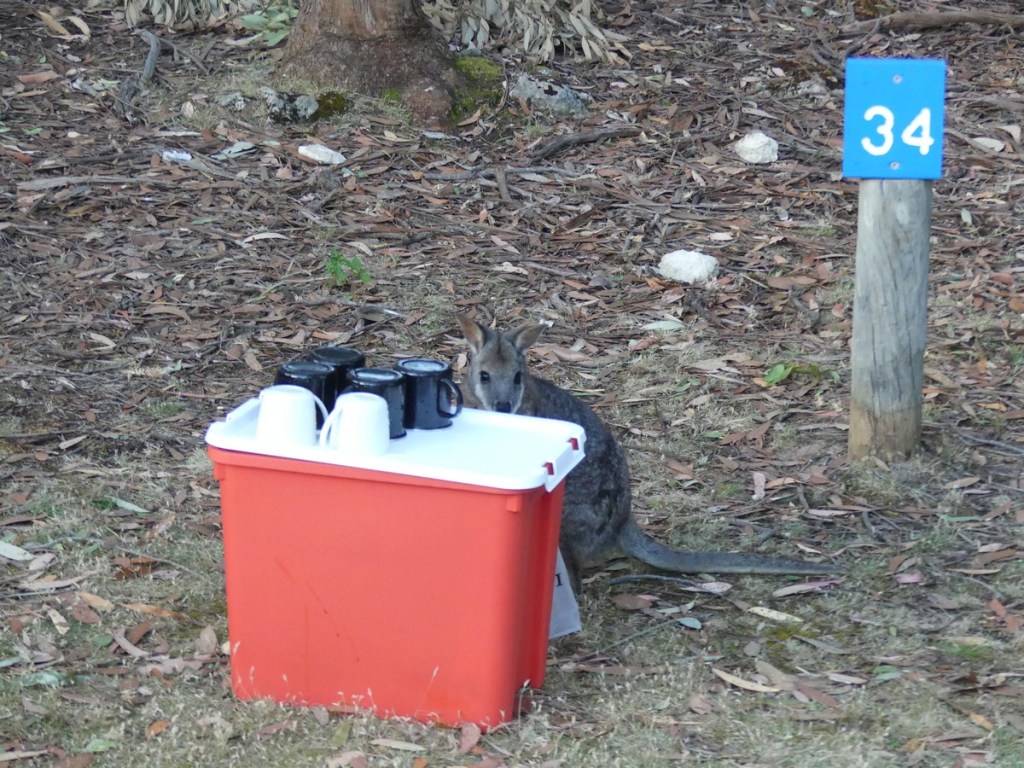
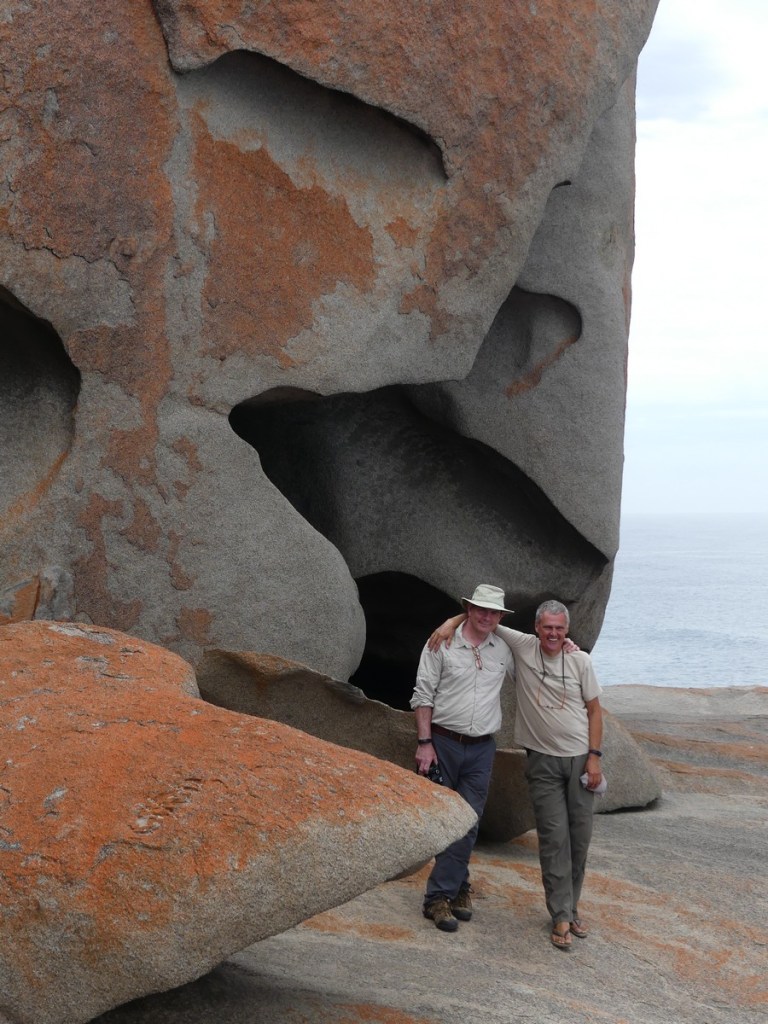
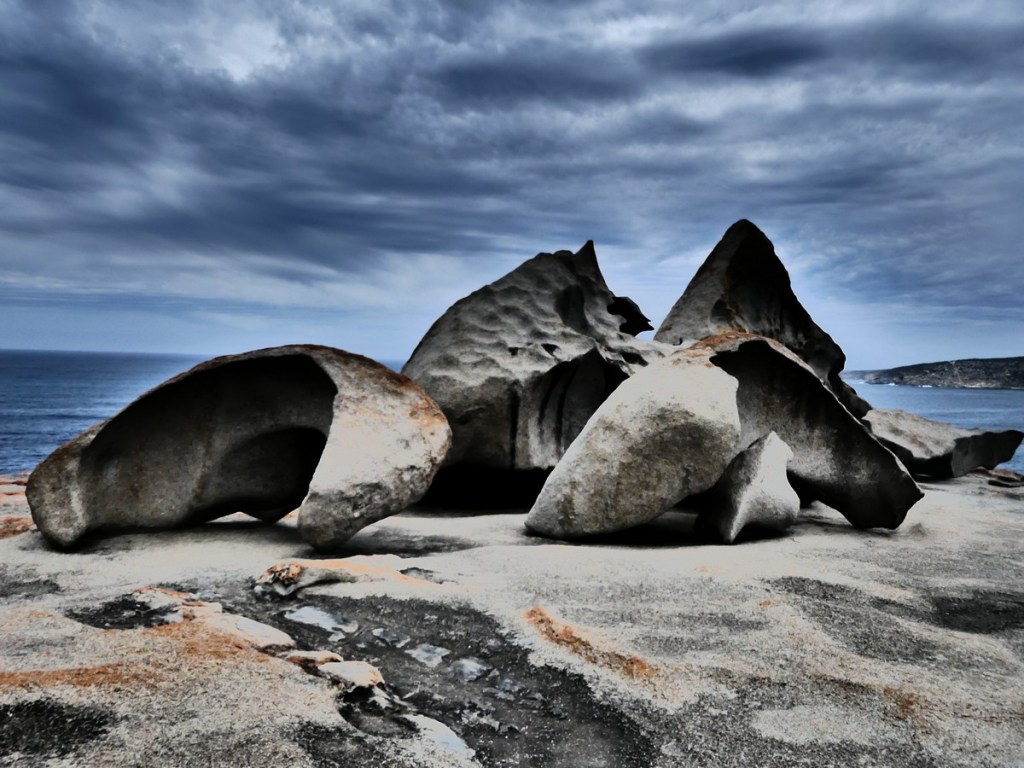
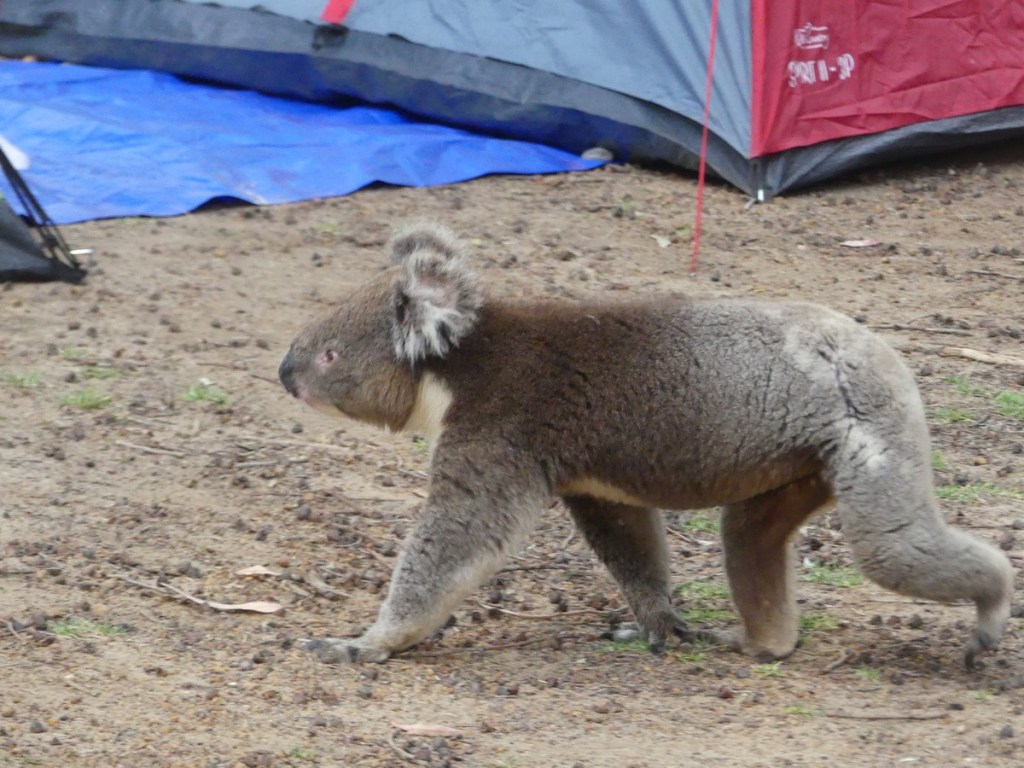
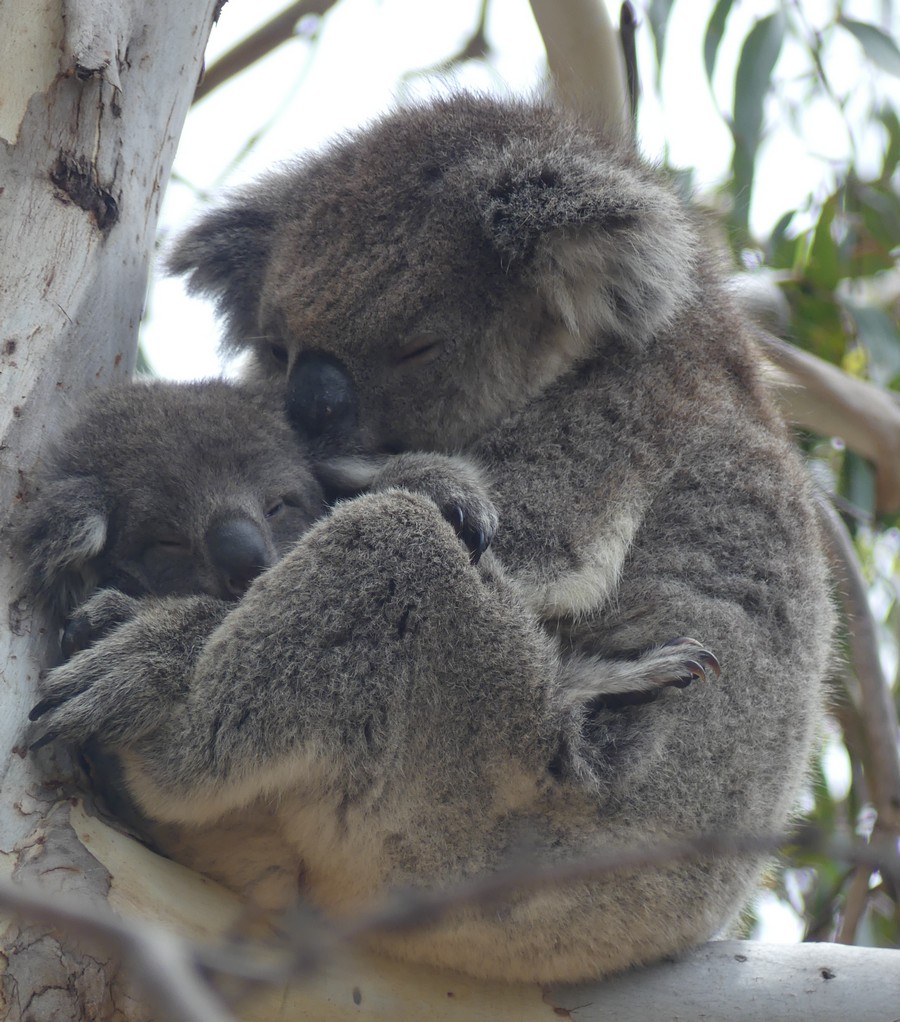
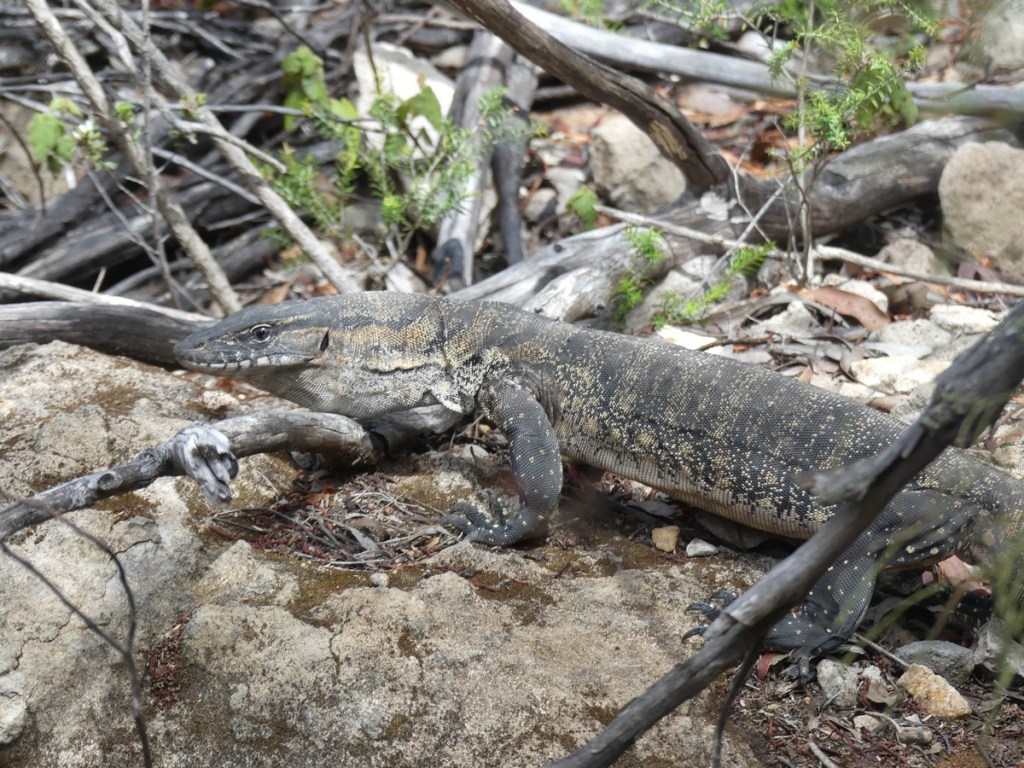
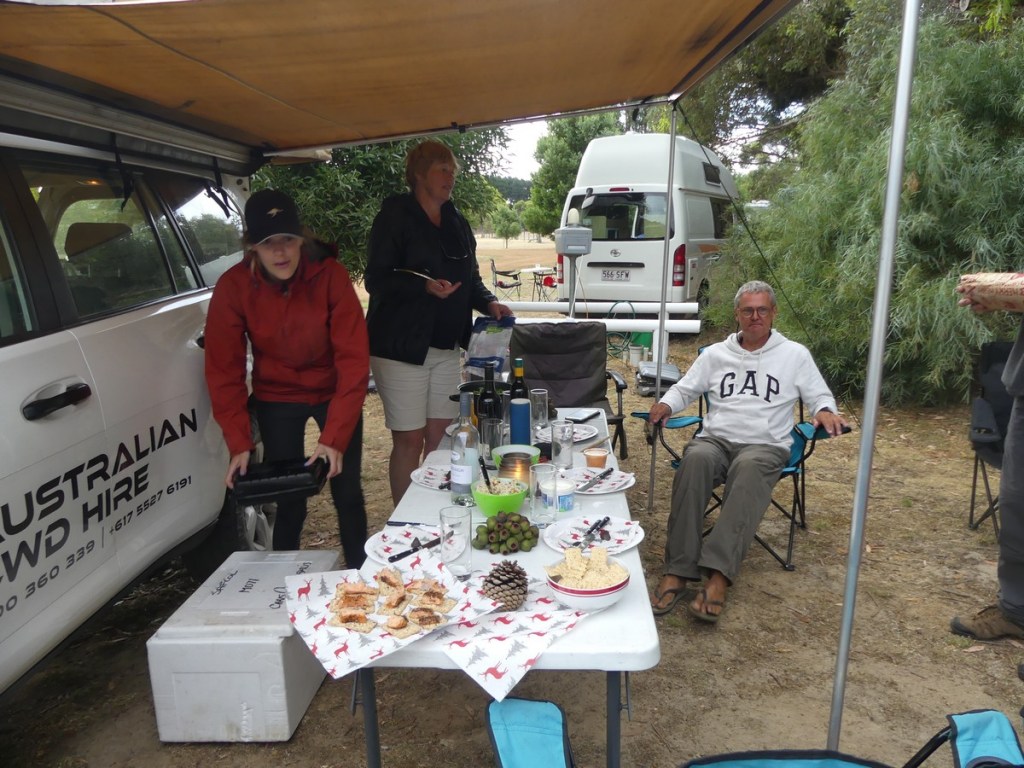
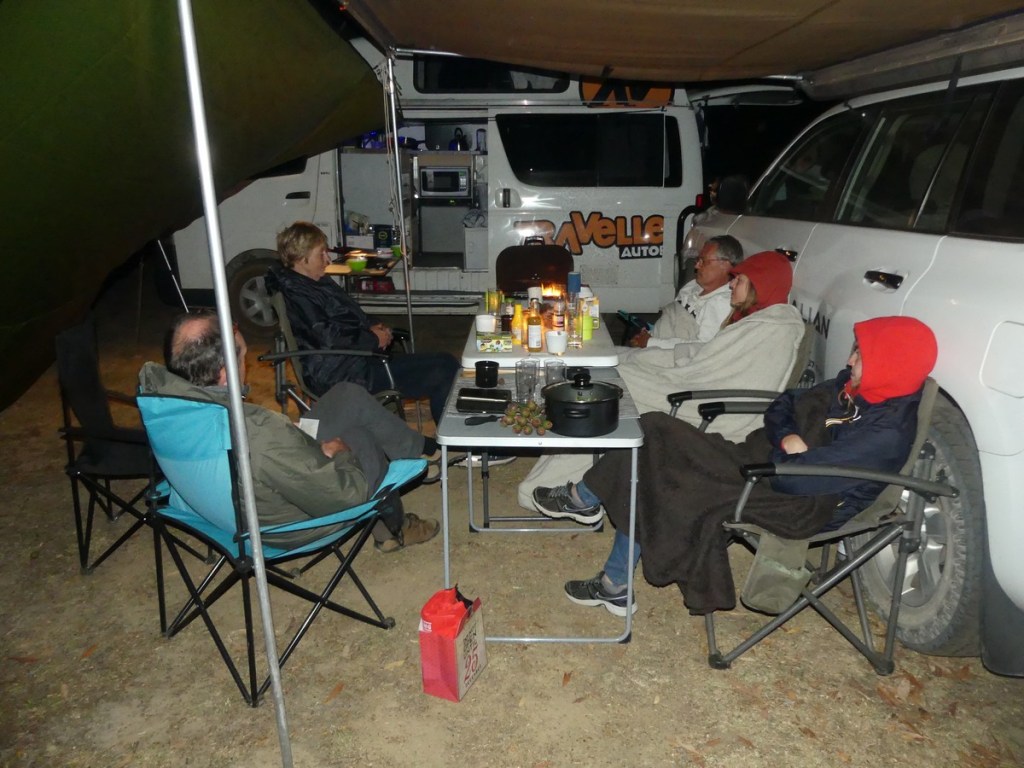
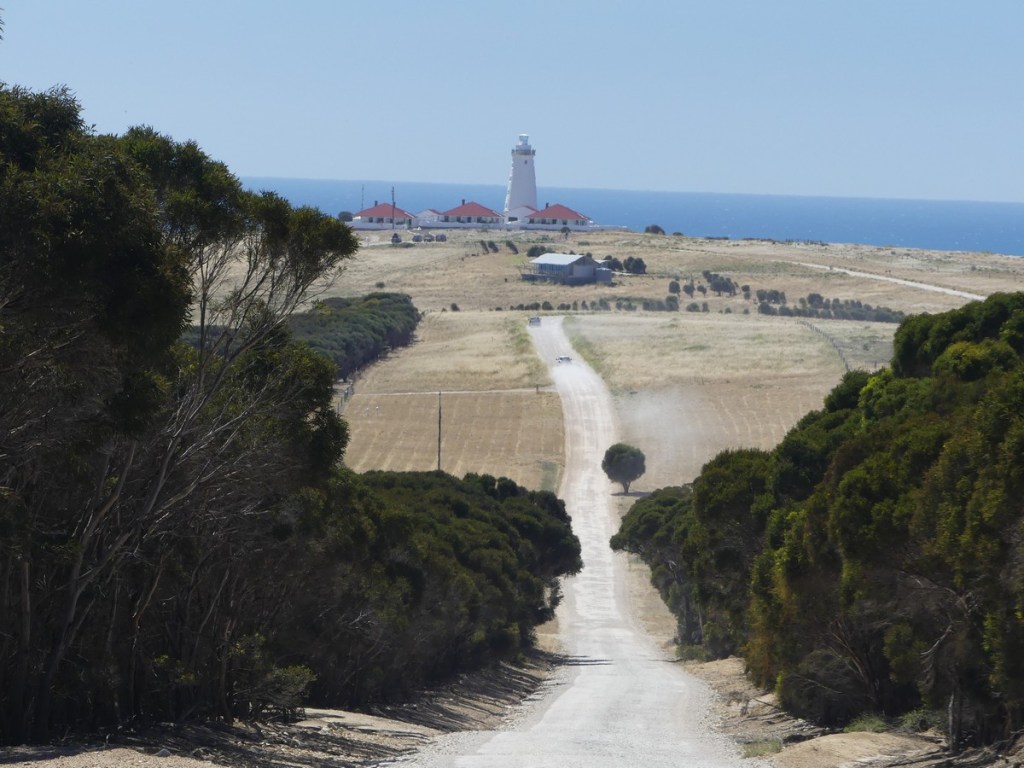
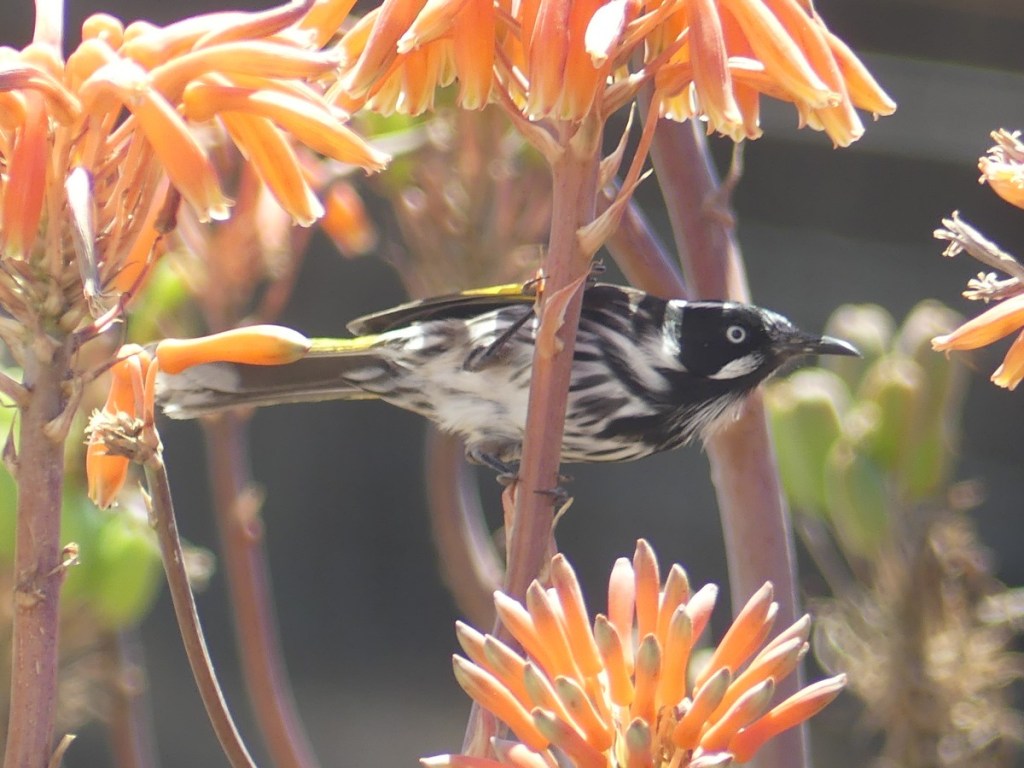
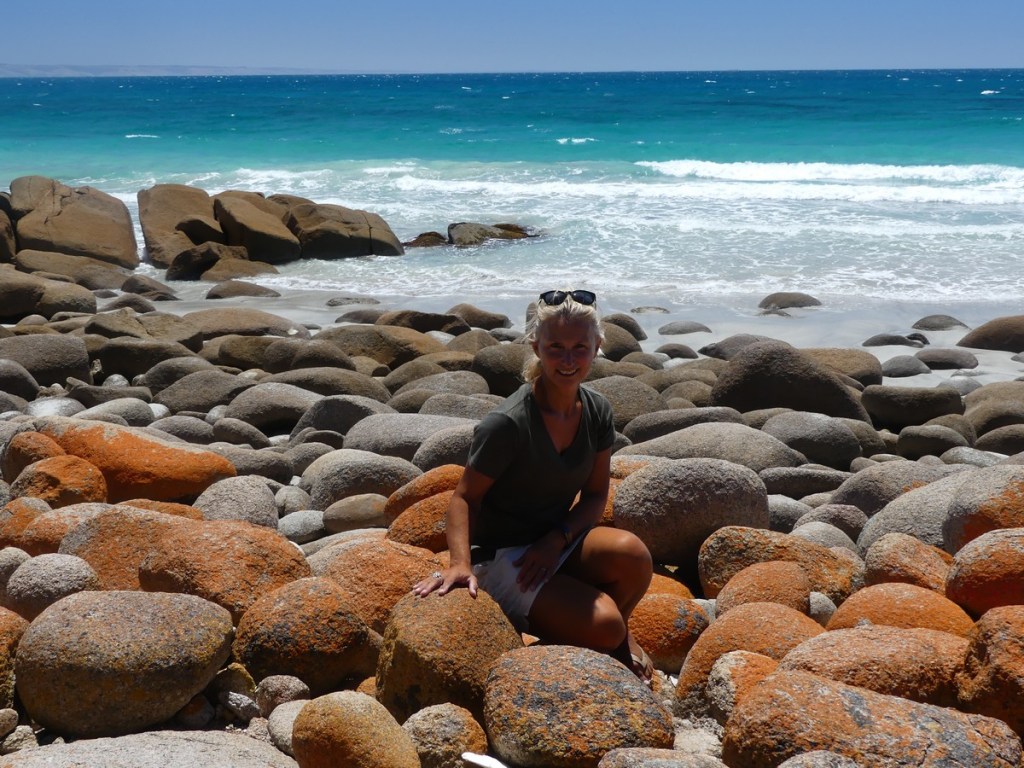
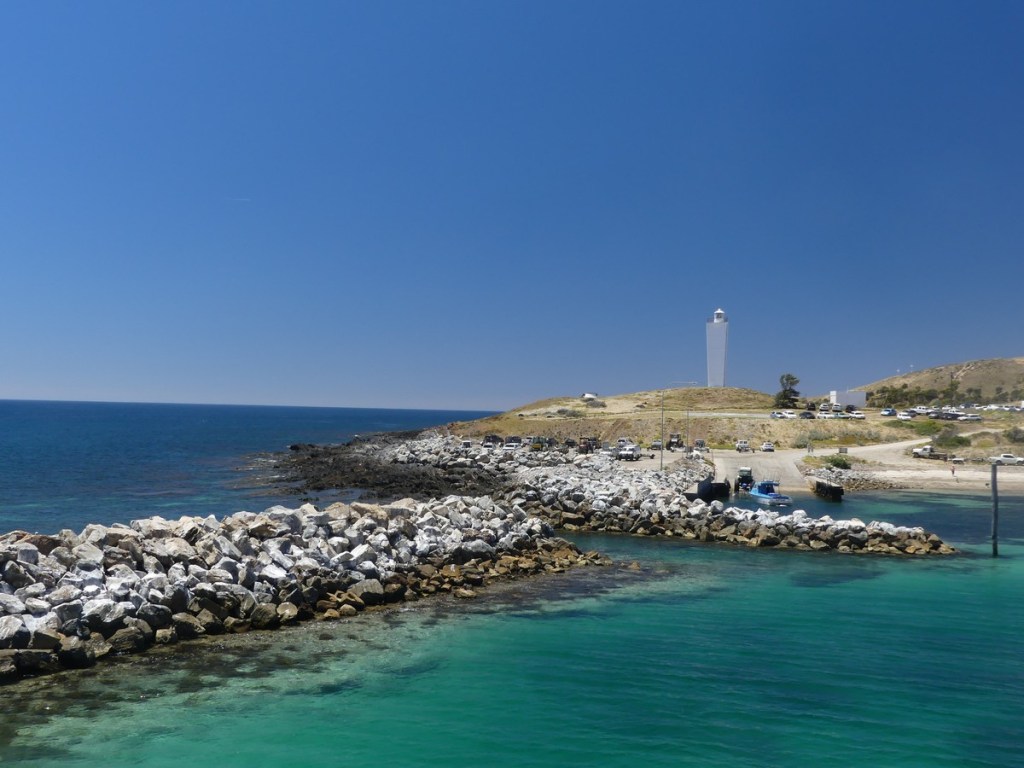
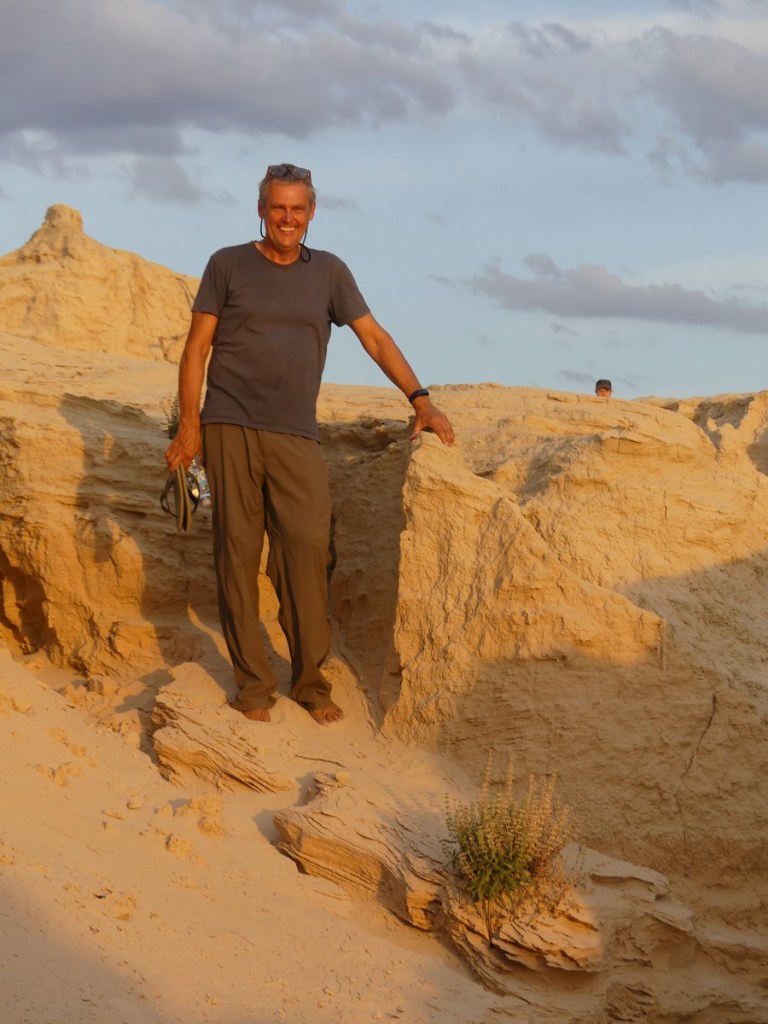
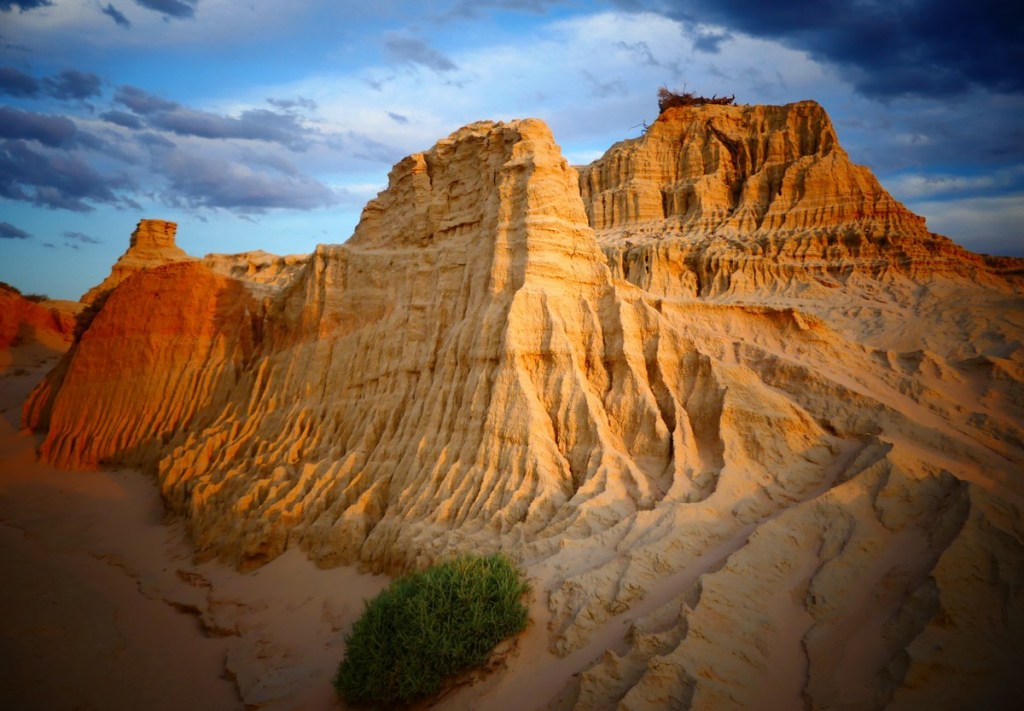
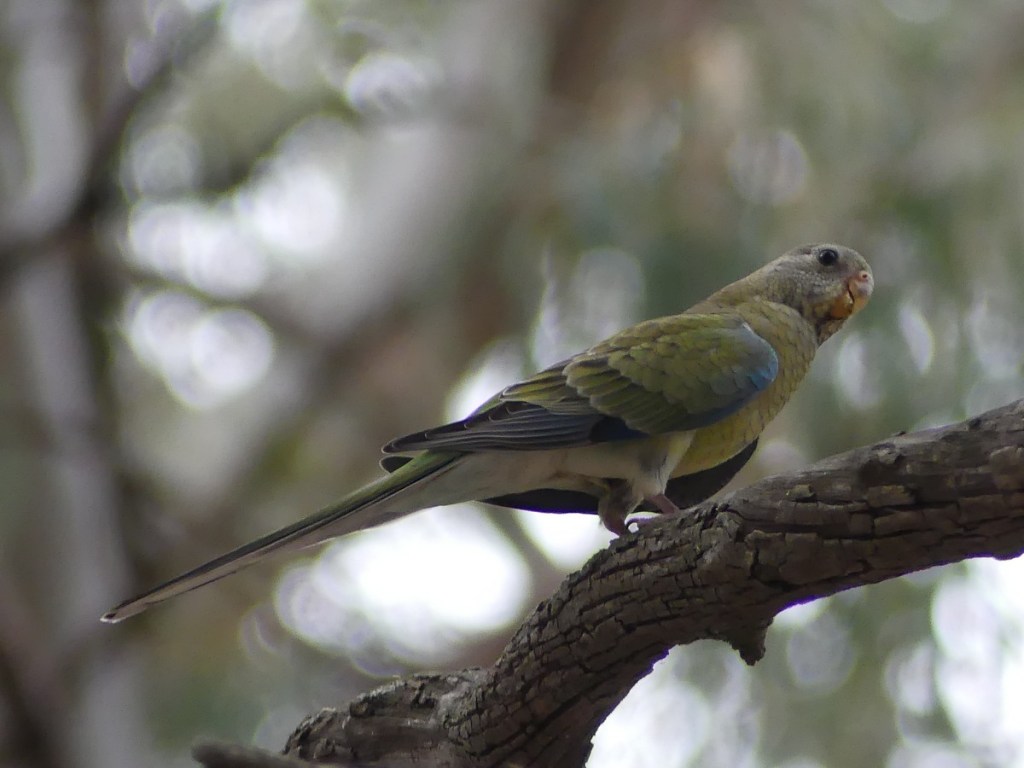
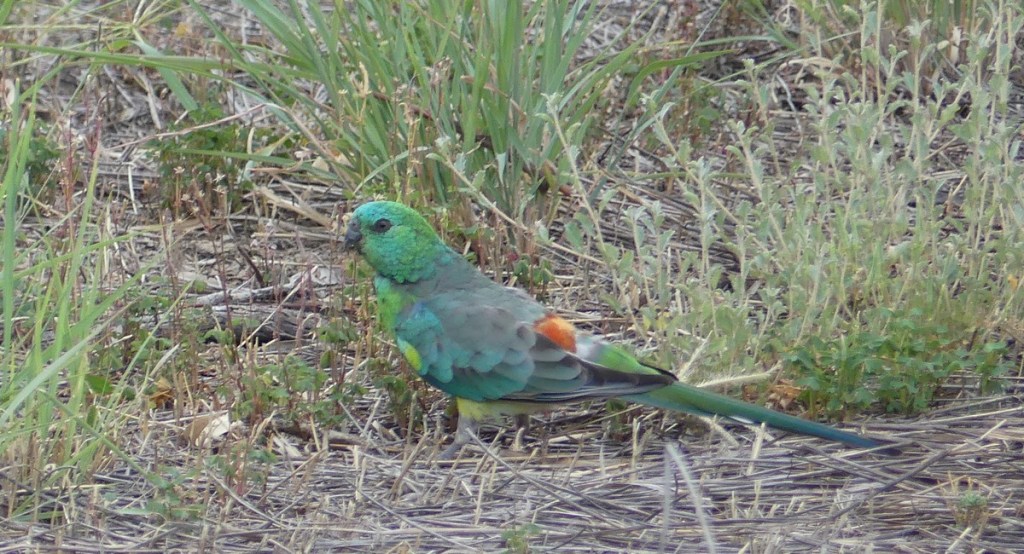
View of the coast along the Fleurieu Peninsula taken from the Tapanappa lookout at Deep Creek Conservation Park.On our walk of the Heysen trail we finally saw a short beaked echidna. The echidna has a long snout and special tongue to catch insets really quickly. It is one of only two (the platypus is the other one) egg laying mammals. They lay one egg a year and the young stay 7 weeks in it’s pouch and till 6 months in the burrow of the mother. After 6 months they are on their own.The male is only around for the mating. Figures.The beautiful Austral gras or Xanthorrhoea is endemic to Australia.Stefan on our walk on the Heysen Trail.One of the roads in Deep Creek conservation park.Our first view after our arrival on Kangaroo Island. Kangaroo island is the 3rd largest island of Australia.KIngscotte, Kangaroo Island, where the pelicans are waiting to be fed.The Australian Pelican is a medium size pelican but their pink bill is enormous and the longest of any living bird. It mainly eats fish.A quick walk on Kangaroo Island in the Kelly Hill Conservation Park before meeting with Katie, Karel and the girls.Meeting with friends is like a celebration. We got some local oysters and Australian bubbles to celebrate. It was wonderful to meet again in a special place.Relaxing and enjoying the latest news from Belgium.Somebody else wanted to join in the fun, a curious Tammar wallaby.Stefan and Karel at Remarkable Rocks.It took 500 million years for rain, wind, and pounding waves to create these granite boulders which are now part of the Flinders Chase National Park.A koala on the move in the campground. They become active around dusk but it is still rare to see them walk around as they sleep about 20 hours in a day. Needless to say this one got a lot of attention.Stefan and Karel enjoying time together.A koala with her baby, it took some time to find them and we took too many pictures :-)). The koala baby stays in the pouch the first 6 to 7 months. The young koala are called “joeys” and are fully weaned when they are about one year old.The Rosenberg goanna, a monitor lizard. It is the only goanna specie living on Kangaroo Island. They were once common in South Australia but their numbers have declined drastically and therefore they are listed as vulnerable. They can live 30 years. I almost stepped on this one during one of our walks.Getting ready for Christmas Eve.Christmas Eve on Kangaroo Island, chilly but cozy together.On our way to Cape Willoughby Lighthouse, the first to be built in South Australia (1852).The New Holland honeyeater rarely sits still but somehow I did manage to get his picture. They mostly feed on nectar but also eat fruits and insects.Cape Willoughby with the beautifull orange colour of the lichen.Back on the main land, the Cape Jervis Lighthouse.We had 4 days to cover the 1400km to arrive in Sydney on time for the New Year’s Eve celebrations. We made a quick visit to Mungo National Park to see “the Walls of China” at sunset. Mungo is part of UNESCO world heritage.Mungo National Park is important for the archaeological remains discovered in the park. The remains of Mungo Man, the oldest human remains discovered in Australia, and Mungo Lady, the oldest known human to have been ritually cremated. Mungo man, whose remains were discovered in 1974, is believed to have lived between 40,000 and 68,000 years ago during the Pleiostene period. They were buried on the shore of Lake Mungo, beneath the ‘Walls of China’.The female red-rumped parrot.The male red-rumped parrot. The characteristic red rump is only found on the male. There are roughly 375 parrot species in the world and 56 species can be found in Australia.We made a stop in Hay, about midway between Adelaide and Sydney and visited the Shear Outback museum. Sheep shearing is still an important activity in rural Australia. We saw how a big merino sheep was sheared.
At the start of the wool industry in the early 19th century, sheep were shorn with blade shears, similar to garden clippers. The first authenticated daily tally (amount of sheep shorn in a single day) was 30 sheep in 1835. By 1892, this had increased to 321. This record was broken in 1950 using machine shears. Today, a professional shearer, also called “gun”shearer, can shear a sheep in less than 2 minutes. The record stands at 37.9 seconds. In 2015 shearers could earn about 280 AUD per 100 sheep. An experienced shearer can shear about 400 sheep a day. The world record for the most number of sheep shorn in a day stands at 731, held by a shearer from New Zealand.
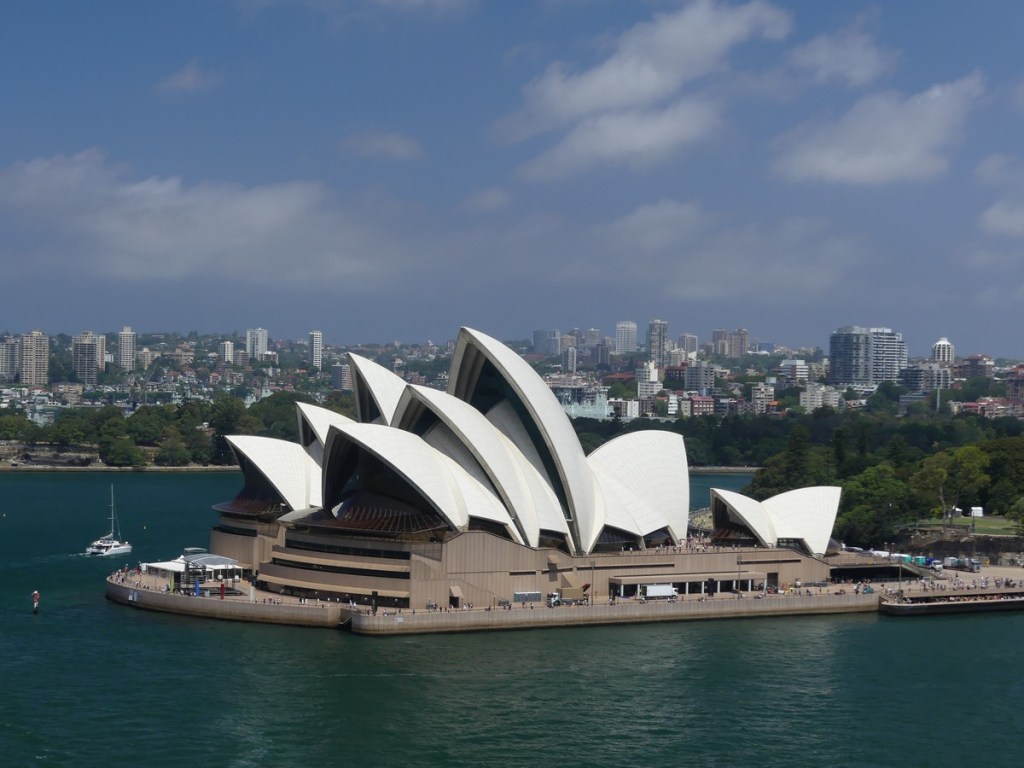
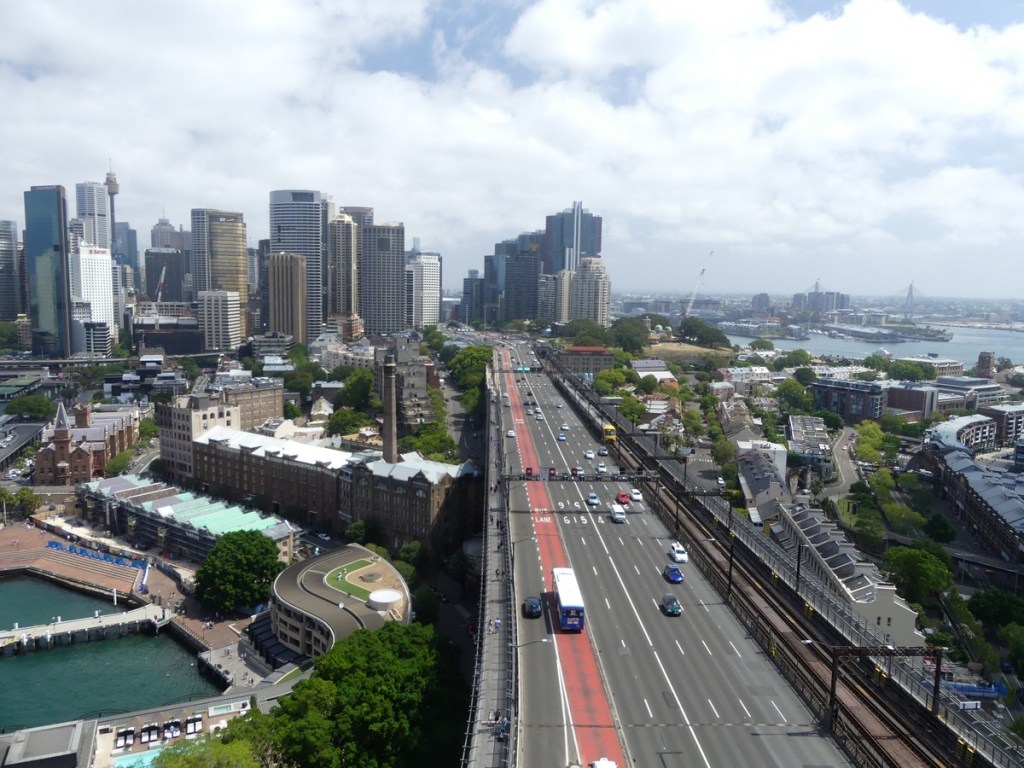
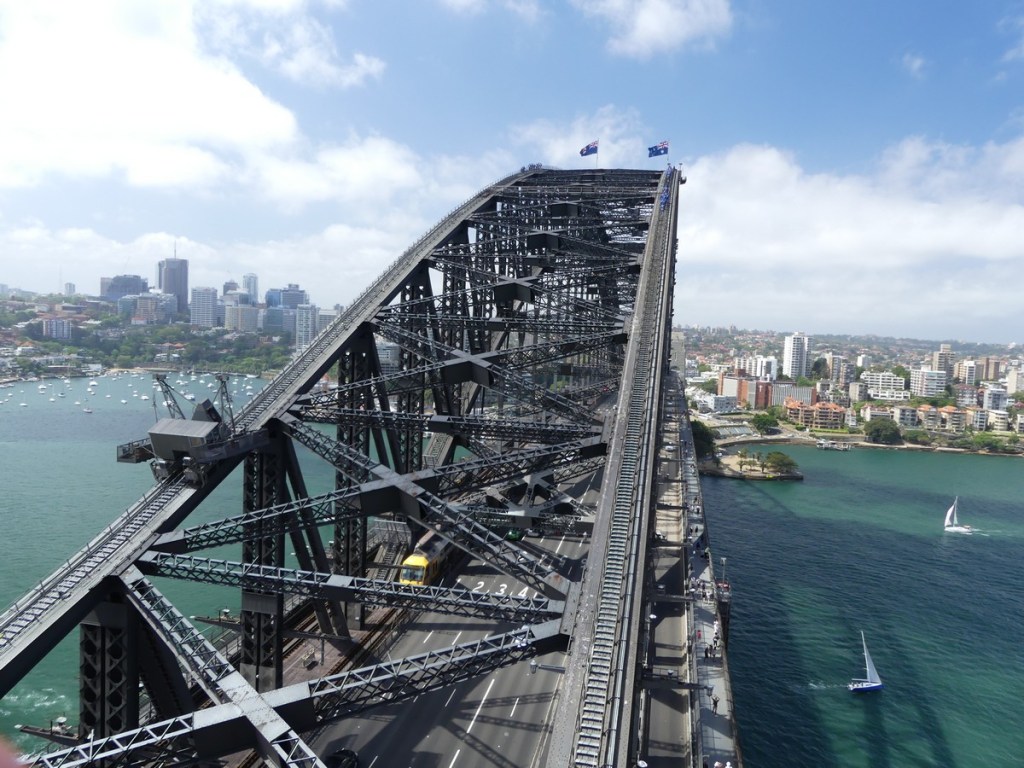
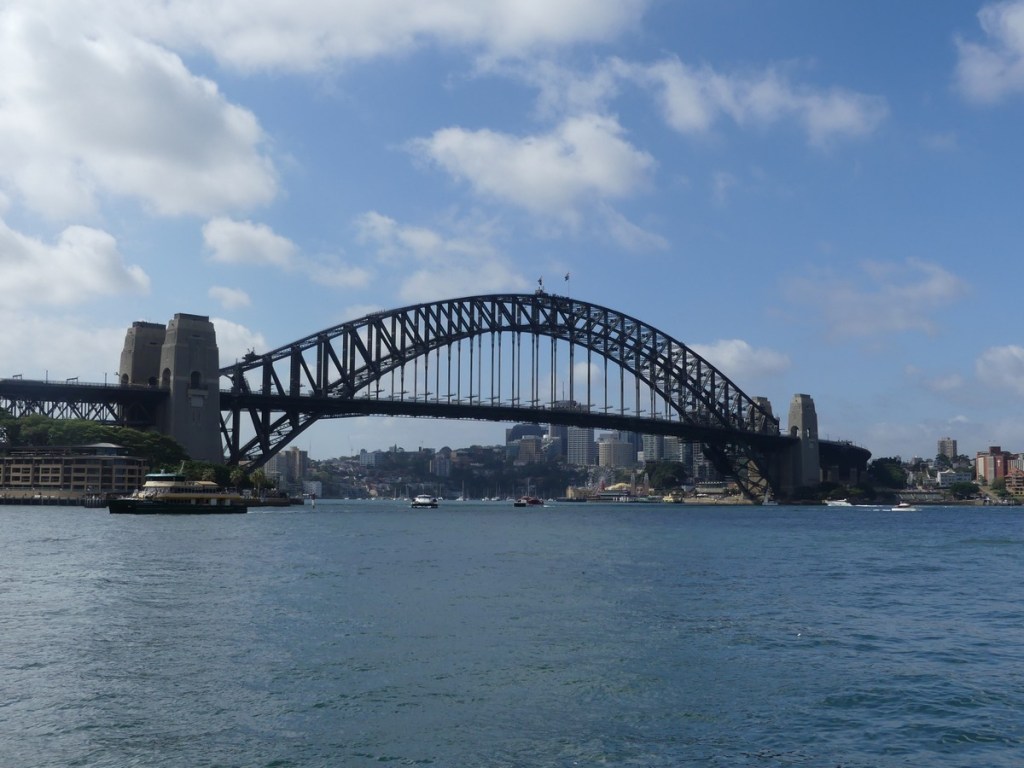
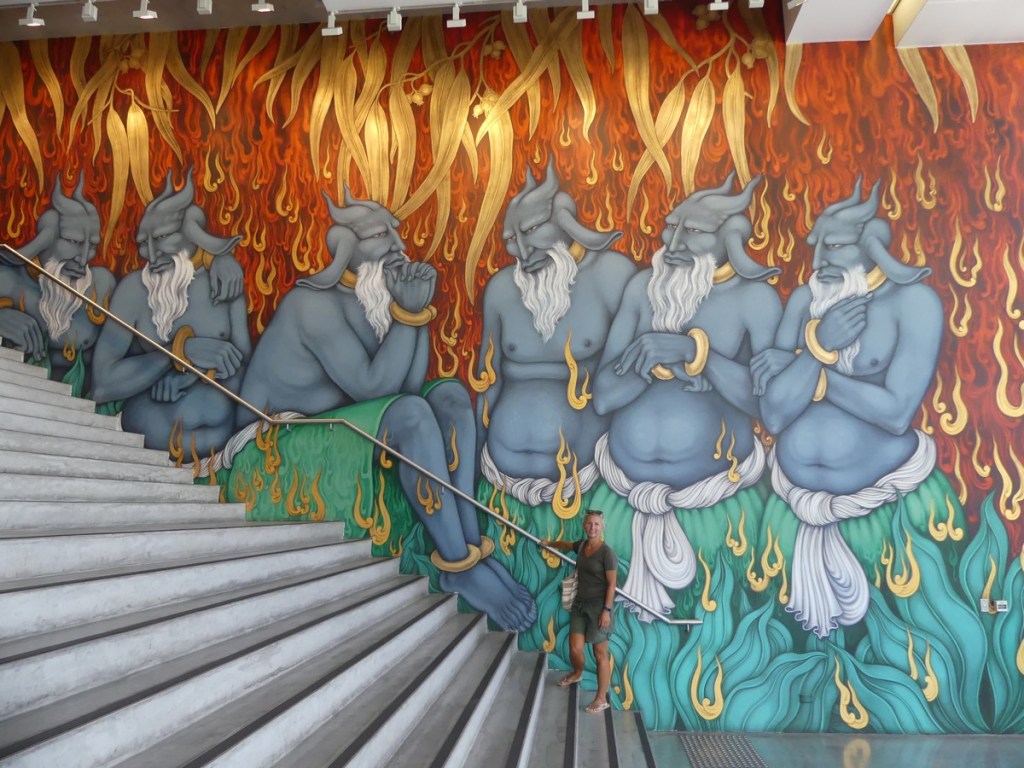
A first glimpse of the Blue Mountains. We will return after our visit to Sydney.Celebrating New Year’s Eve at Kerry’s apartment with view of Harbour Bridge. We were sooooo lucky to be in good company for a special evening.The first minutes of 2018 ! We will never forget these New Year celebrations.On Christmas day we walked Harbour Bridge and visited the famous Opera House. It is one of the most popular visitor attractions in Australia, more than eight million people visit the site annually. On 28 June 2007, the Sydney Opera House became a UNESCO world heritage site. Construction began in 1958 and was formally opened in 1973.View from Harbour Bridge towards Sydney.View from one of the pylons of Harbour Bridge. Construction started in 1923 and in 1932 the bridge was opened.The nickname of the bridge is “the Coathanger”. The bridge carries rail, car, bicycle and pedestrian traffic.We also made a quick visit to the Museum of Contemporary Art Australia in Sydney.
After being 6 days in Sydney, spoiled by the luxury of a nice apartment in a great location we felt it was time to explore more of the Australian nature and put Skippy back to use. We still had about a month to get to Brisbane. To be continued in my next blog :-).
December 18th 2017, we are at the Victor Harbour library while it is warm (30Celsius) and rainy outside. Great to update our blog and post some pictures. In the mean time the Victor Harbour City Band arrived and is playing Christmas songs. (see our Christmas Greetings).
We arrived in Melbourne on November 27, 2017 after a 5 hour flight from Noumea. No time difference, no jet lag! We picked up our camper van near the airport, did some food shopping and were off to our first campground just outside Melbourne.
“Skippy” ready to go 🙂
We spent 3 days in Melbourne before travelling to the Great Ocean Road, in the direction of Adelaide. Melbourne is Australia’s second largest city with a population of about 4.5 million people. We found it to be a delightful city. Plenty of nice restaurants, a lot of “green” places and nice museums.
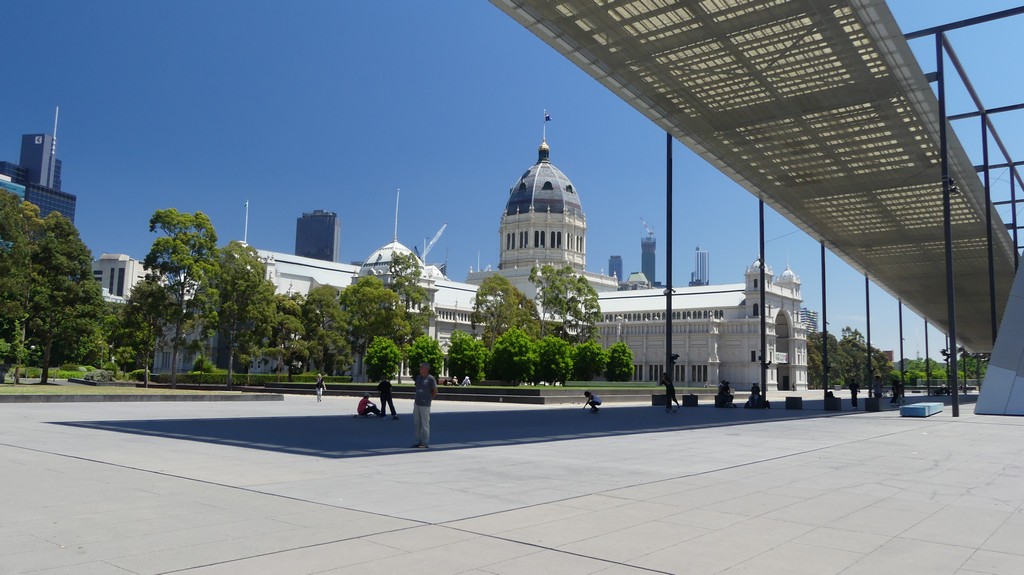
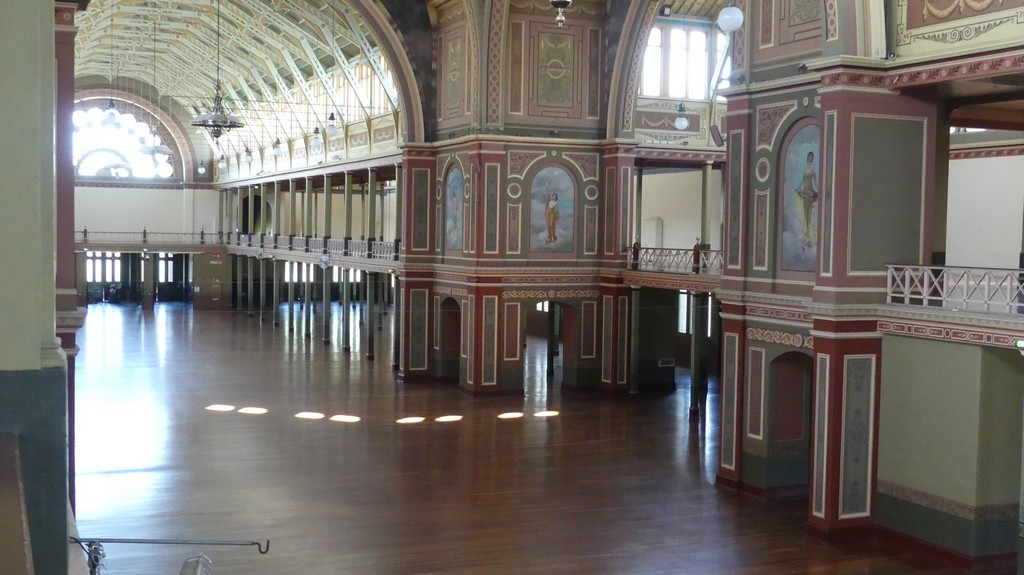
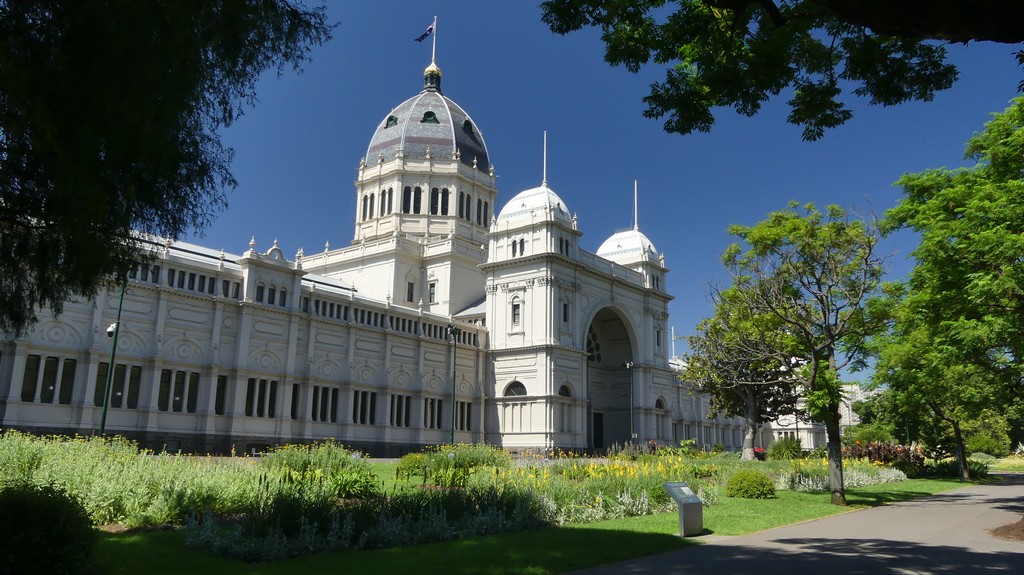
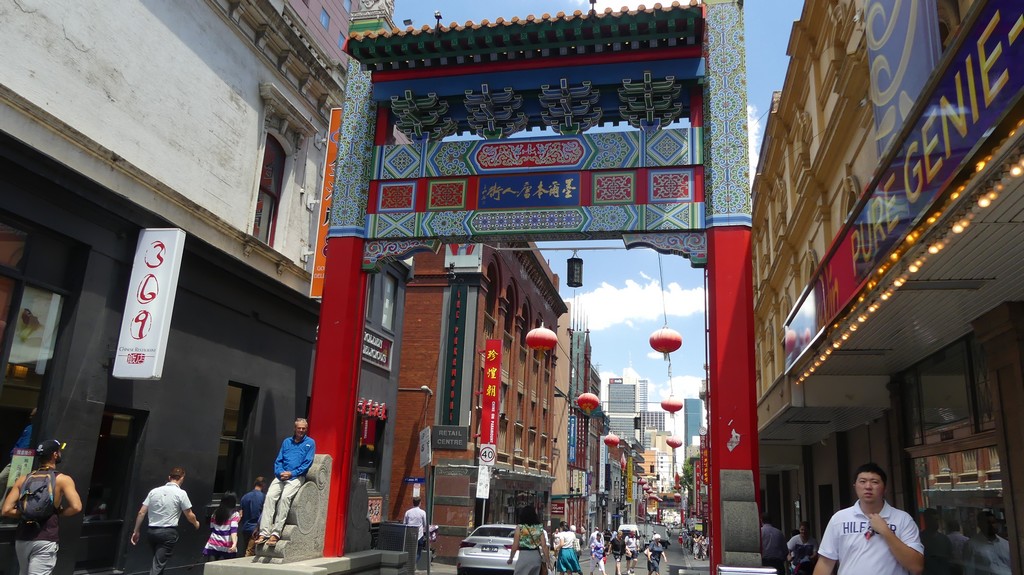
Picture of the Royal Exhibition Building taken from the Melbourne Museum.We were just in time for a tour of the Royal Exhibition Building. It is a Unesco Heritage site since 2004. It was built in 1880 for the International Exhibition and was visited by 1,5 million people. It was also the place where Australia’s first parliament sat in 1901.The building was extensively renovated during the 1990’s and is still used today as a commercial exhibition venue.Melbourne’s Chinatown was established during the Victorian gold rush period in 1851 when lots of Chinese came to Australia in search of gold.We enjoyed a lunch at HuTong dumpling bar.Melbourne CBD (Central Business District) has a good public transportation system
We visited the Ian Potter Centre and the Heide Museum of Modern Art with its sculpture garden.
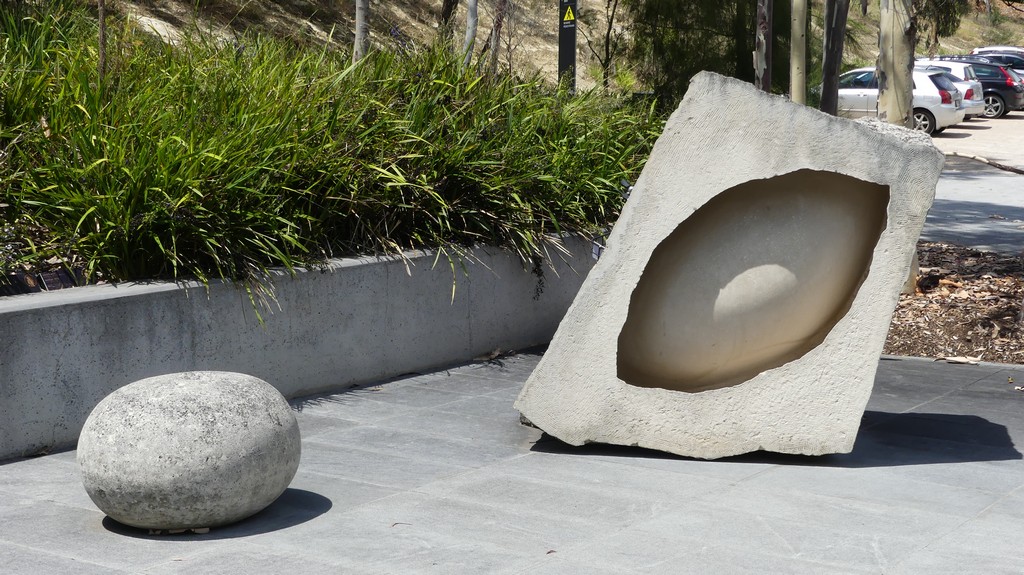
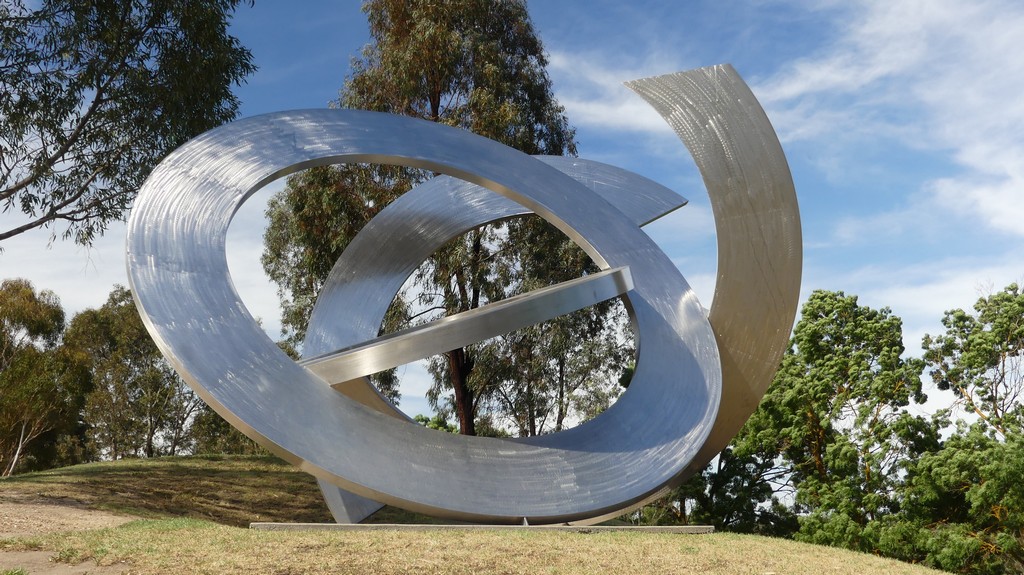
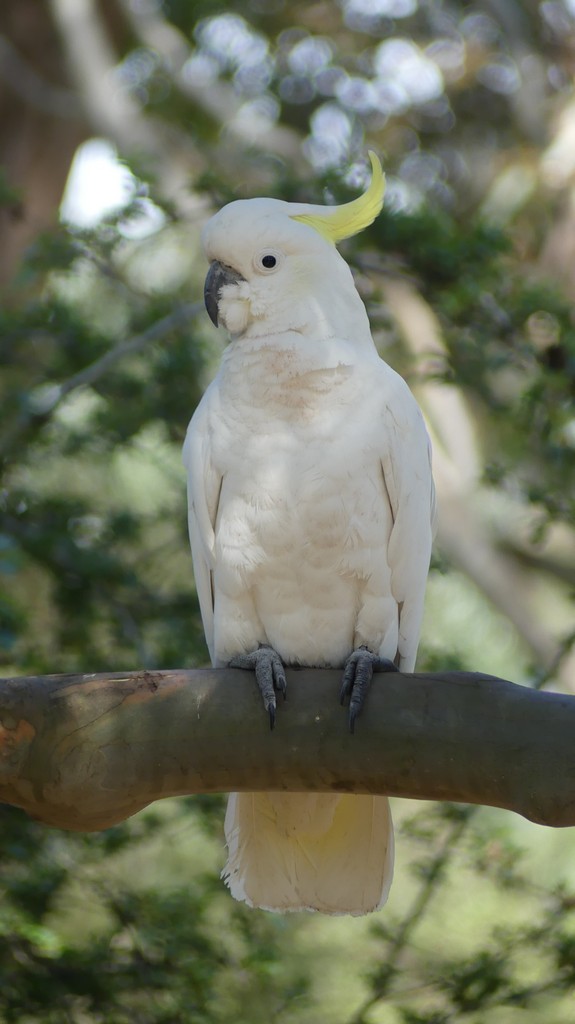
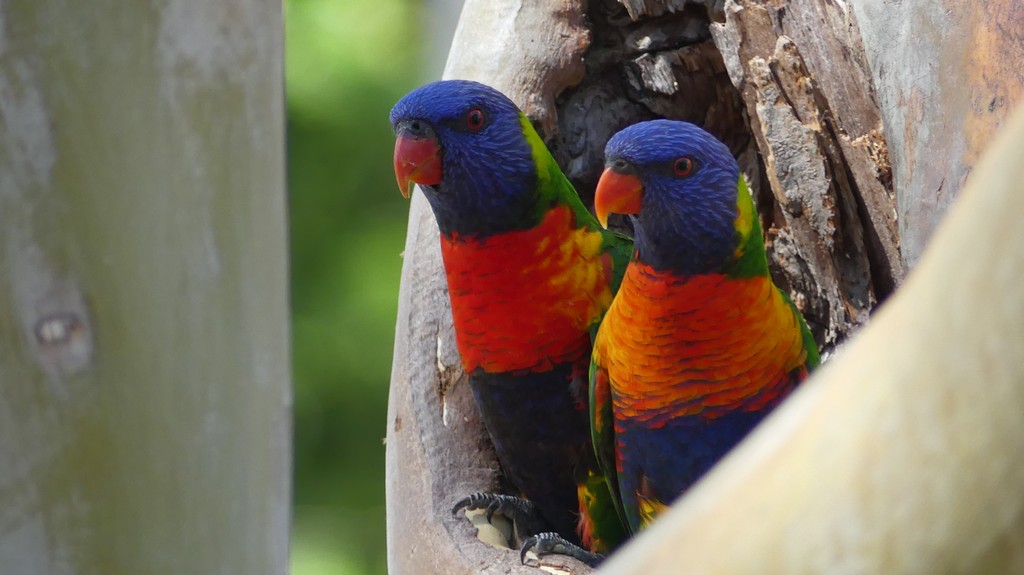
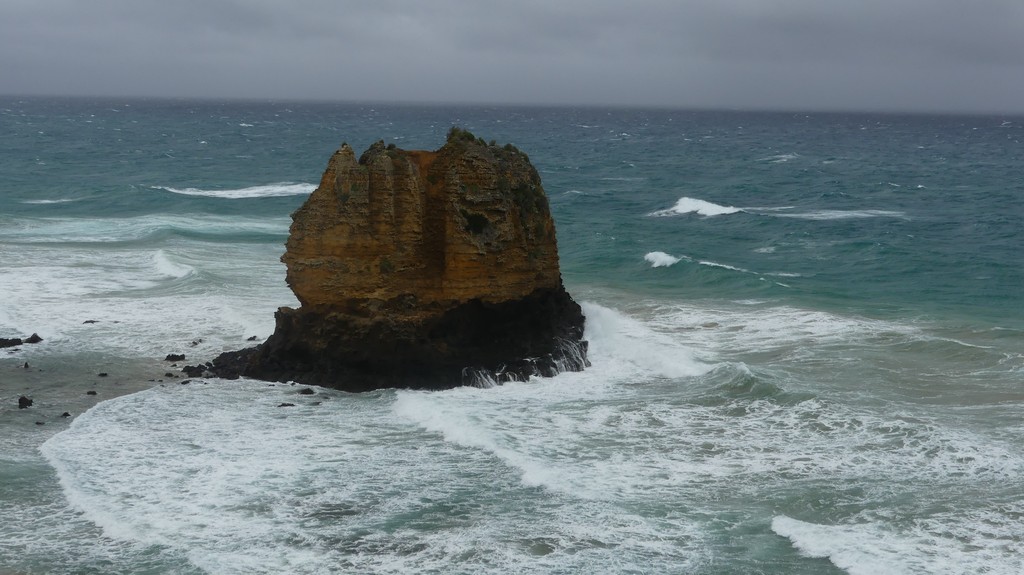
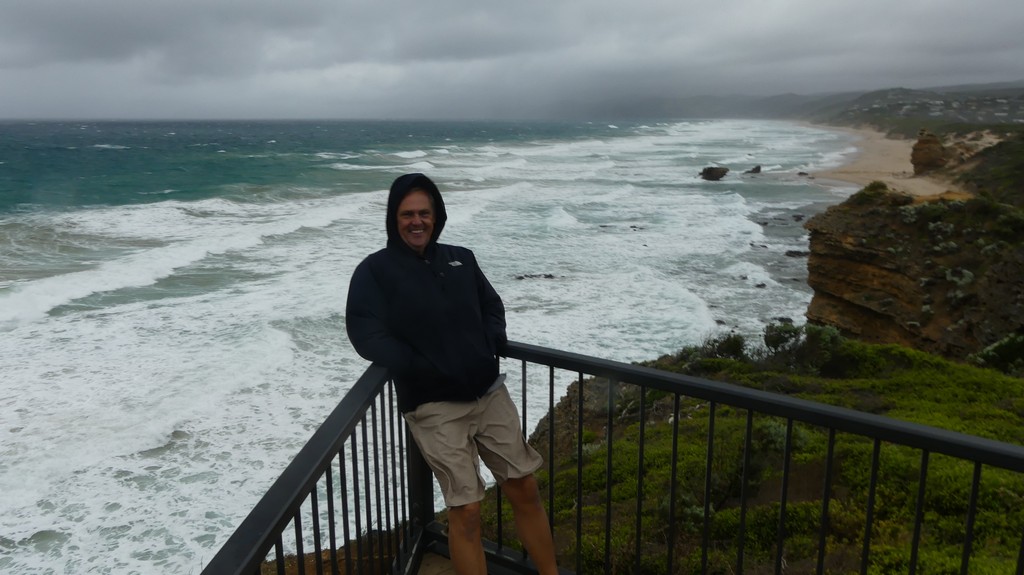
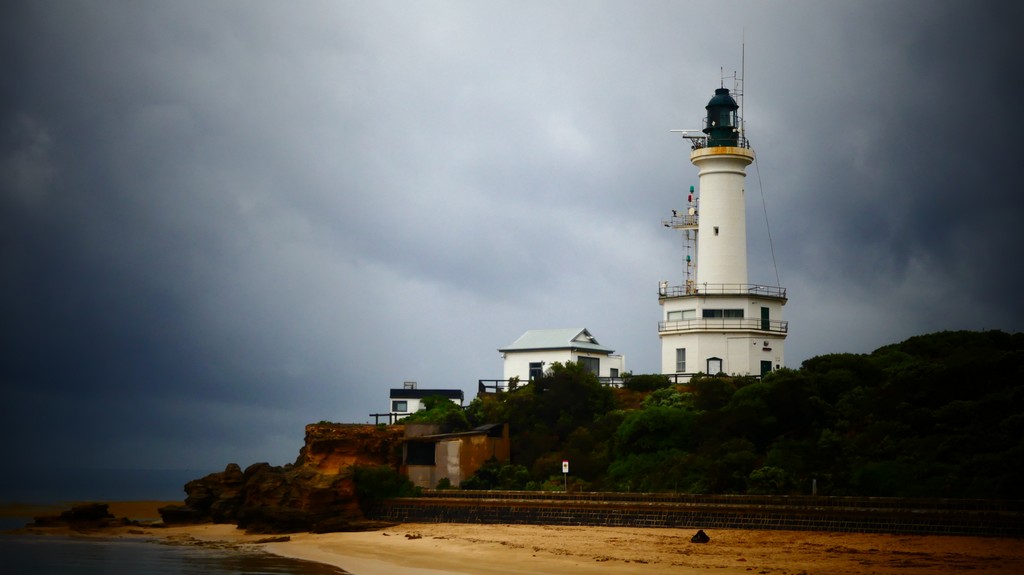
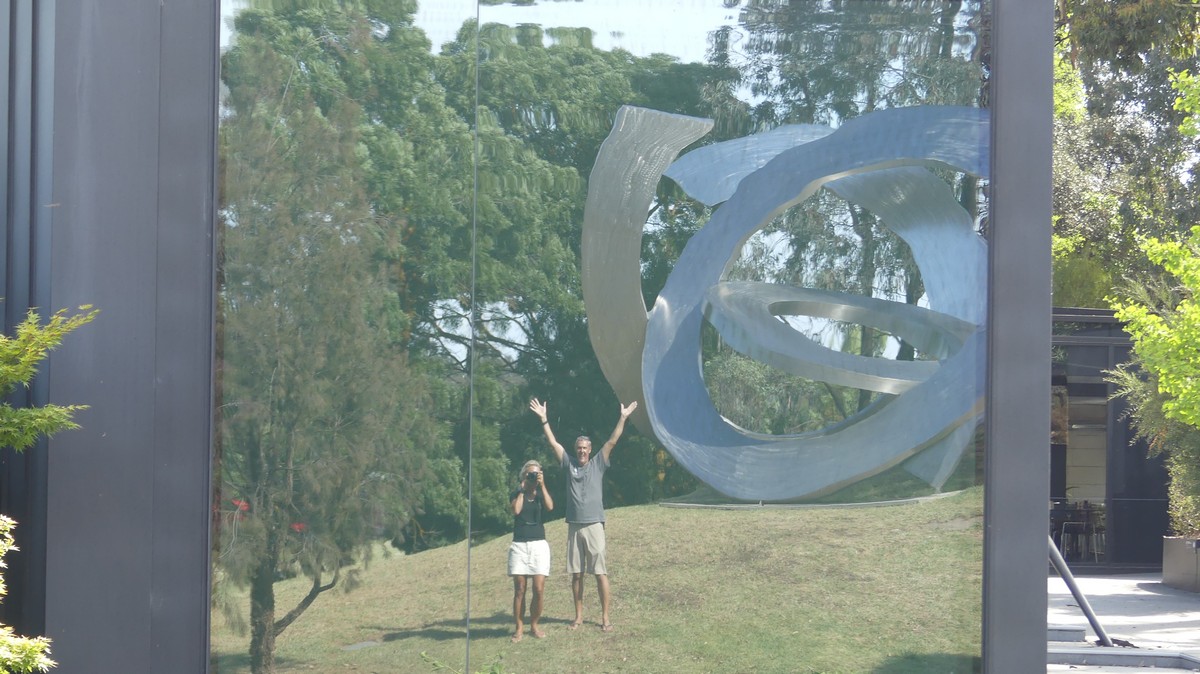
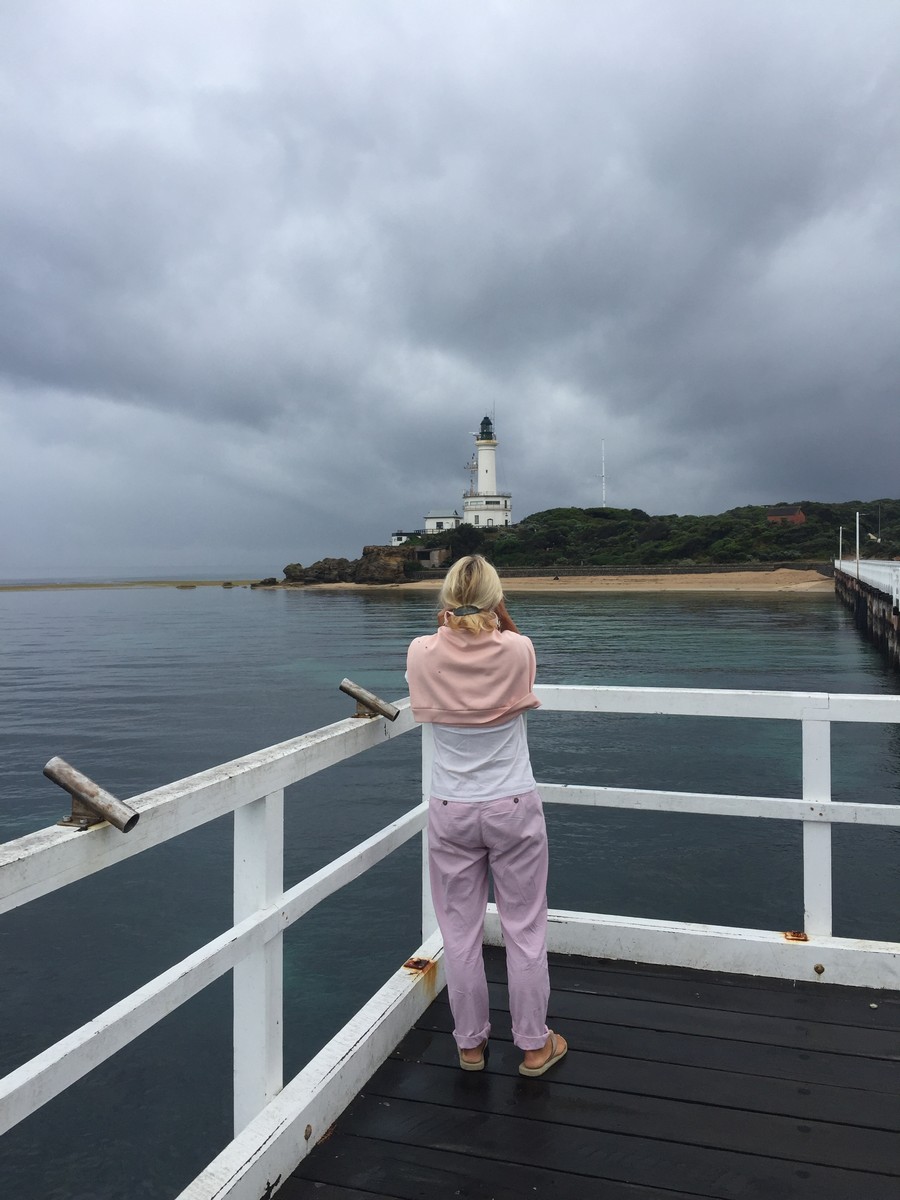
In the Presence of Form II from Anish Kapoor (1993), one of the works in the sculpture garden of Heide Museum.Rings of Saturn, Inge King 2005-6. The Heide museum consists of 3 exhibition buildings built by John and Sunday Reed. It all started with an old dairy farm which they bought in 1934 and which became a gathering place for artists like Sydney Nolan and Albert Tucker, called the Heide Circle.During our walk in the sculpture garden we saw our first sulphur-crested cockatoo. Since then we have seen lots of them in flocks of 30 or more. They are very loud and curious.And we also spotted a pair of Rainbow Lorikeets, It is one of the most commonly observed bird in Australia and I thought for a moment that they were probably escaped parrots not knowing Australia counts so many different parrots.On our way to Great Ocean Road the weather changed from a sunny 32 Celsius to a cold 14 Celsius and rain. A storm warning was in effect for the WE.A good thing we were not at sea, much better to watch the storm from the land.One of the many lighthouses along the Great Ocean Road.
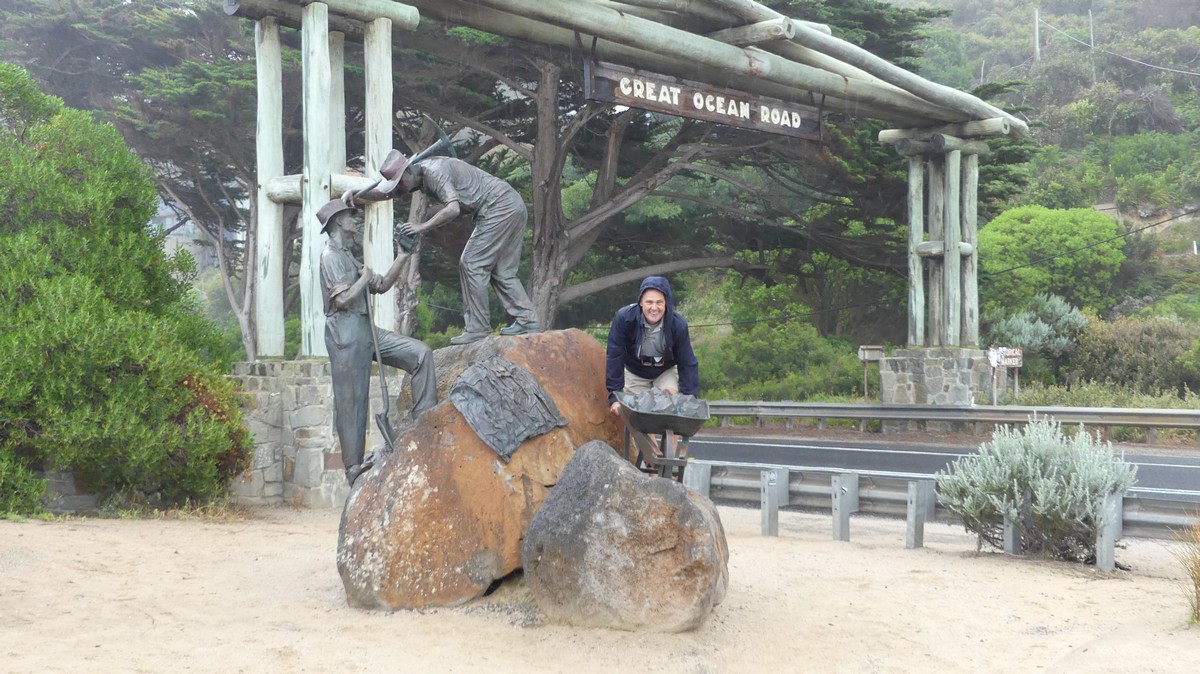
Great Ocean Road was built between 1919 and 1932, right after WWI. The road was to be a Memorial for the soldiers who died in WWI but also a way to employ the returned soldiers. More than 3000 soldiers carved the road with picks and shovels along Australia’s most rugged and densly forested coastline. They were helped by the jobless during the Great Depression.
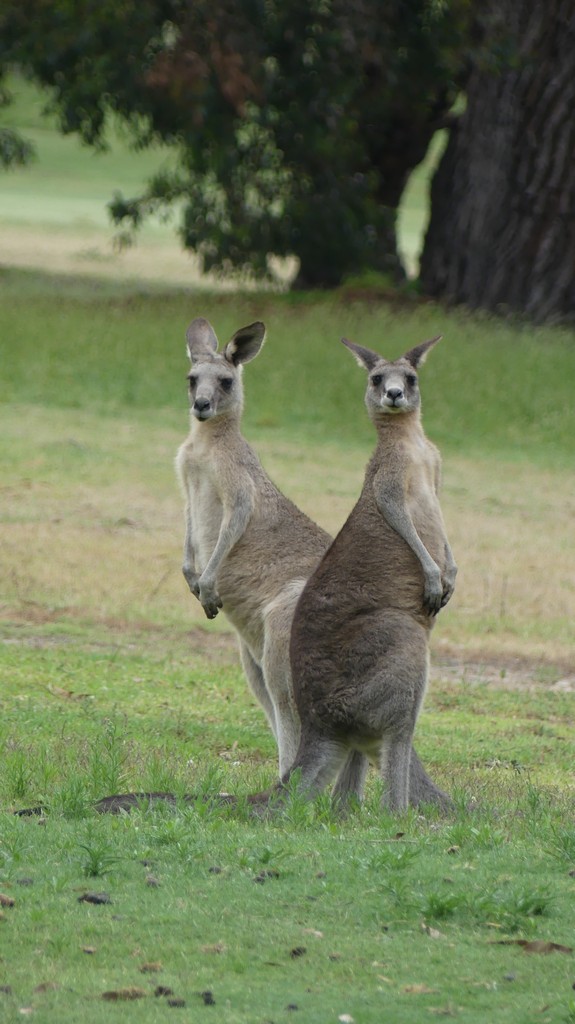
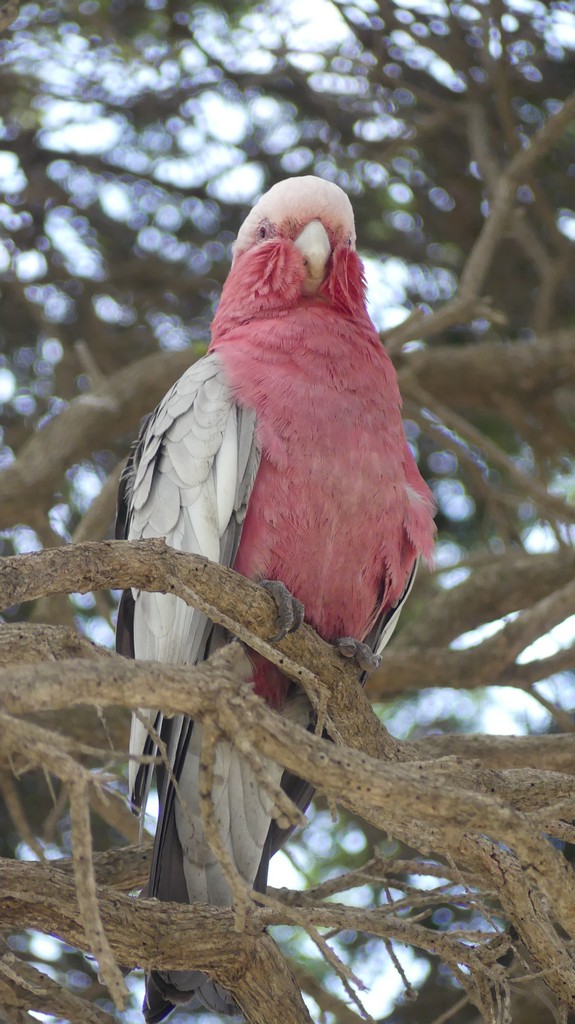
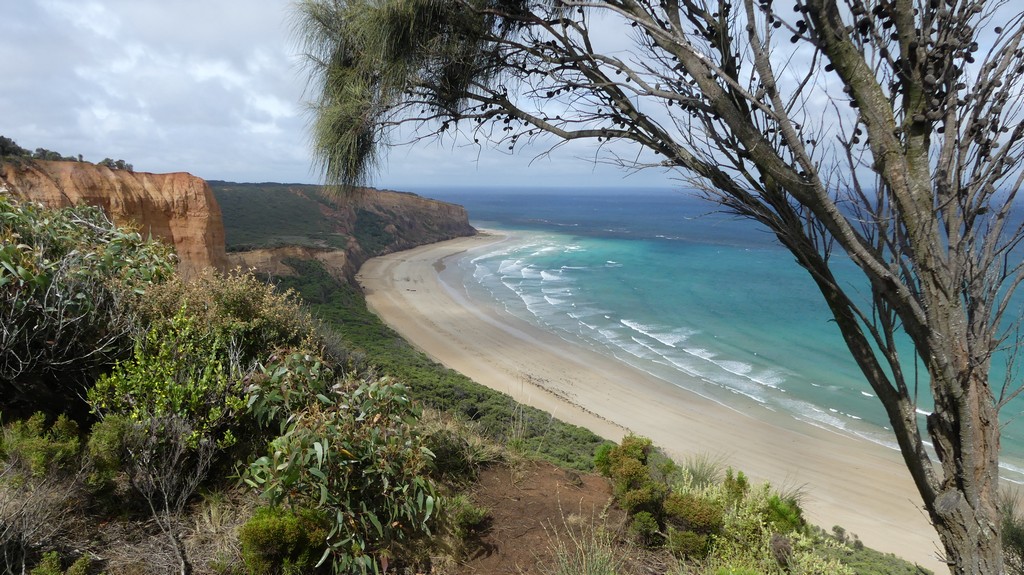
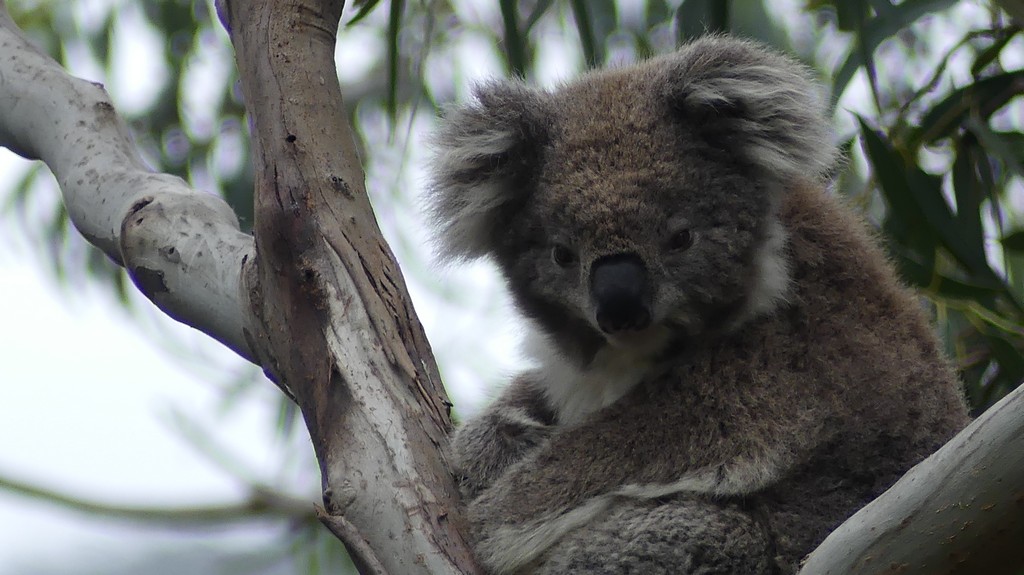
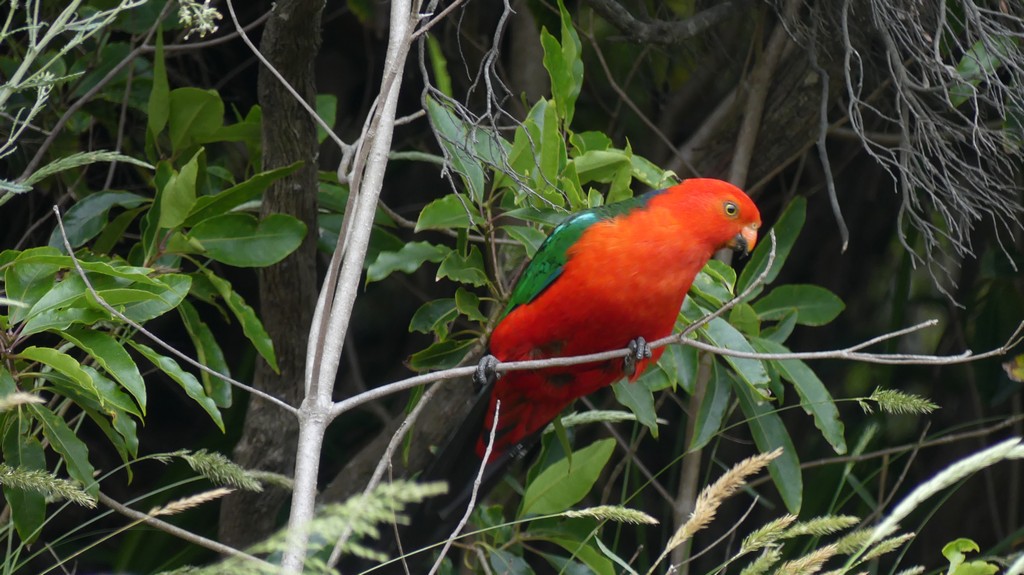
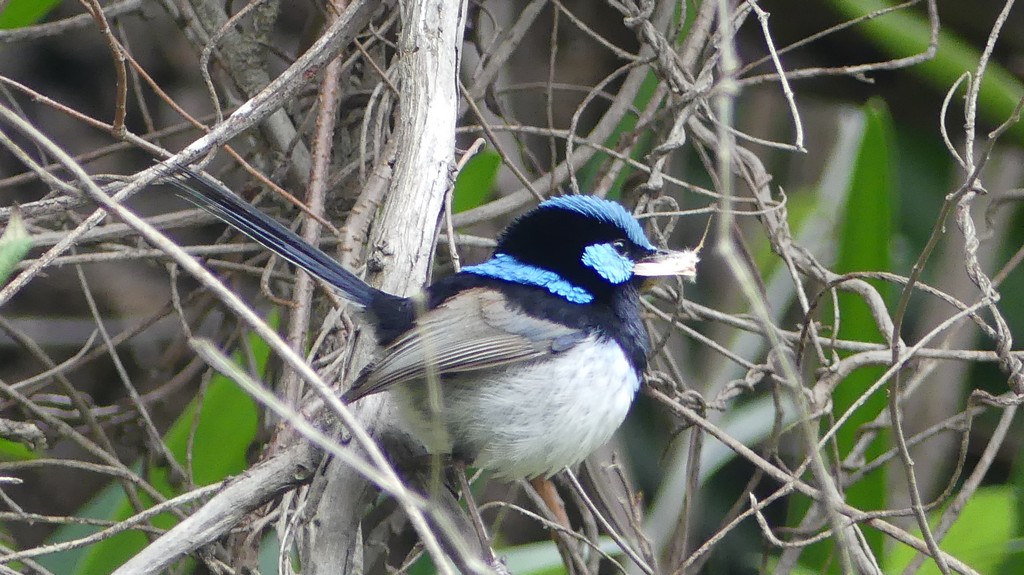
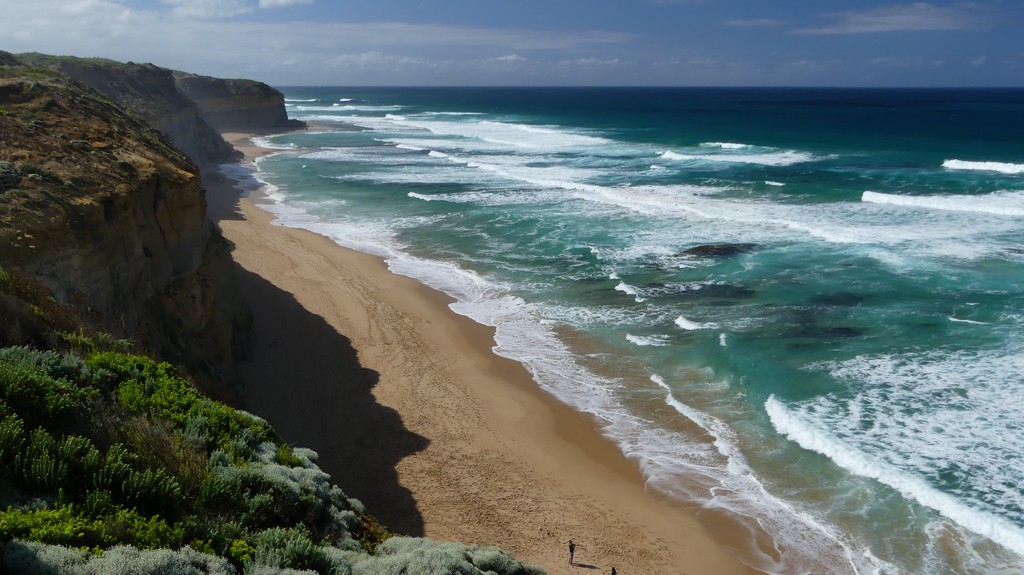
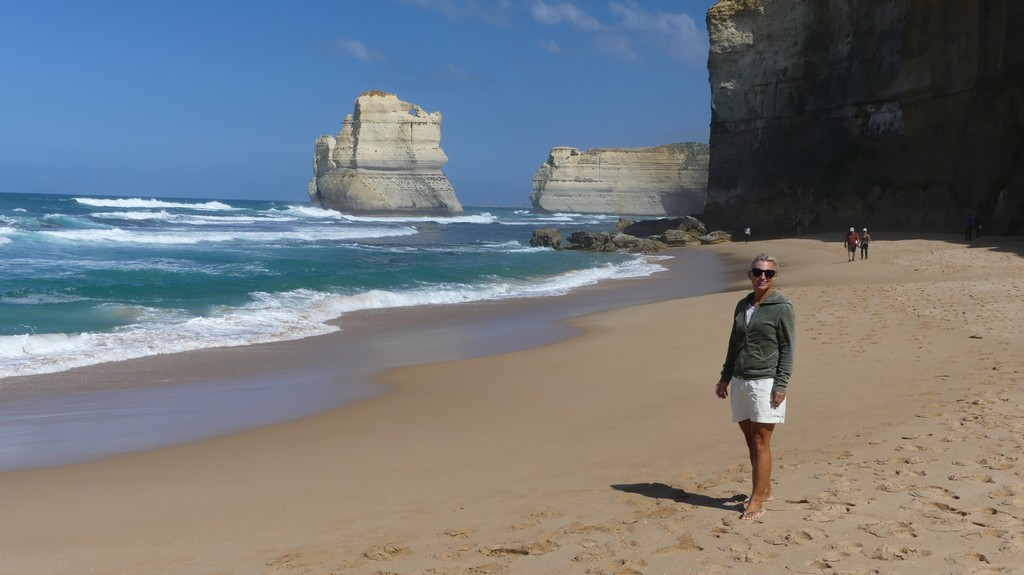
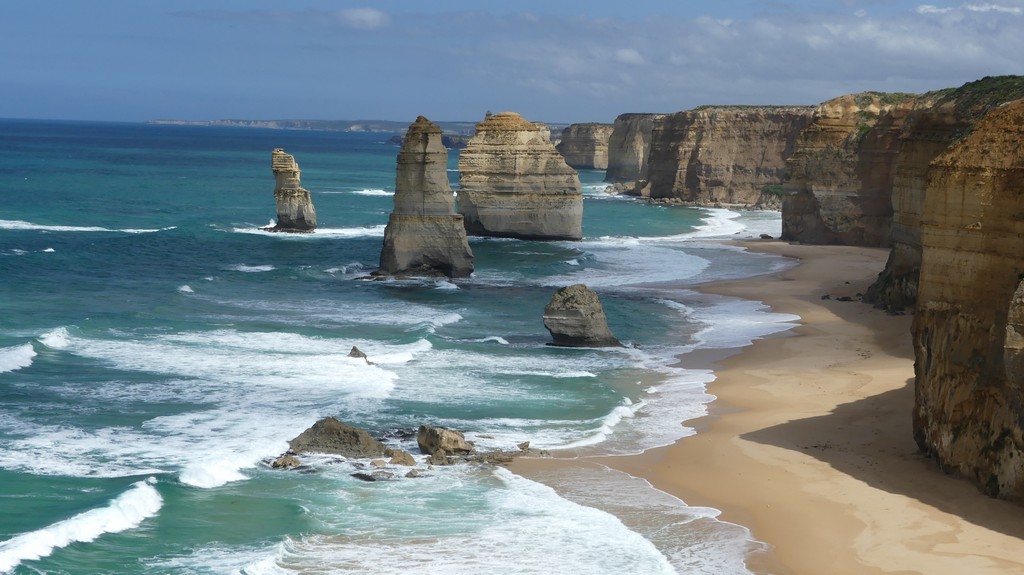
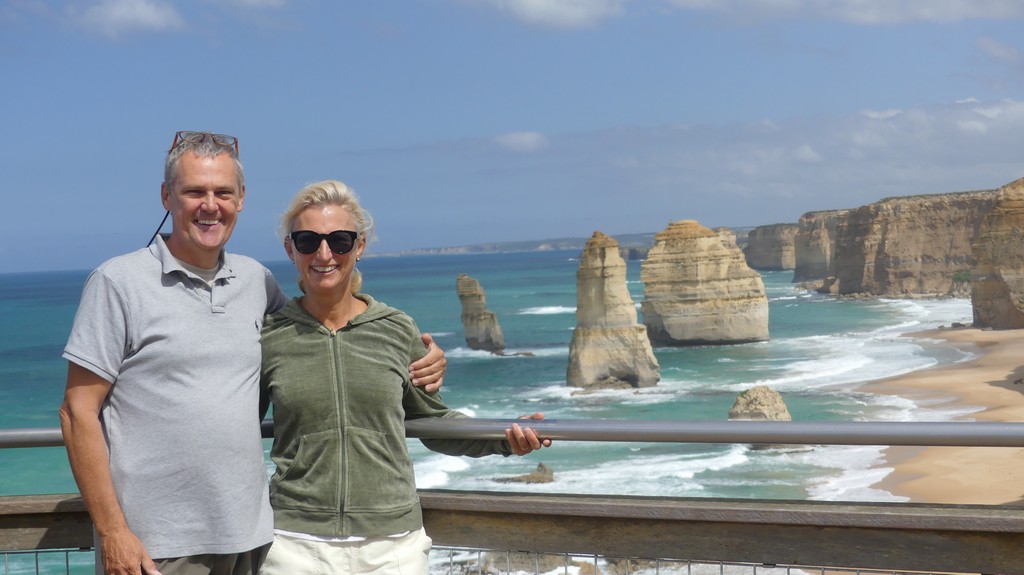
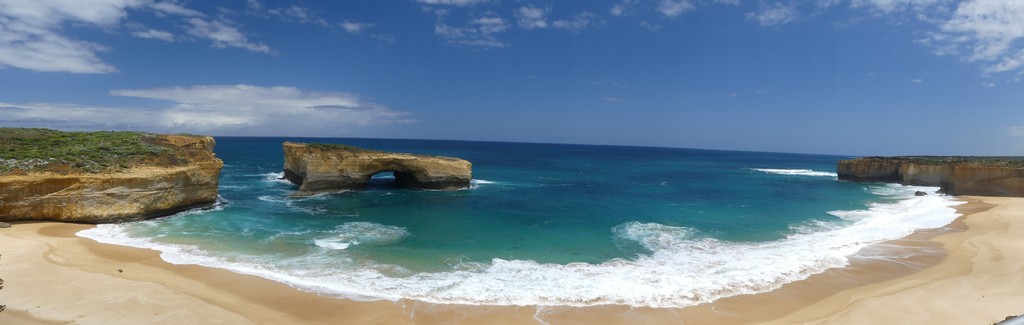
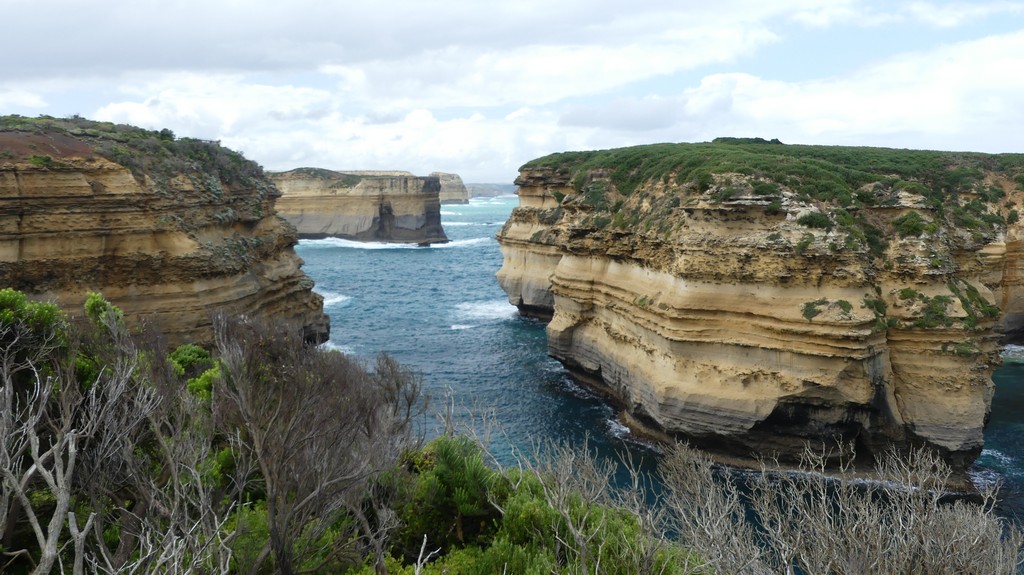
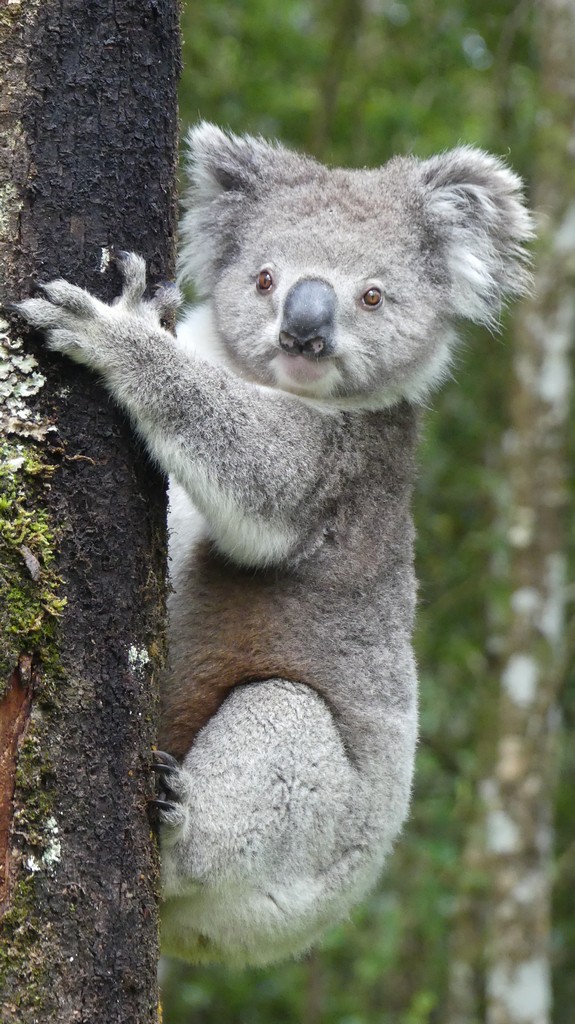
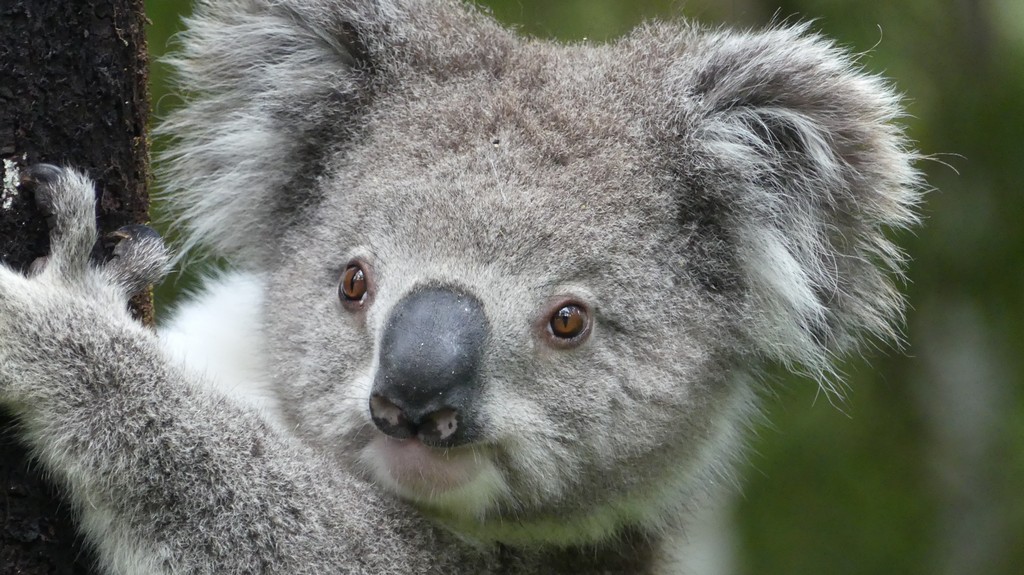
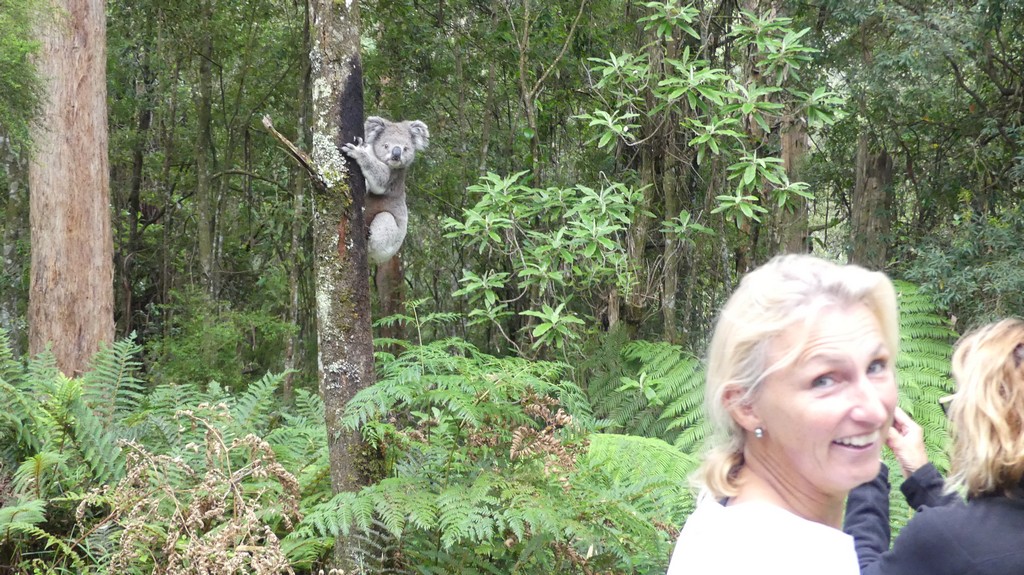
Our first kangaroo siting on the golf course in Anglesea. We have seen many more since but I still enjoy watching them jump away.Another cockatoo, a Galah or rose-breasted cockatoo. They are very common in Australia and we have seen them in flocks of 20 or more.The sun is back out along the Great Ocean Road.Our first Koala sighting in Otway Forest Park. When we walked up the hill we were told there were many out there but we could only spot this one. They can hide very well in the many gum trees (eucaliptus trees).Sooo many different parrots in Australia, this one is the Crimson Rosella… and the Australian King Parrot.The superb blue wren.Lavers Hill Beach, along Great Ocean RoadFinally some sun and blue skies along Great Ocean Road. It was worth the wait.Twelve apostles, limestone pillars some rising 65m out of the water. The cliff faces erode about 2cm each year.We feel so lucky to be able to travel along this beautiful scenery.London Bridge, you could once walk across the double-arched rock but in january 1990 the outer span collapsed and fell into the sea. Two people had to be rescued from the far limestone stack by helicopter.Loch Ard Gorge, it was here that the Loch Ard hit a reef and sunk while transporting immigrants from England to Melbourne in 1878. Only 2 of the 53 people on board survived.When we left Otway Ranges we saw a car at a standstill in the middle of the road. We thought an accident happened but it was just a french tourist all excited about the koala in the tree along the road. Soon a crowd gathered around the tree.Took way too many pictures, they are soo cute !!!!!!
Koalas are not bears but marsupials. They are mostly found in eucalyptus trees (also called gum trees) as the leaves make up most of their diet. Because this diet has limited nutritional and caloric content the koala sleeps about 20 hours a day. They were heavily hunted for their fur in the beginning of the 20th century and are therefore still listed as “vulnerable”. The biggest threat to their existence now is destruction of their habitat for agriculture and urbanisation.
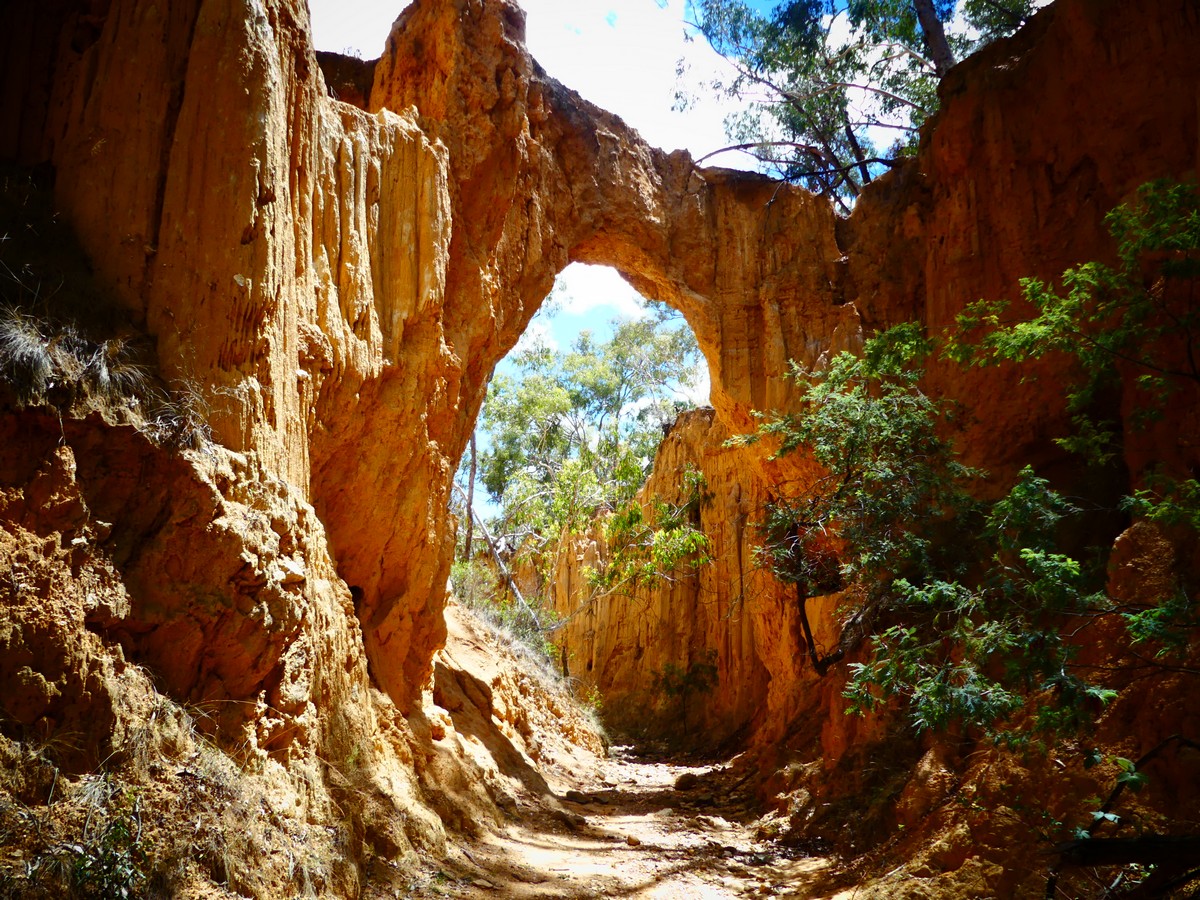
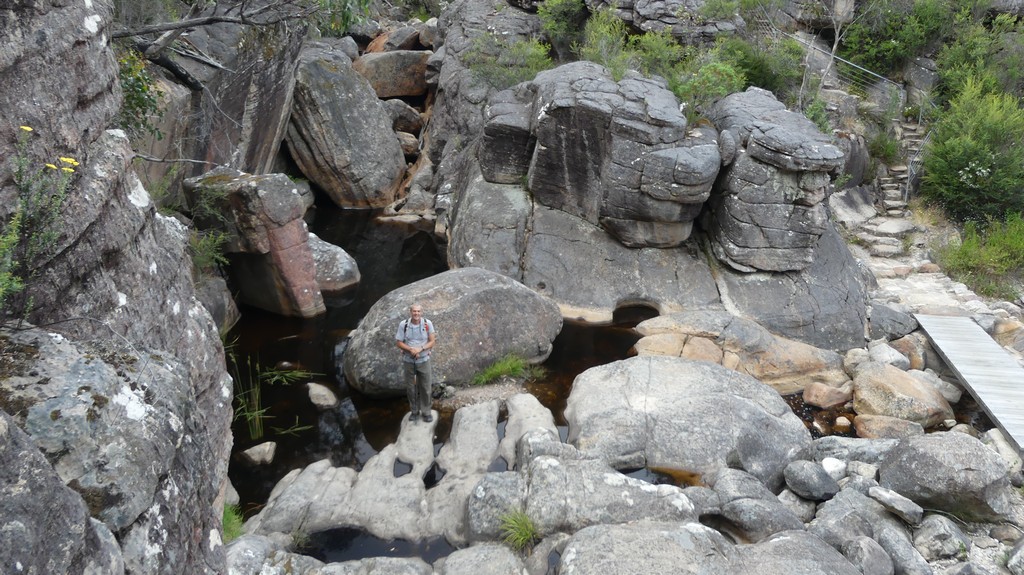
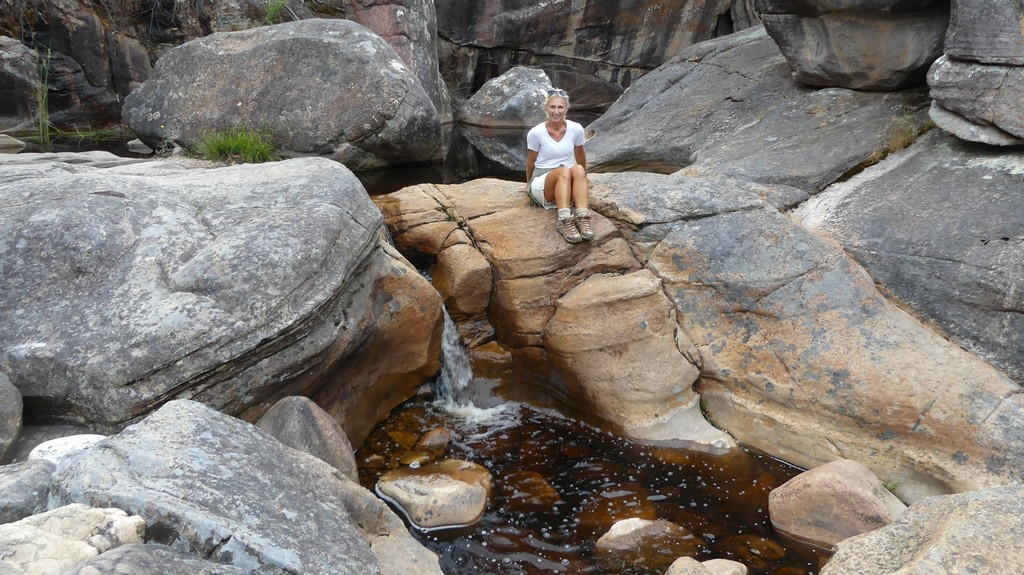
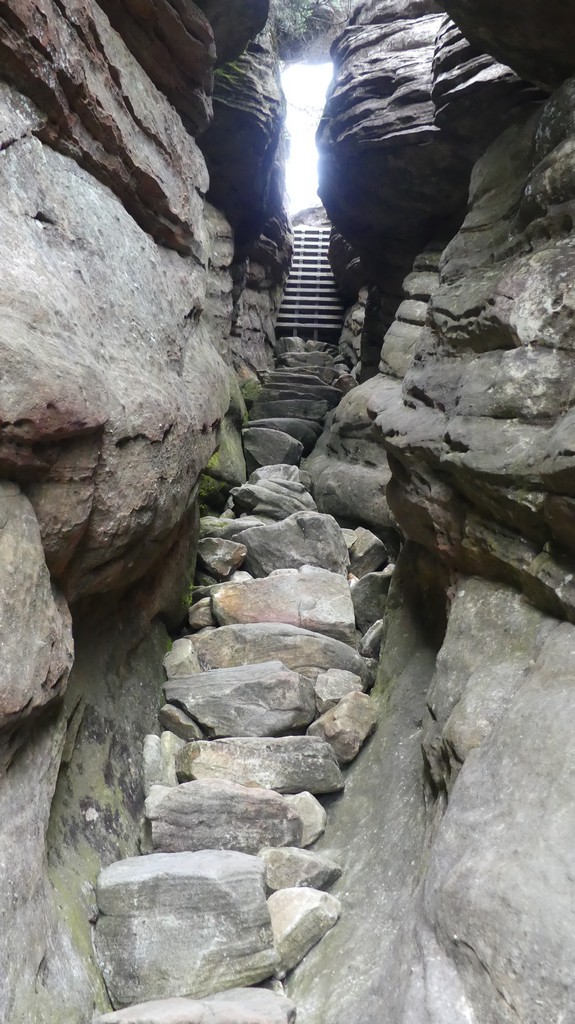
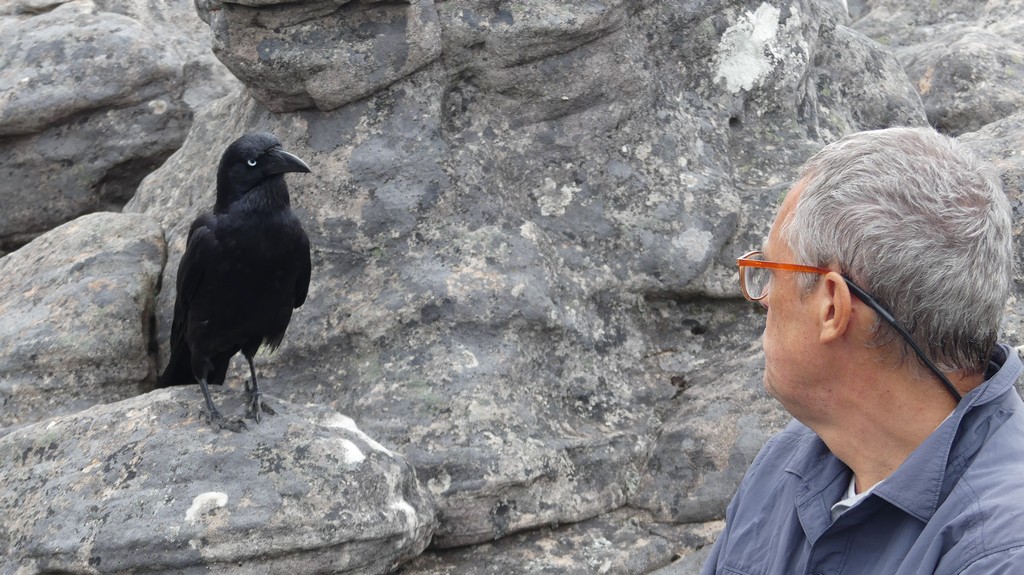
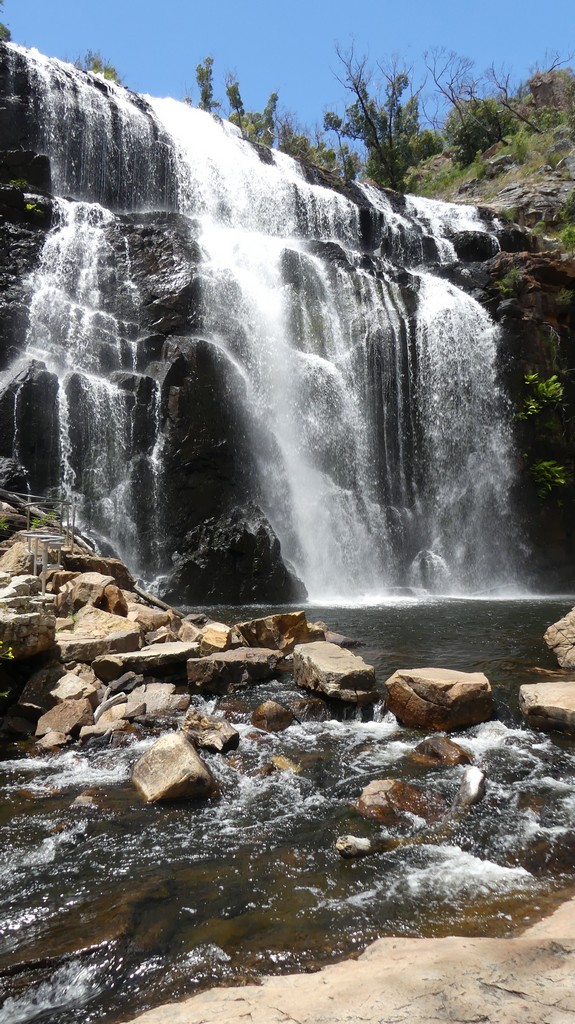
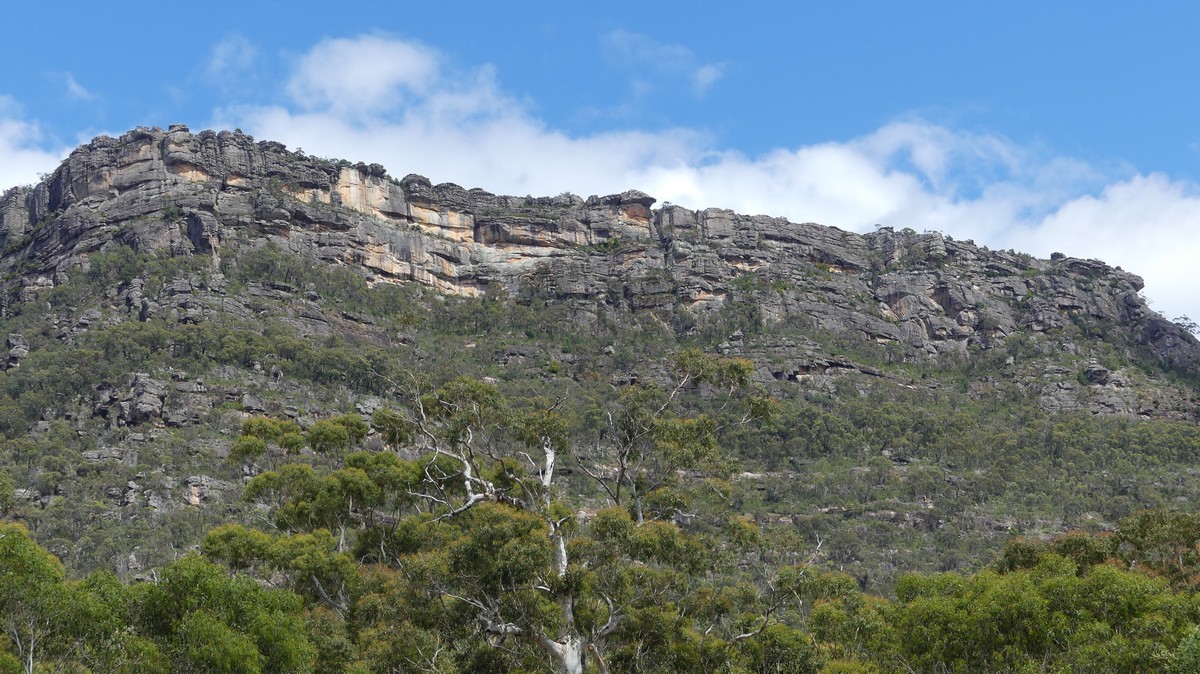
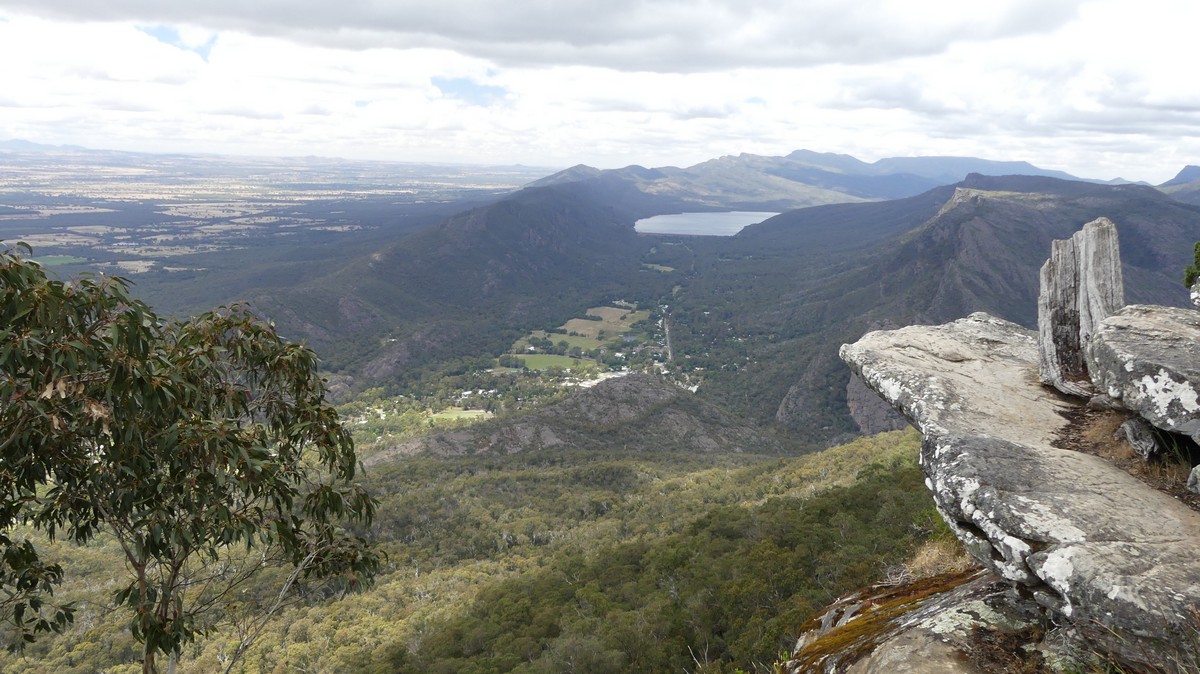
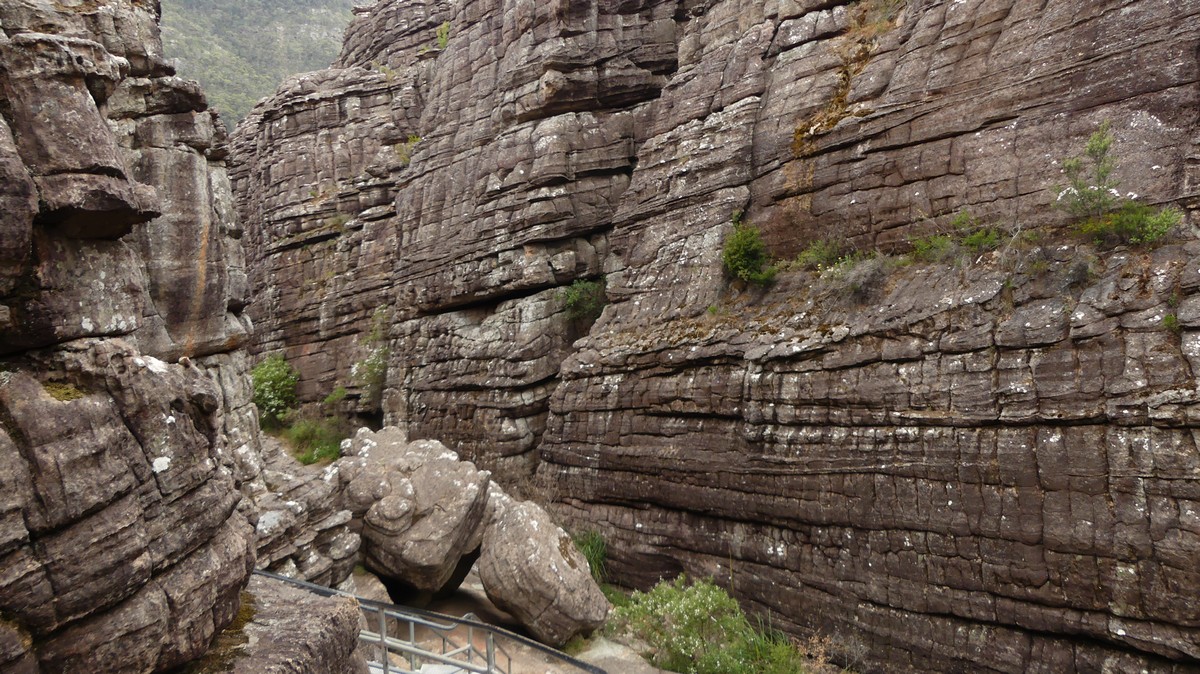
In the Grampians we hiked the Wonderland Loop, about 10,5KM up to the Pinnacle.Beautiful rock formations along “grand canyon” to Silent Street.Silent StreetArrived at the Pinnacle we were greeted by several crows. One was really interested in having a conversation with Stefan…Of course we did not miss the McKenzie Falls, the biggest ones in Victoria.
While we were in the Grampians we also visited the Brambuk Aboriginal Cultural Centre. Here we learned how the immigrants (Europeans) treated the aboriginals. The stories are horrible. Land was seized and children were taken away from their families till the 1960’s because the government thought they could give them a better education. The missionaries wanted the aboriginals to dress like Europeans, sing English songs and play European games. Not a beautiful page in Australian history.
is
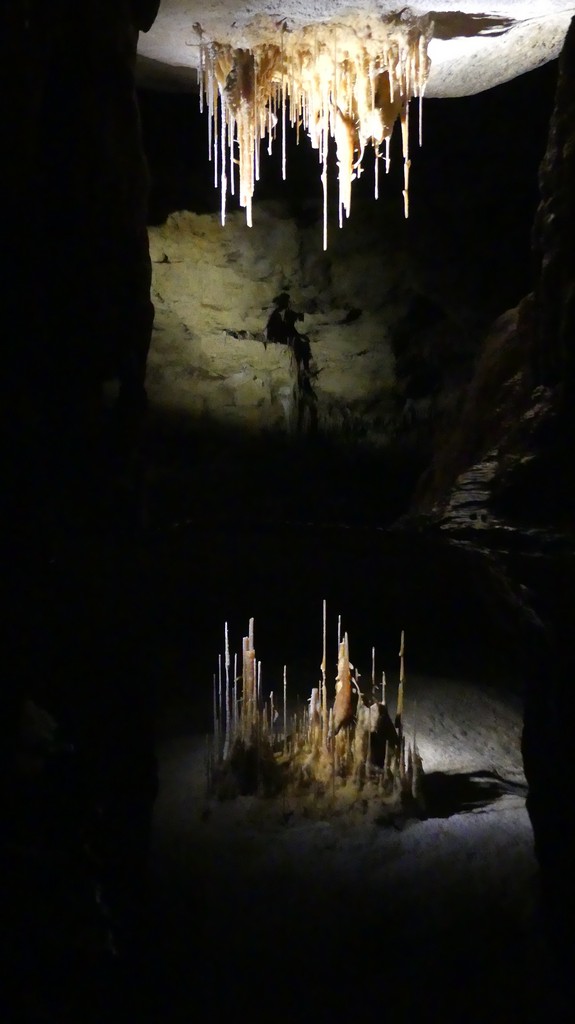
The Naracoorte limestone caves are the only UNESCO heritage site in South Australia and definitely worth a visit. This was a perfect reflection of stalagtites in the water below.
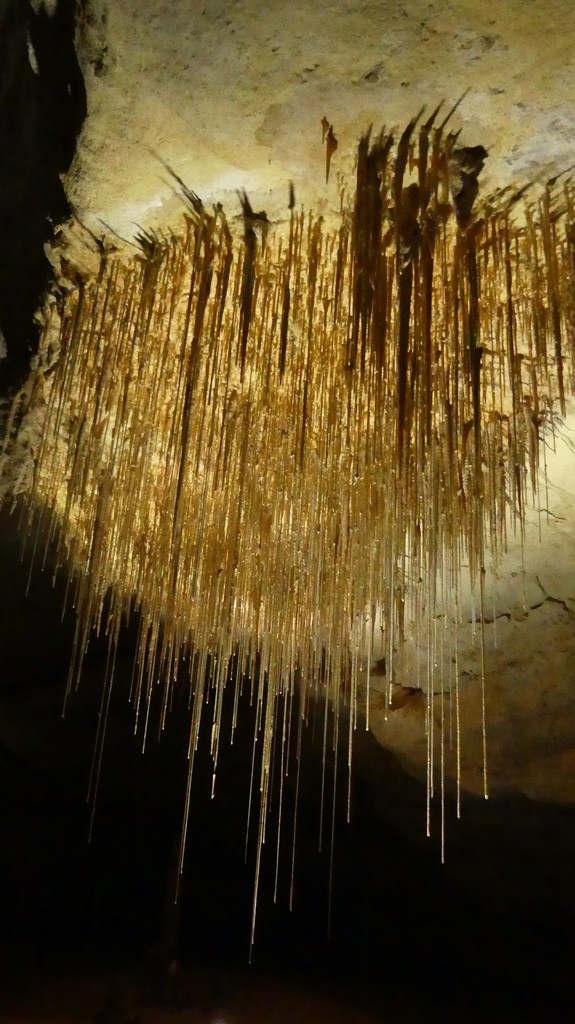
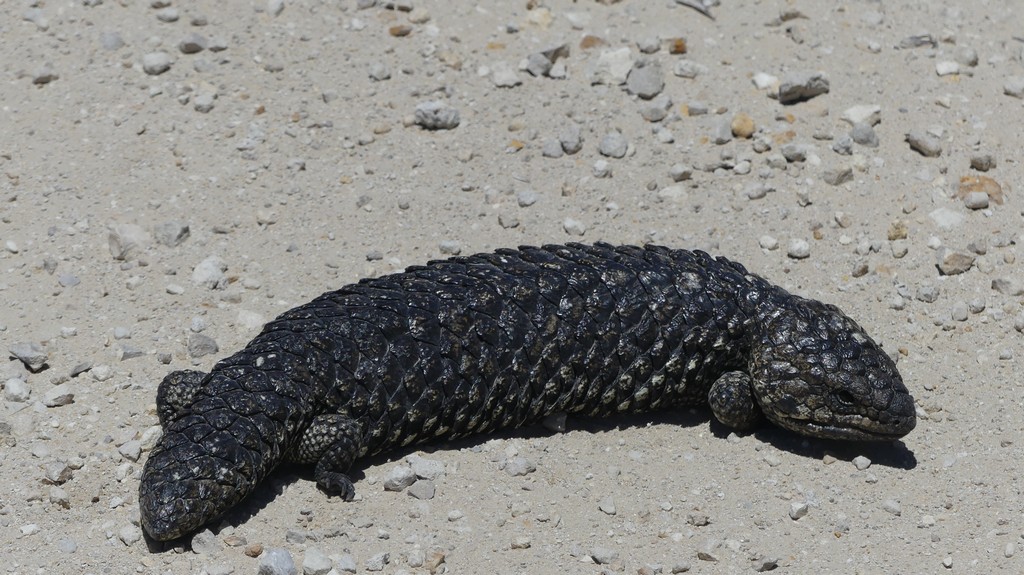
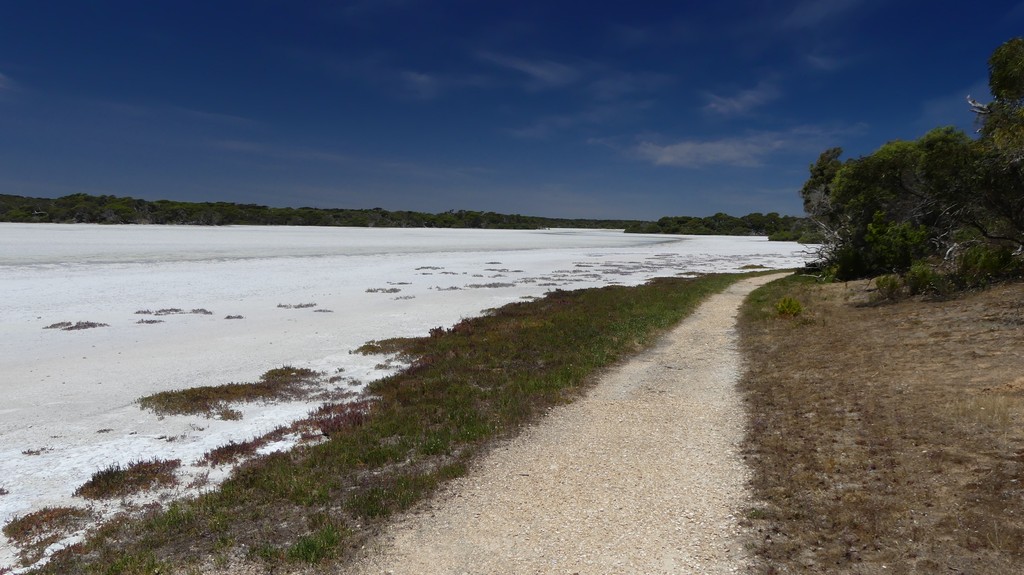
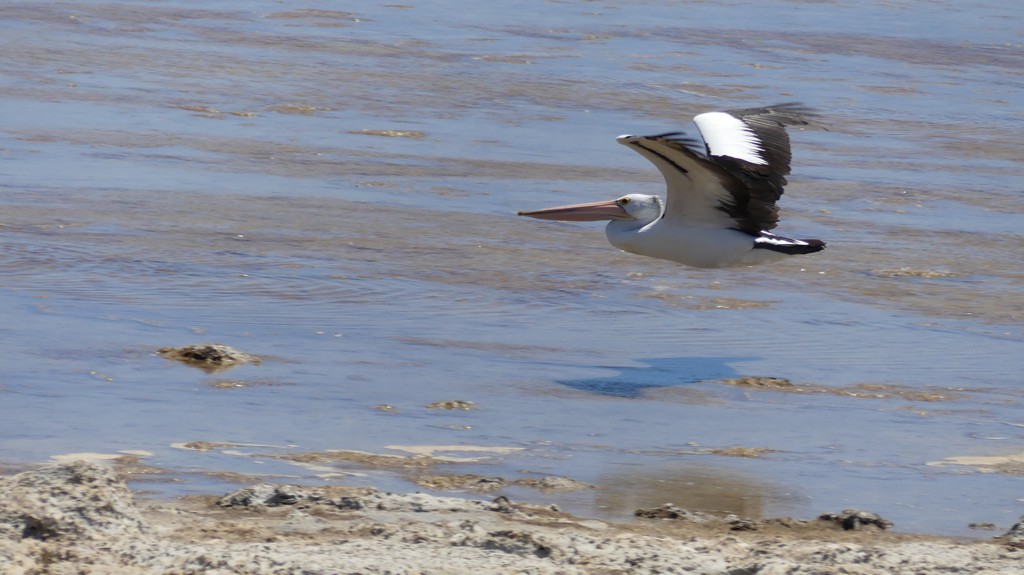
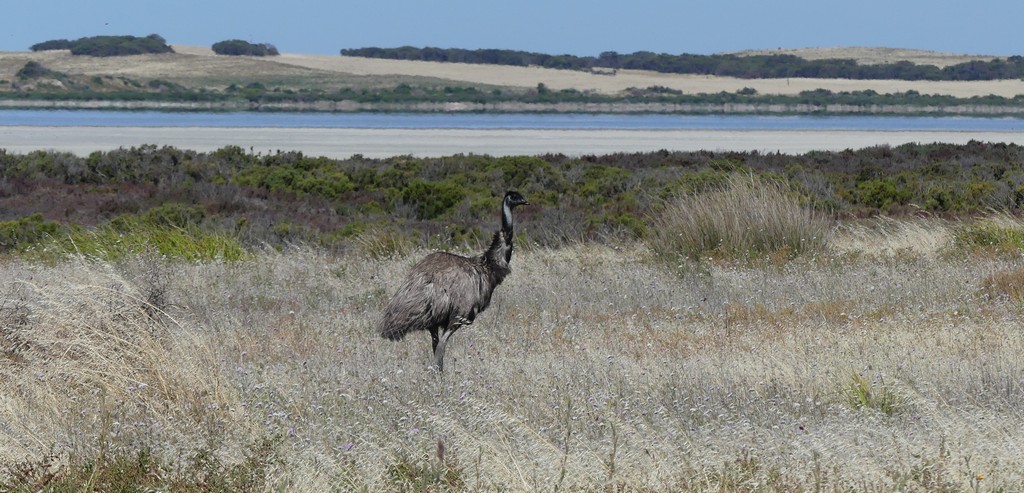
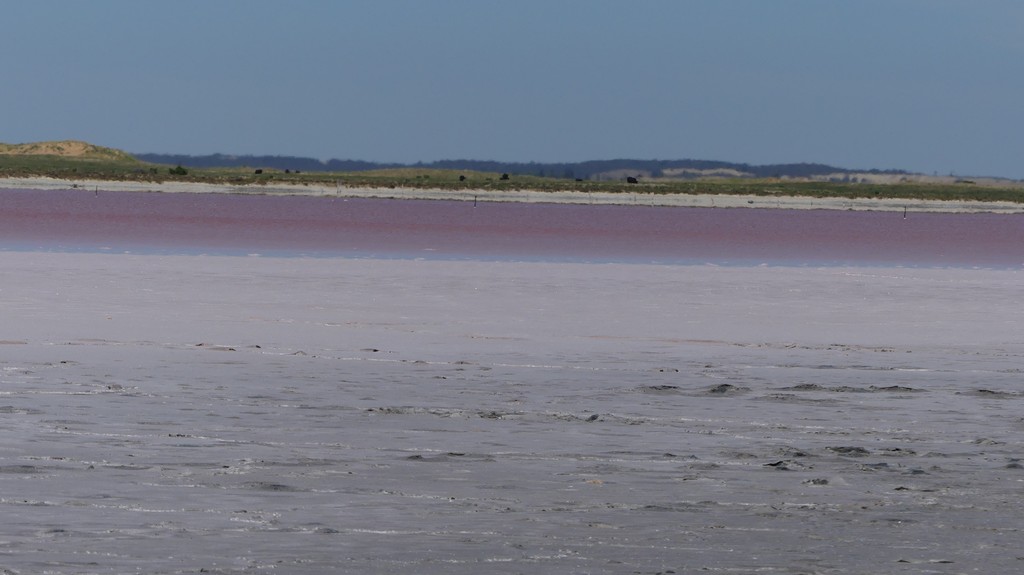
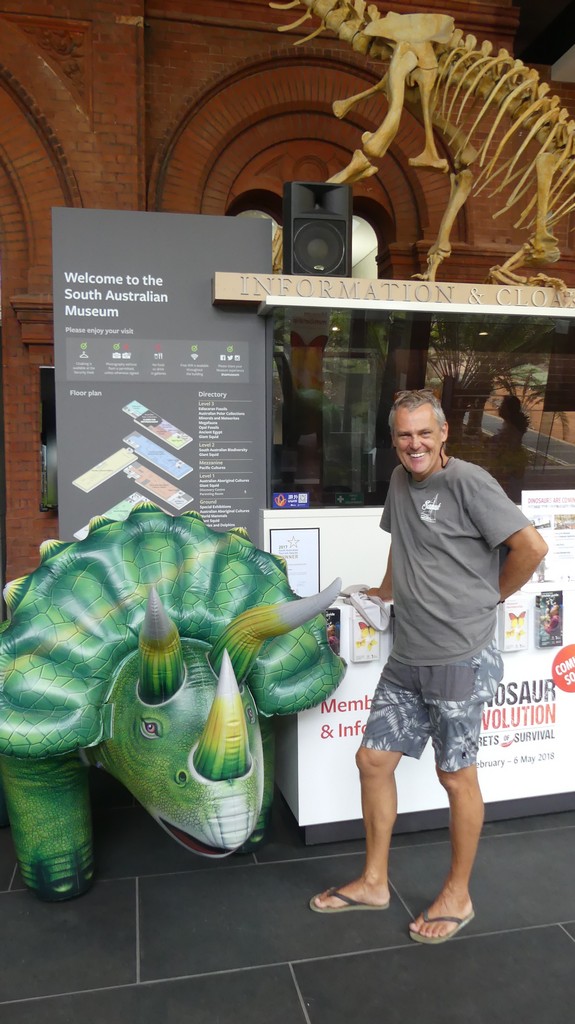
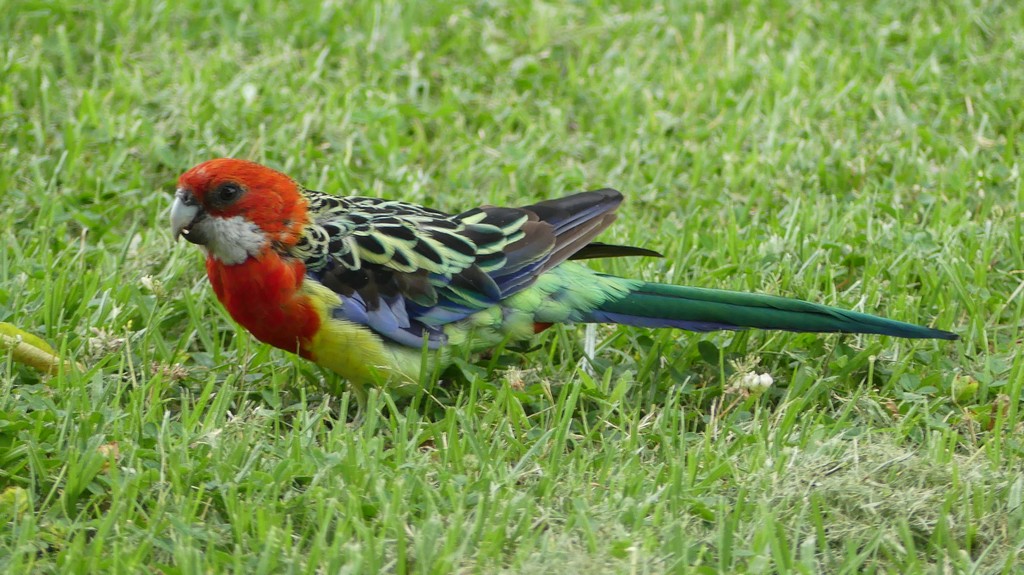
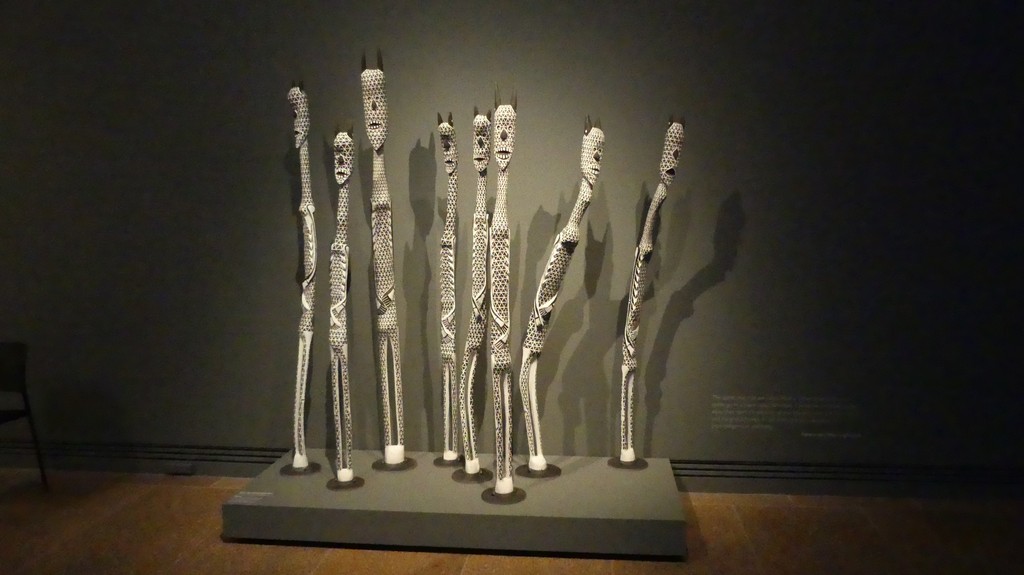
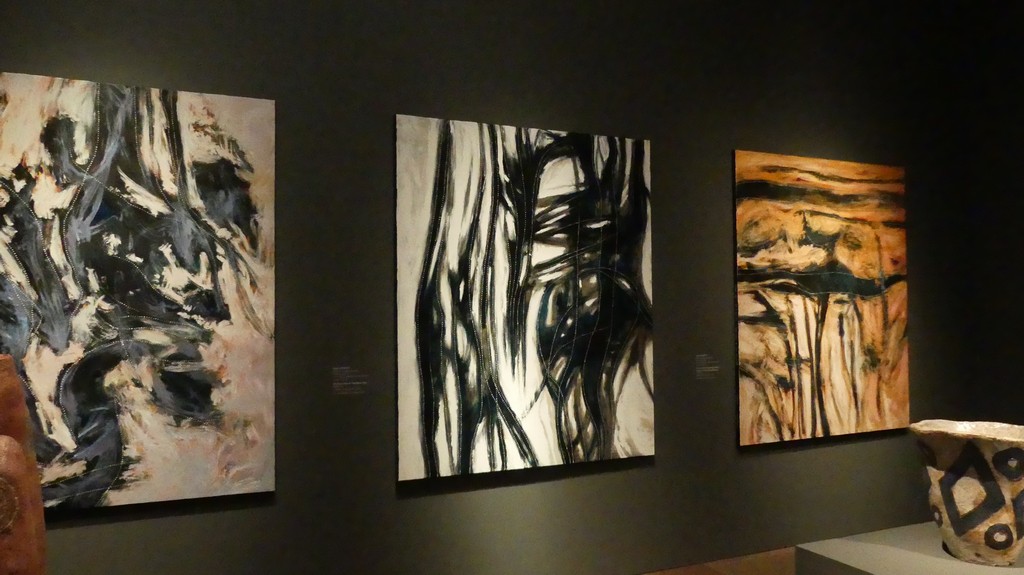
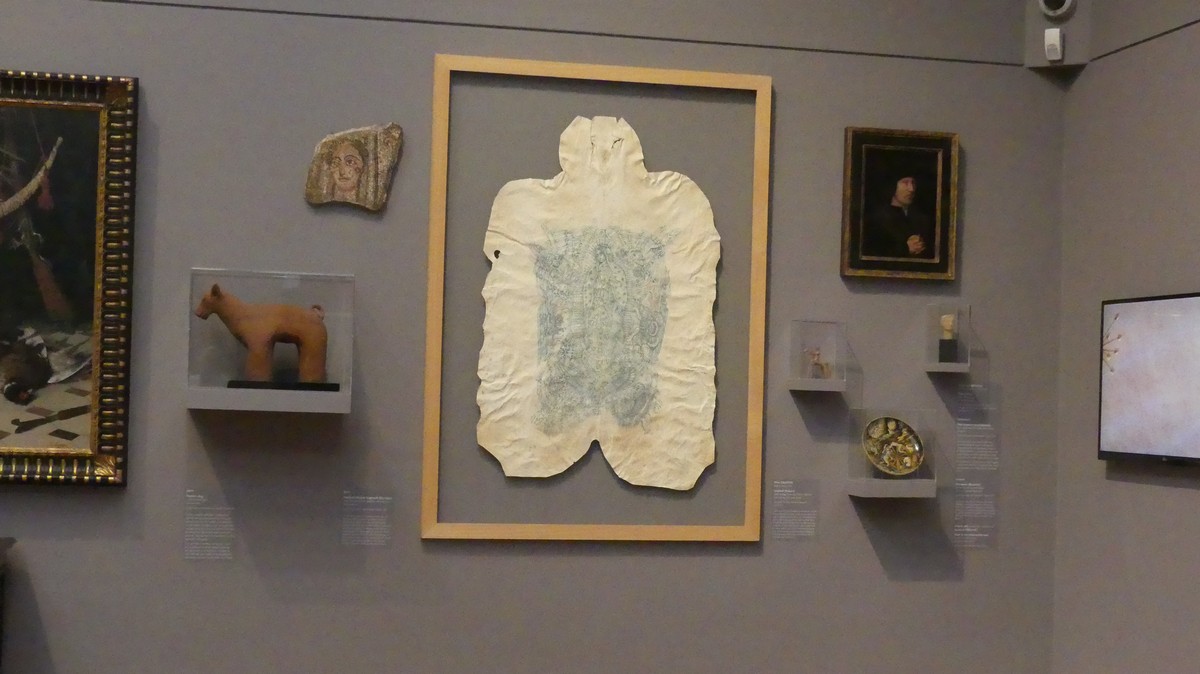
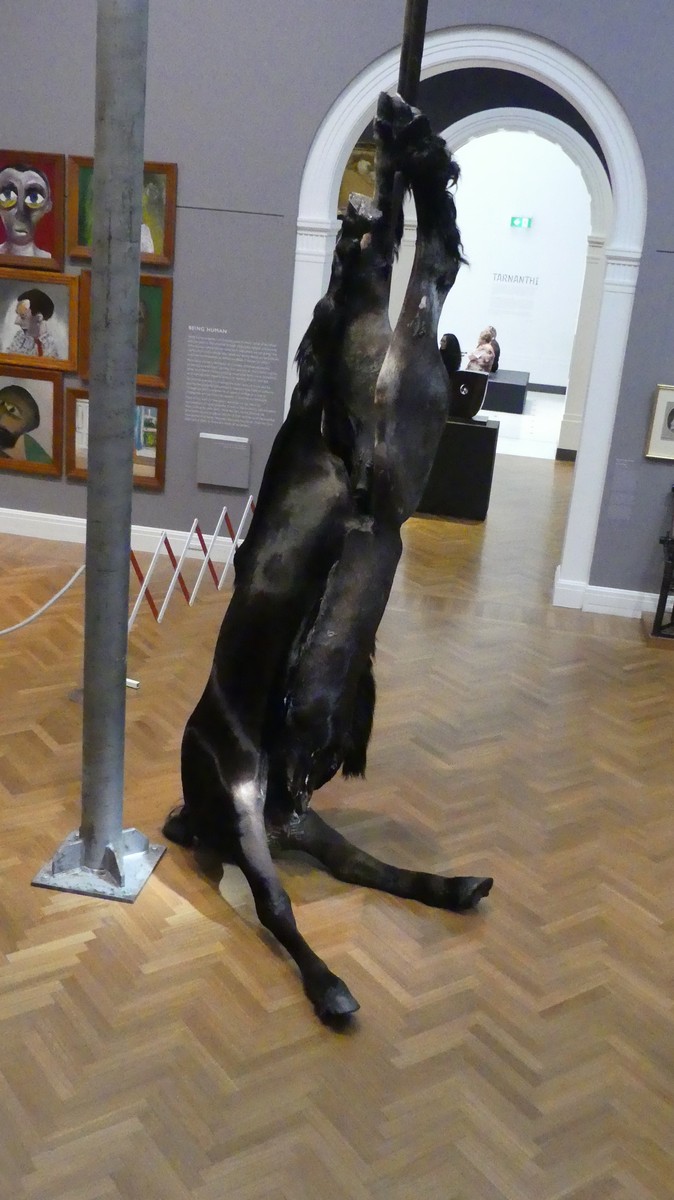
Stalagtites so thin they are called straws.The Australian white ibis, its sister species is the Sacred ibis. There are many in South Australia, sometimes they will even come close to look for food.Sleepy or shingleback lizard, this one was crossing the road while we were driving in Coorong National Park. Apparently it has a blue tongue but we could not verify that. Its short stumpy tail is similar in shape to its head, this to confuse its predators. This has lead to its common name of two-headed skink.Walking in Coorong National Park along the salt creek.Definitely one of my favourite birds, the pelican. We have not seen pelicans since we left the Galapagos in May 2016. The Australian pelican is a medium size pelican with a wingspan up to 2.6M. It apparently has the longest bill of all living birds. It mainly eats fish.Our “crossword puzzle”bird, the emu. The emu is Australia’s tallest flightless native bird and is 1.6 to 1.9M tall. The female lays about a dozen green eggs and the male incubates the eggs and cares for the chicks on his own. I like this bird 🙂The Pink Lake in Meningie. It’s pink colour comes from the high salinity in combination with algae beta-caratine.Visiting the South Australia museum in Adelaide. The museum is free and very nice.While in the Botanic Garden in Adelaide we saw yet another kind of parrot, the Eastern Rosella. It looks like somebody tried out his box of coloring pencils on this one…Aboriginal art in The Art Gallery of South Australia.More aboriginal artwork in the Art Gallery of South Australia. The museum has a wonderful section on Aboriginal art and documentaries on the lifes of Aboriginals in Australia. I heard here for the first time about the nuclear bomb testing from the British in South Australia between 1952 and 1957. One of these places was Maralinga. Apparently these tests were done under the greatest secrecy on the land of the Aboriginals. The National Apology from the Prime Minister in February 2008 for the wrongdoings to the indigenous people did not come too soon… here you can read more about it
On thursday we take the ferry to Kangaroo Island where we will spend Christmas with our friends Katie and Karel and kids. New year eve we will be in Sydney.
We zijn toegekomen in Melbourne, Victoria, Australie na een rechtstreekse reis met het vliegtuig. We waren gepakt en gezakt voor een drie maand durende afwezigheid van thuis, Sanuk, die we achtergelaten hadden in Noumea. Vermits de zonnepanelen nog aanliggen, met de AIS en de frigo als enige verbruikers, checkte ik toch regelmatig of ons snoekske nog een teken van leven gaf, en misschien nog belangrijker, of ze niet van plaats verhuisd was. Dat laatste zou wel erg onwaarschijnlijk zijn, want dan moeten er 4 stevige spanbanden ofwel breken, ofwel de 4 betonblokken die eraan vasthangen verplaatst worden.
We reizen door Australie met een gelijkaardige oplossing als voor Nieuw Zeeland: een camperwagen die we Skippy gedoopt hebben. Omdat we maar twee maand in Aussie zijn, hebben we gehuurd ipv gekocht/verkocht. Dat kwam op 79AUS$ per dag (of 51EUR). Je moet hierbij nog de prijs van een kampeerterrein rekenen, zo rond de 35AUS$ (22EUR) voor een plaats met electriciteit. Om de twee nachten proberen we ook ergens goedkoop of gratis te staan, dan wel zonder electriciteit maar wel met wc en meestal ook warme douches. Onze Skippy zit goed in elkaar, je ziet dat ze in NZ/AUS veel ervaring hebben met camperen. Enkele verschillen met Burnie (onze campervan in NZ): motor is benzine met 600.000 km op de teller (waarschijnlijk niet originele motor 😉 ), geen wc (toch nooit gebruikt in NZ), frigootje dat prima werkt, kastjes met slotjes tegen het openvallen, een zeer ingenieus uitgedacht intereur, een slaapplaats in het dak die we gebruiken als opslag. De topsnelheid ligt ergens boven de 110km/uur, maar nog niet getest want de limiet is 100km/h in VIC (Victoria), en 110km/h in SA (South Australia). Meestal rijden we rond de 80/90 kmu op de B type banen: niet de autostrades (type A, maar denk dan aan expressweg Antwerpen-Knokke met kruispunten zonder lichten). Type B is meer de provenciaalse franse weg: geen lichten, goede asfaltbaan met lijn in het midden, en trekt door de dorpen. In de dorpen is er een snelheidsbeperking van 50, maar gelukkig geen snelheidsdrempels zoals in Nieuw Caledonie.
Flashback Lifou eiland NC: auto gehuurd voor een dag om met Hannah en Wence het eiland te verkennen. Het eiland ligt bezaaid met snelheidsdrempels, van het nijdige type: alsof grote rioolbuizen nog met hun rug boven de weg steken. Elk dorp heeft er minstens twee. Nu waren we goed geladen (4 pers) in de redelijk stevig gebruikte Dacia met 100.000 km op de teller, en we kwamen aan ongeveer 90km/u uit een bocht om plotseling een drempel te zien, onaangekondigd. Ik smeet ietwat te laat alle remmen toe, maar ik denk dat we toch aan zo een 50km/uur erover gegaan zijn, in elk geval hard genoeg om met het voorste van de auto de grond te raken… Enfin, er klonk geen raar geluid, de banden hadden nog lucht, en we zijn verder gereden alsof er niets gebeurd was. Achteraf bleek dat de borden die de drempel aankondigden, slachtoffer geweest waren van vandalen. De rest van de dag hebben we geen problemen gehad. ‘s Avonds was het tijd om Hannah en Wence naar de luchthaven te brengen, maar op 11 km van ons doel klonk er een raar geluid, ging de temperatuurmeter omhoog en was het gedaan met rijden. Toch even zenuwachtig dat we de vlucht niet gingen halen, maar een lieve meneer van een andere verhuurmaatschappij (!) nam Hannah en Wence mee naar de luchthaven. Ilse en ik werden opgehaald door onze verhuurmaatschappij, en we hebben de auto niet meer gezien. Ik denk toch dat er misschien een verband was tussen drempels en stilvallen, maar het zal wel iets klein geweest zijn want we hebben er nog een ganse dag mee gereden. Enfin, als het Sanuk geweest was had ik Mr Dobbit erbij gehaald 😉
Terug naar Australie: indrukken na een kleine maand en zo een 2500km.
veel mooie natuurgezichten, zowel binnenland als de zee. (Zie Ilse’s blog post)
Heel veel beestenboel: vogels vogels vogels, kangoeroes, koalas, en andere eigenaardige dingen. Nog geen slangen gezien, alhoewel er overal bordjes staan om ervoor uit te kijken.
Wc’s : elk gehucht, park, rustplaats heeft er minstens 1. Nog nooit een gezien zonder toiletpapier! Aan de zee meestal ook nog een douche.
kampeerfaciliteiten: er zijn er heel veel, en waar het niet expliciet verboden is mag je ‘s nachts blijven staan. Dat is dus bijna overal, maar wij verkiezen plaatsen met minstens een toilet.
Er wordt heel rustig gereden (in vgl met Belgie) op de zeer goed onderhouden asfaltbanen. We zijn nog niet in de bush geweest (niet verharde wegen) maar daar gaan we deze trip niet echt naartoe.
Een mooie afwisseling van grote steden en grootse, wijde landschappen. We beperken ons bewust tot een klein deel van Australie om te vermijden dat we niets anders doen dan km vreten. (Melbourne->Adelaide->Kangoeroe eiland->Sydney->Goldcoast->Brisbane)
Nog niet veel buitenlandse toeristen gezien (in vergelijking met NZ), maar veel Aussies zijn met vakantie, elk met een serieuze caravan achter de 4×4. Er zijn zelfs carvans die bedoeld zijn om achter een 4×4 in de brousse te gaan, hoog van de grond en met indrukwekkende wielen.
Weinig volk in de parken/campings. We denken dat na het einde van het schooljaar op 15 december, de aantallen toeristen zullen toenemen.
Het eten in de restaurants en bistro’s is lekkerder en veel goedkoper dan Nieuw Caledonie. Toch kan het niet tippen aan de Belgische keuken.
Het is een raar gevoel om kerstmis in de zomer te beleven. Overal klinken kerstliedjes maar de sneeuw blijft niet liggen (30 graden en meer)
De meeste museums zijn gratis, of vragen een donatie. Eerst bezoeken we het museum, maar bij het buitengaan zijn we meestal zo gecharmeerd dat we dat met plezier doen.
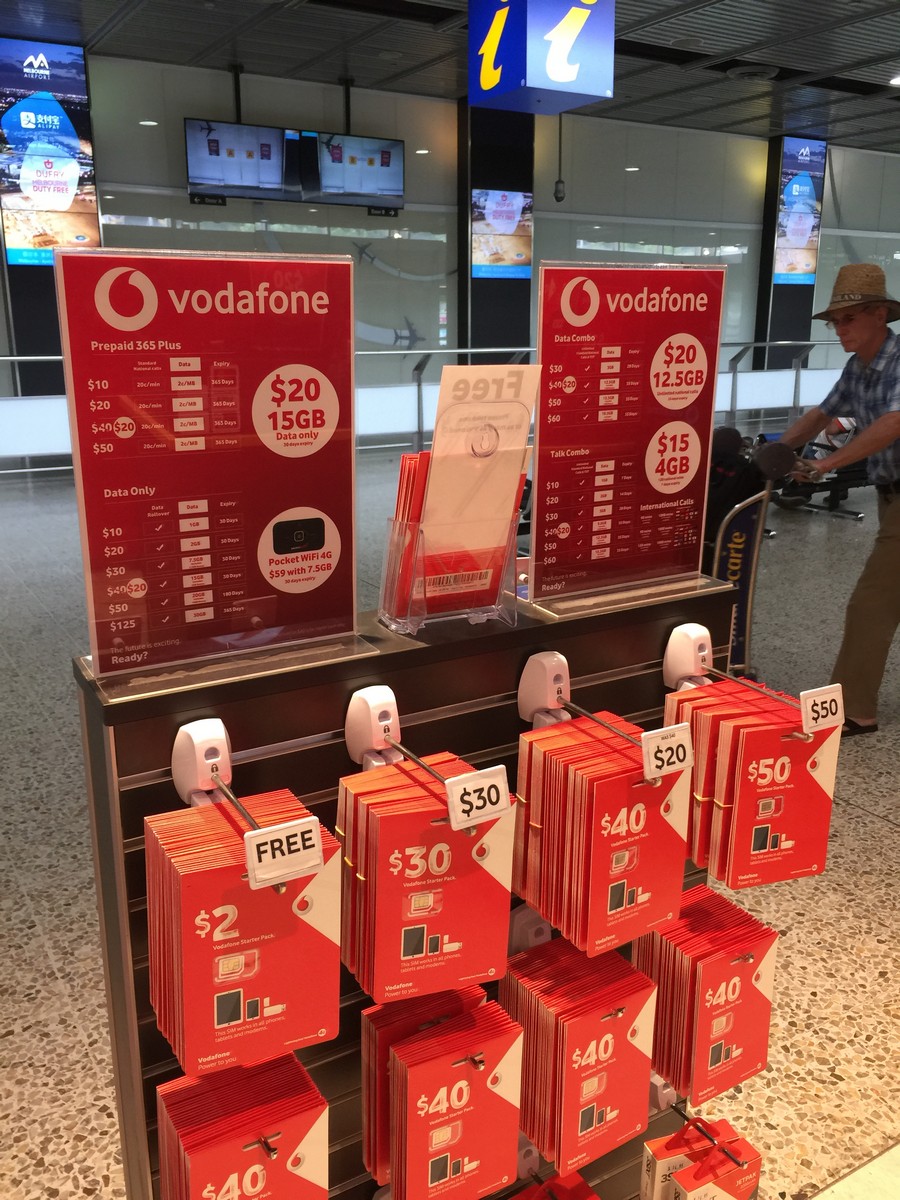
Internet, internet, internet overal! Het is lang geleden dat we zo goedkoop en overvloedig internet hadden. Wat een luxe! Voor 4 keer 13 EUR kocht ik vier startpaketten van Vodafone met elk 15Gb data. We luisteren nu onderweg naar radio 1 via de app. De nachtwacht, met om het uur kort nieuws. Zelfs een videootje pikken we mee. Daardoor zagen we de toch wel indrukwekkende Pano reportage over de bende van Nijvel in Aalst met Ilse haar neef Jo.
Reizen op de weg is ZOVEEEEEL gemakkelijker dan met de boot. Elke dag passeer je langs een supermarkt waar verse dingen op je liggen te wachten.
Ok, genoeg getijpt, hier volgen enkele foto’s met hoogtepunten van de reis tot nu toe :-):
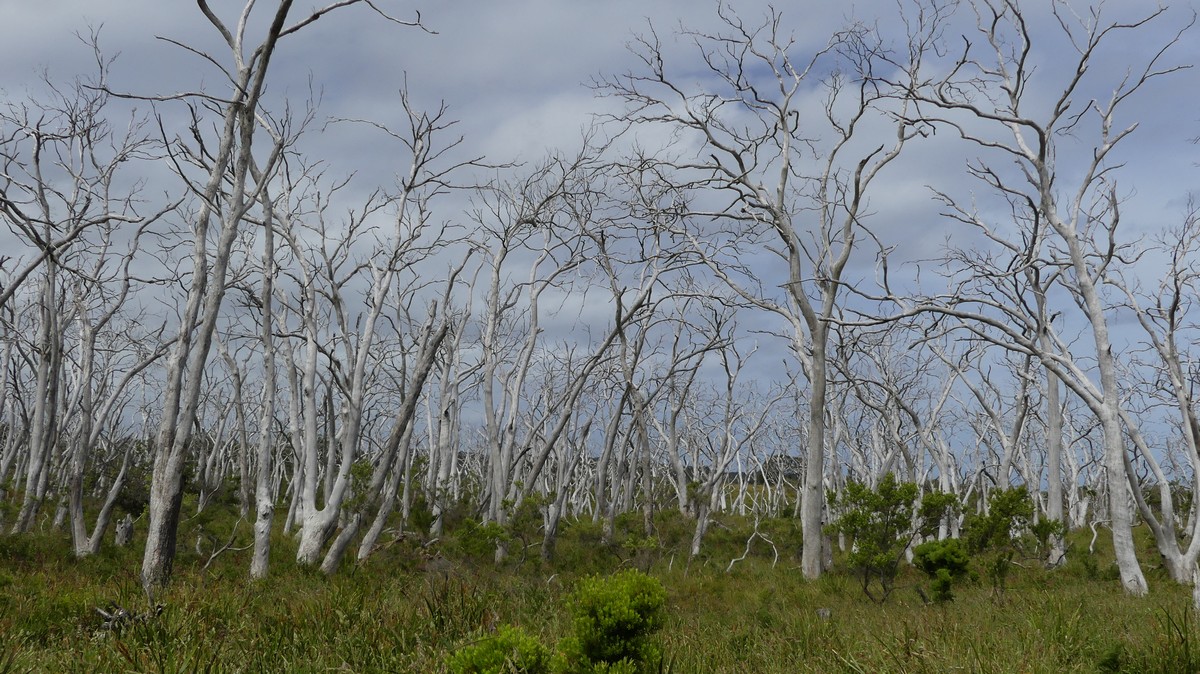
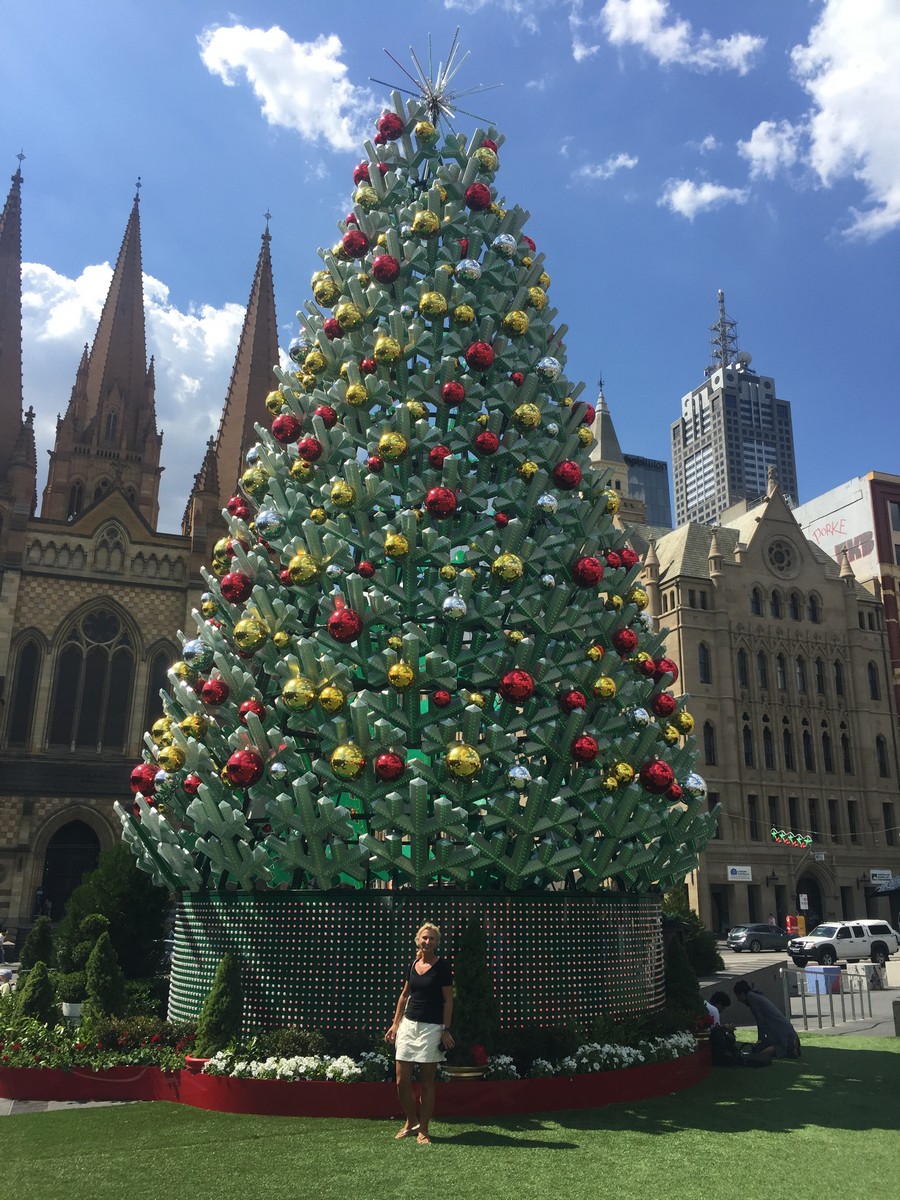
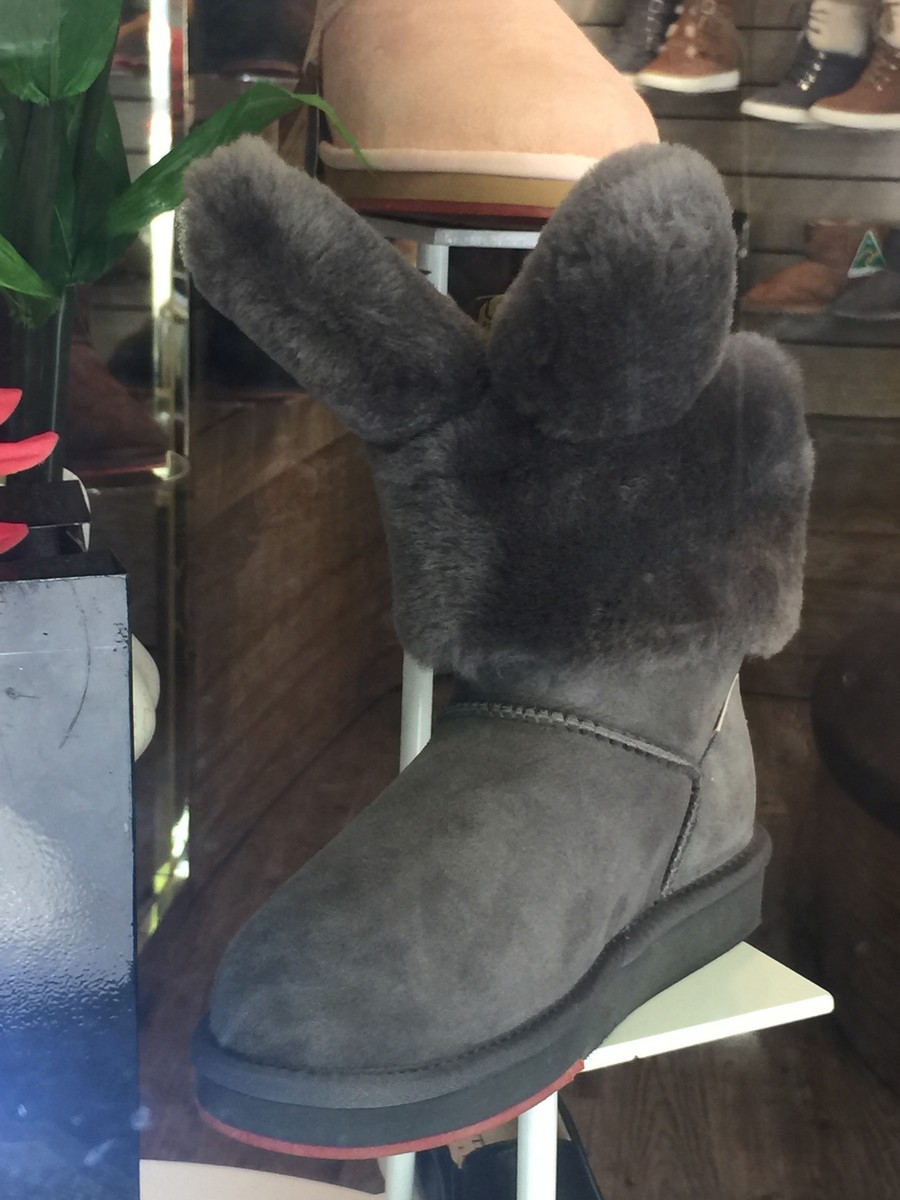
Wandeling in de Grampians: zicht naar het eindpunt…… en zicht vanop het eindpunt 😉onderweg kwamen we mooie vormen van versteende lava tegenex-bos op weg naar de vuurtoren van Cape Otway langs de great Ocean Road. Ook dode dingen kunnen mooi zijn.Heide museum in MelbourneNiet altijd goed weer. Hier een donderwolk in aantocht op weg naar de Great Ocean Road bij Point LonsdaleVan kerstboom versieren kennen ze hier niet veel.Australia, land van de UGG’s. Hier met kangoeroeoren
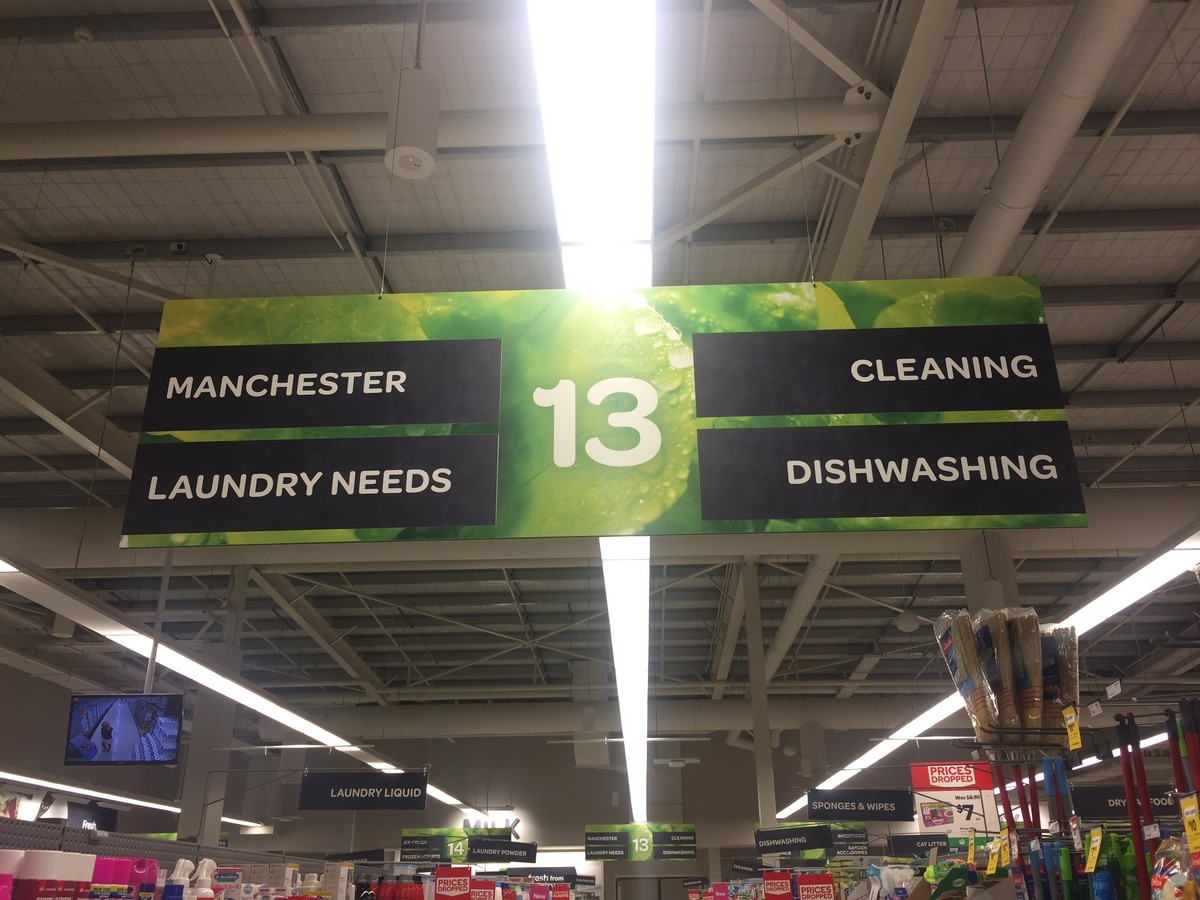
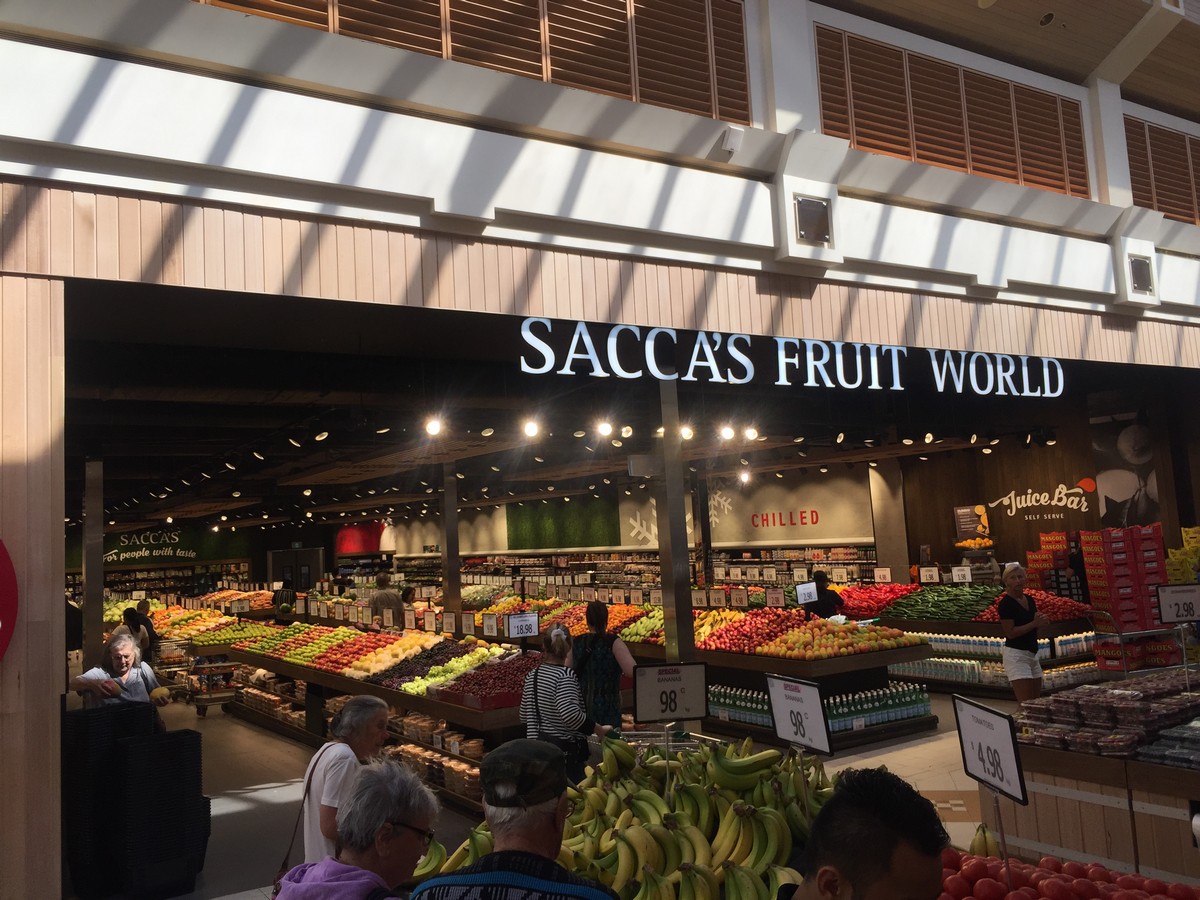
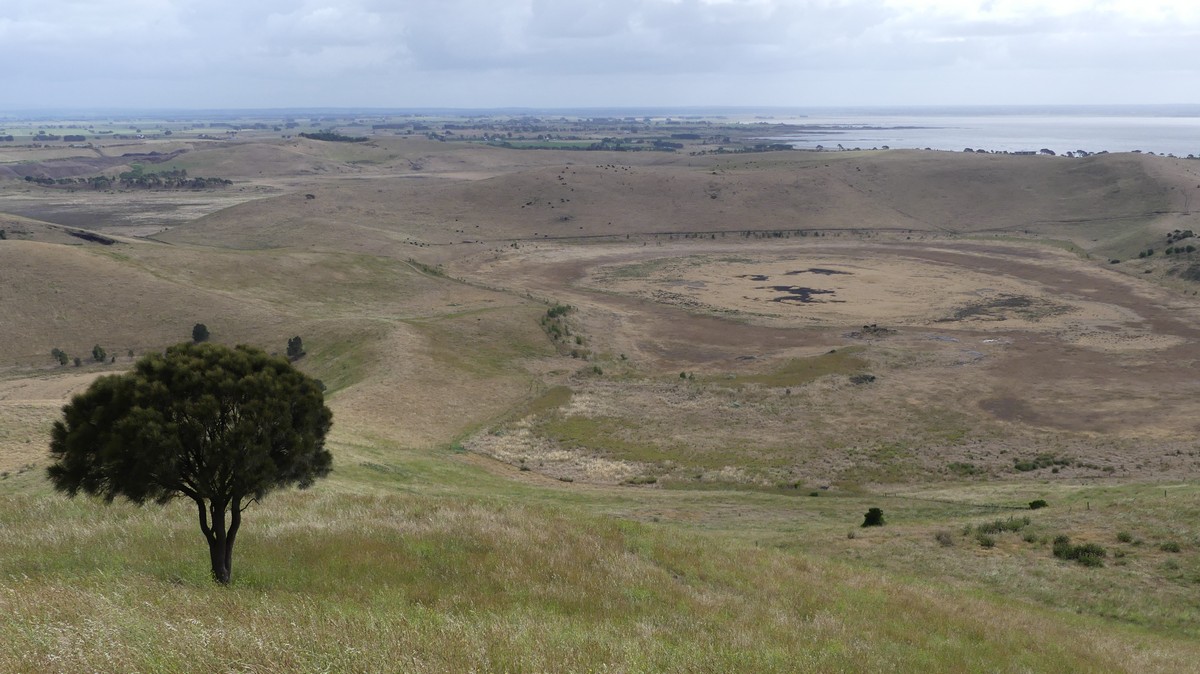
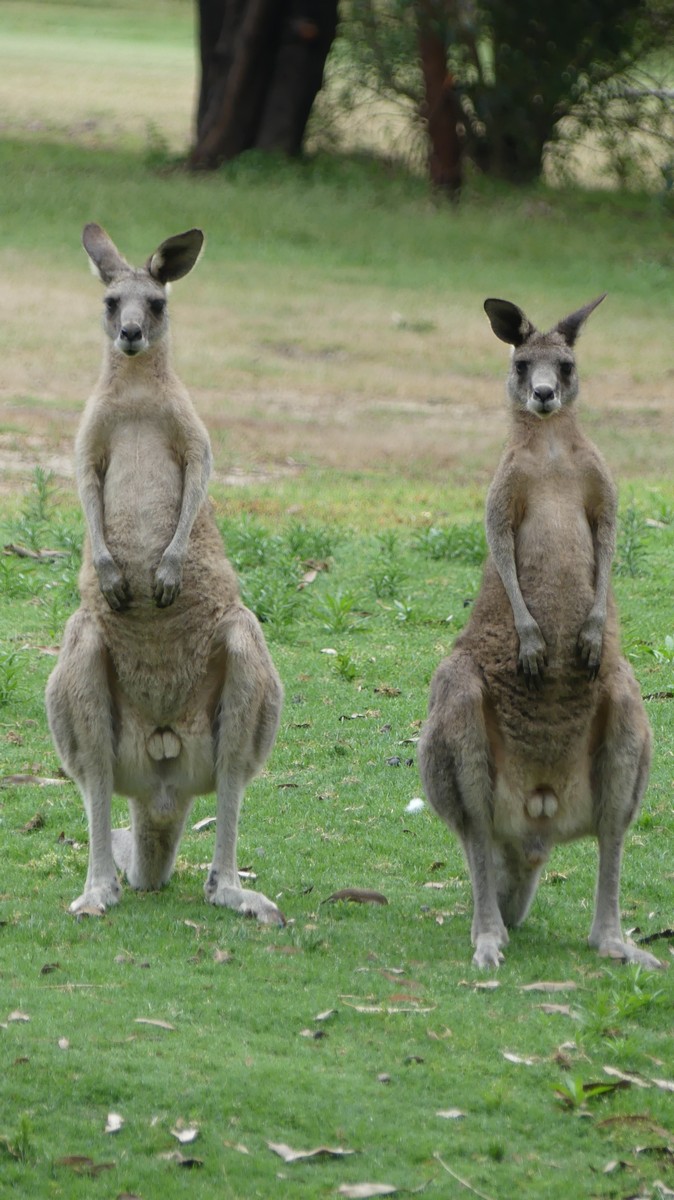
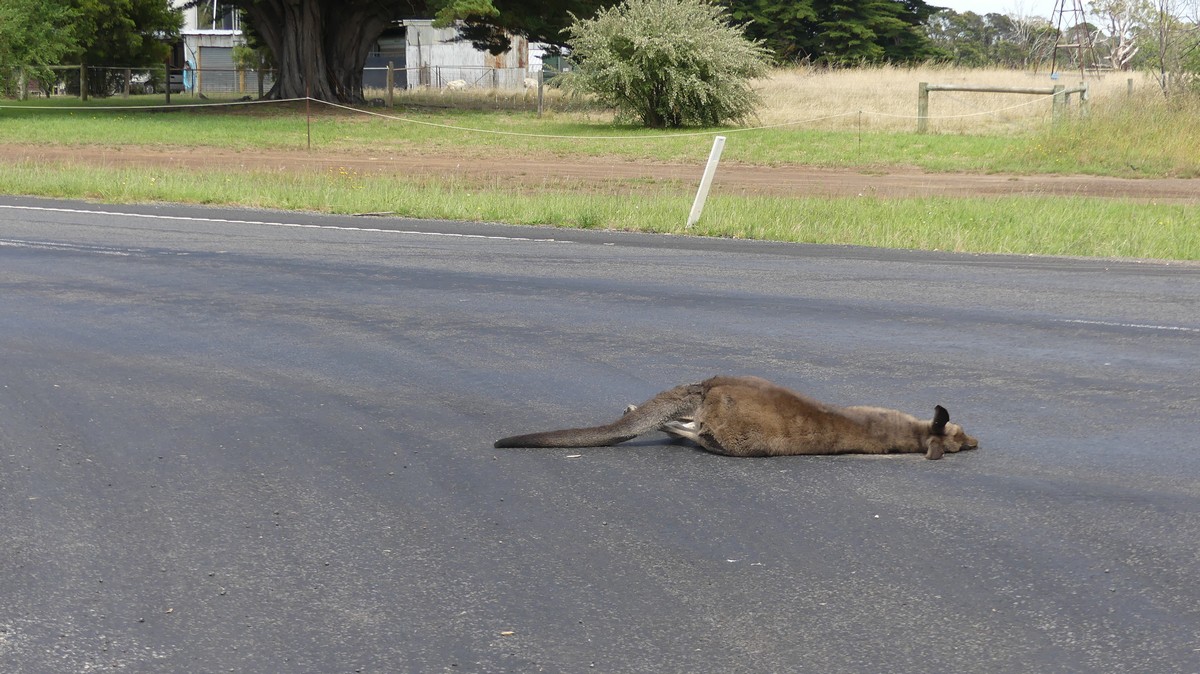
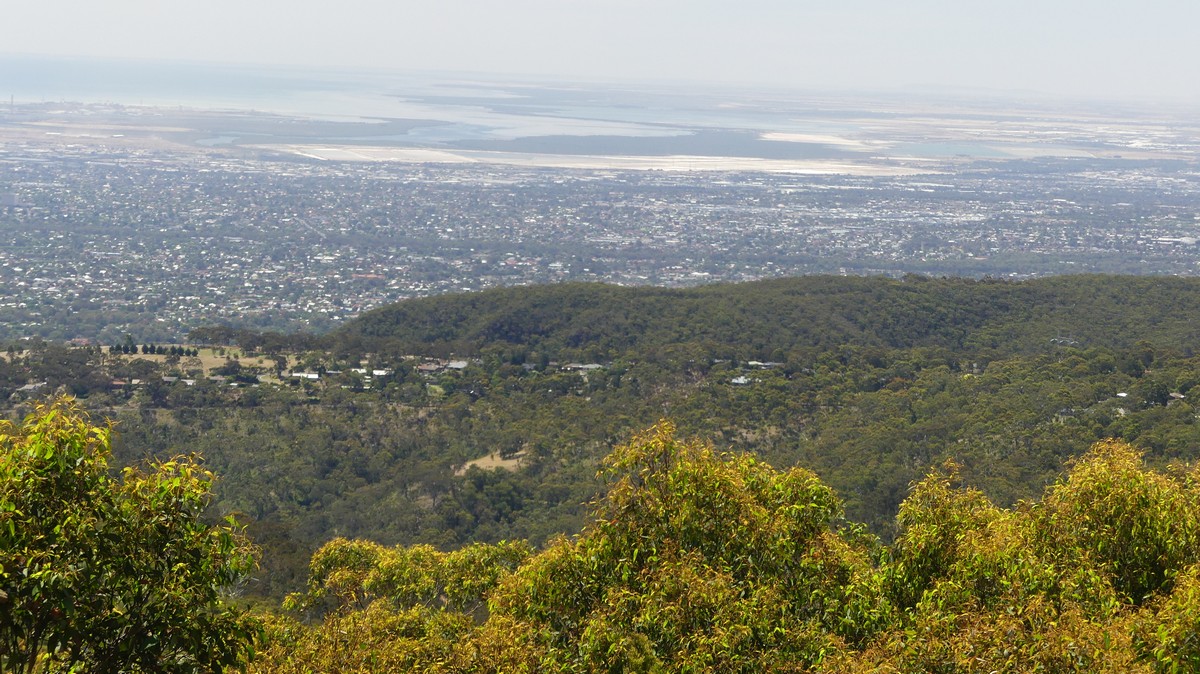
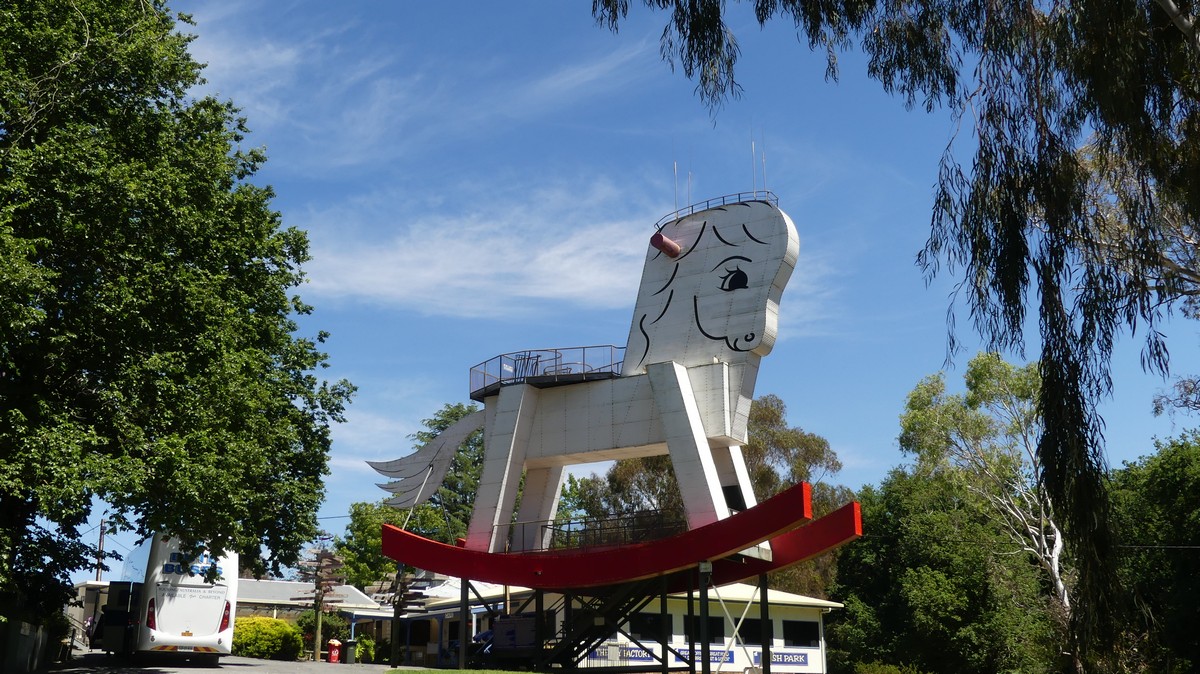
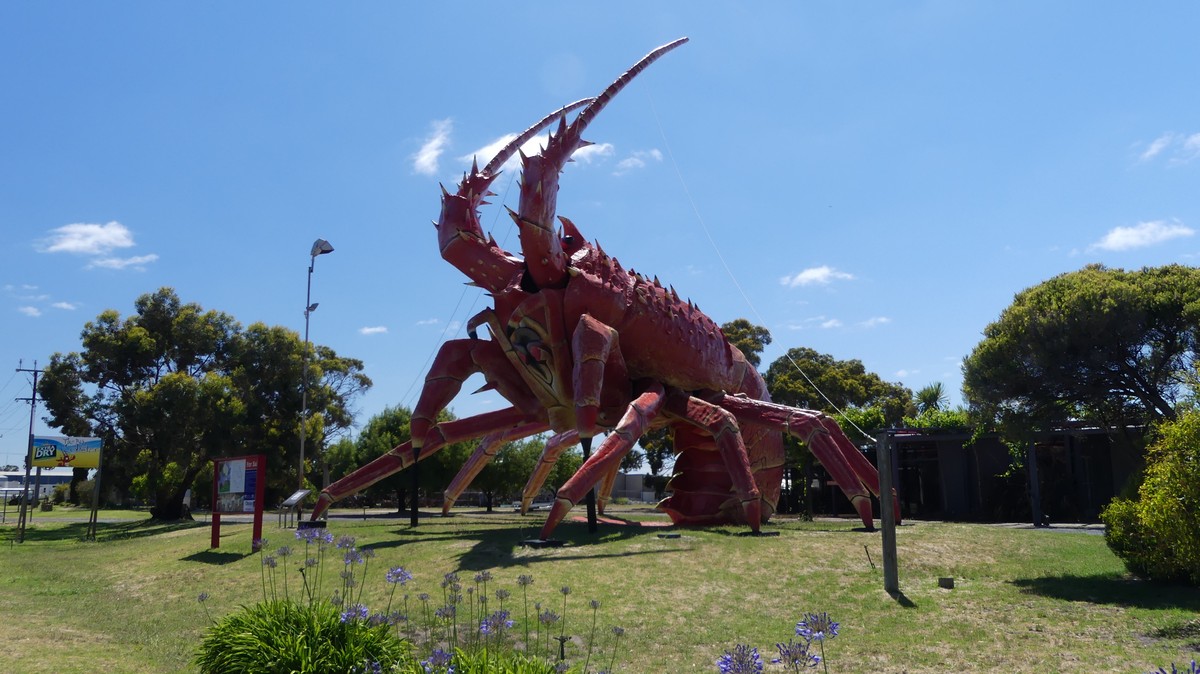
En we leren weeral bij. Manchester is linnengerief zie ook hierWe zijn terug in een land van overvloed…We hadden geluk, we landden met black friday: alles bij Vodafone was aan de helft van de prijs!Vulkaan krater rond Hamilton (VIC)Druilerige dag op de Great Ocean Road, maar er moet gewerkt worden!Onze eerste kangoeroes! Na wat overleg zijn we tot besluit gekomen dat het mannetjes moeten zijn, want ze hebben geen buidel.kangoeroes zijn luie beesten, overal zie je ze liggen. Ik zou denken dat dat toch gevaarlijk is met al dat verkeer.Kijk, wie we daar hebben!prachtige natuur met grasboompjes. Nog steeds geen slangen gezien!Kunst in The Art Gallery of South Australia in Adelaide. Wie kent hem?Zelfde museum: wie kent haar? Belgie zendt zijn kunstenaars uit.zicht op Adelaide (of zoals Ilse het zegt: Adelheid met stille h) 1.3 miljoen inwoners!Grootste schommelpaard van de wereld, in Gumeracha. Neen we zijn er niet op geweest.Australie is een land van grootse dingen. Na het schommelpaard, nu Larry de Lobster
It is now Sunday, november 26th, our last evening in Noumea and we are staying in “hotel du Centre” with good internet so it is time to finish my update of New Caledonia.
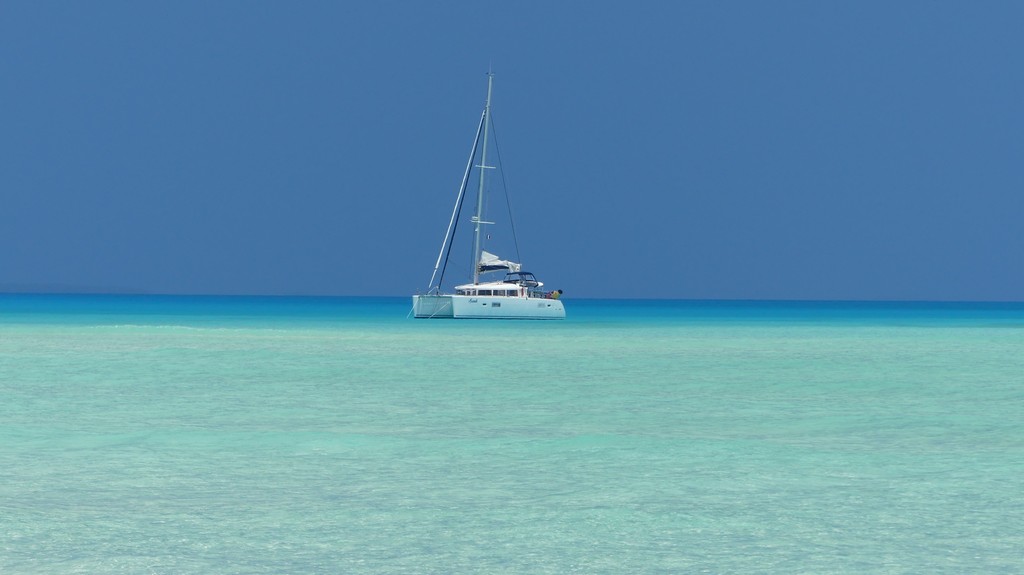
When Hannah and Wence left us in Lifou, on October 26th, we continued sailing to Ouvéa another island of the Loyalties group. Ouvéa was enlisted as a Unesco World Heritage site in july 2008.
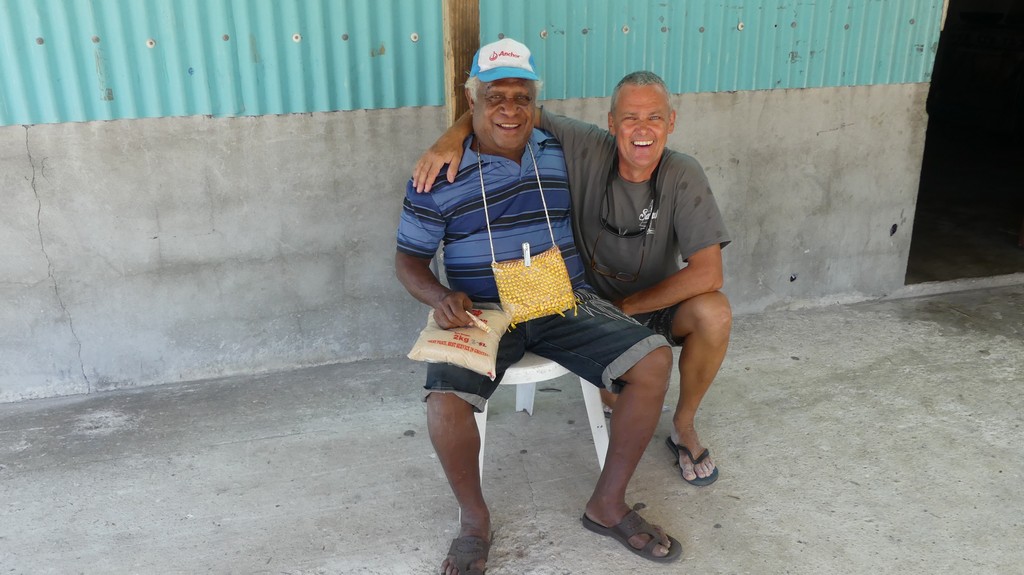
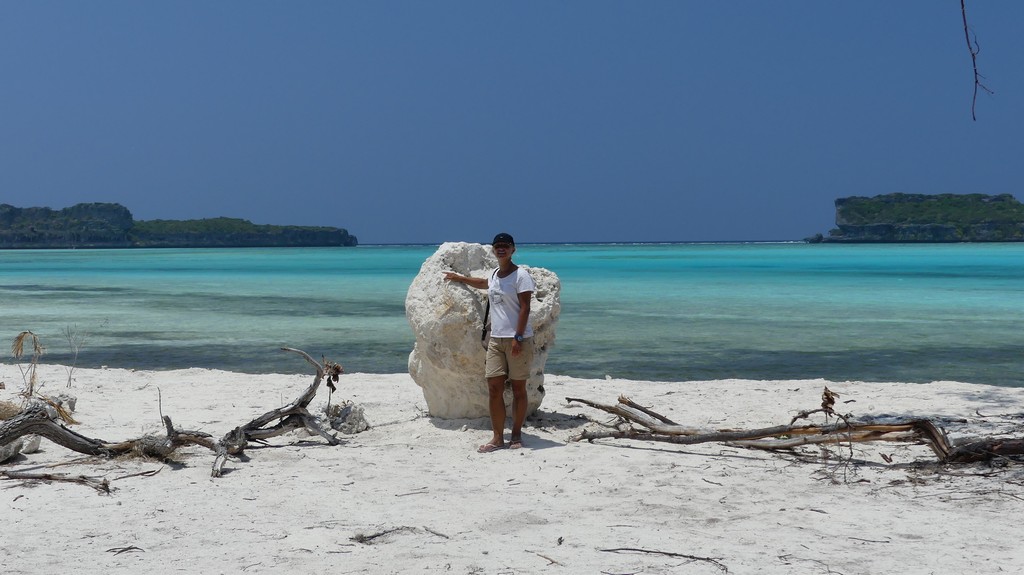
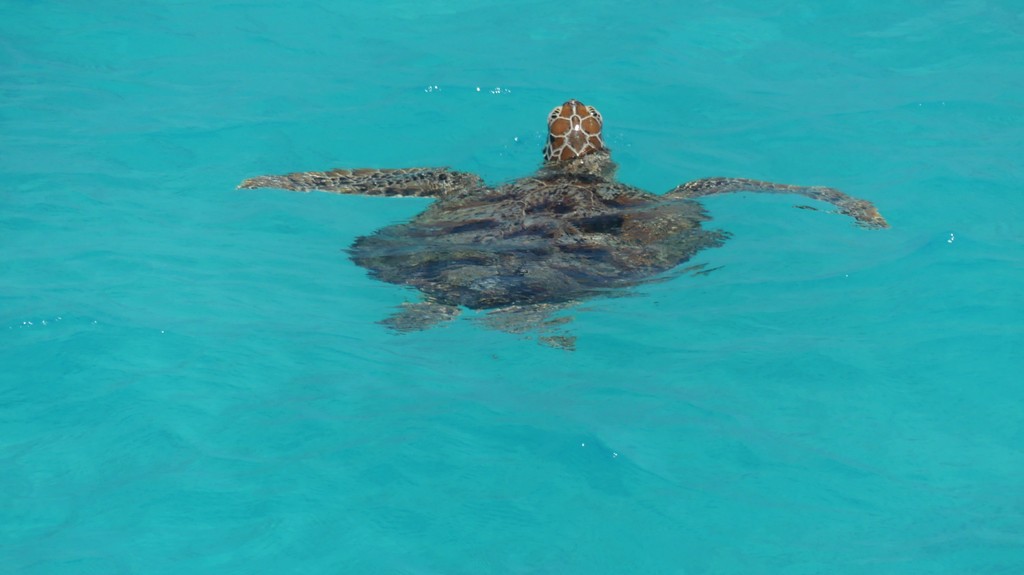
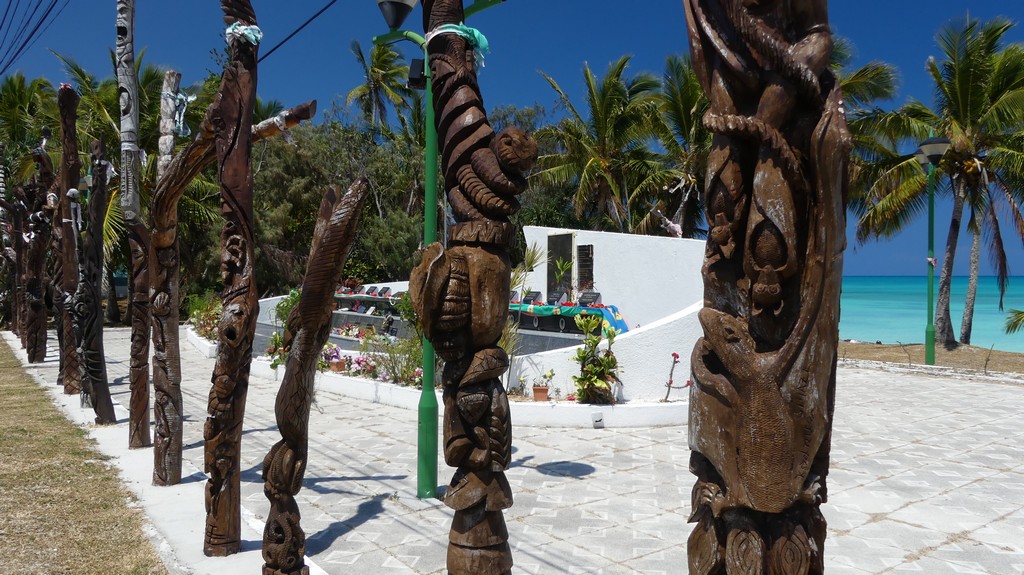
Our first stop was in Mouli. The sun was out, the skies were blue and the water in the lagoon was crystal clear with a beautiful white sand beach.New Caledonian custom requires that you first pay respect to the tribe who owns the land where you are anchored. This means taking a gift and a bank note of 1000XPF (10USD). We found a group of people playing Bingo (they can play it for hours) near the church and paid our respect to the oldest of the group. We were now free to go where we wanted and fish in their waters.Lékiny Bay with at the far end the cliffs of Lékiny. Stefan tried out his drone here but could not get it to work properly. Too bad because the views were really beautiful.From the bridge in Mouli, overlooking the lagoon we saw several rays, a shark, lots of fish and this huge turtle coming up for air.The Ouvéa memorial is a tribute to the 19 Kanaks who died in 1988 when French military stormed a cave to free French gendarmes being held hostage by the pro-independence movement. It was here also that a year later the pro-independence leader Jean-Marie Tjibaou (see previous blog) and Yeiwene Yeiwene were killed by extremist who believed they were too moderate.
New Caledonia was annexed to France in 1853. France was looking for a strategic military location and a penal settlement. The first convicts arrived in Noumea in 1864 after a 6 month journey from France. Till 1897 about 25000 convicts were sent to New Caledonia. NC status was changed after WWII from colony to a French overseas territory. In the late 70’s the independence movement became more popular and France agreed to talks with the pro-independence leaders. After a series of tumultuous events the UN General assembly voted in 1986 in favour of NC reinscription on the UN’s decolonisation list. In april 1988 the Ouvéa crisis erupted where a separist group took 27 people hostage and demanded instant independence. 19 hostage-takers were killed (Ouvéa memorial) and 2 military people died. In 1998 the Noumea Accord was signed between the French government and the independence parties. This Accord stipulated a 15-20 year period of growth and development ending with a referendum for independence. This referendum will be held in 2018. If the independence vote fails the Accord provides that 2 more referendums will be held in the following years. We are curious to see what will happen but many doubt the pro-independence vote will win. To be continued.
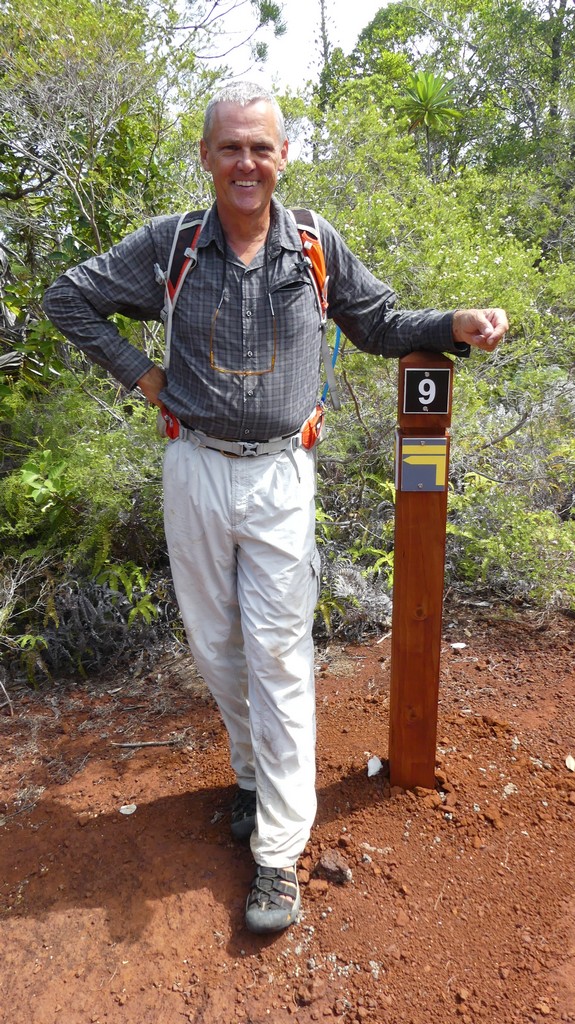
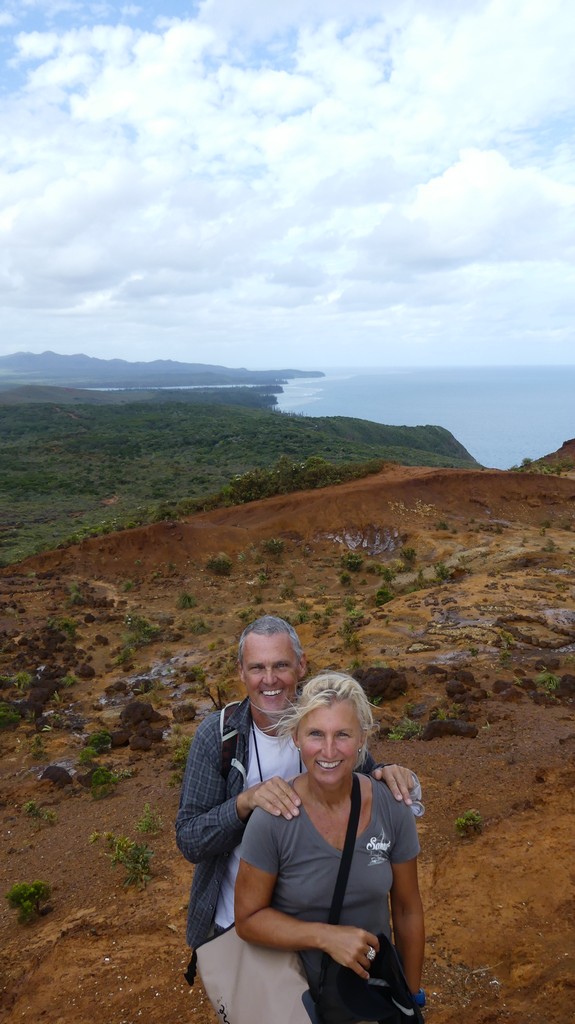
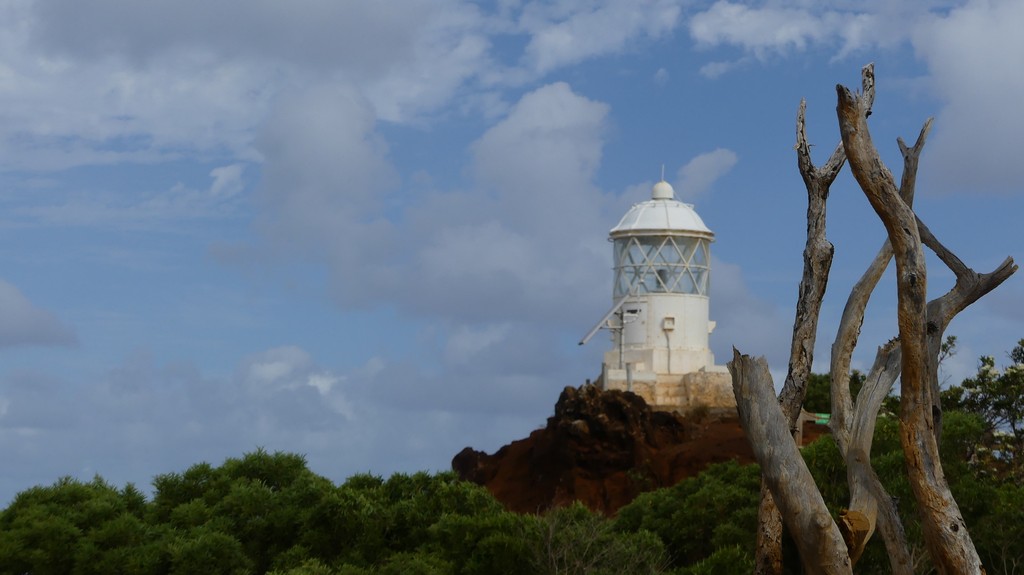
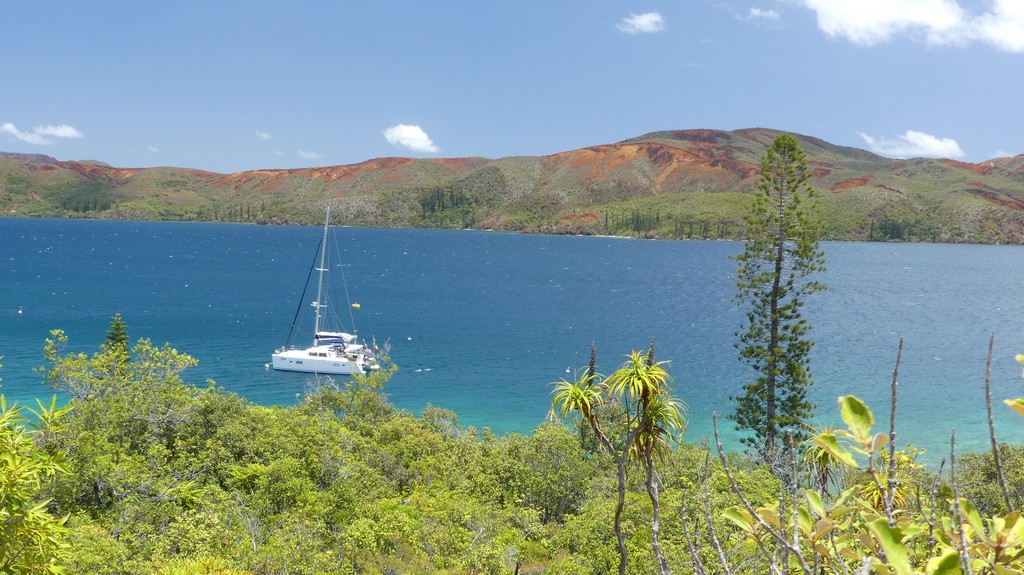
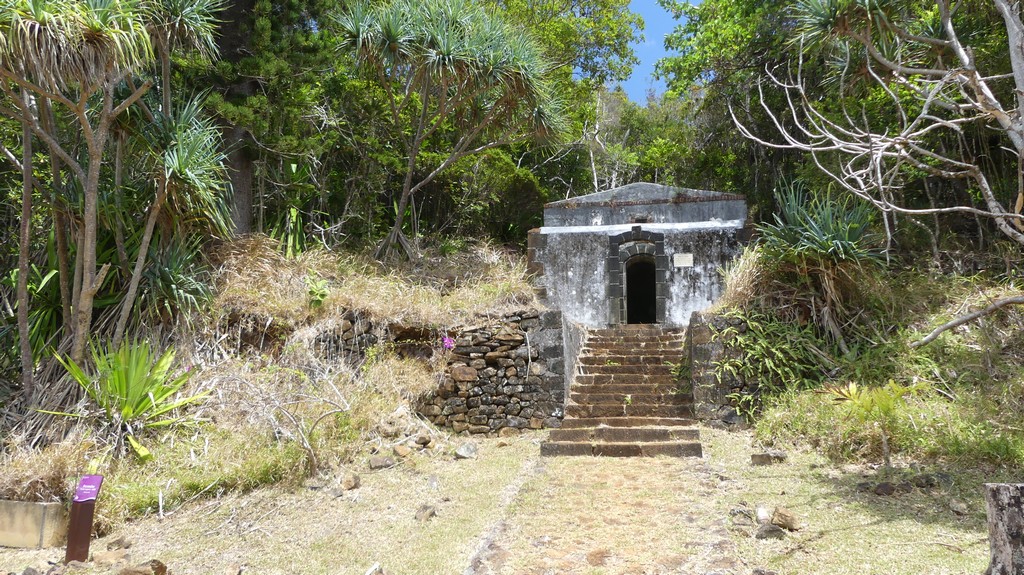
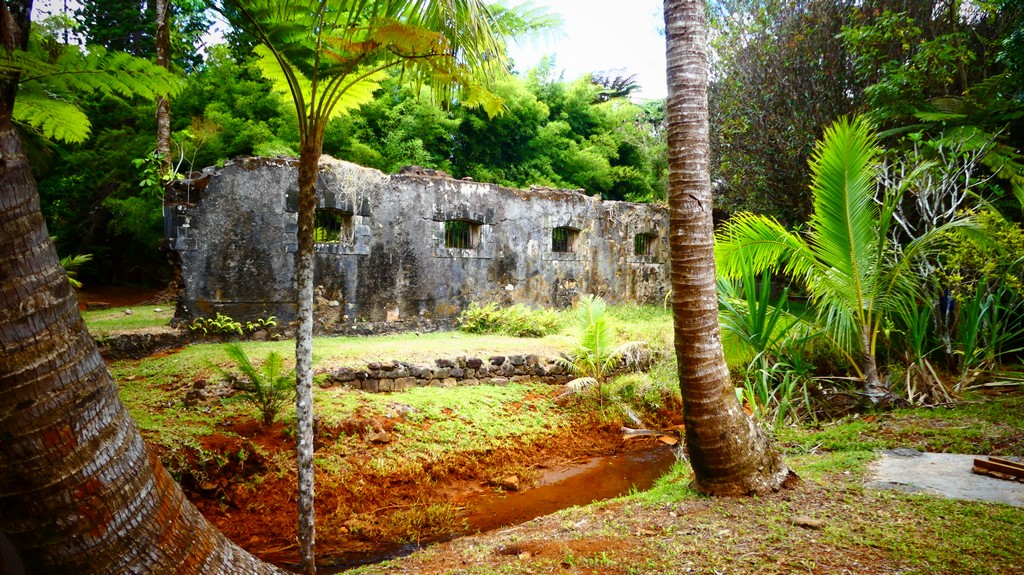
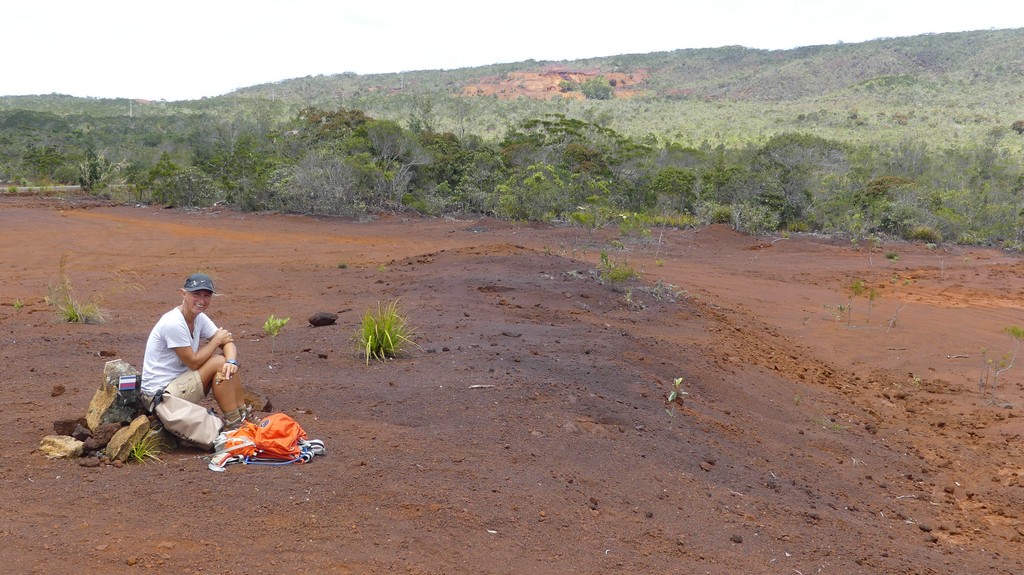
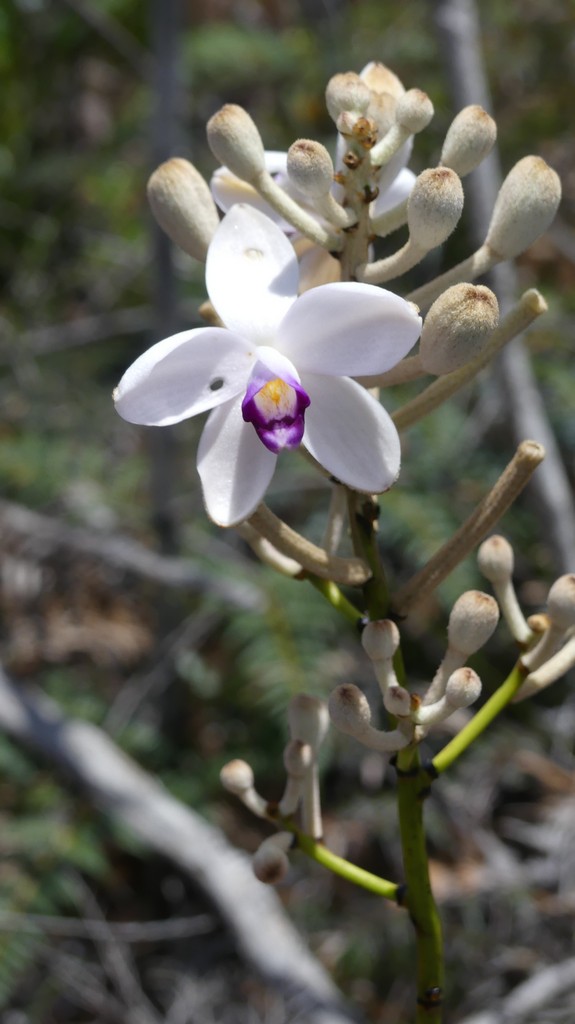
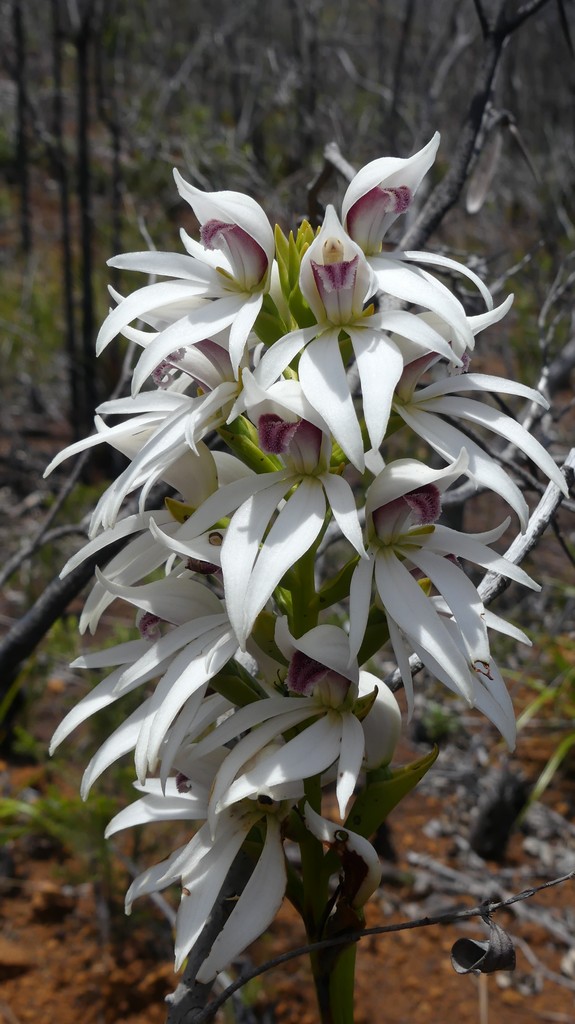
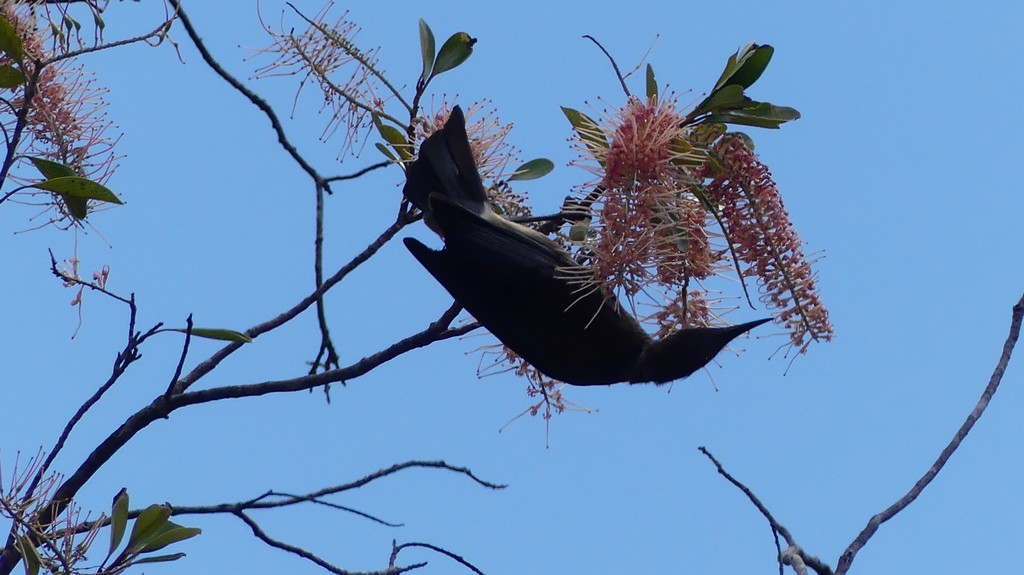
We sailed from Ouvéa to the East Coast of Grande Terre and made a stop in Port Boise to stretch the legs. There are lots of beautiful well marked hiking trails all around the southern tip of Grande Terre.Next anchorage was Bay of Prony where we went up to the lighthouse Cap NDoua. The red colour from the earth comes from its richness in iron and also nickel. In the area there are several nickel mining plants. Nickel plays an important part in the NC economy. About 10% of the world nickel reserves sit in NC.Cap NDoua lighthouse.Sanuk in the Bay of Prony next to Ile CasyThe powder house of Prony village. Prony village was a convicts village. The first European inhabitants were Captain Sebert and 29 convicts who landed here in 1867 to log timber for building materials for the growing colony.Ruins of convicts houses in Prony village.Another hike in Prony Bay, taking a break during the 17km walk.Along the trail many wild orchids just started to bloom.A lot of the trees were burnt by a fire but this did not seem to have bothered the orchids.The New Caledonian Friar bird is a honey eater. It was a joy to see his acrobatics to get to the nectar from the bottle brush tree.
We have sailed around for about 1,5months in NC and there is still so much more to be discovered. Hopefully the weathergods are with us in April of next year and we can sail along the East Coast of Grande Terre up to the north with maybe some diving along the way. But now we are looking forward to be “landlubbers” for 4 months while we travel Australia and Vietnam.
Hier is nog een video van ons drie daags verblijf in de lagoon van Ouvea. We waren de gehele tijd gans alleen.
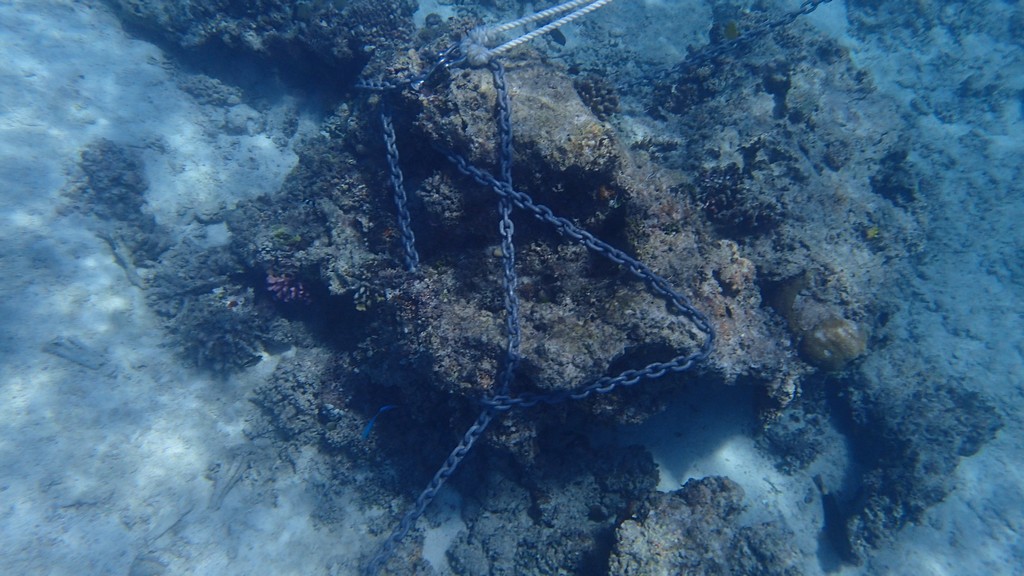
Je vraagt je misschien af wat al die donkere plekken in het blauwe water zijn. Welnu, dat zijn koraalhoofden, tete de corail in het Frans of coralheads aka bommies in het Engels.
En wanneer je ankert in water met een heen en weer beweging, zoals eb en vloed in een nauw kanaal, dan draait de boot en zijn anker zich mee met de stroming. Soms kan het zijn dat je ketting dan rond een koraalhoofd vast komt te zitten, zoals hier het geval was:
mooi ingepakt als een kerstmis cadeautje
Gelukkig was het water zeer ondiep, 2 meter, en konden we zien vanop de boot hoe we moesten varen om de knoop te ontwarren.





 Sanuk 2014-2018 travel stories