December 18th 2017, we are at the Victor Harbour library while it is warm (30Celsius) and rainy outside. Great to update our blog and post some pictures. In the mean time the Victor Harbour City Band arrived and is playing Christmas songs. (see our Christmas Greetings).
We arrived in Melbourne on November 27, 2017 after a 5 hour flight from Noumea. No time difference, no jet lag! We picked up our camper van near the airport, did some food shopping and were off to our first campground just outside Melbourne.
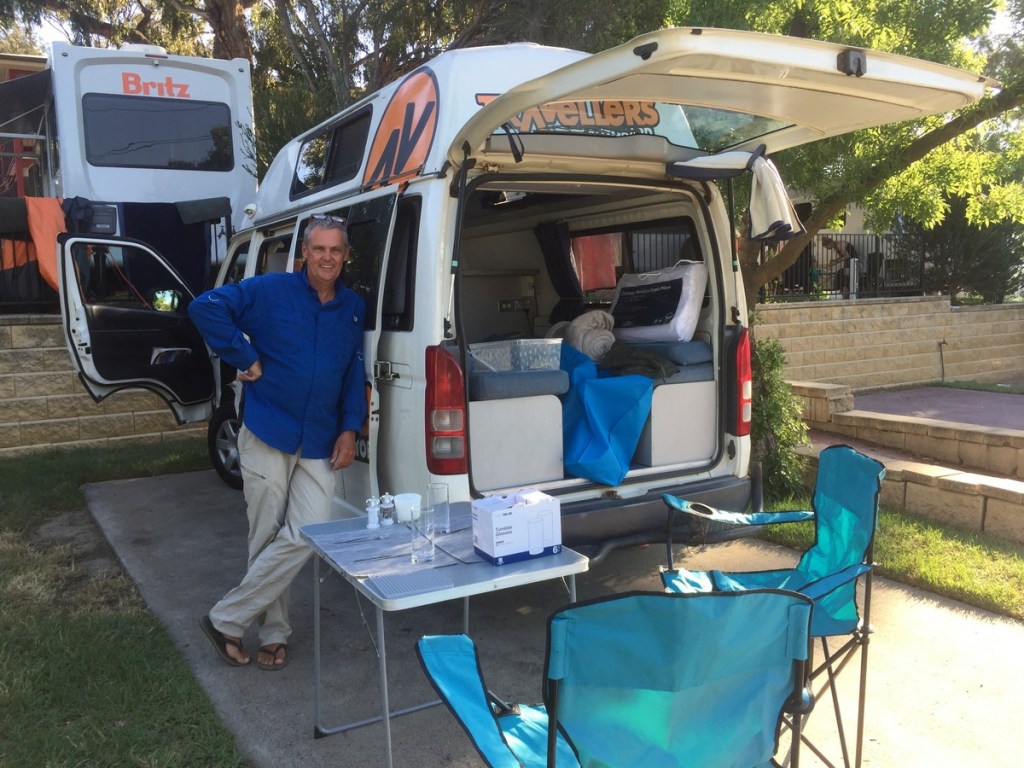
“Skippy” ready to go 🙂
We spent 3 days in Melbourne before travelling to the Great Ocean Road, in the direction of Adelaide. Melbourne is Australia’s second largest city with a population of about 4.5 million people. We found it to be a delightful city. Plenty of nice restaurants, a lot of “green” places and nice museums.
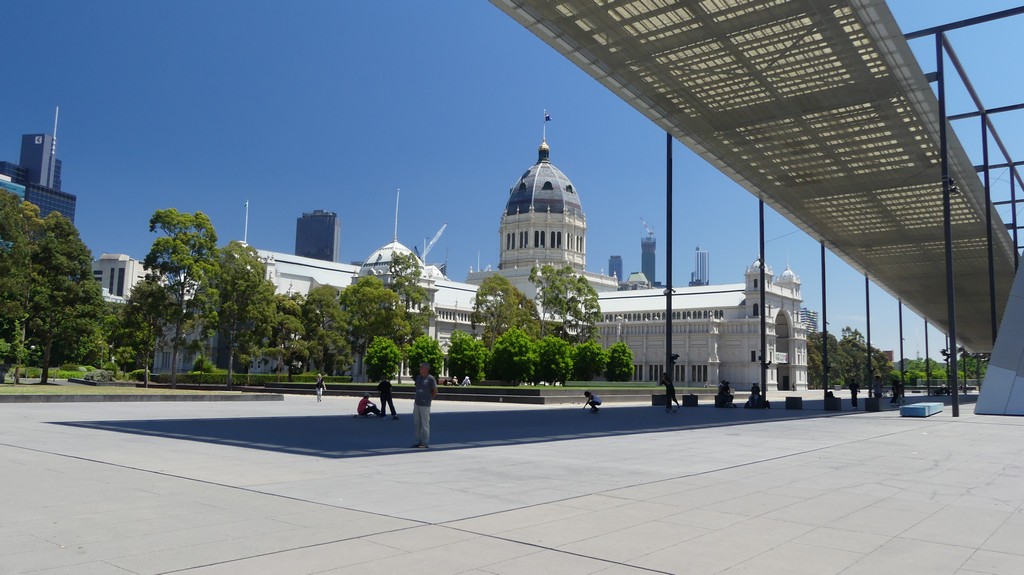
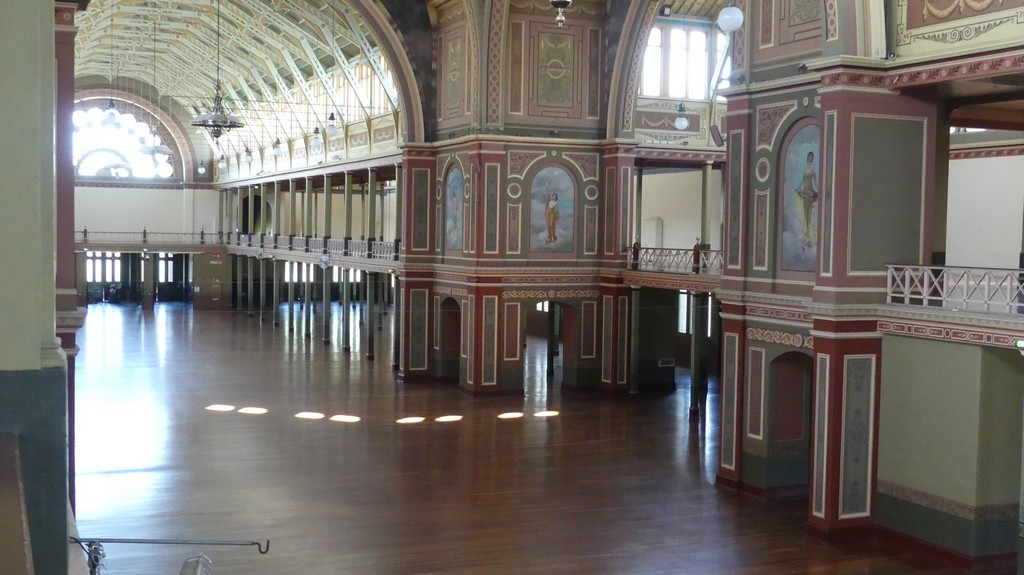
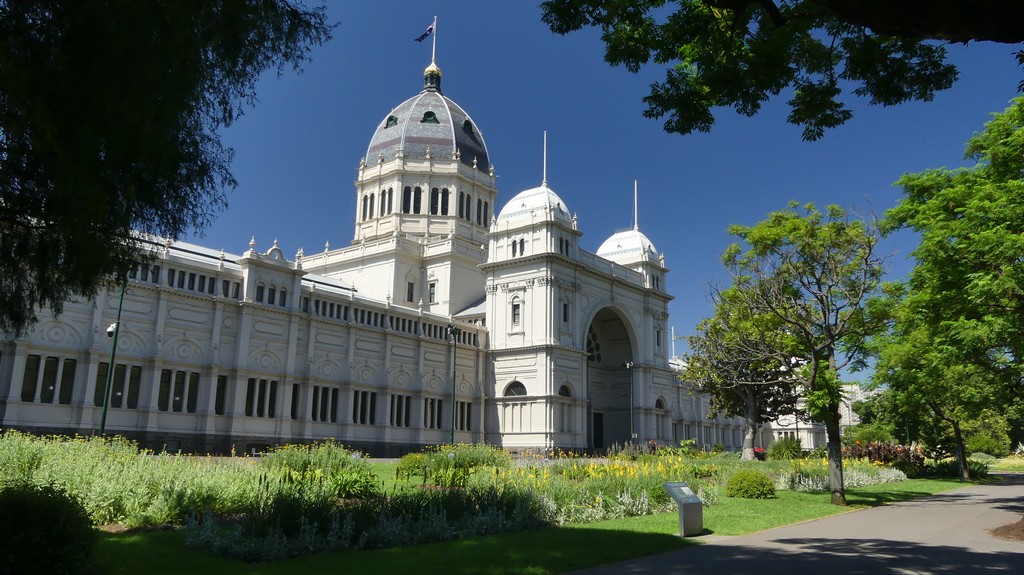
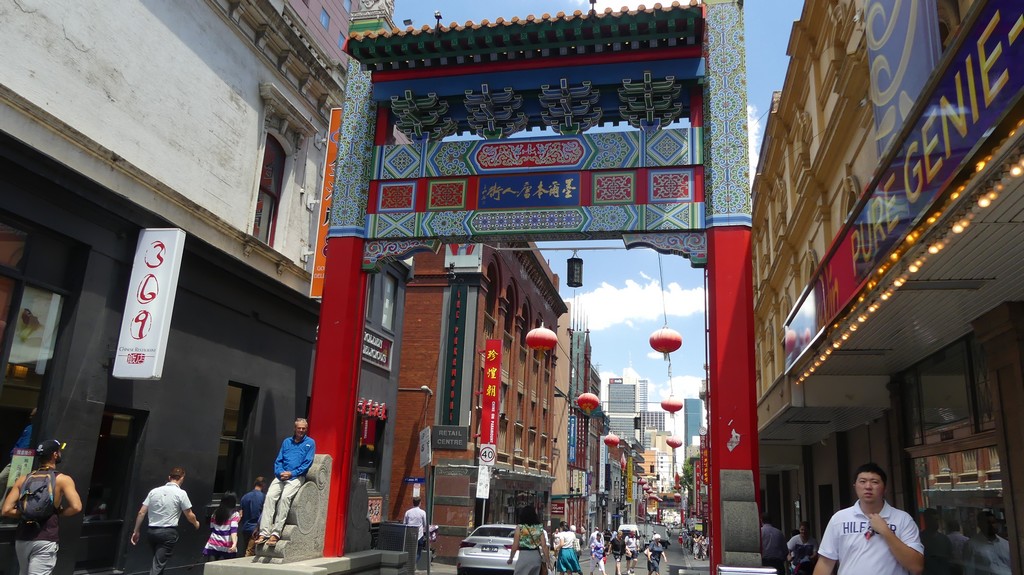
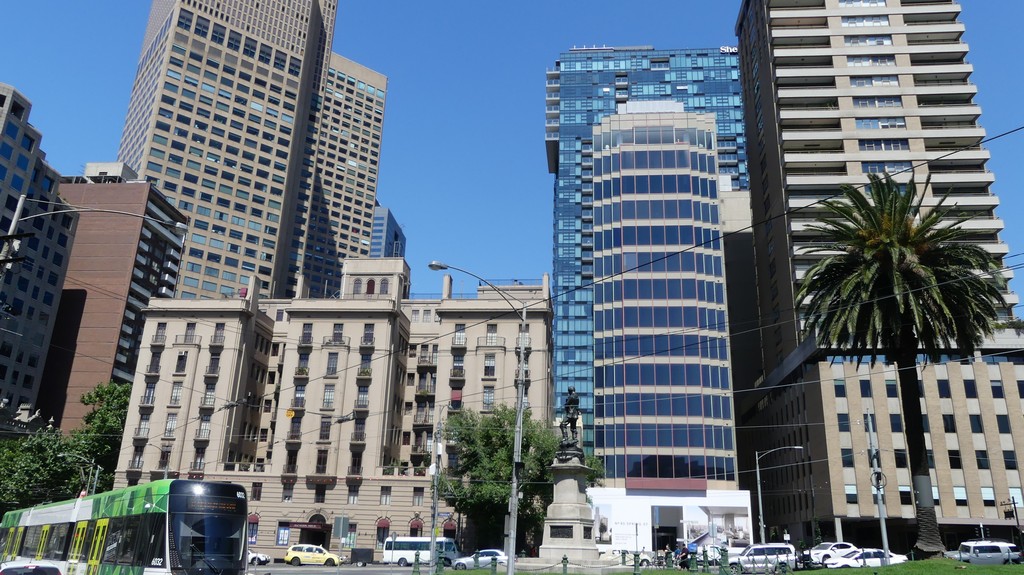
Picture of the Royal Exhibition Building taken from the Melbourne Museum.We were just in time for a tour of the Royal Exhibition Building. It is a Unesco Heritage site since 2004. It was built in 1880 for the International Exhibition and was visited by 1,5 million people. It was also the place where Australia’s first parliament sat in 1901.The building was extensively renovated during the 1990’s and is still used today as a commercial exhibition venue.Melbourne’s Chinatown was established during the Victorian gold rush period in 1851 when lots of Chinese came to Australia in search of gold.We enjoyed a lunch at HuTong dumpling bar.Melbourne CBD (Central Business District) has a good public transportation system
We visited the Ian Potter Centre and the Heide Museum of Modern Art with its sculpture garden.
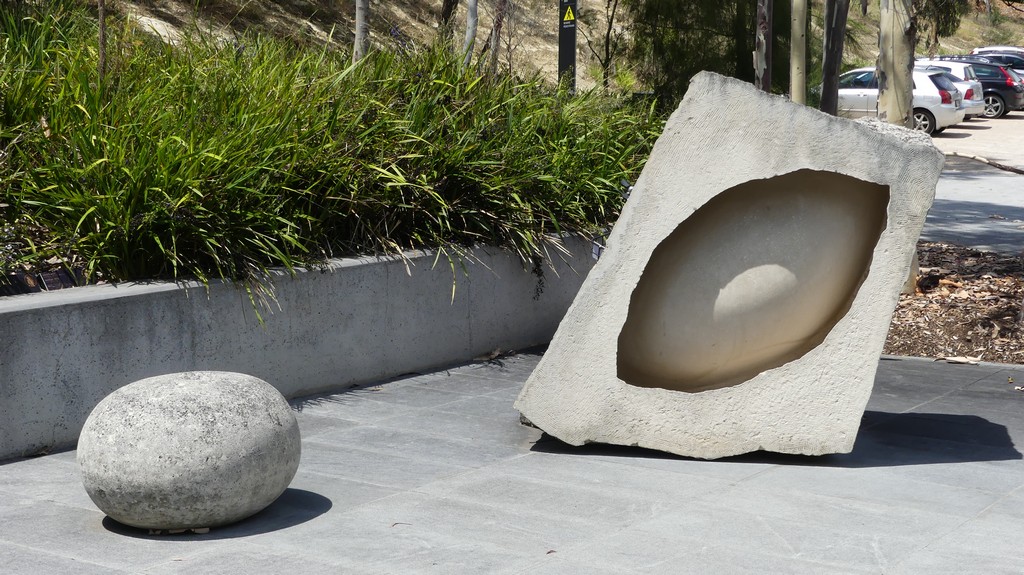
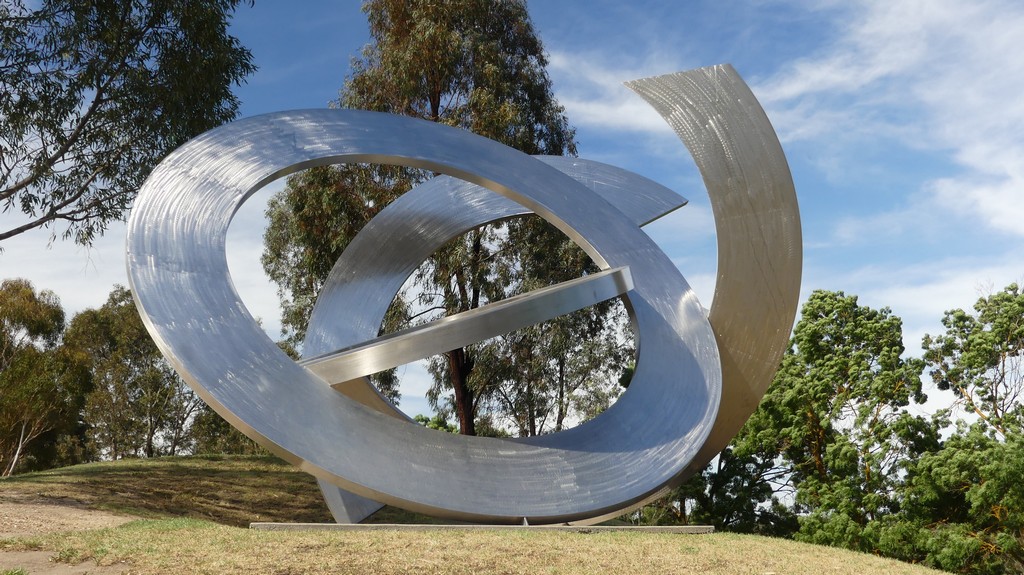
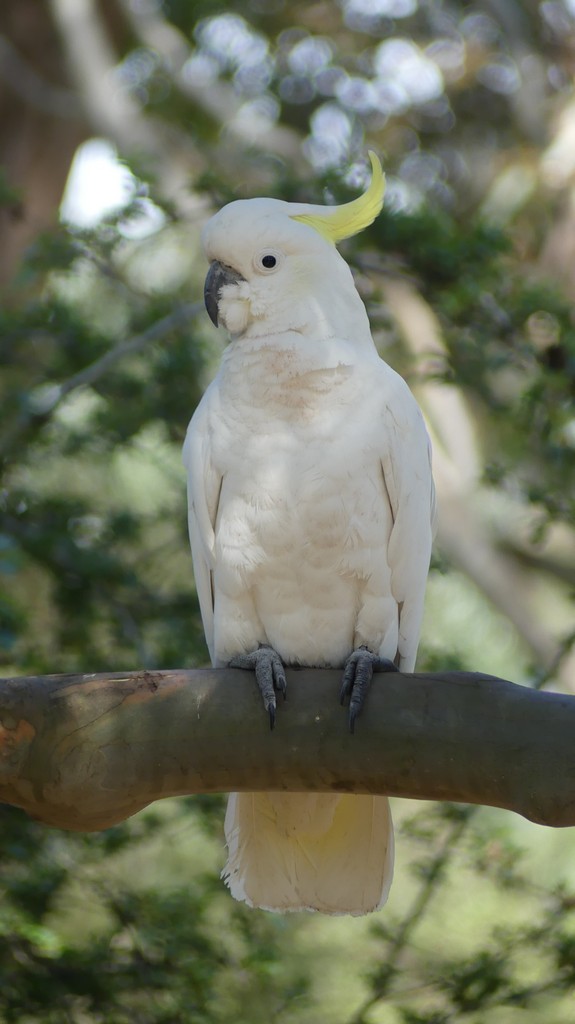
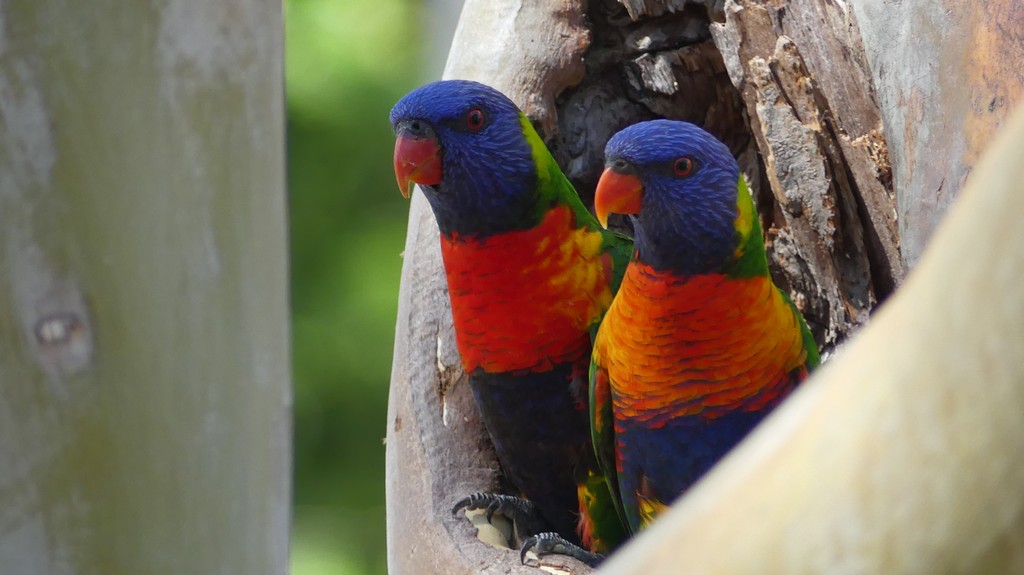
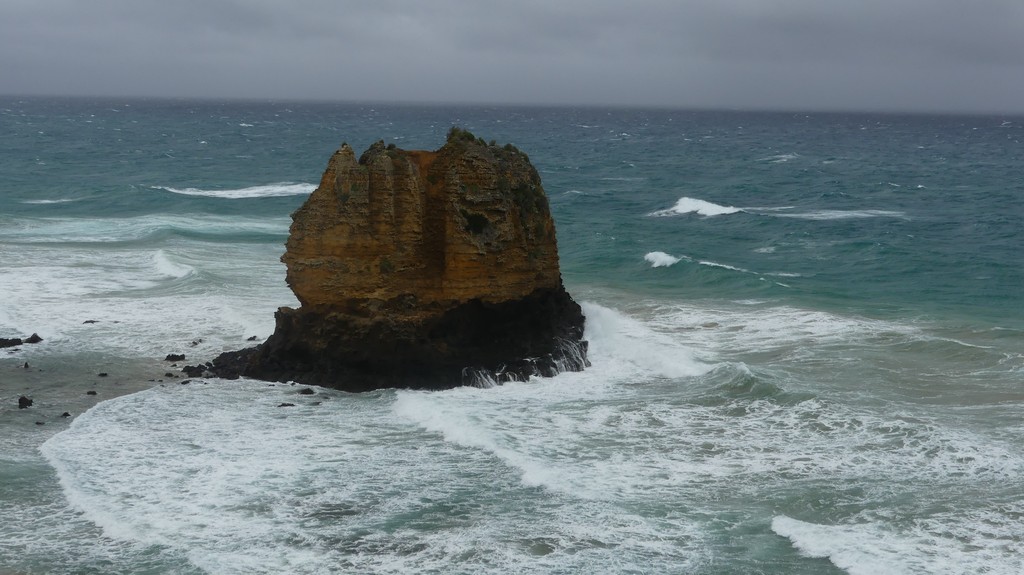
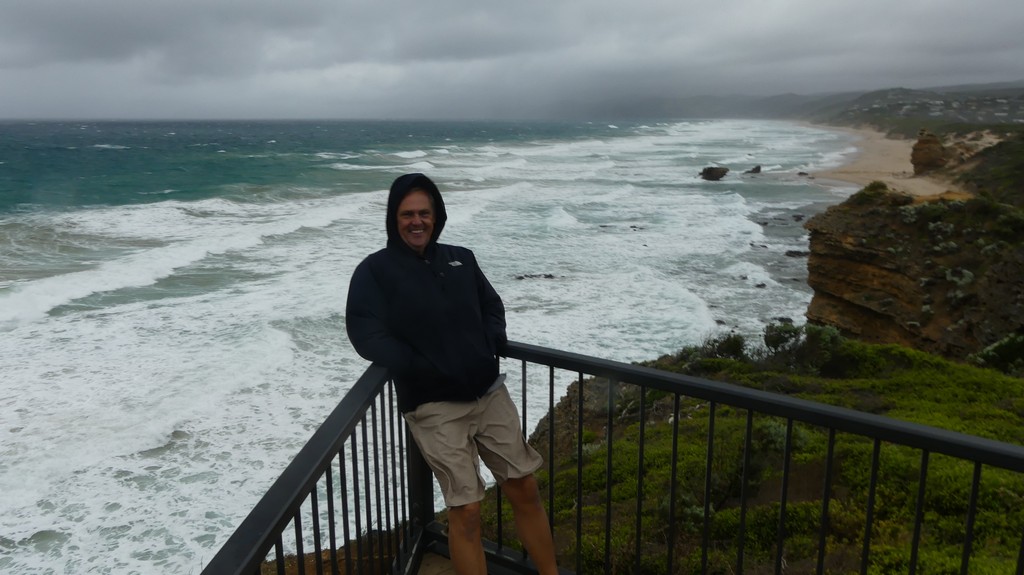
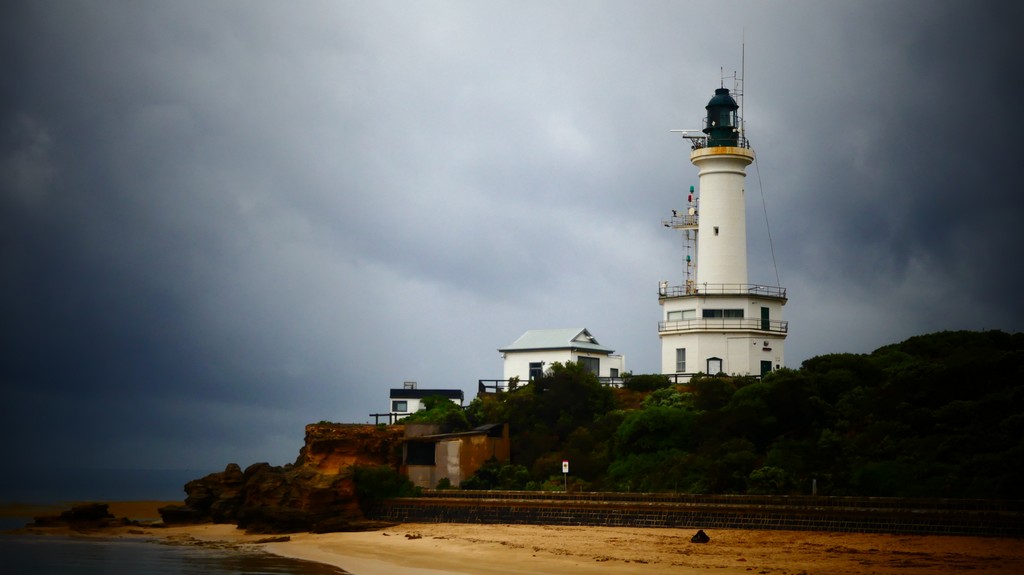
In the Presence of Form II from Anish Kapoor (1993), one of the works in the sculpture garden of Heide Museum.Rings of Saturn, Inge King 2005-6. The Heide museum consists of 3 exhibition buildings built by John and Sunday Reed. It all started with an old dairy farm which they bought in 1934 and which became a gathering place for artists like Sydney Nolan and Albert Tucker, called the Heide Circle.During our walk in the sculpture garden we saw our first sulphur-crested cockatoo. Since then we have seen lots of them in flocks of 30 or more. They are very loud and curious.And we also spotted a pair of Rainbow Lorikeets, It is one of the most commonly observed bird in Australia and I thought for a moment that they were probably escaped parrots not knowing Australia counts so many different parrots.On our way to Great Ocean Road the weather changed from a sunny 32 Celsius to a cold 14 Celsius and rain. A storm warning was in effect for the WE.A good thing we were not at sea, much better to watch the storm from the land.One of the many lighthouses along the Great Ocean Road.
Great Ocean Road was built between 1919 and 1932, right after WWI. The road was to be a Memorial for the soldiers who died in WWI but also a way to employ the returned soldiers. More than 3000 soldiers carved the road with picks and shovels along Australia’s most rugged and densly forested coastline. They were helped by the jobless during the Great Depression.
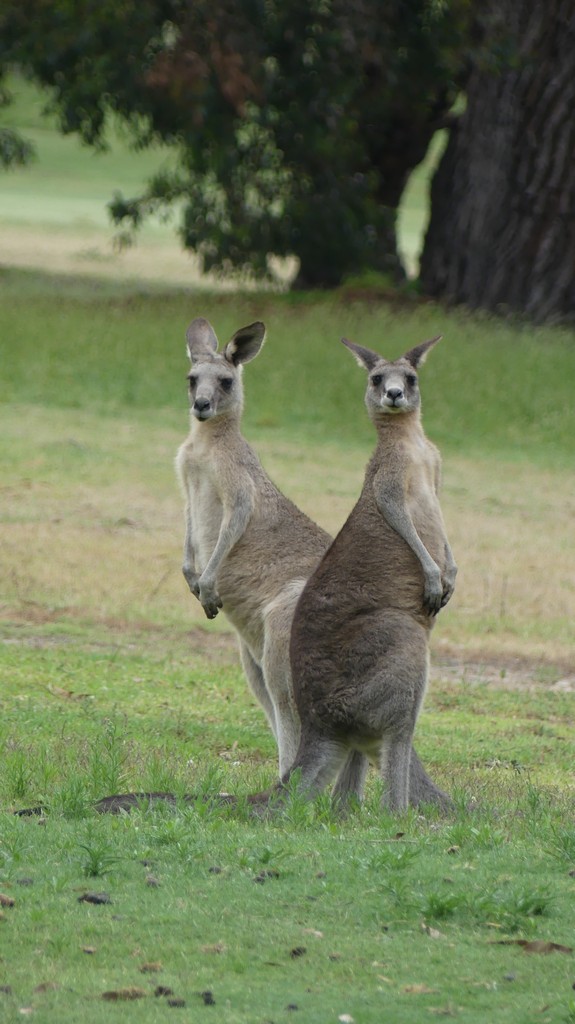
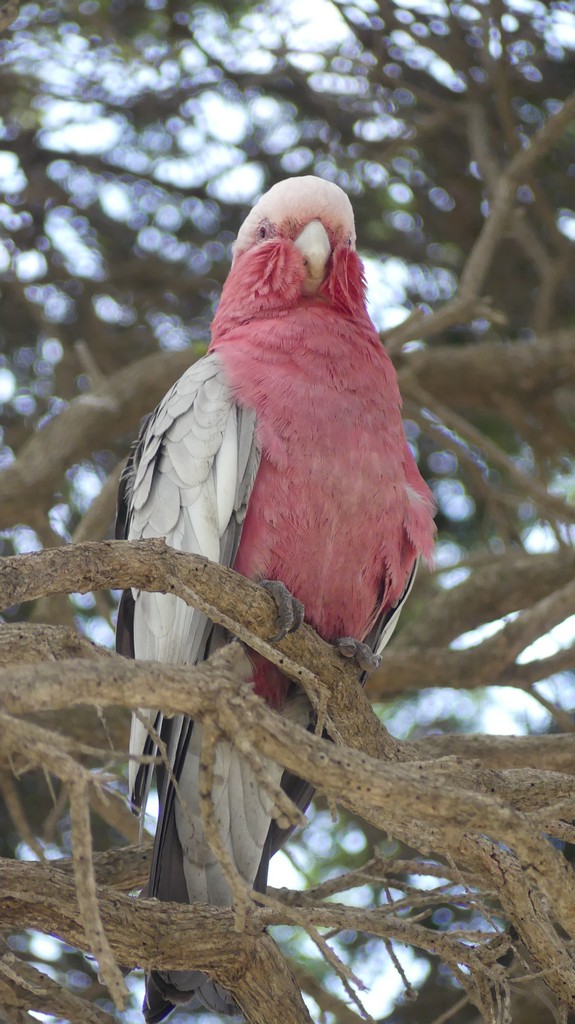
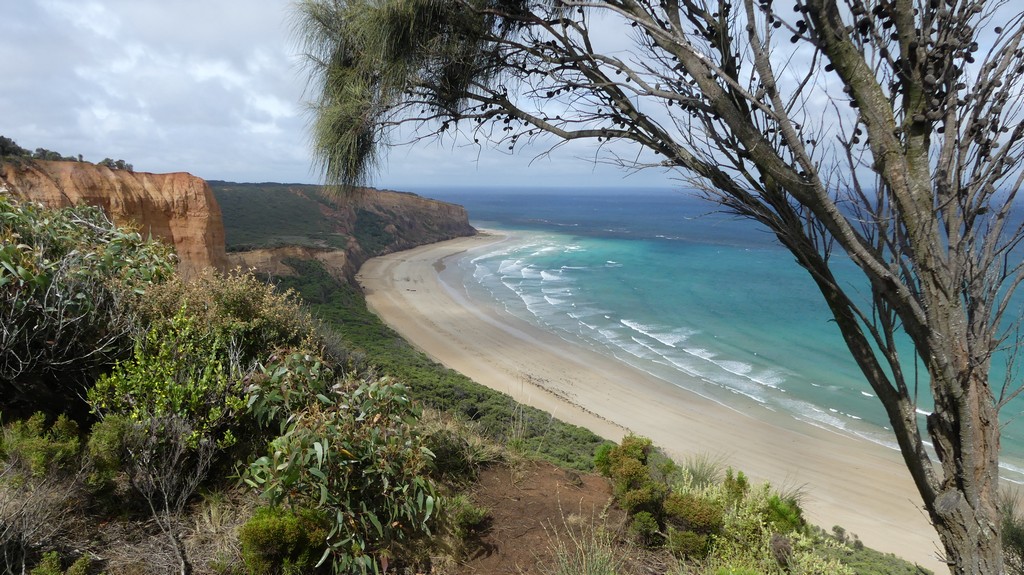
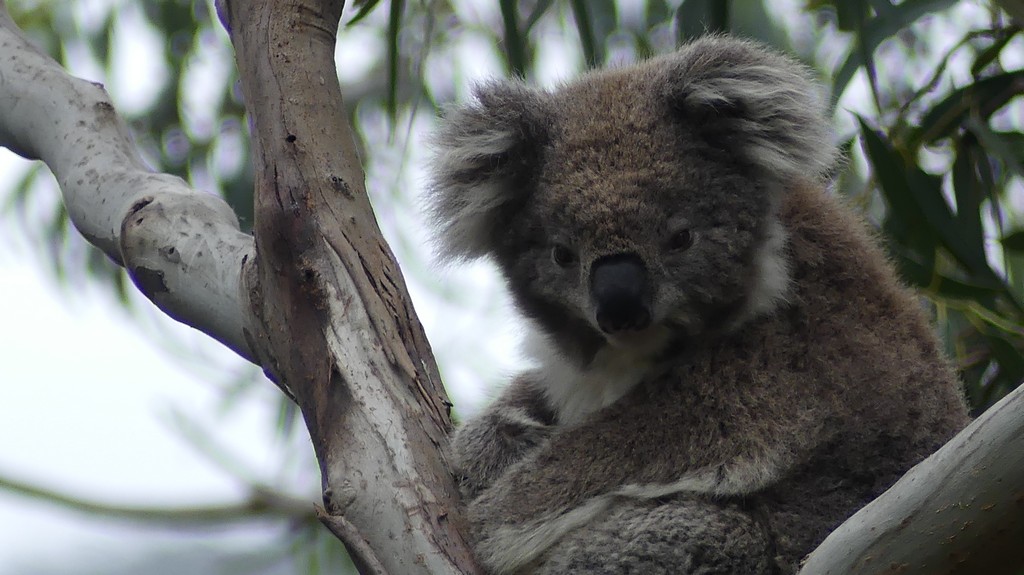
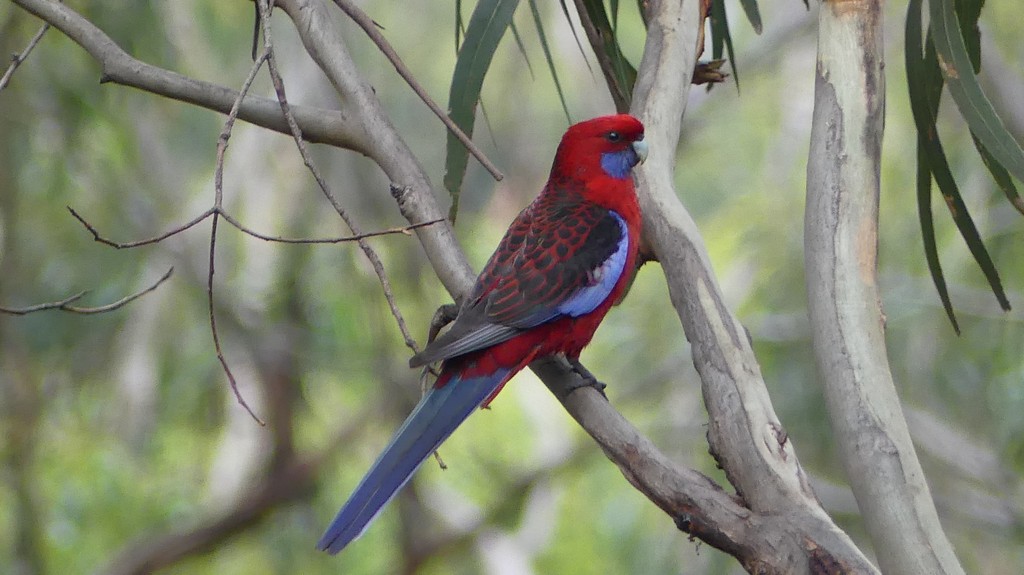
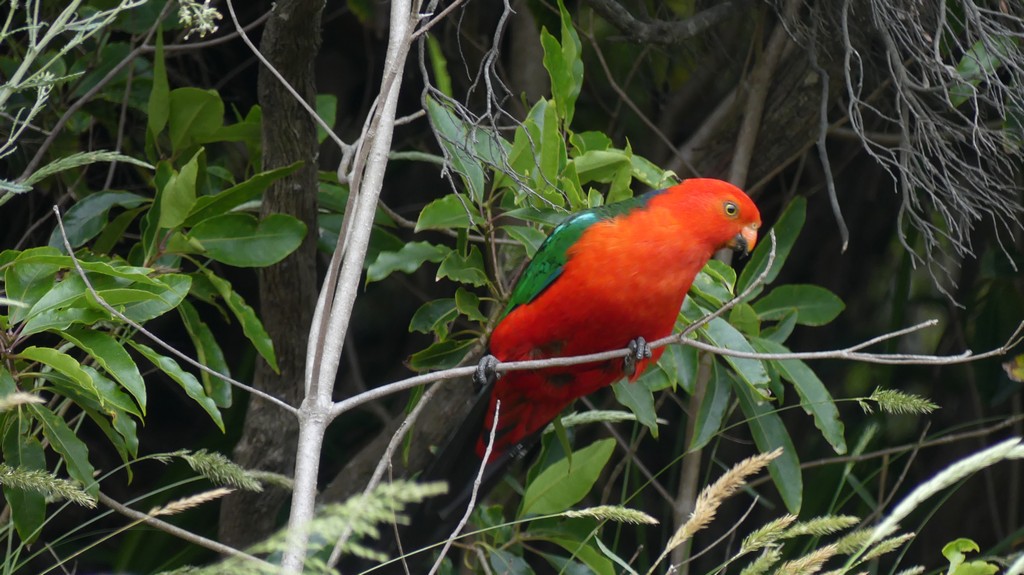
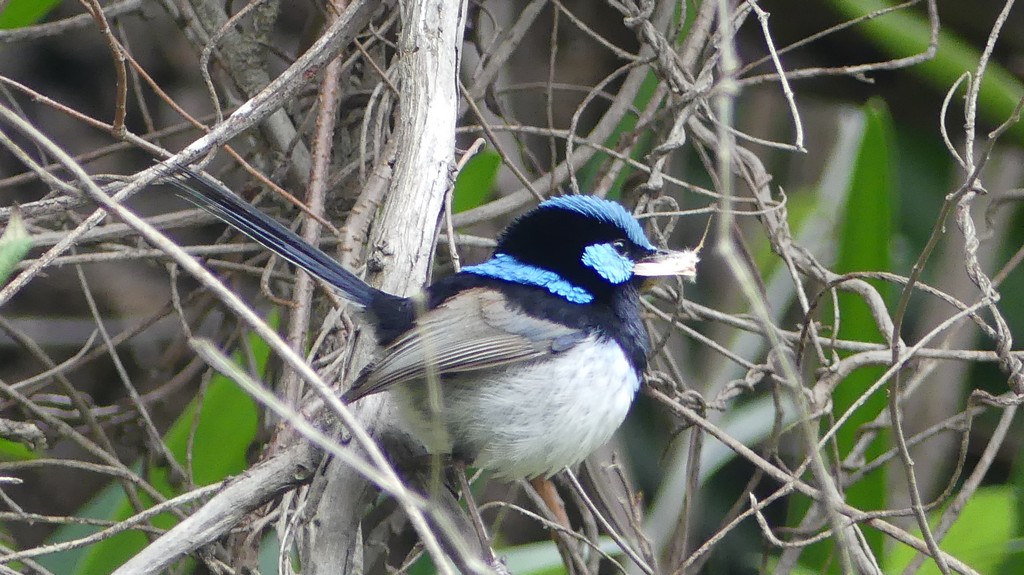
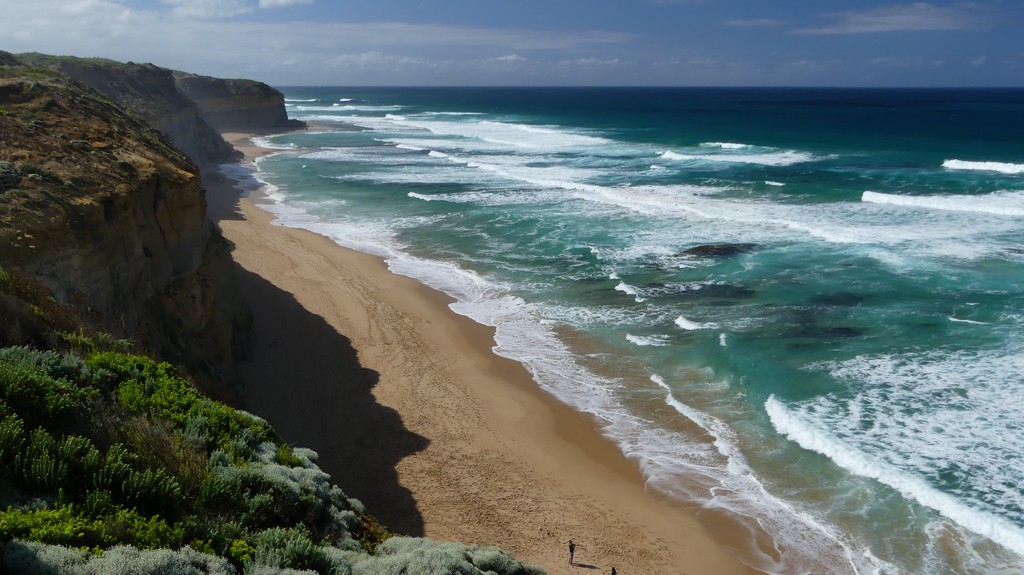
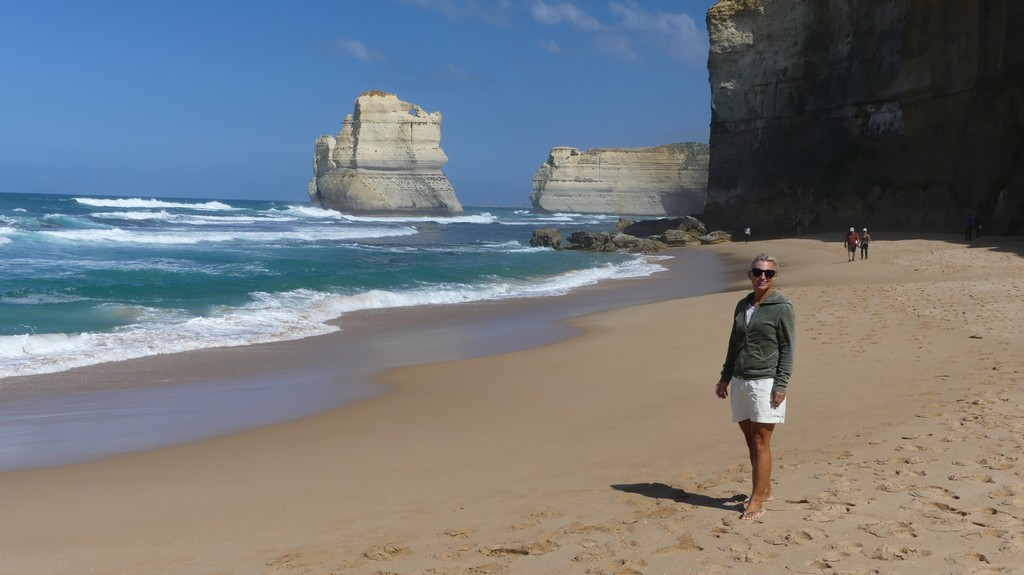
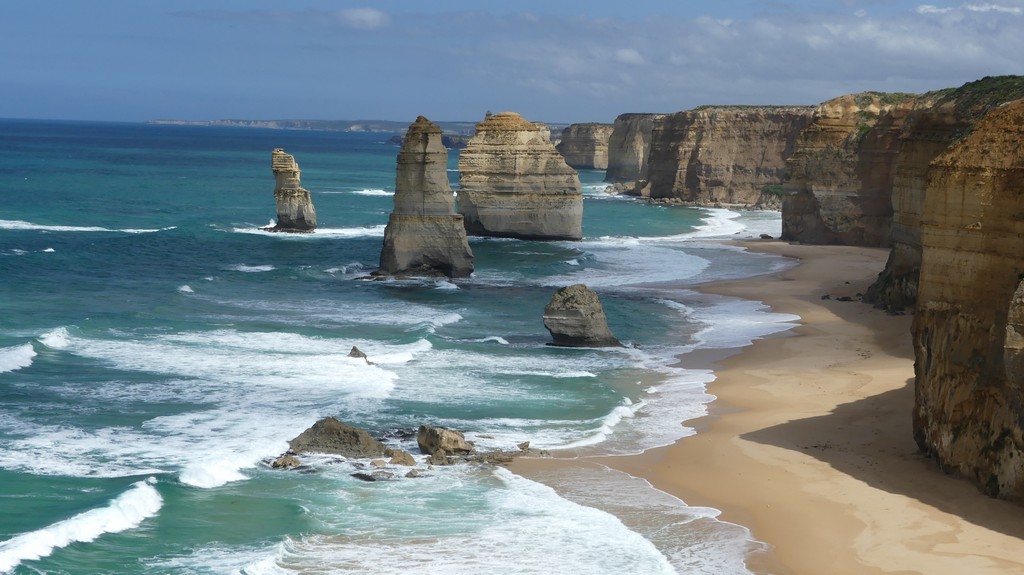
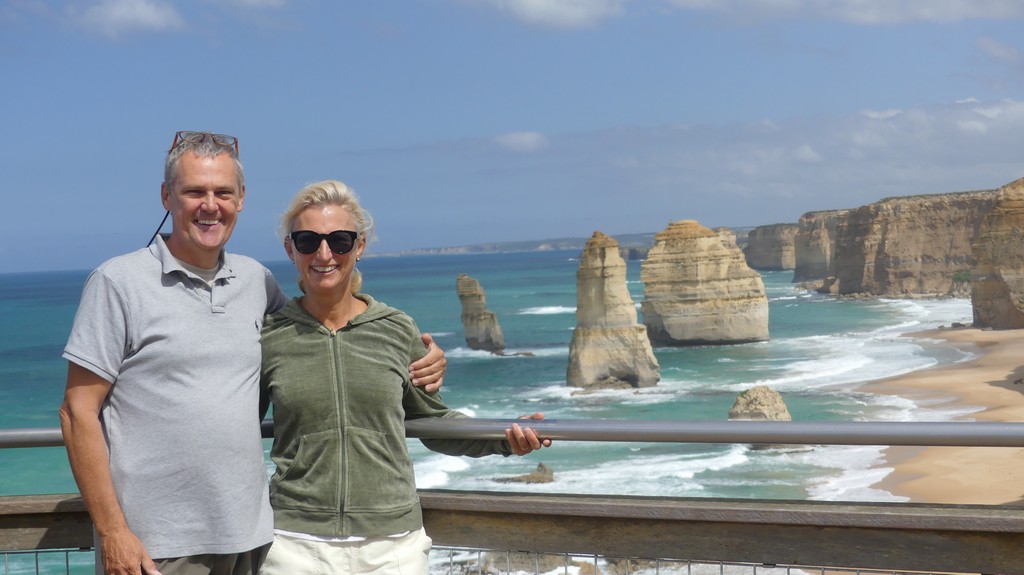
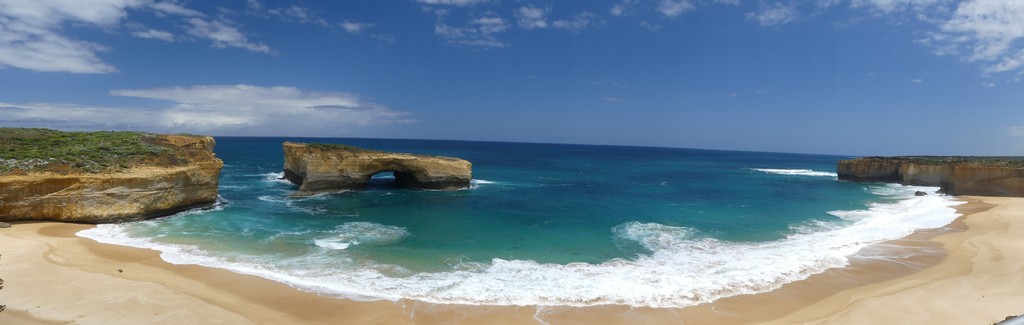
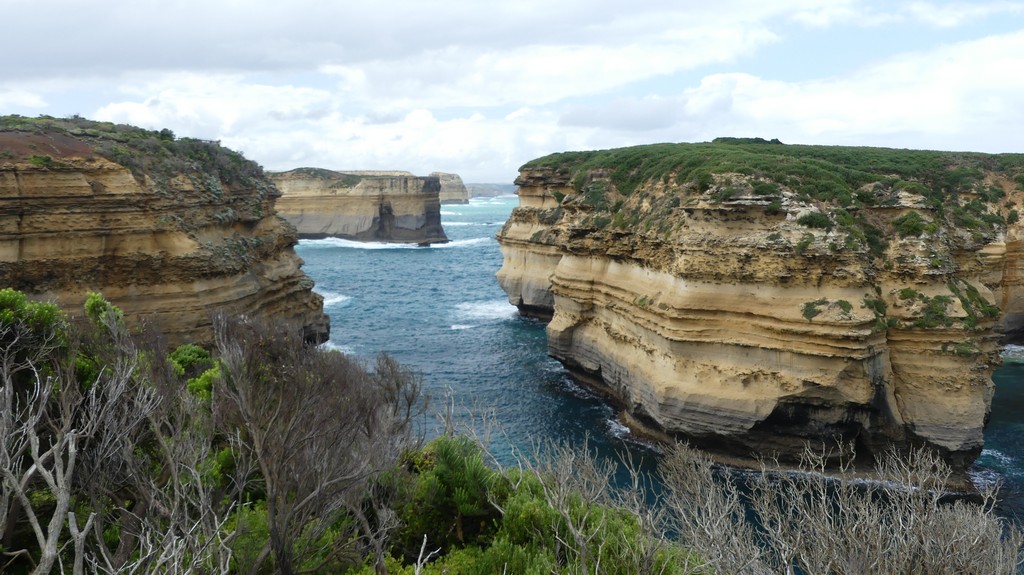
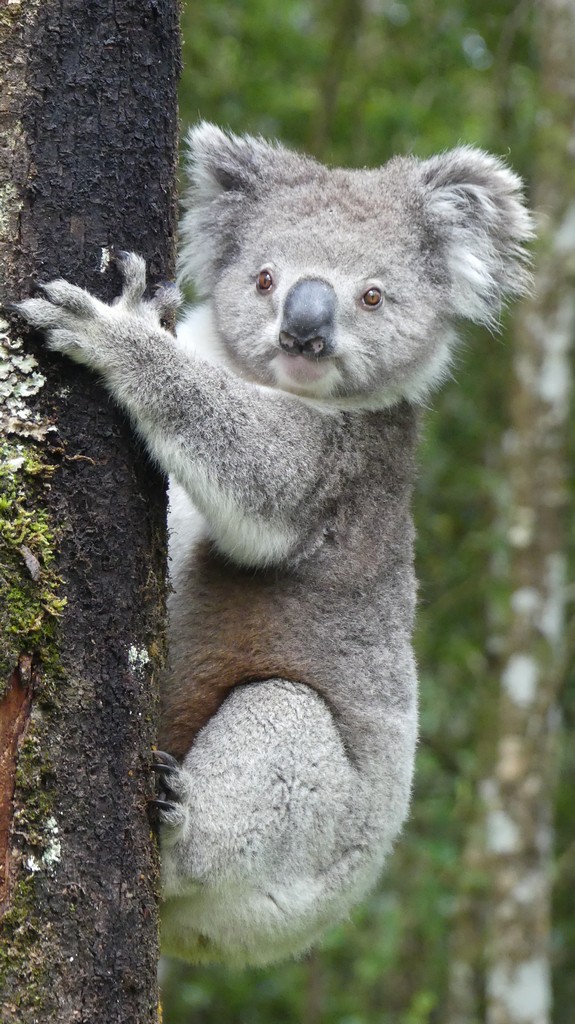
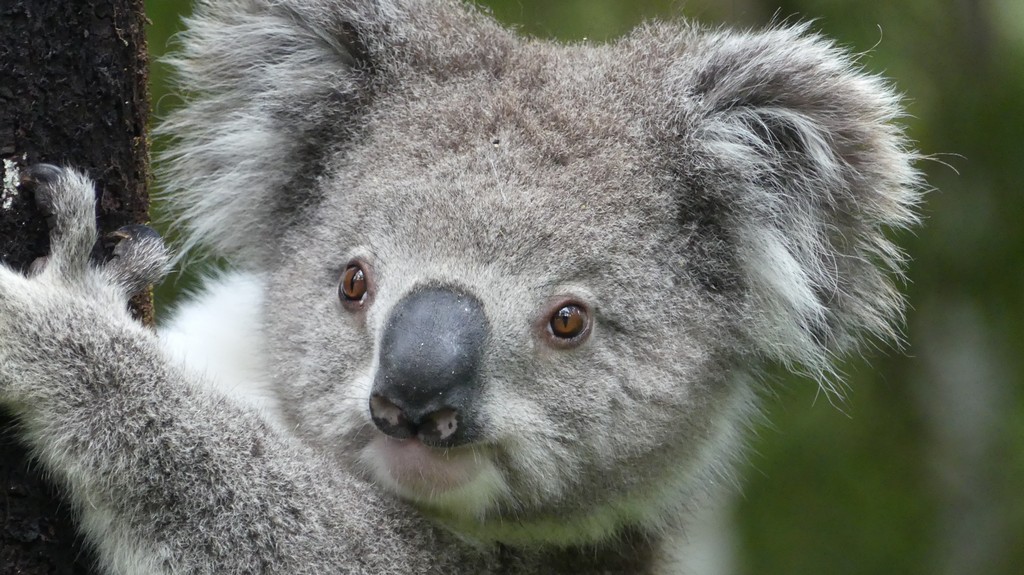
Our first kangaroo siting on the golf course in Anglesea. We have seen many more since but I still enjoy watching them jump away.Another cockatoo, a Galah or rose-breasted cockatoo. They are very common in Australia and we have seen them in flocks of 20 or more.The sun is back out along the Great Ocean Road.Our first Koala sighting in Otway Forest Park. When we walked up the hill we were told there were many out there but we could only spot this one. They can hide very well in the many gum trees (eucaliptus trees).Sooo many different parrots in Australia, this one is the Crimson Rosella… and the Australian King Parrot.The superb blue wren.Lavers Hill Beach, along Great Ocean RoadFinally some sun and blue skies along Great Ocean Road. It was worth the wait.Twelve apostles, limestone pillars some rising 65m out of the water. The cliff faces erode about 2cm each year.We feel so lucky to be able to travel along this beautiful scenery.London Bridge, you could once walk across the double-arched rock but in january 1990 the outer span collapsed and fell into the sea. Two people had to be rescued from the far limestone stack by helicopter.Loch Ard Gorge, it was here that the Loch Ard hit a reef and sunk while transporting immigrants from England to Melbourne in 1878. Only 2 of the 53 people on board survived.When we left Otway Ranges we saw a car at a standstill in the middle of the road. We thought an accident happened but it was just a french tourist all excited about the koala in the tree along the road. Soon a crowd gathered around the tree.Took way too many pictures, they are soo cute !!!!!!
Koalas are not bears but marsupials. They are mostly found in eucalyptus trees (also called gum trees) as the leaves make up most of their diet. Because this diet has limited nutritional and caloric content the koala sleeps about 20 hours a day. They were heavily hunted for their fur in the beginning of the 20th century and are therefore still listed as “vulnerable”. The biggest threat to their existence now is destruction of their habitat for agriculture and urbanisation.
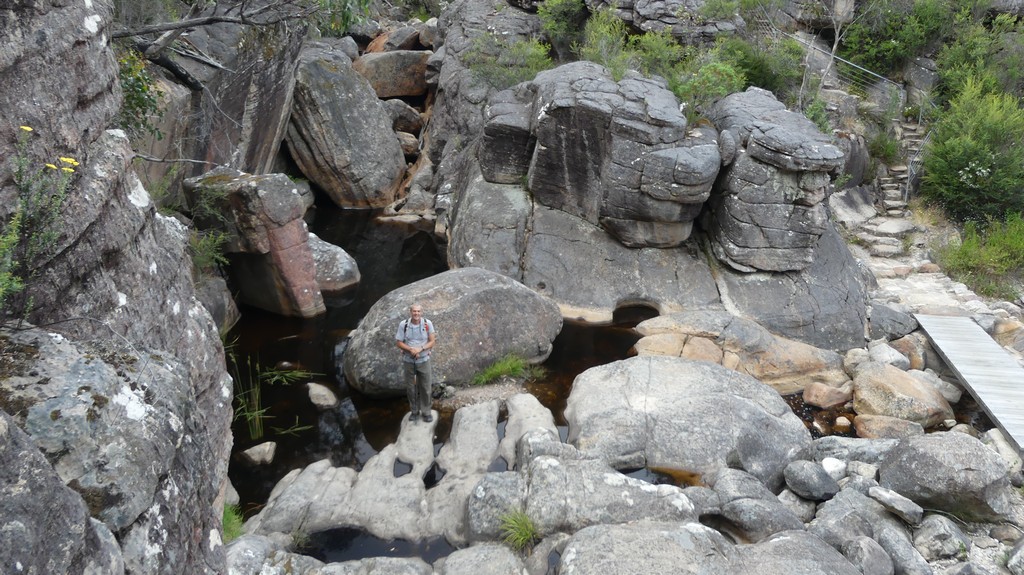
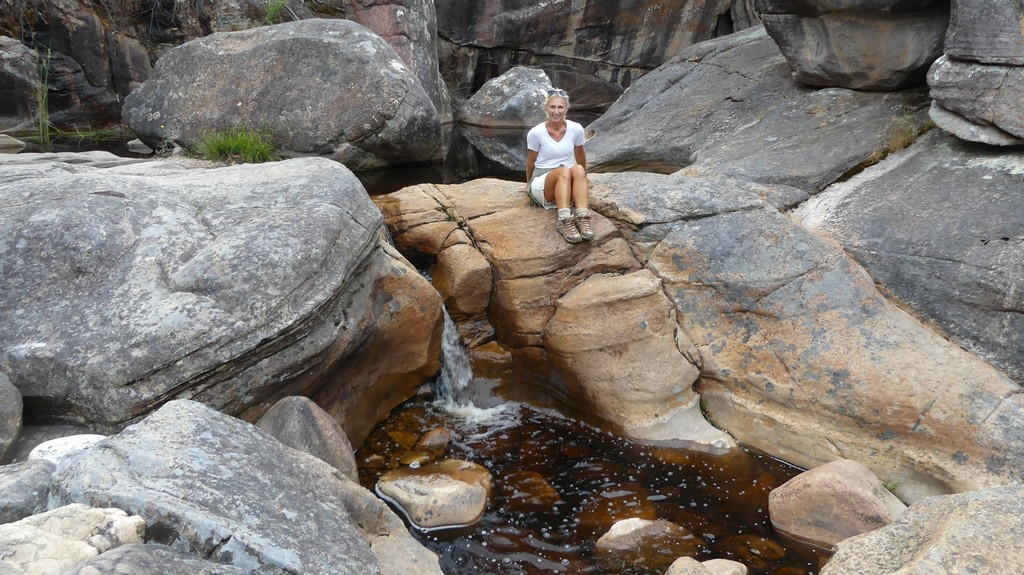
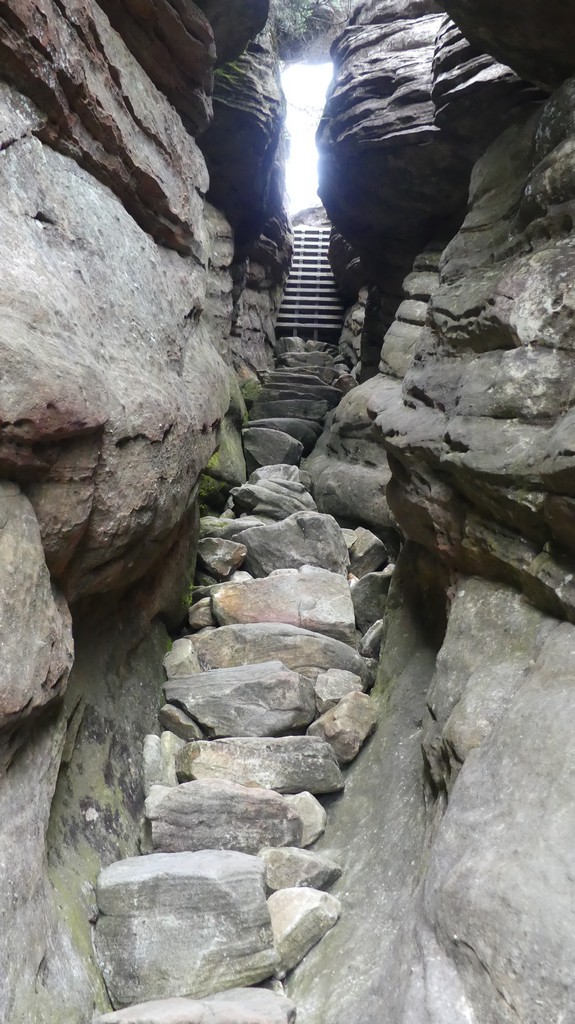
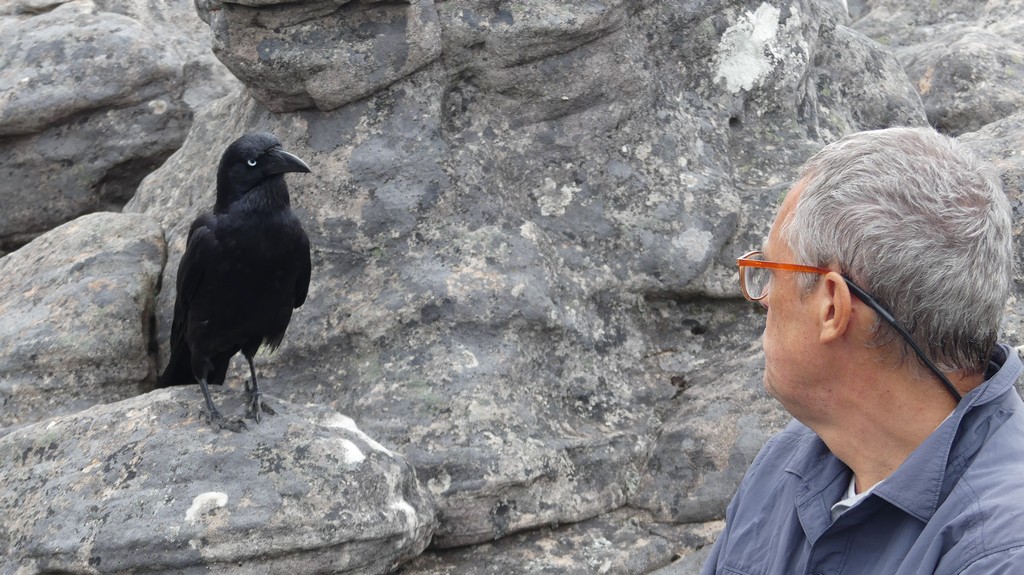
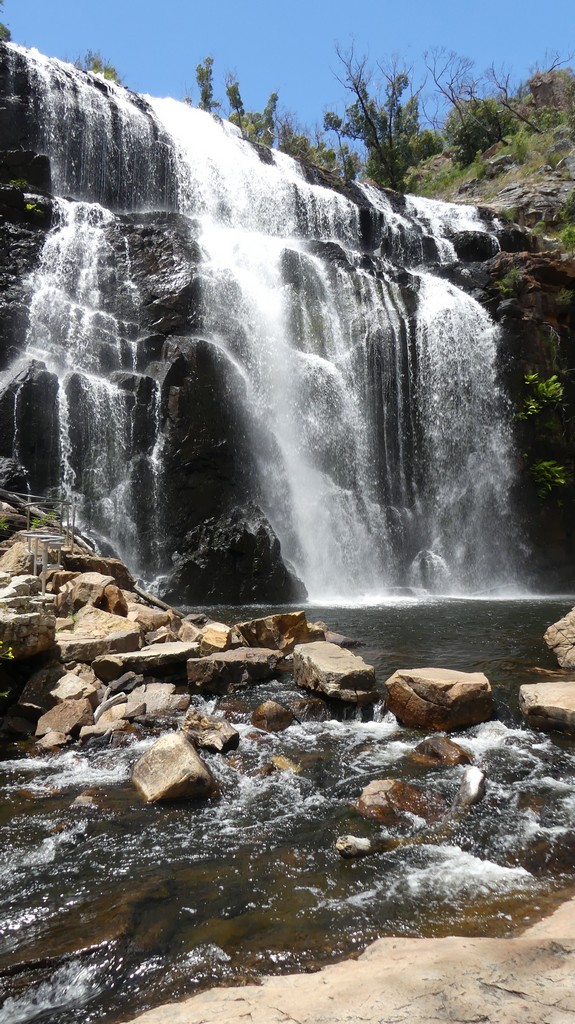
In the Grampians we hiked the Wonderland Loop, about 10,5KM up to the Pinnacle.Beautiful rock formations along “grand canyon” to Silent Street.Silent StreetArrived at the Pinnacle we were greeted by several crows. One was really interested in having a conversation with Stefan…Of course we did not miss the McKenzie Falls, the biggest ones in Victoria.
While we were in the Grampians we also visited the Brambuk Aboriginal Cultural Centre. Here we learned how the immigrants (Europeans) treated the aboriginals. The stories are horrible. Land was seized and children were taken away from their families till the 1960’s because the government thought they could give them a better education. The missionaries wanted the aboriginals to dress like Europeans, sing English songs and play European games. Not a beautiful page in Australian history.
is
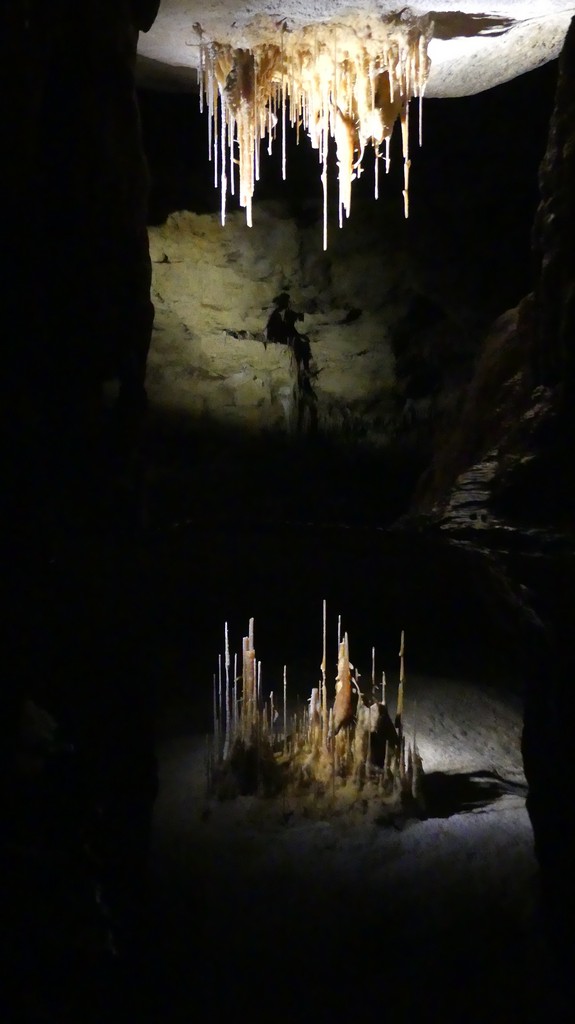
The Naracoorte limestone caves are the only UNESCO heritage site in South Australia and definitely worth a visit. This was a perfect reflection of stalagtites in the water below.
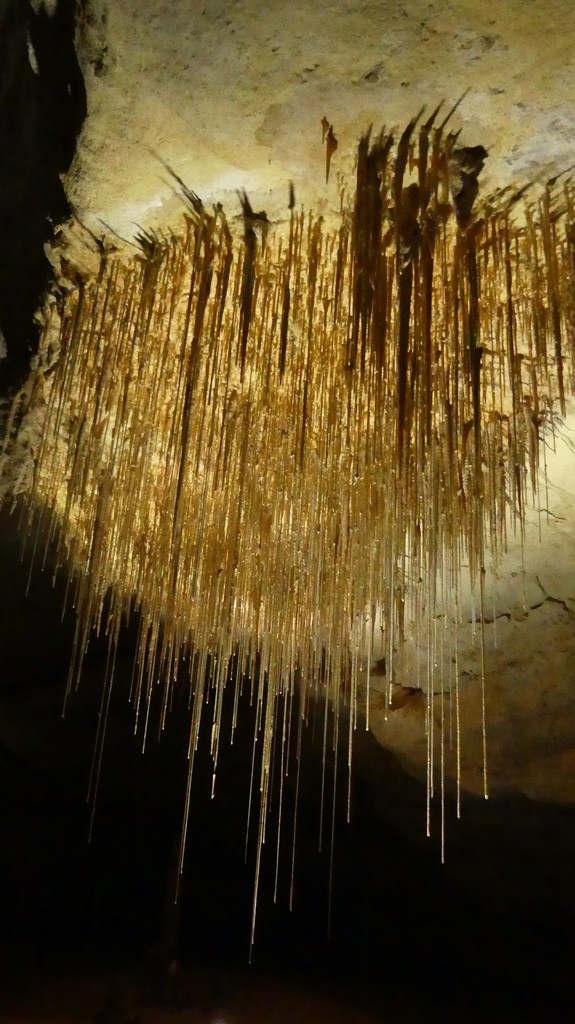
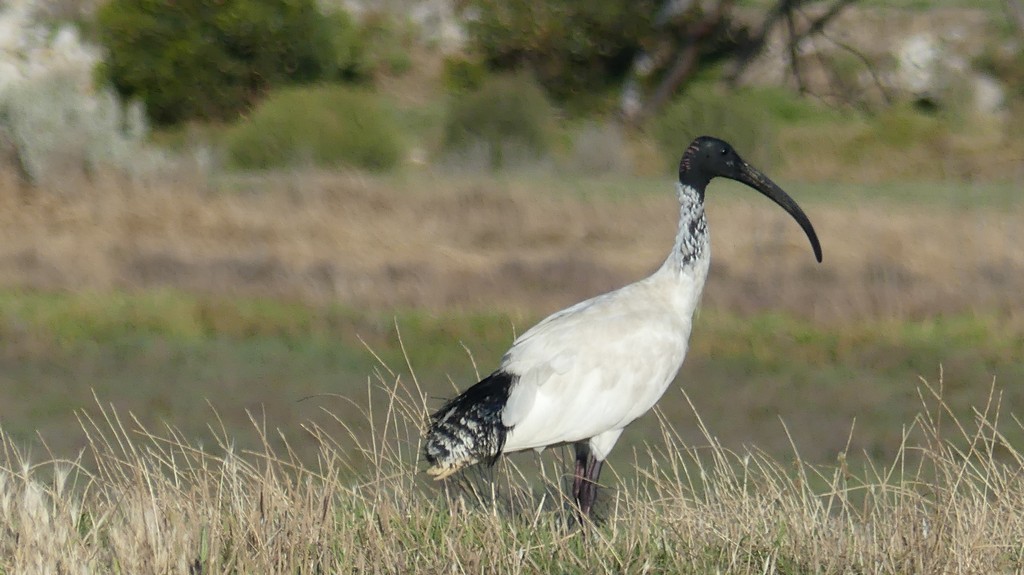
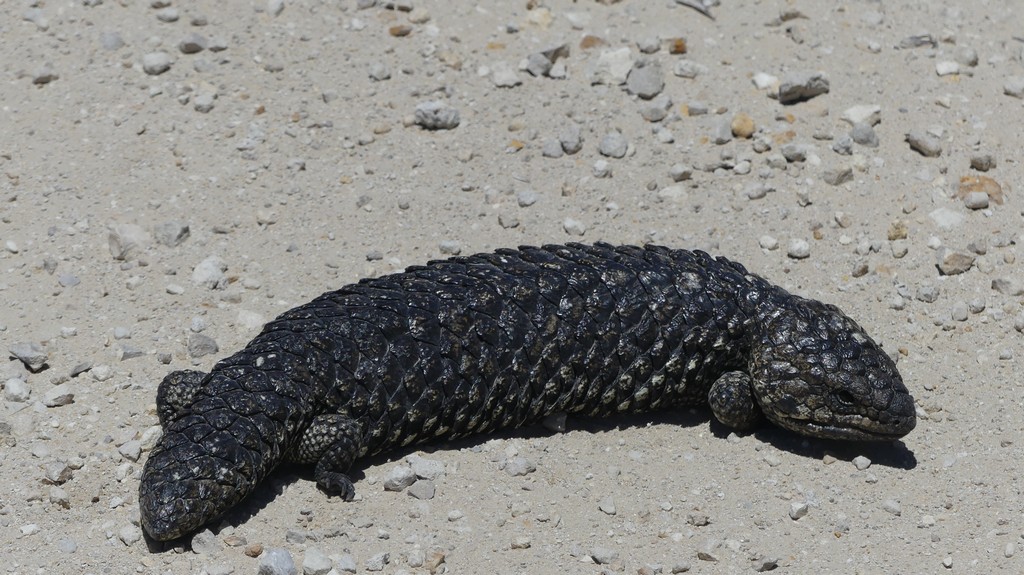
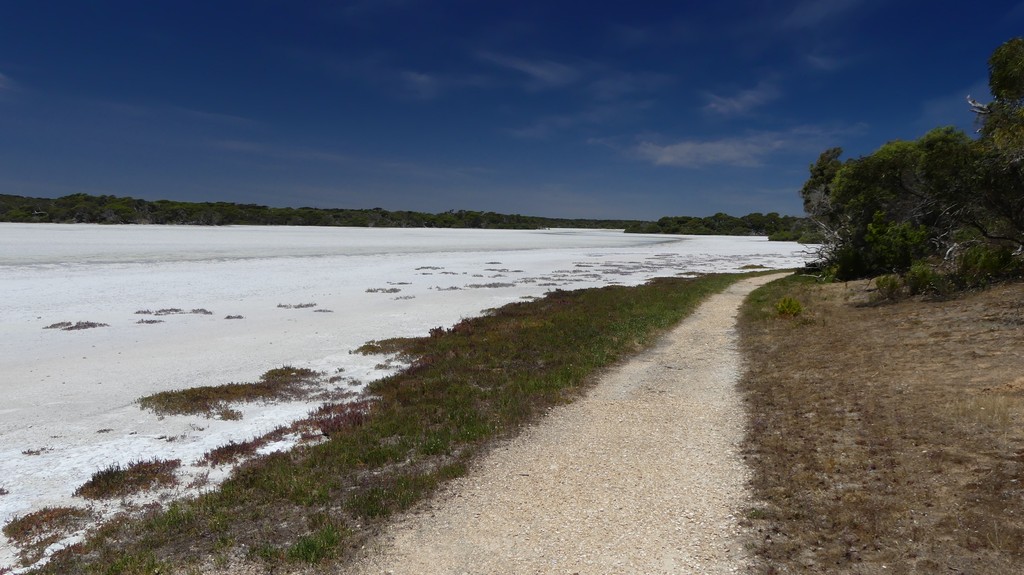
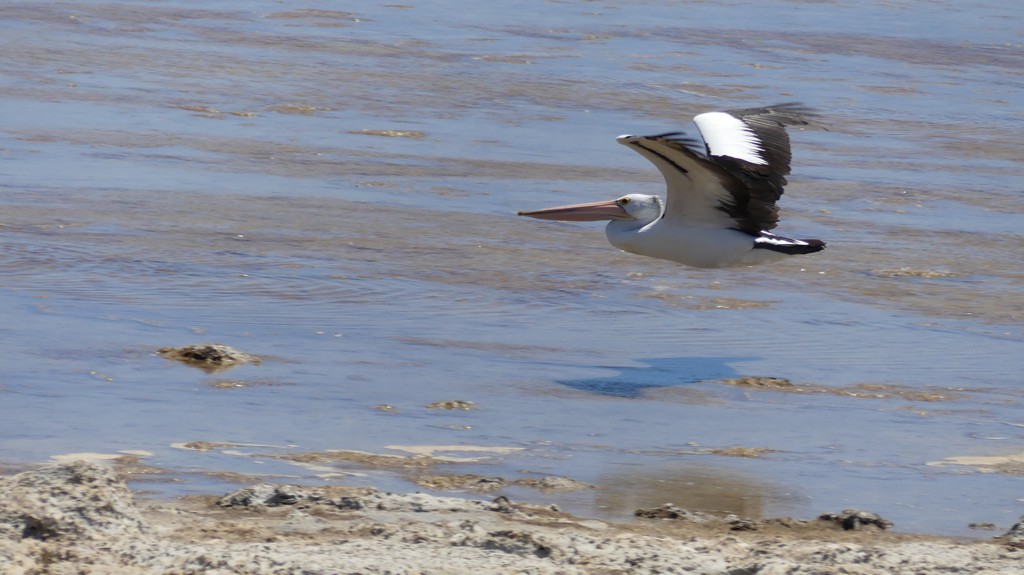
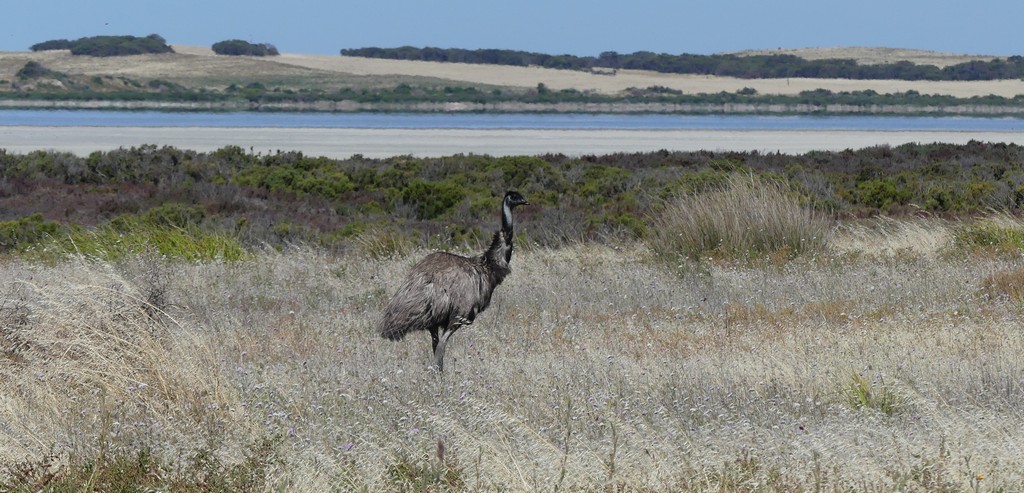
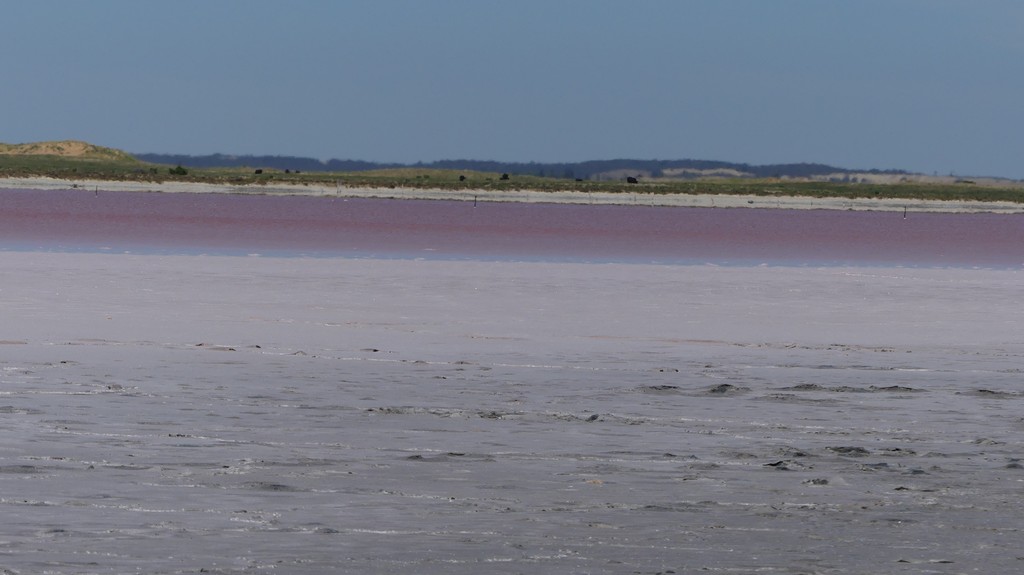
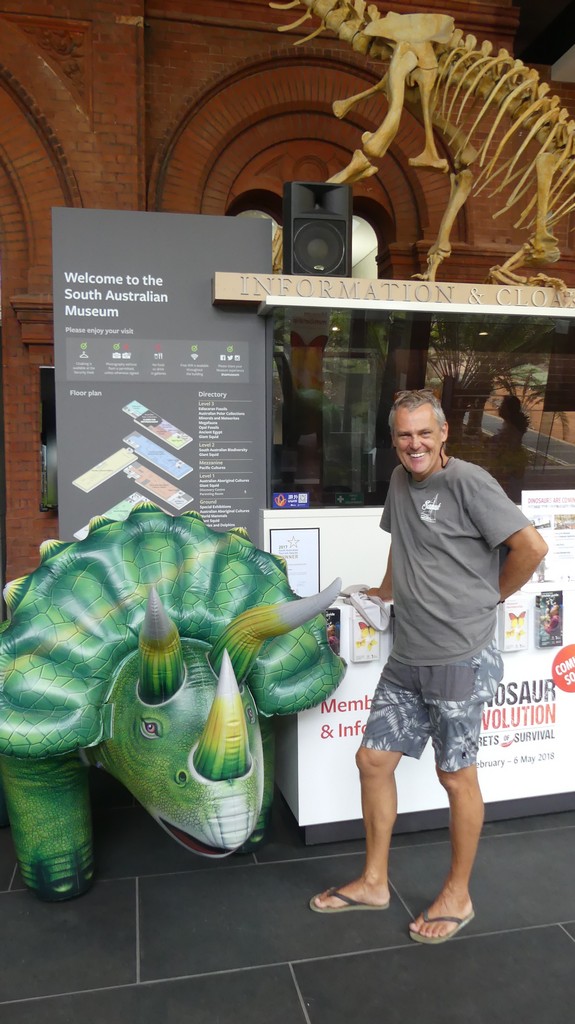
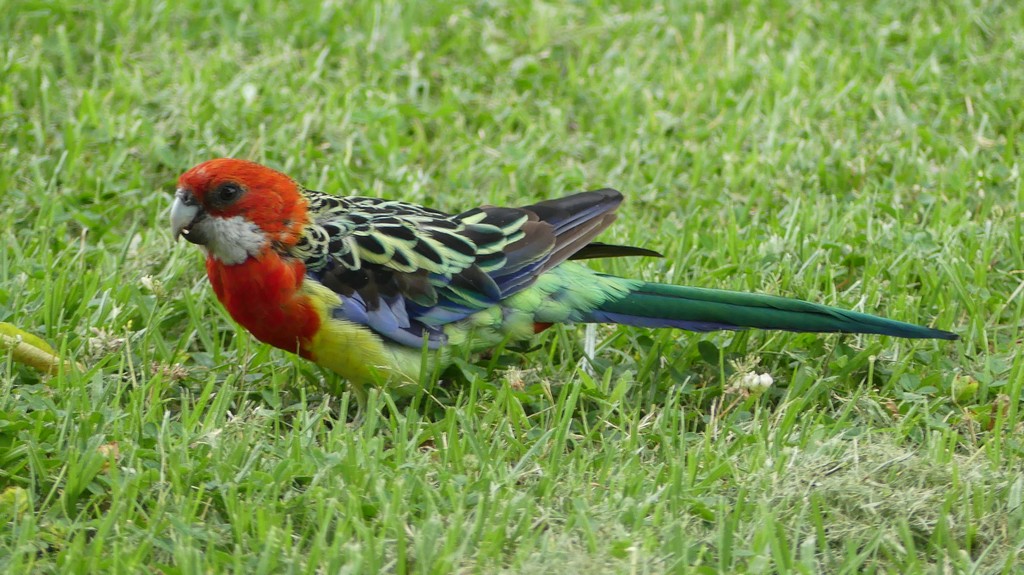
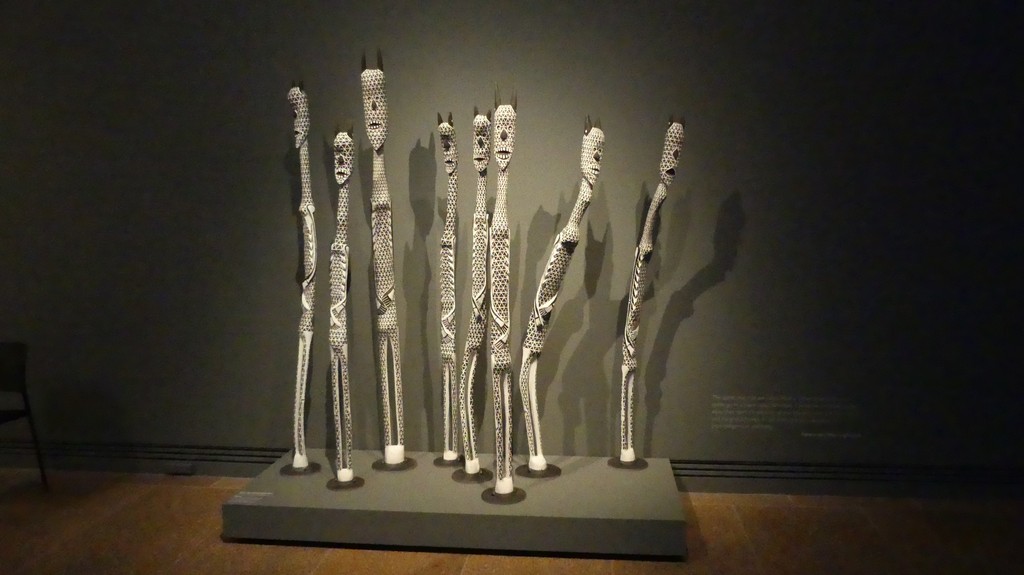
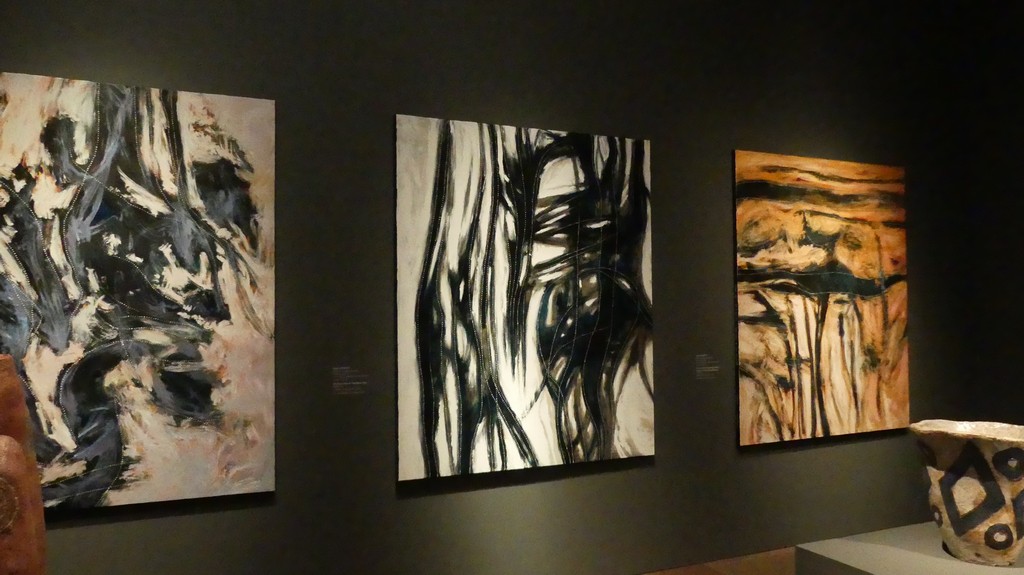
Stalagtites so thin they are called straws.The Australian white ibis, its sister species is the Sacred ibis. There are many in South Australia, sometimes they will even come close to look for food.Sleepy or shingleback lizard, this one was crossing the road while we were driving in Coorong National Park. Apparently it has a blue tongue but we could not verify that. Its short stumpy tail is similar in shape to its head, this to confuse its predators. This has lead to its common name of two-headed skink.Walking in Coorong National Park along the salt creek.Definitely one of my favourite birds, the pelican. We have not seen pelicans since we left the Galapagos in May 2016. The Australian pelican is a medium size pelican with a wingspan up to 2.6M. It apparently has the longest bill of all living birds. It mainly eats fish.Our “crossword puzzle”bird, the emu. The emu is Australia’s tallest flightless native bird and is 1.6 to 1.9M tall. The female lays about a dozen green eggs and the male incubates the eggs and cares for the chicks on his own. I like this bird 🙂The Pink Lake in Meningie. It’s pink colour comes from the high salinity in combination with algae beta-caratine.Visiting the South Australia museum in Adelaide. The museum is free and very nice.While in the Botanic Garden in Adelaide we saw yet another kind of parrot, the Eastern Rosella. It looks like somebody tried out his box of coloring pencils on this one…Aboriginal art in The Art Gallery of South Australia.More aboriginal artwork in the Art Gallery of South Australia. The museum has a wonderful section on Aboriginal art and documentaries on the lifes of Aboriginals in Australia. I heard here for the first time about the nuclear bomb testing from the British in South Australia between 1952 and 1957. One of these places was Maralinga. Apparently these tests were done under the greatest secrecy on the land of the Aboriginals. The National Apology from the Prime Minister in February 2008 for the wrongdoings to the indigenous people did not come too soon… here you can read more about it
On thursday we take the ferry to Kangaroo Island where we will spend Christmas with our friends Katie and Karel and kids. New year eve we will be in Sydney.
It is now Sunday, november 26th, our last evening in Noumea and we are staying in “hotel du Centre” with good internet so it is time to finish my update of New Caledonia.
When Hannah and Wence left us in Lifou, on October 26th, we continued sailing to Ouvéa another island of the Loyalties group. Ouvéa was enlisted as a Unesco World Heritage site in july 2008.
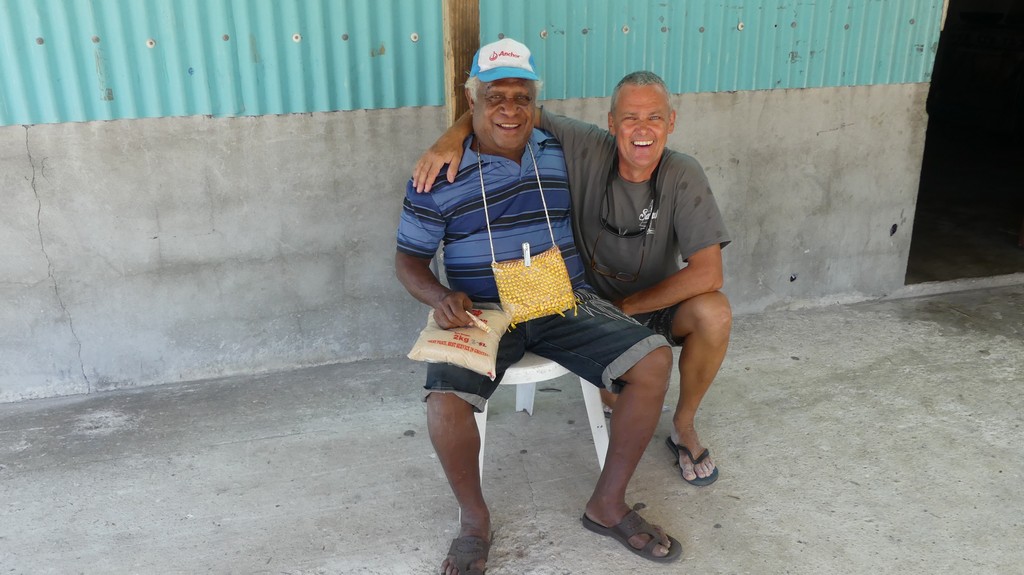
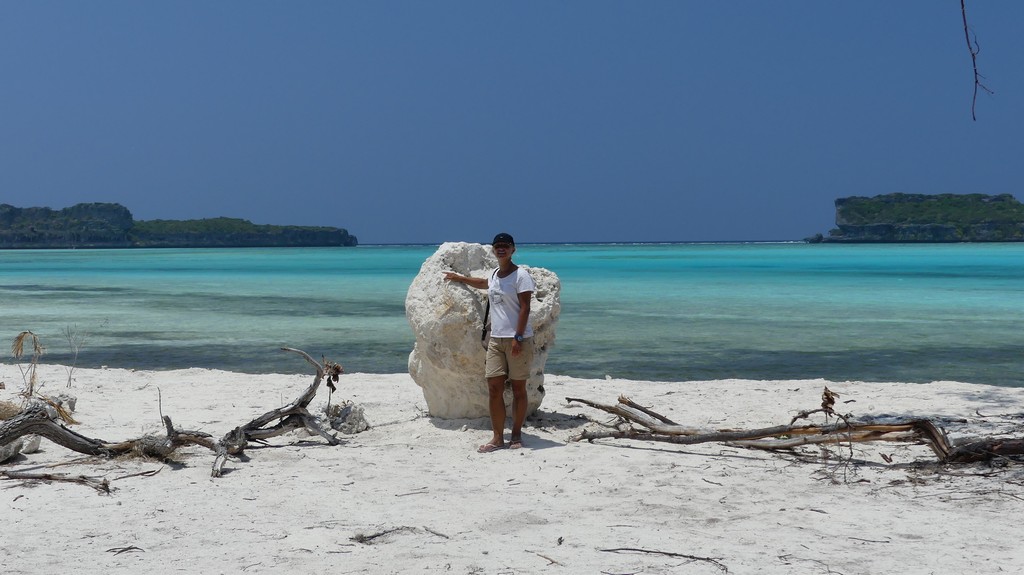
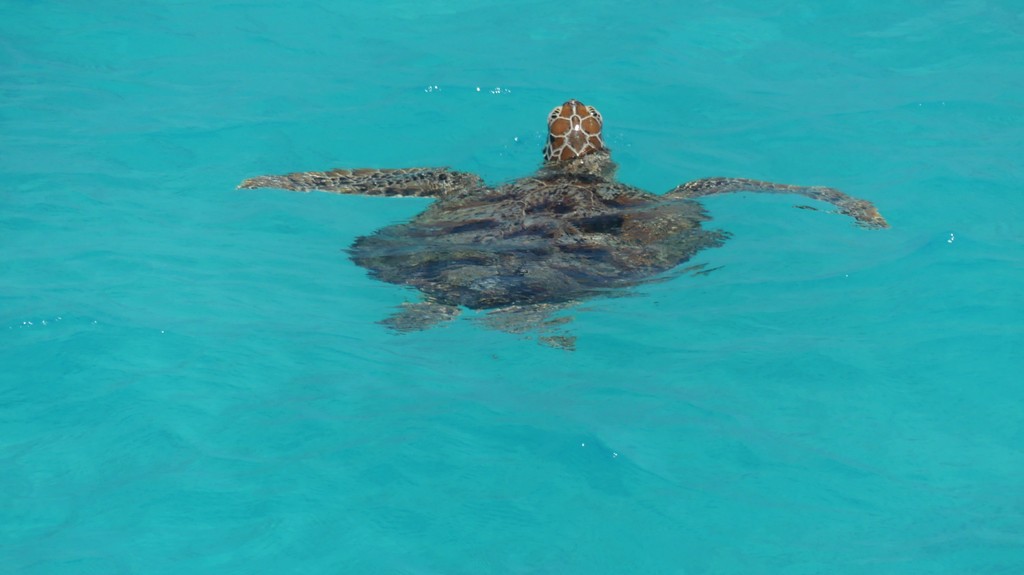
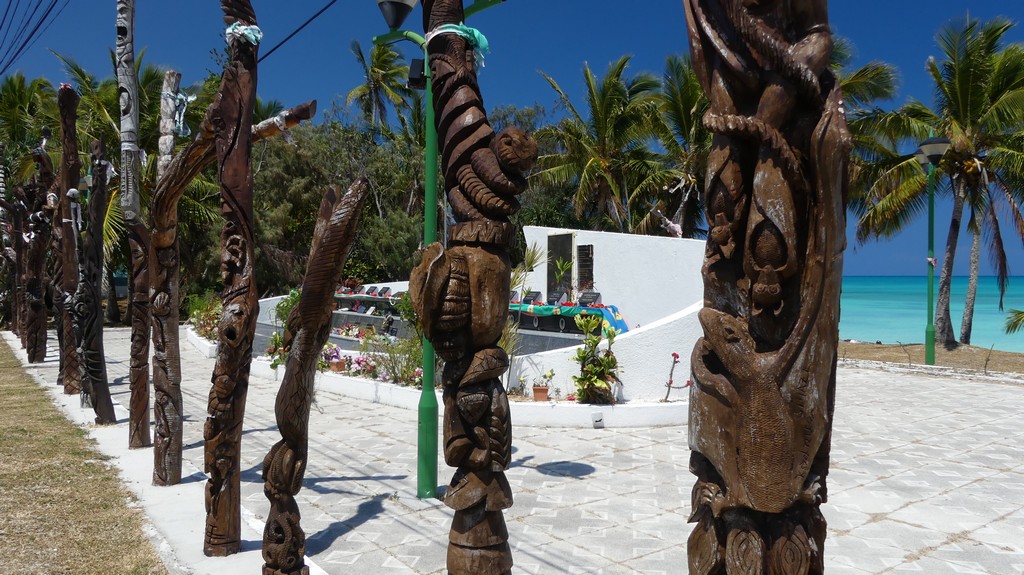
Our first stop was in Mouli. The sun was out, the skies were blue and the water in the lagoon was crystal clear with a beautiful white sand beach.New Caledonian custom requires that you first pay respect to the tribe who owns the land where you are anchored. This means taking a gift and a bank note of 1000XPF (10USD). We found a group of people playing Bingo (they can play it for hours) near the church and paid our respect to the oldest of the group. We were now free to go where we wanted and fish in their waters.Lékiny Bay with at the far end the cliffs of Lékiny. Stefan tried out his drone here but could not get it to work properly. Too bad because the views were really beautiful.From the bridge in Mouli, overlooking the lagoon we saw several rays, a shark, lots of fish and this huge turtle coming up for air.The Ouvéa memorial is a tribute to the 19 Kanaks who died in 1988 when French military stormed a cave to free French gendarmes being held hostage by the pro-independence movement. It was here also that a year later the pro-independence leader Jean-Marie Tjibaou (see previous blog) and Yeiwene Yeiwene were killed by extremist who believed they were too moderate.
New Caledonia was annexed to France in 1853. France was looking for a strategic military location and a penal settlement. The first convicts arrived in Noumea in 1864 after a 6 month journey from France. Till 1897 about 25000 convicts were sent to New Caledonia. NC status was changed after WWII from colony to a French overseas territory. In the late 70’s the independence movement became more popular and France agreed to talks with the pro-independence leaders. After a series of tumultuous events the UN General assembly voted in 1986 in favour of NC reinscription on the UN’s decolonisation list. In april 1988 the Ouvéa crisis erupted where a separist group took 27 people hostage and demanded instant independence. 19 hostage-takers were killed (Ouvéa memorial) and 2 military people died. In 1998 the Noumea Accord was signed between the French government and the independence parties. This Accord stipulated a 15-20 year period of growth and development ending with a referendum for independence. This referendum will be held in 2018. If the independence vote fails the Accord provides that 2 more referendums will be held in the following years. We are curious to see what will happen but many doubt the pro-independence vote will win. To be continued.
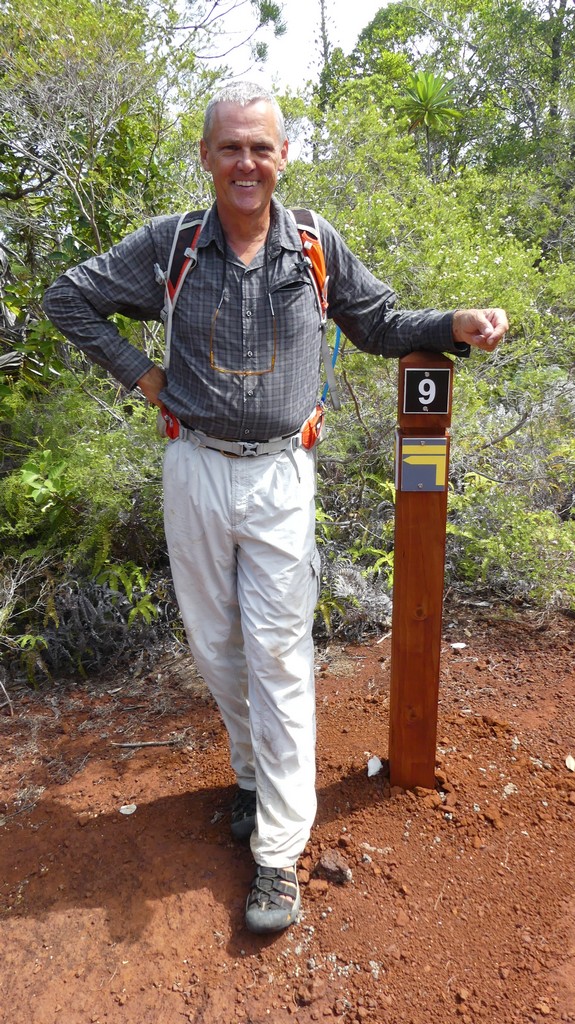
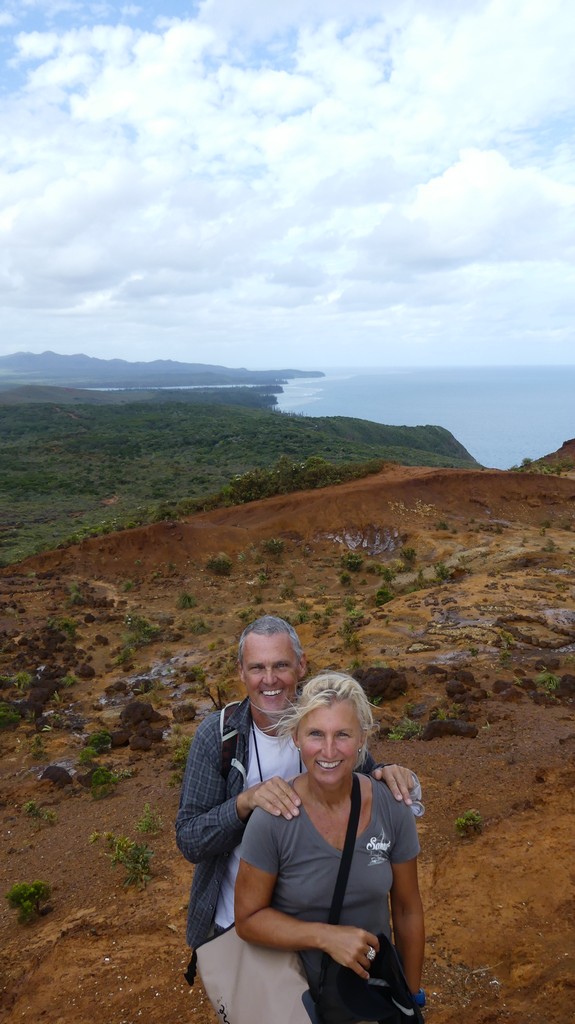
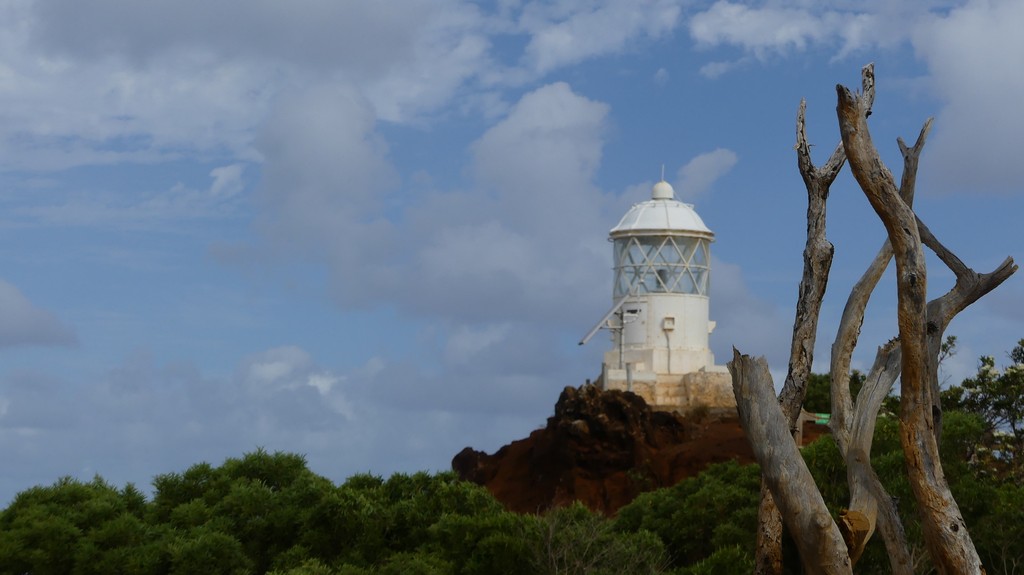
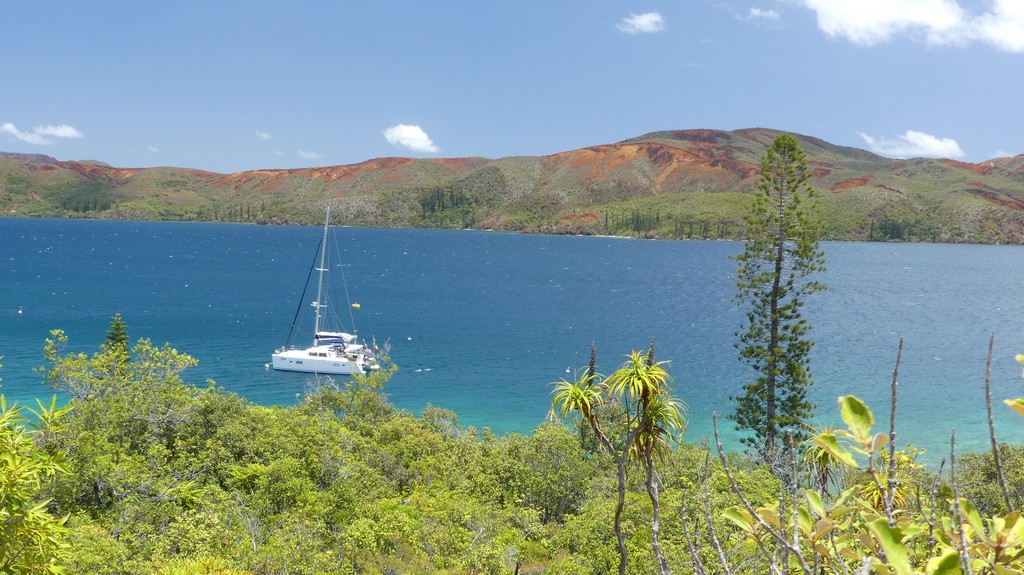
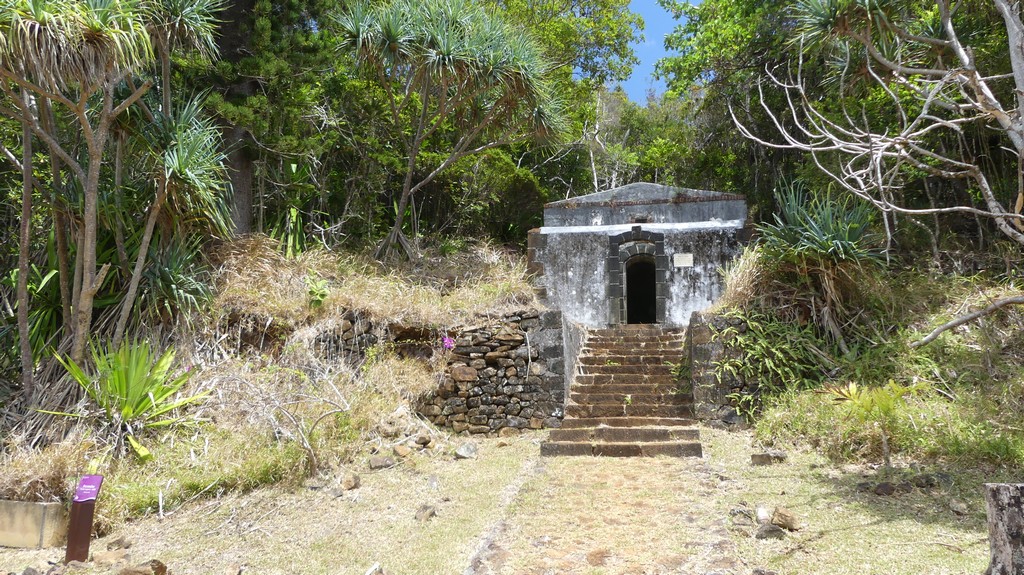
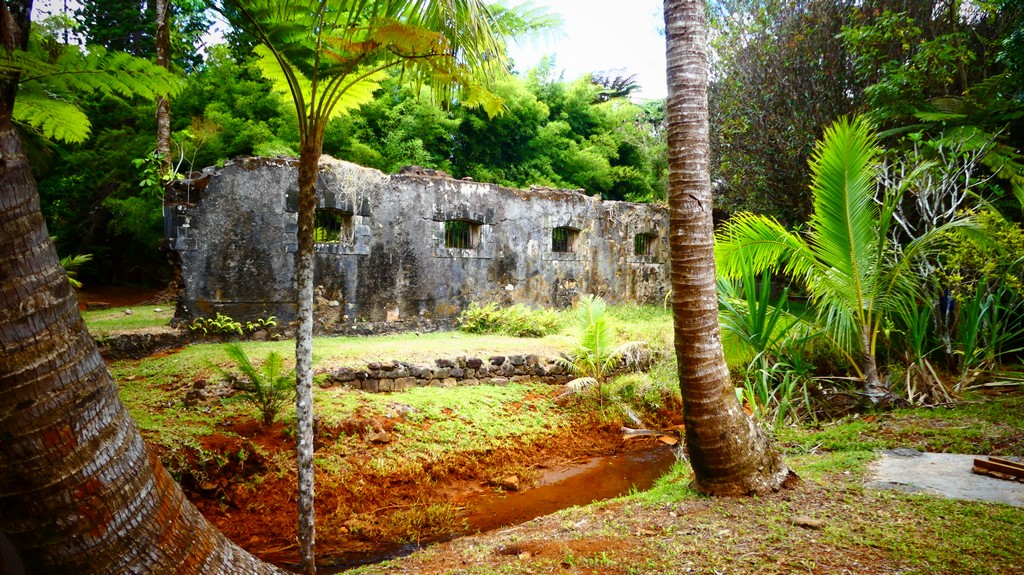
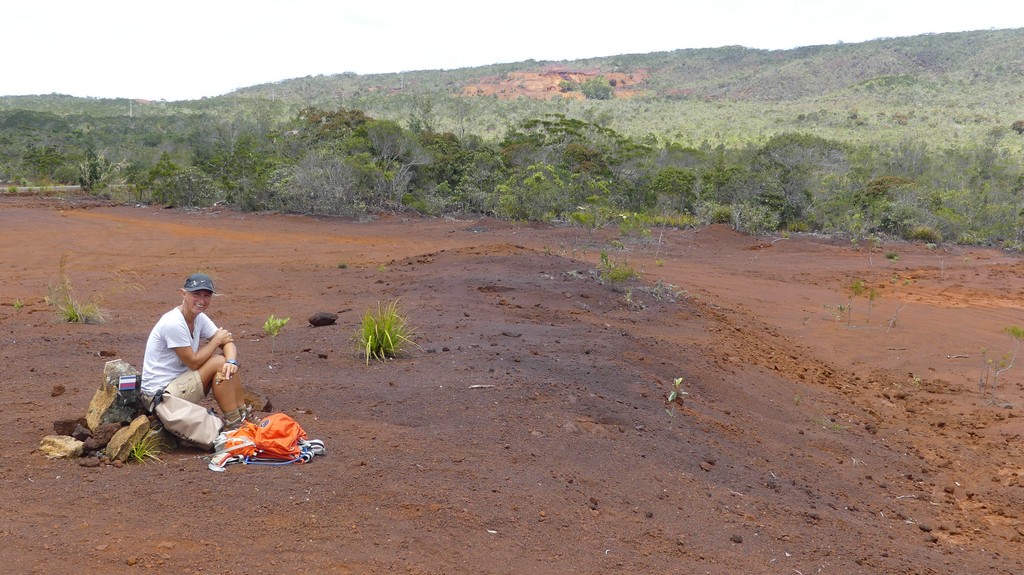
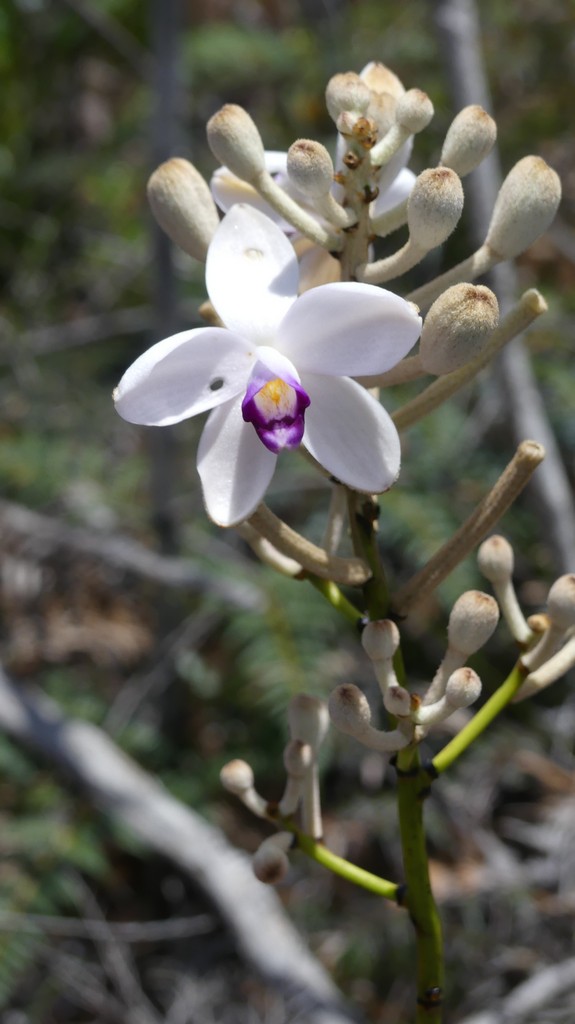
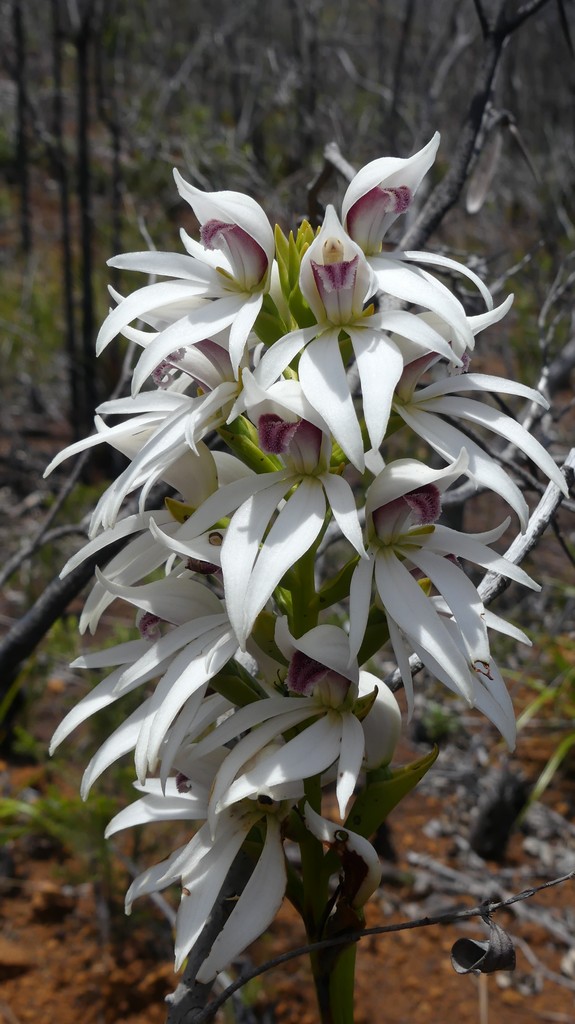
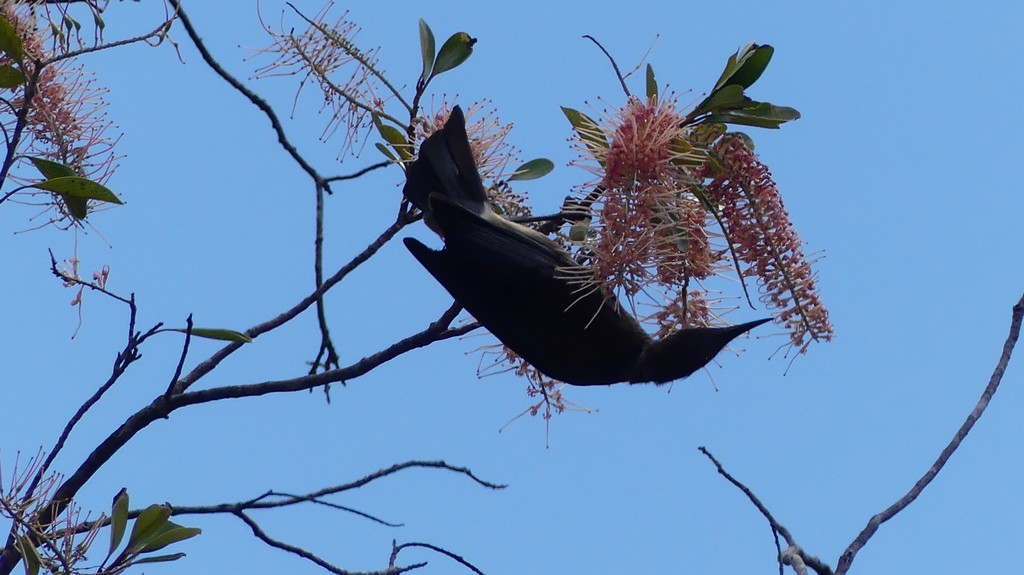
We sailed from Ouvéa to the East Coast of Grande Terre and made a stop in Port Boise to stretch the legs. There are lots of beautiful well marked hiking trails all around the southern tip of Grande Terre.Next anchorage was Bay of Prony where we went up to the lighthouse Cap NDoua. The red colour from the earth comes from its richness in iron and also nickel. In the area there are several nickel mining plants. Nickel plays an important part in the NC economy. About 10% of the world nickel reserves sit in NC.Cap NDoua lighthouse.Sanuk in the Bay of Prony next to Ile CasyThe powder house of Prony village. Prony village was a convicts village. The first European inhabitants were Captain Sebert and 29 convicts who landed here in 1867 to log timber for building materials for the growing colony.Ruins of convicts houses in Prony village.Another hike in Prony Bay, taking a break during the 17km walk.Along the trail many wild orchids just started to bloom.A lot of the trees were burnt by a fire but this did not seem to have bothered the orchids.The New Caledonian Friar bird is a honey eater. It was a joy to see his acrobatics to get to the nectar from the bottle brush tree.
We have sailed around for about 1,5months in NC and there is still so much more to be discovered. Hopefully the weathergods are with us in April of next year and we can sail along the East Coast of Grande Terre up to the north with maybe some diving along the way. But now we are looking forward to be “landlubbers” for 4 months while we travel Australia and Vietnam.
Today November 25th, 2017. Sanuk is on the hard in Noumea, we are getting her ready for her yearly “cyclone sleep”. In the mean time we are staying in a nice hotel not far from the boat yard. We are almost done :-), the sails are down, a lot of little repairs are done or will be done while we are away, the cabinets and bilges are cleaned and the walls are wiped down with bleach and vinegar to prevent mold.We will leave on monday for Australia where we will travel for 2months with a campervan . End of January we will go to Vietnam and maybe end of February to Myanmar…
We have free internet in the hotel so time to update our blog.
After 4 days of sailing (from Fiji) we arrived safe and sound in Noumea (New Caledonia). We did have a scare when about 2hrs before arriving our Autopilot gave up on us. Luckily we were almost there . We both were sooo happy it did not happen in the middle of our crossing. Luckily we found a mechanic(in Noumea) who found the problem in 30min. The next morning it was fixed with a new part. We stayed in the marina of Port Moselle to await our visitors, Hannah and Wence.
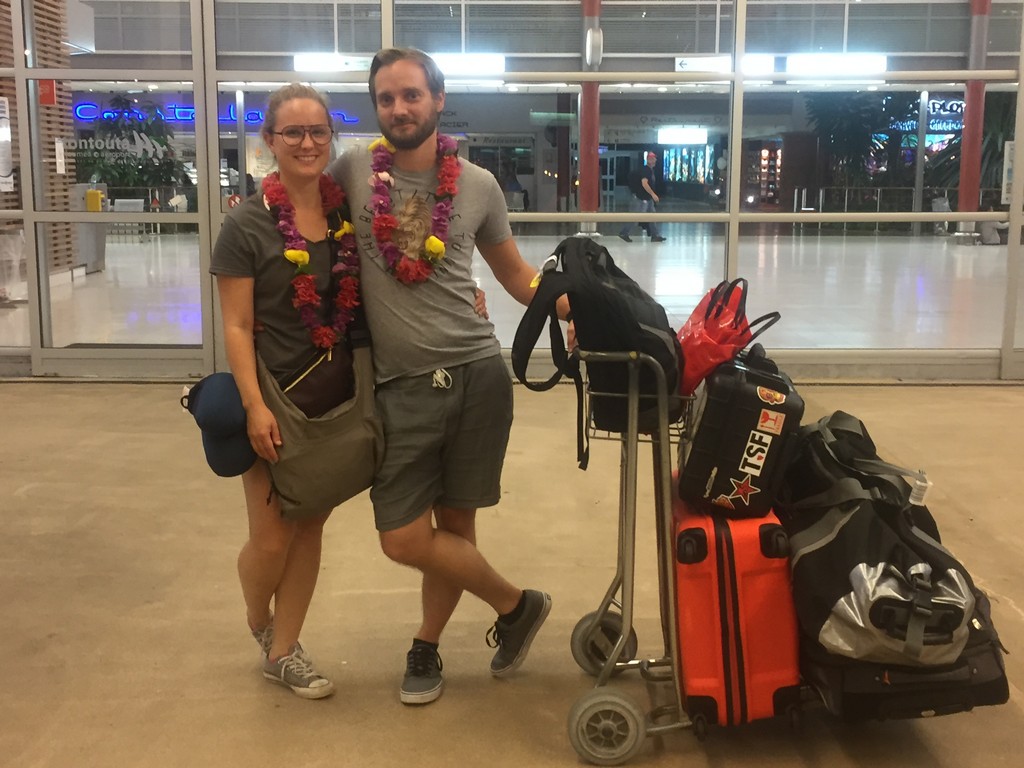
Hannah and Wence arrived from Tokya where they had stayed 5 days before arriving in Noumea Tontouta airport.New Caledonia was discovered by James Cook (keeps amazing me) in 1774 in search of Terra Australis. He chose the name because the northeast (where he landed) reminded him of the highlands of Scotland.
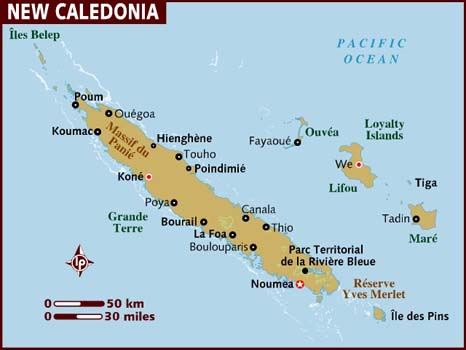
New Caledonia consists of the main island :Grande Terre, the loyalty islands : Maré, Lifou and Ouvéa, the Isle of Pines, the Chesterfield islands and Belep. We sailed from Noumea, towards Isle of Pines then on to Maré, a stop in Tiga and to Lifou where Hannah and Wence took the plane back to Noumea and on to Belgium. We (the captain and I) continued sailing to Ouvéa, Yaté (Grande Terre), Bay of Prony, Ile Amedee and back to Noumea. Unlike many of the other islands we visited in the South Pacific, Grande Terre is NOT a vulcanic island but was a part of the supercontinent Gondwanaland. It is speculated that Grande Terre separated from Australia 66million years ago. The Loyalty islands and the Isle of Pines are vulcanic.
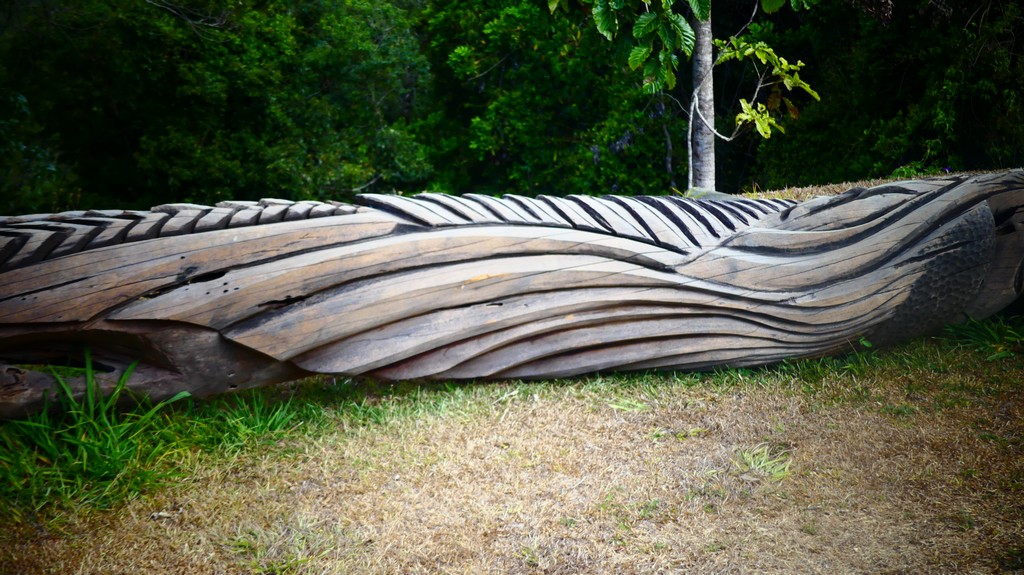
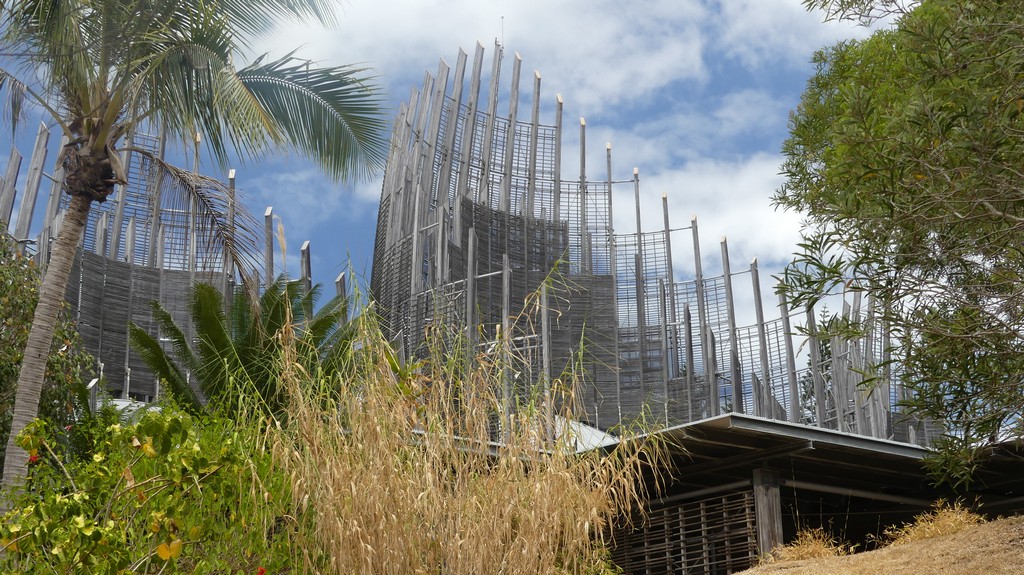
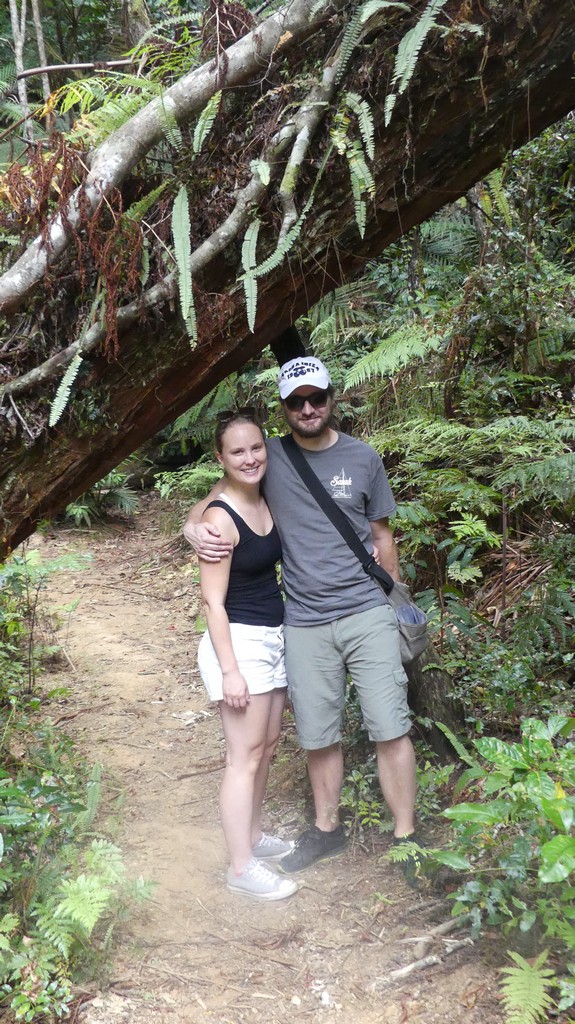
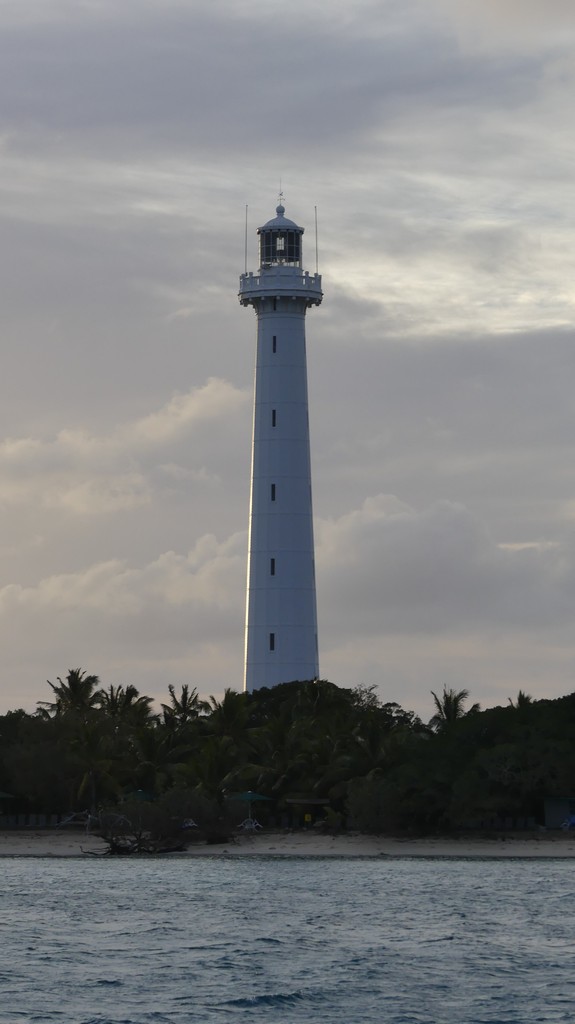
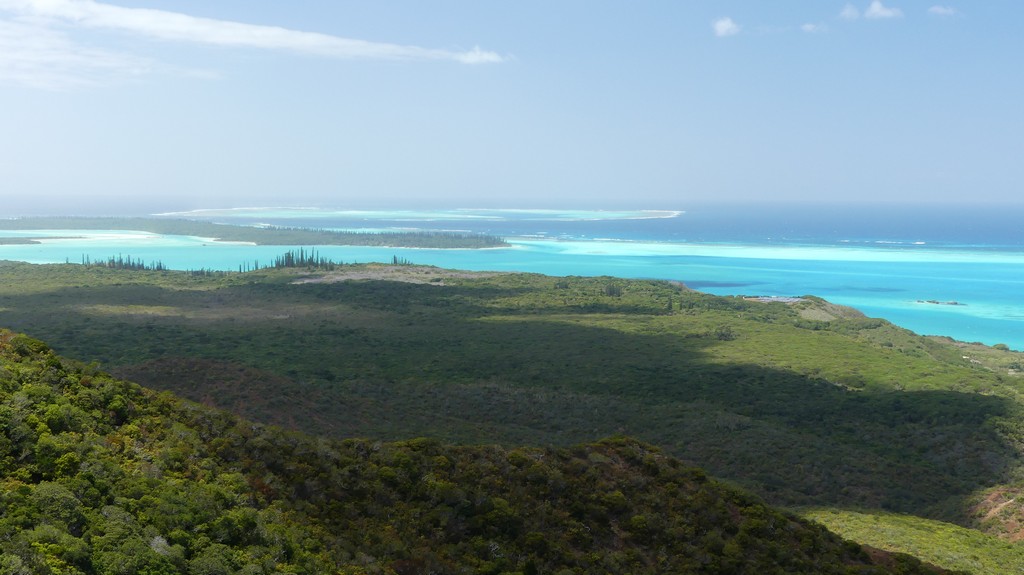
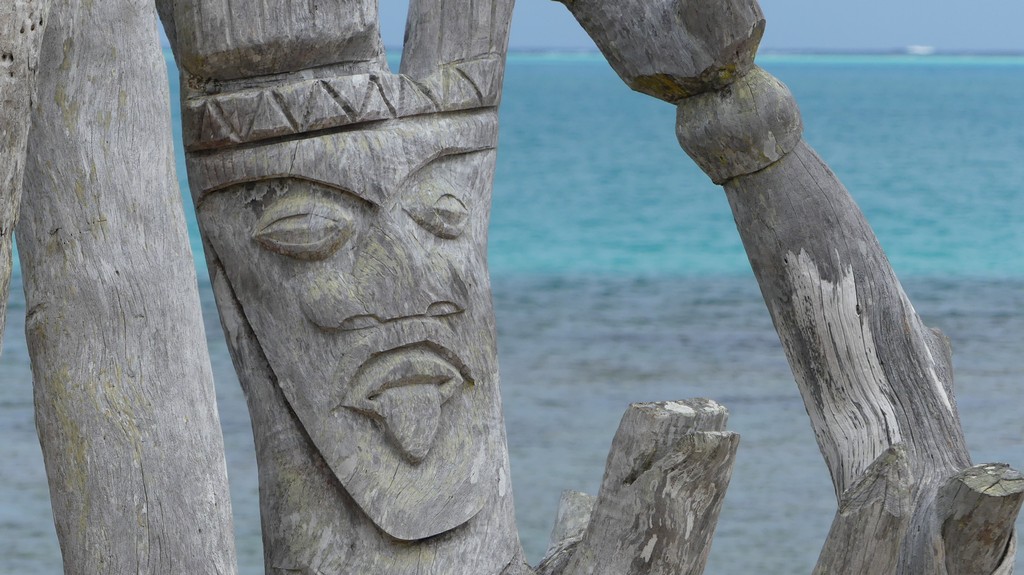
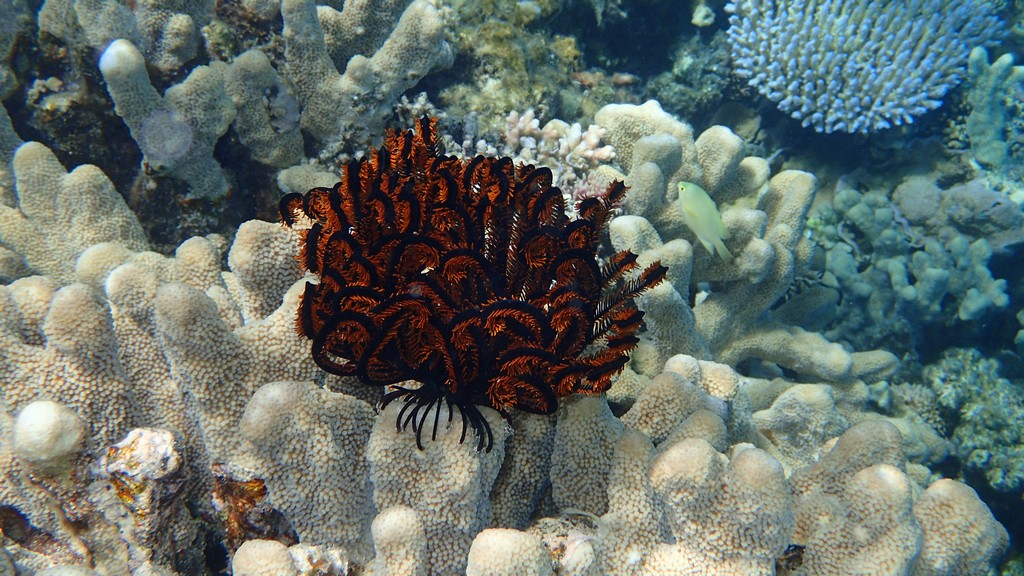
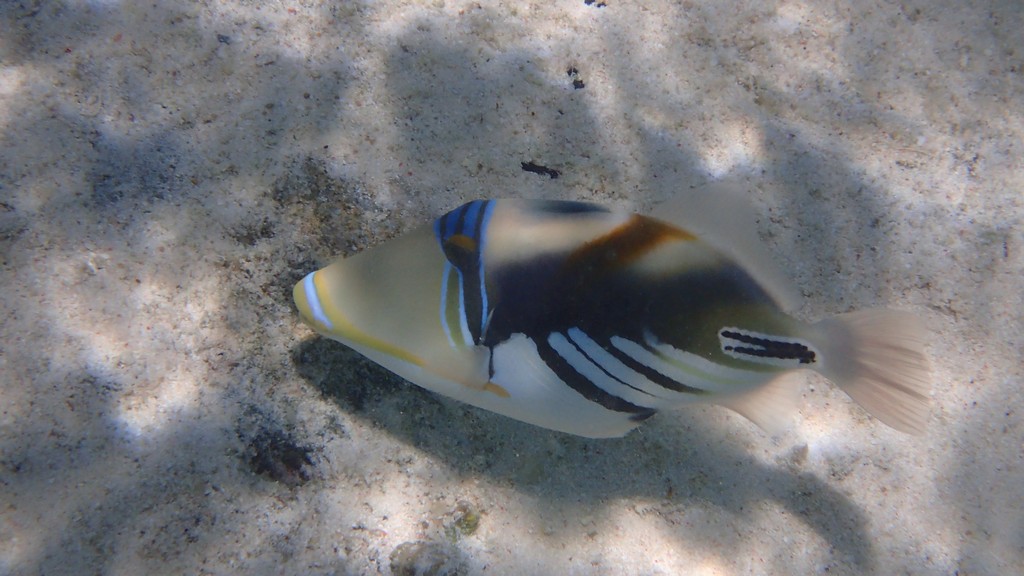
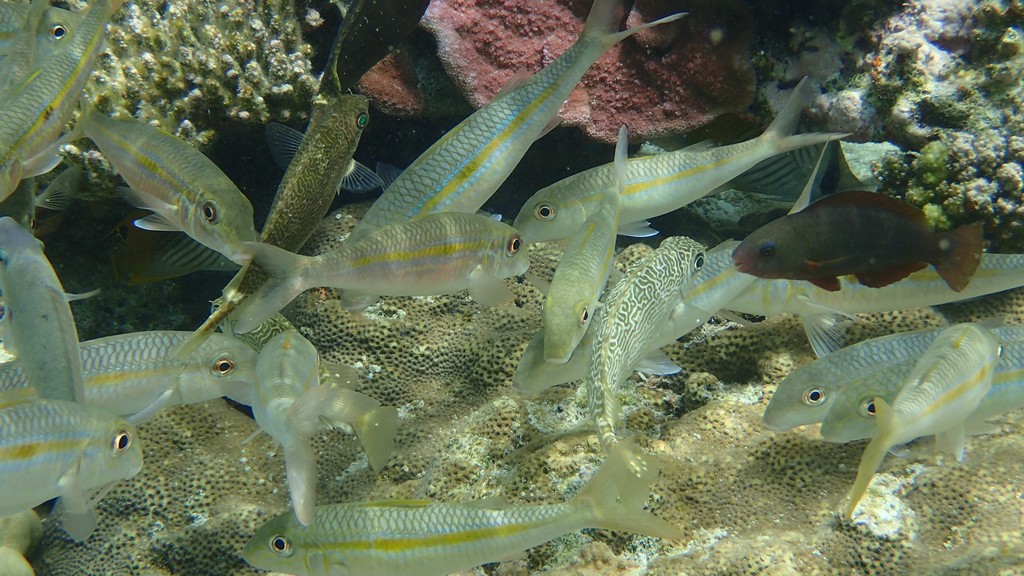
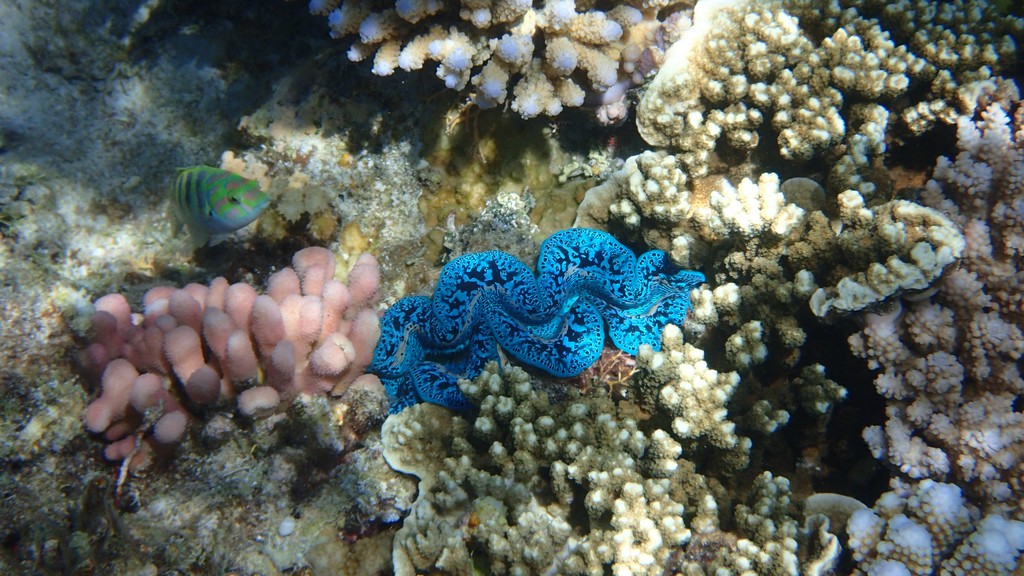
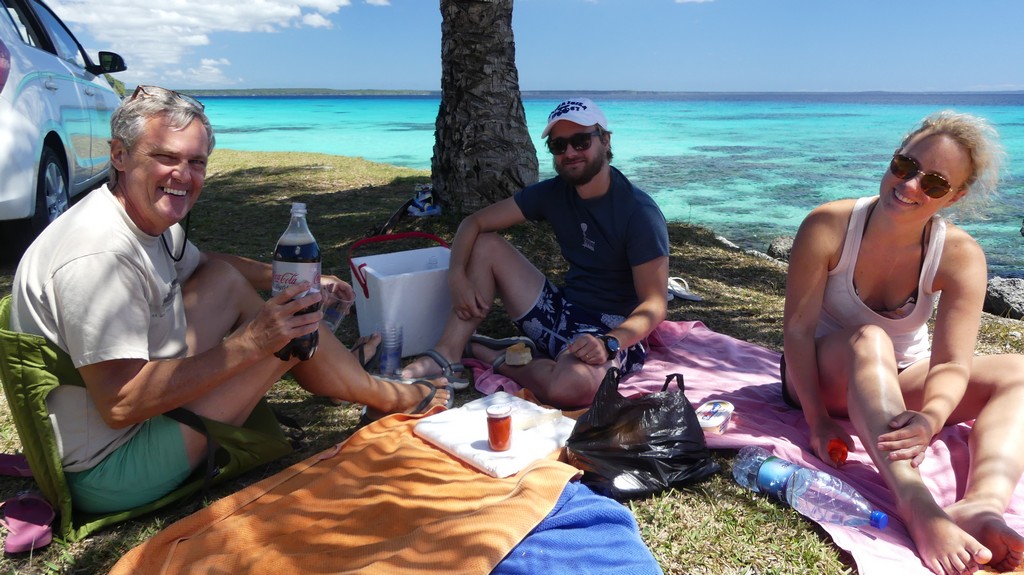
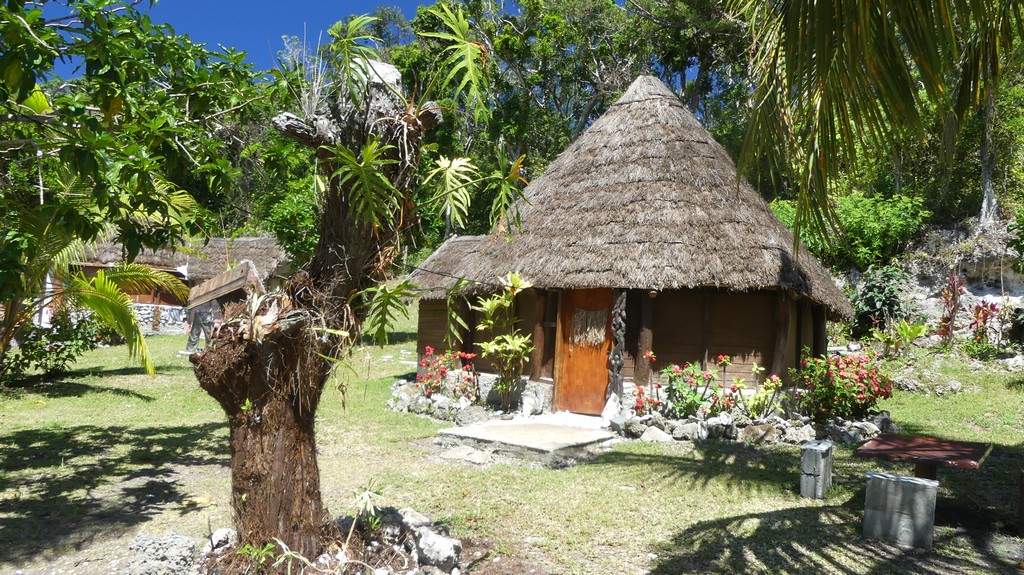
We rented a car for 2 days on Grande Terre and were able to see some of the interior.Wood sculptures are part of Kanak tradition. The Kanaks are the original inhabitants of New Caledonia. They are Melanesian.The Jean-Marie Tjibaou cultural Centre was built by the Italian architect Renzo Piano (also built Centre Pompidou). Tjibaou was the leader of the independence movement and assassinated in 1989.The widow of Tjibaou said the following about this building: We, the Kanaks, see it as a culmination of a long struggle for the recognition of our identity; on the French Government’s part it is a powerful gesture of restitution.In 2018 a referendum for independence will be held.We walked in Le Parc des Grandes Fougères.Amédée Lighthouse on our way to Isle of Pines. In 1862 the lighthouse was built in Paris as a demonstration. It was then (in 1864) disassembled and transported along the River Seine to Le Havre for its voyage to New Caledonia. With its 56metres tall it is one of the highest lighthouses in the world.Kouare island, no humans only a colony of black noddy birds.Enjoying the sun and sea on our trip to Isle of Pines.Our first anchorage in Isle of Pines, beautiful Kuto Bay.We walked to the highest point on Isle of Pines, Pic N’ga. The panorama view was gorgeaous.The totems of Bay St.Maurice. Wood sculpture represents the spirit of Kanak culture.We snorkeled on many spots and enjoyed the colorful underwater scenery.A picasso triggerfish, one of my favourites!Lots of fish…coral and clamsPicknick on Lifou after a snorkeling session in Baie de Jinek. Unfortunately a cruise ship had just dropped many of its passengers in the same bay. The cruise tourists had to pay 10USD to snorkel, we got it for free 🙂A traditional house in Lifou. They are more common in the Loyalty islands.Luengoni beach and lagoon on Lifou, according to locals the most beautiful beach of New Caledonia.Luengoni beach on Lifou, a couple hours before it is time to take the plane back to Noumea and Brussels.
This blog took a while to post but here are some nice memories of Fiji and its people. We have since sailed to New Caledonia. Hopefully we can post on this before the boat goes on the hard for the cyclone season.
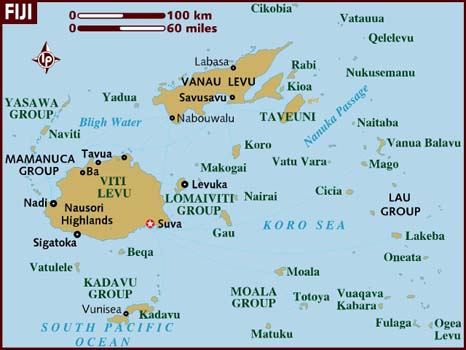
We left Savusavu on August 21 with clear skies and little wind. We had a week to sail around the Yasawa group of islands before we had a meeting with our insurance expert at Vuda Marina on Viti Levu.
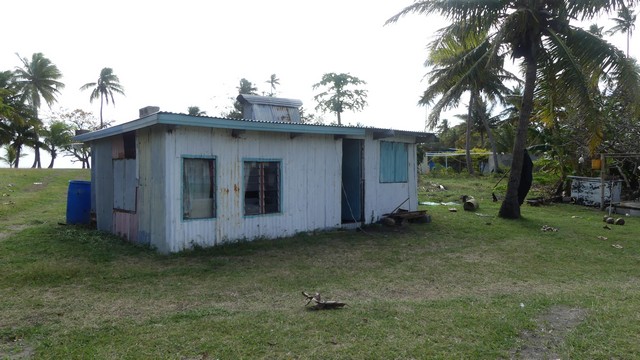
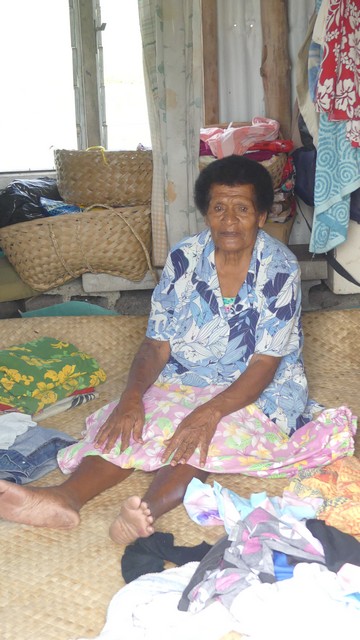
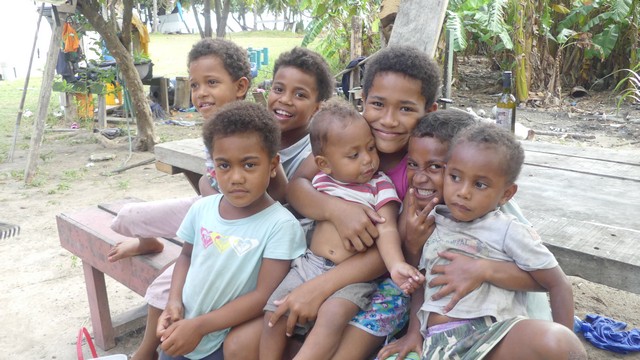
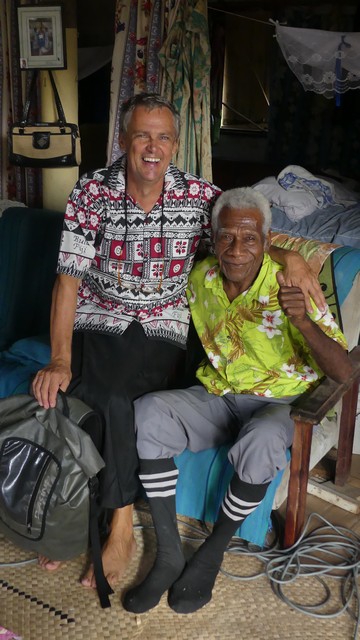
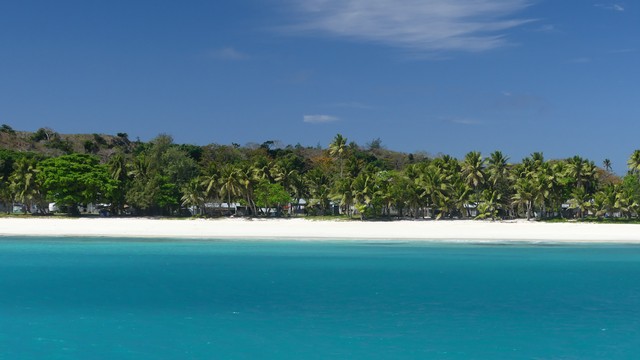
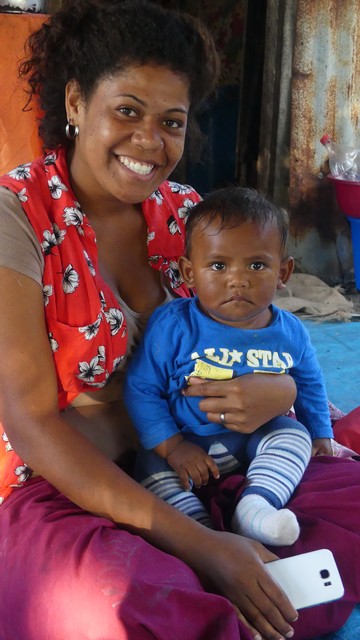
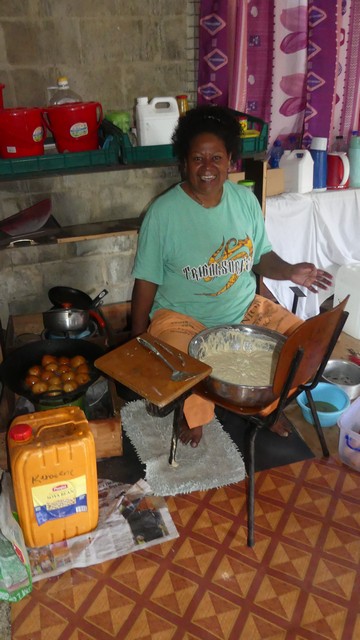
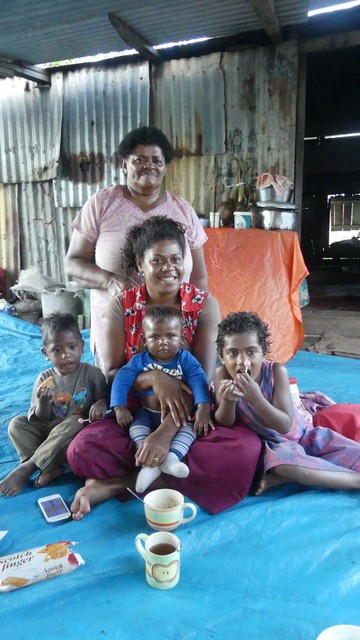
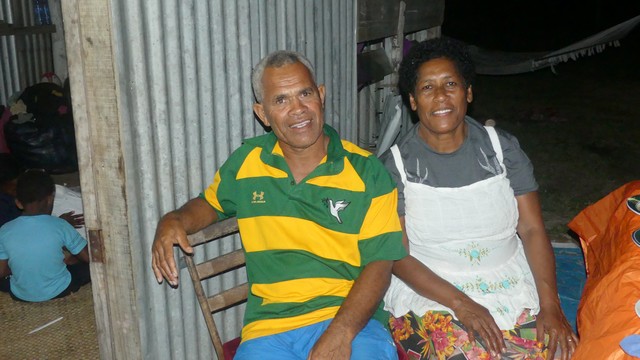
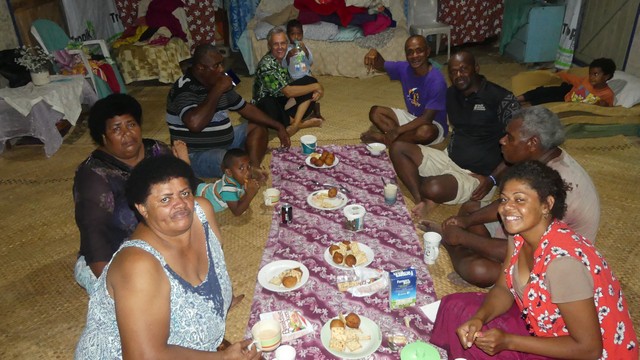
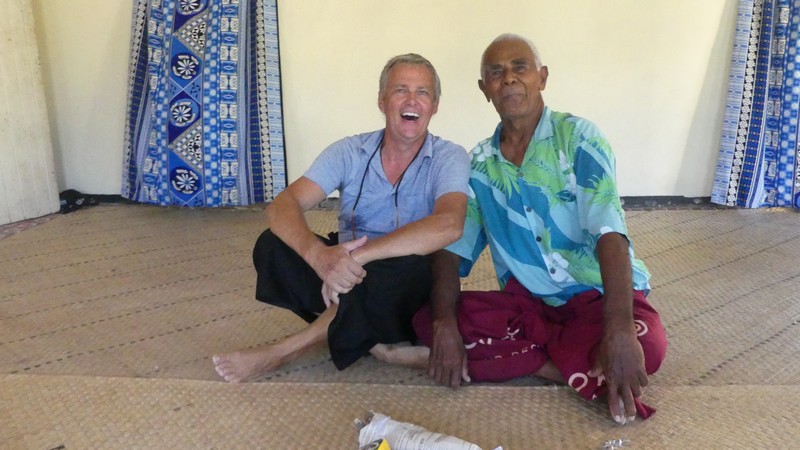
On our way to the Yasawas, all colours of blue.The beach at Yasawa-I-RaraTypical house at Yasawa-I-Rara villageIn the houses there is very rarely furniture. People sit , eat and sleep on mats.The village of Yasawa-I-RaraThe future of Fiji.Stefan in Bula shirt and sulu skirt with one of the elders of the village.The beach on a sunny day.Fiji mother and son, even here the smartphone is not far away…Preparing beignets the Fijan way.Family pictures at Yasawa-I-raraThe village chief and his wife. We were invited to have a wonderful dinner with them.Eating beignets and drinking tea sitting on the floor. The generosity and hospitality of the Fijans is truly amazing and heartwarming.
Before we left the village we were able to print out the pictures and this was the best present we could give them.
We left Yasawa-I-Rara to sail to the Blue Lagoon where we had 2 days of rain 😦 and decided to move on to Naviti Island where the snorkeling should be excellent.
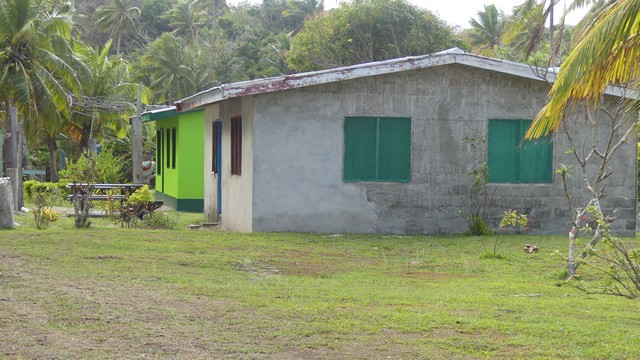
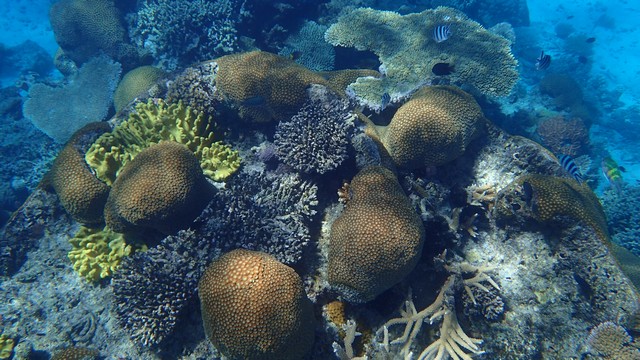
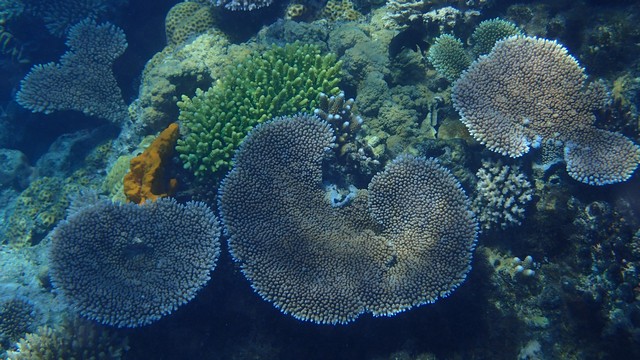
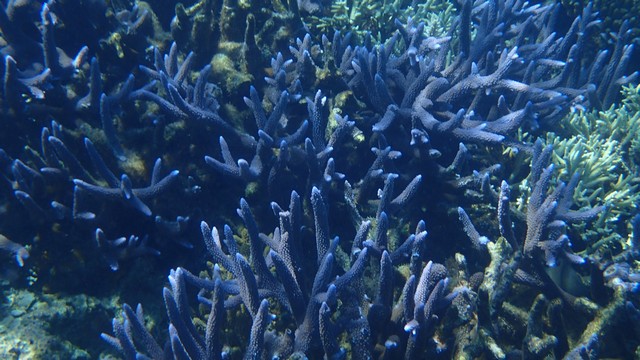
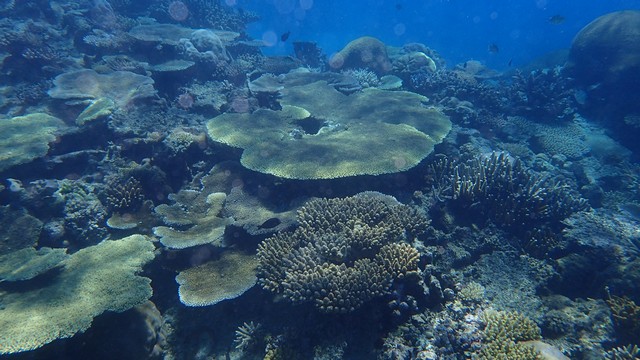
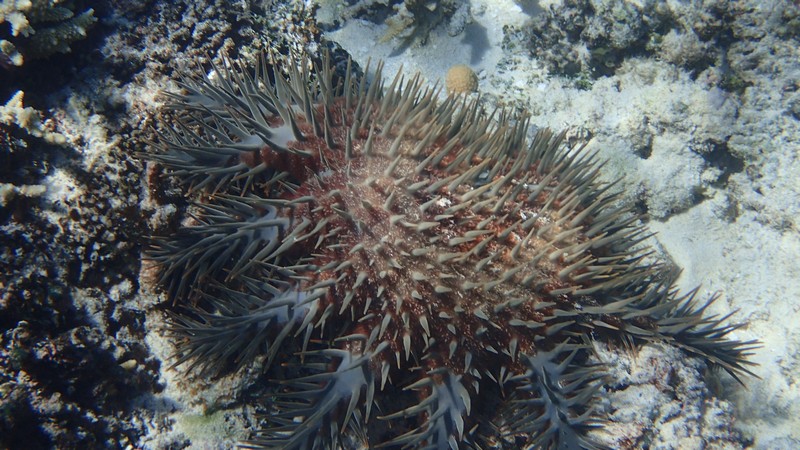
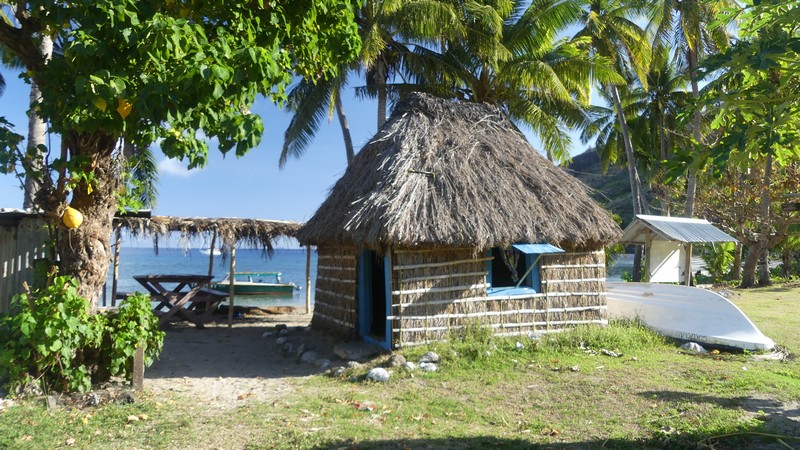
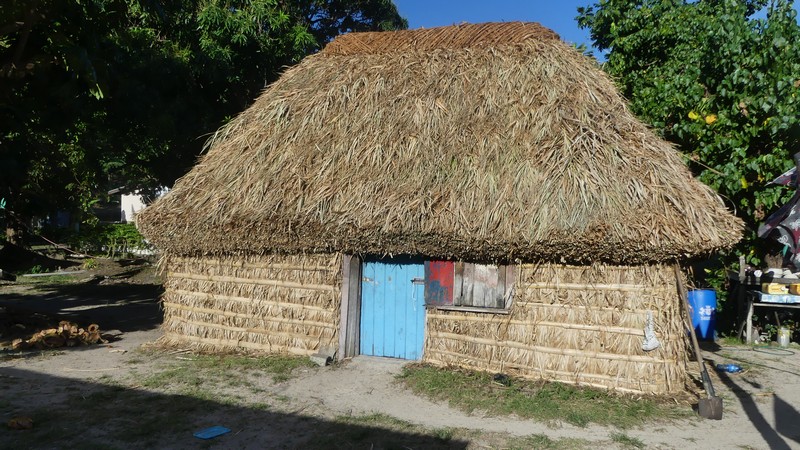
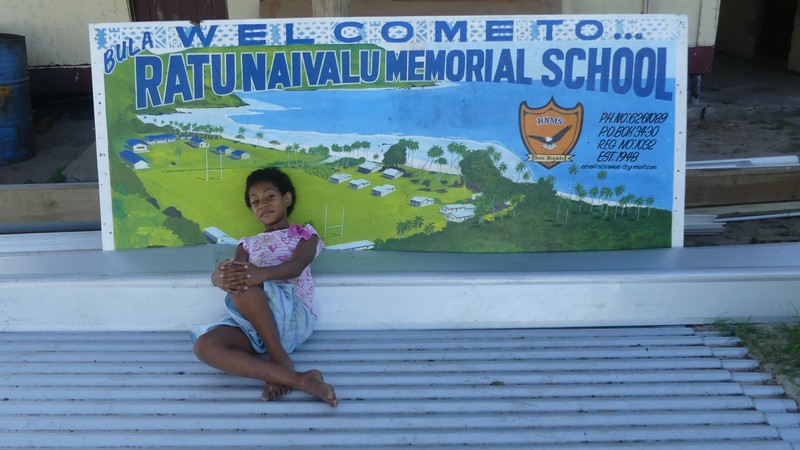
and the snorkeling was excellent…lots of beautiful coralin all coloursand shapes..A crown of thorns, this is a large sea star with 13-18 arms. The spines are venomous and can deliver a painful sting even when the animal has been dead 3 or 4 days. You do not want to touch this one.The next village we sailed to was Yalobi village on Waya IslandAnother warm welcome after the Sevu Sevu ceremony with the chief. Fijieans are very curious and in every village, children and adults ask how old you are :-).I will remember the Fijeans always with a smile on their faces.A small traditional “bure”, a house made from wood , bamboo and pandanus leaves. There are not many left in Fiji, new houses are built in corrugated steel boards. Goes faster and lasts longer but unfortunately is not as pretty.A typical “bure” would last about 3 – 5 years if a cyclone does not come by. The floor is covered by woven mats.School had been out for 2 weeks, tomorrow it was “back to school” again. This school took children ages 6 till 13. Most children stay at school for the week and go home by boat on friday afternoon to come back on sunday. The children learn Fiji and English in school.
Too bad we did not see the boys and girls in uniform as we had to leave early the next morning to be on time for our meeting with the insurance expert in Vuda Marina on Viti Levu Island in Fiji.
Because we were not allowed to move our boat till the insurance inspector came, we decided to go to Taveuni by bus and ferry. We got our tickets and made reservations at a small resort for 2 nights to return just in time for our meeting with the insurance inspector and the marina.
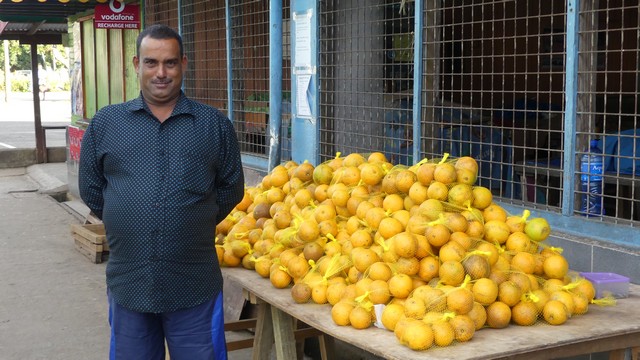
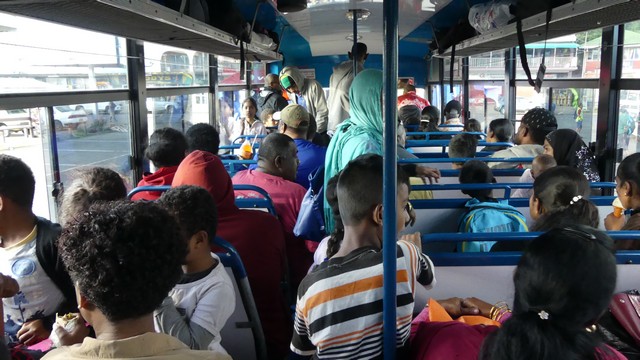
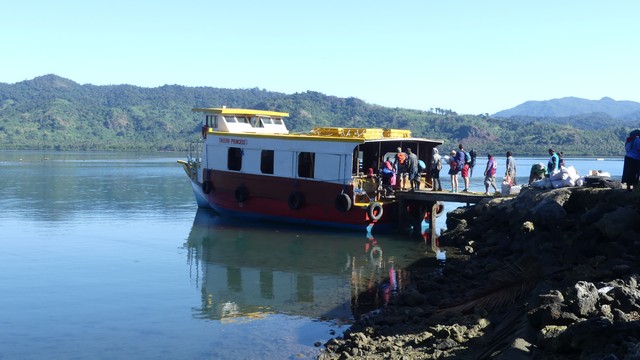
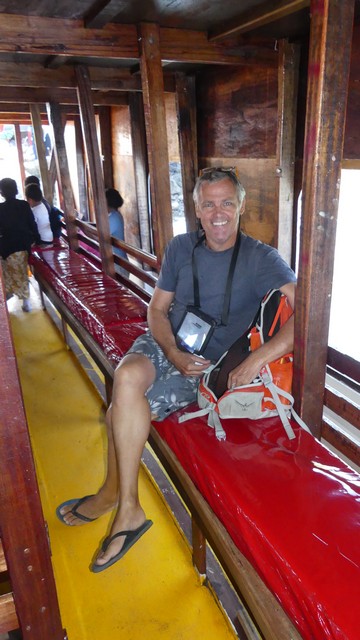
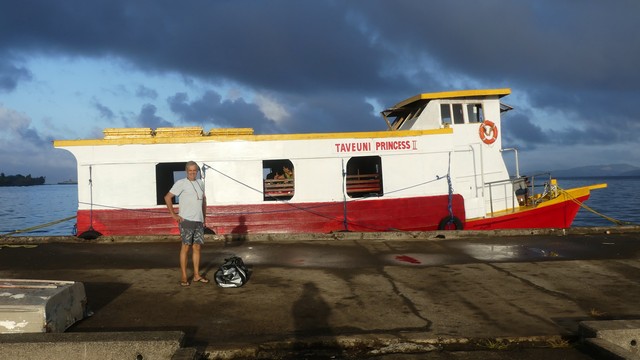
While we were waiting for the bus to arrive I got local oranges, 80Eurcents for a bag of 4. They do not look perfect but they are very juicy and the vendor sooo proud :-).The bus was full at 7am. One Fijan got up and insisted I take his seat for the 2hour ride….The Taveuni Princess 2…all new after cyclone Winston (catagory 5) destroyed her predecessor in February 2016. The boat was built by the captain’s 75 year old father at a cost of about 1Million Fiji Dollar (400.000EUR). It took 3months to build with 6 people.Stefan enjoying a seat in the Taveuni Princess 2.Arriving in Taveuni, the garden island of Fiji. We definitely picked a good weekend to go, no rain and lots of sunshine.
Because we only had 2 days on Taveuni island we decided, after some discussion, to limit ourselves to hiking the 2 top walks on the island:The Lavena Coastal Walk and Tavoro Falls Walk. Although there are many opportunities for beautiful snorkeling (rainbow reef) we unfortunately did not do this (captains orders). When we arrived on Taveuni we immediately put on our walking shoes, bought roti for lunch (indian wrap) and got a taxi to take us to Lavena to start the coastal walk.
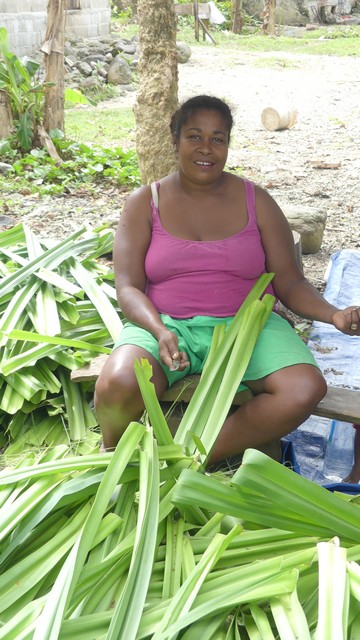
Lavena beach. The start of the Lavena Coastal Walk (5km one way).The walk starts along Lavena village. This woman is preparing the pandanus leaves to be dried so they can be used to weave baskets or mats.There used to be a swing bridge here but cyclone Winston (2016) took it with him…Apparently a lot of the spots here were also used for the movie “Blue Lagoon” with Brooke Shields.The vegetation and bird sounds were really beautiful, so peaceful, we did not see any other tourist. They recommended using a guide for this walk but we never had a problem finding the path.Taveuni is definitely a “garden island”. Part of the trail goes through the Bouma National Park.At the end of the walk one arrives at Wainibau Falls. The water was very refreshing and again no other tourists there….Returning along the coast, it was a gorgeous afternoon walk.Lavena village is a typical Fiji village with houses made from corrugated sheet metal and wood. The traditional “buré”, made from pandanus and bamboo is near impossible to still find.
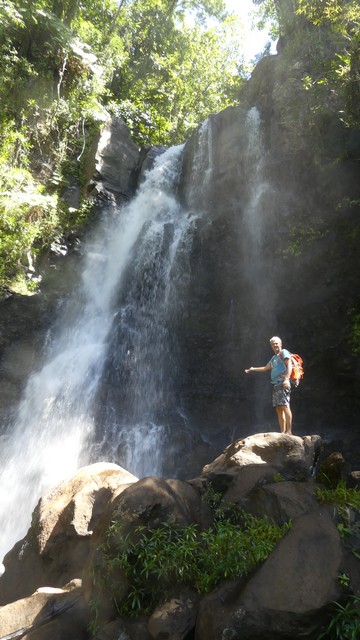
We left early on saturday to hike to the Tavoro Falls, which are a series of three waterfalls within Bouma National Heritage Park. A lot of people only make it to the middle falls because it is fairly steep to get to the 3rd one.
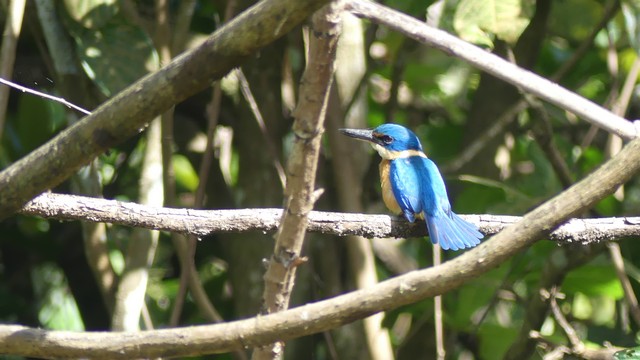
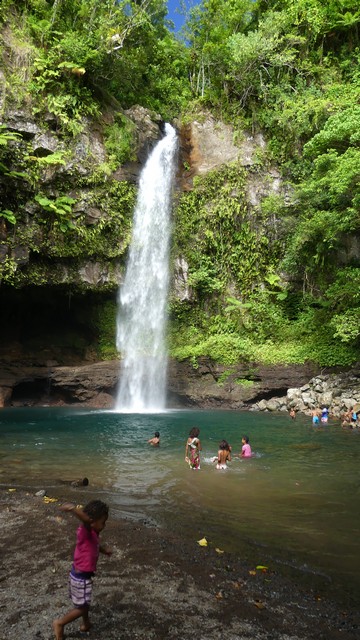
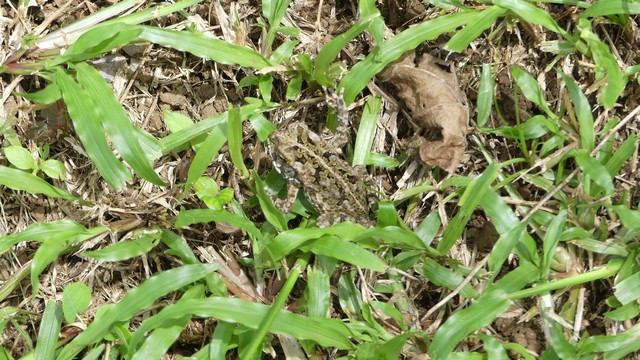
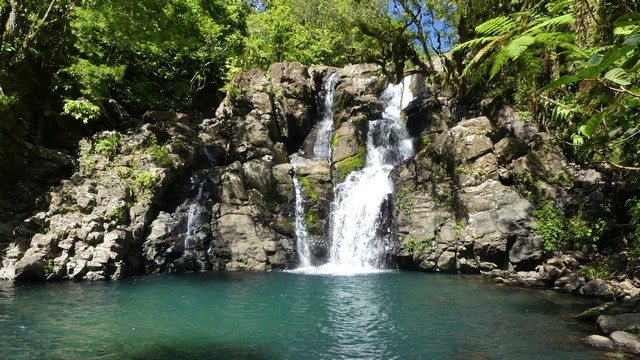
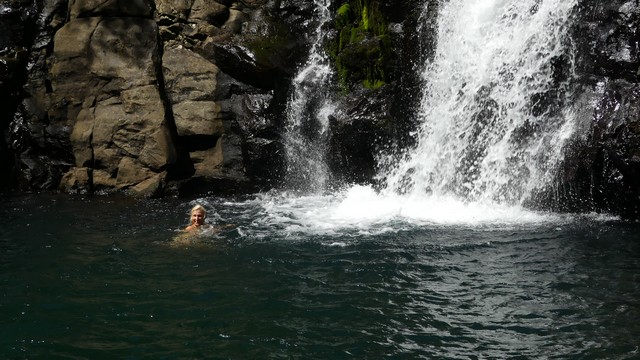
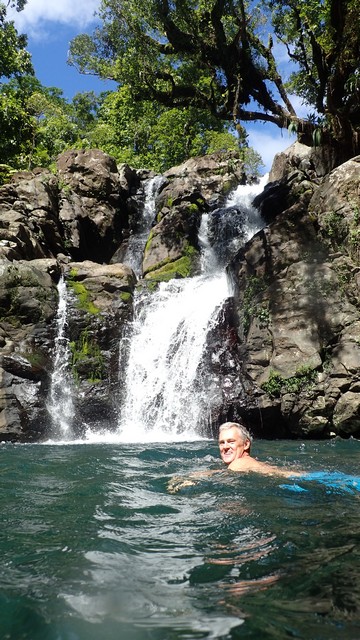
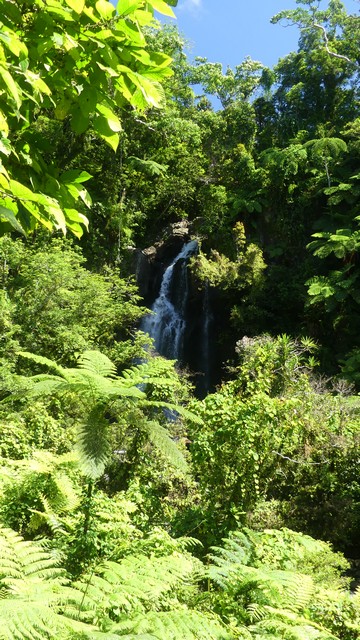
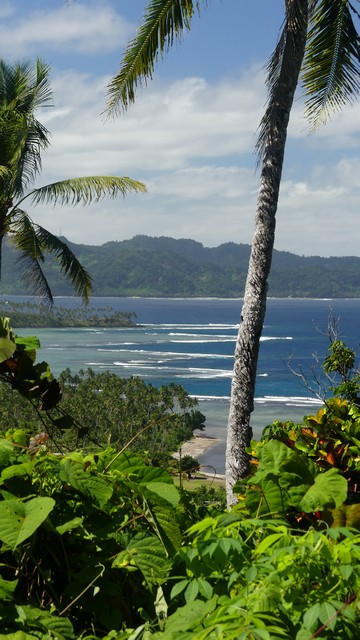
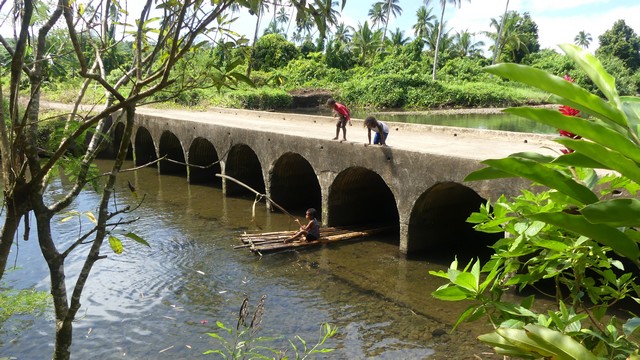
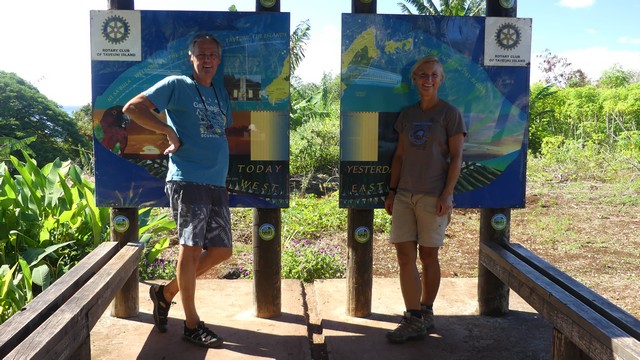
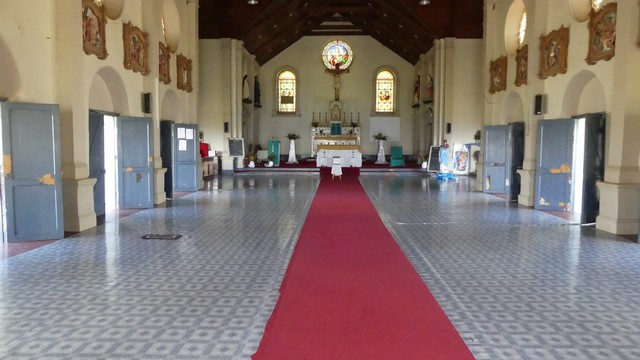
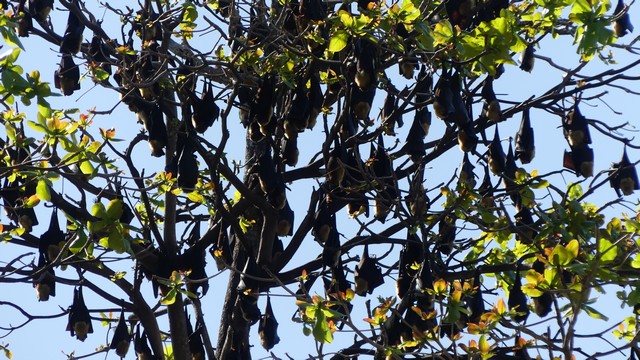
Just before we arrived at the entrance of the park I noticed the very blue Collared Kingfisher sitting in the sun to warm up.We had to borrow money from our taxi driver to pay the entrance fee of the park as we did not have enough cash…We paid our admission fee to a beautiful proud gatekeeper and were on our way.The first sight of Bouma National Park. The park protects rainforest and coastal forest and covers 80% of Taveuni.After 10min walking we reached the lower falls, The fall is 24m high and is an ideal spot for local children and families to play and spend their WE’s. There was even a facility to shower and change.Local children having a good time.We slowly climbed to the next fall and had a beautfull view of the ocean fronted with palm trees and Qamea island in the back.Can you spot the frog?Somewhere along the path we missed the turn for the middle waterfall and we arrived immediately at the top one…We were there all alone just at lunch time and had a wonderful time under blue skies in a perfect scenery with birds singing along.The water temperature was perfect.I even got Stefan into the water :-).We could not have picked a better day !On our way back we found the middle falls.The middle falls are hidden by the rainforest.View while returning to our starting point.Playing and adventure with a home made raft.In Ecuador we stood on the “equator”, latitude zero and in Taveuni we stood on the “international date line”, being the 180 degrees longitude north-south line. Stefan stands in today, Ilse in yesterday. My geography knowledge has never been better after visiting all these places :-).The Wairiki Catholic church in Taveuni was built in 1907 in honour of a French missionary who advised Taveuni warriors on how to defeat Tongan invaders. No chairs, people sit on the floor for mass on Sunday.A tree filled with fruit bats. Fruit bats rest in trees, not in caves. They are also called “flying foxes” and they are the only mammals that can fly (together with microbats). They eat fruits and nectar.Early sunday morning we left beautiful Taveuni with the Taveuni Princess 2. We were both happy we had a chance to visit this beautiful island.
Monday morning (july 31st) the wind dies on us and we have to motor the last 12hours to SavuSavu because we want to get there before dark. We arrive at 16.30 under blue skies at the Q (quaranteen) dock from Copra Shed Marina and receive a warm welcome with “bubbles” from our friends from SY North. This was not in our “sailing plan” but a nice surprise. Three Fijiean ladies came aboard to clear Sanuk for customs, immigration and bio-security and after a lot of giggles and filling out documents we were free to go on land.
The British ruled Fiji from 1874 till 1970. In 1970 Fiji became a fully independent nation. Several coups took place in Fiji after their independence (1987,2000, 2005 and 2006) because of growing tensions between the Indo-Fijan and the native Fijans. It was only in 2014 that new democratic elections took place. The Indians originally came to Fiji under British rule to work on the sugarcane plantations. A lot of them stayed in Fiji because they did not have the money to return. The Indians make up about 38% of the population in Fiji.
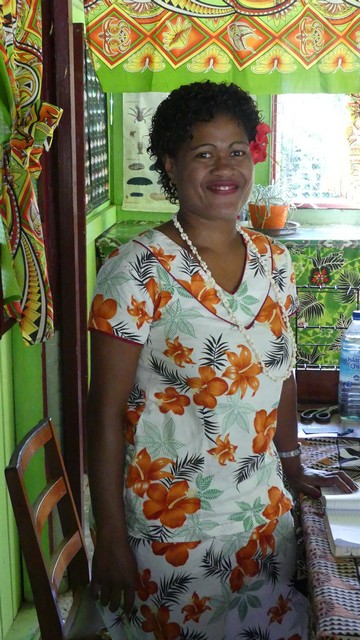
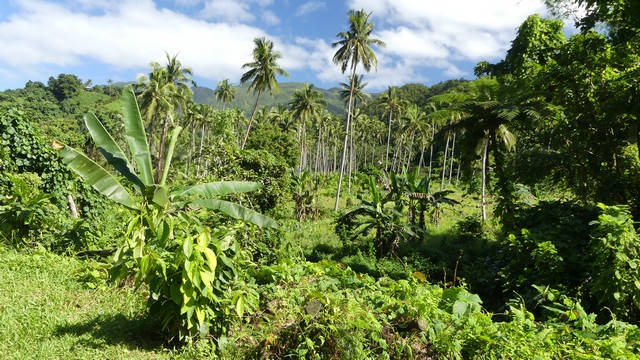
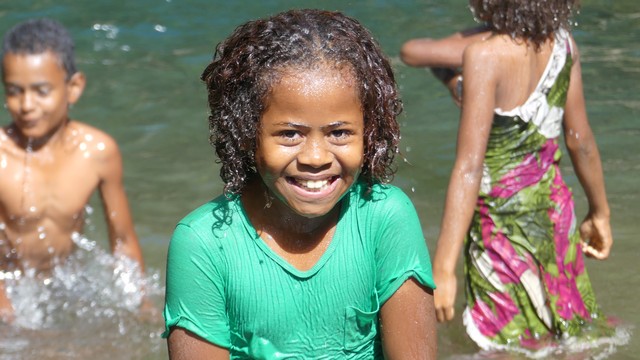
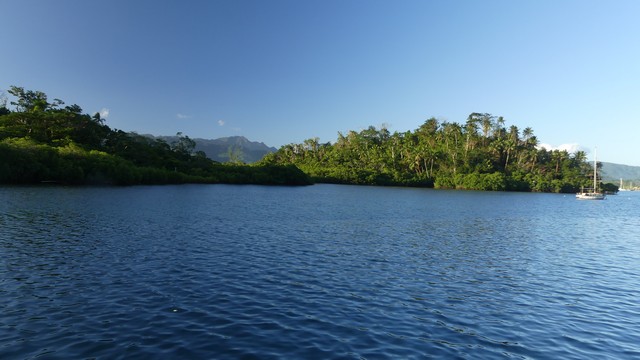
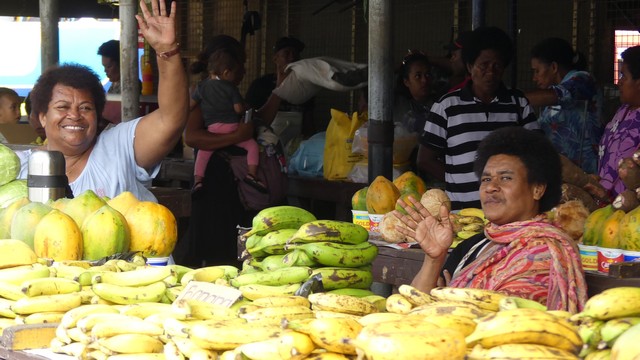
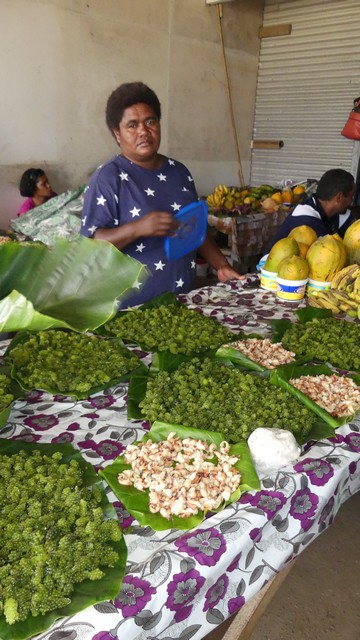
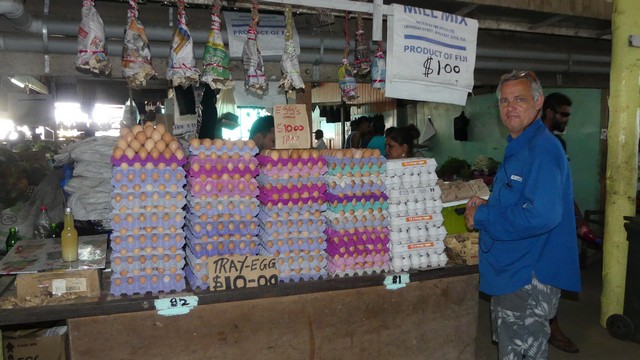
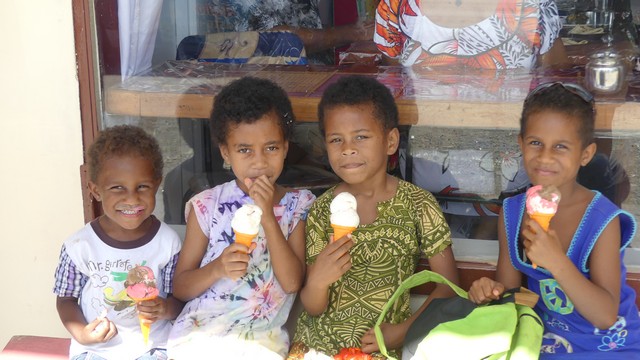
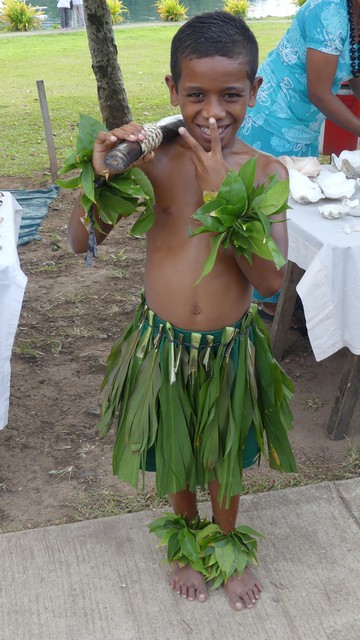
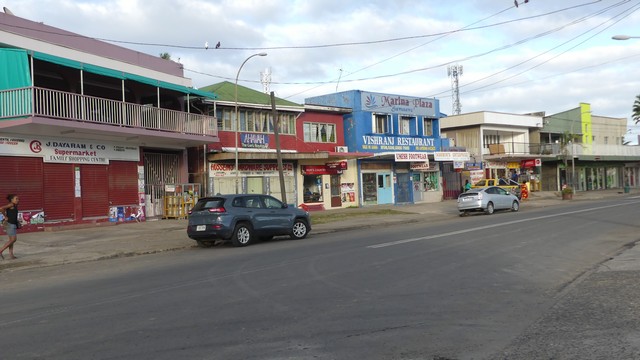
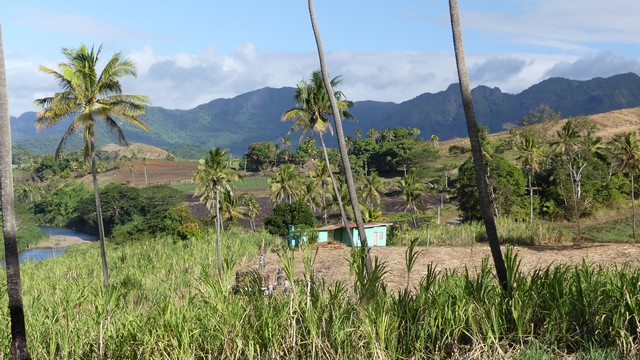
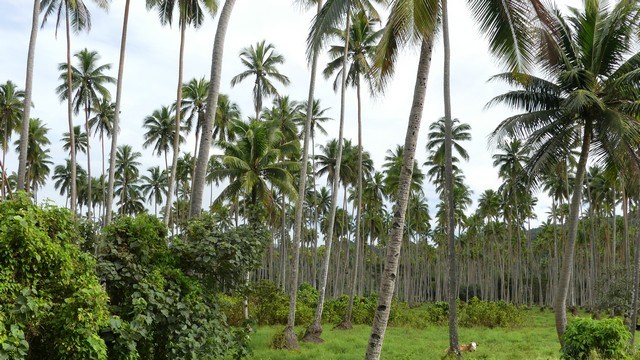
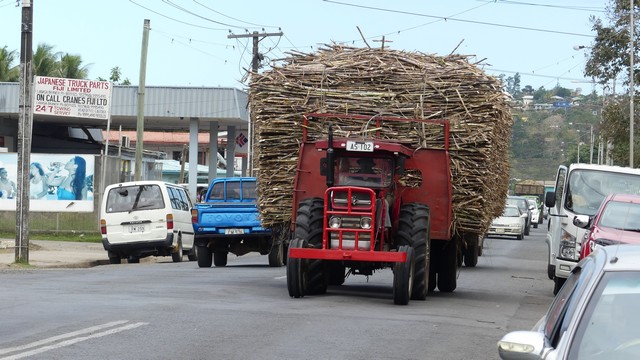
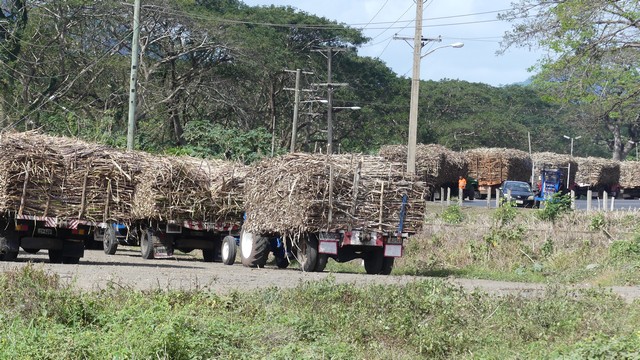
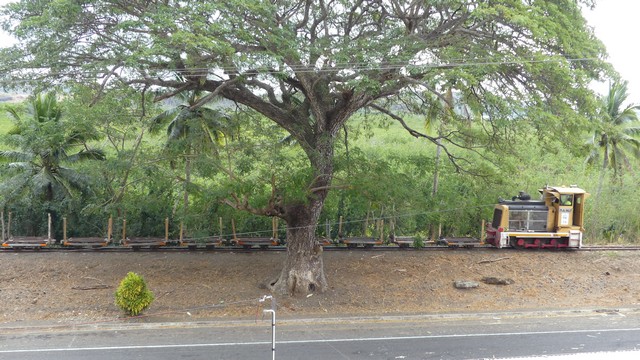
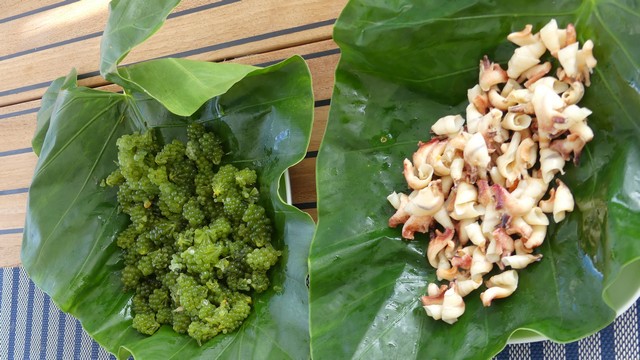
Savusavu is on the island of Vanua Levu. We will visit Labasa by car and go to Taveuni by ferry. From Savusavu we sailed to the Yasawa group of islands before arriving in Nadi on Viti Levu. Viti Levu and Vanua Levu account for 87% of the population.View from our anchorage in SavuSavu.The market on saturday with the typical Fiji smile and friendliness. Fijieans are melanesian and differ from the polynesians in Tahiti. In contrast to the long hair of the French Polynesian girls, the Fijieans have short curly hair.Fijian woman selling sea grapes and snails. We tasted both and it was very yummy.Eggs for sale at the market, no choice of free-range eggs 🙂 10 Fiji dollar (4EUR) for a tray of eggs (24). Above the egss is the cava root for sale. .Typical Fiji kids enjoying their saturday. On sunday all stores are closed and everybody respects the sabat.When a cruise ship arrives they dress up in traditional dress for the tourists. More and more traditions will disappear over the years.Sanuk at anchorage in Savusavu.The main street in Savusavu with all the businesses and restaurants. Most of these are owned by Indians who have clearly more commercial ambitions than the Fijians. This picture was taken on a sunday morning, no stores open or people on the street.The landscape on our way to Labasa.Lots of fields with huge coconut trees used for the copra (dried coconut).A truck loaded with sugarcane on its way to the sugarcane factory in Labasa.Many trucks waiting in front of the sugarcane factory waiting to be unloaded. Sometimes they have to wait 12-14hrs before they can unload. They receive on average 70Fiji dollars (28EUR) for a ton of sugarcane. It takes about 9 ton of sugarcane to get one ton of sugar. Most of the sugarcane plantations are run and worked by Indians.The train runs through the sugarcane plantations to pick up the sugar cane. The crushing season starts in june and lasts till about november. It takes about 15months before sugarcane can be harvested.Sea grapes on the left and snails on the right. They are best eaten together as an appetiser with a cold glass of white wine 🙂
As Stefan already mentioned in his blog we were unexpectedly stuck in Savusavu because another boat’s mooring broke and hit us in the front. No major damage but we had to involve the insurance company and this took 2 extra weeks. During that time we did go to the island of Taveuni (garden island) with the Taveuni Princess.
More on the Return of the Taveuni Princess in our next blog.
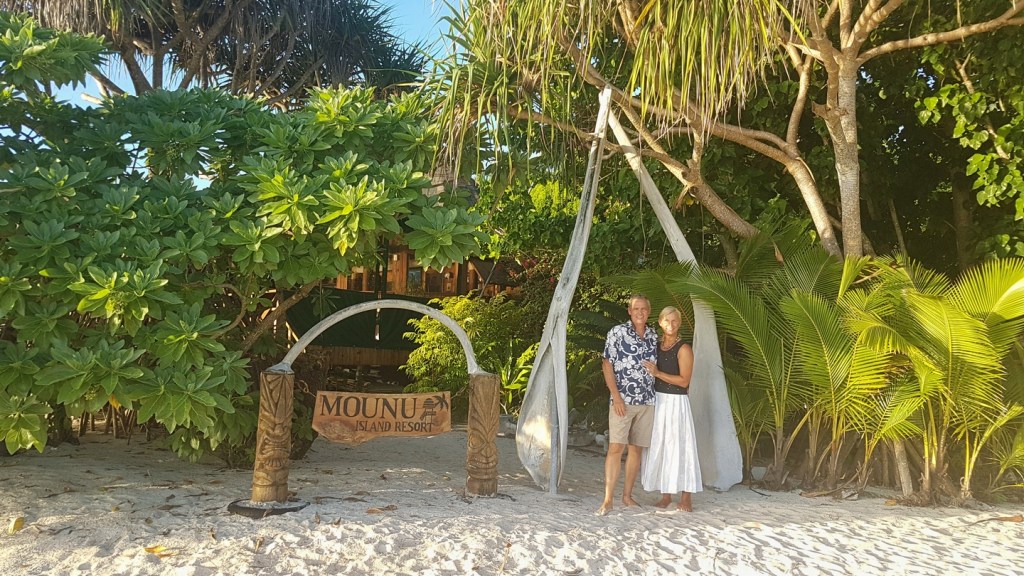
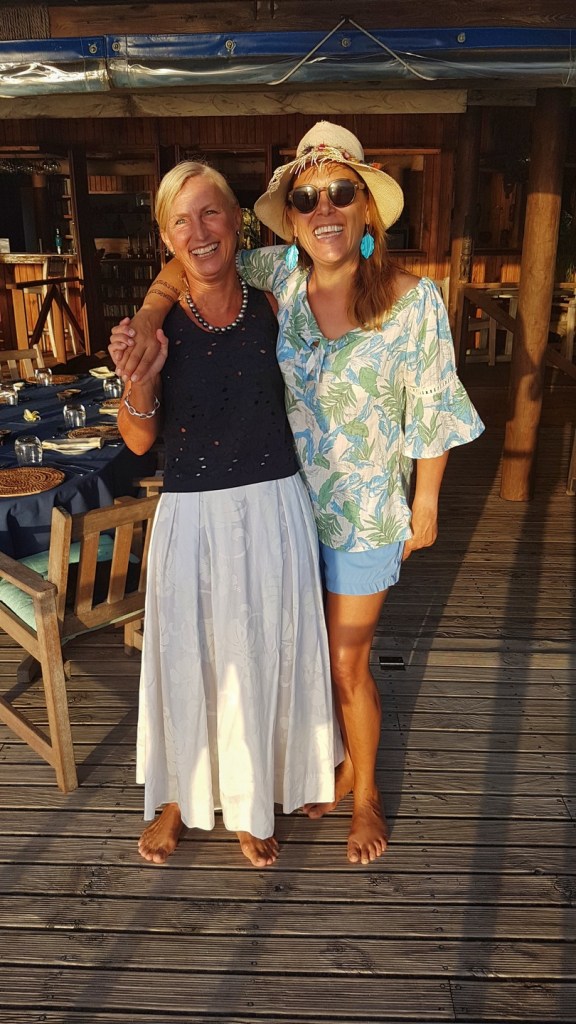
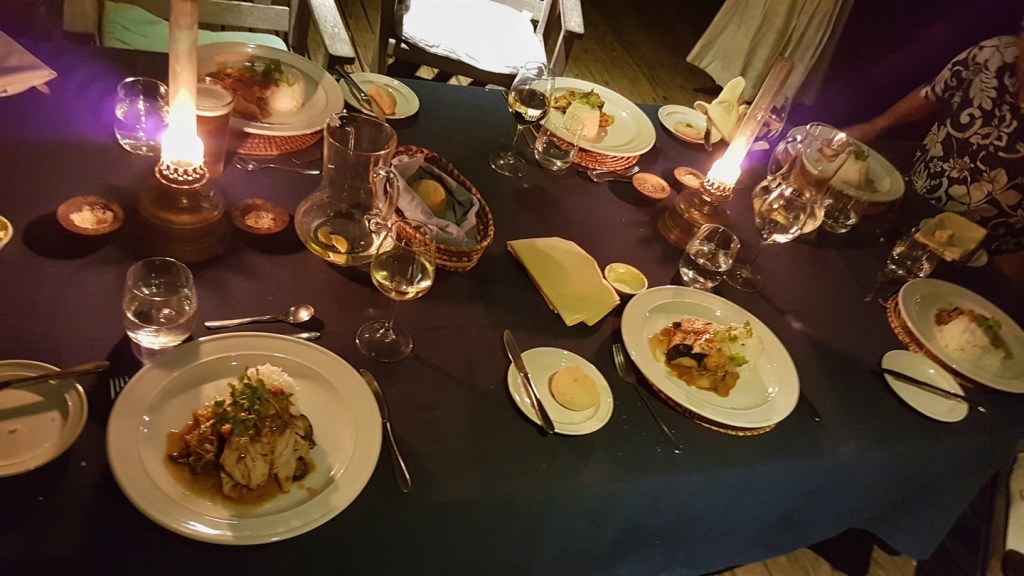
Every year , from June to October, the humpback whales migrate from Antarctica to the warmer waters of the Pacific to have their calves and to mate. Tonga is one of the few places in the world where it is possible to swim or snorkel with whales. We did not want to miss this opportunity. Although the end of July is still early in the season, we really hoped to have this unique experience. We checked the weather and saw that monday July 24th would be a good day, not a lot of wind, calm seas and sun. We decided to go with Vava’u whale watch at Mounu resort together with our fellow cruisers from SY North (Milike and Nejat). We made reservations for dinner on sunday evening at the resort as I had read that the food was excellent there. And it was!
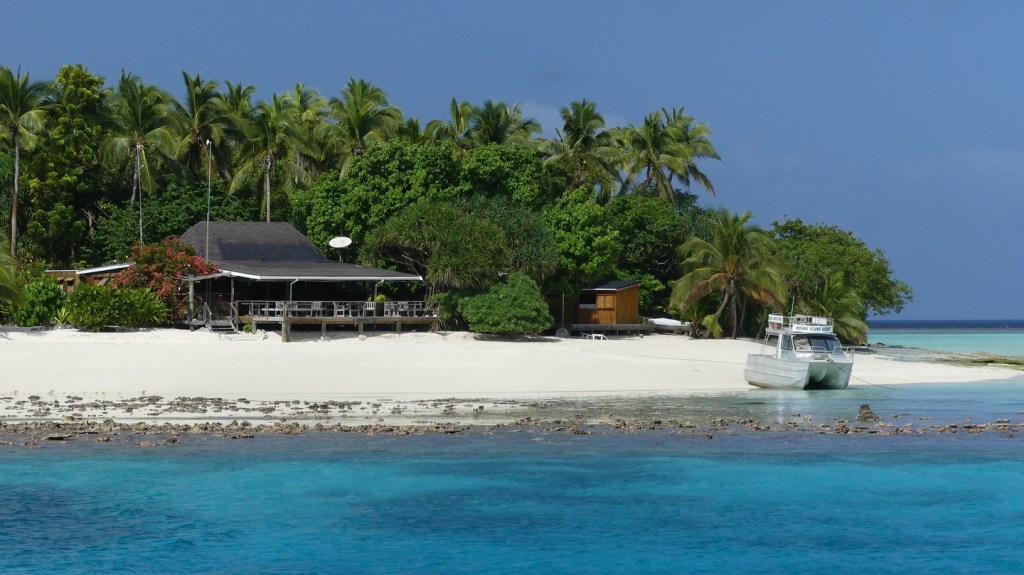
Mounu resort, really an idyllic place to relax and enjoy the water.
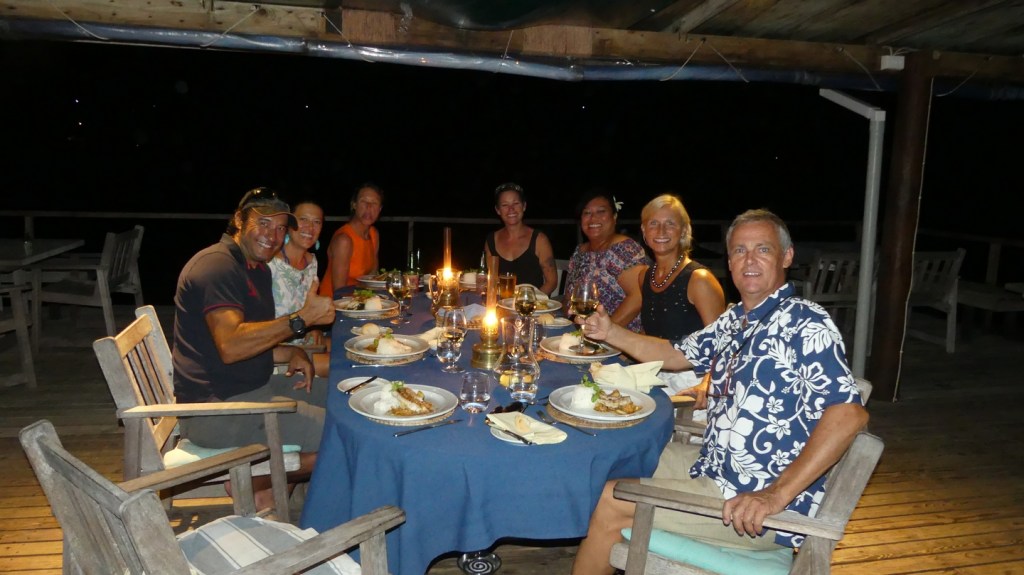
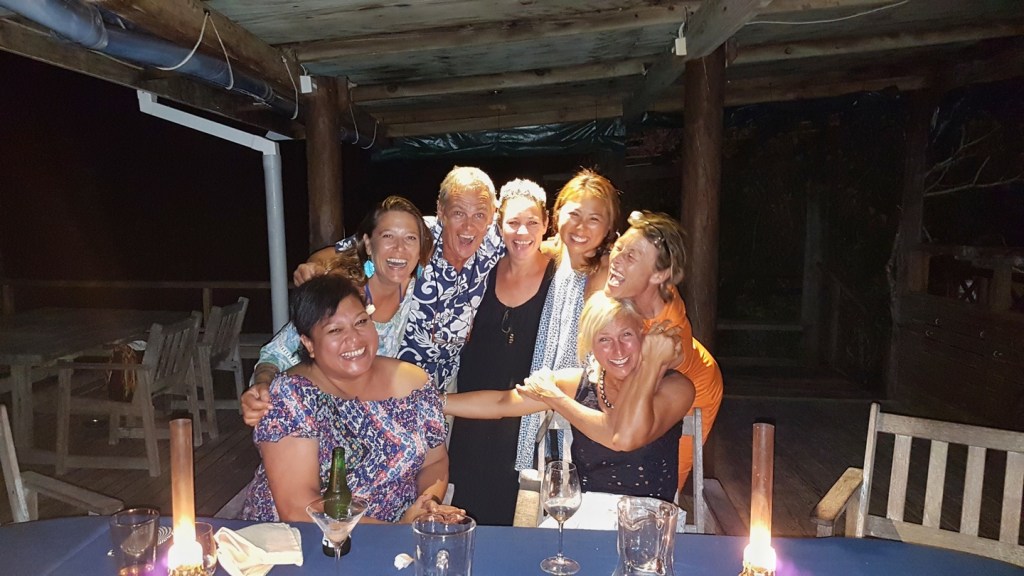
Ready to enjoy a great evening, underneath the cheekbones of a whale.Having great fun with Melike from SY North.Celebrating Amber’s (co-owner of Mounu resort) birthday with a fantastic meal. From left to right: Nejat (SY North), Melike(SY North), Kirsten (co-owner Mounu resort), Amber (birthday girl), Evelyne (great chef), Ilse and Stefan. Julia took the picture.We had carpaccio of tuna, a red snapper with rice and a great sauce and for dessert there was a soursop pudding. Everything was very yummy.From left to right : Evelyne, Melike, Stefan, Amber, Julia, Kirsten and Ilse..dancing was next.
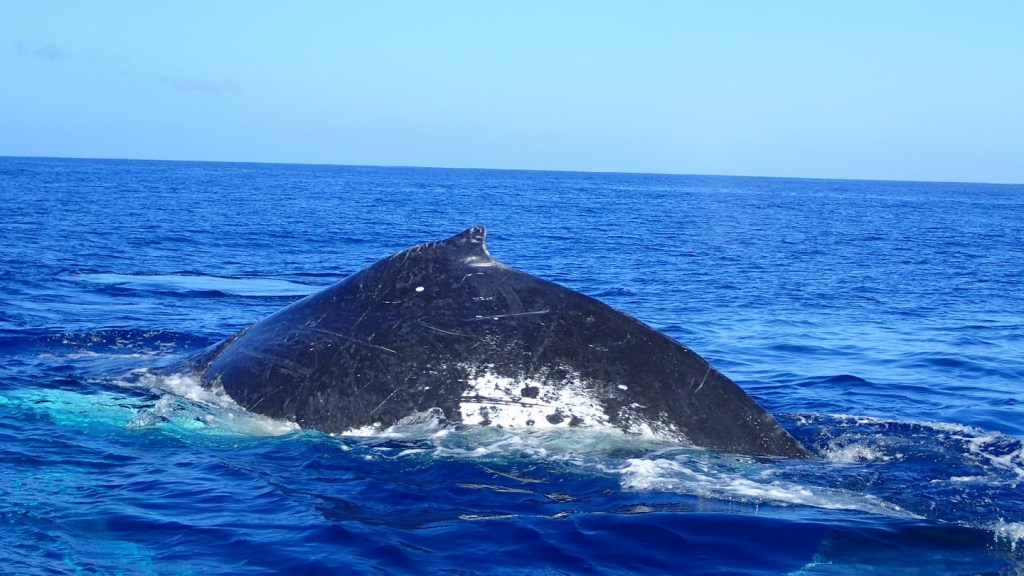
It was hard to get up the next morning at 6.30AM, but the anticipation of swimming with whales made it easier. No whale watch company will guarantee that you will swim with whales as it really depends if they can find a whale that will let you come close. There are many companies “fighting” for a whale. We were lucky to be out there very early and till about 10am did not see another whale watching boat. After about 45min motoring we encountered a mother whale with a calf. Yeah!! Before we could jump in the water Kirsten and Amber had to evaluate if this whale was going to stick around and let us swim with her and her calf. 45 minutes it was clear this would not be the case. This early in the season mothers are hesitant and nervous because their calfs are still little. For this reason it is better to do this end of August and early september when the calfs are already bigger and the mothers are more confident. A baby whale weighs about 1ton when it is born and is between 3 and 5m long. It drinks approximately 500 liters of mothermilk per day ! The milk consists of 60% fat so they can grow quickly ready to swim to Antartica in October.
Was this the most we would see of the mother?
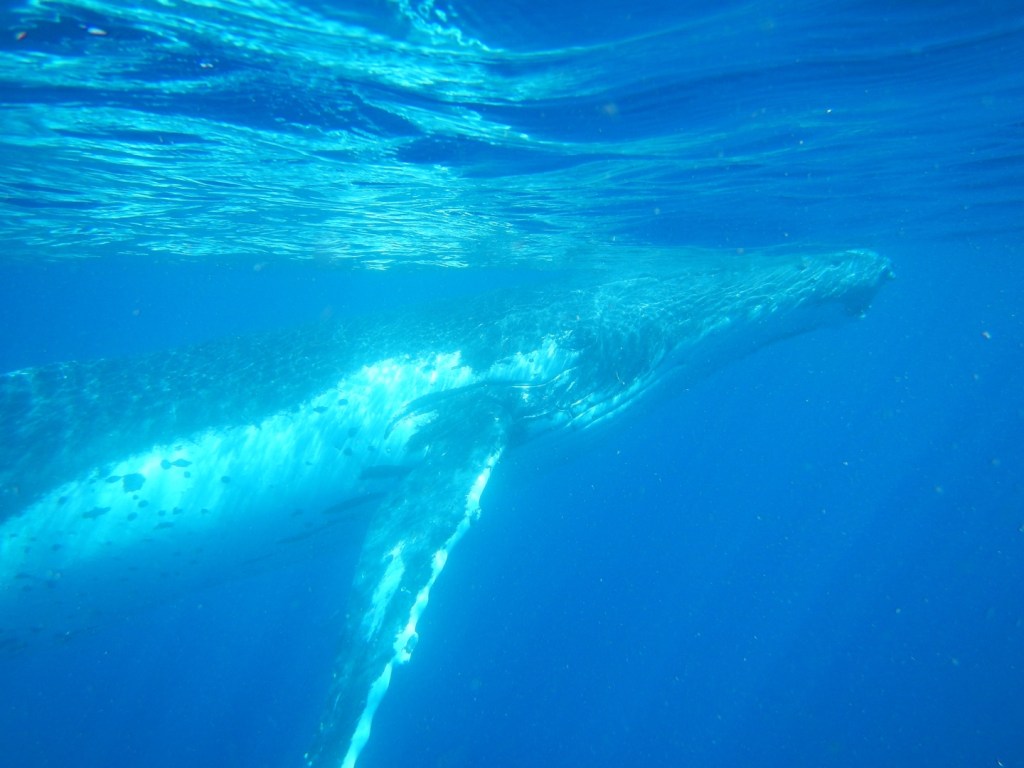
Here are videos taken by Mileke and Stefan. We found a whale pod with 1 female and 5 males. They gradually got used to us, and the swimming experience was fantastic, judge for yourselves:
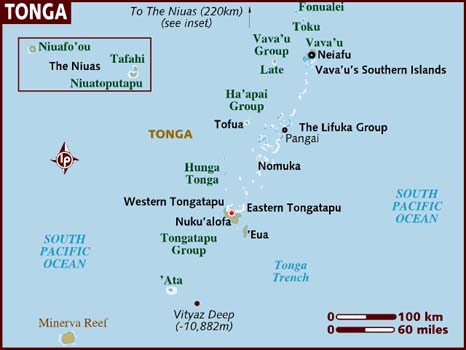
We left Niue on friday July 14th (Bastille day) late in the afternoon to the tunes of great French music. We crossed the international date line and lost the 15th completely in a flash and arrived early monday morning the 17th in Neiafu, the Vavau group of Tonga.
We only cruised the Vava’u group of Tonga (60 islands) as we did not have time enough to go more south.
After a visit from the health inspector, customs and immigration officials at the dock and paying our duties we were cleared in and free to take a mooring in Neiafu harbour.
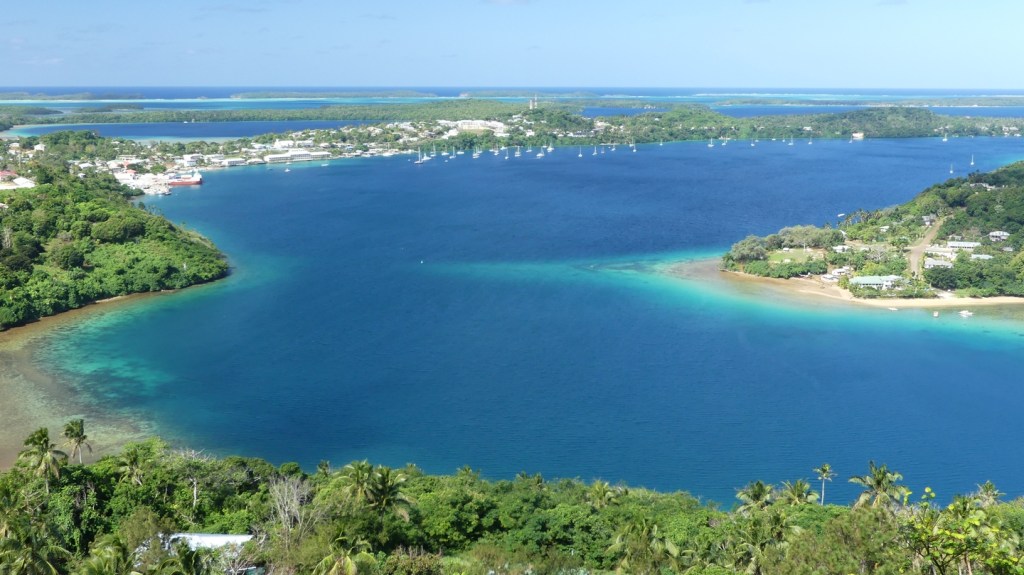
Neiafu harbour left, Nieafu town in the middle, mooring field on the right. Picture taken from Mt.Talau (130M)
The kingdom of Tonga is the oldest and last remaining Polynesian monarchy and the only Pacific nation never brought under foreign rule. It is the first country west of the International Dateline and they call themselves “the place where time begins”. They are a very Christian nation.
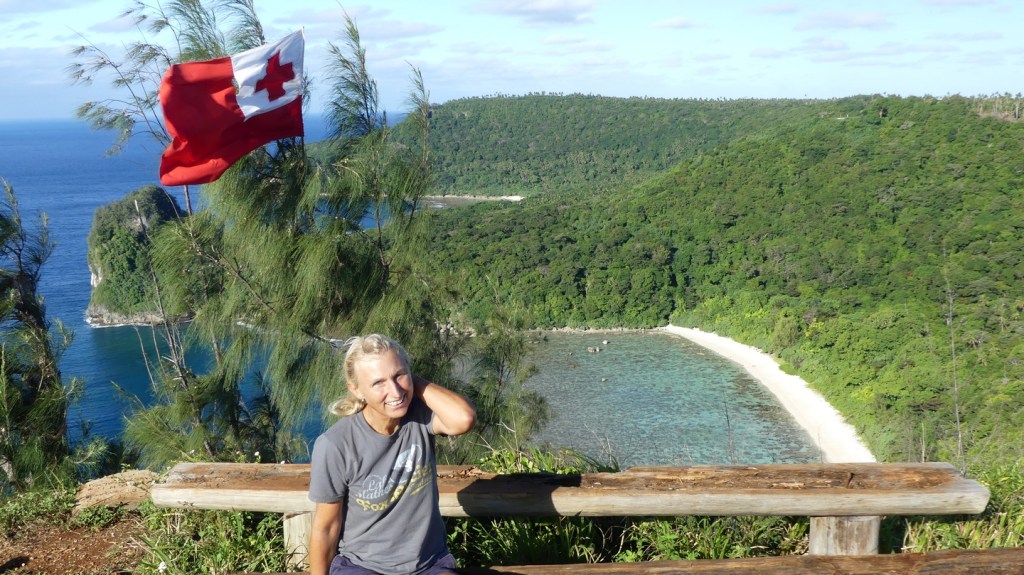
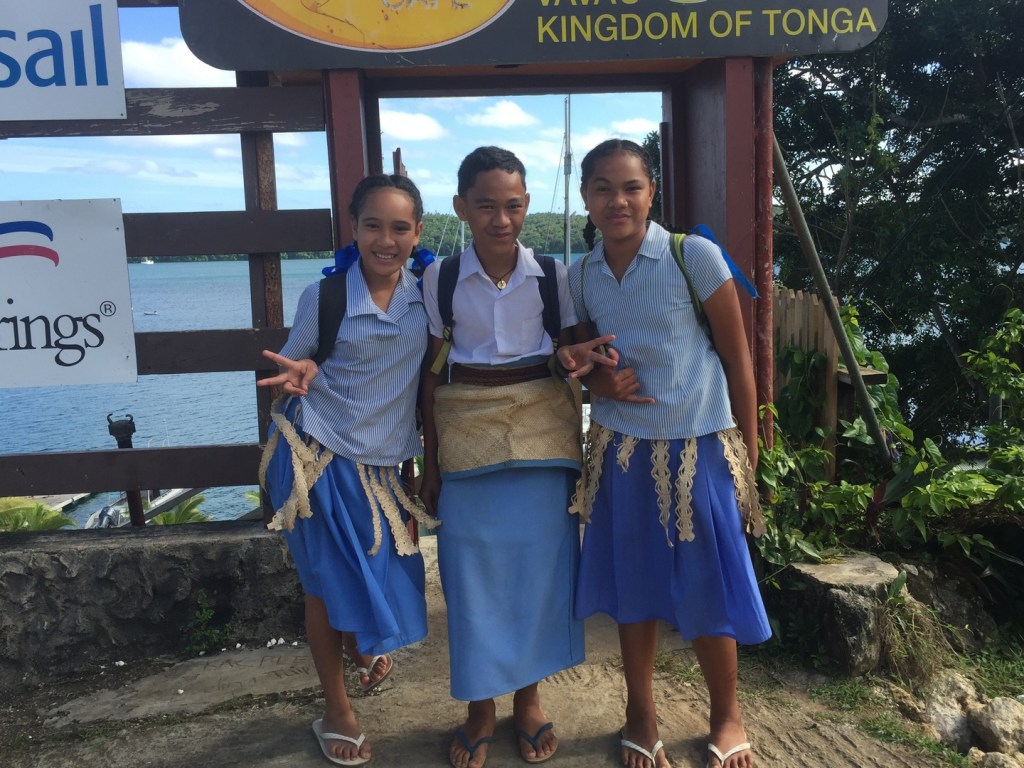
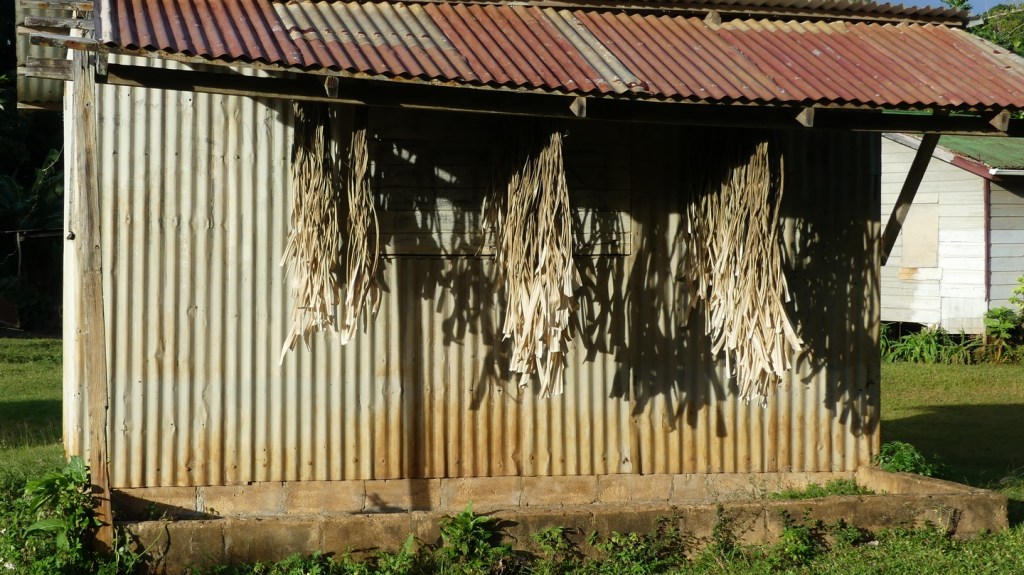
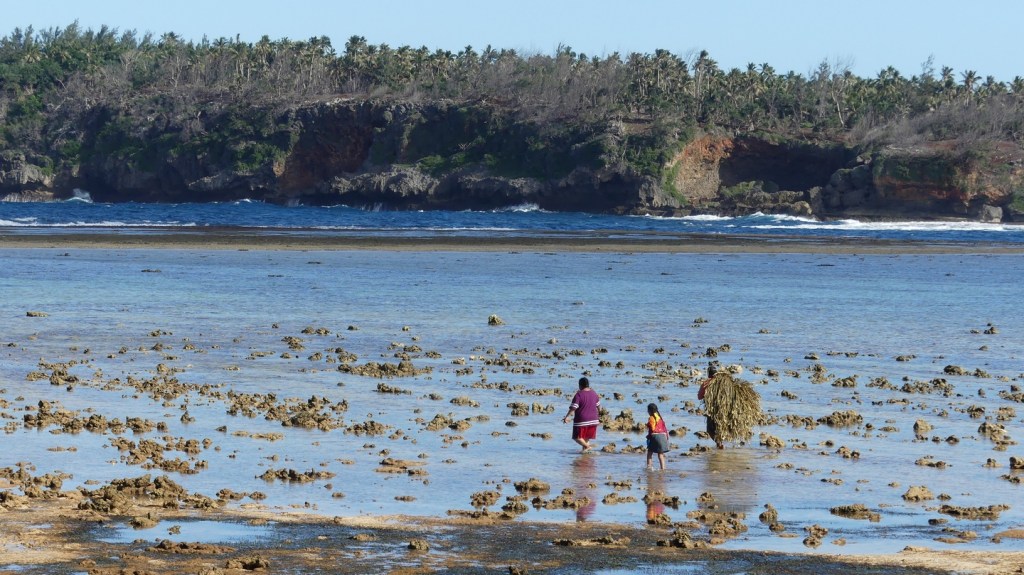
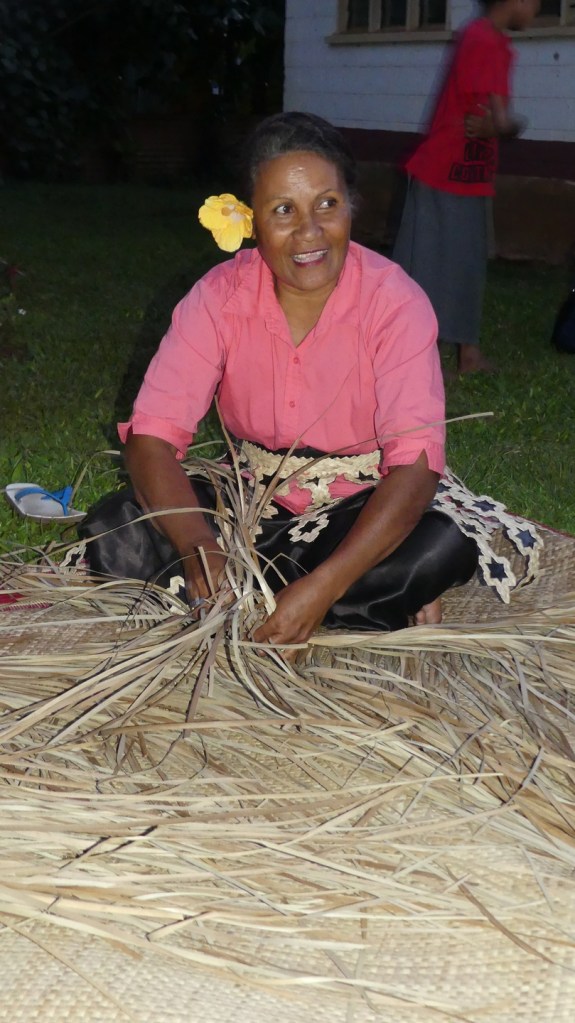
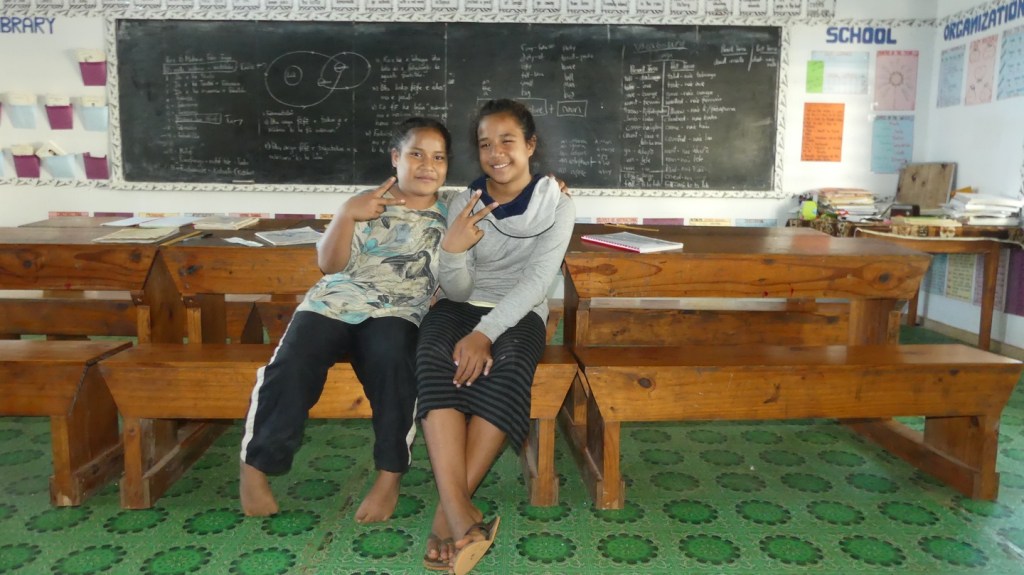
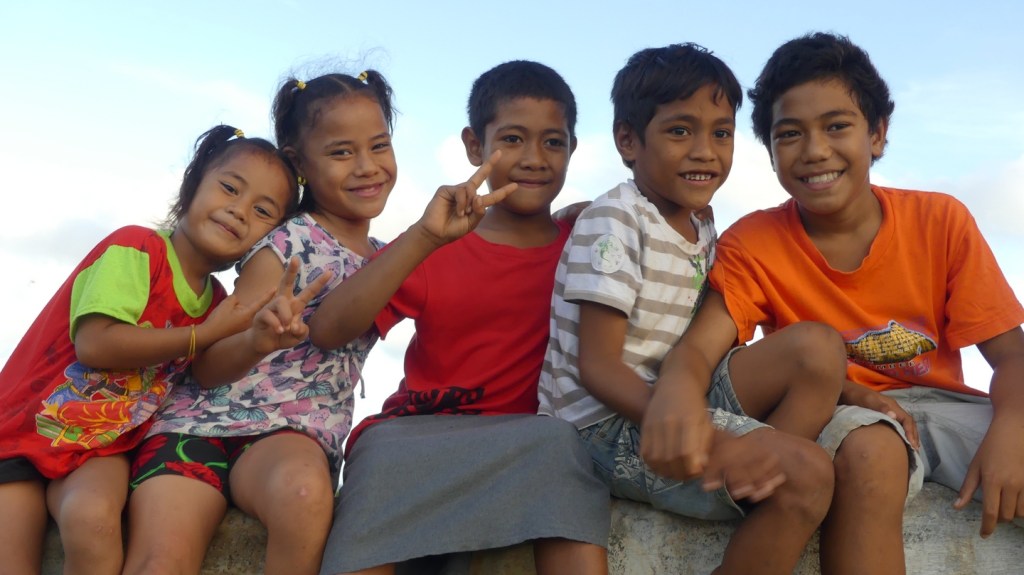
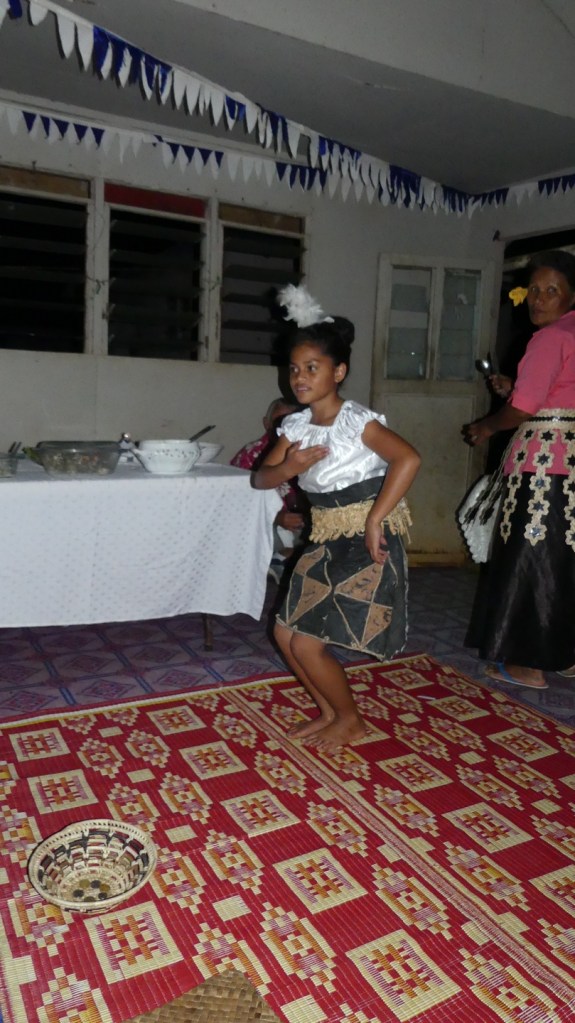
Utula’aina Point, with the Tongan Flag, a cross symbolizing Christianity (97% of the people are Christian), white colour is purity and the red colour symbolizes the sacrifice of the Blood of Christ.Typical schooluniform of girsl and boys is conservative, no knees are shown. The boys wear a wrap around skirt (tupenu) and a woven mat (ta’ovala) of pandanus leaf around the waist.Pandanus leaves drying in the sun before it is flattened to weave mats, hats, baskets etc.Tongans carrying pandanus to be washed and soften in the sea before it is dried.Weaving of a pandanus mat. Usually women will get together in a weaving house to make mats or other handicrafts.We went to a Tongan feast in the village of Matamaka and visited the school. There were 2 classrooms. One for ages 5 to 8 and one for 9 to 12 years old. This picture was taken in the class of the older group.Happy Tongan school kids.Typical Tongan dance, totally different from the Polynesian hip dancing we saw in French Polynesia. In Tonga the arm and hand gestures were important. During the dancing money gifts are collected in the basket on the floor. In some places Tongan dollar bills will be stuck in the belt of the dancers. The skirt is made from tapa.
The next day we motorsailed to the Coral garden anchorage and snorkeled…
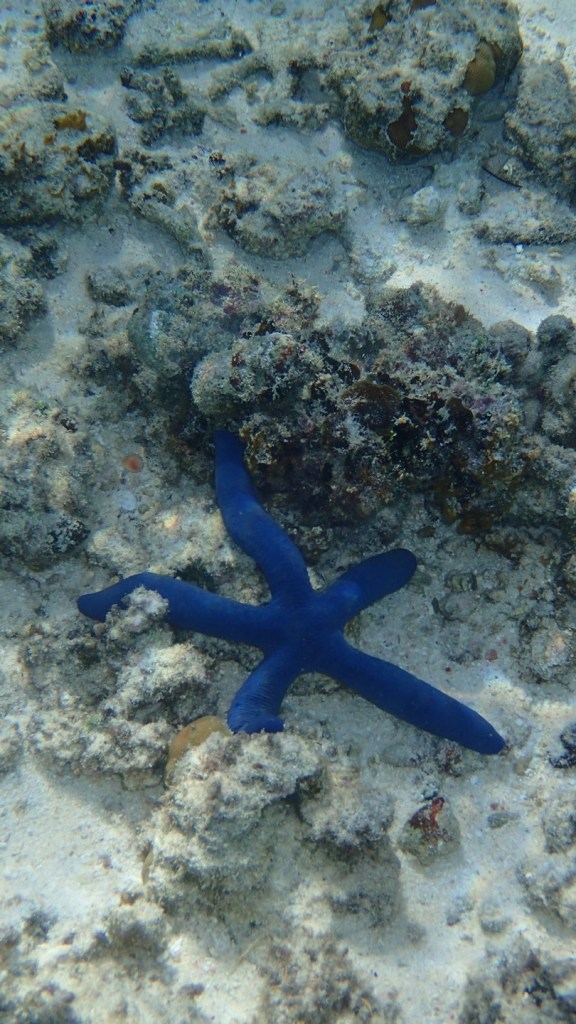
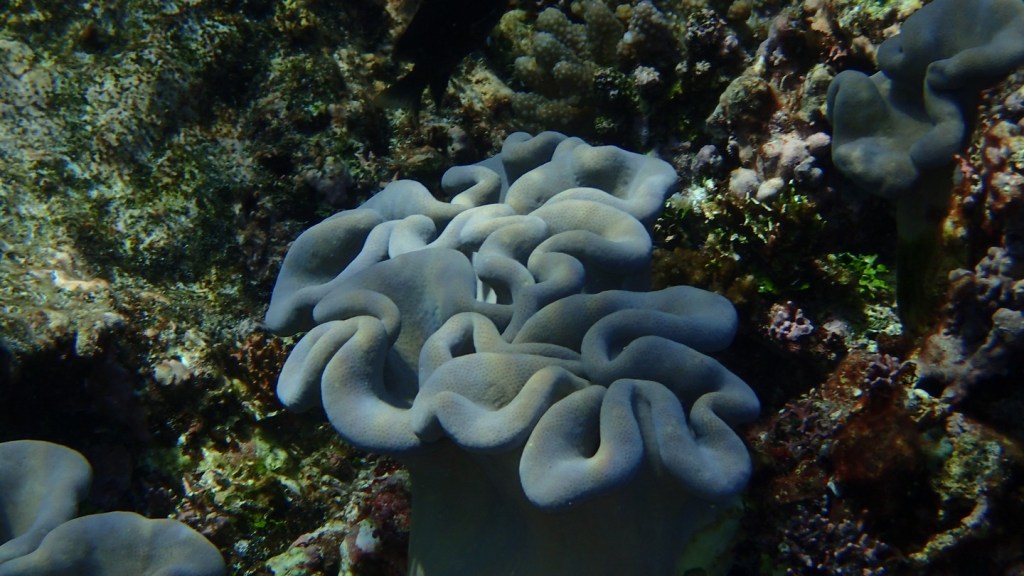
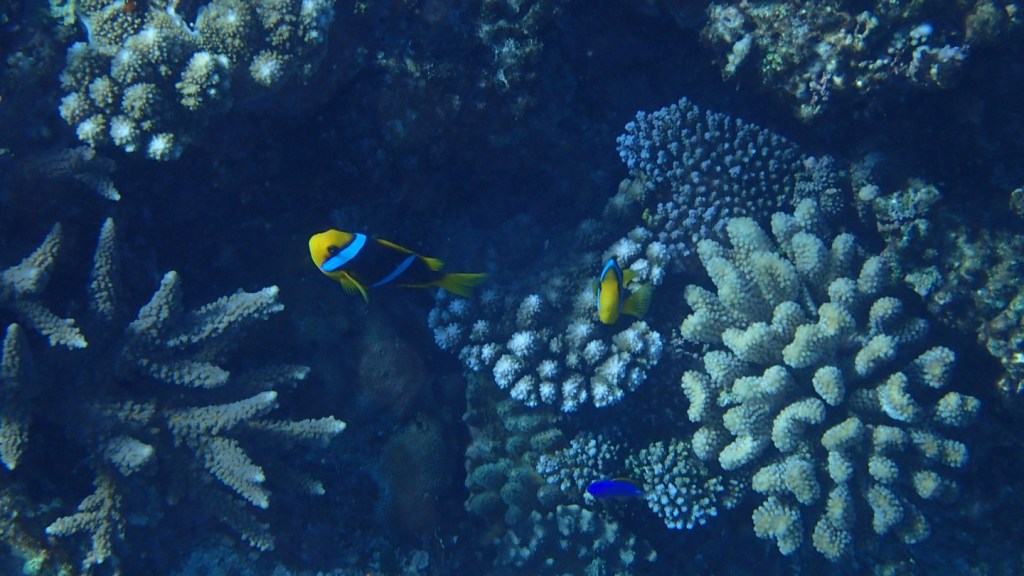
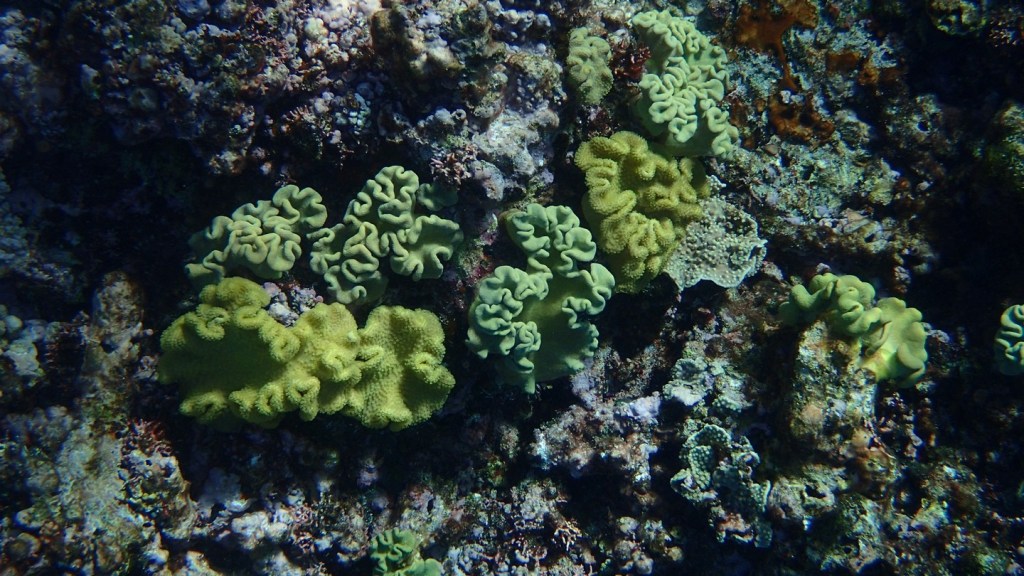
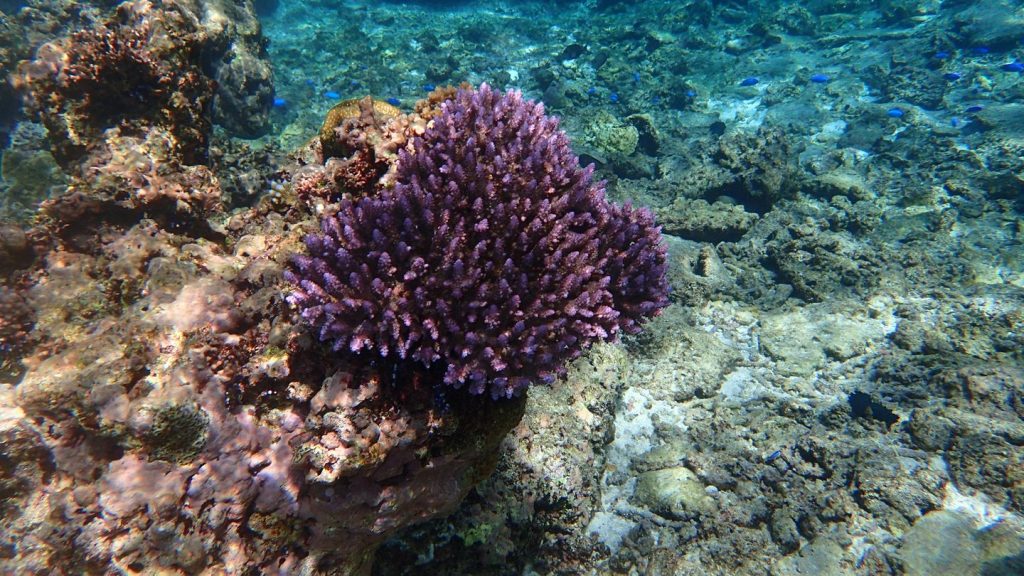
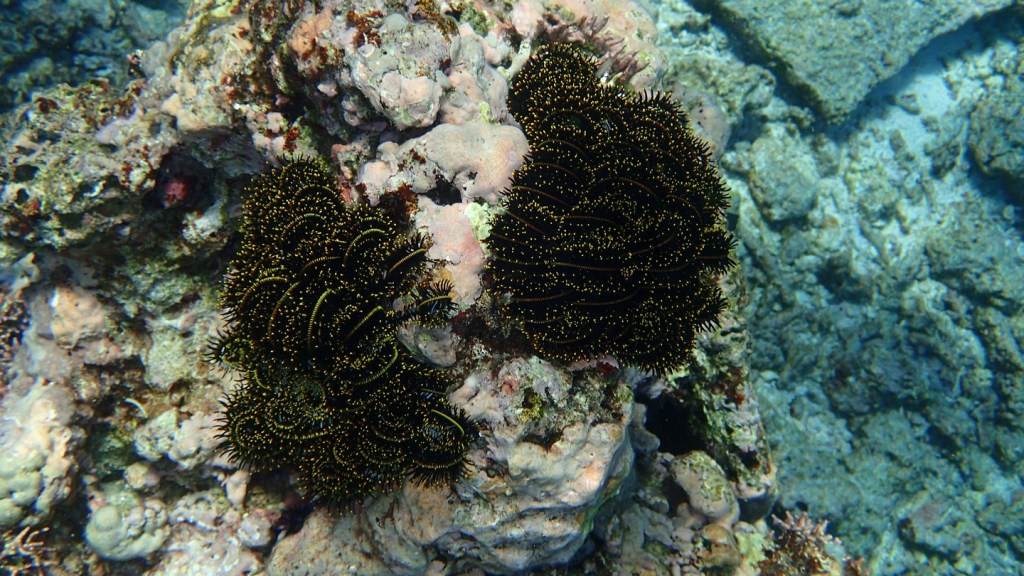
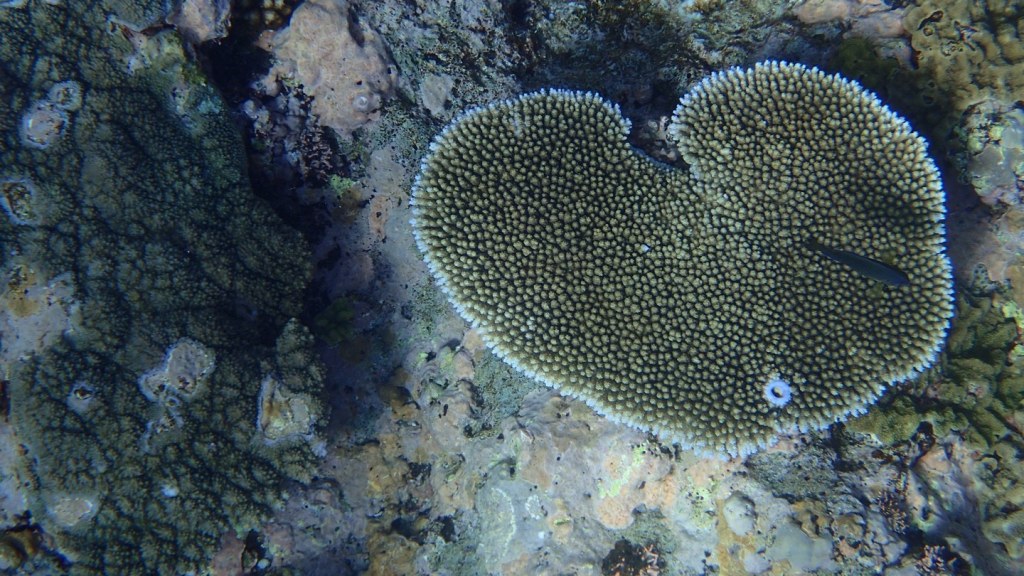
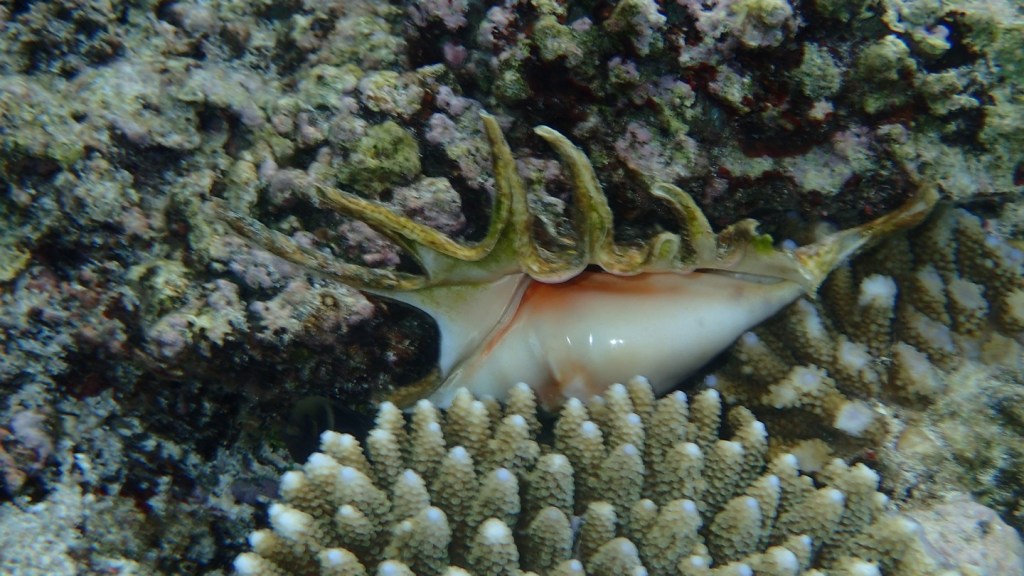
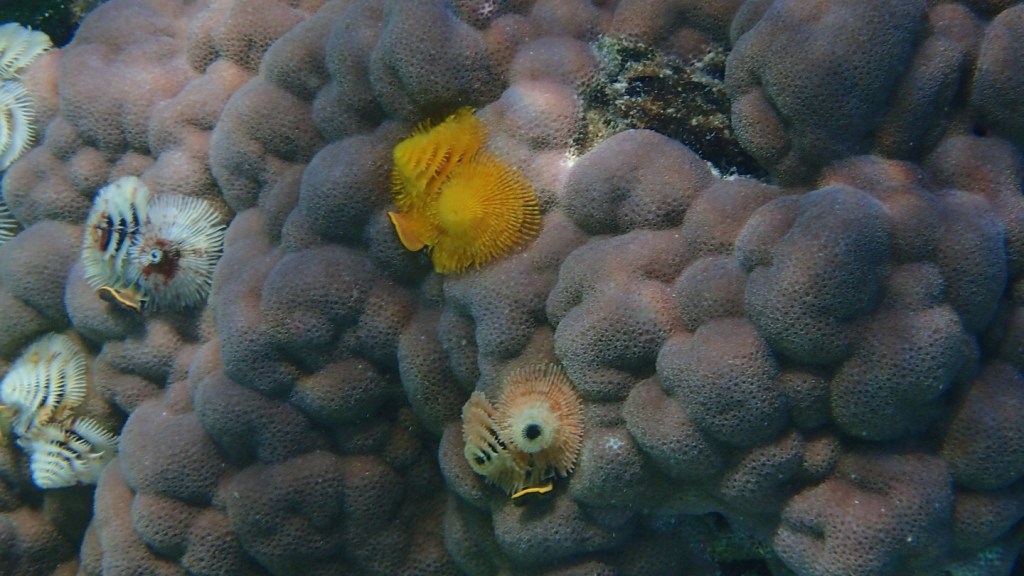
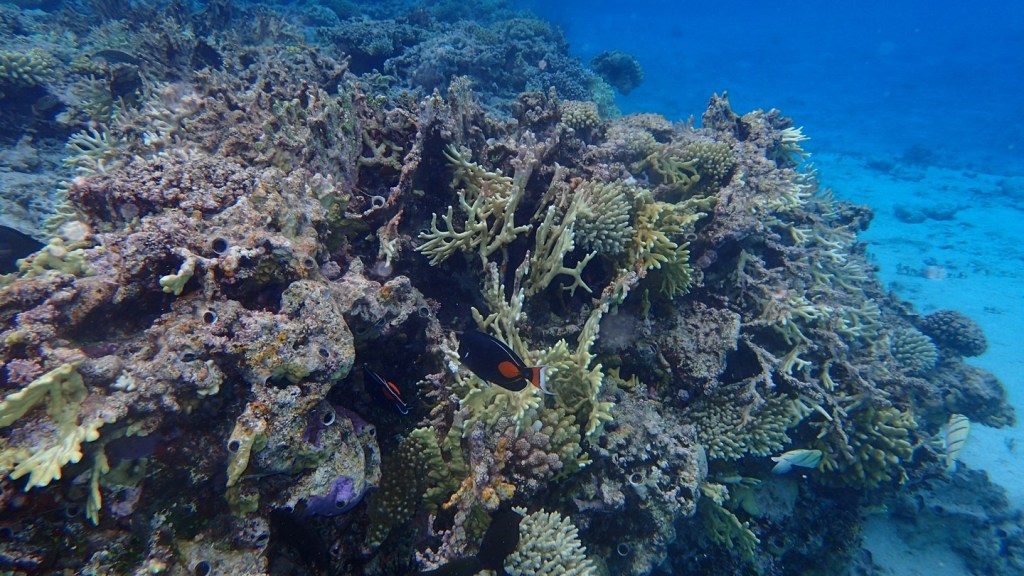
The Linckia laevigata. There were many of these blue seastars.Soft coral. It comes in very many different colours and shapes.Anemonefish trying to hide.Soft coral.It was almost like being in an underwater flowershop…Acropora sp hard coralFeather stars, they are animals! They like to be in a spot where there is a lot of current since they feed on passing plankton.A “heart shaped” coral, I think the Acropora hyacinthus, but I am not sure.A beautiful spider shell hiding between the coral. We did not take it with us since it was occupied.Sanuk and Flipper in another paradise like anchorage.
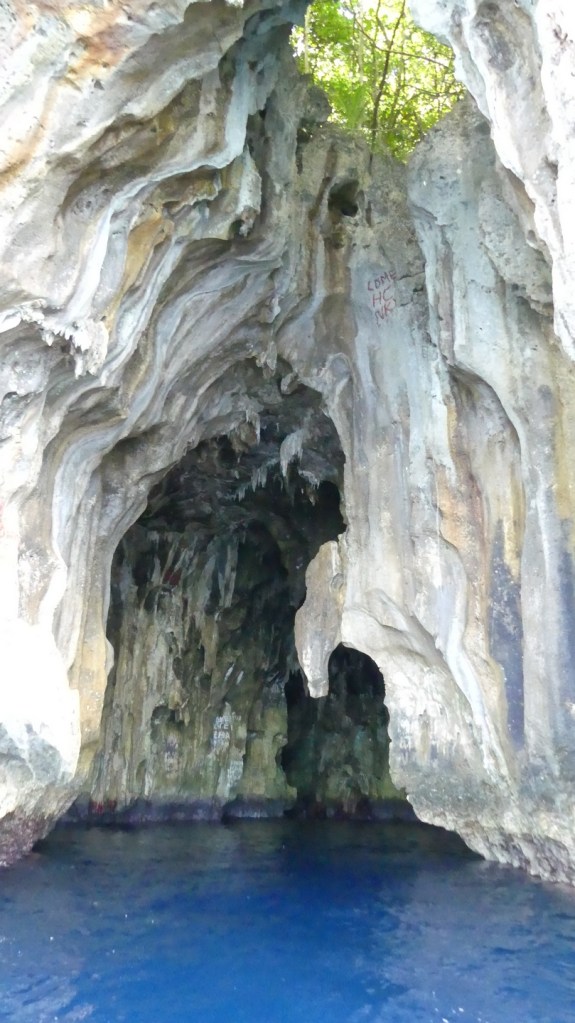
Coral with, I think, polyps on it. They look like eyes …Swallow cave. We went inside with Flipper but found only a lot of graffiti.
Stay tuned for our next blog post where we talk about our incredible whale encounter !
We arrived in Niue thursday, july 6th early in the afternoon. From a distance at sea, it looks like a dark and foreboding place. Unlike other coral islands, Nieu rises up from the sea as a black massive rock, hence it’s nickname ‘Polynesian rock’.
the rockLooking from ashore, Sanuk lies alone in the large bay, which is unprotected from westerly winds.
We took a mooring and radioed the Niue Yacht Club for customs and immigration. Stefan was picked up about an hour later at the dock and another hour later we were checked in.
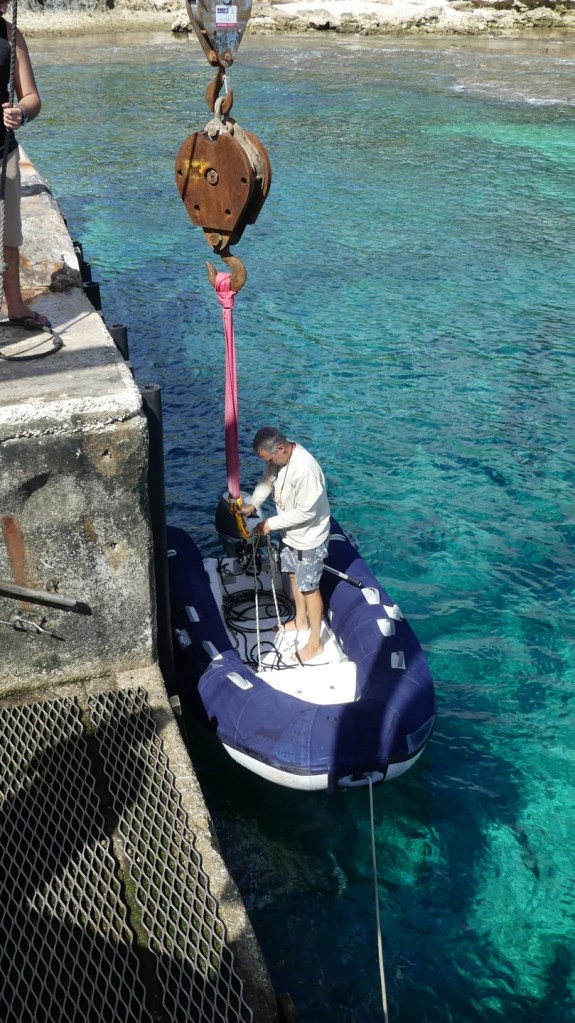
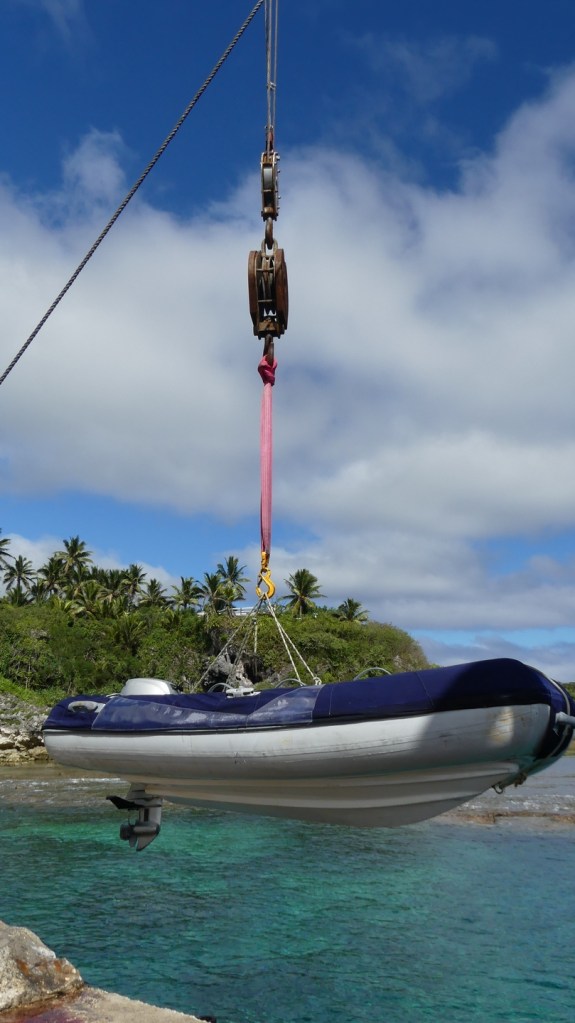
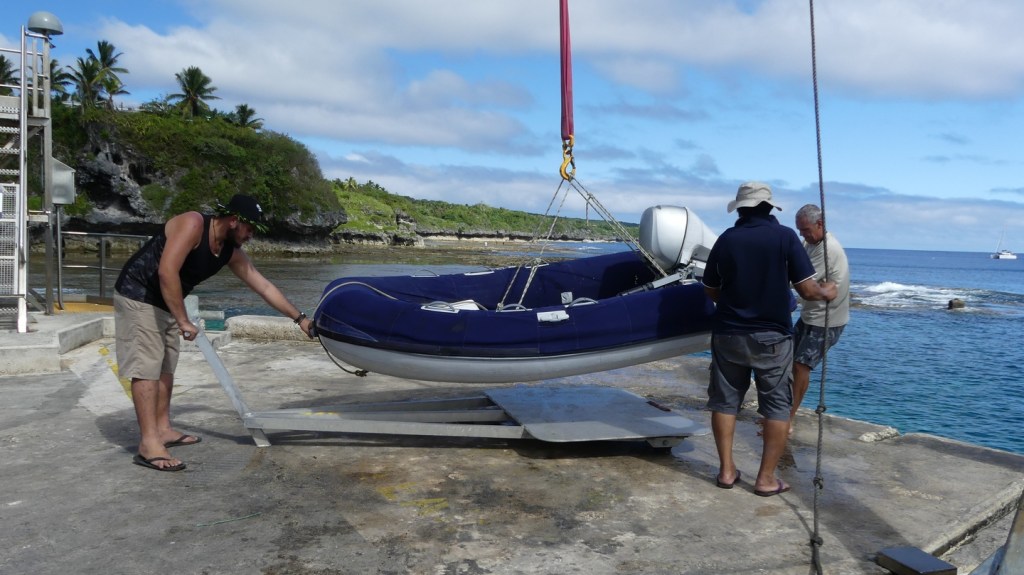
We immediately went ashore although this involves some work. You cannot just leave your dinghy at the dock because of the waves pounding against the unprotected harbor wall. This could cause damage if you would leave it there for some time. So Niue has engineered a system where the dinghy is hoisted out of the water by a crane to which you can attach to your boat. The 8 days we were in Niue this worked great although on some days it took some acrobatics to get in and out of the boat because of the large waves.
We were immediately charmed by the island. We had dinner at an Indian restaurant, good food for a small price. The Indian had wanted to immigrate into New Zealand but ended up in Niue and liked it so much that they decided to stay.
The captain attaching Flipper’s single point harnass to the crane at Niue dock.Flipper hoisted out of the water with the electric motor.and safely deposited on the dinghy cart at the dock. You try to make sure that you did not forget anything on the boat because it takes a while “parking” the dinghy.
It took Captain Cook in 1774 three tries to get on land in Niue. He was not welcomed by the natives who all had painted faces and red teeth and he therefore called it “Savage island” which stuck for centuries until it reverted to Niue. He was able though to plant the flag and claim “Savage Island” for the Queen.
Niue (which means “behold the coconut”) is made up of limestone with cliffs rising up 30m from the sea. It is the largest raised coral island in the world. Niue was once ruled by kings but it became part of New Zealand in 1901. NZ is responsible for foreign affairs, defense and the necessary economic and administrative assistance. Just when we arrived the departure tax had gone up from 34NZD per person to 80NZD. This fee has to be paid by every person leaving Niue. Niueans are not happy with this increase imposed by NZ and fear that it will impact tourism. The future will tell.
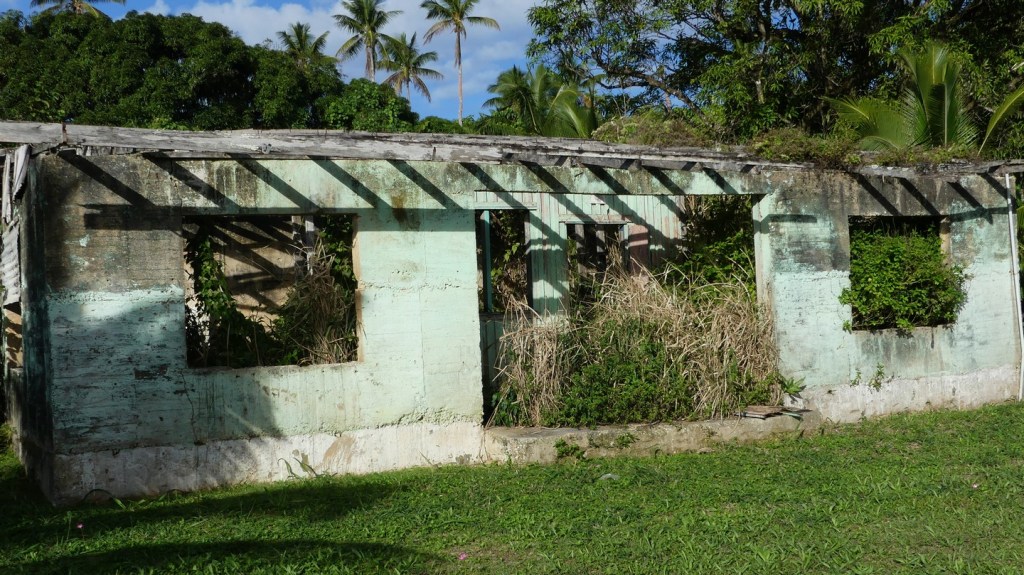
Niue suffered a devastating blow in January 2004 by Cyclone Heta. Winds of up to 300km per hour damaged 90% of the buildings. The hospital was completely blown away… The population before Heta was about 2500 but declined to as low as 1100 and is now, 13 years later, 1900 souls. Niue tries hard to get its expatriates back, mostly from NZ and Australia.
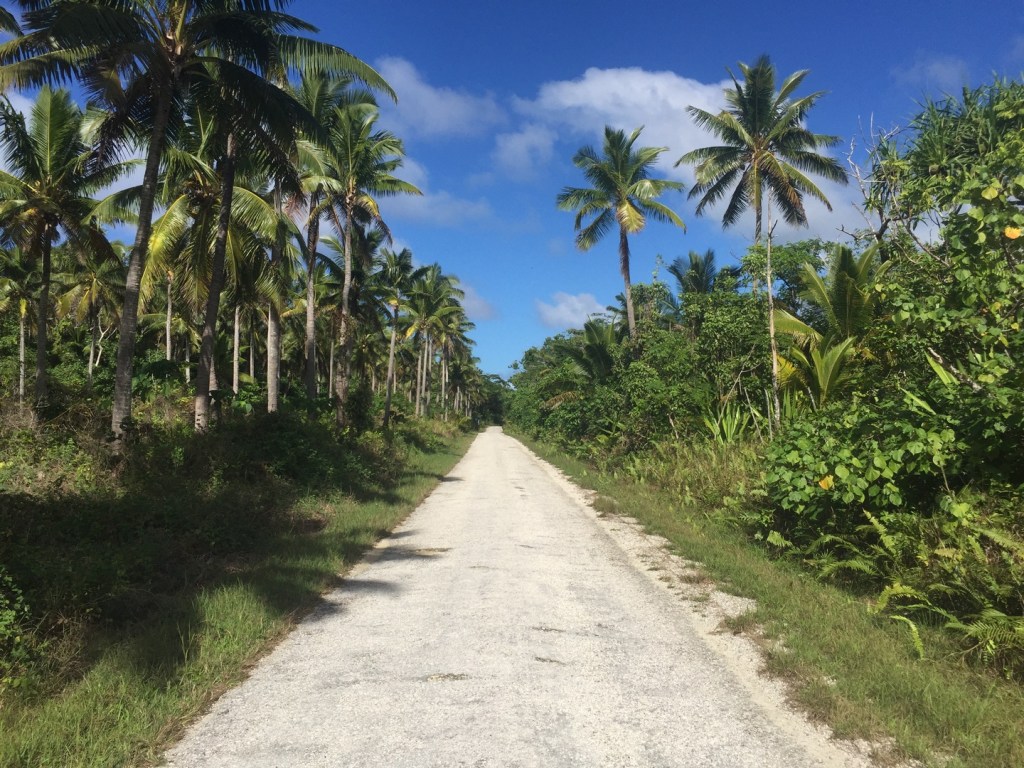
Lots of abandoned houses after Cyclone Heta hit Niue hard in 2004.well maintained roads
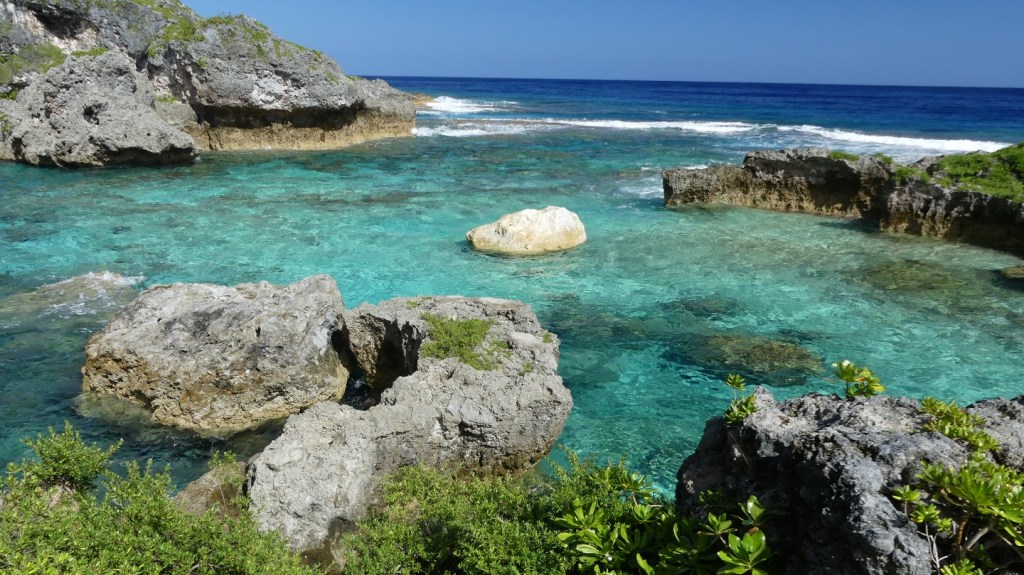
Niuean is the official language but most people also speak english, their second language. Besides fishing and agriculture, tourism is one of the main economic pillars of Niue. Niue is famous for its limestone caves and many chasms, crystal clear seawater (up to 50m visibility) and diving. We tried to do all ….
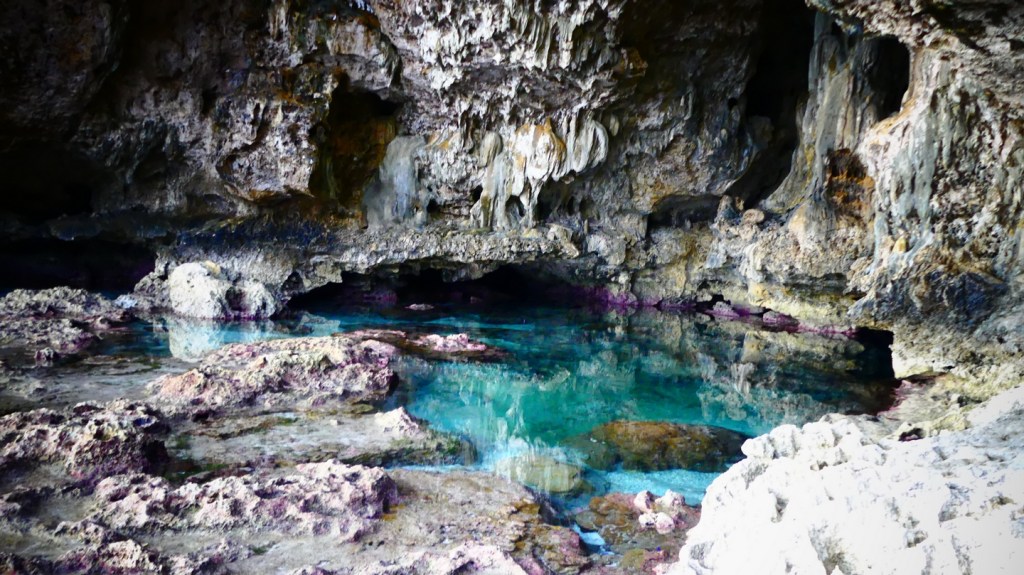
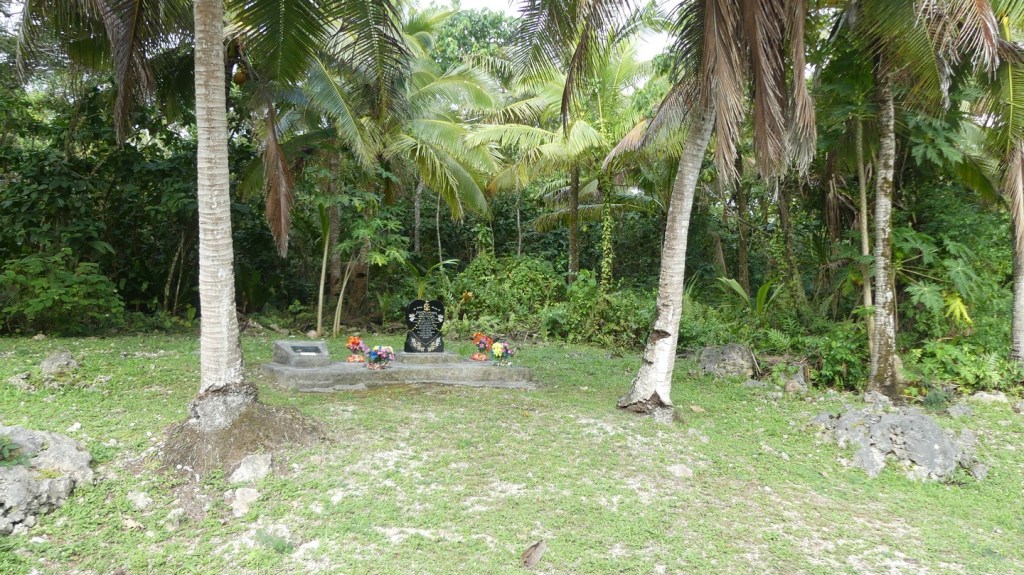
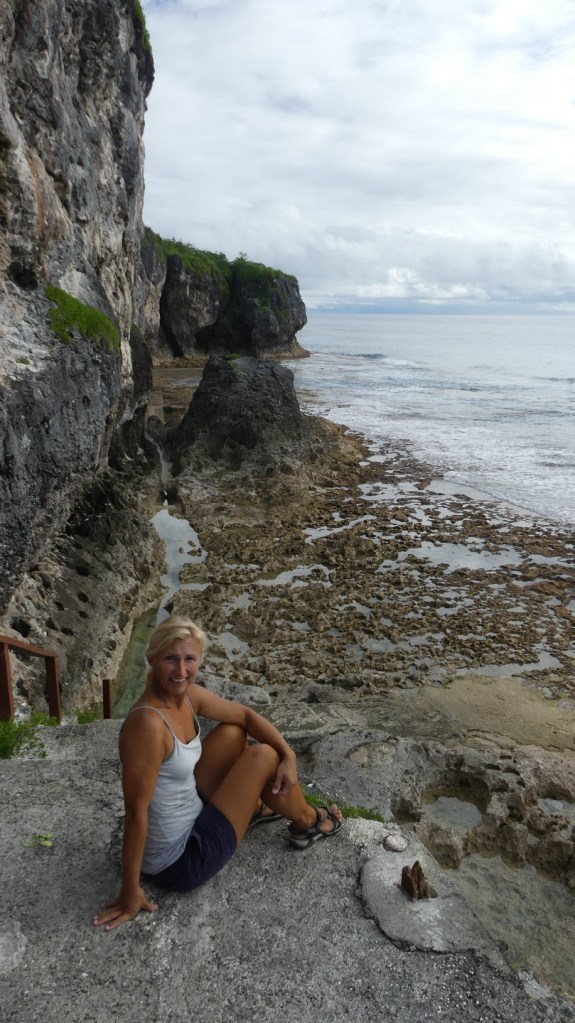
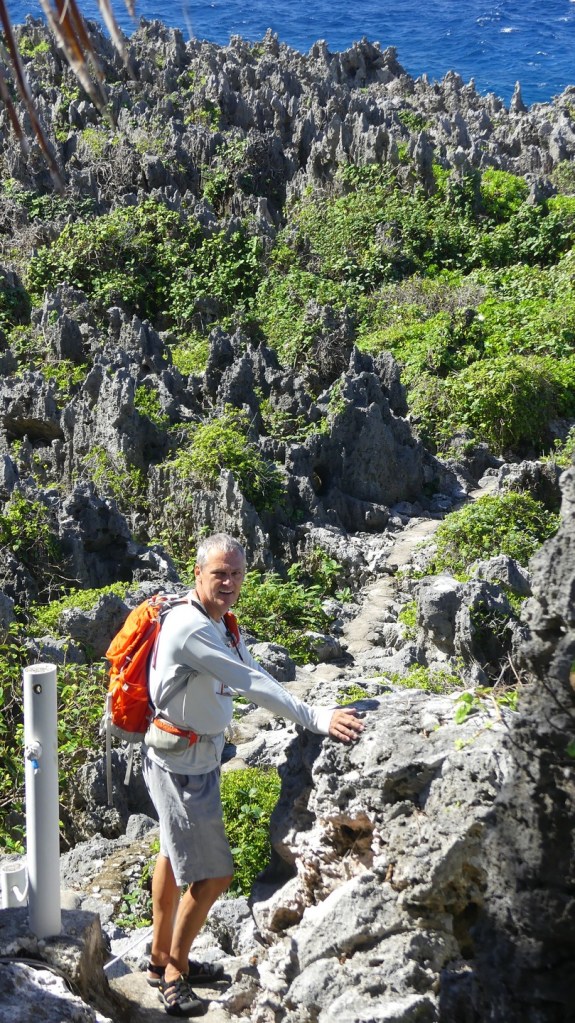
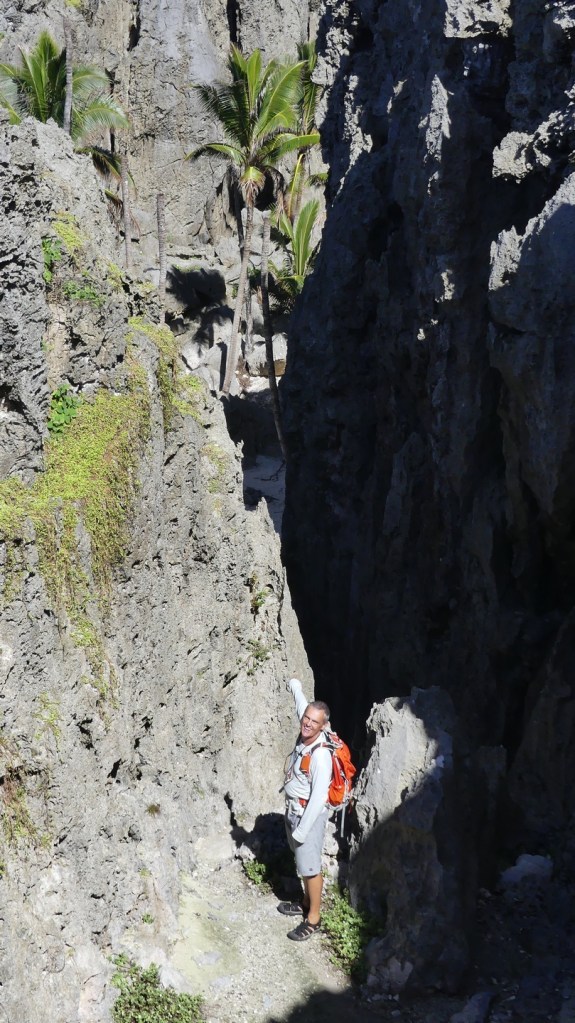
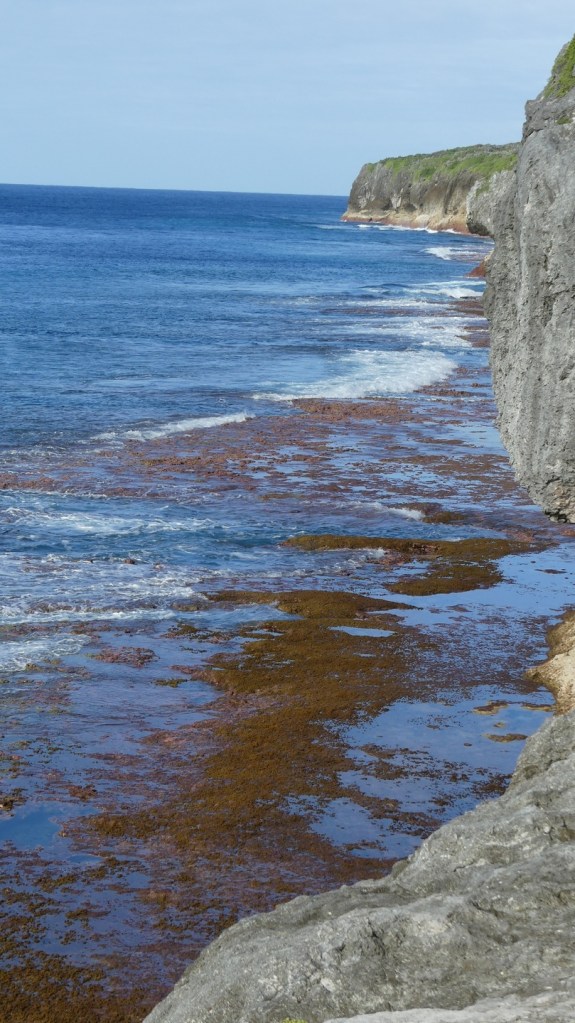
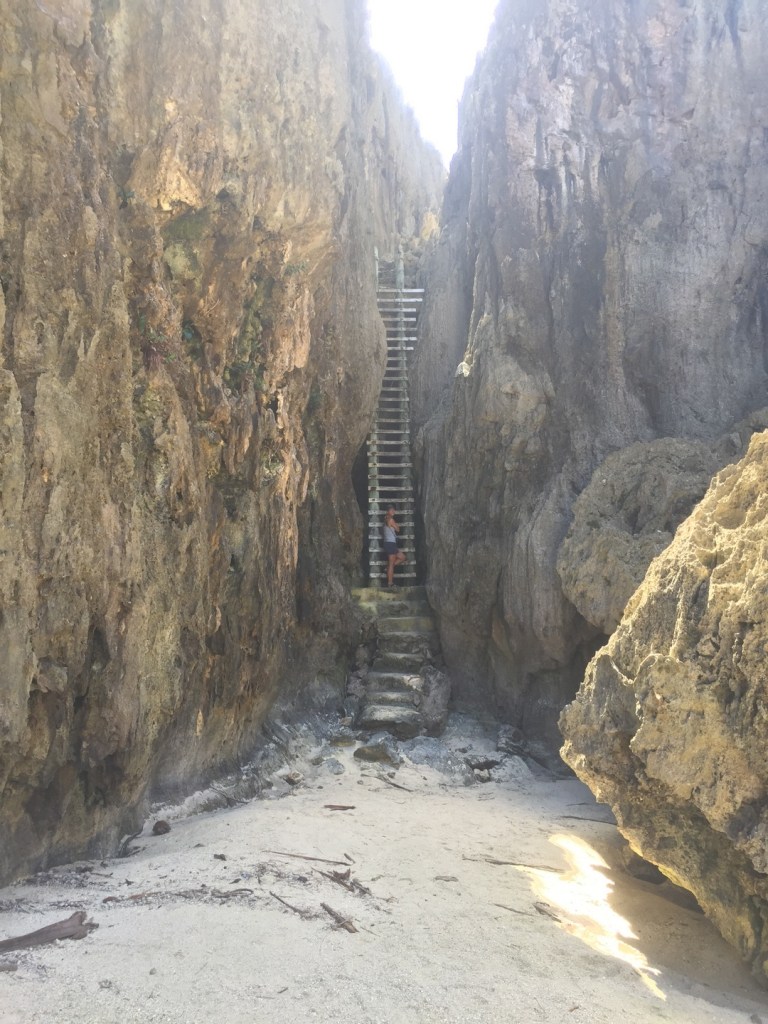
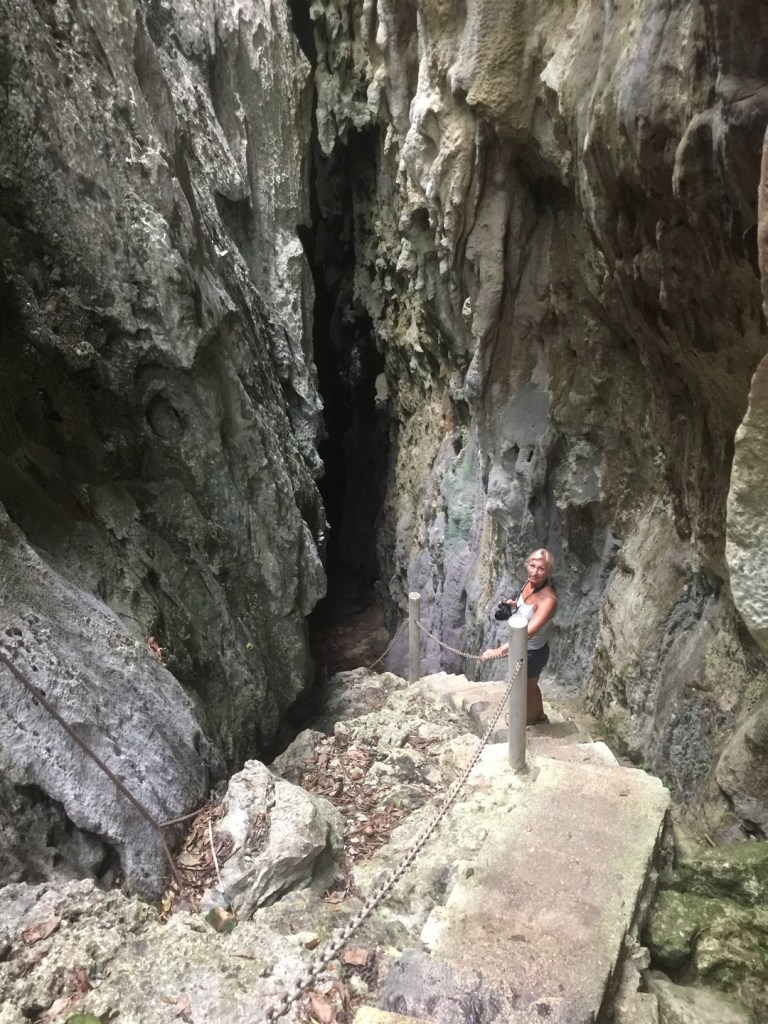
One of the first caves we visited was spectacular Avaiki Cave. This was the private bathing cave for the ancestor kings and site of the first canoe landing.Looking down in the crystal clear water. The beautiful colours were really incredible.People are not burried in a cemetary but along the road in a nice spot or in the gardens.During the WE we walked around the island visiting the different chasms leading up to the sea.We rented a car and visited most of the tourist attractions of Niue in 2 full days. A highlight was the walk in the Togo chasm ib the east side with its black coral pinnacles .A canyon leads to a small beach area with golden sand and coconut trees.The typical coastline in Niue with the limestone cliffs.the ladder that leads into the canyon near Togo Chasm
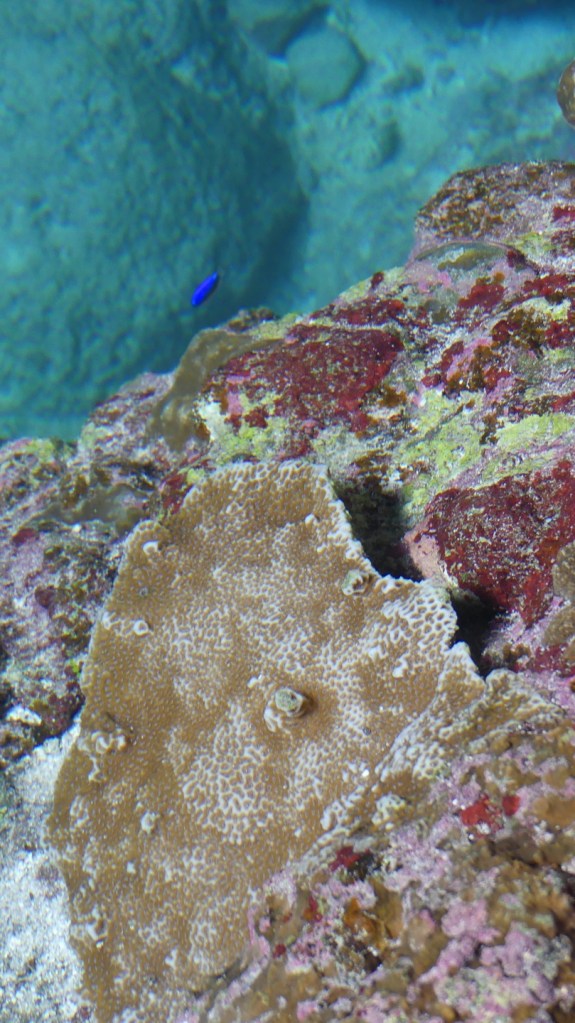
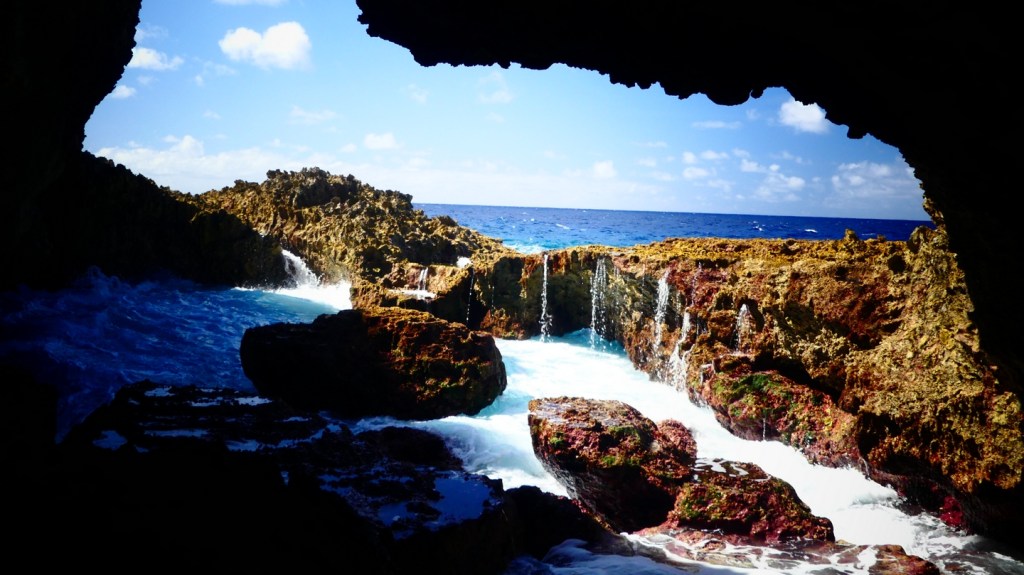
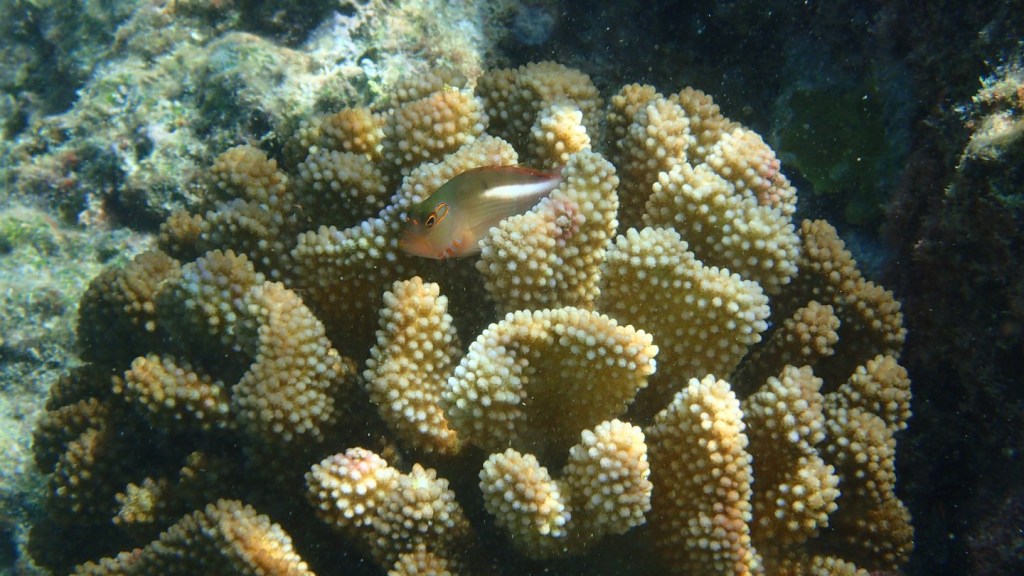
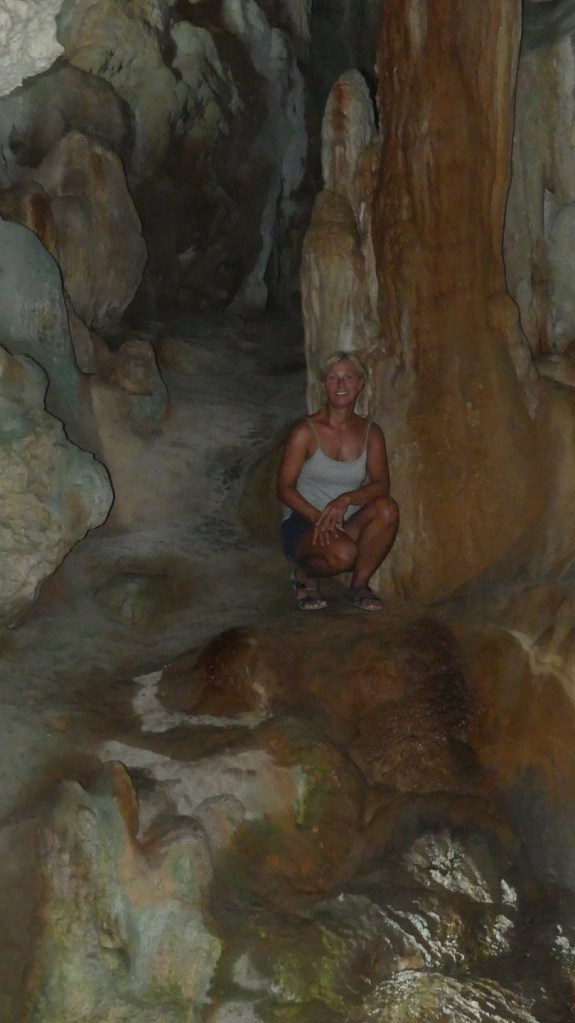
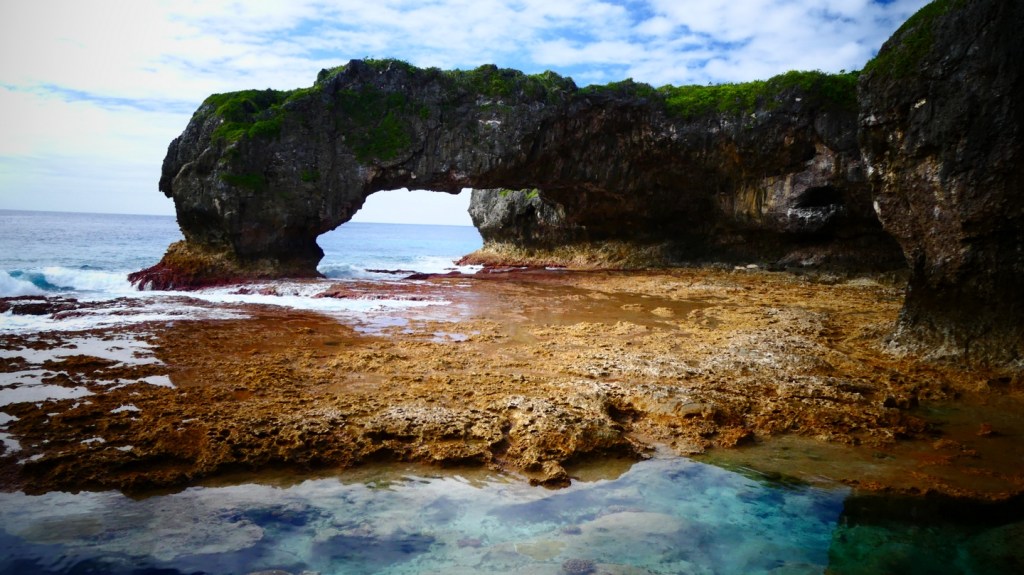
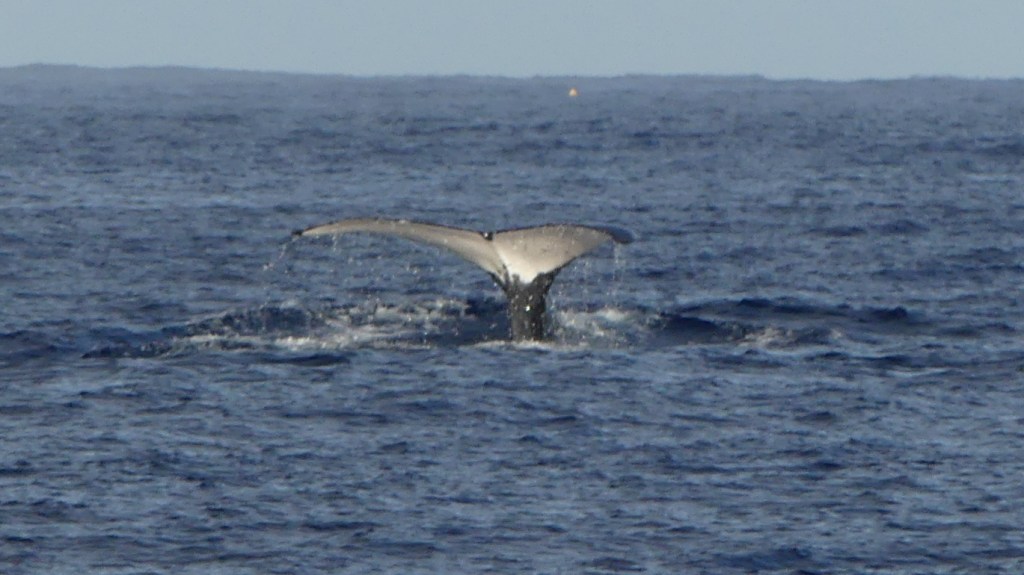
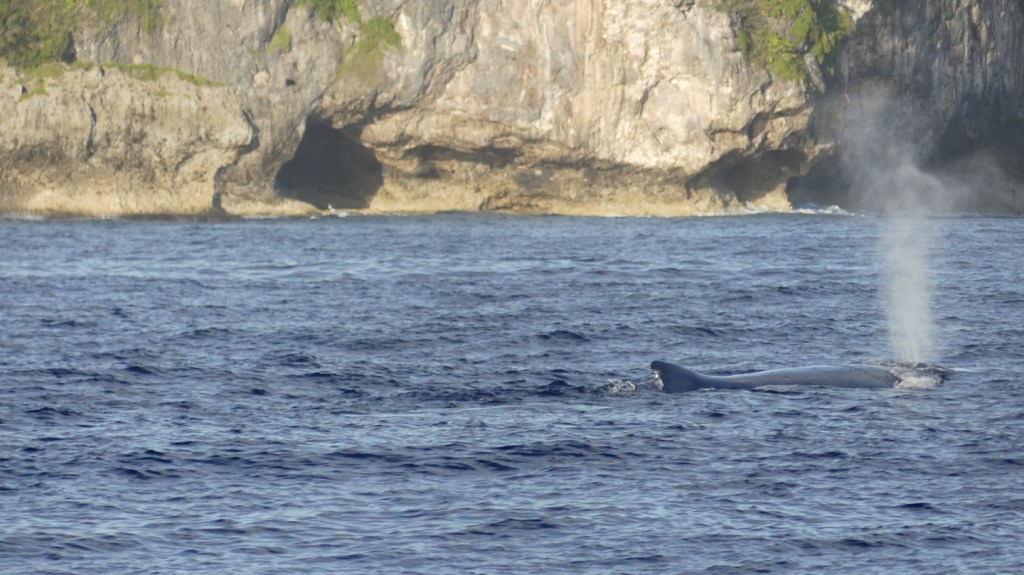
Anapala Chasm, 155 steps to a fresh water pool which was used by the local people to get their waterPalaha cave: looking from within the cave to the ever restless sea.The Limu pools were great for a swim and snorkeling.An Arceye hawkfish in the clear waters of the Limu pools.Corals in the Limu pools. It is so great to just hang in the water and look at these underwater aquariums.Beautiful colours in the limestone cave near the Talava arches.A rock in the limestone cave, such beautiful colors…The Talava arches.Having fun with our fellow cruisers, Nijad and Milike from “North” (Turkish boat) in the anchorage of Alofi.A whale in the anchorage at about 30M from the boat. We are a little early in the season to see a lot of the humpback whales who migrate from the cold waters of Antarctica to Niue and Tonga to have their babies and mate. The top of the season is during August and September when you see a lot of baby whales.We hope to see more whales in the Kingdom of Tonga, our next stop…
After one full week in Niue the winds changed and made the anchorage very rolly. Time to leave for Tonga. We dropped our mooring Friday July 14 after checking out and paying our departure tax. We really enjoyed the friendly people of Niue and its beautiful caves and chasms.



 Sanuk 2014-2018 travel stories