Gezellig samenzijn met iedereen van Anse Amyot. Ik heb mijn gitaar hier achtergelaten, tot grote vreugde van Valentine en Gaston.
Een heel klein schelpje voor een heel klein krabbetjeHa, daar is de hermiet krab. Het krioelt hier van zijn soortgenoten, en ‘s avonds in het donker hoort men rondom het geluid van schelpen die over stenen worden versleurd. Wie is daar?
We nemen 5 kadetten van papegaaivissen mee van Valentine voor haar familie in Apataki waar we de volgende dag zullen aankomen. Alhoewel ze gekuist waren, beweegden ze nog een beetje: Levende Vers!
Apataki pas. We lagen aan de enige boei in het dorp, voor het rode generatorgebouw, en met weinig plaats tussen ons en het koraal. Maar wel met internet op de boot!
Het is niet simpel, met een dwarsstroming van 3 knopen tussen de twee pilaren varen naar de meerboei in kalm water.
Zicht vanuit de top van de mast op de Anse Amyot pas. Foto genomen vanuit de ankerplaats, de oceaan ligt op de achtergrond. De koraalrand van de pas wordt aangeduid met de twee staken.
Terug Anse Amyot vanuit de masttop
koraal riffen komen in alle soorten. Hier als lagen versteende rots…
… hier als grove brokken afgebroken koraal, door de golven bijeen gehoopt waardoor de planten erachter een kans krijgen.
Broedend op ideeën voor de blog
Men vindt veel van deze ‘vlotten’ op de windkant van een atol. Geen idee waarvoor deze gebruikt worden, om visnetten aan te hangen?
prisoner in paradise
Verder deze keer niet veel nieuws. De tijd vliegt, en we houden ons onledig met wat lezen, wat snorkelen, wat eten, wat Rummi Cuppen (Ilse heeft me vernederd, maar ik ben aan een come back aan het werken), wat filmpje kijken, wat wandelen, wat onderhoud, wat kuisen.
Slechts één incident te melden qua onderhoud: bij het ankeren is de kettinghouder die op onze dwarsbalk is vastgeklinknageld losgeschoten. Dit alu stuk krijgt veel krachten te verwerken bij het ankeren om de 15 ton zware boot op zijn plaats te houden. Eens geankerd wordt de ketting met twee touwen aan de boegen vastgemaakt en is er geen druk meer op het alu profiel. Maar nu besloot onze vriend dus dat hij er genoeg van had. De rivetten gaven het op en met een mooie boog vloog het overboord, in 6 m diep water. Dit gaf me meteen kans om mijn duikrecord wat scherper te zetten, en ik heb het kunnen opvissen uit het kristal heldere water. We liggen hier bij Apataki Carenage (plaats waar je de boot uit het water kan halen en herstellingen kan uitvoeren), en we hebben maandag nieuwe revetten besteld in Tahiti. De boot komt dinsdagavond, dus we zouden ze woensdag moeten kunnen (laten) installeren. Tony is hier de technische man en zaakleider, en ik heb er alle vertrouwen in. We maken van de gedwongen wachttijd ook gebruik om onze stuurstoel te verstevigen (vezelplaat houdt het na 5 jaar voor bekeken), een indeling in onze ex-ijsmaker kast te maken, en als het kan om twee rollers bovenaan de mast te vervangen. Deze hardplastieken rollers zijn ingesleten en zorgen ervoor dat de grootzeillijn en de kraanlijn op dezelfde plaats verslijten. Dit belooft een moeilijk karwei te worden (op 21 m hoogte!) In afwachting van de vervanging heb ik de twee lijnen ingekort, waardoor de slijtagepunten weg zijn. Ik zou niet graag de giek of het grootzeil zien naar beneden komen terwijl we onderweg zijn.
Today is sunday July 24th. We arrived yesterday in Makemo (Tuamotus) after a 3 day grueling passage ! We knew it was not going to be a smooth one since a lot of wind was predicted. We had a constant wind of 22-28 KTS on the beam but the waves came from everywhere making it a very uncomfortable passage. I felt nauseous the first 48 hours and the only thing I wanted to do is lay down and sleep. After the second day Stefan convinced me to take a pill against motion sickness. Two hours later I felt fine and enjoyed a cup of Ramen chicken noodle soup ! The first day we already caught a beautifull yellowfin tuna, food for 4 days !!! We arrived at 9AM but could only go through the pass at around 1PM, when it was slack tide. Navigating in the Tuamotus is not just sailing from one atoll to the next. Most atolls have one or two passes where you can enter but these have very strong tidal currents (8-9 KTS) which reverse 4 times a day. At slack tide, just between high and low tide, this current is at its lowest and sometimes even zero for 15 minutes. It is important you enter the pass when the current is low so you keep control over your boat! After we had been in “heave to” for about one hour we decided to slowly move towards the pass and have a look. We arrived around 12.30 PM and it looked fine to go in. We still had a counter current of 2 KTS but this was manageable, now we just had to navigate through the different reefs. Luckily the sun was out and we could clearly see them and they were very well marked ! Needless to say we were happy when we finally anchored and were able to sit back and enjoy the scenery !
Sanuk at anchor in Makemo.On approaching the pass into the atoll of Makemo. Deep blue water.Reefs on starboard side, clearly visible by the sun and the markers.Reefs on port side.We took out our bycicles and did a tour of the atoll. This is main street in Makemo.Lots of coconut trees as copra is the main industry on the atolls.Crystal clear water in all shades of blue.Wind generators that were never finished. The money disappeared in somebody’s pocket…More dancing at the Heiva (whole month of july) festivities in Makemo.Miss election for the little ones…the winner for the girls.Winner for the boys.I was asked to be on the jury for the Miss and Mr Makemo election.Dinner in one of the “baraques” with our friends from the New Zealand boat Aislado. Left of Stefan is Tahi a local from Makemo.Sunset in Makemo.The following weeks we will be travelling, weather permitting, to the atolls of Tahanea, Faakarava, Toau, Apataki, Ahe, Manihi, Rangiroa and Tikehau.
The Tuamotus (meaning the Distant Islands) consist of about 80 atolls. These coral atolls are ancient volcanoes where the gradually sinking cone has been surmounted by coral reefs. You only see blue lagoons. It is like a lake surrounded by a string of narrow islands called motus.
Just before leaving Hakahetau Bay on Ua Pou,
Dinner at “Chez Tipiero”, winner at the barbecue contest in France for the “Porc”. Dinner was one of the best in the Marquesas.Lunch at Yvonne Hokaupoko’s little garden of Eden.Part of the lunch is breadfruit, cooked in the fire.Yvonne peeling the cooked breadfruit. We do not care too much for this, dry and no real taste to it.Weaving with coconut leaves.I had a try….Yvonne weaves mats and hats from dried pandalus leaves. I ended up buying a nice mat for the boat. They are not cheap but it is a lot of work to finish, all manual labor. I am happy with a great souvernir from the Marquesas !
Before we leave just a quick picture blog about our adventures in Ecuador. It already seems so long ago….
The black marker line indicates how we traveled clockwise through Ecuador. From Bahia on the far left (circle) to Quito then on to Banos. In Banos we took the bus to Lago Agrio to do our trip in the Amazone. From their back to Banos, then Alausi, Cuenca (where we felt the earthquake), then to Guayaquil, Manta en by taxi back to Bahia.
After leaving Quito (without Stefan’s IPhone) we went to Banos.
The market in Otavalo, just outside Quito. She only agreed to have her picture taken because I bought a scarve. This is a typical Ecuadorian outfit, white blouse with embroiderie, gold necklaces, colored bracelet, long wool skirt and scarve draped around the shoulders.Eating 2$ lunch in the mercado at Ottavalo.We did a mountainbike ride in Banos, the easy way. It was all downhill and we came back in the back of a truck with our bicycles 🙂Lots of waterfalls around Banos.Coming back from school….On our way to the hot water baths we passed this huge cemetary, in a beautiful location, surrounded by mountains. (Stefan says: some crypts have electric lighting inside, see wire)Going for the calories before our camping trip to the Amazone…
The boat in which we traveled in the Amazone. We traveled through the Cuyabeno wildlife reserve.Camping was very basic and good it did not rain the whole time ! I was happy this was only for 3 nights !Stefan together with Barry (Australia) and Raoul (Honduras), our companions on the trip.One of the many monkey species in the Amazone. It is one of the animals you definitely see the most.The Toucan ! You do not see them very often up close but you can hear them a lot. This was the best picture I could take.Lots of turtles that are now being bred in captivity to increase their population.There are many macaws in the Amazone but you can never come very close. This was one living with local indians.
The Capybara, the largest rodent in the world. This is a baby.A sad monkey captivated by an indigenous family. They keep it as a pet.Nobody home, they were probably gone fishing. This is a hut on the side of the river.Typical hut along the Cuyabeno river.Another type of monkey.More bird wildlife but I could not figure out what kind it was…Small village along the Cuyabeno river.Upon our return, we spent half a day in the warm water baths in Banos. It felt great after our camping days in the Amazone !!!Train ride in the Andes, El nariz del diablo.In front of El nariz del diablo…The train ride only lasted one hour each way but the views were beautiful. We did have a lot of fog going but on our return the clouds had lifted somewhat.Finally some blue skies in Cuenca. The Catedral Metropolitana de la Inmaculada Concepción was only finished in 1885.Typical street in Cuenca. Cuenca is a UNESCO world heritage site and lies at an altitude of 2500M.The blue and white domes from the New Cathedral are a landmark for Cuenca. At its inauguration in 1885, the newly constructed Cathedral could accommodate 9,000 out of Cuenca’s 10,000 inhabitants at that time. Today there are about 500.000 people living in Cuenca.Lots of beautiful churches in Cuenca to visit…Church of Santo Domingo.Belgian cafe in Cuenca…In the corner of the square I had a localy brewed beer made by a Belgian from Ghent 🙂Ingapirca, just outside Cuenca. These are the largest known Inca ruins in Ecuador.
We found some good restaurants in Cuenca and even tasted a roasted cavia (Cuy in Spanish), it was yummi. After the earthquake we wanted to go as quickly as possible back to our boat since we had no news and Bahia was close to the epicentre of the earthquake. We took the bus to Guyaquil, stayed their for one night and then took a bus to Manta from where we had to take a taxi since there were no buses due to the earthquake. The devastation in Bahia was enormous but we were lucky there had not been a tsunami and thus nothing happened to the boat.
We decided to leave asap to the Galapagos as there was nothing for us left to do in Bahia without internet.
Sunday, April 3rd, La Mitad del mundo. We arrived on the equator around 10.30 AM and hardly any tourist was there. It was cloudy but no rain. Zero degrees latitude is the line designating the Equator and divides the Earth into two equal hemispheres (north and south) as defined by Wikipedia. Gent latitude is 51.0543° N. I never used to care about latitude and longitude but now that we are sailing we have to record the position of the boat in our log book and so when we left Panama I could follow how we were slowly but surely creeping to the zero degrees latitude. I remember we crossed the equator at 4.19 AM (do not remember the day and I have the logbook not at hand)on my shift, the sea was flat as a lake and it was a little foggy, it was an eerie feeling and we were only crossing an imaginary line.
Low clouds over the surrounding mountains.0 latitude was first measured in 1736 on a geodesic mission to the equator. The mission was lead by the French (together with Spanish) who left in May 1735 and arrived in Ecuador in June 1736! They completed the measurements in 1739. They were real adventurers and incredible scientists.The method used to measure the circumference of the earth at the equator is triangulation. Triangulation is a surveying technique in which a region is divided into a series of triangles based on a line of known length so that accurate measurements of distances and directions may be made with trigonometry. If you ever wondered what cosinus and sinus were used for…
After enjoying the different pavillions we enjoyed the performance of some folk dances in traditional clothing.
Traditional folk dancing.
We had fun watching and listening to the Andean tunes.
Right next to the village are the headquarters of the UNASUR, Unión de Naciones Suramericanas, unifying 12 countries.Former Argentine President Néstor Kirchner was unanimously elected the first Secretary General of UNASUR for a two-year term.Stefan had to try one of these sweets, no ice-cream but a kind of marshmallowy substance.We visited also a small museum next to the village, Museo Solar Inti Nan, which is more exactly situated on the equator. We had fun and it was a perfect way to end our visit.
Although very touristy we really enjoyed our day at La Mitad del mundo !
Vandaag stond enkel een busreis naar Baños gepland van een drie tal uren bus, met een namiddag activiteit ter plaatse. Het liep echter anders.
We waren op weg naar het grote busstation met onze valiesjes en elk onze rugzak. Bij het instappen op de Metrobus was er wat volk, en onverklaarbaar werd er wat geduwd om op de bus te geraken. Toen ik mijn iPhone niet langer tegen mijn dijbeen voelde, viel mijn frank.
In een reflex greep ik de vrouw van een jaar of 30 vast die verantwoordelijk was geweest voor het geduw. Ik schreeuwde dat ik bestolen was, en stond schrijlings op de ingang zodat de bus niet kon vertrekken. Helaas was er op haar persoon of in haar tas geen iPhone te vinden, en moesten we de bus laten vertrekken. Met veel kabaal protesteerde de vrouw dat ik haar pols hard vasthield, maar ik was niet van plan om haar te laten gaan. Tegen de volgende halte was de transit politie gearriveerd, en konden we de feiten reconstrueren: de vrouw zorgde voor de commotie en het stelen van de iPhone, maar gaf die dan door aan een of meerdere handlangers. Via de ‘find my iPhone’ app op de iPhone van een politieman kon ik mijn iPhone vergrendelen, maar zag ik ook dat deze reeds was uitgezet.
We hebben aangifte van diefstal gedaan bij de toeristische politie – enkel voor verzekeringsredenen – en hebben daarna in de stad nog rondgewandeld op zoek naar een nieuwe iPhone. Dit bleek me echter wat te duur, dus gaan we Meliena die ons in de Galapagos eilanden gaat bezoeken er eentje laten meebrengen vanuit de states.
In de avond kreeg ik een mail van Apple dat mijn iPhone was aangezet en onmiddellijk geblokkeerd was geworden. Ik heb een email met de locatie naar de toeristische politie gestuurd, maar wacht nog op antwoord. Hopelijk vinden ze de waardeloze iPhone (voor iedereen behalve ik) en kan ik hem gaan ophalen.
Maar we hebben niet op deze email gewacht om de bus te nemen naar Baños, en na een drietal uurtjes zijn we in dit leuke toeristische stadje aangekomen. Onderweg werd de tijd gedood door het kijken naar de franse film Intouchables, weliswaar spaans gesproken en ondertiteld.
Nu zitten we in hotel La Floresta, een aangenaam hotel met ruime kamers 😉
Lessen geleerd vandaag:
er zijn stoute mensen op de wereld
Er zijn ook heel veel goede Ecuadorianen, die belangeloos bij ons bleven om te helpen met vertalen en te getuigen aan de politie.
iPhone vanaf nu bijhouden rond mijn nek, of in zo een belachelijk heuptasje
regelmatig backup doen van iPhone (gedaan), zodat een nieuwe gemakkelijk terug te brengen is tot een kopie van de oude.
benieuwd hoe ik er het van zal afbrengen, twee maand zonder iPhone
er is enorm veel politie op straat in Ecuador, helaas nog niet genoeg.
Friday, April 1, 2016, we took the bus in Bahia de Caraquez at 8 AM in the morning, packed with a minimum of clothes but hopefully sufficient for the 2-3 weeks we will be away in the different climates of Ecuador and Peru. I do not like packing suitcases with this limitation…The bus ride of 9 hours was uneventfull and I slept a good part of the way. When we were getting closer to Quito it started to rain, when we arrived in Quito it was pouring water, cold and dark ! Oh well, hopefully for not too long. We managed to find a bus going in the direction of our hotel (25 cents) and only had to walk a couple blocks. After we asked several times we found it ! Strange, the doors were closed and it was only 7 PM. We knocked loud on the door and sure enough somebody came and opened the door. It was the entrance of a store, restaurant and the Bed and Breakfast was in the back. We were disappointed by the size of the room and two separate beds and the bathroom was down the hall…But, it is only for sleeping (says Stefan) so no complaints 🙂
Saturday, April 2, 2016, we got up early and had a vegatarian breakfast and immediately left for a visti of Quito historic centre. It was cloudy but it did not rain. They told us the mornings were usually dry ! It is the rainy season till May and apparently because of El Nino it rains more than normal. Temperatures are only around 17-18 degrees celsius which is much colder than we are used to ! When we got to Quito there were even some blue patches in the sky. The historic center of Quito is a UNESCO world heritage site.
Basilica del voto NacionalThe garden inside the San Francisco abbey.The church of San Francisco was built in 1550.The garden in San Francisco Abbey. Pope Franciscus visited Quito in July of 2015.Santa Domingo IglesiaEl RondaPlaza San Franciscochurch of San FranciscoView of the cathedral of Quito. Construction started in 1562 and completed in 1806!Flag of Ecuador at the Grand Plaza. The president of Ecuador, Rafael Correa is married to a Belgian whom he met at the catholic university of Leuven (UCL) where he studied Economics. He is president since 2006.Strawberry pie on the Grand Plaza. Ecuadorians are small and like lots of sweets.Iglesia de la Compania is a Jesuit church built in 1605 in baroque style and completed in 1765. You are not allowed to take pictures inside.La Compania church in Quito. Picture taken from the internet. The church is heavily decorated with leaf gold and gilded plaster and a perfect example of Spanish baroque.
We ended our visit of Quito in the pouring rain but decided to go to La Capilla de l’Hombre (the chapel of man) from a famous Ecuadorian painter, Oswaldo Guayasamin, in one of the suburbs of Quito, Bellavista. I had never heard of the artist but I really liked his art. Today in El Mitad del Mundo there was a small pavillion dedicated to him with some more artwork, more of this in my blog tomorrow.
Self portrait.El Condor y el Toro is one of the most famous works of Guayasamin. It is a ritual fight in which a condor is tied to a bull’s neck. If the condor wins the fight it means good fortune for the coming year (harvest). This ritual is apparently still done in Peru but not till the condor dies.Guayasamin saw injustice in the world and fought against it through his art. As an indigenous Ecuadorian from a modest family he experienced injustice himself. You can find more pictures of his art on the internet.
It was a perfect ending of the day, unfortunately in the pouring rain. Happy to arrive back in our little hotel room :-).
Today, Monday, February 29, 2016, We are in Shelter Bay Marina, Colon, Panama, right before the canal entry ! We left Santa Marta January 29th, a month passed by so quickly. I will try to give the highlights from this past month with lots of pictures.
We sailed from Puerto Velero to Cartagena on January 31,2016, anchor was up at 6.30 AM. We sailed about 10 hours and arrived at 4.20PM . It was great ! We had more tuna for dinner. Stefan had caught a tuna between Santa Marta and Barranquilla.
Stefan in a good mood (but missing a party) because we are finaly sailing again and we had a nice sail to Cartagena.View from the boat. Anchored just in front of Club Nautico with the city of Cartagena in the background.Leaving the harbour of Cartagena, on our way to the Islas Rosario.
Monday, February 1, 2016, we left Cartagena at 9.30AM and arrived in Peninsula de Baru at 1.40PM. Baru is part of Islas del Rosario. See below a map with the Rosarios.
On Tuesday February 2, 2016 we left Bari in the afternoon for Isla Grande. Only one hour later we arrived there.
The road on Isla Grande. No cars, only bycicles, donkeys or on foot.Shopping on Isla Grande. Typical street…The toilets are on the right. Plastic bottles are being used to decorate the walls of the toilets.
On Wednesday, February 3rd, 2016 we sailed to Tintipan Island part of the San Bernardo Archipelago.
Another beautiful anchorage at Tintipan…We arrived on the deserted beach and it was full with falcons.A couple tamed little parrots part of the local bar on the beach.On our way with the dinghy from Tintipan to Santo Cruz el Islote, beautiful scenery…Hostels built in the water. This must be paradise.Empty private summer home. There are 3 vacatiion periods in Colombia : Christmas, January and Semana Santa. During those periods all of these islands are full of vacationing Colombians.
Public telephone on Santa Cruz del Islote. No need to stand up the whole time 🙂Its significant population compared with its small size (approximately 0.012 km²) results in it being the most densely populated island on Earth!Streets on Santa Cruz del Islote.
On Thursday, February 4, 2016 we sailed for about 7 hours to arrive on Isla Fuerte at 5 PM. We were just anchored in a small bay lined with beautifull vacation homes when a motorboat approached us with 4 people on board. They wanted to know where we were from and if we wanted to have a drink and dinner with them ? They lived in one of the houses lining the bay. We hesitated at first, surprised with this nice invitation but agreed after we would first clean up ourselves :-). This is how we met Russ ( US) and Patricia (Colombian) and their friends (Joe and Sue ? ). We had such a great evening, and wat too much to drink !
Friday, February 5th, 2016, the next morning we were invited for breakfast and a tour of the island.
On our way to the beach through the centre of the island. No cars, no motorcyles, you can only get around with donkeys, bicycles or on foot. Really great.Town center.Patricia organised a massage on the beach for me. Does it get any better ? 🙂Russ (right) and Joe (left) visiting our boat, captain Stefan in the middle.Sue on the boat.Patricia, the perfect hostess !In the evening we were invited again, together with about 15 young people, who are renovating a hostel on the island, to have dinner and drinks. Russ and Patricia were perfect hosts. We had a wonderful time meeting all these people and Russ is a good cook.
After the party, Russ and Patricia wanted us to take all the food that was left after their 2 month stay in Colombia since they were leaving for the US the next morning. We went back to the boat happy and loaded with food, 2 large plastic bags ! Thanks so much Russ and Patricia !!!! We hope to see you both in Belgium.
Saturday, February 6th, 2016. We reanchored the boat a little further in calmer waters and had another nice walk on the island.
A good thing we cannot take a donkey on the boat, this baby one was so cute 🙂View from the boat.The hostel which the young people were renovating. Most of them were dutch but also some Australian and US guys.A great lunch on the beach with our feet in the sand and a nice breeze to stay cool. This is getting close to paradise 🙂
We left that night at 5.40PM to sail to Sapzurro, a nightsail of about 12 hours we had calculated. The sailing went so fast, with high waves that we arrived at 5 AM Sunday, February 7th, 2016 just before the bay of Sapzurro. Because it was still dark, we had to “park” the boat before the bay for 1.5hours. We were both so tired that we managed to sleep each about 30 minutes ! We sailed into the bay around 7.30 AM and were happy to drop the anchor and go to sleep :-). We were now still in Colombia but right on the border with Panama.
We arrived back in Santa Marta on Saturday January 16th at 9 PM packed like two mules, carrying a huge suitcase, an even bigger box and two carry-ons. We had 15 kg over the allowed weight limit in our suitcases and box! Luckily we checked in early and no questions were asked or fees were assessed. We had a hard time finding a taxi who could fit the box. The box was finally put in the trunck of a cab and tied with ropes to prevent it from falling off since the trunk could not be closed. Unfortunately we forgot to take pictures….
Sunday, January 17th, the marina was filled with 33 sailing boats from the world ARC (Around the world Ralley) and it was clear that the marina did its best to please them! The bathrooms and showers were cleaned more often, the garbage was now collected in bins, we all received a free copy of the Columbian Cruising Guide…. We got up early and immediately started to clean the boat. The water that came off the boat was black! It took us a full day to get back organised and have the refrigerator filled but it felt good to be back :-).
This is what the boat looked like when we came back…
Monday, January 18th, we started planning our time left at Santa Marta. We decided we would leave the marina around the 27th since we had paid up till then. We still wanted to visit Bogota and Pereira (coffee region also part of UNESCO world heritage).
Wednesday, January 20th, the sailboats from the ARC did not leave today because there was too much wind to leave the harbour, about 30 KTS. We spent the aperitive with Andy and Gina Hilton from “Into the Blue”. They were one of the vessels participating in the ARC. They ARC started at Saint Lucia the 6th of January and 10 days later they were at Santa Marta, it took us 3 months….They will sail around the world in 16 months and thus only spend a couple days in each location. You get a taste of many things but everything is rushed. They were with their 3 children and two girlfriends on board so in total 7, sailing for 16 months together ! That will definitely be a challenge ! They were all pleasantly surprised by the friendliness of the Columbian people. After the 16 months they will definitely be able to say where they want to spend more time and sail at a more leisurely pace. We were happy we could leave the next day to Bogota and explore more of Columbia.
Thursday, January 21st, leaving Santa Marta at 7 AM to catch a bus to go to the airport of Barranquilla. When we got there our plane was delayed because of the bad air quality above Bogota airport. It was already 3 PM when we arrived at the hotel. We immediately left for the city centre, walking… it was only 5 KM… only we forgot we were now at an altitude of 2600m! My heart was not really cooperating, it was only much later we realized that the altitude was making us really tired. Bogota is the 3rd highest capital in South America, after La Paz and Quito.
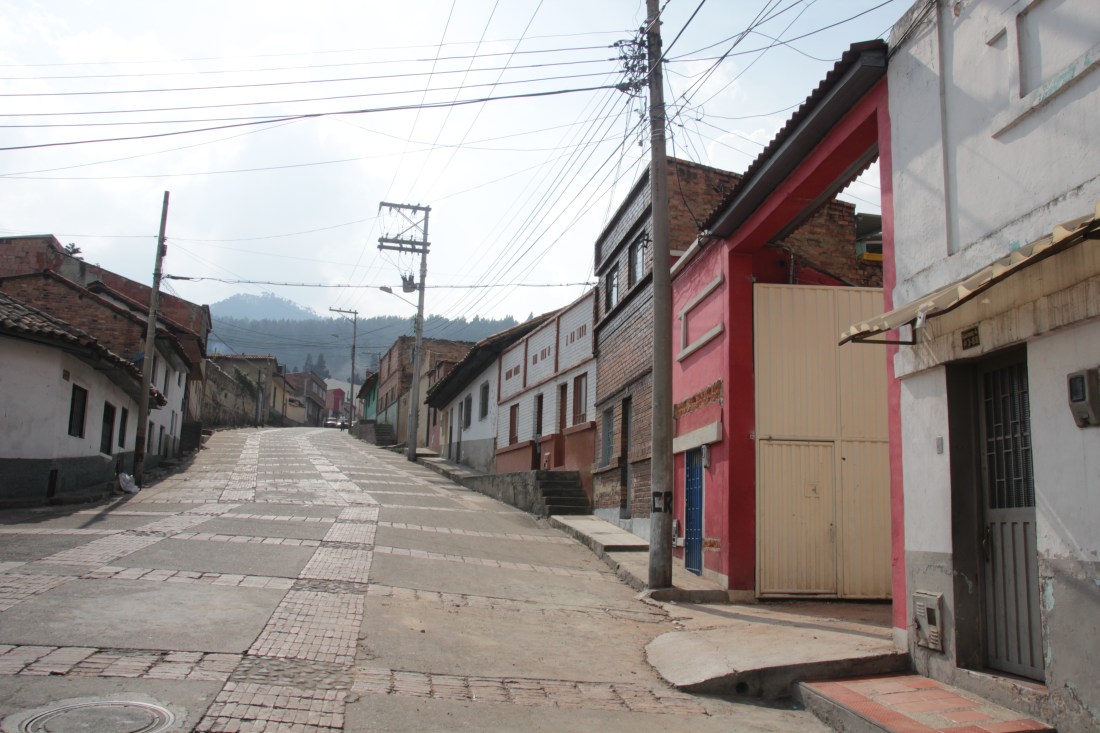
Beautiful graffiti on our way to Bogota centre.
Stefan in front of one of the many Trans Milenia stations in Bogota. The TransMilenio is a bus rapid transit system which is a cheap (1800COP, about .50USD) and efficient way to get around in Bogota. It is almost like a metro but with buses. About 2.2 Mio people use the system daily.
At first, we were not so impressed by the city and were disappointed. The next day though we could appreciate the city better. There are 8 Mio. columbians living in Bogota! The second day we visited the Gold Museum, the Botero Museum and the National Museum.
We spent 2 hours at the Gold Museum ! The collection is amazing and with an entrance fee of 3000 COP (1USD) this is definitely a must see in Bogota.This would be an excellent Valentine present….just thinking ahead.Stefan at the entrance of the gold museum. He’s happy I did not insist longer to get the neklace at the museum store. (Stefan says: but she did get the earrings)Botero museum: One happy family but for the angry child…Typical Botero painting.Stefan on the plaza de Bolivar.Catedral Primada de Colombia on the Plaza Bolivar.One of the many streets in Bogota.
By the time we got out of the National museum we were both beat from walking around the city…. The TransMilenio was packed and on top of it we took the wrong one. When we finally got near our hotel we ate chicken wings for dinner and watched two episodes of Homeland season 5.
Saturday, January 23rd we went to Zipaquira (49KM north of Bogota) by bus. The main attraction in this small town is the Salt Cathedral which is a catholic church built in the tunnels of a salt mine at 200 meters underground.
Stefan admiring the cross made from halite, the cathedral is 25 meters high.
Although it is all very impressive I found it on the border of being “kitsch”.
The main square of Zipaquira.I enjoyed the little town more than the salt cathedral.
Happy to have spent a day away from the hustle and bustle of the city we returned back to Bogota by 6 PM. Our faces were sunburned being so high and close to the equator ….
Sunday, January 24th, we had to get up early because we travelled by bus to Pereira (Zona Cafetera) about 357 KM. We left with the bus at 7.30 AM and finally arrived in Pereira at 4PM! Already happy we were not returning by bus but by plane ! The Finca hotel we stayed at (Finca Ilusion) was a winner !
Pereira by night taken from our hotel room balcony.Finca swimming pool. The location was really perfect.
Monday, January 25th, breakfast at Finca Ilusion.
View from the breakfast table.
A woodpecker but not sure what kind…dad I will need your help in identifying this one.Bay-headed Tanager ? Not sure…Bay-headed tanagerBlue-grey Tanager, or “azulejo”
I could sit for hours and just watch all the different birds coming for breakfast, but at 8 AM we were picked up to have a mountain bike tour in the Santuario de fauna y flora Otun Quimbaya.
Together with our guide next to a “Chiva” bus. At this point we could hear the Red Howler monkey but could not see them. They make a howling sound as if the wind is blowing…Enjoying the stop…When we were returning after an uphill a female monkey and baby crossed the road – too late for the camera but this second one followed. Stefan was fast enough to get him before he disappeared in the trees.
In the afternoon we visited Don Manolo’s coffee plantation. It was really a great day. The family at the coffee plantation was so friendly and so dedicated to their product.
Only the ripe beans can be collected. This is a secure process and only done by hand in Colombia, mostly by women.Parchment coffee. This is the stage just before the coffee is roasted. The coffee is sold by the producer in this way. For every 100KG of plucked berries there is 12KG of parchment coffee.The Baranquero.Hector (Don Manolo’s son) and his wife taking care of our order.After a perfect day a swim in the pool with a view of Pereira. Tomorrow it is a full day of flying and bus trips to get back to Santa Marta and Sanuk.View of Pereira, city of 600,000 columbians
Tuesday, January 26th, a full day of travelling to get back to Santa Marta, with 2 delayed flights and an accident on the road from Barranquilla to Santa Marta, it was 8 PM by the time we got to the boat.
During all that travelling I read two books from Gabriel Garcia Marquez :
Memories of my Melancholy whores and No one writes to the Colonel. I enjoyed both very much but it is a style of writing that not everybody appreciates.
Friday, January 29th, we are finally leaving Santa Marta, direction Panama. We will not have internet for the coming weeks but you can follow us by clicking on the menu “Where are we” We have food to last for the coming month 🙂
Stefan is so afraid we will not have enough food on the boat since there are almost no stores in the upcoming locations! We provisioned in Santa Marta.
Van Belgie naar Miami via een stop in Orlando: in Orlando moet iedereen van boord, wordt de bagage uitgeladen en moet deze door de douane. Elke persoon moet door immigratie, dan zijn bagage terug afgeven, en dan terug door de TSA controle (schoenen uit, meneer) en op het vliegtuig. Bij het verlaten van het vliegtuig in Miami moesten we onze boarding pass en paspoort tonen vooraleer we van het vliegtuig mochten. Ooit was vliegen leuk…
Aloft hotel, maar bijna alle Amerikaanse hotels zijn gelijk: waarom heeft een tweepersoonskamer met een grote badkamer toch maar 1 lavabo?
We gingen iets klein eten, in een Argentijns restaurant aanbevolen door Tripit. We kregen aan tafel uitleg door een spaans sprekende ober, en we verstonden er niets van. We kregen een bordje met aan één kant “Go” en aan de andere kant “Stop”. Onze drankjes (2 maal cola) werden snel gebracht en daarna zaten we daar te wachten op de kaart. En maar wachten. De obers keken ons onderzoekend aan, en tenslotte kwam er een naar ons toe om te zeggen dat we het buffet mochten aanvallen. Bleek dat we in een all-you-can-eat resto zaten voor 30$ per persoon. Misverstand gracieus opgelost door de baas, en wij terug weg. Op zoek naar de kleine hap die we dan gelukkig snel gevonden hadden.
Van Florida naar Baranquilla
We mochten elk 1 carry on van max 10kg en 1 valies van 23 kg inchecken. Maar hoe gaat dat met cruisers hé, onze carry-on wogen 13 en 15 kg, onze (te grote) doos woog er 27, en onze valies 30 kg. Gelukkig waren we zeer ruim op tijd en stond er niemand te wachten achter ons. De check in persoon was een engel, hij gebaarde dat hij geen weegschaal kon lezen en checkte ons zonder problemen in. Dank u Avianca!
Wat er allemaal in de valies zat vraag je? Twee identieke waterpompen, een dieselpomp, 6l wijn, 3l bier, nieuwe sandalen (Mijn Teva’s zitten er ver door na 6 maanden), een crimptang, twee nieuwe Luci‘s (dit ter vervanging van onze vorige Luci die in Curaçao verdronken is), een paar zware boot-zink anodes, en nog wat kleren gedoe. Ook een super bluetooth hoofdtelefoon voor geen geld van Inatech (zeer aanbevolen want doet alles wat ervan verwacht wordt)
In Baranquilla hebben ze een speciale taxi moeten laten aanrukken waar de doos in kon. En ik kreeg de doos enkel in de bus naar Santa Marta nadat ik hem 5 cm minder hoog had gemaakt… In Santa Marta is de doos met koord achterop de taxi koffer gebonden, de enige methode om hem mee te krijgen. Maar de doos is dus wel op onze Sanuk geraakt, met alles erin intakt.
Home sweet Home
Het eerste wat we gedaan hebben is de boot gekuist. Hij zag er potzwart uit. Deksels koolstof.
Het tweede wat ik gedaan heb was een bijna doorgeschuurd meertouw vervangen. Door de ruwe kikkers op de kade, waren twee van de drie strengen doorgeschuurd onder de constante stress van de wind. Ook een rubberen anti shock waarrond een meertouw zit was gewoon in meerdere stukken gebroken. Het moet serieus gewaaid hebben bij tante Marta.
Anders had onze Sanuk het best aardig gedaan, ondanks het laagje zwart stof op de zonnepanelen waren de batterijen mooi opgeladen gebleven.
Ik heb meteen een van projecten aangepakt die reeds lang op mijn lijstje stond, maar bij gebrek aan pomp niet kon worden uitgevoerd: de koelwater aanvoer van de generator laten werken via een electrische pomp die wordt aangedreven door dezelfde generator. Dit ter vervanging van de mechanische waterpomp van de generator, die een impeller-vreter bleek te zijn. (De tweede identieke pomp is een reserve). Zonder veel in detail te gaan wordt het koelwater nu zonder problemen hoog genoeg gepompt door een onverslijtbare magnetische impeller, terwijl de generator waterpomp nu draait zonder impeller erin.
Terzijde: in Colombia mag je wel niet met gesloten ogen op het voetpad rondlopen
Trip naar Bogota
Bogota is een reuzenstad: 8 miljoen inwoners op een totaal van 45 miljoen colombianen. De stad ligt op 2600 m hoogte, dus in het begin trapten we wel eens op onze adem. Er lopen veel zeer brede autostrades door de stad, op meerdere niveau’s. De stad zelf ontgoochelde toch enigzins: nogal grauw en krotterig, op enkele zeer mooie museums na. Wij zaten in een mooi hotel voor een zeer goedkope prijs (35EUR/nacht), en reden met het openbaar vervoer naar het centrum dat 6 km verwijderd lag. Na de eerste dag wat gesukkeld te hebben, omdat we geen kaart konden bemachtigen van het netwerk, zijn we er dan toch redelijk bedreven in geworden dank zij de off-line apps die ons de overstappen toonde.
De 2 keer 2 rijbanen voor de bus, rechts voor de auto’s In het midden de passagiers terminalIn een van de vele passagiers terminal op een zondagochtend om 6 uur.
De Transmilenio is zeer indrukwekkend. Er zijn steeds twee rijstroken gereserveerd voor bussen, en in het midden van de autostrade staan om de 500 meter verhoogde stations. De bussen stoppen zodanig dat de glazen schuifdeuren van de stations opengaan met de deuren van de bus. Terwijl de auto’s staan aan te schuiven op hun drie rijstroken, vliegen de talrijke bussen over hun prive autobahn van station naar station. Het veranderen of kruisen van richtingen gebeurt in de lucht, via speciaal aangelegde bruggen of rotondes. Tijdens het spitsuur zijn er zodanig veel bussen in roulatie dat de twee bus rijstroken soms ook vol staan. We hebben nooit meer dan 4 minuten op een bus moeten wachten, maar deze zaten soms echt wel propvol.
Als de bus er is gaan de schuifdeuren open
Het goudmuseum van Bogota was ons derde reeds, na dat van Santa Marta en Cartagena. De inhoud was terug zeer indrukwekkend en betoverend mooi. Ook het museum van Botero stond hoog op ons verlanglijstje en stelde niet teleur. We voelen ons duidelijk slank bij het bekijken van zijn gewichtige taferelen.
Dikke Mona van Botero (links)
Ook de persoonlijke collectie van Botero hangt in het (gratis) museum en bestaat uit vele klasse werken, een aanrader.
We hebben nog een zij-uitstap gemaakt naar de kathedraal van het zout. Eigenlijk is het de kathedraal van het anti-zout, want ze is volledig uitgegraven in een oude zoutmijn. Zo een 200 meter onder de grond, beschermd tegen alle vijandige stralingen, kan je je volledig laten opgaan in vrome gedachten. Of, zoals wij, rondslenteren tussen de grillig getekende zoutwanden (die trouwens zo hard als graniet zijn), een 3D zoutfilmpje meepikken of een flets klank en lichtspel bijwonen. Het dorpje waar het omhulsel van de kathedraal staat heet Zipaquira en was best leuk. Met de lokale bus keerden we terug naar Bogota, want de volgende dag trokken we verder.
Ilse uitgeroepen tot beste wonder van ColombiaMisschien een idee om wat meer volk naar de kerk te krijgen?Grillig zoutplafondboven de grond is Zappi een sleepy town
Met de bus naar Pereira
Vroeg uit de veren om de bus te nemen naar Pereira, een van de 5 Colombiaanse koffiestreken. Ondanks de 330km korte afstand zullen we er toch 8,5 uur over doen vooraleer we bij ons volgende hotel staan, want het is een drukke bochtige weg met veel vrachtverkeer. Onderweg kregen we stukken van de nieuwe viaducten te zien die in de toekomst de gemiddelde snelheid moeten opkrikken, maar tot nu is het behelpen met een tweevaks baan. Bij klimmen of dalen is de maximum snelheid 30km/uur en dat is nodig ook, want de chauffeurs draaien er hun hand niet voor om om over een dubbele witte lijn in te halen, er af en toe een blinde bocht bijnemend. Dus moet je op elk moment kunnen stoppen. Dat laatste wordt bij haarspeldbochten ook aangegeven door kinderen, die tonen wanneer een reeks vrachtwagens uit de tegengestelde richting op jouw rijvak de haarspeldbocht aansnijdt. (Dat houdt de auto’s achter de vrachtwagens niet tegen om deze rechts in te halen in de haarspeldbocht). Dus best wel spannend zo een busrit.
Colombian red howler monkey
In Pereira hebben we een leuke dag beleefd: ‘s morgens een mtb tocht in het natuurpark van fauna en flora van de rivier Otun, en in de namiddag een bezoek aan een koffieplantage. In het park hoorden we eerst de Colombian red howler monkey, deze maken een soort geluid alsof er een wind door een nauwe stenen kloof giert, en bij het afdalen van de bosweg reden we ze haast overhoop, want ze staken de weg over van de rivier naar het bos. Aan de reaktie van onze gids te oordelen was dit een niet alledaagse gebeurtenis, en hebben we ze nog een tijdje gadegeslagen toen ze in de boomkruinen aan het fourageren waren.
toasten met een koffieonze gastvrouw en -heer. Op de achtergrond de koffiebrander met bluetooth interface
In de namiddag hebben we het verhaal van de koffie geleerd, van boon aan de boom tot gedroogde perkamenten boon, van ontbolsterde kern tot een bruin of zwartgebrande boon die dan kan vermalen worden. Twee uiterst sympatieke plantagisten deden hun best om al mijn vragen te beantwoorden, en op het einde deden we kaffeeklatsch met brownies. Allemaal zeer interessant, en voor de kwissers onder jullie nog een tip: de Finnen drinken het meeste koffie van iedereen op de wereld, gemiddeld een 2,6-tal kopjes per dag. (Belgen drinken gemiddeld 1,3 kopjes per dag, daarmee de 9de plaats innemend)
Terzijde, de koffieboom ziet eruit als een klein mager boompje, met veel lange takken die grotendeels naakt zijn, op de rode bessen na. Dit deed me sterk denken aan onze hulst haag bij ons ex-huis in Destelbergen. Hopelijk ziet ze er nu al wat minder koffieboom achtig uit.
Finca Ilusion
Ons verblijf was een echte aanrader: tegen de bergwand aan, uitkijkend op de stad Pereira in de vallei, tussen de vogeltjes en met een zwembad.
Uitsmijter: waarom hebben Colombianen nooit wisselgeld?
We hebben gehoord dat er weinig te krijgen is in de san blas eilanden
Net een taxi terug genomen met onze boodschappen om een paar maand voort te kunnen. Het was 6000 COP (2EUR), en ik gaf de chauffeur 20000 COP. Sorry, ik kan niet teruggeven zegt hij. Dus ik naar het marinawinkeltje vlug een cola kopen. Ai, ik kan niet teruggeven op 20000 zegt de bediende. Dus leent ze me een biljetje van 10000 COP, waarmee ik de taxi betaal, en nu schraapt ze al haar kleingeld bij elkaar en geeft me 6000COP terug op mijn briefje van 20000COP. Ik heb dit al verschillende malen meegemaakt, je hebt maar best gepast wisselgeld bij je in Colombia….
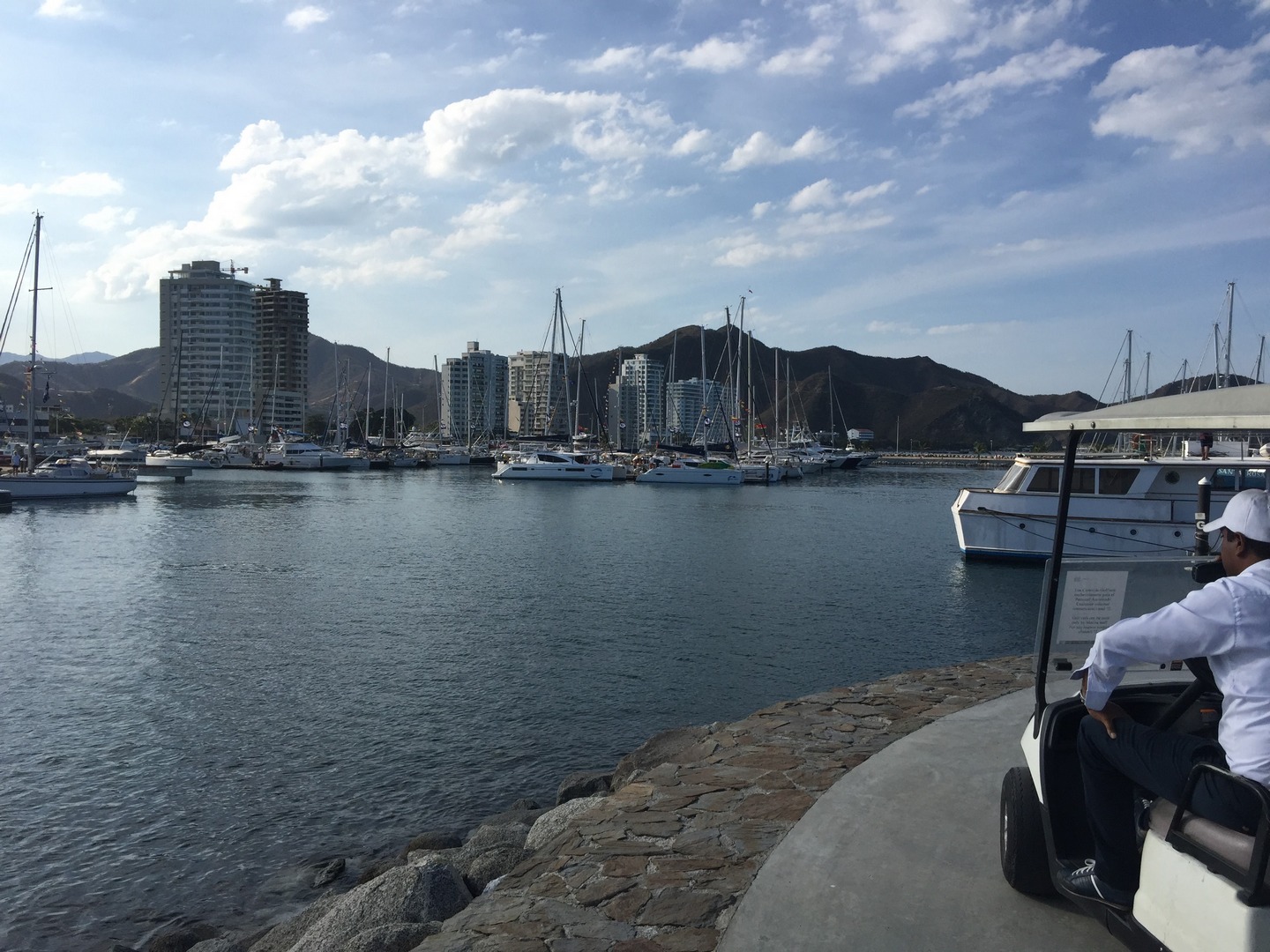
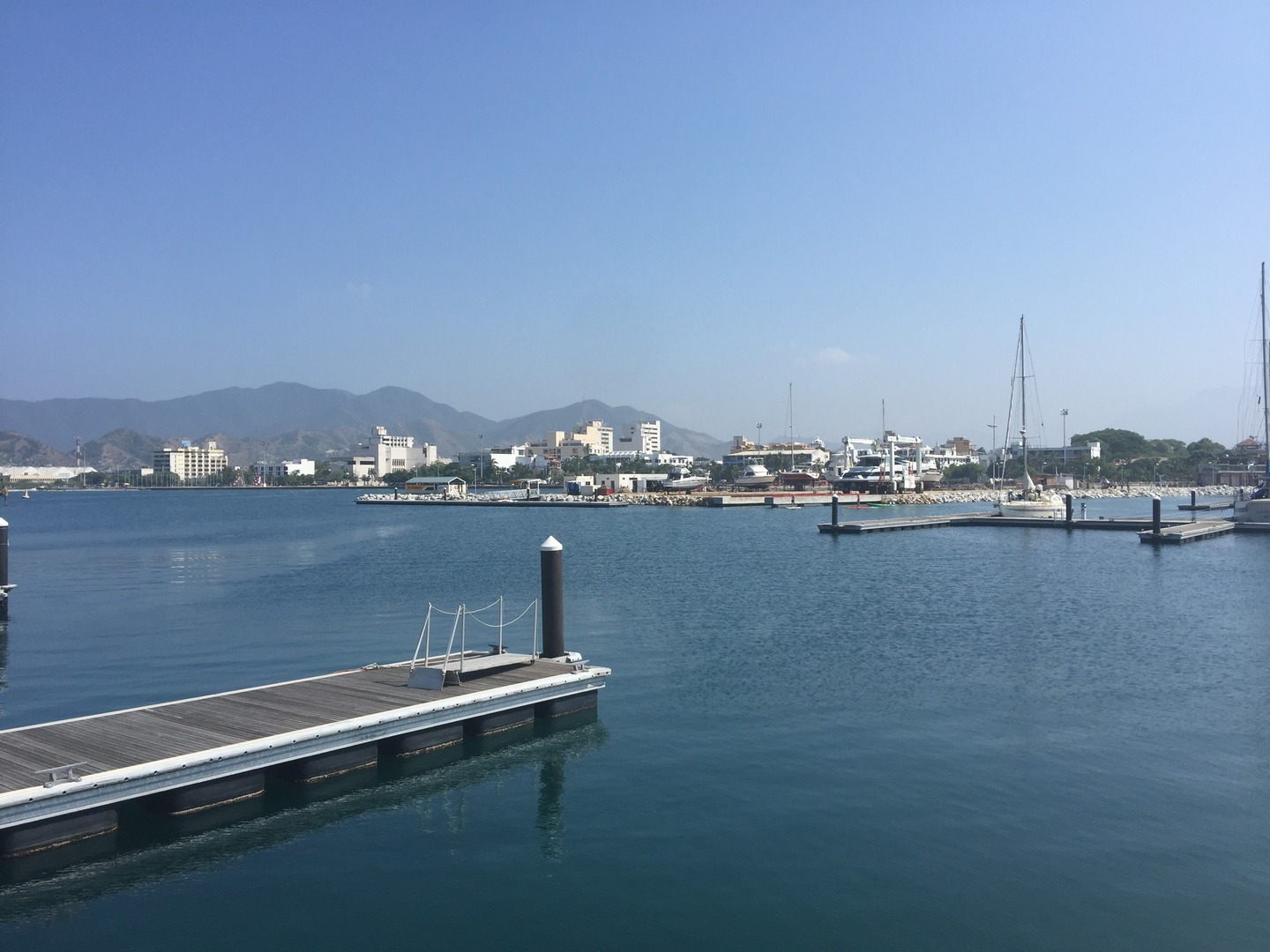
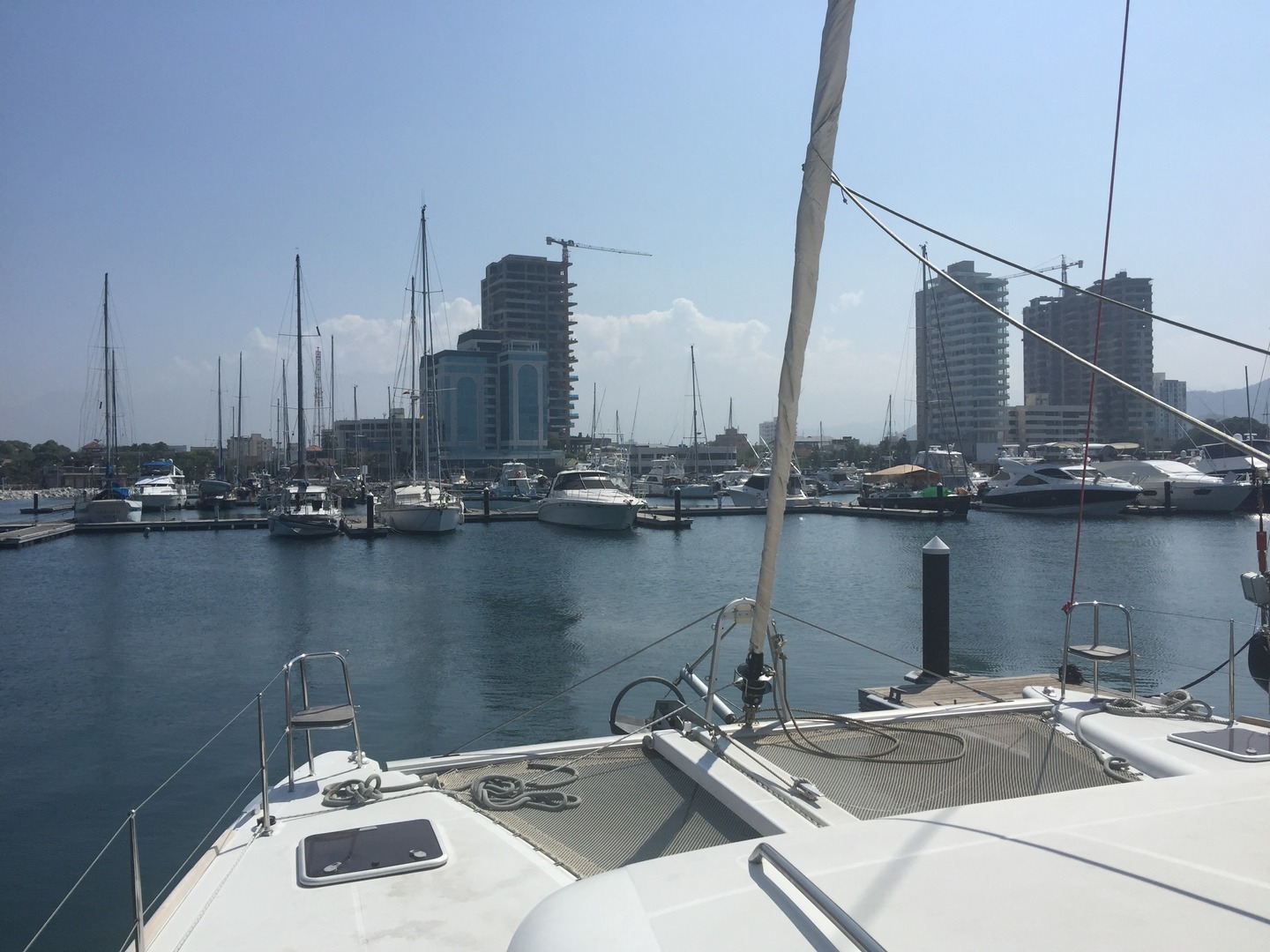
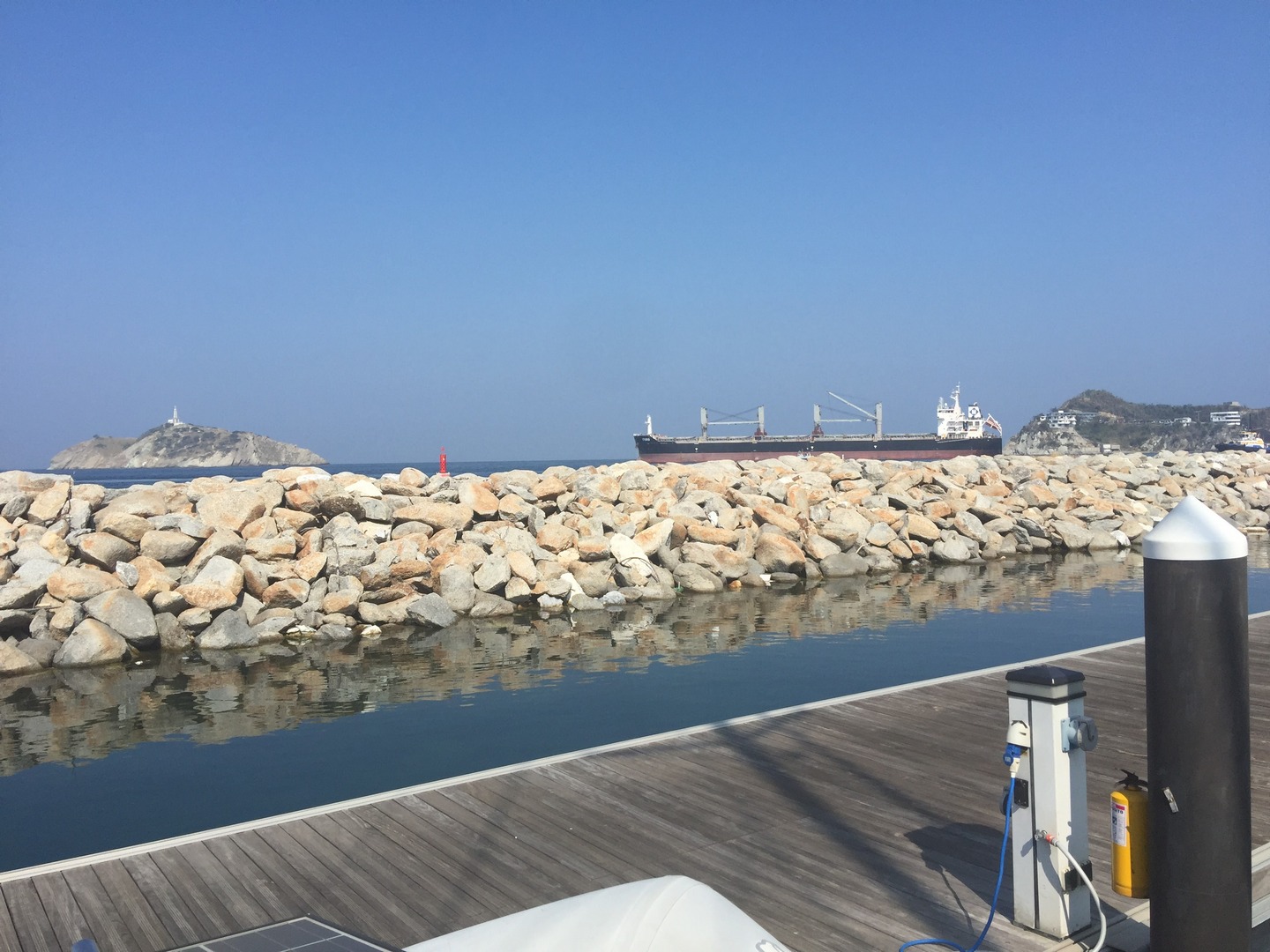
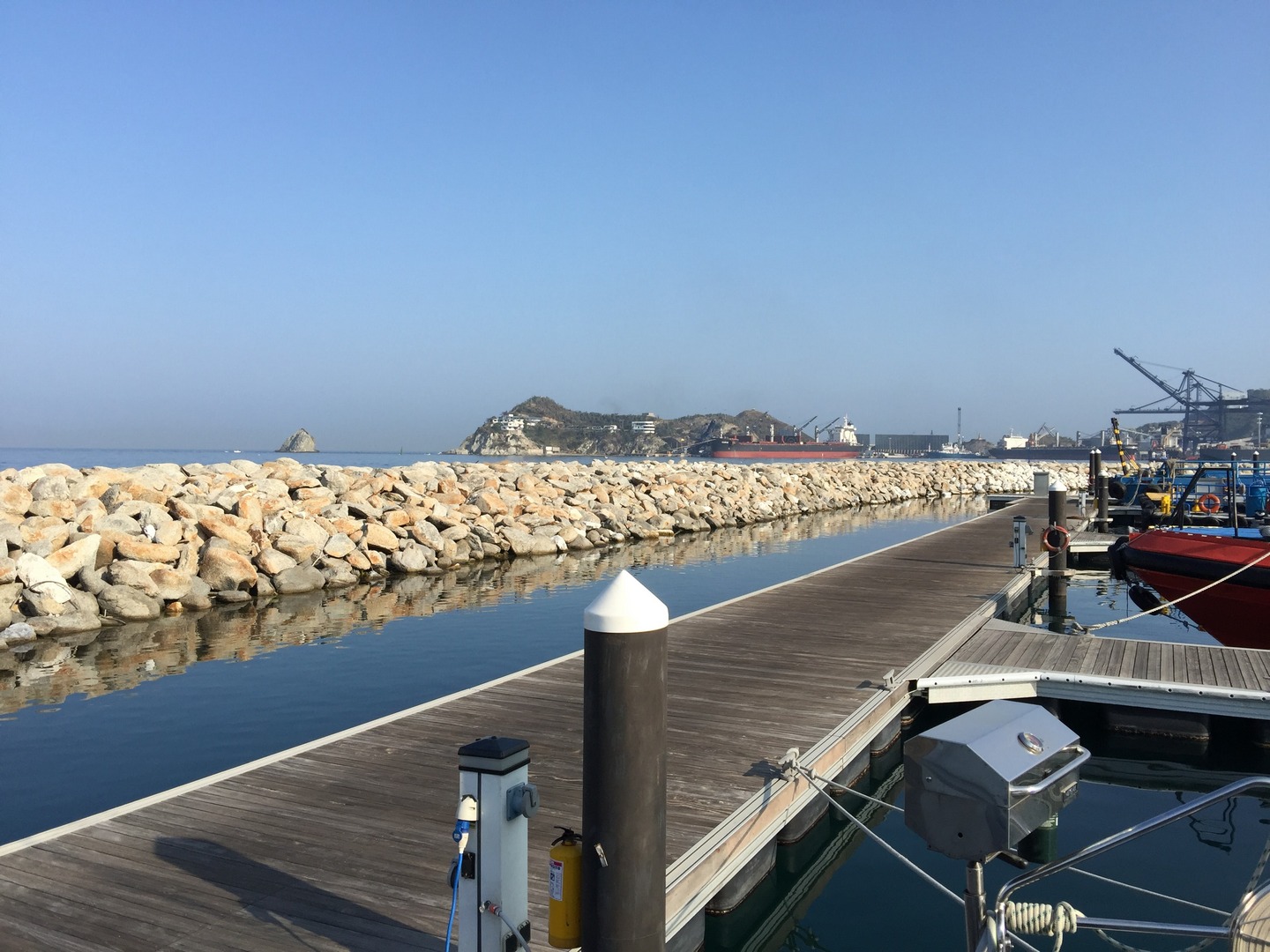
Met deze blogpost wil ik nog een sfeerbeeld meegeven van wat een marina eigenlijk is. Hier liggen ongeveer een 20-tal cruisers, de rest zijn lokale boten (allemaal groot vermogen motorboten). Er zijn altijd wel de helft van de cruisers voor kortere of langere tijd afwezig, want in een marina ligt de boot veilig beschermd tegen weersomstandigheden en diefstal. Wij brengen onze avonden hier door met naar de zonsondergang te kijken, een drankje te drinken, een feuilletonnetje te bekijken of wat te nurfen. Er is ook een sanitaire blok waar we ons kunnen douchen of wassen met een washandje (ja zeker). Ook volgen we hier het nieuws van Belgie op de voet via WIFI tot op de boot. En soms pakken we de fietsjes en trekken we de stad in.
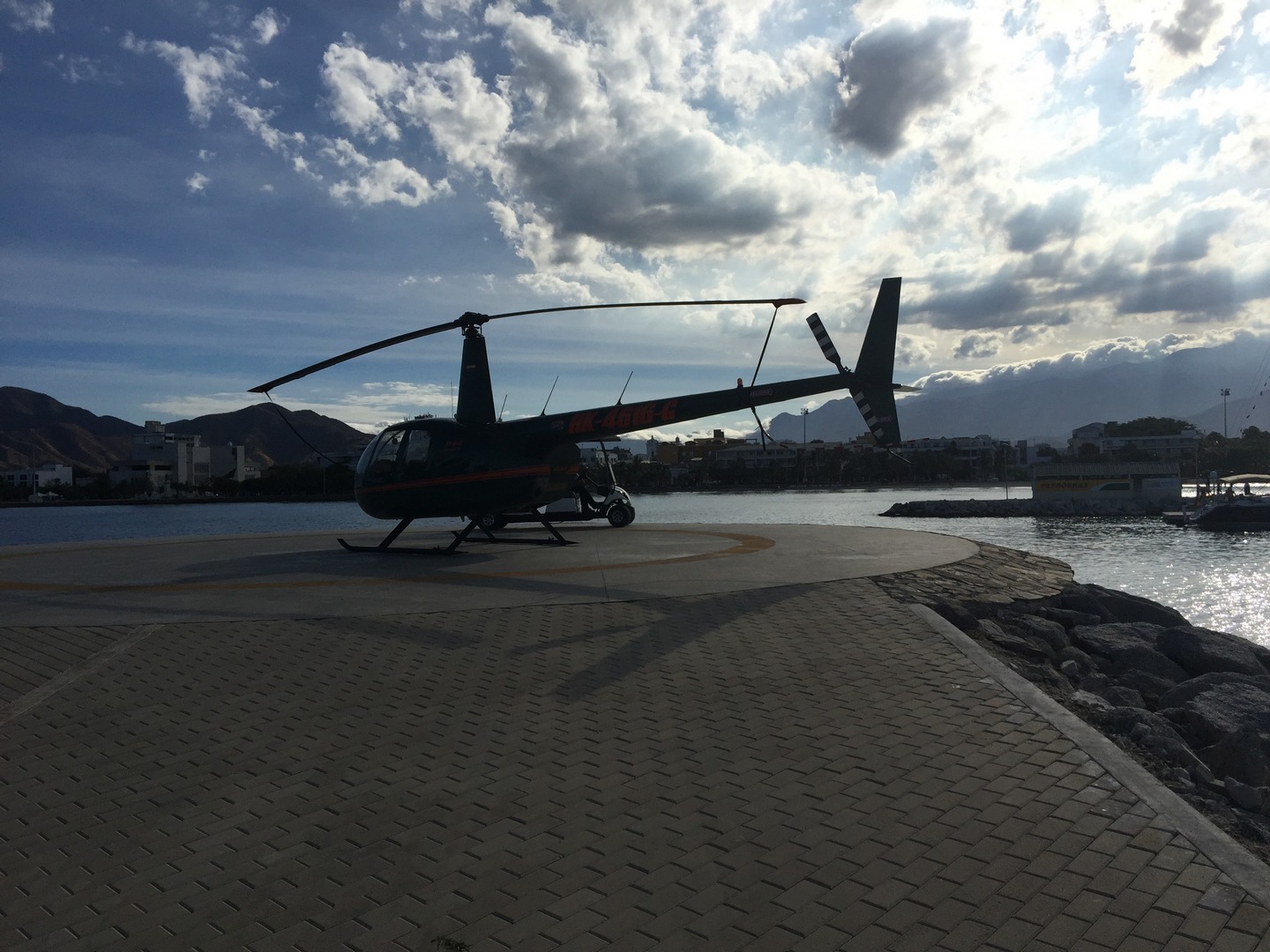
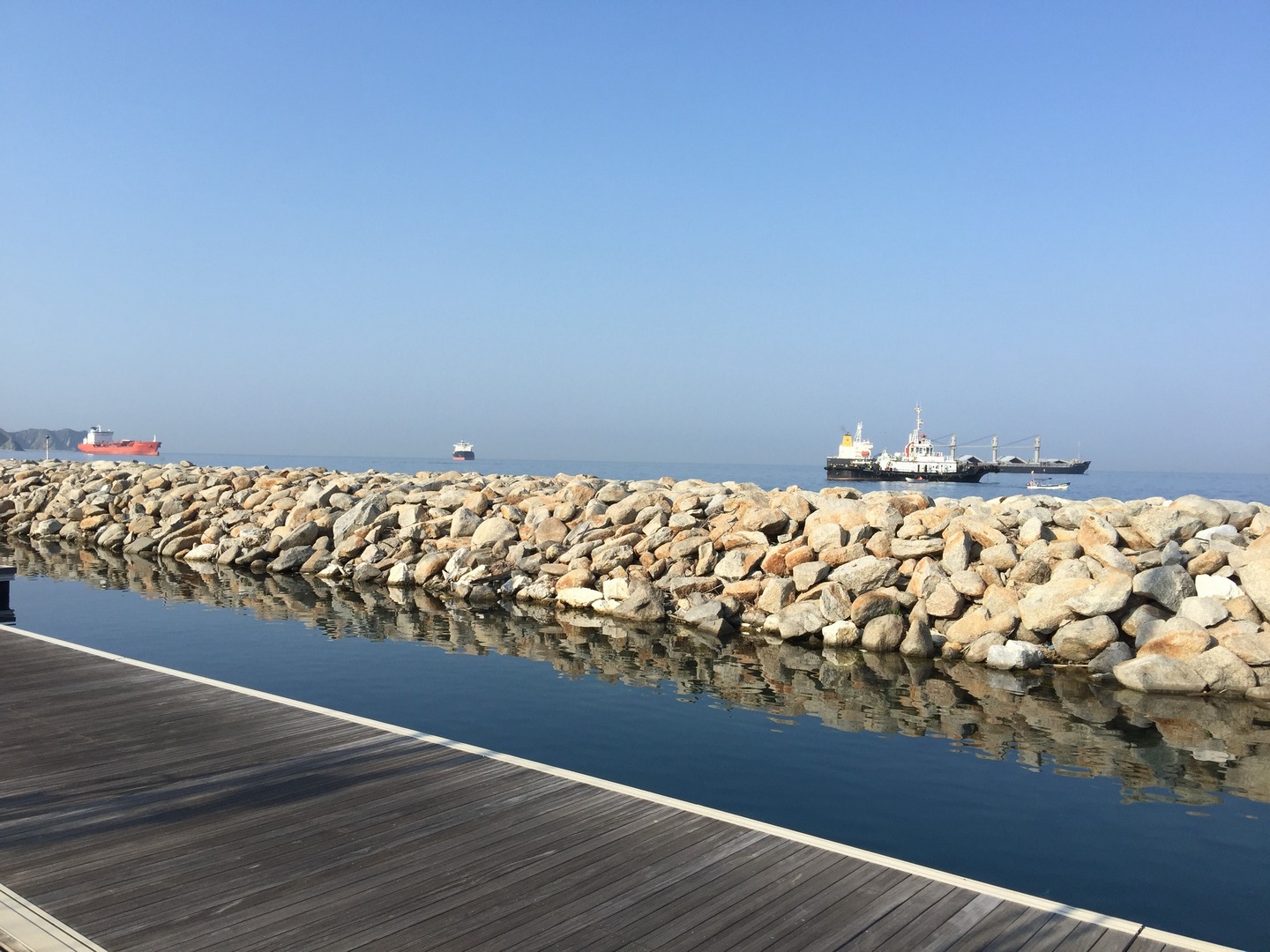
zicht vanop het einde van onze pier naar de stad en de rest van de marinaDe eigenaar van de marina zijn speeltje om mee naar cartagena te gaanzicht vanop onze boot over de marina naar het oude gedeelte van Santa Martavanop de boot, zicht op het nieuwe gedeelte van Santa MartaZicht vanop de boot over de kade. Rechts verlaat een schip de havenDe haven ligt aan de andere kant van de marinaschepen liggen voor anker, wachtend om de haven te mogen invaren
Uitsmijter
Twee boekjes achter de kiezen gestoken, en beide aanraders.
Vanaf de eeste zin meeslepend: “Lydia is dead. But they don’t know this yet.”Voor mij het beste boek van het jaar, maar hou de zakdoeken klaar. Lang geleden dat ik nog zo heb gesnotterd bij het lezen van een boek.





 Sanuk 2014-2018 travel stories