
We zijn aangekomen in de markiezen eilanden, meer bepaald in de baai van het dorpje Atuona op het eiland Hiva Oa. Het was nog spannend op het einde, want het werd pas op de laatste dag op zee mogelijk om te zien dat we met daglicht nog ons doel zouden bereiken, indien de wind sterk bleef waaien, en dan nog zou het naar zonsondergang toe gaan. Het alternatief was om de snelheid zo sterk mogelijk te minderen en een nachtje langer op zee te blijven en pas de volgende ochtend de baai binnen te lopen. We besloten om alle zeilen bij te zetten en ook de motor mee te laten helpen. Het is gelukt, net bij zonsondergang liepen we de baai binnen, waar nog een 20 tal andere zeilboten lagen. Dus hebben we ons net buiten de baai geankerd, geslapen op een ietwat wiebelende boot, en de volgende morgen ons verlegd in de beschutte baai zelf. Het was de eerste keer in 22 nachten dat we naast elkaar in bed lagen (om te slapen 😃) en dat was leuk! Na het herankeren zijn we per auto stop naar de gendarmerie geweest (het dorp ligt zo een km of 3 van de baai), waar we op 15 minuten terug buiten waren: 1 blad invullen en paspoorten afgeven waren goed om onze boot 1,5 jaar hier te laten, en wijzelf zo lang we willen (maar we mogen hier niet werken) kost: 0 Xpf (frans polynesian franc 100xpf =0,8€), een verademing na de dure papperasserie van Panama en Ecuador. Maar voor de rest is alles hier wel duur, vb 339xpf voor 6 kiri kaasjes. Enfin, dat wisten we op voorhand, en gelukkig is er hier veel meer keus dan in Ecuador. Maar pas in Tahiti wacht ons een echte Carrefour, nu moeten we het nog stellen met de profi’s. Het was trouwens tijd dat we er waren: de eieren, koffie, aardappelen, wc papier, afwasmiddel, boter, koekjes waren op…
Gelukkig dat we in de winkel onze cc konden gebruiken, want we hebben nog geen geld kunnen afhalen bij de atm, onze 2 kaarten gaven een fout, vandaag proberen we opnieuw bij een andere atm, en met onze andere kaarten als backup.
Ook was het de eerste keer dat ik een tweede anker moest gebruiken om onze draaicirkel te beperken: met flipper varen we achter de boot en gooien een anker met een korte ketting en een lang touw uit, die we dan achteraan de boot vastmaken. Zo kunnen er meer boten in een kleine baai liggen. Het was mijn eerste keer dat ik dit stern anker techniek gebruikte, en ik zal het geweten hebben want eerst hield het anker niet want het bleek op een ijzeren plaat te liggen ipv in zand, en toen het wel goed vast lag in het ondiepe gedeelte van de baai (2m), is het touw deze morgen om 7 uur geknapt. Gans de nacht was alles vlot verlopen en gaf de iPad app’anker alarm’ aan dat we mooi bleven liggen op onze plaats, tot ik dus deze morgen een geluid hoorde alsof er een boomstam tegen de boot was gebotst, aan dek gekomen kon ik echter niets vinden, tot mijn oog viel op het einde ankertouw dat nog aan de boot haak bengelde. Dat was de oorzaak van het geluid! Dus ik snel in onze flipper, naar de boei die de plaats van ons anker aangaf, en het touw opgedoken. Terug aan elkaar geknoopt en we liggen weer vredig in de baai… Weer een ervaring rijker alhoewel ik nog niet zeker ben waarom het geknapt is, na overleg met mijn buren, een Deens koppel en een Nieuw Zeelander denk ik dat ik het touw te strak had gespannen. De boot moet blijkbaar een beetje kunnen bewegen. We zullen zien.
Internet is hier blijkbaar een ramp, we hebben nog niets gevonden waar we onze mail kunnen ophalen of een fotootje kunnen uploaden. Vandaag gaan we terug op zoek in het dorp.
Ok, we zijn net terug van het dorp, en het internet was nergens te vinden. Het zal tot in de tuamotos of de genootschapseilanden wachten worden vooraleer we een foto kunnen oploaden naar de blog, of onze emails lezen. (Enkel sanuk@decuypere.org kunnen we altijd via satteliet zelf downloaden)
Ook geld afhalen via onze gebruikelijke credit cards zal moeten wachten tot we internet connectie hebben en eens met de bank kunnen overleggen. Maar we trekken onze plan wel.
In grote lijnen ziet ons bezoekplan van de Markiezeneilanden er als volgt uit: eerst Puamau baai nog op HIva Oa, dan gaan we naar Fatu Hiva, daarna Tahuata, gevolgd door Ua Huka, Nuku Hiva en Ua Pou. Daarna, en dat is waarschijnlijk rond begin Juli vertrekken we naar de Tuamotos.
Maar vandaag en tot dinsdag zijn we dus in Hiva Oa, en we hebben het graf van Jaques Brel en Paul Gaugin bezocht op het lokale kerkhof. Beiden zijn hier gestorven (Respectievelijk in 1978 en 1903) en dat mochten we niet missen. Verder is hier in het dorp niet veel meer te zien, de natuur is heel groen, de bergen ruw en steil, de mensen nogal gesloten. Zoals reeds vermeld gaan we dinsdag morgen vroeg vetrekken naar de andere kant van het eiland, om de reuze tiki beelden te gaan bekijken. Dat zal misschien wat vechten tegen de wind worden, maar het zou de moeite moeten lonen.
Het weer is hier wisselvallig, vannacht en deze morgen was het aan het gieten, ik heb van de gelegenheid gebruik gemaakt om de romp van de boot te kuisen, het was nodig want tijdens de overtocht hadden zich gooseneck barnacles (ganzenek mossels) aan de romp vastgehec5ht juist boven de waterlijn, en nu waren ze aan het groeien geslagen. Maar niet voor lang dus. Het water was warmer dan de regen, en met een plastieken steekmes en een stijve borstel heb ik ze van de romp kunnen verwijderen. Grappig, ze zien eruit als groene spermazotoieden, een klein zwart kopje met een lange groene staart. Maar wel hardnekkige kereltjes…
De ankerplaats in de baai is dan weer niet zo goed voor het hart, telkens we terugkomen van een wandeling naar het dorp vinden we dat we te dicht liggen bij een buur, deze avond rond 16:30 hebben we nog maar eens geherankerd en meer ketting gestoken. We vonden dat we te dicht bij onze Deense achterbuur lagen. Sindsdien zijn we continu bezig met inschatten van afstanden telkens als de wind draait. En nu het donker geworden is, is dit nog moeilijker. Hopelijk moeten we deze nacht niet in allerijl beginnen met heranker manouvres uit te voeren. Enfin, ik hou jullie op de hoogte.
Category: reisverslag
12de dag op zee
Alles verloopt hier zijn relaxe gangetje, het gespreksonderwerp van de dag is meestal wat we gaan klaarmaken voor t’eten. Niet dat we geen diepzinnige gesprekken hebben waarin we het europees vluchtelingenprobleem oplossen, of hoe we de stakingen zouden afwenden, maar eten is toch een belangrijk gegeven in ons dagelijks doen en laten.
We doen: veel lezen, veel filmpjes kijken (s’nachts, want het scherm van de laptop kan niet concurreren met het tropische zonlicht), veel naar muziek luisteren, vanop ons terras eens kijken hoe het zit met onzen hof (wateroverlast), een puzzelke leggen (2000 stukjes), spelletjes spelen (cribbage), mijn informatie op de computer ivm zeilen die ik de voorbije 8 jaar heb gesprokkeld eens ordenen/overlopen, blogs van andere cruisers lezen (offline gedownload of boek), email checken (stuur maar!), zonnebaden, van zeil wisselen of voor de nacht op kleinere stand zetten, bijslapen, plannen van wat we gaan bezoeken
Wat laten of doen weinig: kuisen, ons opmaken (mijn haar goedleggen of baard afdoen), ons vervelen
We zitten in een mooi ritme waar de dag verbazend snel voorbij gaat. Om de drie uur schrijven we onze positie en windgegevens op in het logboek en we zijn over halfweg. Het weer voor de volgende dagen ziet er gemengd uit, een zachte wind van 15 knopen, maar een hardere windzone komt opzetten vanuit het zuiden. Benieuwd of we die gaan kunnen gebruiken. Er is een toffe site die het weer zeer aanschouwelijk voorstelt, je moet eens kijken als je internet hebt 🙂 www.windyty.com Gisteren hebben we in de verte een marineschip gezien, en vandaag hebben we een regenbuitje over ons laten gaan. Ik versta dat we daarin niet veel verschillen van belgie, alhoewel ik het meemaak in mijn ondergoed. Het blijft constant rond de 29 graden hier, en gelukkig minder vochtig dan in de Galapagos.
Ilse vindt het slapen het moeilijkst: in 3 uur kan je niet echt in een diepe slaap geraken, en 6 uur per nacht is voor haar niet genoeg. In de namiddag doet ze dan een siestatje. Ik heb raar maar waar genoeg aan de zes uur. Overdag lig ik meestal wakker in bed als ik het toch eens probeer. Nu ja, we doen natuurlijk geen grote inspanningen hier: van de living naar het stuur of de wc/bed is elk drie trappen. Wel hadden we de laatste dagen redelijk woelige zee, wat ons evenwicht continu verstoorde. Je kon niet rondlopen zonder je vast te houden.
Ik hoor van Pascale dat de vuile brakees Limburg aan het onveilig maken zijn dit weekend, en moet bekennen dat ik dat wel mis, de zondag zo eens een uurtje of twee alles geven. Maar ik denk dat we dit zullen kunnen goedmaken in De markiezen eilanden, want het is daar een echt wandelparadijs schijnt het.
Tot zover het nieuws vanop het midden van de oceaan.
1000 NM on the Pacific Ocean
Wednesday, May 25th, we have left the Galapagos not quite 8 days ago and we have traveled 1046 NM on the pacific ocean. A little less than 2000 NM more to go. We have had some picture perfect sailing days with blue skies surrounded by deep blue water and a nice wind of 17 KTS which put us on a broad reach, among waves of about 9 feet (3 M).
Sometimes it feels like we are on a flying carpet, with winds of 17-20 KTS and sometimes it is like we are sitting on a rocking horse when winds die down into the low teens.
We have now settled into a routine, where I do the last shift of the night from 3 AM till 6 AM and while I am sleeping Stefan gets the boat ready for the day. I usually get up by 9.30 and then we have breakfast, where we decide what to eat for dinner. We have dinner at 3-4 PM because then it is still light out and much easier to cook and watch the boat and sails at the same time. In the evening we only eat a little snack. We are missing some physical challenges, like a walk or bycicle tour. The only physical challange we have on board is trying not to fall down, so we have to hold on or stand up with our legs spread out.
During the day we read, cook, sleep a little more, adjust the sails when needed, play rummycub, Stefan made a puzzle of 1000 pieces, and make plans for the future. We caught already 3 small tunas. We only put out a line when all the fish we caught has been eaten. In the evening we watch a movie or series. We are currently watching “An American Crime Story”, the OJ Simpson story. Really good and incredible how this unfolds. During my watch from 9 PM till 12 PM I watch “The Good Wife” (season 6) or a movie. From 3 AM till 6 AM I try to catch a little sleep during my 20 minute intervals which is sometimes frustrating since you cannot really fall into a deep sleep. We have only seen 4 other boats from afar during our trip so far. I long for a full night sleep, but we have still 14 more days to go (at least).
At 105 degrees West we had to turn back our clock one hour and we will have to do this again at 120 degrees and at 135 degrees West.
The first island on the Marquesas we are sailing to is Hiva Oa, the island where Jacques Brel and Paul Gauguin are burried. Apparently the Marquesas are gorgeous !
You can always send us text email (no attachments) while we are on the Pacific to: sanuk@decuypere.org.
Our journey through Ecuador
Before we leave just a quick picture blog about our adventures in Ecuador. It already seems so long ago….

After leaving Quito (without Stefan’s IPhone) we went to Banos.


We found some good restaurants in Cuenca and even tasted a roasted cavia (Cuy in Spanish), it was yummi. After the earthquake we wanted to go as quickly as possible back to our boat since we had no news and Bahia was close to the epicentre of the earthquake. We took the bus to Guyaquil, stayed their for one night and then took a bus to Manta from where we had to take a taxi since there were no buses due to the earthquake. The devastation in Bahia was enormous but we were lucky there had not been a tsunami and thus nothing happened to the boat.
We decided to leave asap to the Galapagos as there was nothing for us left to do in Bahia without internet.


Getting ready for the “puddlejump”

Friday, May 13th, on Santa Cruz Island, we have checked in at our last island of the Galapagos. The paperwork to travel with your boat in the Galapagos is significant, as is the cost to go to between harbours (45$)! Everything on the islands is expensive: foodstores, restaurants and tours with the mandatory park guide. But this is definitely one of the highlights of our tour in Ecuador. It is incredible how the animals let you come close and are not afraid of humans. We visited 3 islands: San Cristobal where we picked up Meliena at the airport, then on to Isabela where we put Meliena back on the airplane and lastly Santa Cruz mainly for provisioning to do the “puddlejump”.
I will give an overview of what we have done in the Galapagos through my pictures.
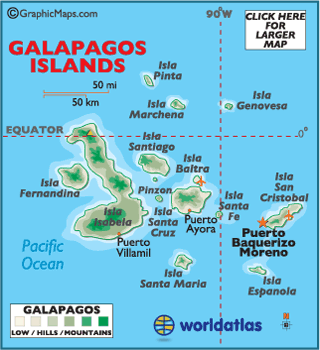
The Galapagos were discovered in 1535 by Tomas de Berlanga. Until the 19th century the islands were used as hideout for pirates who robbed the spanish galleons carrying gold and silver from South America, back to Spain. The islands became famous around the world after the survey ship HMS Beagle, arrived in the Galapagos in 1835. On board was a young naturalist named Charles Darwin.The islands became Ecuador’s first national park in 1959, and these now aggressively-protected islands and the surrounding marine reserve were both declared World Heritage sites. We will have stayed almost 3 weeks here and must say a minimum is 7-10days if you can do a cruise between the islands.


Today, May 15th, all the laundry is done, we have the tanks filled with diesel. We still have some food shopping to do and then we can leave for the Marquesas on May 17th. We think it will take about 25-30 days of sailing….
April 2016 Trip doorheen Ecuador’s Amazone gebied
Na ons bezoek aan Quito, regenachtig en bewogen vanwege mijn iPhone die verdwenen is, trokken we verder naar het zuidelijker gelegen Banos. Dit is een stadje gelegen naast een rivier tussen twee bergketens. We logeerden in een leuk hotel (Floresta Hotel) en alles is op wandelafstand. Toen we op het marktplein met elkaar aan het praten waren, werden we aangesproken door een vlaams koppel Roos en Eddy (wonende te Asper) die van hun pensioen/vakantie genoten door verre reizen te maken. We praatten wat bij in een koffiehuis en het klikte meteen. We hebben samen met hen een wandeling gemaakt naar een waterval, maar dat bleek uiteindelijk meer een wateruitschuiver te zijn, zo ongeveer een meter hoog. Wel veel debiet, dat wel. Maar het plezier zat hem in de wandeling en de kompanie. Eddy, huisarts, kende zelfs onze buur Rik Joos (reumatoloog) van de Kerkkouterrede in Destelbergen. De wereld is klein!
De volgende dag zijn we vertrokken met de bus voor een vierdaagse reis in het Amazonegebied. Dat was niet goedkoop en een beetje een gok, maar we wouden iets buiten het gewone, dus werd het een trip met een kano en alles nodig om vier dagen (drie nachten) te kamperen in de jungle. Ons vertrekpunt lag in Lago Agrio, en de voormiddag was besteed aan het klaarmaken van de boot, zijn bestuurders en het materiaal. Daarna vertrokken we in de lange kano, op de rivier die onze gezel zou blijven voor de volgende vier dagen, dit is namelijk de enige manier voor de mens om door het Amazonegebied te reizen: de vaste grond is dicht begroeid en wisselt af tussen moeras, modder, rivieren en vaste grond. Langs de rivier zie je ook relatief veel wilde dieren. De rivier is een snelstromend bruin water, variërend van 0,5 tot 8 meter diep, afhankelijk van de breedte. Waar het in het begin allemaal nogal nauw was, zo’n 5 meter, met op vele plaatsen boomstammen die op het oppervlak lagen en waar we overheen vaarden, veranderde dat steeds meer tot een wijde stroom waar zandbanken en ondieptes de zaak interessant hielden voor onze stuurman. Gelukkig had onze stevige polyester kano maar een 30 cm nodig om ergens overheen te geraken.

We zagen apenfamilies, heel veel vogels met als uitschieters toucans (helaas niet van dichtbij), rivierdolfijnen (terug niet zo heel duidelijk, want ze vertikten het om eens uit het bruine water te springen), kleine schildpadjes, en riviervis. Op sommige plaatsen zitten er Piranhja’s, en je weet dat best vooraleer je een duik in de rivier neemt. Na onze eerste nacht in het oerwoud, voor het ontbijt sprong onze gids bij wijze van verfrissing even vanuit de kano in de rivier, en het viel me op dat hij bijzonder vlot en snel terug in de kano zat. Ik was net van plan om zijn voorbeeld te volgen, toen hij me twee schaafwondjes op zijn torso toonde, waar de super scherpe tanden van de piranjha’s een laagje vel hadden afgeschraapt. Blijkbaar had hij zich vergist van veilige zwemlocatie, en maar goed dat ik zijn voorbeeld niet gevolgd ben, want als je wat meer tijd nodig hebt om uit het water te geraken kan ik me inbeelden dat je er wat meer bij inschiet dan wat vel…
De tocht bracht ons langs mooie natuur en vele gemeenschappen van amazone indianen. Iedereen leeft langs de waterweg, en we hebben ook nog een tweetal dorpen bezocht. Deze gemeenschappen zijn voor een heel groot deel op zichzelf aangewezen: ze hebben eigen scholen en organiseren zelf het gemeenschapsleven. Het gaat er heel relax aan toe, en het valt op hoeveel kinderen er zijn. Naast het telen van landbouwproducten voor eigen gebruik (bananen, yuka wortelen, mais) drogen ze ook cacao bonen om te verkopen. De vrouwen maken ook sieraden die ze zelf dragen en ook doorverkopen op de markt, zowel aan Ecuadorianen als aan buitenlanders. Toch kan je er niet naast kijken dat er geen hoge levensstandaard is, we aten in een huis van een familie die afwezig was, en dan zie je dat het huis enkel bestaat uit een houten platform ongeveer een meter boven de grond, met daarboven een bananenbladeren dak. Sommige vertrekken hebben een houten muur (keuken en kamer), maar de living is open aan alle zijden. Van een kastje of een deur is geen sprake. Onder het platform leven de honden en eenden. De kippen lopen vrij rond in het huis…
En af en toe kwamen we ook mislukte projecten tegen. Zo zagen we een leegstaande nieuwe school en een eco hotel dat ingepakt was, wachtend op toeristen. Een foutje bij de inschatting van de bereidheid van toeristen om ver in de jungle te reizen.
We hebben ook een wandeling gemaakt van een tweetal uren in het oerwoud vertrekkend van de stroom via een uitgehouwen pad op vaste grond tot aan een groot meer. Je hoort heel veel, maar de dieren zijn meesters in het zich verschuilen. Soms kom je wel langs oorverdovende zagerijen: krekels die samen om ter luidst hun boodschap verkondigen.
Deze tocht was interessant, maar toch niet zonder zijn negatieve kanten. Om andere reizigers een goed idee te geven van wat ze kopen voor hun geld, heb ik een uitgebreid engelstalig verslag geschreven dat je hier kan lezen. Opgelet, het benadrukt nogal de negatieve kanten om als waarschuwing over de organisatie voor anderen te dienen , alhoewel waarheidsgetrouw hebben we ons meestal wel geamuseerd.


travel advisory for Marco Polo Tours, Lago Agrio
Voor onze blog lezers: dit is een speciale blog die dienst doet als klachtenbrief
April 2016
Quick Summary:
My wife and myself had a bad experience that I wish to share so other people can avoid this. So:
- Avoid Marco Polo Tours (marcopolotour.com) in Lago Agrio with owner Ivan LLori
- Avoid Murillo Quiroz Freddy Rogelio (Freddy) of Extremos San Limites Aventur / Rutas Doradas Expeditiones in Banos
Freddy will sell you what you want to hear, at a commision and then be unavailable for backing up what he sold.
Ivan is not true to his word, overcharged us, and is not a pleasant person to have with you on a trip.


The long story:
My wife Ilse and myself, Stefan, wanted to see the Amazon and the indigenous people in a personal way, instead of being part of a
big group. While Ilse speaks relatively good spanish, I am an absolute beginner that has to use my French knowledge to try to understand the language.
So to us it was important to have an individual tour, and an english speaking guide. Further we wished to have a pleasant 4 day / 3 nights
travel experience in the amazon jungle, camping in tents along the way while visiting remote sites. We were willing to pay a correct premium price for this custom made trip.
We sat down with Freddy Rogelio of Extremos San Limites Aventur in Banos for a couple of hours, while he took us through the available options and confered with his organizer (Ivan LLori) in Lagro Agrio. Together, they proposed a 4 day tour that would take us to the Yasuni NP, where we would meet the indigenous people, at a cost of 1000 USD for the two of us.
Of this, we payed 300USD to Freddy up front.
This was to be an individual tour, with an english speaking licenced guide, and a crew of four other support people. The price was steep, but this was because of the expense involved in a private tour, where all the support material had to be carried along (tents, cooking material, food) in the boat.
We left the next evening on a night bus Banos-Lago Agrio, included in the trip. When we got to Lago Agrio at 5:30, we waited in the
bus station to be picked up, which happened after half an hour, since the bus was a bit early. We were taken by a woman,
(who turned out to be Ivan’s wife) and a cab driver to the office of Marco Polo Tours where we had to wait till 7:00 to get breakfast in a nearby hotel.
Strangely enough, the breakfast price was not included in the tour package. We found this odd, given the price we payed, and told the woman so. She said that was the way it was.
We stated very clearly to her (in spanish) that we were paying for a personal tour, with a licenced english speaking guide, and the woman confirmed this explitly (Si, no problemo). This turned out to be a complete and deliberate lie. Feeling a bit at unease by the initial experience, we asked if we could pay 500USD of the remaining sum of 700 USD before the start of the trip, and 200 USD at the end, but after calling back and forth between Ivan and his wife, this was not possible, since he had bought all the supplies already. Reluctantly, we payed the whole sum.
We had trouble with getting money from the ATM, but they were very helpful to let us call our US bank credit card helpline, and drove us to several ATMs in the city. In the end we were able to retrieve money from the ATM, and payed.
We squeezed in the back of the taxi truck with our backpacks, and two other persons, for what we thought was a short ride. In the front was the cab driver and Ivan’s daughter with a 20 week old baby (She turned out to be just hitching a ride, since we never saw her on the rest of the trip). In the back were Ilse, myself, our daypacks, Ivan’s wife and another person (!) Needless to say it was very cramped. The ride lasted an hour, with a stop at a gas station to fill two large diesel containers, and two short stops in town for something. It was sweltering hot in the truck, and we were very happy to get there, since we were cramped with our backpack on our knees.
When we arrived at the departure point we met our team. Well this is to say we saw a long canoe, with two persons on board. Everybody ignored us, which we found rude. A person in the canou was shouting orders to the other helpers as they were loading the canou with the stuff from the taxi truck.
Finally, as everything was loaded, the person in the canou said in Spanish: I am here to make sure that the others do everything correct, I cannot walk because of my leg injuries, but you will have no trouble from me. Since they failed to introduce themselves, we did so, and asked for everybody’s name. There was the handicapped man, Ivan, the canou driver Martin, the cook Maria, some silent person and the spanish speaking guide Javier, who assured us that his english speaking friend would come on board soon.
We left around 1 pm and left for a lodge where we would have lunch. Along the way, we enjoyed the beautiful nature and made frequent stops to identify and point out the wildlife. Just before our stop, the silent guy left the boat: it turned out we were giving him a ride to a lodge.
When we informed about what would happen that day, Ivan explained that it was impossible to go to the Yasuni NP with just 4 days, and that we would visit the Cuyabeno NP instead. When we explained that Freddy in Banos had promised us a circle tour, (I.e. not going out on a river and coming back the same way) Ivan did not agree and explained that the return leg would then be on the ‘petrol exploration’ river, where there was no wildlife to be seen. He proposed instead a special tour to Cuyabeno indiginous people with a visit to a shaman (village chief) and a drink of the indigenous special brew. He said that he would of course take us to wherever we wanted to go, since we were the paying guests (as if we had knowledge of where to go).
The lunch was simple but good, and after an hour we got back into the boat. Suddenly two more men with backpacks climbed in the canou, and I politedly inquired who they might be. They turned out to be two extra tourists, going along for the ride. After assuring the two men that this was not personal, I objected to Ivan, who said that it is impossible to do this tour with only two guests. I asked the new guys, Barry (from Australia) and Raoul (a biologist from Hunduras) how much they payed, and it was about half of the price we payed (But admittedly they did not have to pay an intermediate sales person). So here we were, in the middle of the jungle, the trip payed up, and an organiser who said (in spanish) “it is what it is”. Ilse and I decided to go along, and complain afterwards asking for a partial refund.
Luckily, Barry and Raoul turned out to be two friendly and interesting guys, who added to our enjoyement of the tour.
That evening, about an hour before nightfall, Ivan started looking for a place to camp. We found one, but after Javier had cleared the area with a machette, Ivan found it too small. So we searched for another site, and by the time they were ready to put up the tents, it was getting dark. The tents turned out to be a mix a four relatively new (10 years?) 2-person tents, and an old 4 person tent. None of the tents had a outside rainshield cover, one had a torn mosquito net, there were no pickets, and the fiberglass rods for the small tents had seen better days, as some were split from too much tension. To their credit, Martin and Javier did a good job of setting up the tents (it seemed to be their first time too), and put all the tents underneath a giant plastic sheet that they supported by sticks cut in the jungle. All of this happened under the ‘guidance’ from Ivan, who stayed in the canou while he helped Maria, the cook. I might add they finished in the pitch black.
We built a fire, and ate our dinner while sitting around the fire on the boat benches.
We slept ok, and the next morning awakened to sound of waterdrops on the plastic sheet. It turned out to be the remainder of rain and the dew that was dripping from the trees, making it sound worse that it actually was. This is the rain forest, after all.
The next morning, I saw that our guide took a dip in the murky brown river, and was in and out very quickly. I was just about to do the same when he stopped me. He showed me two bleeding skin patches on his torso, caused by hungry piranhia’s. I wisely took a cooking pot and got some water from the river to wash me instead…
That second day, we enjoyed the amazon jungle, and made frequent stops along the way to look at the wildlife (Birds, turtles, monkeys, dolphins. In the late afternoon, we visited a large indigenous community, and found that they had a covered raised platform, which would be ideal for the night. We asked Ivan if we could sleep there, and he made the necessary arrangements with the village chief.
Dinner was served on a nearby river sandbank, where we had the opportunity to swim, relax and learn how to fish like the locals. While Ivan, Maria, Martin stayed to sleep on the river island, we went to the village where Javier had pitched our tents on the platform. It was the end of a nice day.
The following morning, we waited till around 9am before Martin came with the canou to fetch us and the tents. Then it was back to the sandbank, where Maria still had to start the breakfast. There was no schedule to the days of Ivan, so it was always a wait and see thing.
After cleanup of the kitchen, we left for another nice day. The son of the village chief went with us, to guide us on a walk through the jungle. The canou dropped us off at the start of a path, and then went to the endpoint of the walk to pick us back up. The two hour walk was very nice, and showed us another side of the rainforest, from the ground instead of from a waterbound canou. Unfortunatly we did not see any wildlife, only heard the sounds of birds and monkeys.
The walk ended at a lake, where we took the canou to visit a nice but empty jungle hotel, that was all locked up. Sadly, this splendid accomodation, owned by the indigenous people, was too far of the beaten path to attract tourists, and so it was boarded up. After a while, we took the canou and left the lake through an overflow channel, which took us on a beautiful trip through dense vegetation. A tough job for Martin the driver (lifting the motor over many submerged branches) and Javier, guiding the long boat from the front, often by paddling the bow in the right direction. A highlight of the day!
We made one stop in another village, where we enjoyed a visit to the house of the village elder, who had a Capybari couple with a young in captivity, a parrot and a monkey. We bought some souvenirs and returned to Ivan, who as always remained in the canou (Because of his handicap which made it very difficult for him to walk)
The last night we spent on a wet sandbank, where we arrived a half hour before dark. You would think Ivan knows that he needed at least 1,5 hour to set up camp, but alas. It started raining, so Maria had to cook in the rain… Luckily it stopped soon after, and we were able to eat in the open, and not underneath the low ceiling of the plastic sheet. Ivan did not show himself that evening, and maybe that was good, because our patience with him was wearing thin. Lots and lots of promises, but little actual delivery. The visit to the shaman did not materialize, nor the indigenous drink. For example, we had lunch in a wooden house of an indigenous family along the water, but they were off to the jungle. We almost landed twice at a village, but turned away just before mooring because Ivan did not like it.
Ivan had suddenly revealed just before the last camp that there was a way to avoid the 8 hour return trip by canou along the same way, by taking a two hour bus ride (Ivan would still have to make the 8 hour canou ride). We said that was a good idea (why bring it up so late?) and would take that opportunity. The next morning, Ivan said we would have to take the long 8 hour ride anyway, since he was low on gas, and would not have enough to take us to the bus and then make the return trip himself. We rebeled, and told Ivan not to be such a cheap shot and buy some gas along the way, since every house has gas available.
Ivan did also not want to eat with an indigenous family, since they would expect him to share the food with them (and he wanted to avoid the expense of that)
All of this is a bit hard to stomach if you have payed a lot of money for the trip…
So on the last day, after our bus ride we arrived back around noon at the office in Lagro Agrio, where we picked up our luggage. Unfortunately for Barry, his backpack which was laying in the unprotected office had dissappeared. Probably because of a mixup with another group that had their luggage collected by a third person, but it goes to show that there was no adequate control in the office. I hope he got it back, since there we a lot of valuables in it. [Update: he emailed us that some other group had taken his backpack by mistake and was able to chase them down and recover his pack ]
We explained to Ivans wife that we wanted a refund of 200 USD pp, which would bring us in line with the price Barry and Raoul had payed, and she was sympathetic and confered by GSM with Ivan, on his way with the canou. We had to wait till Ivan showed up. Once he did, Ivan’s wife changed character and flatly denied that at the start of the trip she had confirmed that we were going on a private tour with an english speaking guide.
To make a long story short, Ivan blamed Freddy (the Banos seller), and Freddy blamed Ivan. Both said we had to resolve our issue with the other one.
I told Ivan and Freddy that my only recourse was to publish this on the internet, but that elicited no reaction. So that is exactly what I have done here.
Looking back on this adventure, don’t think that we did not have a good time. After all, the nature is splendid, the 3 support people made the best of the given situation and were very friendly, and Barry and Raoul turned out to be very nice people.
Our only quarrel was with Ivan as a person and an organiser, and the price of the trip.
In conclusion,
– Do not trust the sales guy Freddy in Banos, he is totally untrustworthy about knowing and delivering what he sells. Maybe he is ok with air rides, canyoning or waterfall visits, but clearly not multi day trips for which he uses Marco Polo Tours. When we got back to Banos, he was conveniently on a trip, and in order to talk with him, we had to buy the boys in the ‘office’ 2 USD cell minutes…
– Do not use the marco polo tours travel agency in Lago Agrio because Ivan is not a nice person to be around, is not a good organizer and overpromises and under delivers.
You can reach me on stefan@decuypere.org if you want more information. Please be advised that I am traveling and may not be able to answer right away.
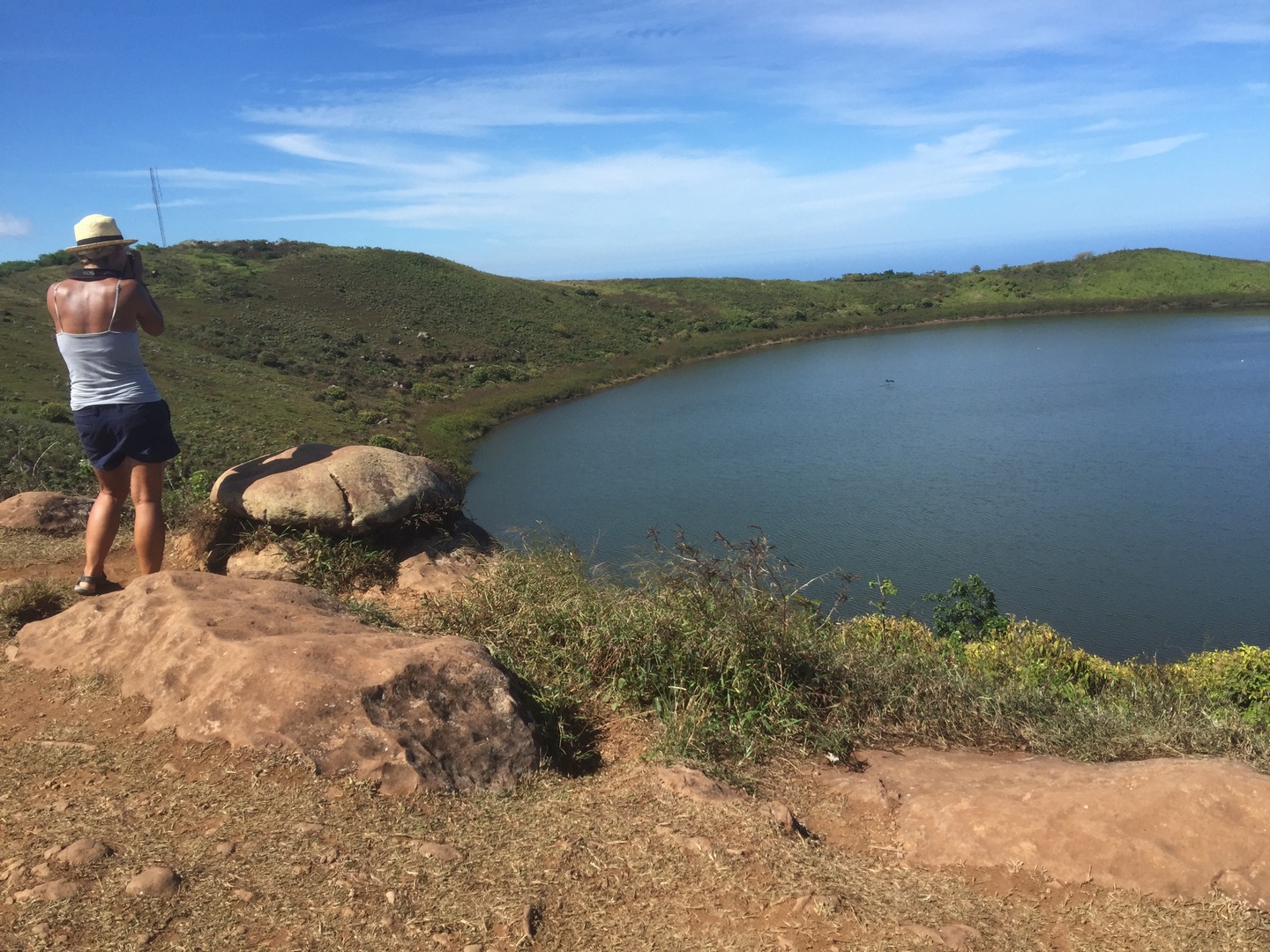
el junco, san christobal, galapagos
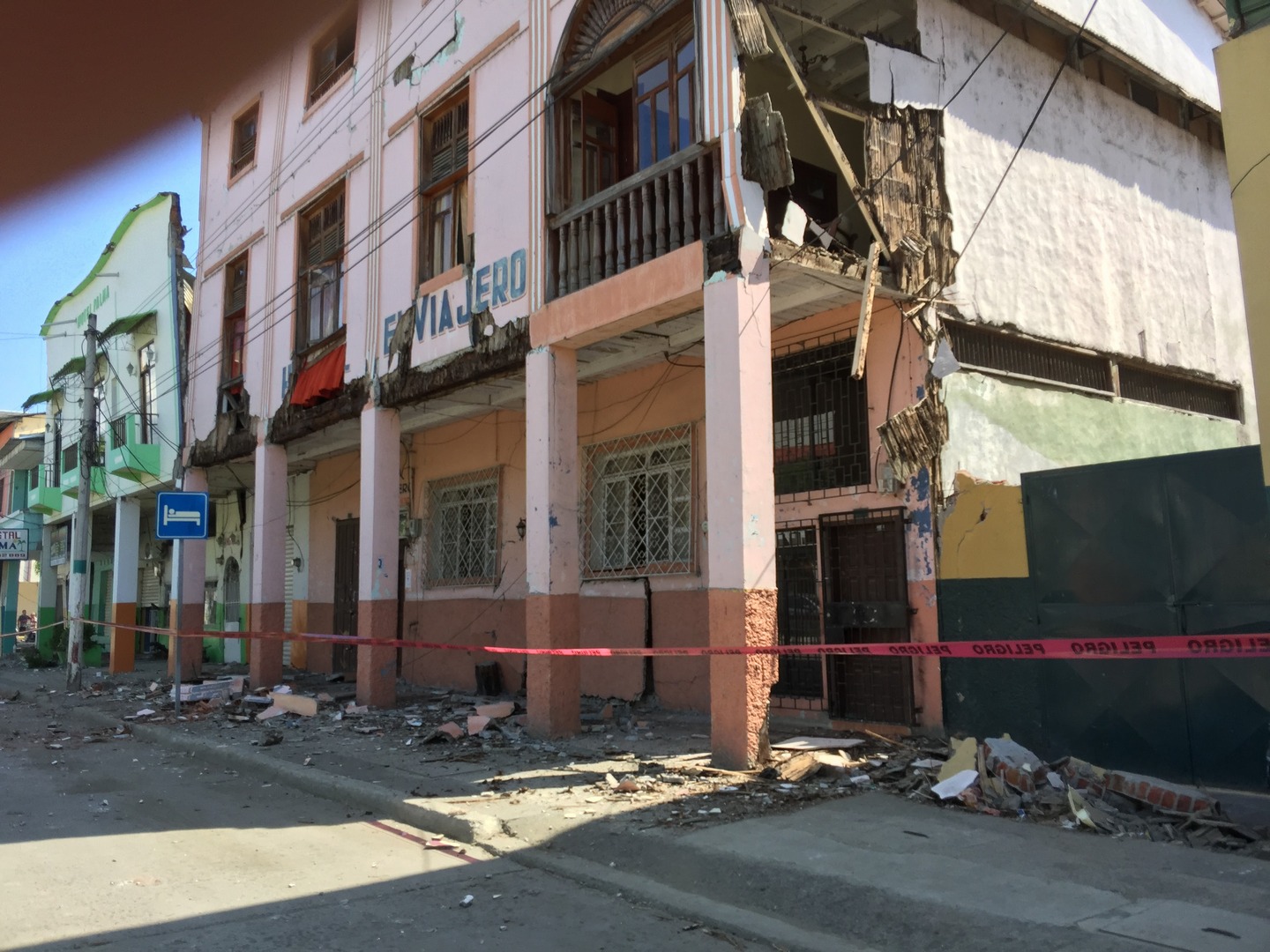
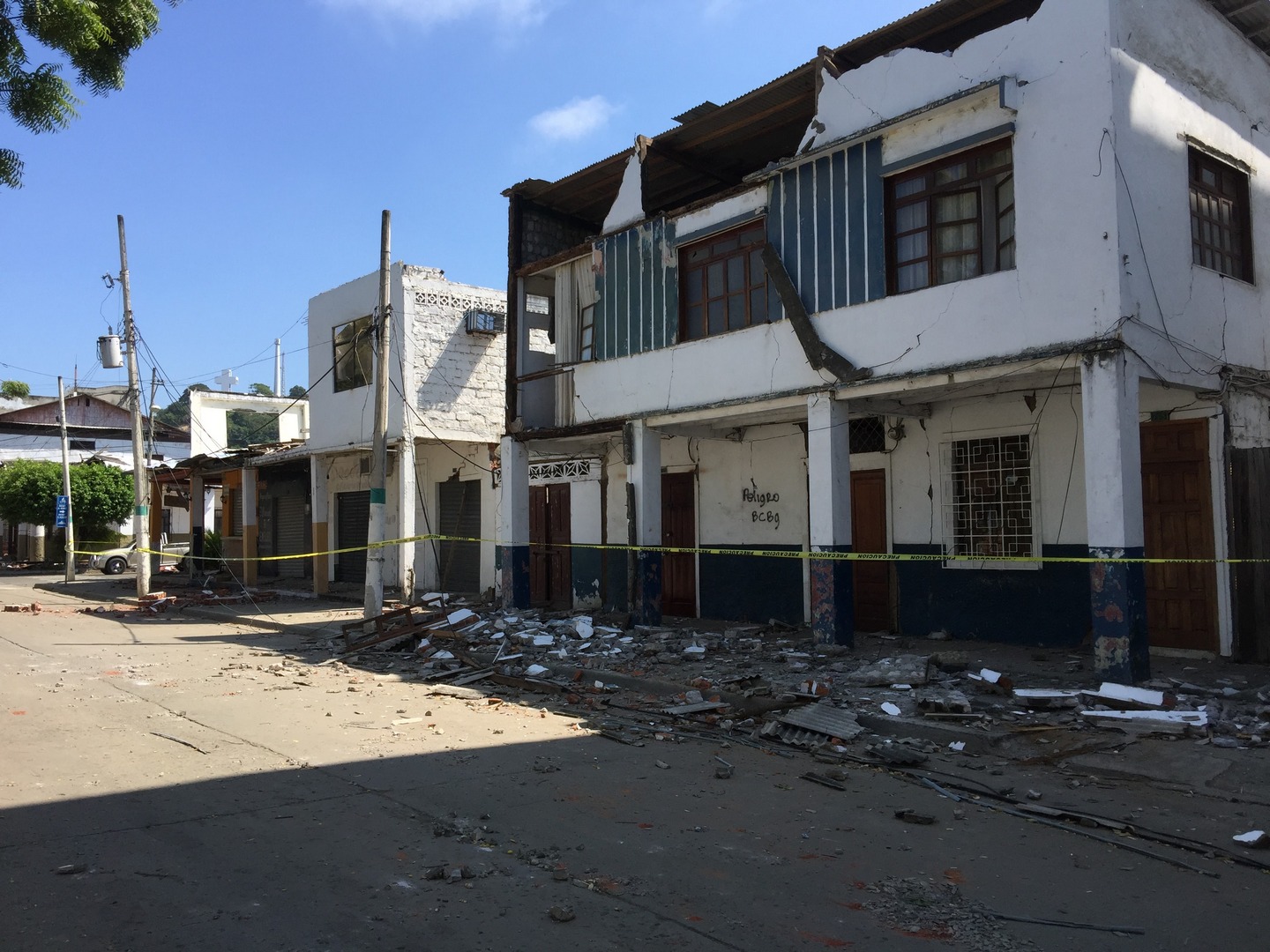
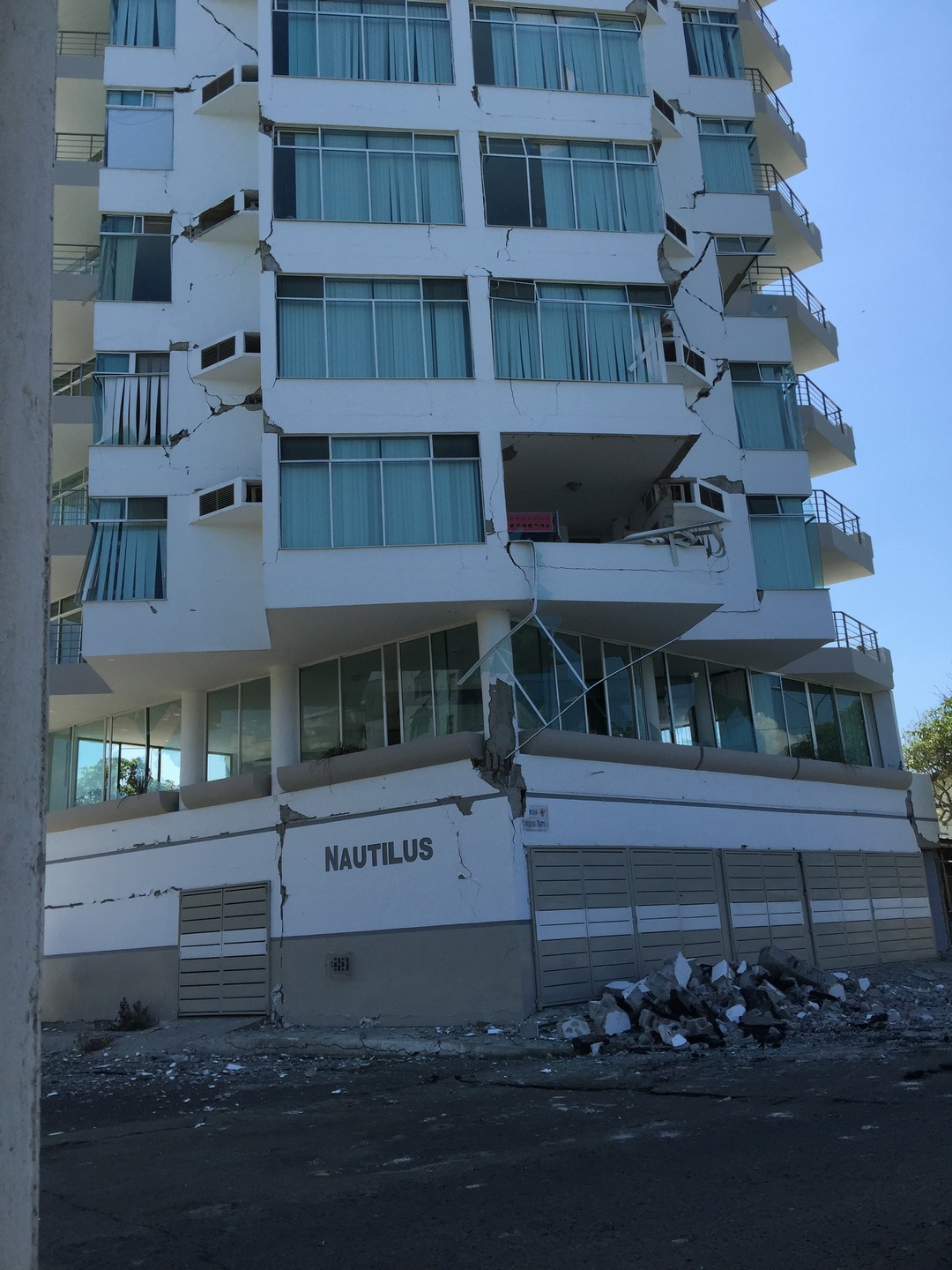
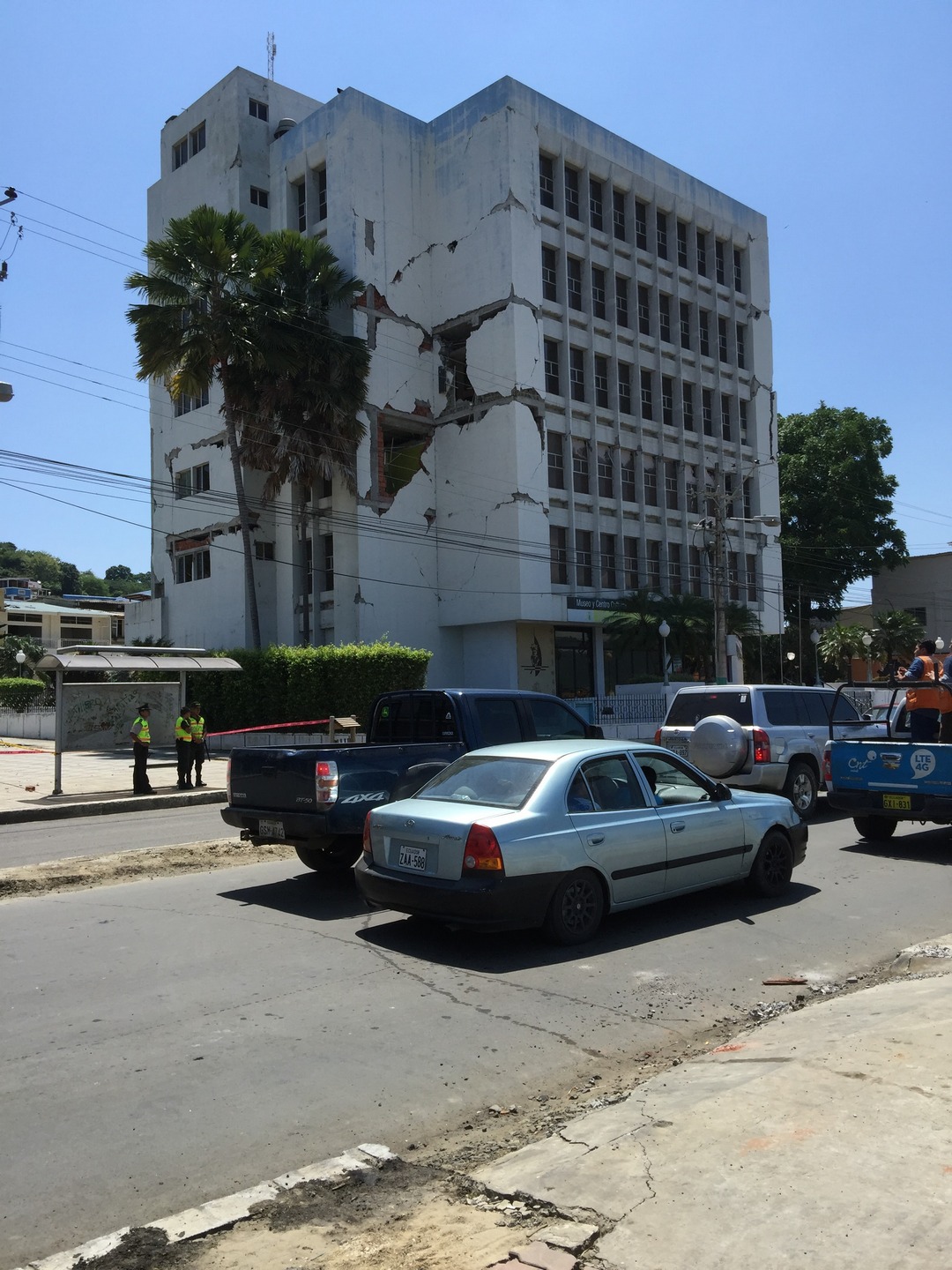
Leaving a Bahia de Caraquez in ruins
We finally left Bahia Saturday at 4.30 PM, we waited an extra day to get
our “zarpe” form the port captain. This is an official document saying we
can go to the next harbour. The cost for this 120 USD ! Cruising is not
cheap in Ecuador. I was happy we could leave with all the documents since
there was still no electricity, Internet or running water in Bahia. It will
take months before they will have life back to normal. Every day we saw
people getting their things out of the dust and damaged homes into trucks,
not sure if they will come back. We were lucky we were in Cuenca and there
was no tsunami!
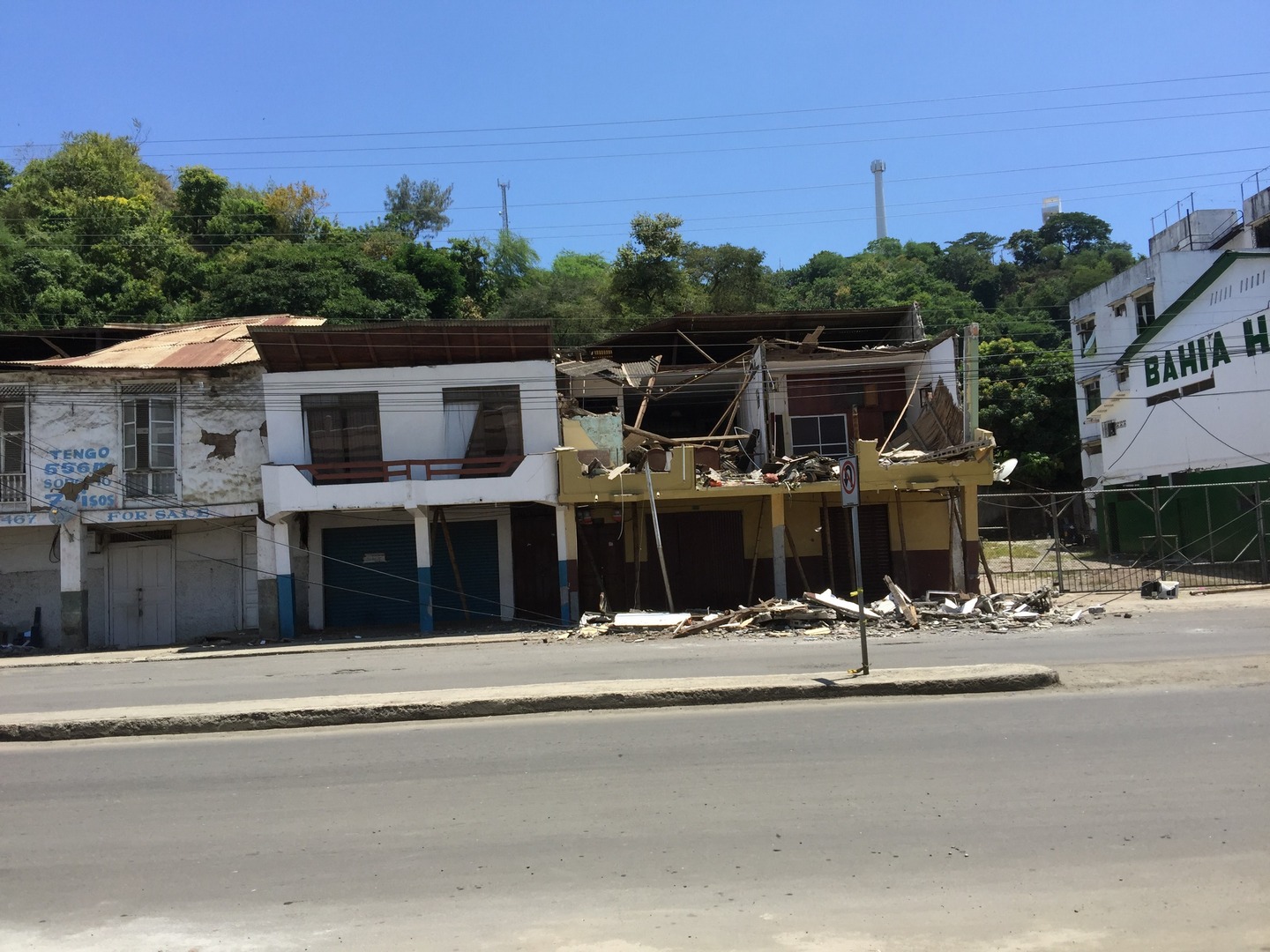
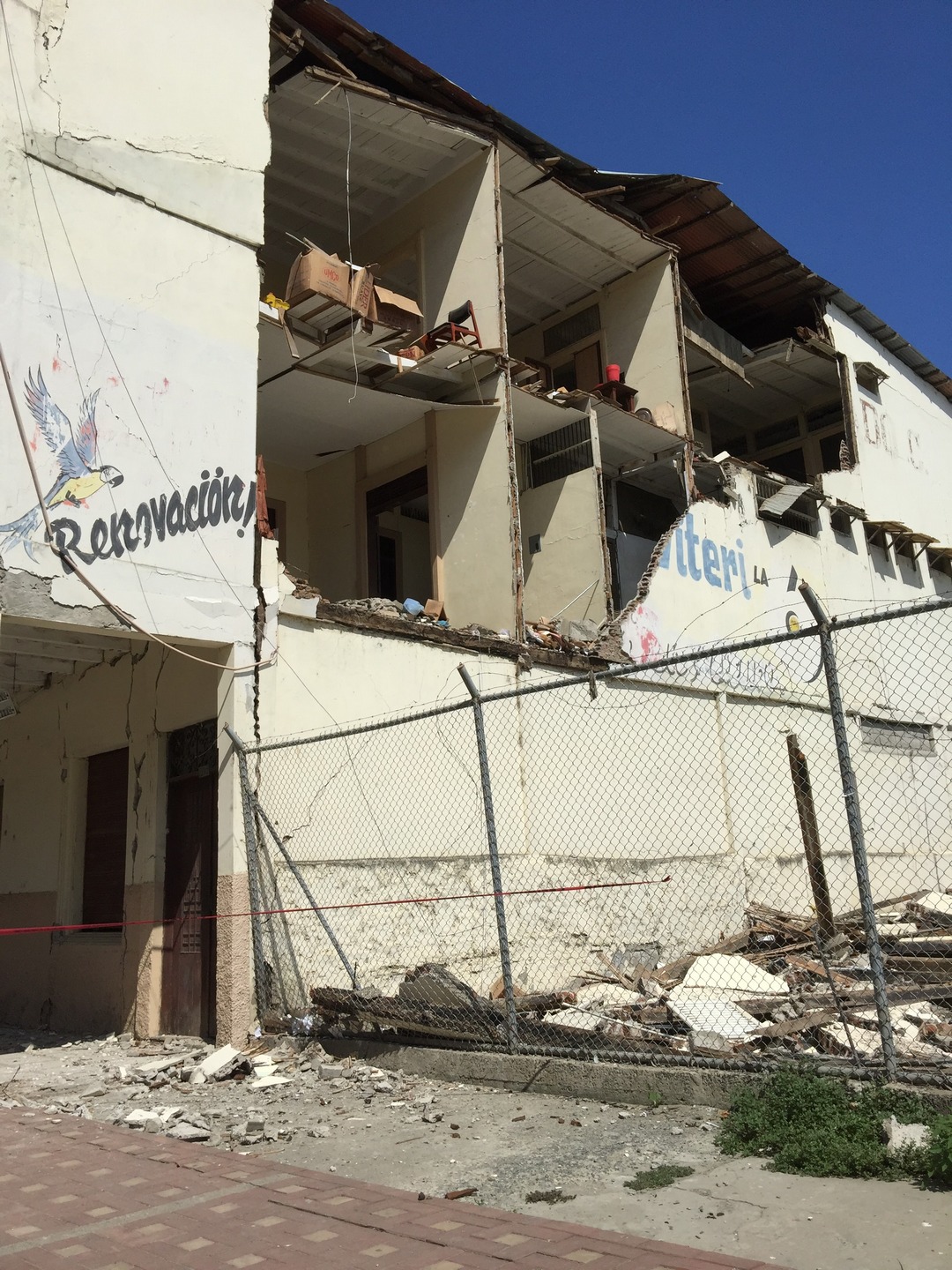
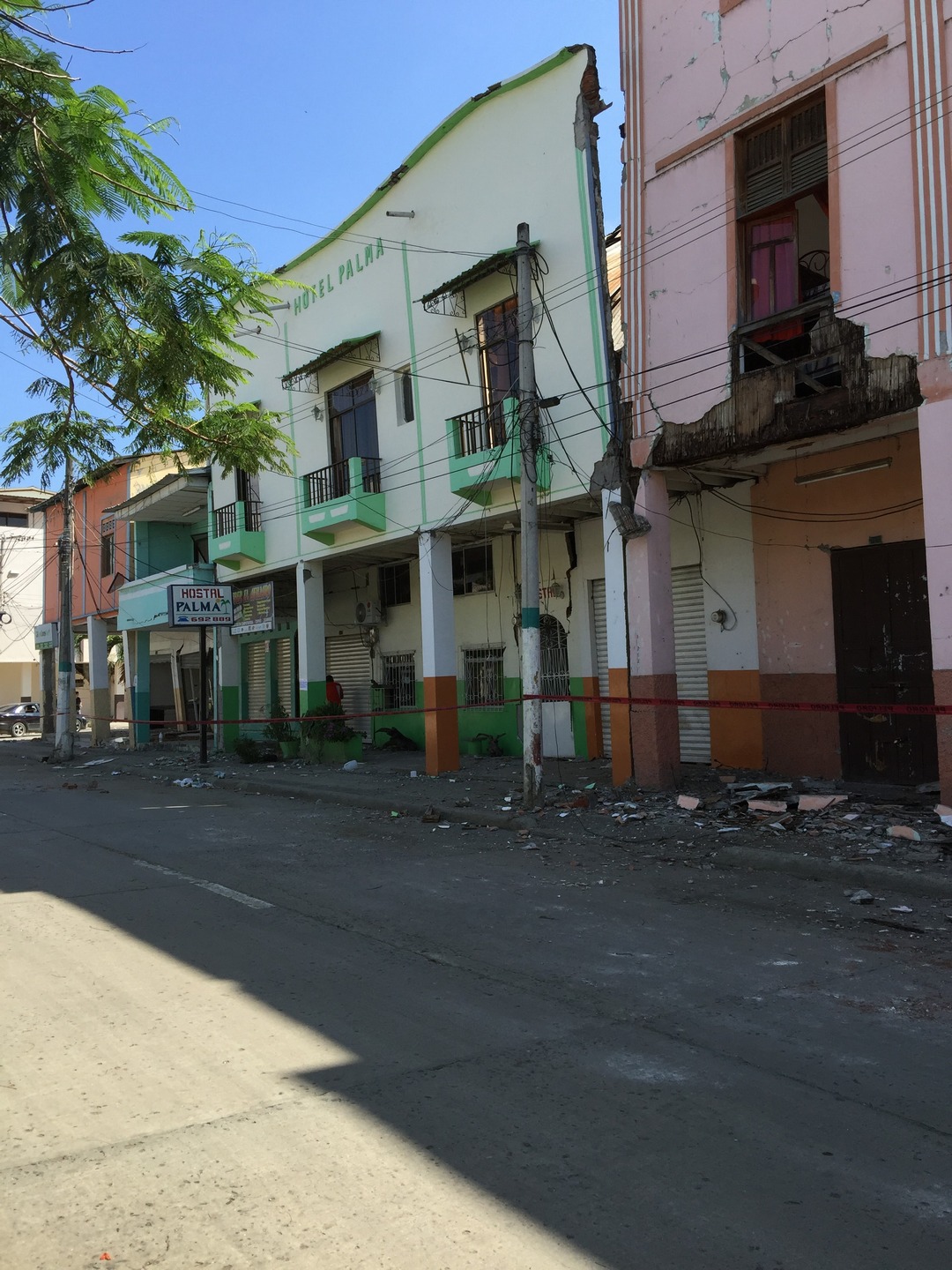
Today, Tuesday April 26th, we are 72 hours at sea and about 300 NM from the
mainland and another 220 NM to go. We have not seen another boat, it is
like we are alone on the world. No land to be seen in any direction. A good
thing we have the chart plotter telling us we are sailing in the good
direction and we are approaching the Galapagos slowly but surely.
Day 1 was spent searching for wind, we had to motor so much that I was
afraid we would not have enough diesel to get to the Galpagos. As soon as
the wind picked up to 8 knots we turned off the motor and sailed as long as
we could. At night we watched the movie “Room”, good movie !
Fortunately day 2 the wind picked up and we could sail most of the time
although not very fast, 3-4 knots boat speed but at least we were creeping
westbound. The sea was like a mirror, the sun was out and with the little
wind it was perfect weather to set Marcella to work. She did 2 loads and in
no time everything was dry and folded back in the closet, no ironing
needed. We saw lots of dolphins jumping out of the water and small whales
(we think a short fin pilot whale, but not easy to distinguish since there
are so many) . Are we approaching the land of Darwin..?
At night we watched the movie “Incendies”, sad story but great movie. During my watch from 9 PM to 12PM and from 3PM to 6 PM I watched season 5 from The Good Wife. I have an alarm set and every 20 minutes I go the helm to check if everything is still OK and if no other boats are on our route.
Day 3 has been a great sailing day ! Although the weather predictions were
not good, they said we would have no wind, we have had a constant wind of
12-13 knots out of South, Southeast direction, which is perfect since we
aregoing West ! The boat speed is close to 6 knots and with the current we
are moving close to 7 knots. Let’s see we might make it in 5 days….
halfweg naar de galapagos eilanden
Dag 3 op zee, 300 van de 500 en oneffen mijl afgelegd.
Koud (20 graden) en nat, zo kan de evenaar dus ook zijn.
De eerste dag (Zaterdag 23 april) hebben we rond 17:30 Bahia (De Caraquez) achter ons gelaten. Het was een triestig zicht, want de aardbeving (zaterdag 16 april) heeft lelijk huis gehouden in het stadje, ik schat dat ongeveer 10% van de gebouwen plat lagen, en dat er nog 20% hetzelfde lot moesten ondergaan, want niet veilig meer. Voor ons was er sinds ons terugkomen (19 april) ook niet veel plezier meer aan, want alhoewel de boot ongeschonden uit de beving kwam, was er aan wal geen sanitair (want geen stromend water), geen Electriciteit en dus ook geen internet meer. Alle restaurantjes waren gesloten, maar gelukkig was de supermarkt in de gloednieuwe mall snel terug open (woensdag) zodat we konden verse dingen kopen voor onderweg op zee. De mensen van de supermarkt hadden hard gewerkt, en enkel in de rayon verf en wijn waren nog sporen te zien van de gevallen producten. Ook de diepvriezers en de frigo’s lekten nog water, maar op het einde van de week was ook dit verholpen. Ge
lukkig is het wegennet relatief gespaard gebleven, waardoor de aanvoer snel kon hervat worden. We zagen ook de hulp op gang komen, van het hervatten van de Electriciteit aan de overkant, tot het bedelen van water, tot het aanrukken van zwaar materiaal om de labiele gebouwen neer te halen en weg te voeren. In Bahia moest wel het Electriciteits netwerk heraangelegd worden, omdat het opgehangen is aan houten palen, en de palen en/of de leidingen het begeven hadden. Maar daar hebben we zoals gezegd dus niet op gewacht. Wel op onze vertrekvergunning die de lokale havenkapitein moest afleveren. Met de uitstekende hulp van de marina is dat de zaterdag gelukt, slechts een dag later dan we gepland hadden.
Dus zitten we nu reeds drie dagen op zee. In het begin hebben we gezocht naar voordelige wind, maar dat was niet gemakkelijk, dus hebben veel op motor gevaren. Sinds gisterenavond is dat omgeslagen: de wind is stabiel en uit de gunstige richting, zodat we nu pal richting Galapagos varen aan een gezapig tempo van 5 knopen. Het gaat steeds gemakkelijker om het ritme van S’nachts 3 uur op, 3 uur af gewoon te worden, overdag doen we wat hazenslaapjes om beurt, maar zijn we meestal samen wakker. We houden ons bezig met lezen, muziek luisteren, filmpjes kijken, koken, eten en wat onderhoud. Zo heb ik al aardig in de shit zitten wroeten want ons toilet heeft last met de afvoer. Tot nu toe nog geen oplossing gevonden voor de reflux van ons toilet, maar we hebben er twee, dus we trekken onze plan.
Op zee hebben we nog niet echt veel gezien: een makreel (aan de vislijn 🙂 ), een grote groep dolfijnen die veel uit het water sprongen (aan het jagen op vis?), enkele heel kleine walvisjes (short Finned whale), en s’nachts terug enkele onvermoeibare meeuwen die om en voor de boot vliegen. Maar zoals gezegd zijn dat de hoogtepunten, want het is bijna continu overtrokken, en de dauw s’nachts zorgt ervoor dat alles buiten en binnen vochtig wordt. Bizar, ik dacht dat de evenaar garant stond voor heet weer, maar het is hier een Belgisch herfstweertje. Het kan echter elke dag omslaan, want als de zon door de wolken breekt is het direct zomer.
 Sanuk 2014-2018 travel stories